Year 3 News








 Beaumaris North Primary School
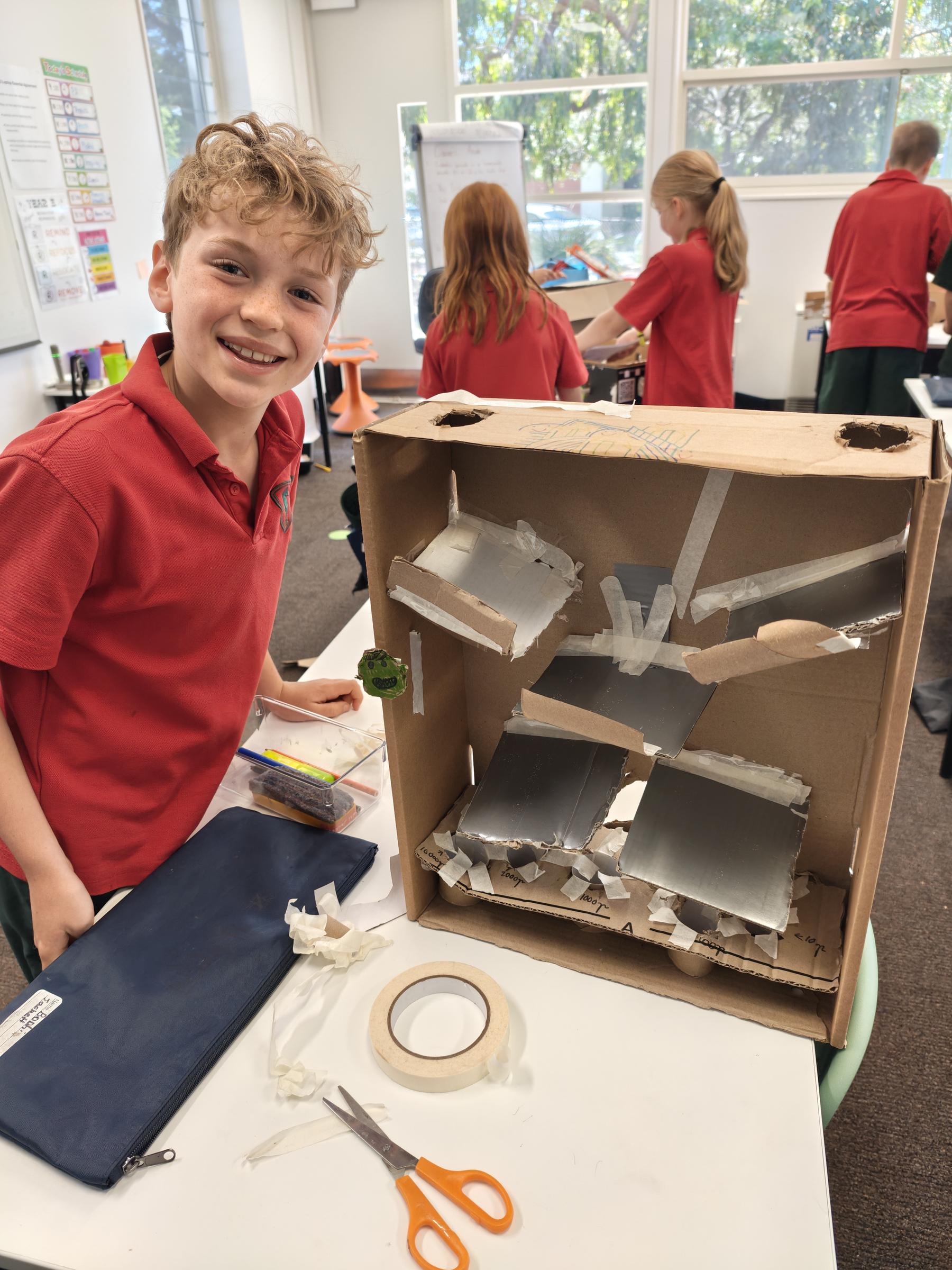
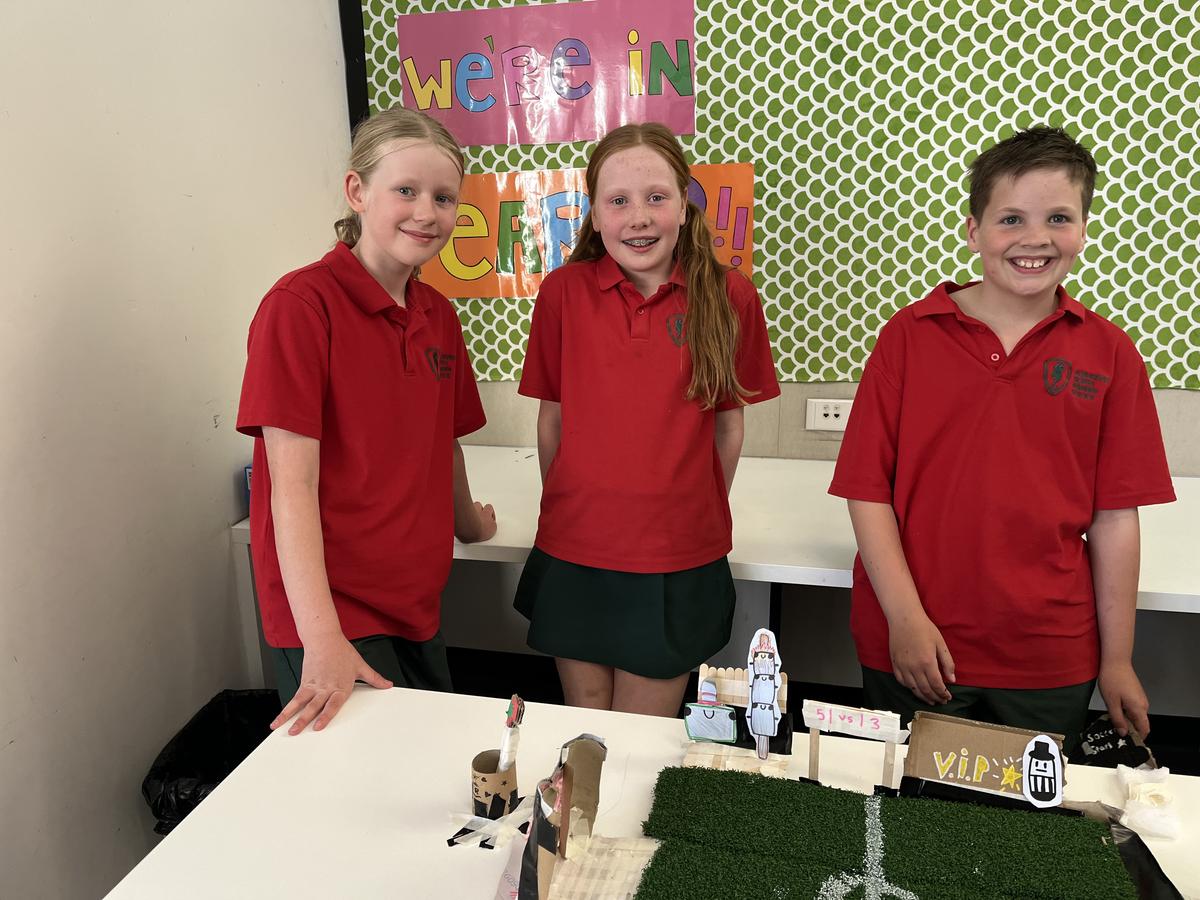
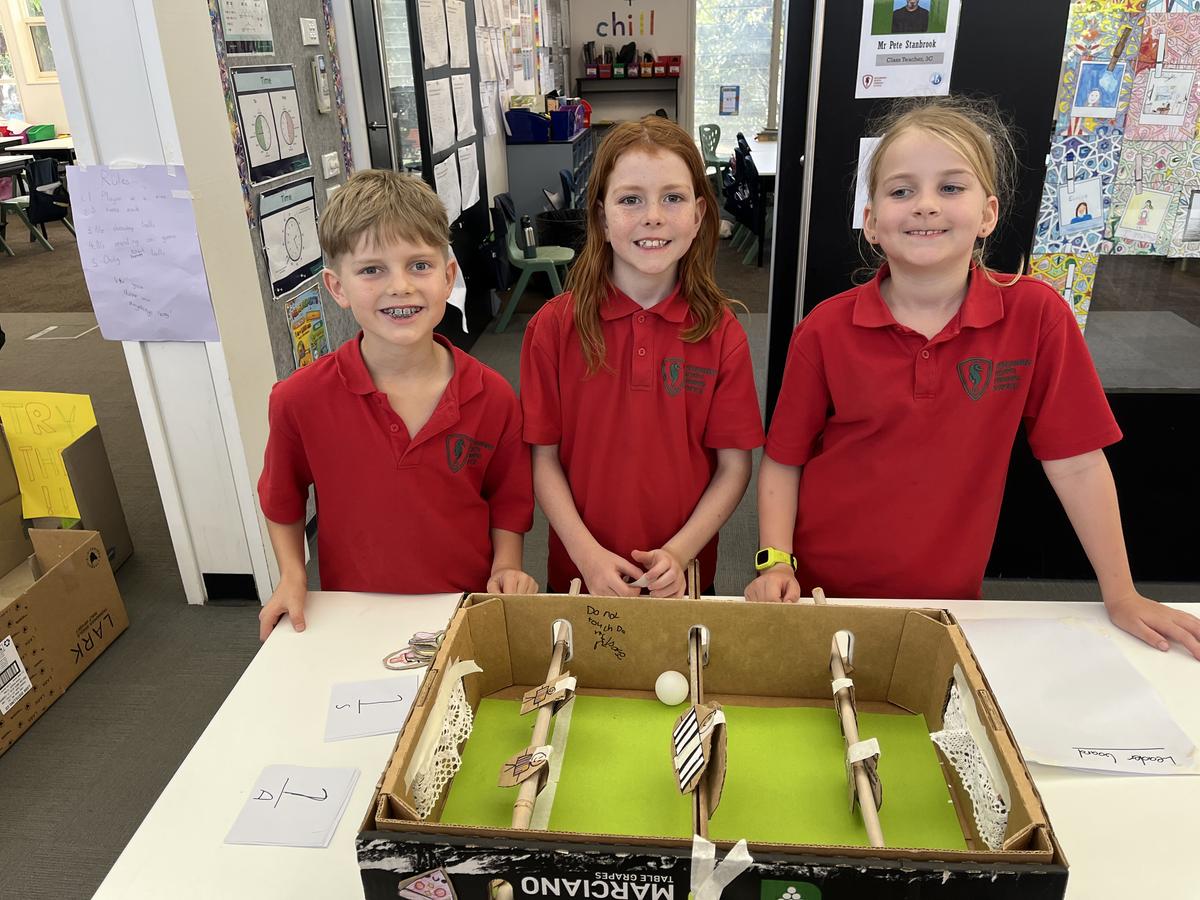
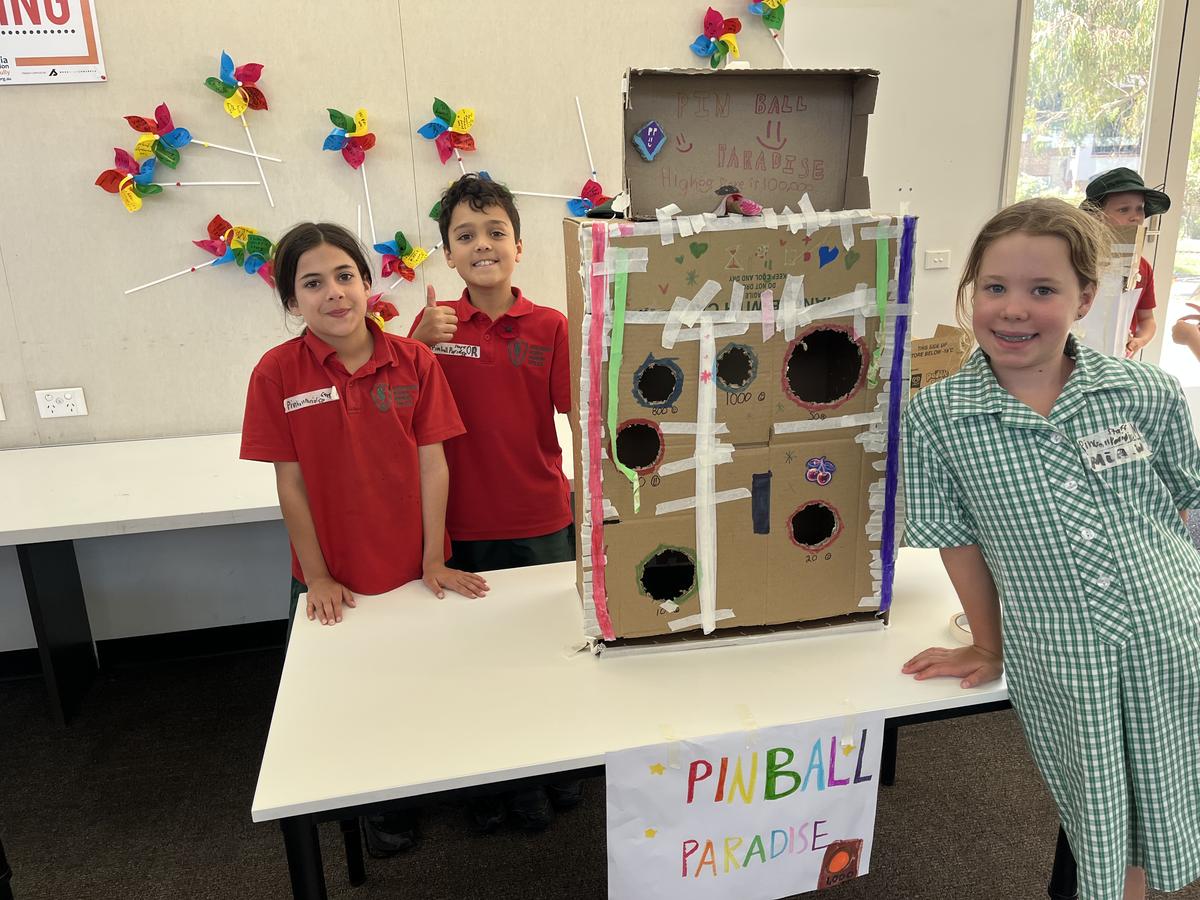
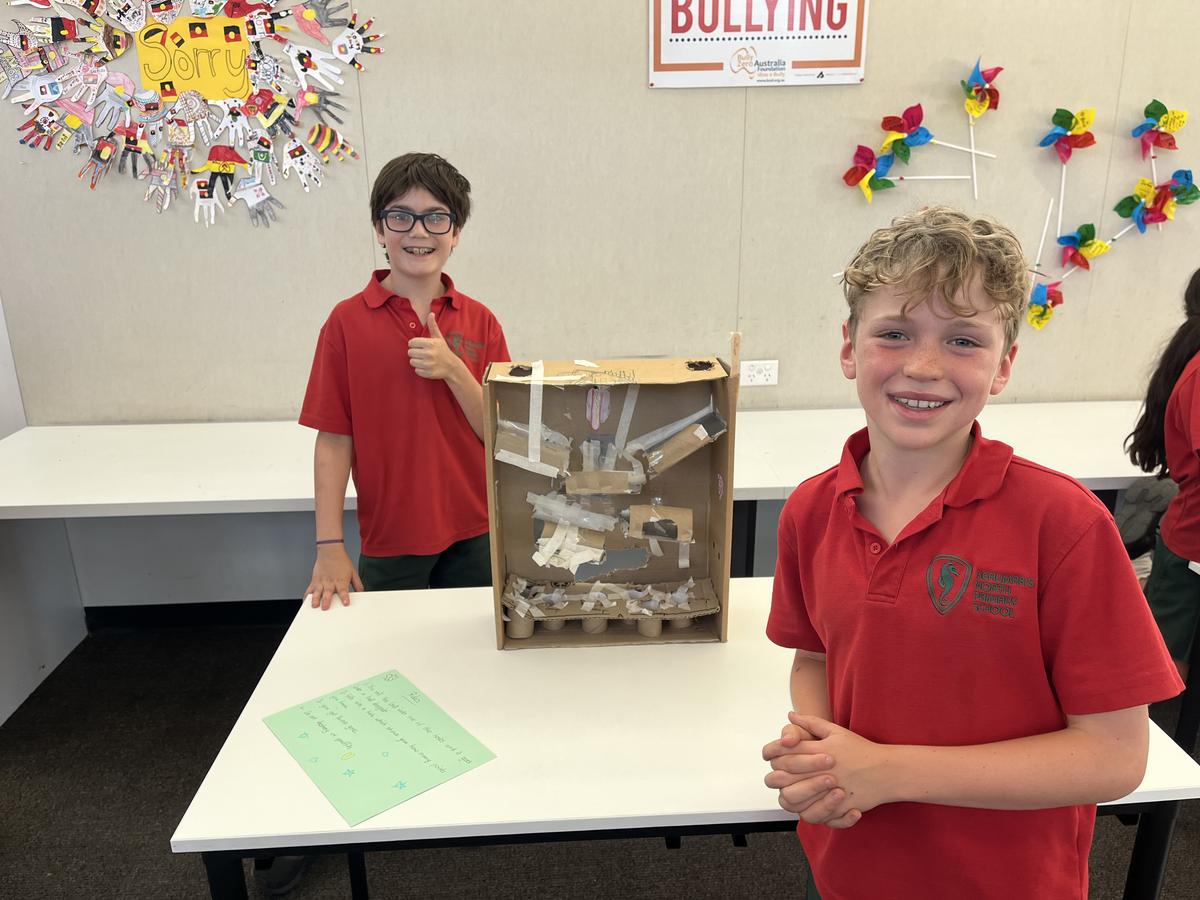
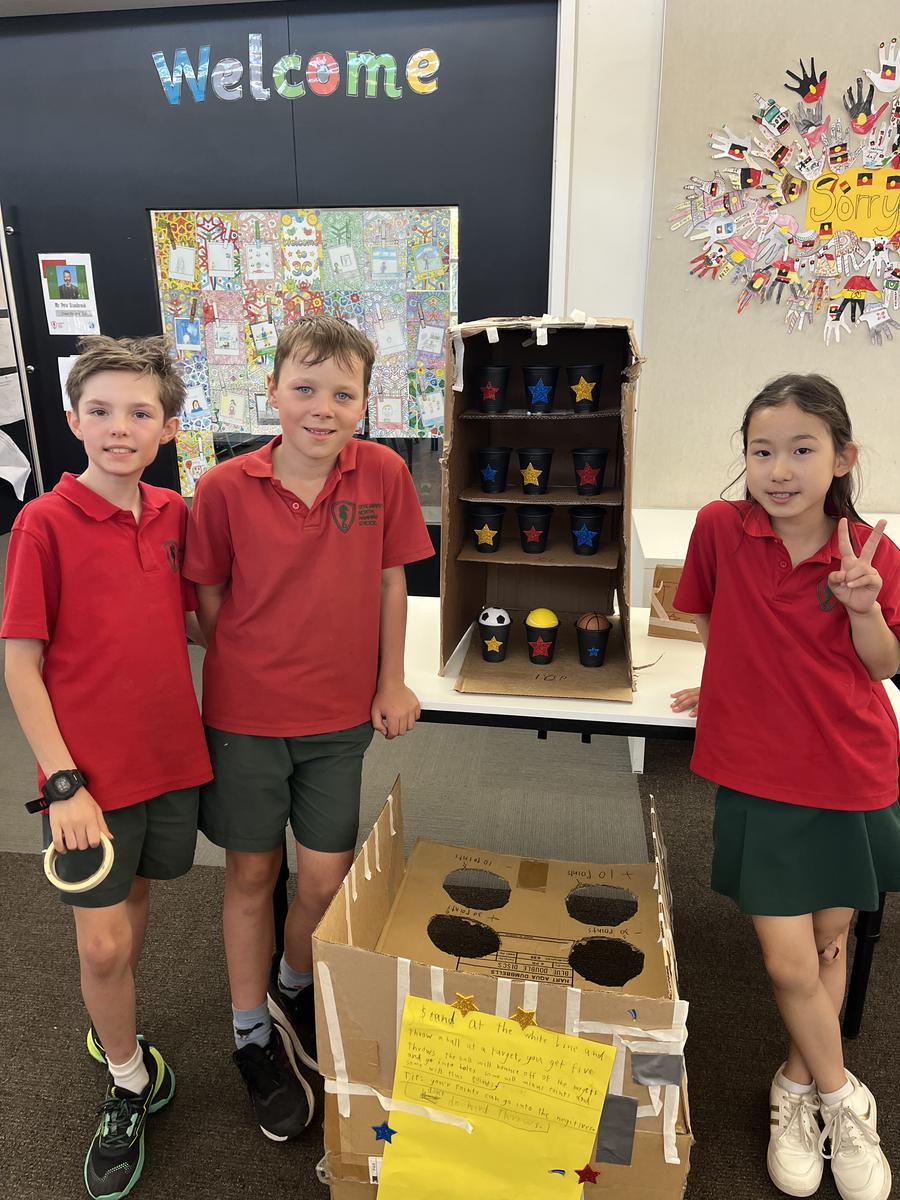
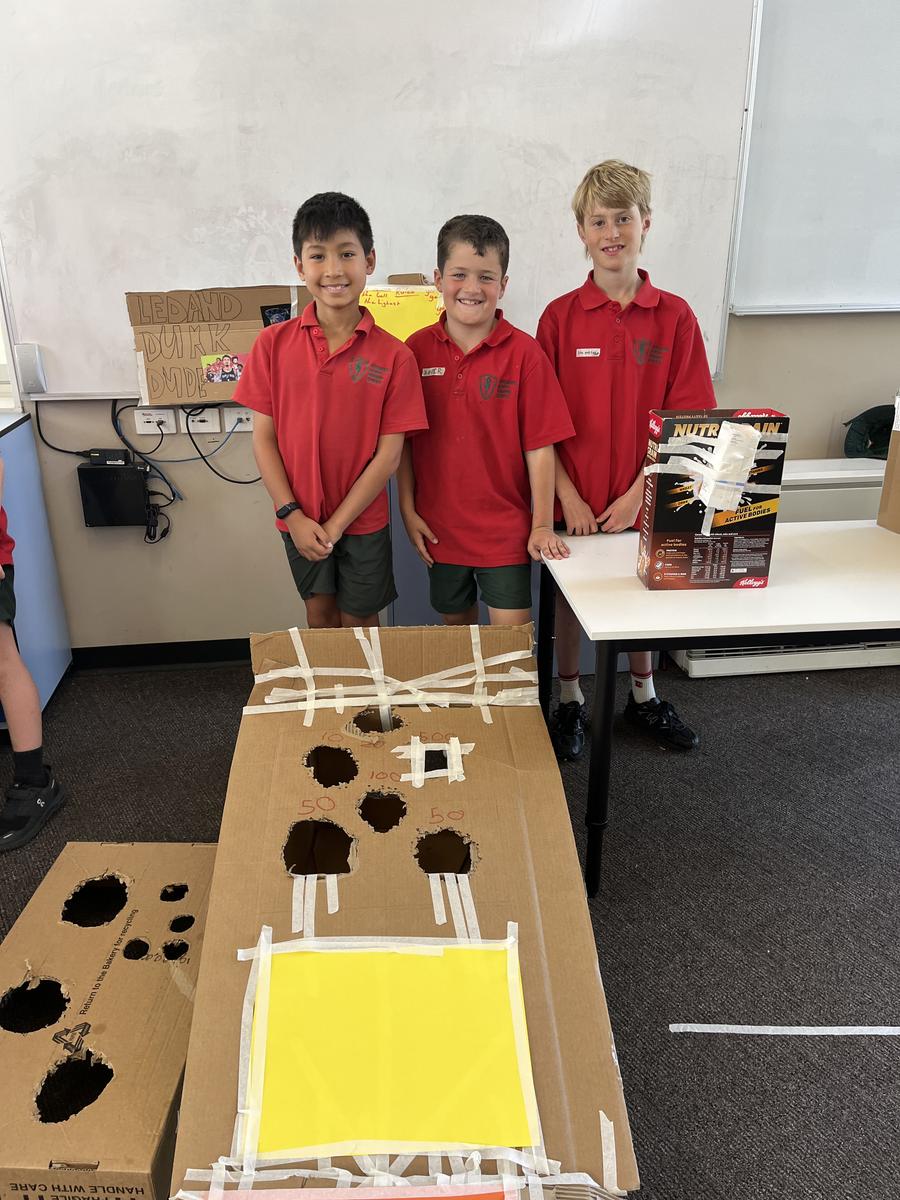
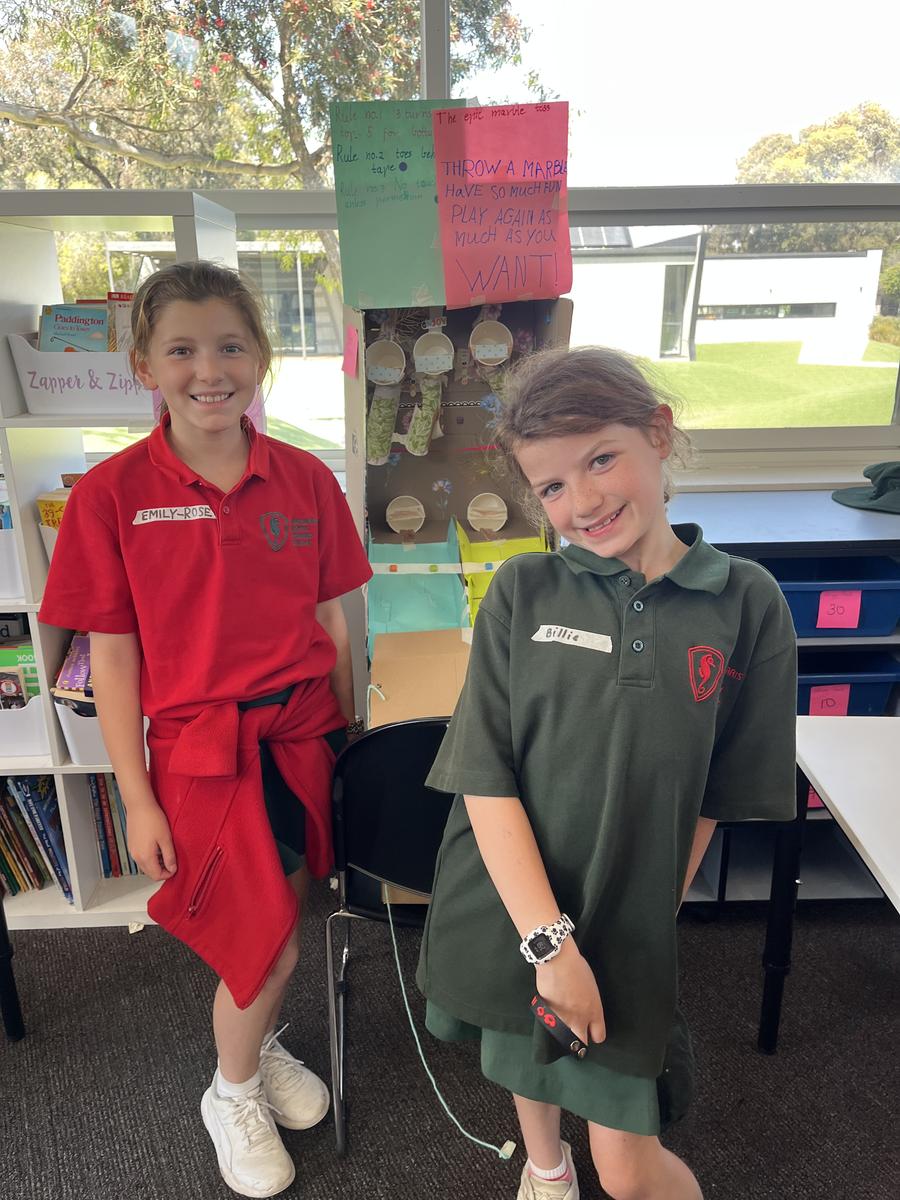
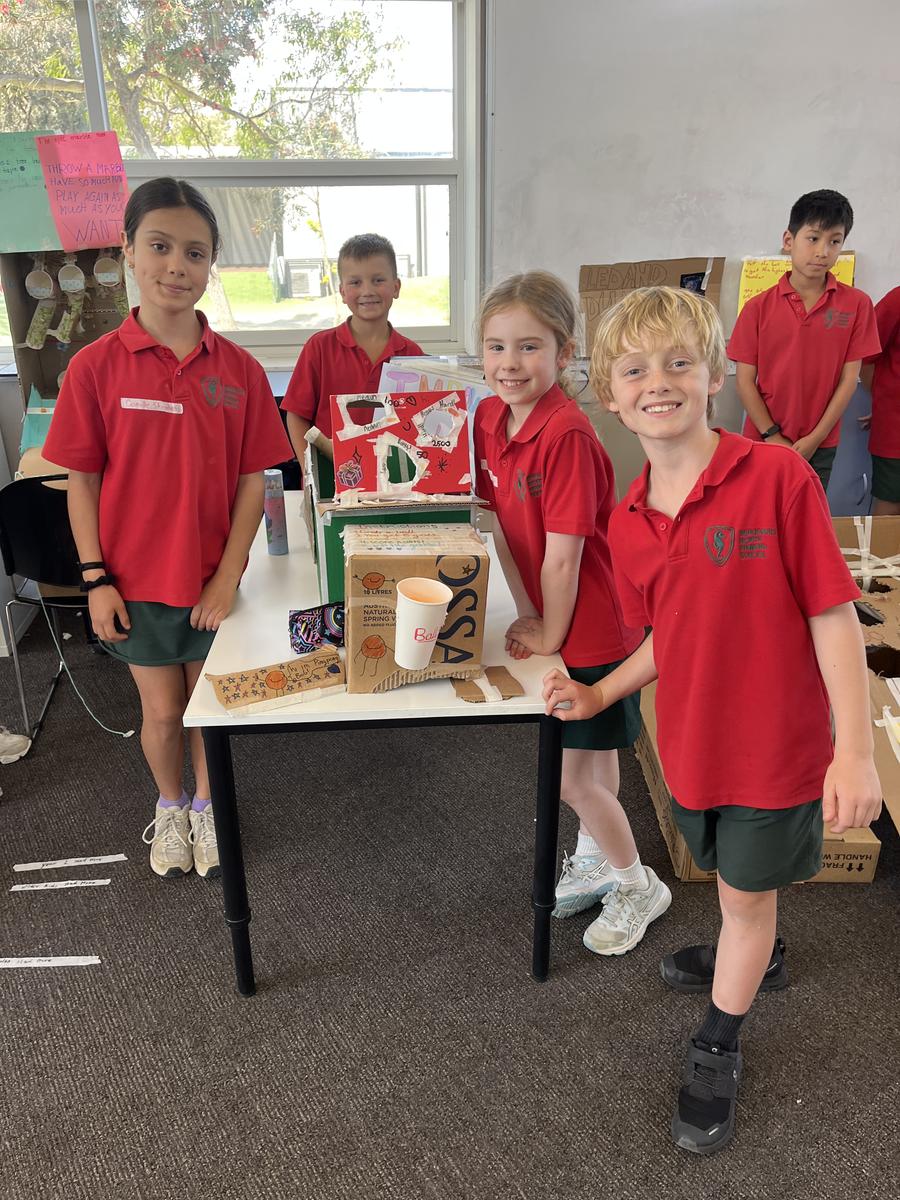
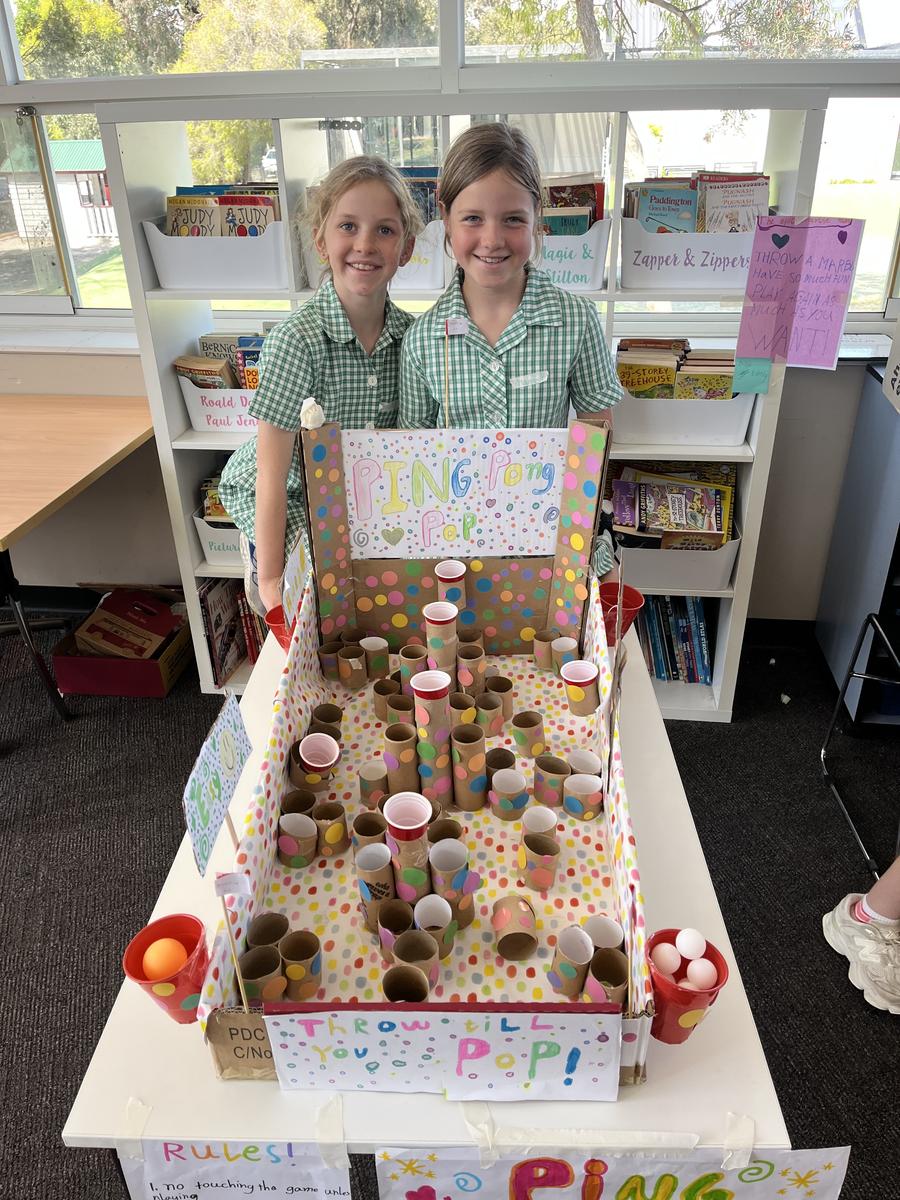
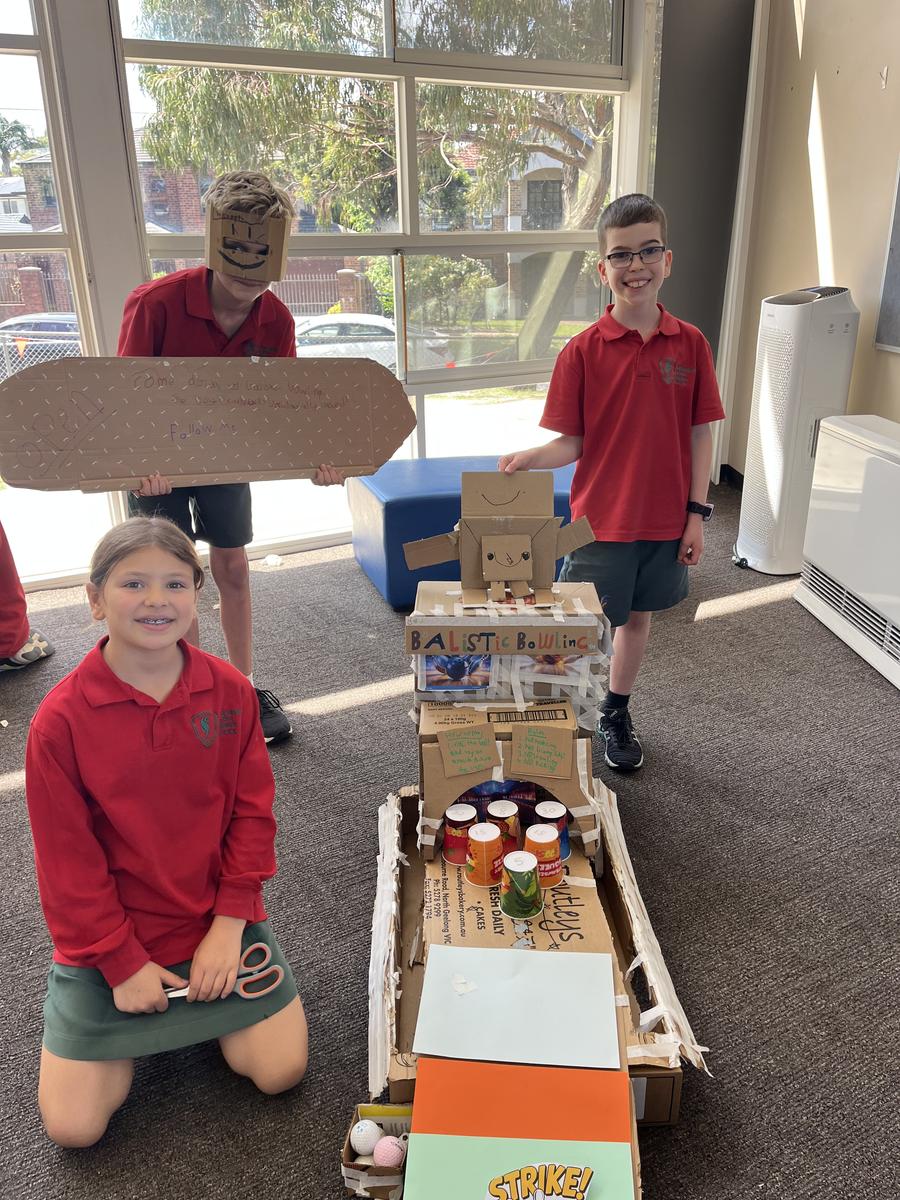
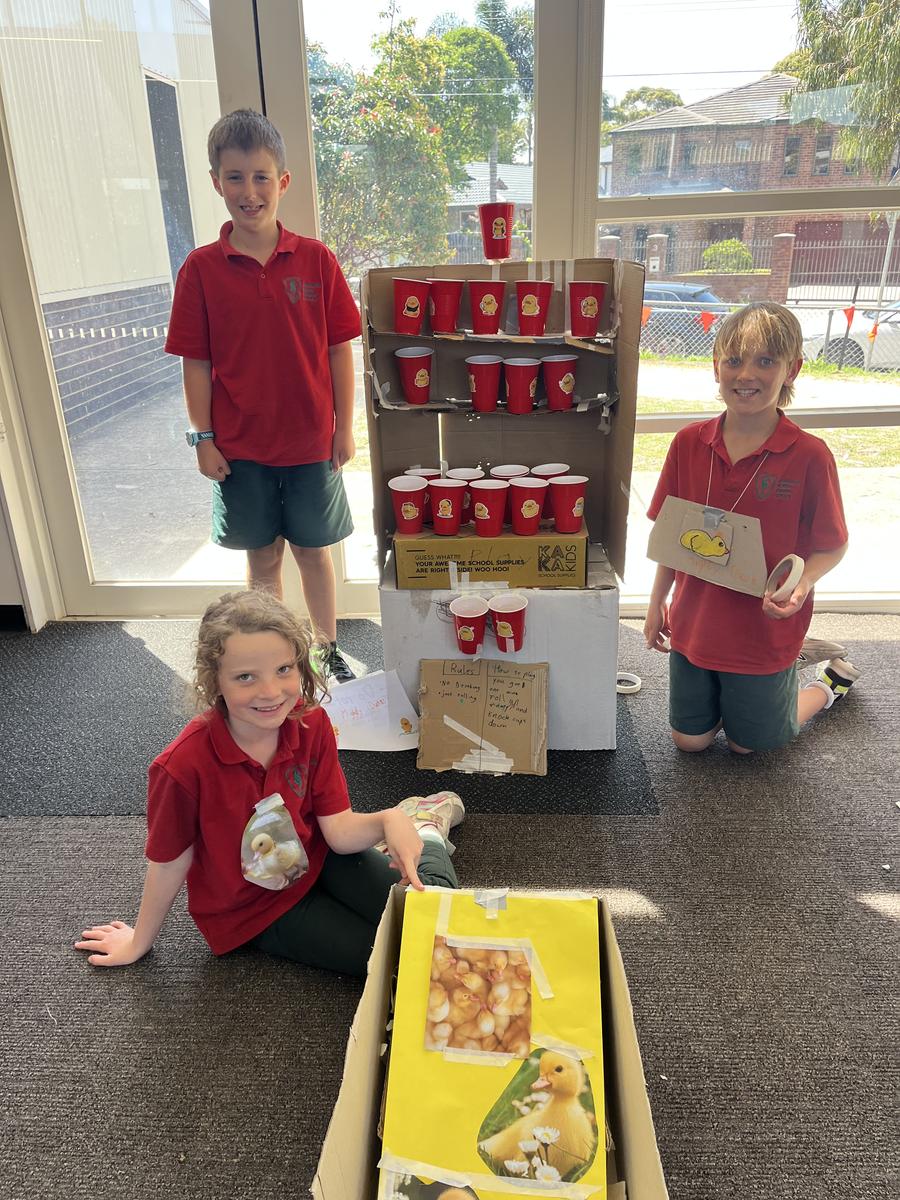
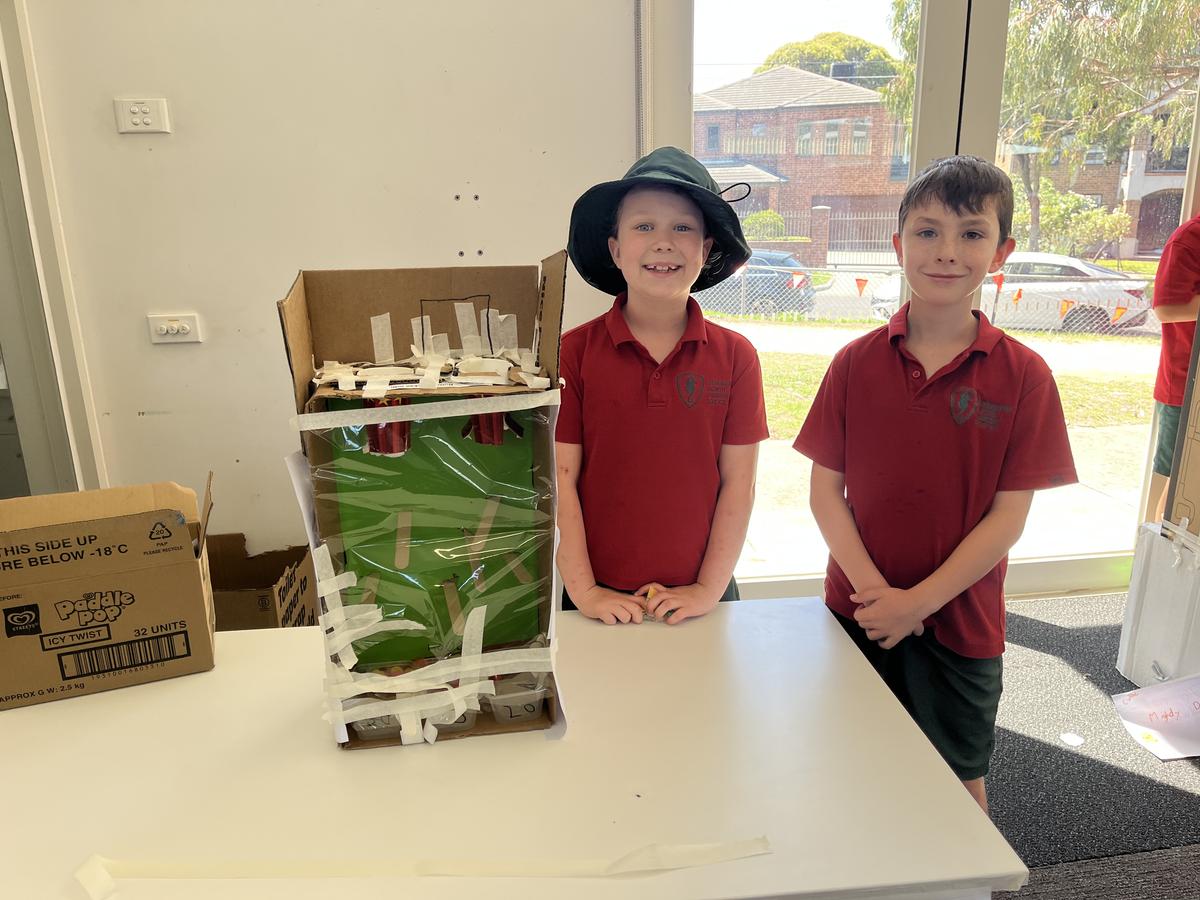
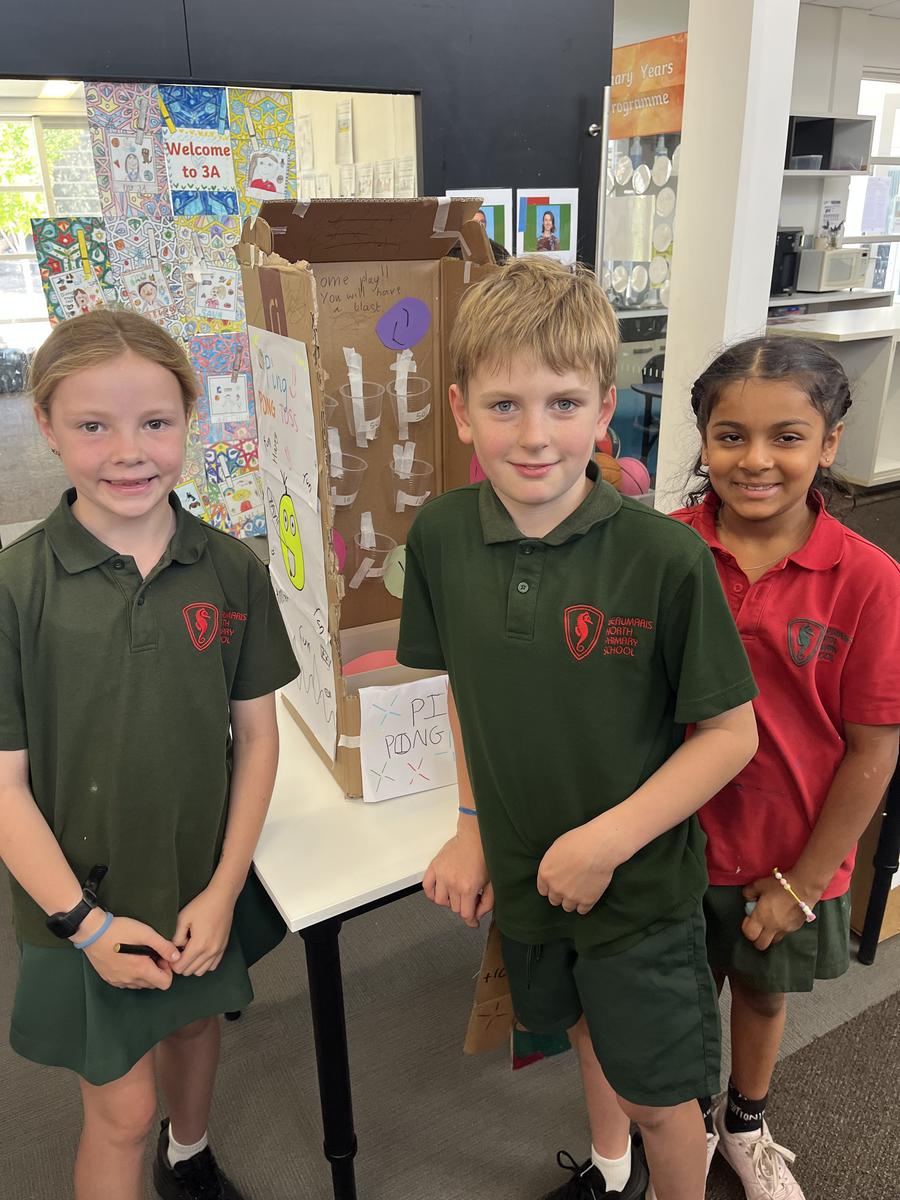
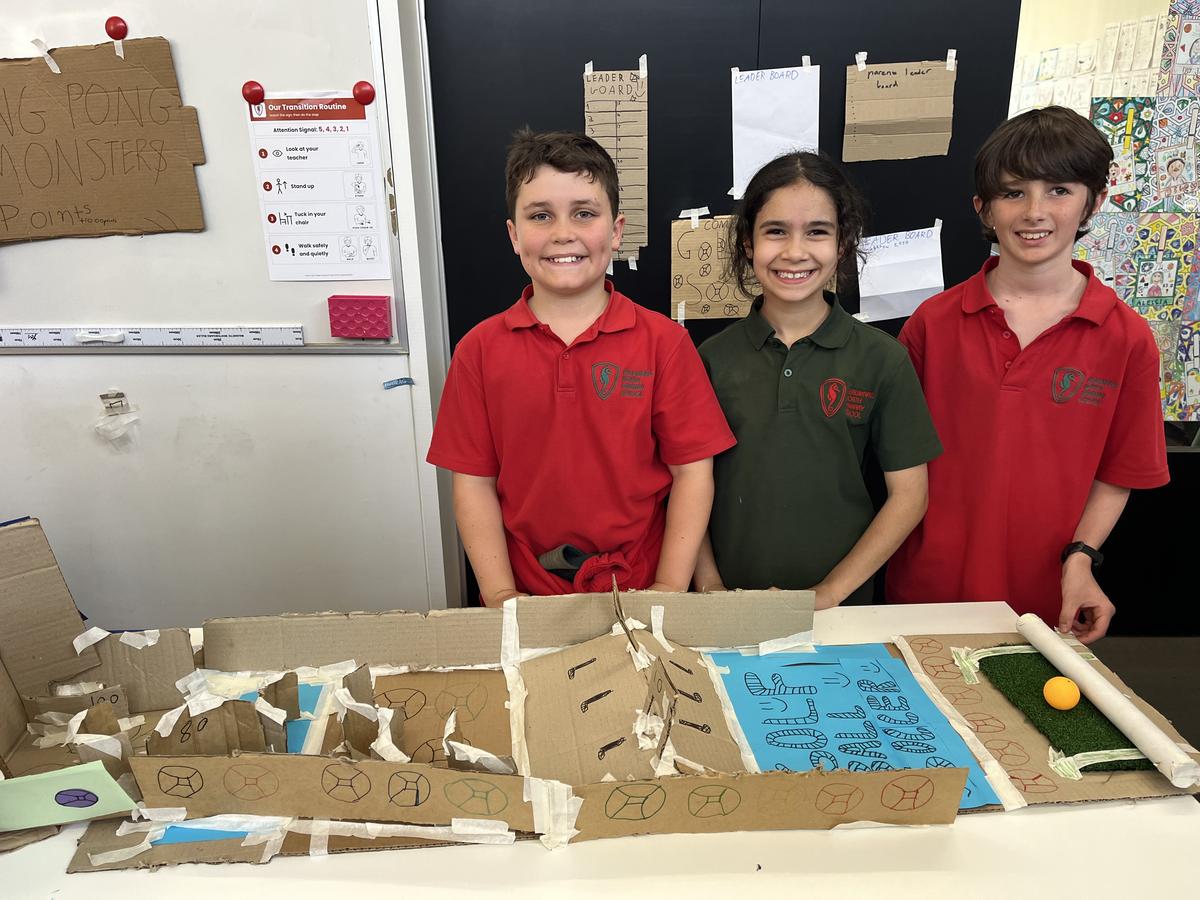
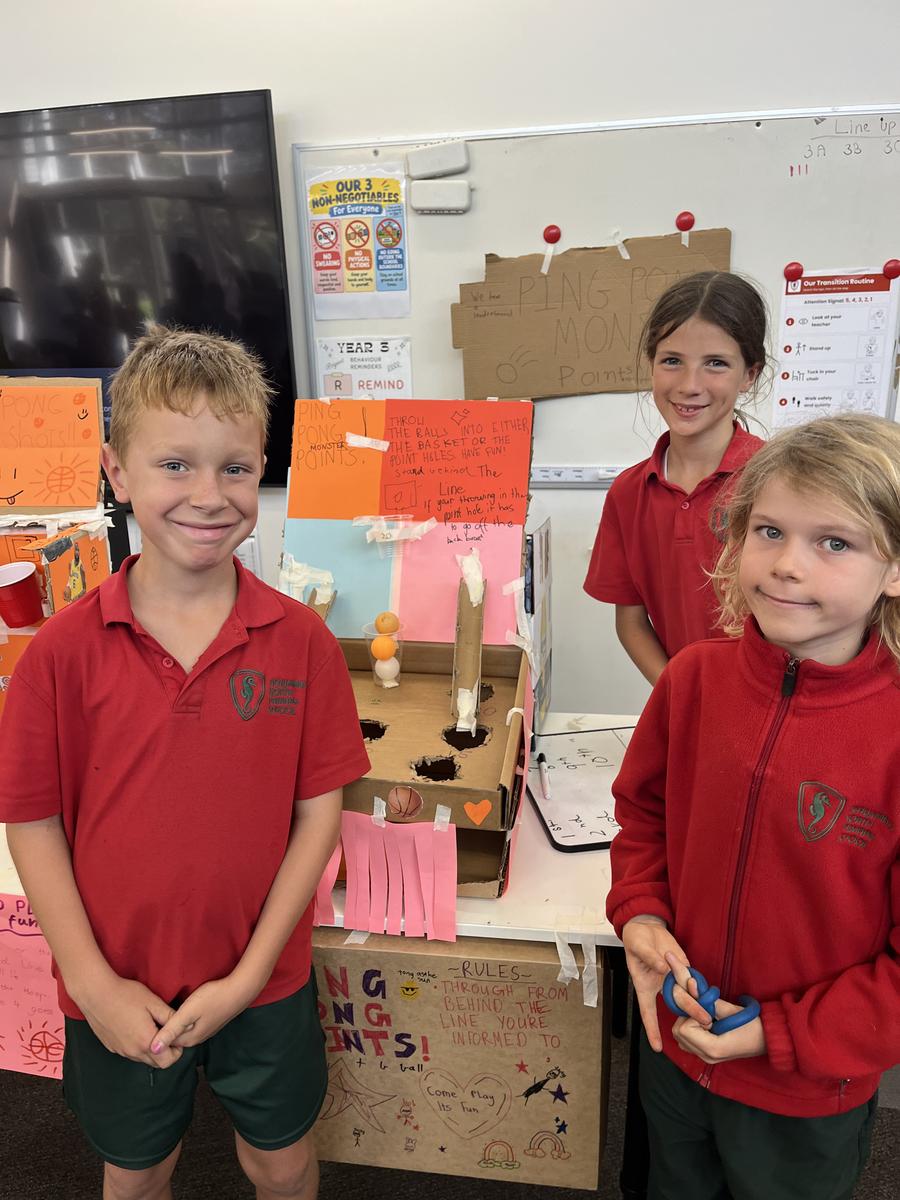
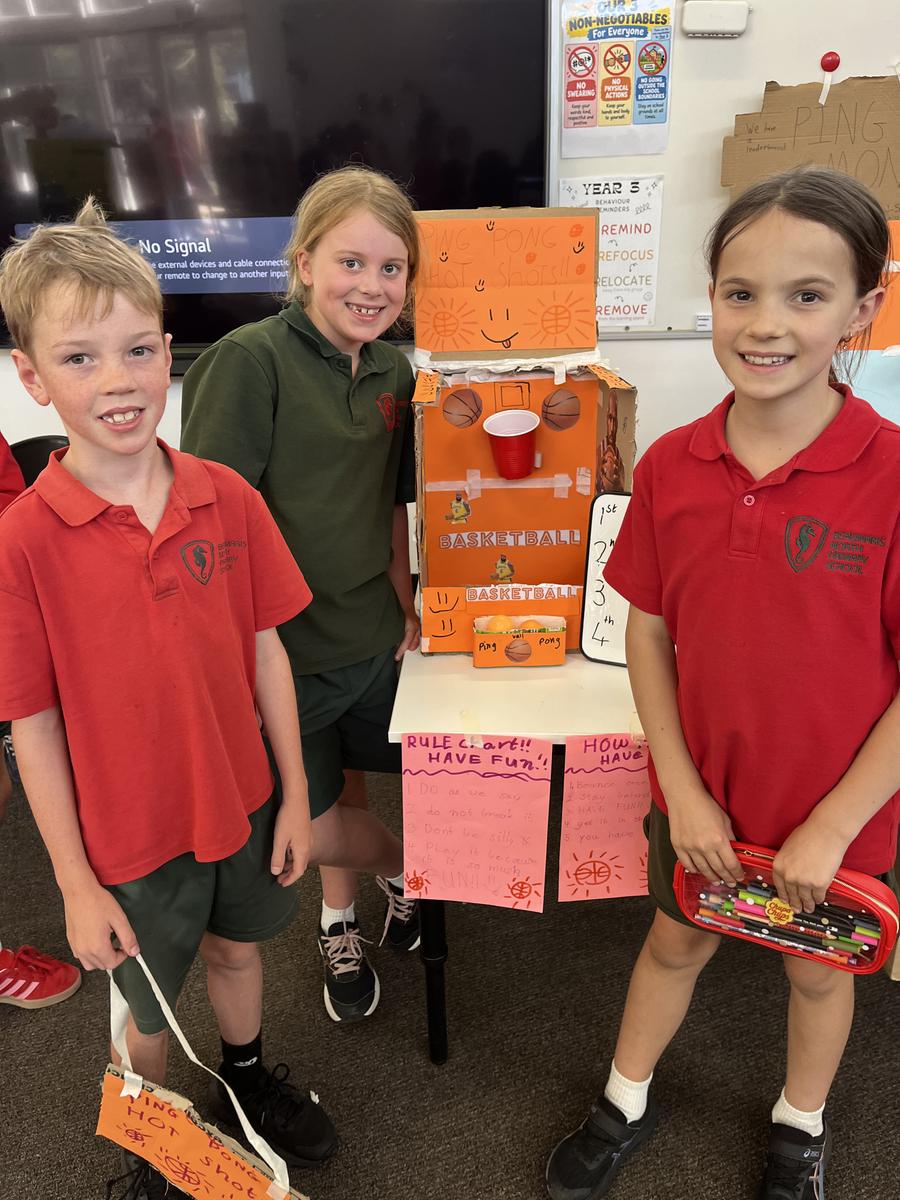
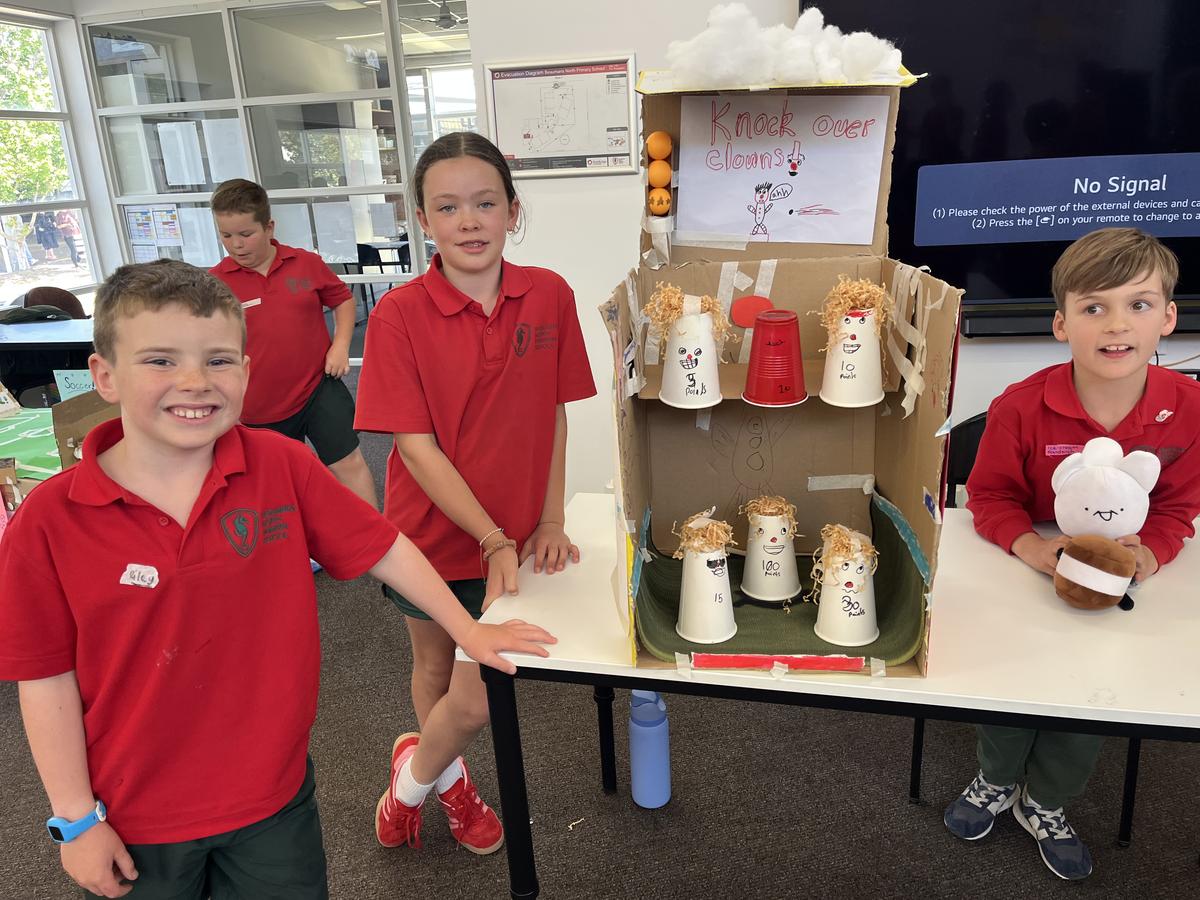
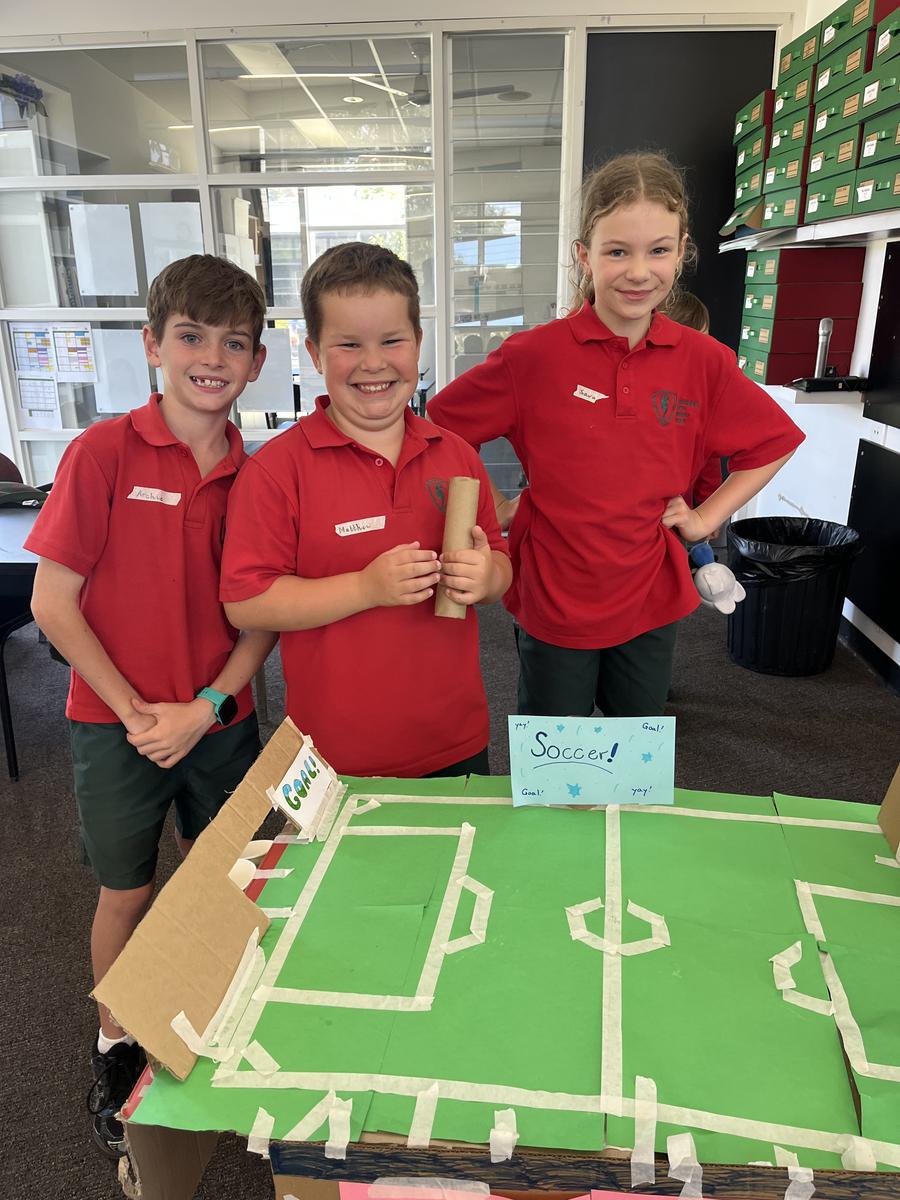
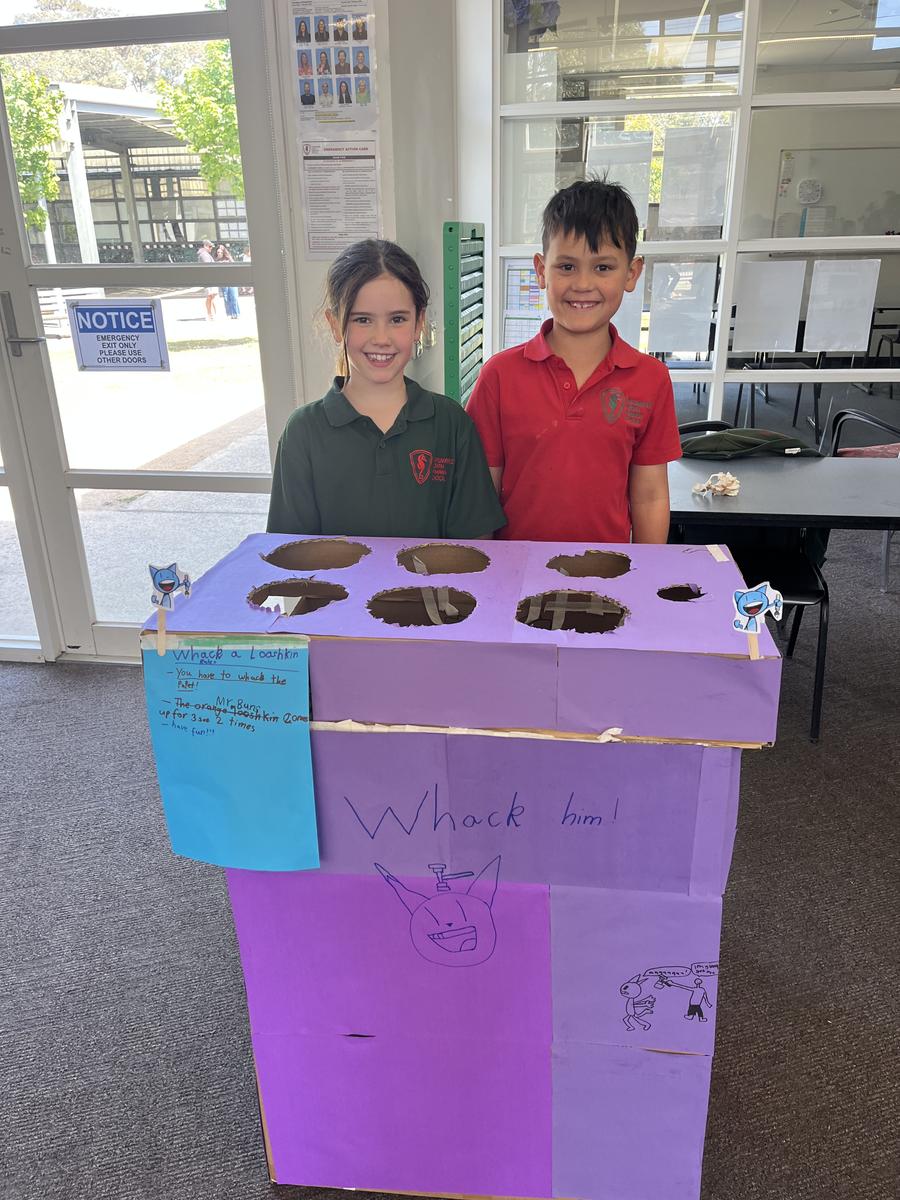
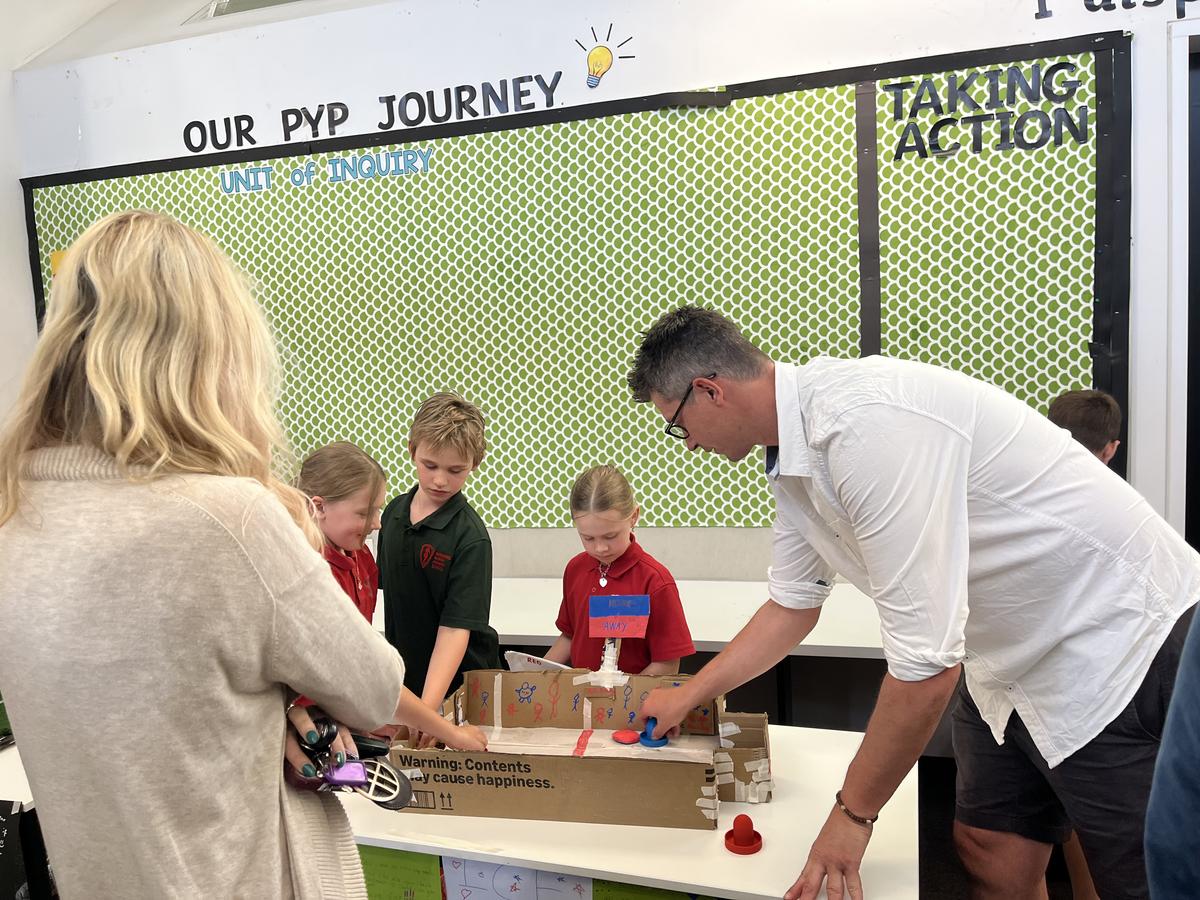
What an action-packed fortnight it has been. From spooky Halloween fun to the thrill of the Melbourne Cup, and from mystery-solving in our class novel to engineering our very own cardboard arcade, our students have barely had a moment to catch their breath — and they have loved every minute of it.
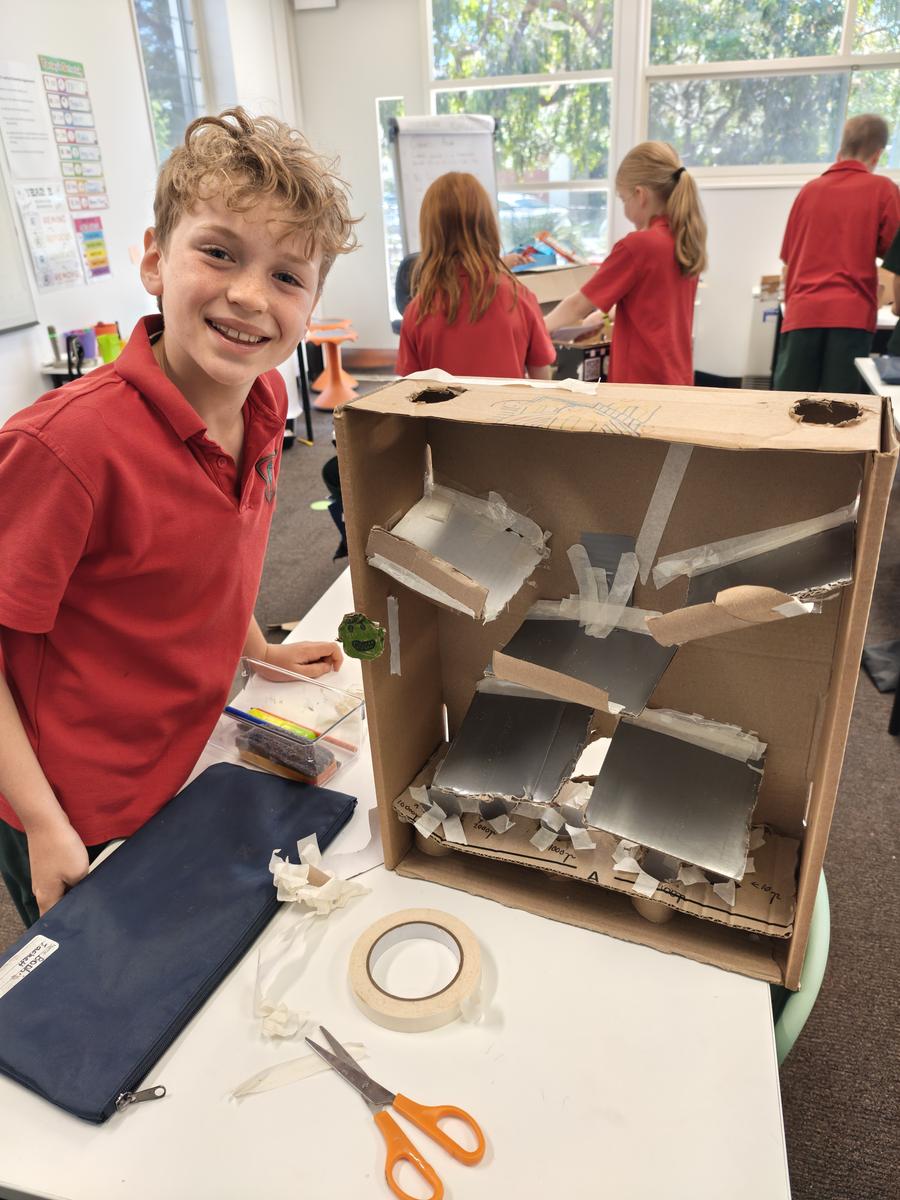
We kicked things off by celebrating Halloween with a set of ghoulishly good, themed activity sheets that had everyone puzzling, colouring and giggling. The following Monday the whole cohort got right into the spirit of the Melbourne Cup, with race-themed activities and a cosy afternoon watching the heart-warming film Racing Stripes — the tale of a young zebra who dreams of racing against thoroughbreds. We hope everyone enjoyed the Cup Day long weekend that followed!
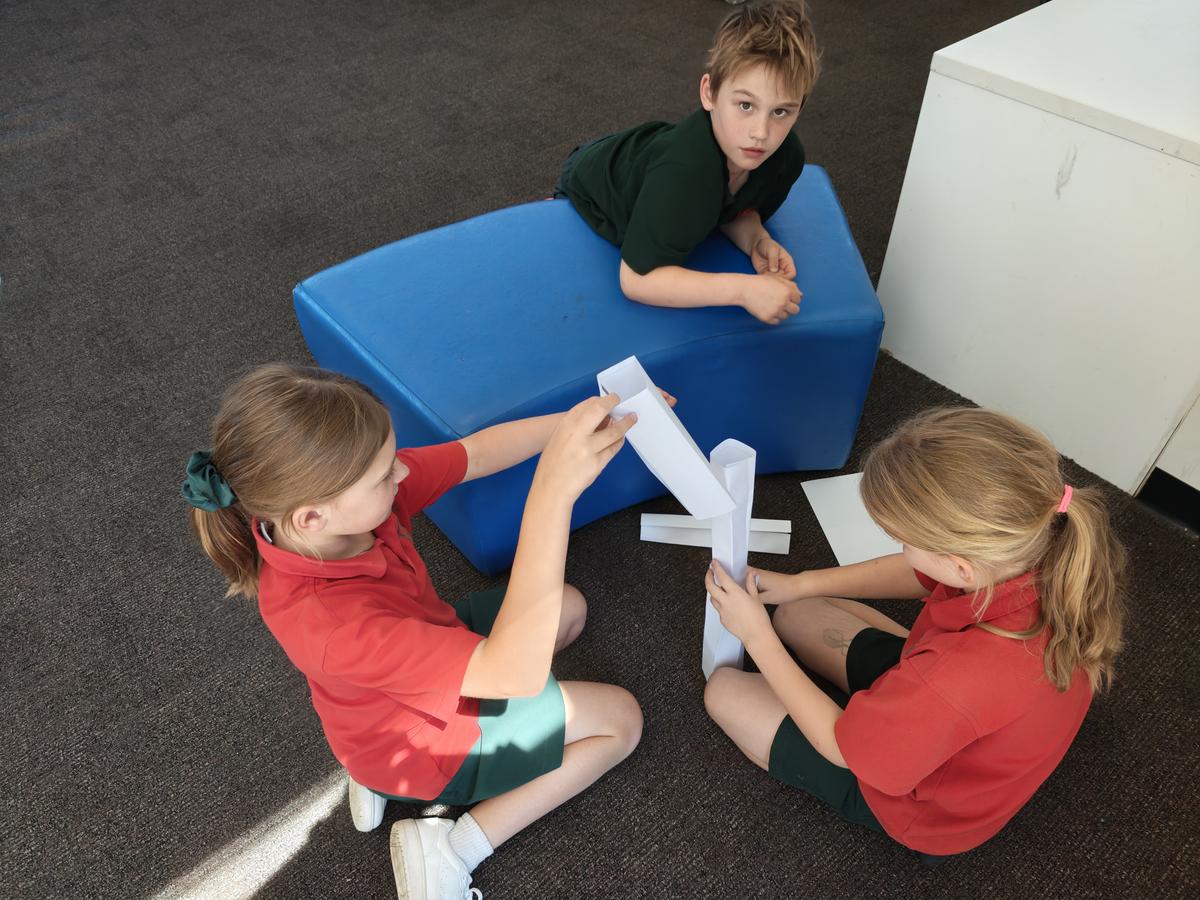
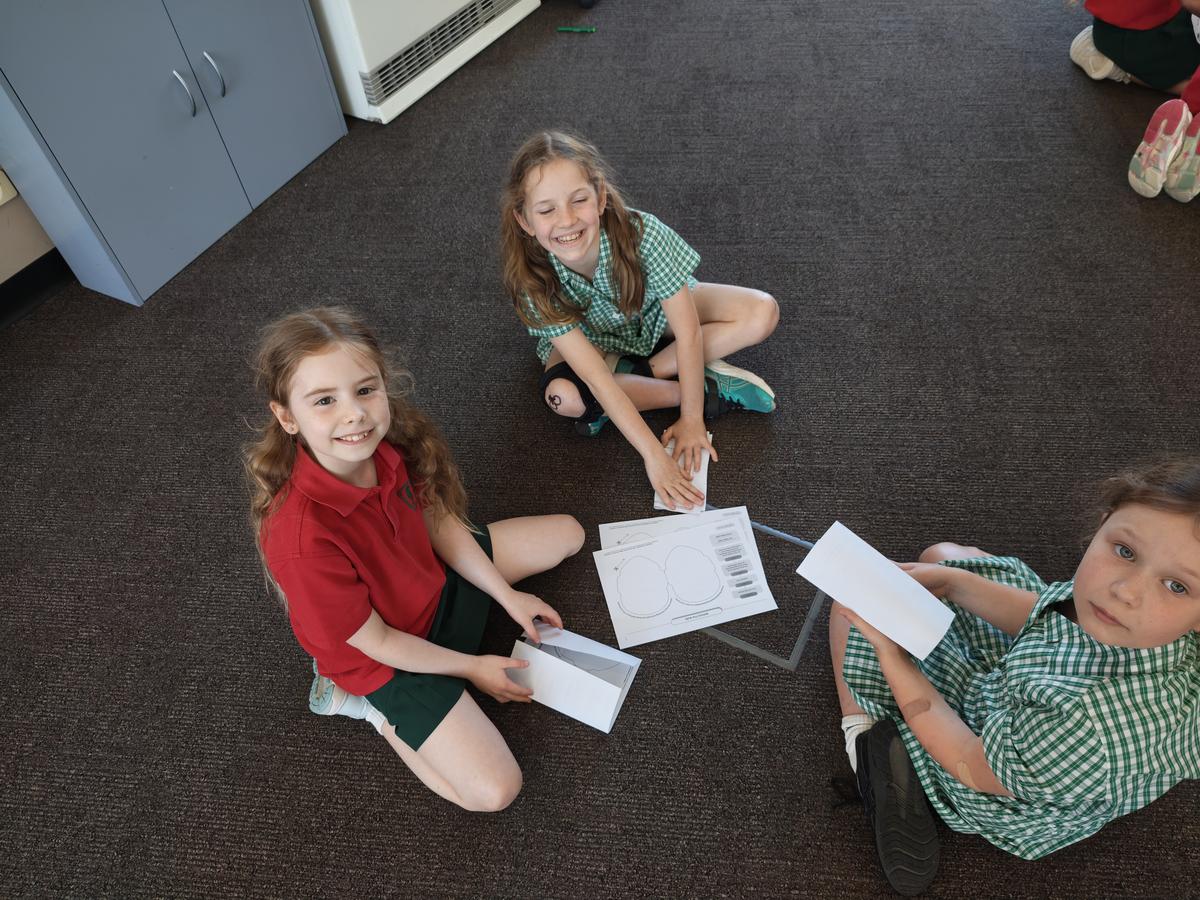
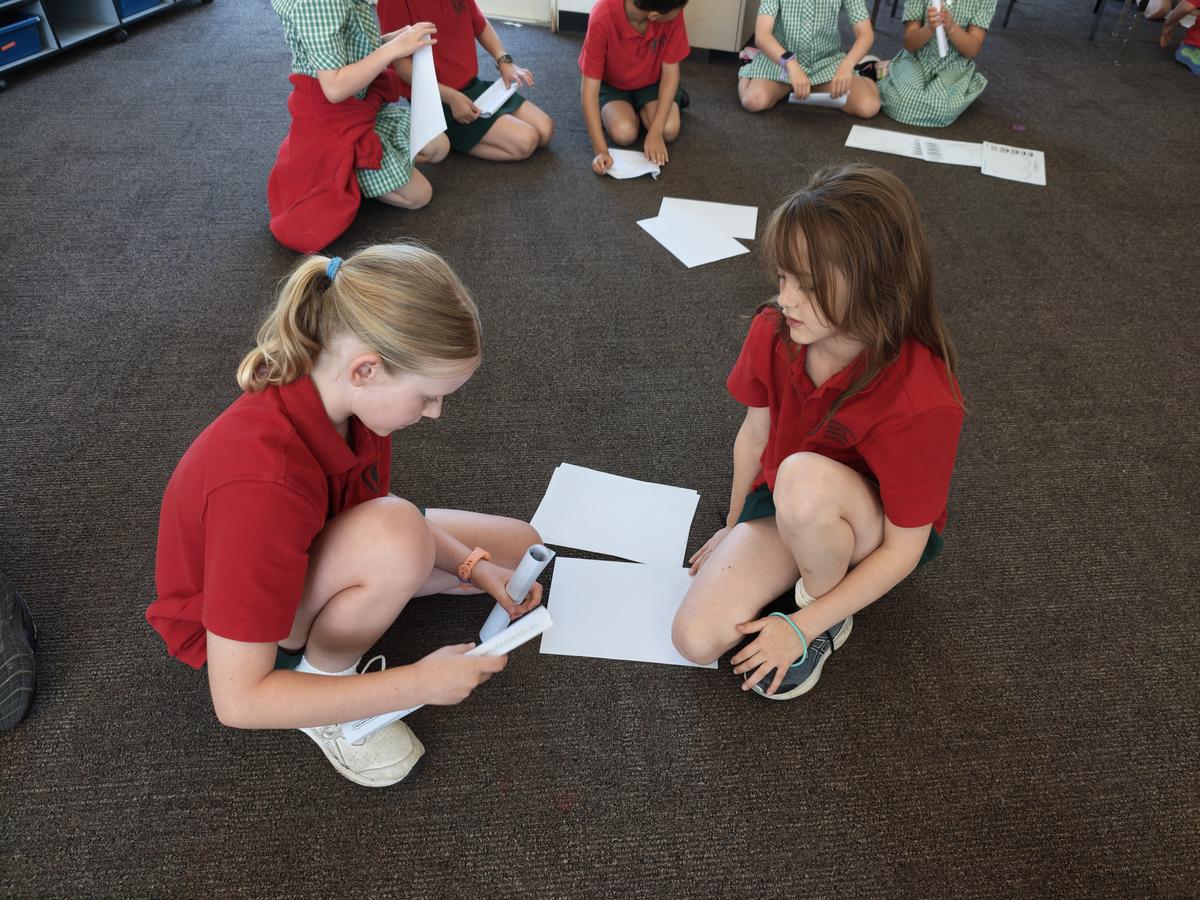
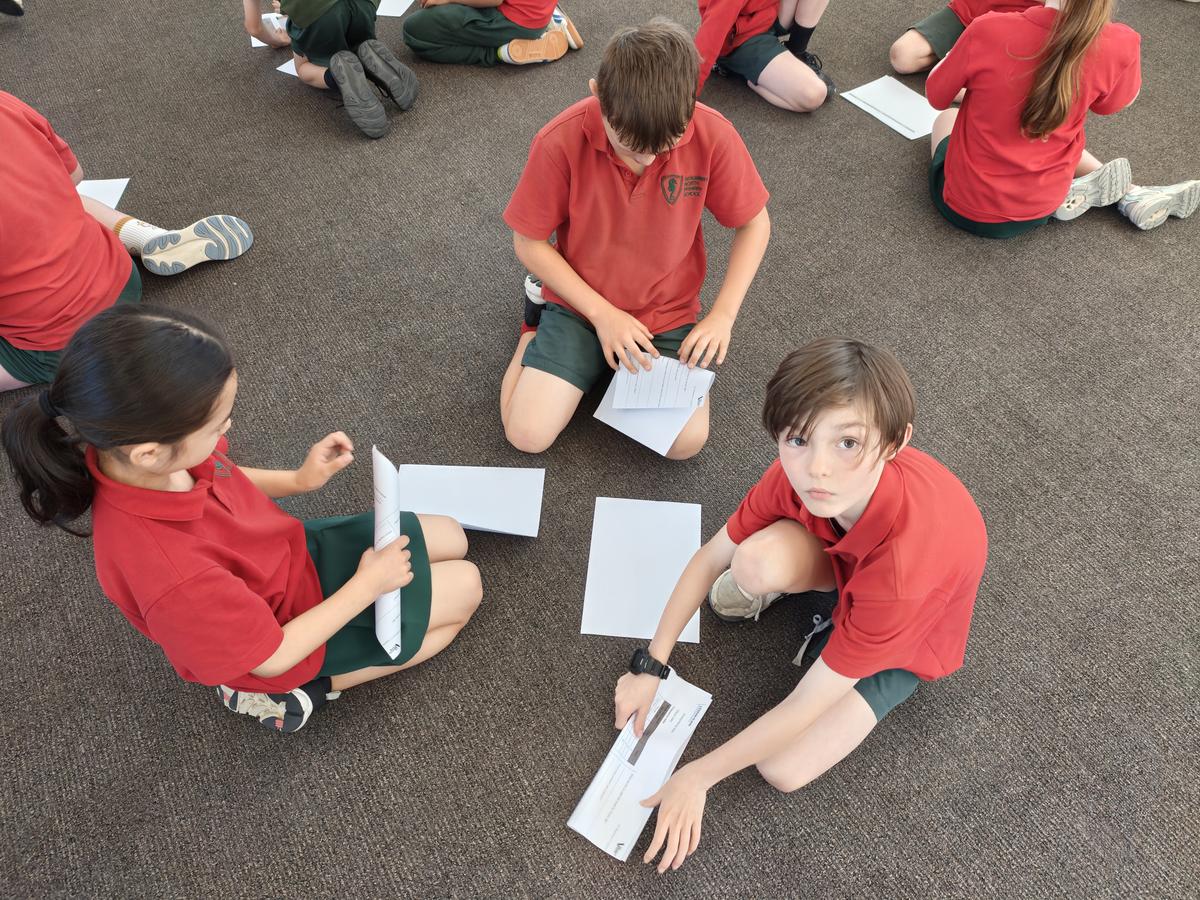
Our end-of-year concert preparations are also well and truly under way. Students have been rehearsing their song and dance moves to “Footloose” and "Liv'n on a Prayer, and the energy in those practice sessions has been nothing short of electric. You may well catch a few of them humming it at home!
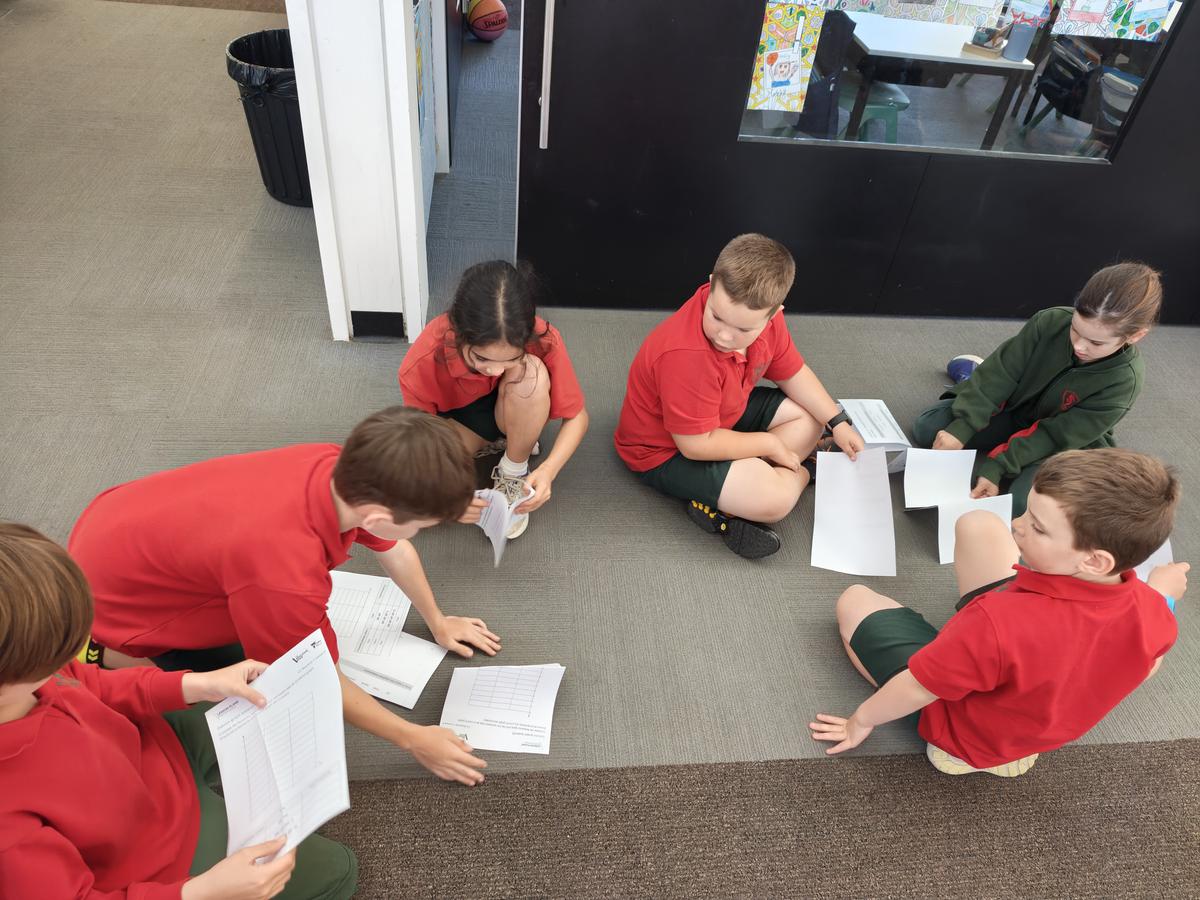
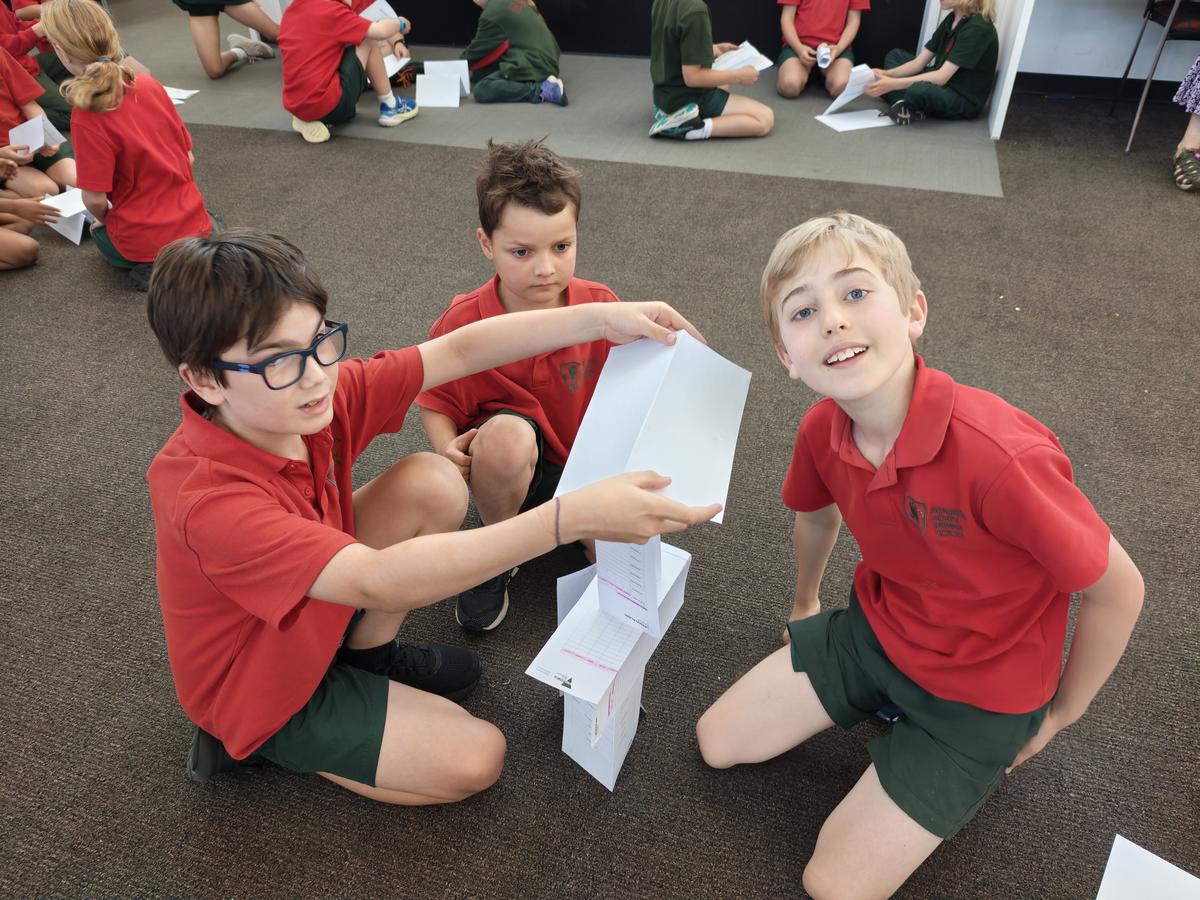
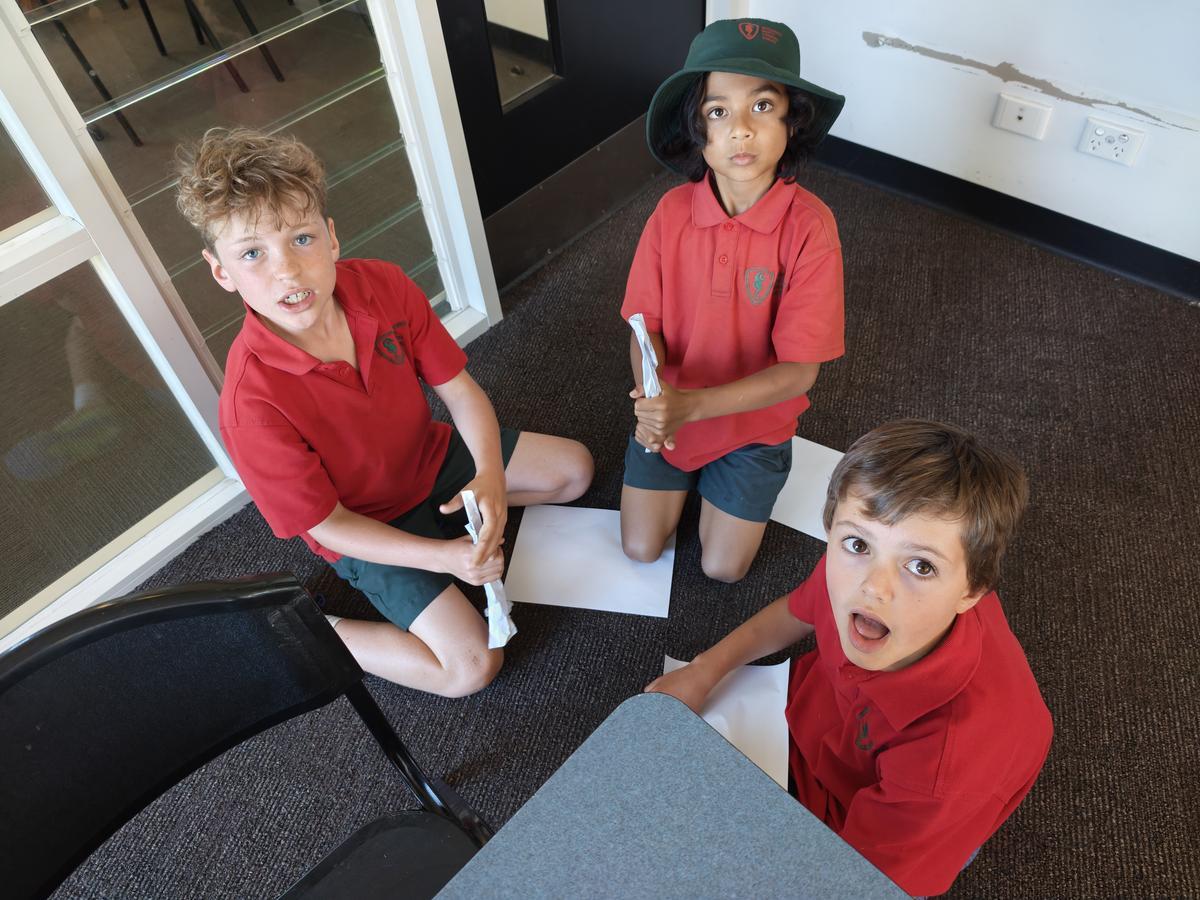
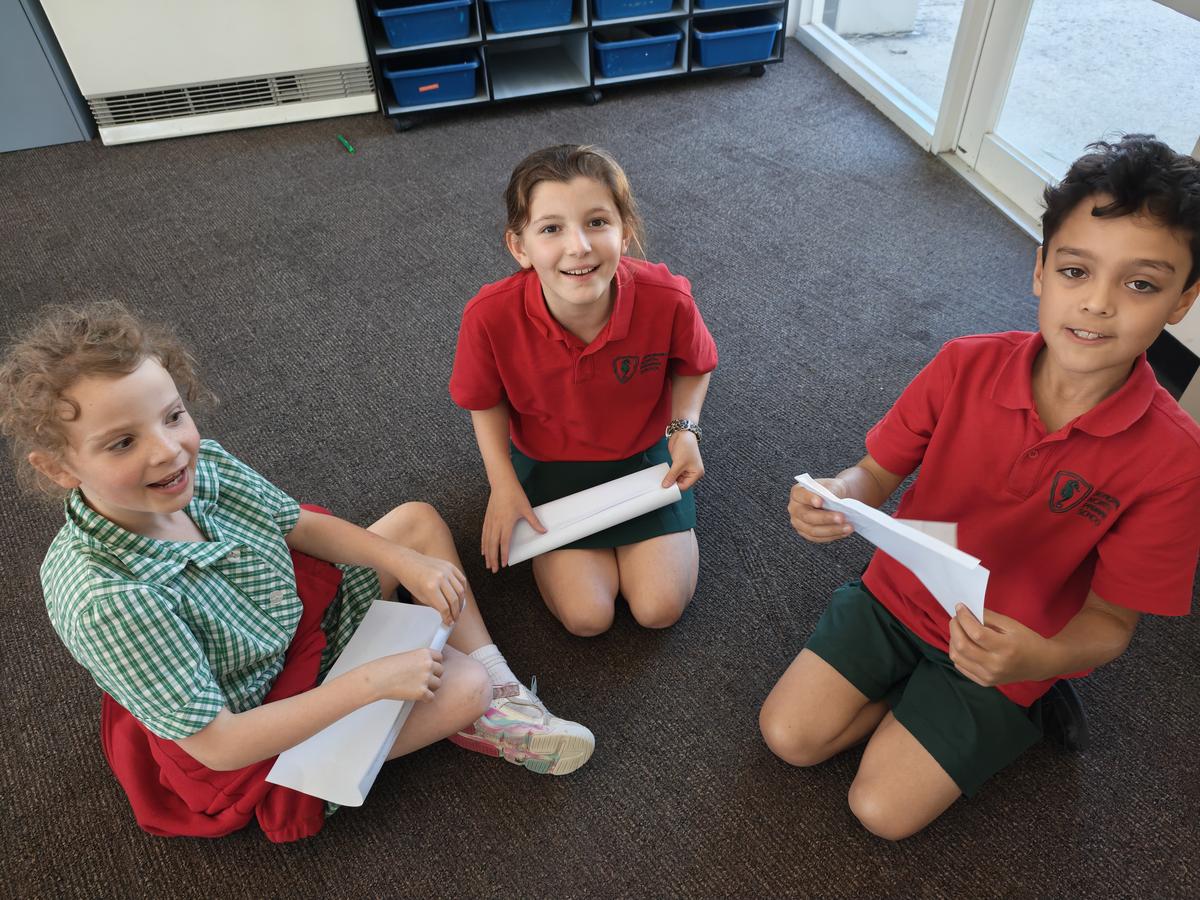
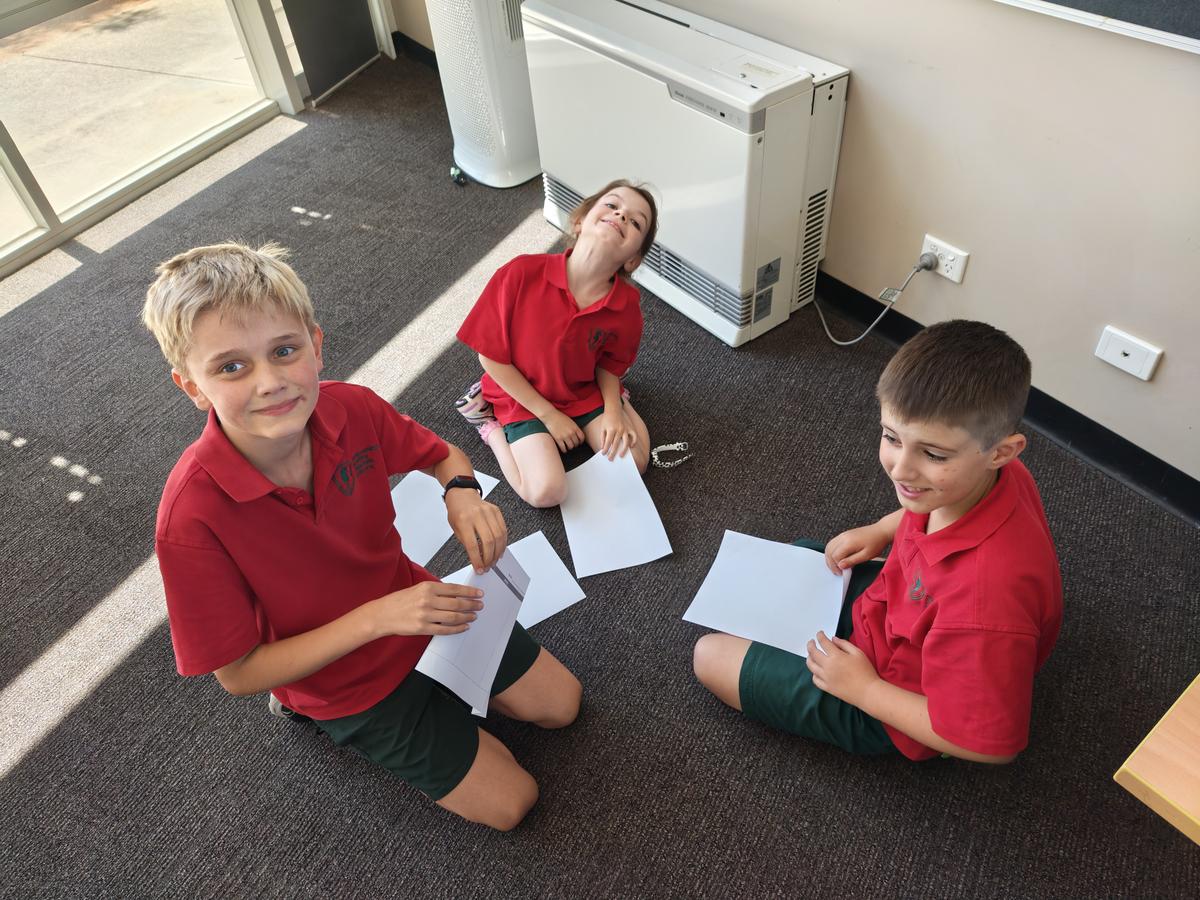
In our CyberSafety program, students explored what it means to be an upstander rather than a bystander — recognising when something online isn’t right and having the courage to speak up, support a friend and tell a trusted adult. These are powerful conversations, and we encourage you to continue them at home.
Our specialist classes have kept humming along too, with students enjoying Art, Japanese, PE, Performing Arts and their regular Library visits. A big thank you to all families for your continued support with home reading and homework — it truly makes a difference.
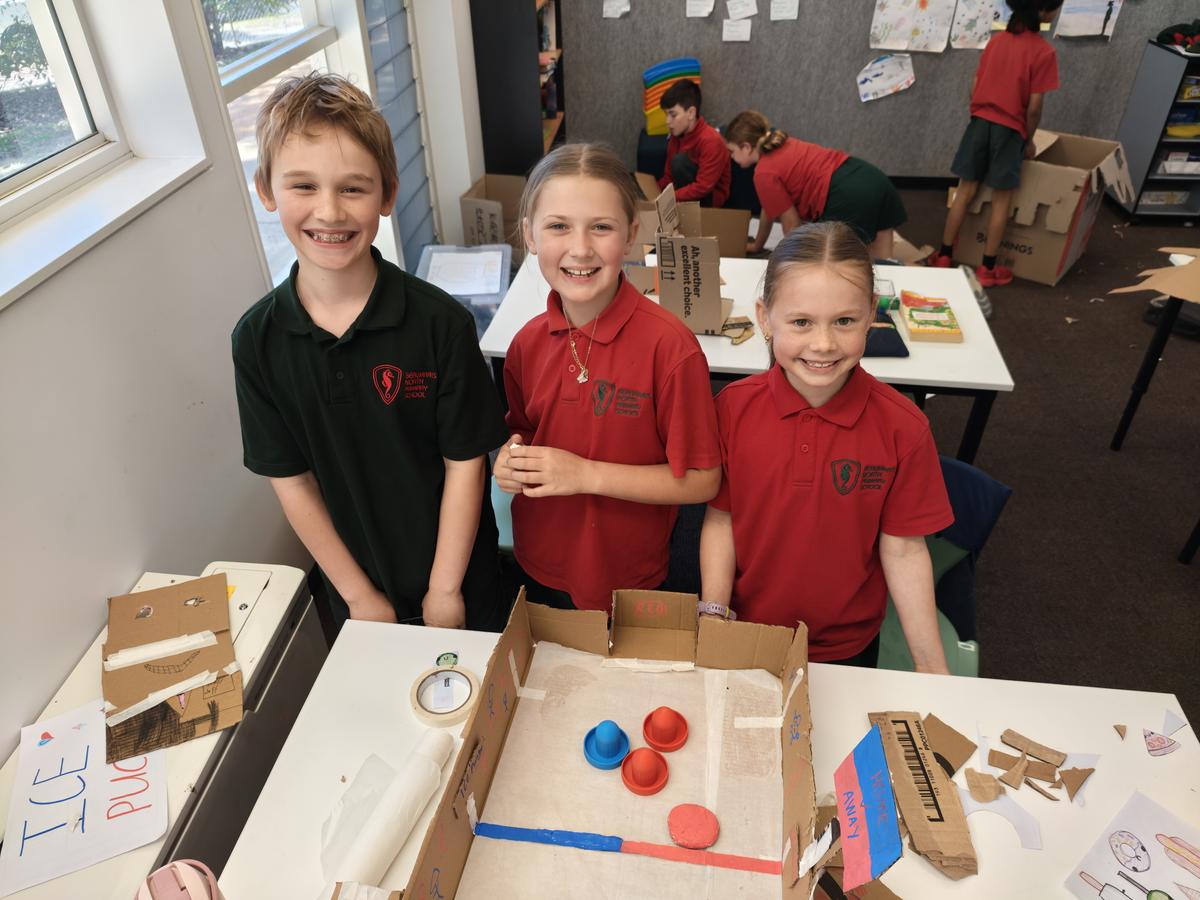
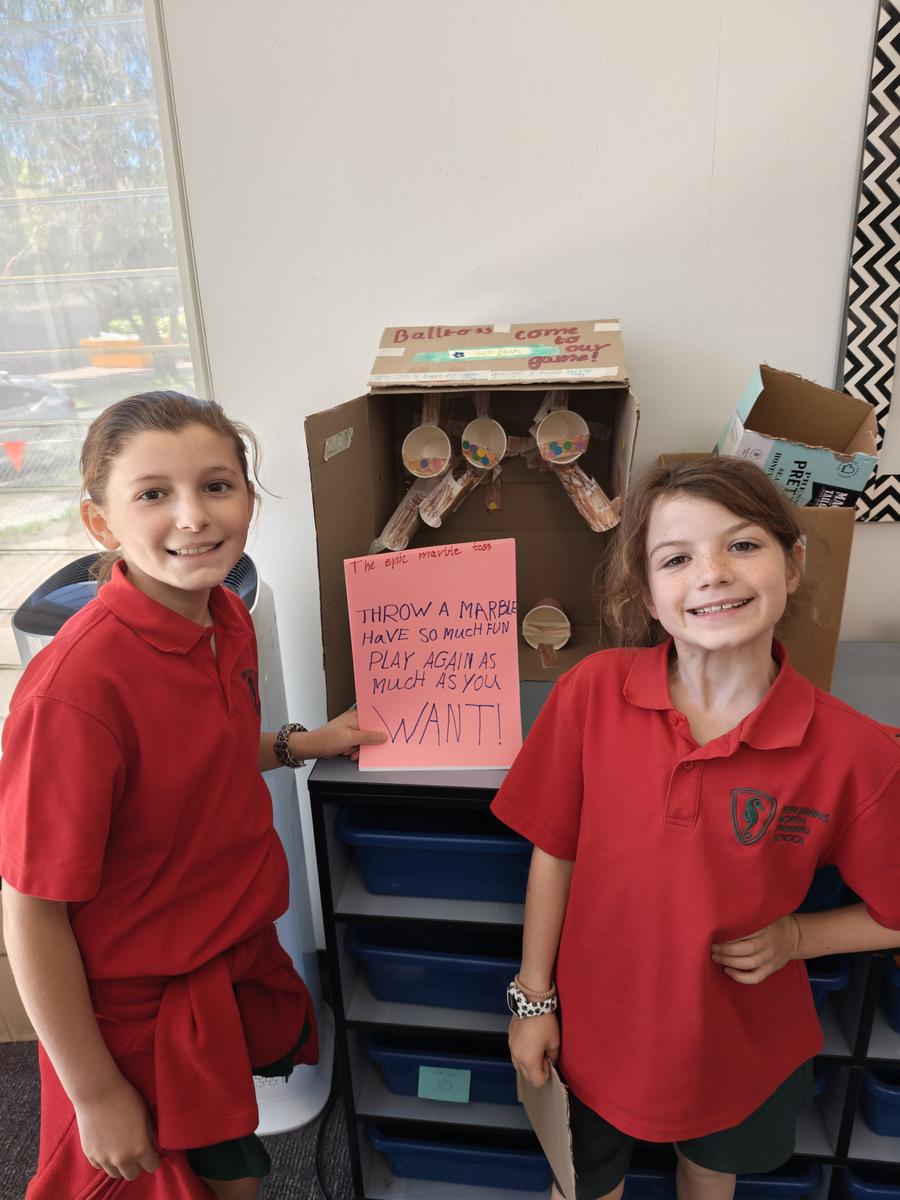
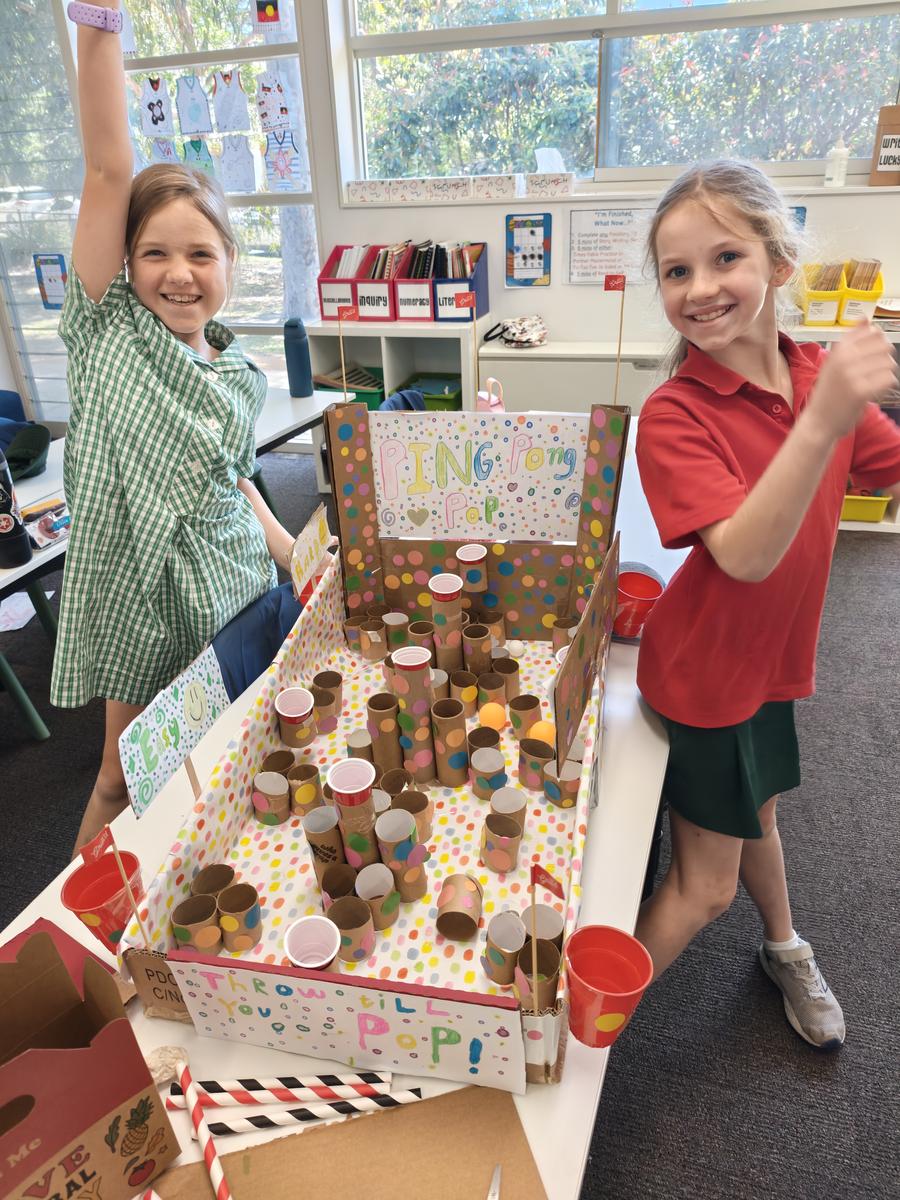
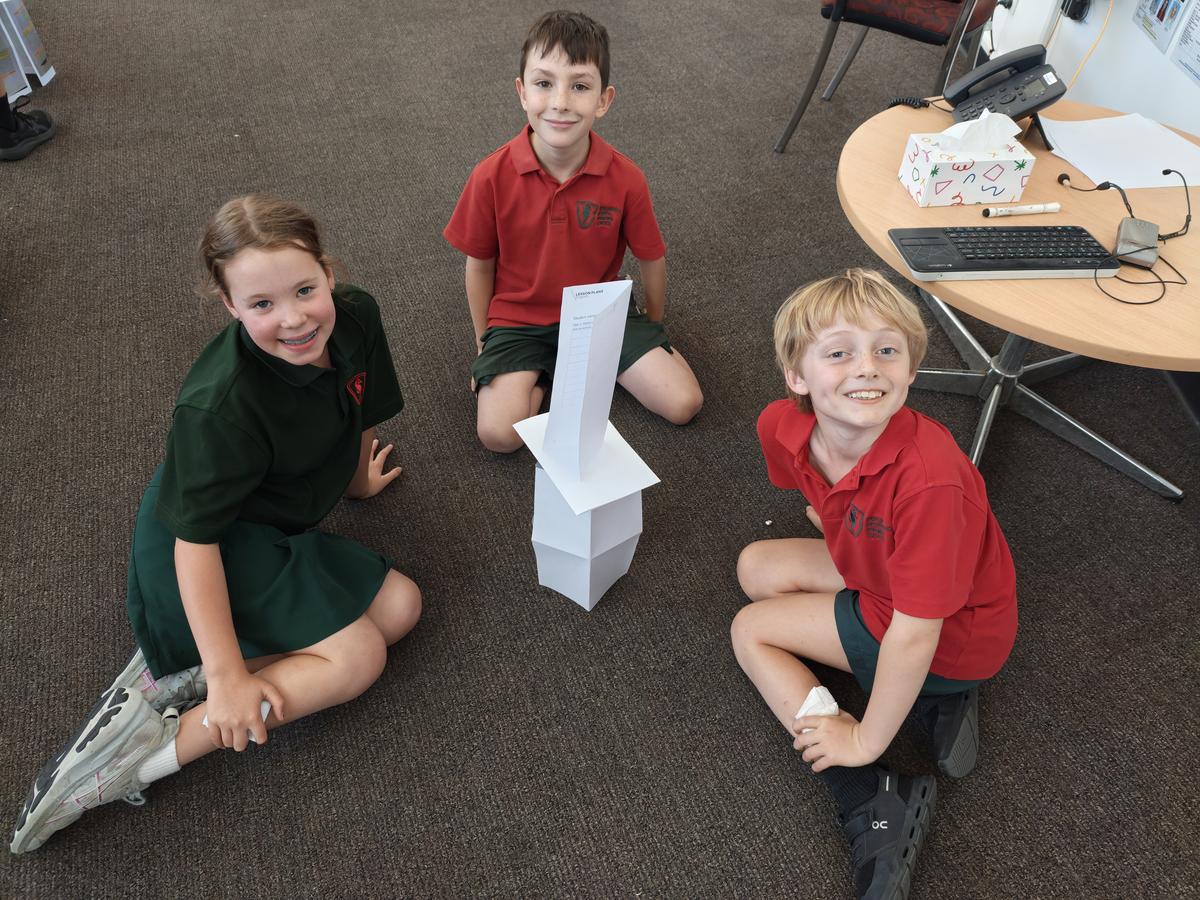
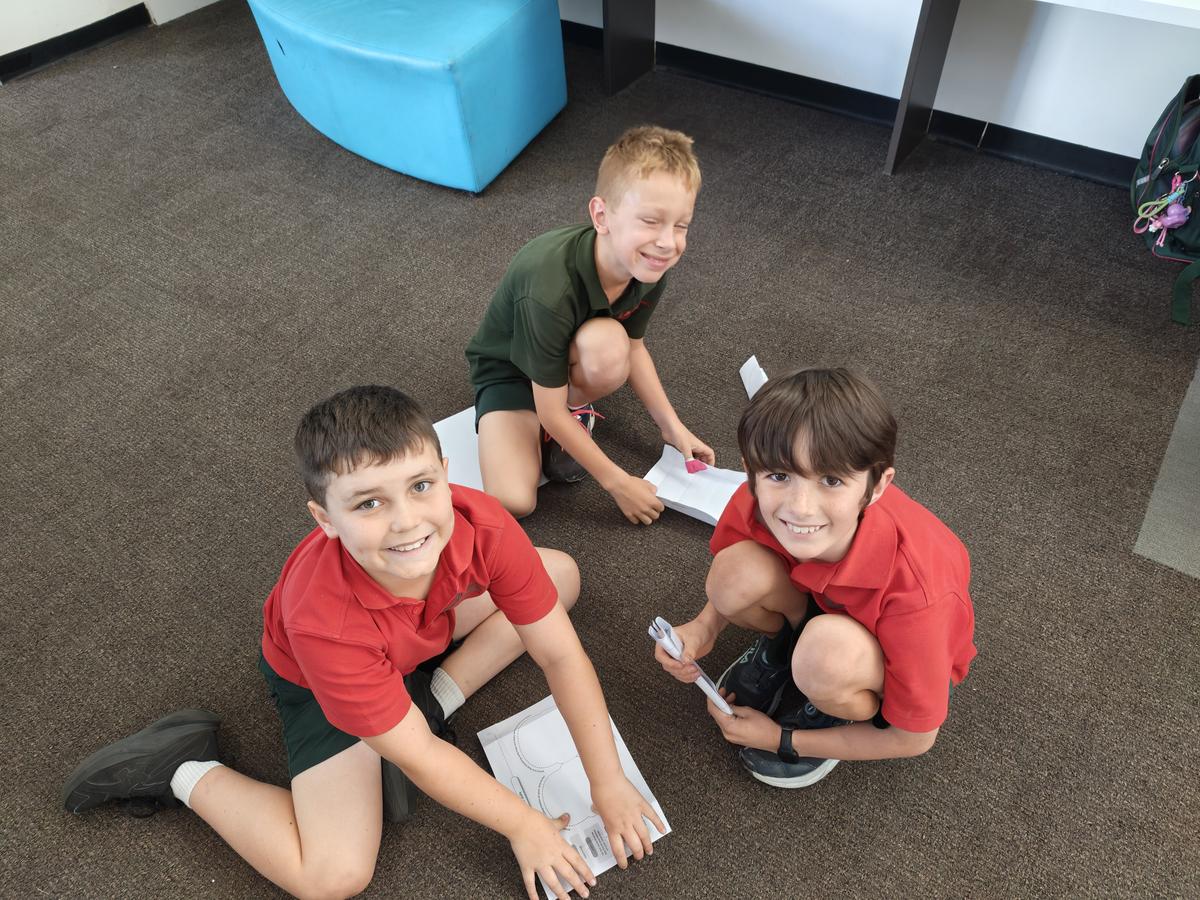
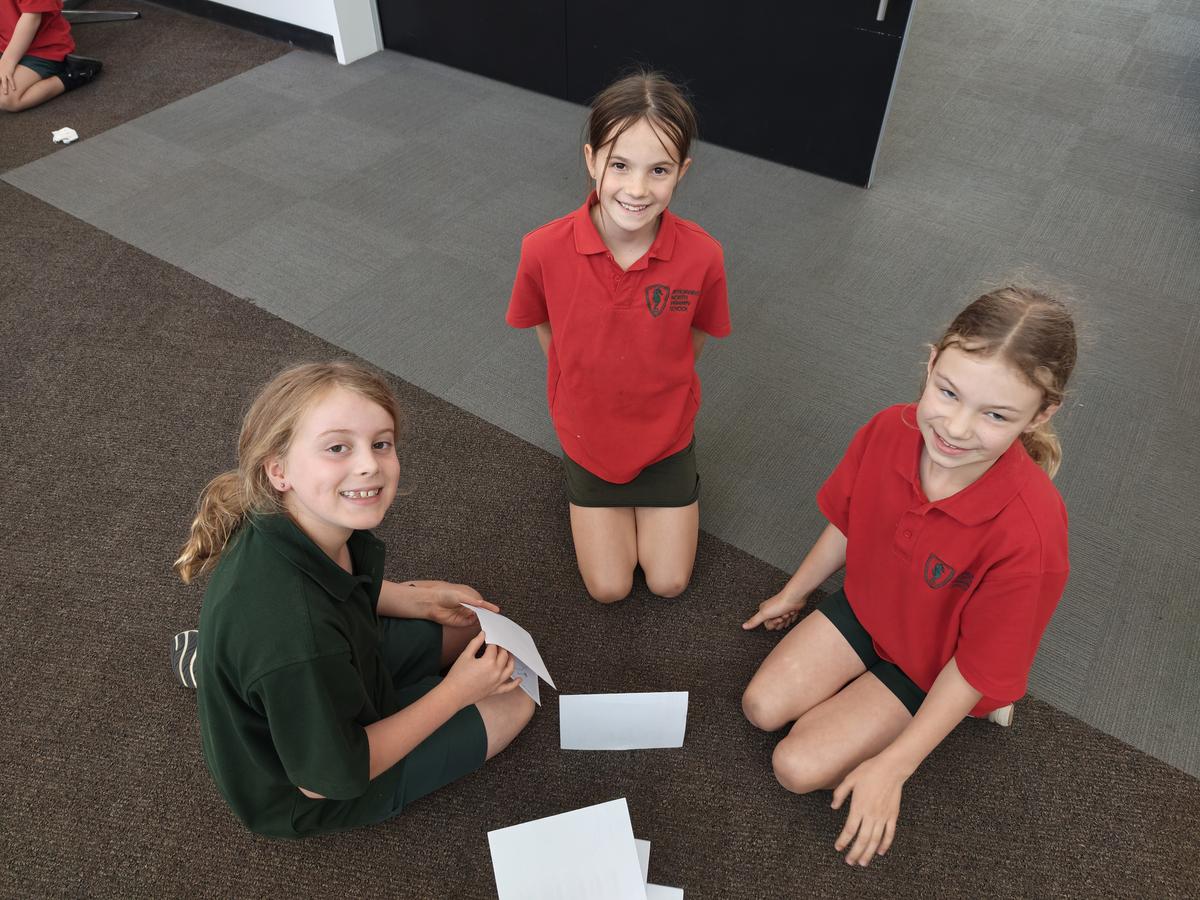
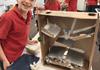
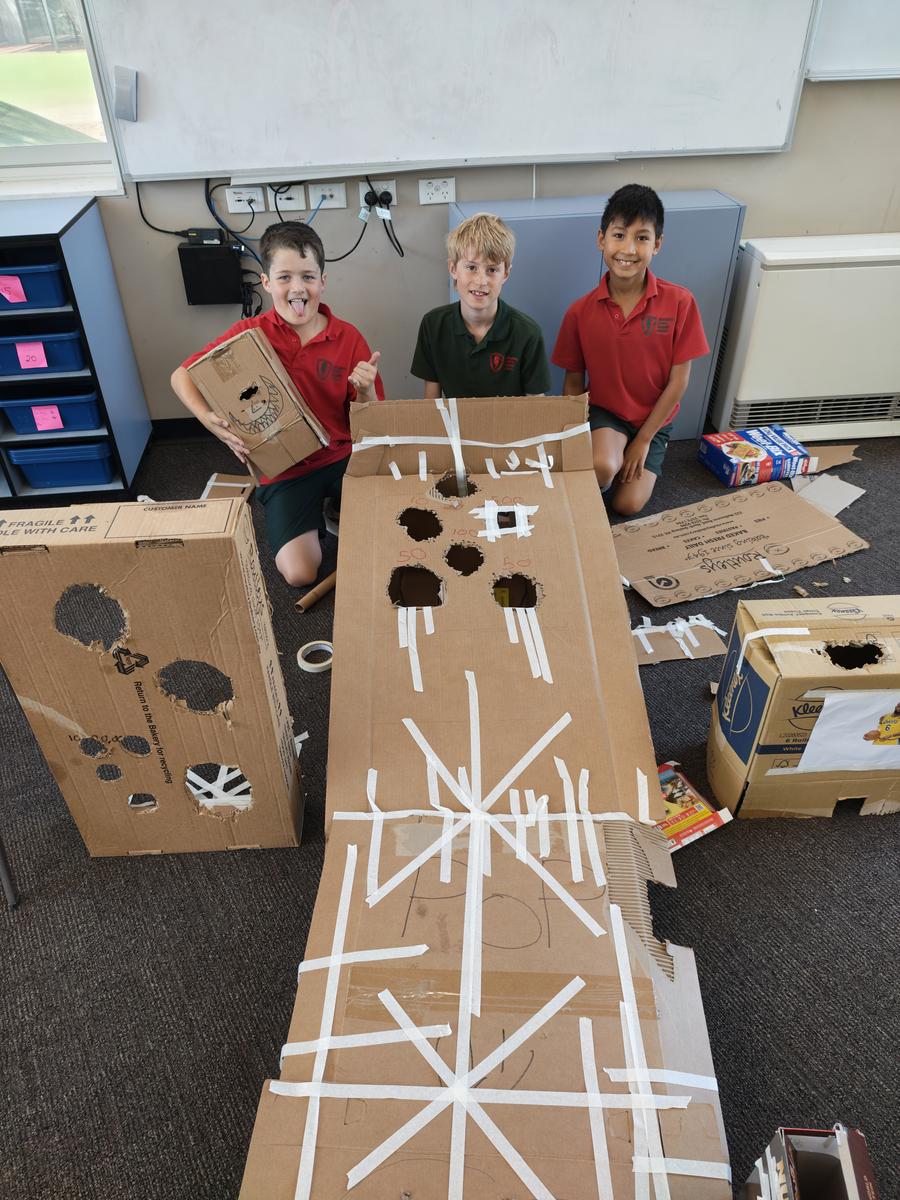
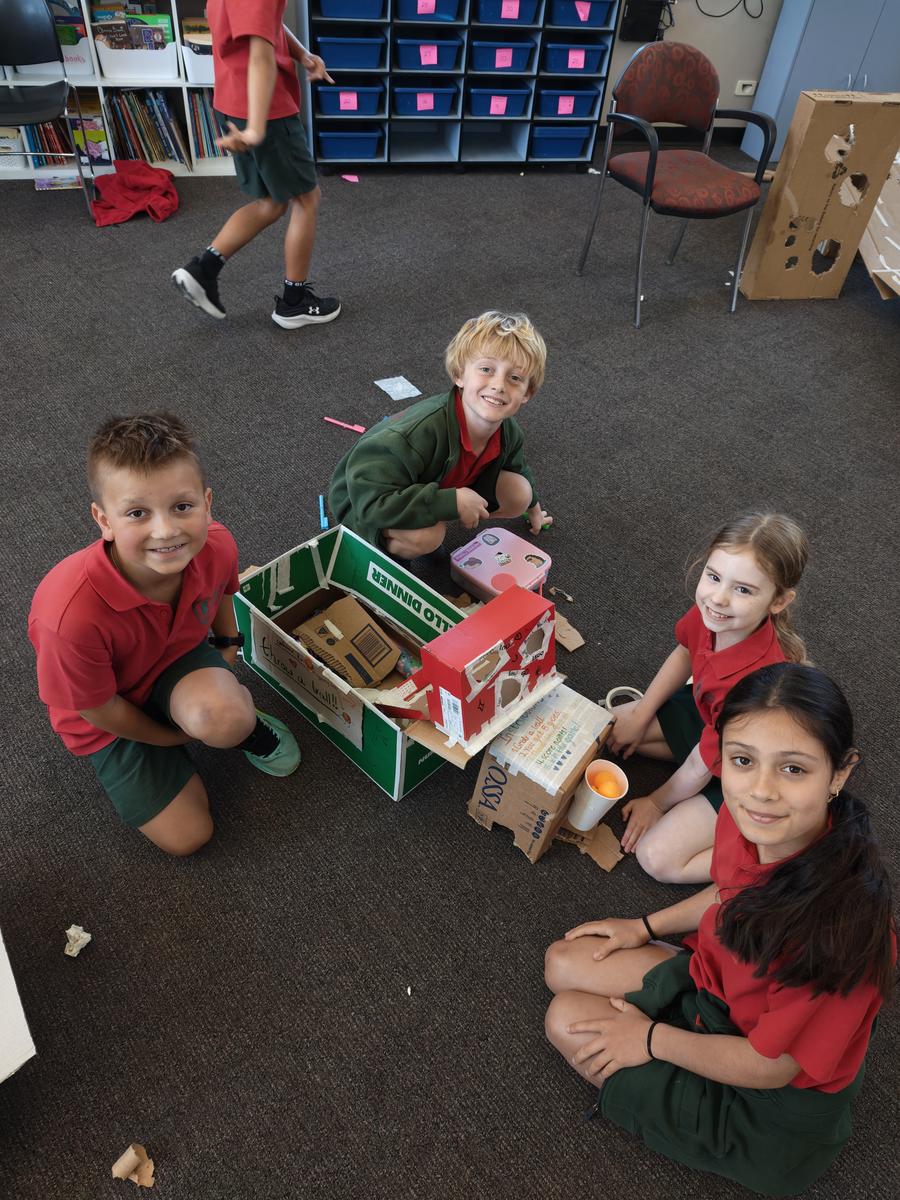
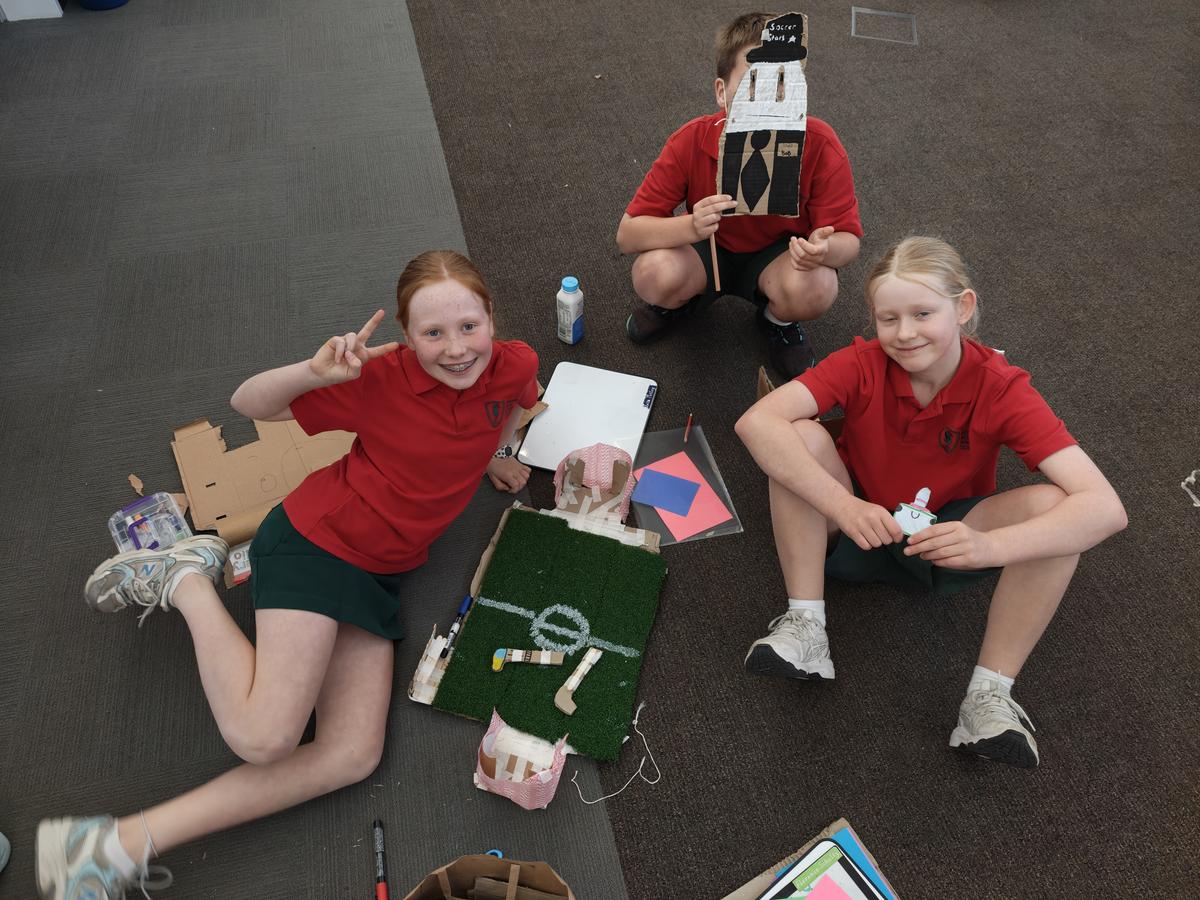
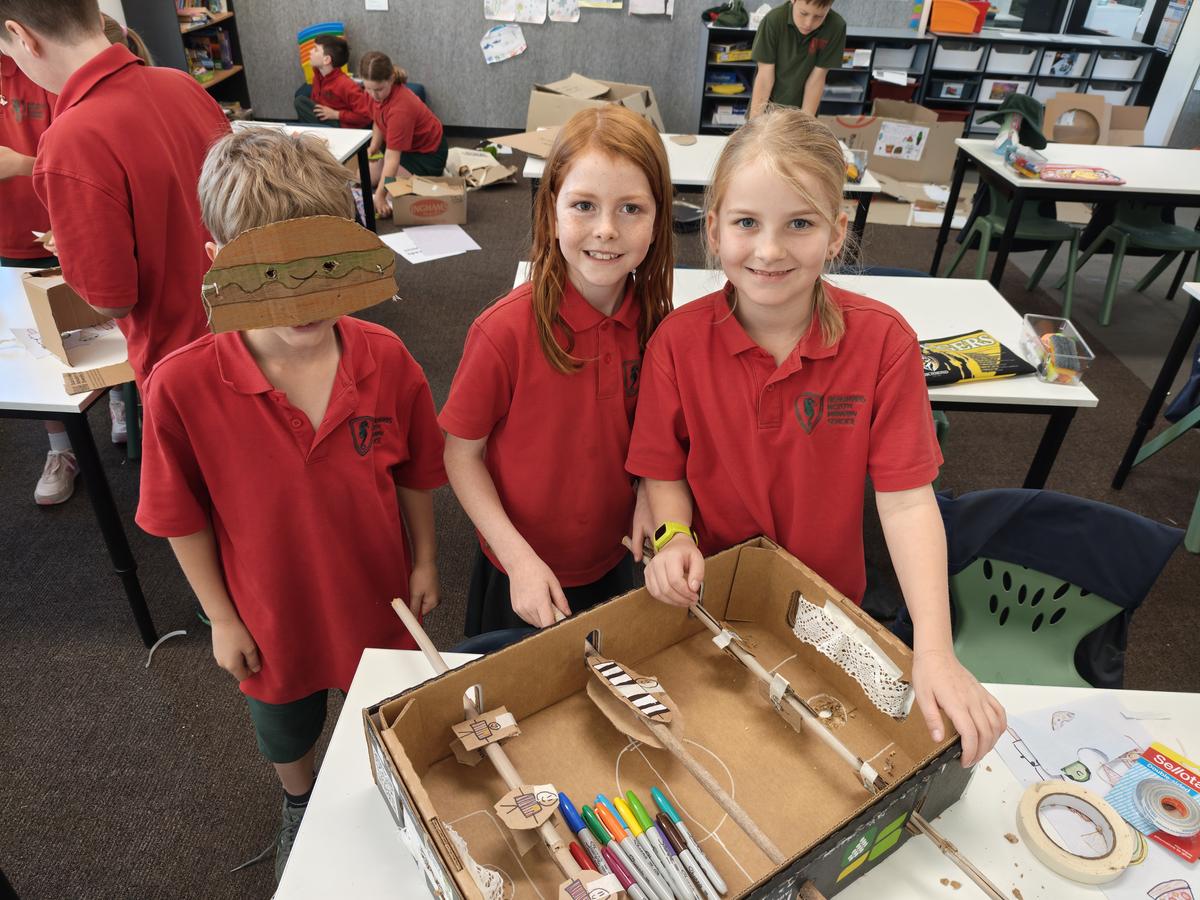
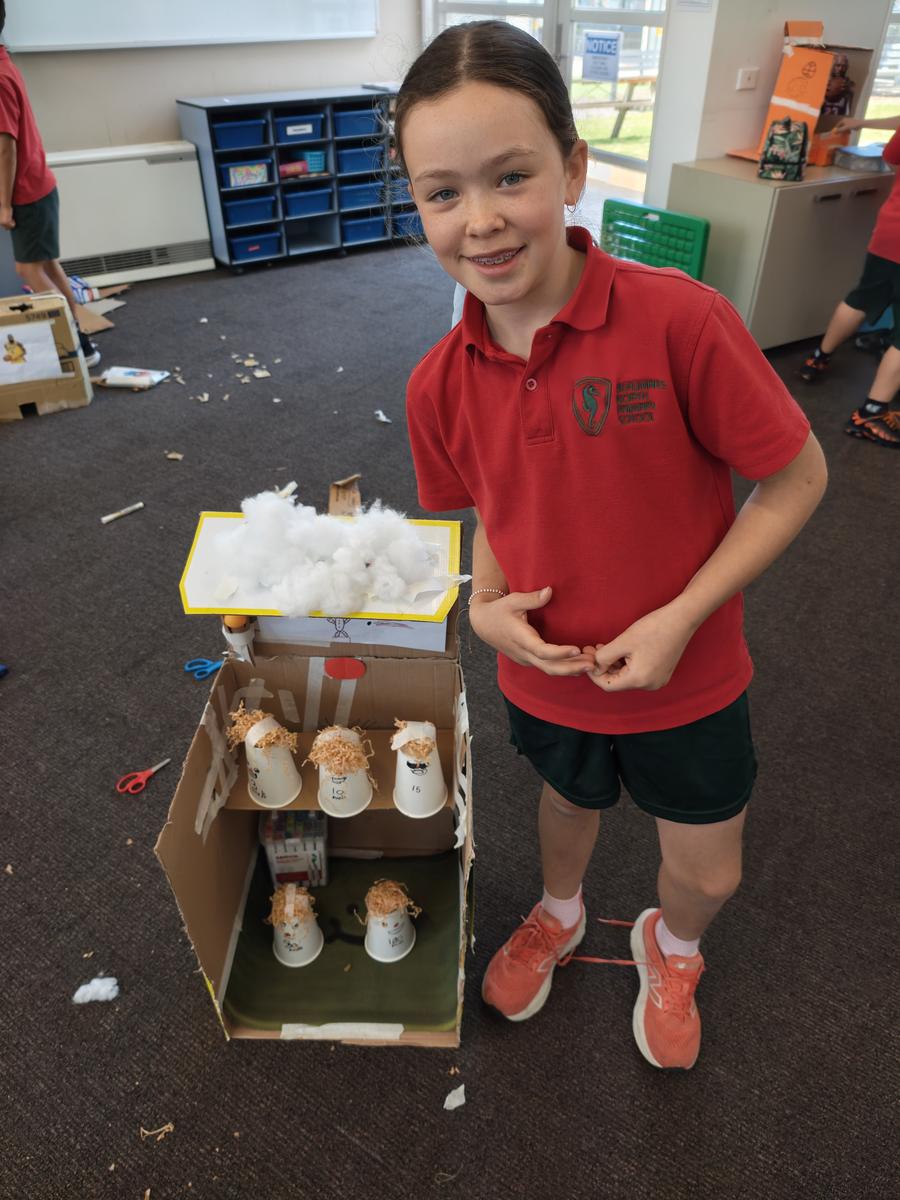
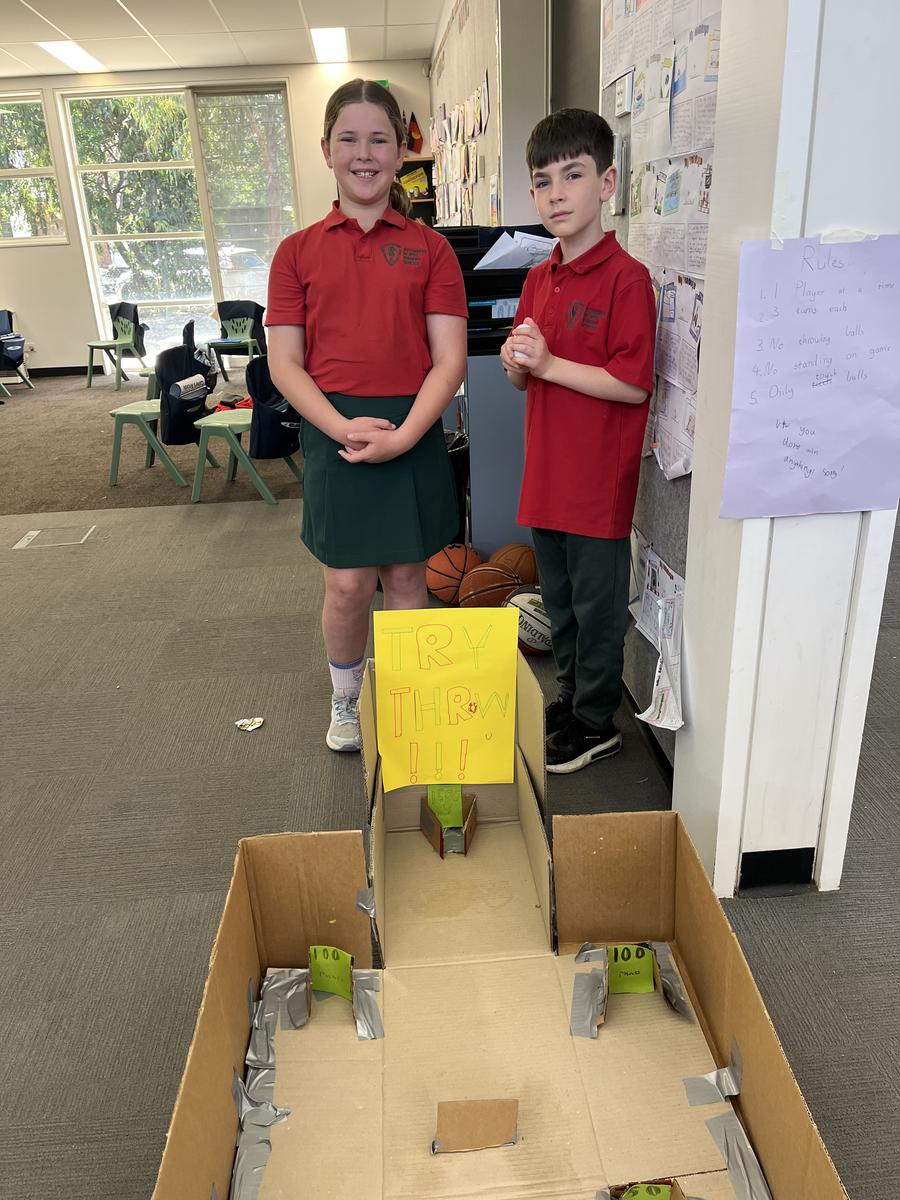
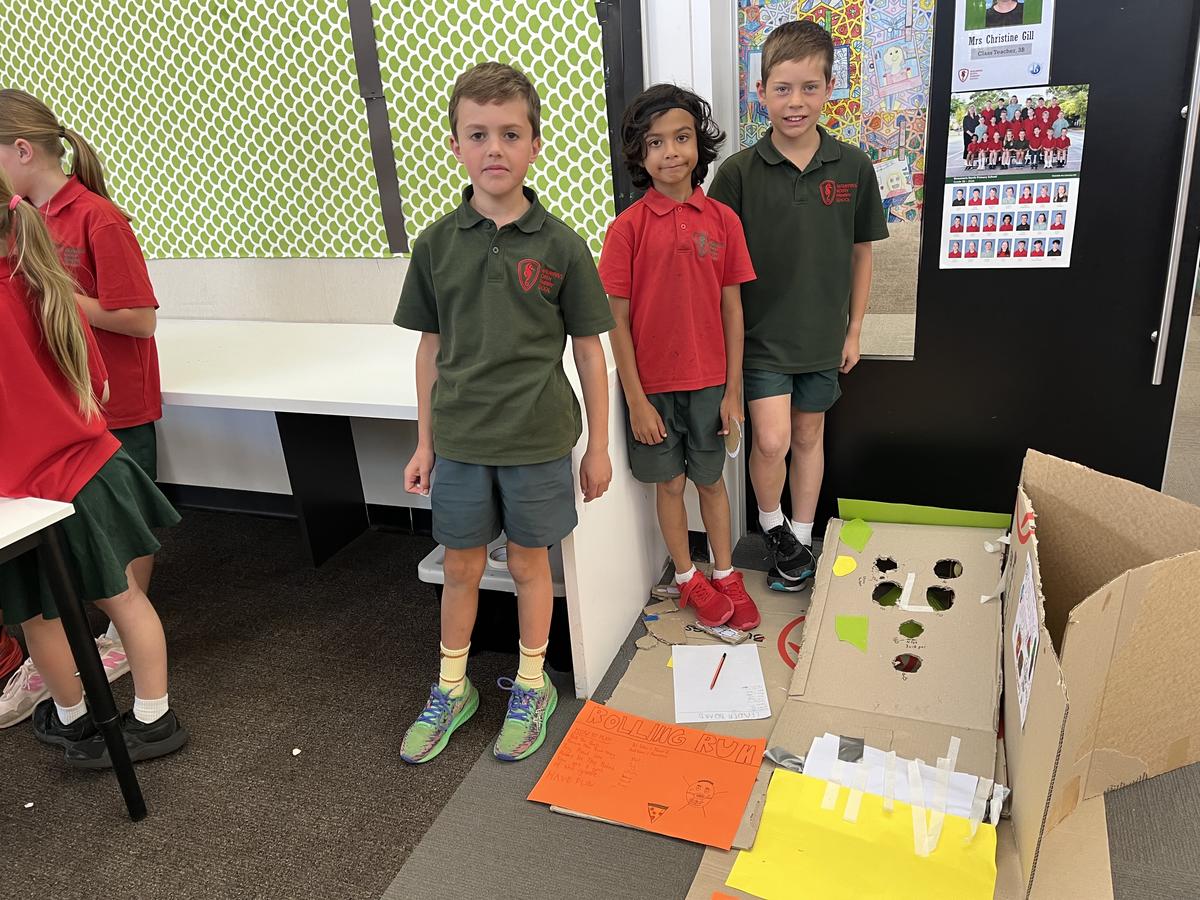
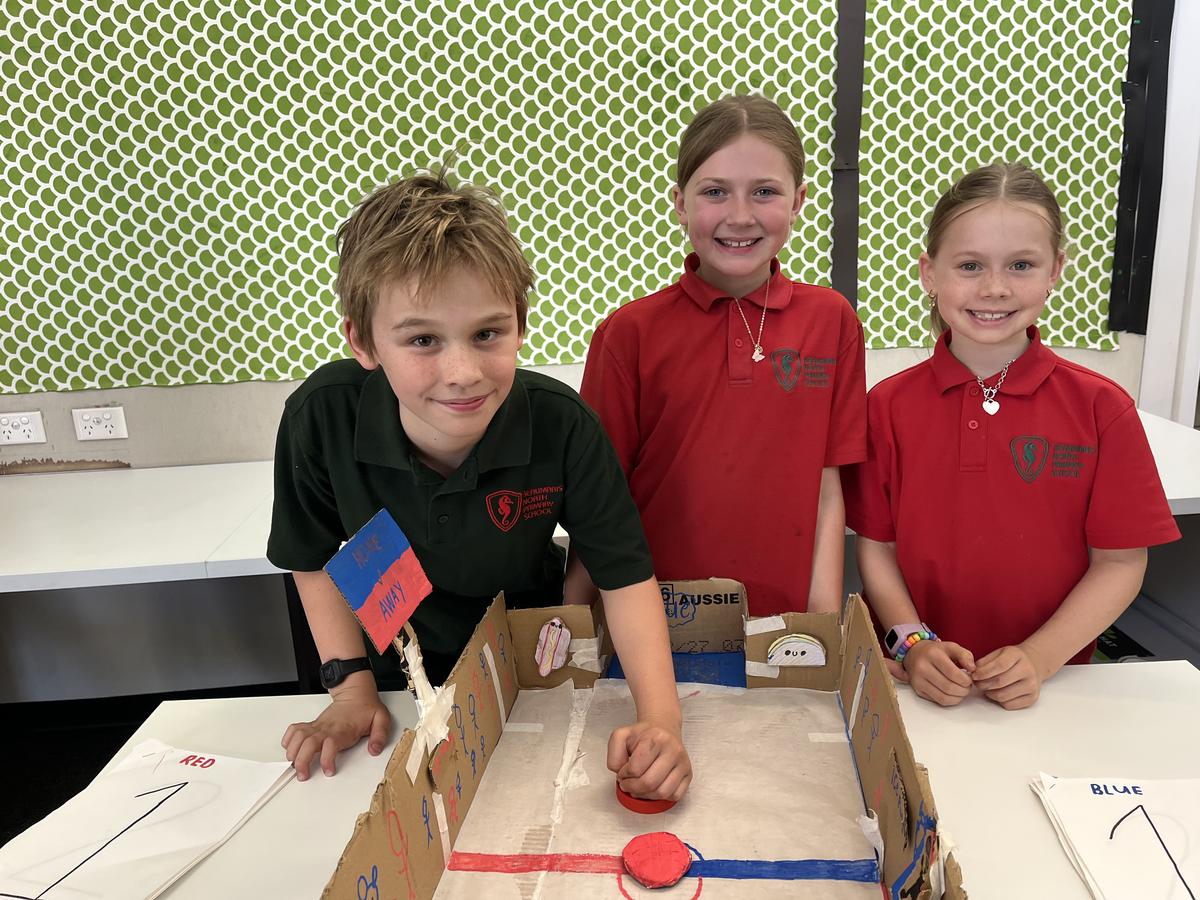
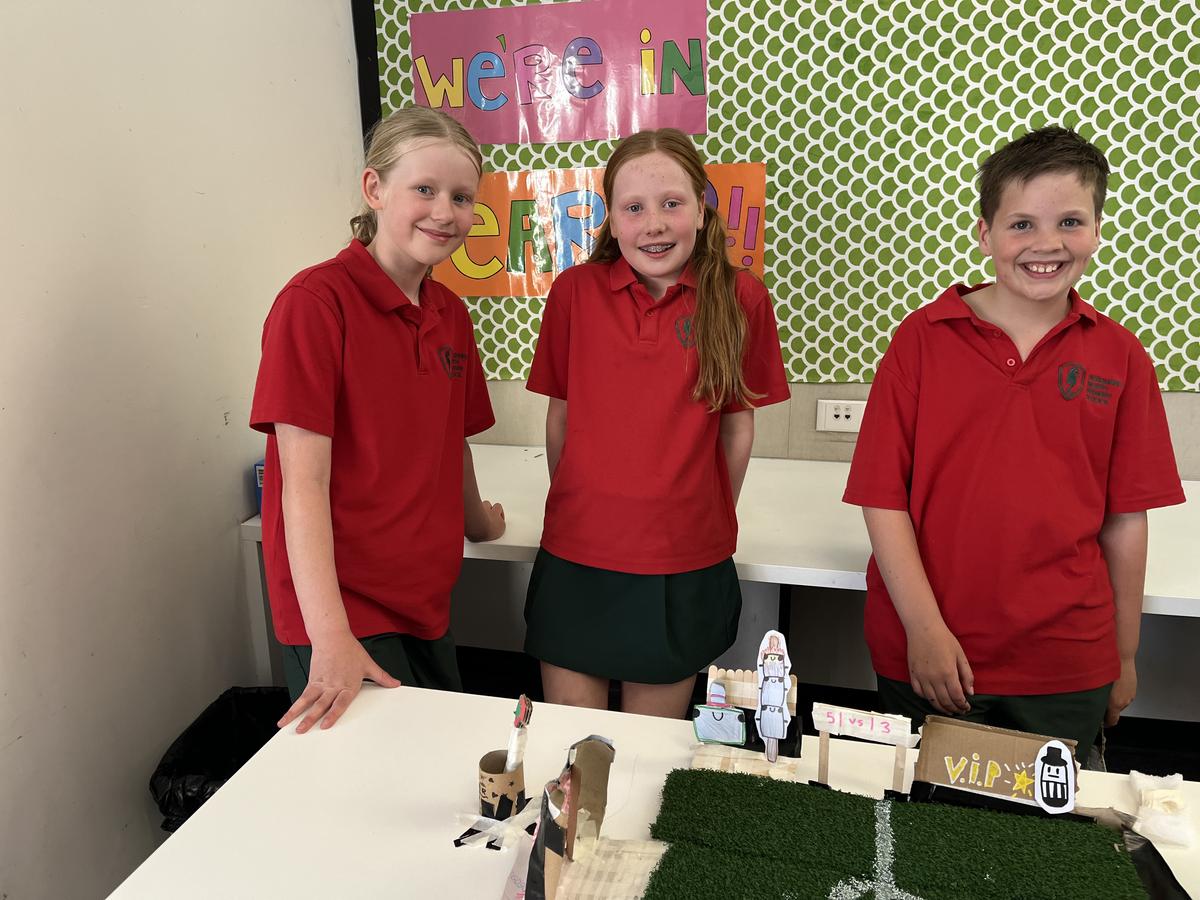
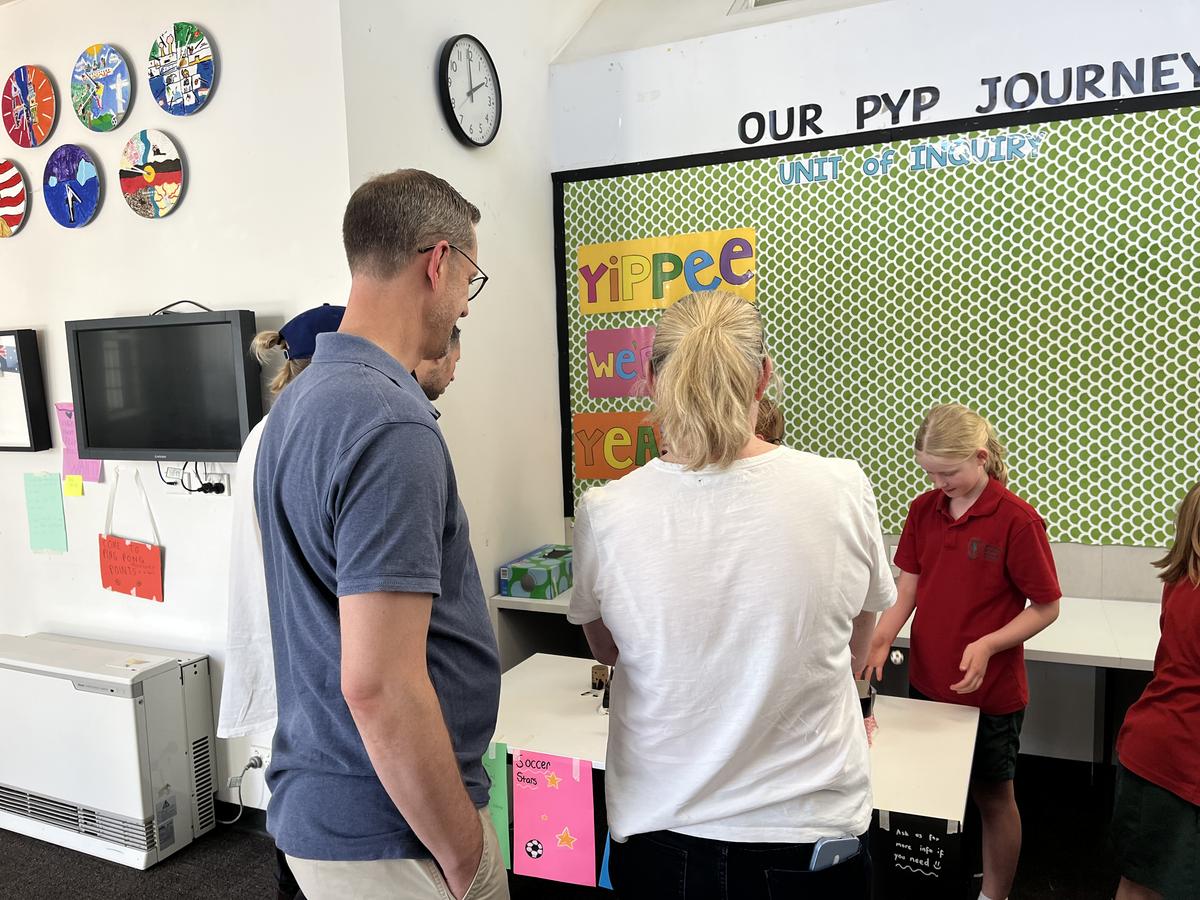
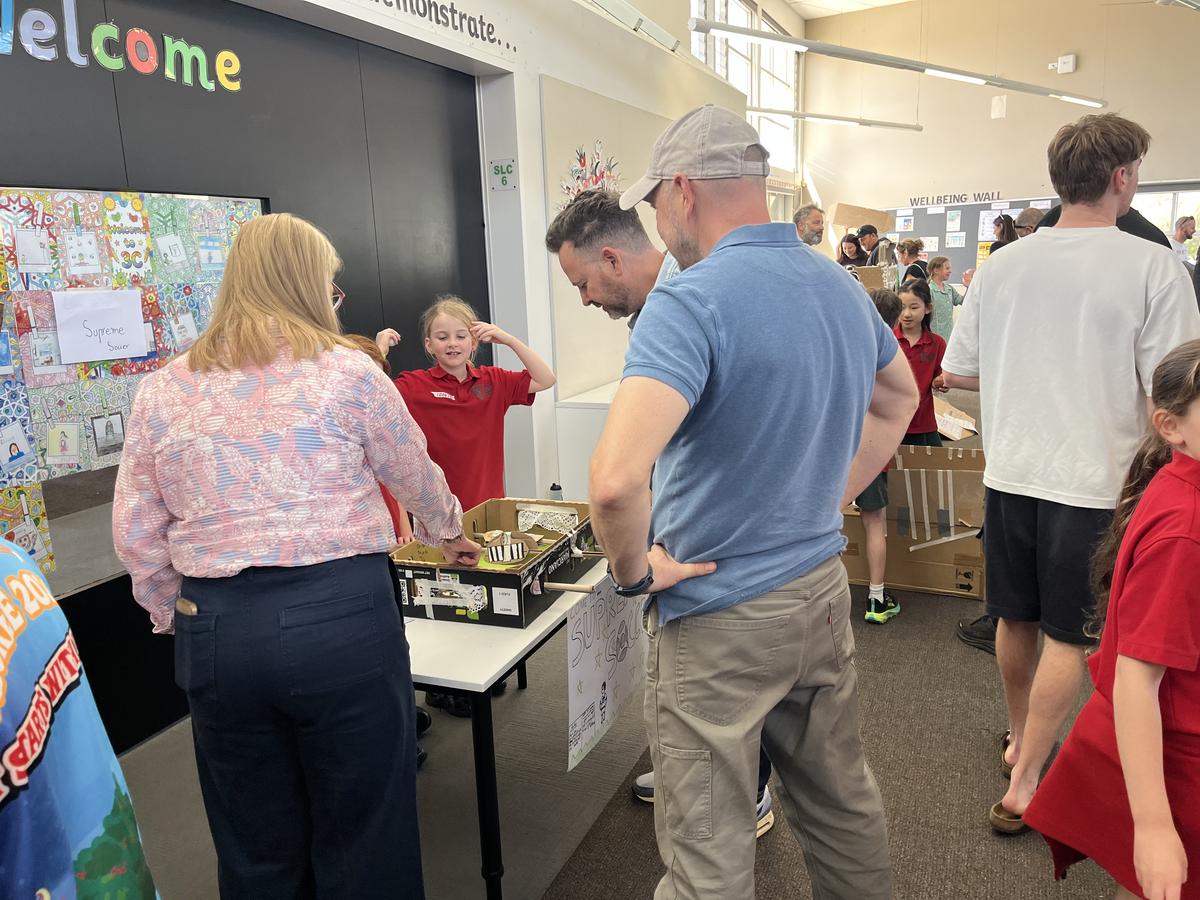
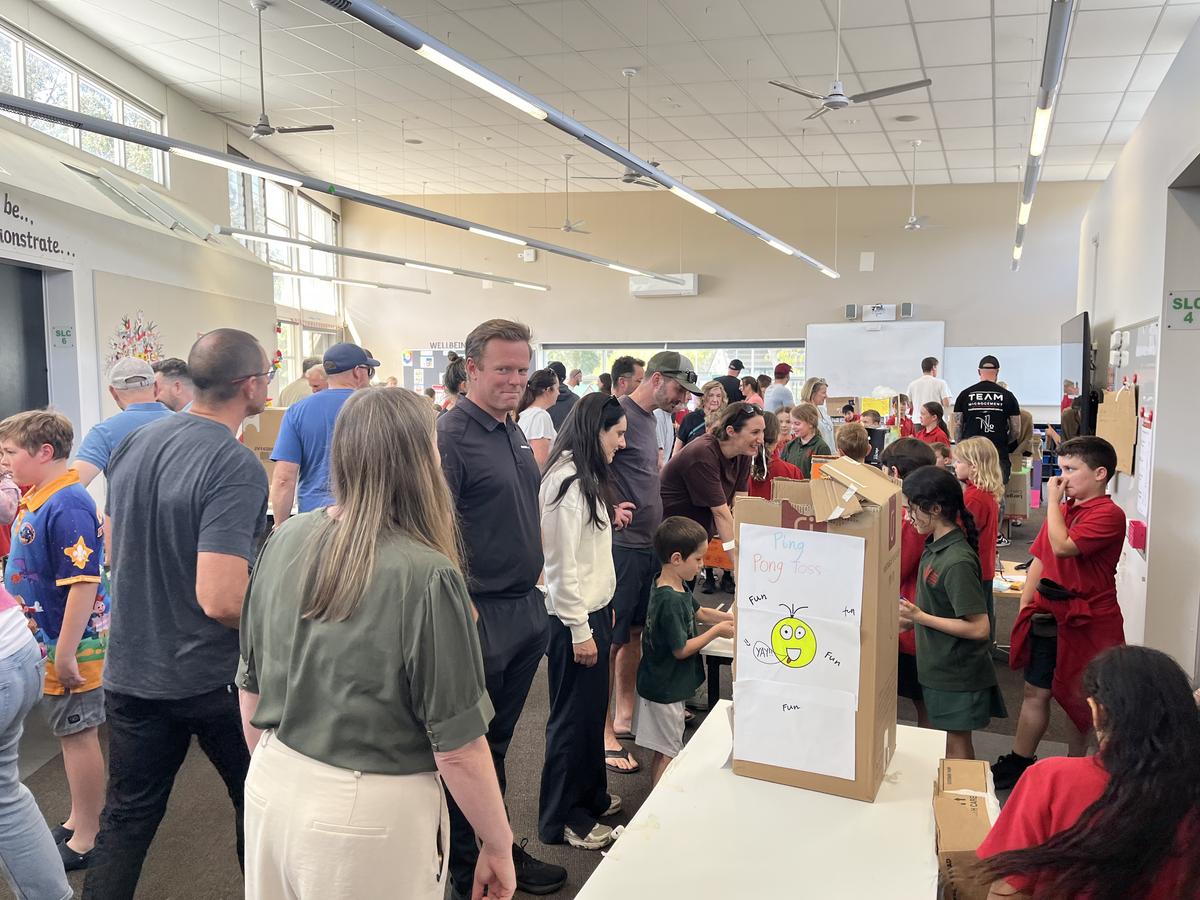
Arcade Showcase

Phonics and Literacy Skills
Each morning has begun with a lively Phonics Plus session, where students have been building their knowledge of spelling patterns, sound–letter relationships and tricky words. These quick-fire, focused lessons give students the tools to decode unfamiliar words with confidence and to spell with growing accuracy in their own writing. Alongside phonics, our Literacy Skills lessons have been strengthening grammar, vocabulary and sentence-level writing.
Text Study: The Mystery Deepens!
Our class novel has had everyone on the edge of their seats. Over five gripping lessons, students followed the characters through chapters titled “A red herring”, “Stake-out”, “Half-truths”, “Back in the pipes” and “Delicious satay”. Along the way, our young readers became genuine literary detectives:
Learning what a red herring is — a clue designed to throw readers off the scent — and why authors use them to build suspense.
Making and revising predictions as new evidence came to light.
Inferring characters’ feelings and motives, and weighing up when a character might be telling only a half-truth.
Expanding their vocabulary with rich, story-specific language and discussing how authors keep us turning the page.
Fluency Partner Reading
After lunch, students paired up for Fluency Partner Reading, taking turns to read aloud with expression, pace and accuracy while offering their partner encouraging feedback. It is a wonderful way to build both reading confidence and good listening habits.
Reading Assessment
This fortnight students also completed the PAT Reading Adaptive assessment. This online test adjusts to each child’s level as they work, giving us a rich picture of their comprehension strengths and next steps. We will use these results to fine-tune our reading instruction for the remainder of the year.
Numeracy
Measuring, calculating and racing the clock .
Daily Review and Fact Fluency
Every math lesson opened with our Daily Review, a short burst of retrieval practice that keeps previously taught skills fresh and firmly embedded. This was followed by Fact Fluency — two minutes on the timer to recall number facts as quickly and accurately as possible. Students love trying to beat their personal best, and we have seen some impressive improvements!
Measurement: Capacity, Mass and Volume
Our measurement focus had students thinking about how much things hold and how heavy they are. We launched our study of capacity with an engaging video, then moved into hands-on investigations, comparing containers, estimating and measuring in litres and millilitres. Students extended this thinking to mass and volume, discovering the difference between how much space an object takes up and how much a container can hold.
Fractions and the Four Processes
Students continued to build their understanding of fractions — naming, comparing and representing parts of a whole and parts of a collection. We also dedicated time to revising the four processes (addition, subtraction, multiplication and division), as well as time and worded problems, helping students choose the right strategy and explain their thinking clearly.
Try This at Home
Next time you are cooking or doing the shopping, ask your child to estimate how many millilitres a cup, jug or bottle holds, then check the label together. Who got closest?