Year 1 News



 Beaumaris North Primary School
Year 1 News
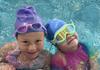
What a fantastic two weeks our Year 1 students had at their intensive swimming program at Mentone Grammar! There were plenty of smiles, splashes and lots of learning along the way. It was wonderful to see the students approach each session with such enthusiasm and a willingness to challenge themselves as they developed and strengthened their swimming skills.
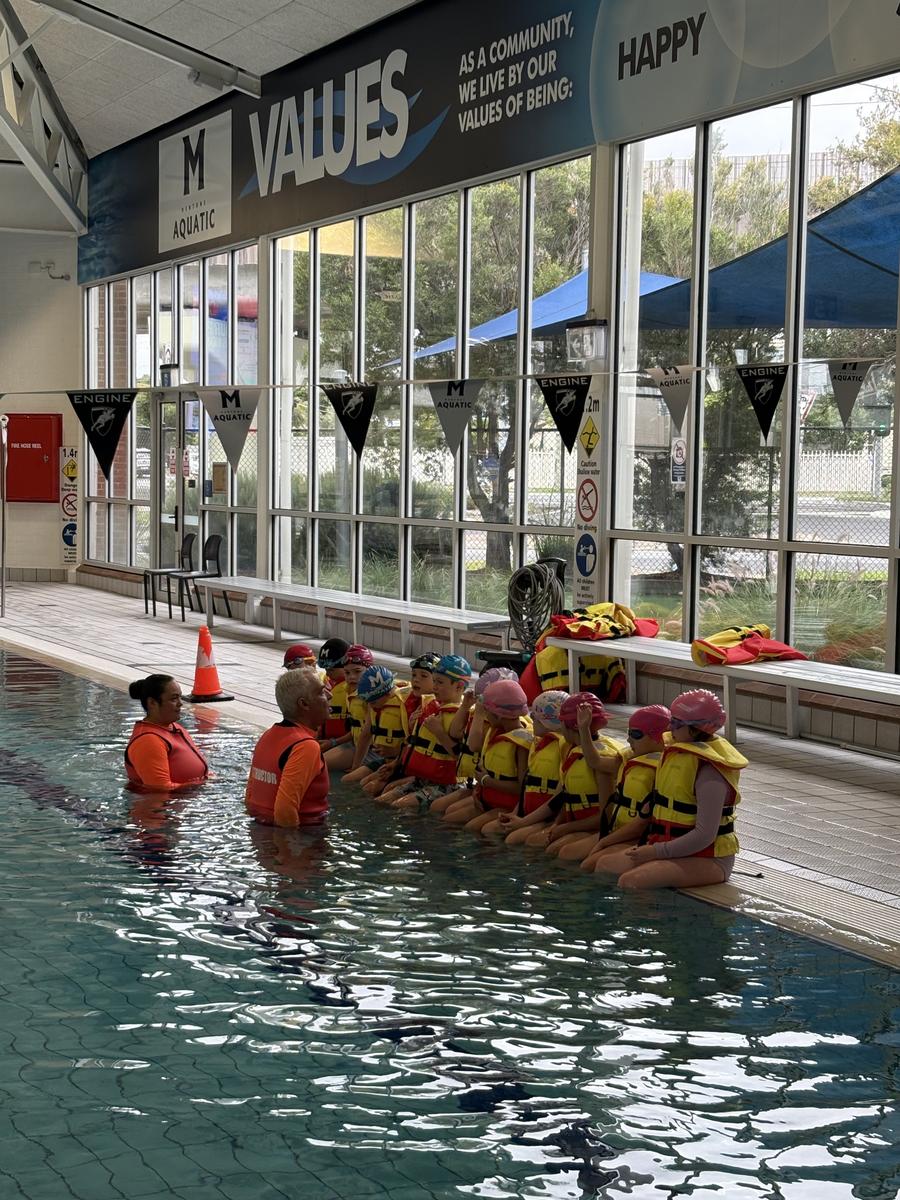
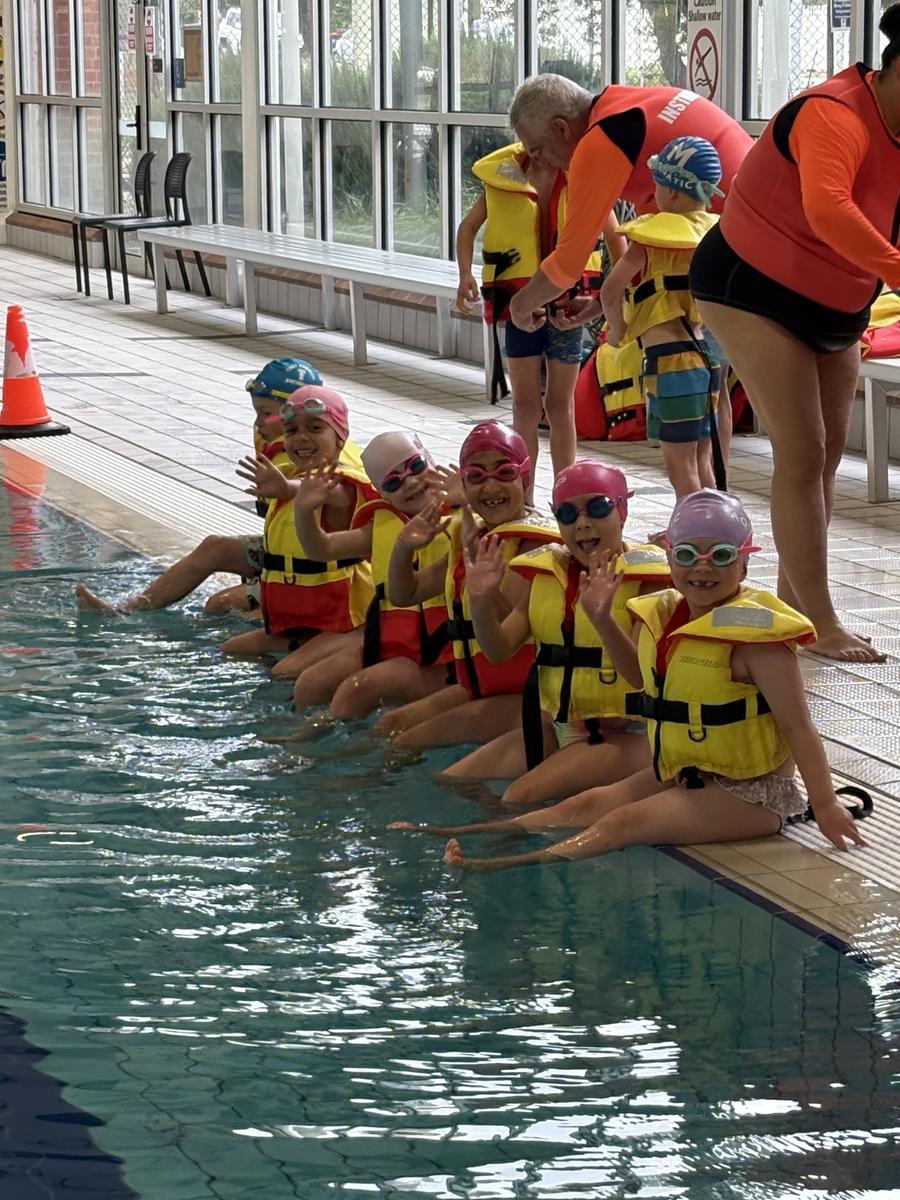
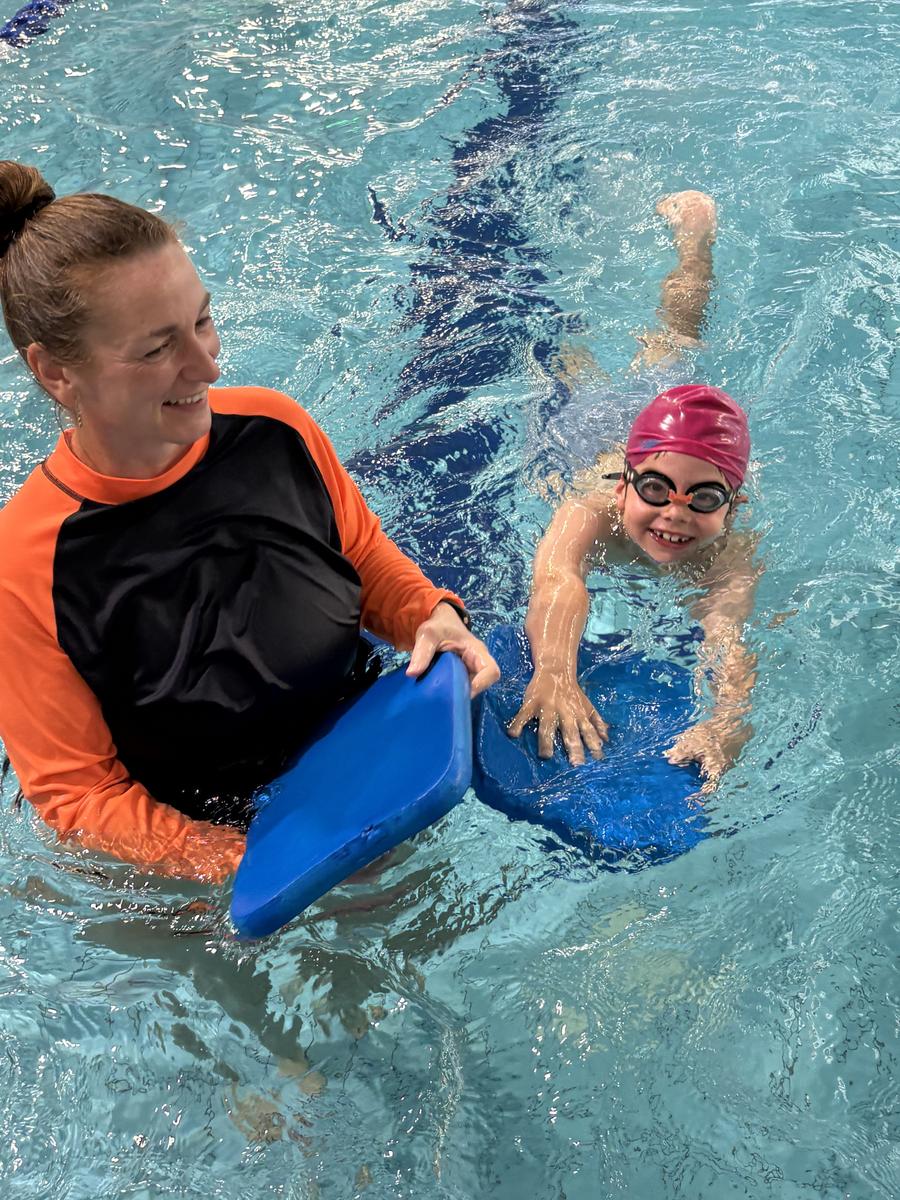
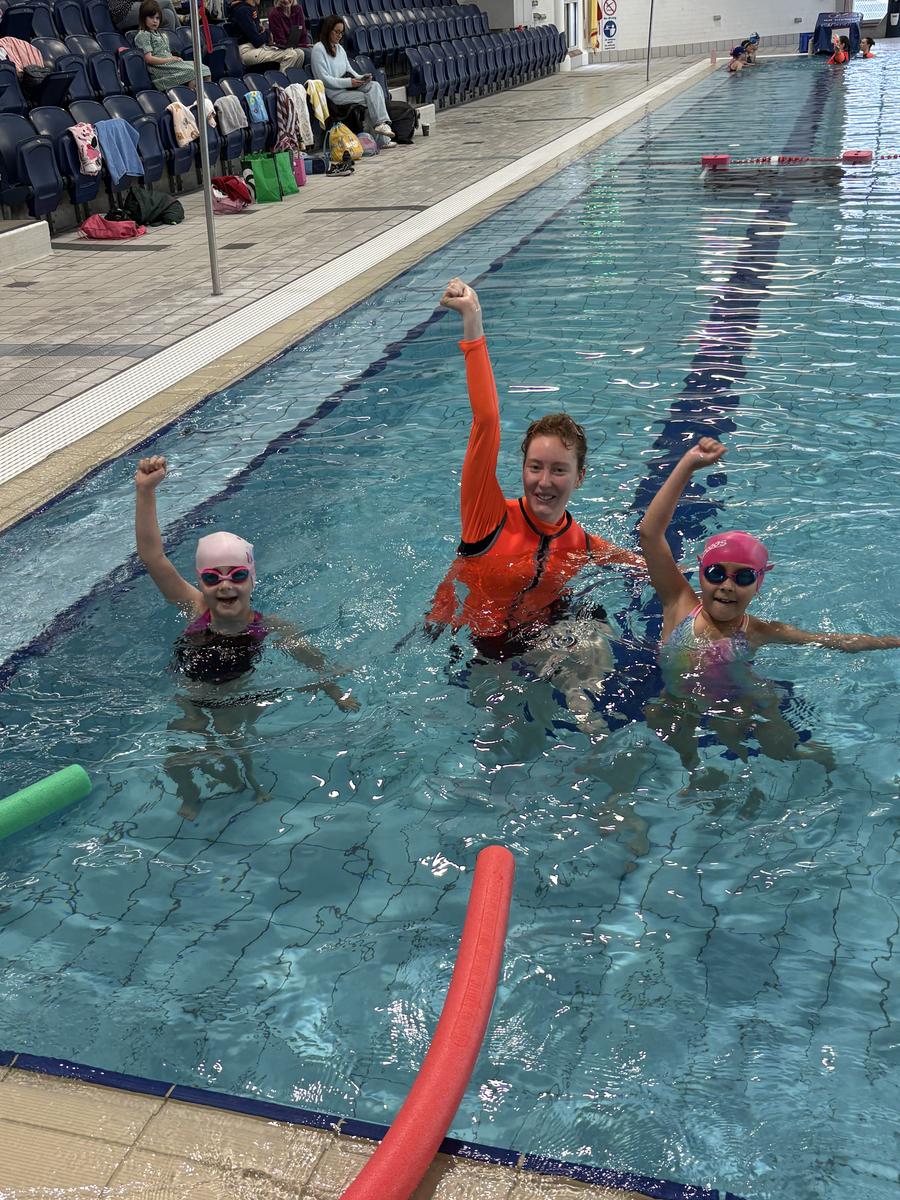
As well as building their confidence and learning new skills in the water, the students did an amazing job of becoming more independent. They showed great organisation by keeping track of their belongings, getting changed and ready for each lesson while also managing their swimming gear with increasing confidence. We were also impressed with how well they listened to instructions, worked in their small groups and encouraged one another throughout the program.
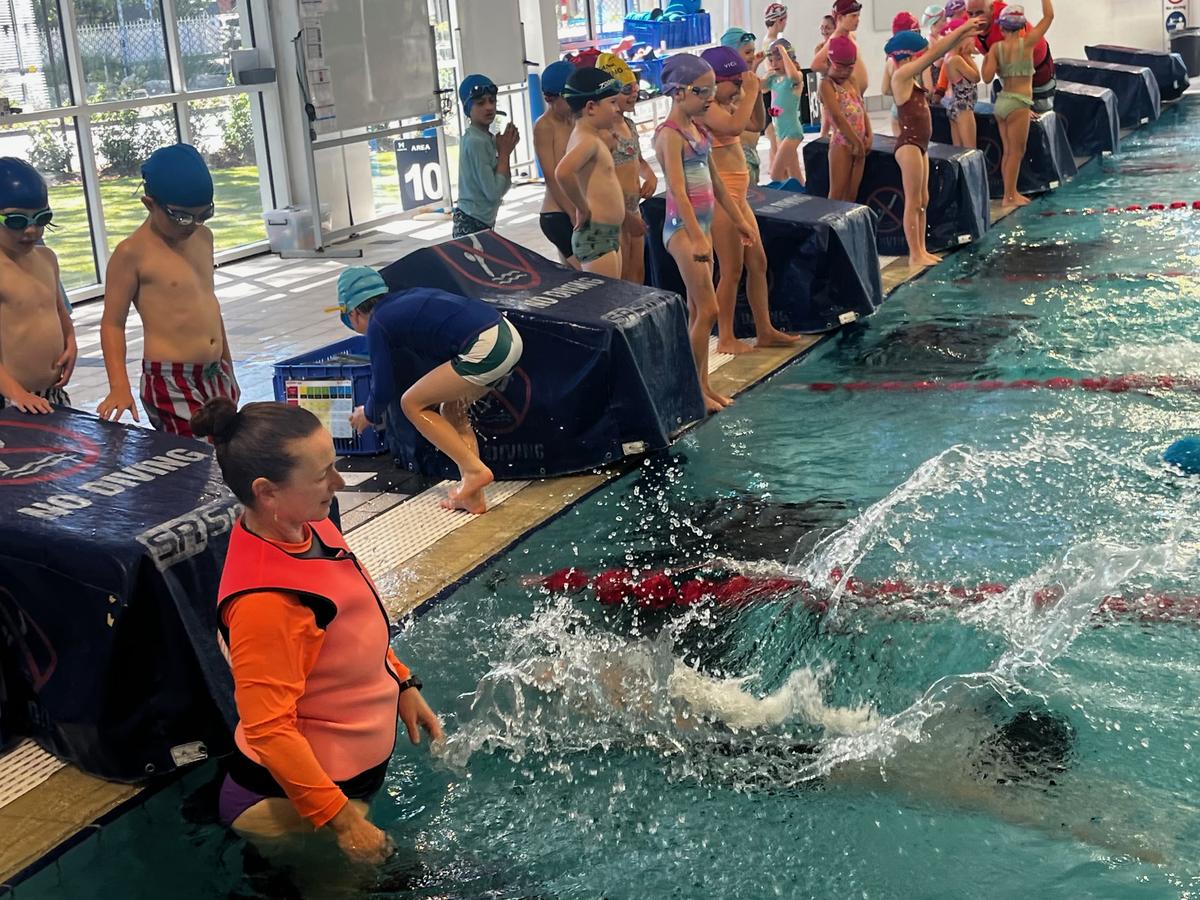
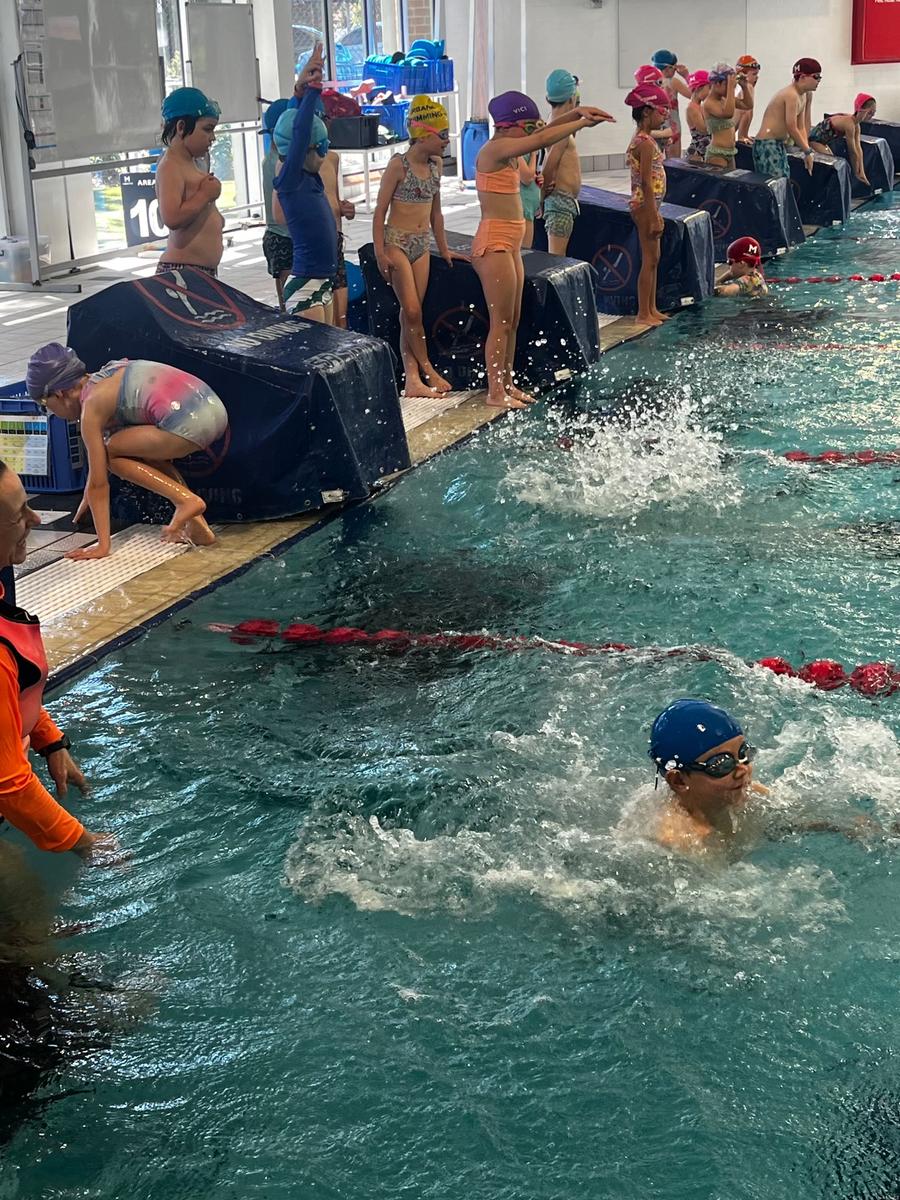
It was fantastic to see so many students grow in confidence and give everything a go. With so much enthusiasm in the pool, we think we have a few future little swimmers in the making! A big well done to everyone for a wonderful two weeks!
My favourite part about swimming was floating with the life jackets. I learnt how to save people. Sienna
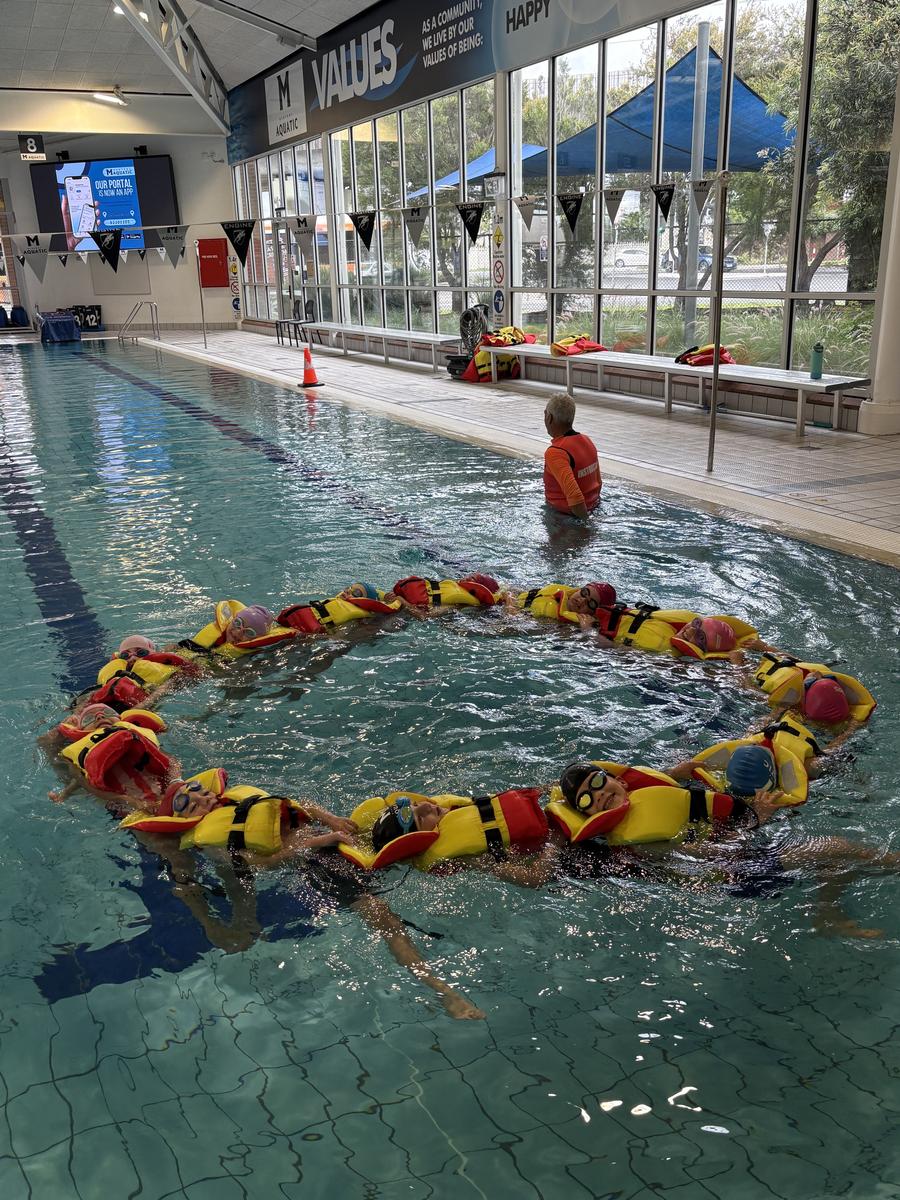
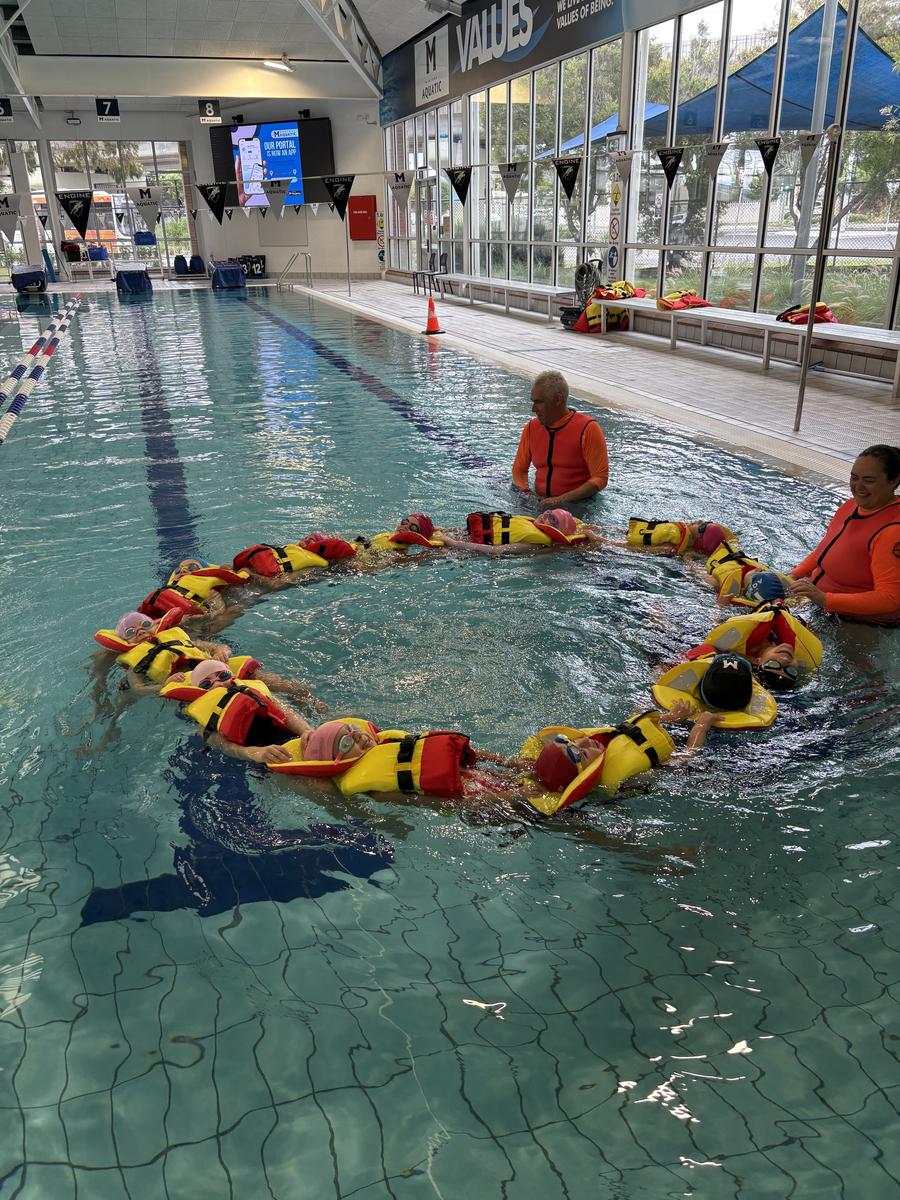
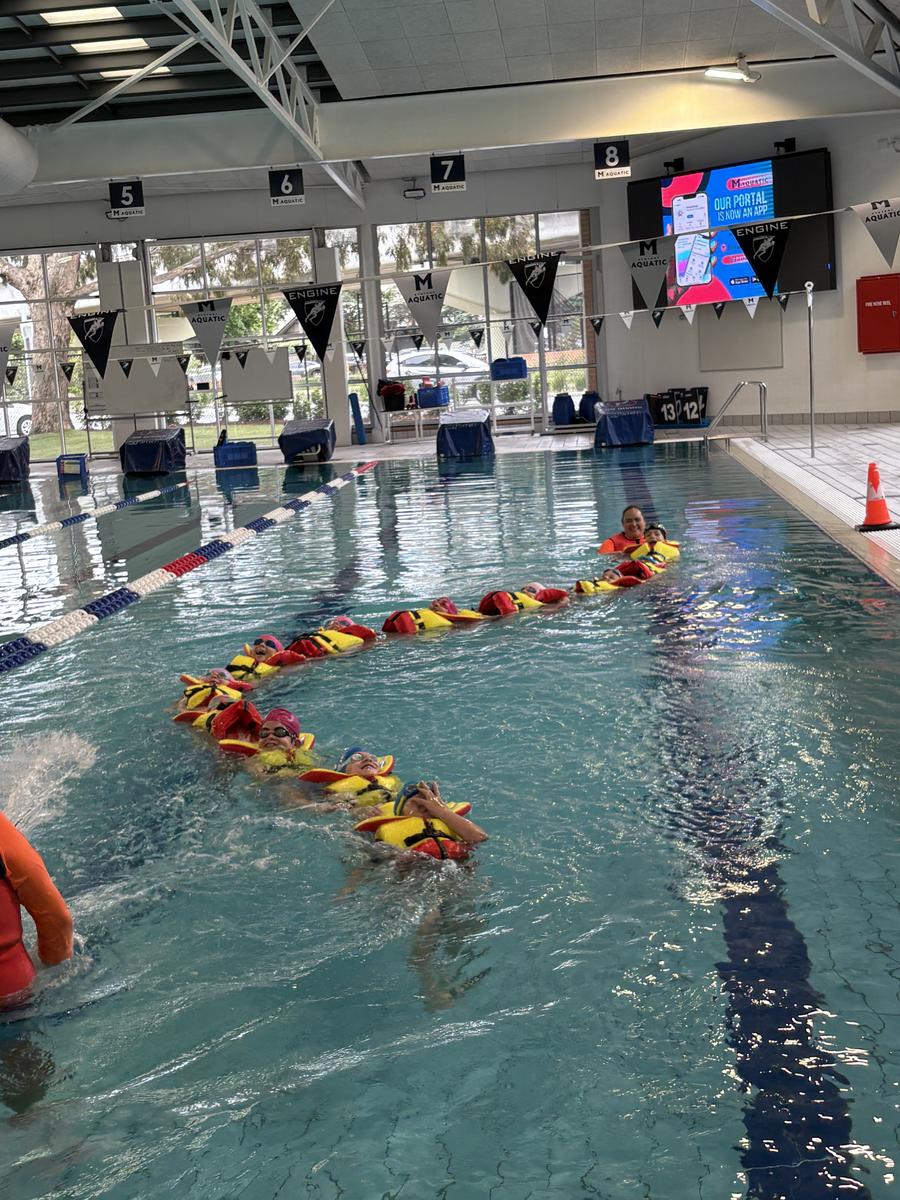
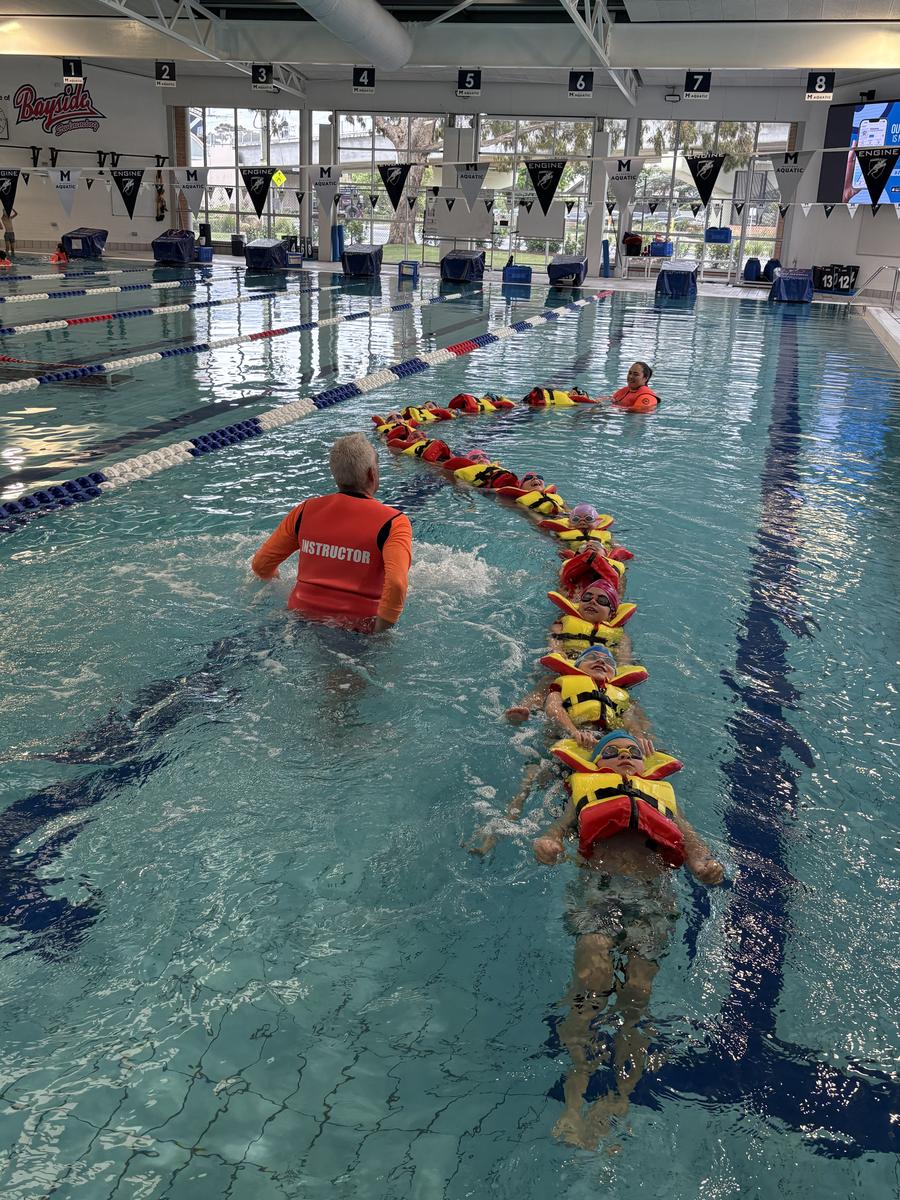
My favourite thing about swimming lessons was the last day we could wear life jackets and we raced. The best part was going on the bus with your friends.
Tommy
My favourite part about swimming lessons was the last day when we put life jackets on and we were like a shark. I got better at backstroke and free style. I felt really excited and a bit nervous but I still loved it so much.
Cole
Literacy
Students have been learning the vowel digraphs 'oi' and 'oy', exploring how these letter combinations make the same sound in words such as boy, joy, coin, boil and toilet. Through reading, spelling and word-building activities, students have practised identifying and applying these grapheme-phoneme correspondences in a variety of contexts.
Students have also been investigating how words can change meaning through the addition of suffixes. They have revised the comparative suffix -er (harder, sharper) and the superlative suffix -est (hardest, sharpest), helping compare people, objects and experiences more precisely in speaking and writing.
Our literacy lessons continue to include explicit phonics instruction, decodable reading practice, fluency development, handwriting and dictation activities. These experiences support students in becoming increasingly confident readers, writers and spellers while strengthening their understanding of how words work. It has been wonderful to see the progress students have made this year, and we are immensely proud of their achievements.
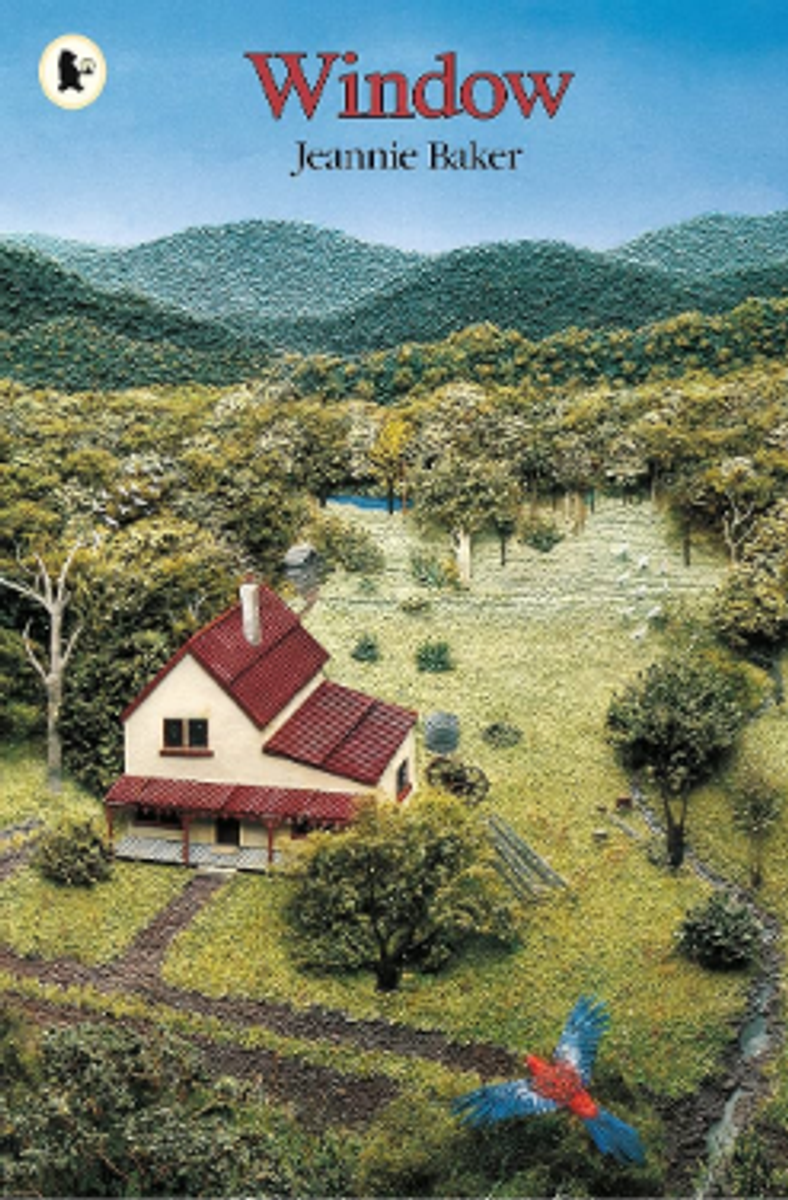
This term, students explored Window by Jeannie Baker, a powerful wordless picture book that tells the story of environmental change through a series of detailed collage illustrations. As they followed the view from a child's bedroom window over time, students observed how urban development gradually transformed the natural landscape.
The study encouraged thoughtful discussions about sustainability, conservation, and the impact of human activity on the environment. Students developed their visual literacy skills by closely examining the illustrations, identifying changes, making inferences, and considering the author's message.
A key part of our learning involved making text-to-self connections. Students reflected on how their own neighbourhoods, local parks, and communities have changed over time and shared personal experiences of new buildings, playgrounds, roads, and housing developments. These connections helped students better understand the themes of the book and recognise that environmental change is something they see and experience in their everyday lives.
Over the coming weeks, students will continue their learning through a selection of books by Jeannie Baker.
Over the past couple of weeks, our Year 1 mathematicians have been busy exploring a range of exciting mathematical concepts!
We have been learning to identify, continue and create core patterns, including repeating patterns such as AABB (e.g. red, red, blue, blue), as well as exploring patterns using different shapes. The students have enjoyed finding patterns in their environment, working out what comes next and having a go at creating their own tricky patterns for their friends to solve.
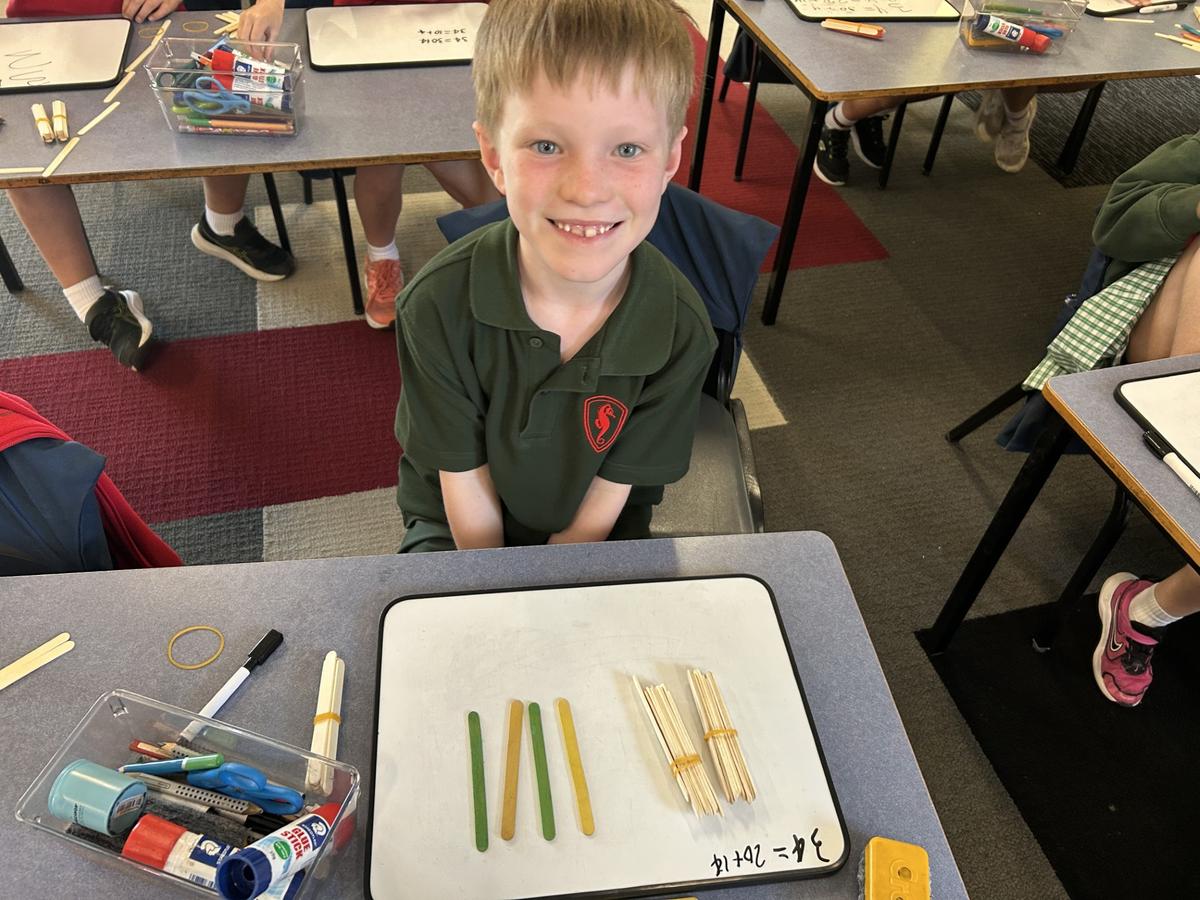
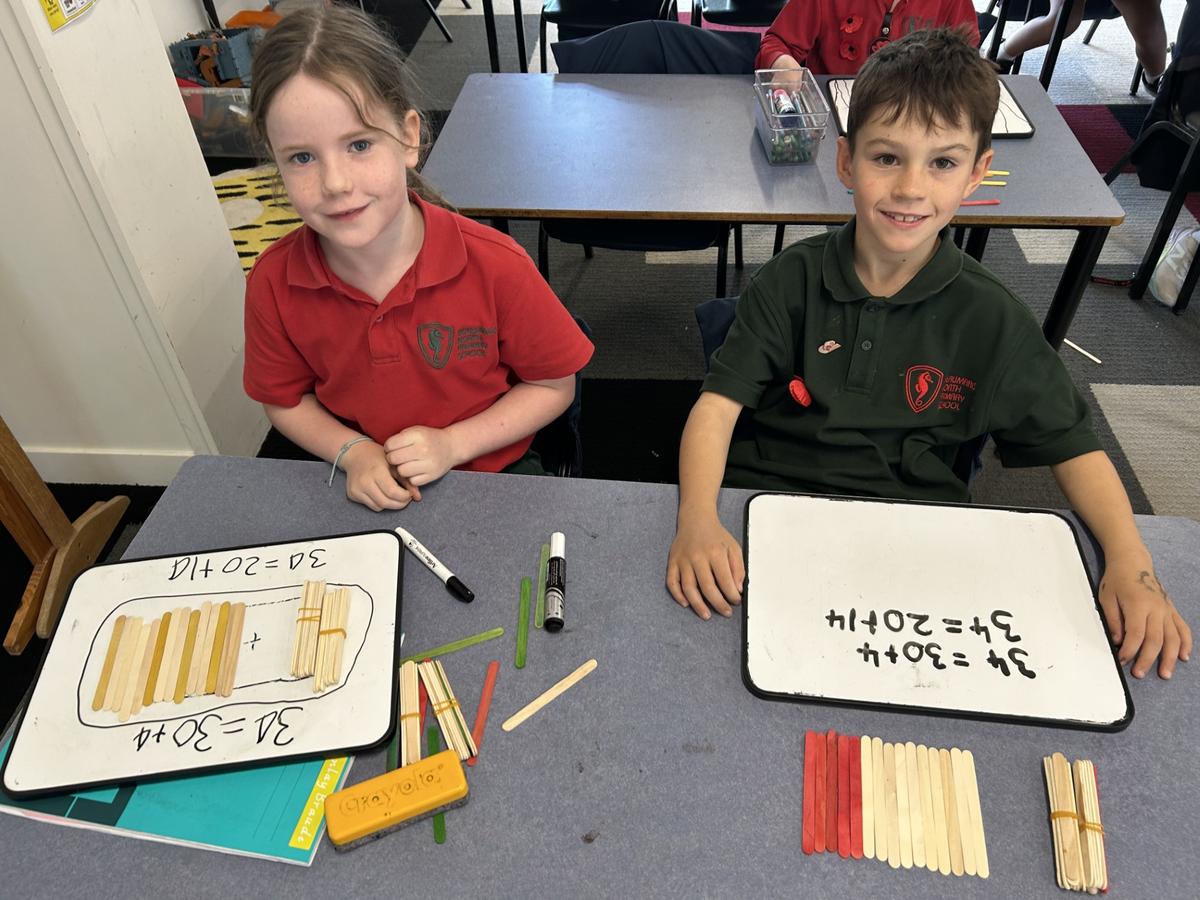
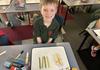
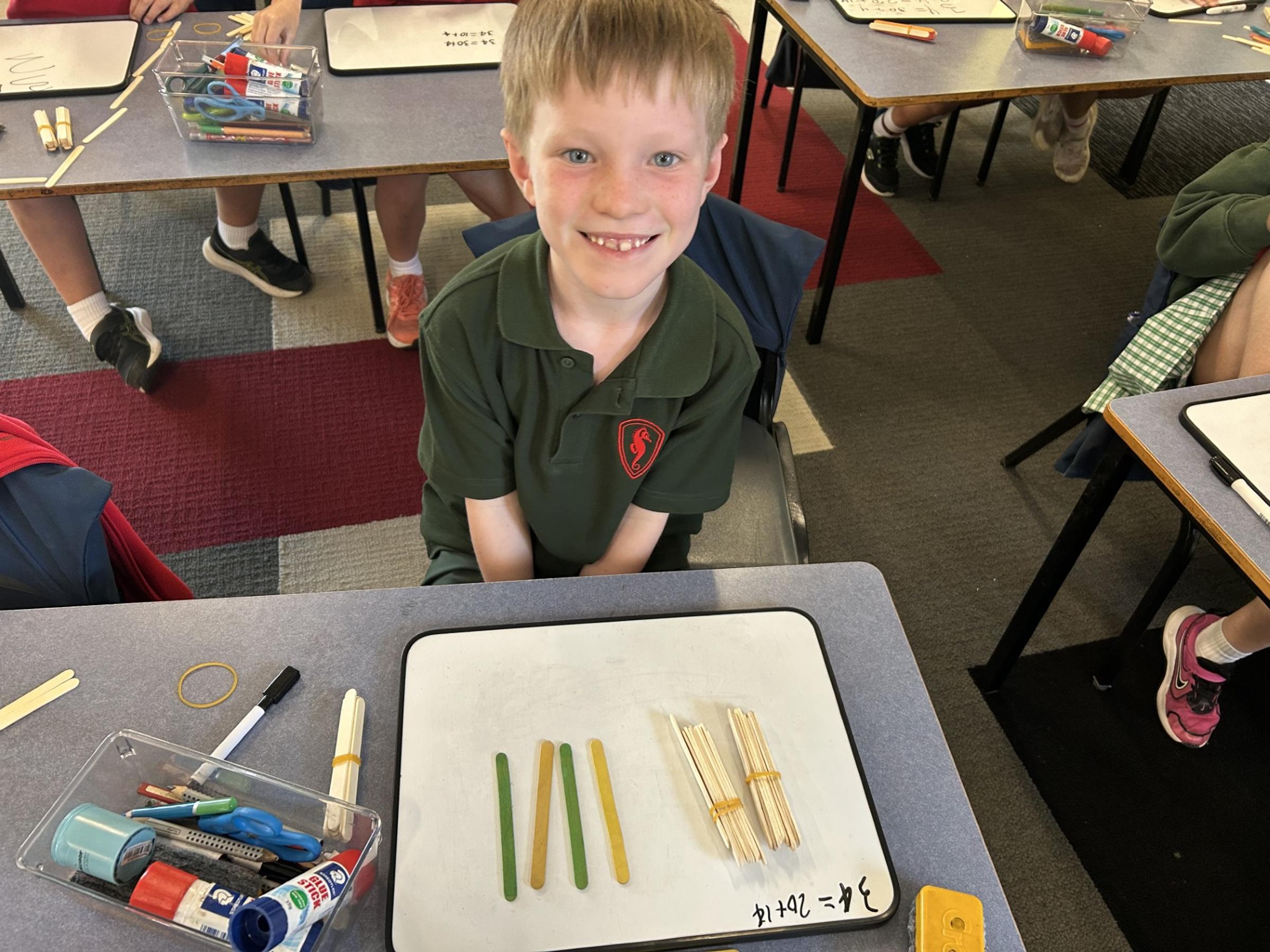
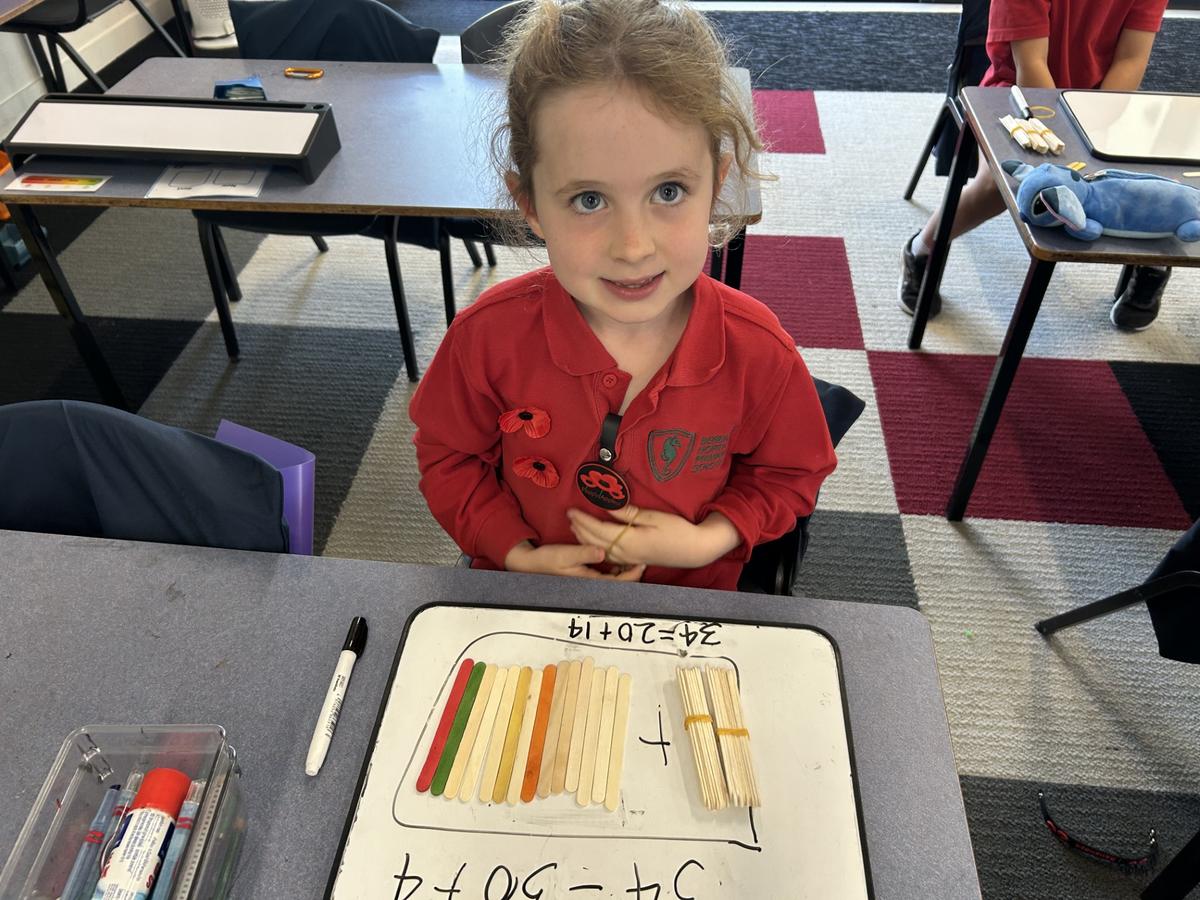
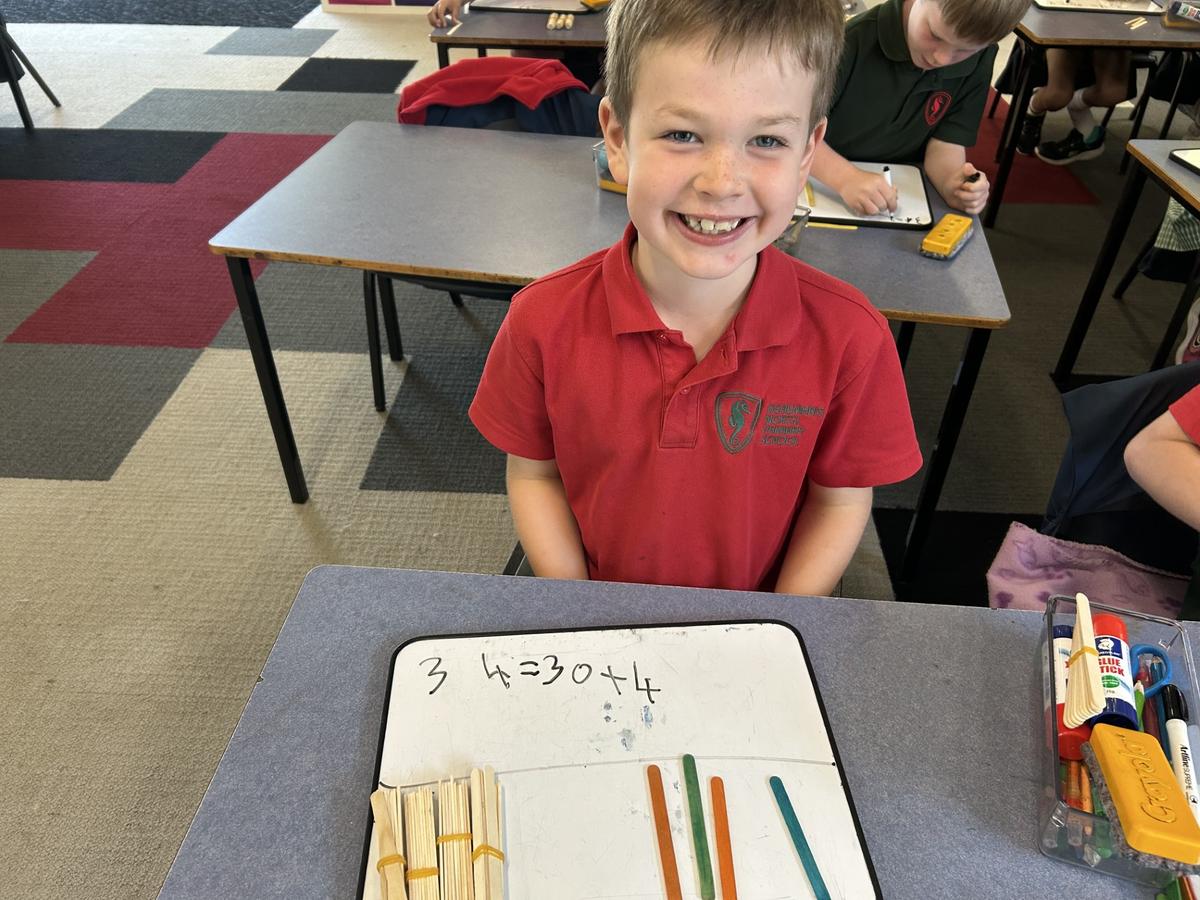
We have also been introduced to regrouping in place value, exploring how two-digit numbers can be broken apart and represented in different ways. For example, we know that 25 can be represented as 20 + 5, but it can also be regrouped as 10 + 15. Using bundling sticks, the students have been able to physically make and break apart numbers, helping them to understand that numbers can be represented in lots of different ways.
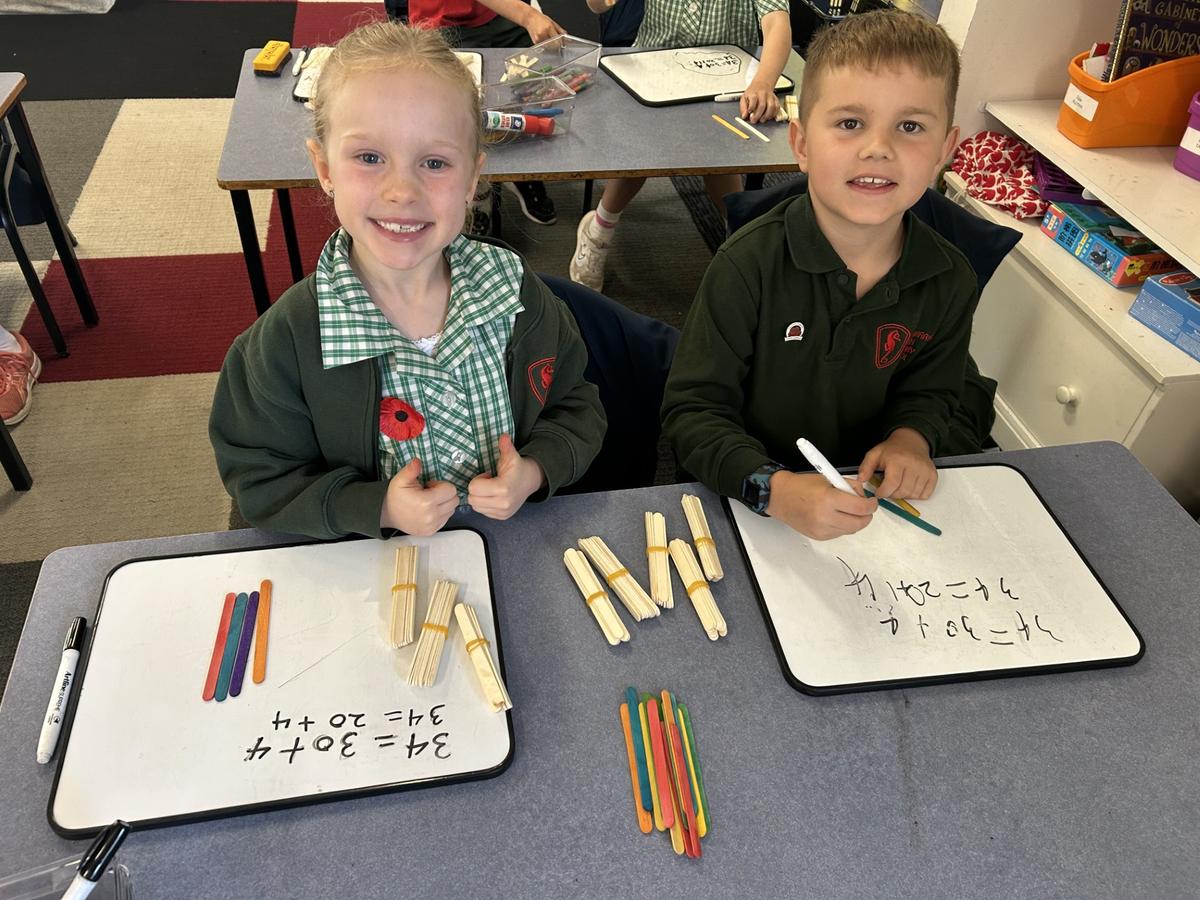
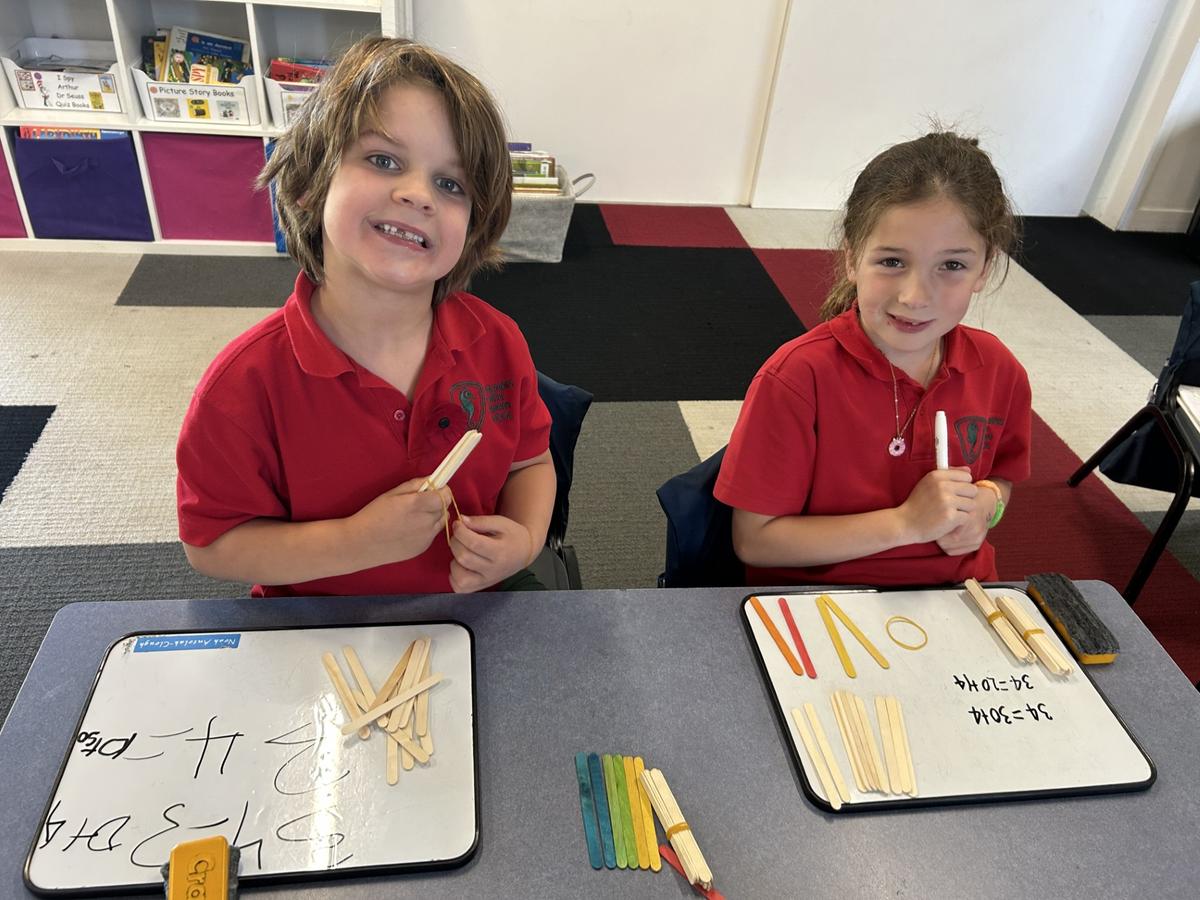
You can practise this with your child using everyday materials such as straws or icy pole sticks. Use rubber bands to bundle groups of 10 and challenge your child to make different two-digit numbers. For example, can they represent 25 using one bundle of 10 and 15 loose sticks? Can they find another way to make 25? This is a great hands-on way to develop their understanding of how numbers can be regrouped.
Our final focus has been an introduction to probability – thinking about the likelihood or chance of something happening. We have been using everyday examples to explore whether something might happen or might not happen. For example, what is the chance that it will rain tomorrow? What is the chance we will see a cat on our way to school? What is the chance of seeing a dinosaur in the playground? The students have enjoyed making predictions, sharing their ideas and explaining their thinking.
Our Sharing the Planet Unit of Inquiry continues to spark curiosity and excitement as students explore the fascinating world of animals and their habitats. Over the last few weeks, students have been investigating where animals live and learning about the specific features that help them survive in different environments. From the icy habitats of polar bears to the grasslands where giraffes roam and the wetlands inhabited by ducks, students have discovered that every animal is uniquely adapted to meet the challenges of its habitat.
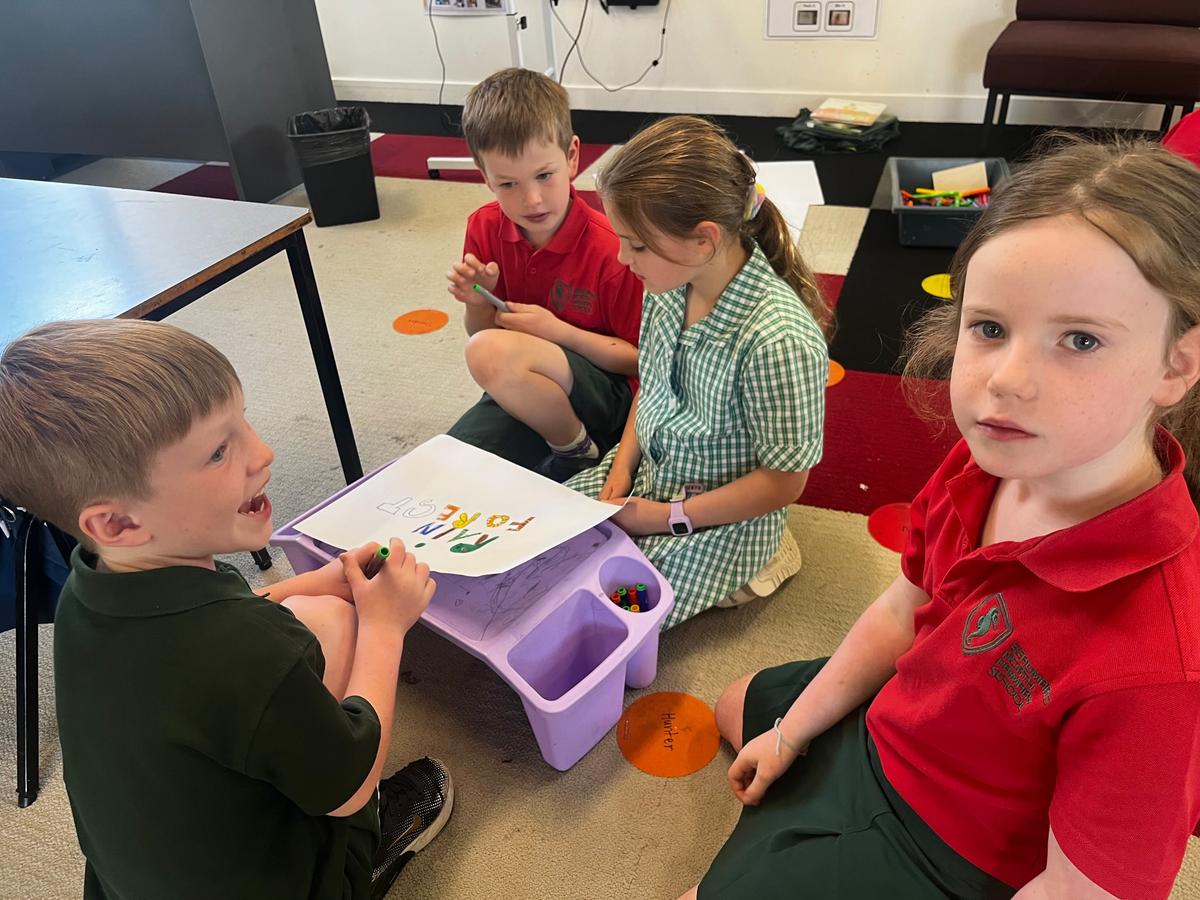
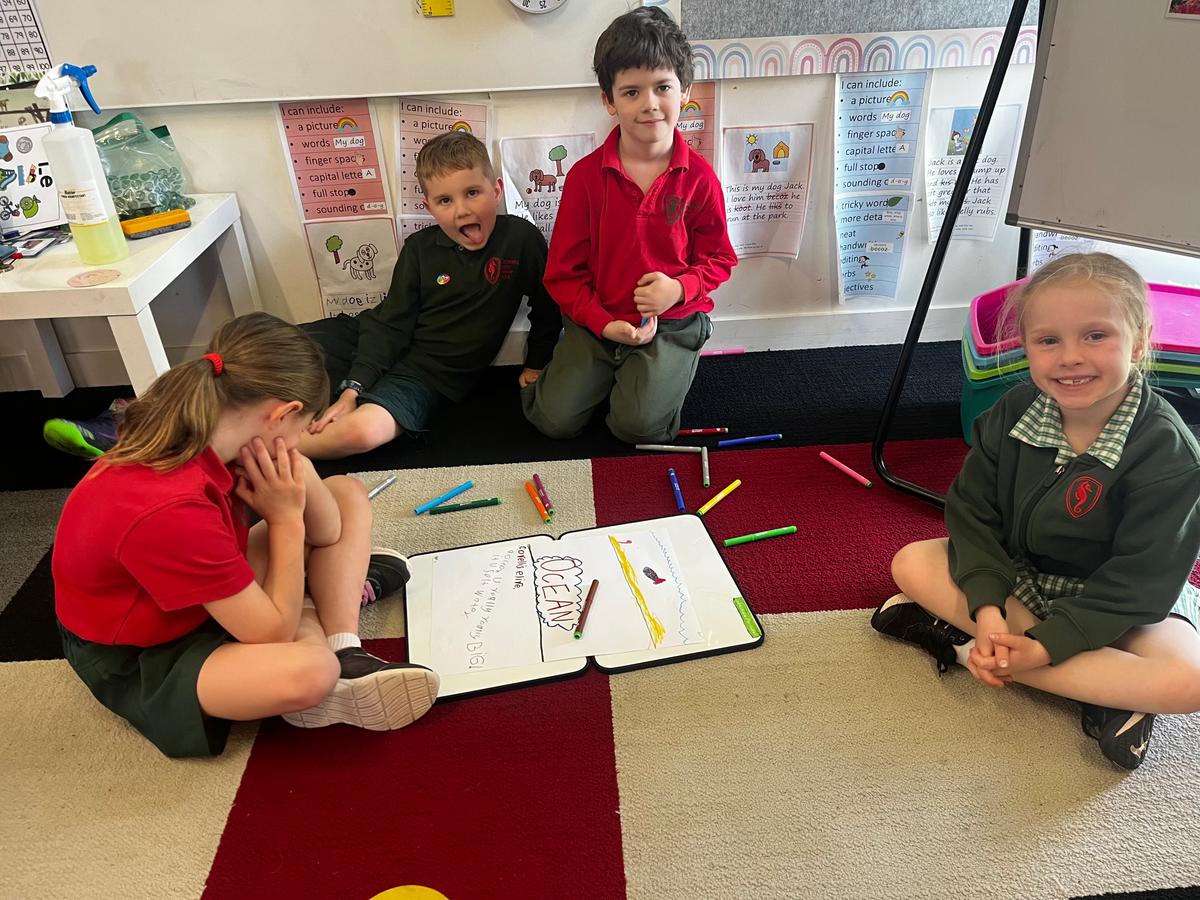
As part of our learning, students have been researching animal adaptations and uncovering interesting facts about a variety of species. They have explored how physical features, behaviours and habitats work together to help animals find food, stay safe and thrive in their environments. It has been wonderful to see students sharing their discoveries with enthusiasm and making connections between different animals and ecosystems.
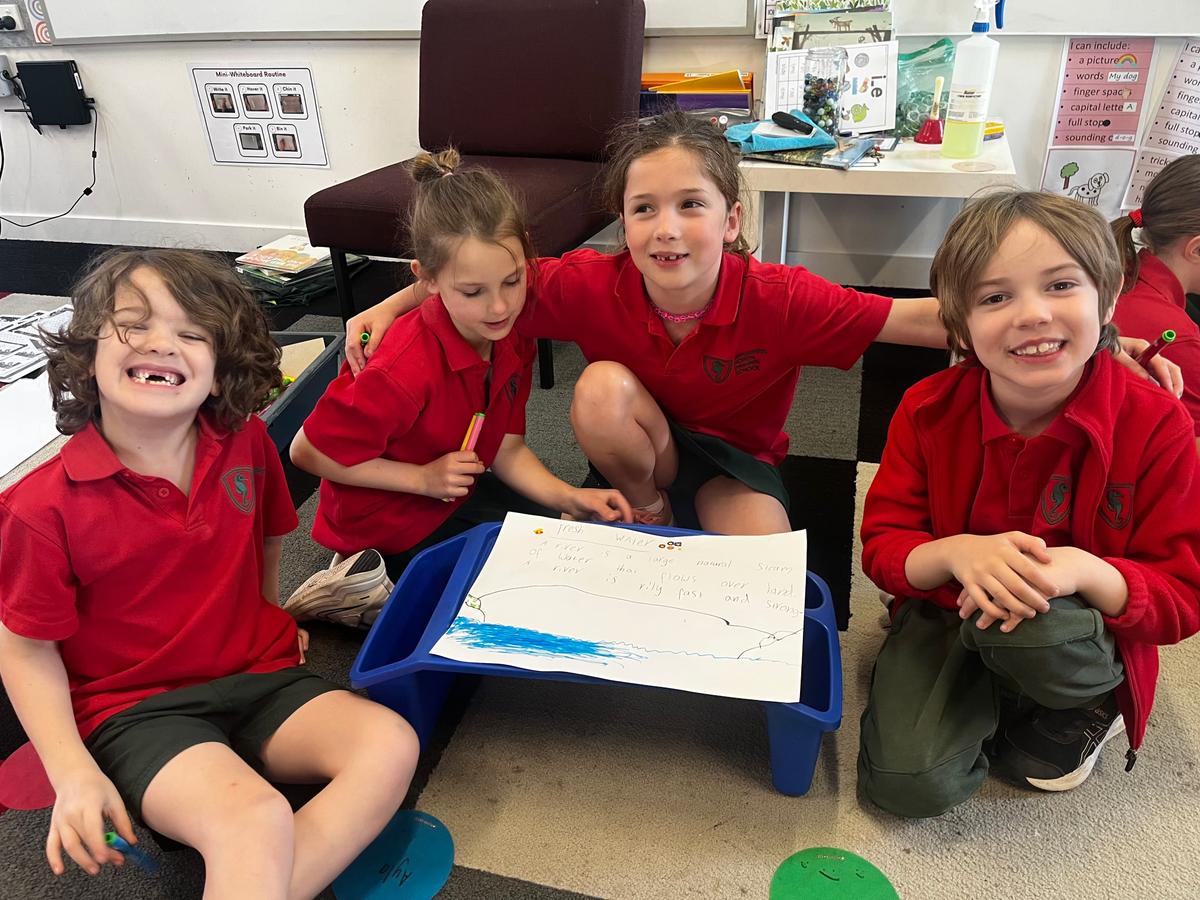
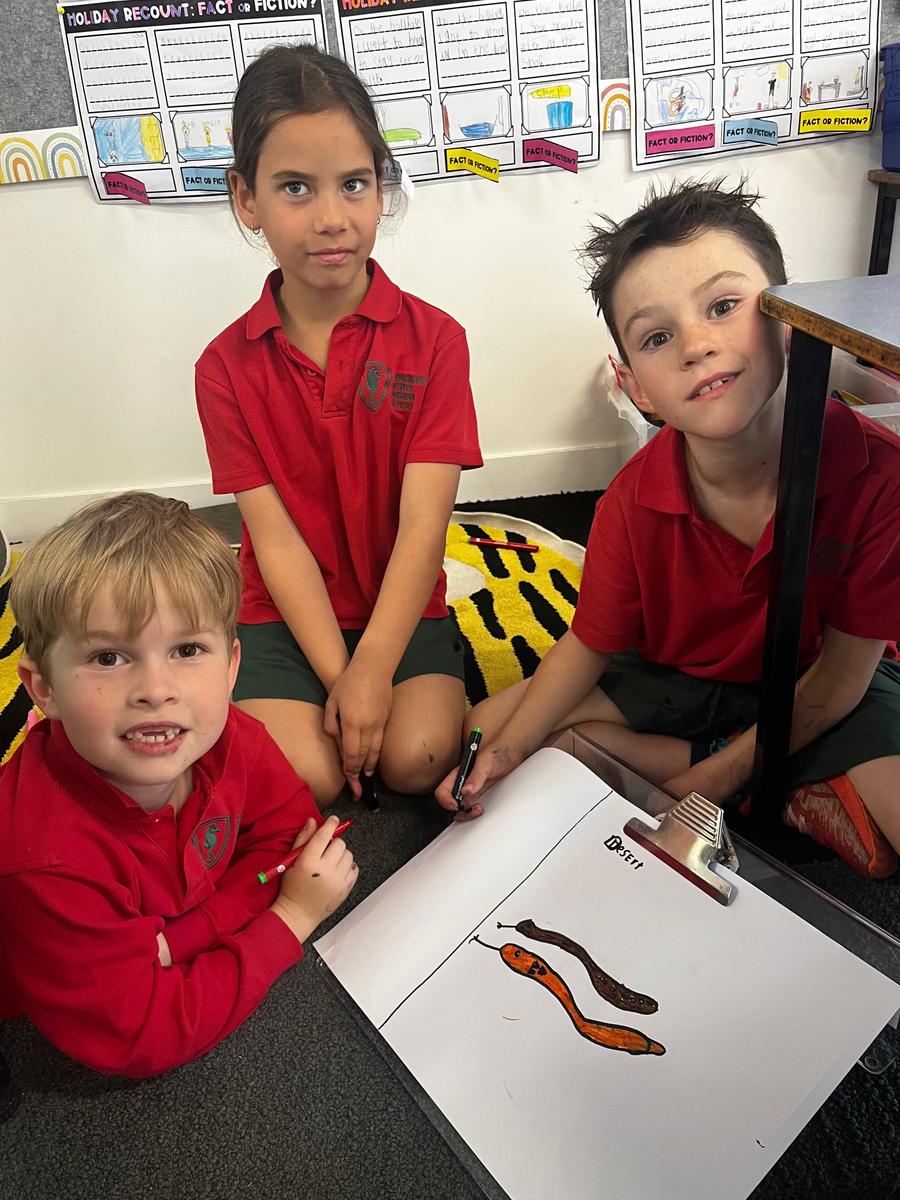
Our next learning challenge will be a Speaking and Listening task, where each student will become an "animal expert". Students will research an allocated animal and present their findings to the class, sharing information about its habitat, adaptations and unique characteristics. This task will provide students with an opportunity to develop their research, communication and presentation skills while demonstrating their growing understanding of the natural world.
We are also excited about our upcoming excursion to Werribee Open Range Zoo on 19 November. This valuable learning experience will allow students to observe animals up close, learn about conservation efforts, and deepen their understanding of how animals are adapted to their environments. We look forward to seeing our young zoologists bring their classroom learning to life during this exciting adventure.