We are kind to our environment





 Lockleys North Primary School
HASS
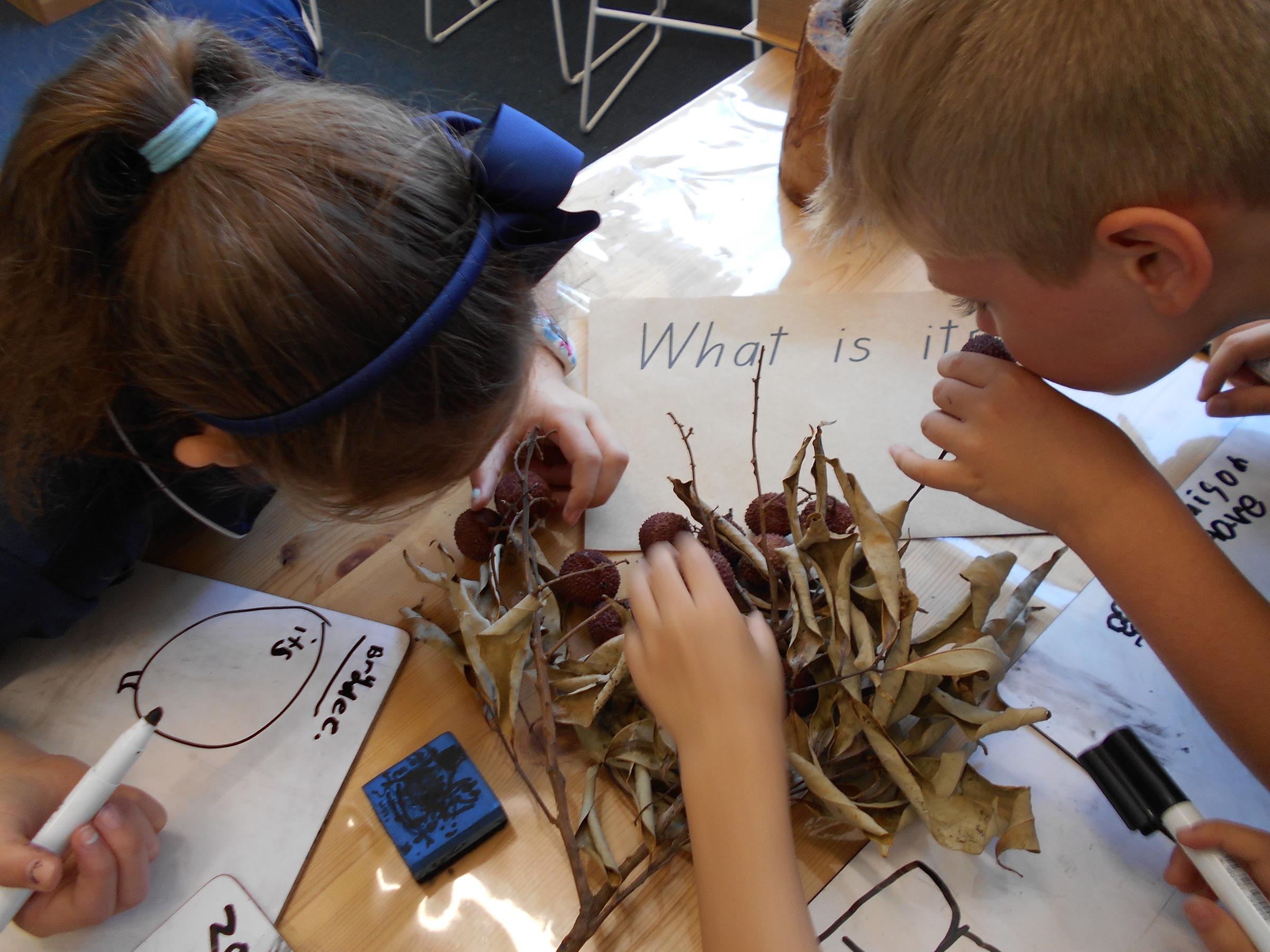
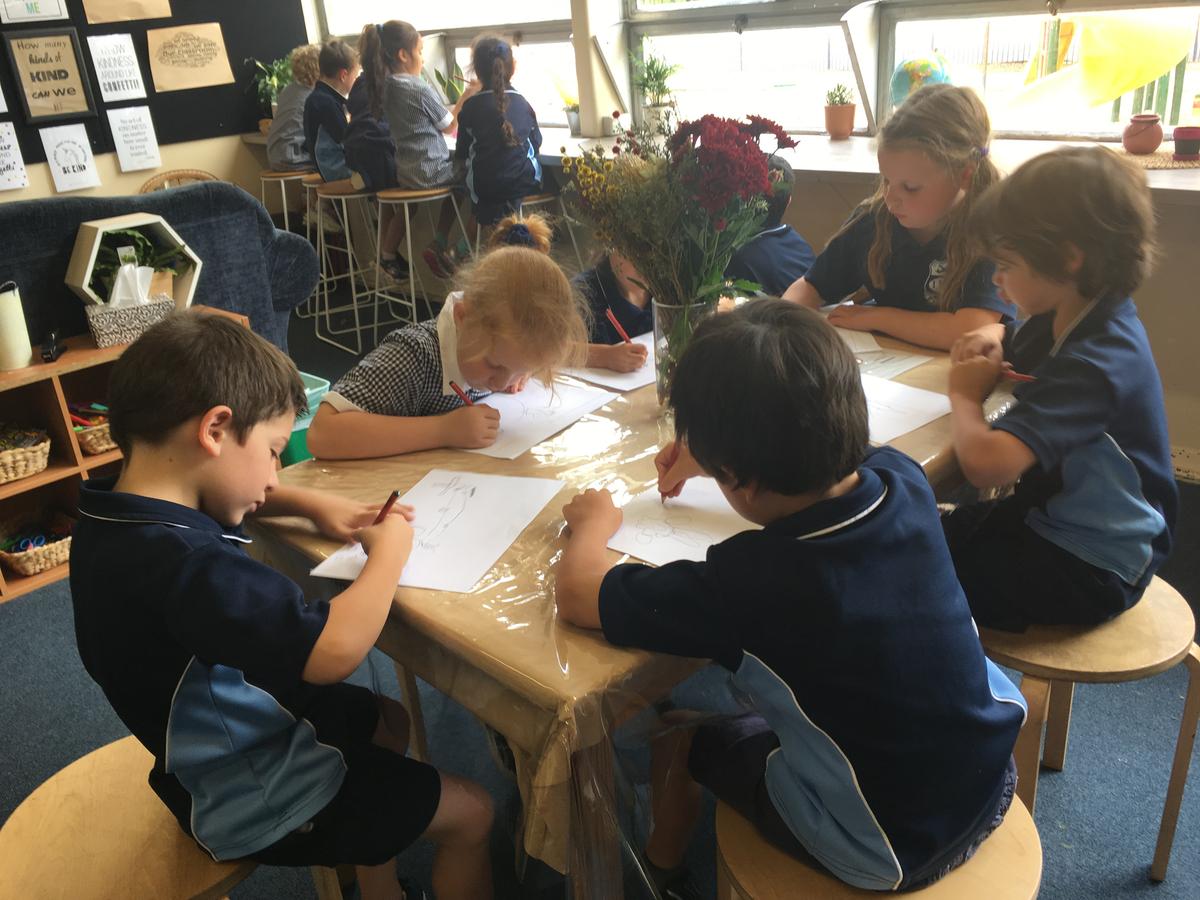
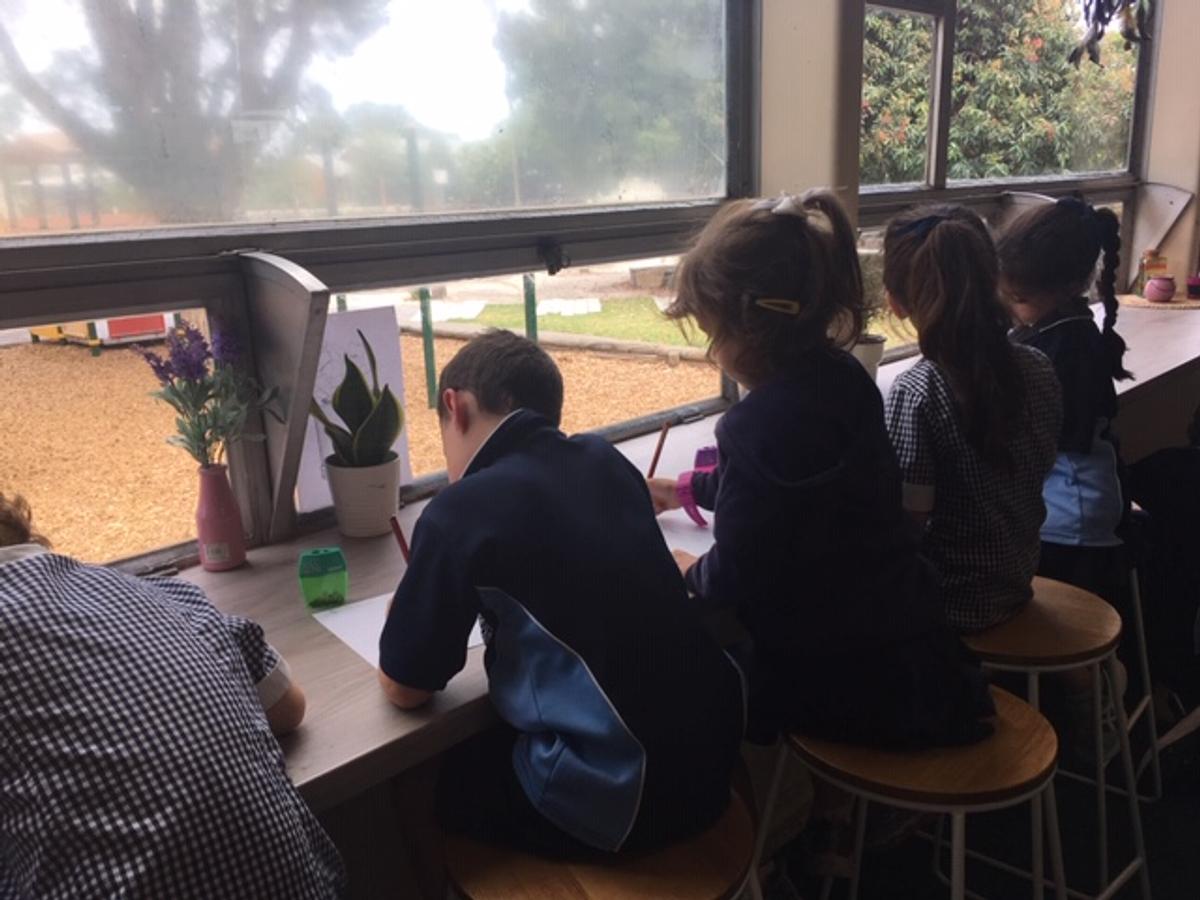
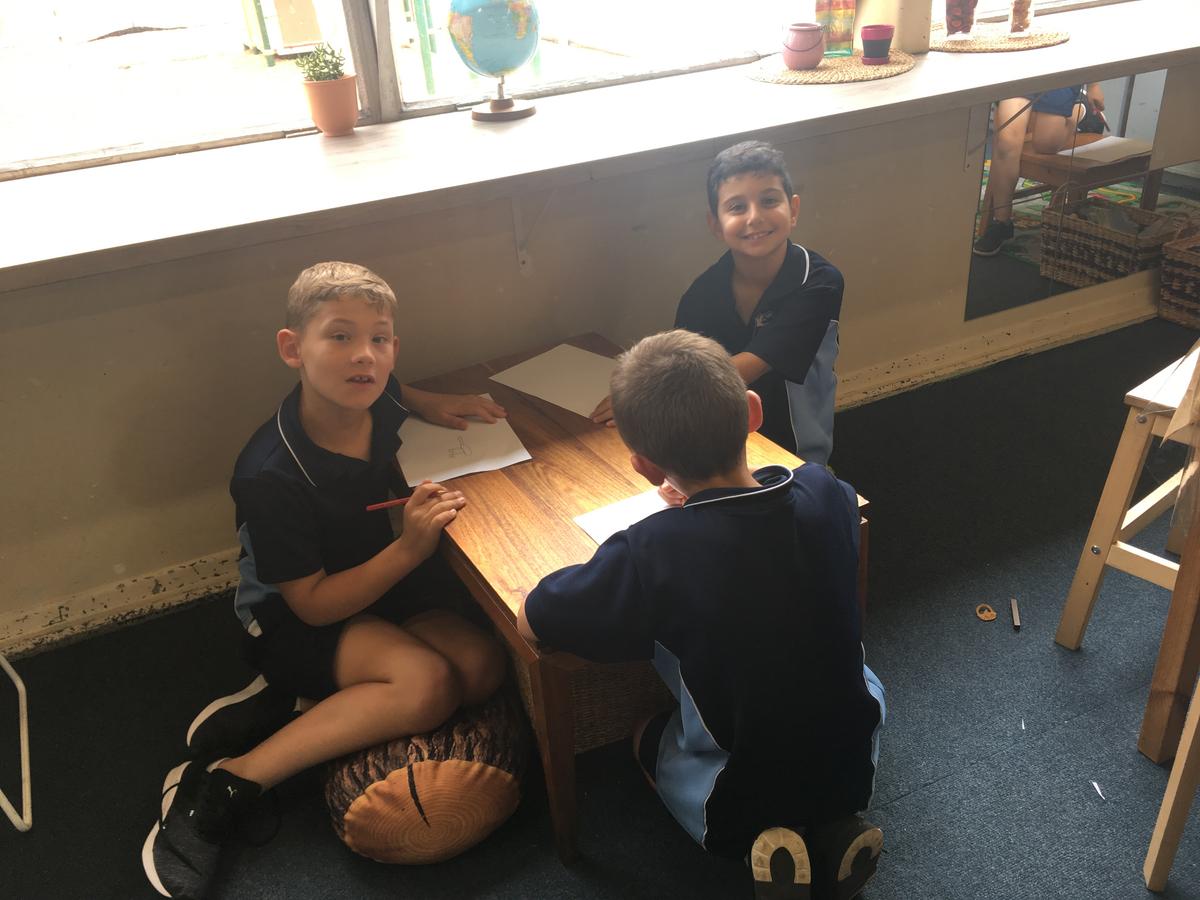
HASS incorporates the study of Humanities and Social Sciences. It encompasses History and Geography and we use the Inquiry approach.
HASS In Action

Inquiry
What is inquiry? – The Characteristics.
Inquiry based learning is a form of active learning that starts by posing questions, problems or scenarios - rather than simply presenting established facts or portraying a smooth path to knowledge. The overall goal is for students to make meaning. While teachers may guide the inquiry to various degrees (externally facilitated) and set parameters for a classroom inquiry, true inquiry is internally motivated. In Inquiry Learning, students take the lead and the teacher's role is to support students in their inquiry by helping students to refine their thinking with questions that enable students to work out what they need to do next. Another part of the teacher's role is to have a wide range of resources that students can independently choose and use in their learning. Inquiry based learning is an umbrella term that incorporates many current learning approaches (including project based learning, design thinking) and may take various forms, depending on the topic, resources, ages and abilities of students and other variables.
Inquiry learning is not restricted to a specific subject area, but is the how that underpins all subjects. Students are encouraged to initiate their own topics or areas that they are interested in learning more about by posing wonderings or questions they have about a topic. Because students have chosen an aspect they are interested in, they are highly motivated to find out about it. The poster below shows the 6 stage Inquiry cycle that students go through when investigating their own Inquiry.

Inquiry Learning
Recognises the importance of substantial knowledge
Promotes the ability to ask higher order questions
Contributes to the development of creative and effective problem solvers
Increases the motivation and engagement of students
Encourages cooperative group work as well as independent learning
Requires students to become information literate
Cultivates habits of mind such as critical and creative thinking
Develops in students a sense of social responsibility and personal values
Increases an understanding of the student’s own cognitive processes
Shifts from teacher-centred activity to student-centred learning
Develop skills for lifelong learning
Science
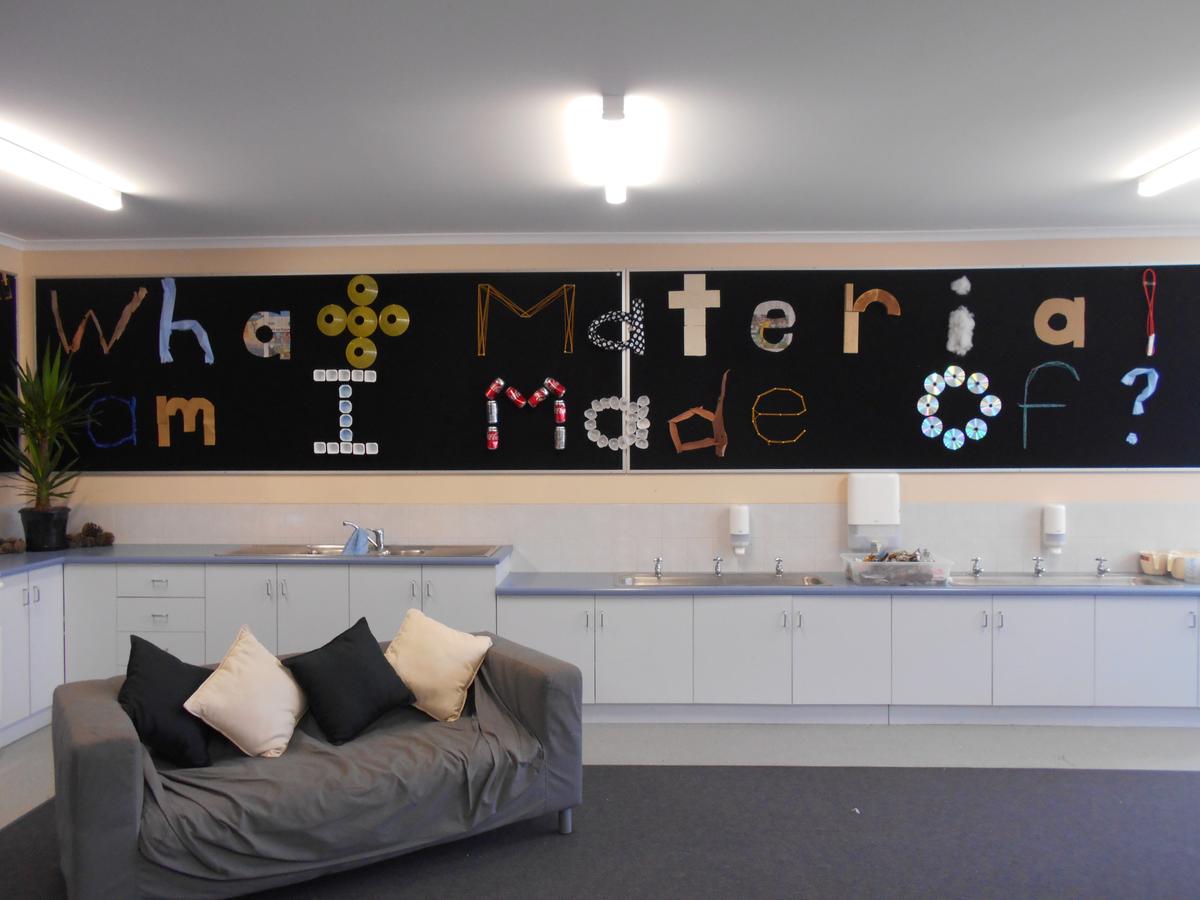
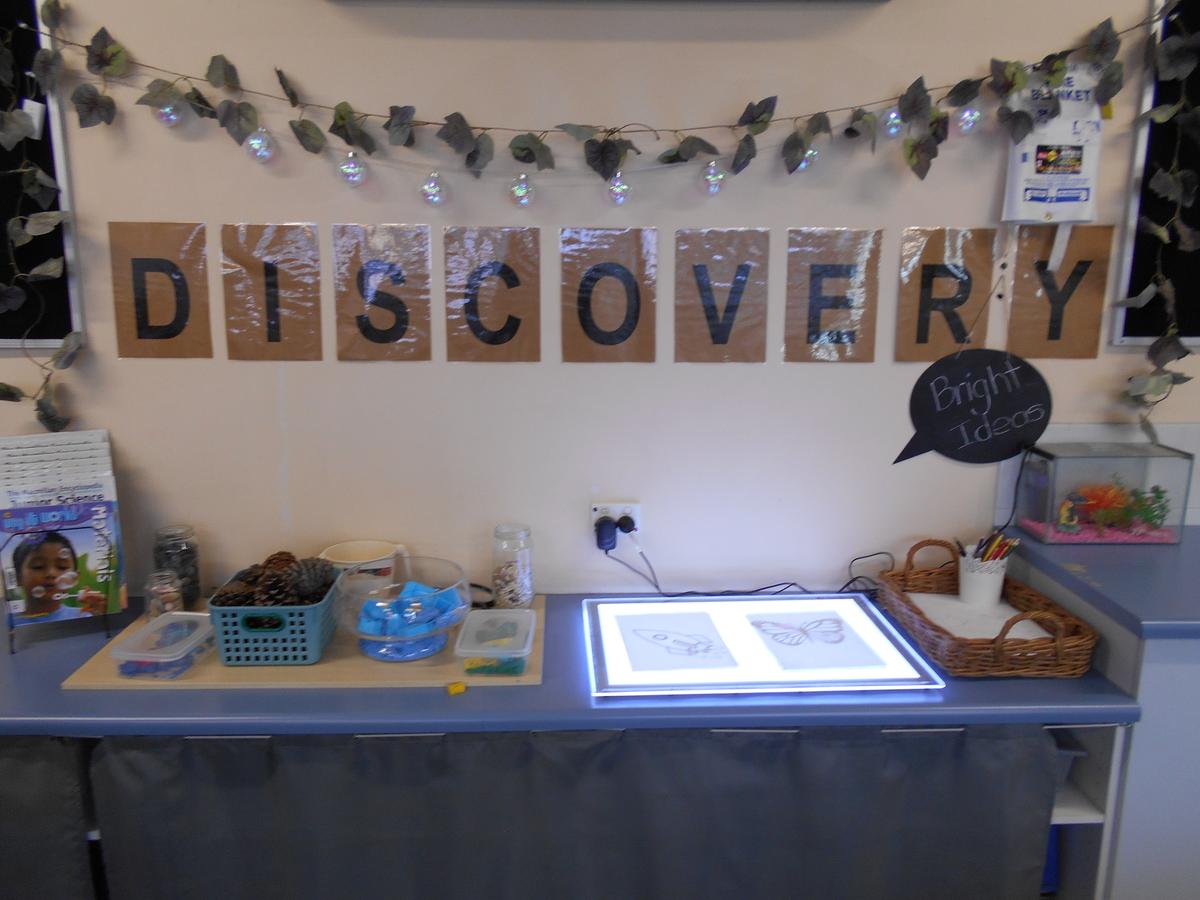
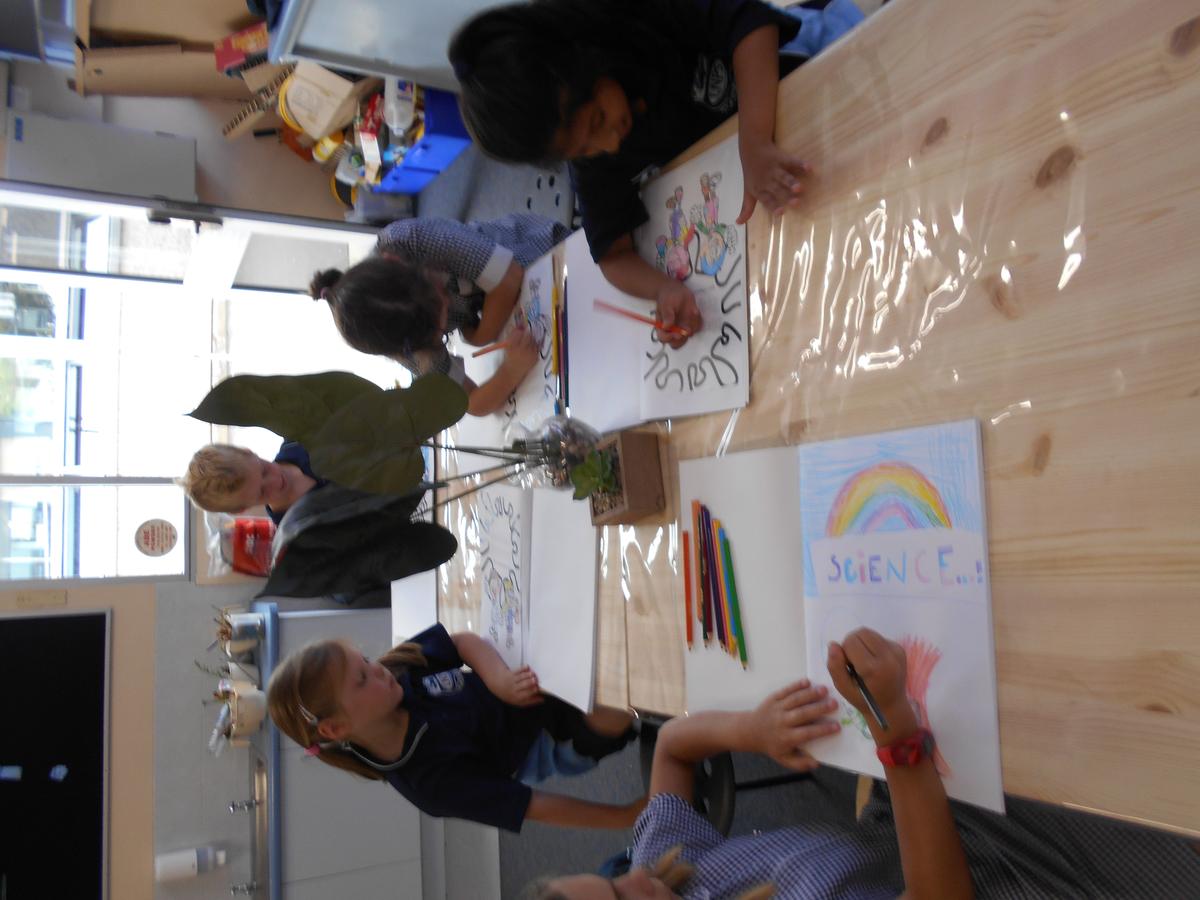
We have had a great start to Early years Science with the year 1s and 2s eager to learn from day one. The first two weeks of school we focused on building strong connections to set the foundation for a positive year. We have created a welcoming environment where students feel a sense of belonging with tasks aimed at student participation and engagement. Activities encouraged students to collaboratively work together to build positive relationships with peers and allowed them to problem solve.
Each class has a double lesson of Science per week; the focus in term one is on materials and their properties. Linking with the Australian Curriculum strand of Chemical Sciences, students will be given the opportunity to predict, explore, investigate, identify and evaluate outcomes. Tasks will be linked with everyday materials for students to make a connection and find relevance with what they learning to what they would use in their everyday lives.
We look forward to sharing our learning with you and we are very excited to help all students be successful throughout 2019.
Miss Maddy.
Maddy.hicks696@schools.sa.edu.au