Whole School Activities
Lower Division English
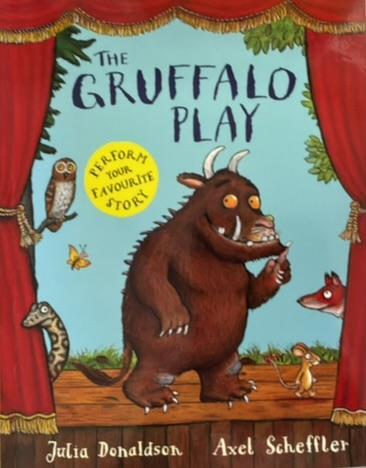
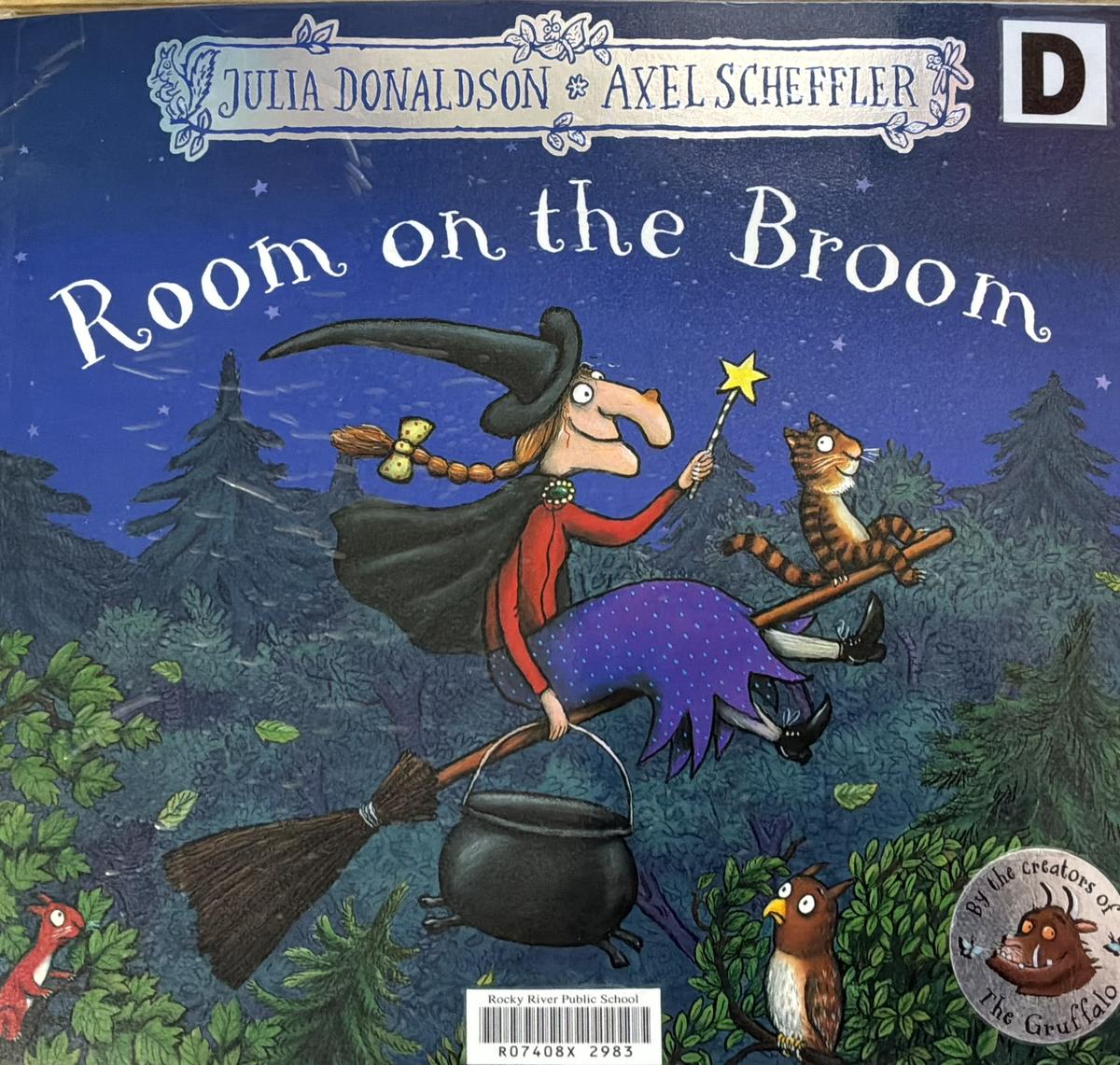
Lower Division students have been studying the texts The Gruffalo and Room on the Broom. Through these beloved tales, they are examining important concepts of context and representation.
We examined the use of time connectives like “first,” “then,” and “finally” to help put the events of each story into the correct sequence. We practiced writing simple and compound sentences using conjunctions (FANBOYS), which we use to make our writing even more interesting.
Lower Division enjoyed reading these texts, and also enjoyed acting out parts of them which helped us make our own plays in class. Well done to the class for their excellent efforts in this unit.
Lower Division Mathematics
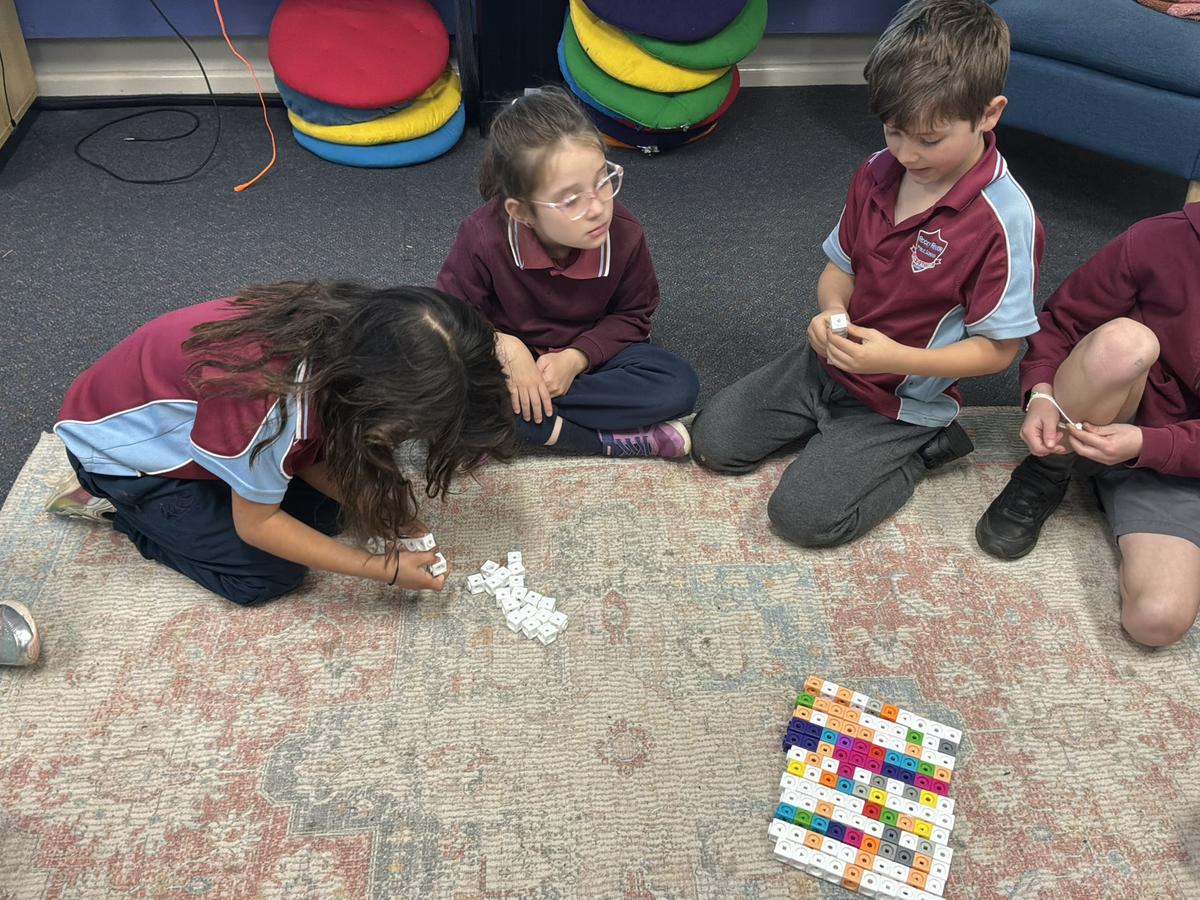
Lower Division students are learning how to group items to make counting and organising easier. Instead of counting things one by one, students find ways to put them into groups, making big collections simpler to manage.
They are also learning about place value—how numbers are made up of hundreds, tens, and ones. For example, the number 156 has one hundred, five tens, and six ones. Understanding place value helps students see how numbers work and makes counting faster and easier.
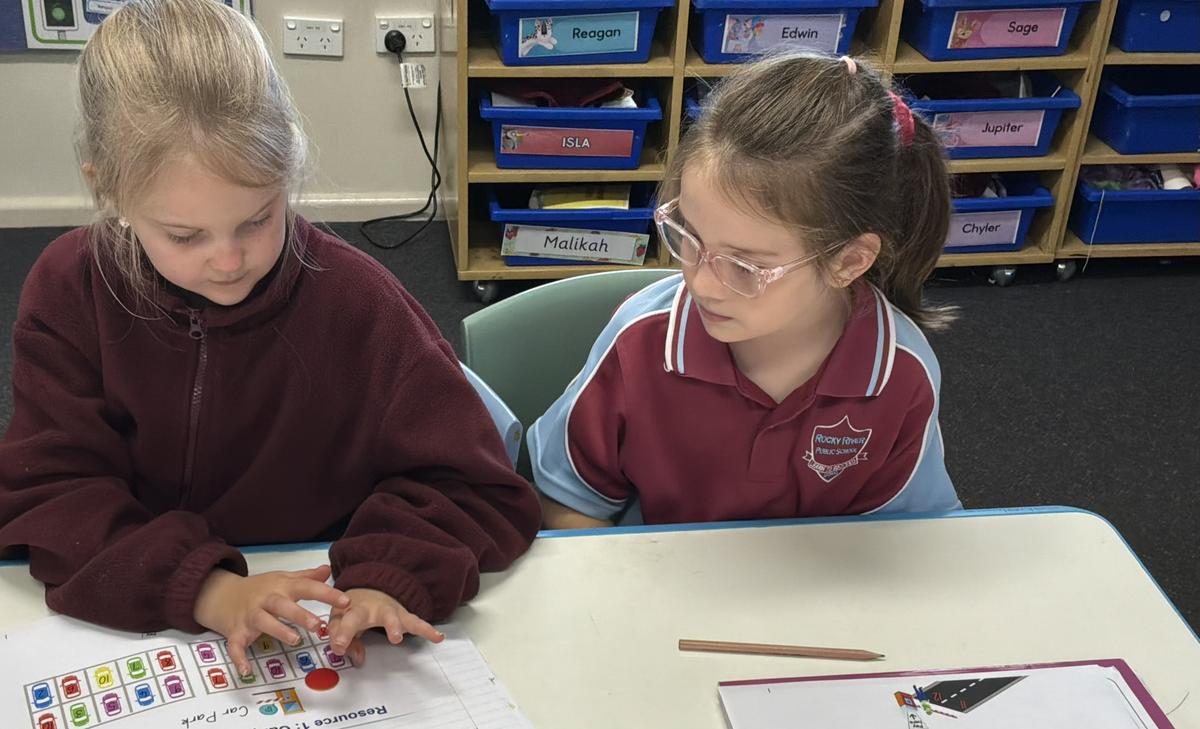
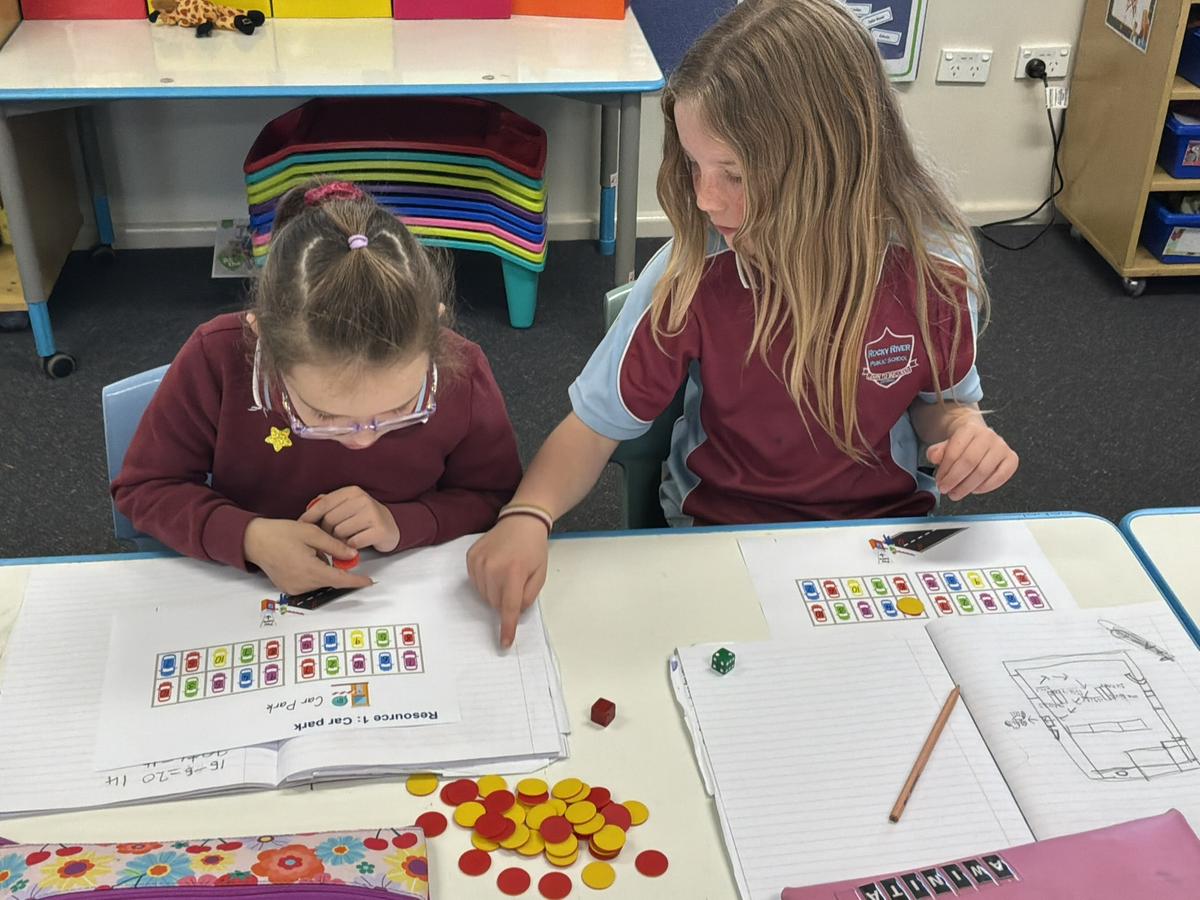
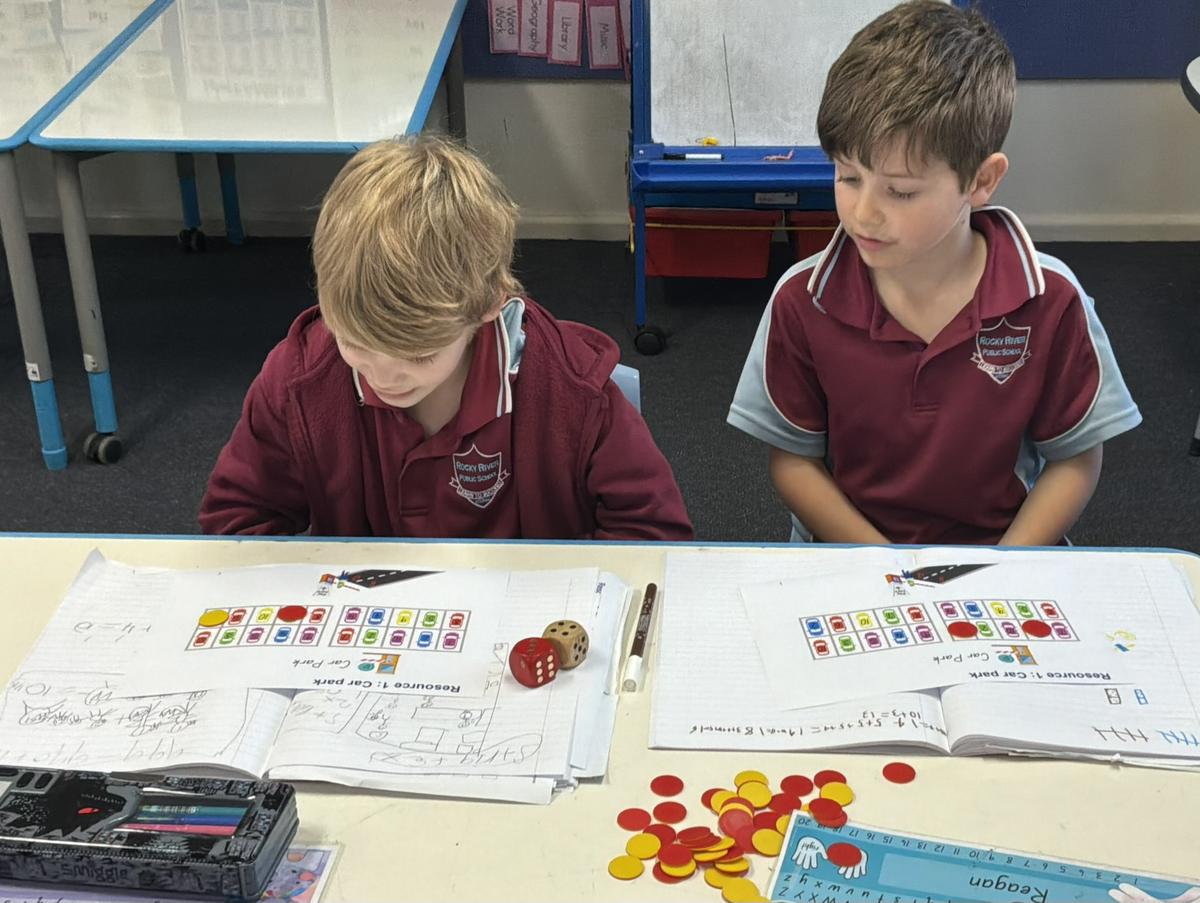
To help with their learning, students use concrete materials like dice, MAB blocks, counters, and interconnecting blocks. By working with these hands-on tools, students can see and feel how numbers are made and grouped.
These activities help students become confident in counting, sorting, and understanding numbers. We look forward to seeing their skills grow as they continue exploring maths in new and fun ways!
Lower Division Art
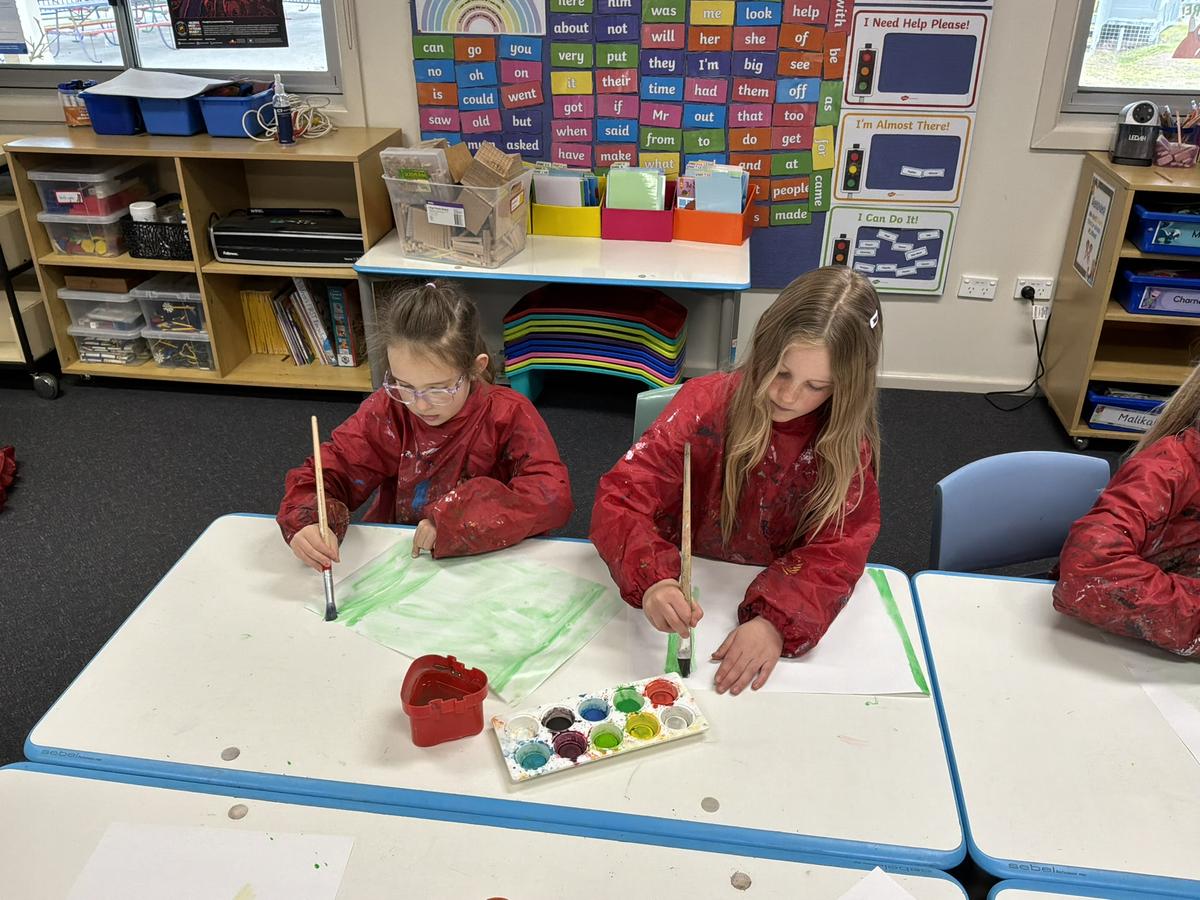
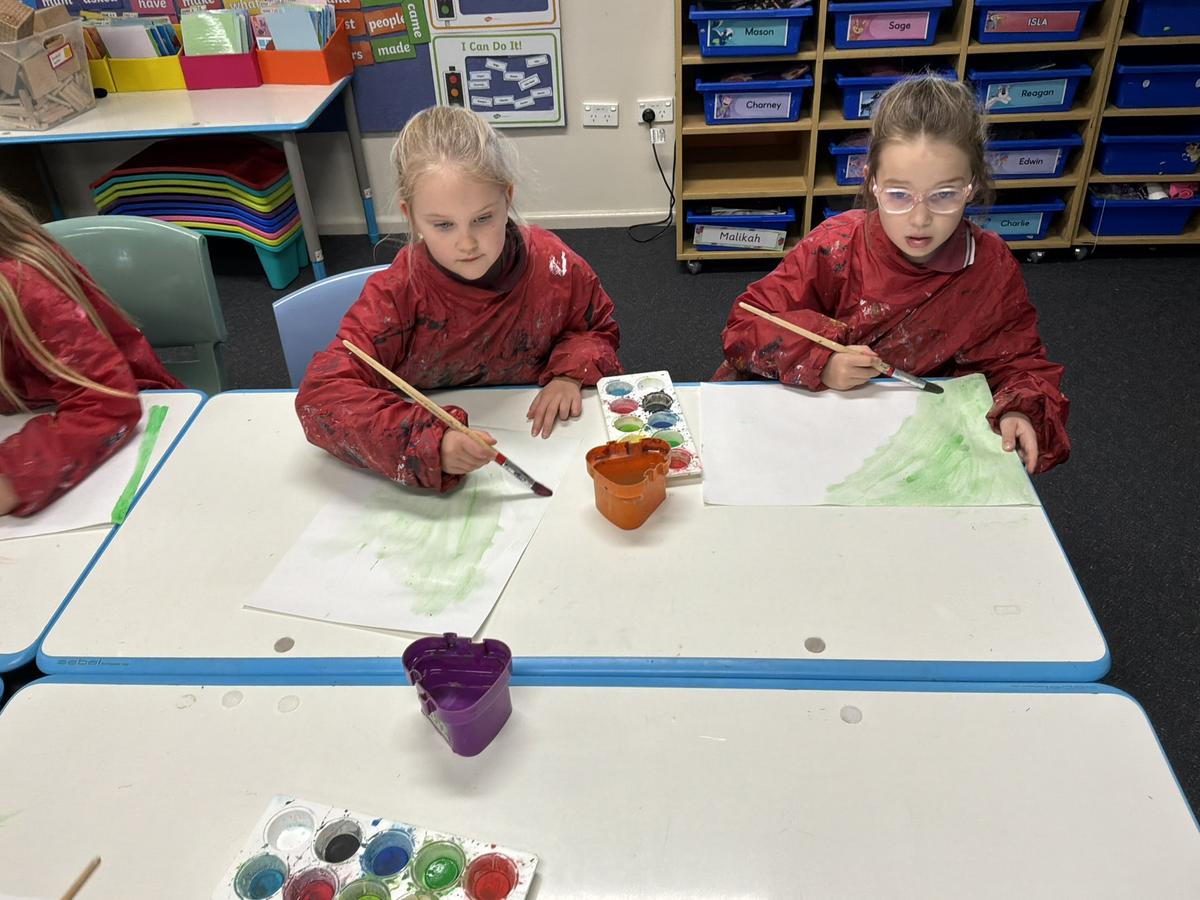
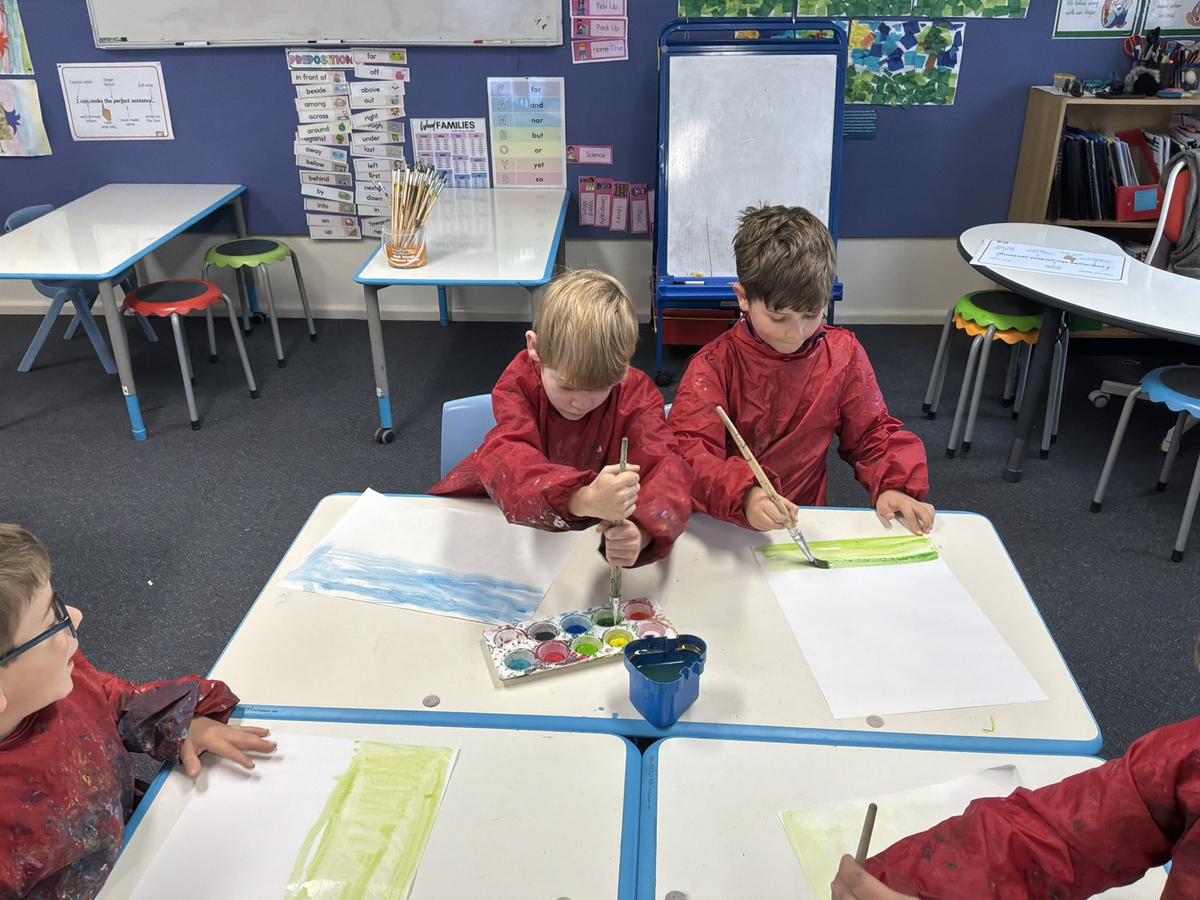
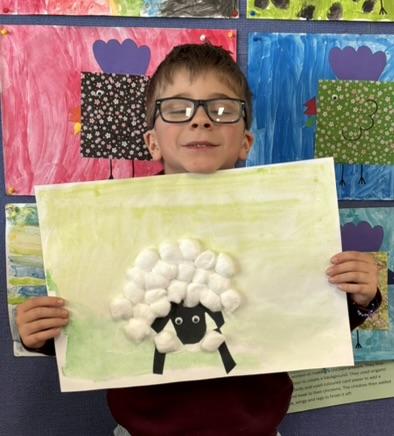
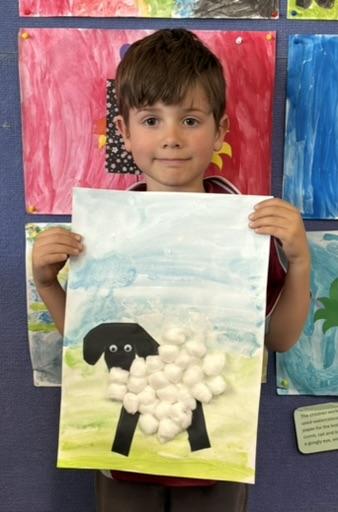
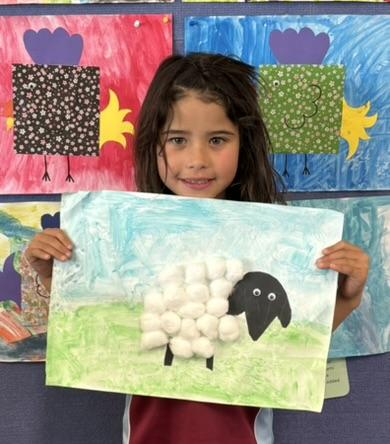
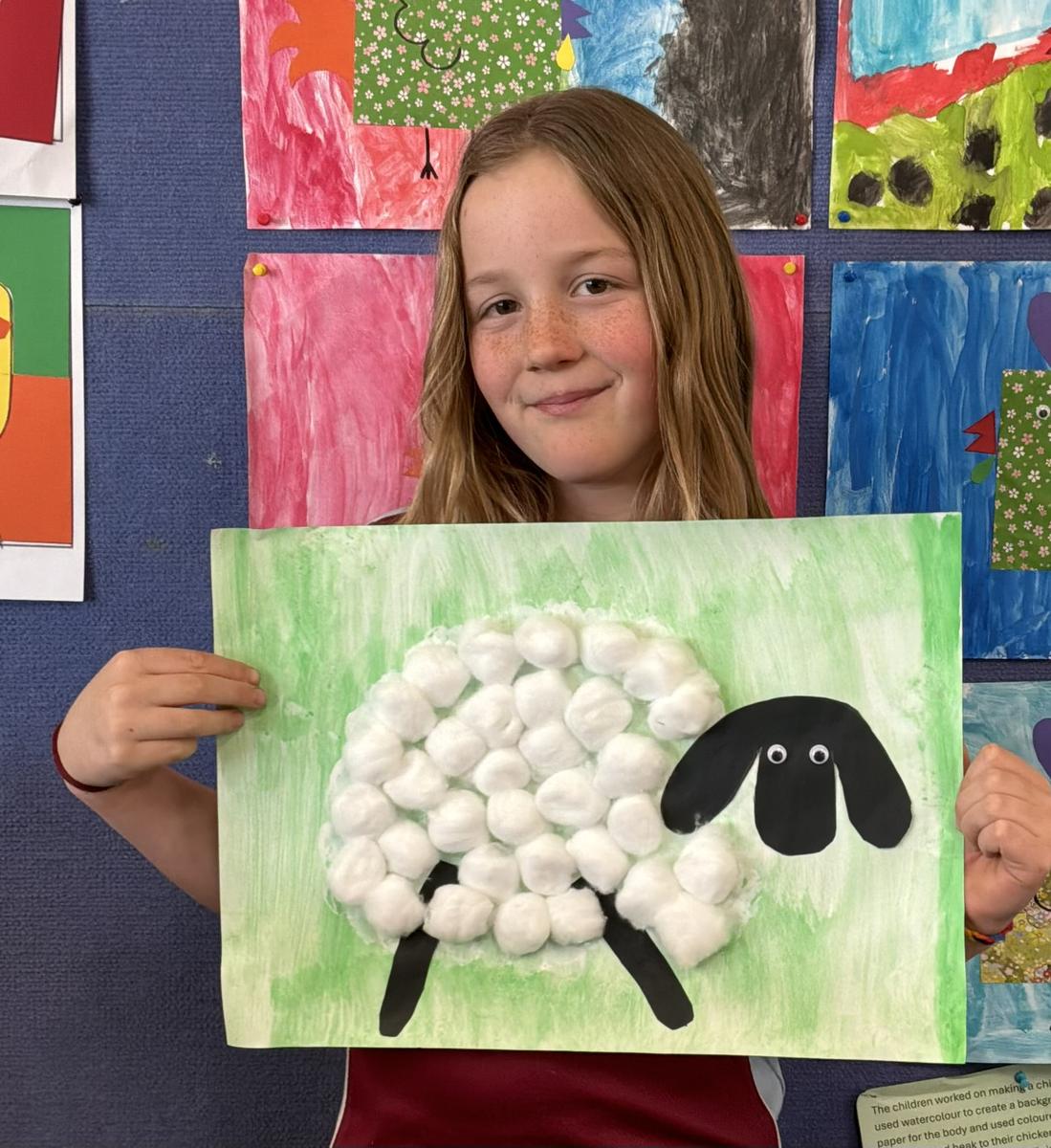
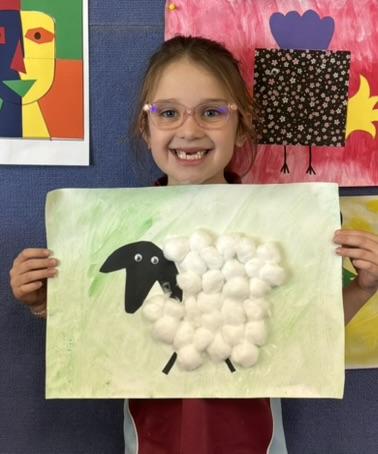
Inspired by our neighbors in the paddock next door, Lower Division had a very enjoyable afternoon creating artworks of some friendly sheep. After making a water colour background, students drew the sheep's head on card before cutting it out and putting it on the background. Our final step was to glue cotton wool to complete the artwork. Lower Division enjoyed the different techniques we used in this project, and the finished products are now proudly hanging in our classroom.
3D Printers
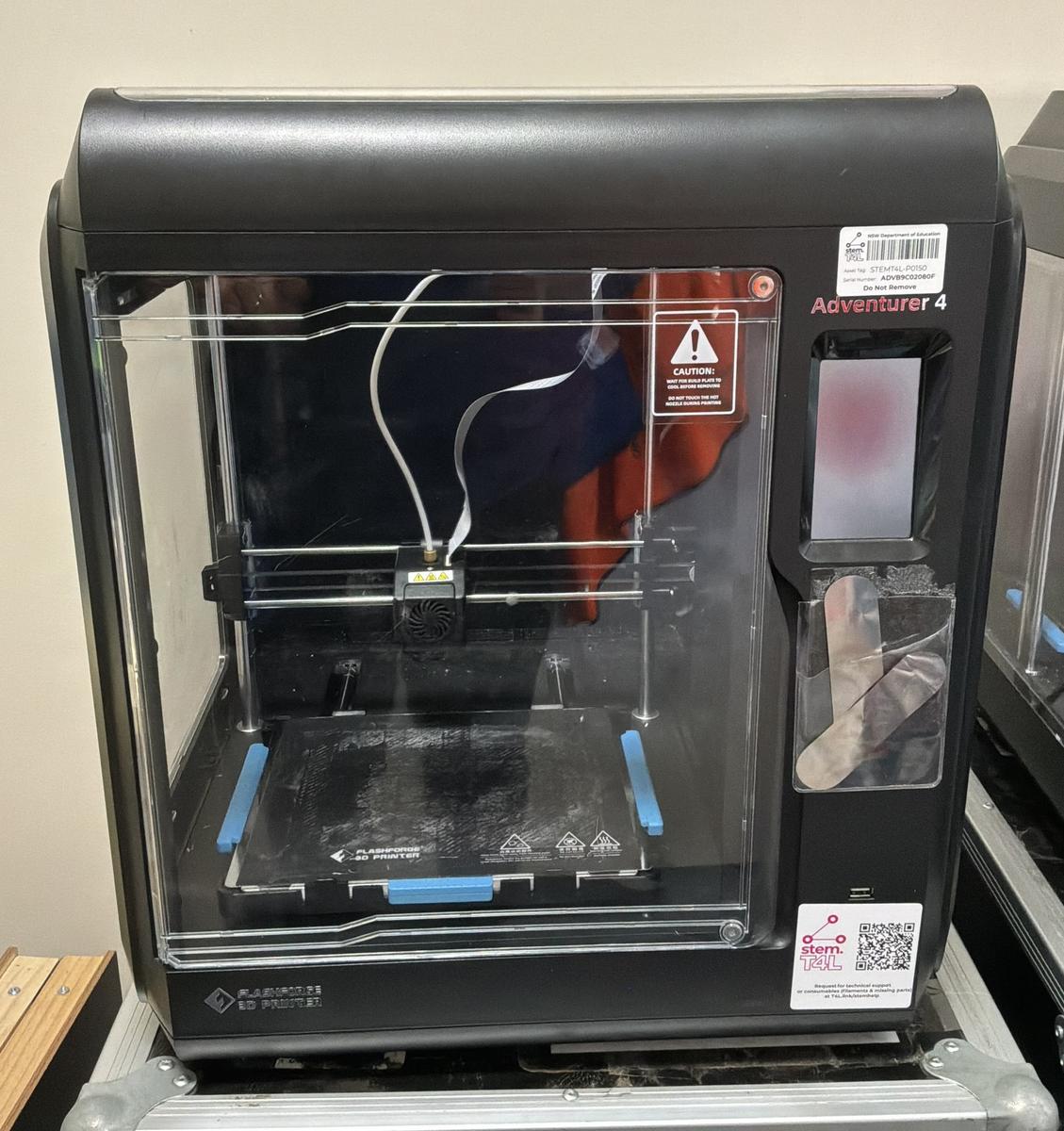
The school was successful in obtaining two 3D printers as part of the STEM T4L Learning program. We will have these printers at the school for the rest of the year, and we are looking forward to the many project opportunites they open for us. These are in addition to the Aeroponics towers that we had last semester that we have been allowed to keep at the school permanently. We hope to be growing some new seedlings for these towers when the temperature start to rise.
Upper Division
Anaiwan Language | Aboriginal Ochre Painting
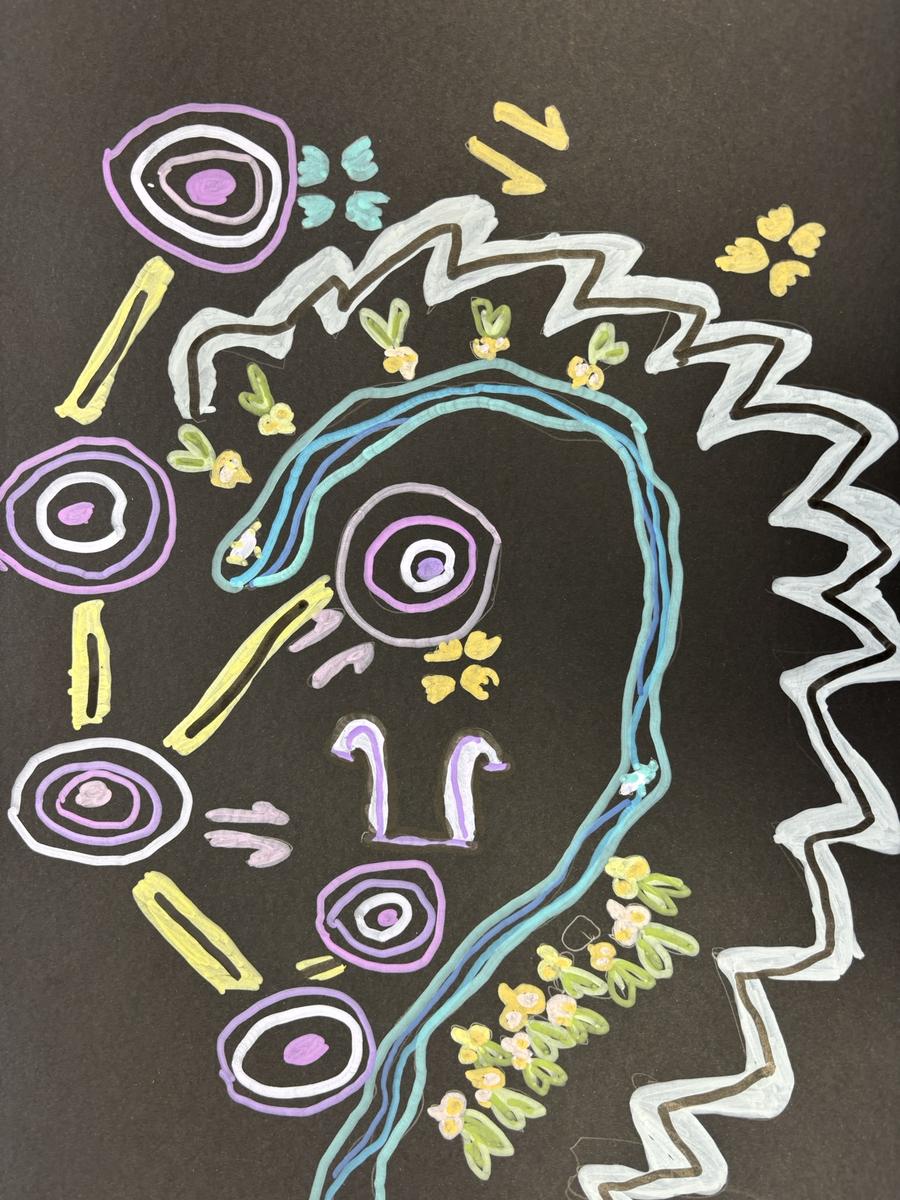
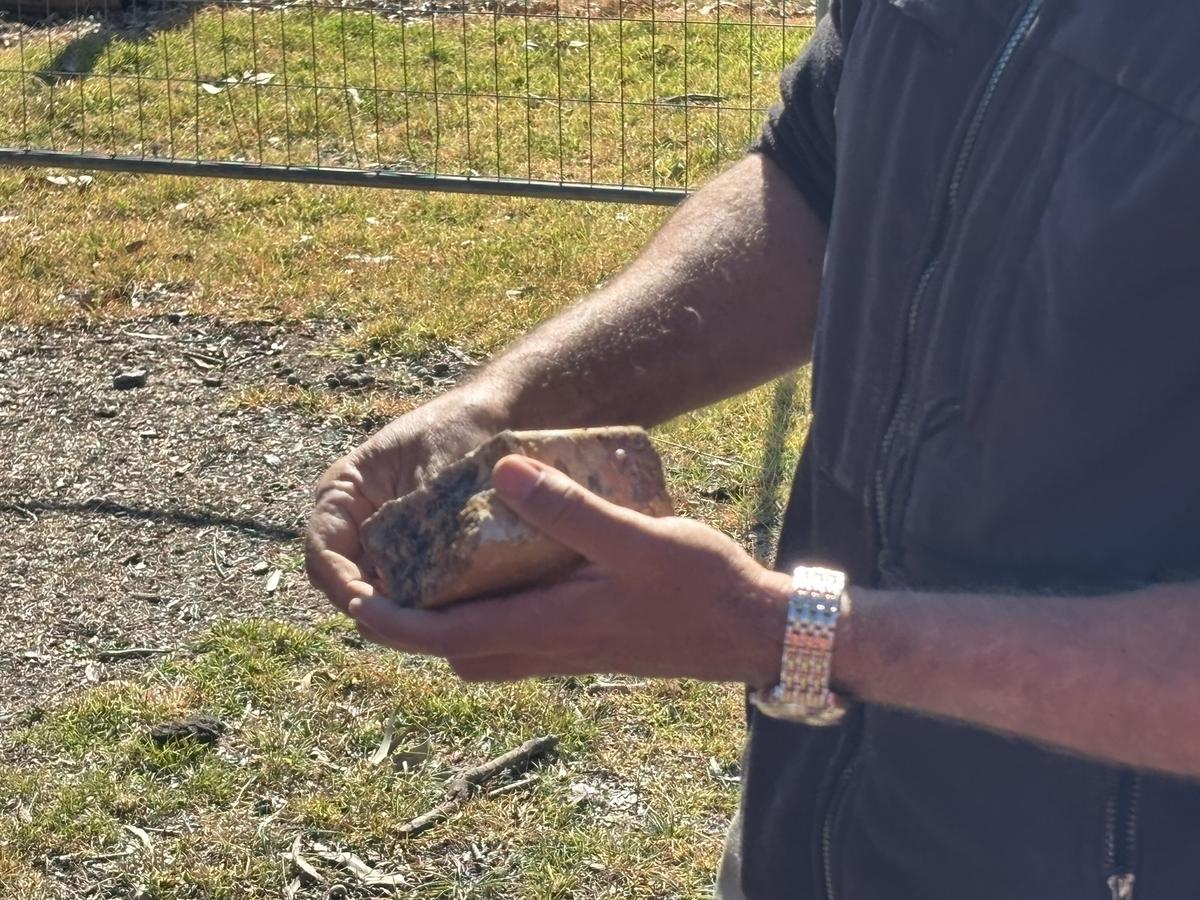
Ochre is one of the principal foundations of Australian Indigenous art, embodying a rich cultural heritage that stretches back over at least 65,000 years. These natural pigments, primarily sourced from minerals in the soil or charcoal, have played a vital role in the visual storytelling of the oldest continuous culture on Earth.
Originally, ochres were used to depict Dreamtime stories and maps, capturing the spiritual beliefs and ancestral journeys of Indigenous peoples. These vibrant colours found expression in a variety of mediums, including body painting, rock art, artefacts, and even transient sand paintings.
Indigenous Australians did not have a written language, their stories were preserved and communicated through oral traditions—such as stories and songs—and symbolic forms. Symbols like concentric circles, U shapes, and straight stick forms, painted with naturally sourced pigments, conveyed complex meanings and cultural knowledge. Some ochres were even specifically mined for their significance and quality.
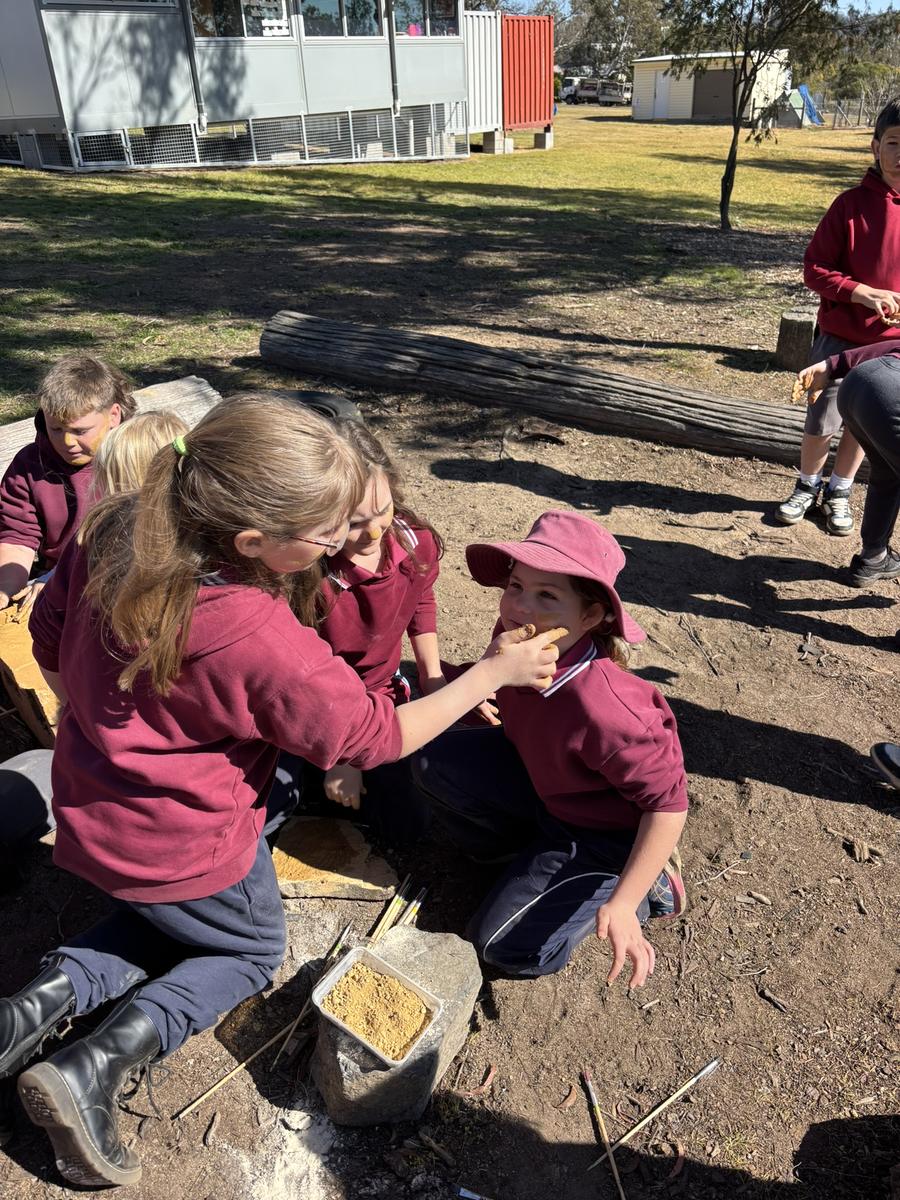
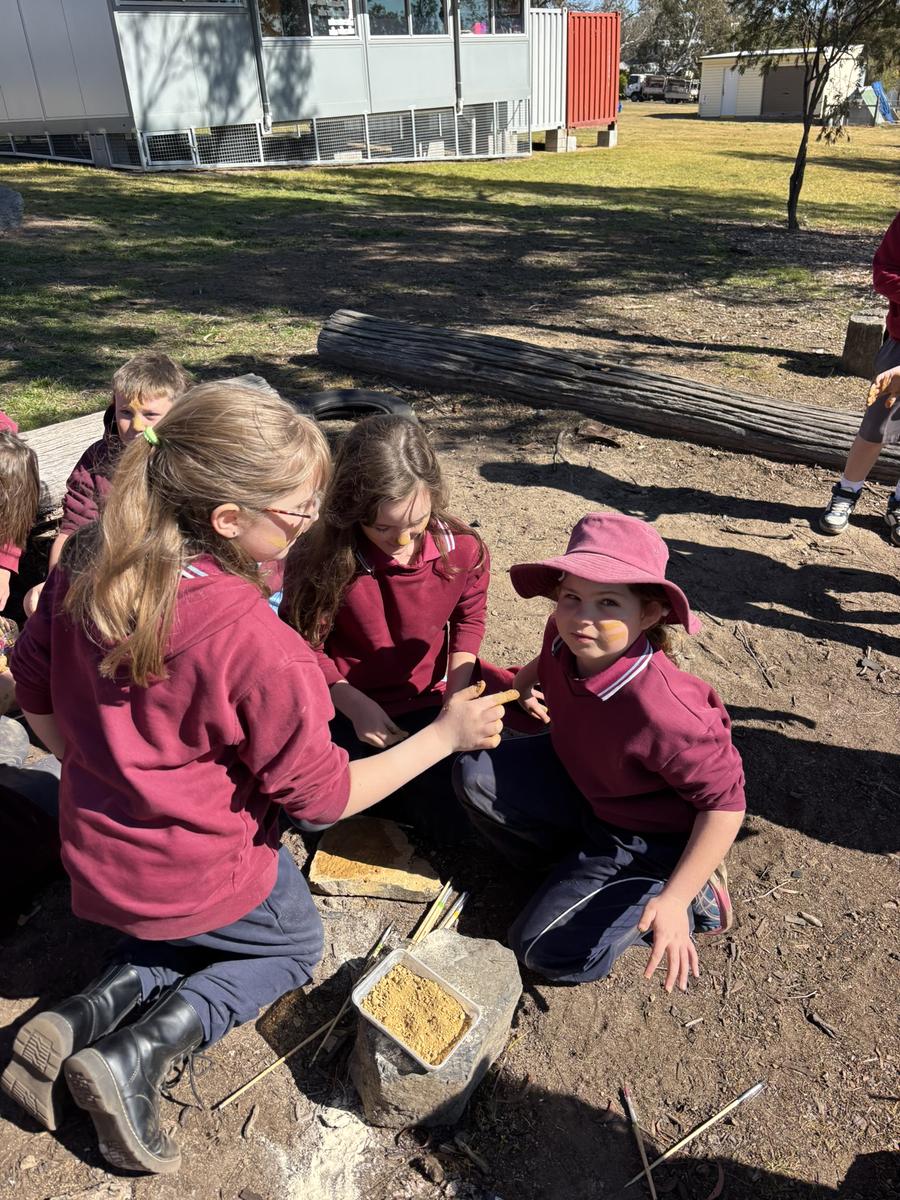
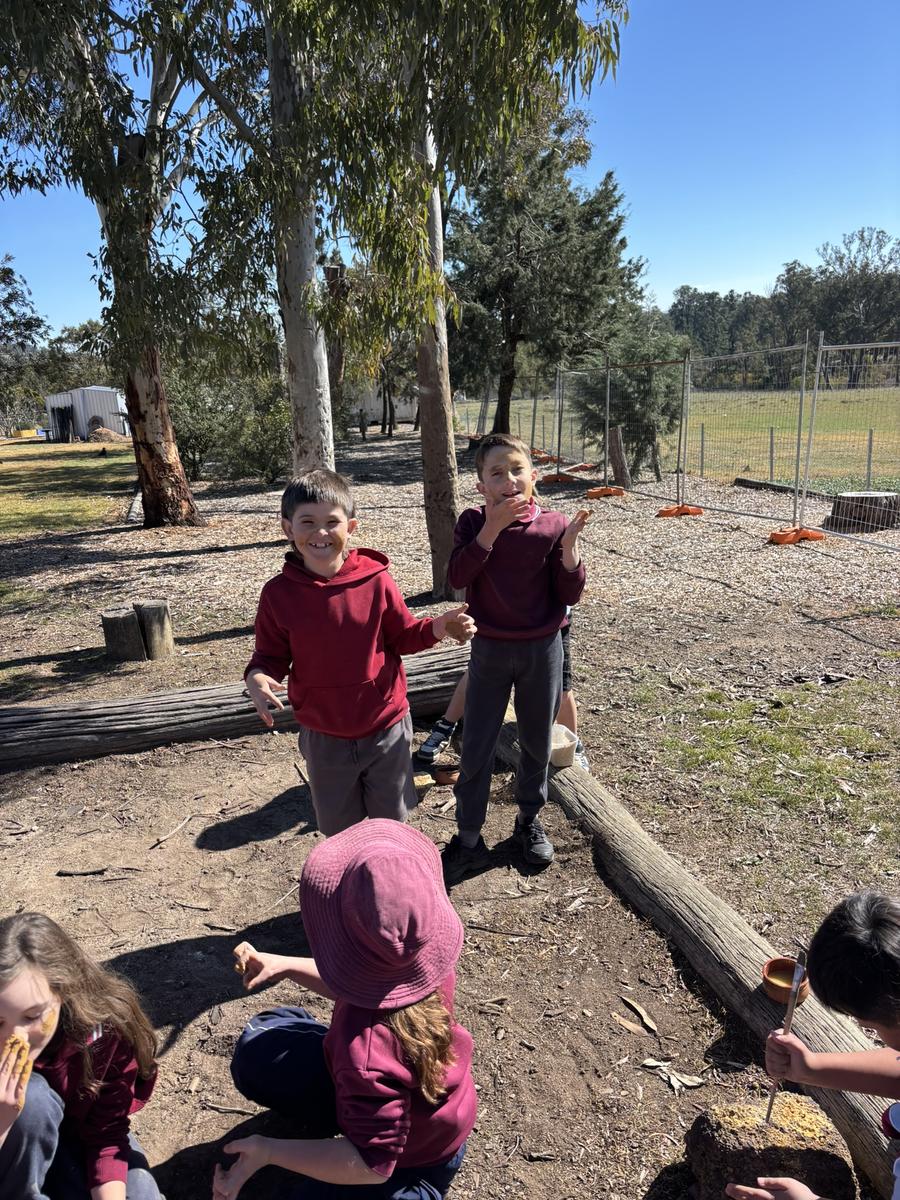
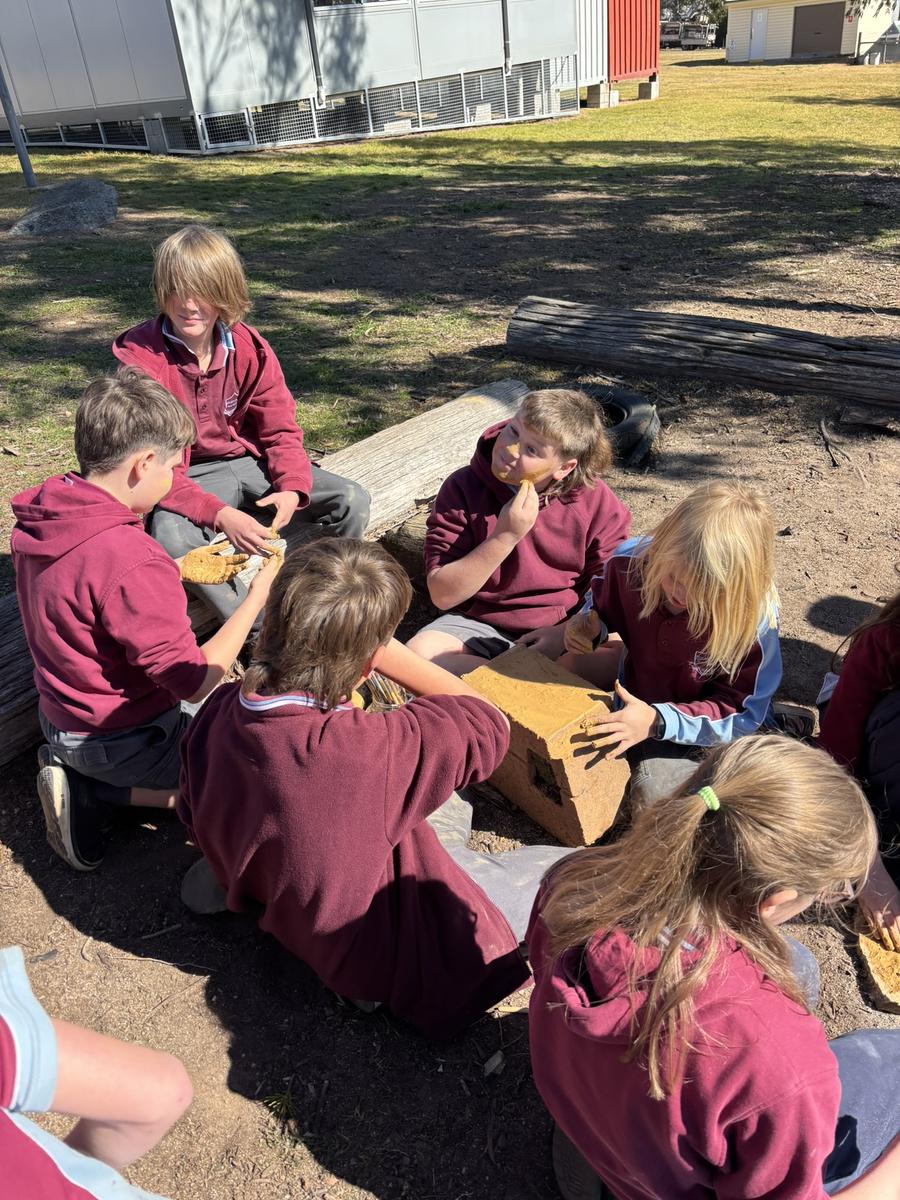
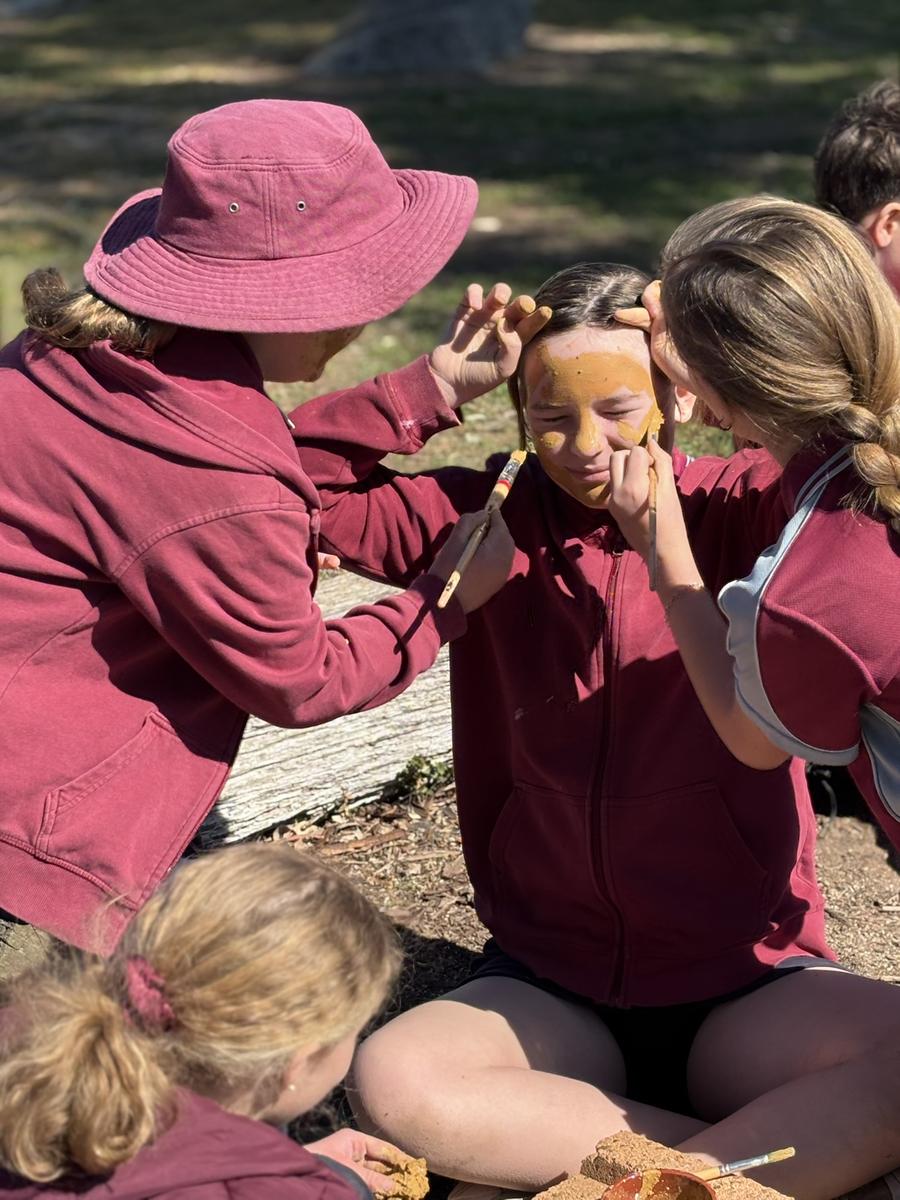
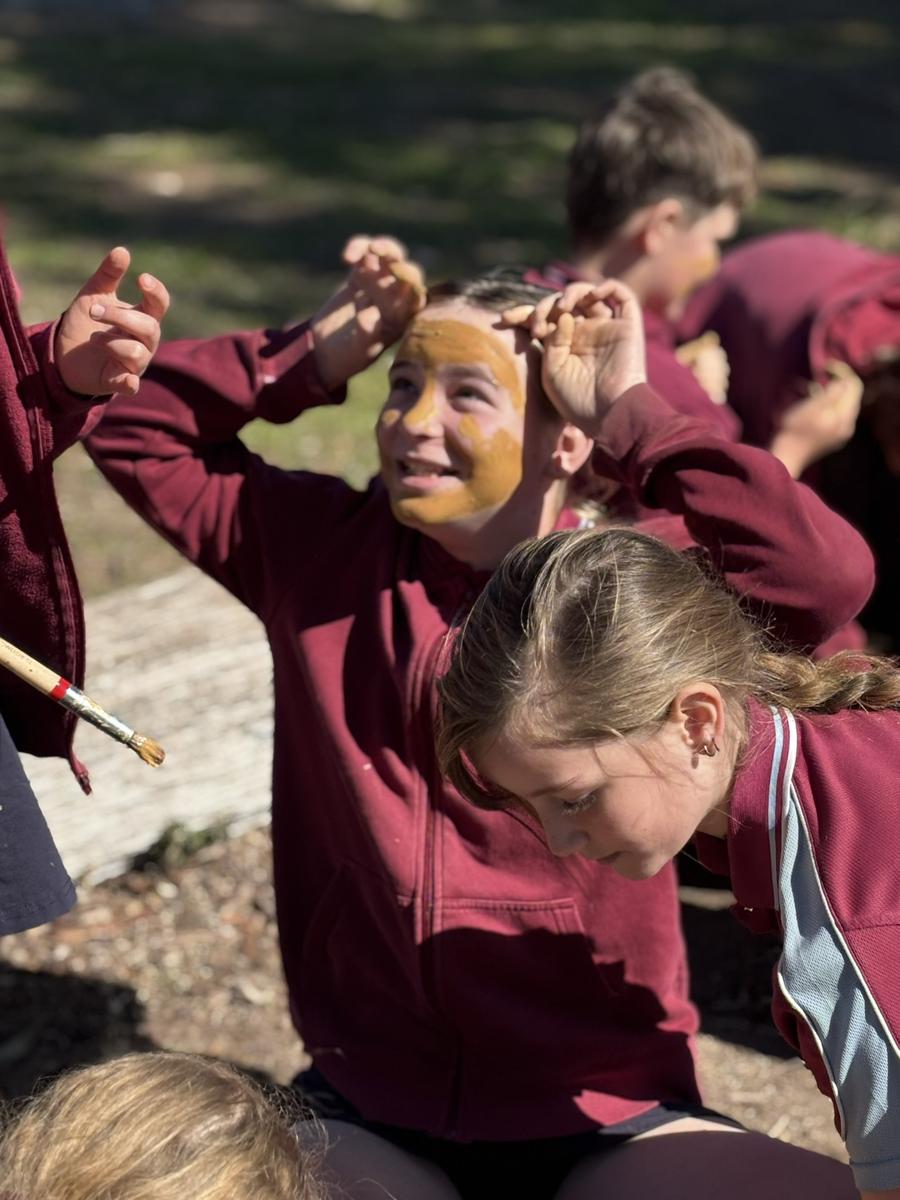
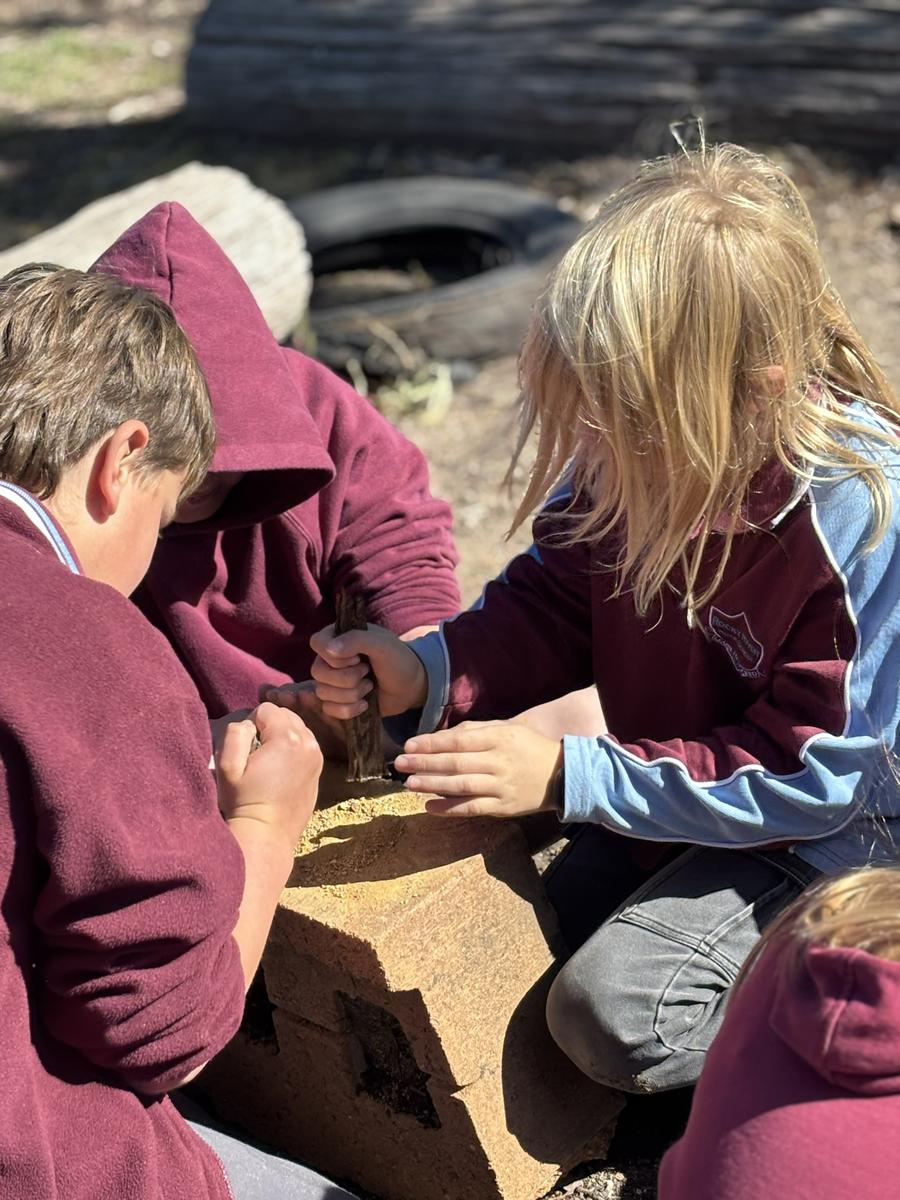
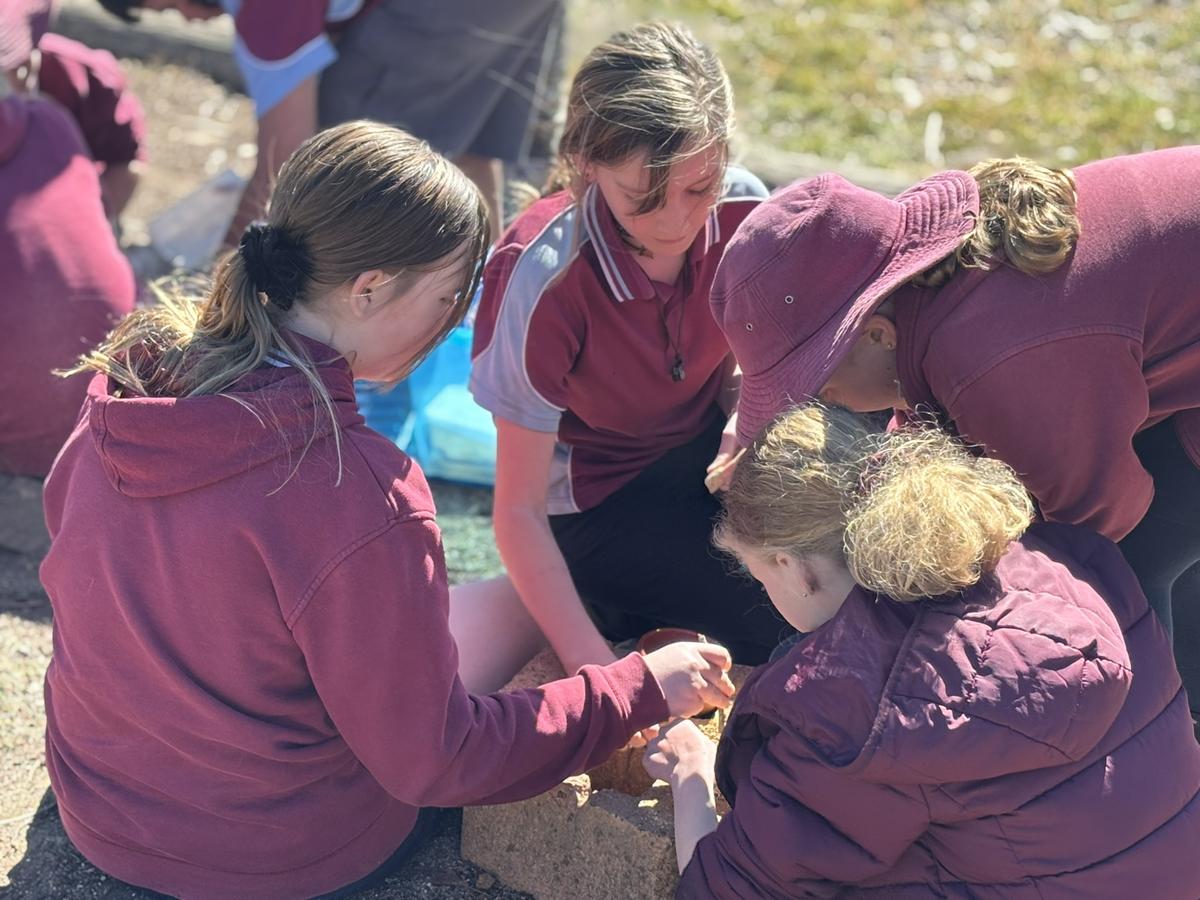
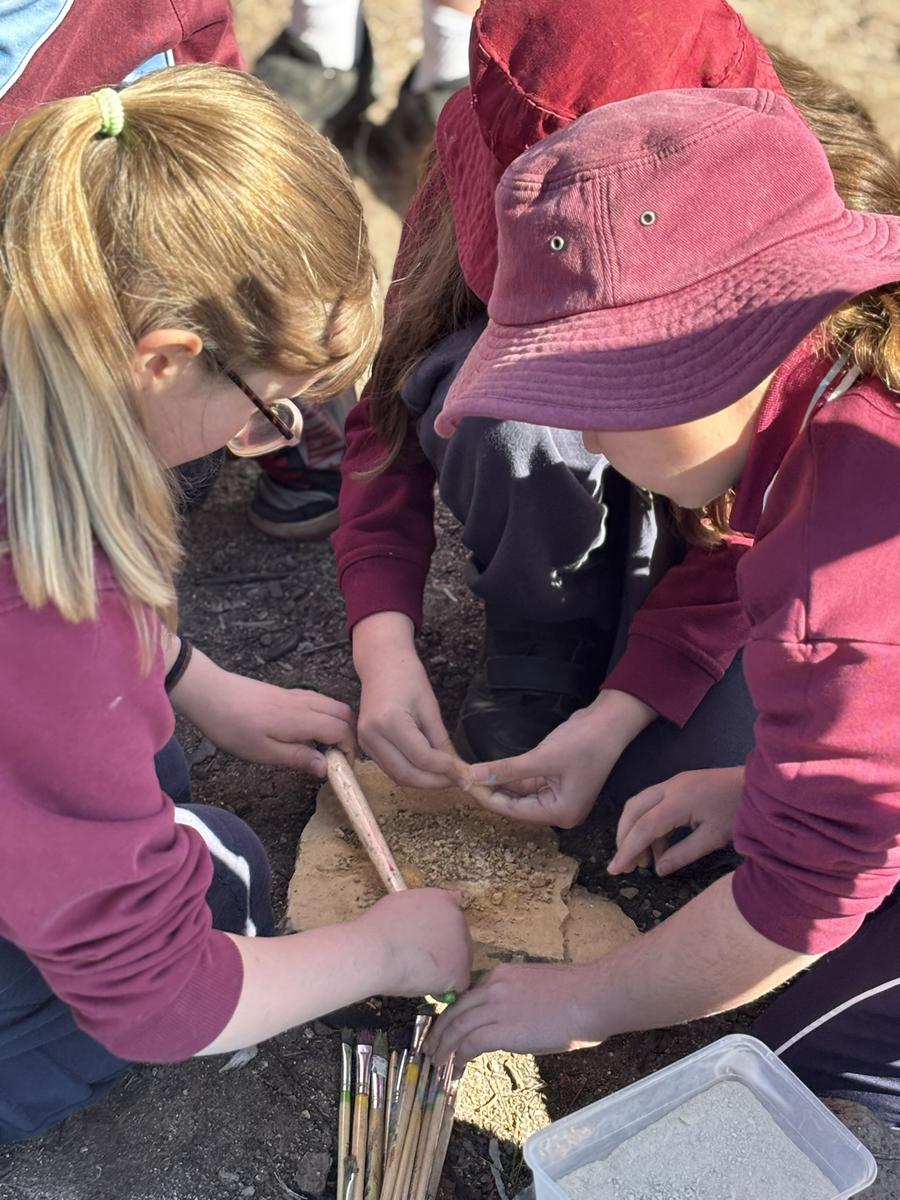
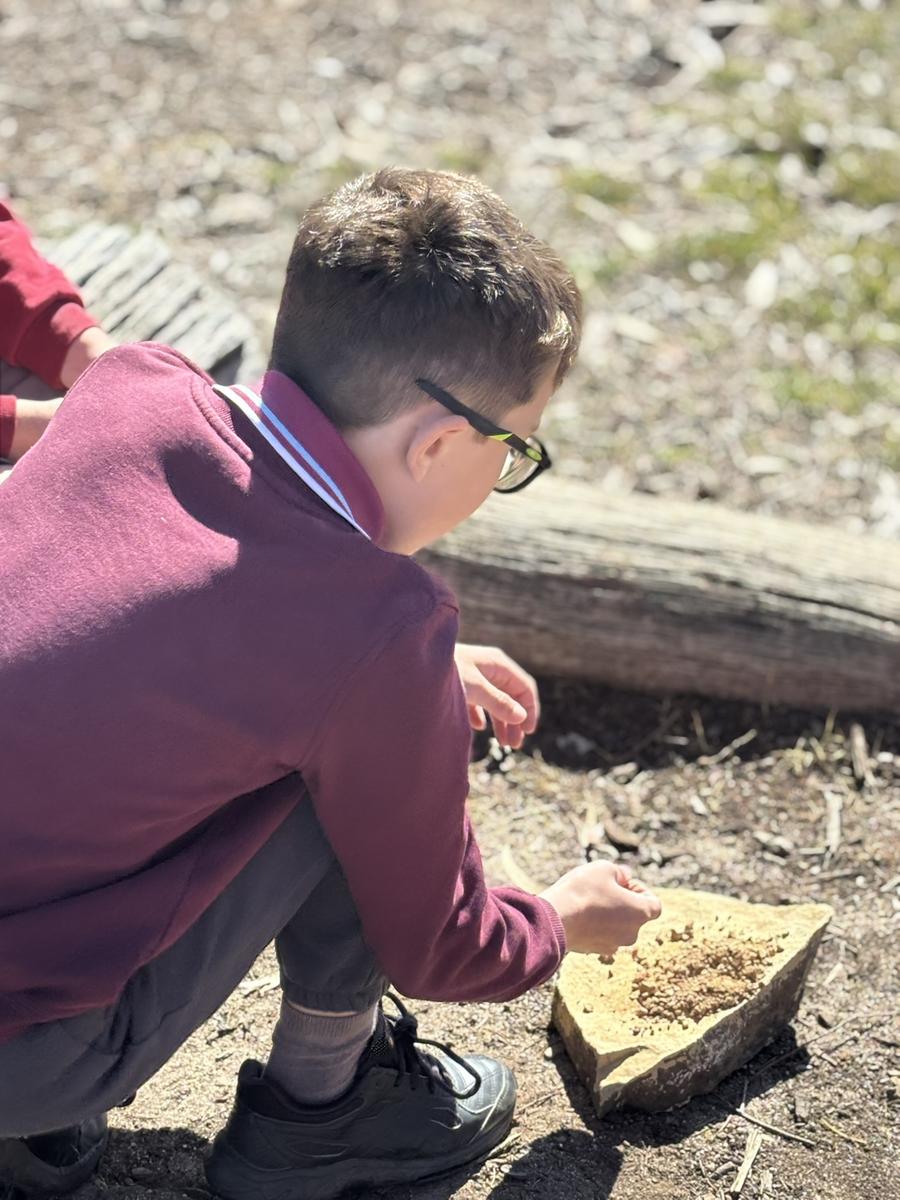
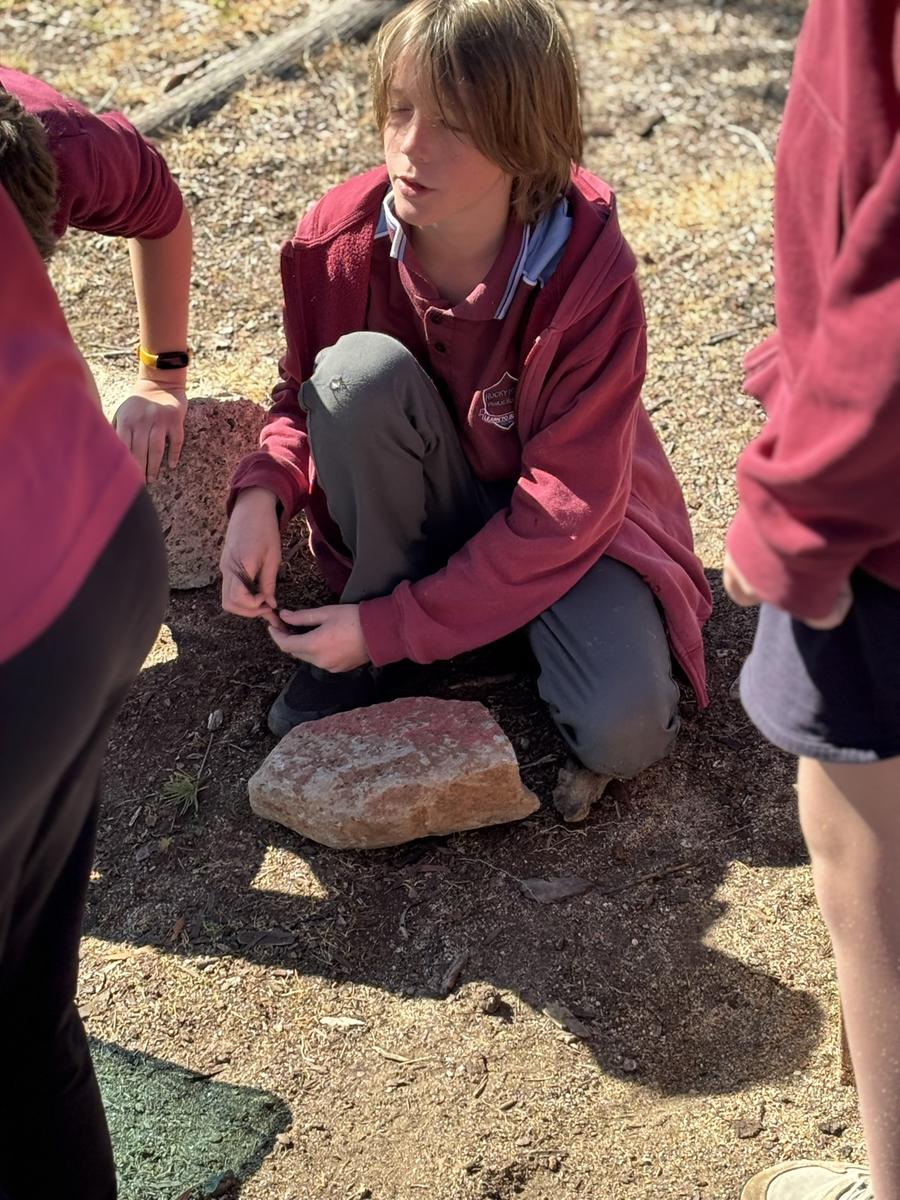
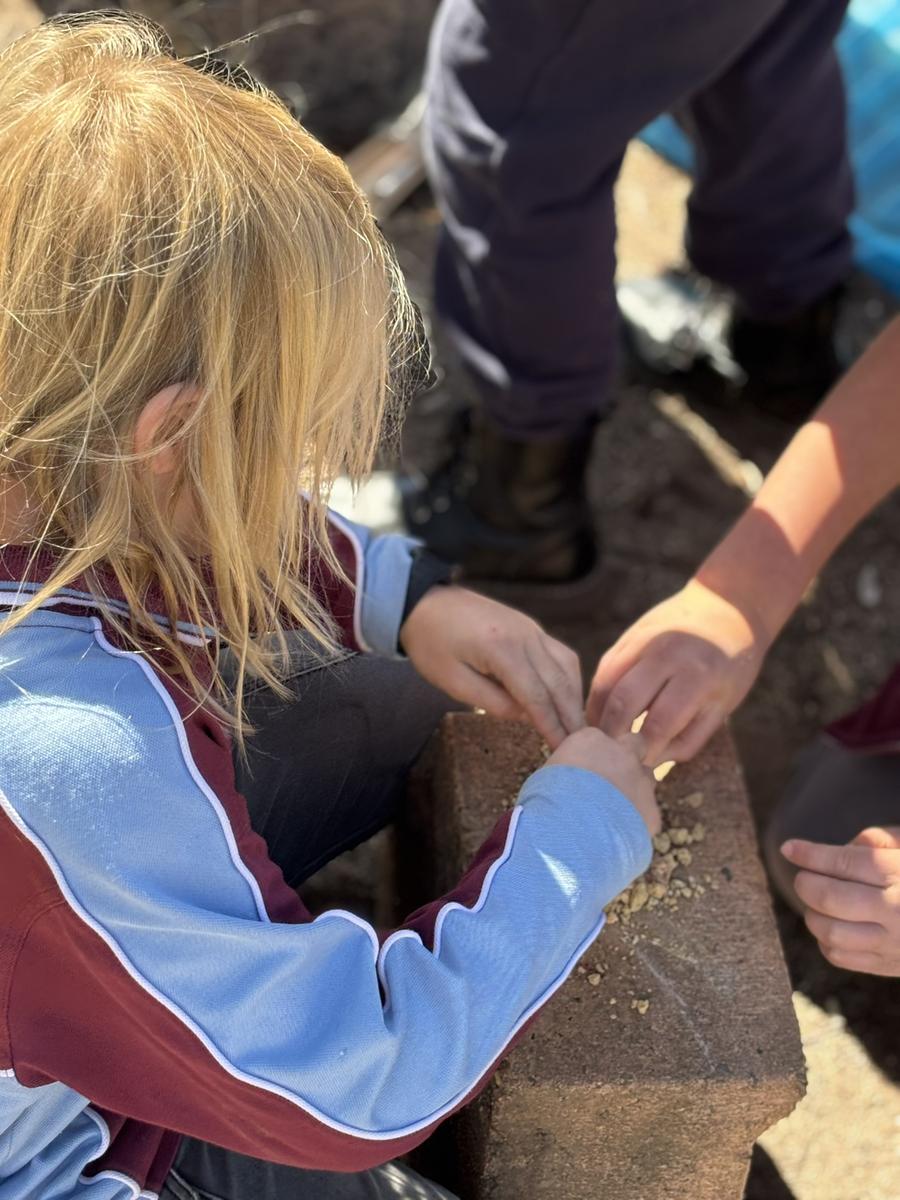
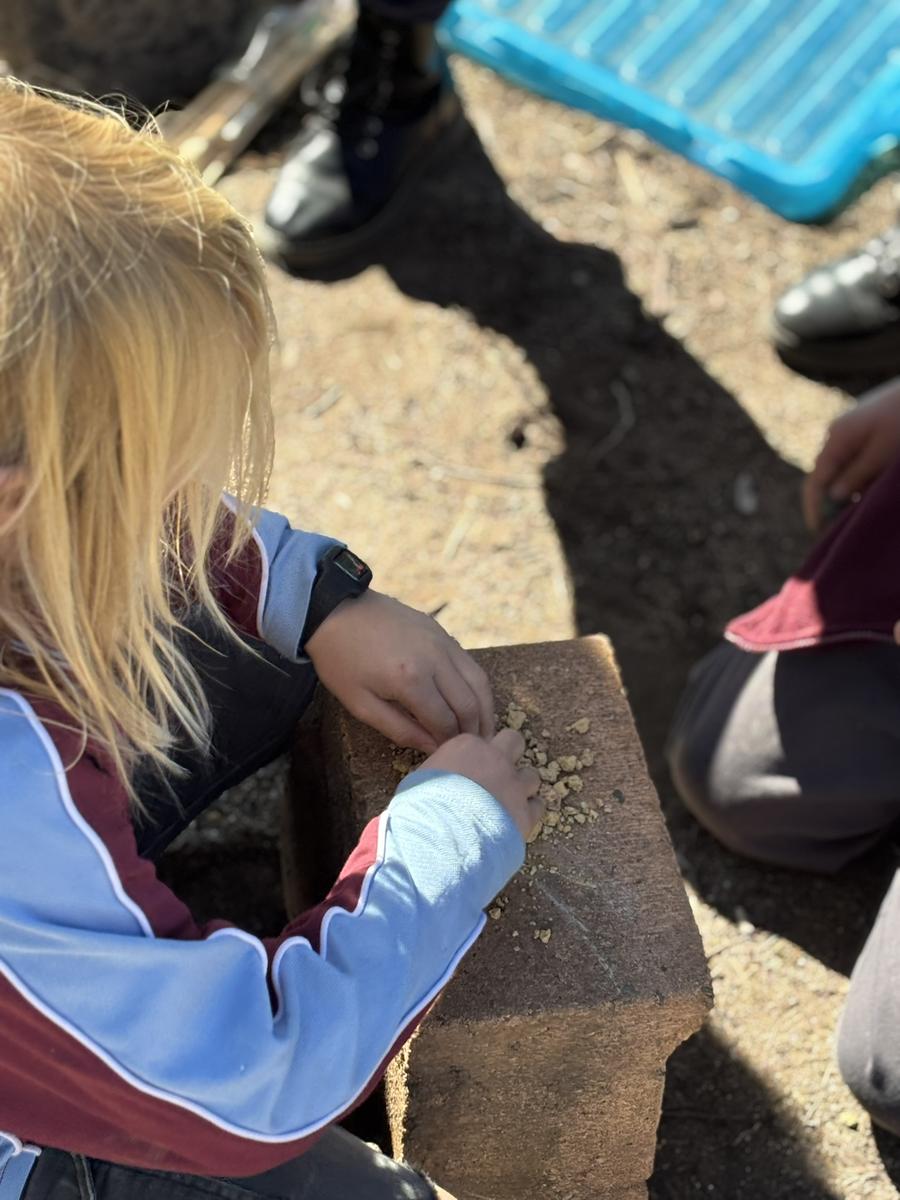
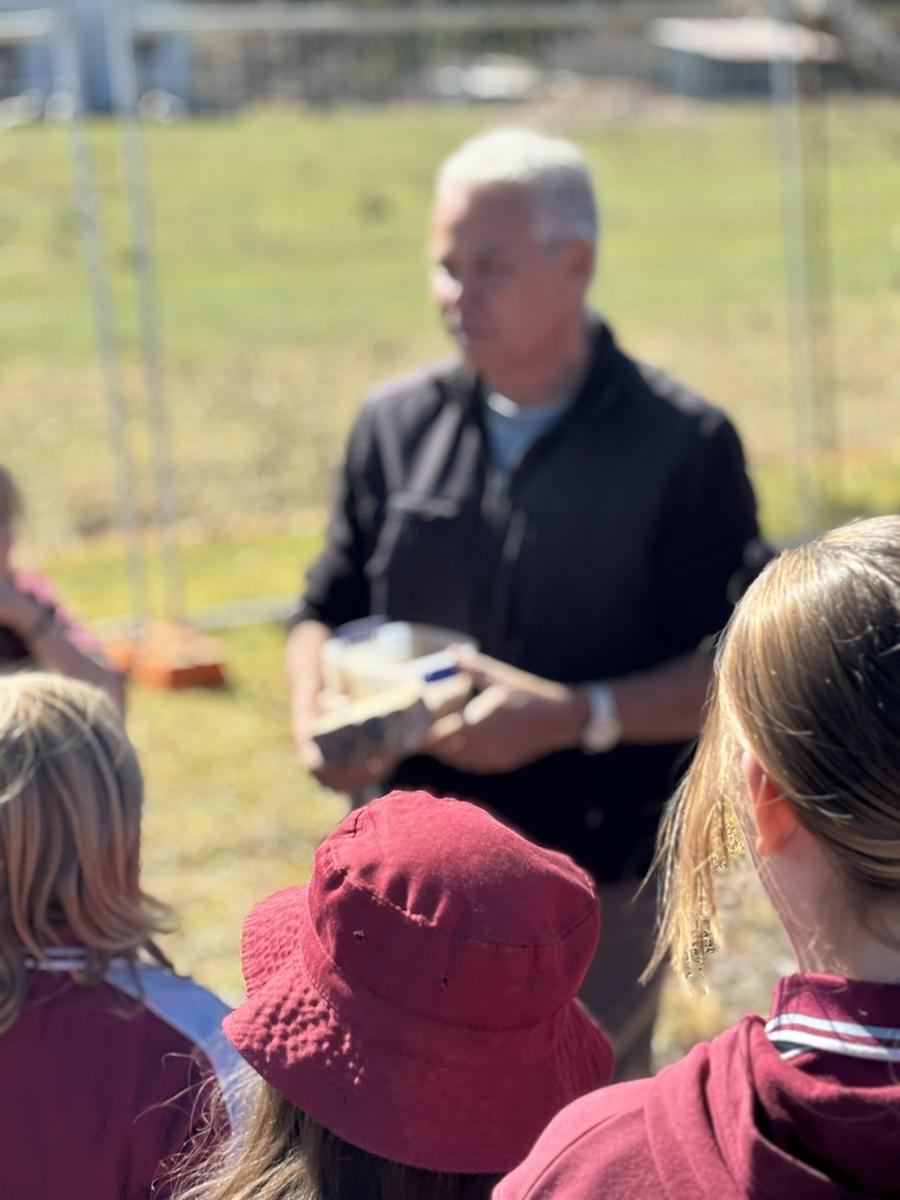
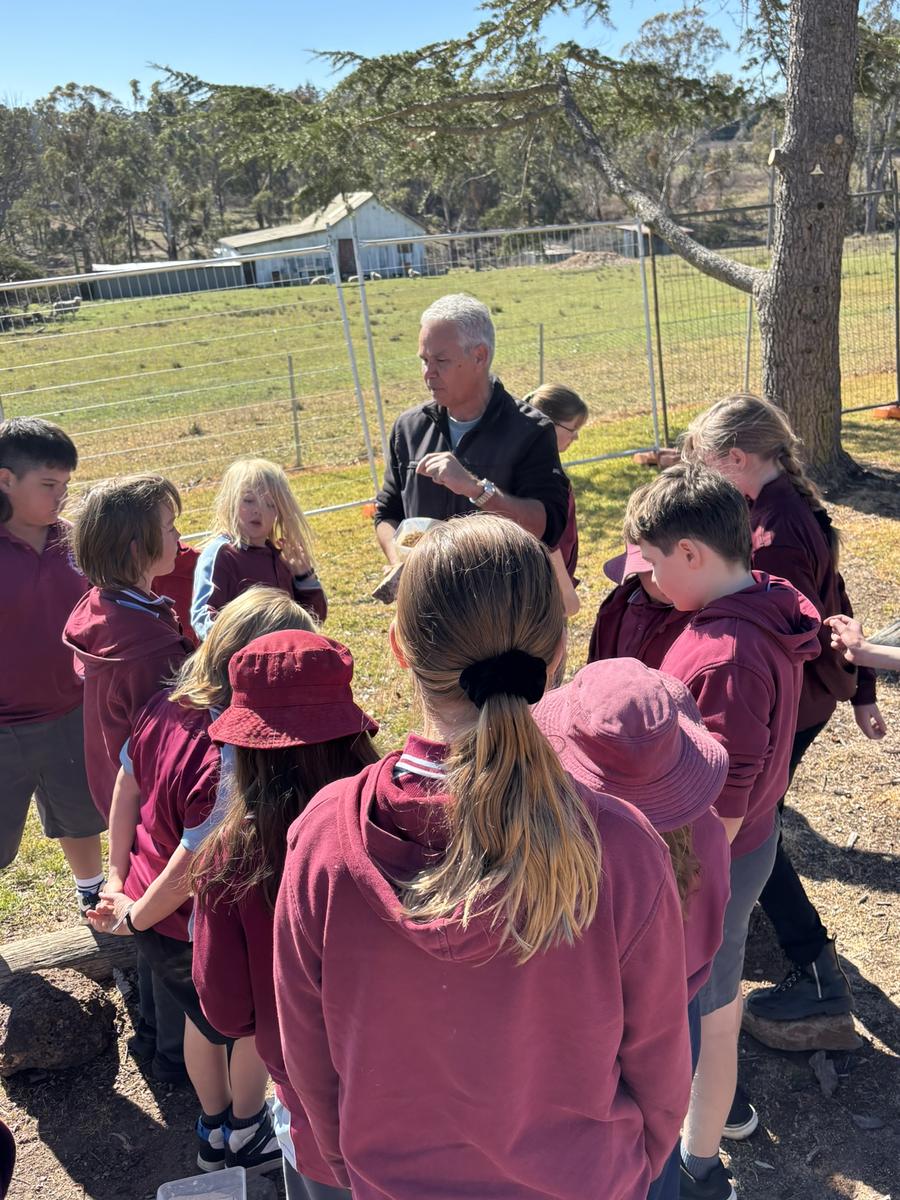
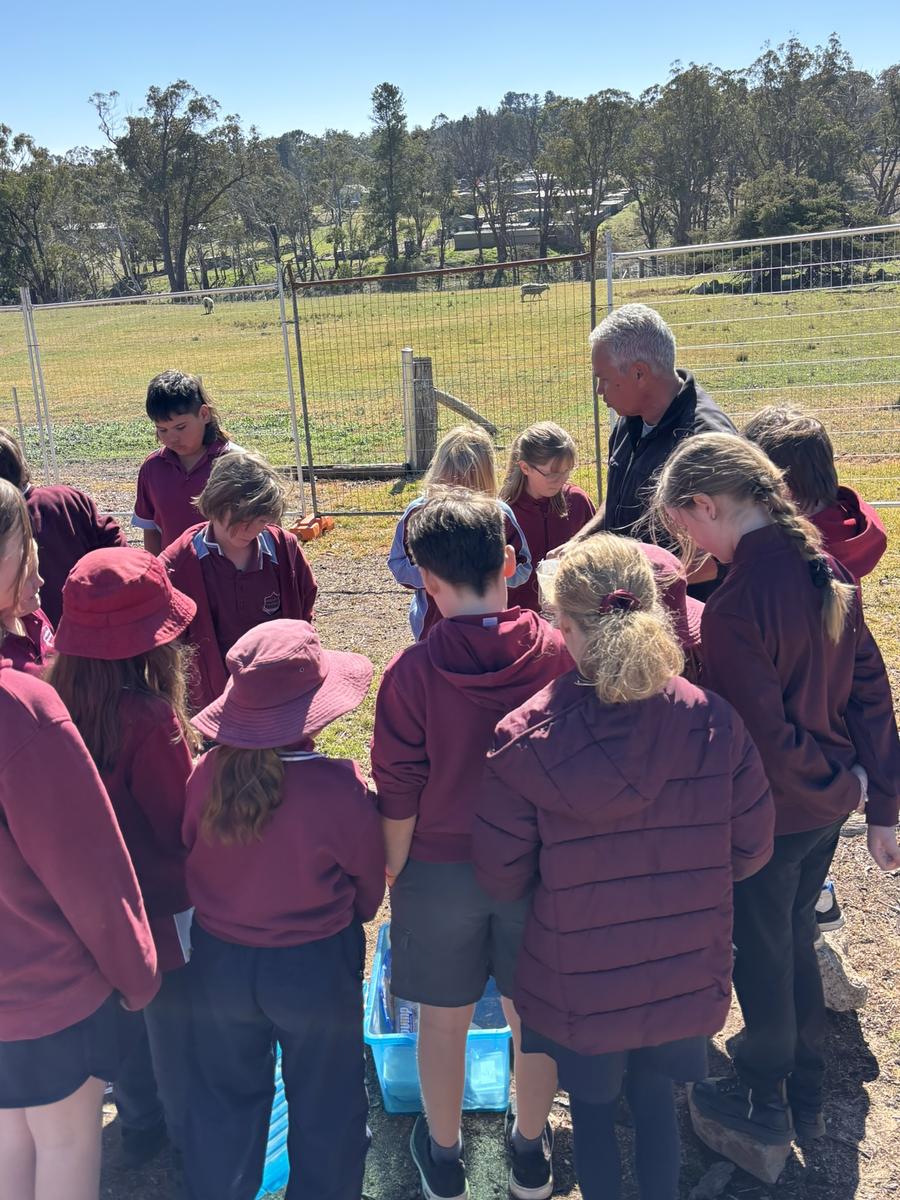
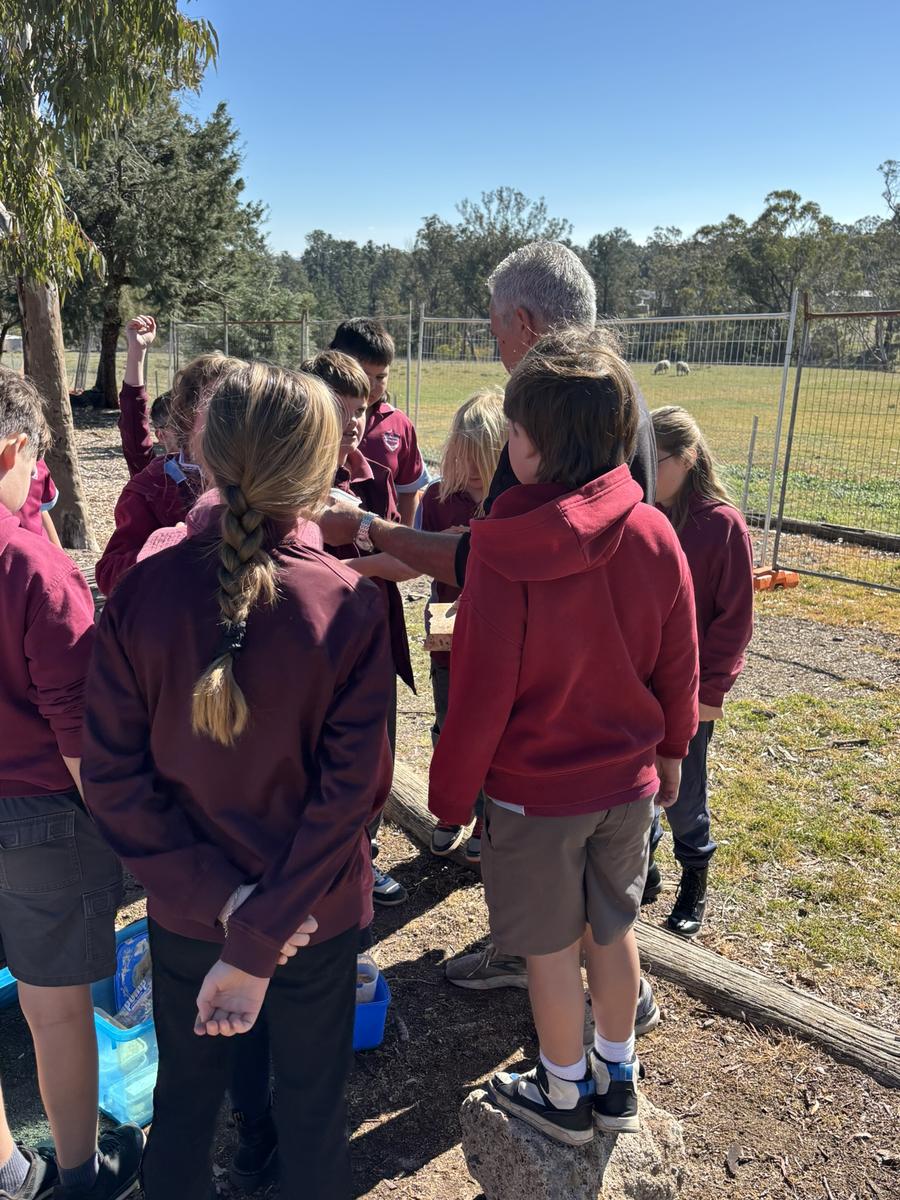
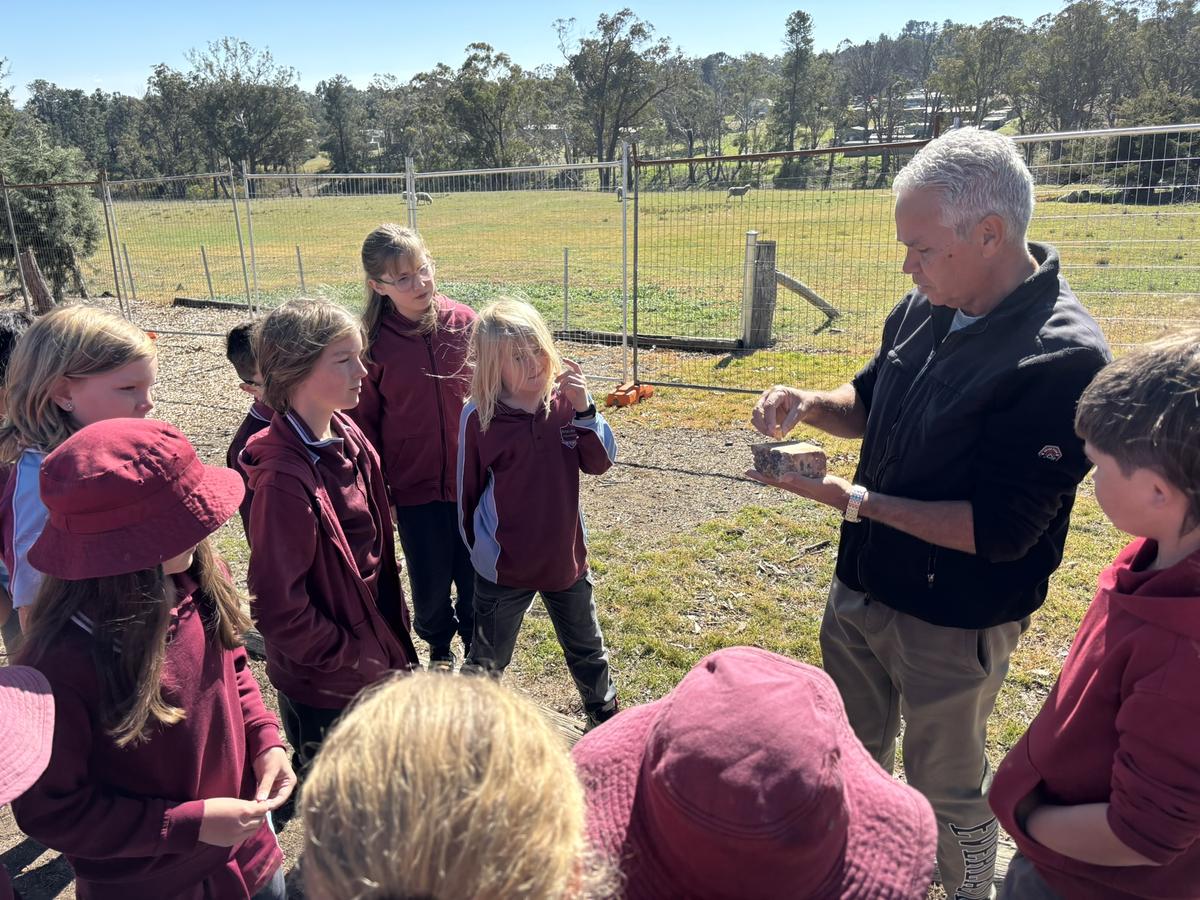
Recently, under the guidance of Mima Dave, our students had the unique opportunity to engage directly with this remarkable tradition. They mixed ochre with water and used paintbrushes to create traditional face paintings. This hands-on activity was both meaningful and tactile, offering students a deeper appreciation for Indigenous culture and the ways stories have been shared across generations.
English | Our Dreaming
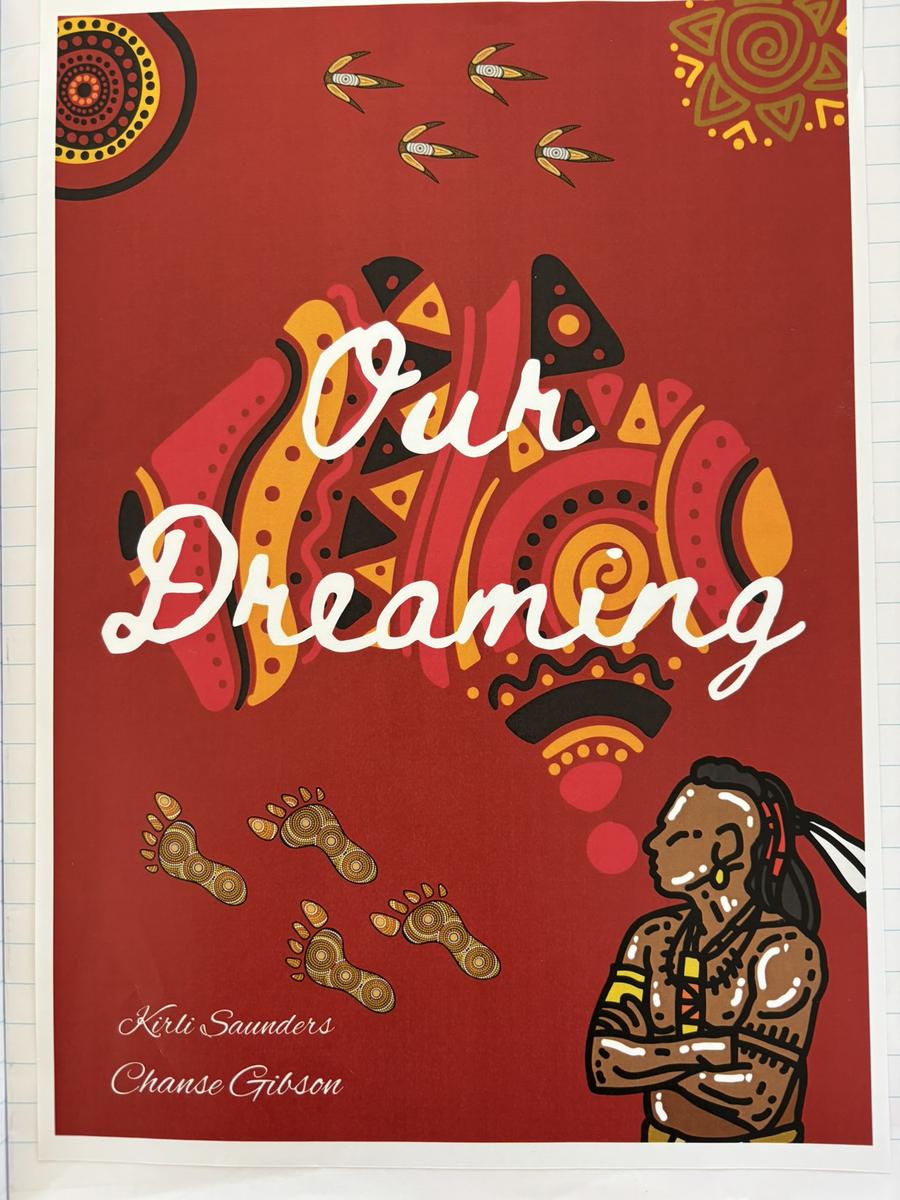
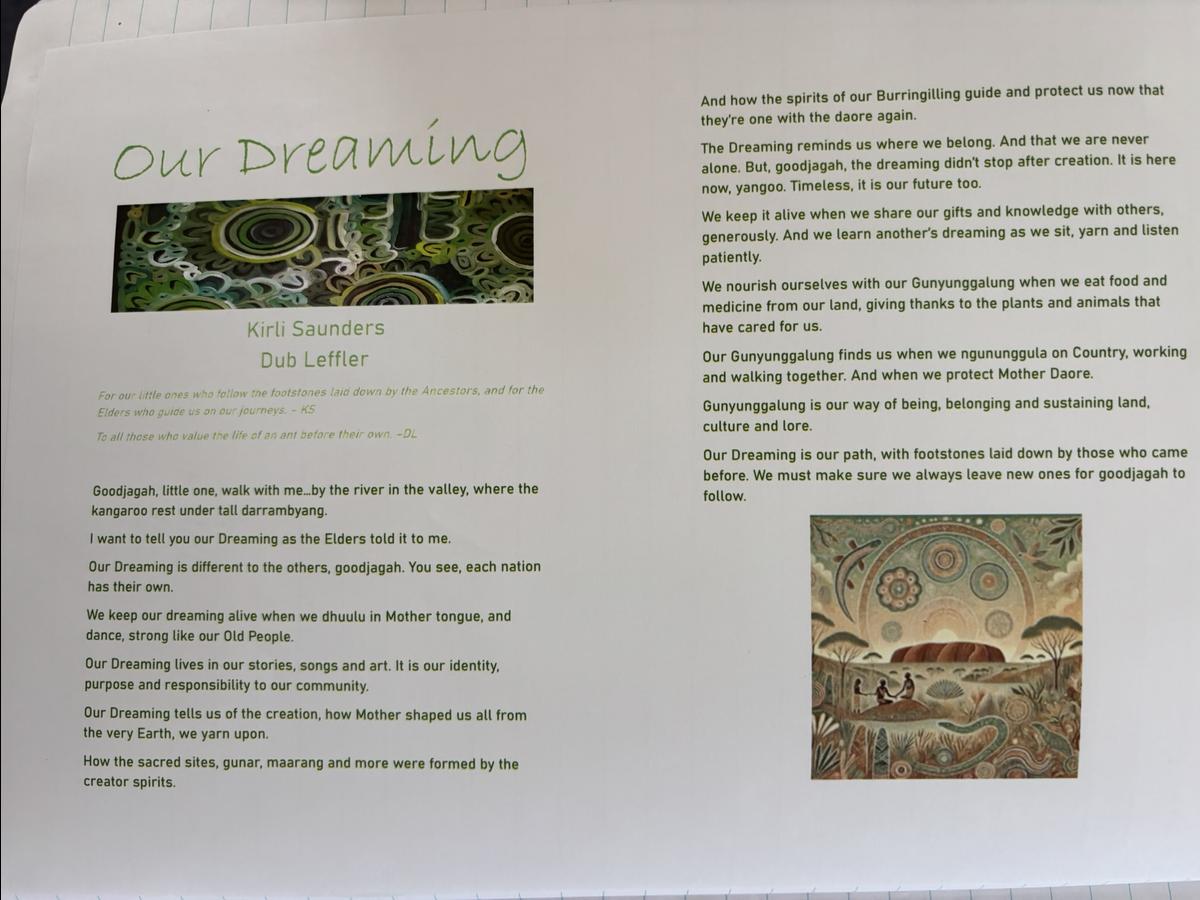
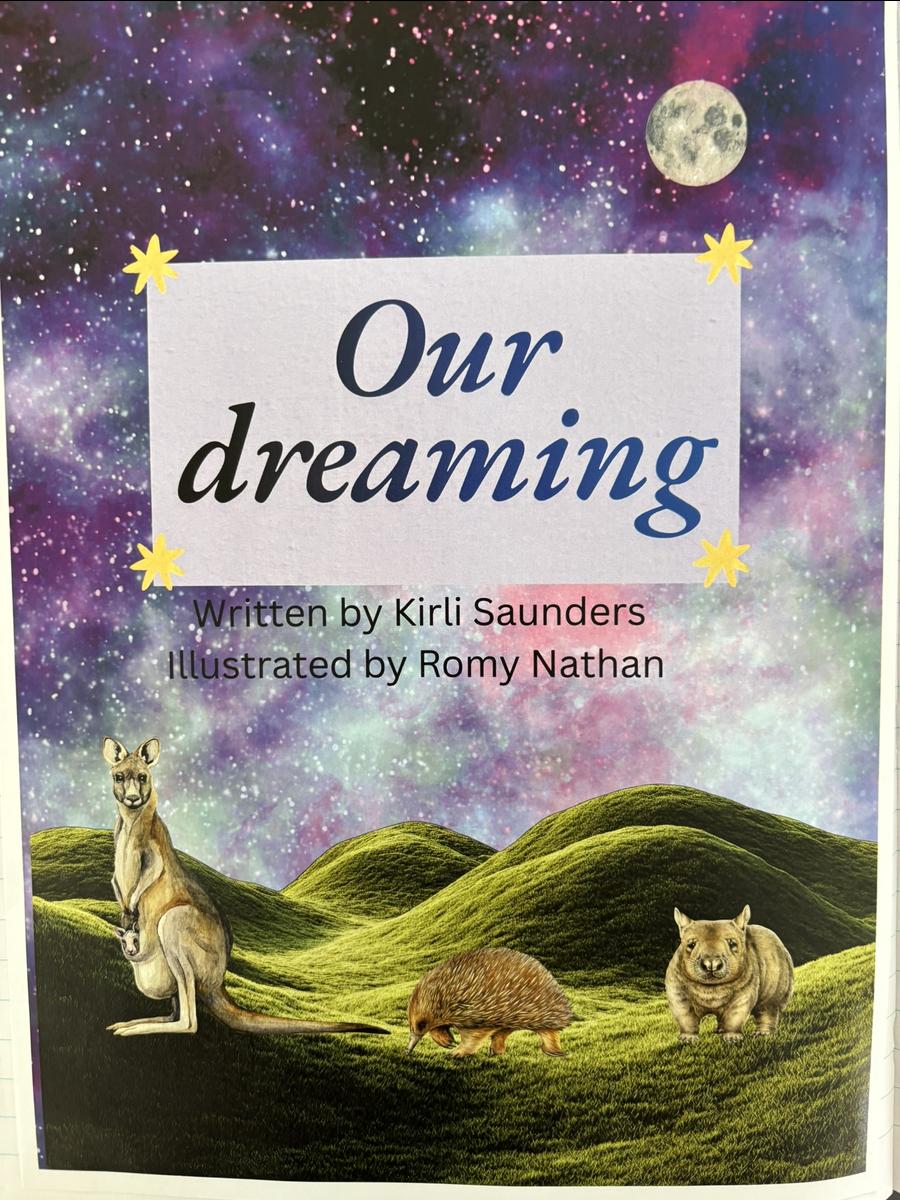
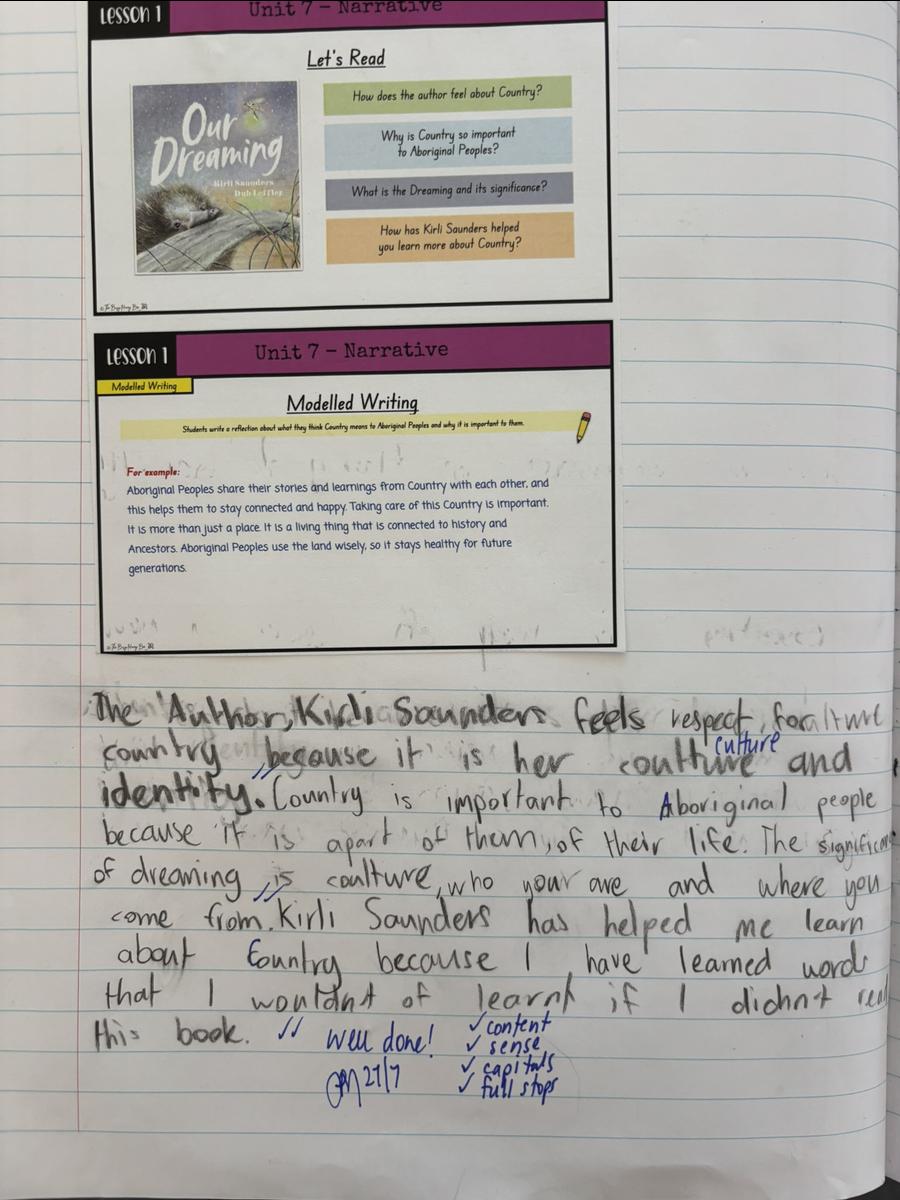
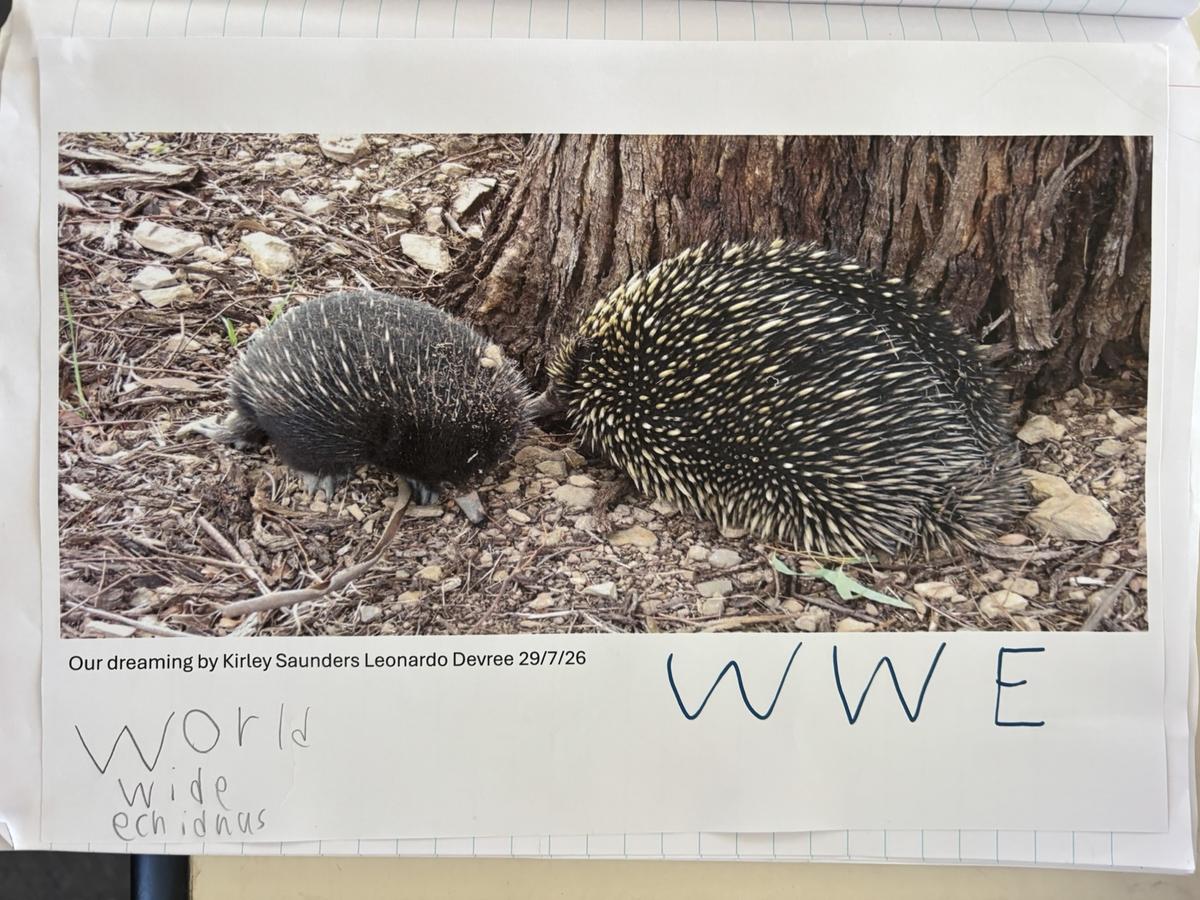
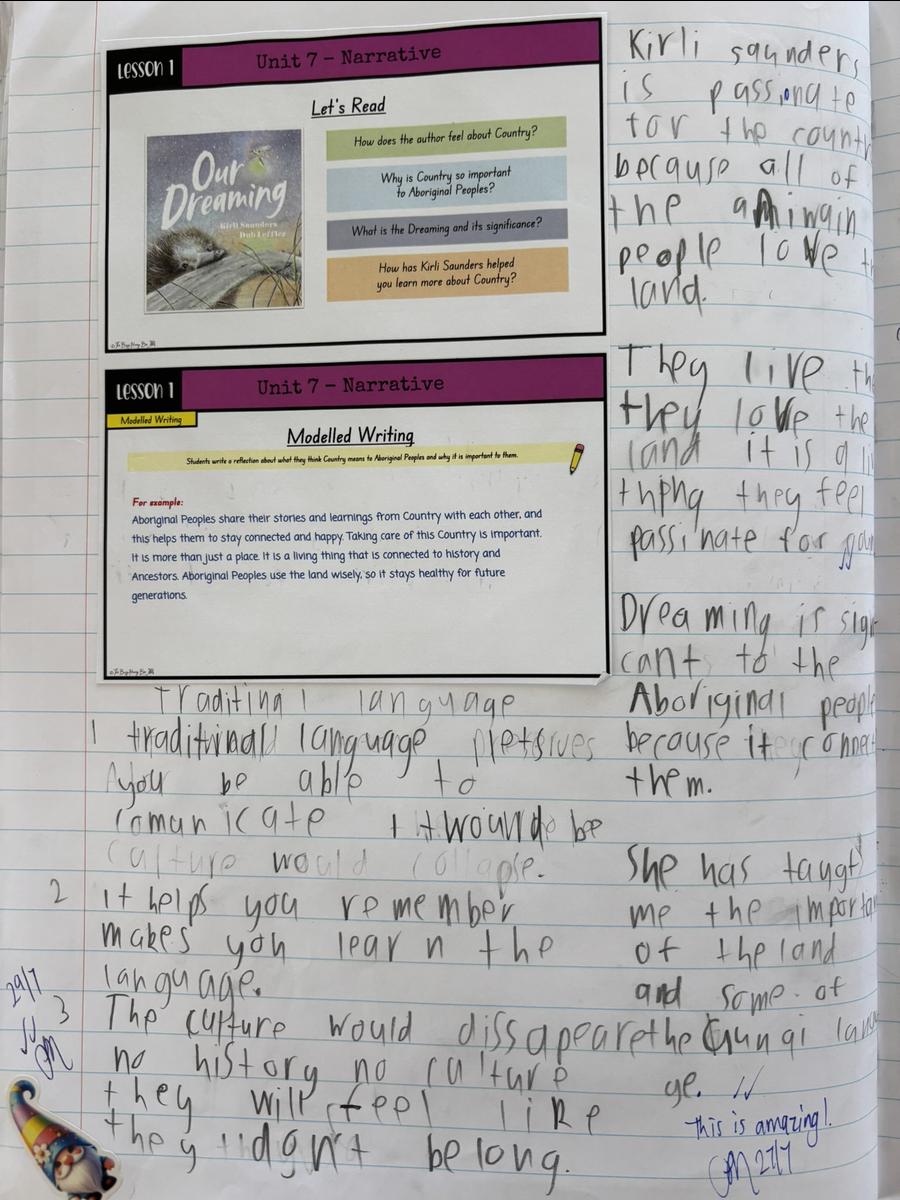
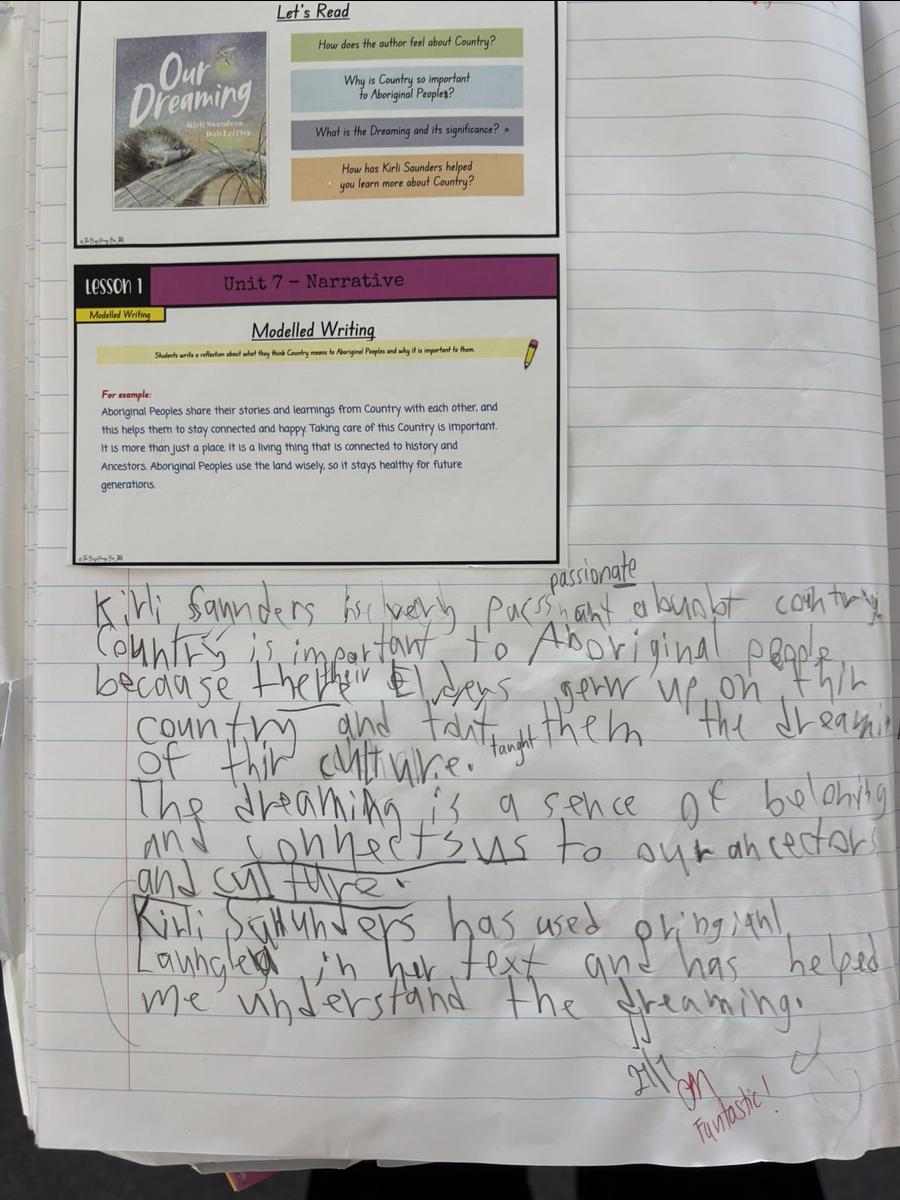
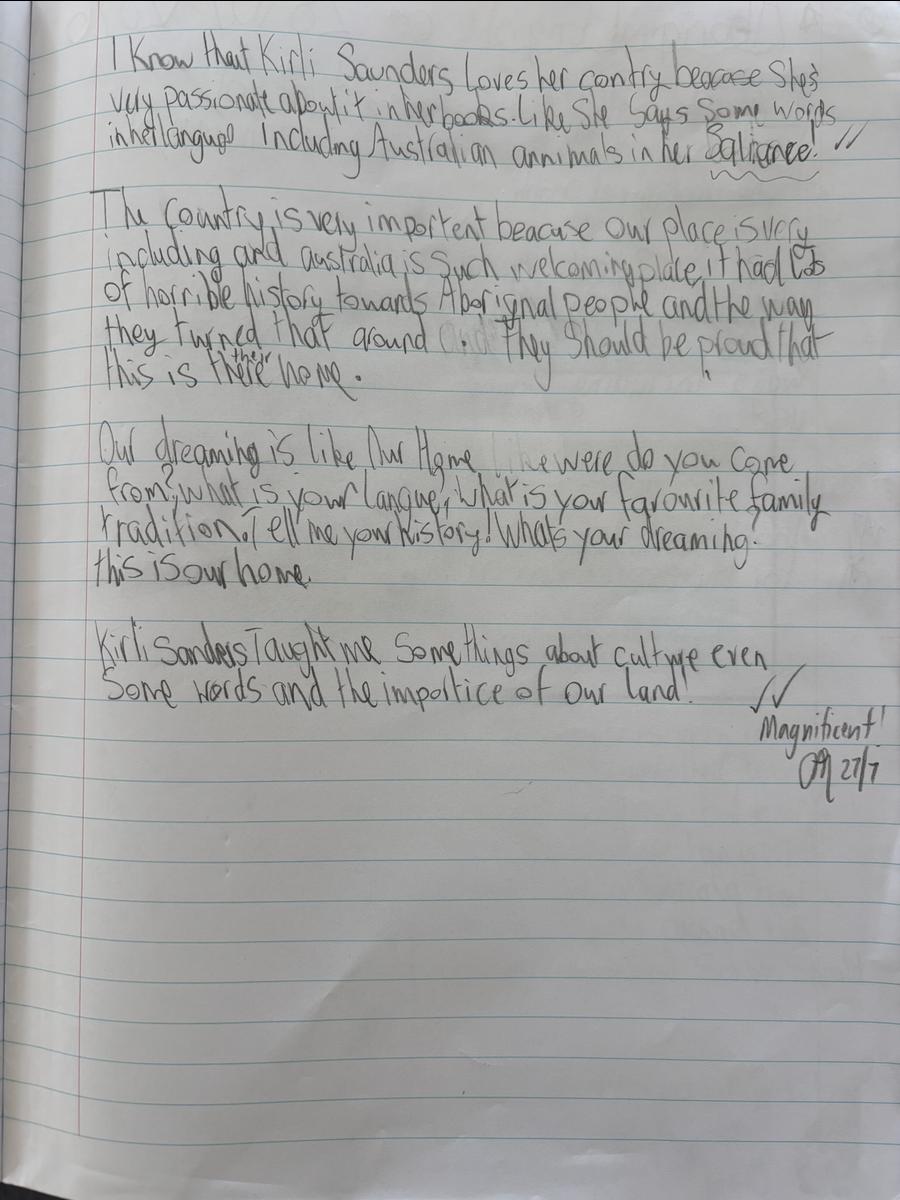
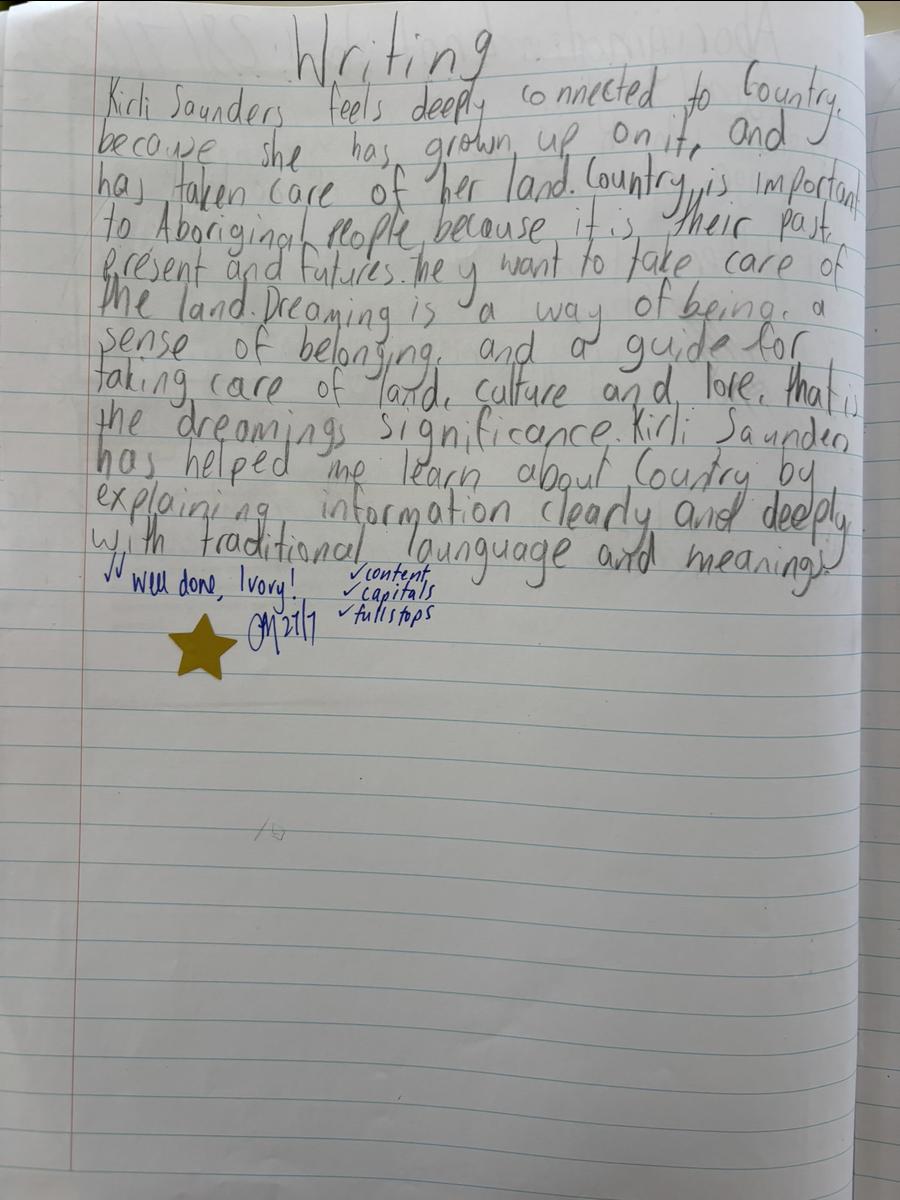
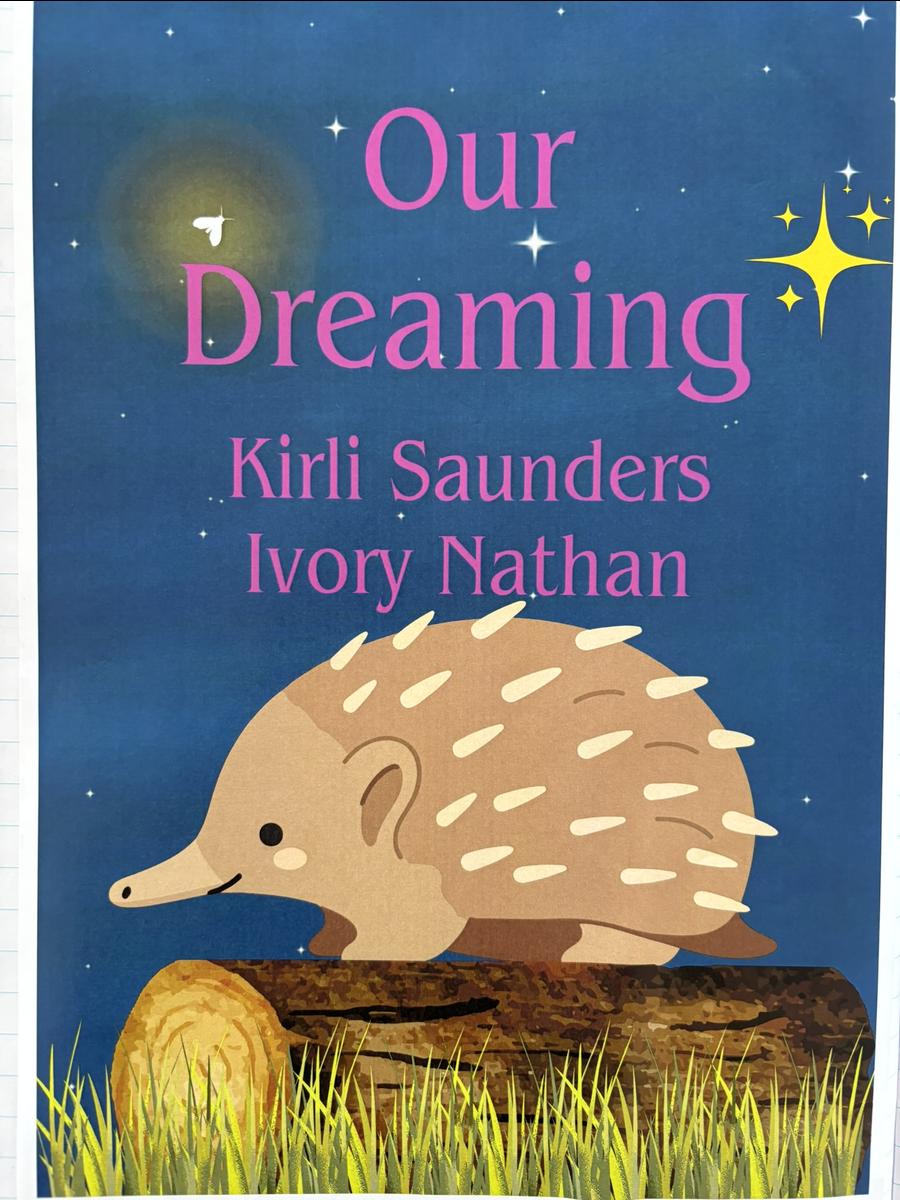
In our recent literacy unit, students have been learning about the textual concept of narrative by exploring Our Dreaming by Kirli Saunders, alongside the complementary text Bindi (which has been chosen for our Reading Fluency this term). This work has offered rich opportunities to understand Aboriginal and Torres Strait Islander cultural stories and how they are shared through literature.
Through Our Dreaming and a variety of digital texts, students have investigated the purpose and structure of Aboriginal cultural narratives that explain the world, connecting stories of creation with Country, waterways, skies, and cultural sites. We looked closely at how authors use imagery, symbols, and figurative language to create meaning and share cultural teachings.
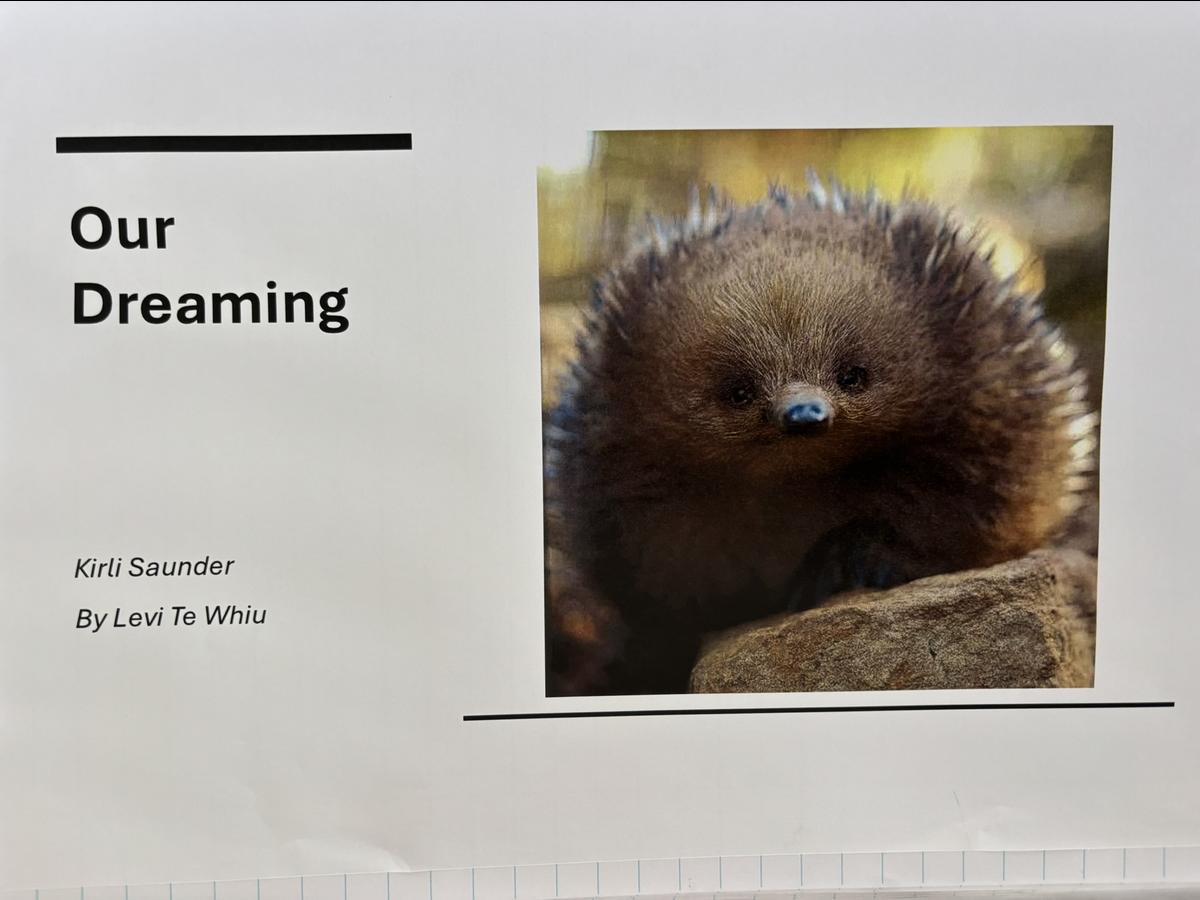
As part of the unit, students created a vision board by predicting what the text might be about from its cover. We discussed what kind of story Our Dreaming is and its purpose, reflecting on connections with the text and its themes. Adding to our predictions...we created a new cover for the book using CANVA or PowerPoint.
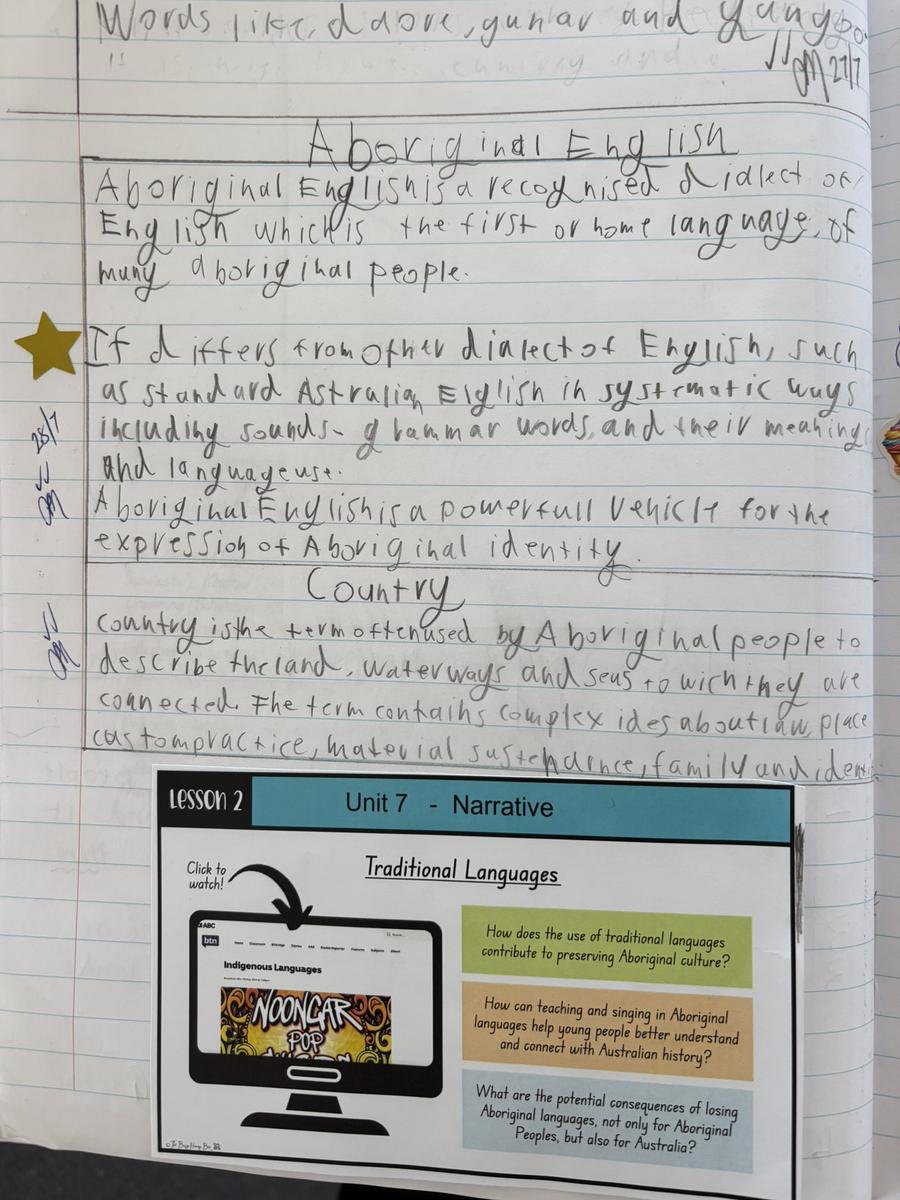
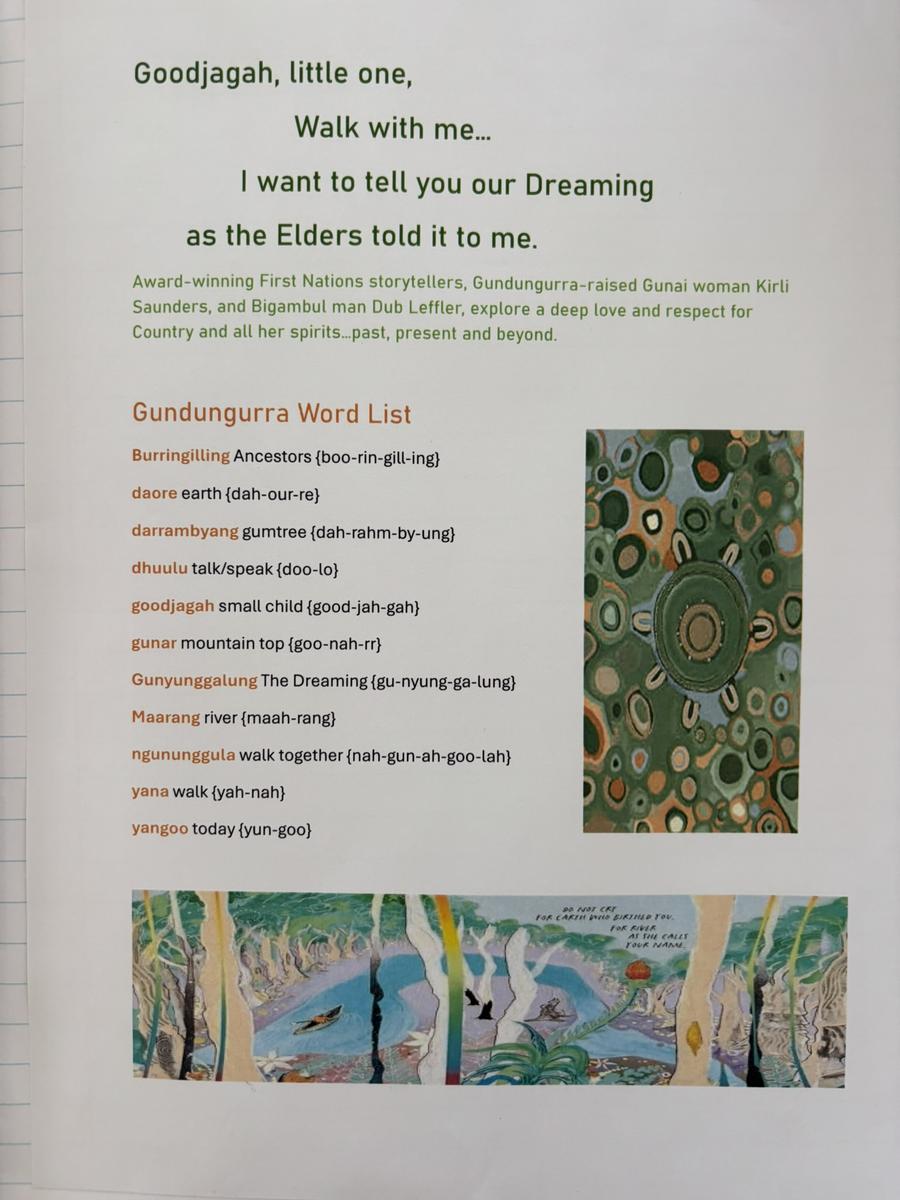
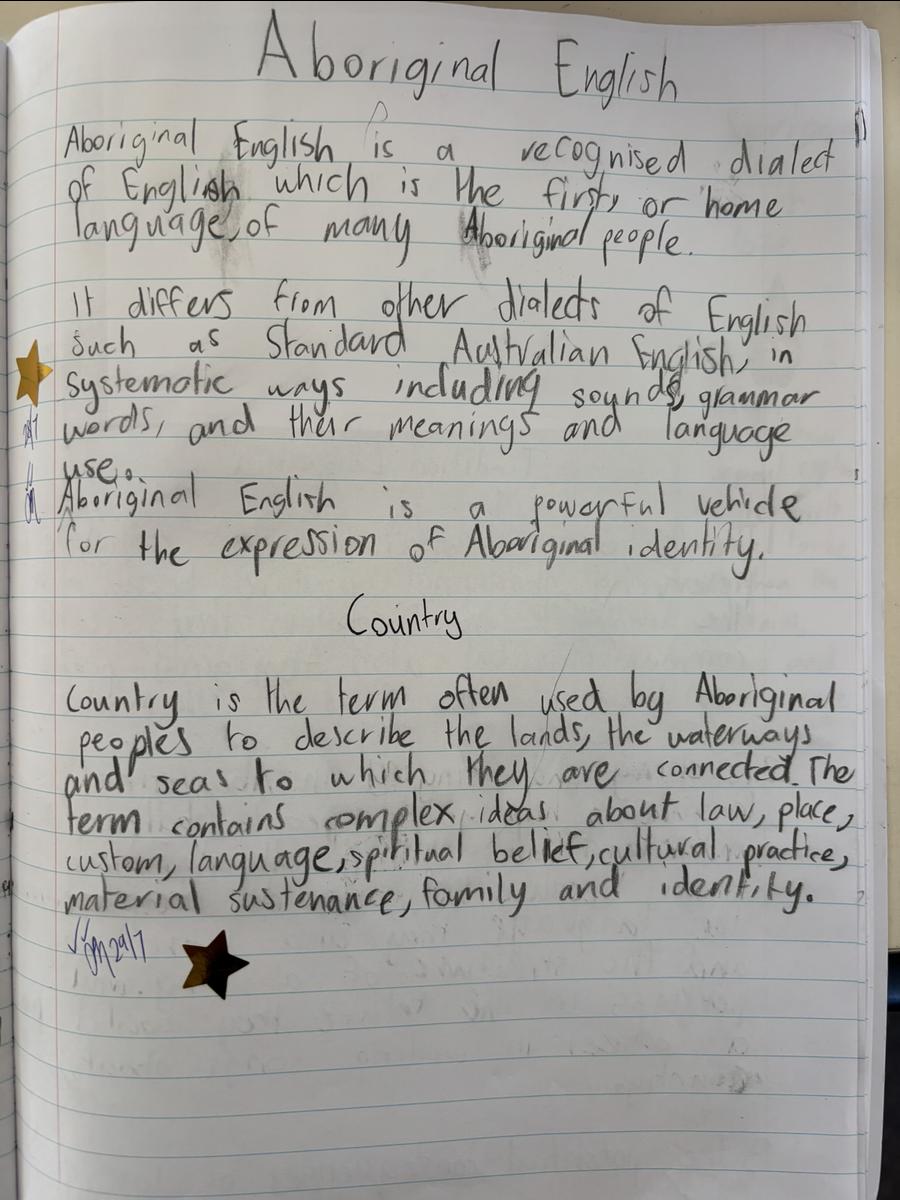
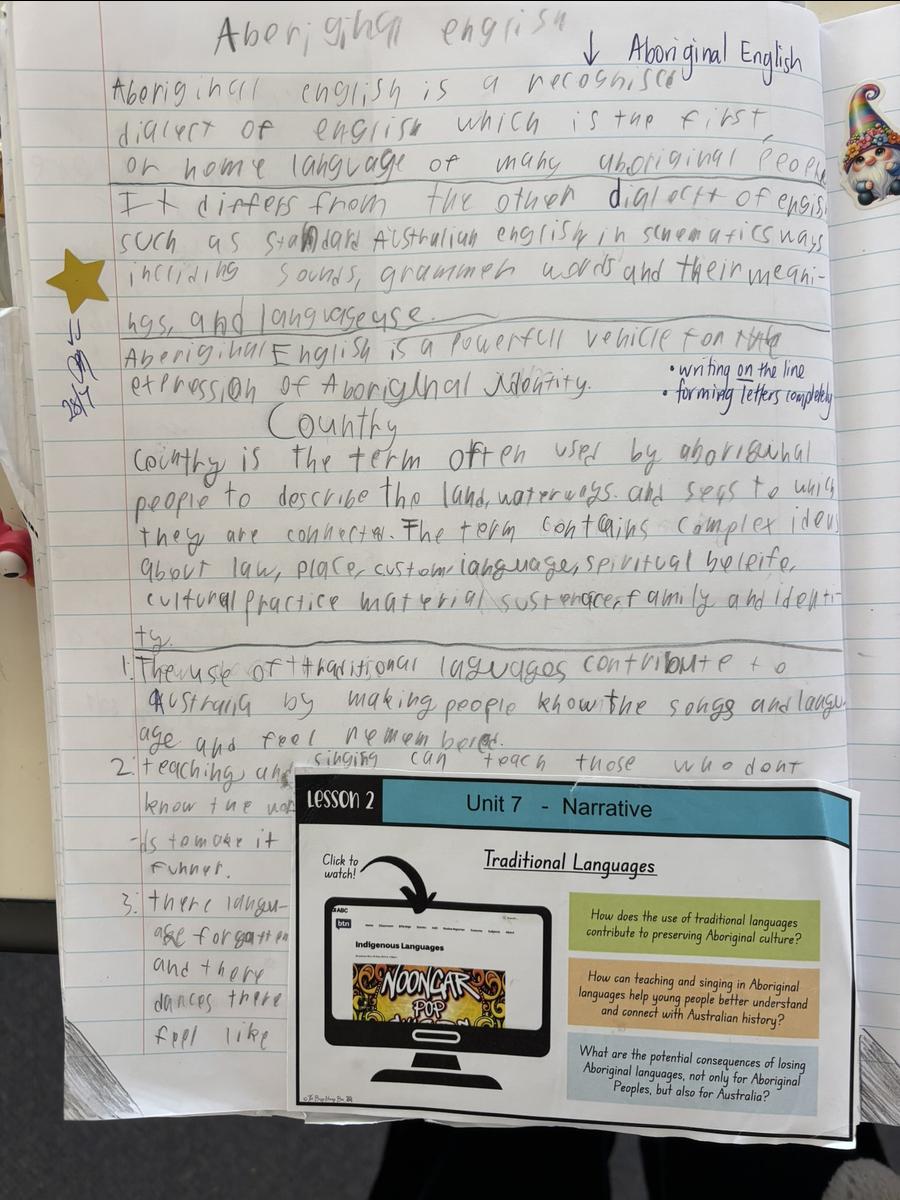
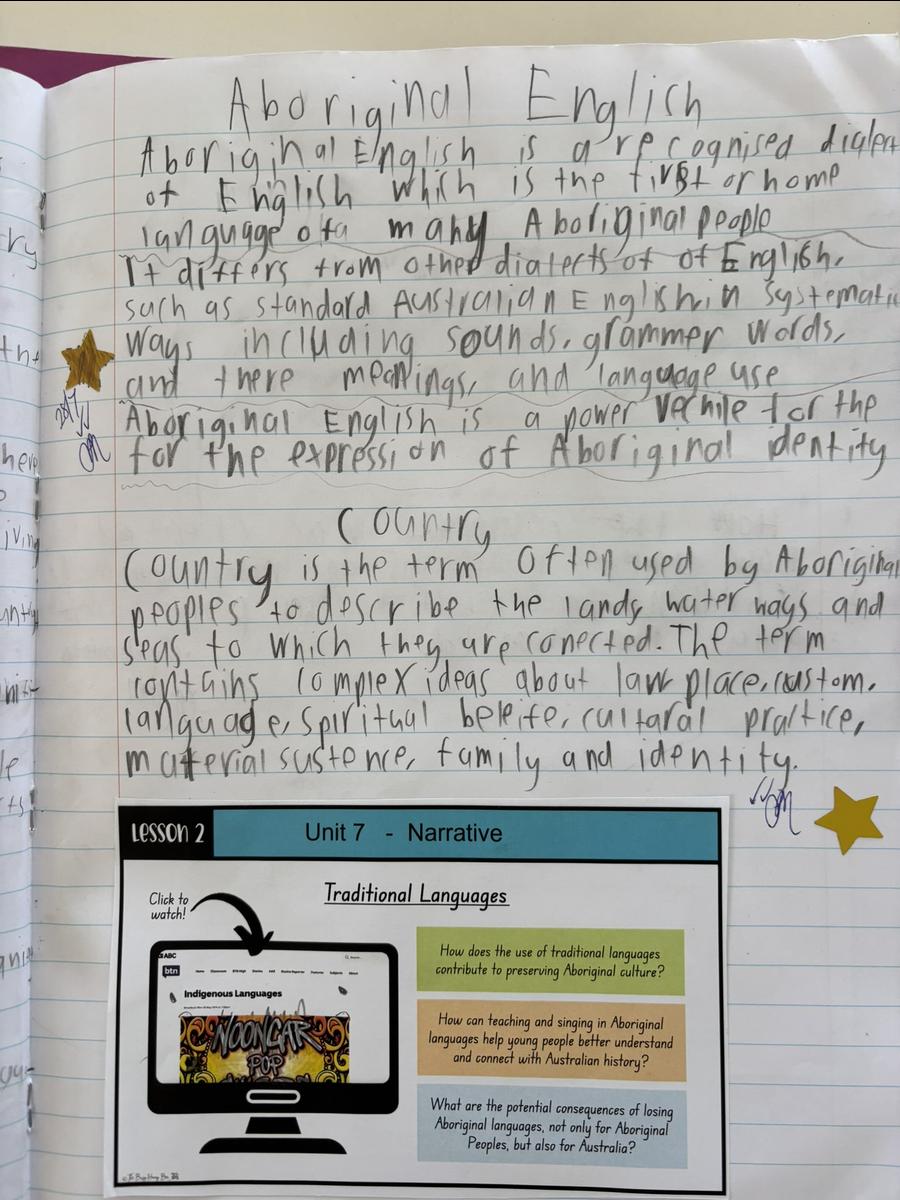
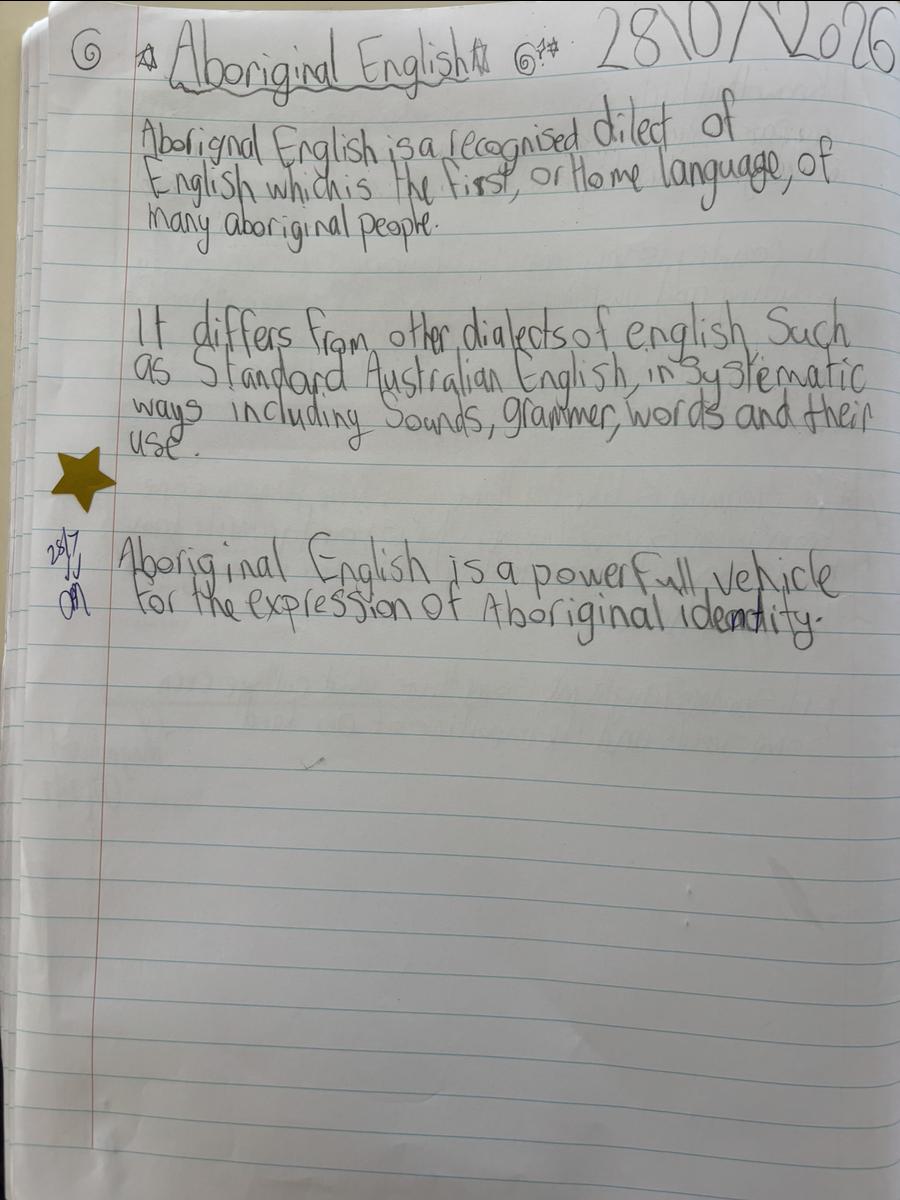
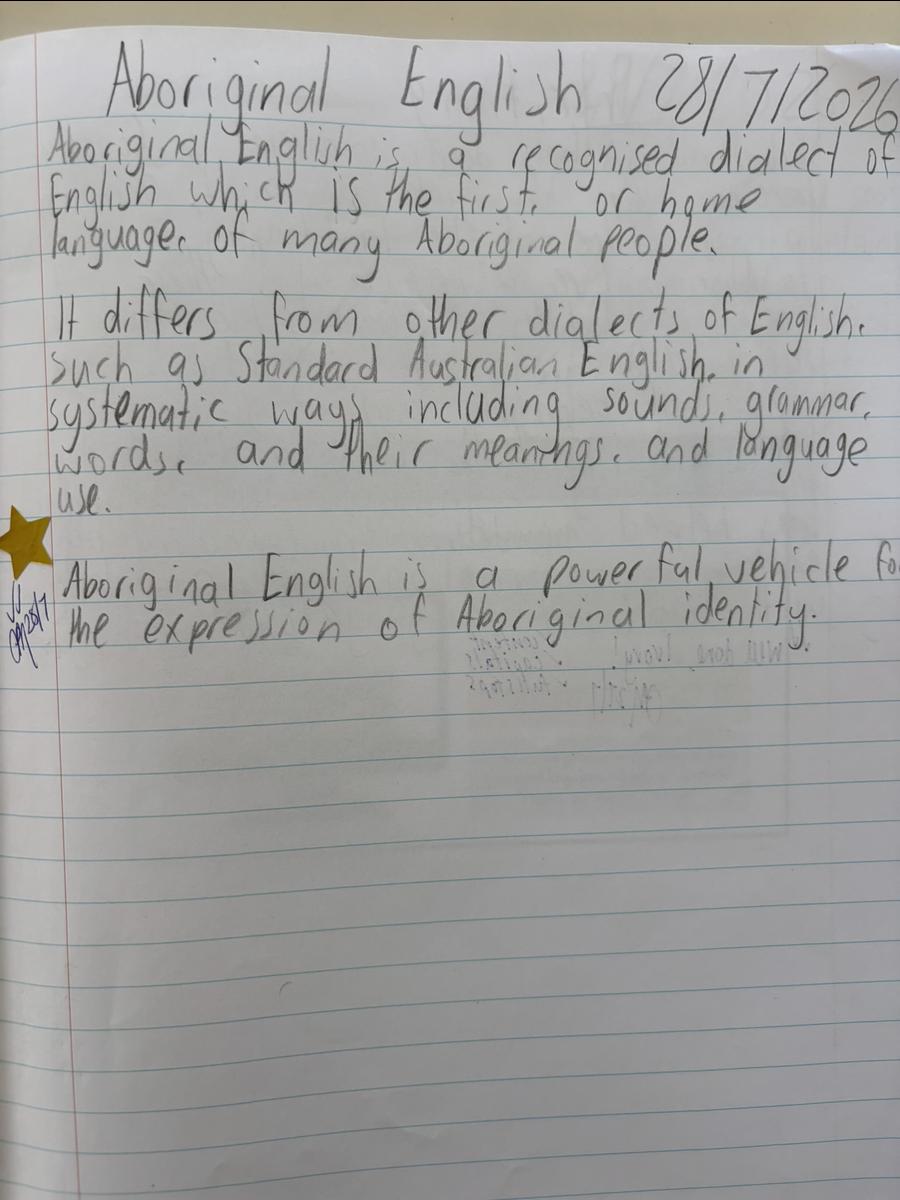
A significant part of our learning involved examining the use of language in the text. Our Dreaming combines Gundungurra words, English, and Aboriginal English (yarn) to tell its stories. Together, we explored these Gundungurra words using context clues and the word list at the back of the book to understand their meanings and pronunciation.
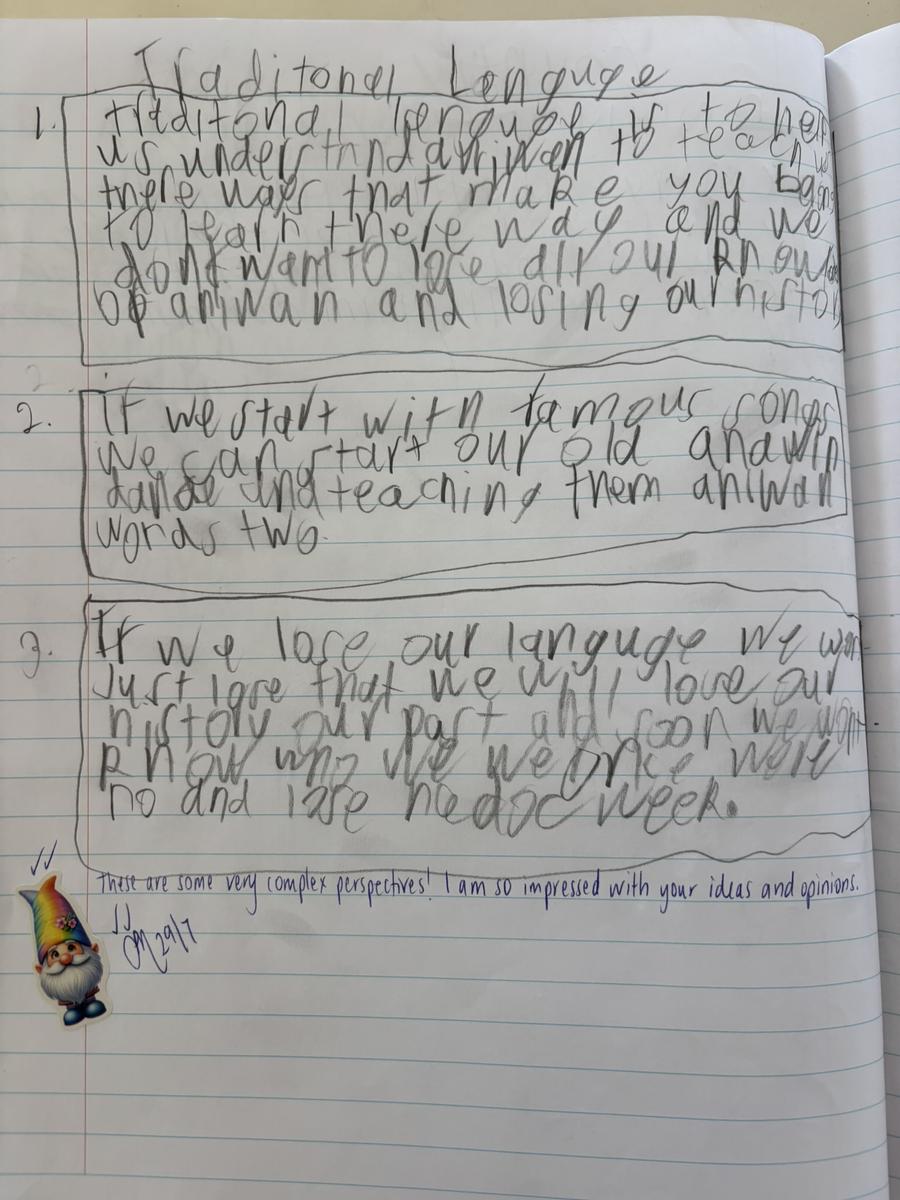
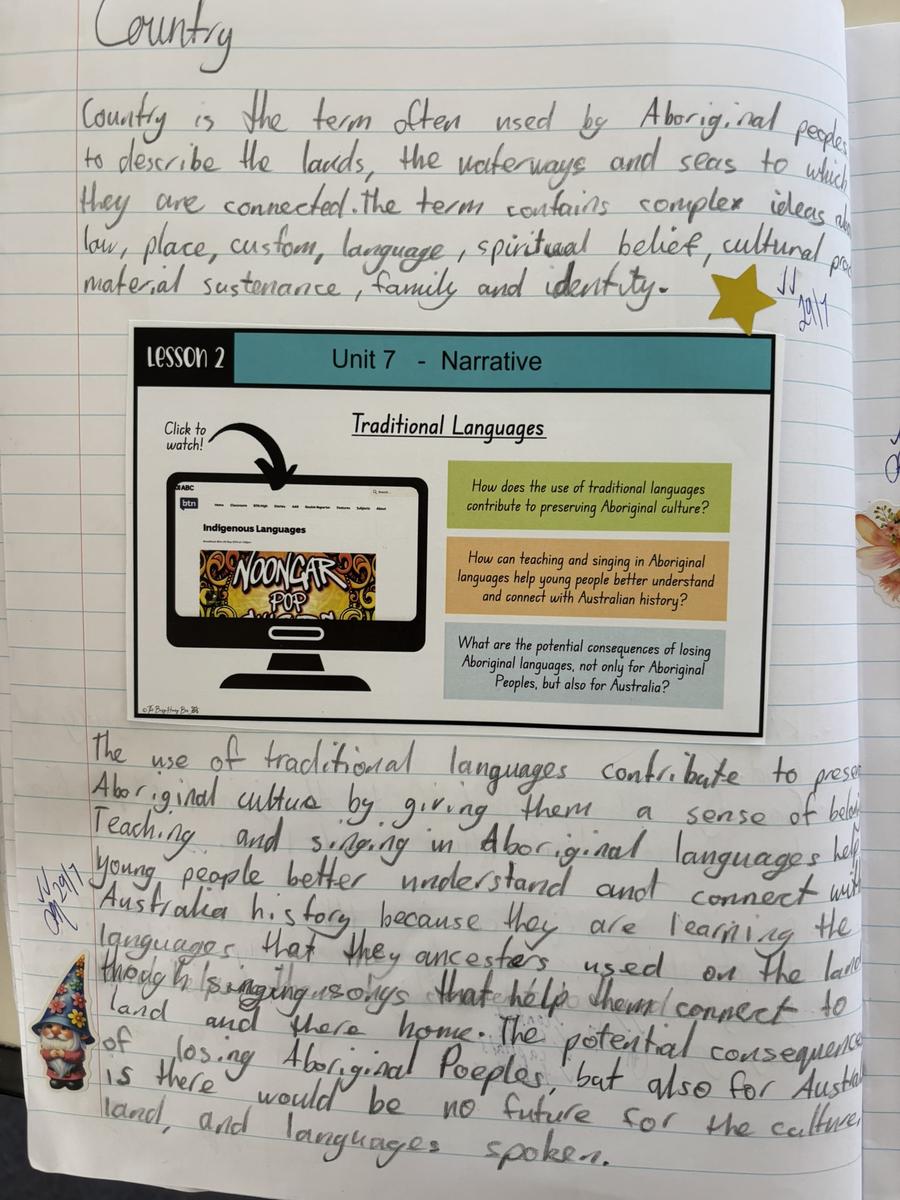
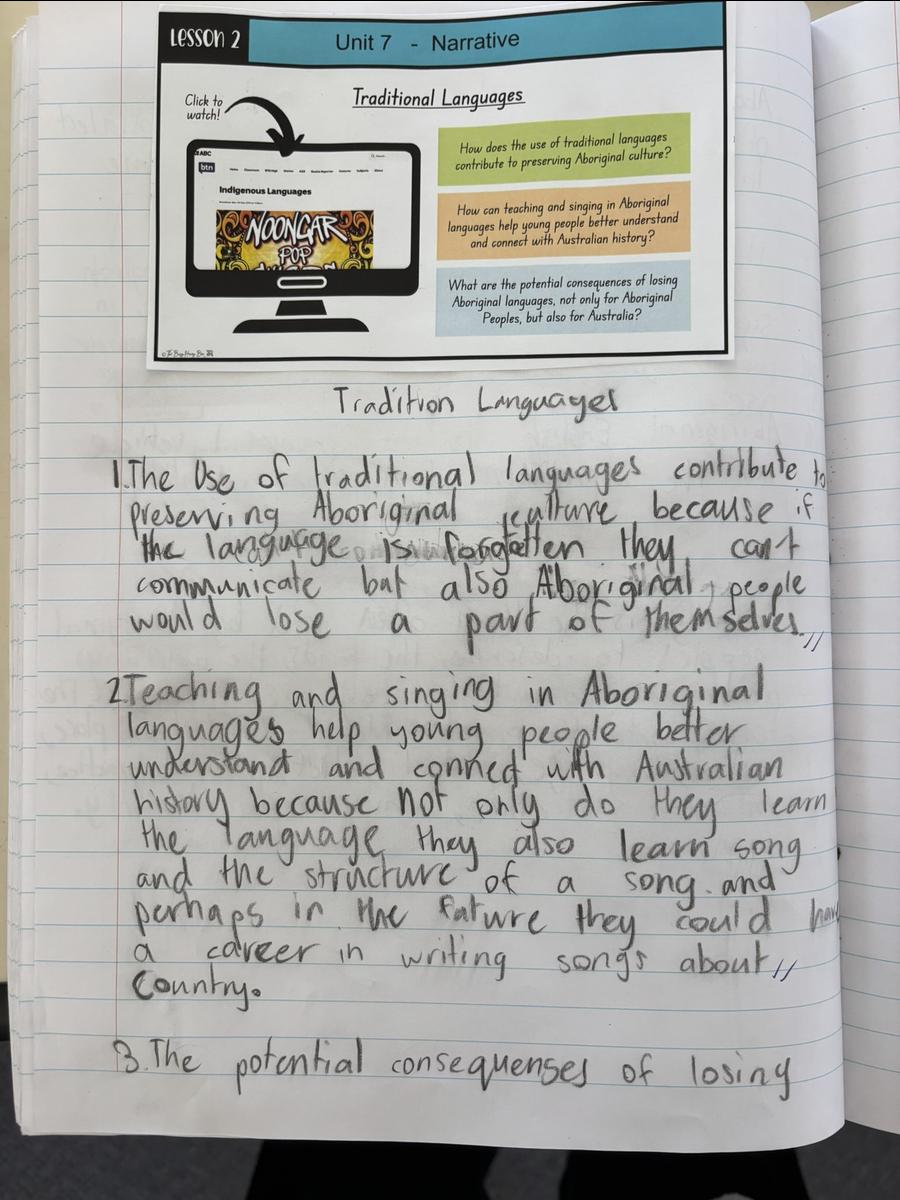
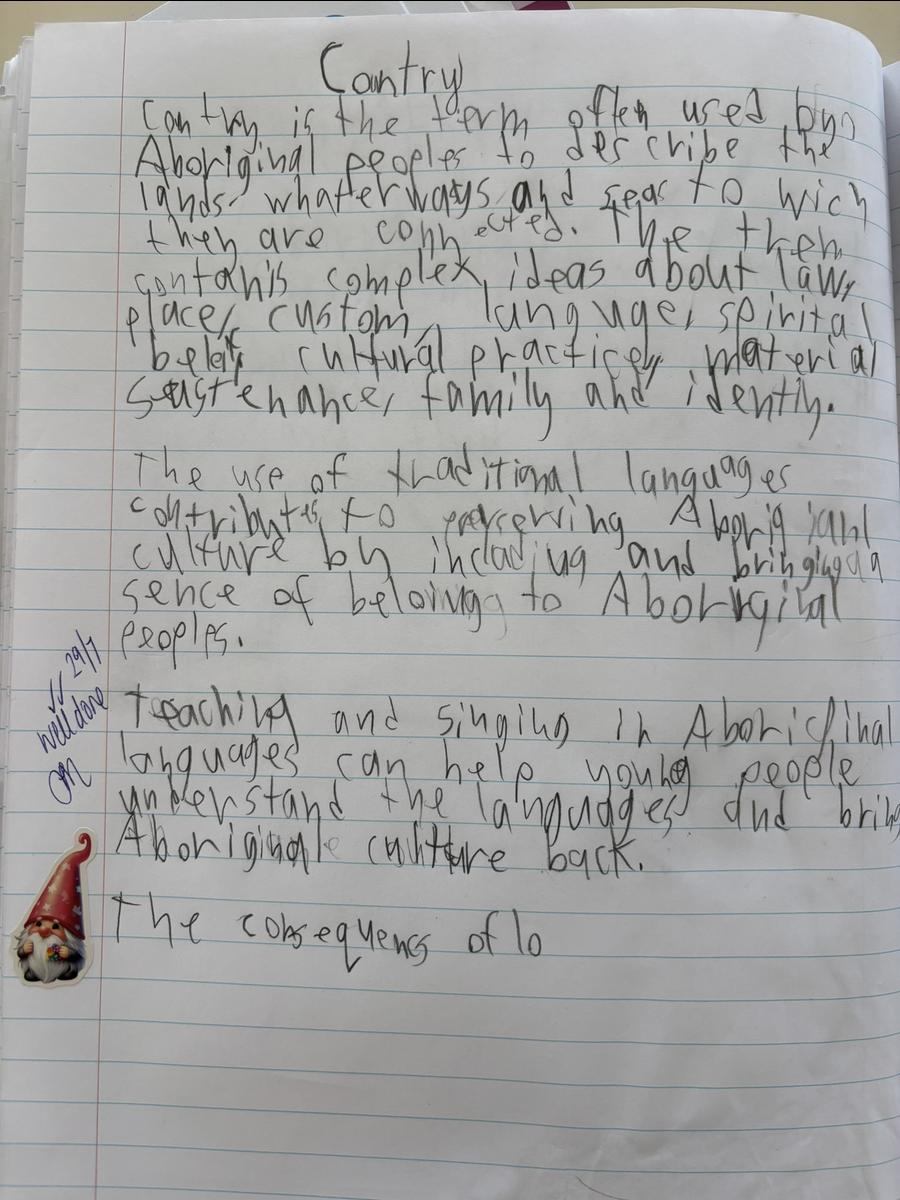
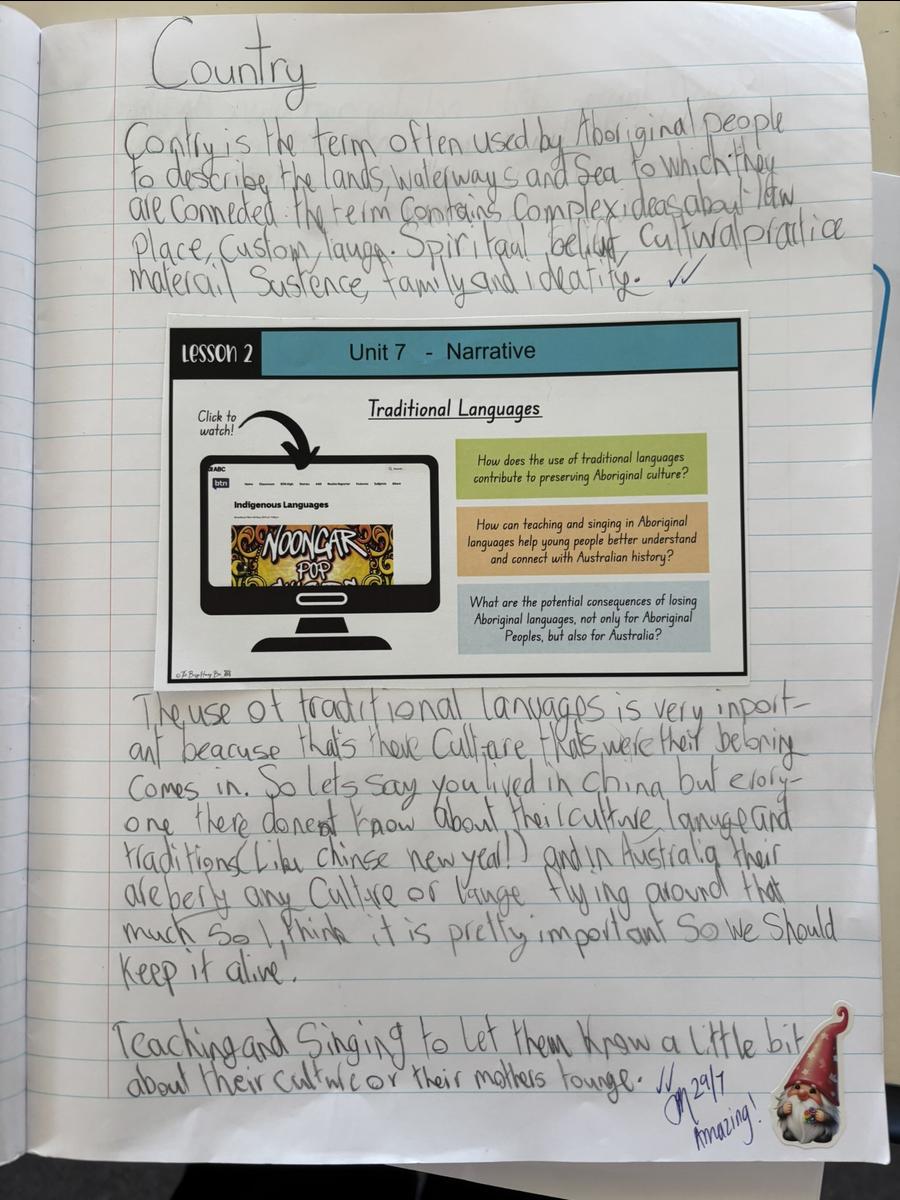
We also connected our learning to contemporary examples by looking at schools creating songs in traditional Aboriginal languages. This sparked meaningful discussions on how using and teaching Aboriginal languages helps preserve culture. Students reflected on questions such as... How does the use of traditional languages contribute to preserving Aboriginal culture? How can teaching and singing in Aboriginal languages help young people better understand and connect with Australian history? What might be the consequences for Aboriginal Peoples and Australia if these languages are lost?
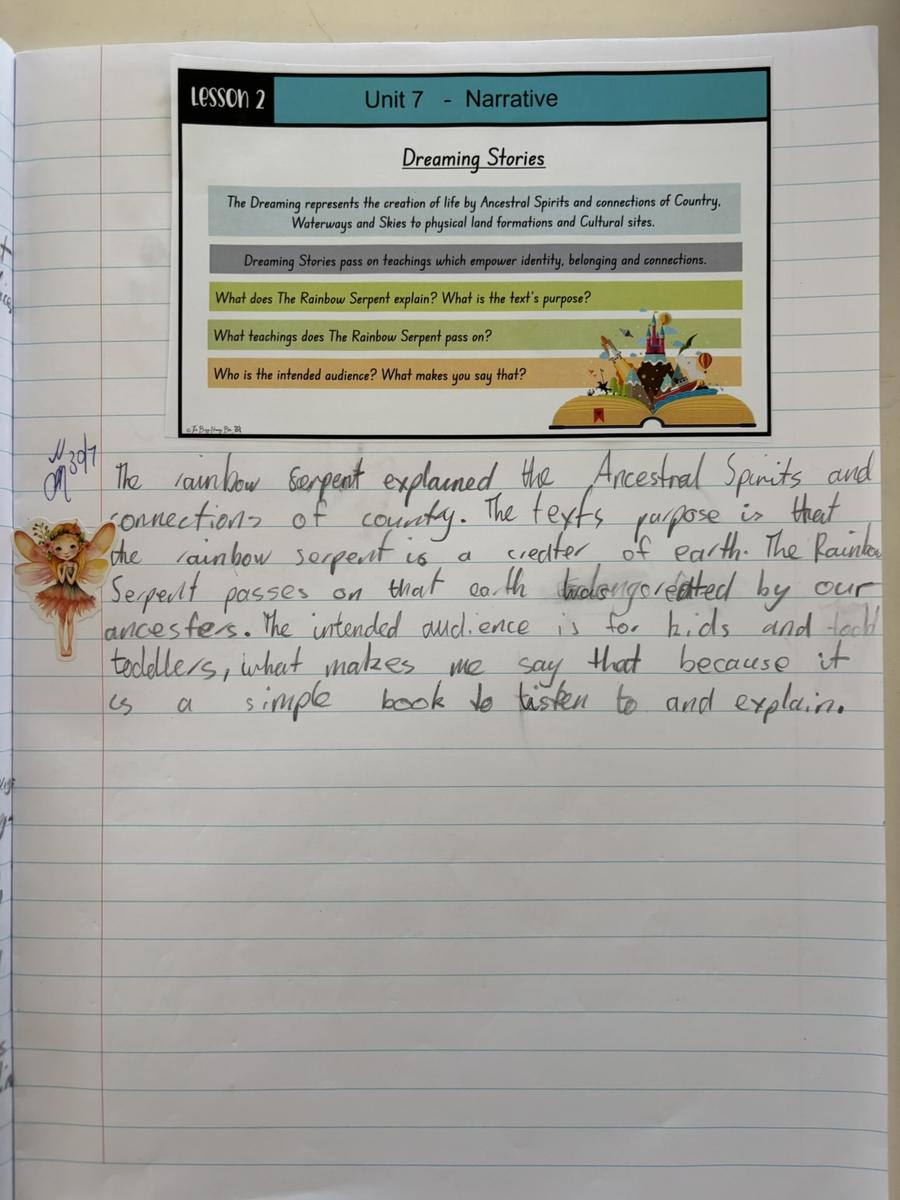
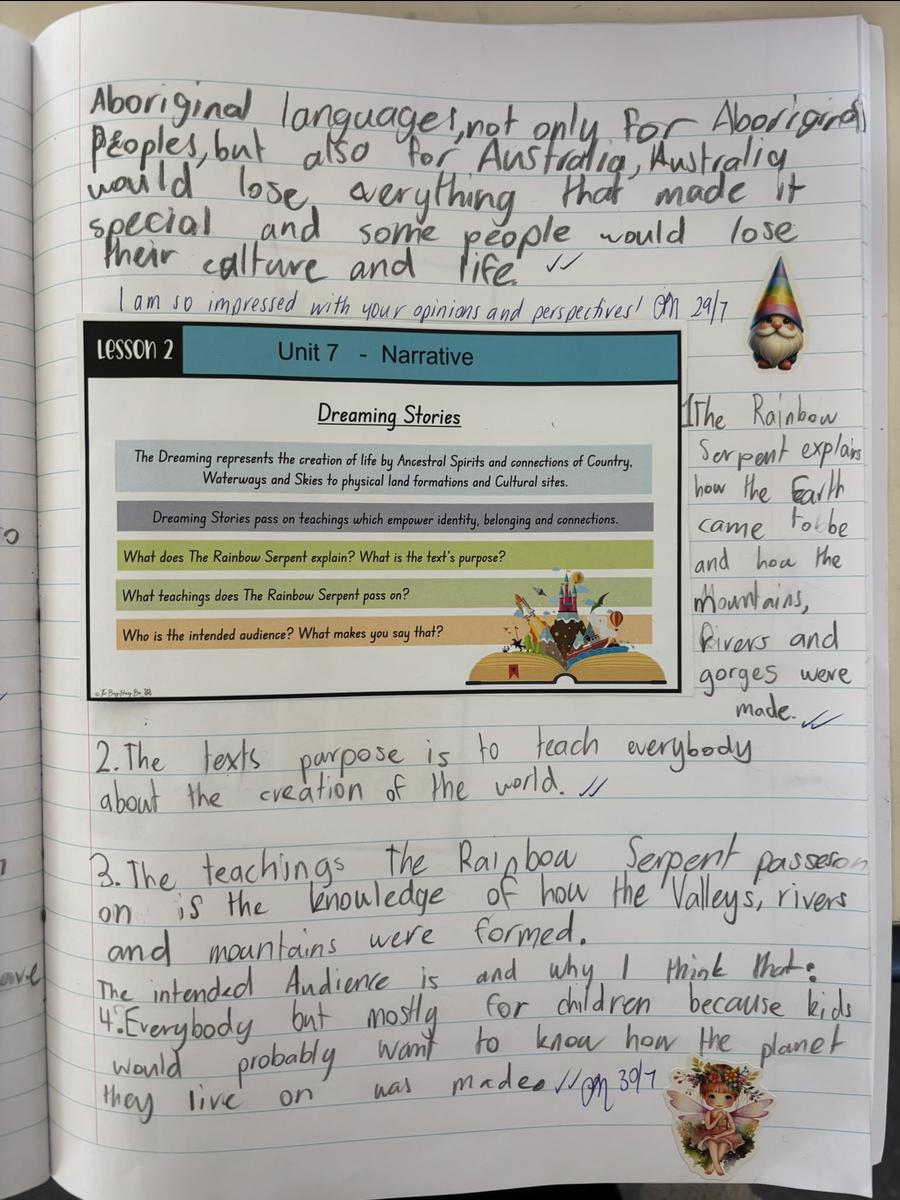
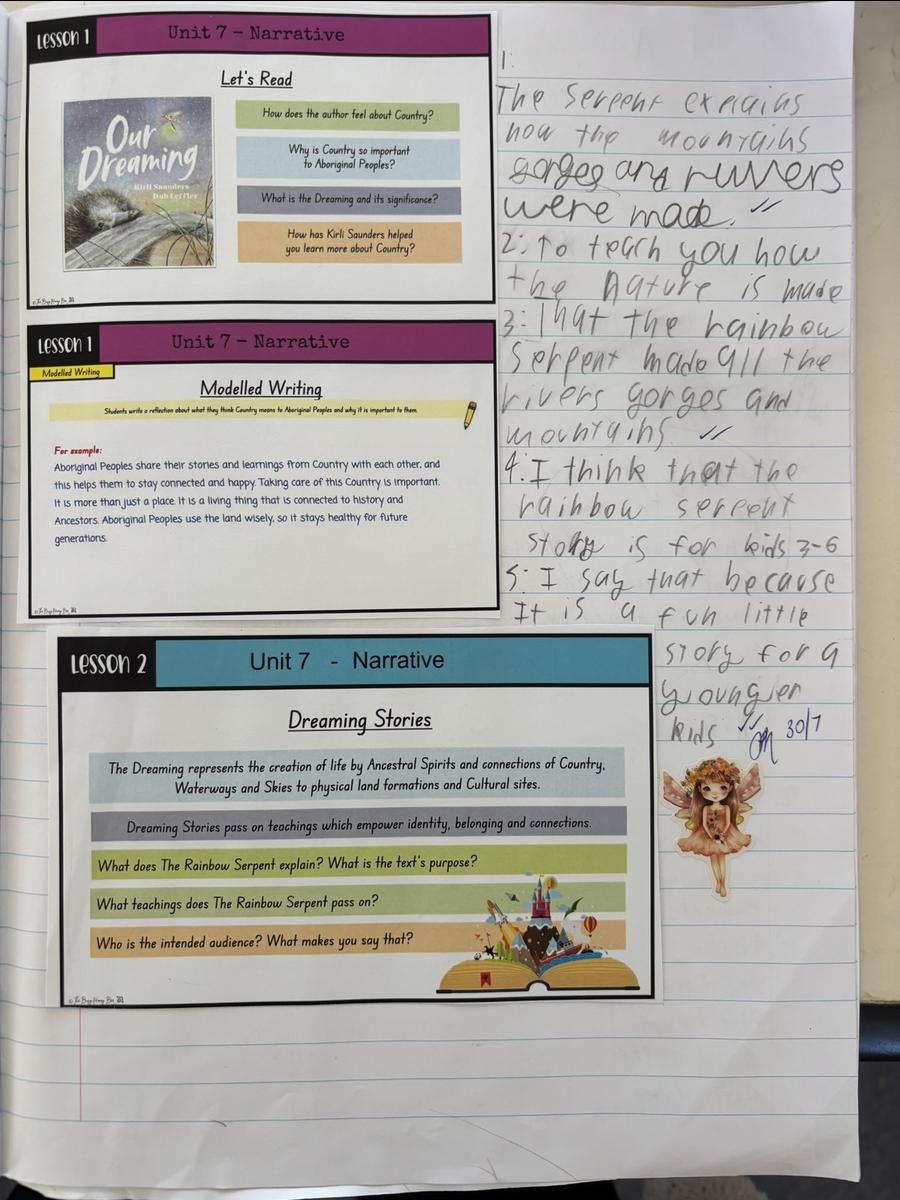
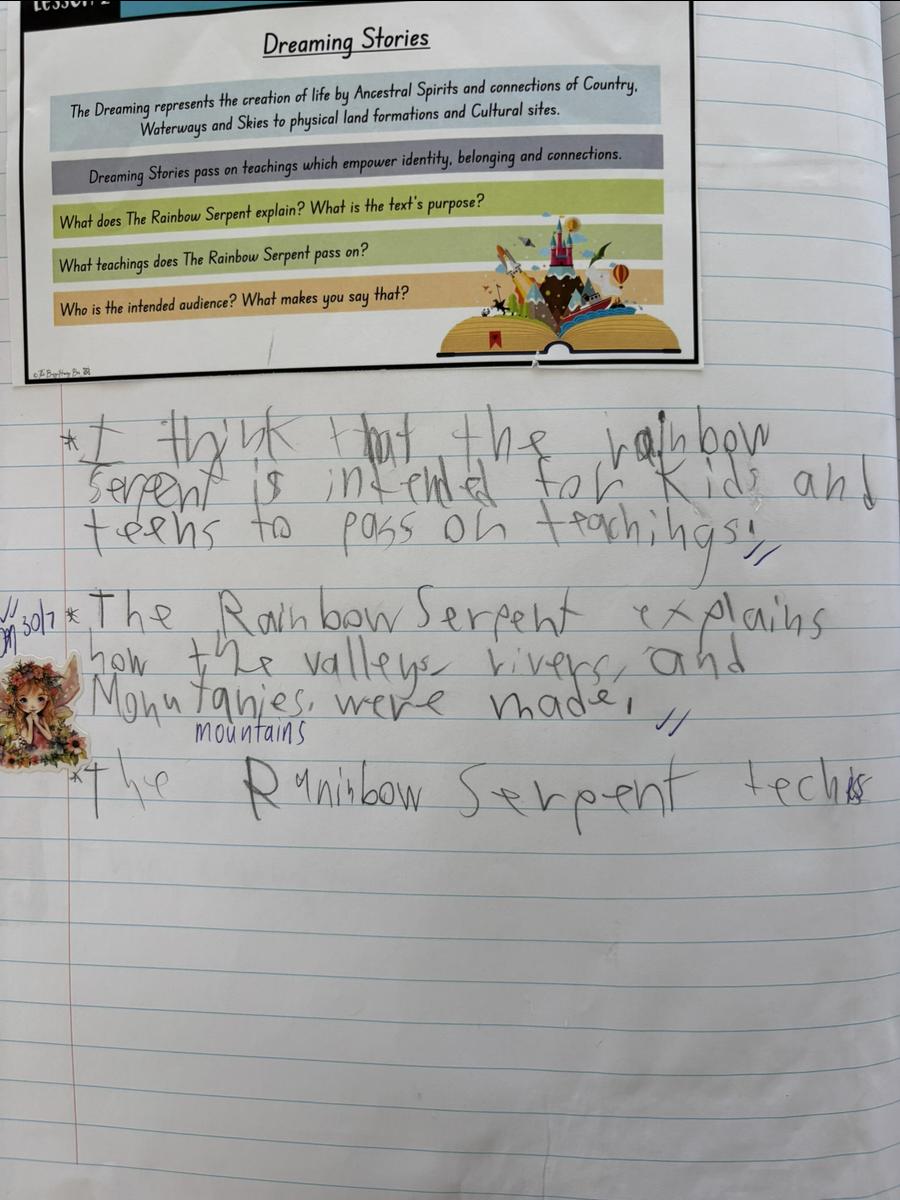
Exploring the Dreaming stories, such as The Rainbow Serpent, students learned about how these legends teach important cultural values, laws, responsibilities, and connections to the land. Discussions included the purpose of these stories, their teachings, and the intended audience—helping students appreciate how these narratives empower identity and belonging.
Mathematics | Position, Maps and Fractions
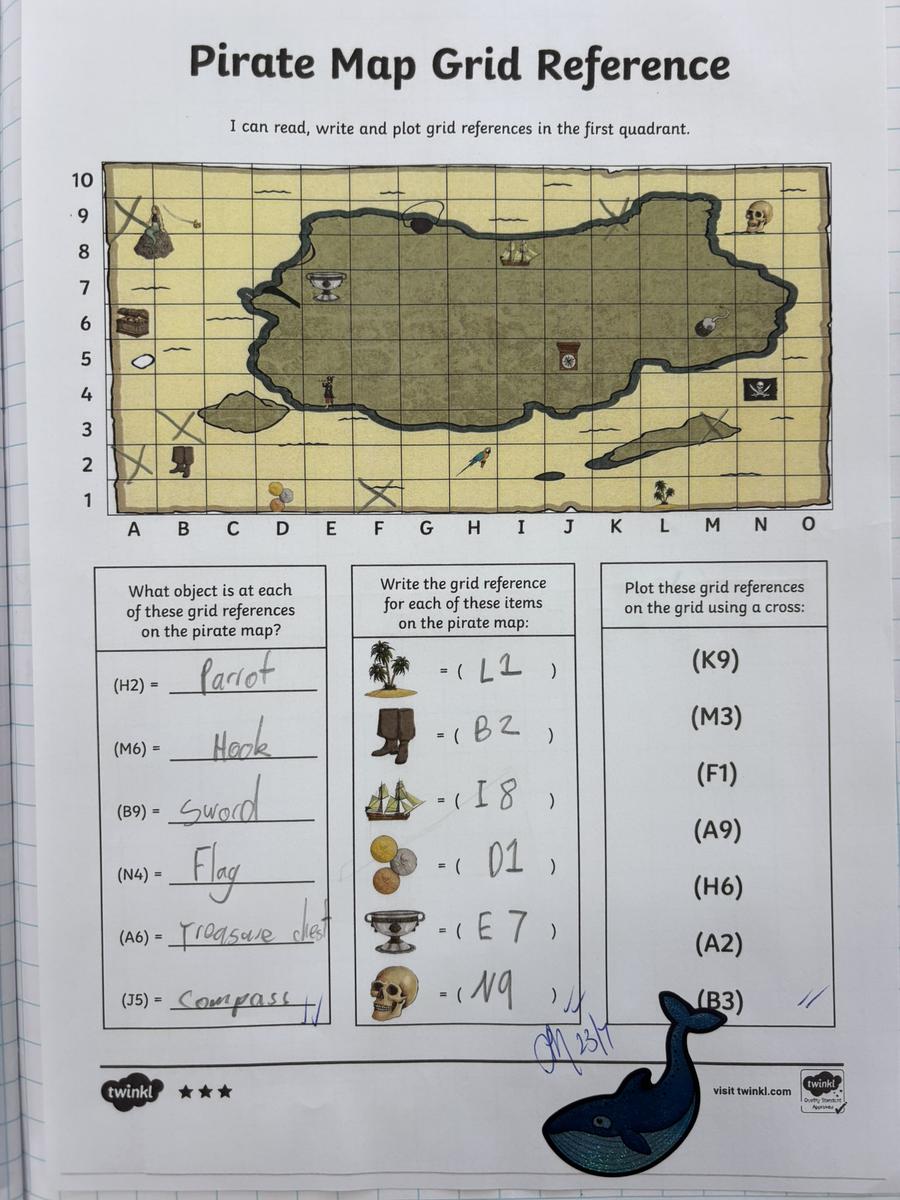
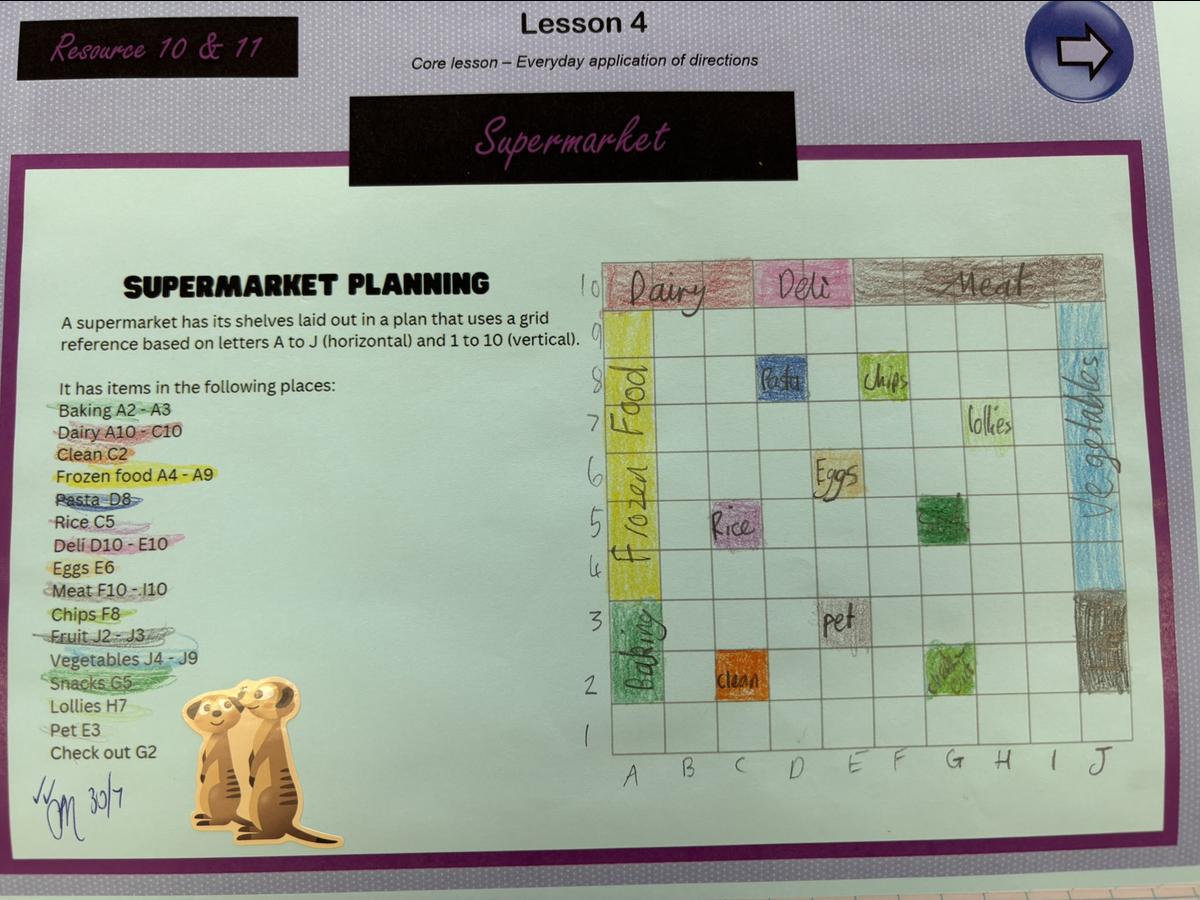
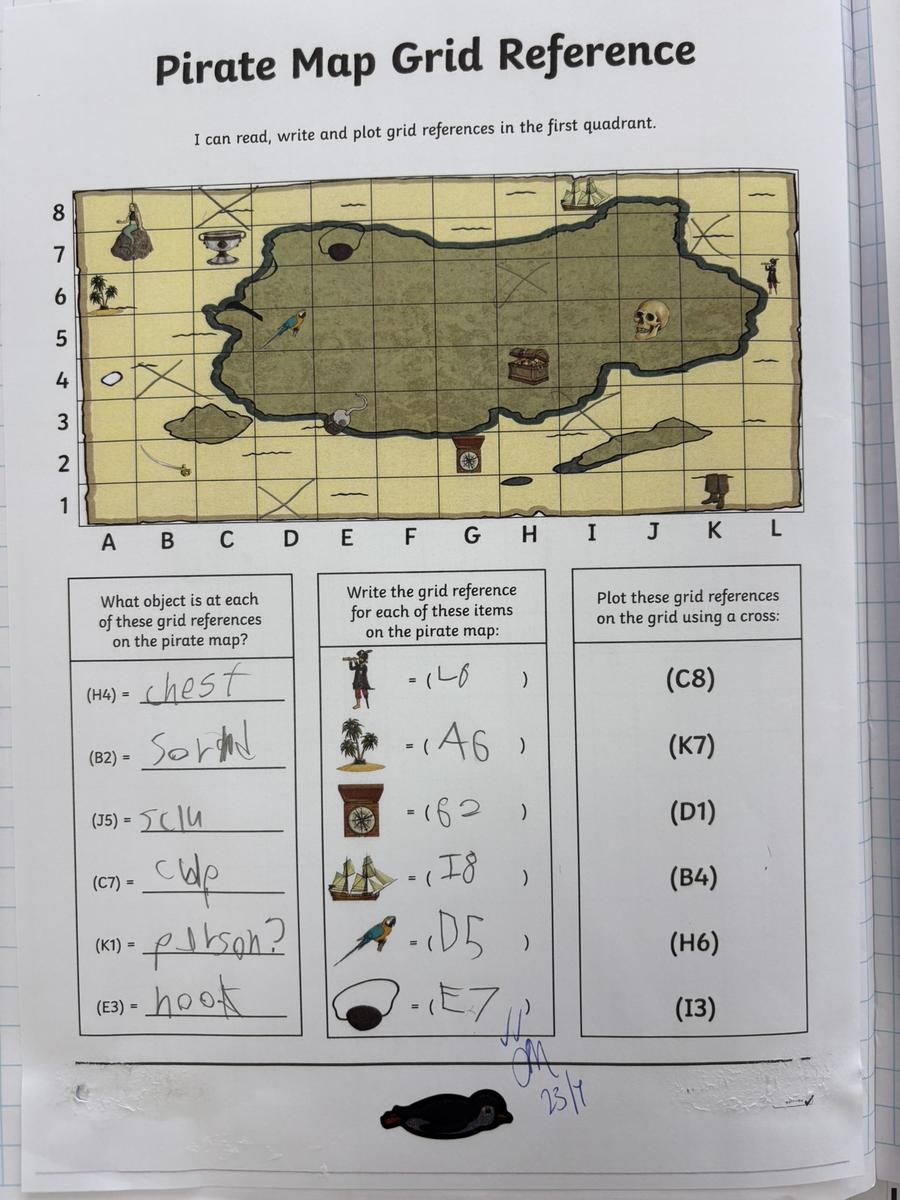
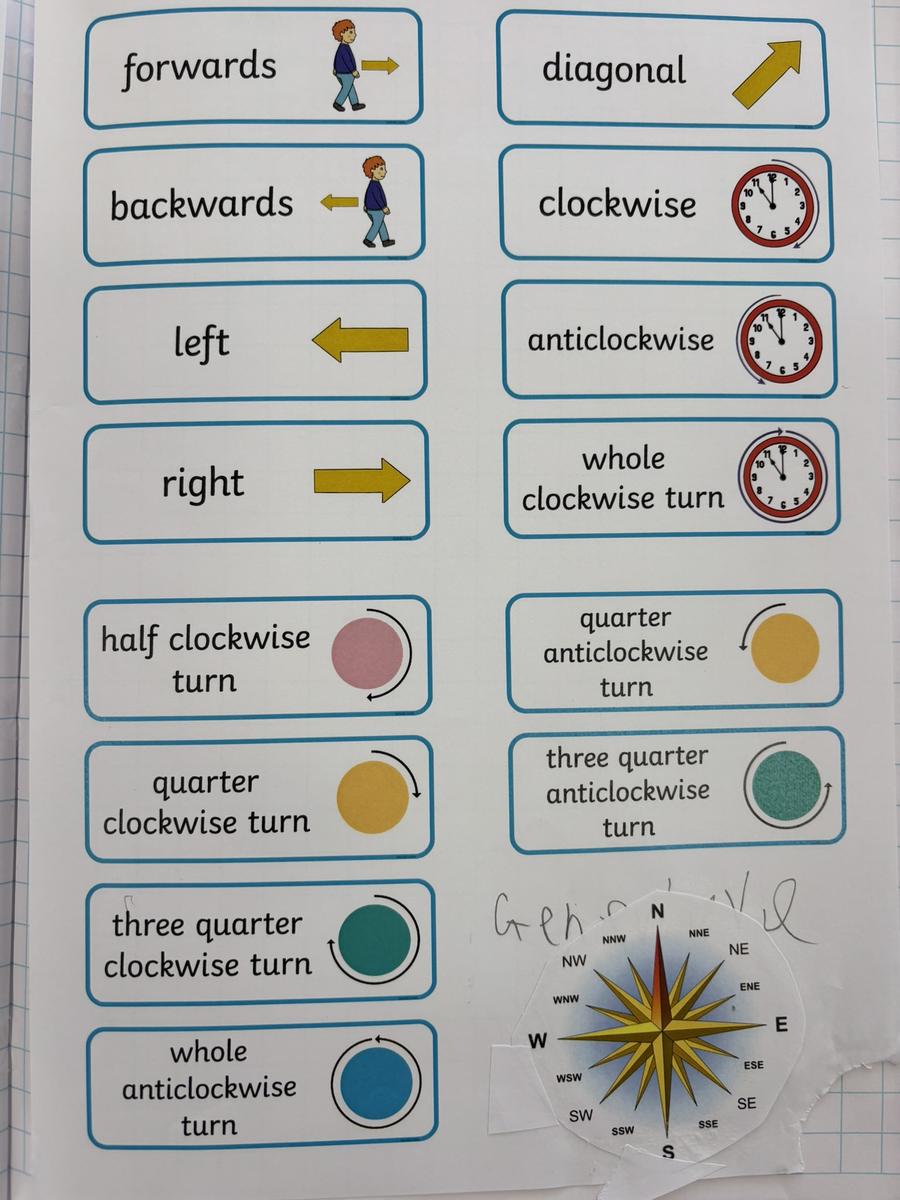
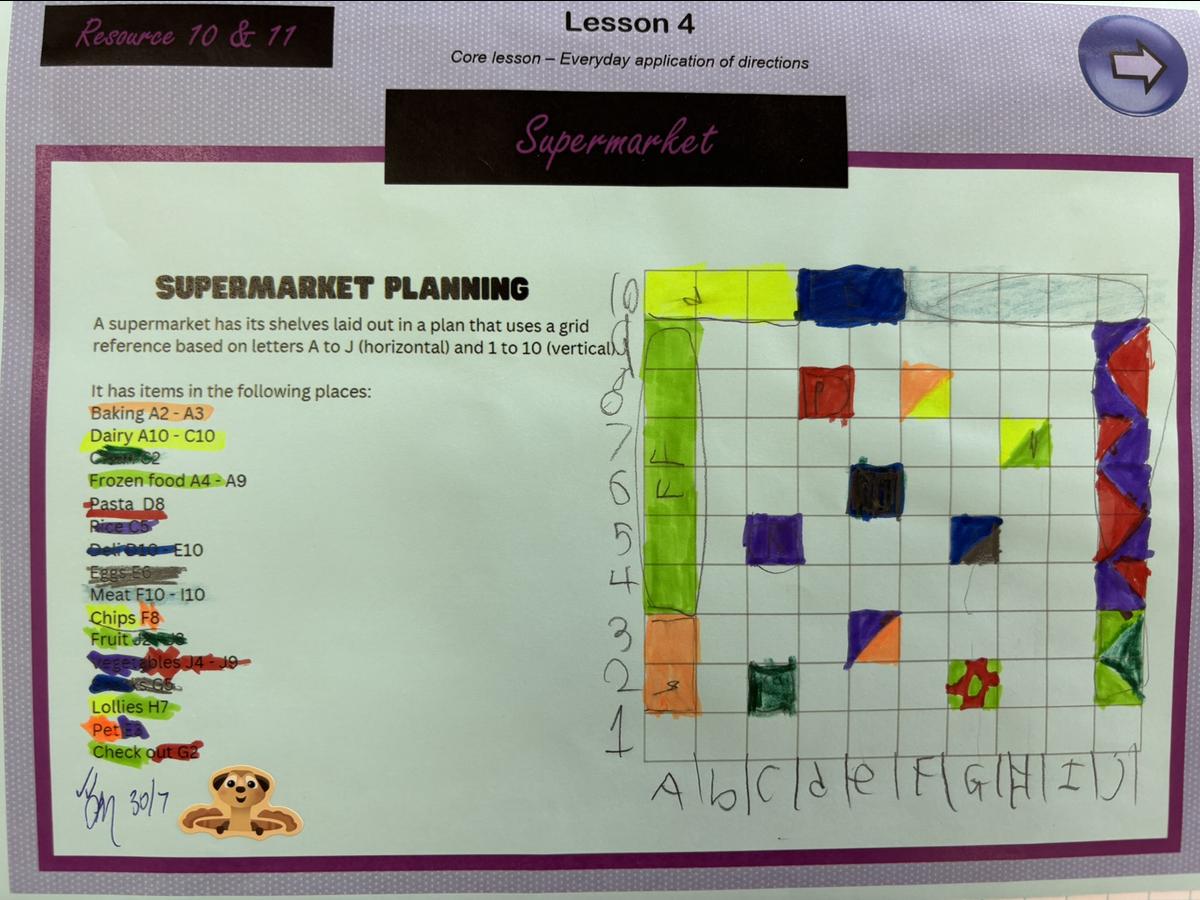
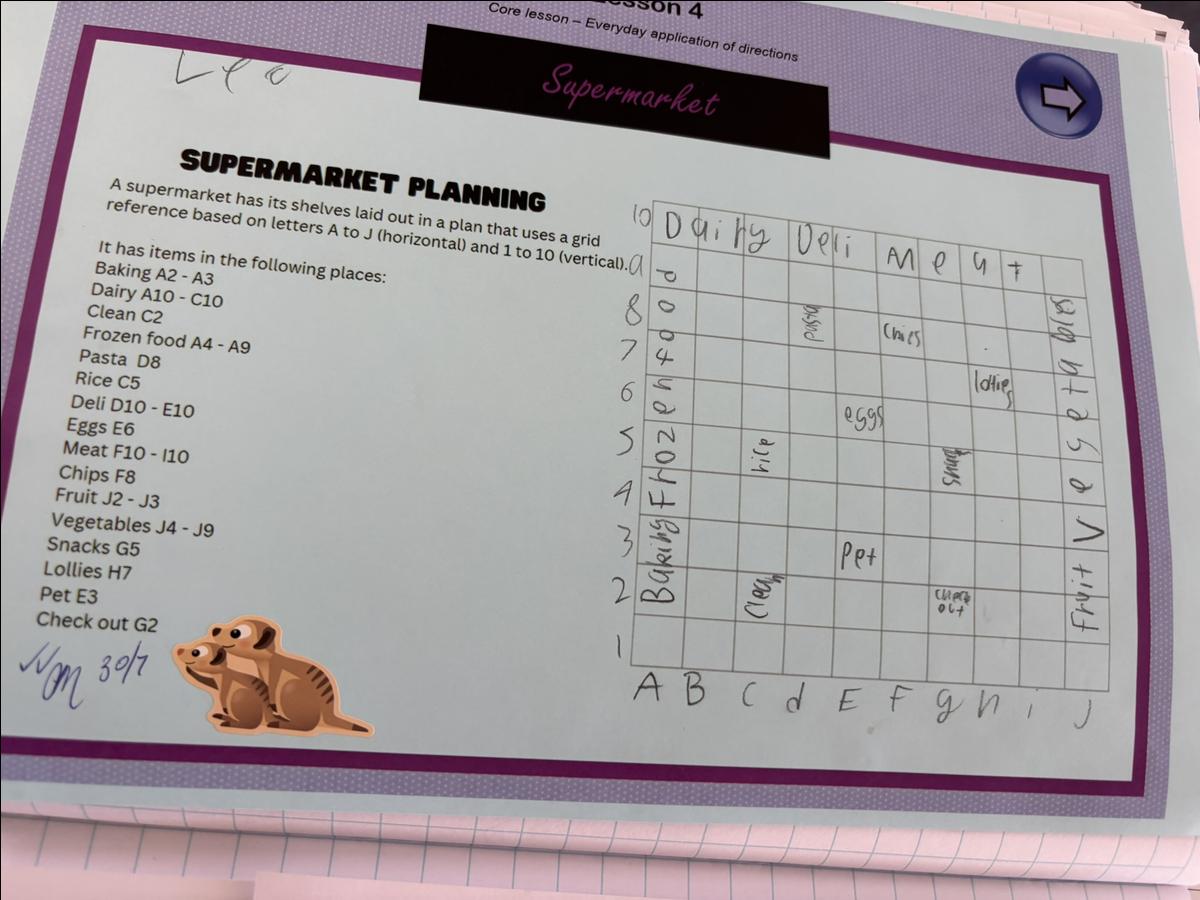
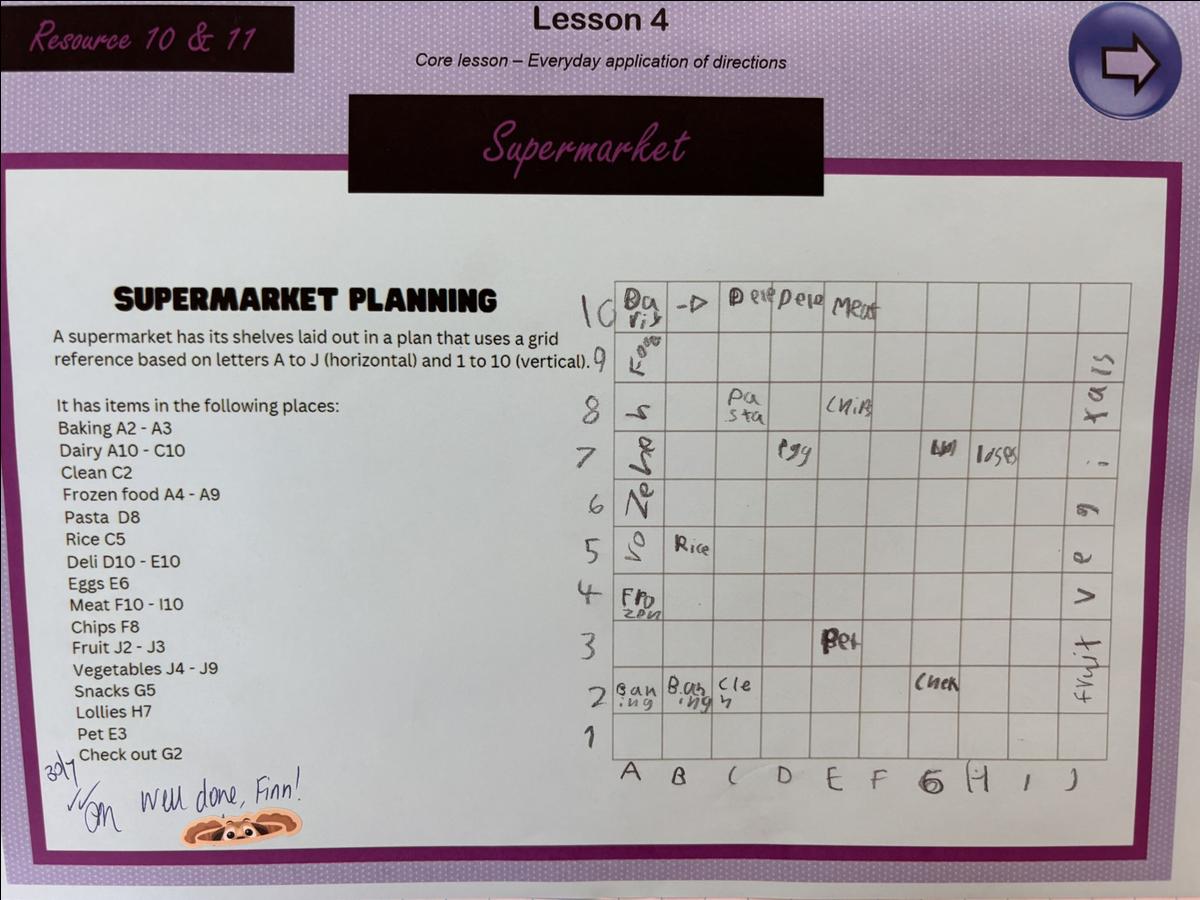
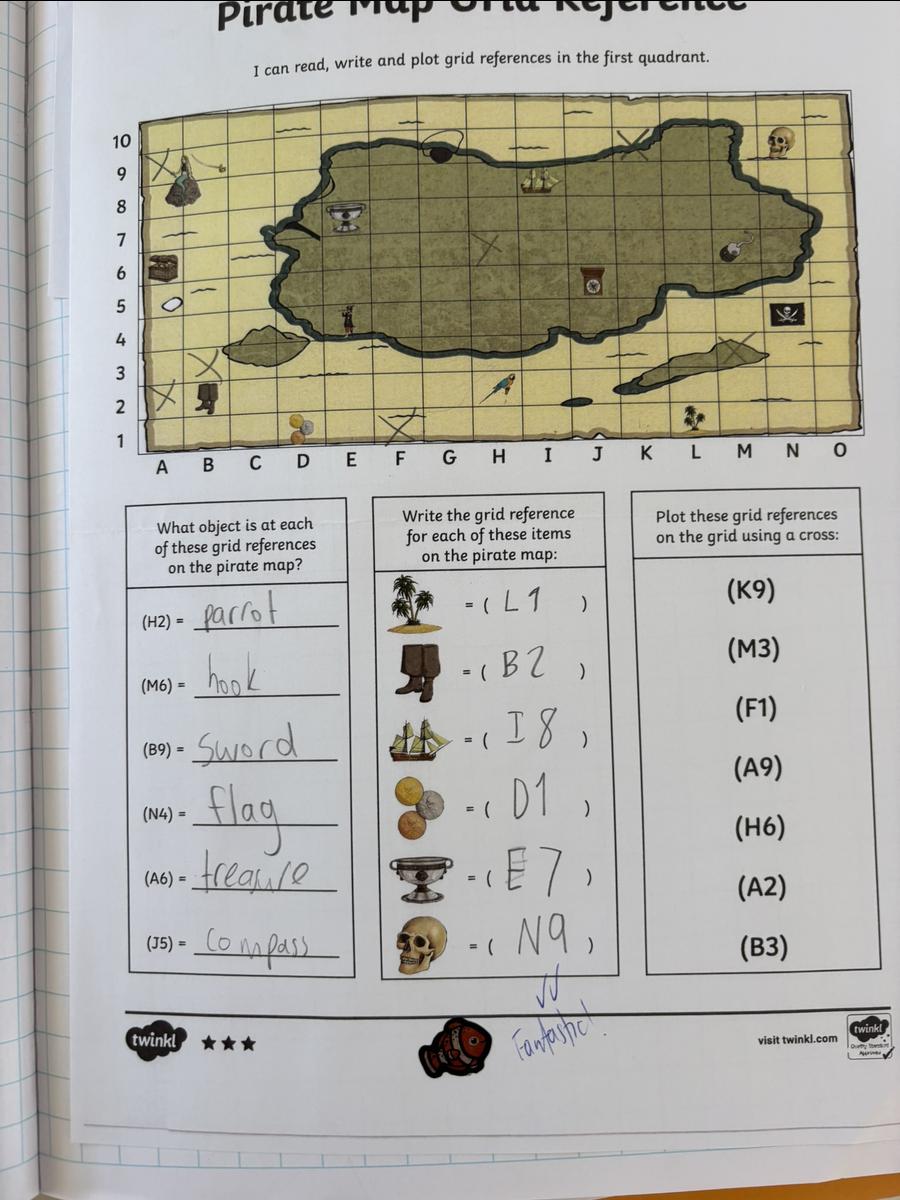
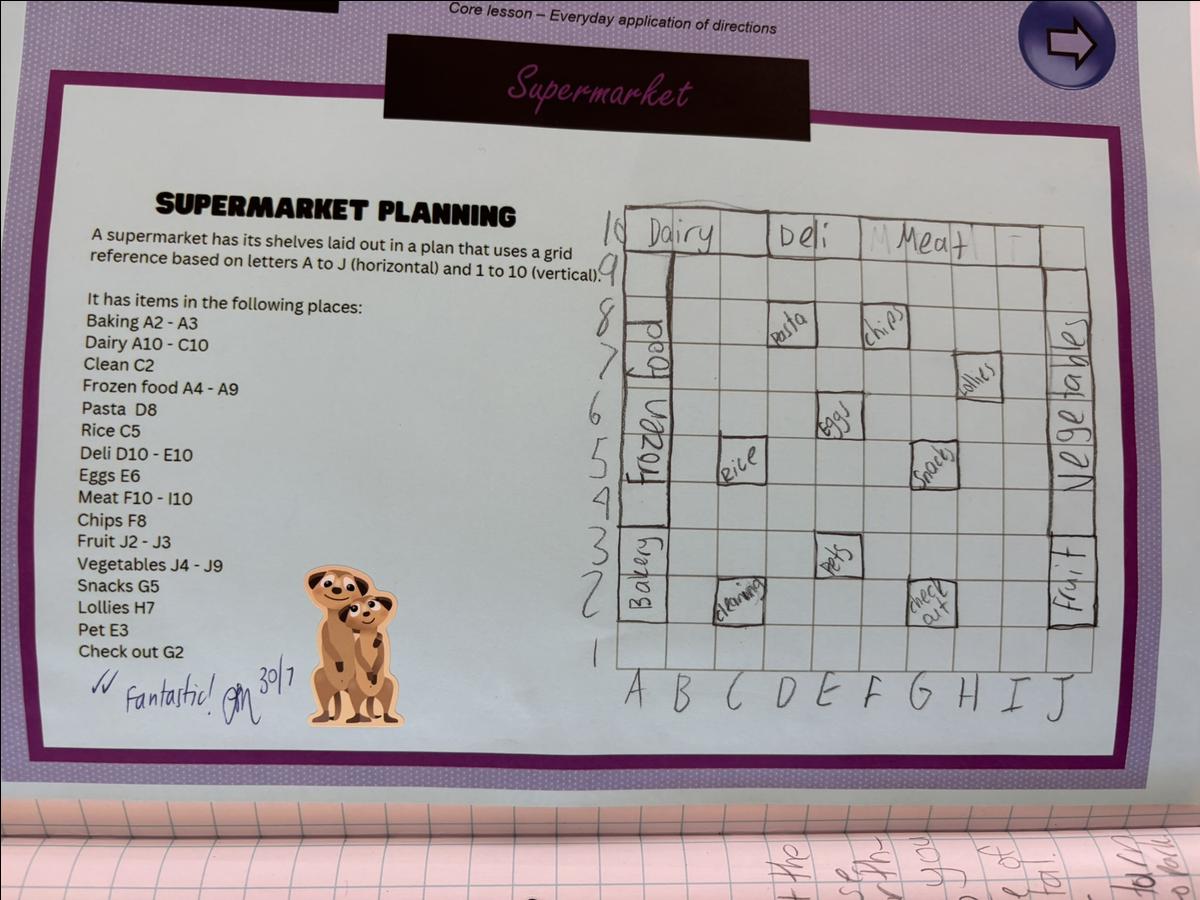
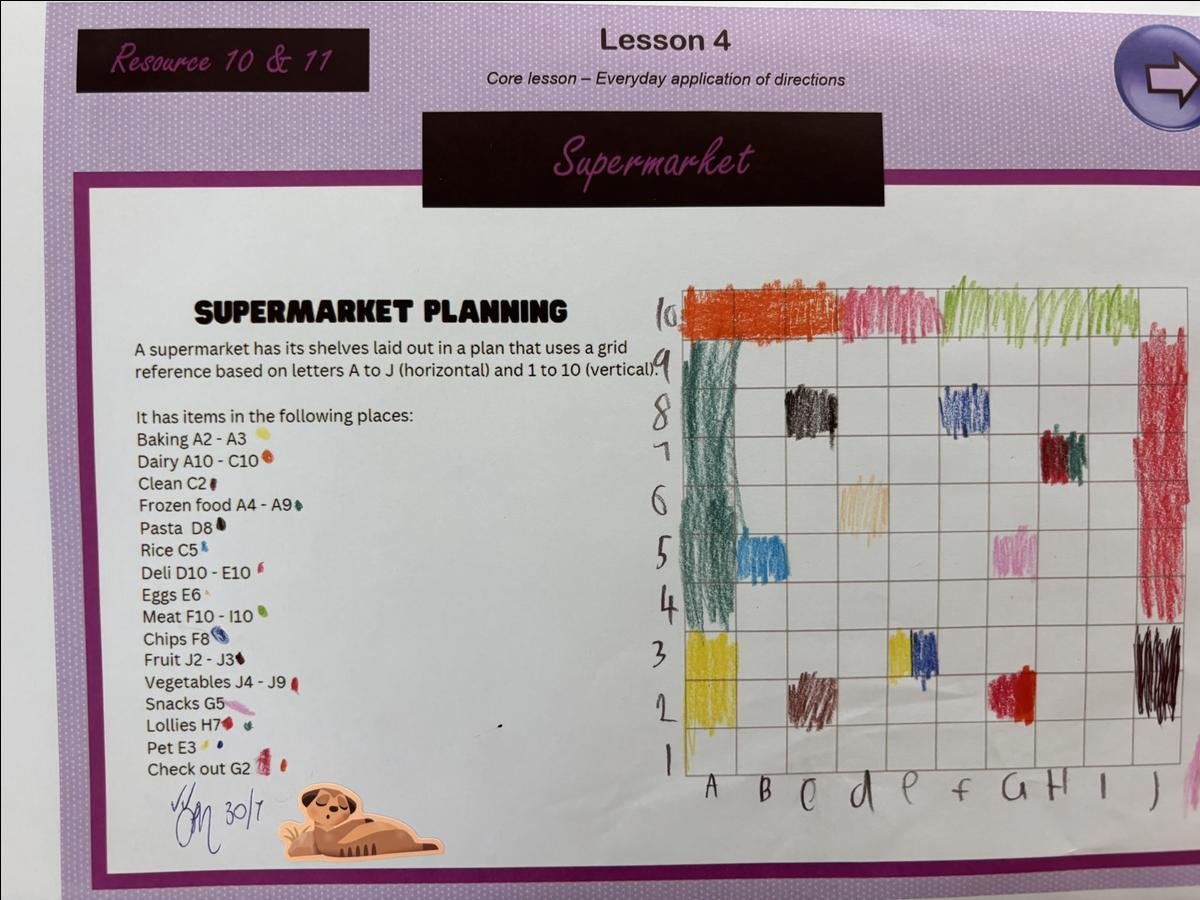
In our recent mathematics unit, students have been developing their understanding of position and mapping by learning to use directional language and grid maps. This helps students locate positions and describe routes between points, which are important skills in everyday life and connect to real-world experiences.
Students have modelled halves, quarters, eighths, and thirds using diagrams and number lines and have worked out what fractional part is needed to make a whole (complementary fraction).
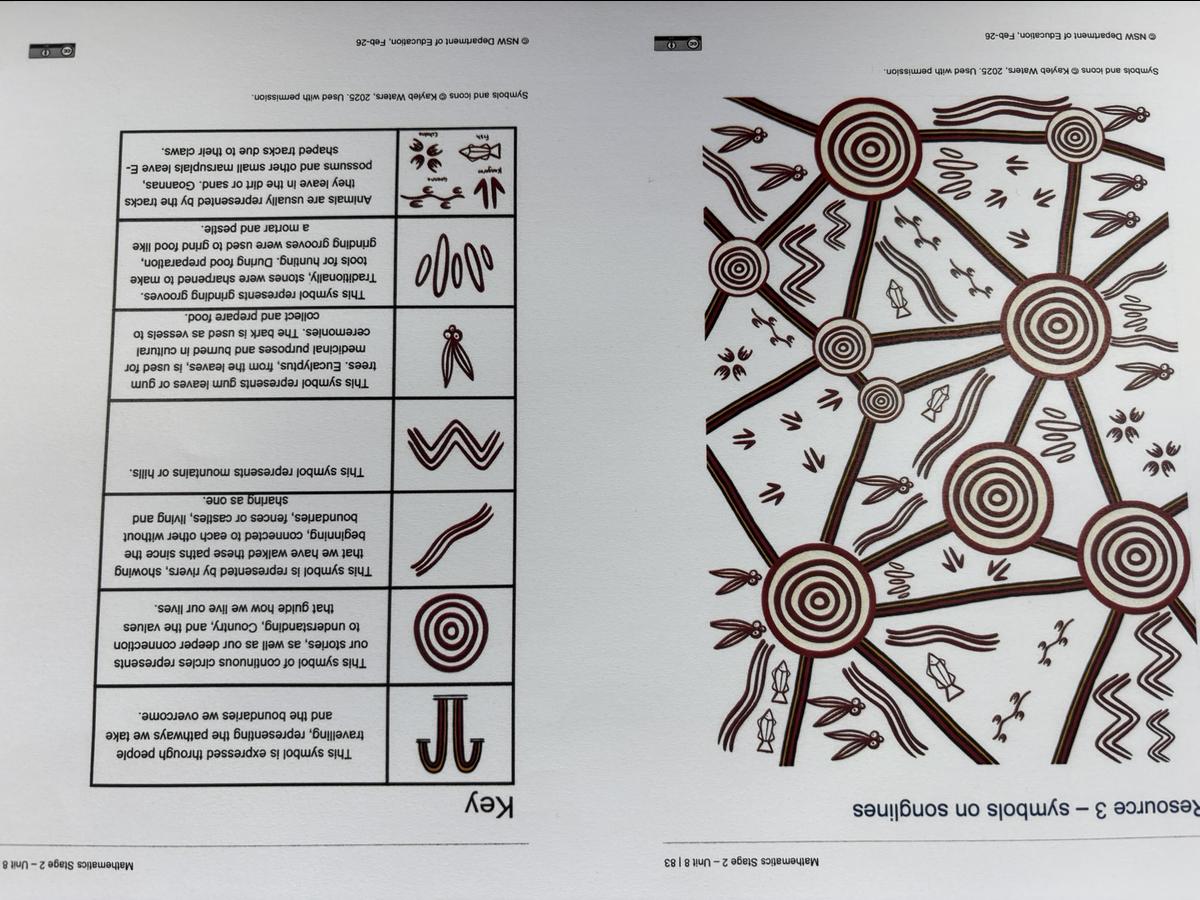
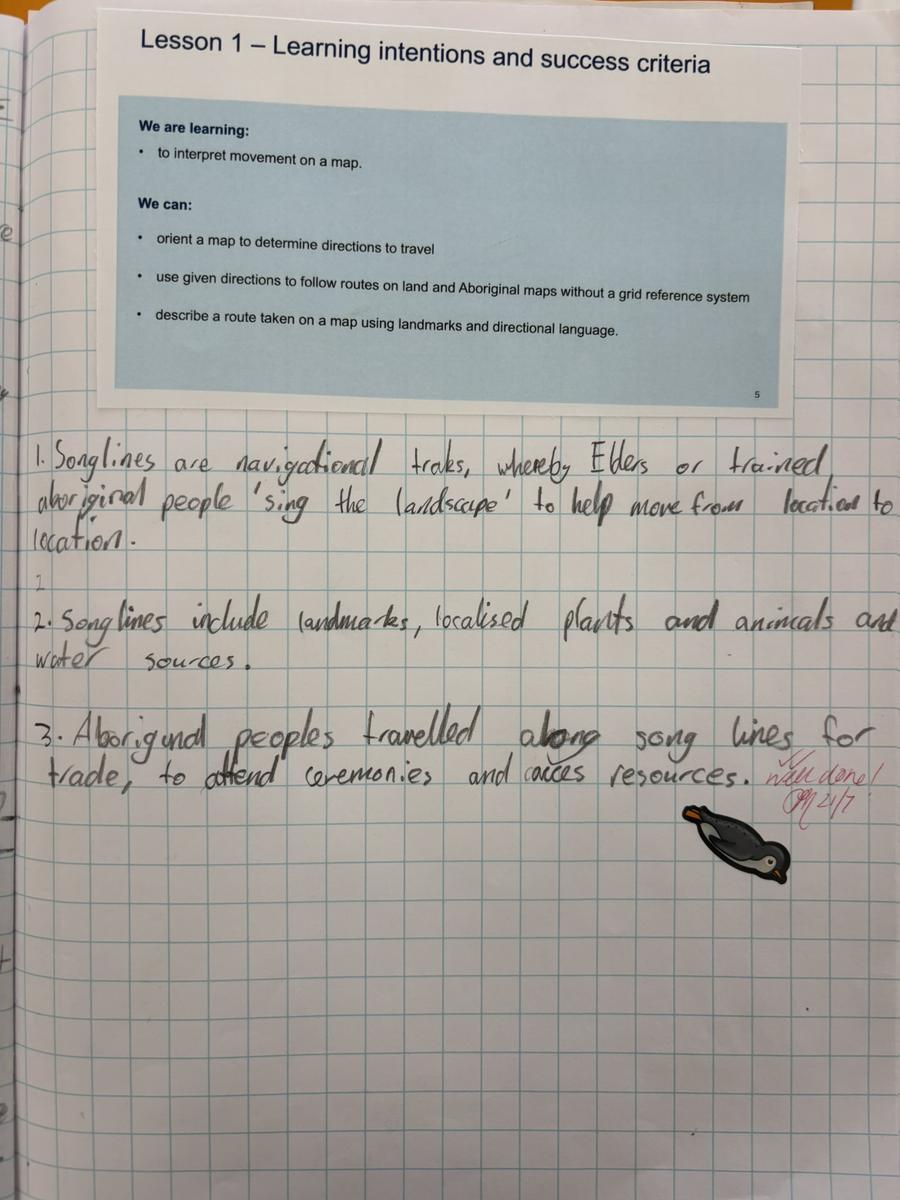
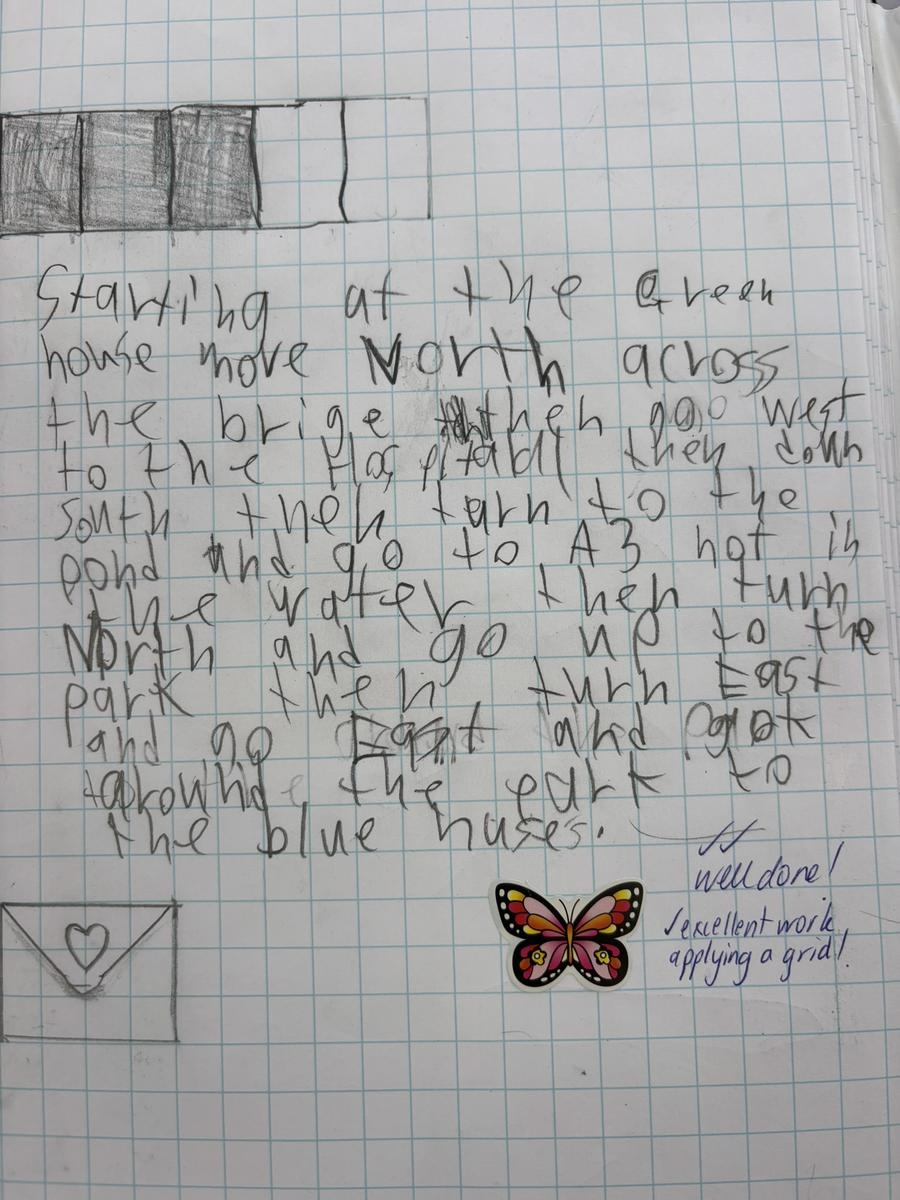
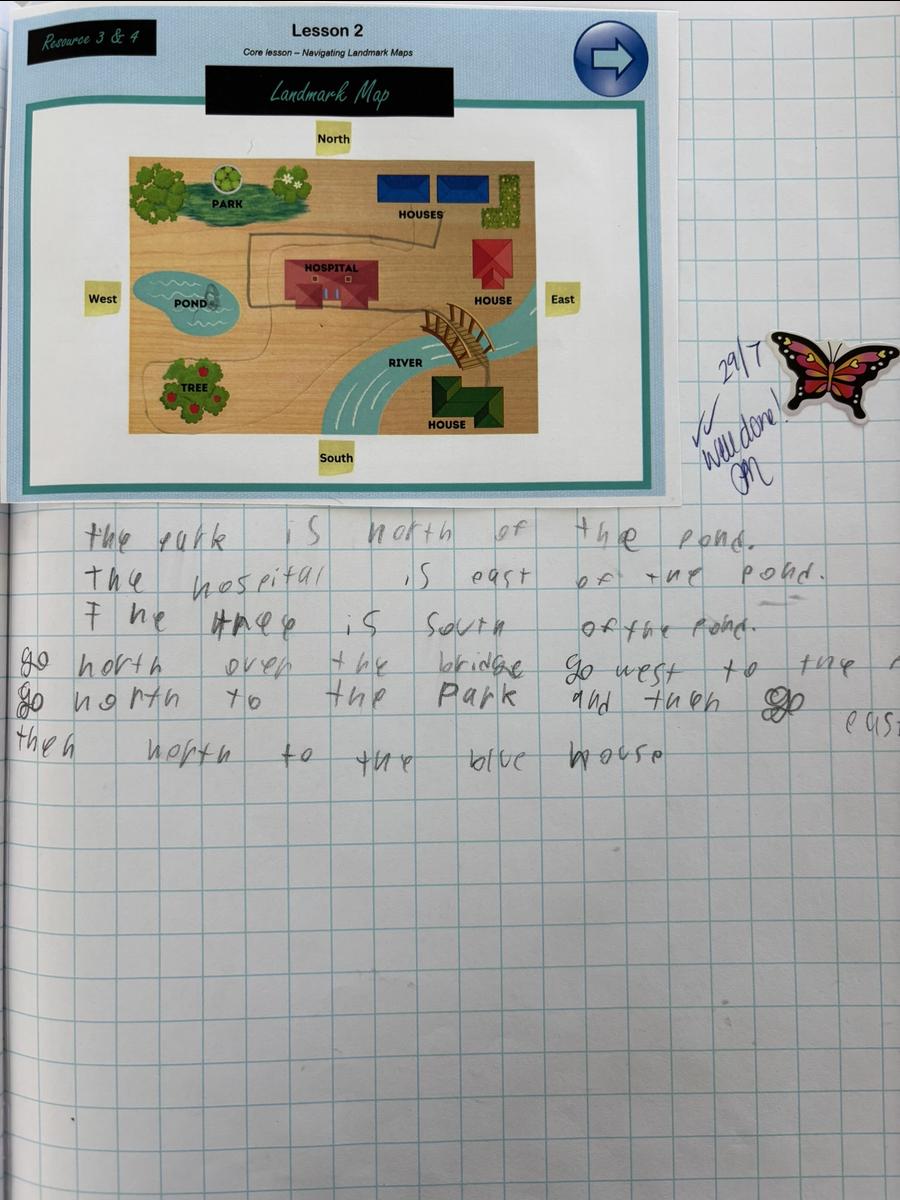
Students described routes taken on a map using landmarks, directional language (such as north, south, east, and west), and even learned about Aboriginal trading routes and songlines. By using natural resources and landmarks, students practised identifying directions and using them for navigation.
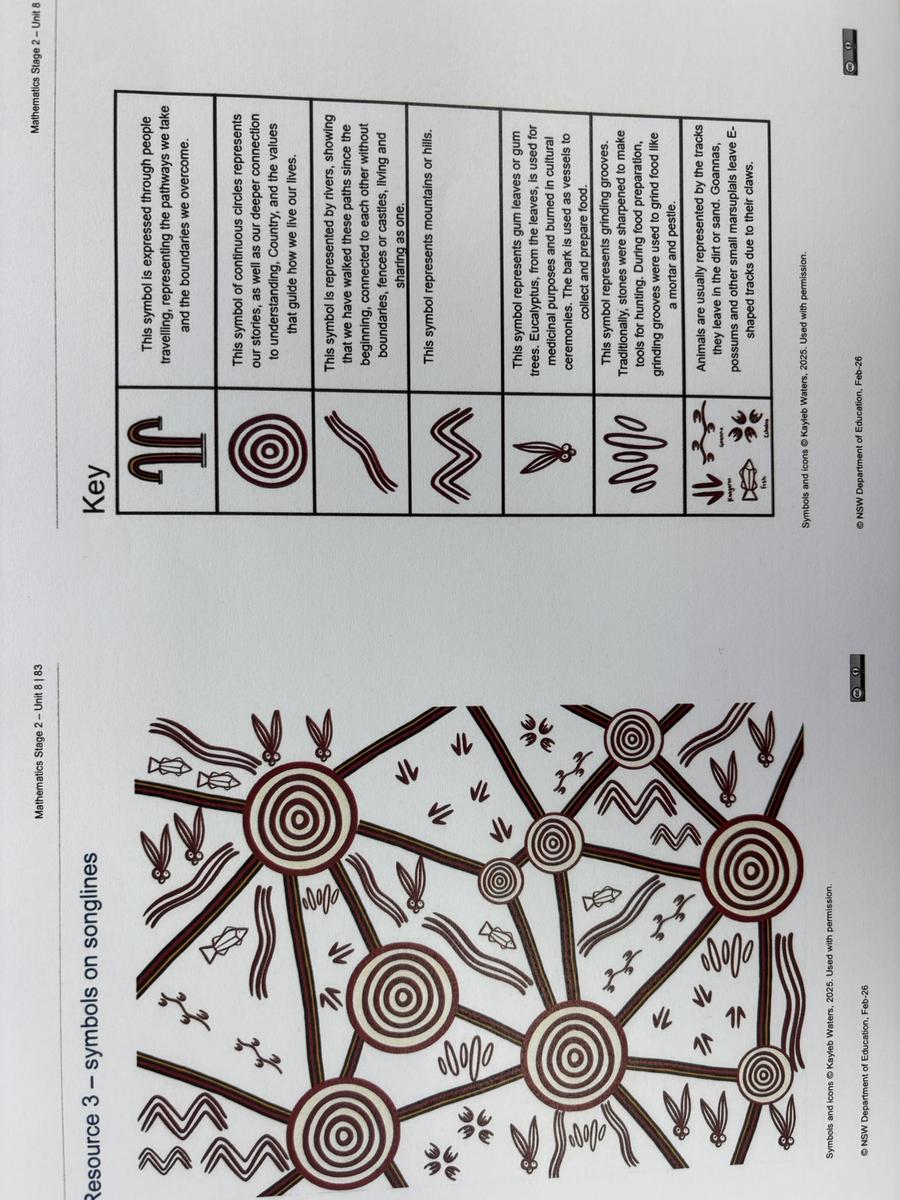
Students learned that songlines are traditional navigational tracks used by Aboriginal peoples. Elders or trained Aboriginal people would ‘sing the landscape’—including landmarks, local plants and animals, and water sources—to move from place to place. Songlines were important for trading, ceremonies, and finding resources.
Students have practised - orienting maps to figure out which direction to travel and used grid maps and compass directions to plan, describe, and show routes from one location to another.
This unit has helped students connect mathematical skills with culture and history, while improving their problem-solving abilities. By describing routes, modelling fractions, and using landmarks, students are learning mathematics in meaningful ways that relate to their world.
Science | Micro:bits
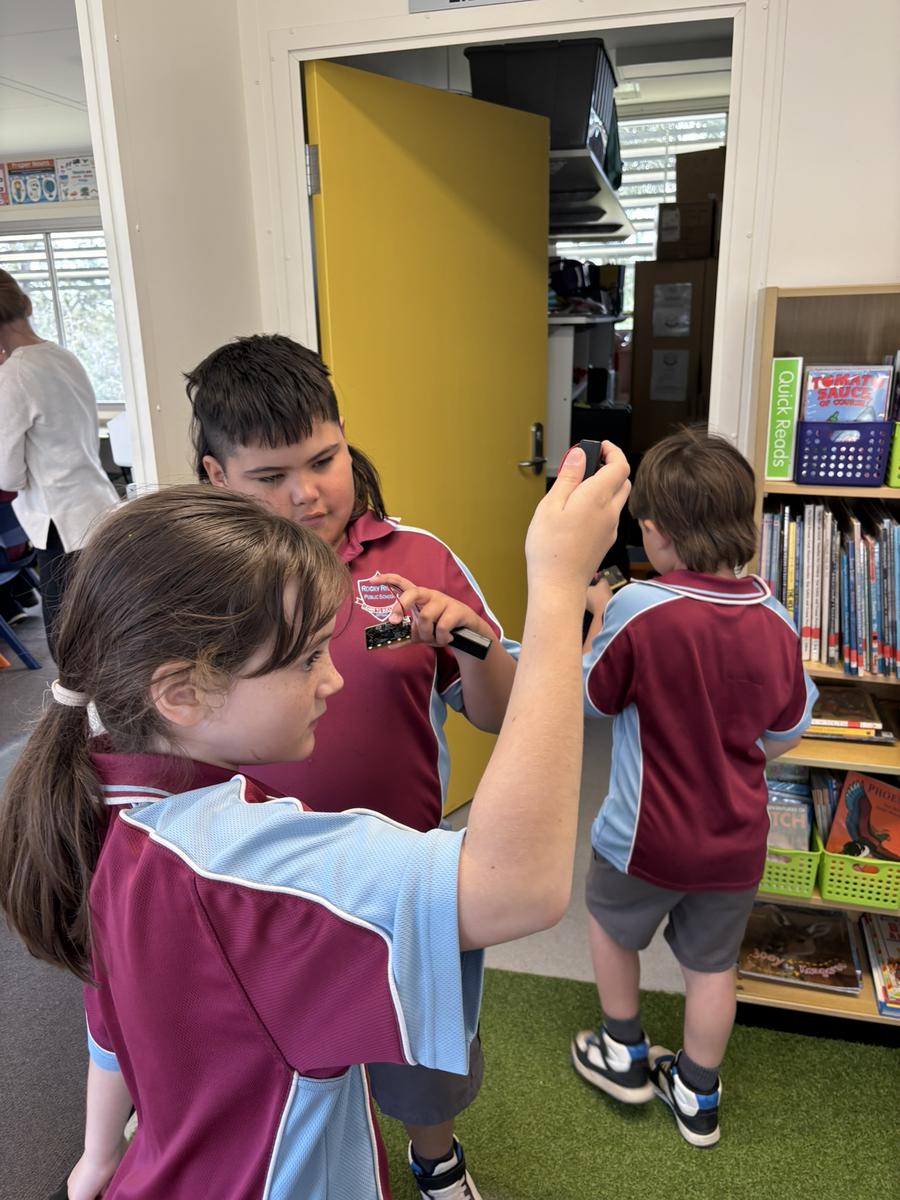
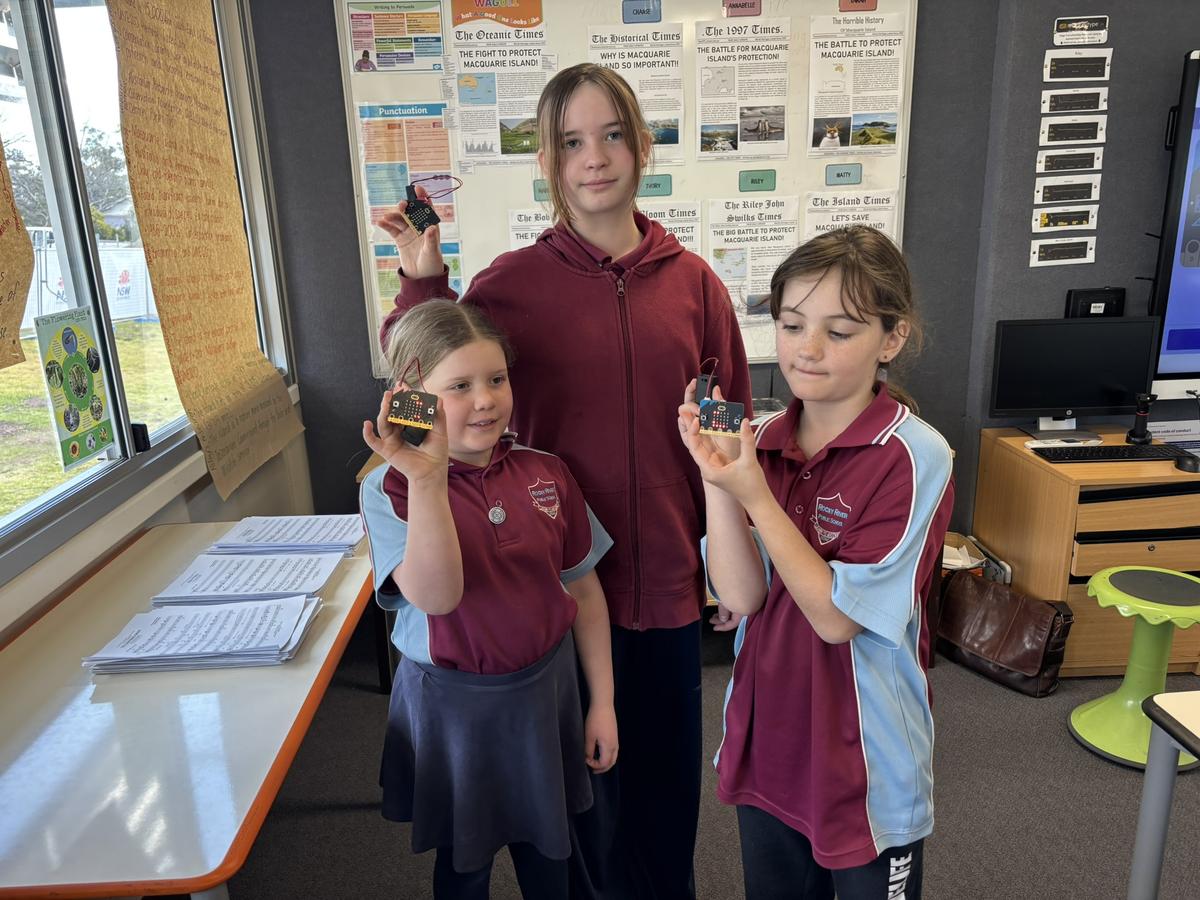
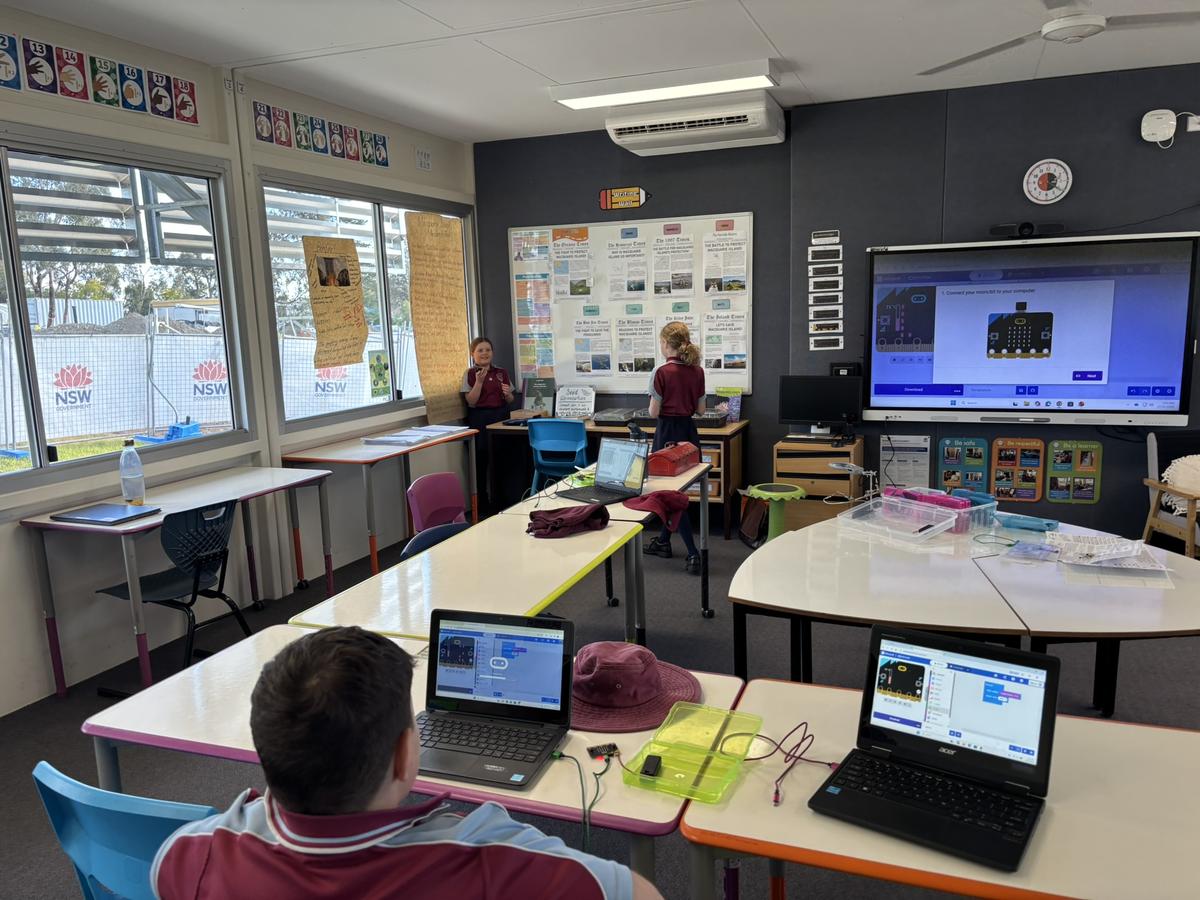
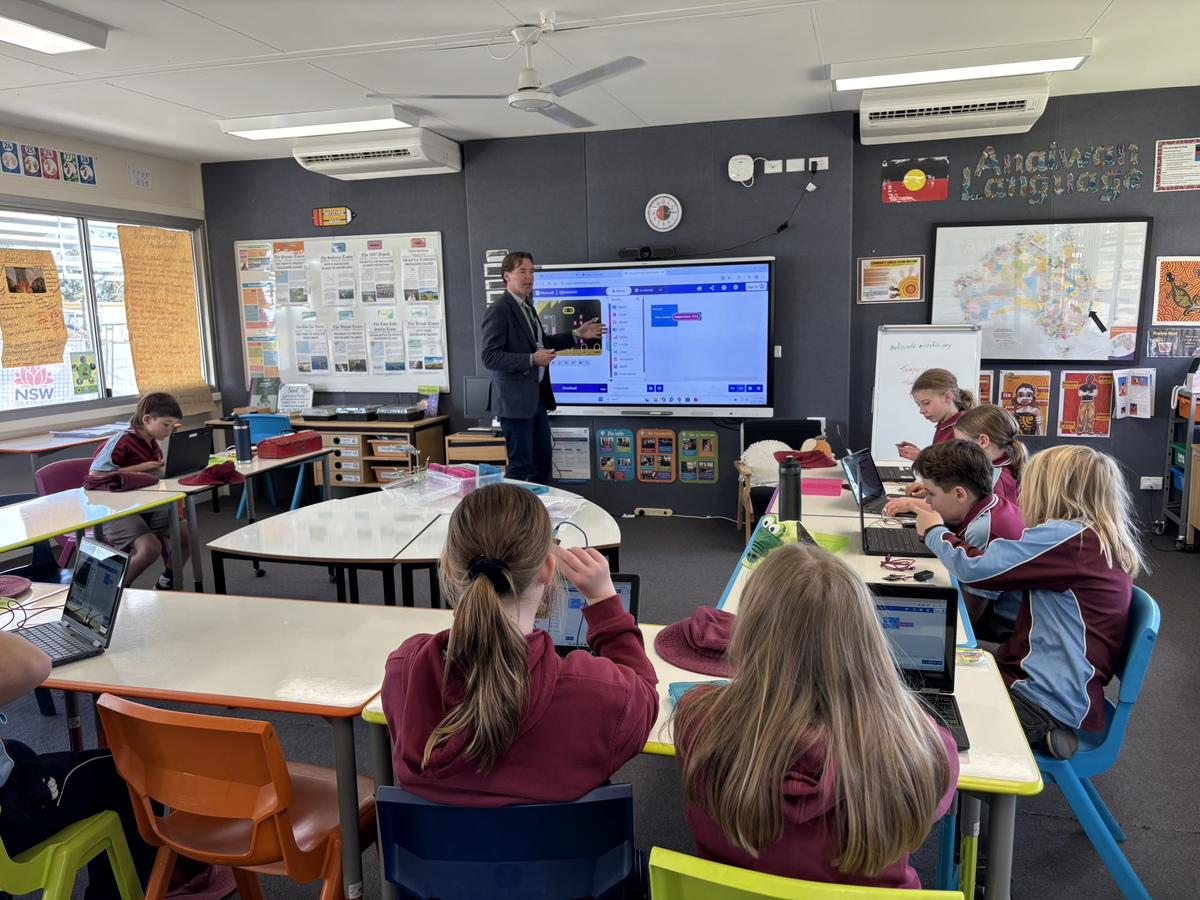
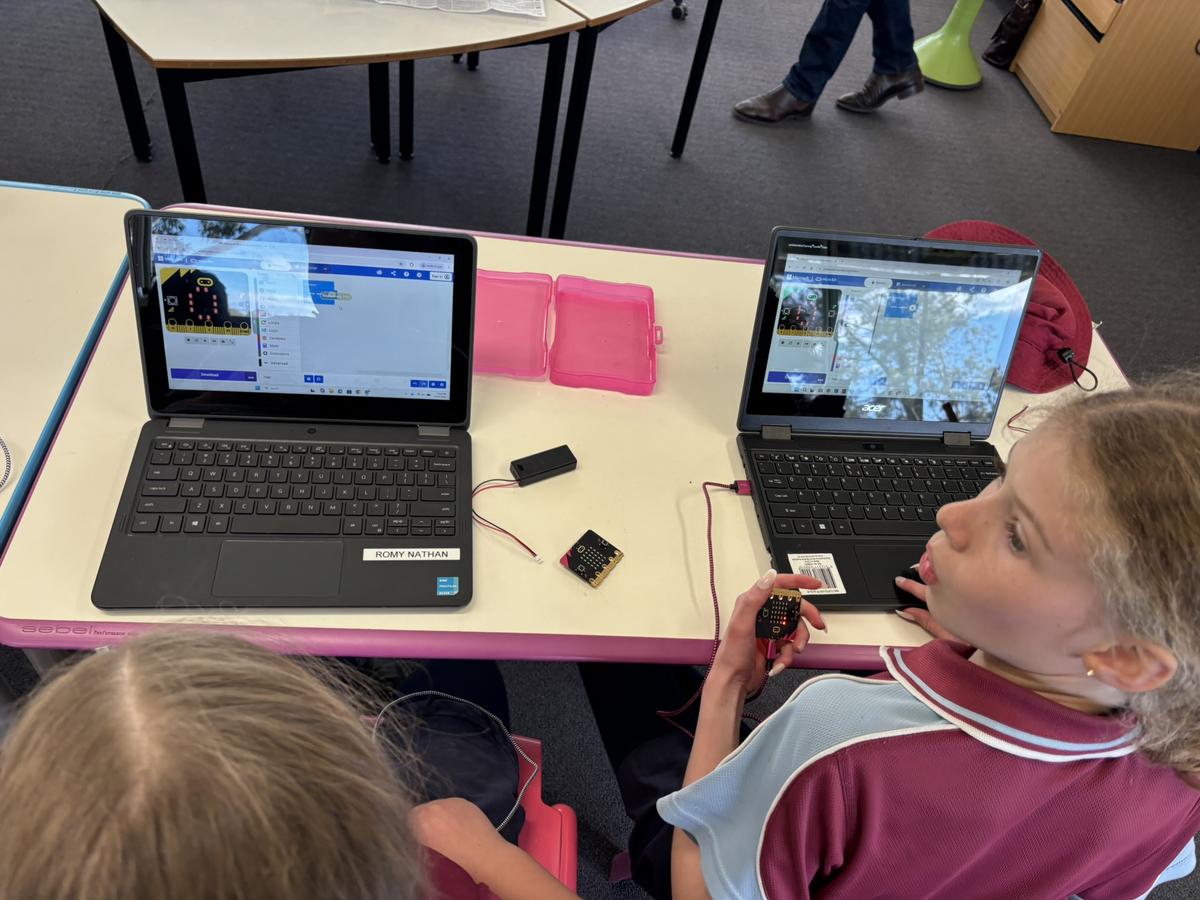
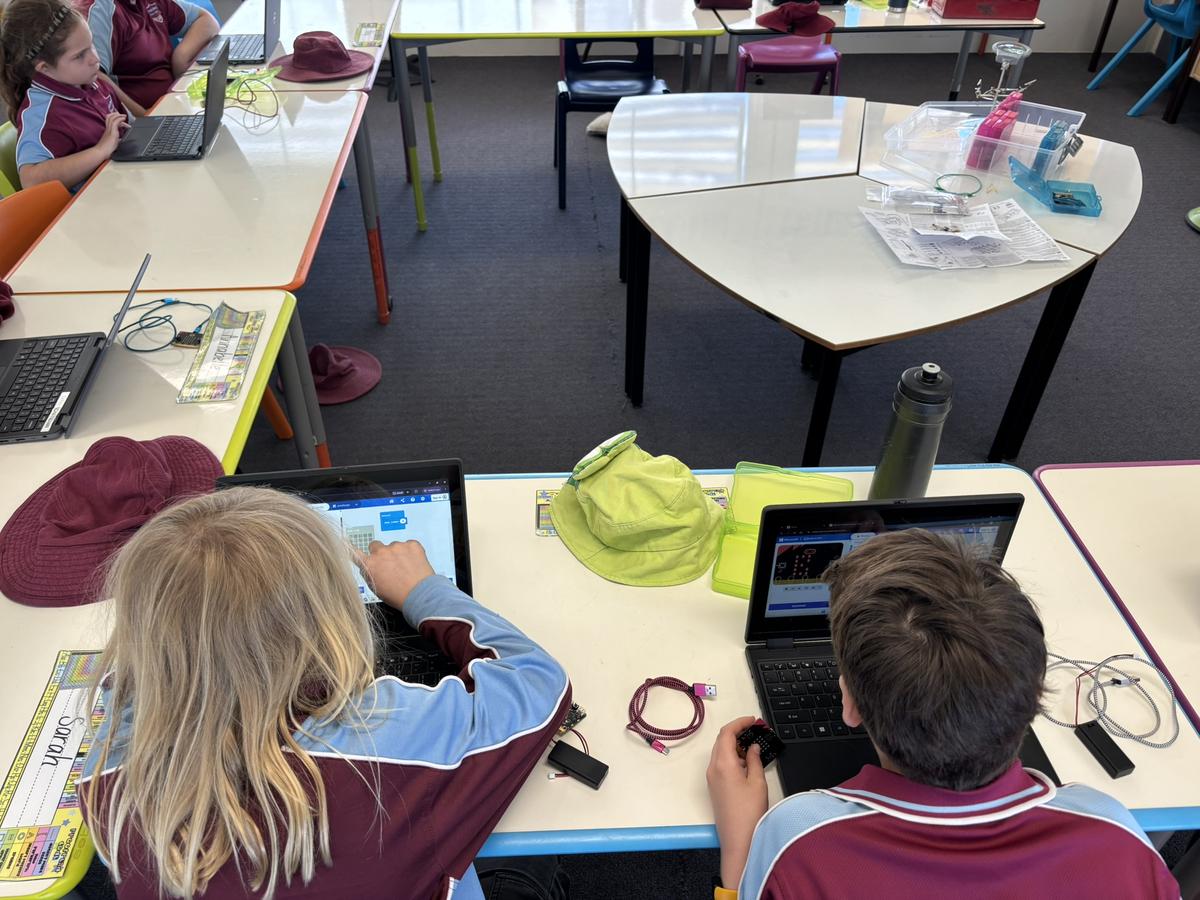
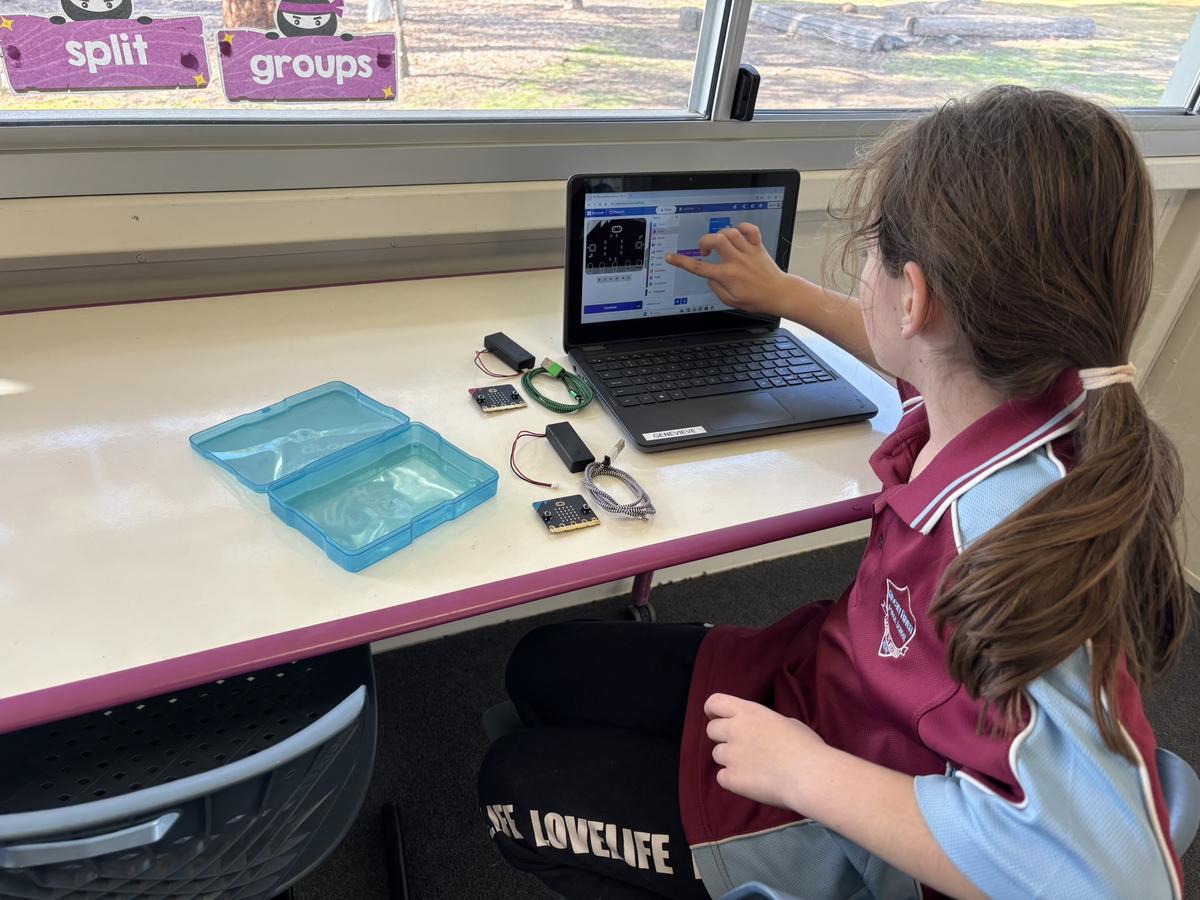
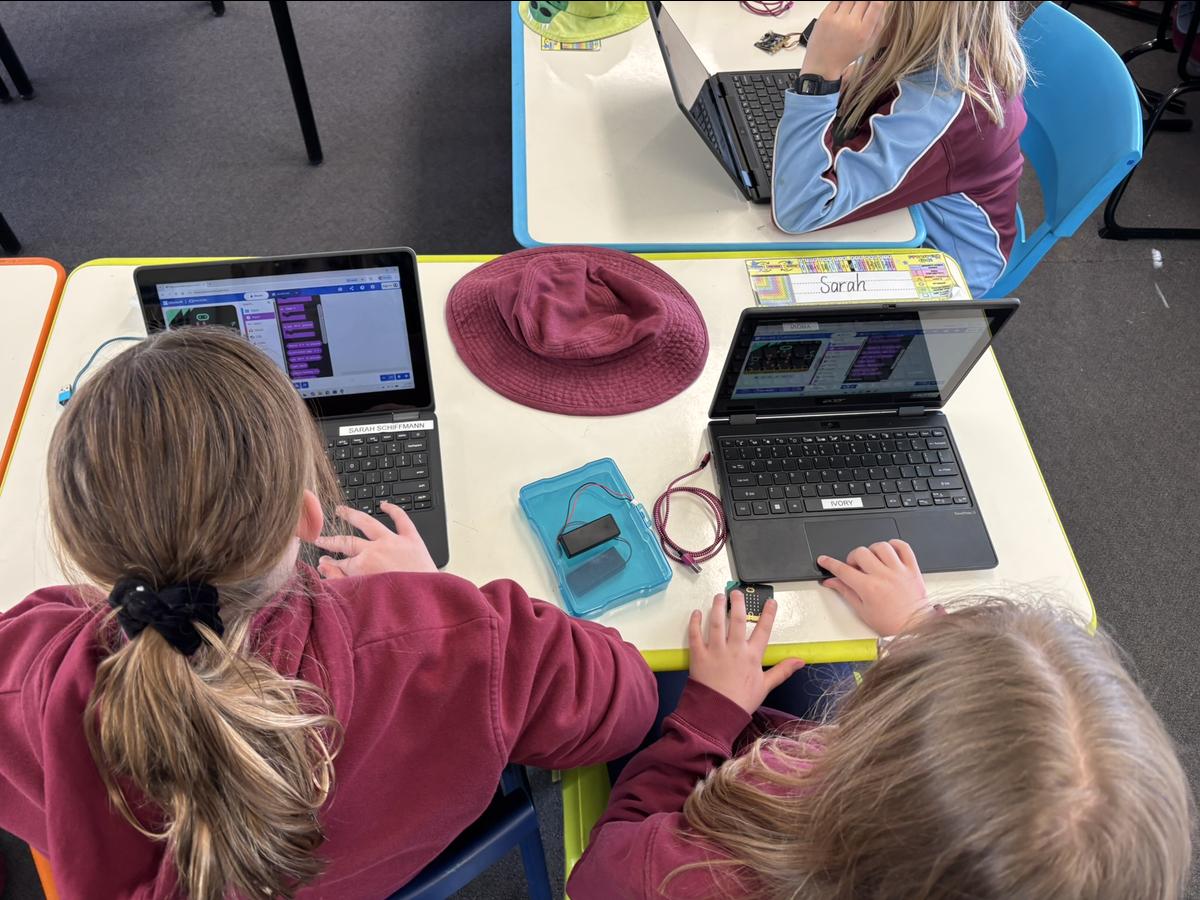
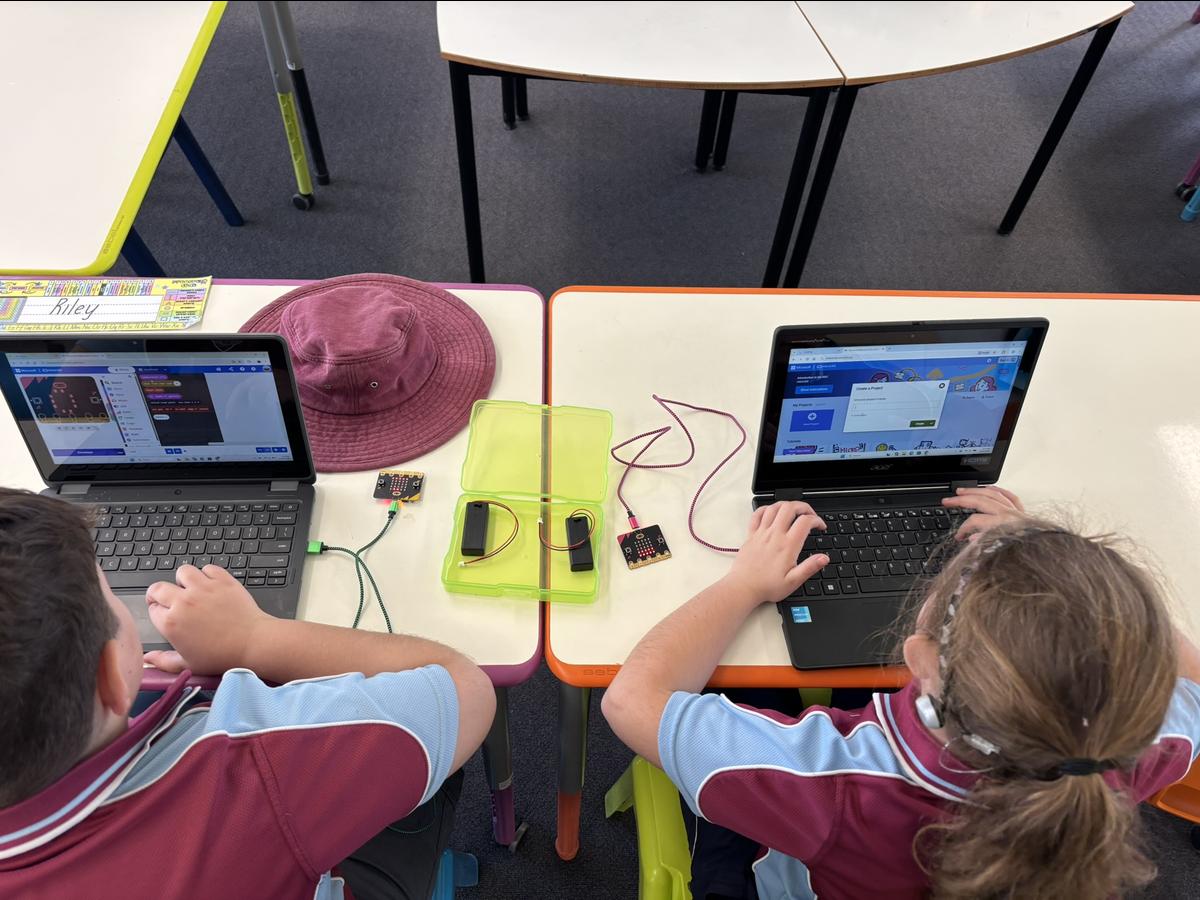
This week, students had an exciting science lesson with Professor Brendan Jacobs, diving into the world of precision agriculture and digital technology. We began our session discussing what precision agriculture is and why ‘precision’ is important in farming. Precision agriculture involves careful measurement to help farmers make better decisions.
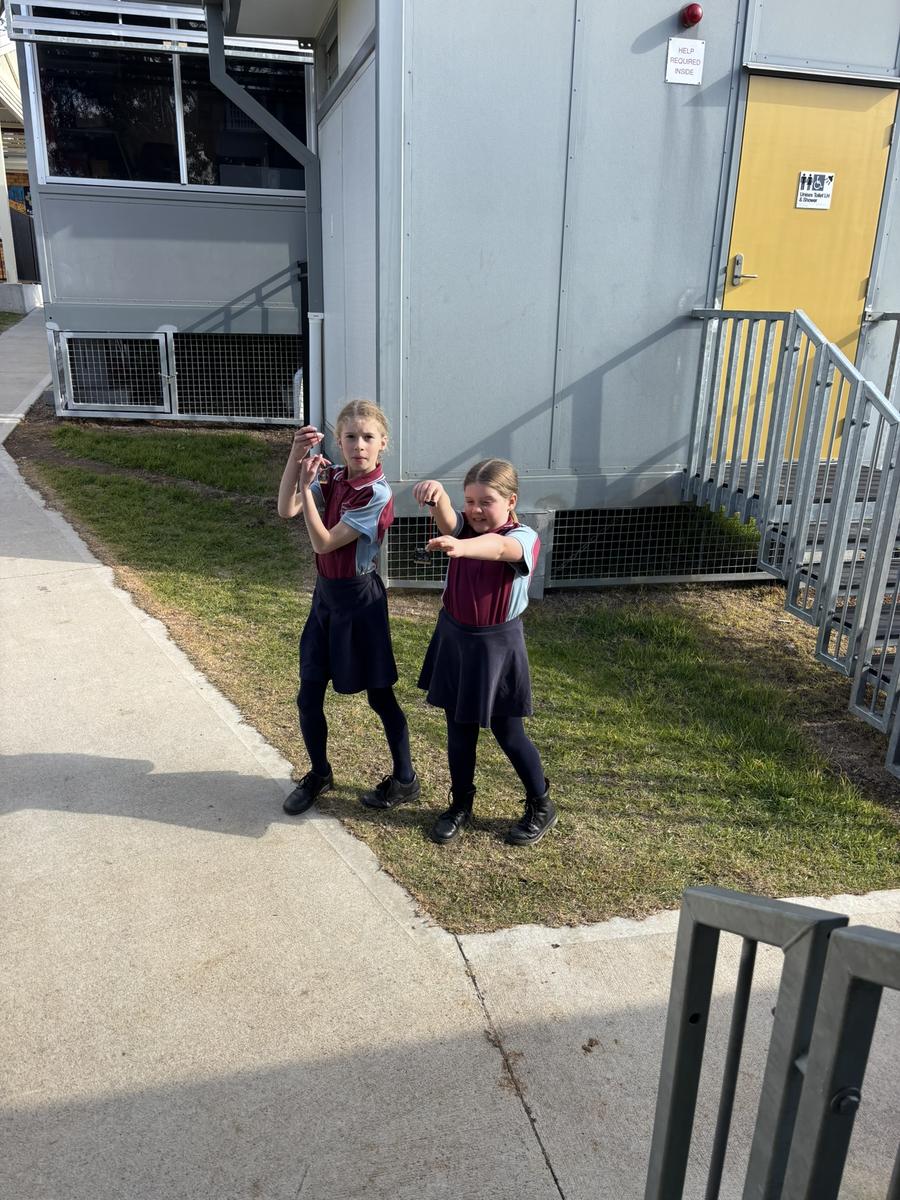
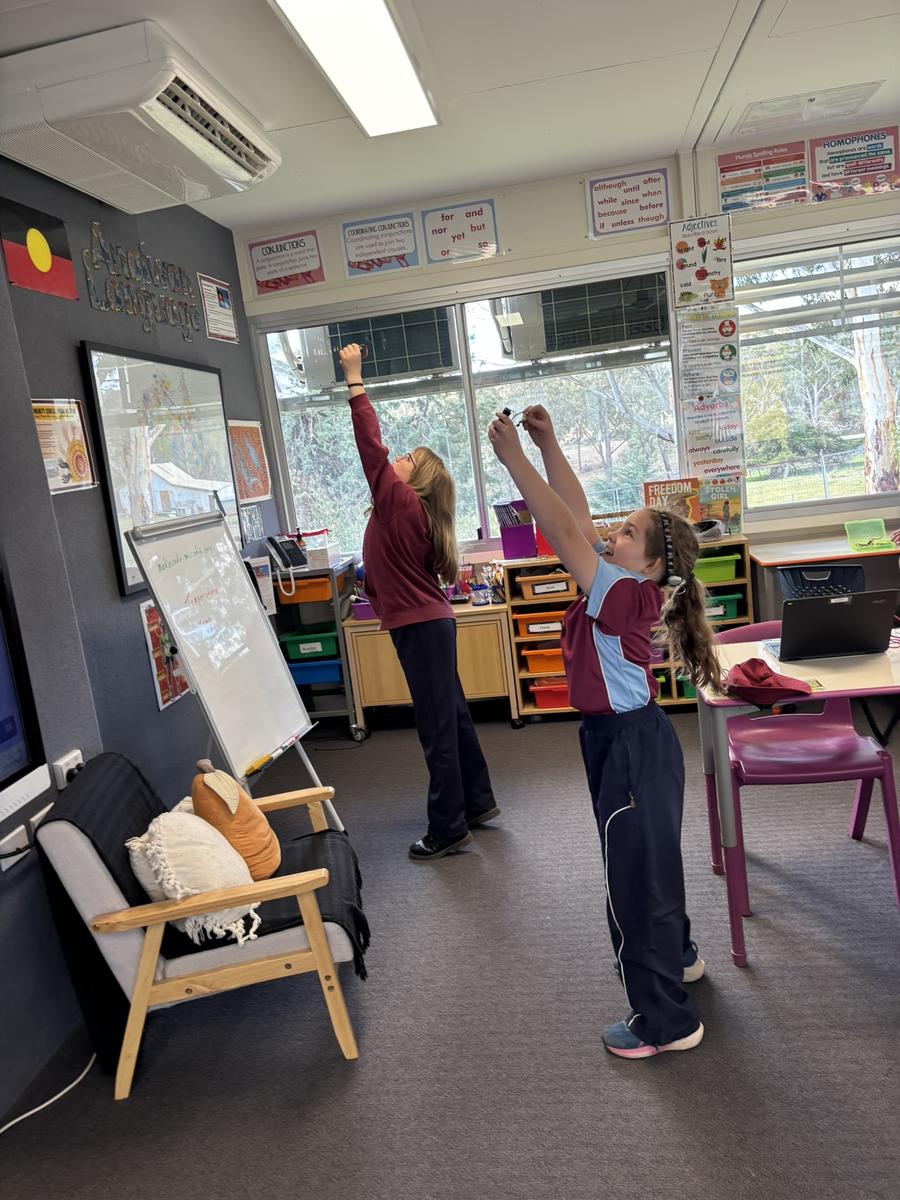
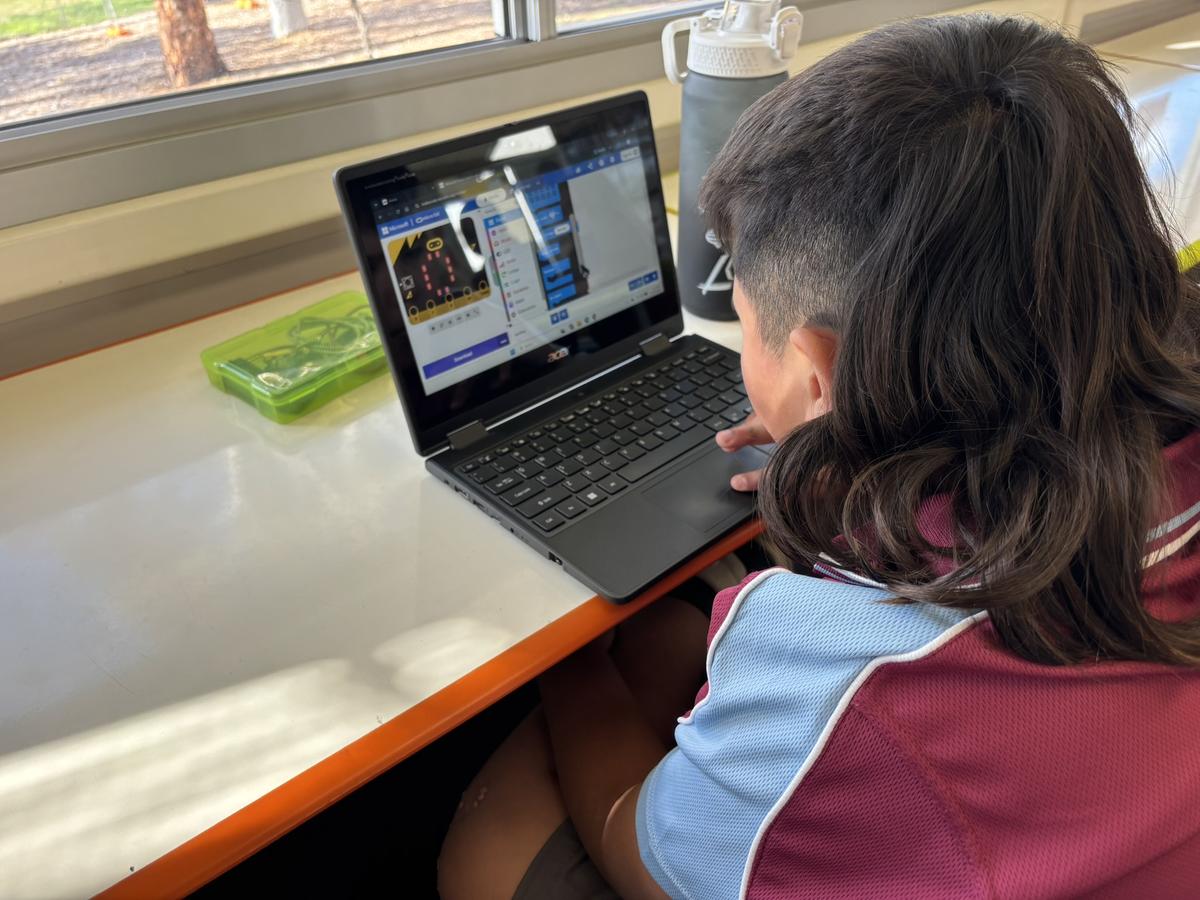
The main activity involved coding micro:bits to measure temperature. Students coded the micro:bits in two stages. First, they programmed the devices to display the temperature on the micro:bit screens. Then, they experimented by placing the devices in different locations—like outside—to see how the temperature readings changed.
In the final stage, students reprogrammed the micro:bits so that the temperature data was graphed live on their laptop screens. Next week, we will export this data as a CSV file and open it in Microsoft Excel. After that, we will shift our focus to measuring moisture.
The learning intention for this lesson was for students to explain how digital systems represent data, connect in networks, and transmit information.
This hands-on experience helped students understand how technology can be used in agriculture, combining coding, data collection, and real-world science. We look forward to exploring more digital measurement tools in the weeks ahead!
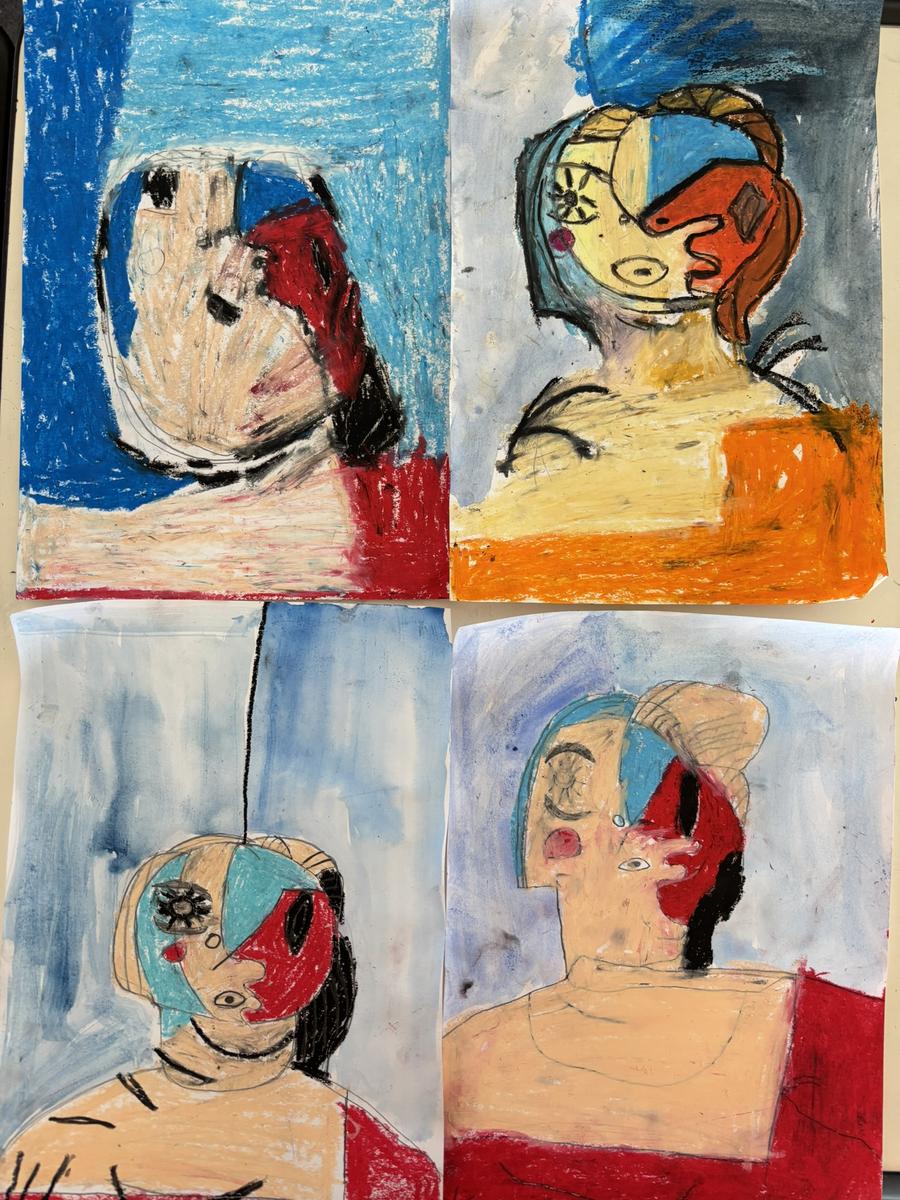
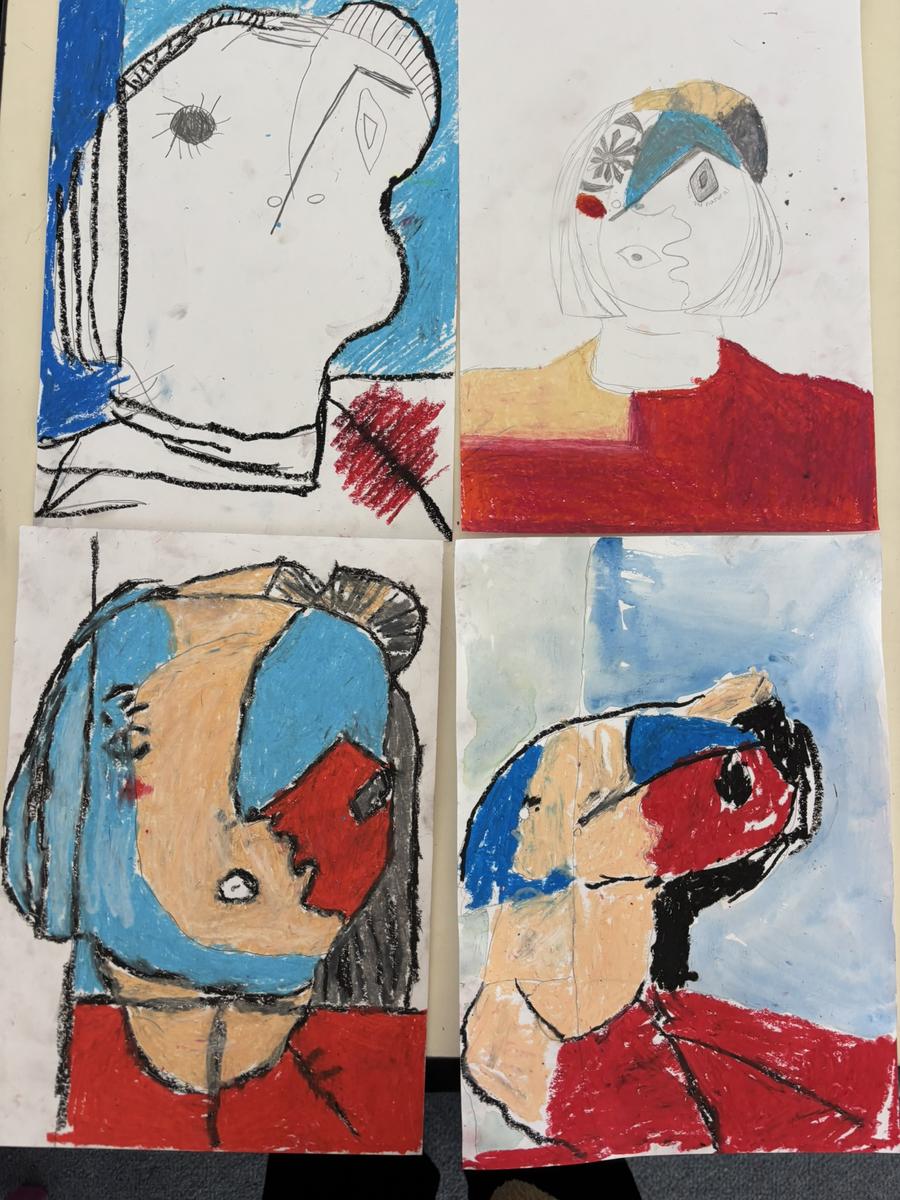
Visual Arts | 1926 'Head' Pablo Picasso
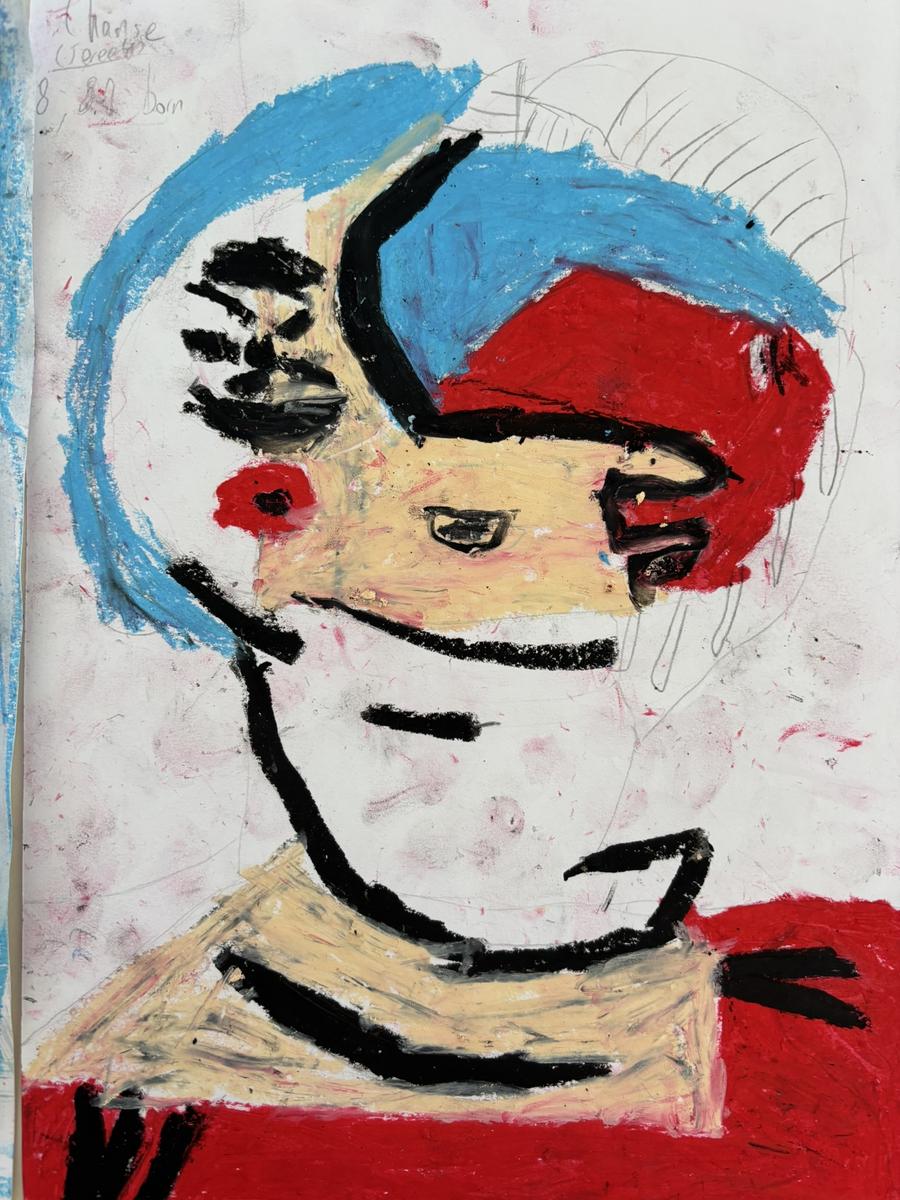
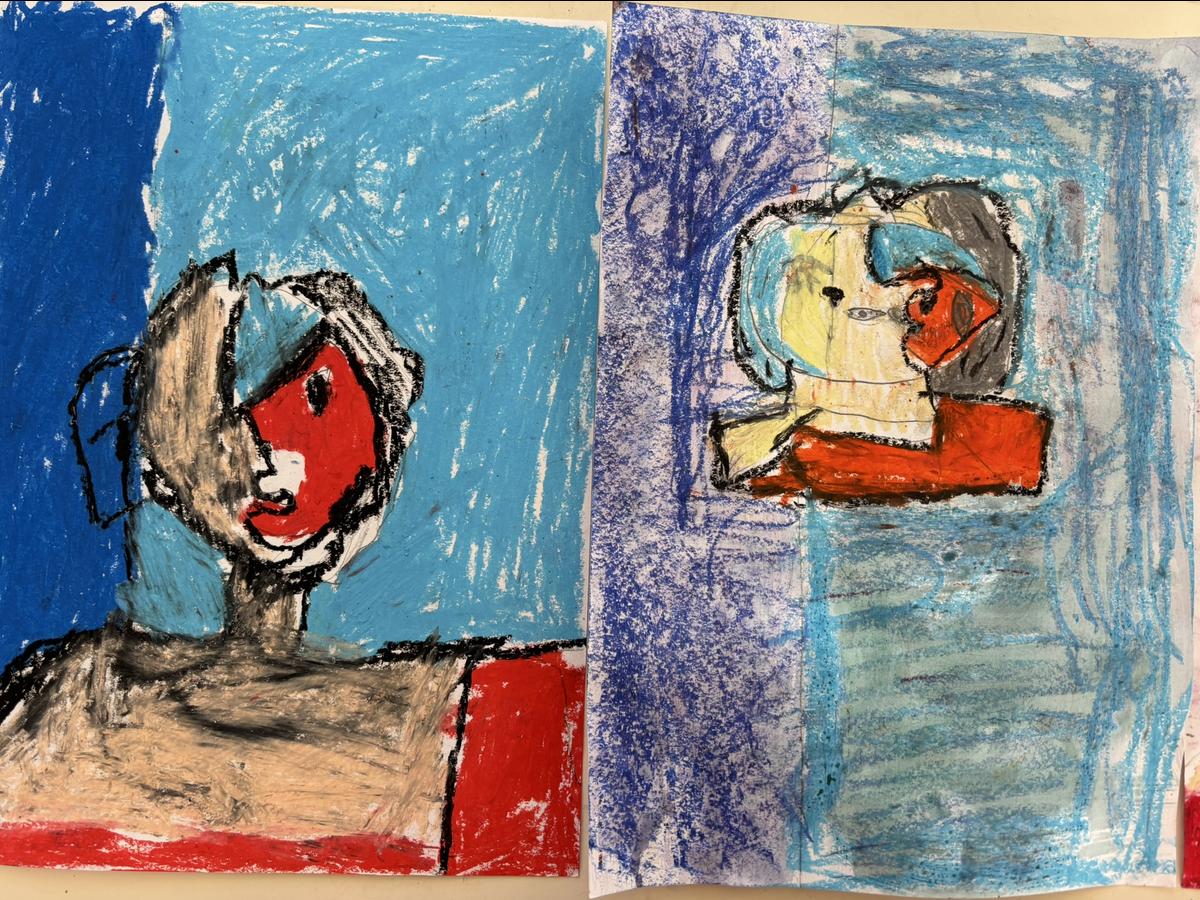
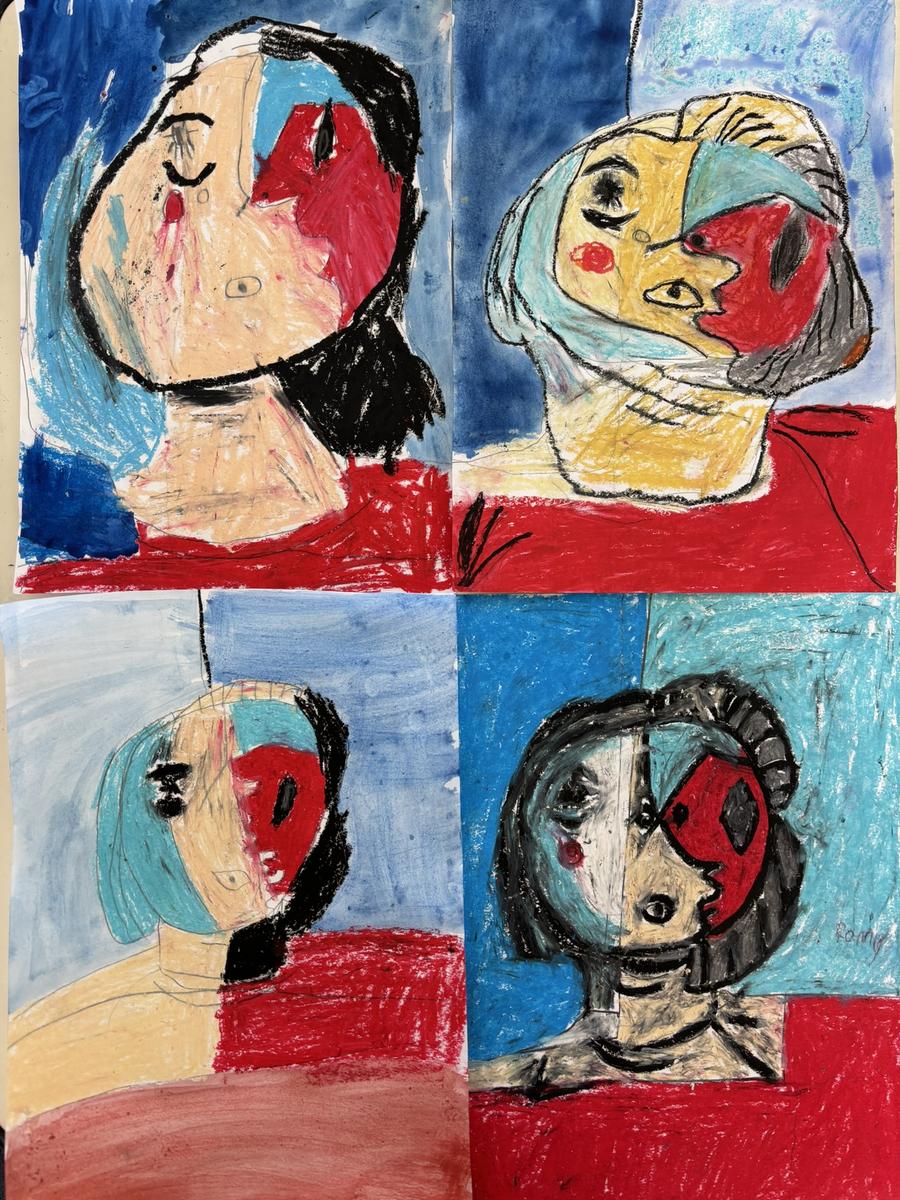
Last week, as part of our 100 days of school celebration, we looked at a painting that was also 100 years old—‘Head’ by Pablo Picasso, created in 1926. This special artwork helped us stay on theme and reflect on both creativity and history.
Picasso was known for his imaginative and bold art style. When we examined ‘Head’, students noticed interesting shapes and lines, showing how artists can use their imagination to create unique pictures. We also talked about the colours Picasso used in the painting.
A big focus was on the primary colours—red, yellow, and blue. We discussed how these colours are the foundation for making all other colours, and how Picasso used them to make his painting stand out.
This activity allowed us to celebrate art, creativity, and the significance of 100 days of learning. By connecting a 100-year-old painting to our milestone, students enjoyed exploring history and colour, and found inspiration in Picasso’s timeless work.
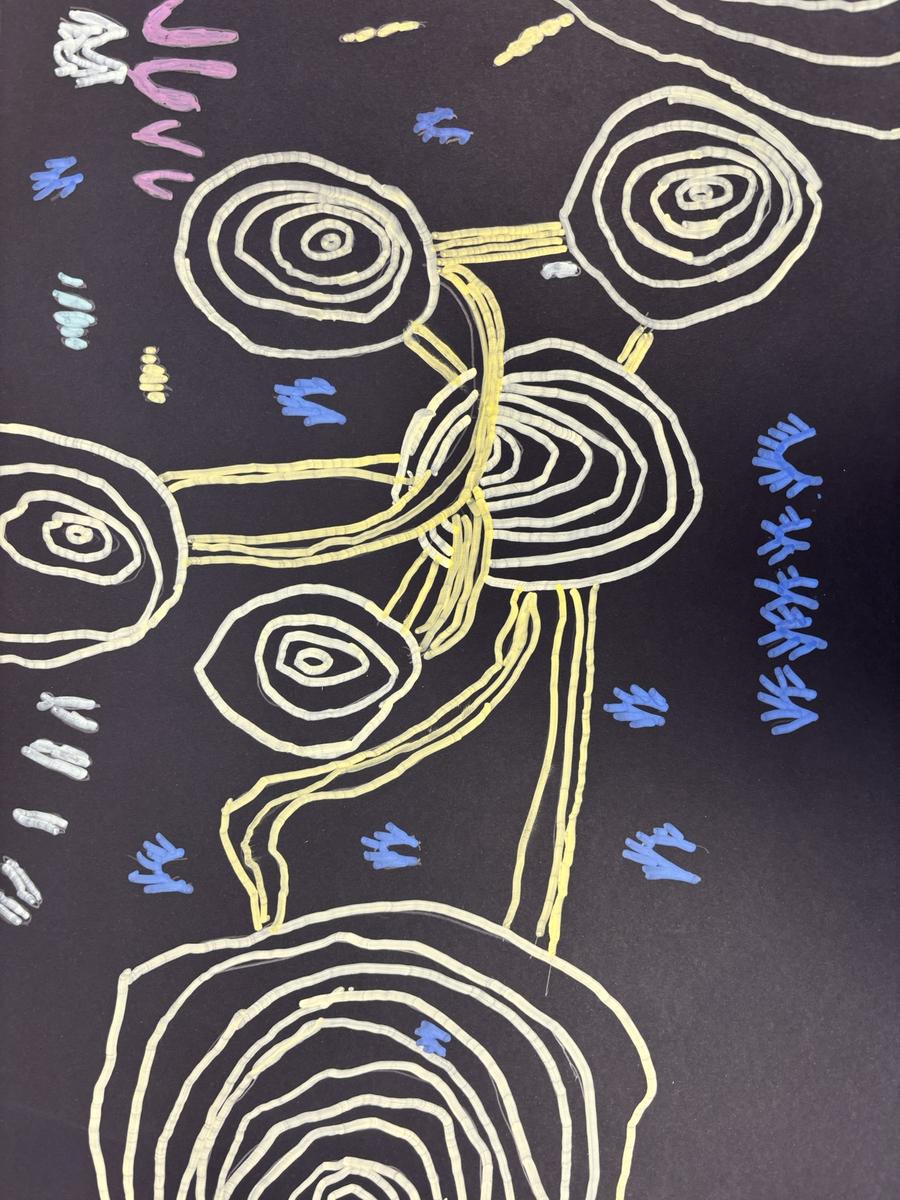
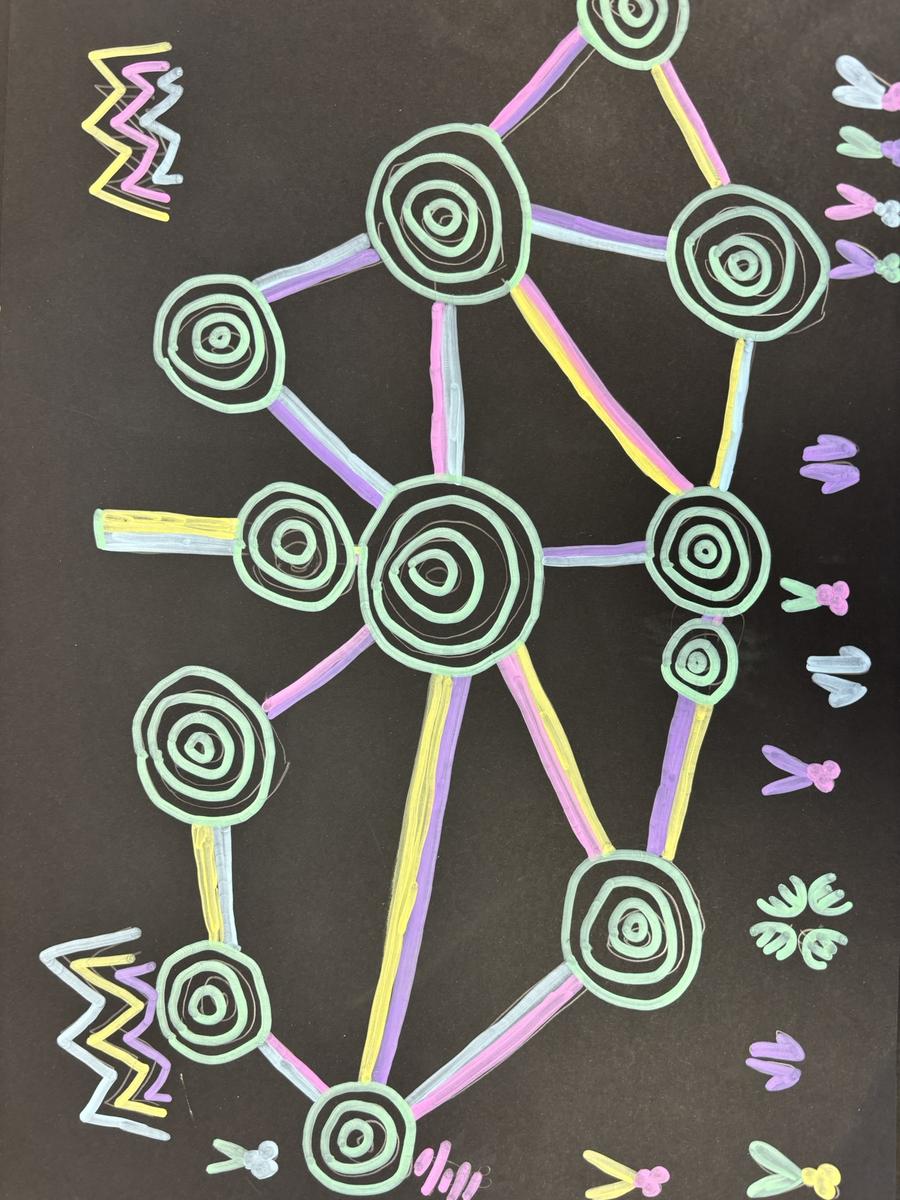
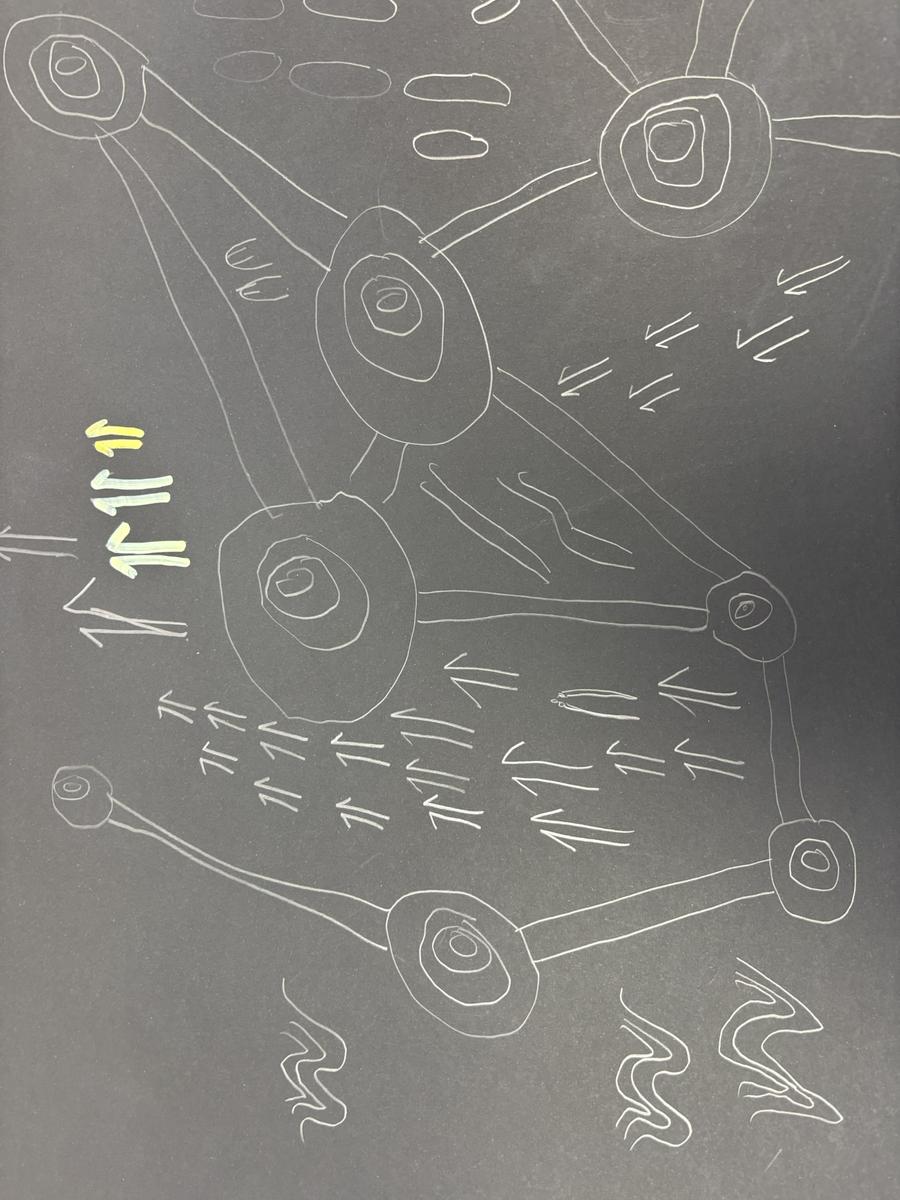
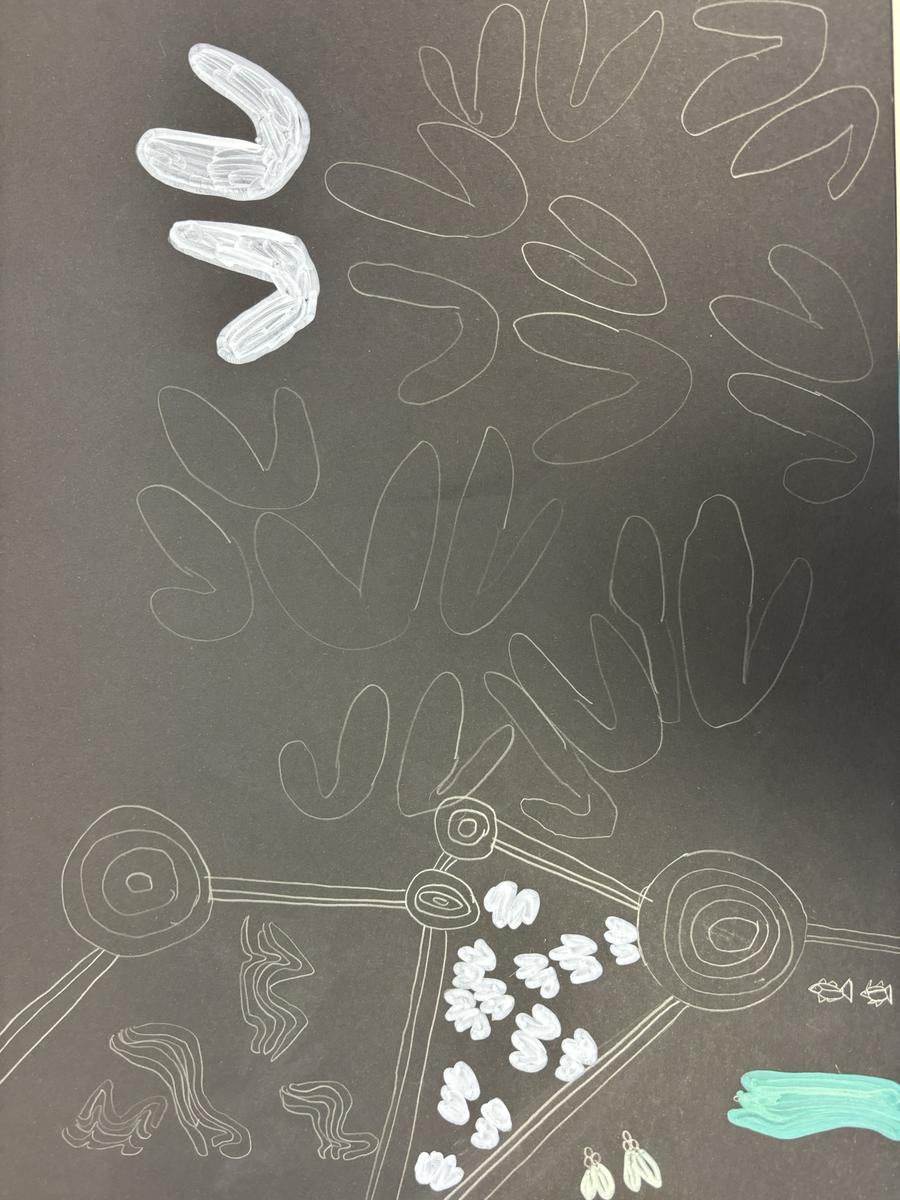
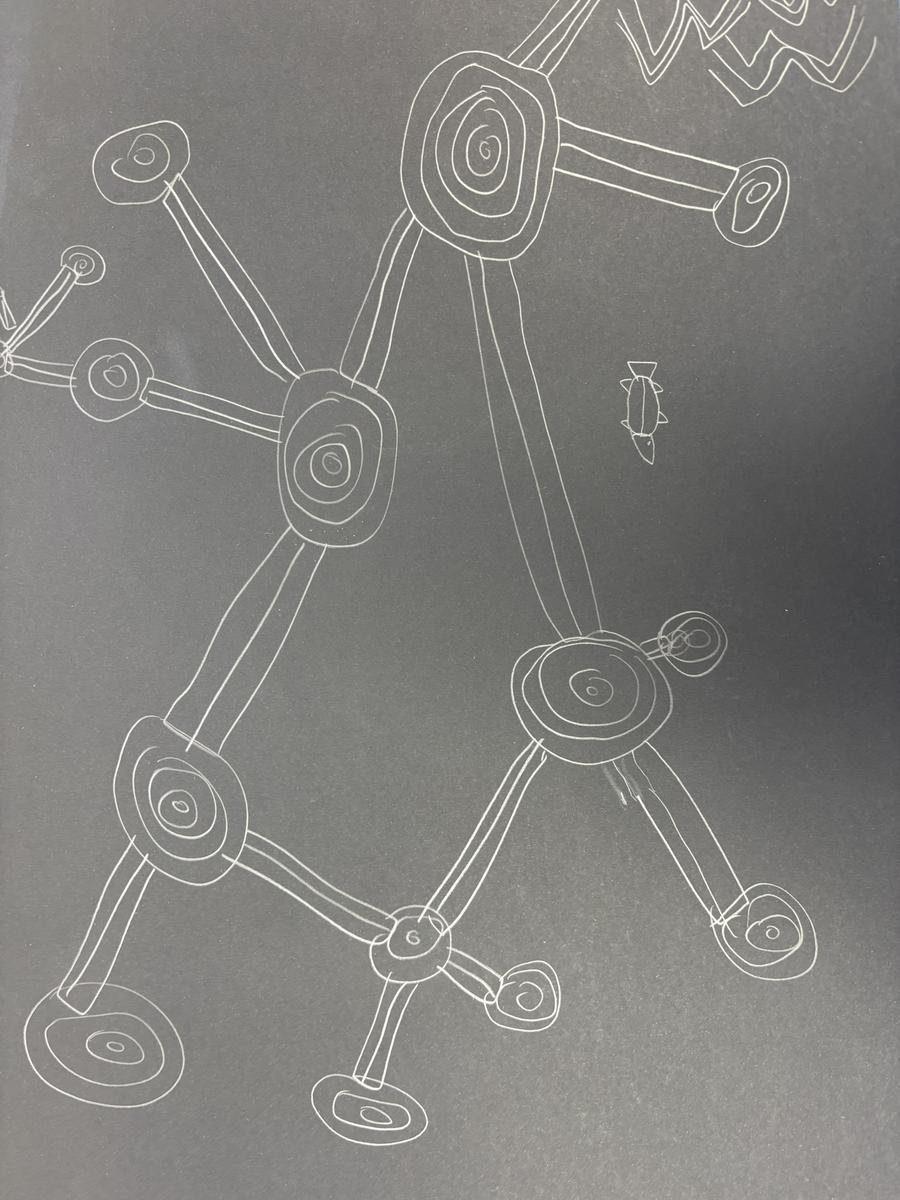
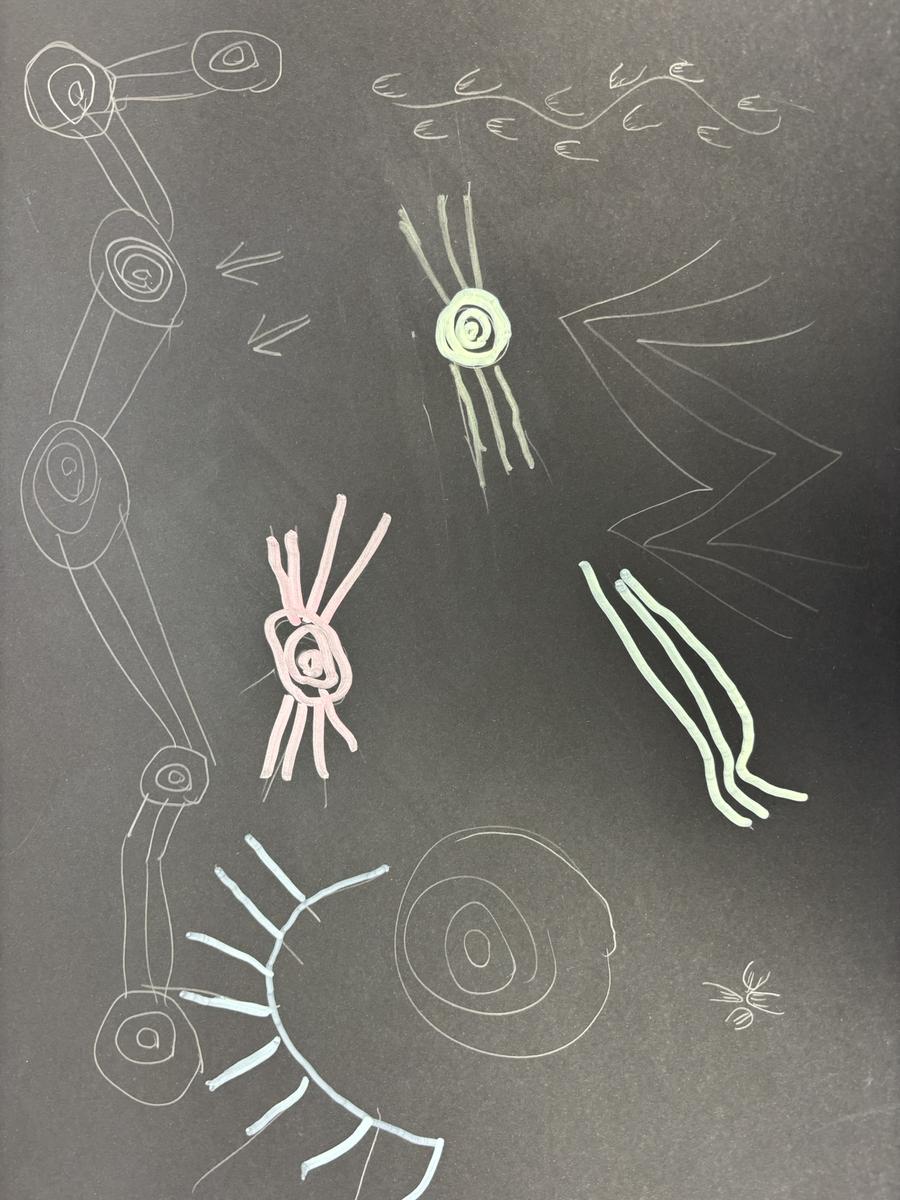
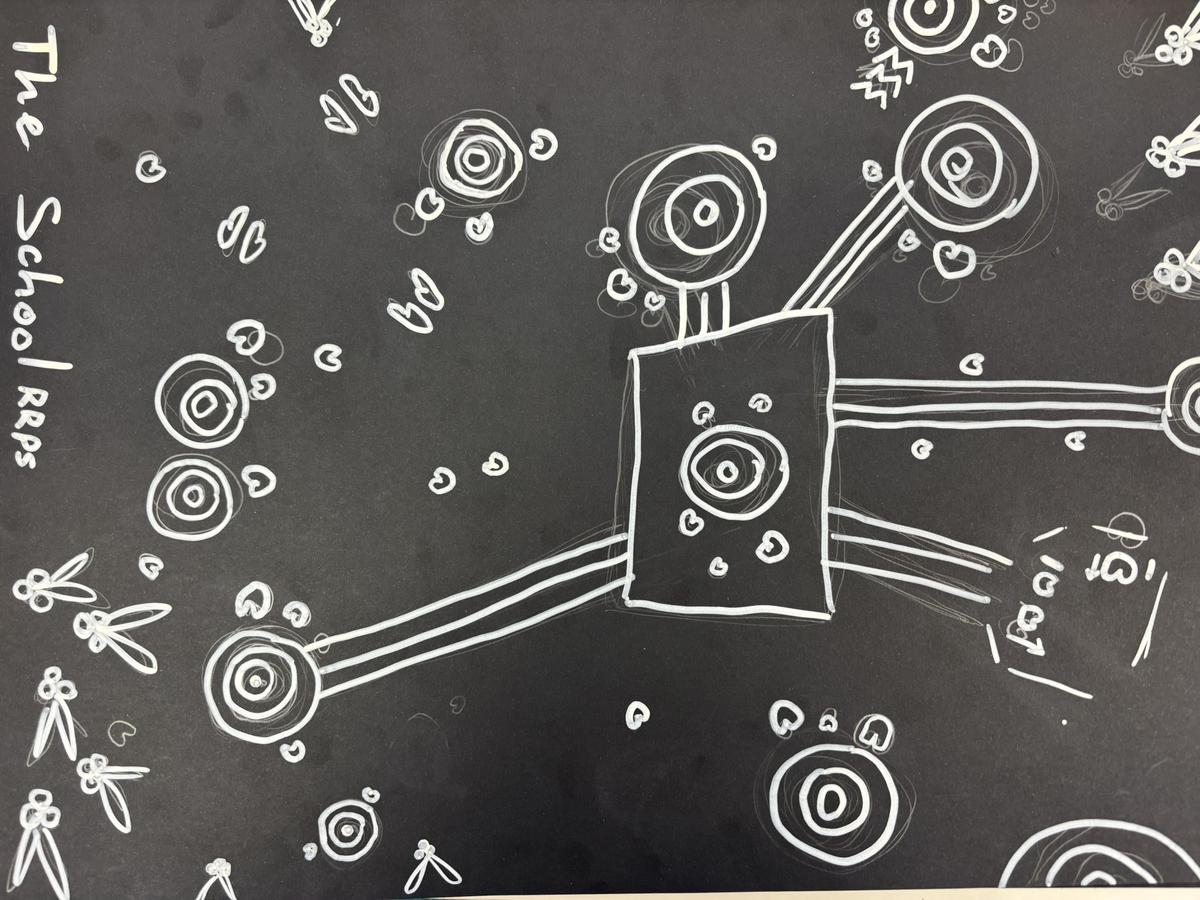
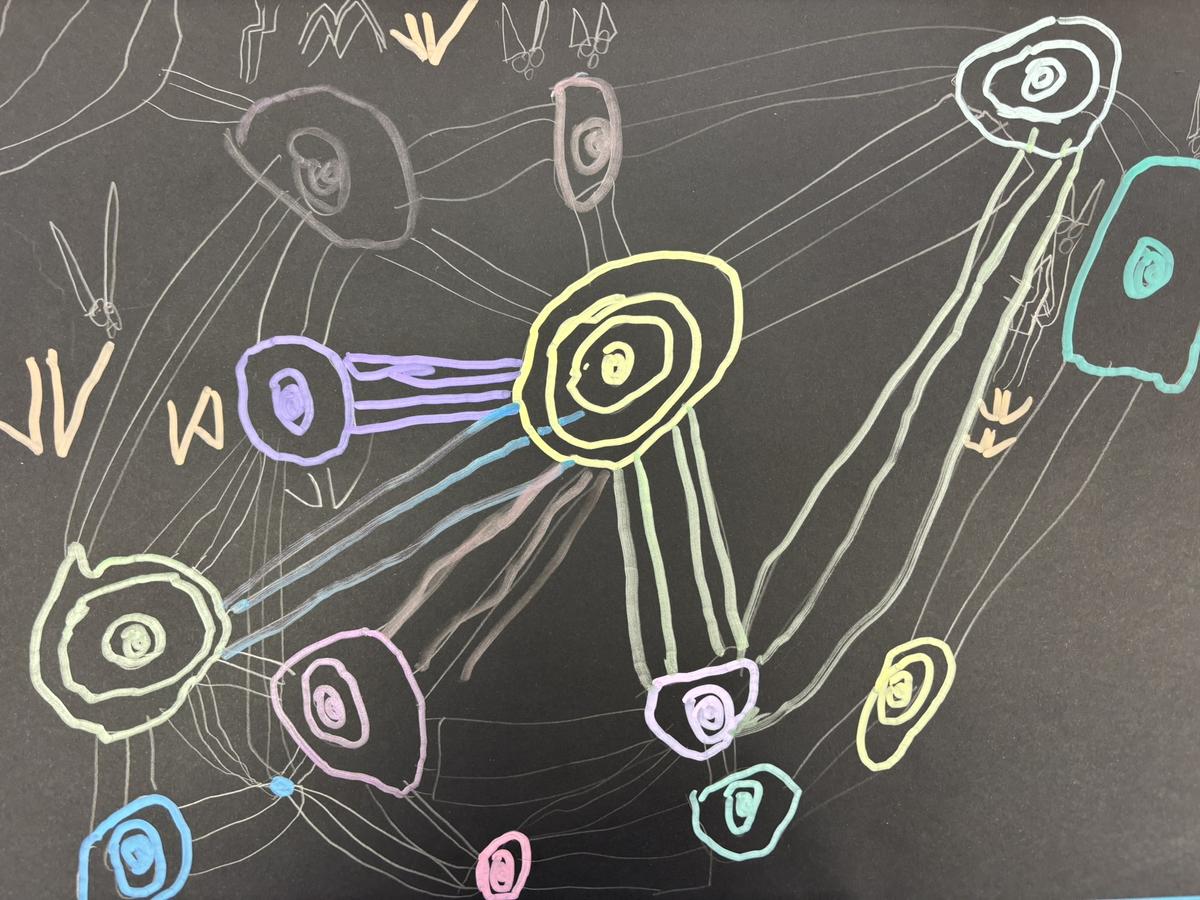
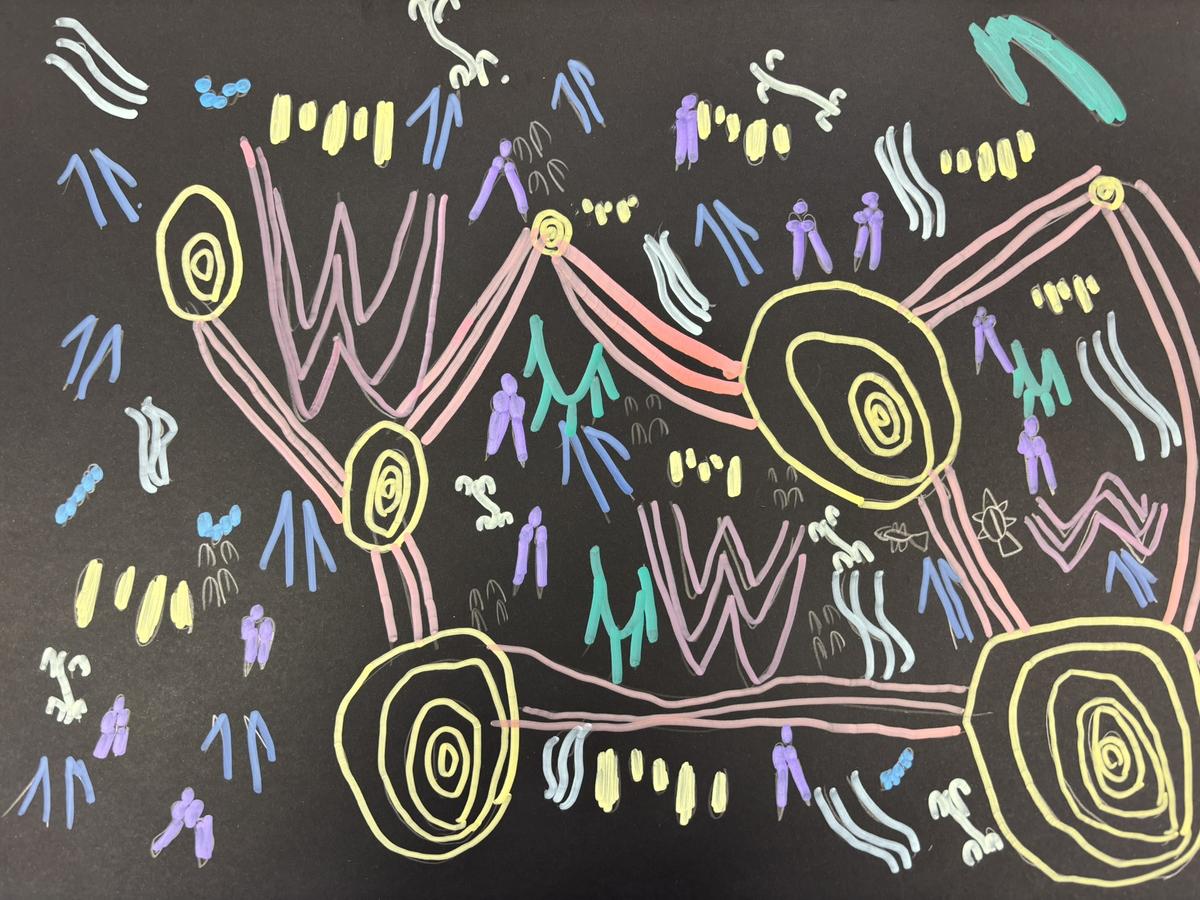
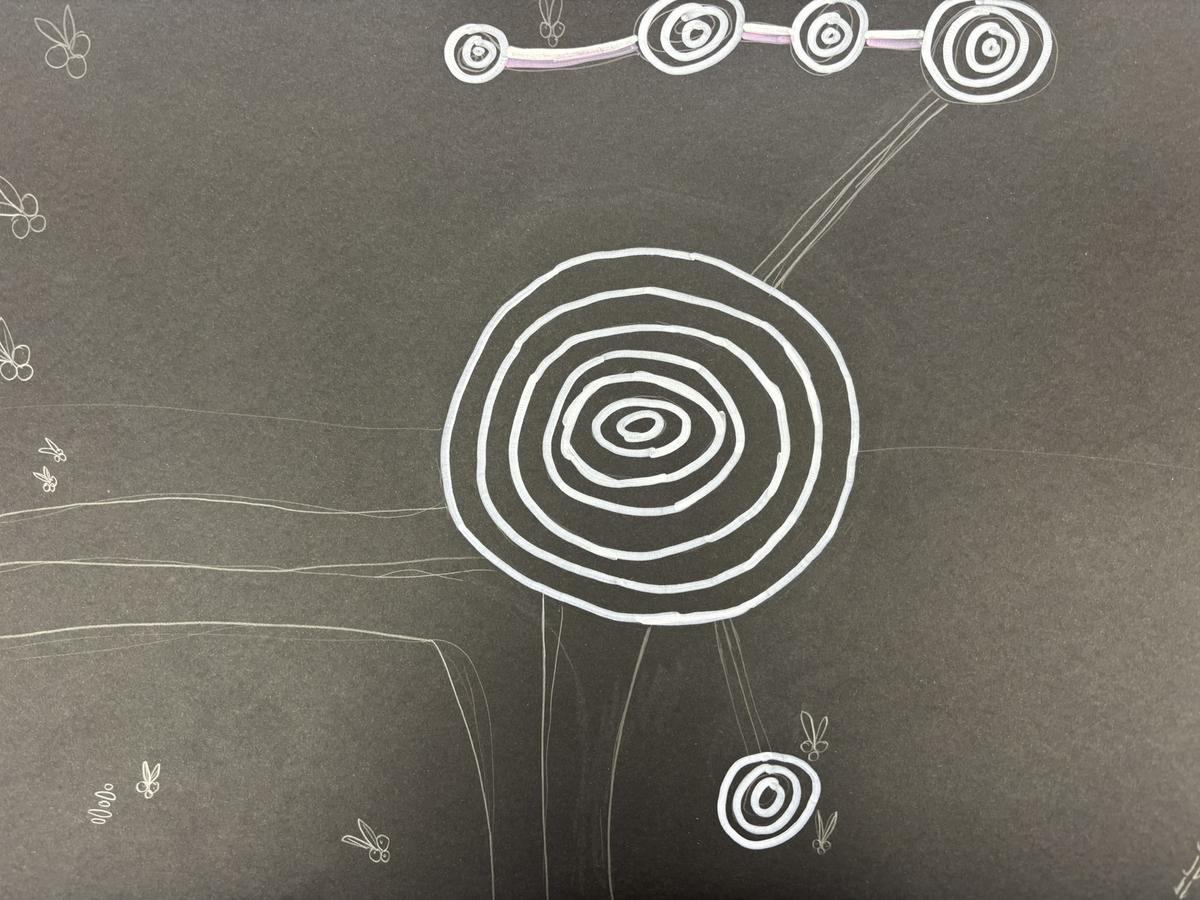
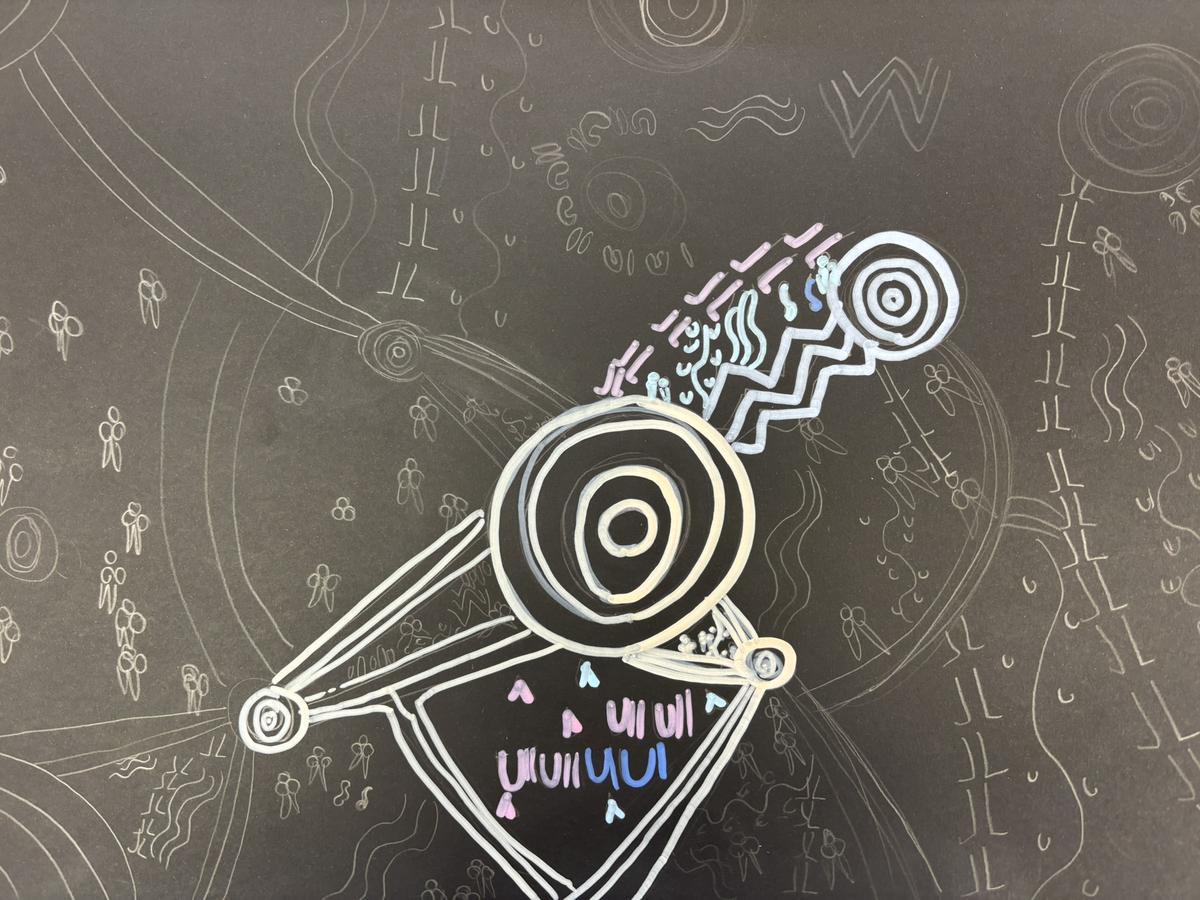
Visual Arts | Creating Songlines – Mapping Land Through Art and Culture
Songlines are special stories sung by Elders that describe landmarks, natural features, plants, animals, and water sources. They serve as a map and guide across the country and carry important cultural knowledge, beliefs, and connections to Country.
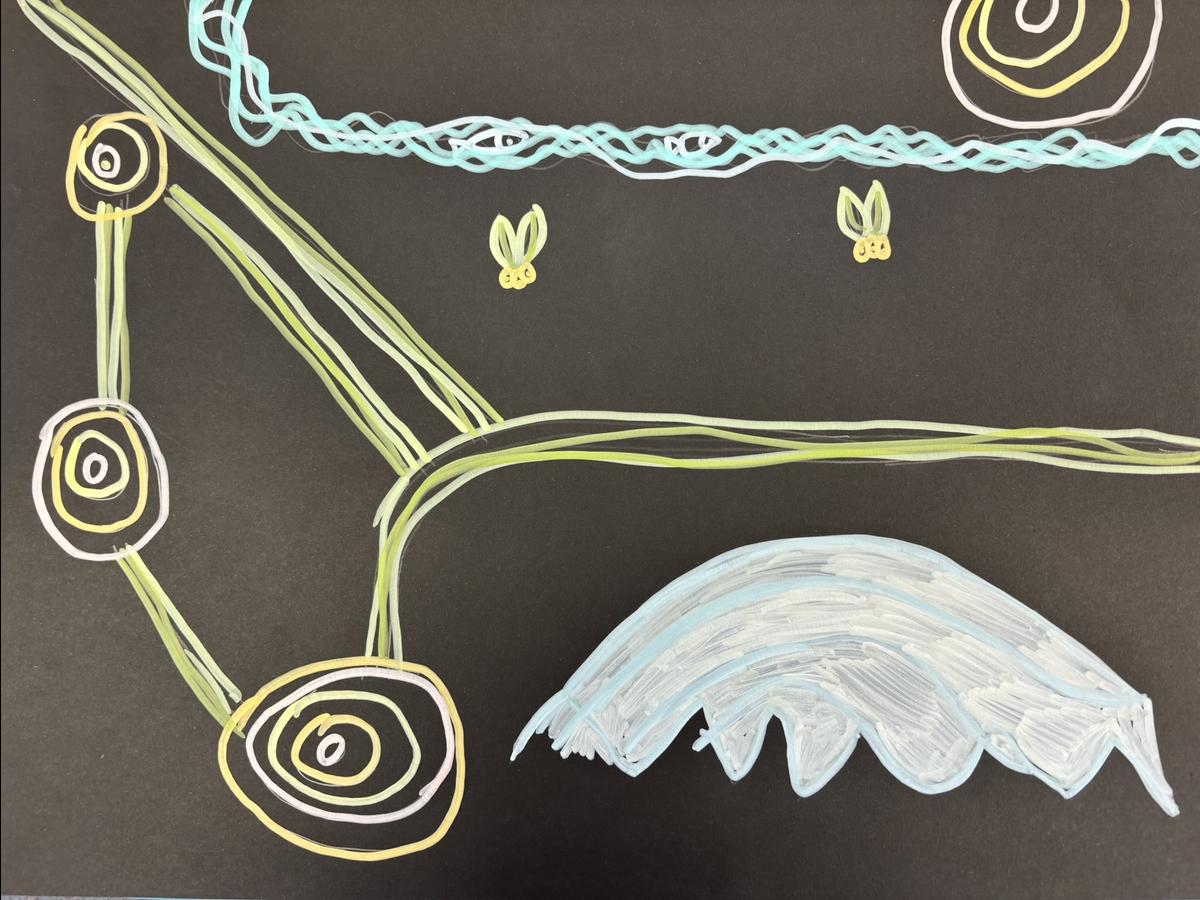
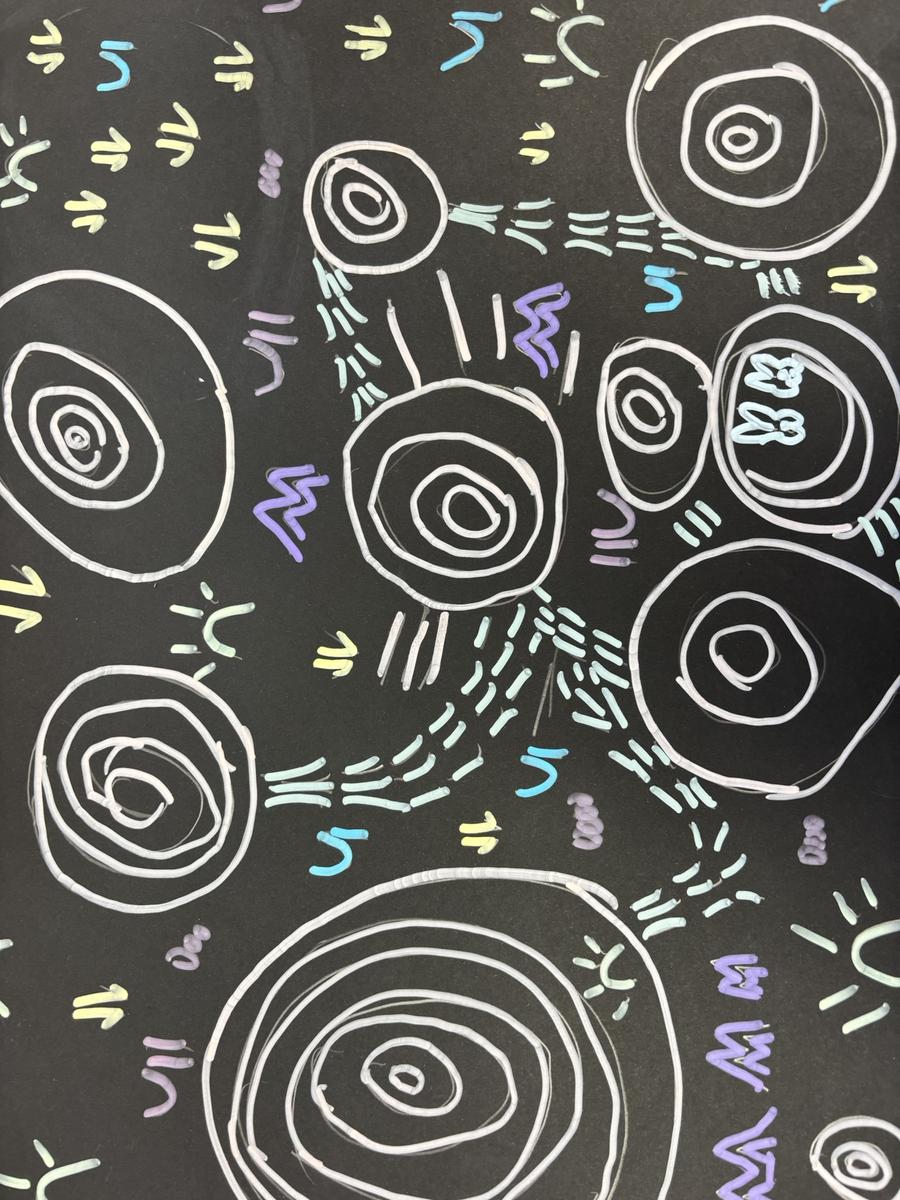
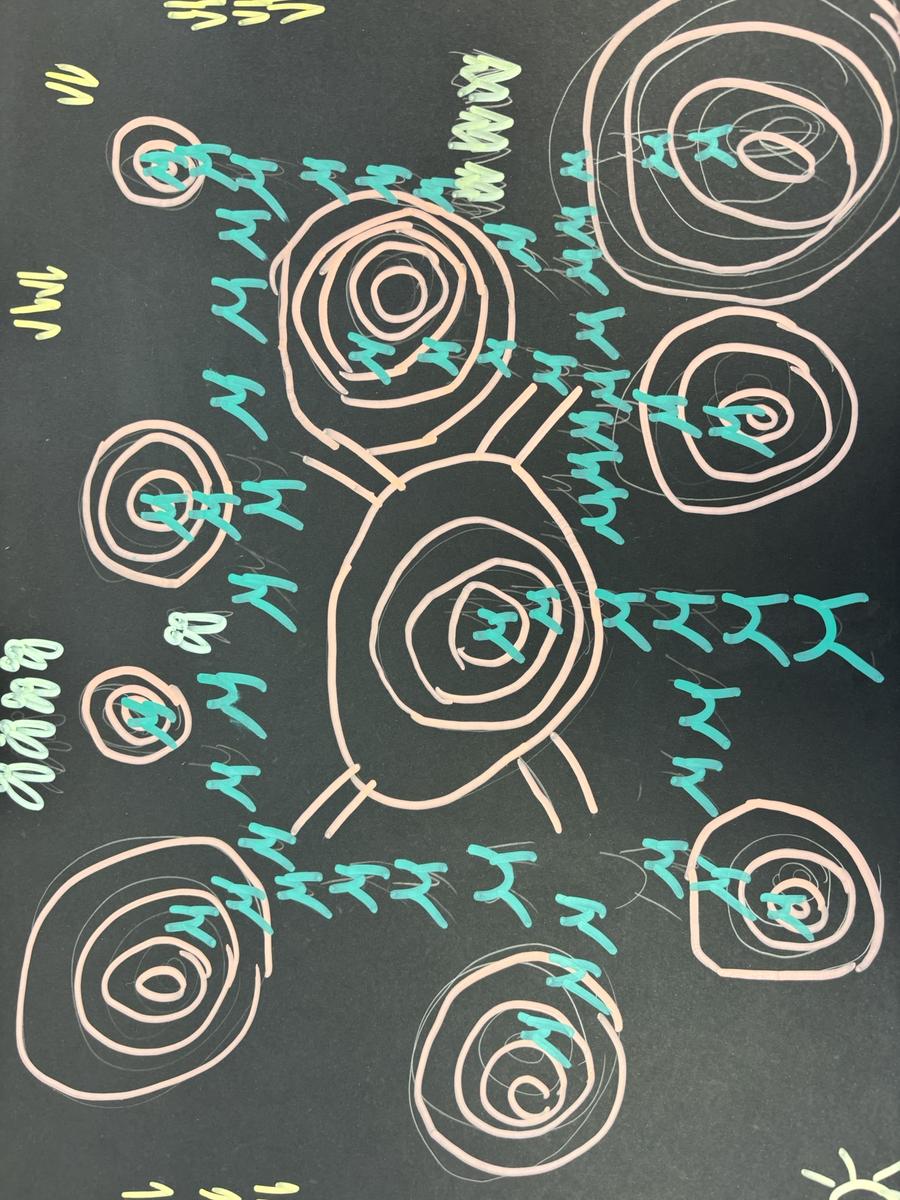
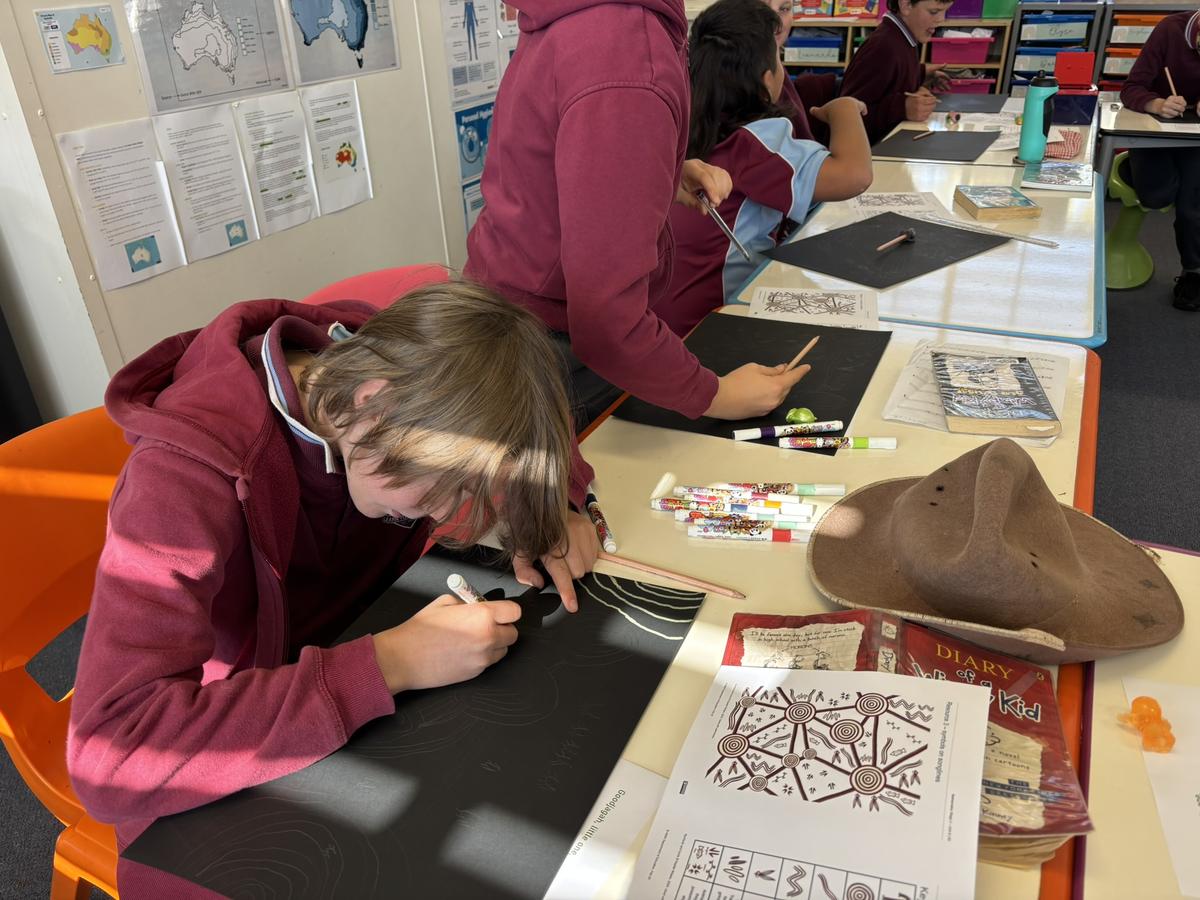
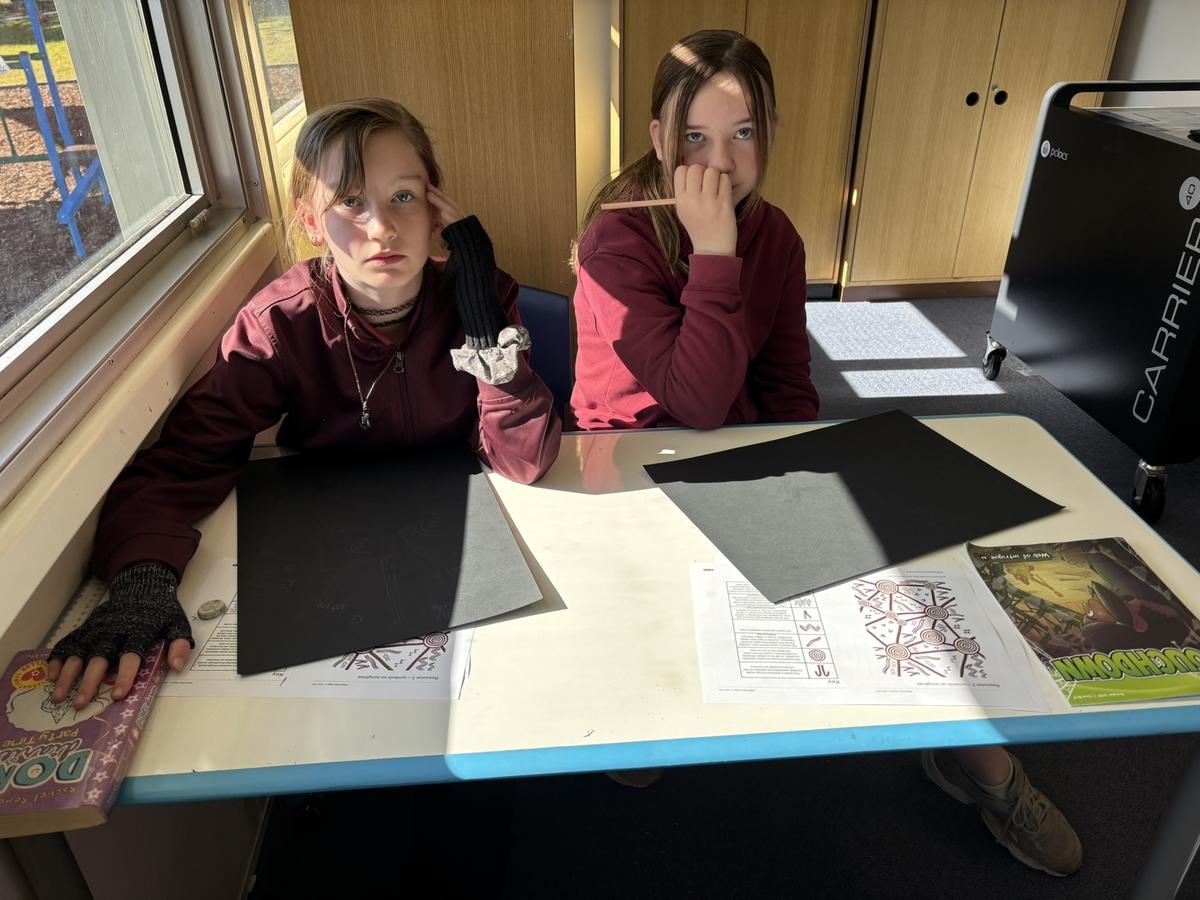
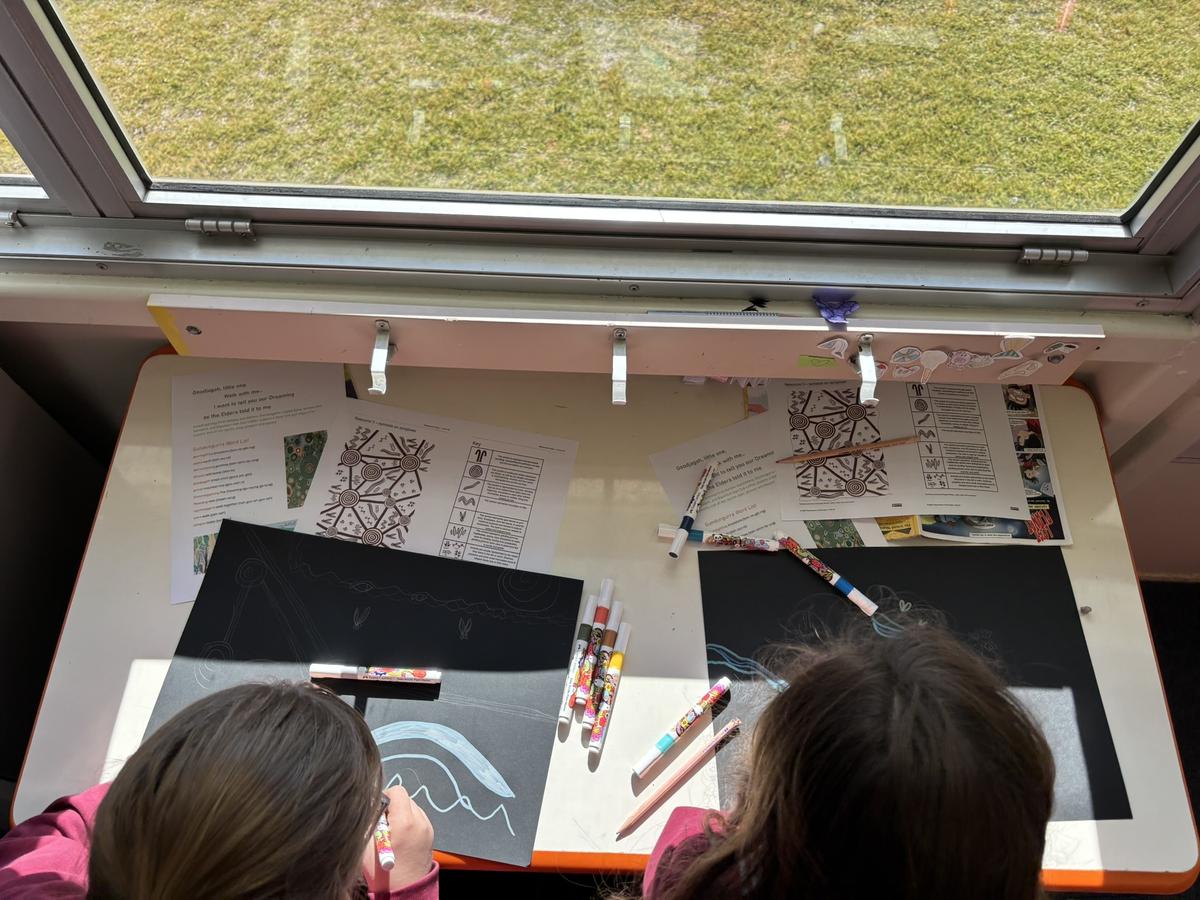
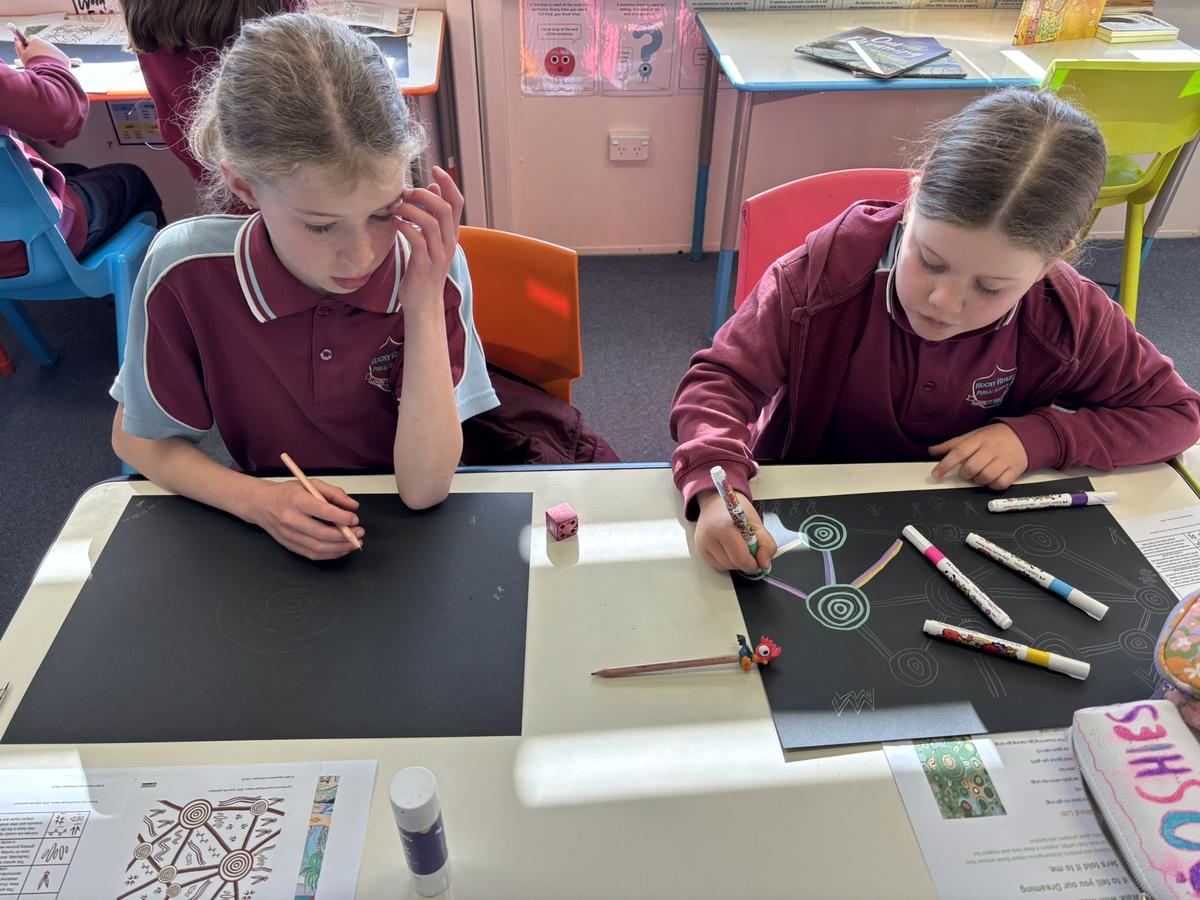
Using this rich tradition as inspiration, students were invited to create their own songlines using traditional Aboriginal symbols. Some chose to map our school grounds, others focused on their own homes, while a few imagined completely new places to explore through their artwork.
Students used acrylic pens to carefully design their songlines, drawing symbols that represent key features and stories of their chosen places. This hands-on activity helped students appreciate how songlines blend storytelling with navigation, and the importance of symbols in Aboriginal culture.
By creating their own songlines, students gained a deeper understanding of how Aboriginal peoples use art and oral history to maintain strong connections to land, identity, and community. This project highlighted the power of stories and symbols in preserving culture and passing knowledge from one generation to the next.