
Student Wellbeing
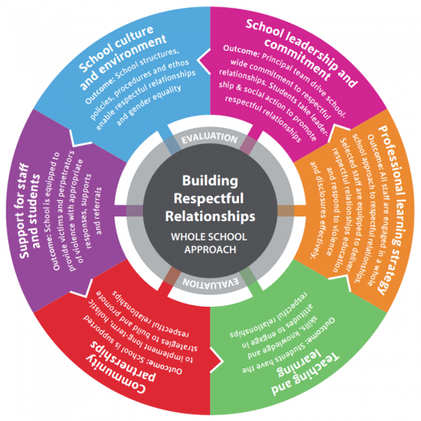
Term 4 Wellbeing Update: Respectful Relationships – Topic 8
In Term 4, as part of our ongoing school wellbeing program, students from Prep to Year 6 will complete three lessons from Topic 8: Positive Gender Relations in the Resilience, Rights and Respectful Relationships (RRRR) curriculum.
This term’s focus is on helping students build healthy, respectful friendships, understand personal boundaries, and develop the confidence to seek help when they feel unsafe or unsure.
Here is an overview of what your child will be exploring in class:
Prep
- Focus: The basics of fair play and recognising hurtful behaviour.
Key Learnings: Students will explore how to play cooperatively and share, building an understanding of the difference between what is fair and what is hurtful.
Years 1 & 2
- Focus: Defining respect, navigating everyday consent, respecting personal space, and understanding safe versus unsafe secrets.
Key Learnings: Students will learn that the opposite of violence (or hurtful behaviour) is respect. They will practice the everyday basics of consent—learning how to politely ask, give, and refuse permission (e.g., sharing toys or entering someone's personal space). Importantly, they will also discuss the difference between a fun surprise (like a birthday present) and a secret that feels unsafe and needs to be shared with a trusted adult.
Years 3 & 4
- Focus: Respect versus harm, applying consent in friendships, and building the confidence to seek help in tricky situations.
Key Learnings: Students will explore carefully selected, age-appropriate scenarios to see what respect and consent look like in action. They will develop a deeper understanding of how stereotypes or unfair gender expectations can impact friendships, and they will practice concrete strategies for finding and asking for help from trusted adults when social situations become difficult.
Years 5 & 6
- Focus: Power dynamics in friendships, active respect, understanding clear consent, and safely acting as an "upstander."
- Key Learnings: Senior students will discuss the positive and negative uses of power in friendships. They will explore what active respect and consent look like as they grow older and navigate more complex social interactions. A major focus will be on teaching students how to safely and effectively be "upstanders"—peers who support others, challenge disrespect, and seek appropriate help in response to unfair treatment or gender-based violence.
Continuing the Conversation at Home
These lessons provide a great opportunity to talk with your children about friendships and boundaries. Here are a few suggested conversation starters you can use at home:
For Junior Students (Prep – Year 2)
Focus: Fair Play & Feelings
- "What is your favourite game to play at recess, and how do you make sure everyone gets a fair turn?"
- "How can you tell if a friend is feeling happy, sad, or frustrated just by looking at their face?"
- "What can you do if a game starts to feel unfair or someone is not following the rules?"
Focus: Everyday Boundaries
- "If you want to borrow a friend’s toy or join their game, what is the best way to ask?"
- "What is a polite way to tell a friend you just want to play by yourself for a little bit?"
Focus: Getting Help
- "What is the difference between a fun surprise (like a birthday party) and a secret that makes you feel worried?"
"If someone says or does something that hurts your feelings, who are your 'safe adults' at school and at home?"
For Senior Students (Years 3 – 6)
Focus: Respect & Friendships
- "What are the most important qualities that make someone a respectful and good friend?"
- "Have you ever noticed one person always deciding what your friend group does? How does the group handle making decisions together?"
- "How do you know when a joke has gone too far and might actually be hurting someone's feelings?"
Focus: Boundaries & Peer Pressure
- "If someone is pressuring you to do something you don't want to do, what is a confident way to handle it?"
- "If you realise you have accidentally crossed a friend's boundary or hurt their feelings, what is the best way to make it right?"
Focus: Being an Upstander
- "What does being an 'upstander' mean to you?"
- "If you see a situation at school that doesn't feel right, but you aren't sure what to do, who is the easiest teacher or adult to go to for advice?"
If you have any questions regarding the Term 4 wellbeing curriculum, please feel free to reach out to your child's classroom teacher.
EMPATHY AWARDS

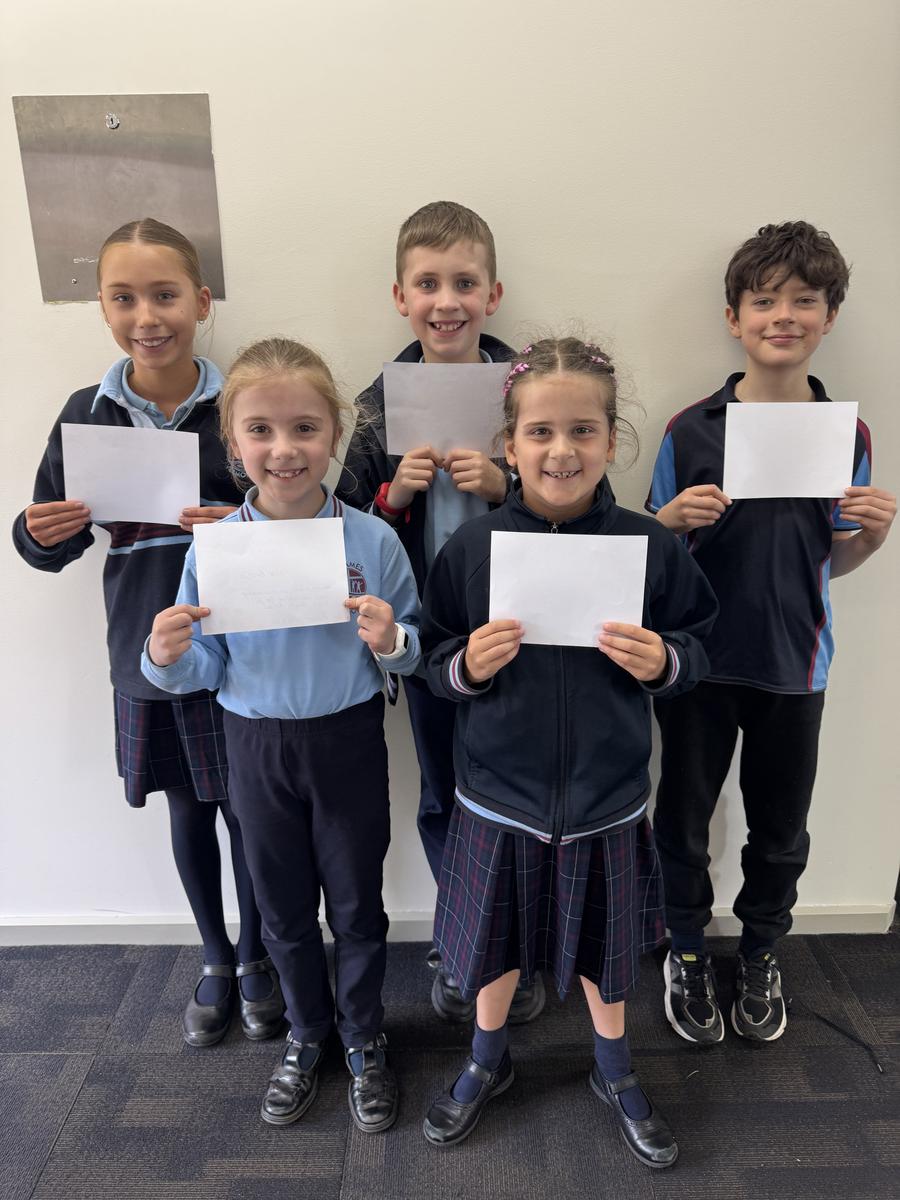
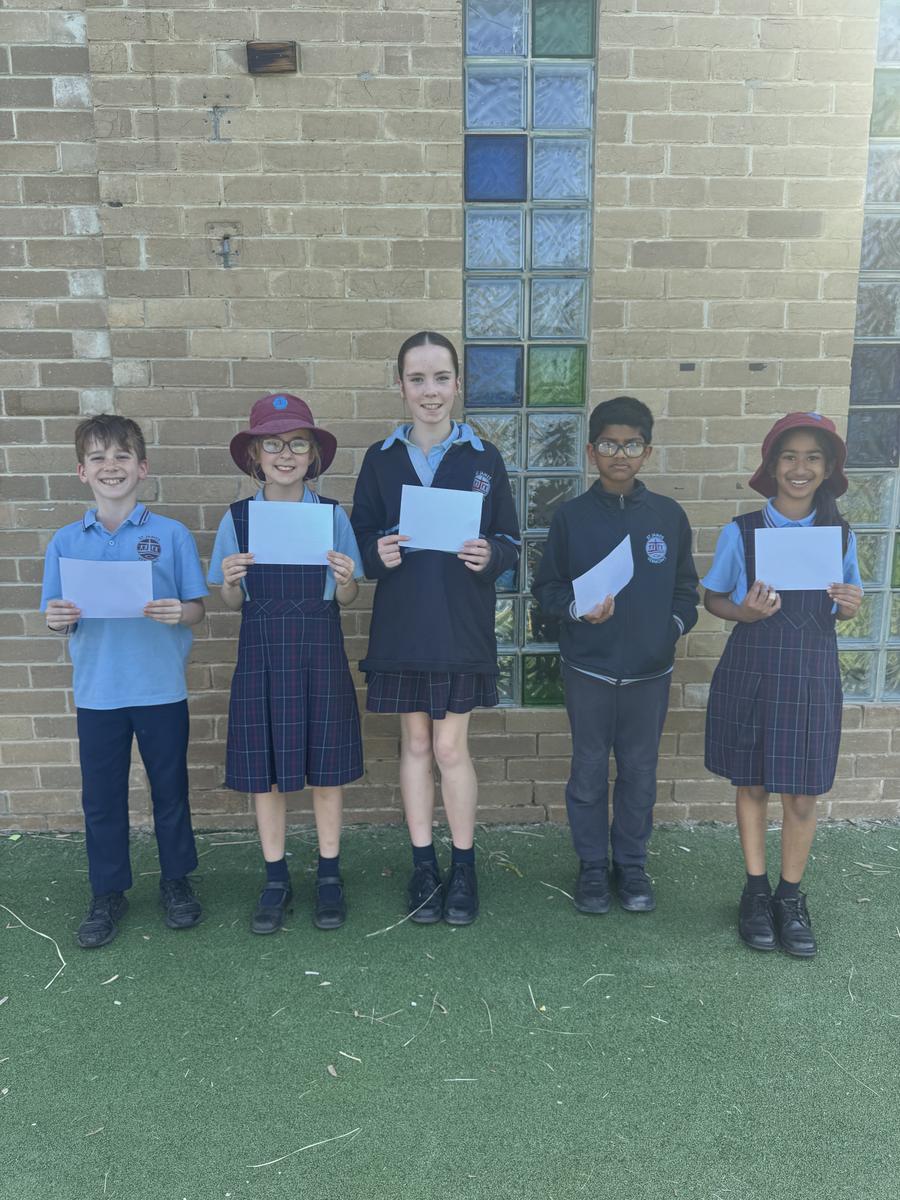
Congratulations to the following students who received an
Empathy Award at Friday's Assembly.
Week 8: Courtney, Mia, Camden, Sienna, and Beorn.
Week 9: Ezra, Isla , Georgia, Chevaan, and Kiarra.
Please continue to reach out via email or phone should you have any questions or concerns. I am always happy to chat or meet with you to discuss anything wellbeing-related, and to work together in supporting your child’s social, emotional, and learning needs.
Monica De Leo
Student Wellbeing Leader
monica.deleo@sjvermont.catholic.edu.au
PARENTING RESOURCES
Kids Helpline is Australia's only free, private, and confidential 24/7 phone and online counselling service for young people aged 5 to 25 AND their parents/carers.
Counselling is currently offered by phone, Webchat and email.
Smiling Mind’s vision is to help every mind thrive.
Their mission is to provide accessible, lifelong tools to support healthy minds.
It includes sections for parents, teachers and students with practical strategies
and resources to support your child's wellbeing.
Reliable, and up-to-date information to help your family grow and thrive together.

A social service agency of the Catholic Archdiocese of Melbourne, offering a range of programs and services that aim to build and strengthen relationships.

Regularly updated with information, advice and strategies to help you manage your wellbeing and mental health during this time. And you can stay up-to-date by joining our email community.