Japanese
Minasan Konnichiwa! (Hello everyone.)
Welcome to Week 5 Japanese!







Japanese
Minasan Konnichiwa! (Hello everyone.)
Welcome to Week 5 Japanese!
Introducing family members
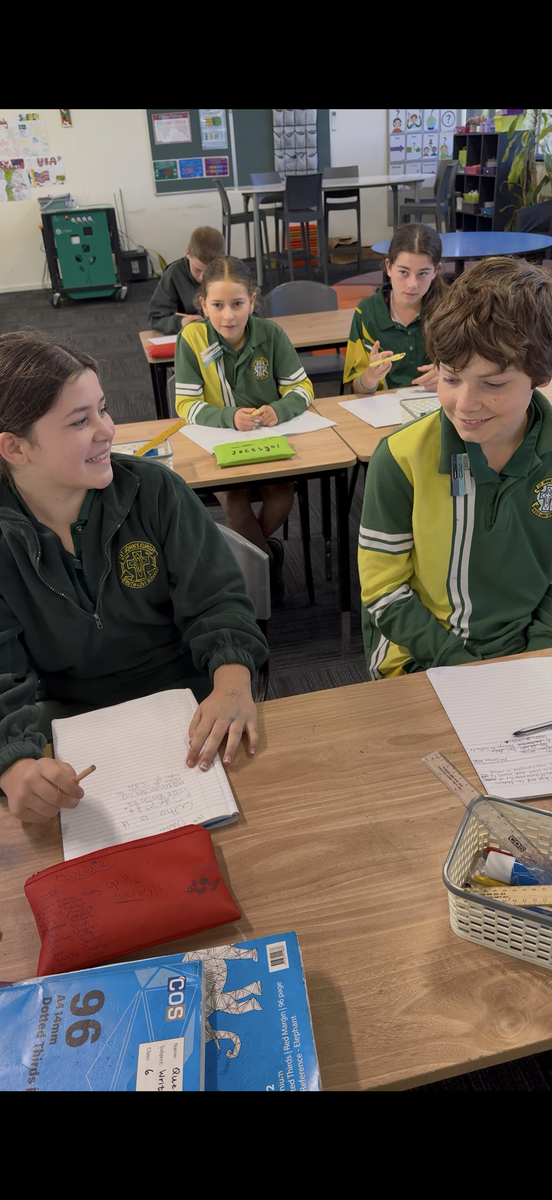
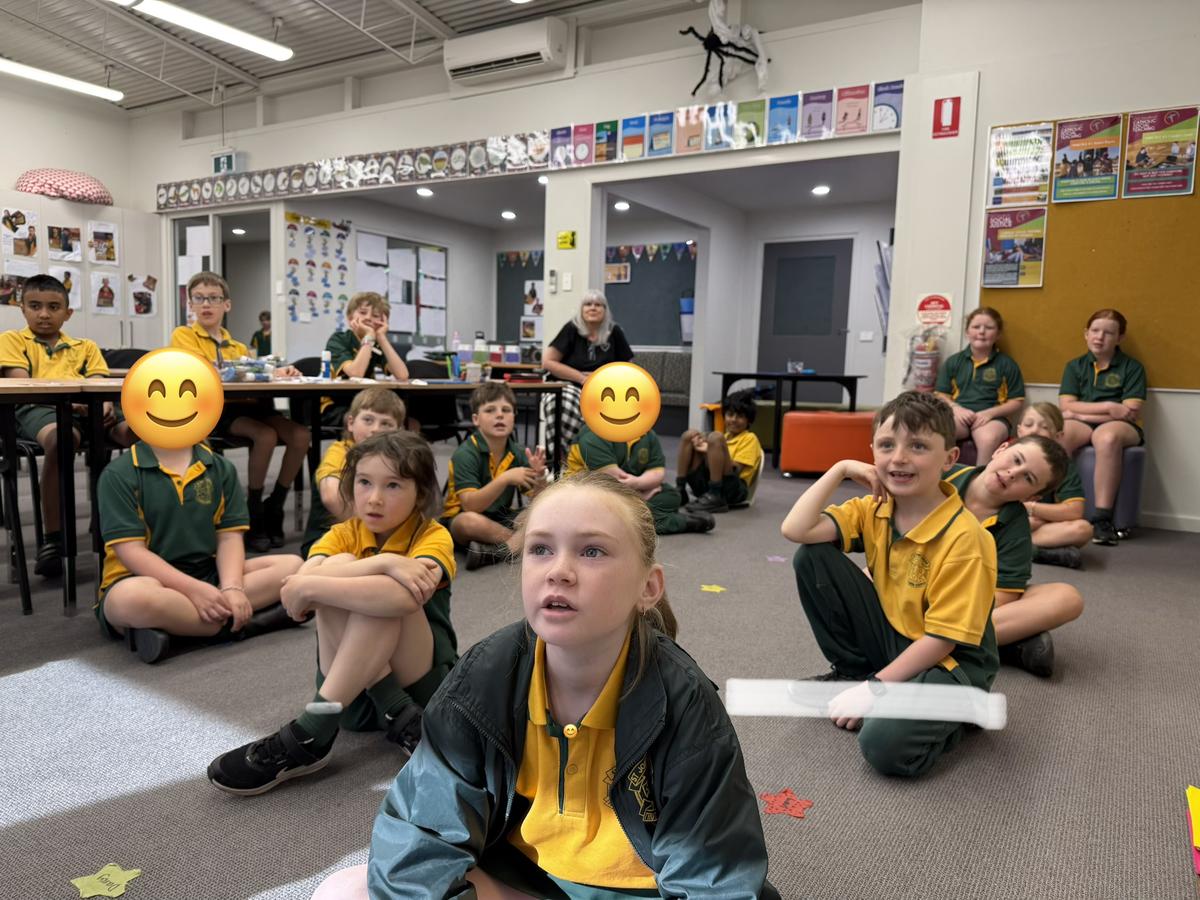
Year 3-6 students have been practicing how to introduce family members in Japanese. Students are using the vocabulary they learnt last term about family members, and are now focused on practicing 3 sentences each about a family member e.g. mum, dad. They had an assessment session consisting of pair conversations in Japanese, asking family-related questions such as “Who is it?” and answering “It’s my dad/uncle etc. He is ___years old. He likes sports/music/cooking etc.” The conversations went smoothly and everyone gained more confidence speaking in Japanese!
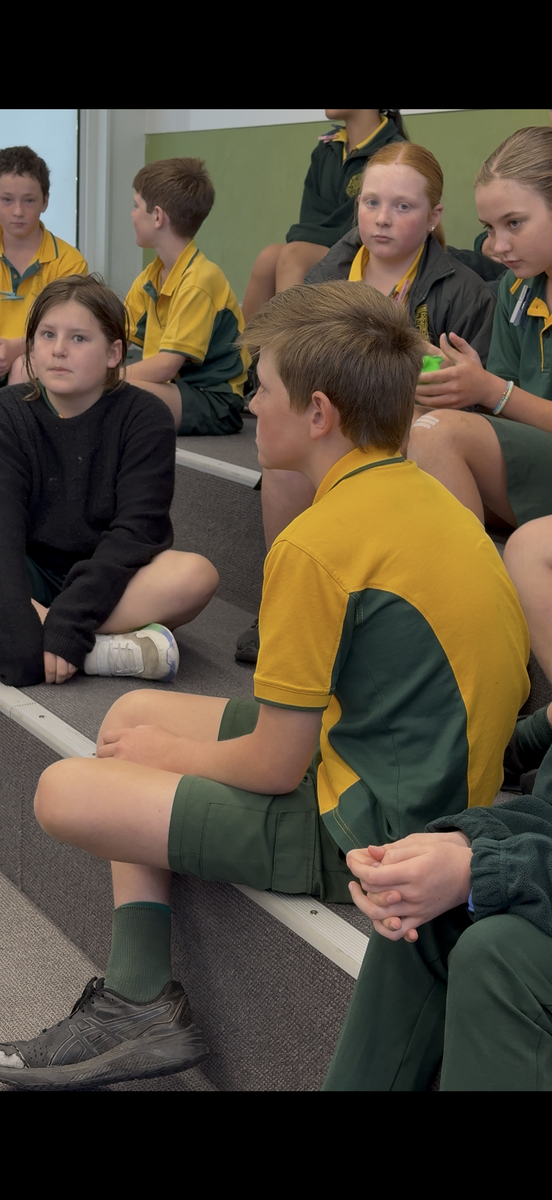
Things around the classroom
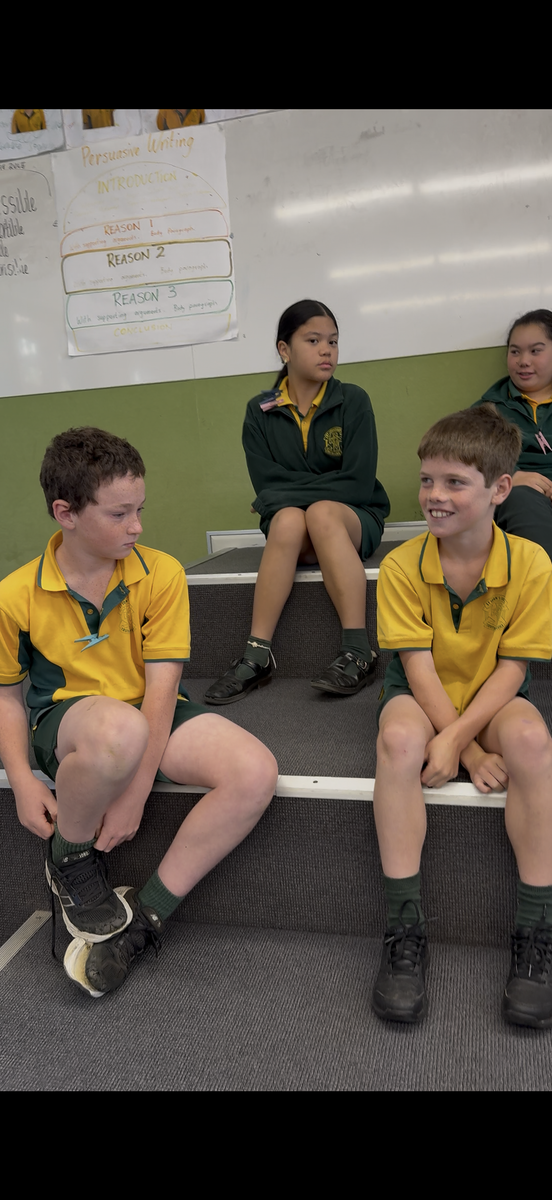
Students have been learning how to identify the names of classroom items, such as table, chair, door, window, pencil case, rubber, hat, drink bottle, bag, uniform etc. They are aiming to learn 15 words. We also have been talking about what Japanese students have in their classrooms.
Songs
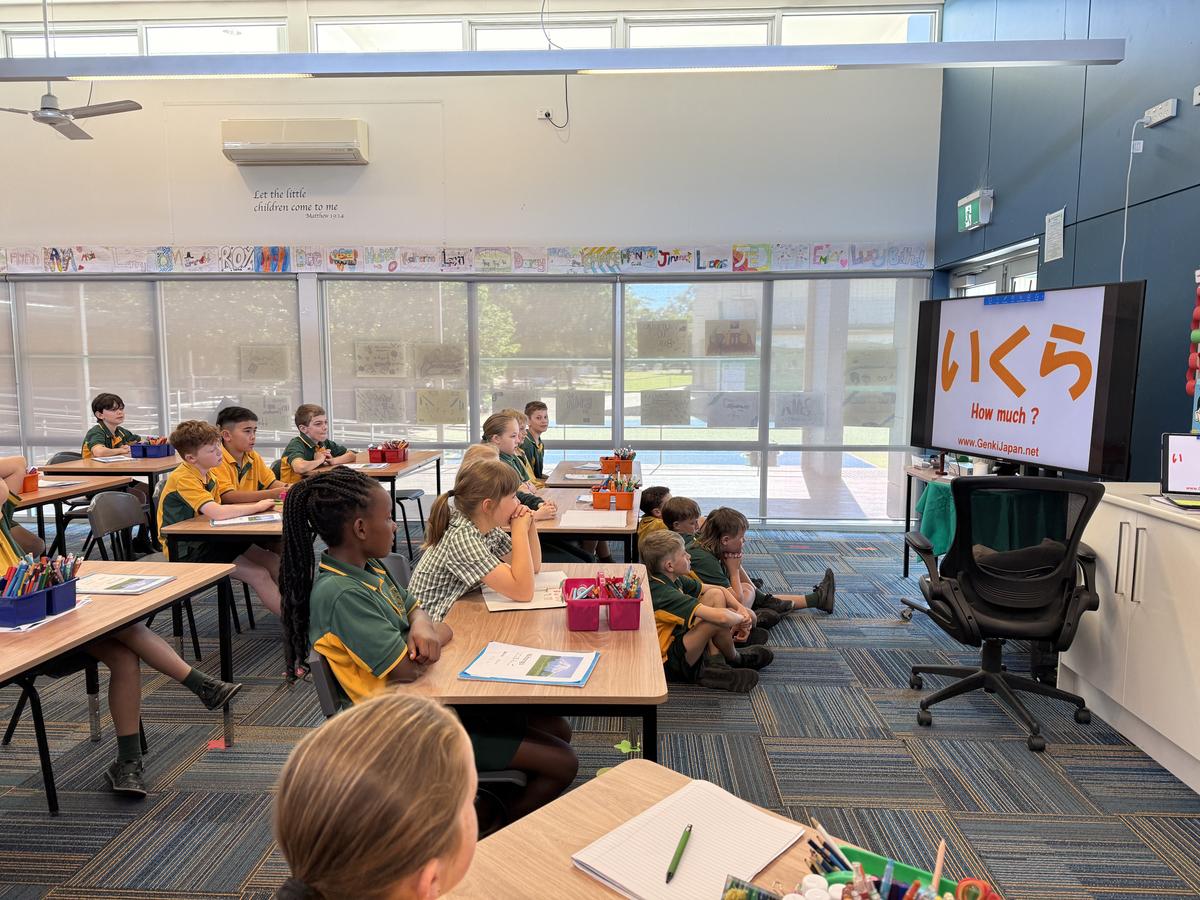
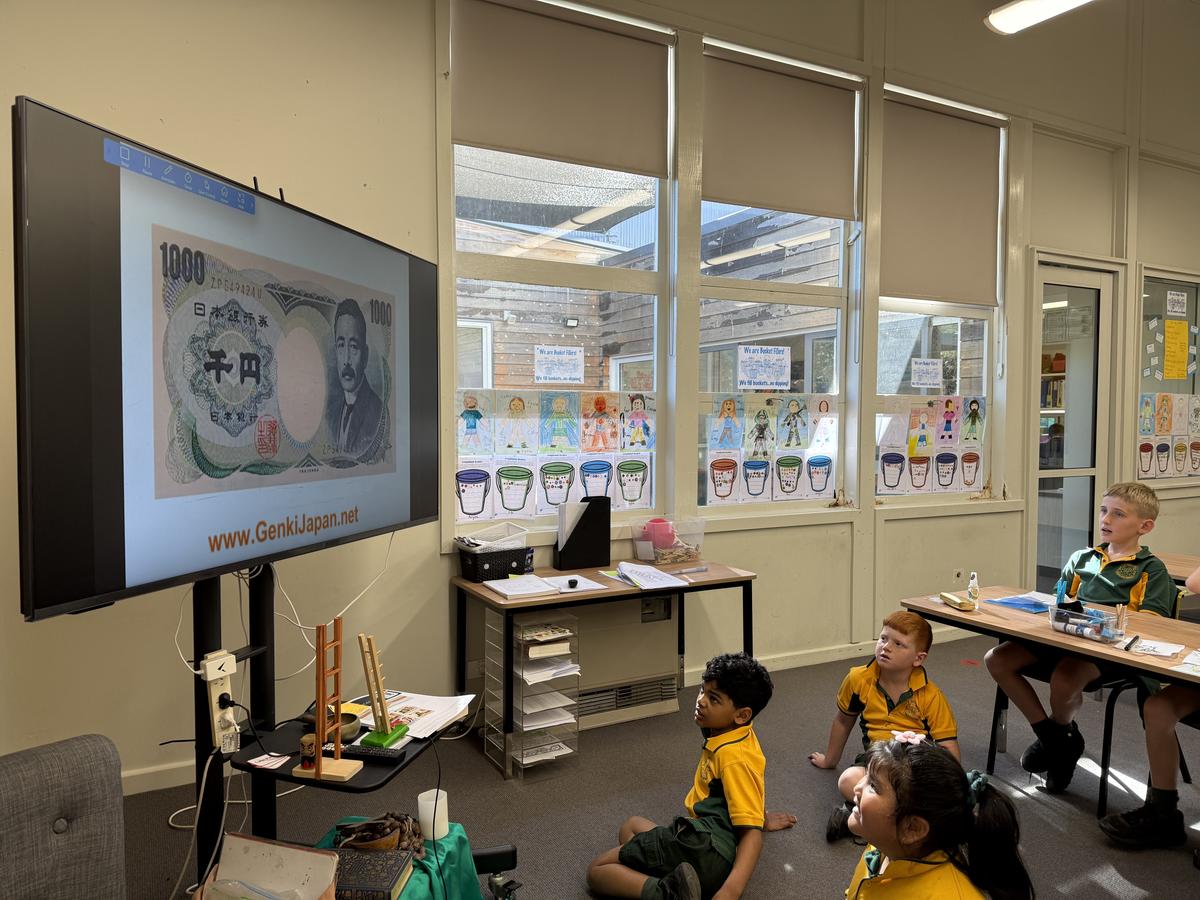
Through learning songs in Japanese, students practiced saying body parts, count Japanese money, classroom items, days of the week, how to count people, solid items and small animals.
Writing
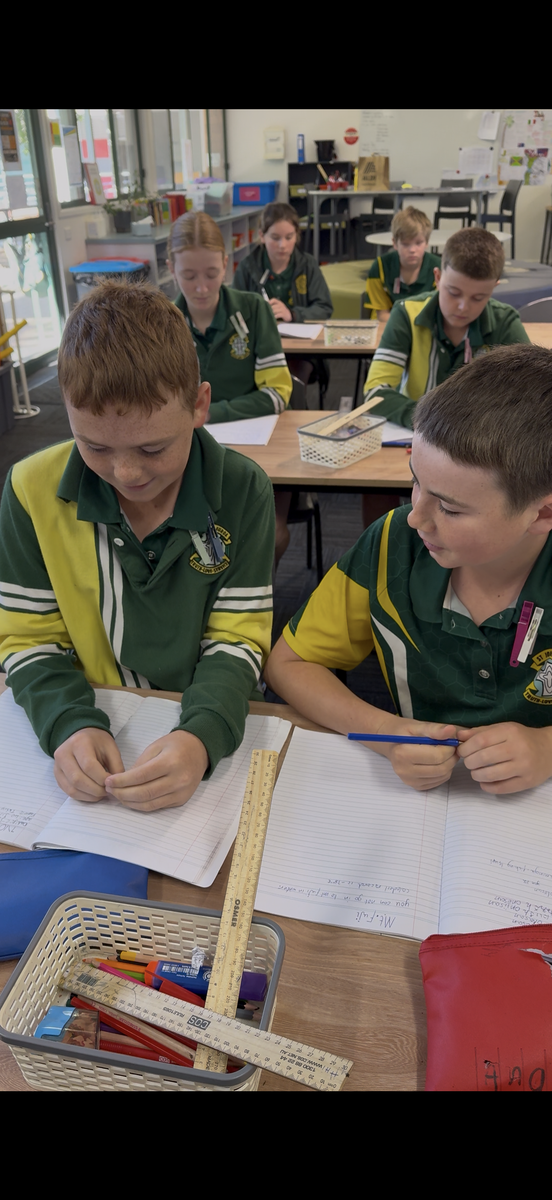
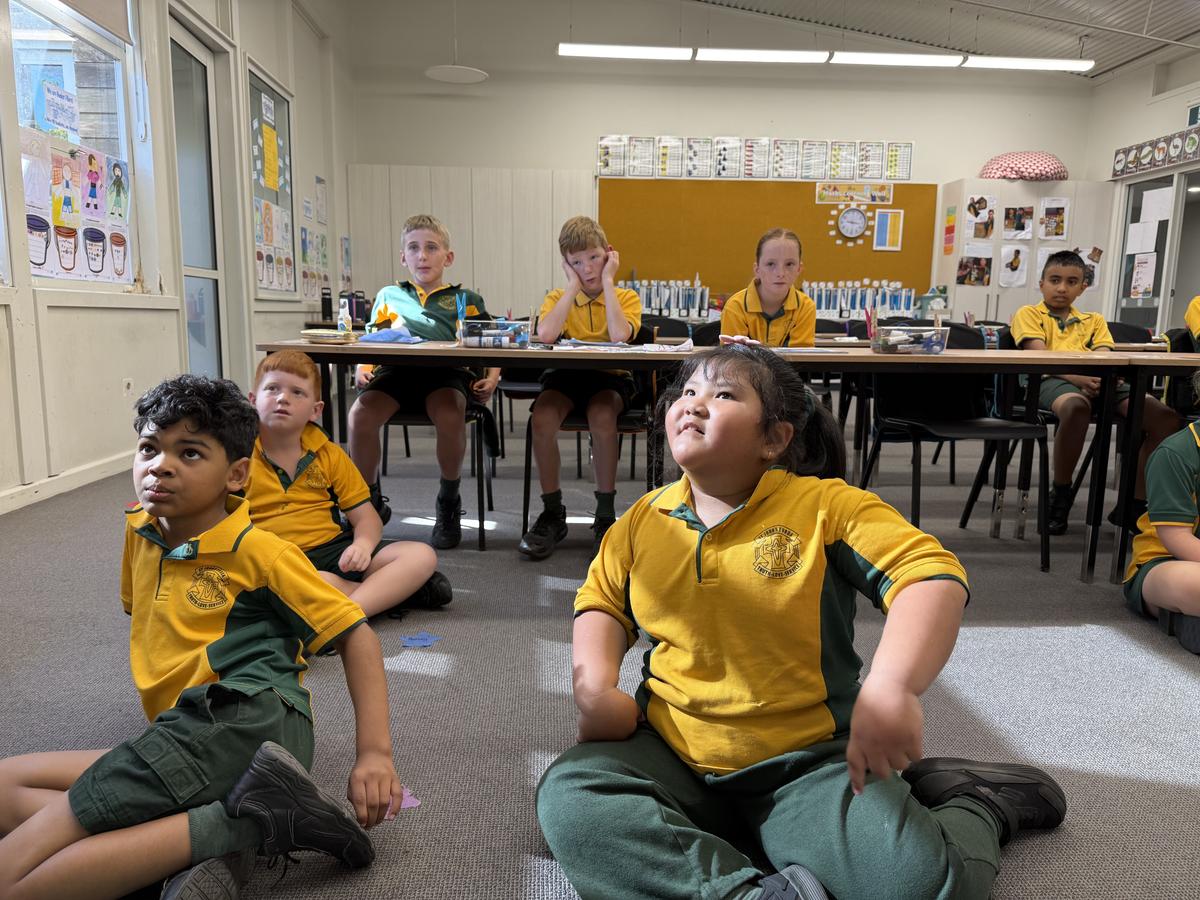
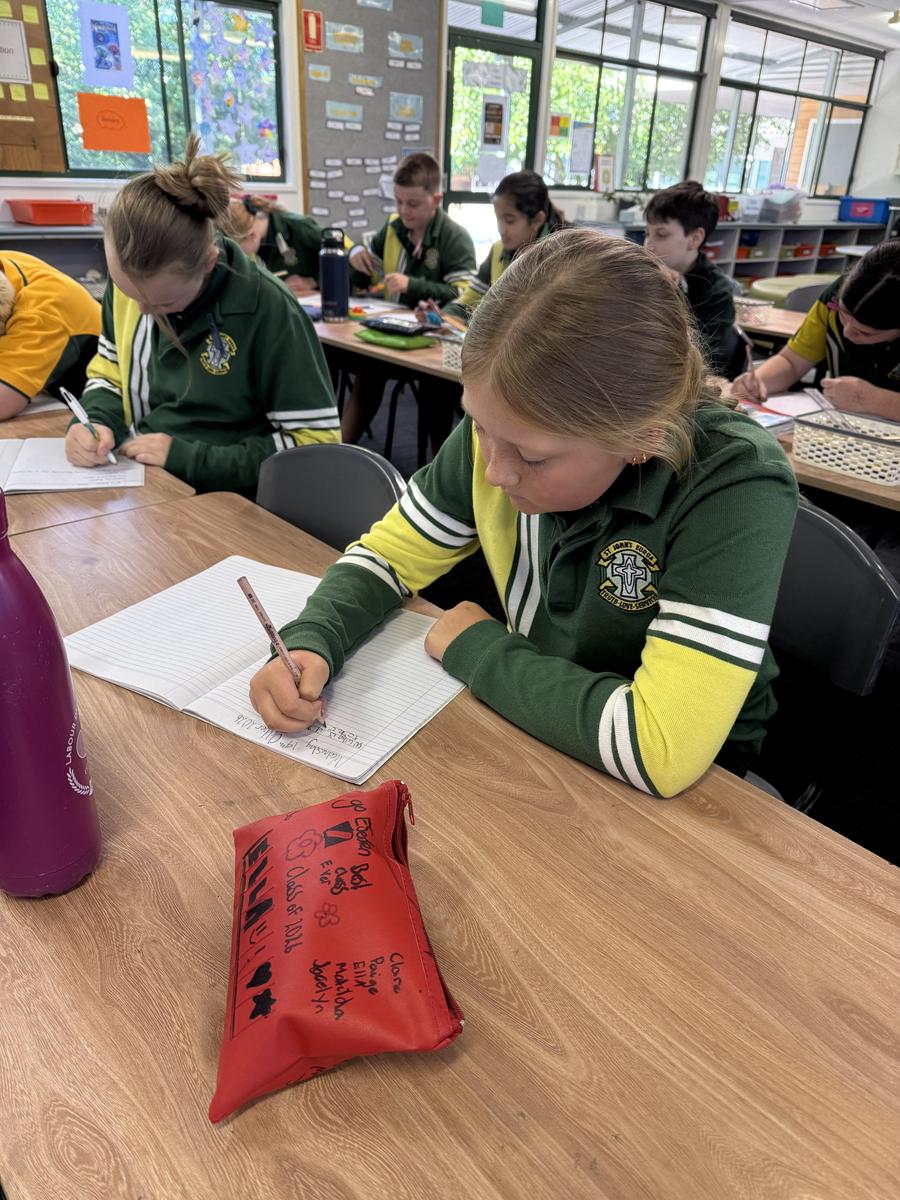
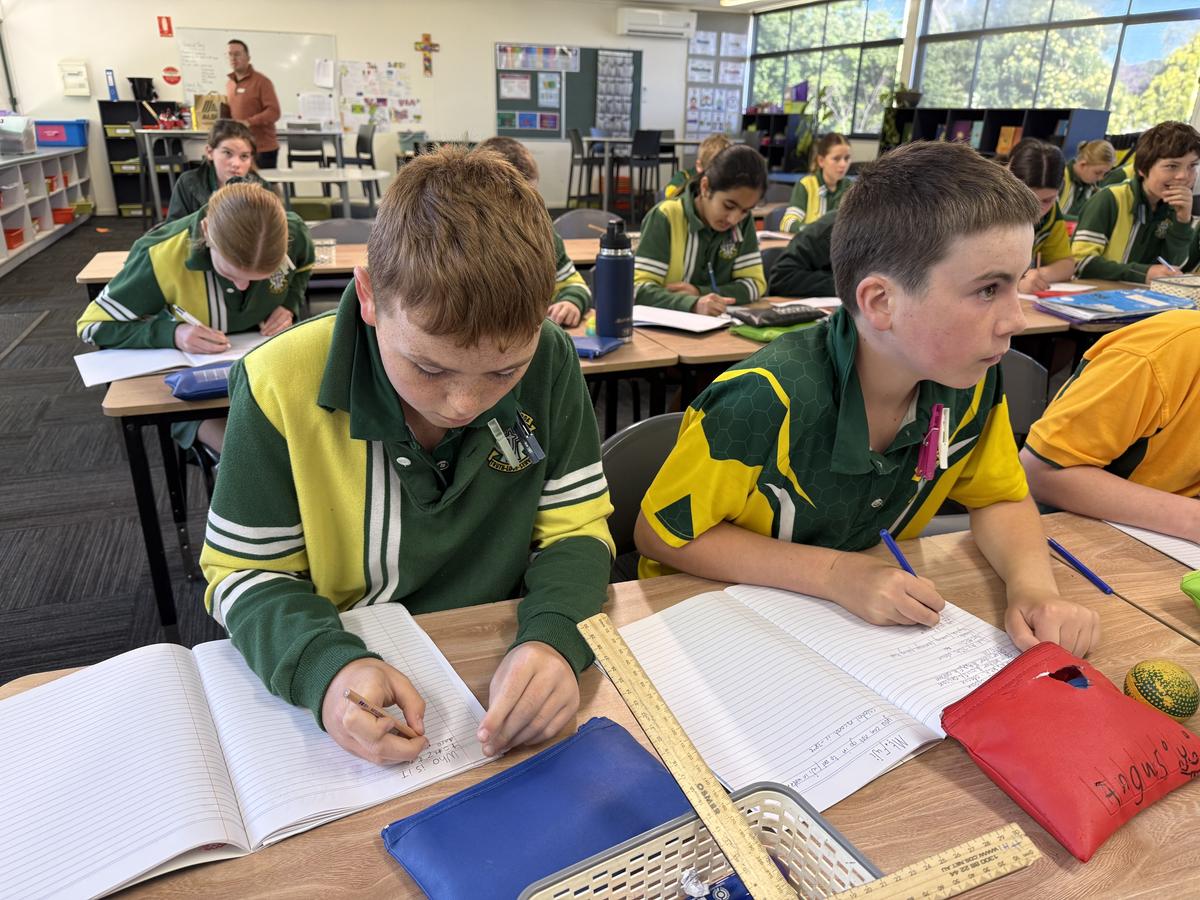
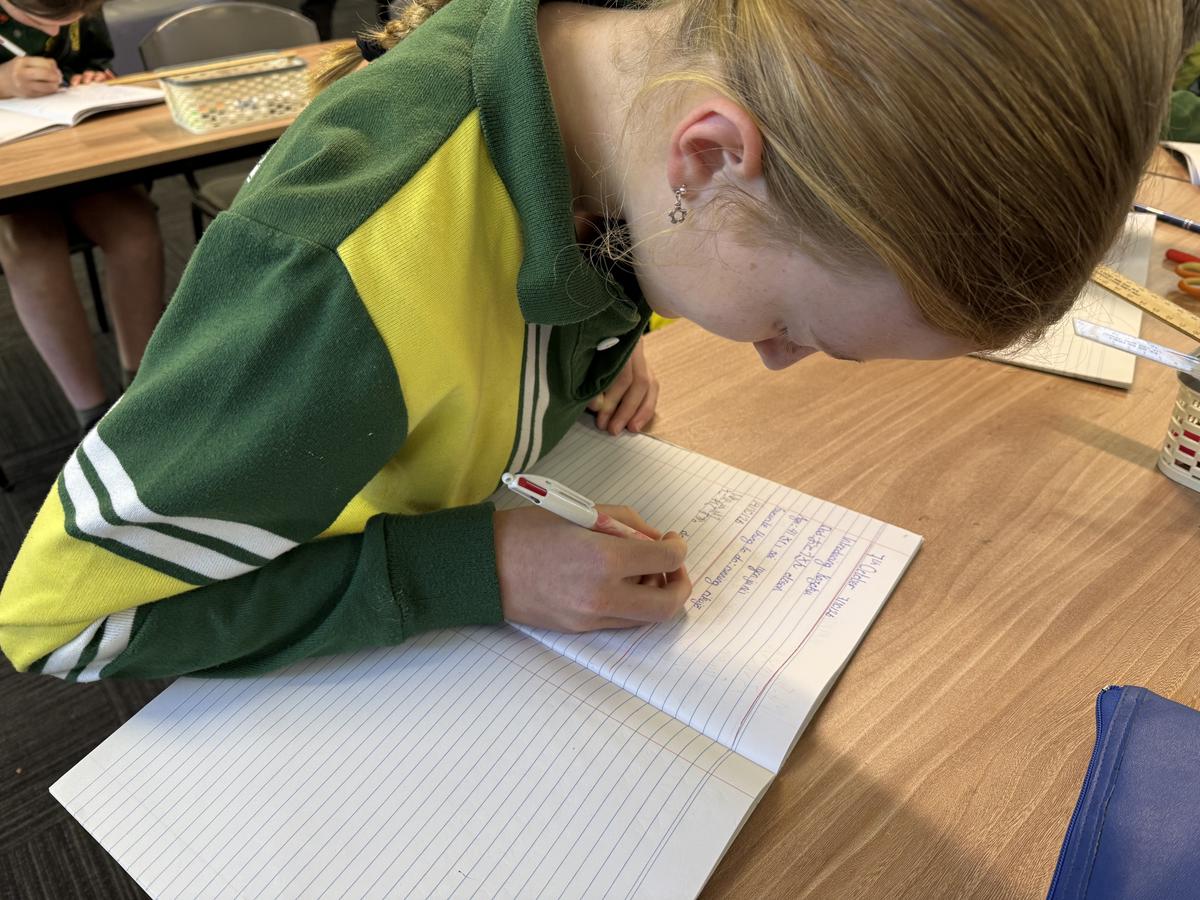
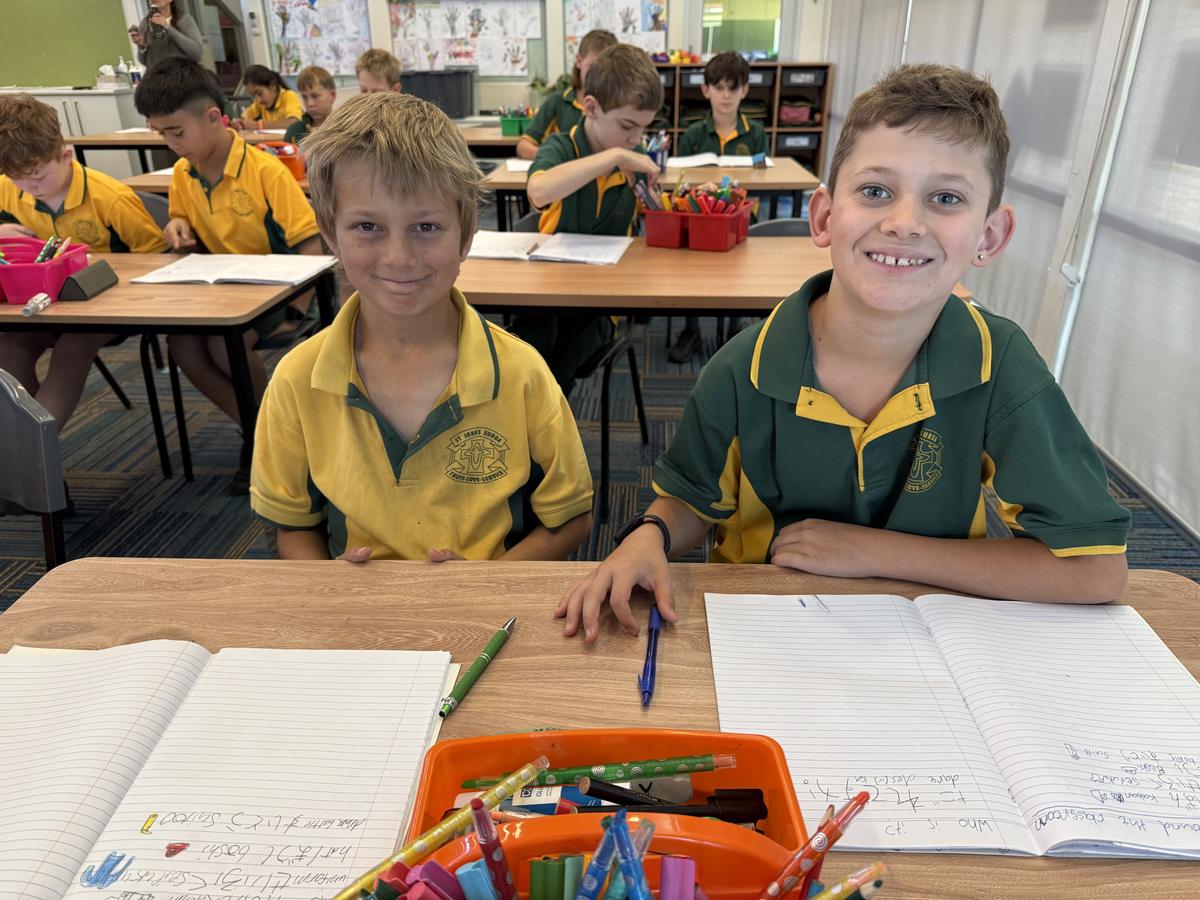
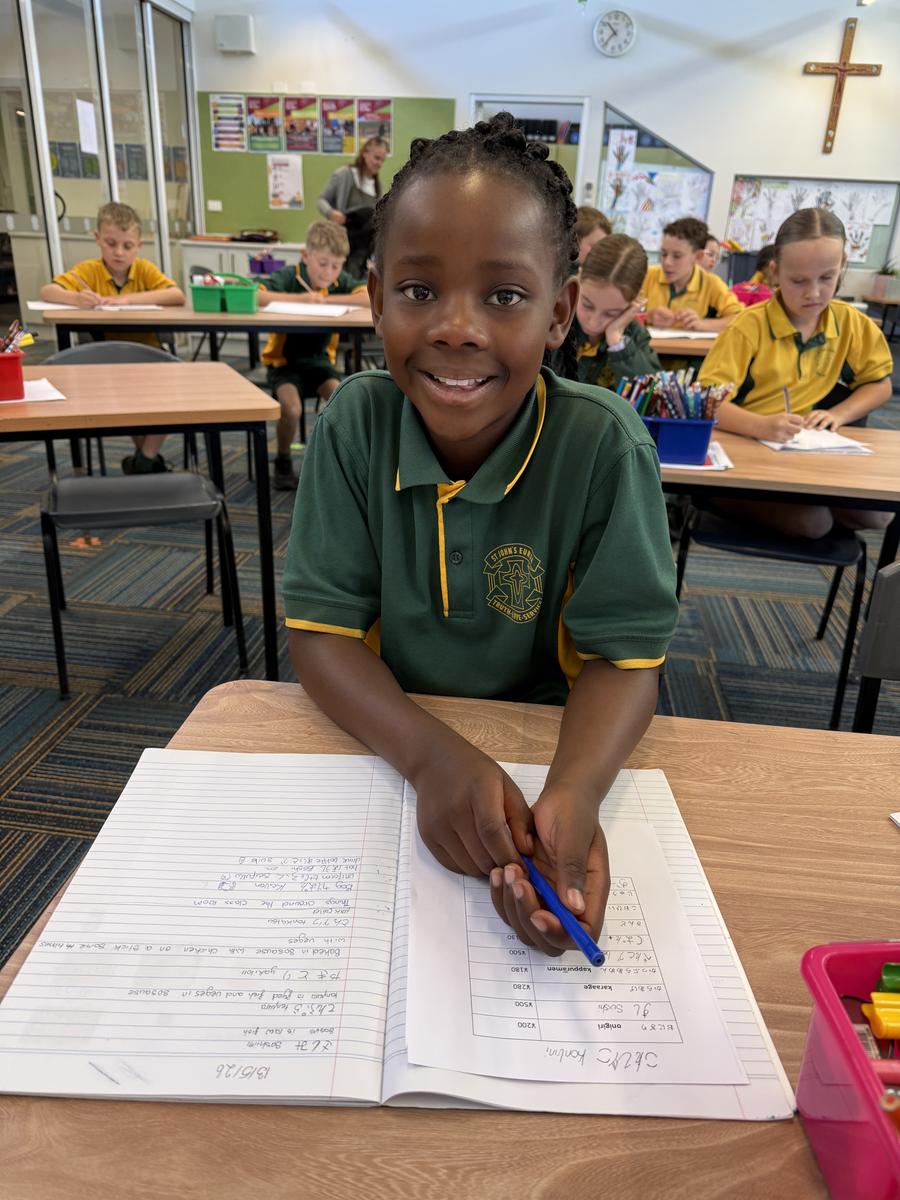
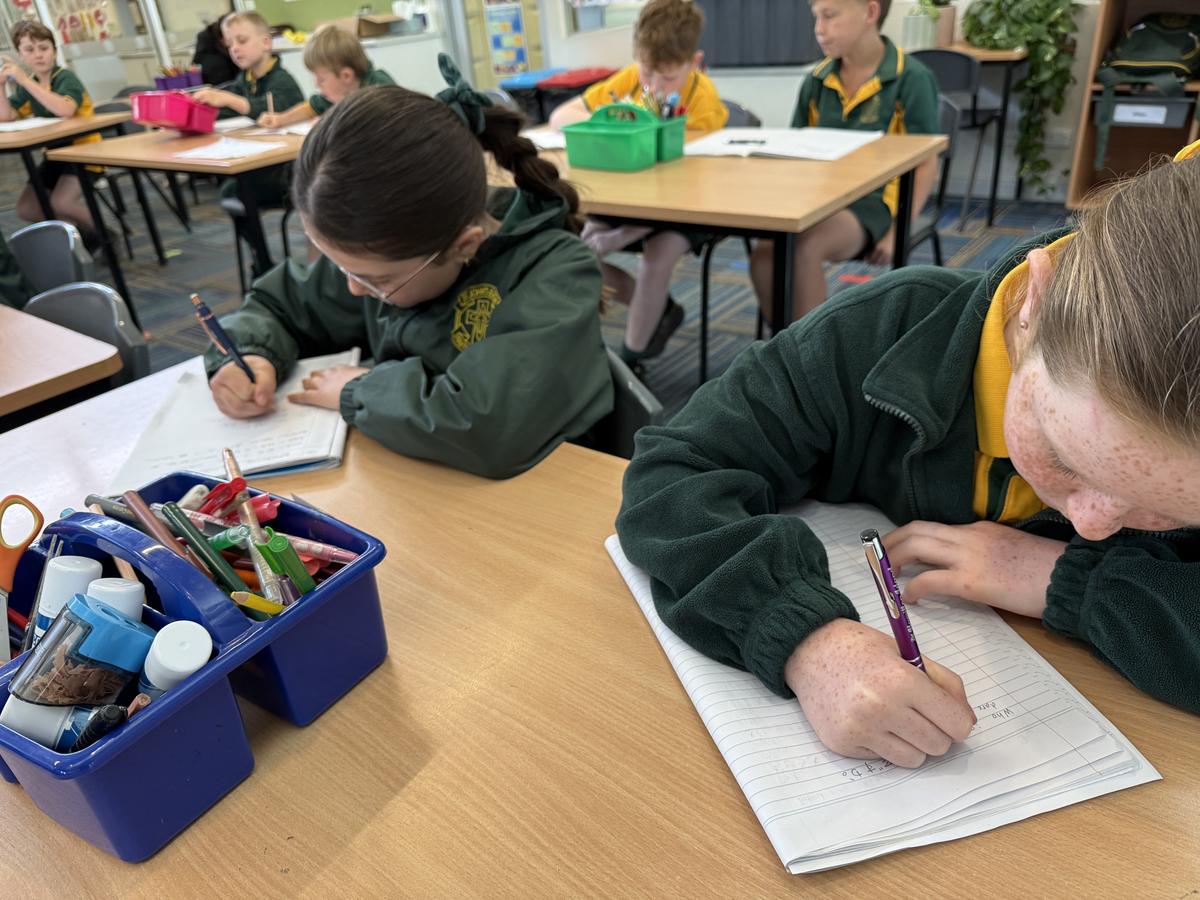
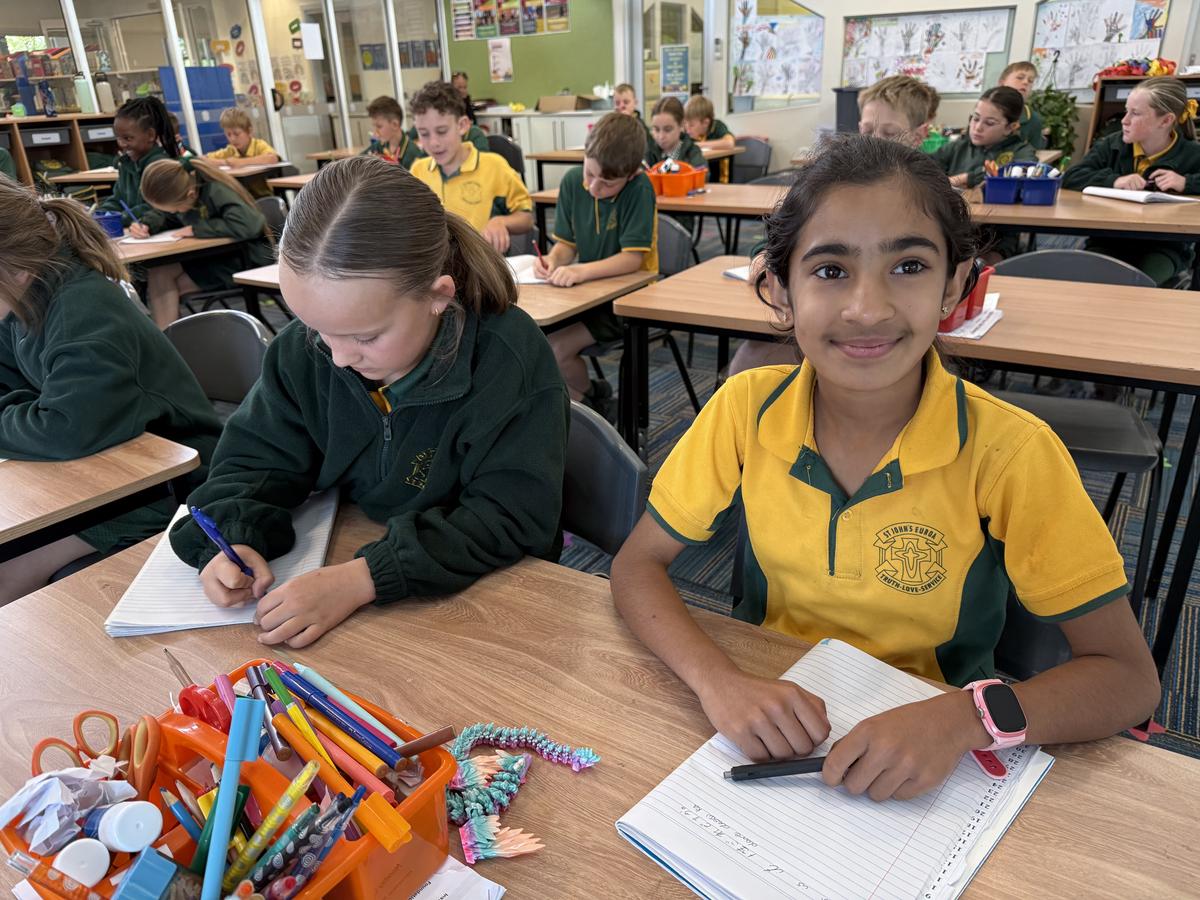
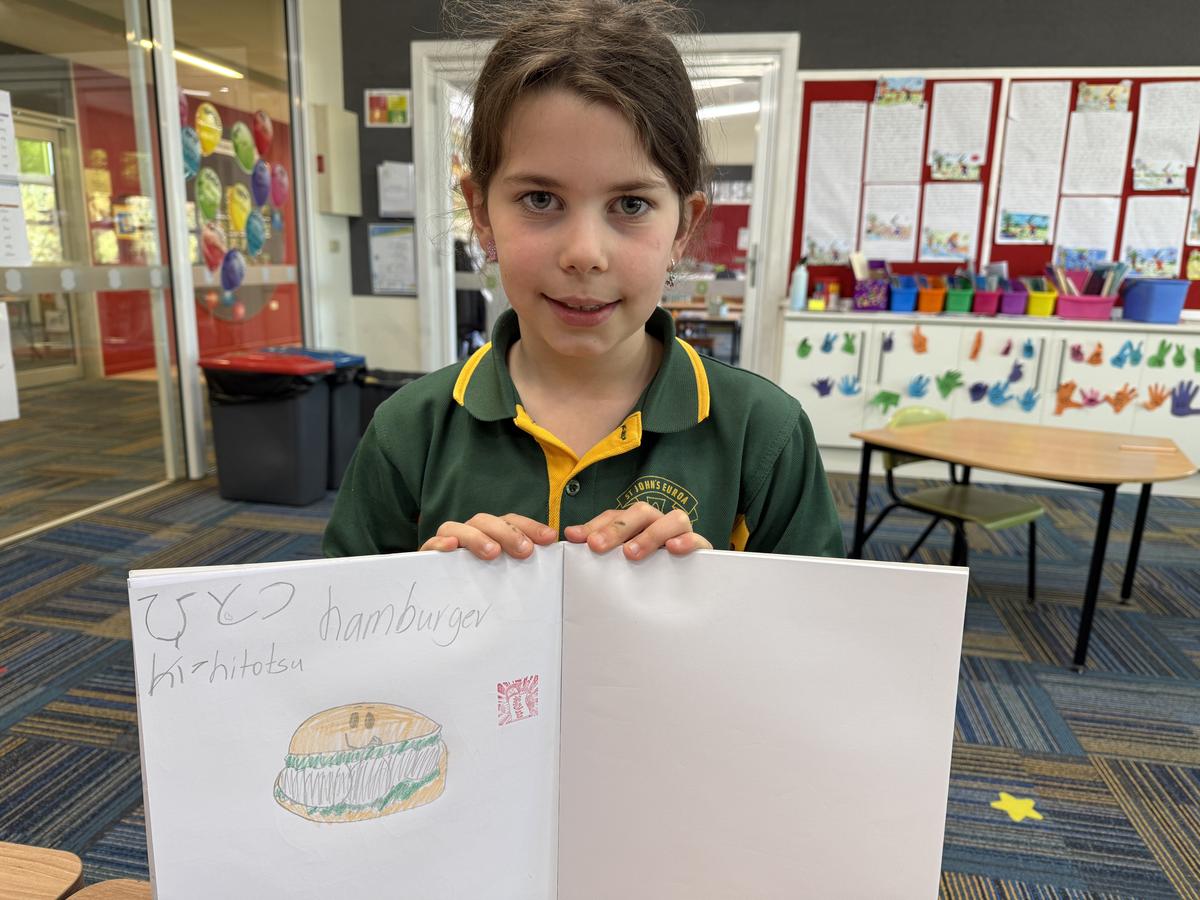
Students usually write 2 different kinds of writings in our Japanese class. One is called Hiragana, which is used for Japanese original words. Another one is called Romaji and it’s used to write Japanese words using the English alphabet. Many students are impressing me with their neat handwriting!
Origami
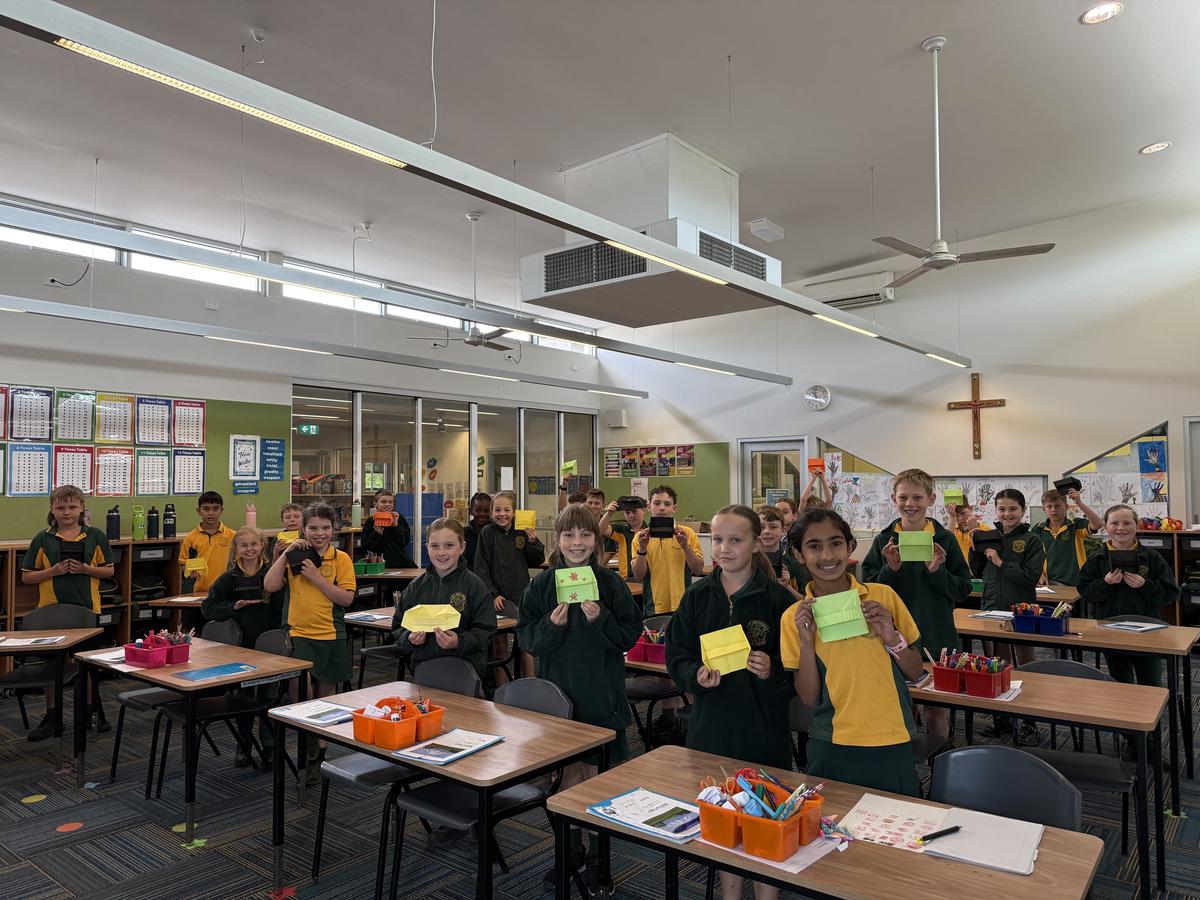
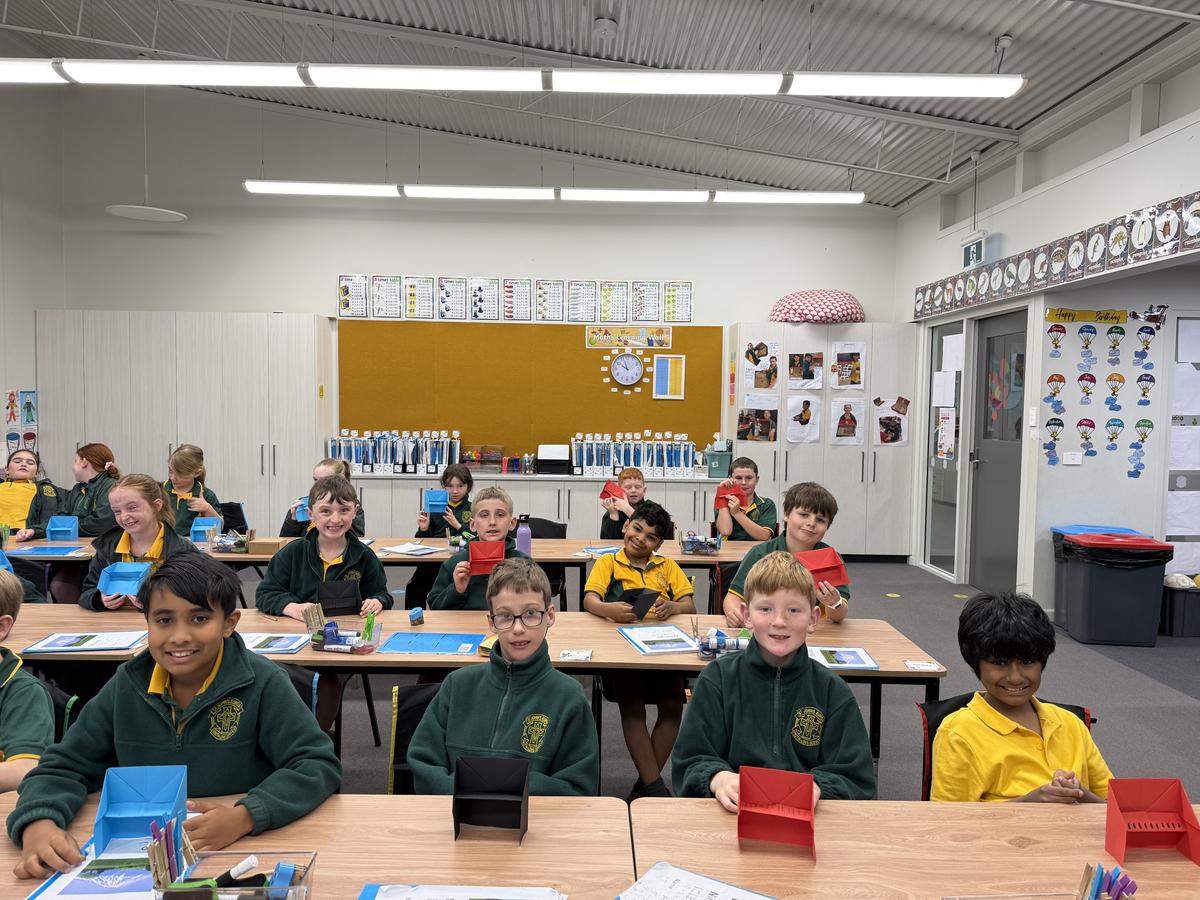
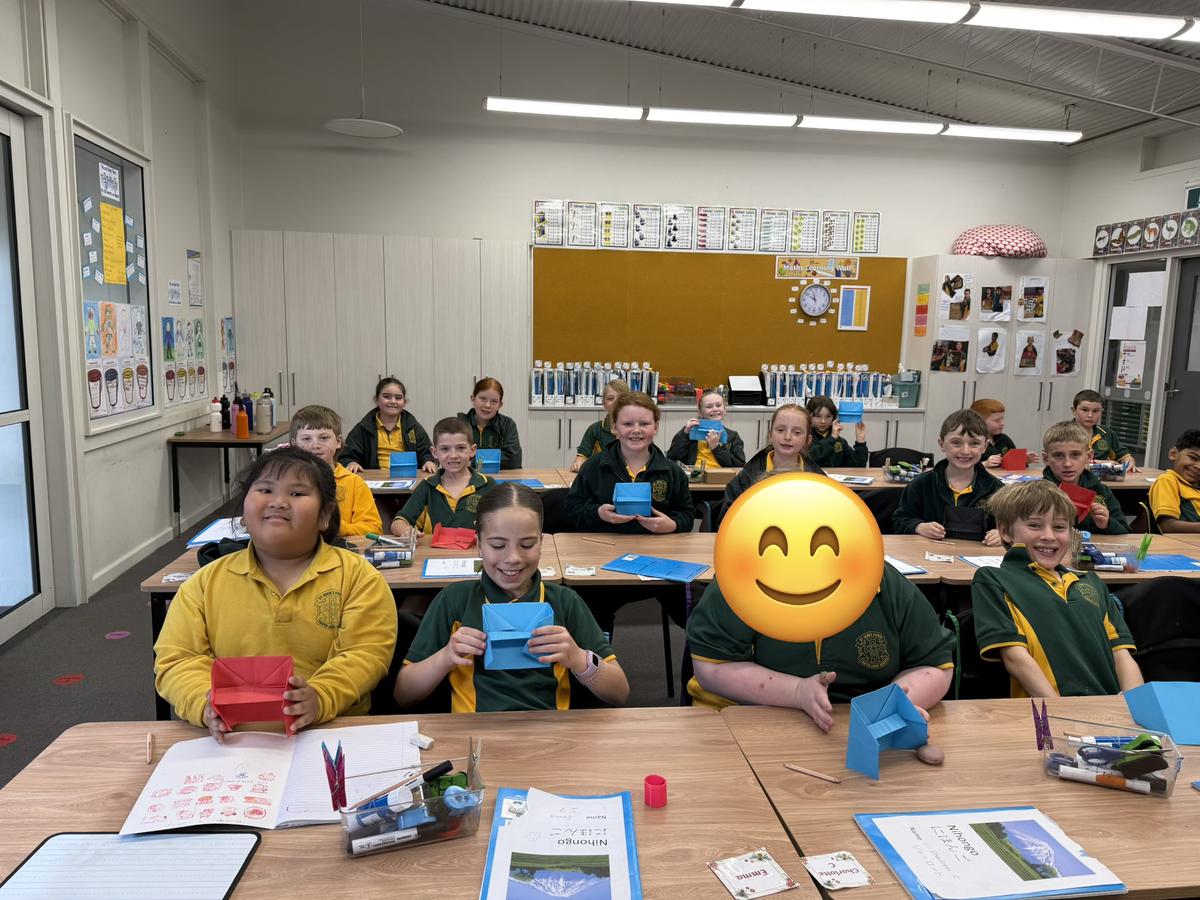
Year 6 have been working on their spinning tops since Term 3. It will be great when we finally finish this challenging Origami!
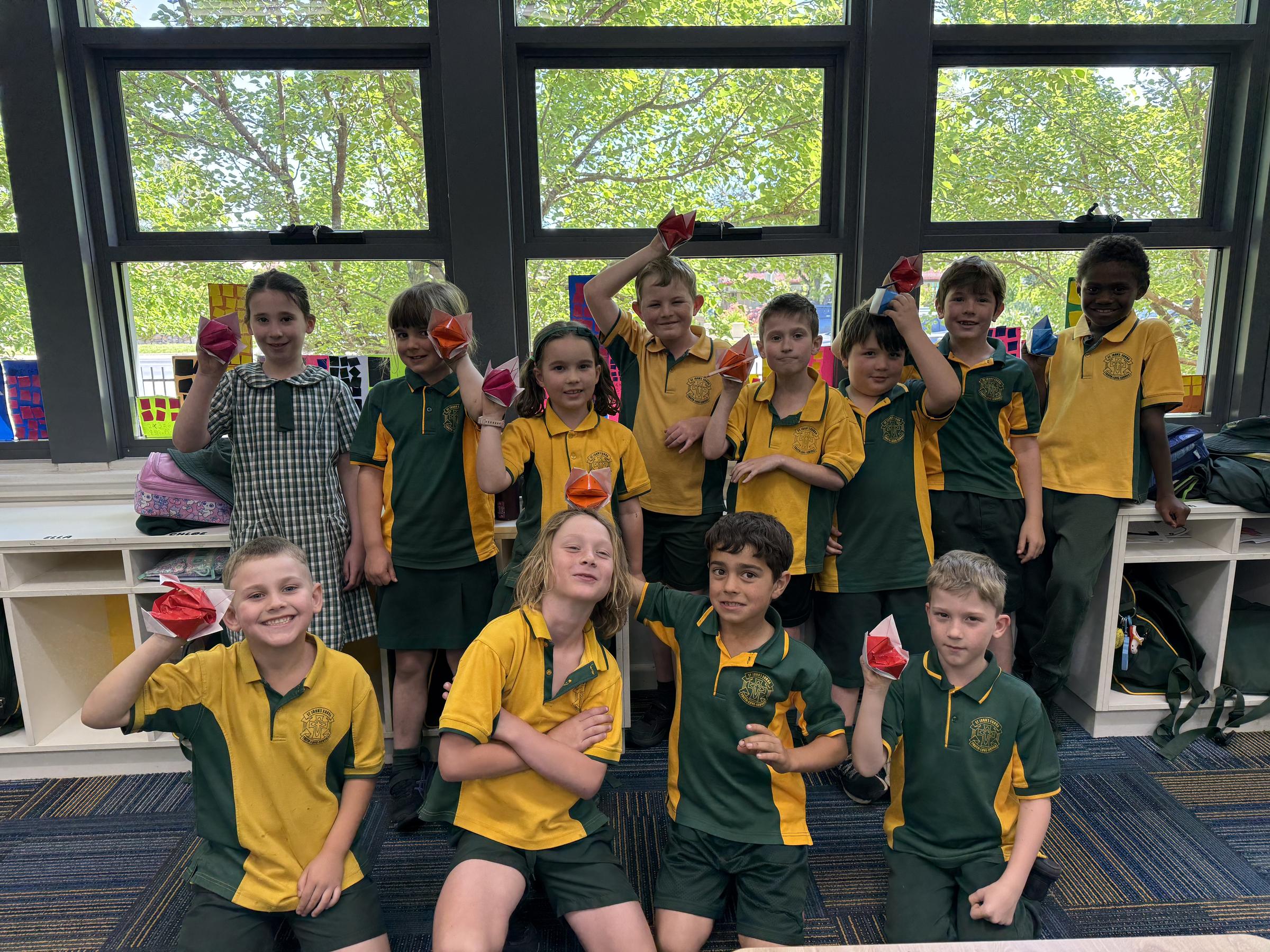
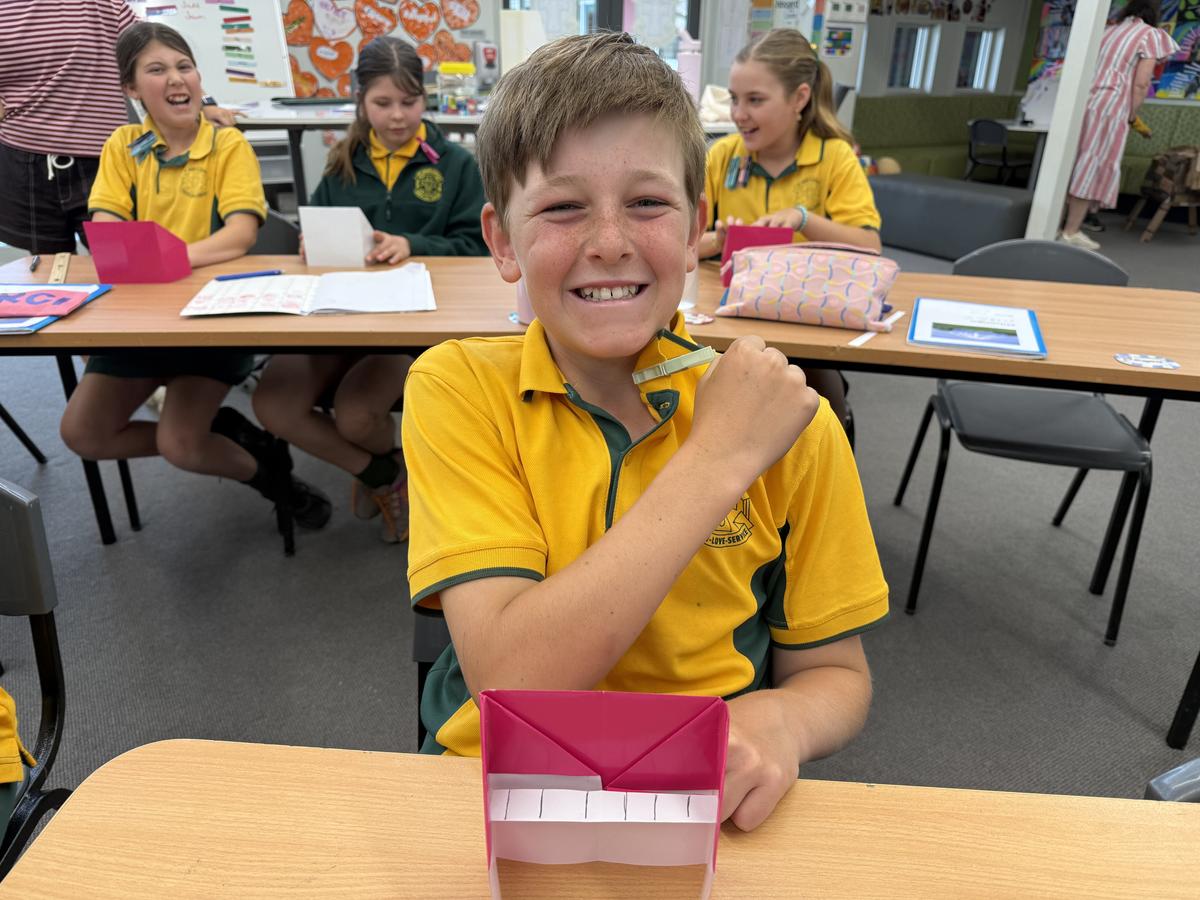
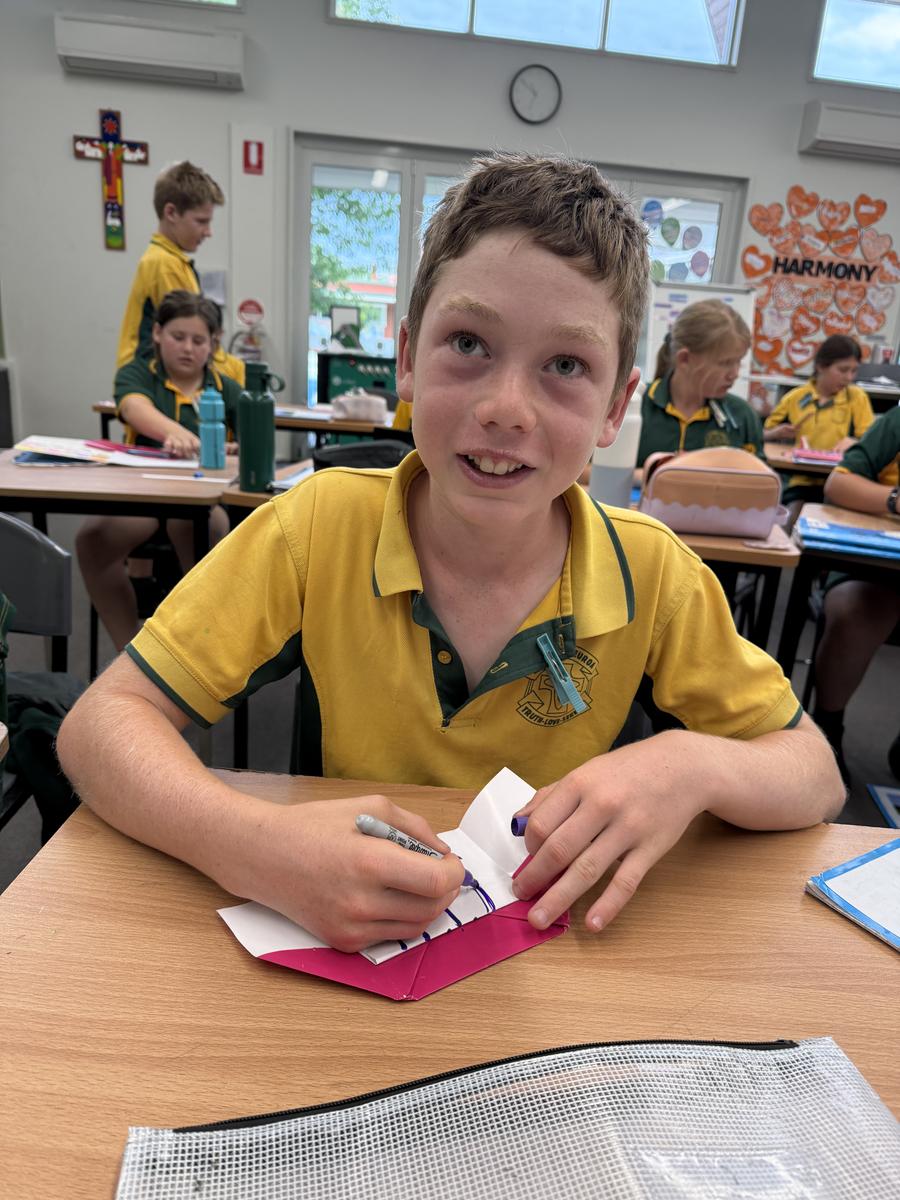
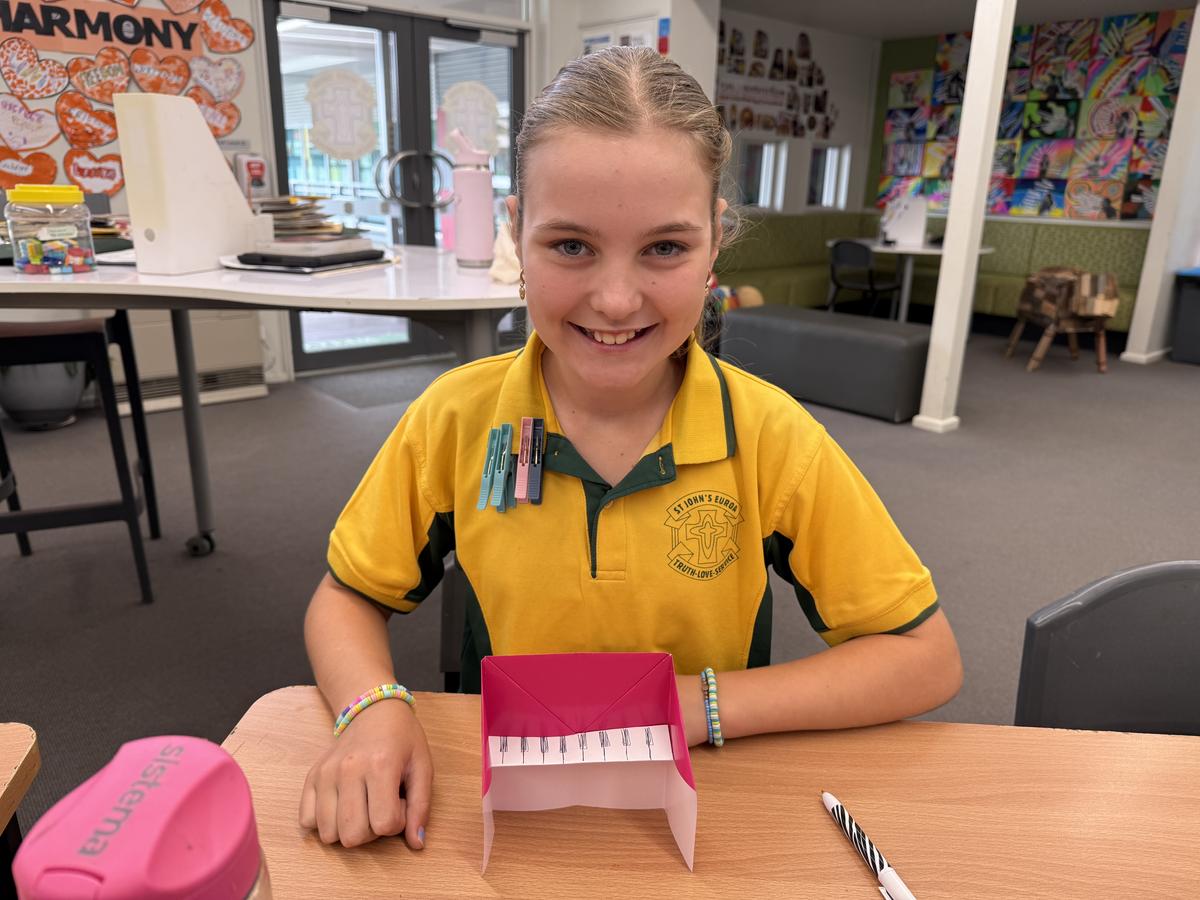
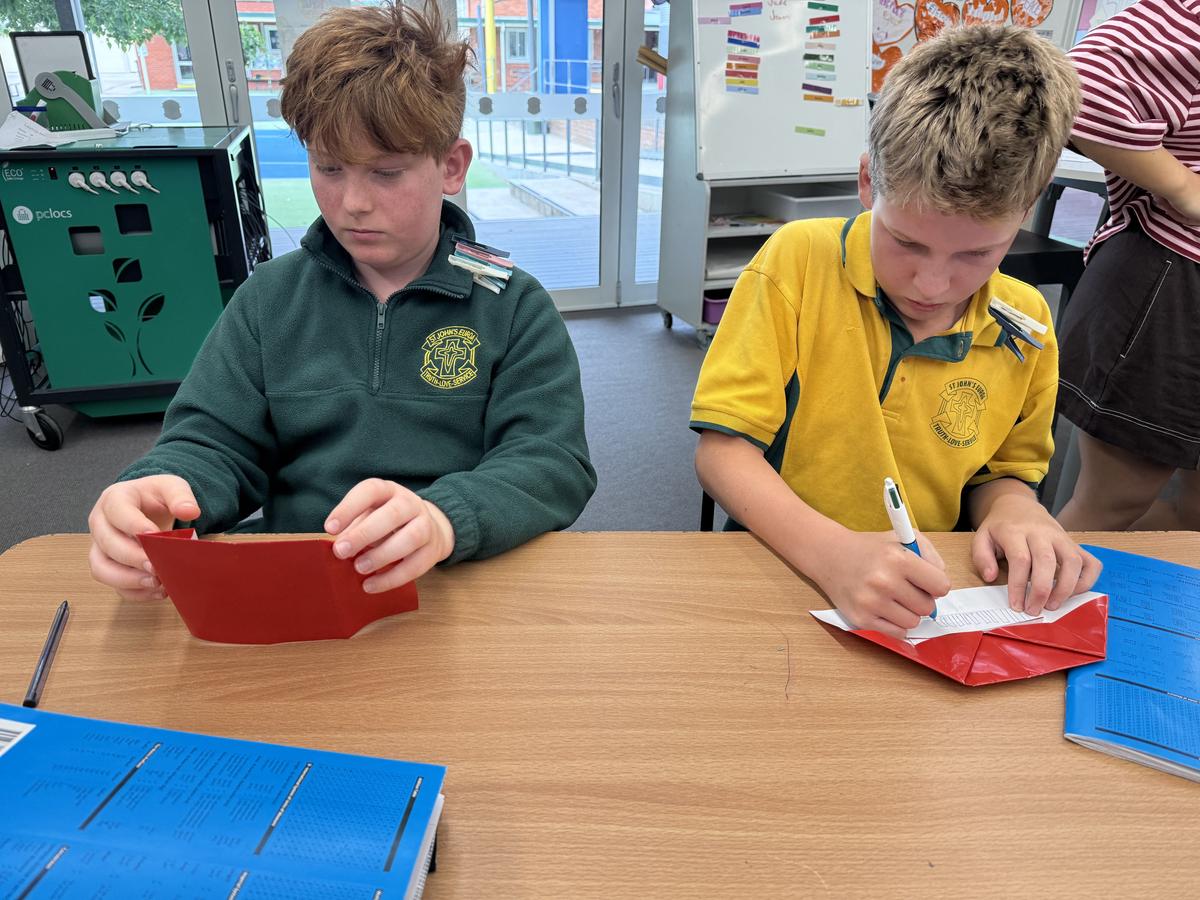
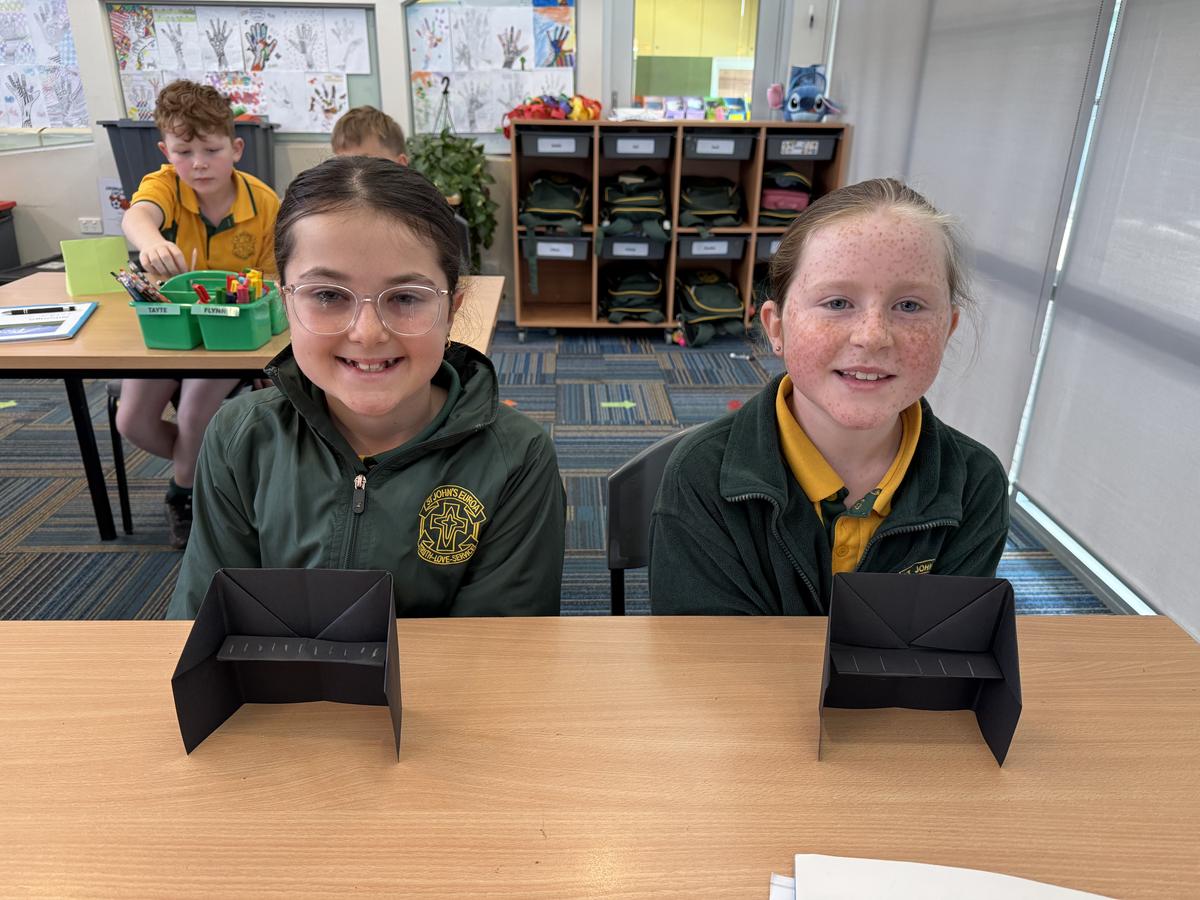
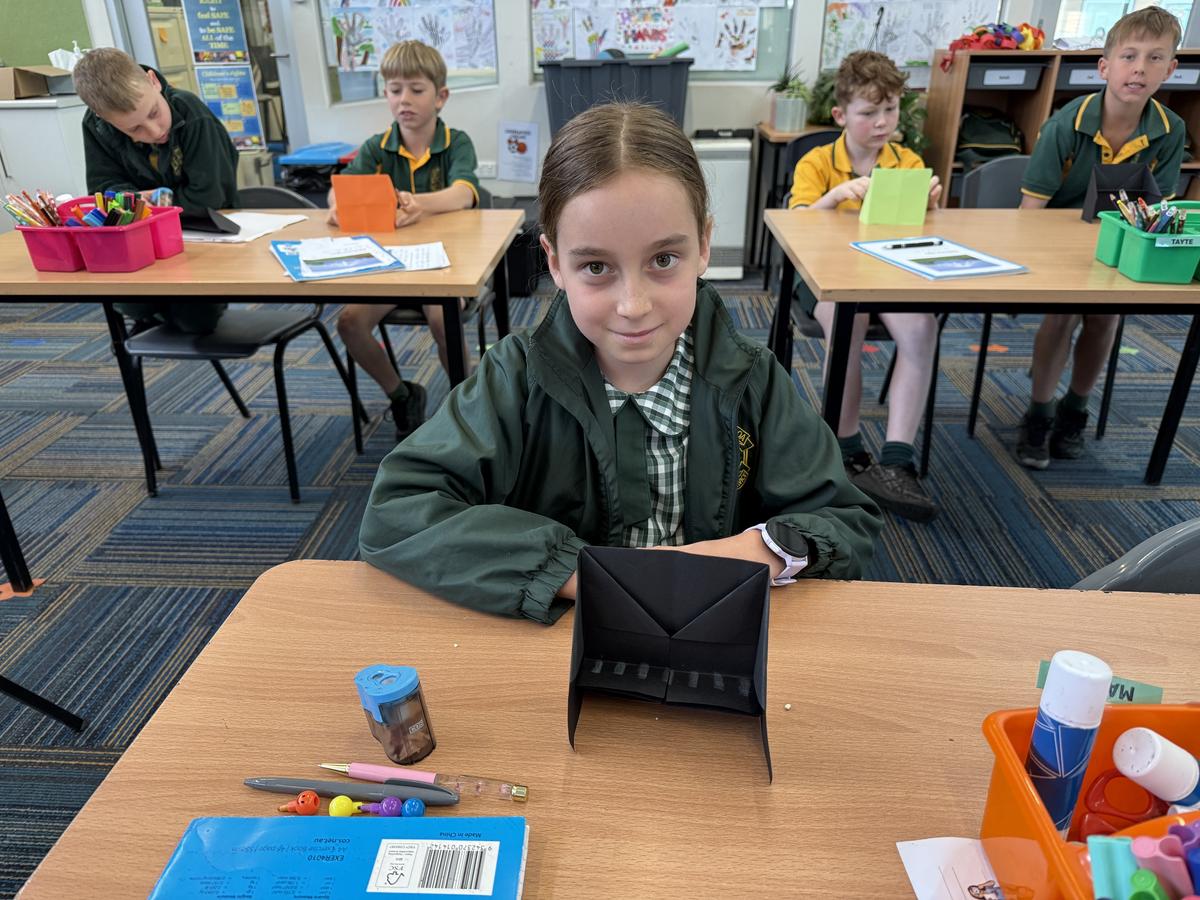
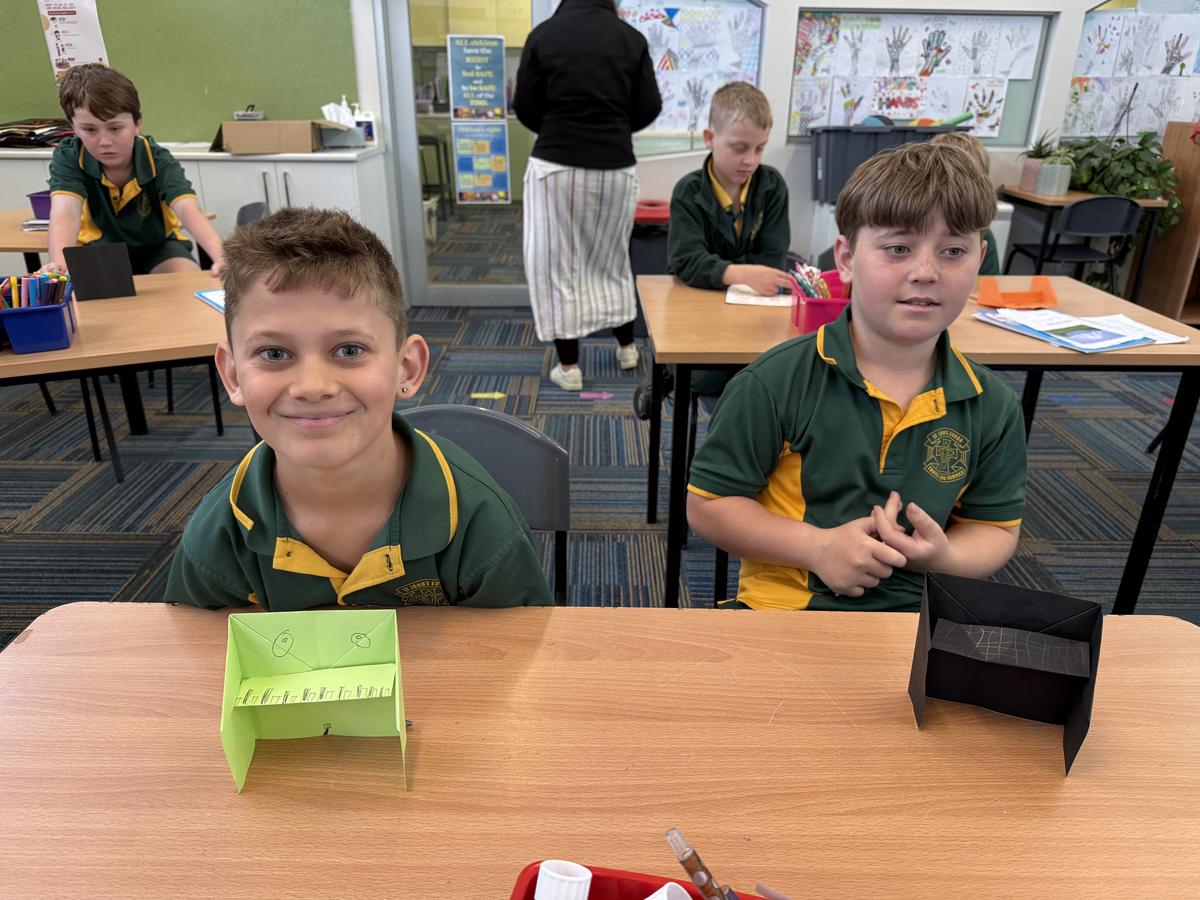
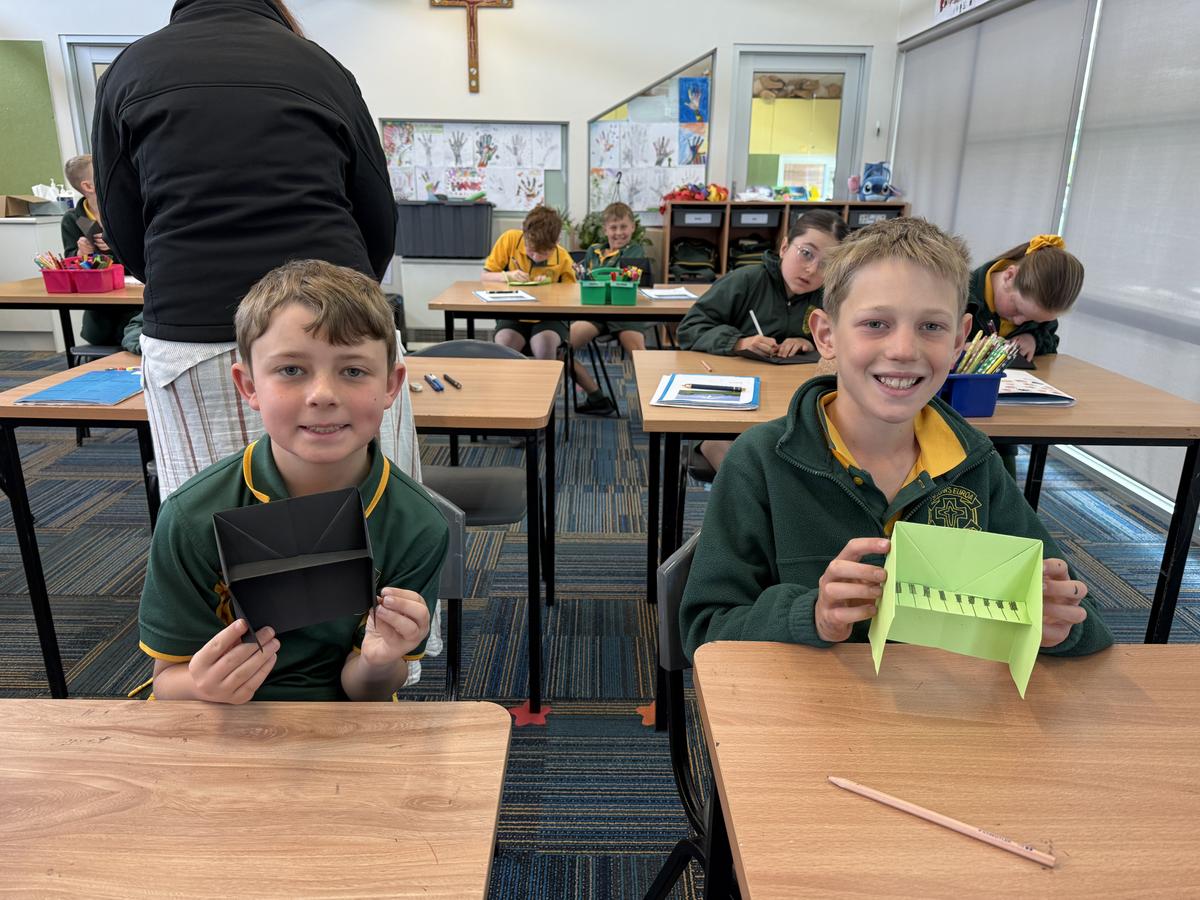
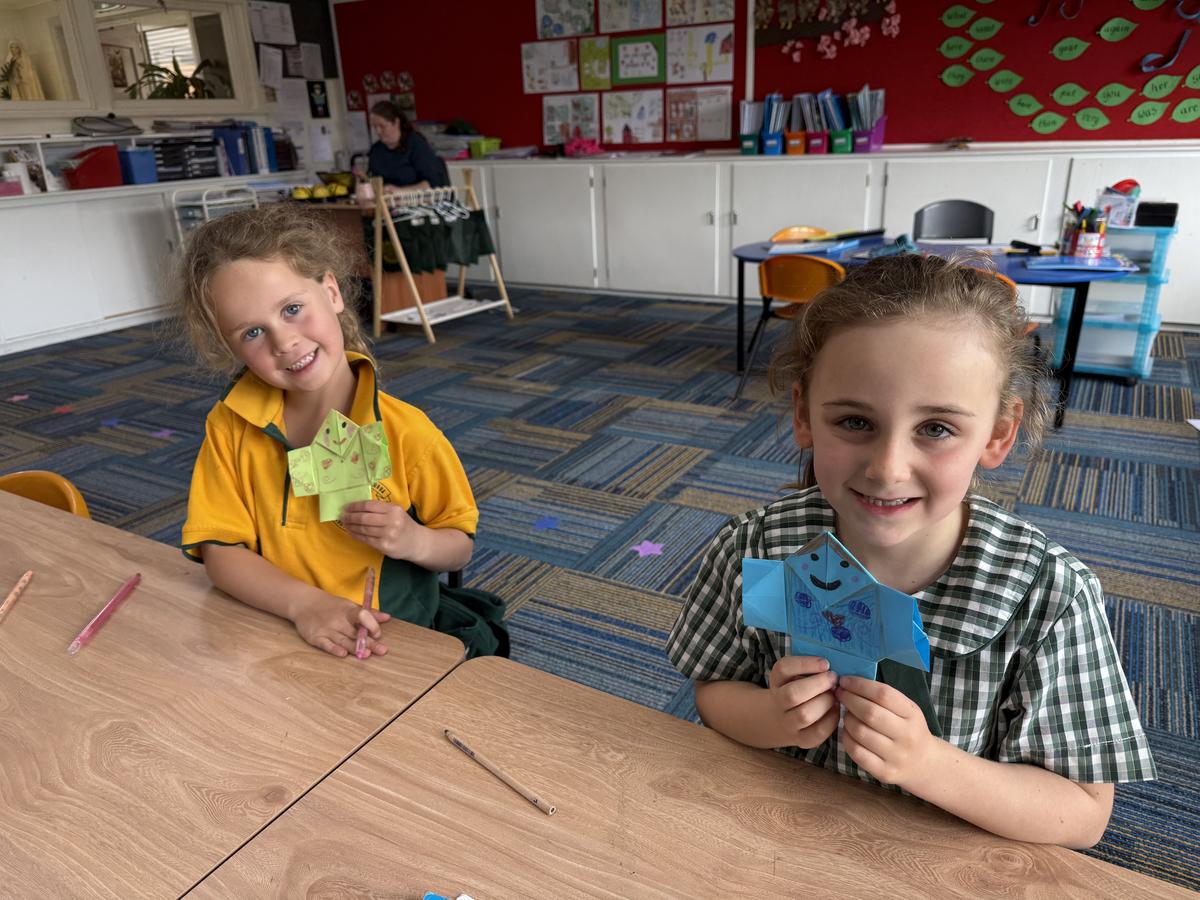
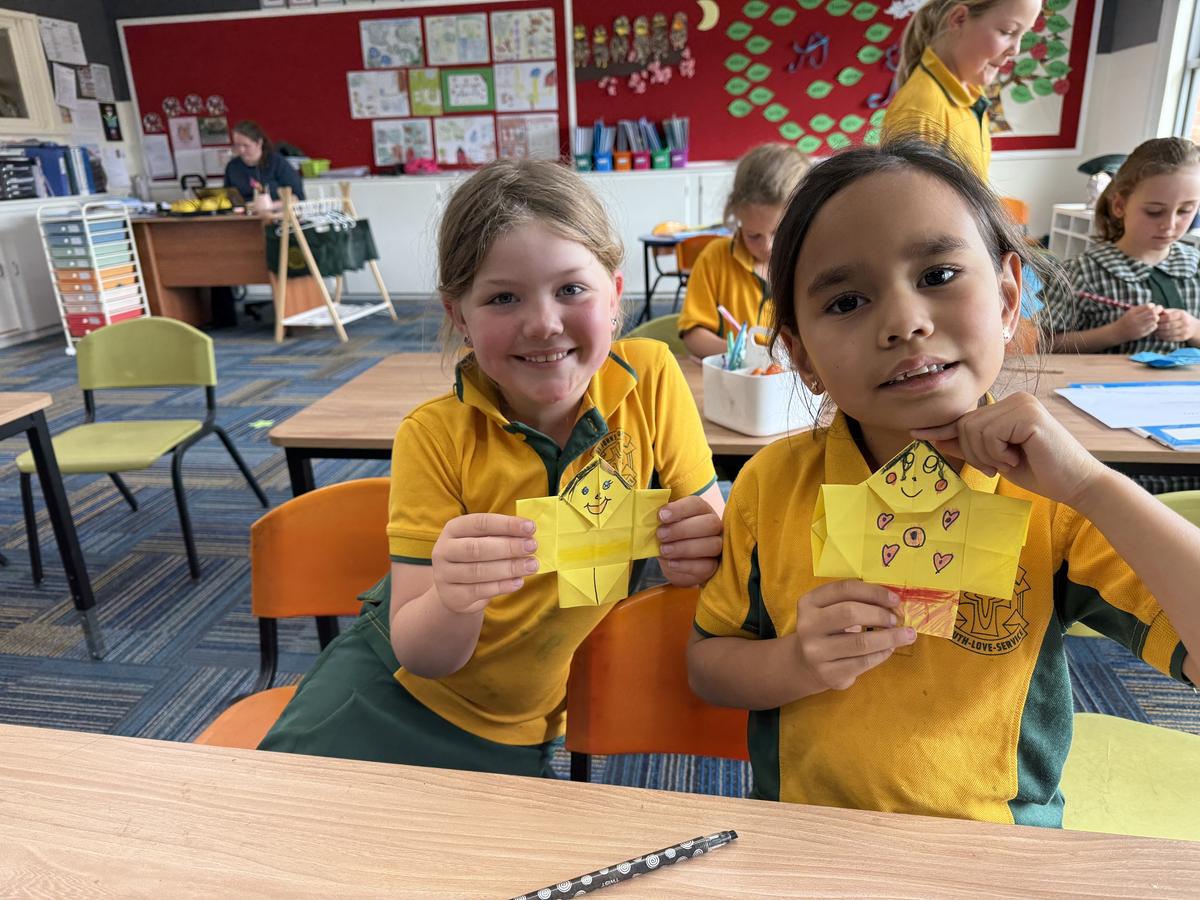
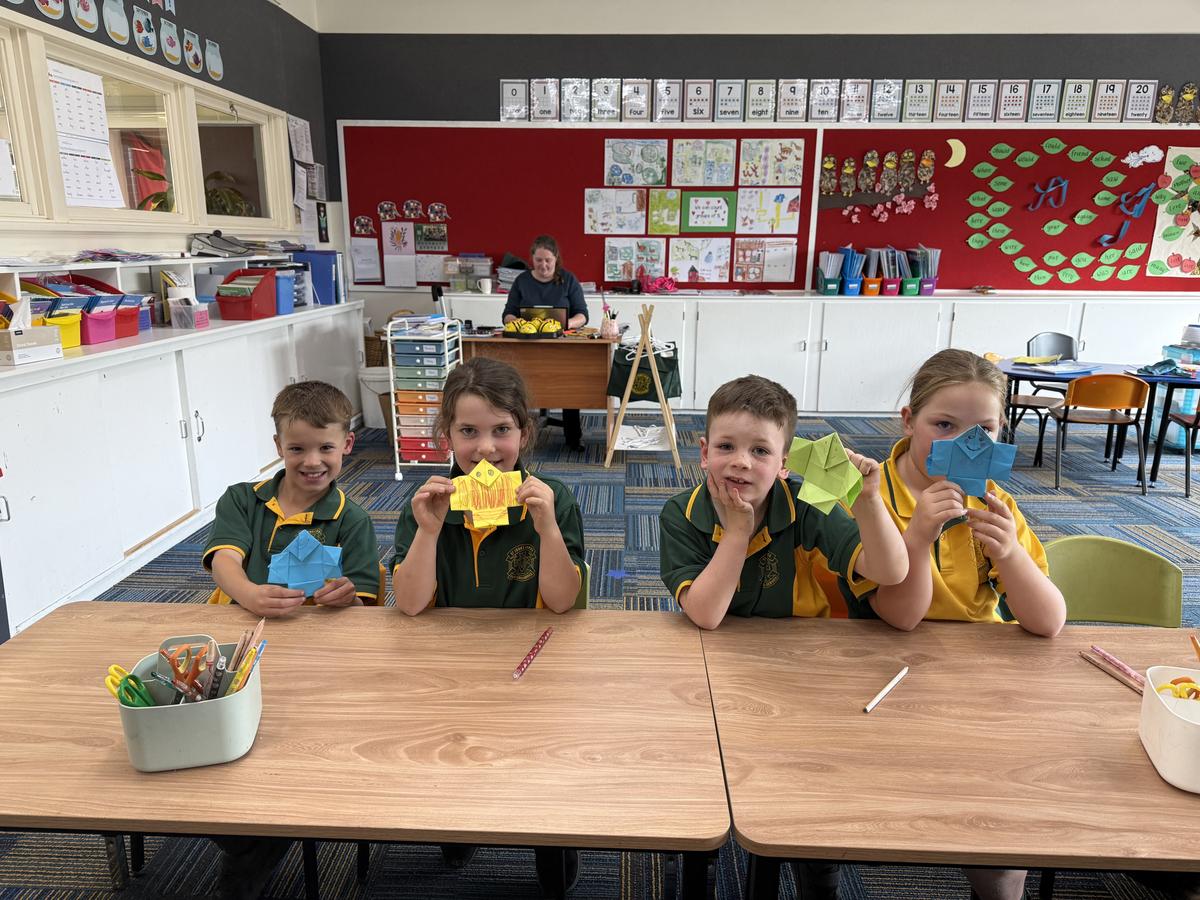
Year 3-5 made piano and one of the most traditional Origami called “Yakko san (person in Kimono)”, and we discussed the shape of traditional Kimono sleeves.
How to count people and solid items
Year 1 and 2 students have continued to practice indicating likes and dislikes, and how to introduce themselves using their name and age. They focused on how to count people and solid items in Japanese through songs.
Very Hungry Caterpillar
Students have been learning/practicing how to say days of the week, names of some fruits and how to count solid items. We have been watching a video of the Very Hungry Caterpillar translated in Japanese every lesson to help reinforce the meanings of the words that we have been practicing.
Writing
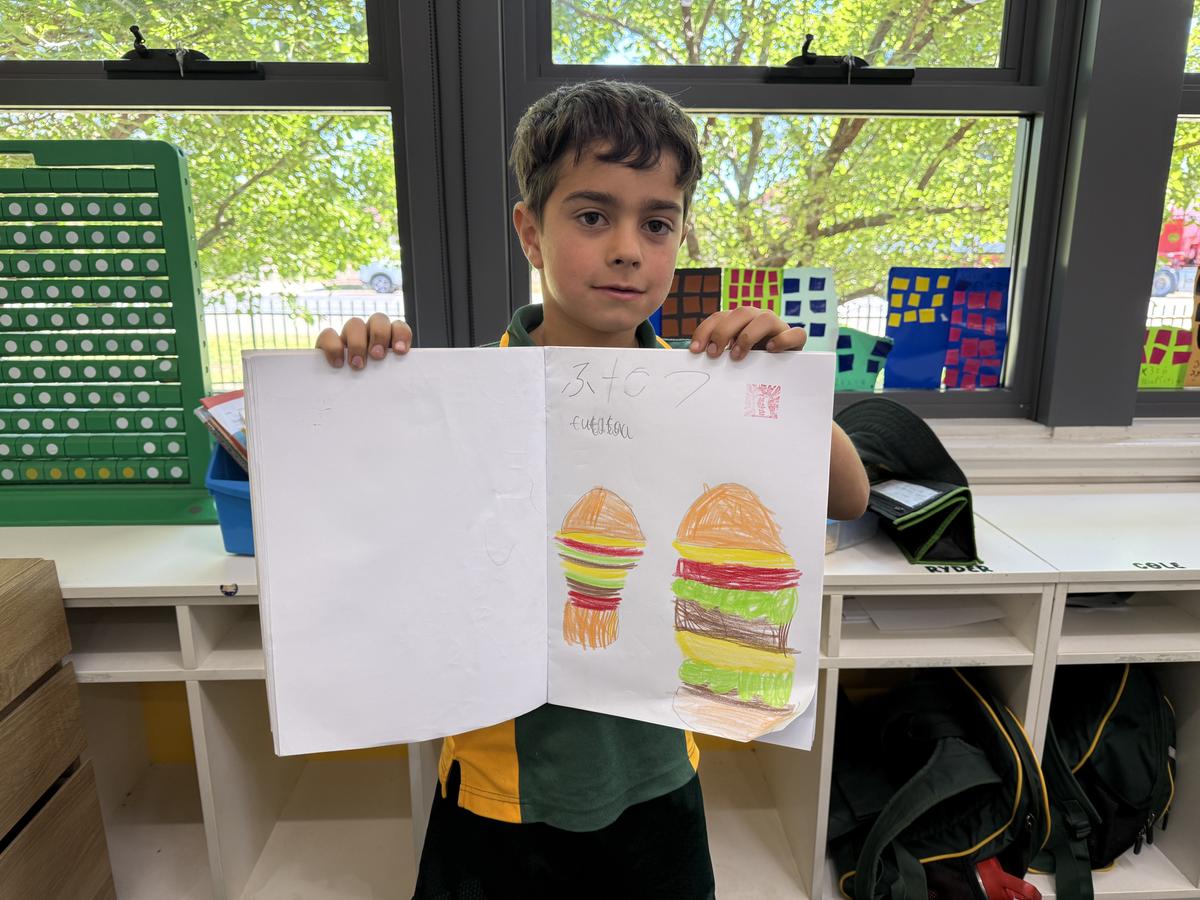
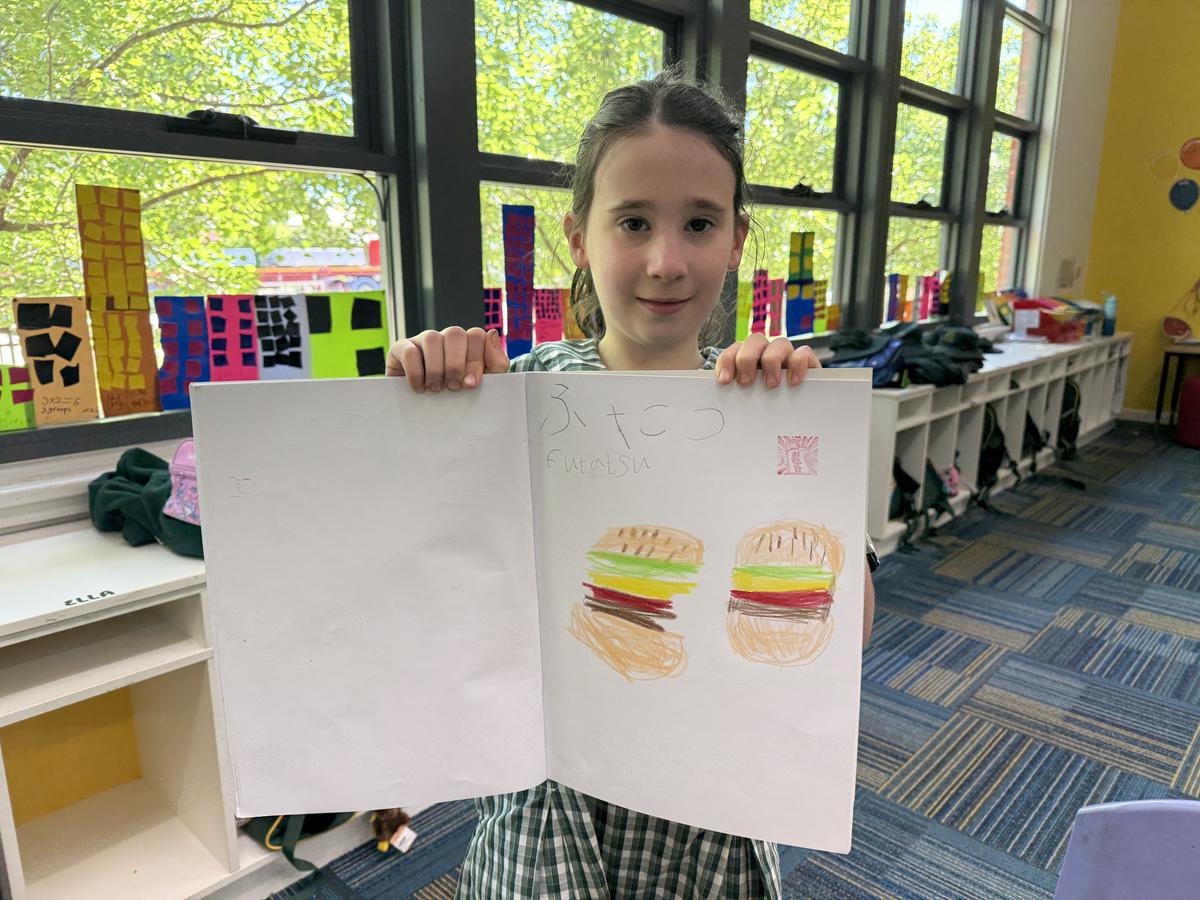
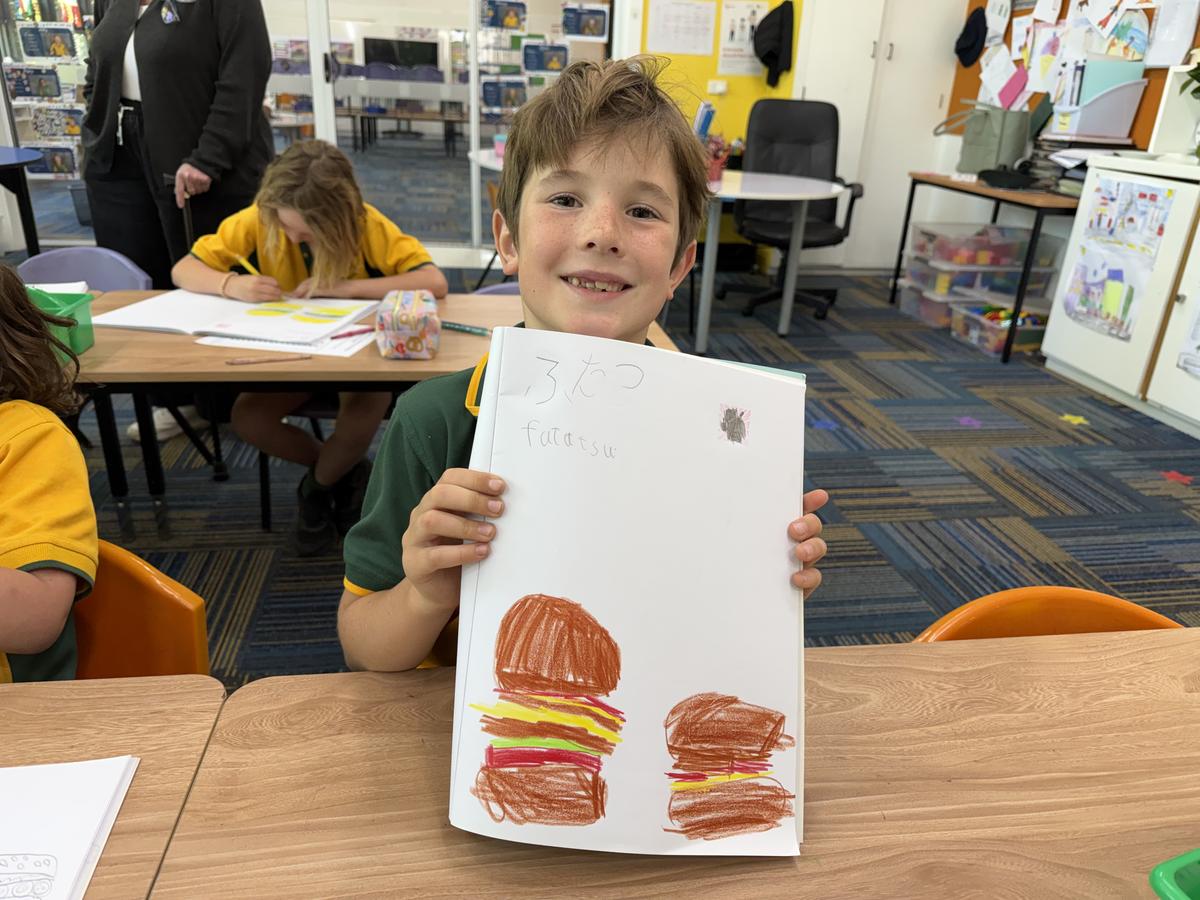
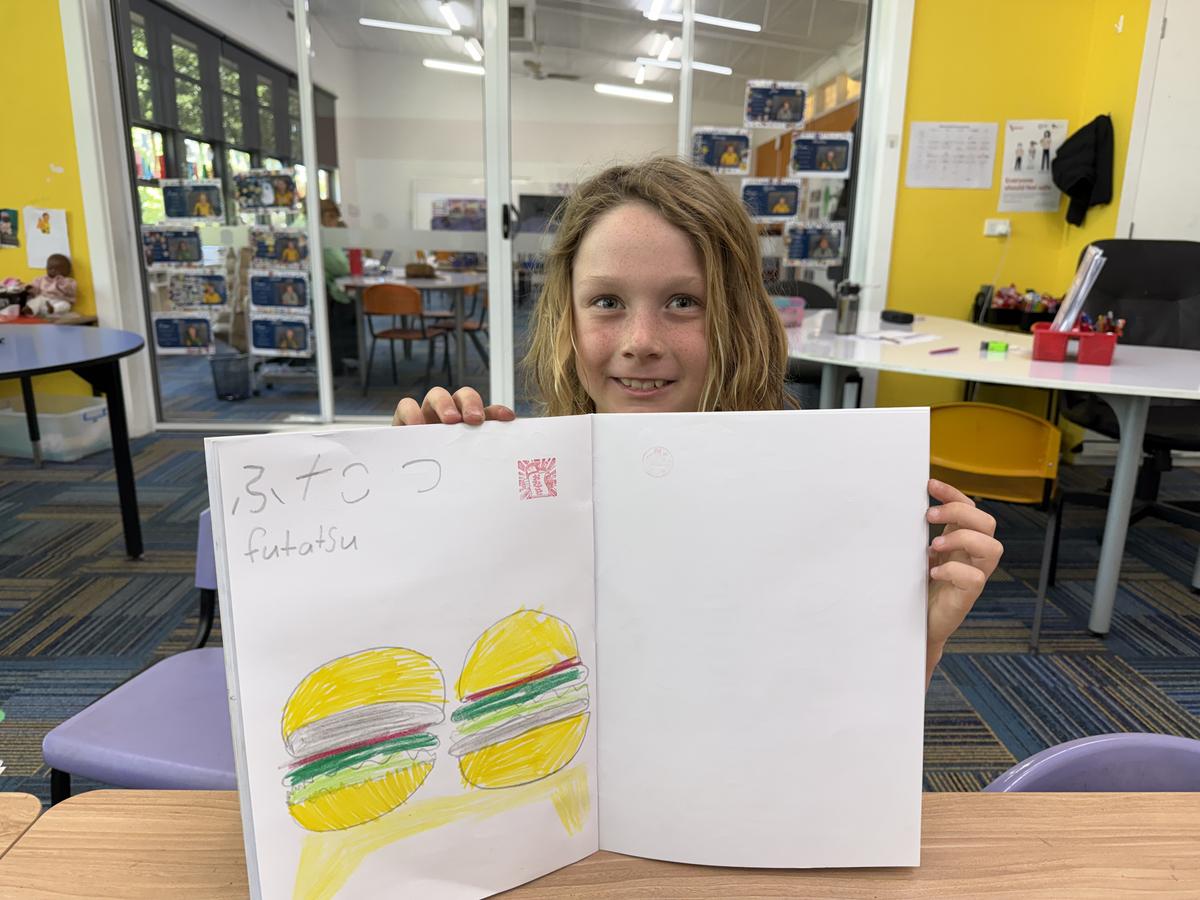
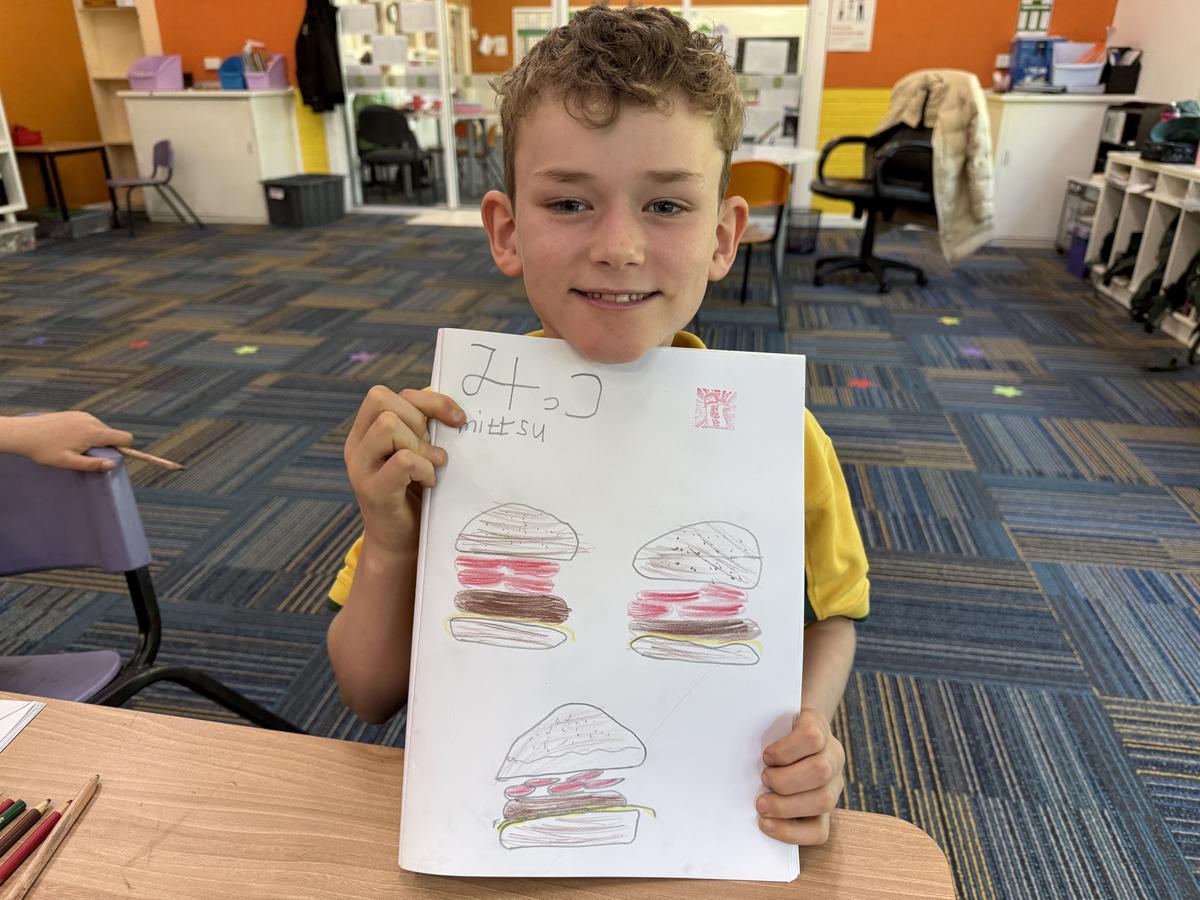
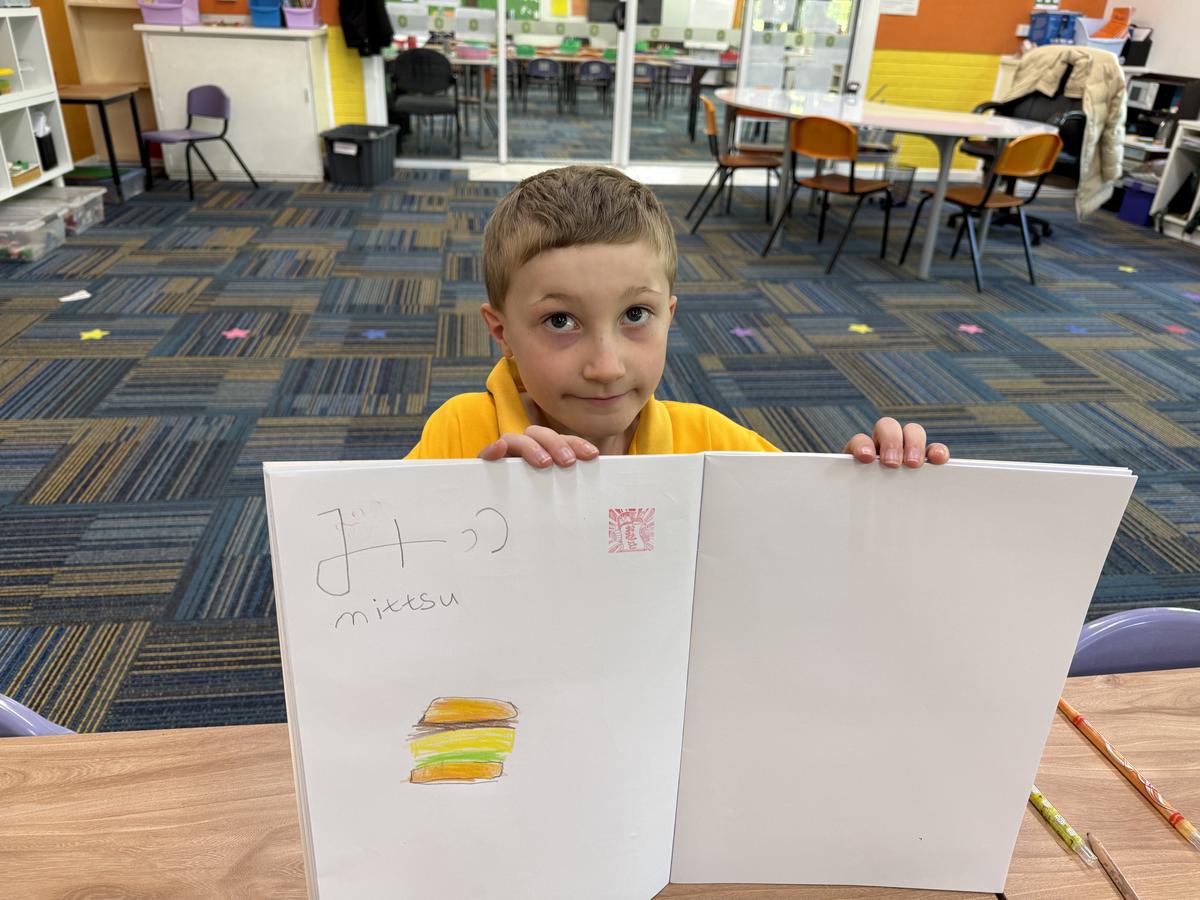
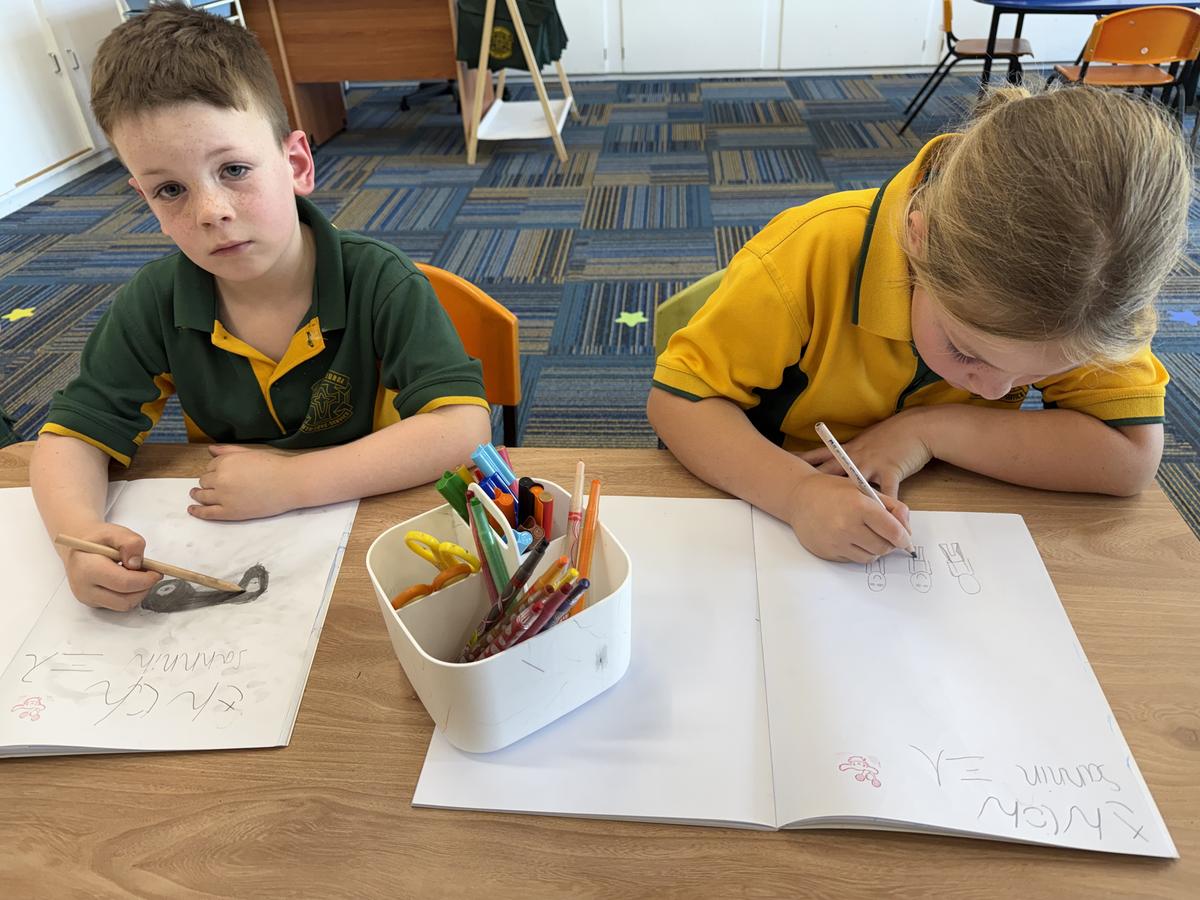
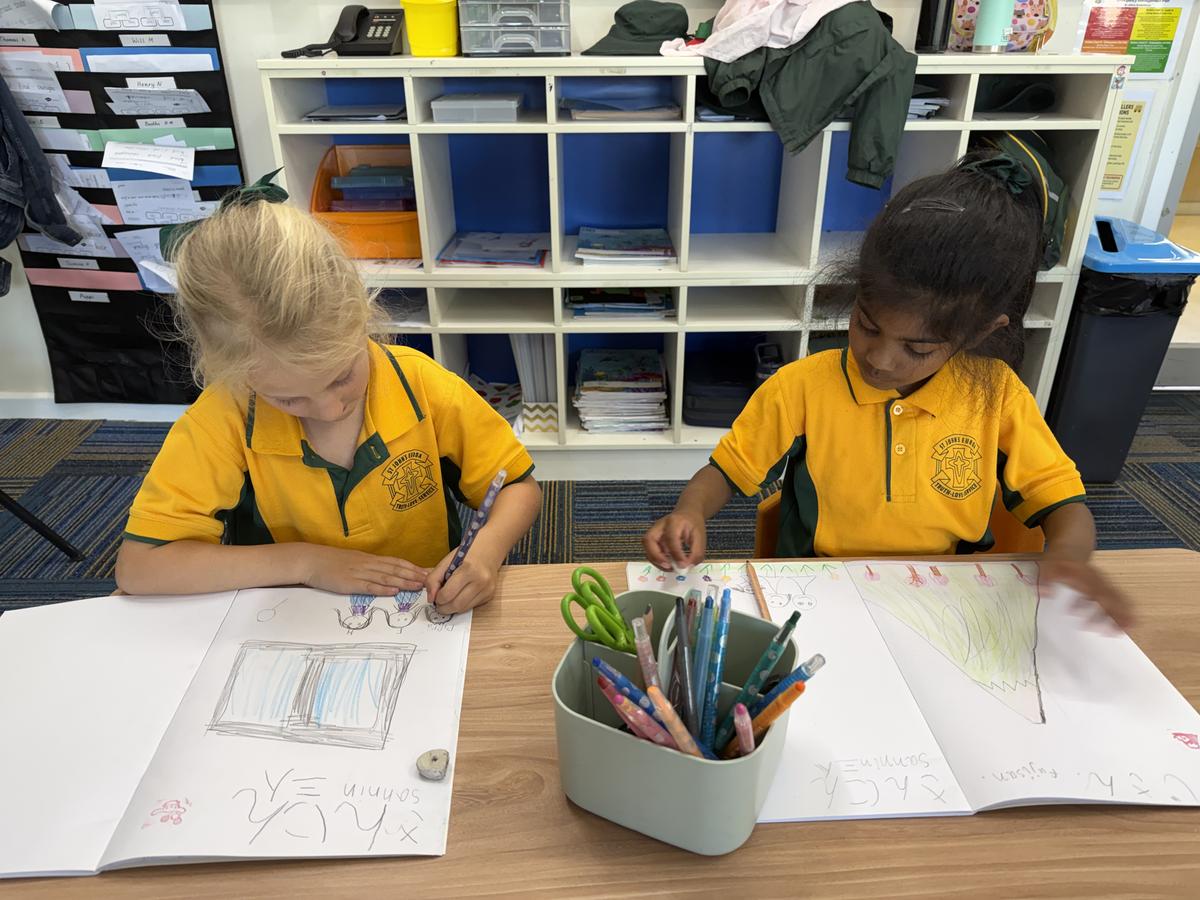
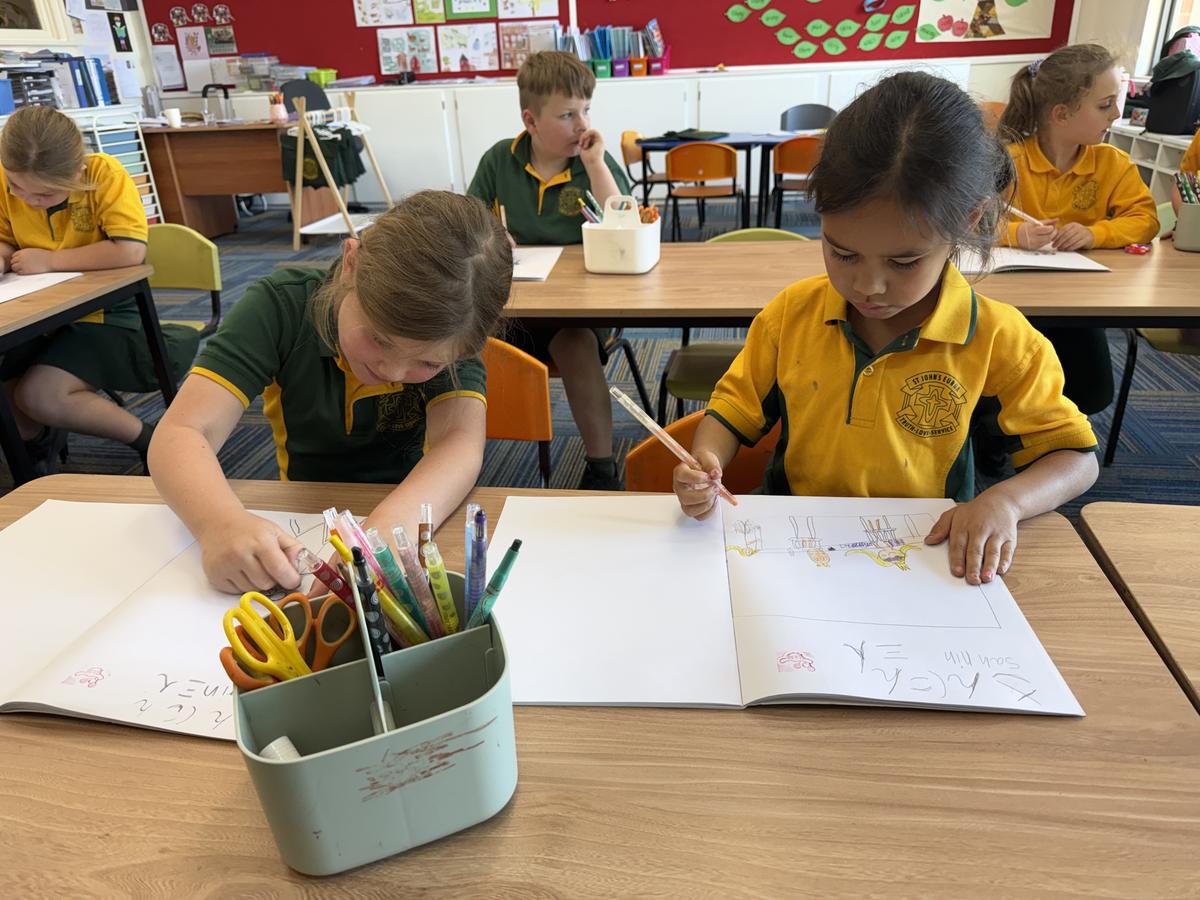
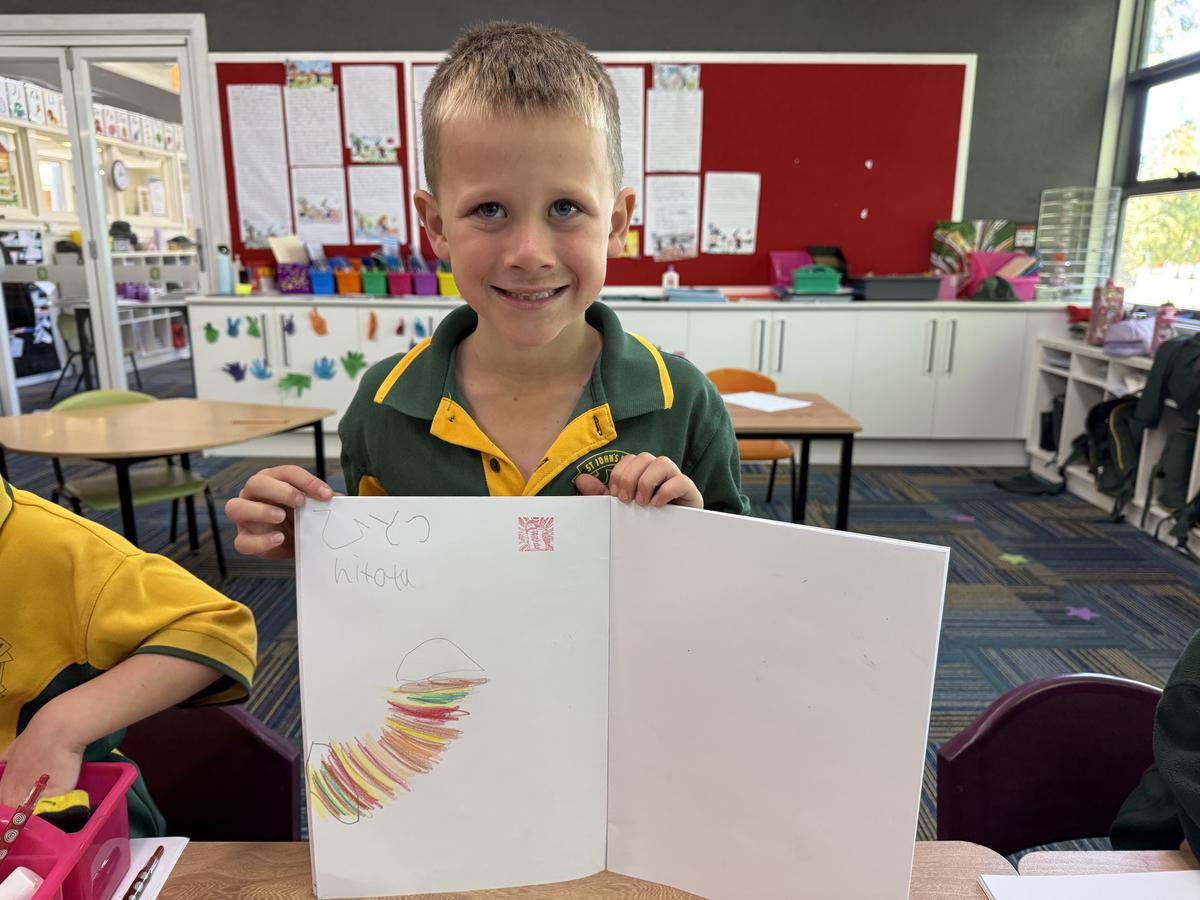
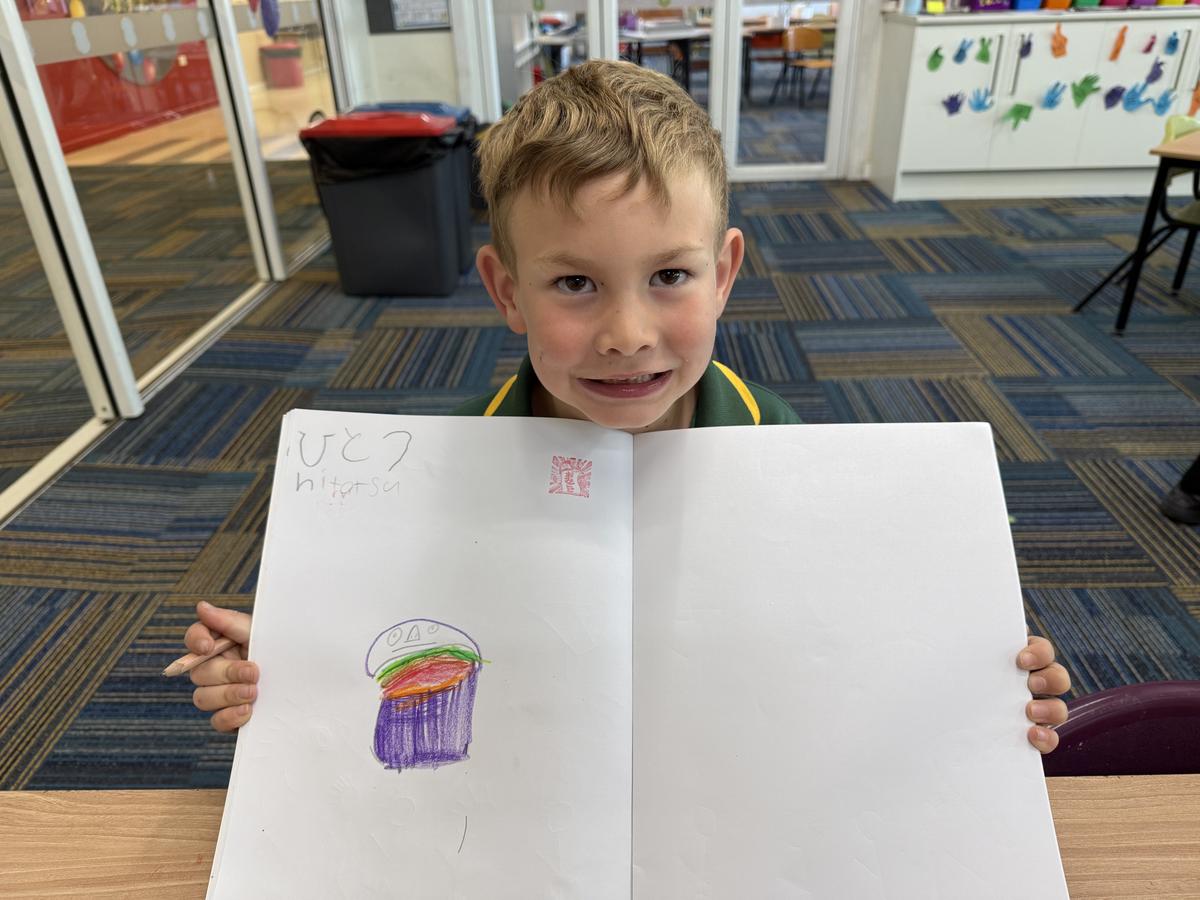
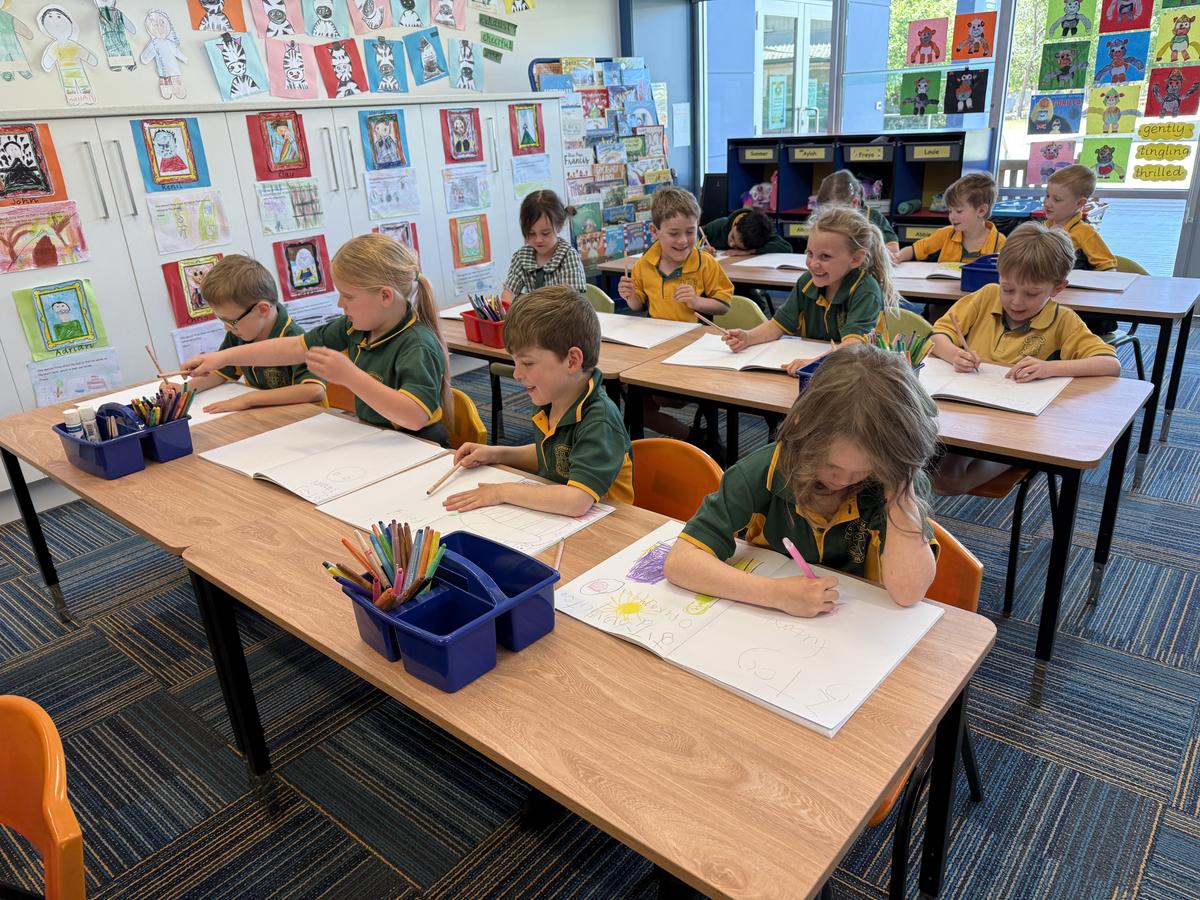
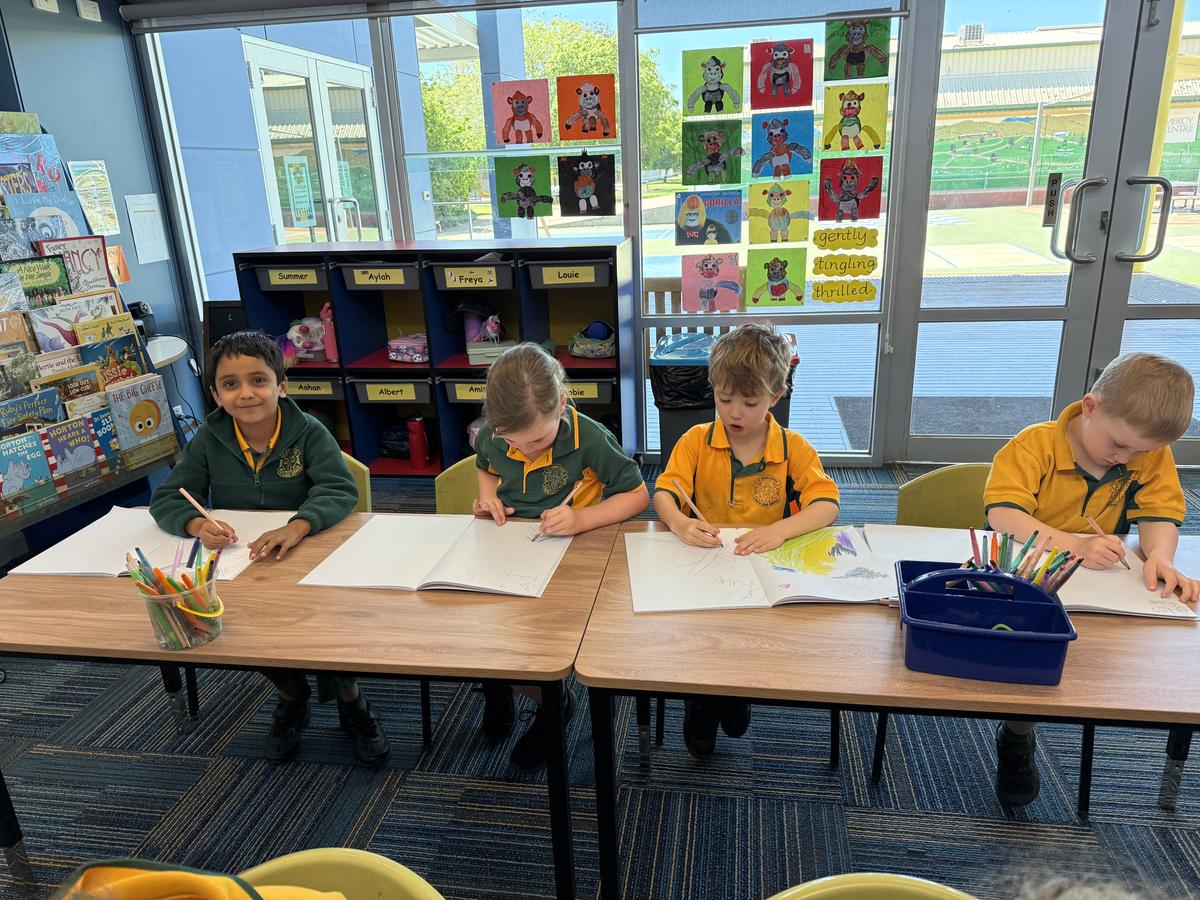
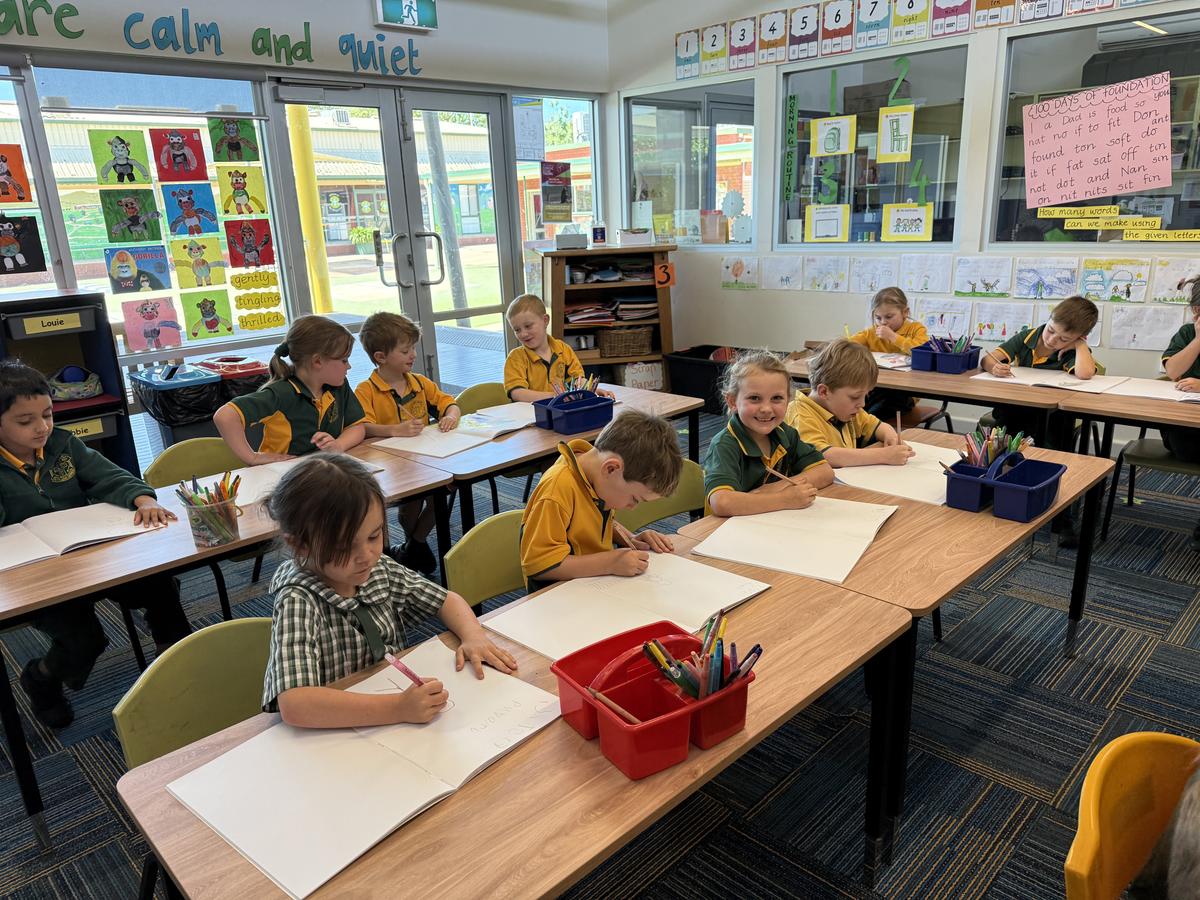
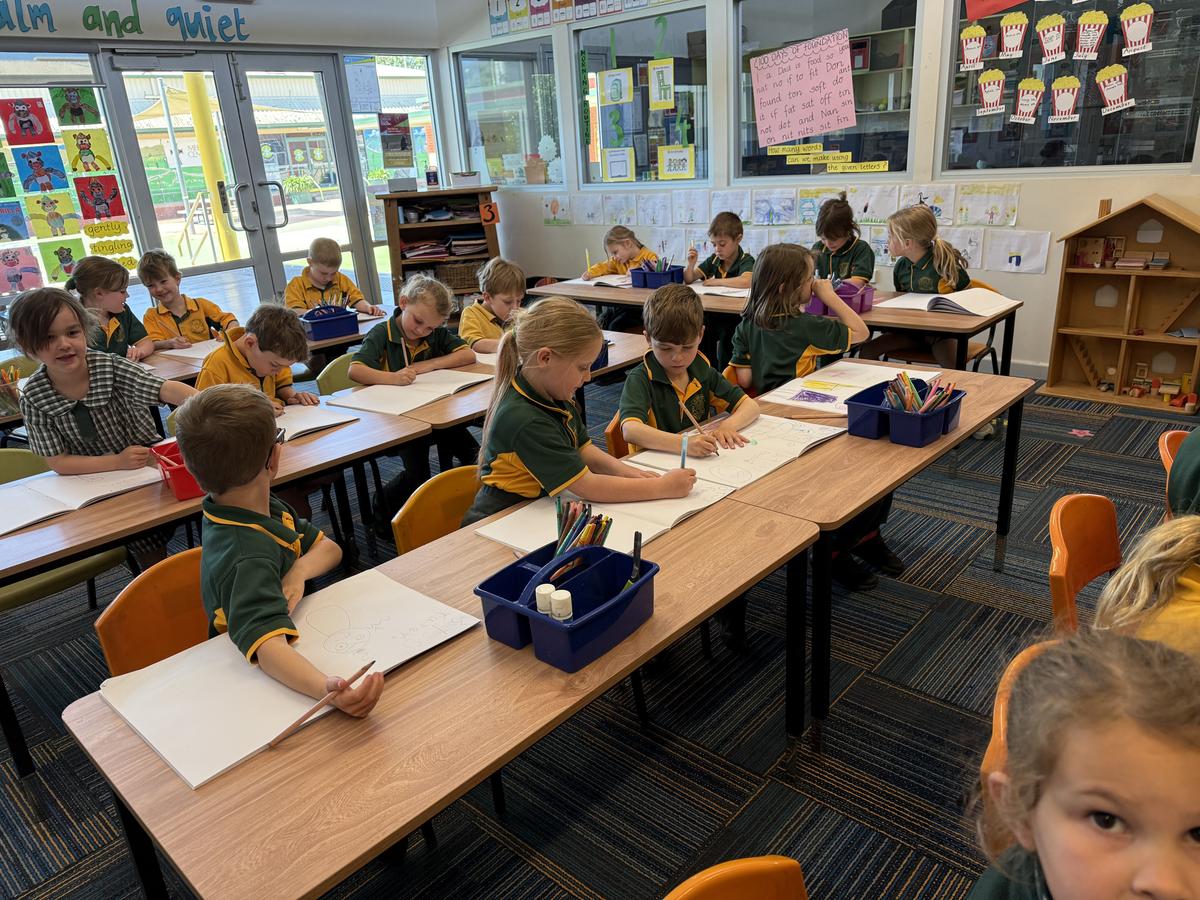
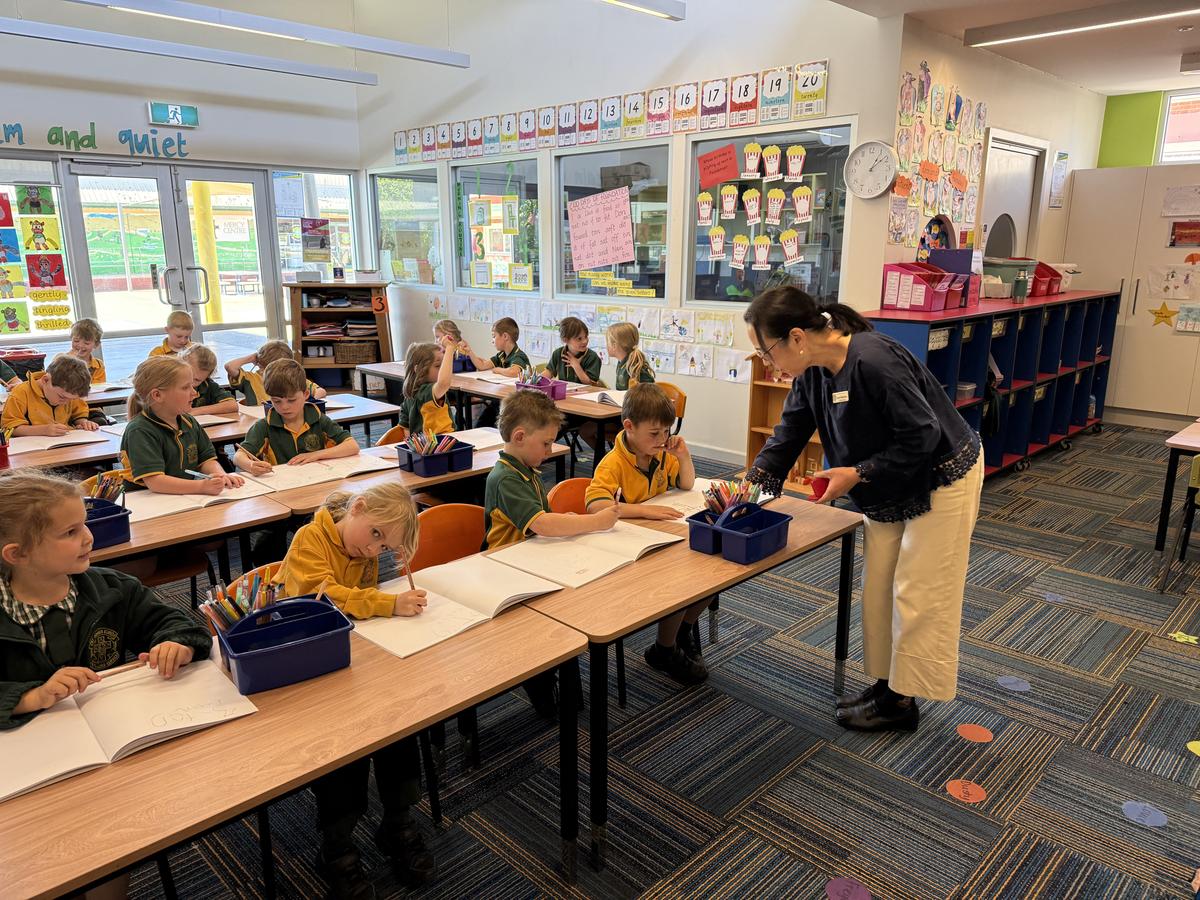
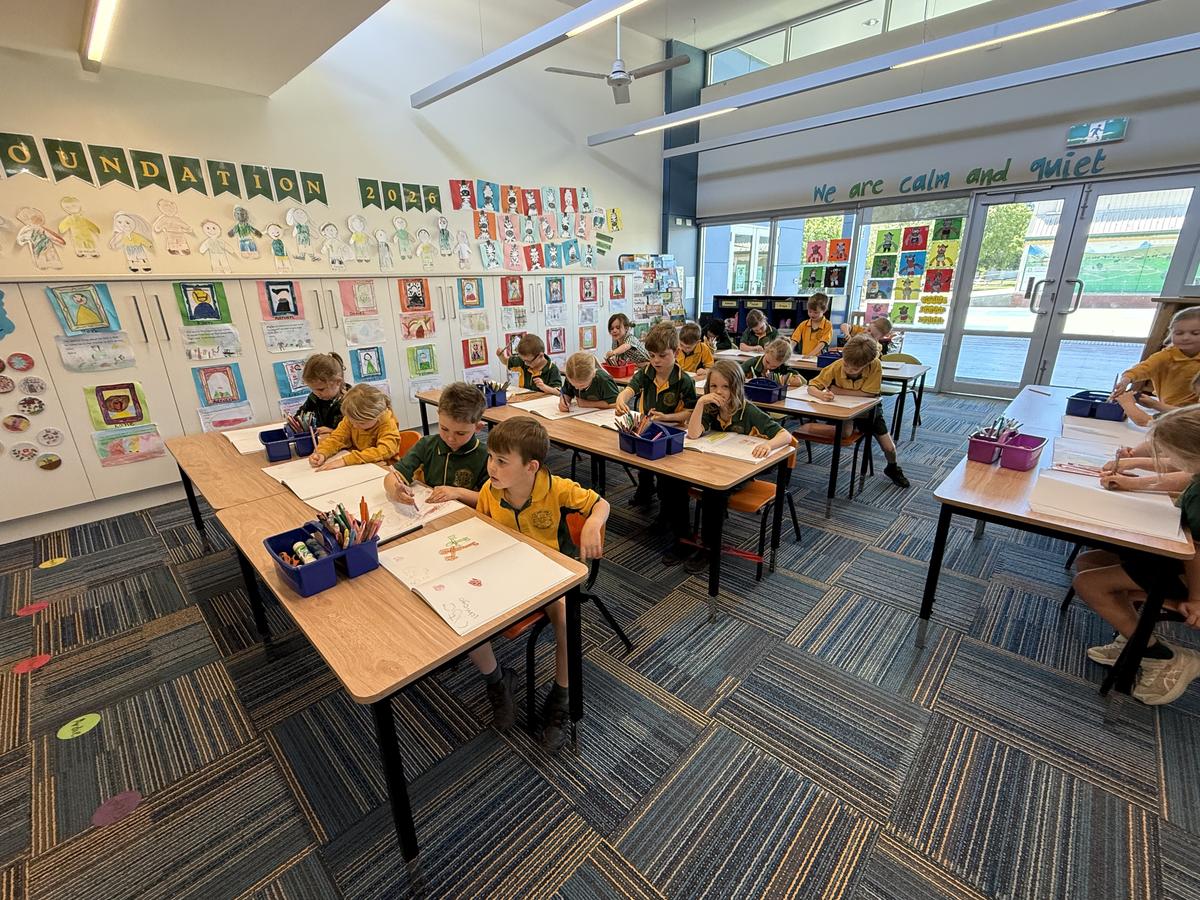
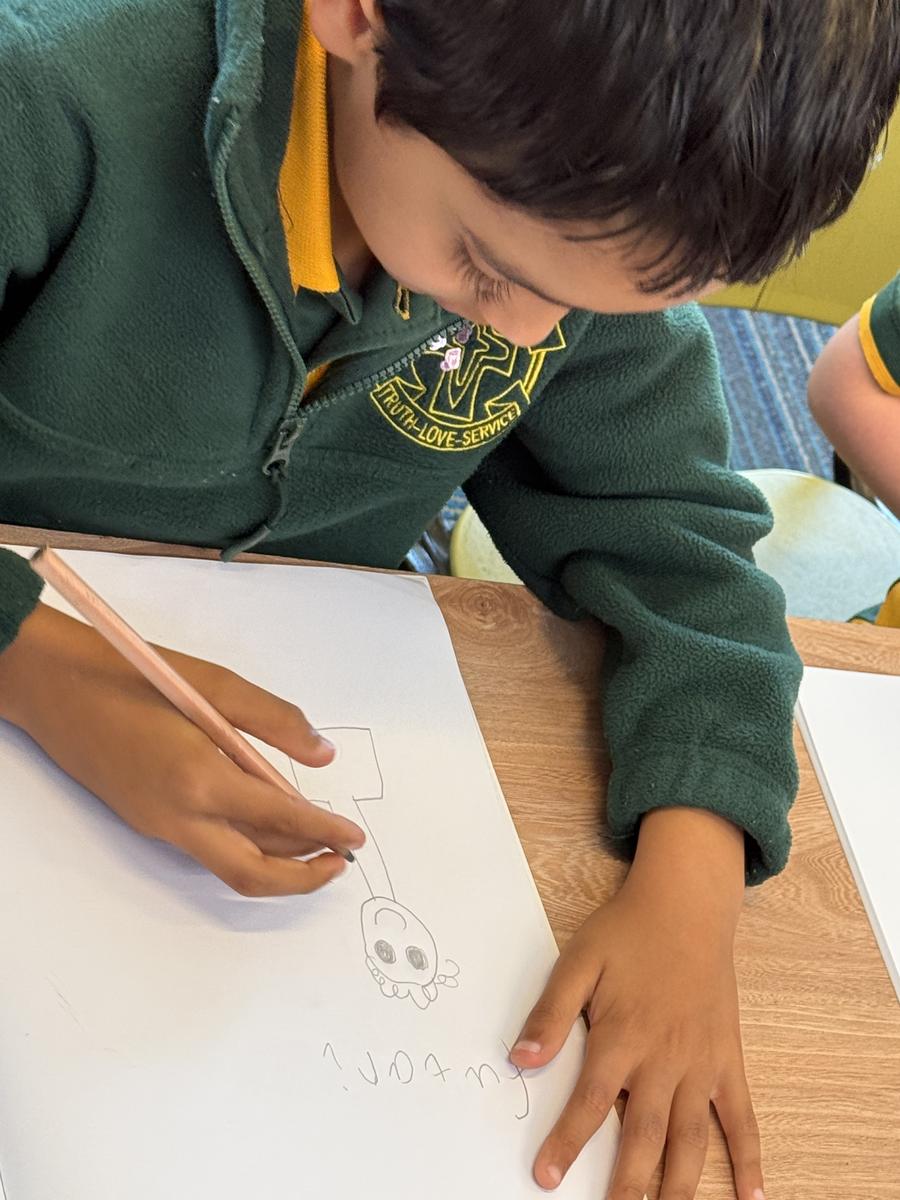
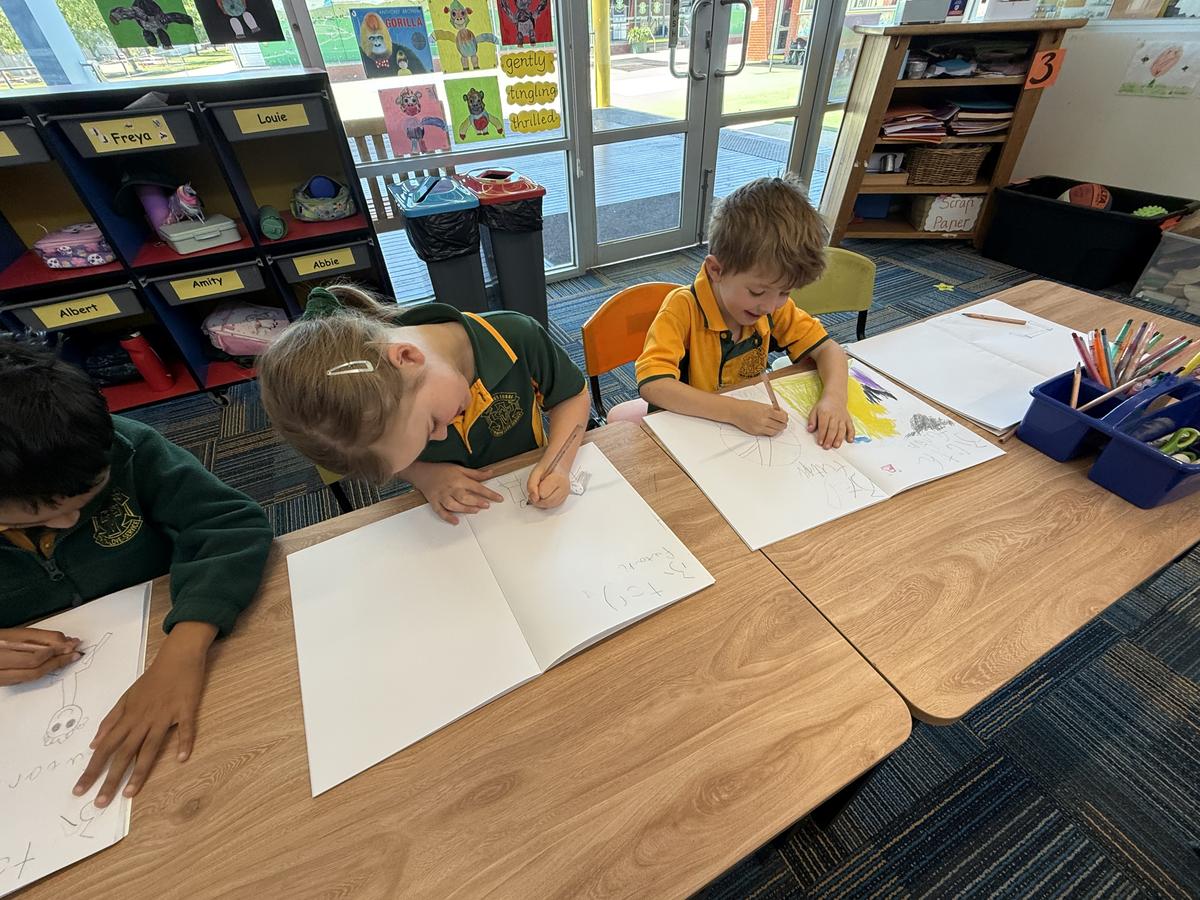
After students focus on their topics for the lesson, they practice writing words and sentences to reinforce their vocabulary. Students wrote some counting words and drew some pictures.
Origami
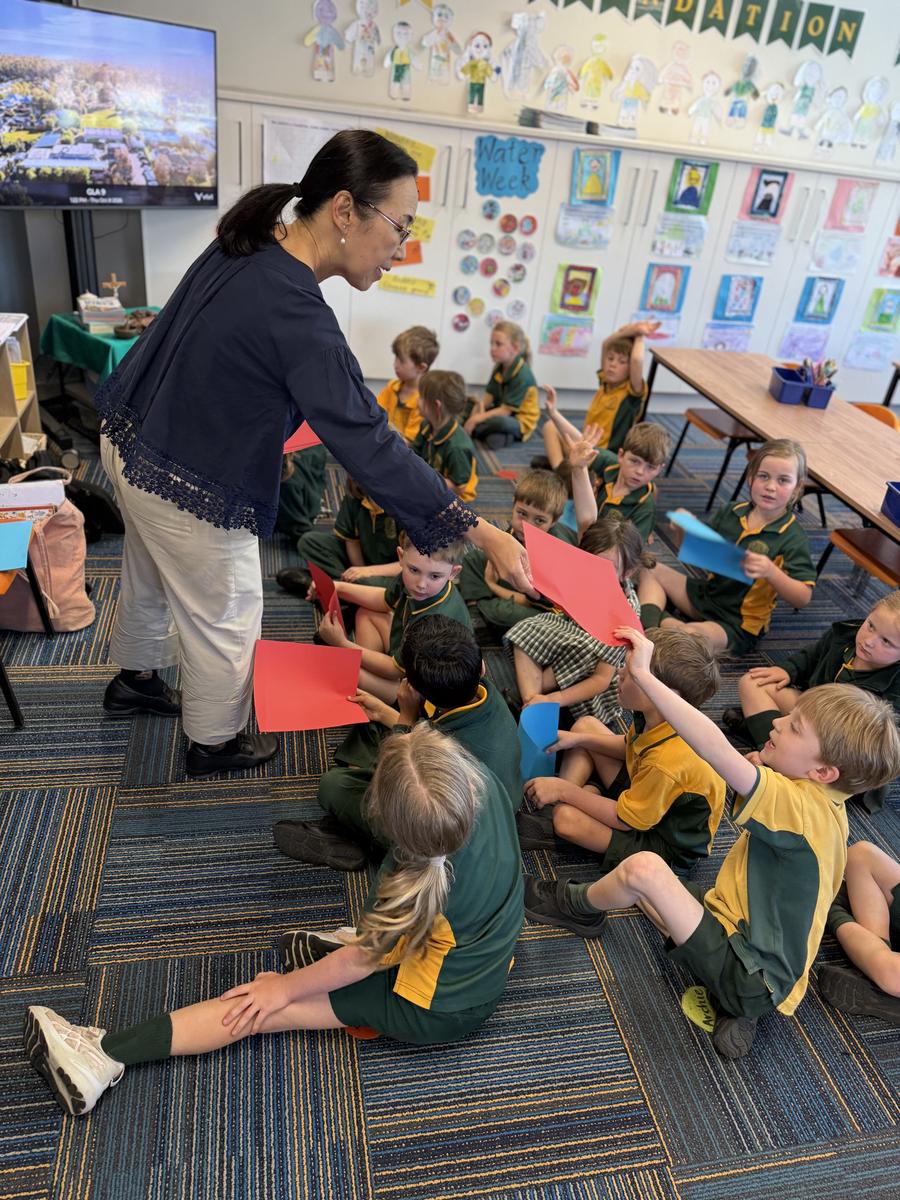
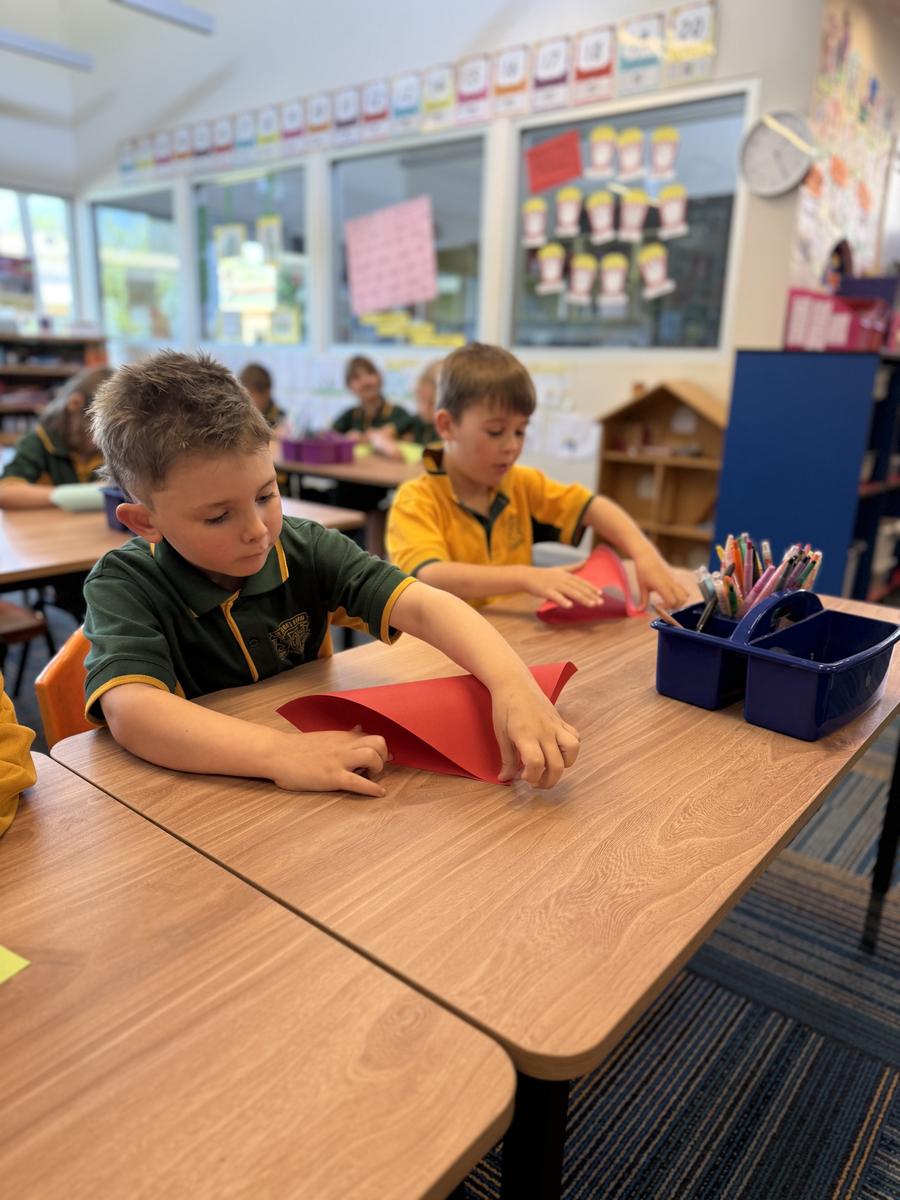
Students made person in Kimono, piano, flowers and fox masks. Everyone’s folding skills are becoming very accurate. They all enjoy making their origami and decorating them afterwards!
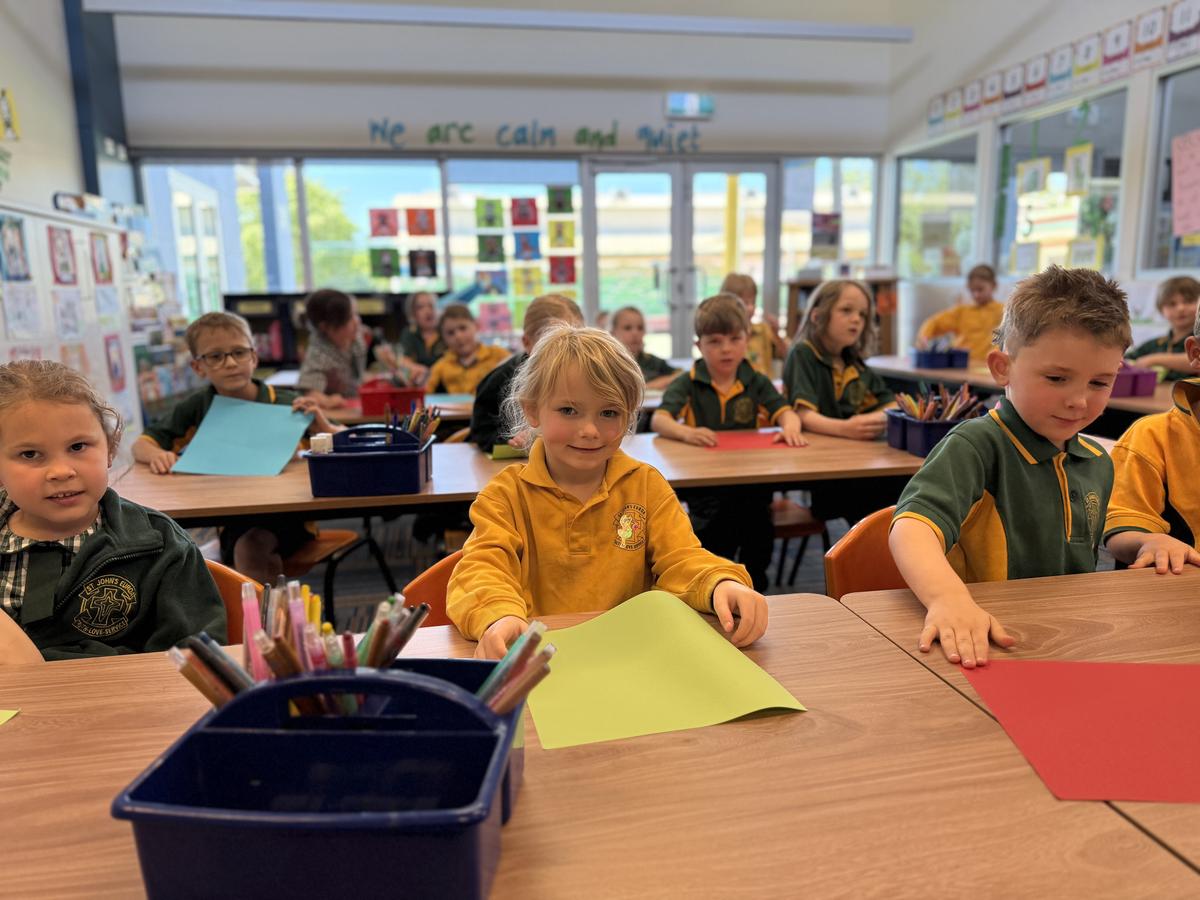
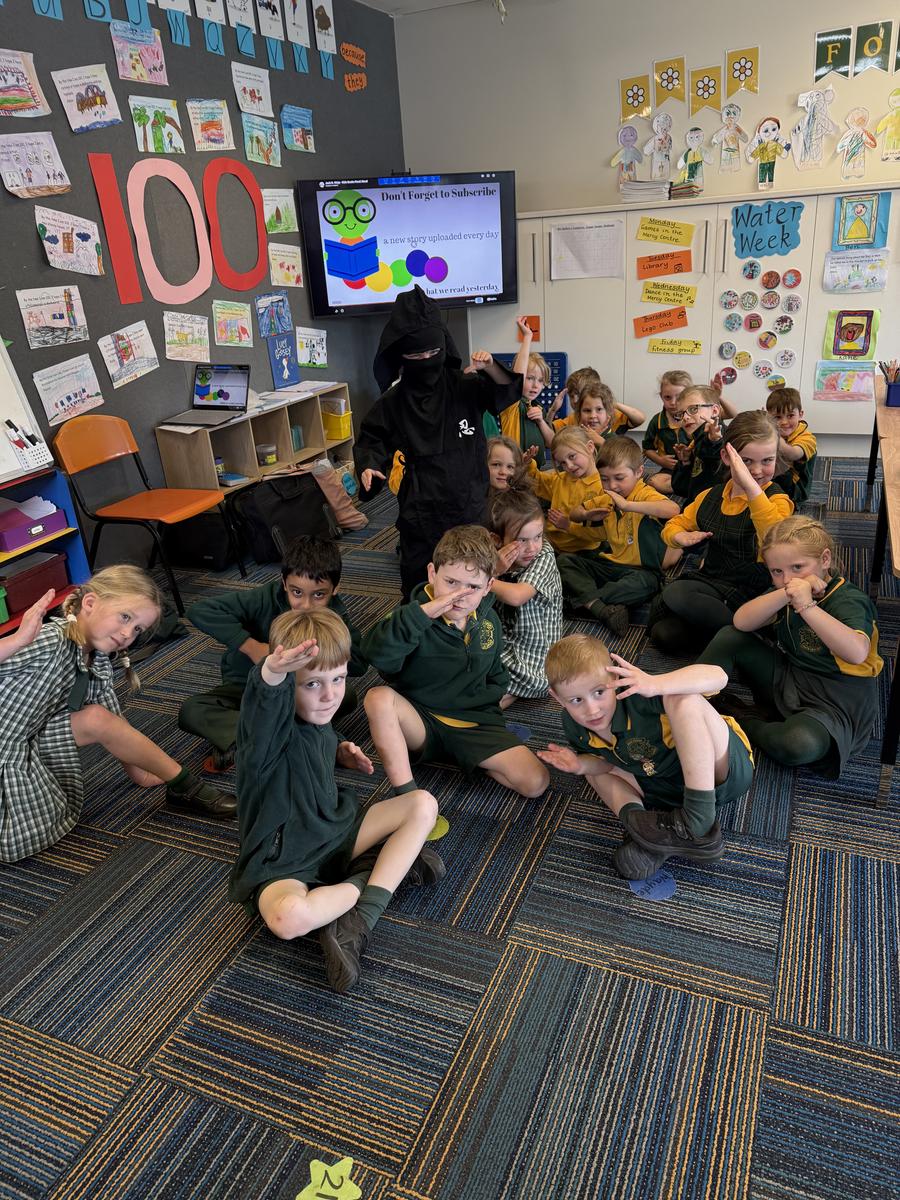
Foundation students have continued to practice greetings, numbers, body parts, animals, likes and dislikes, counting and reading/writing Hiragana (Japanese alphabet). They have been practicing how to introduce themselves and can all say “I’m ___. I’m __years old.” in Japanese! We also make sure we say “Hai dozo (here you go)” and “Arigato (thank you).” to hand and receive things such as Japanese books and Origami paper. Our new songs are “How to count people” and the “Frog song”. As part of the cultural study, we talked about “Ninja” and watched a video of a story called “Jack B Ninja”.
Thank you (arigato).
Ayako Mizushima (Mizu Sensei)