STEM







Welcome to our STEM update for Term 4!
Foundation
Finding Features
This term, Foundation students are exploring the features of plants and animals, with a focus on using senses to make careful observations of the world around us. During observation walks around our school, we have searched for and identified a variety of plants and animals, developing our observation and classification skills.
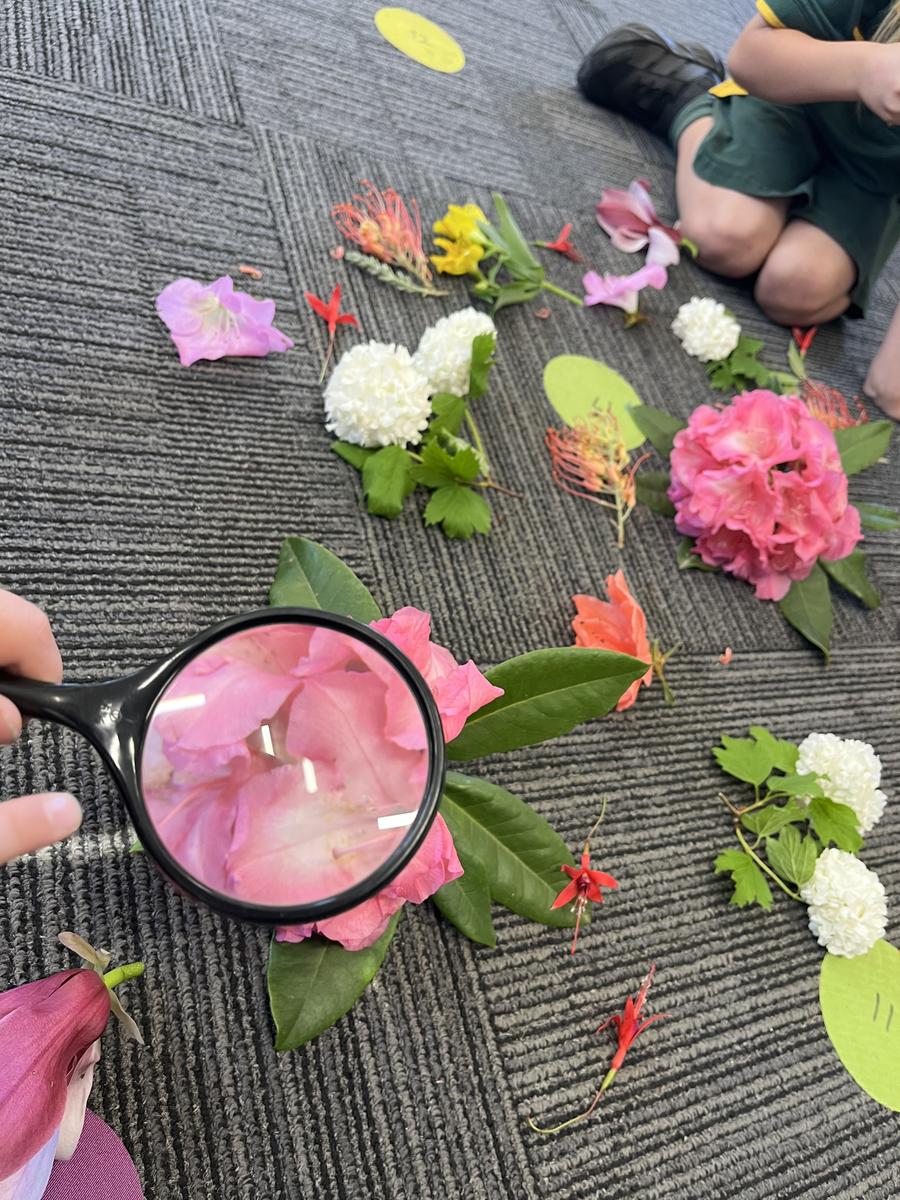
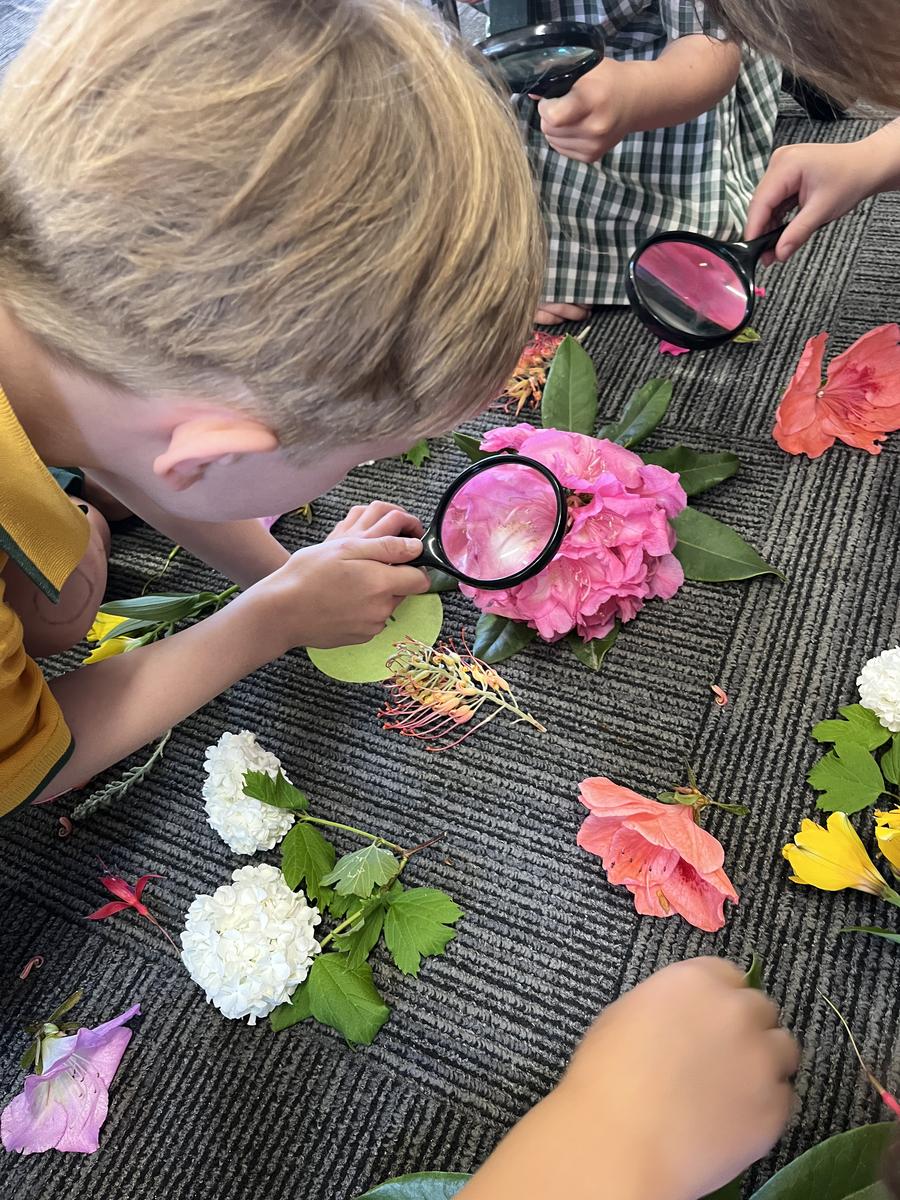
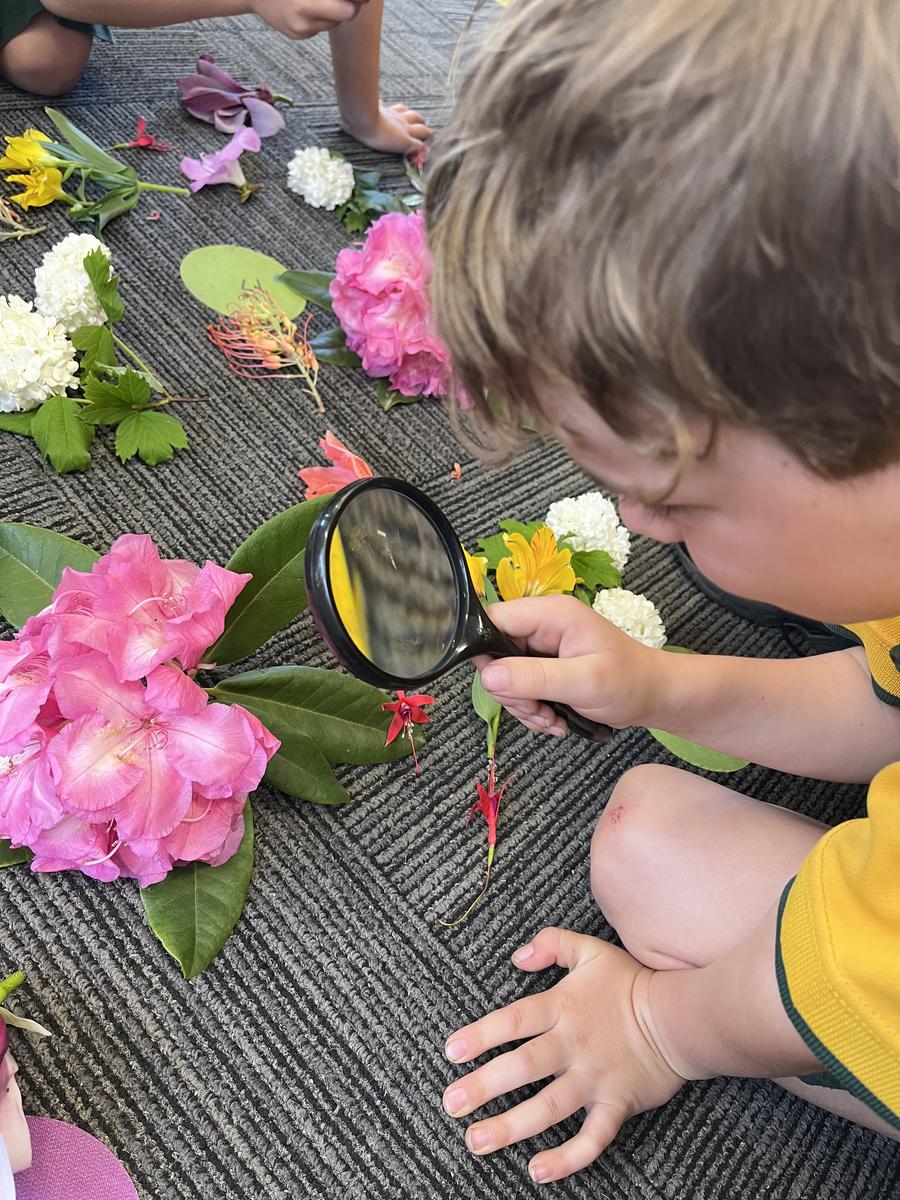
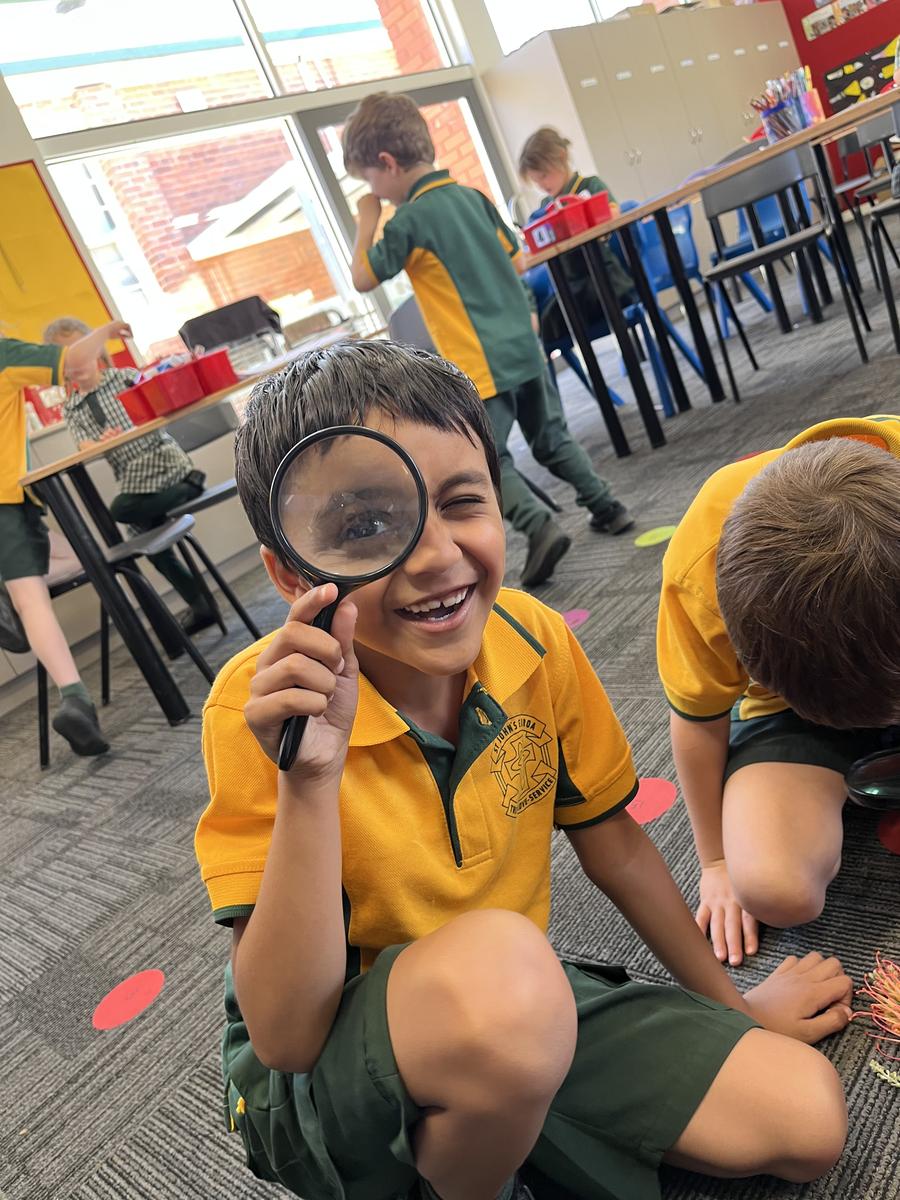
As part of our investigations of plants, students have closely examined leaves and flowers, using magnifying glasses to observe and discuss features in greater detail.
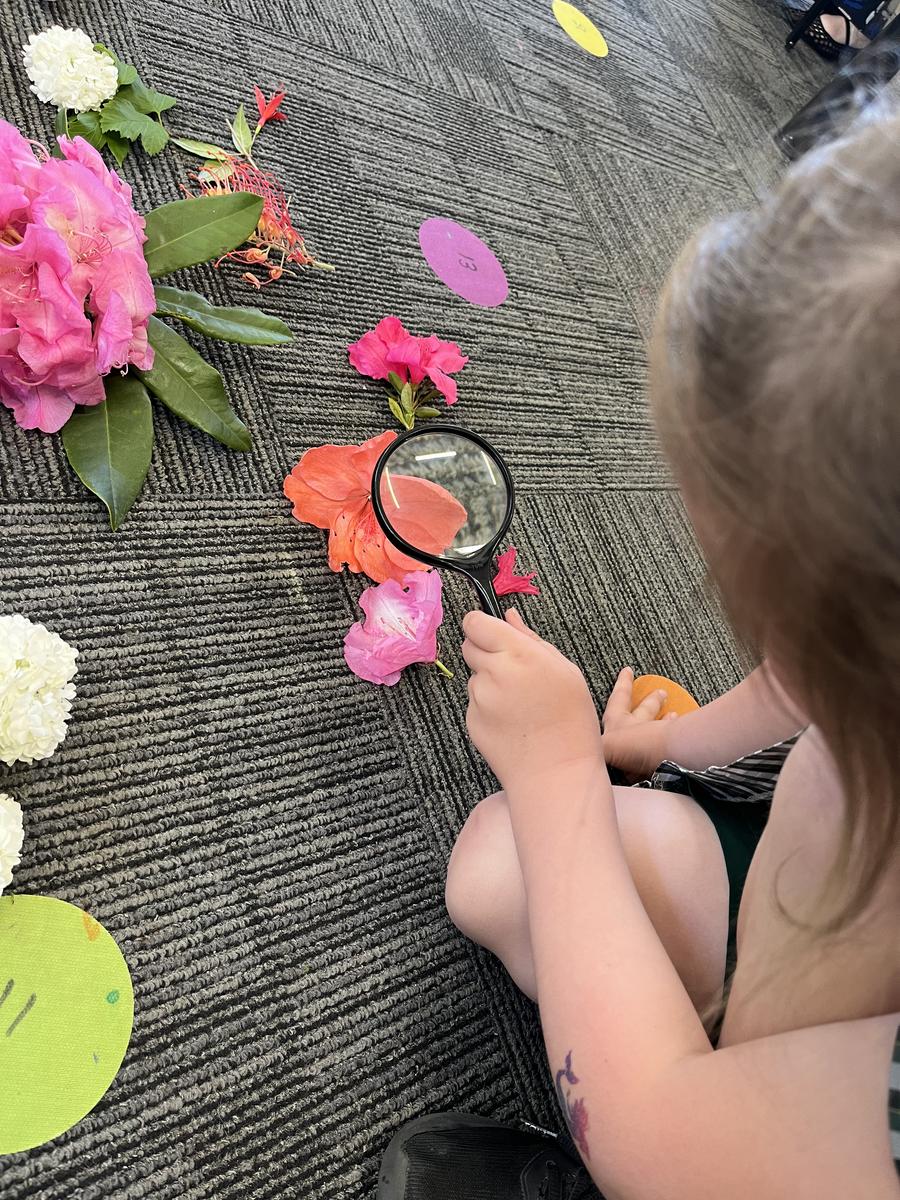
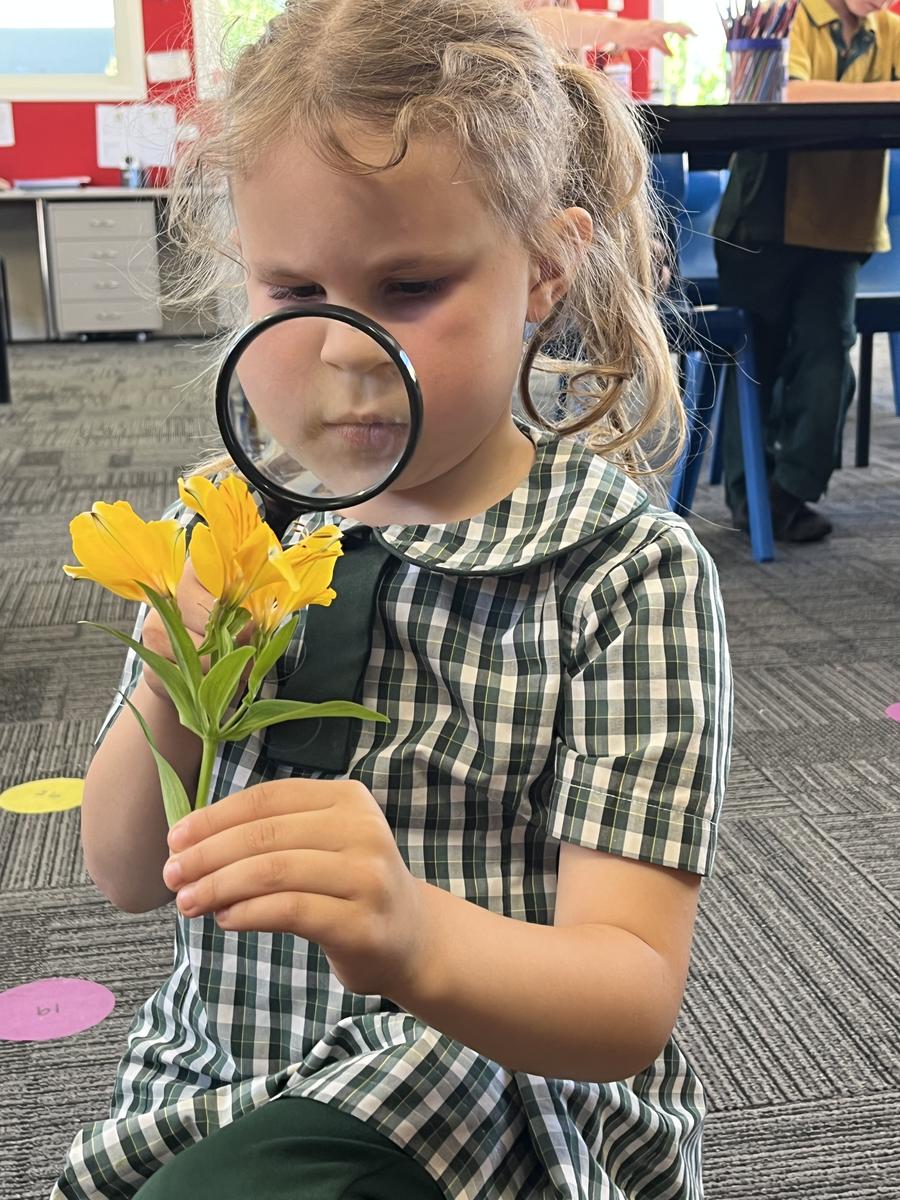
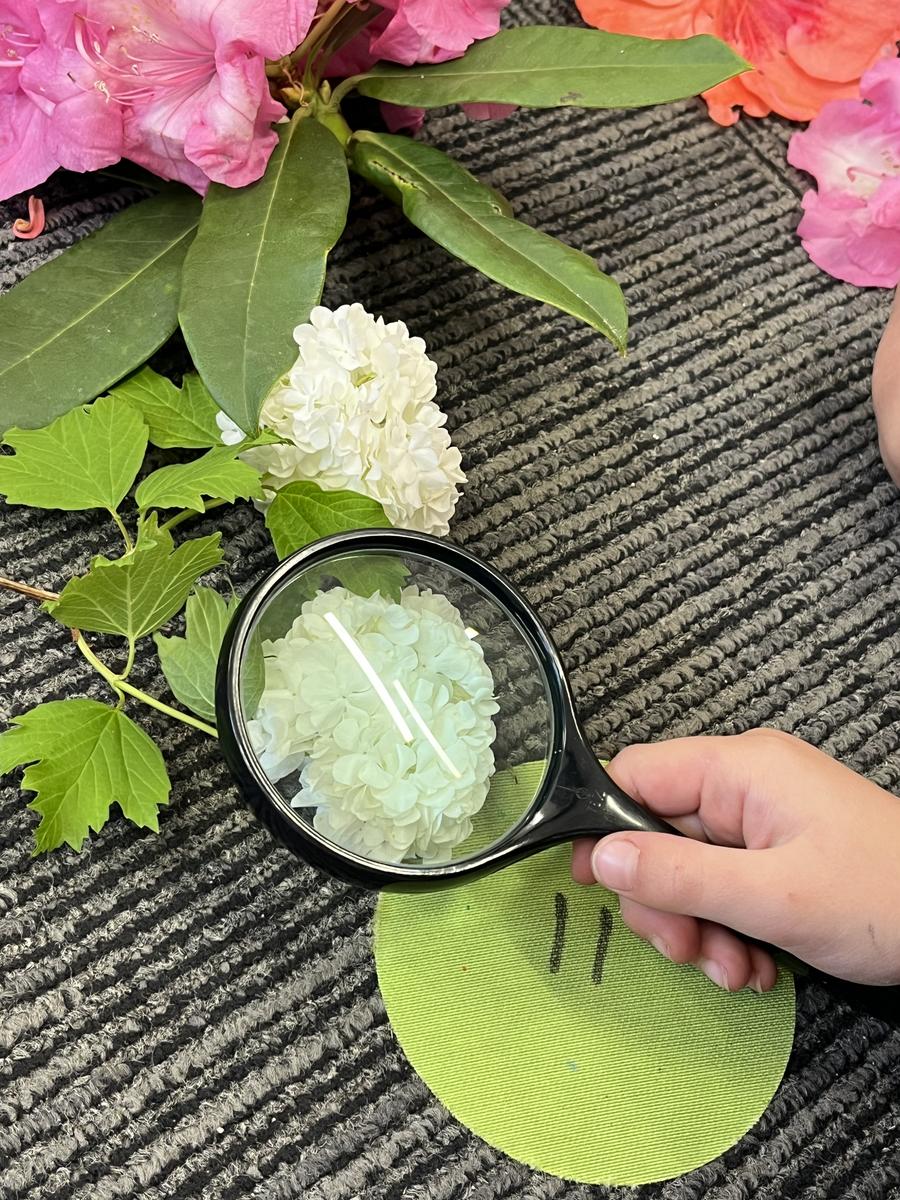
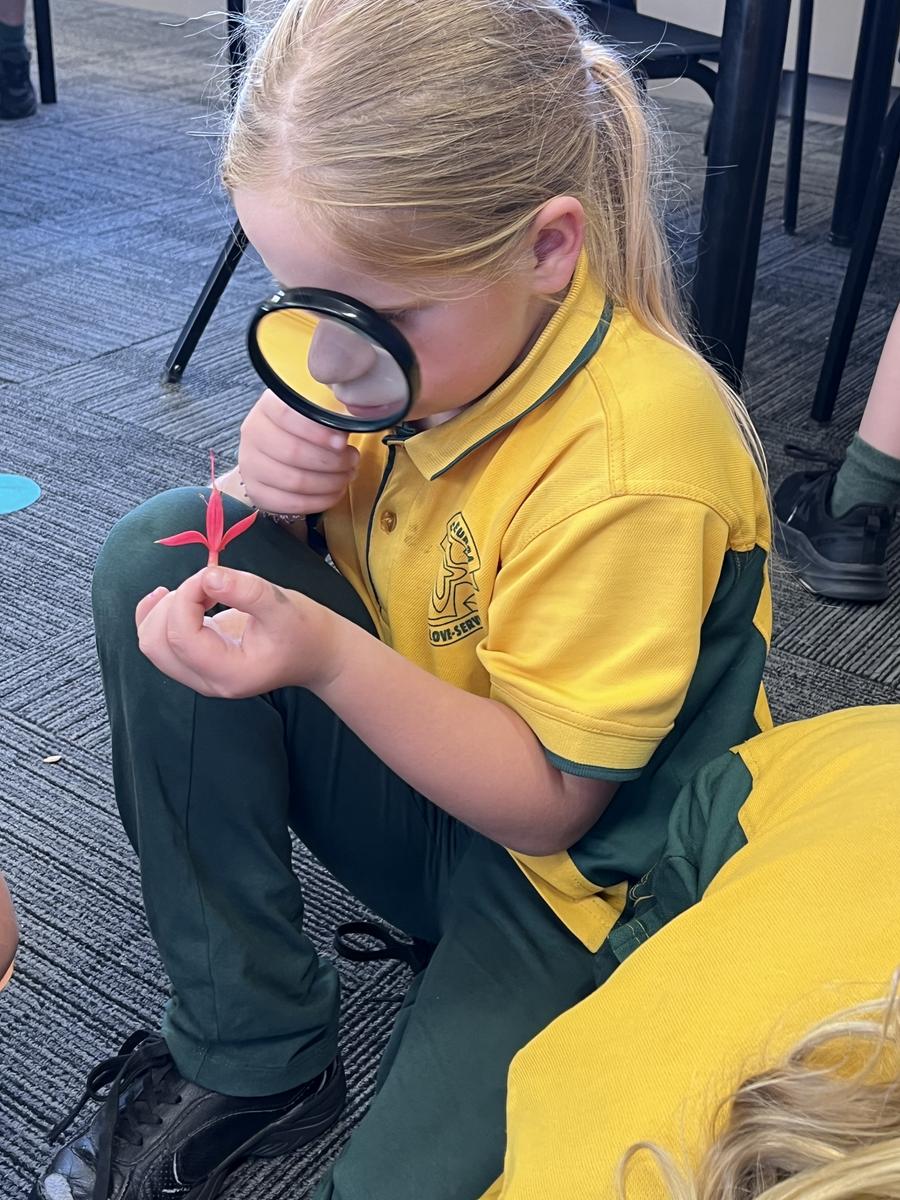
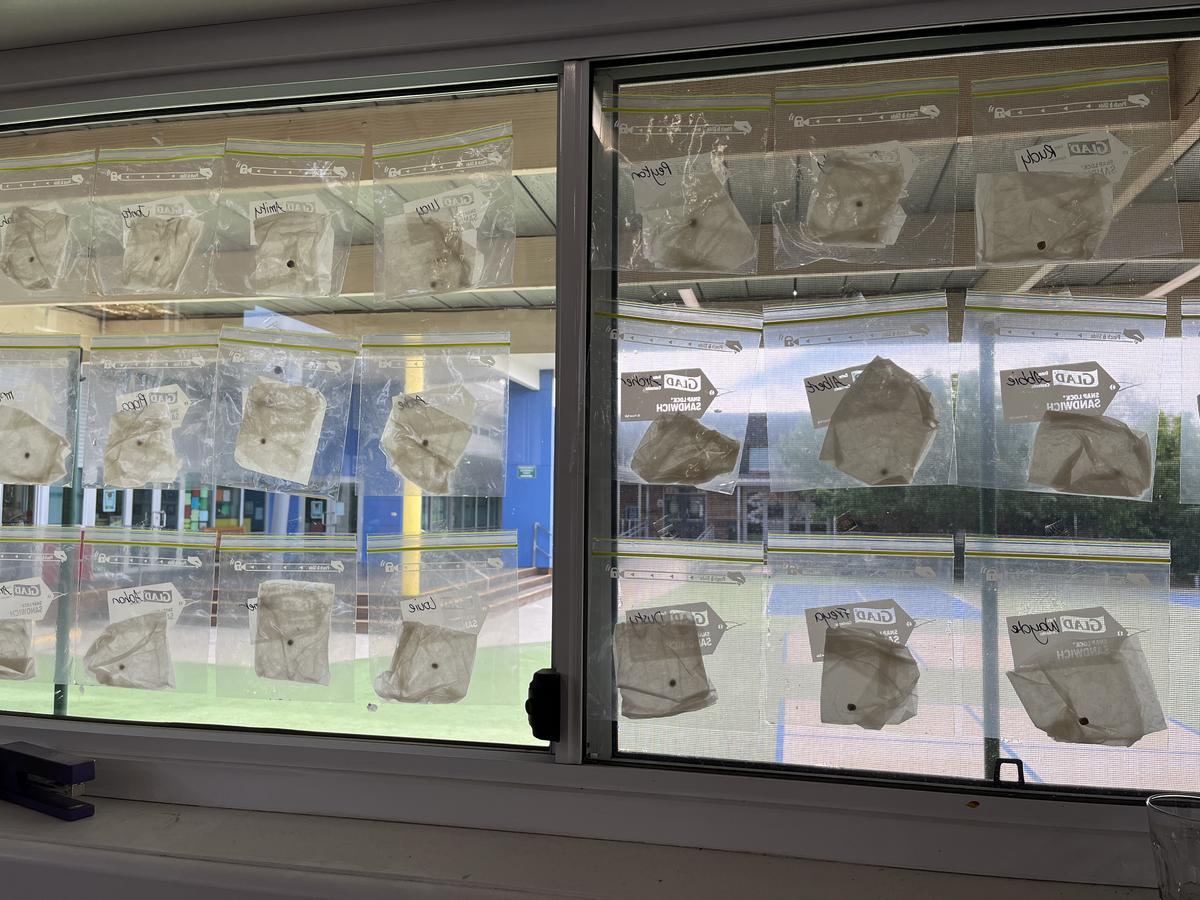
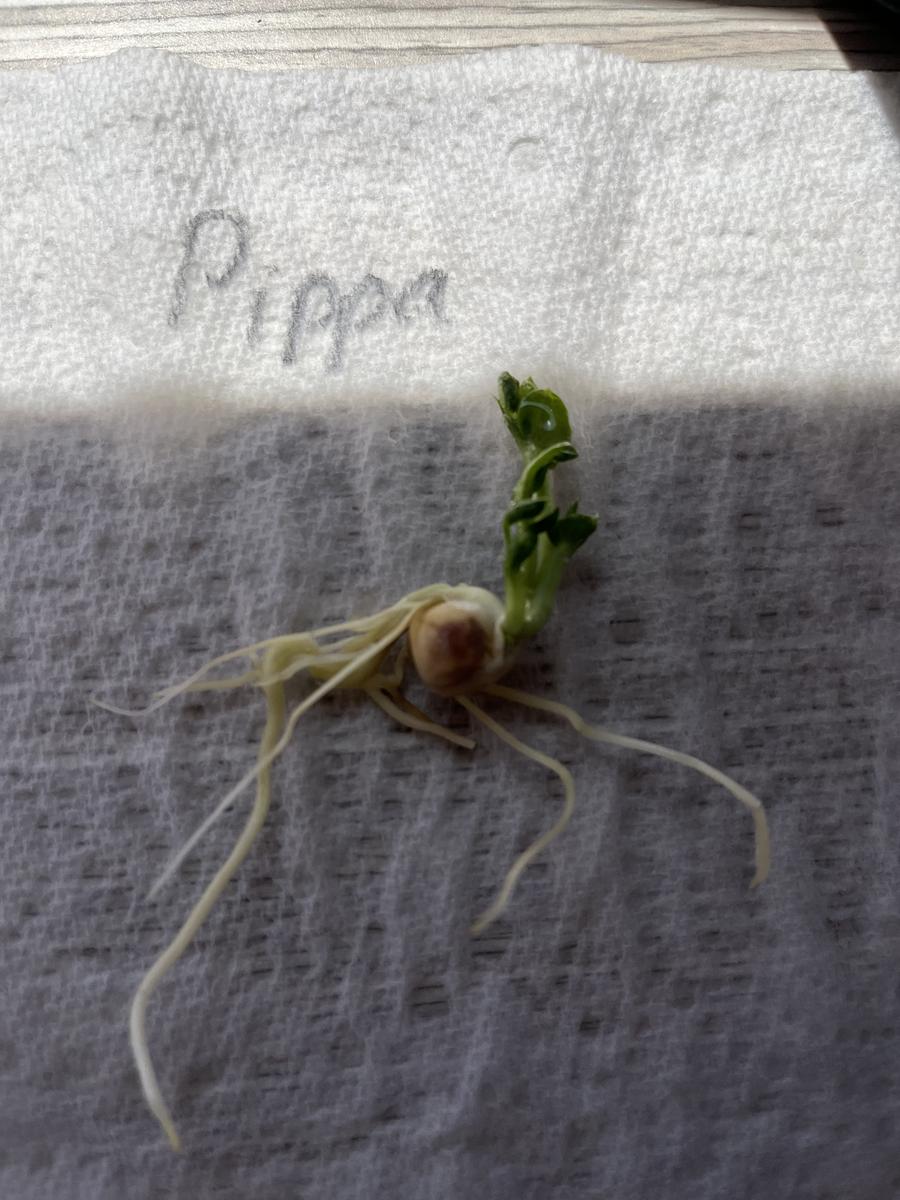
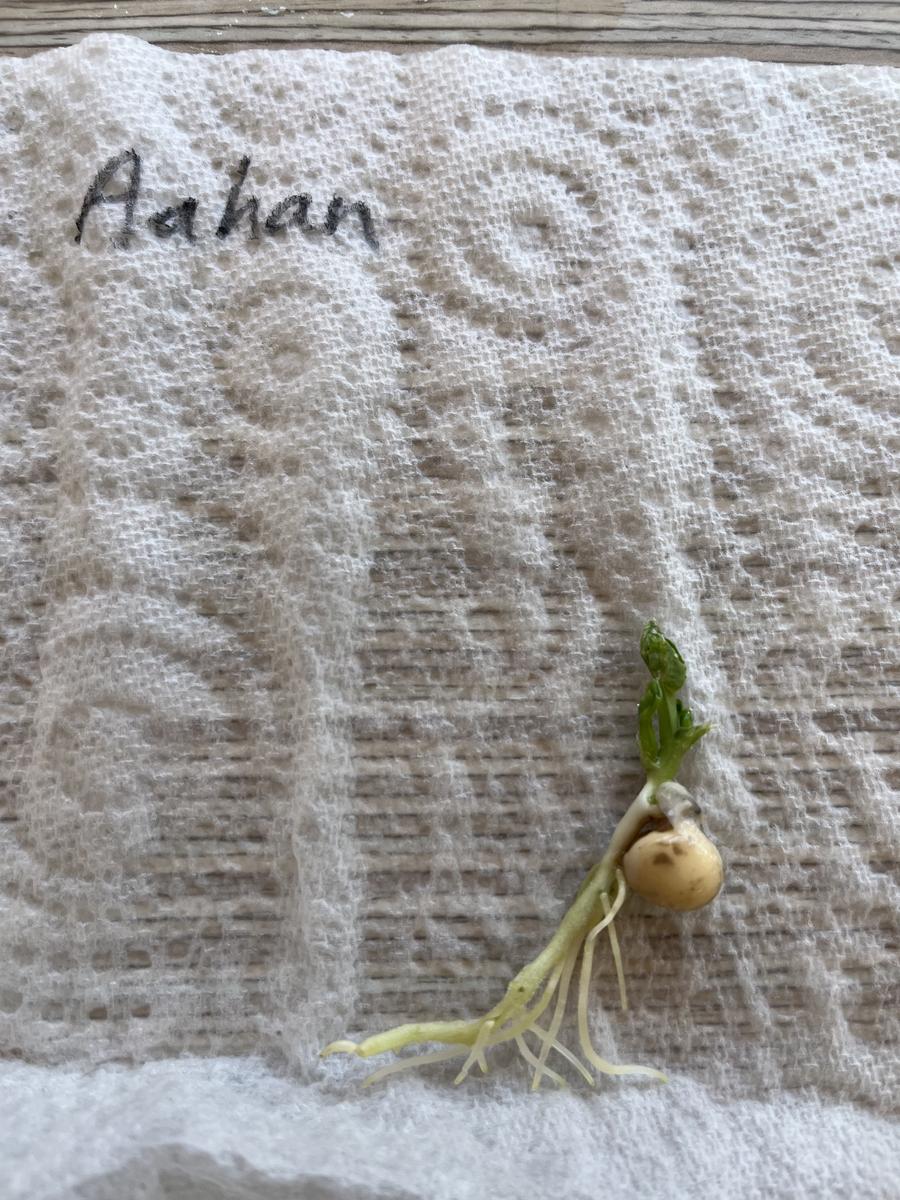
To further deepen our understanding of how plants grow, we conducted a simple seed-growing investigation. Using wet paper towel and ziplock bags, we germinated pea seeds and observed the changes that occur as seeds begin to sprout and develop.
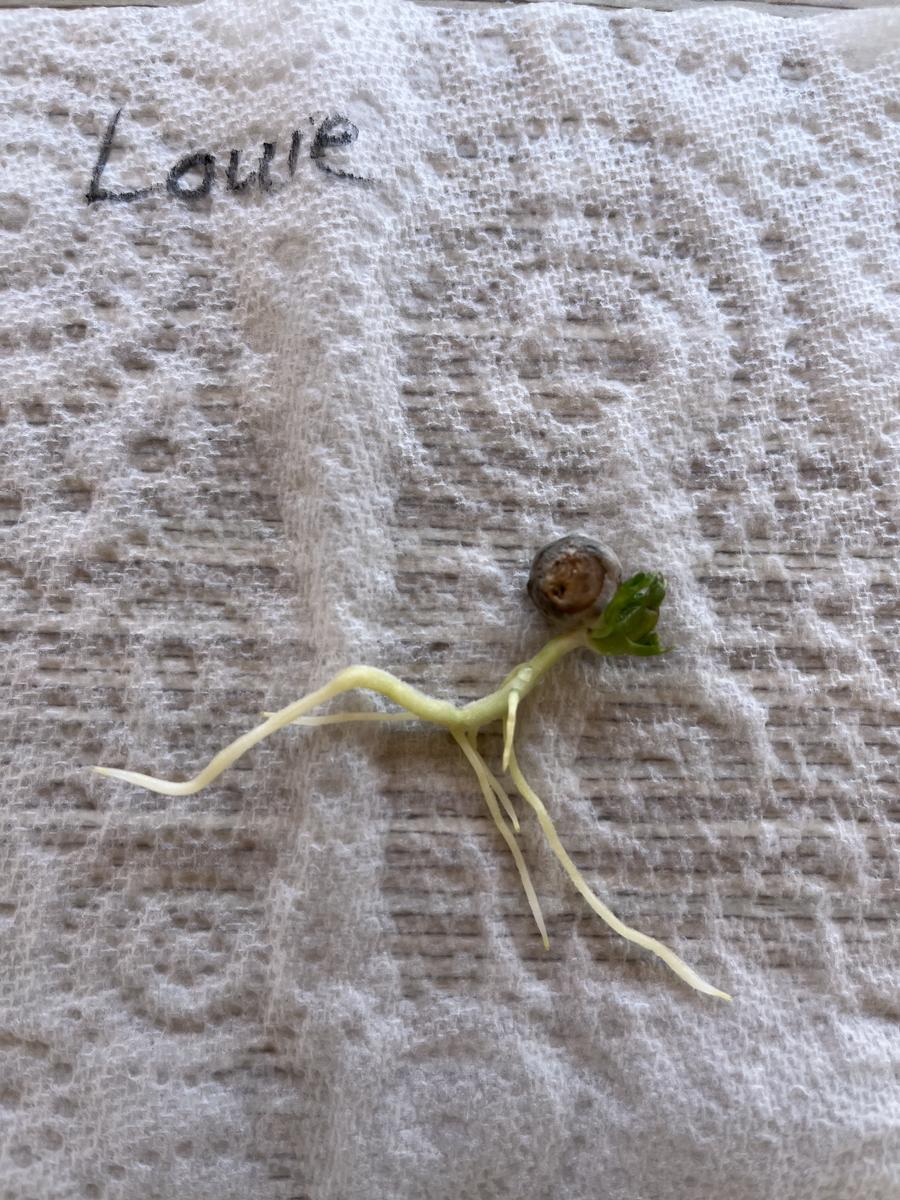
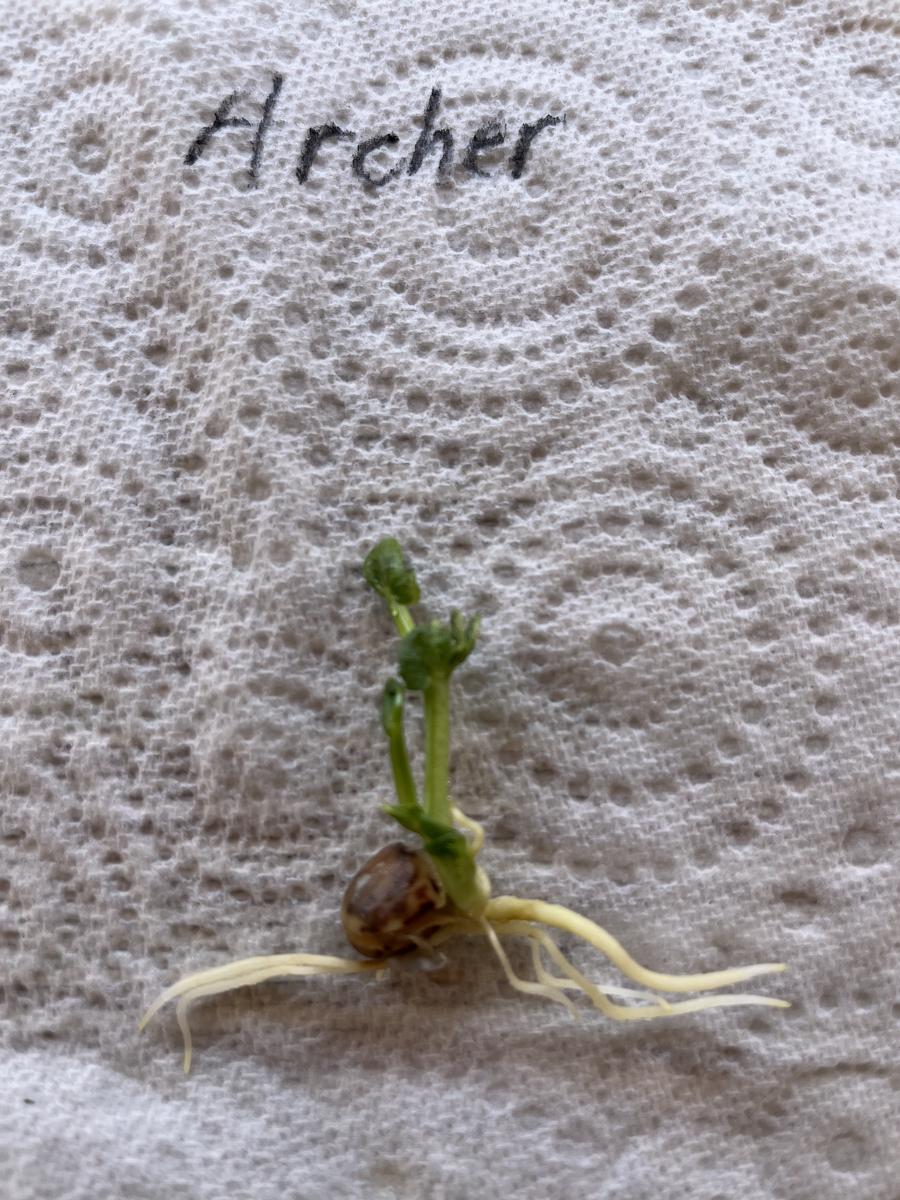
Throughout the remainder of the term, we will continue to explore the characteristics of living things. We will investigate key features of animals, including how they move, their body coverings, and the types of food they eat, helping us recognise similarities and differences between different animal groups.
Year 1 and Year 2
Taking Care of the Earth
This term, Year 1 and Year 2 students are exploring Taking Care of the Earth as part of their STEM learning. Throughout this unit, students are developing an understanding of the importance of reducing, reusing and recycling materials to help conserve Earth’s resources. They are also learning to identify a variety of everyday objects and materials that can be reused and/or recycled.
To engage students in this learning, we began by planning and setting up an experiment to investigate what happens to different materials over time. Students buried a banana peel, a piece of newspaper and a piece of plastic in small pots of soil. At the end of the term, we will dig up the materials and observe how they have changed, comparing the rates at which they have decomposed.
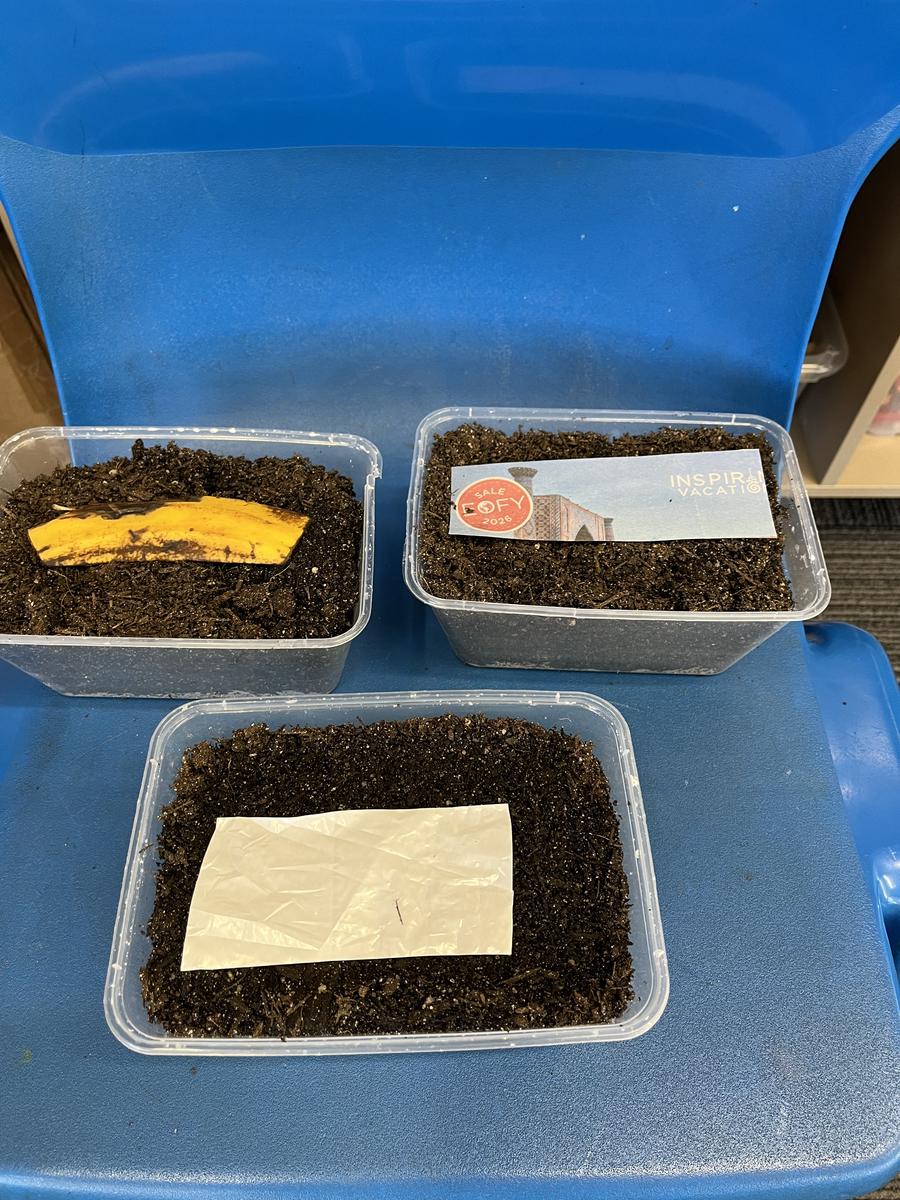
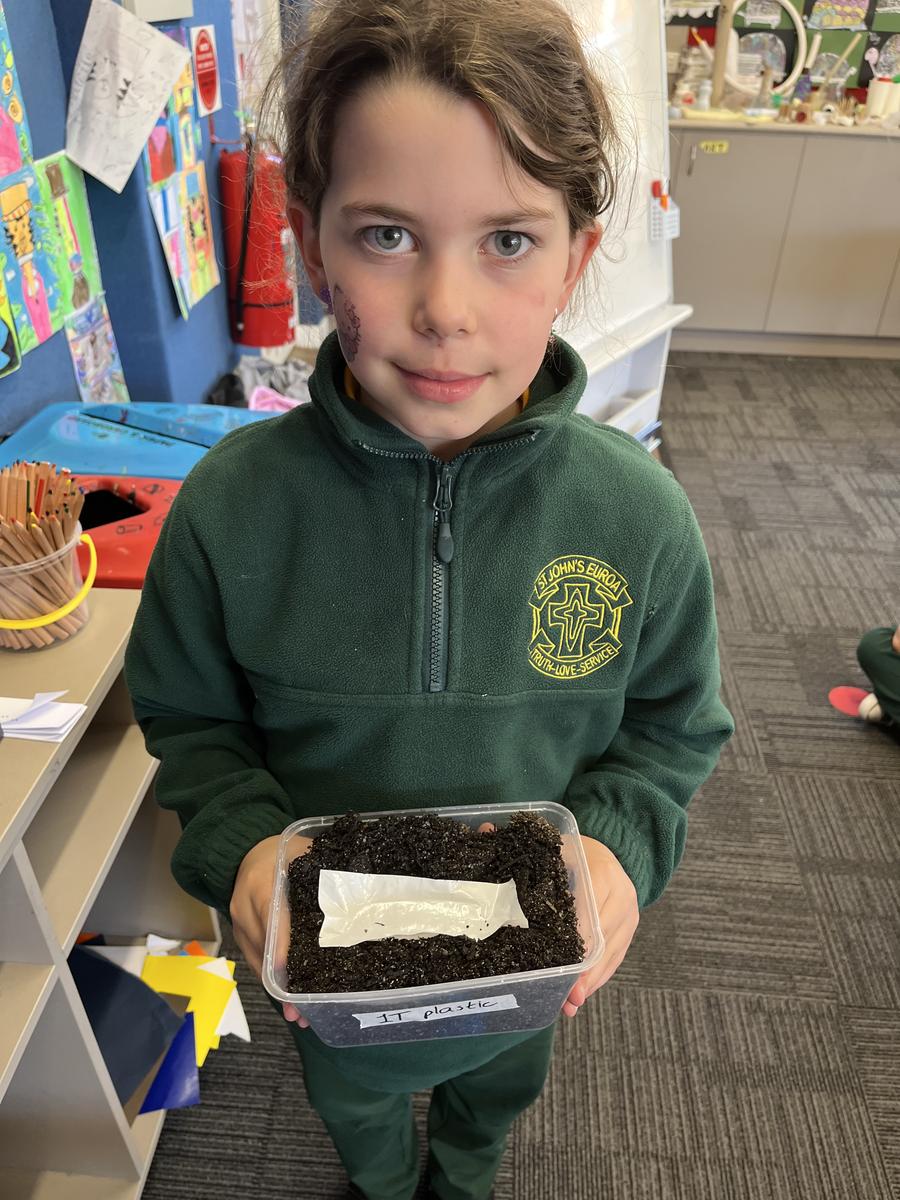
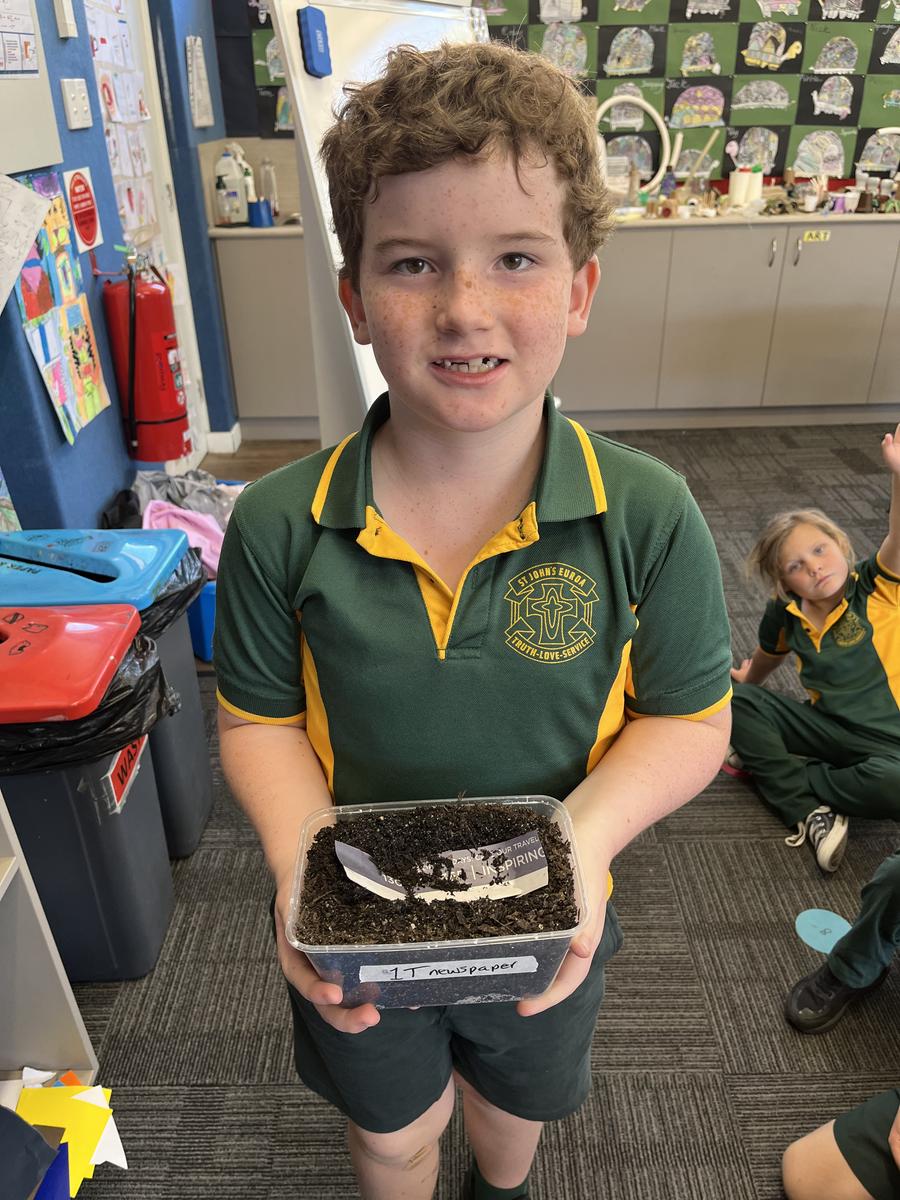
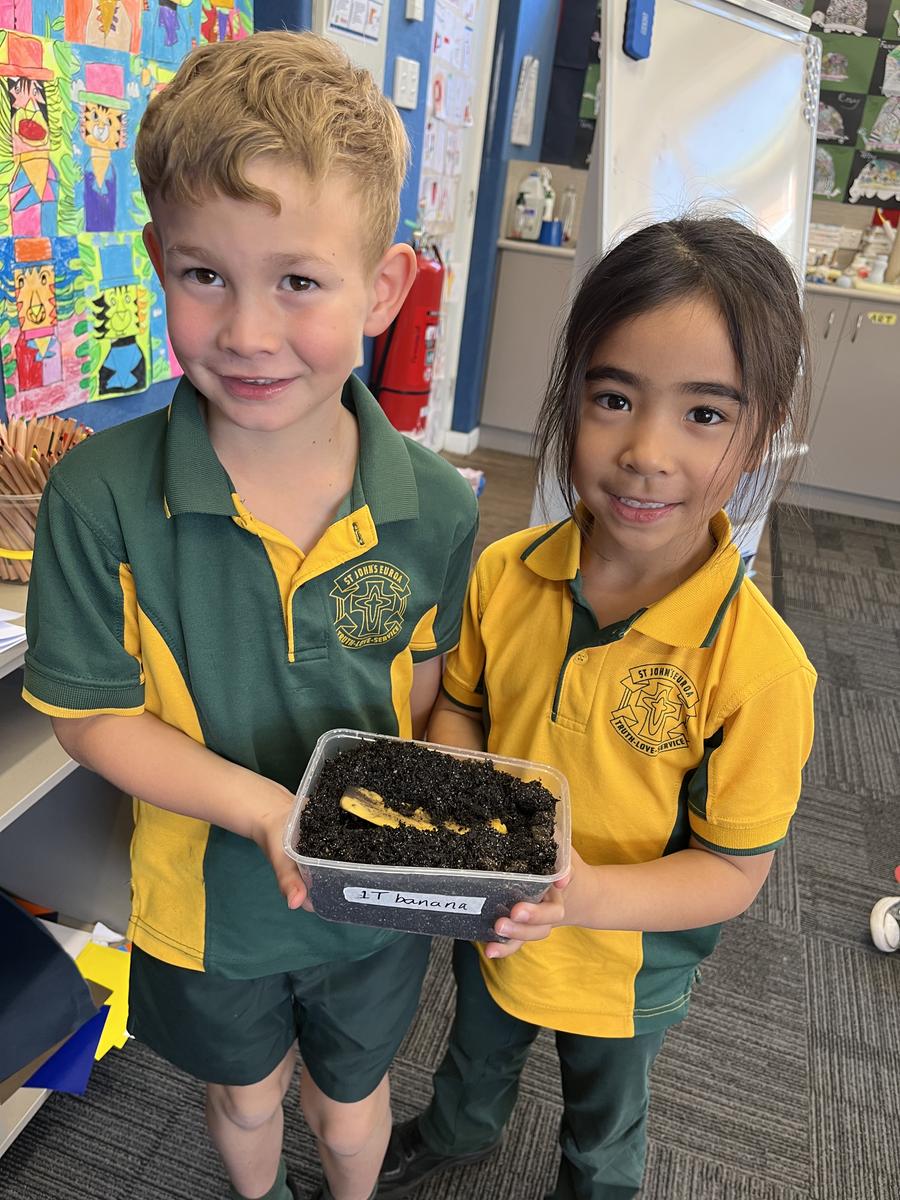
As part of our investigations, students have been introduced to new vocabulary, including decomposition, pollution and landfill. We have explored the differences between natural and processed materials, sorting and categorising a range of items based on their properties. Students have also learnt where different materials come from and discussed the many ways they are used in everyday life.
This hands-on unit is helping students develop a deeper understanding of sustainability and encouraging us to think about the positive actions we can take to care for our environment.
Year 3 and Year 4
Properties of Materials
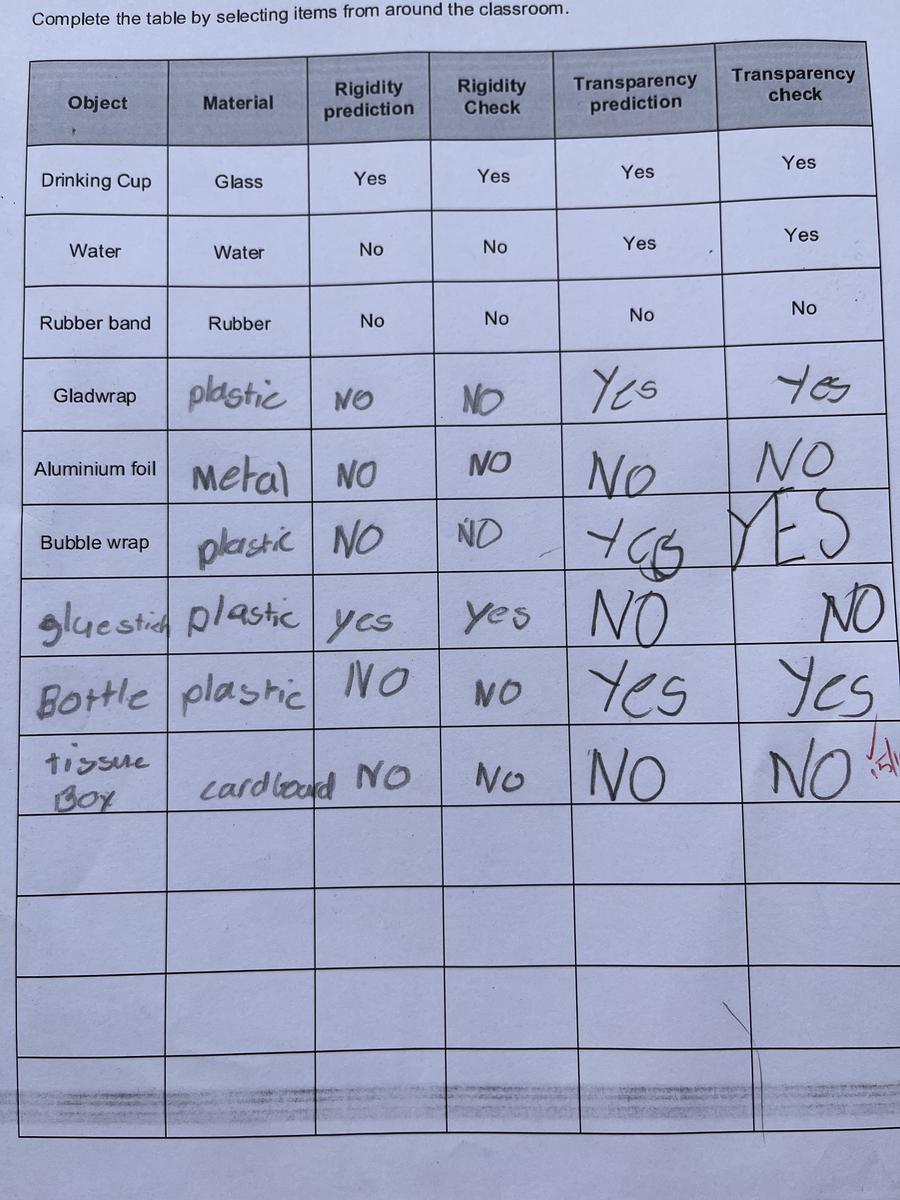
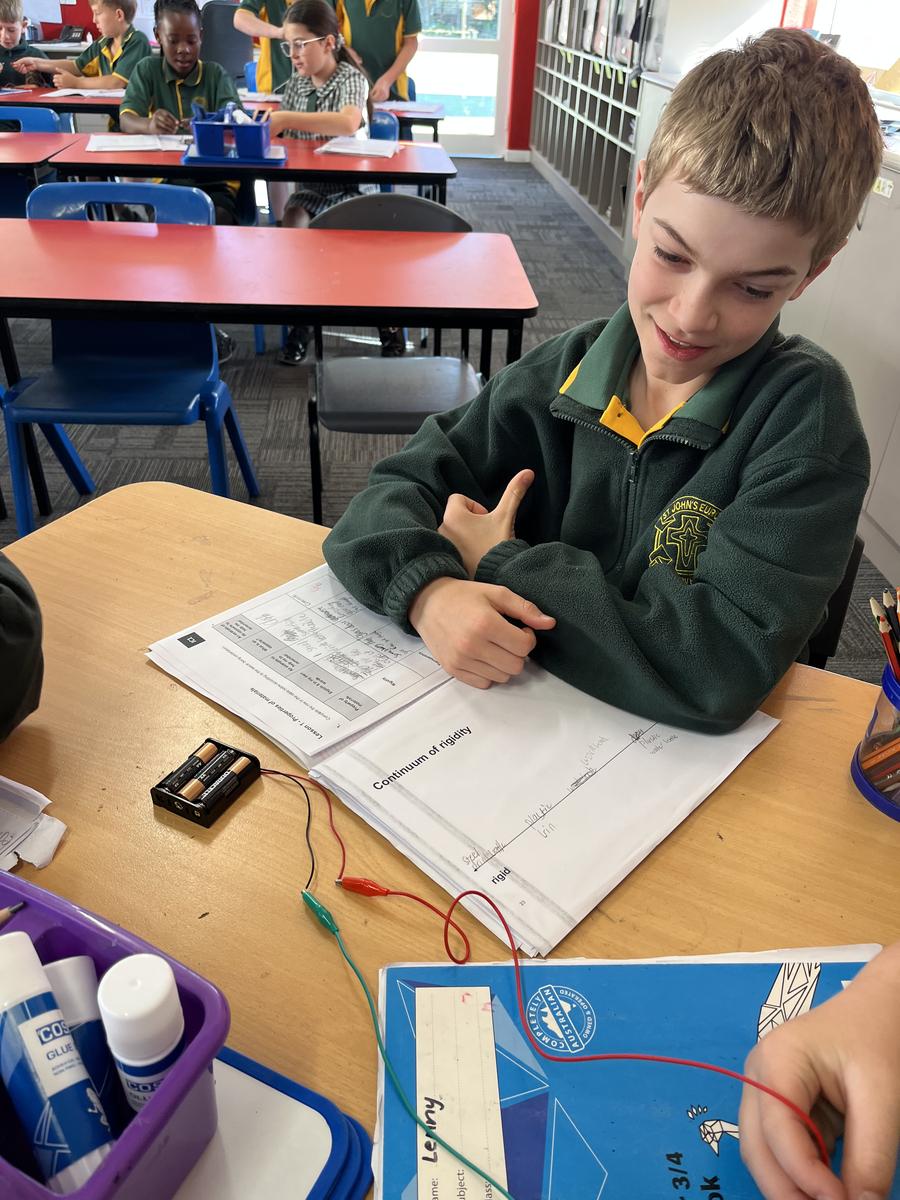
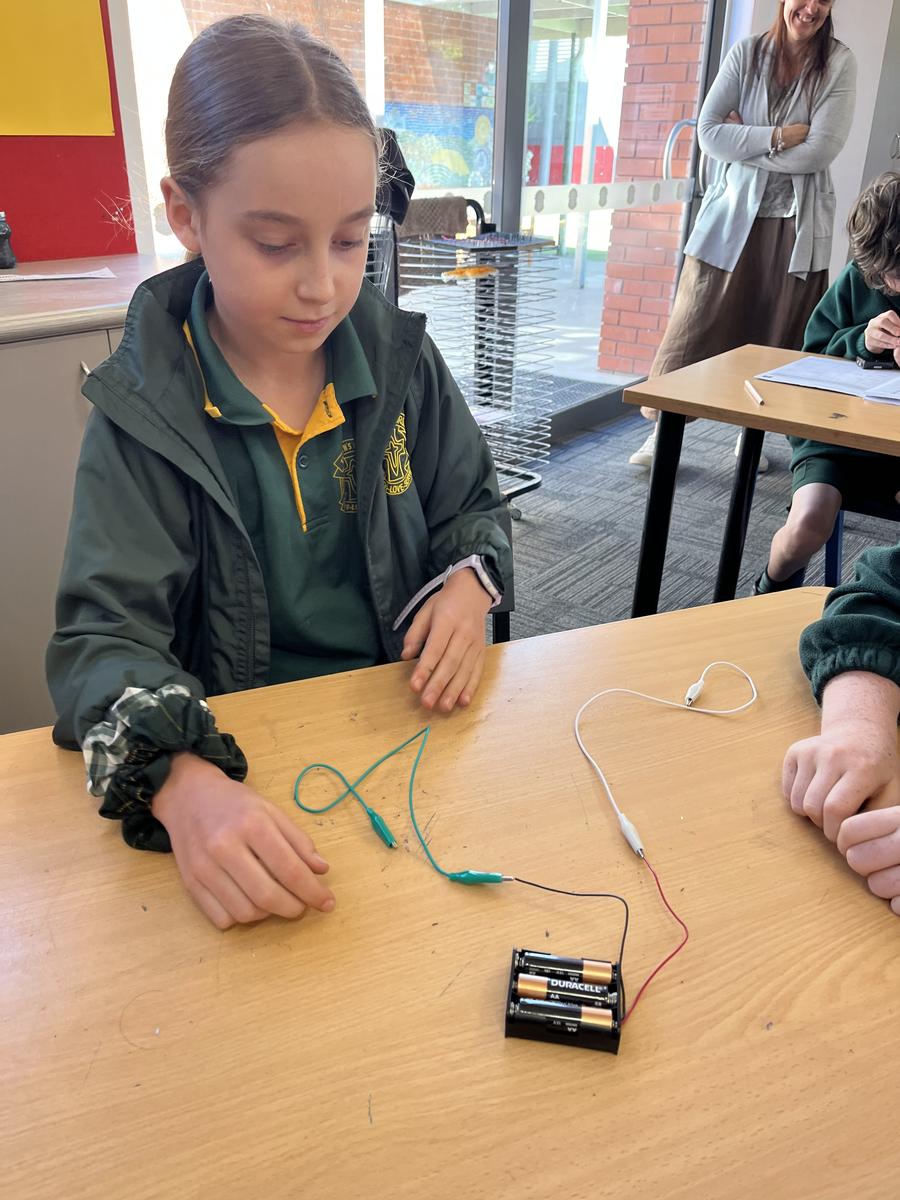
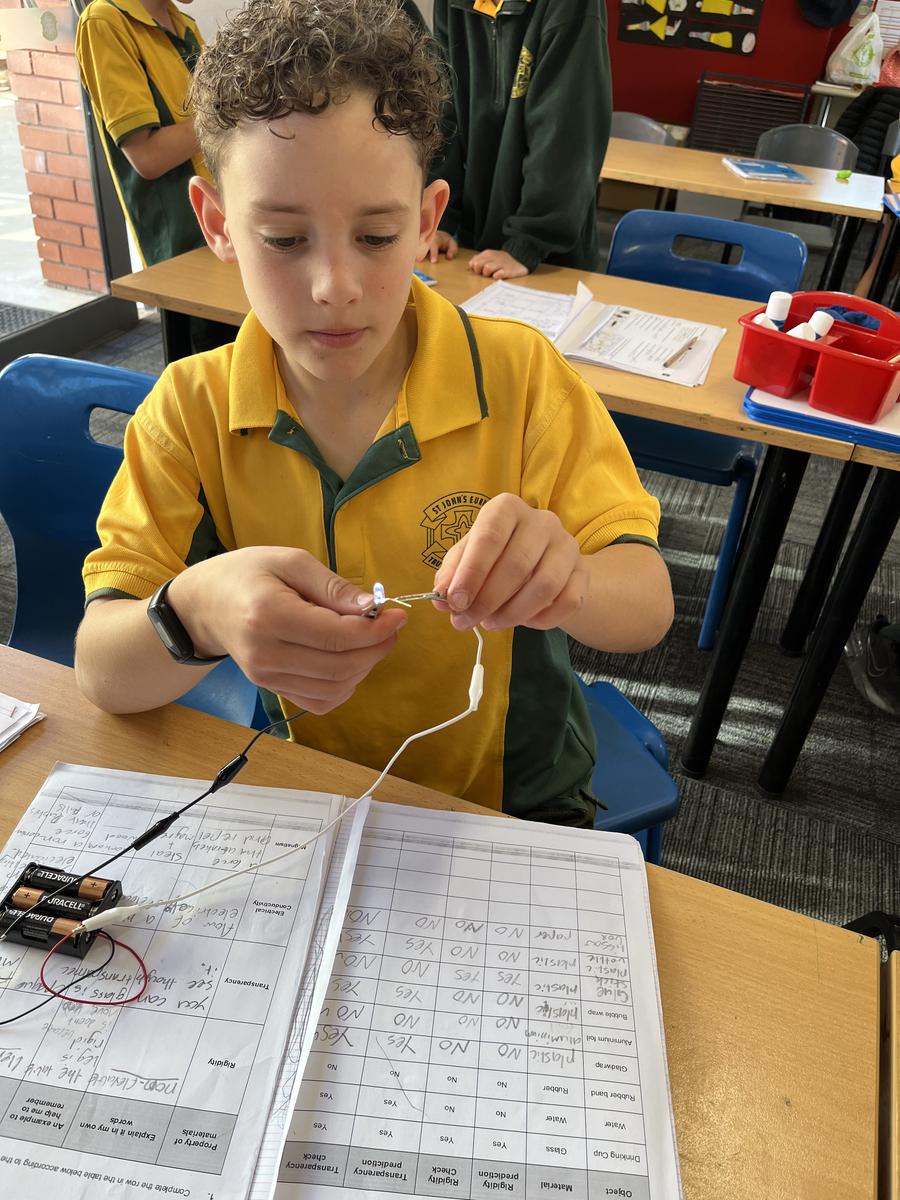
This term, Year 3 and Year 4 students are exploring the Properties of Materials as part of their STEM learning. Throughout this unit, students are investigating the properties of both natural and manufactured materials and considering how these properties influence the ways materials are used in everyday life. Students have participated in a range of hands-on activities to compare materials for properties such as rigidity, flexibility, transparency, magnetism and electrical conductivity.
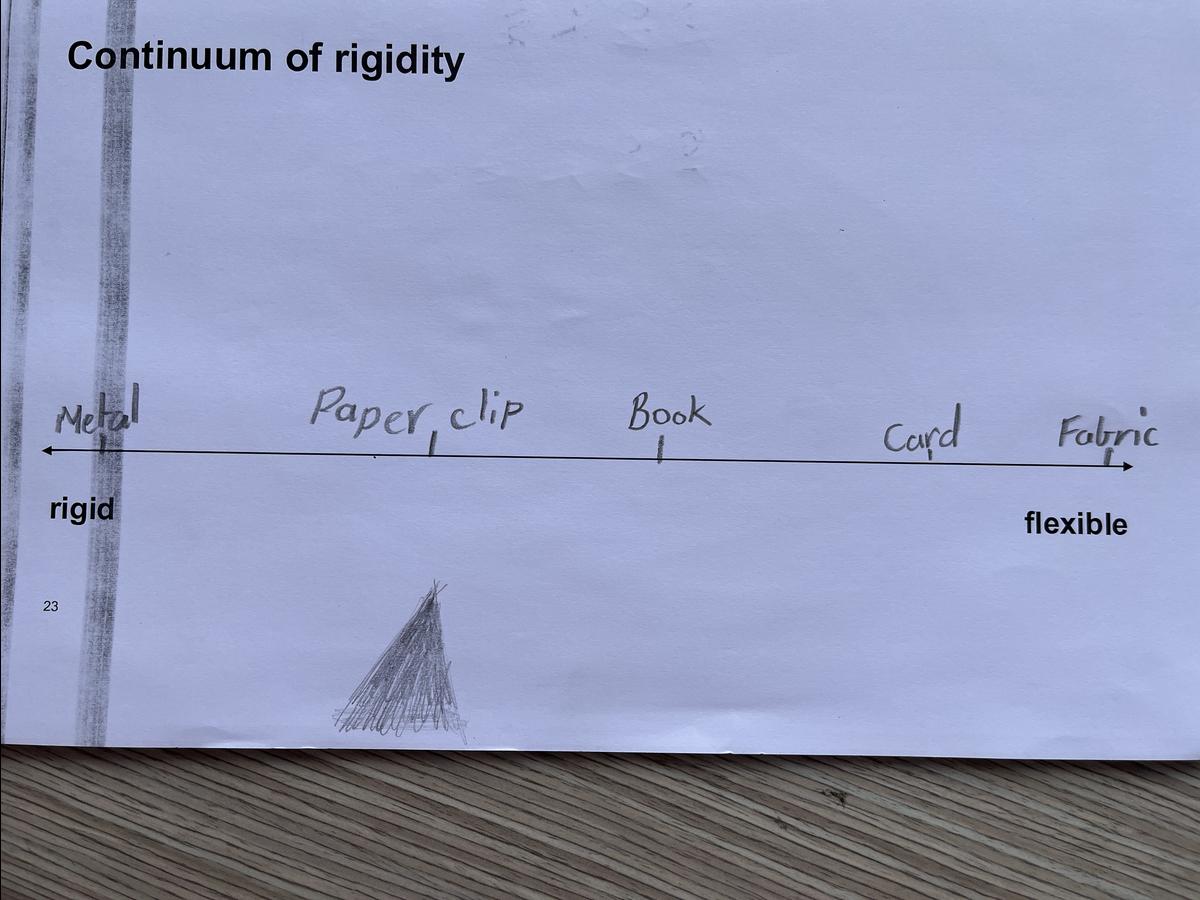
A key focus of our learning has been using continuums to categorise and compare materials based on their properties. For example, students used a rigidity continuum to investigate and rank a variety of materials from most flexible to most rigid, developing their observation and reasoning skills.
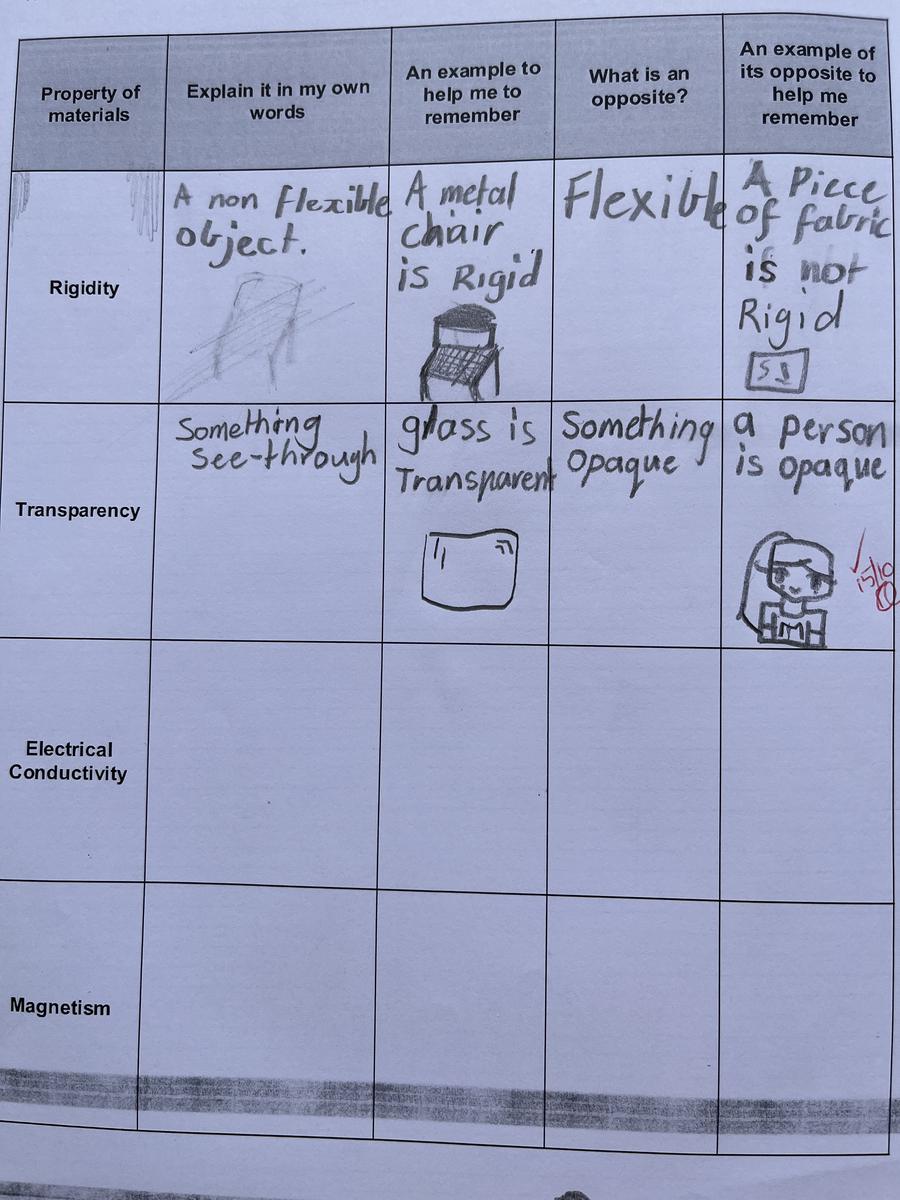
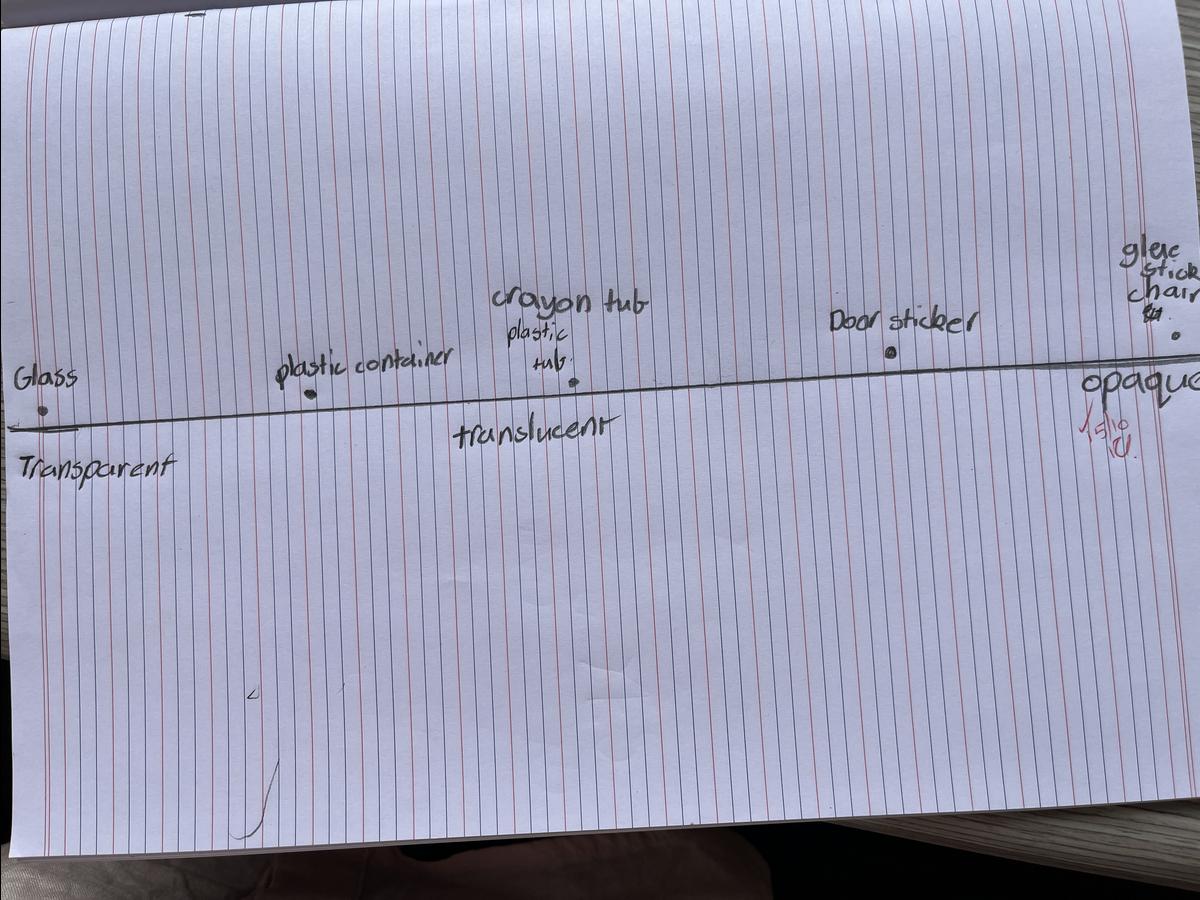
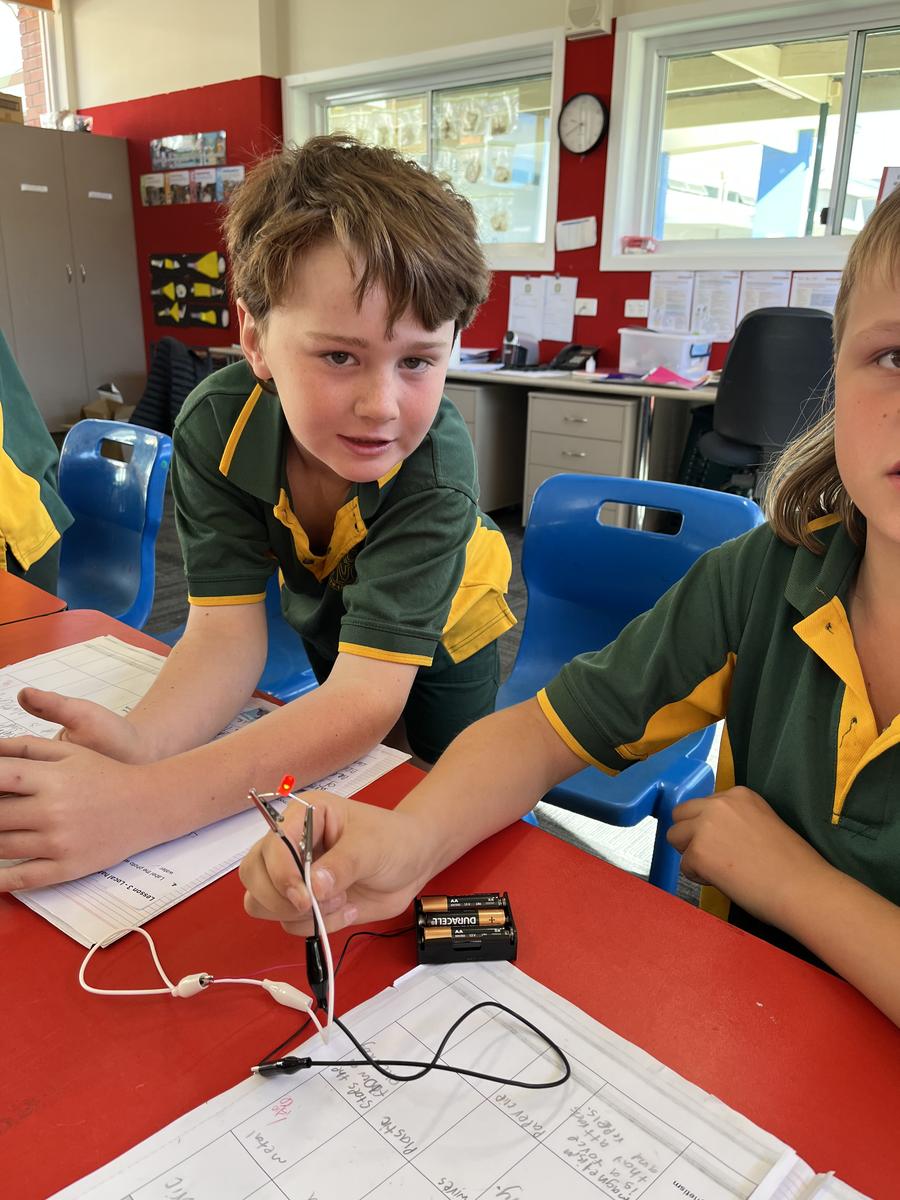
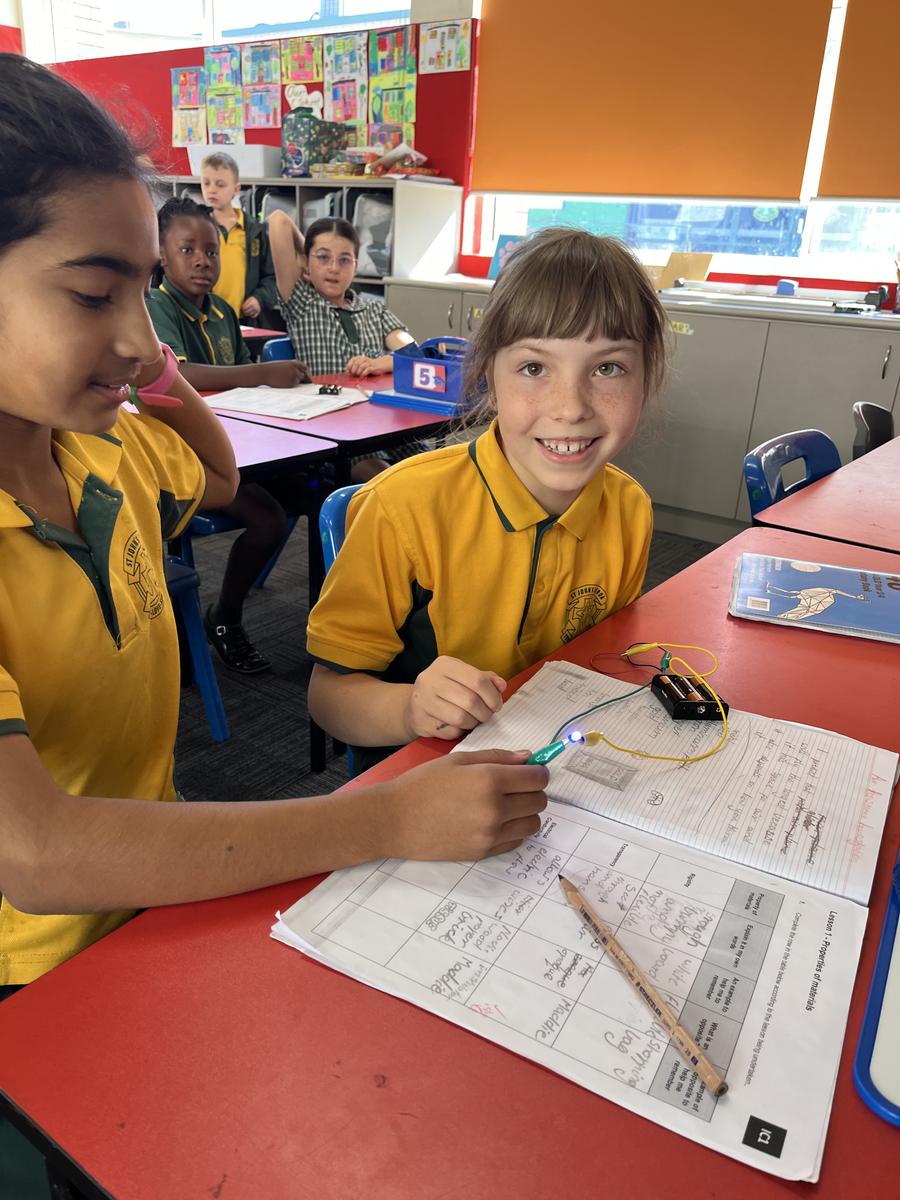
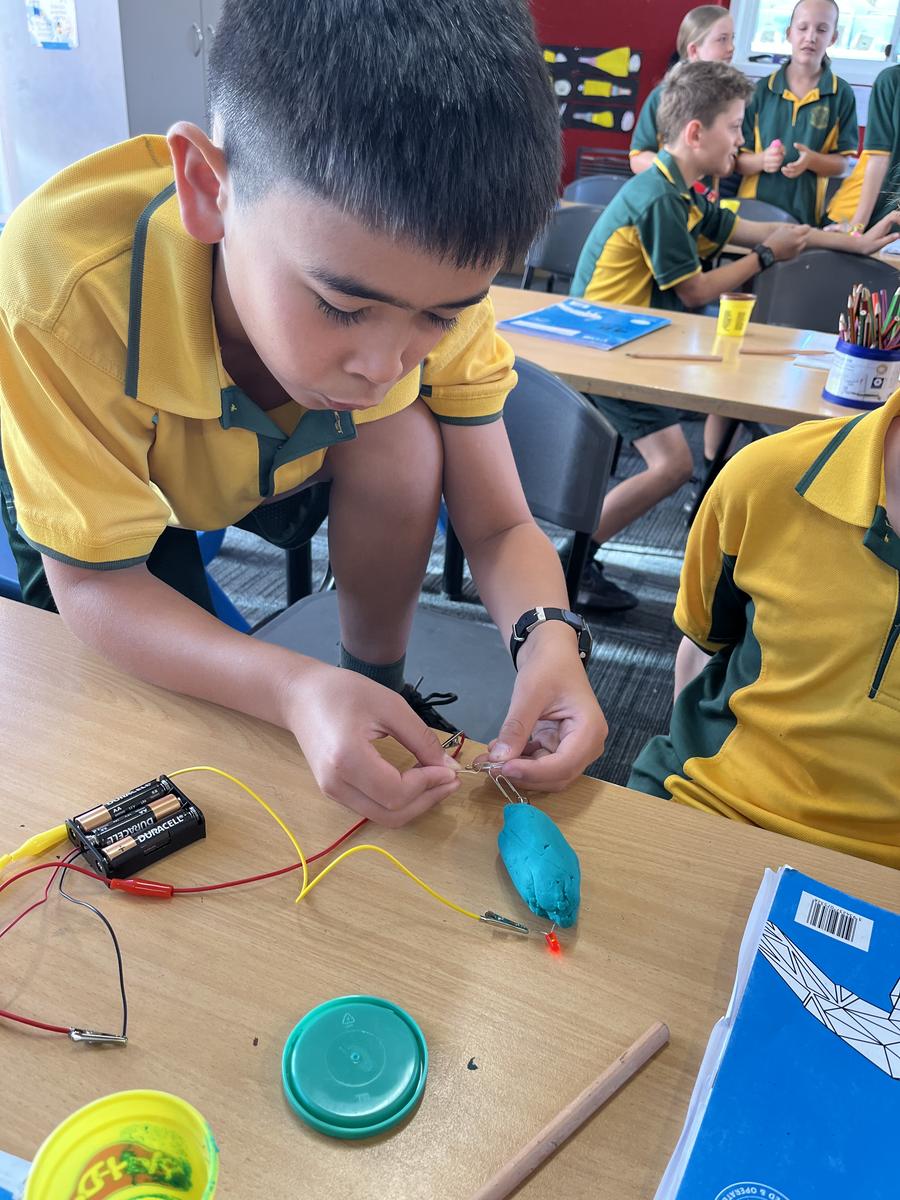
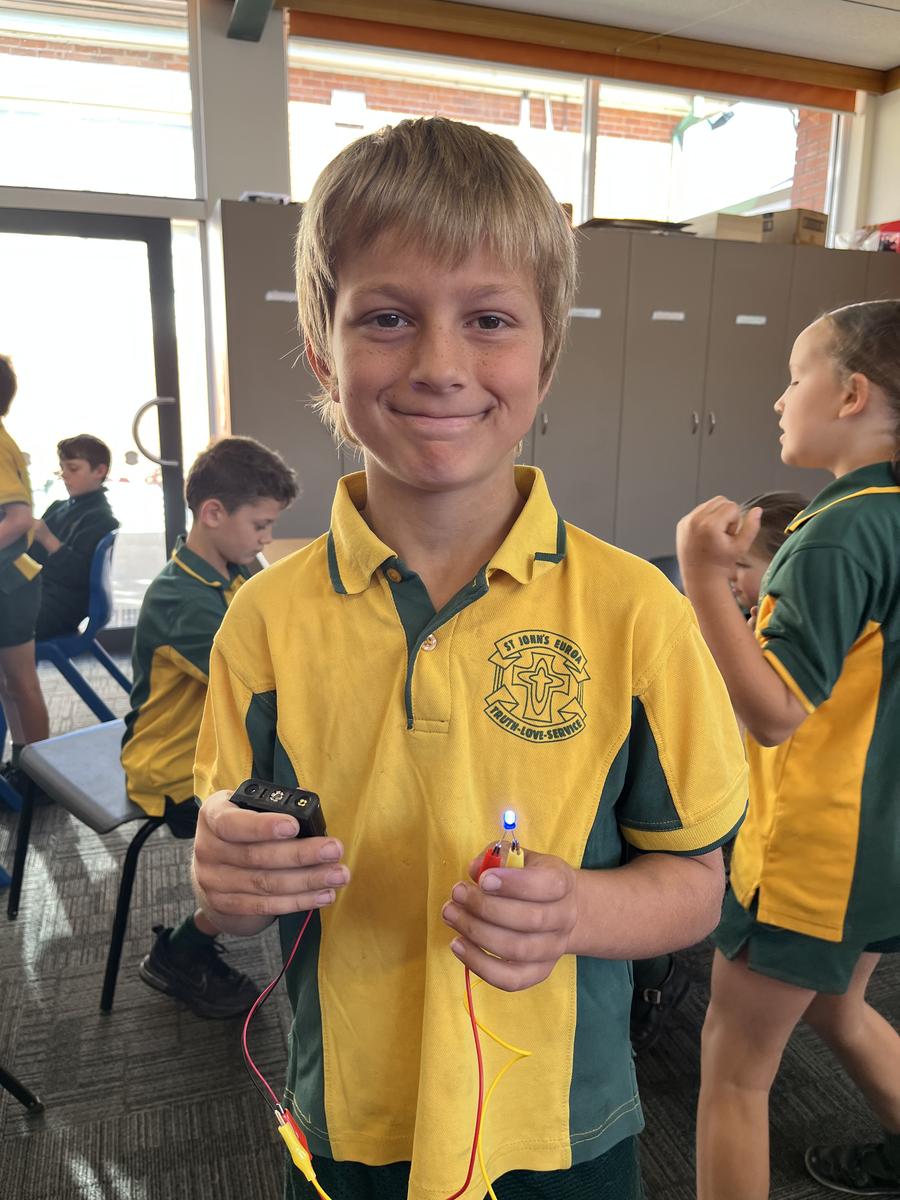
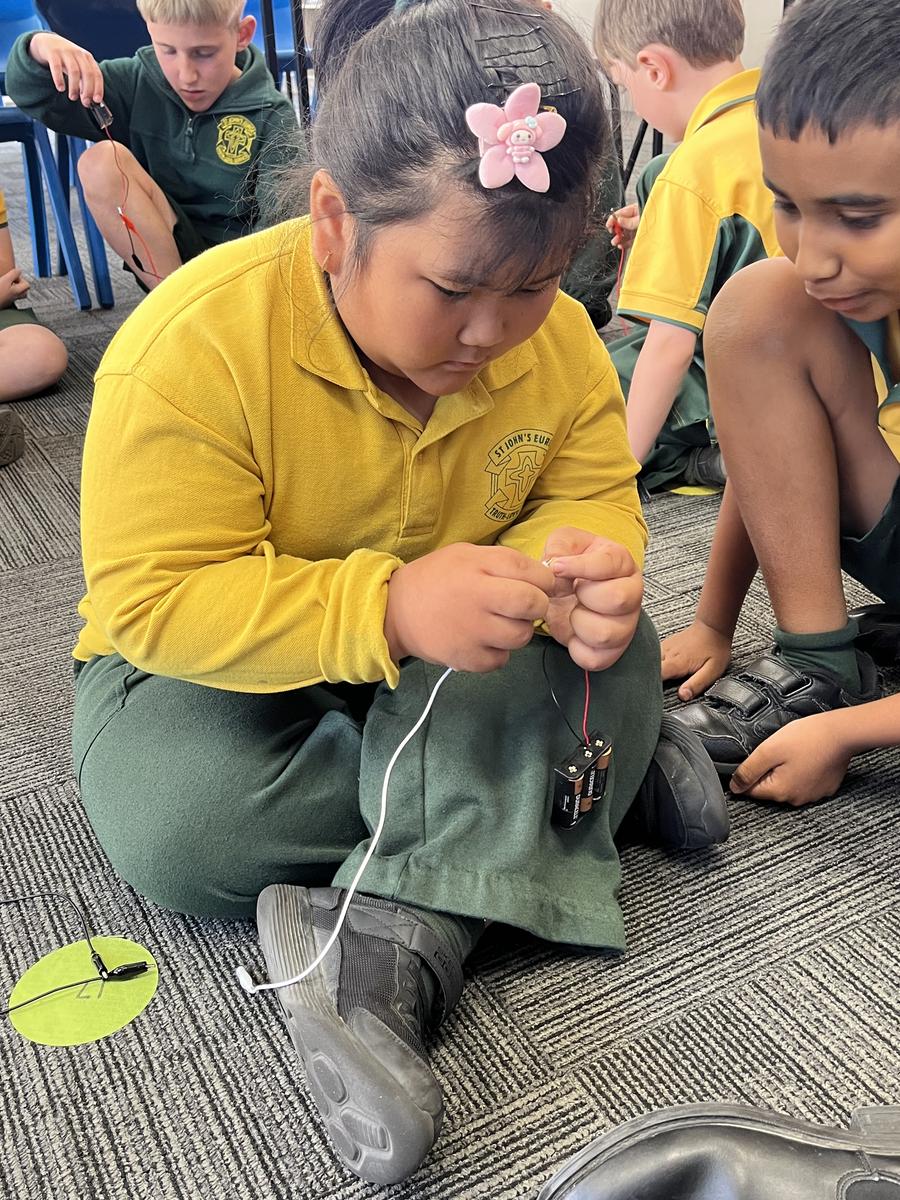
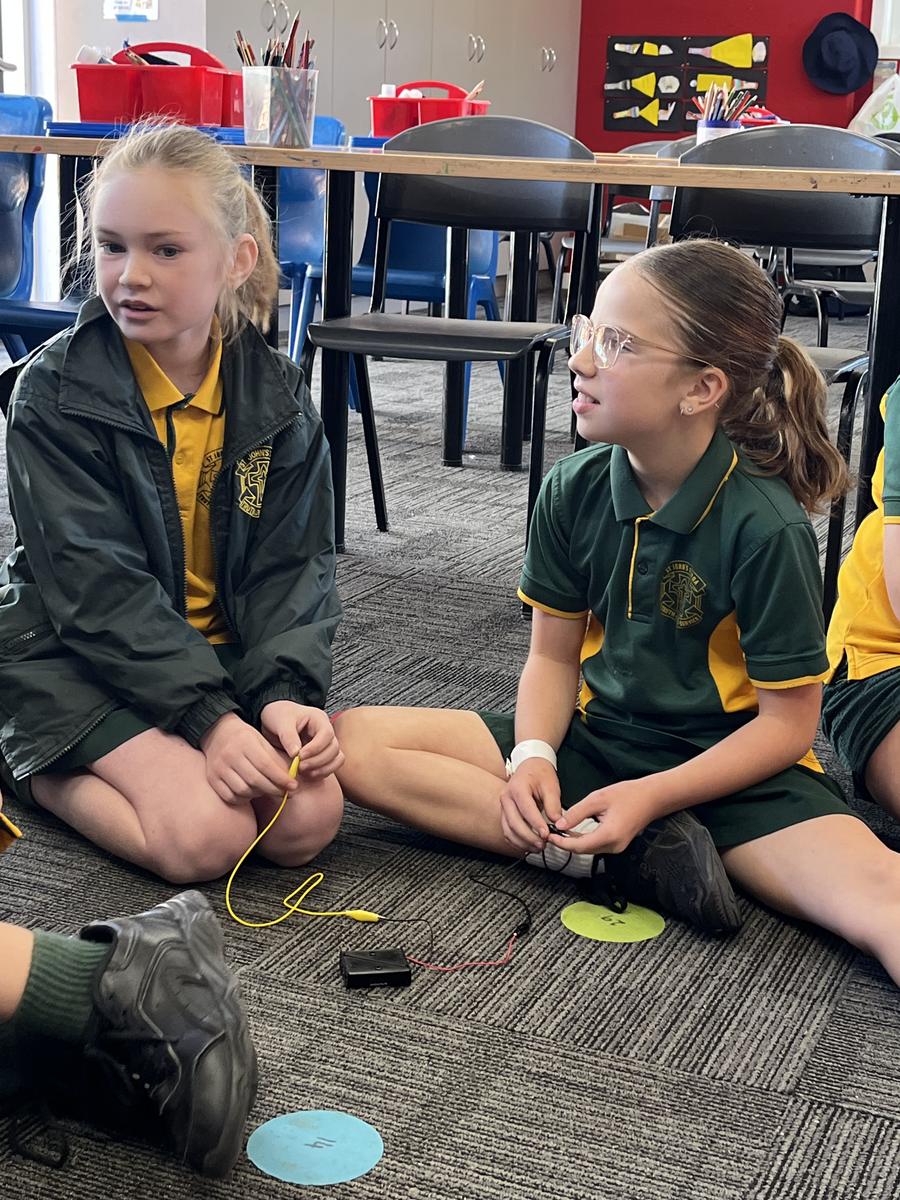
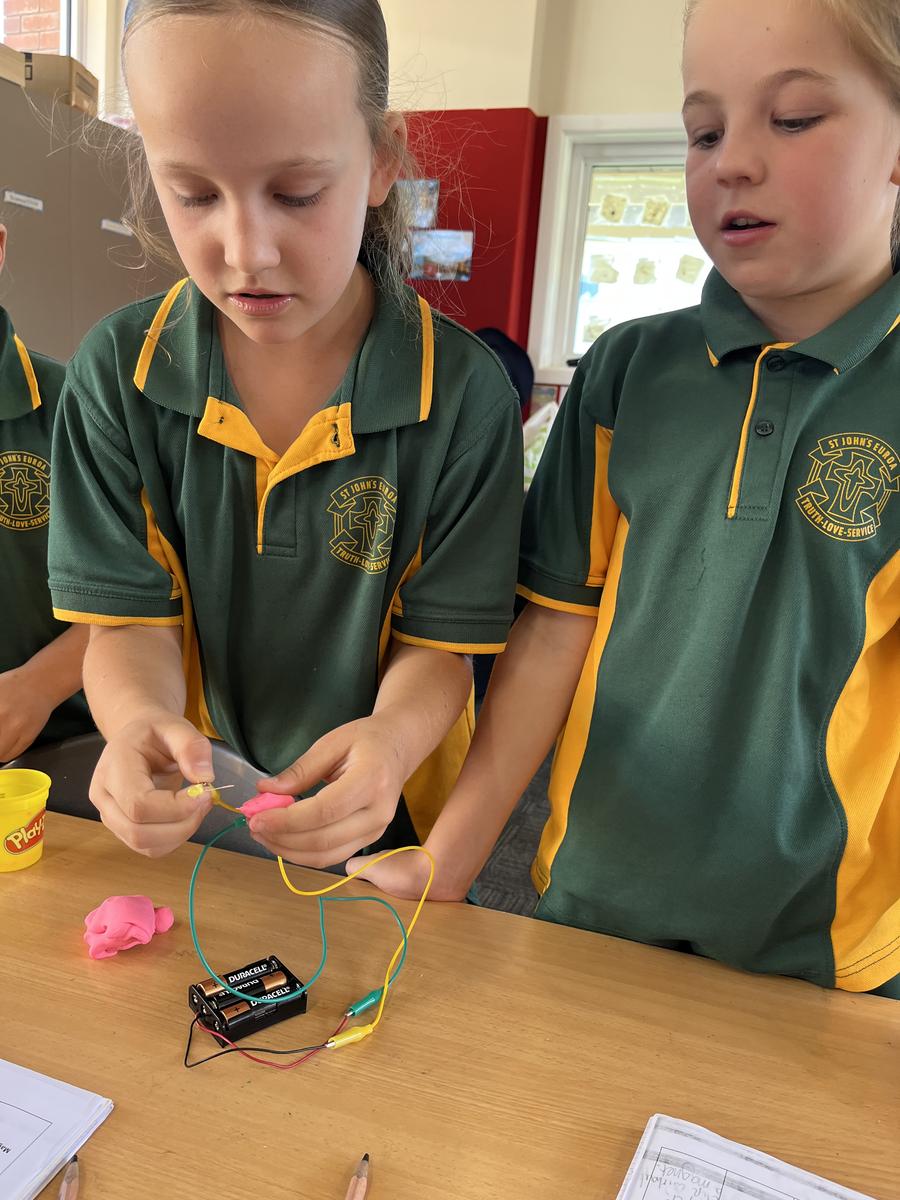
To explore electrical conductivity, students created simple electrical circuits and tested different materials to determine whether they allowed electricity to flow. One of the most exciting discoveries was that playdough conducts electricity, which sparked lots of discussion and curiosity about the materials we encounter every day.
Year 5 and Year 6
Mixtures
This term, Year 5 and Year 6 students are investigating Mixtures and Solutions as part of their STEM learning. Throughout this unit, students have been developing their understanding of pure and impure substances and exploring how materials can be classified. They have examined a range of common substances, identifying whether they are pure or impure, while building their scientific vocabulary with terms such as homogeneous and heterogeneous mixtures.
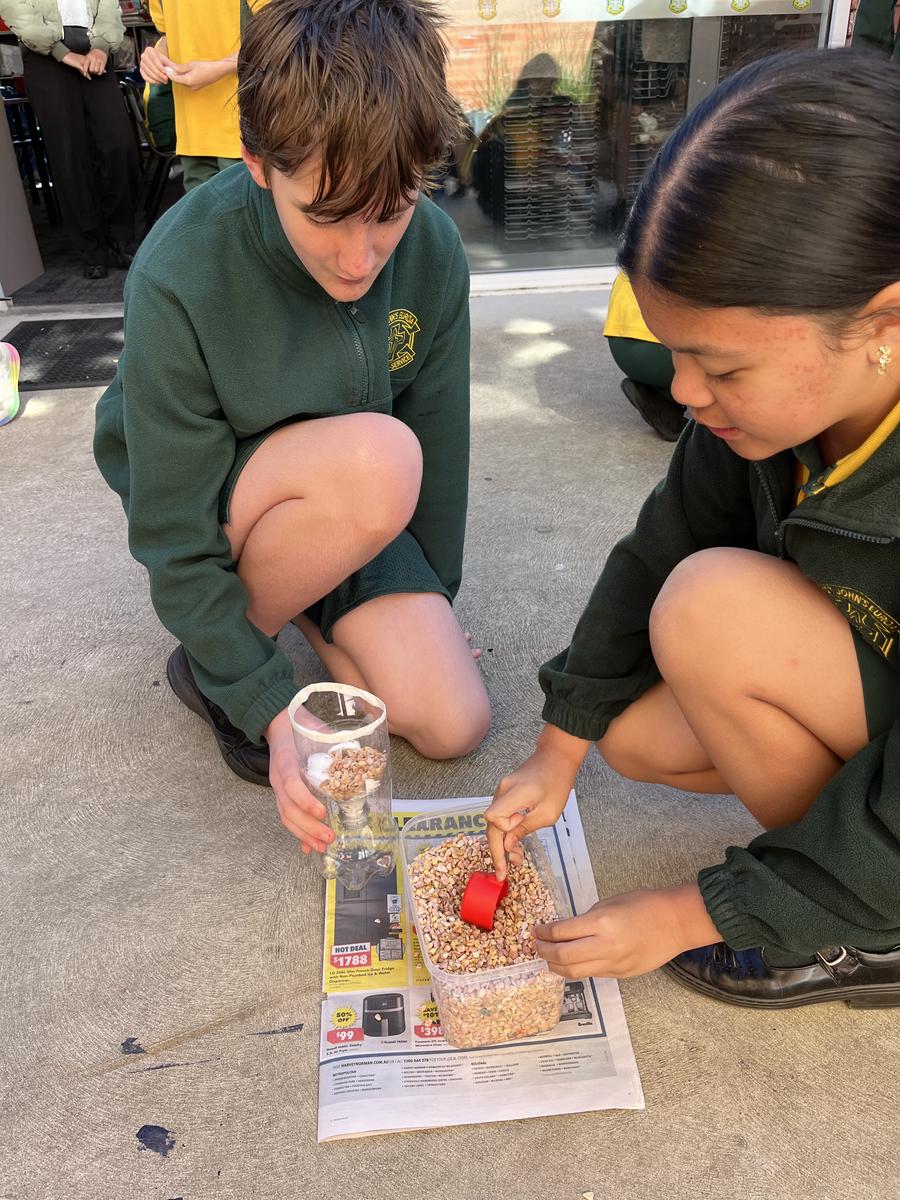
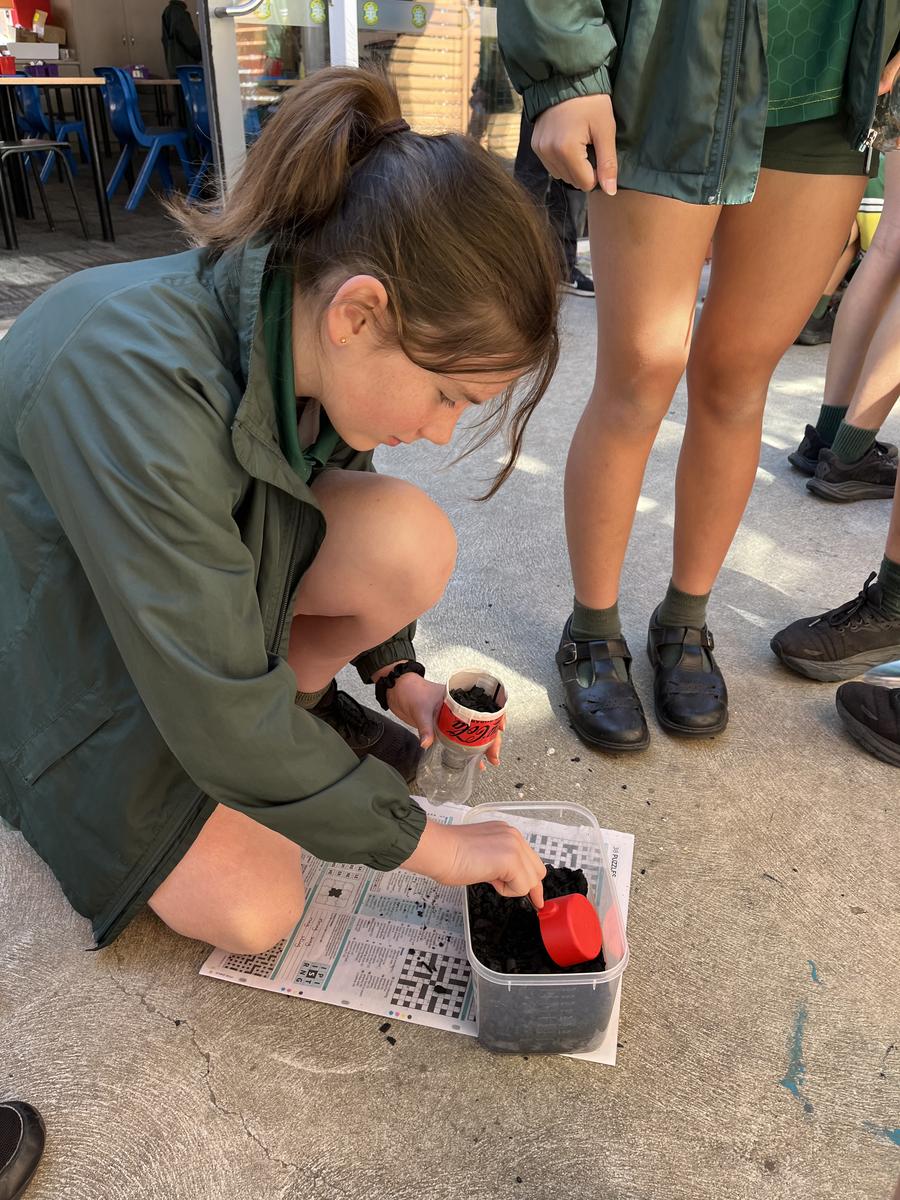
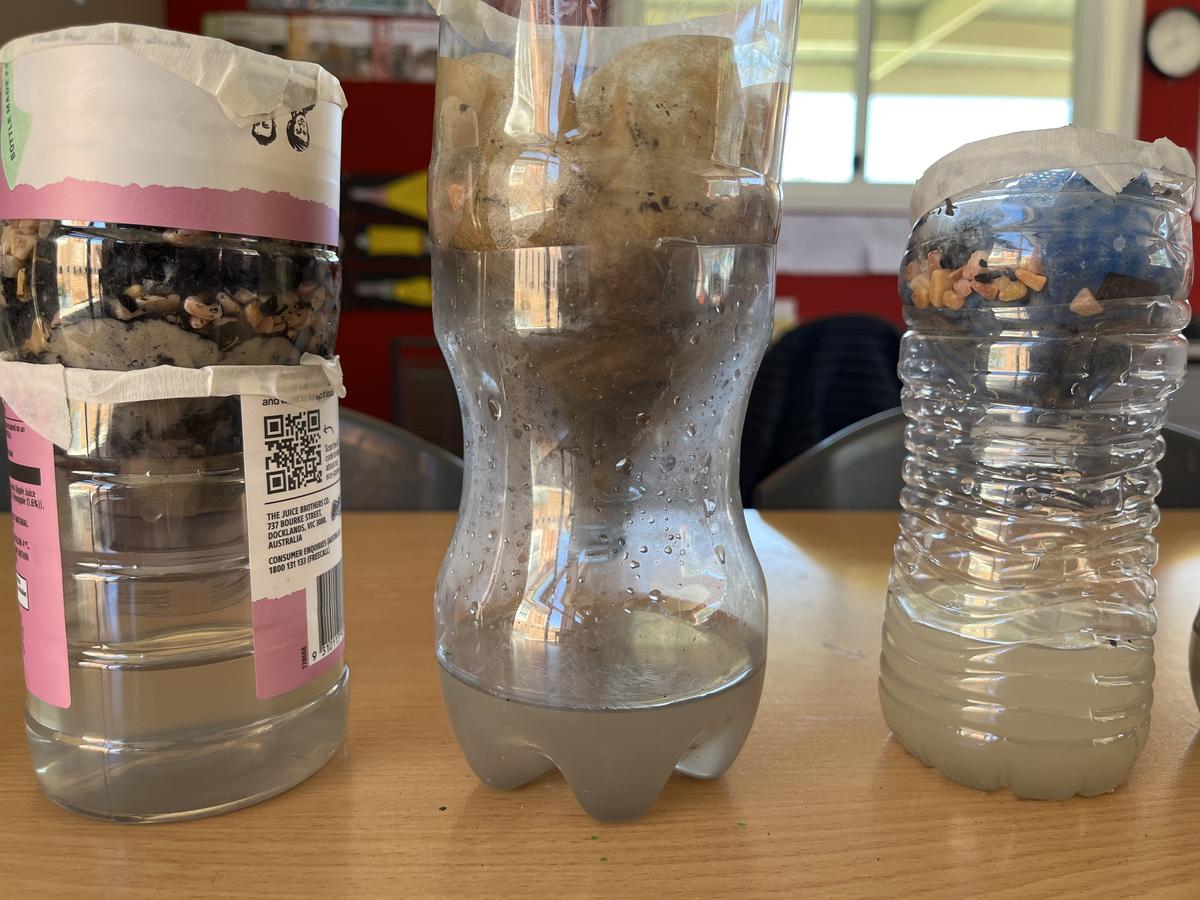
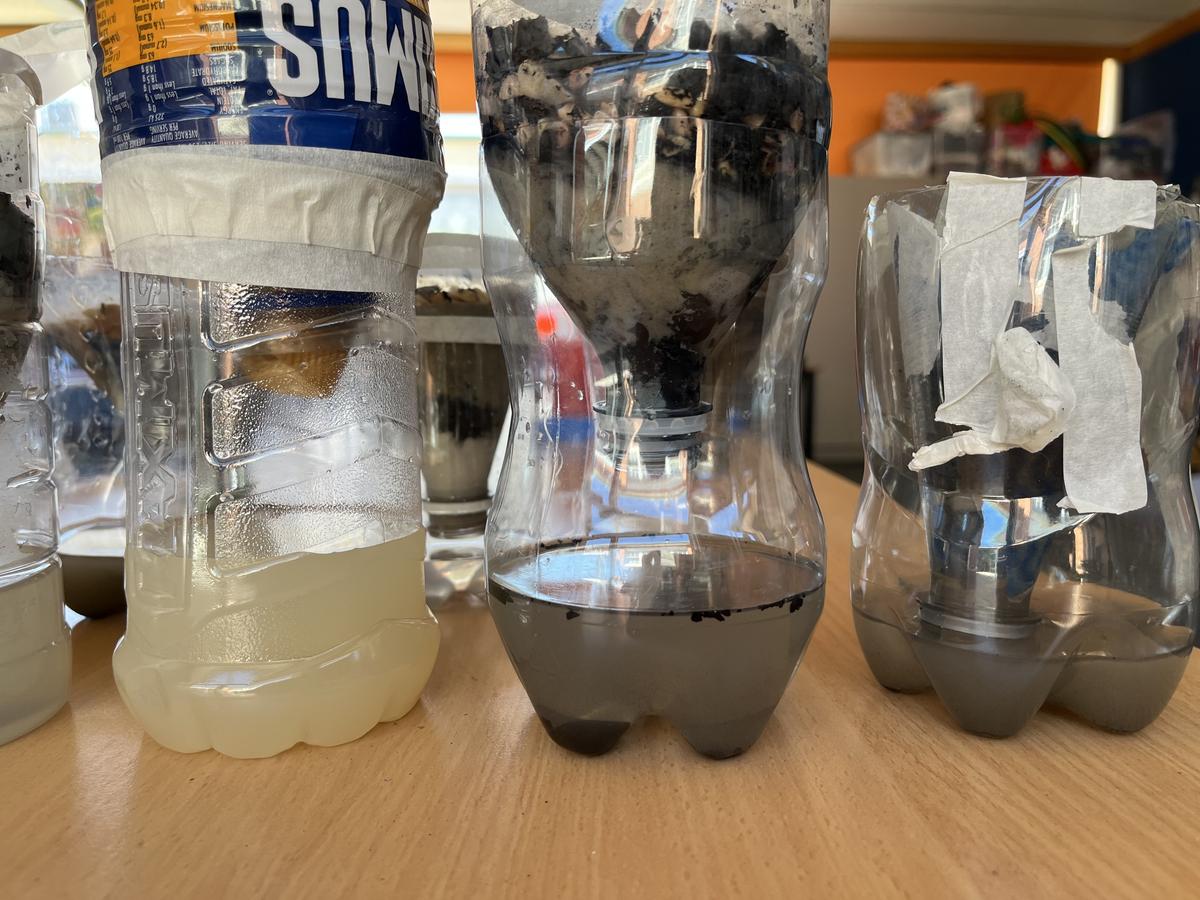
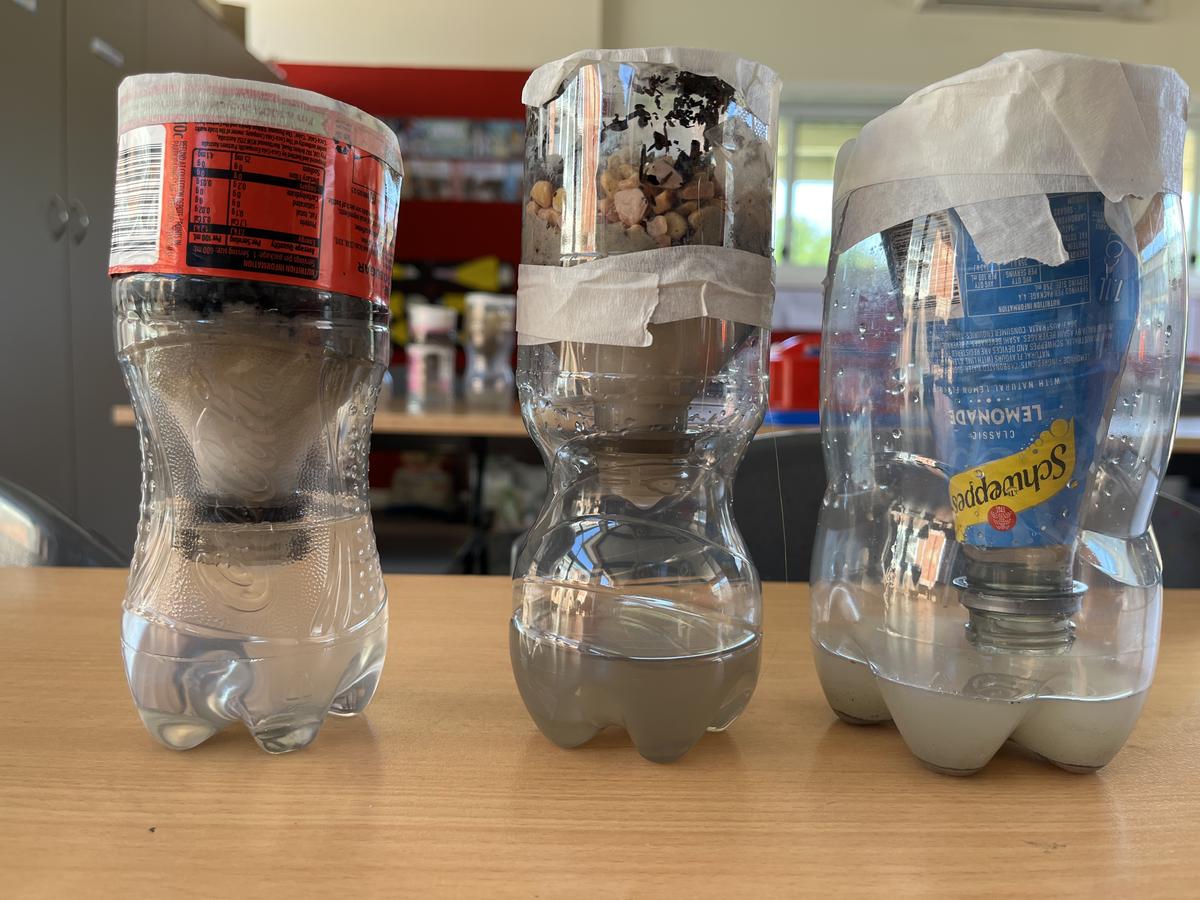
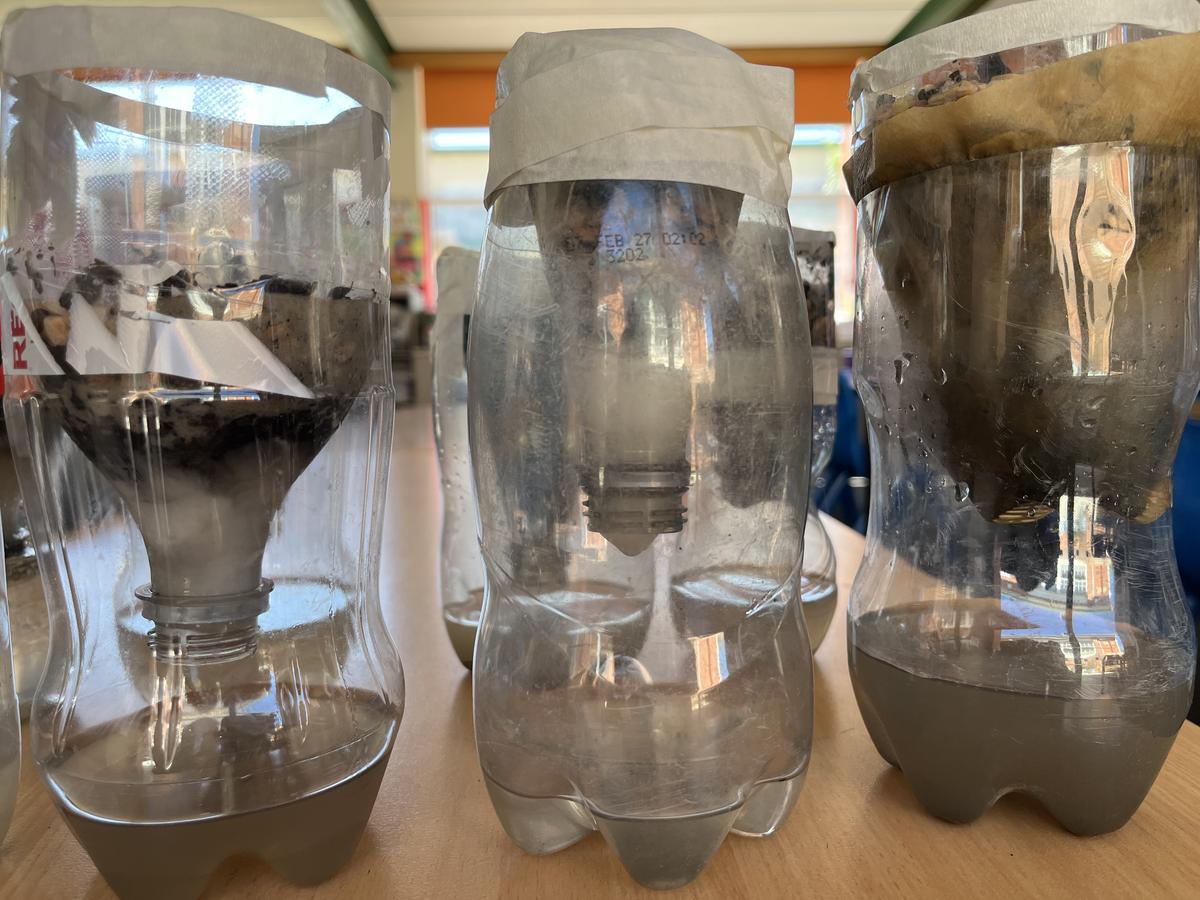
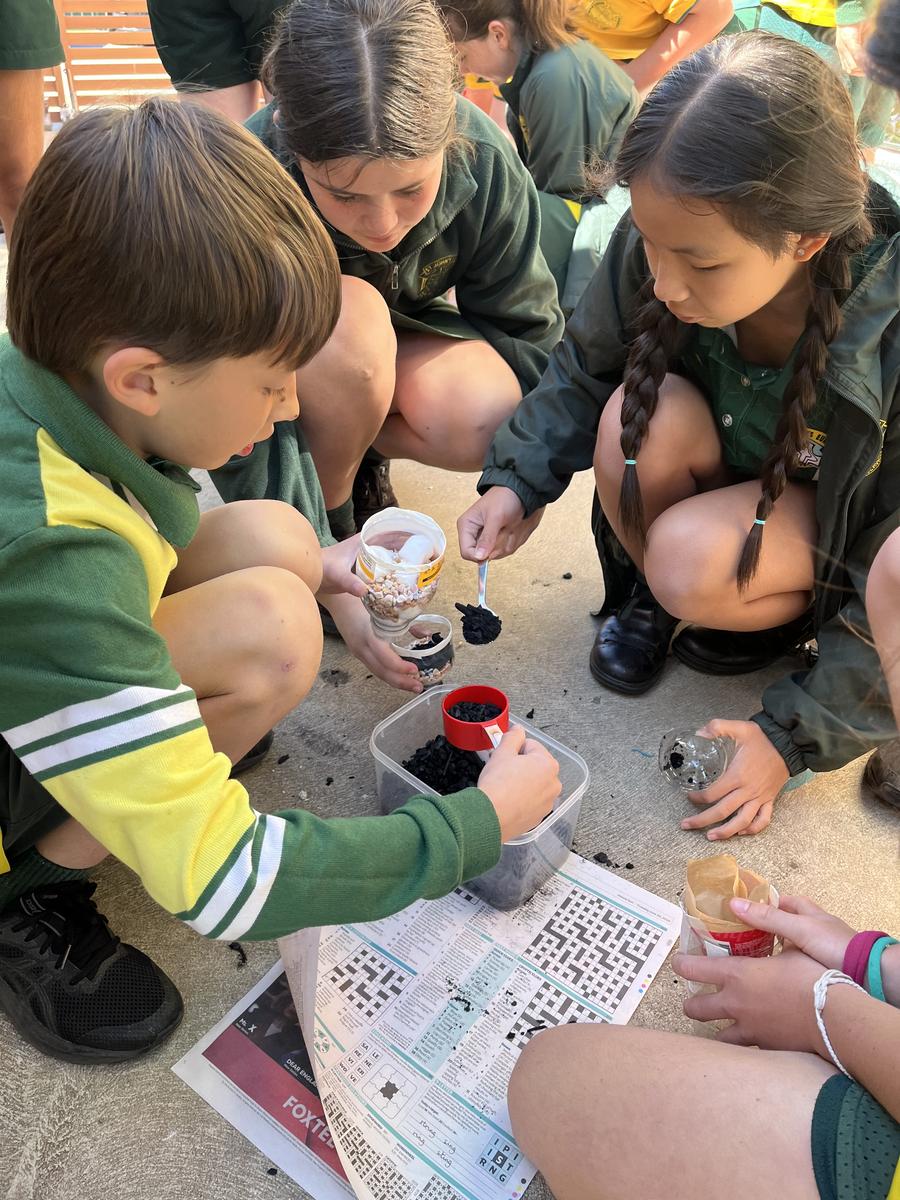
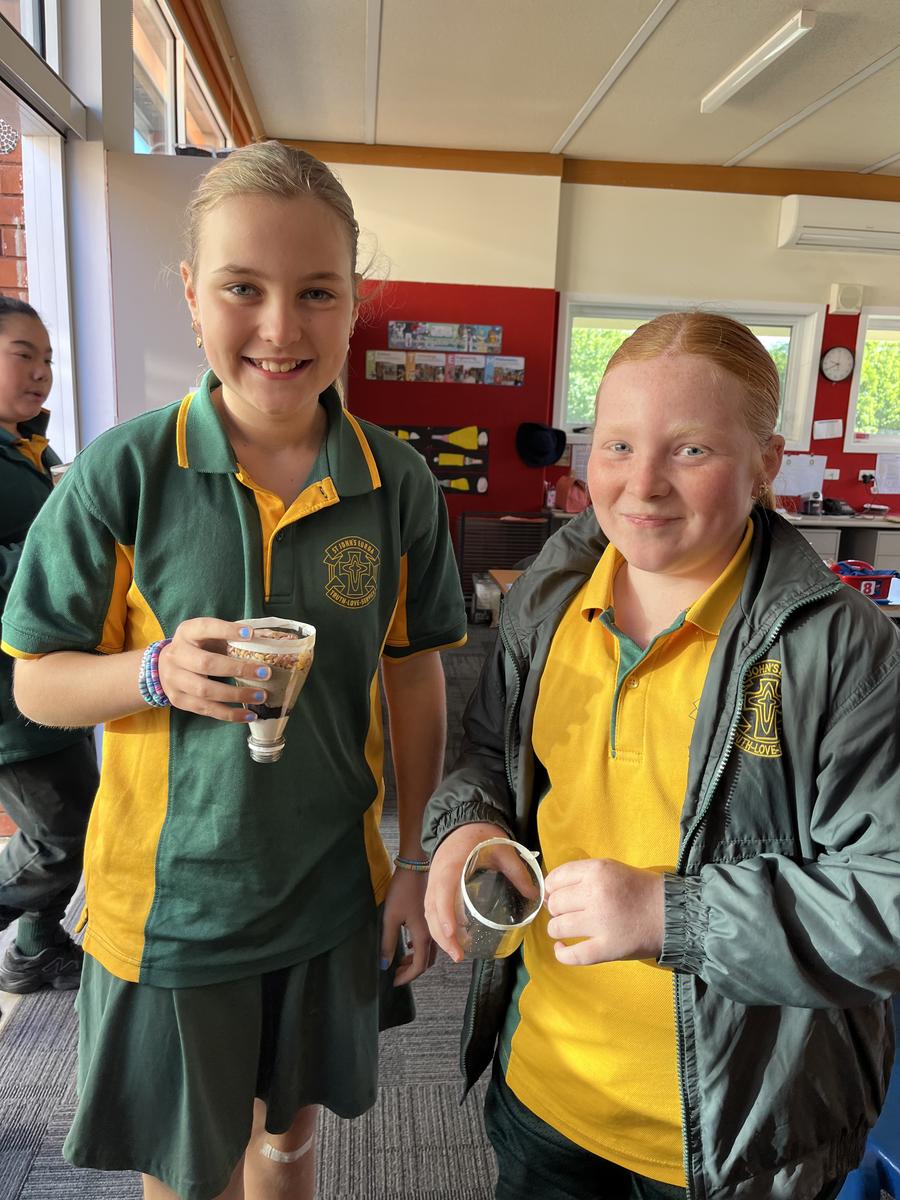
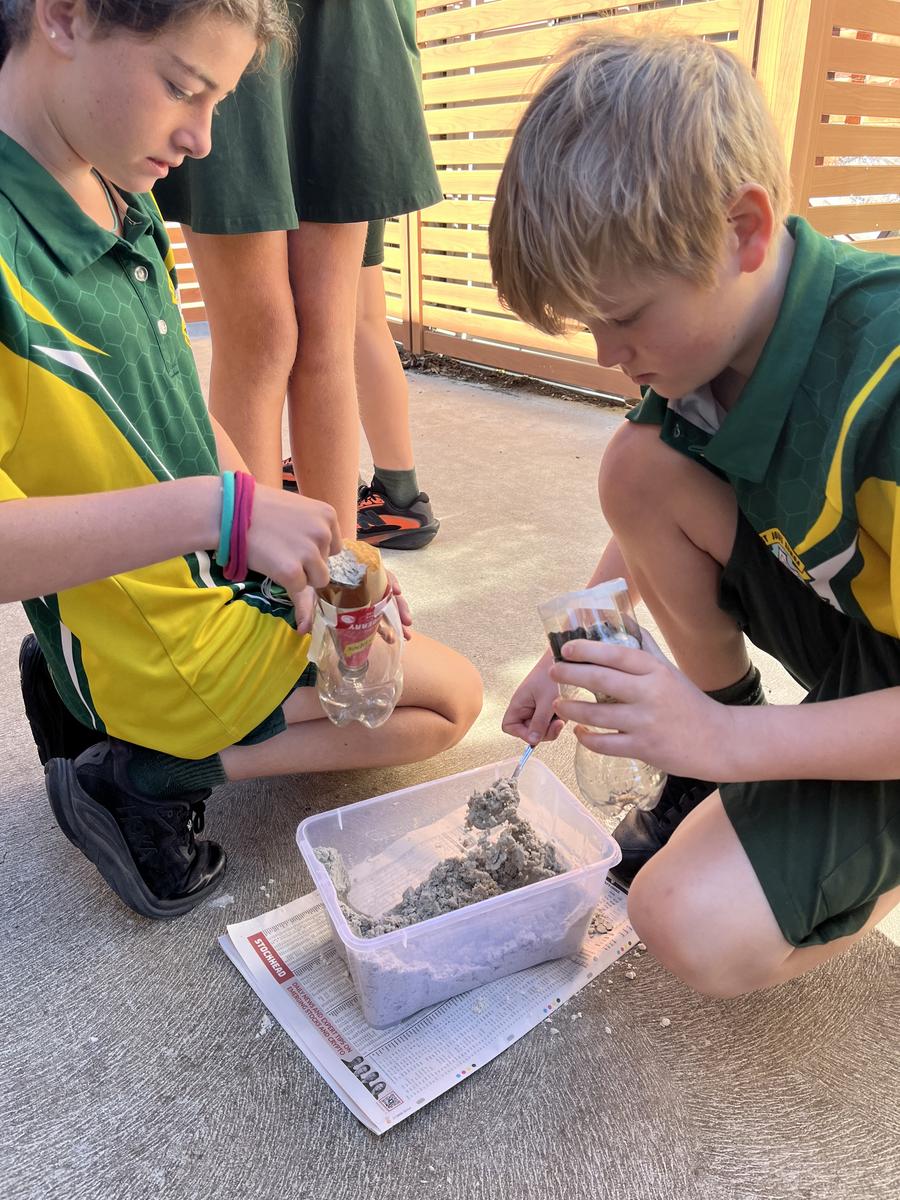
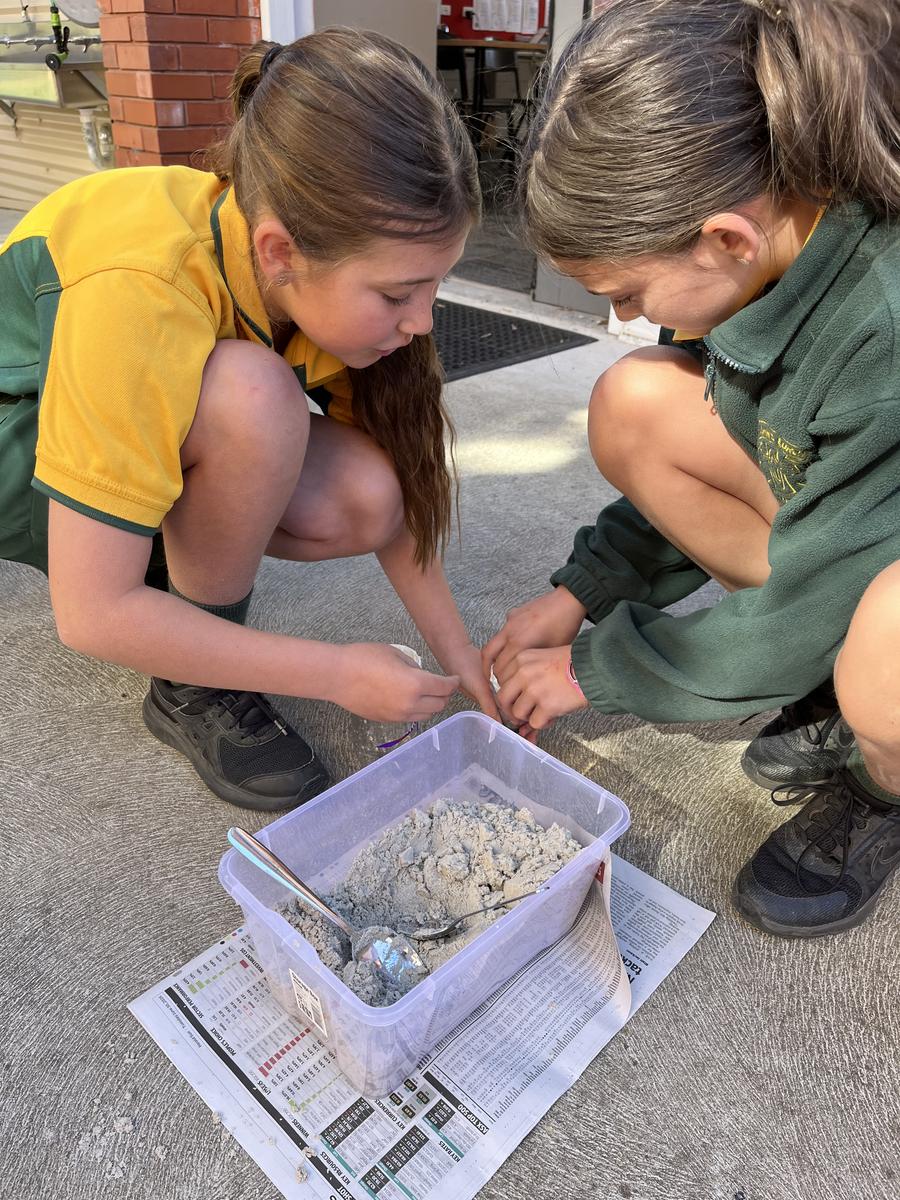
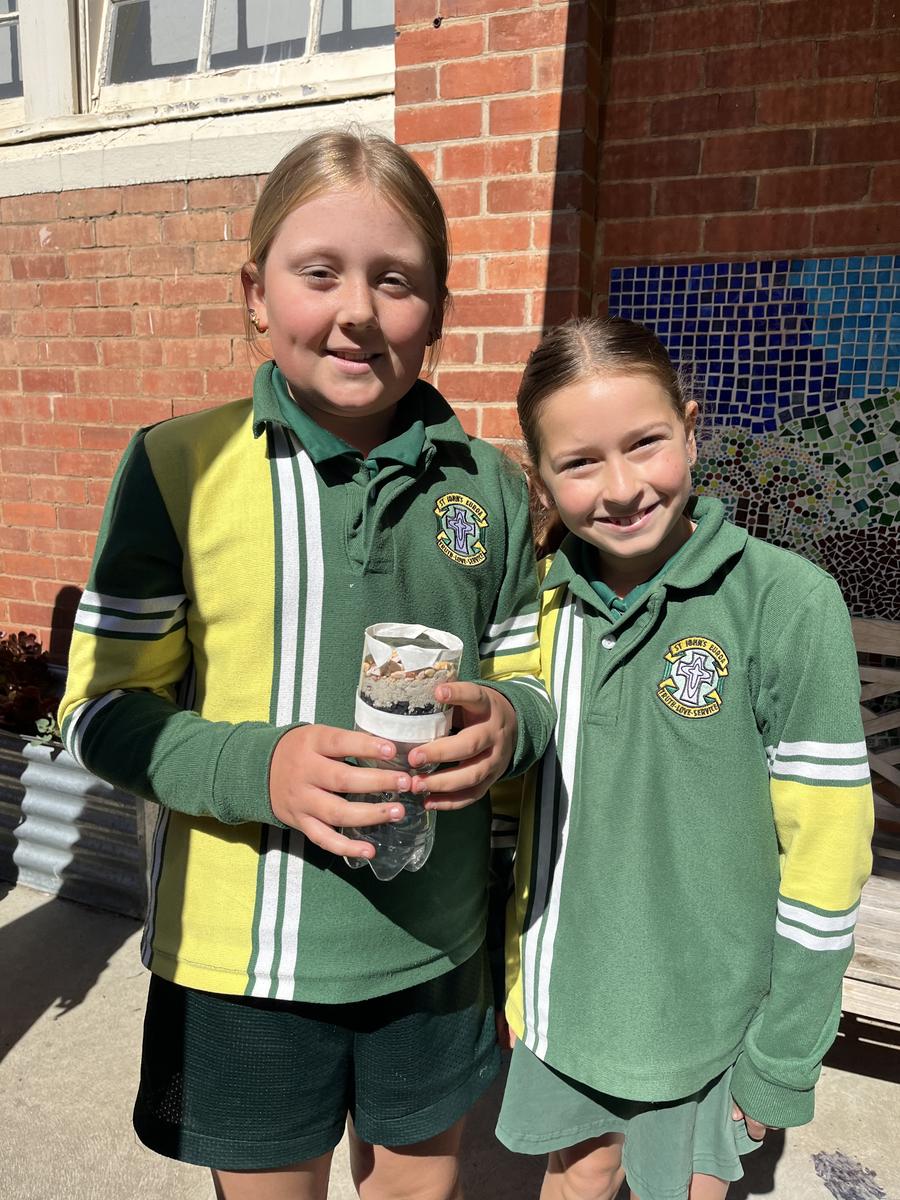
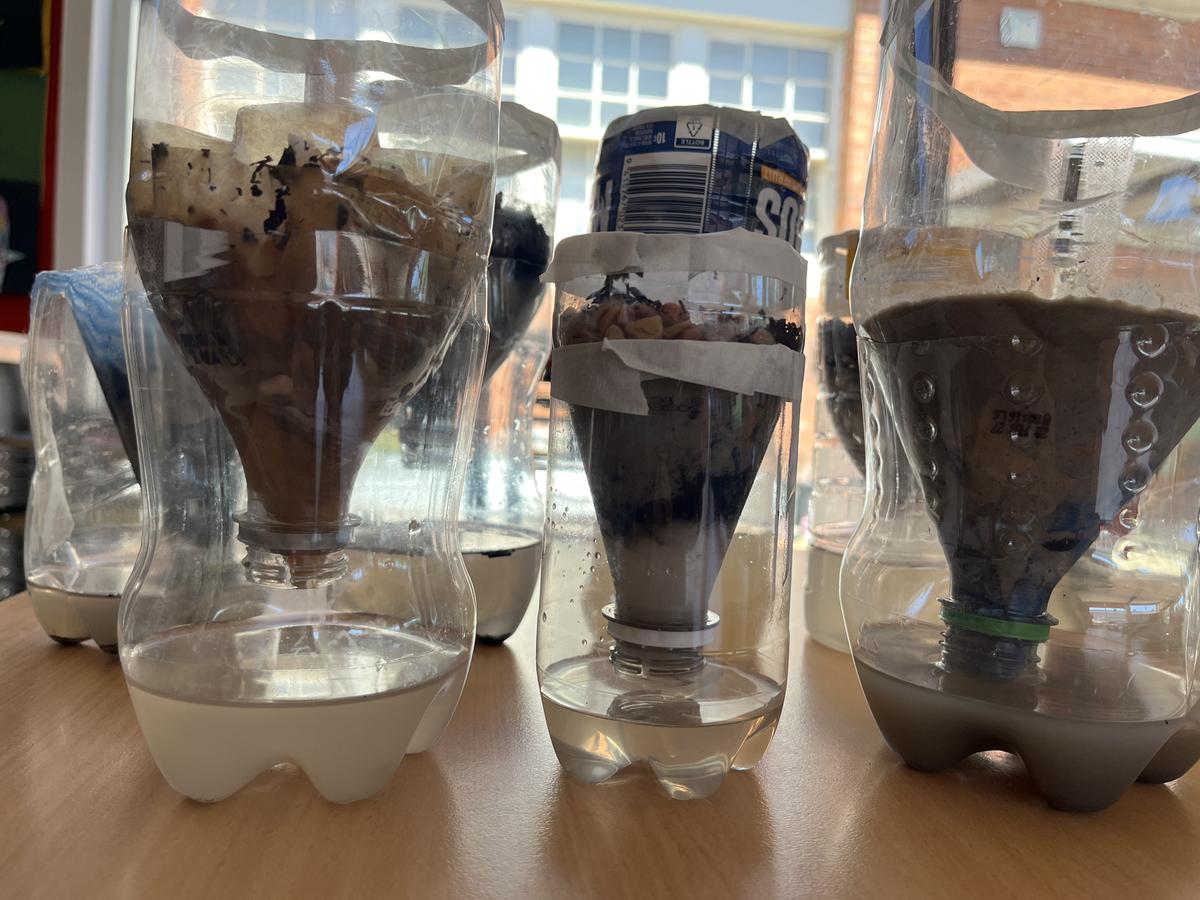
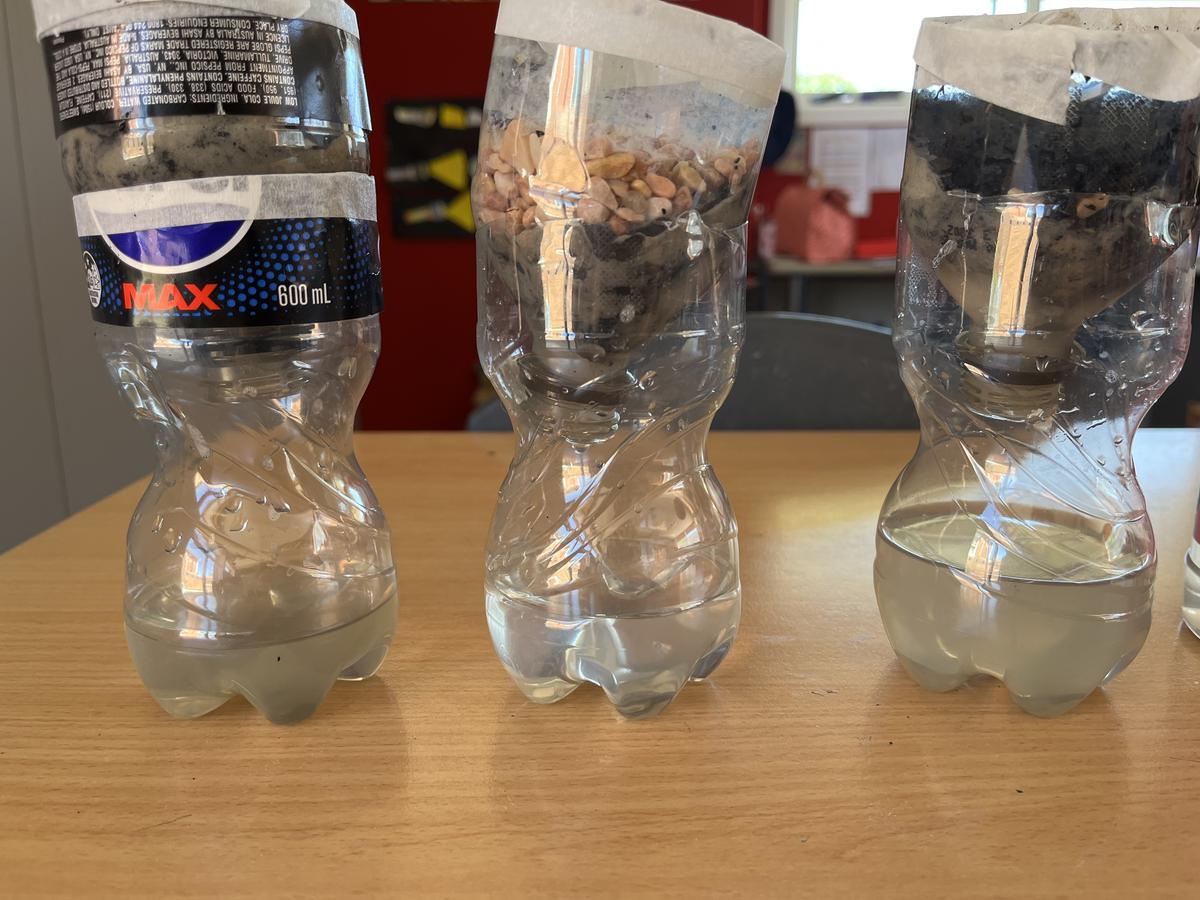
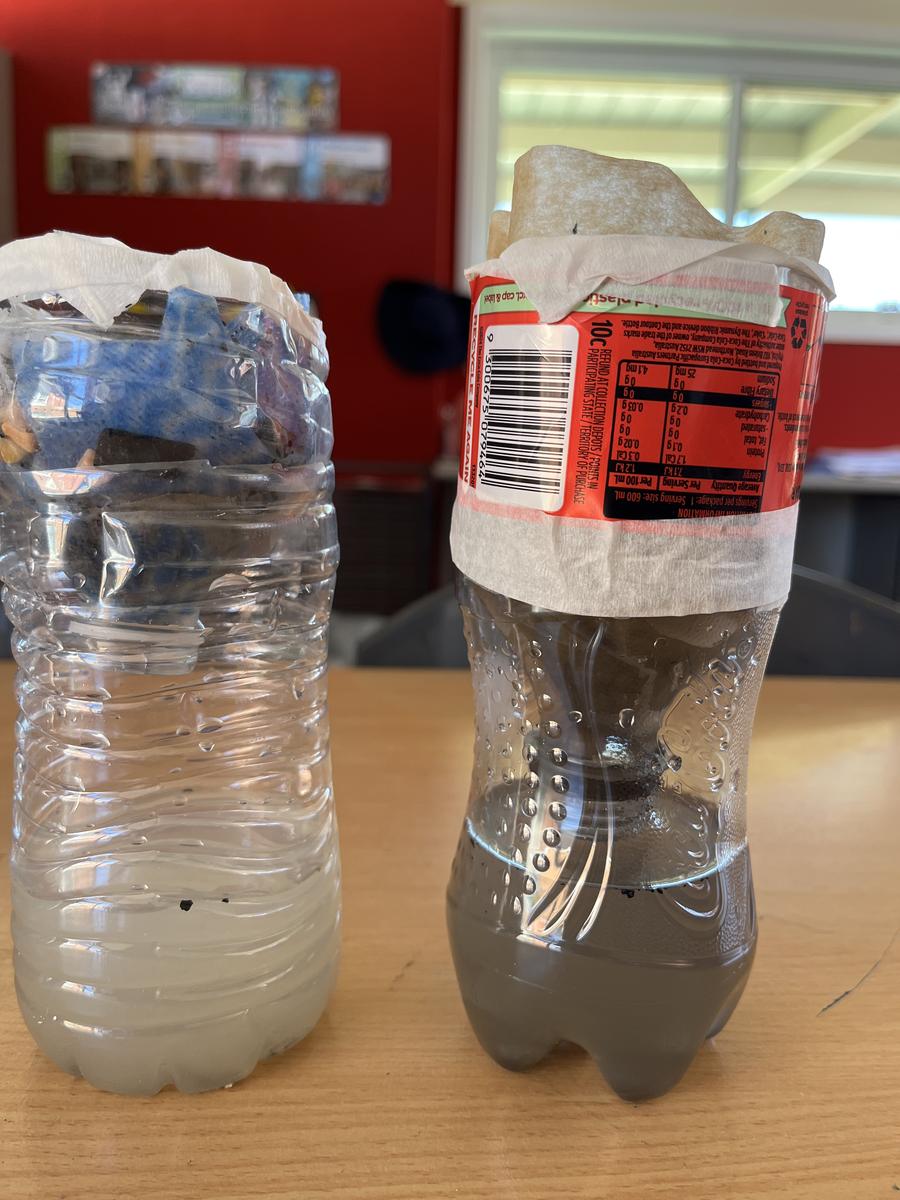
As part of this learning, students investigated the important role of water filtration in removing impurities from water. Working in small groups, they designed and constructed water filters by repurposing plastic bottles and selecting from materials including sand, gravel, charcoal and filter paper. After testing their designs with dirty water, students found that all filters improved the water's clarity to varying degrees, leading to thoughtful discussions about the effectiveness of different filtration materials and methods.
Students then explored the differences between mixtures and solutions using everyday materials such as salt, sugar, water and oil. Through hands-on investigations, they observed how solutions are formed and learned to identify the solute, solvent and solution.