
Head of Junior School
Dr Brendan Kean
Head of Junior School
Dr Brendan Kean
It is worth reflecting on what has been an incredibly busy term across the Junior School.
There have been many highlights in and beyond the classroom. Our students have embraced opportunities in music, science, literature, the arts and sport, proving to be a highly energetic and engaging term.
The term saw us celebrate Science Week, Book Week and Arts Week, each providing a different opportunity for students to engage with their learning. Highlights included welcoming parents into classrooms during Science Week, the creativity and fun of the Book Week Parade, and the work of our Artist in Residence during Arts Week. Many performed in the Music Gala and then followed up two days later in the Music Assembly.
Our Year 6 students enjoyed their Canberra trip, an important experience that helped bring their learning to life while strengthening connections with their peers.
In sport, we have seen strong participation across a range of activities, alongside some outstanding individual performances. Athletics and snow sports were particular highlights, with several students reaching regionals next term for athletics and success at both Victorian and National levels in snow sports.
And next term, we begin the opening of the new building, ‘The Alexandria’. This will be a truly memorable experience for St Catherine’s School as we embraced this building as a part of the School. All students will have the opportunity to walk through the space on the first day back in Term 4 and then followed by the Gala Evening on 10 October. We hope to see a wonderful turnout from Junior School parents.
Thank you to our staff, students and families for contributing to another productive term. I hope the break provides an opportunity to spend time with family and friends, slow down, recharge and return refreshed for an exciting Term 4 ahead.
Dr Brendan Kean
Head of Junior School
This article below is written by our Play Facilitator, Ms Sloane Quilty.
Let them play
In the words of Maggie Dent, 'Play is the fertile soil with which we grow the seeds of human connectedness – our fundamental, most primary need as a human'.
Play is a basic right of a child and is a vital part of child development. It's where discoveries are made about who they are, how they connect with others and with the wider world around them. Providing rich opportunities for play is one of the greatest gifts we can give children.
Play provides a multitude of benefits across a variety of domains. It supports emotional regulation, resilience and flexibility, problem solving, safe emotional expression, enhanced confidence, exploring potential risk and a strong sense of accomplishment. Where imaginations can run wild and anything is possible. Where theories can be tested, questioned, and modified. Where joy and laughter are shared and people are celebrated. Play is the magic in childhood.
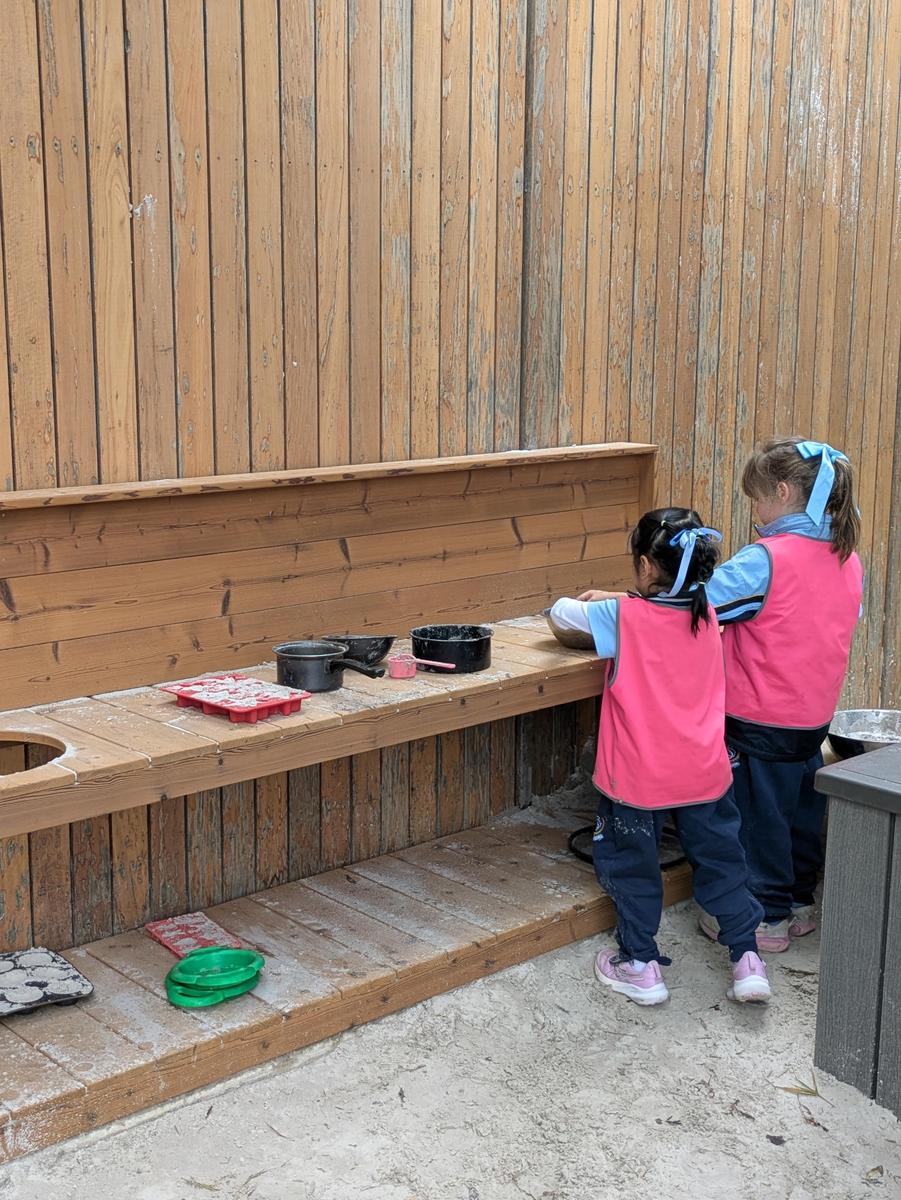
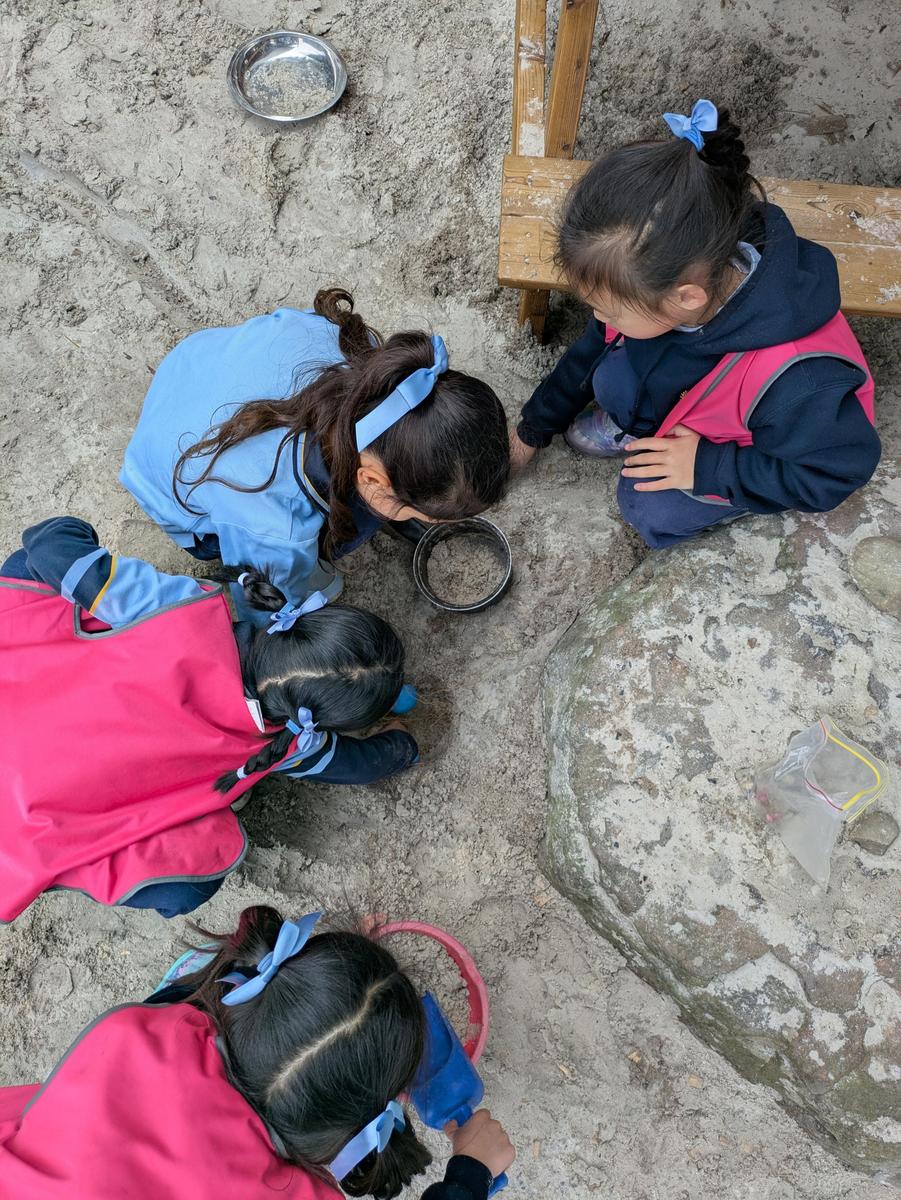
This term we have witnessed first-hand the many different play styles and ideas from the children across Prep to Year 2 with the introduction of the new mud kitchen. Adding the mud kitchen to the sandpit area has reinvigorated an interest in this space of the Junior School playground. With a selection of open-ended equipment, the children's creativity has shone and the excitement in this space has been palpable.
Some of the recent creations include rain catchers, archaeological digs, aquaducts, cafes, river systems, food trucks and buried treasure. Often the creative projects are paused at the end of the day and enthusiastically returned to the next.
The girls have shown great growth in social development. Reading social cues, learning how to resolve conflict, understanding other's perspectives, being flexible and inclusive, demonstrating teamwork and cooperation, just to name a few. We have seen connections and friendships blossom and new friendships spark.
It has been so pleasing to see the girls return to class with huge smiles and wet, dirty, sandy knees; a great marker of a successful playtime. The girls are growing in confidence and embracing this type of messy play. This type of play supports the development of sensory systems, which only has a positive flow-on effect to their learning back in the classroom.
With an increase in severe allergies in Australian children, a public health study into play in natural environments found there to be an increasing lack of exposure to dirt in play. This reduced exposure to microbiota showed a direct correlation to increased rates of allergy and eczema. The higher the exposure to dirt, the higher the immune markers.
As Maggie Dent reminds us, play is the fertile soil in which human connectedness grows. Whether through friendships formed in the mud kitchen, confidence built through risk-taking, or the health benefits gained from engaging with the natural world, play continues to provide children with opportunities to flourish. By embracing messy, meaningful play experiences, we are nurturing not only happier and healthier children, but also helping them develop the social, emotional and physical foundations they need to thrive both now and into the future.
Ms Sloane Quilty
ELC Teacher and Play Facilitator