Principal's Report
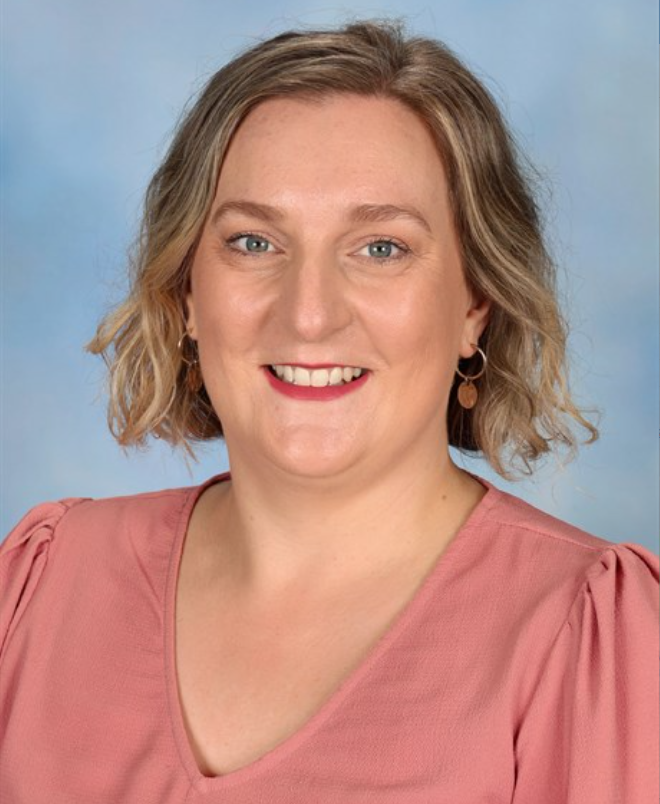
A Message from Ivanka Fiamengo
Principal's Report
A Message from Ivanka Fiamengo
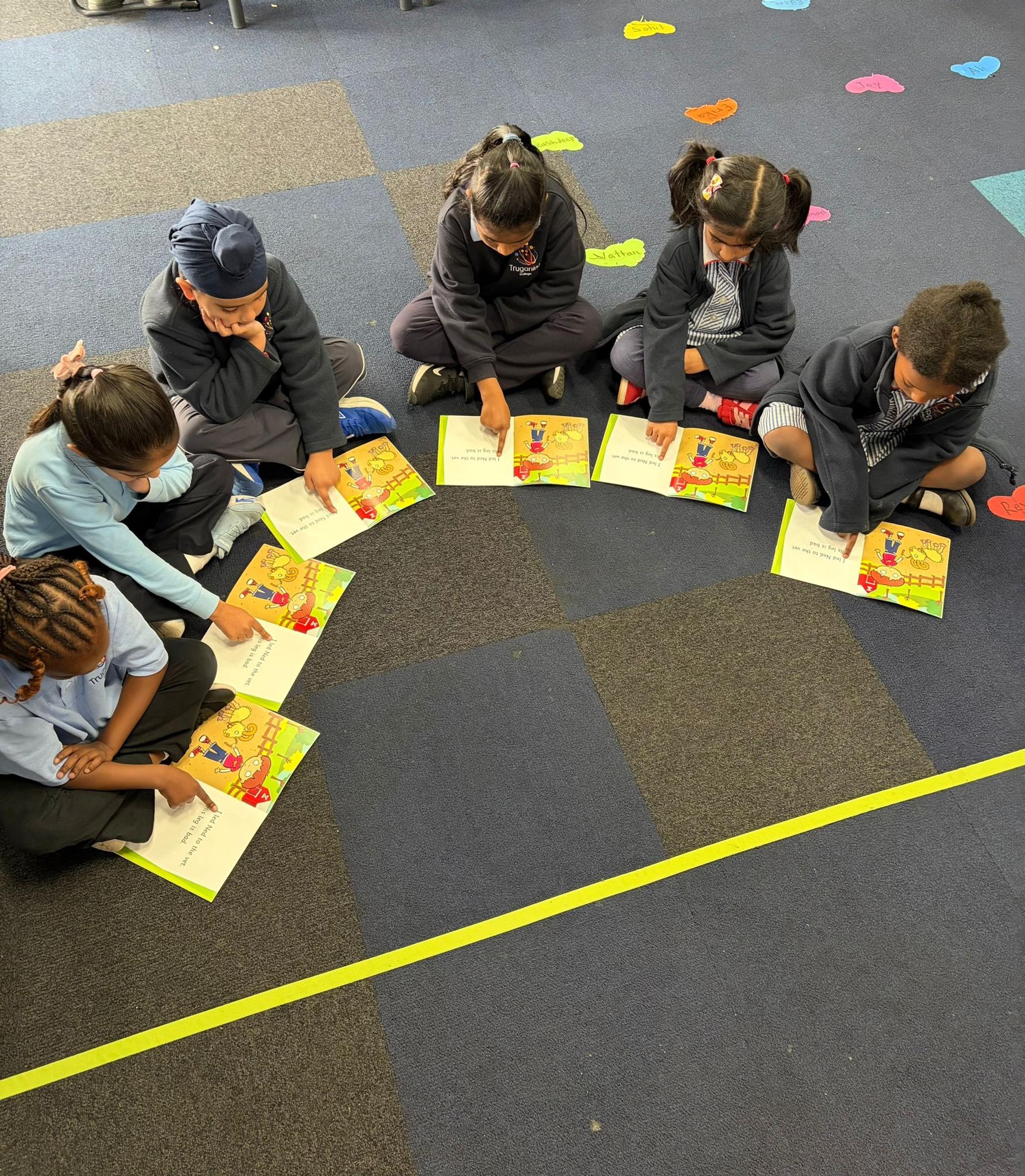
Learning to read well starts in the early years. Here's a look at how our Foundation, Year 1 and Year 2 teachers help every child build the core skills they need — and what you might see happening in the classroom.
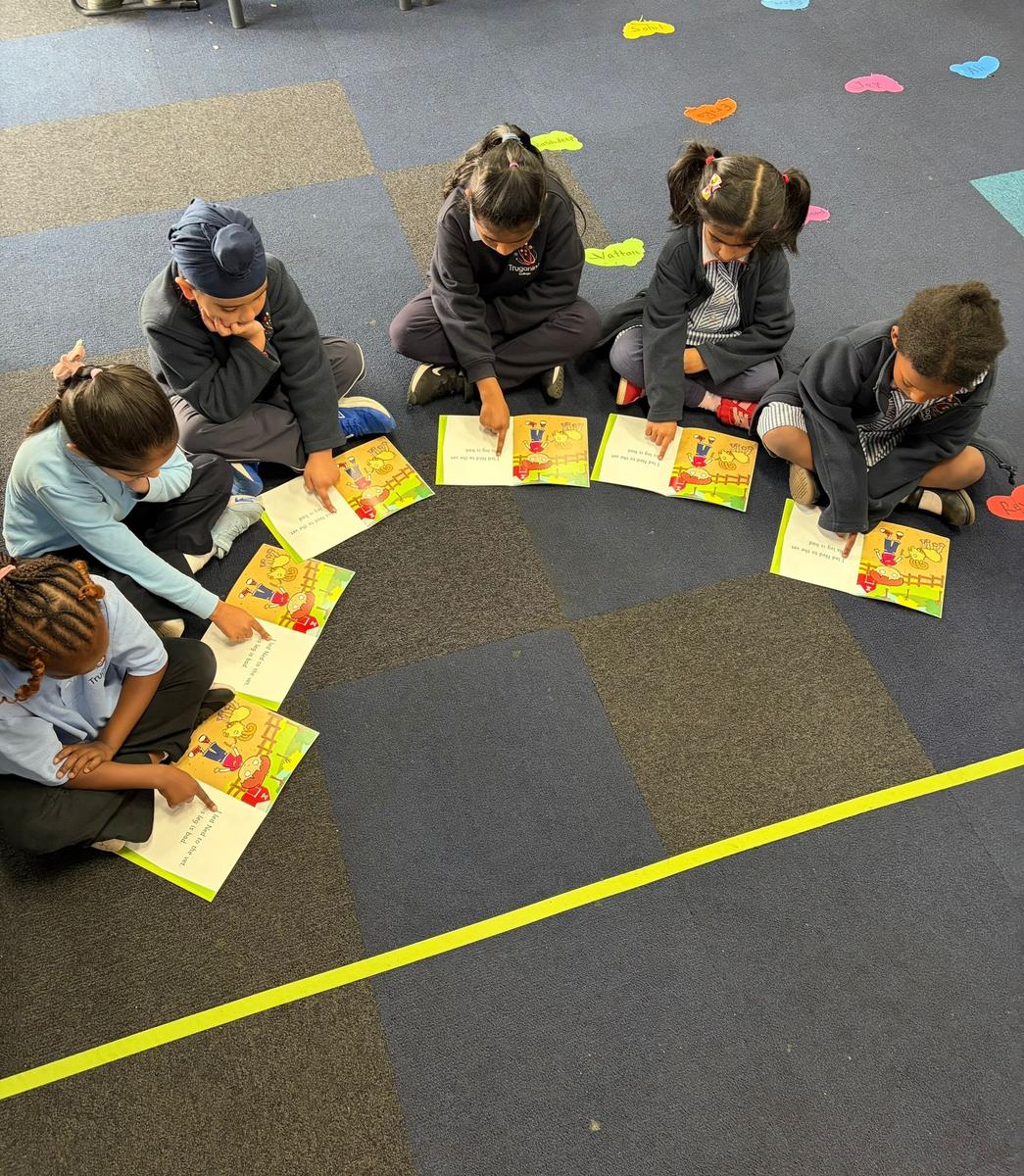
Reading is built on six key skills, known as the "Big 6". Every English lesson is created around them: Oral Language (talking and listening), Phonological Awareness (hearing and playing with sounds in words), Phonics (matching sounds to letters), Vocabulary (learning and using new words), Fluency (reading smoothly and with expression), and Comprehension (understanding what has been read). Teaching all six together helps children become confident and capable lifelong readers.
Phonics is taught through our whole-school program, Little Learners Love Literacy. In Foundation, students learn individual letter sounds and start blending them into simple words. In Year 1, they build on this with more letter combinations, spelling patterns and common tricky words. By Year 2, students use these skills to read longer words and more challenging texts with growing confidence. Each year builds on the last, so phonics knowledge grows step by step.

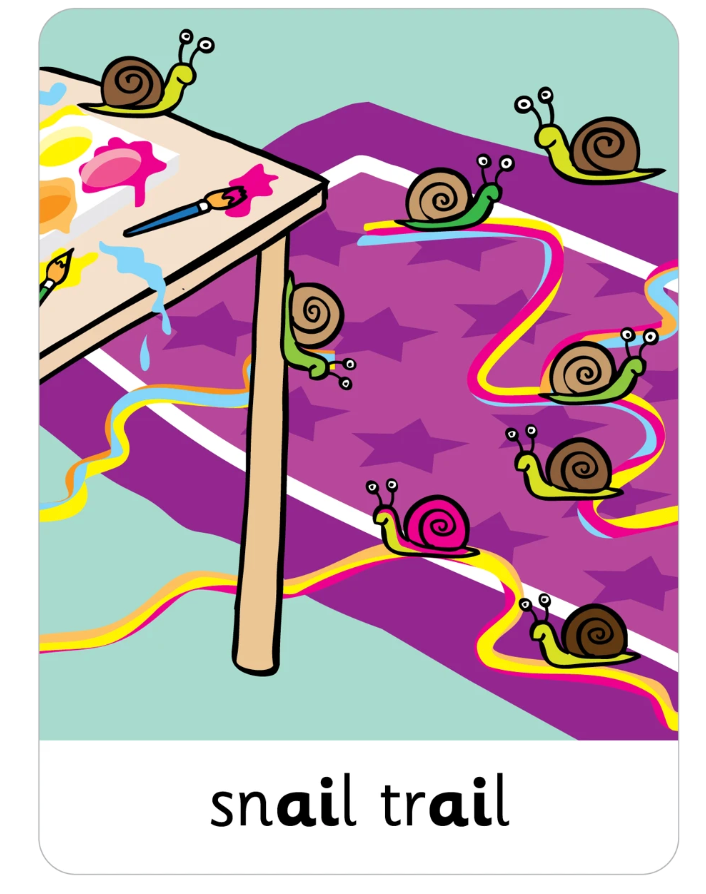
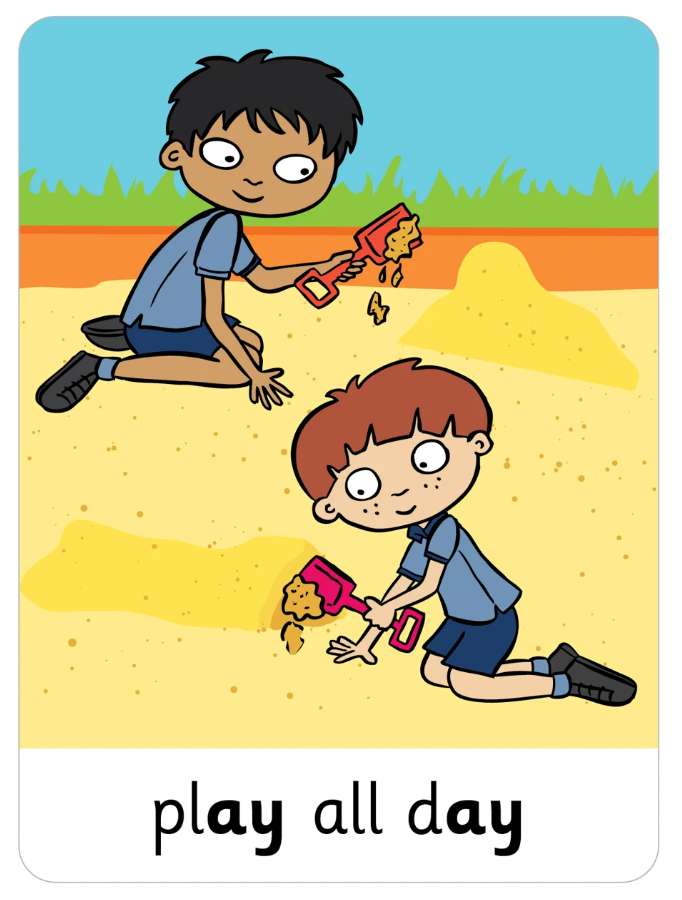
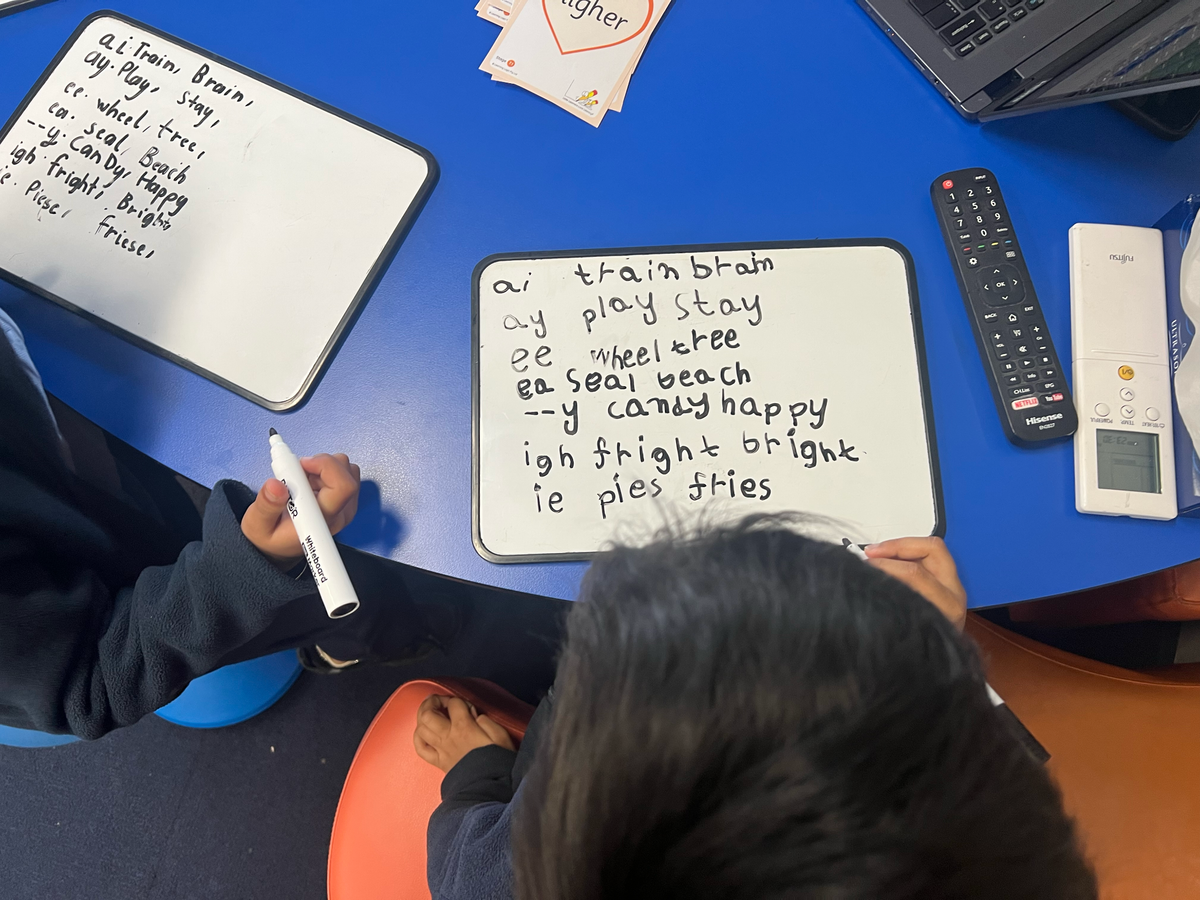
Phonics also supports writing. Students use the same letter-sound knowledge to spell words, a skill called encoding — turning the sounds they hear into the correct letters, the reverse of reading. As students progress, they also learn to write clear, correct sentences, using capital letters, full stops and joining words. In Year 1 and 2, students begin writing short paragraphs for different purposes, such as informative texts (sharing facts and information) and persuasive texts (sharing an opinion with reasons). Spelling, sentence writing and paragraph writing are intertwined, so students learn these skills at the same time.
Our teachers use simple, proven strategies every day to help all students learn and stay engaged:
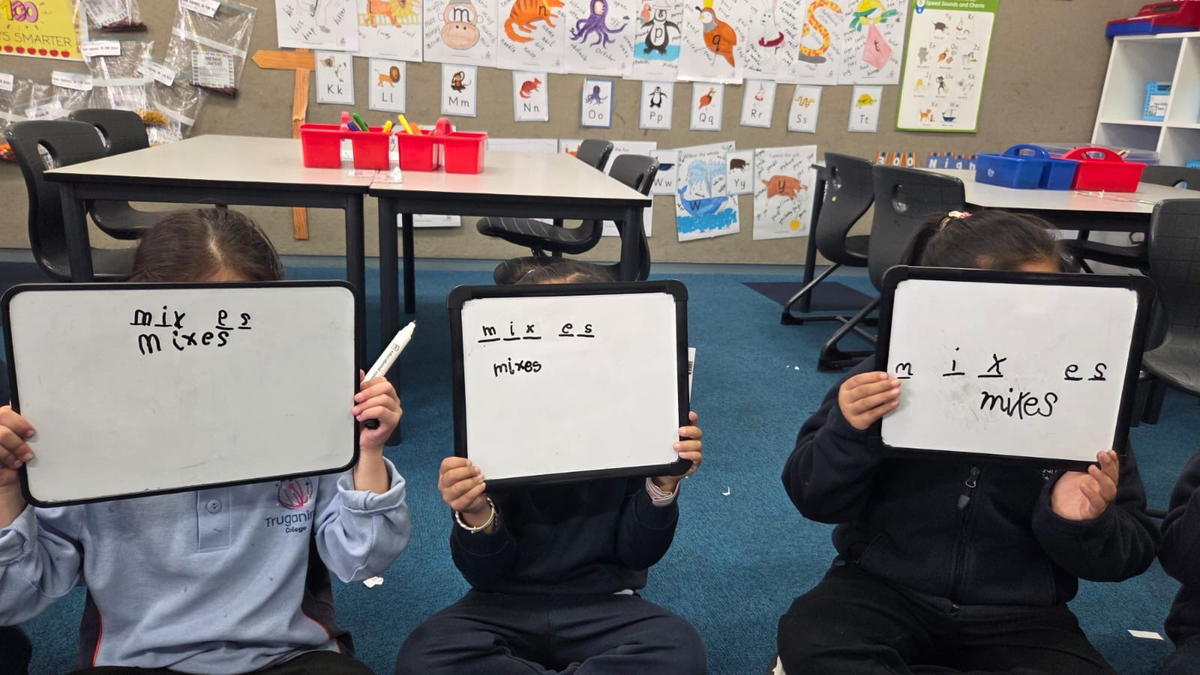
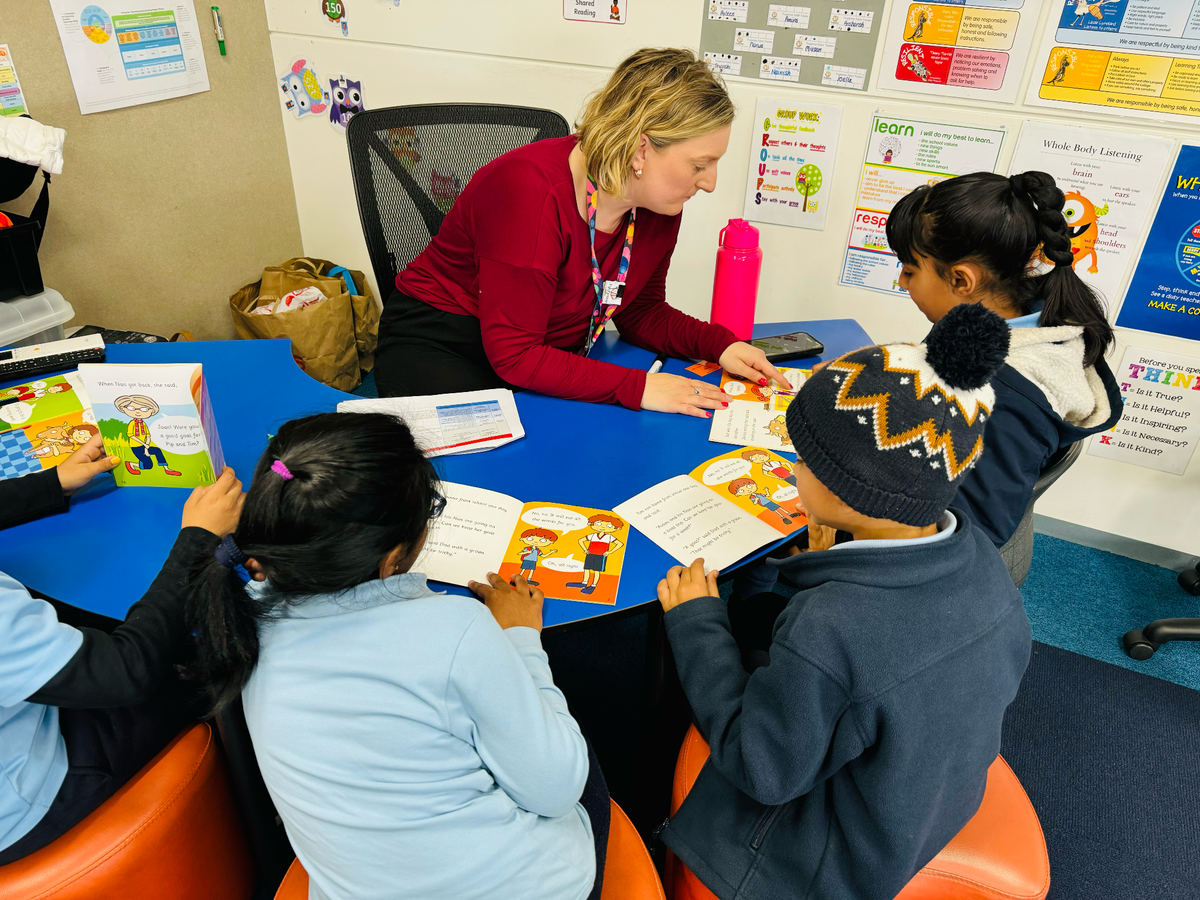
Together, these skills and strategies help our youngest students build a strong foundation for reading and writing — one they will carry with them for the rest of their schooling.
Thankyou,
Ivanka Fiamengo
Assistant Principal - Foundation