From the Principal
Last week our Year 7–9 students shone in the Middle School Production of Disney's High School Musical. The five shows were a sellout, and the joy, talent and sheer hard work on display were a wonderful reminder of what this community can do when we pull together behind our young people.
It's that same sense of community I want to draw on as I address something quite different that has taken up a great deal of our attention these past few weeks. We've dealt with a number of incidents involving student use of phones and technology in ways that are not in line with our values. Often, these things happen away from school, on personal devices, on weekends, in group chats we'd never otherwise see. These situations have varied in complexity and seriousness, but each one has required our full attention and reminded us how quickly a moment of poor judgement can cause harm.
Australia's eSafety Commissioner has been warning for some time that as more of us turn to artificial intelligence, concern about the misuse of these tools is growing alongside it. School principals across the country are having the same conversations with their own communities. The eSafety Commissioner's office deals daily with these issues, and their consistent advice is that the best protection is early education, open conversation and a strong support network. I think it's fair to say that none of us, schools, parents or young people themselves, have this figured out, and it will take all of us working together to find our way through it.
This term in our Senior School social and emotional learning program, Flourish, Year 10 students have focused on sharing information online, Year 11 students have been exploring their digital reputation, and Year 7–9 students are learning about cyberbullying. Next week, we've engaged members of the Bendigo Proactive Policing Unit to speak with our Year 10 students about the consequences of inappropriate behaviour online, and in Term 4 we will extend those conversations to every year level.
We need our young people to understand that what happens on a screen can last well beyond the moment, socially and emotionally, for both the person who is targeted and the person who has caused it. It affects everyone involved and ripples through the whole community.
These situations also take from our staff. Many of the people investigating an incident, supporting a student or sitting across the table from an anxious family are parents themselves, and they carry the weight of these conversations home with them.
When you hear a version of these events, from your own child or through the grapevine, please know there is almost always more to a story than a single account. Two of our values at Girton are respect and compassion, and these must extend to everyone touched by these situations.
You may have seen the state government's announcement extending the mobile phone ban to non-government schools from January 2027, with new restrictions extending to wearables such as smartwatches and earbuds. Alongside the feedback of staff and parents, this legislation has informed a stronger stance on mobile phones here at Girton from next term. We will share our updated mobile phone policy before the end of Term, and the outcomes of our reviews into technology and AI use across the school in the coming weeks.
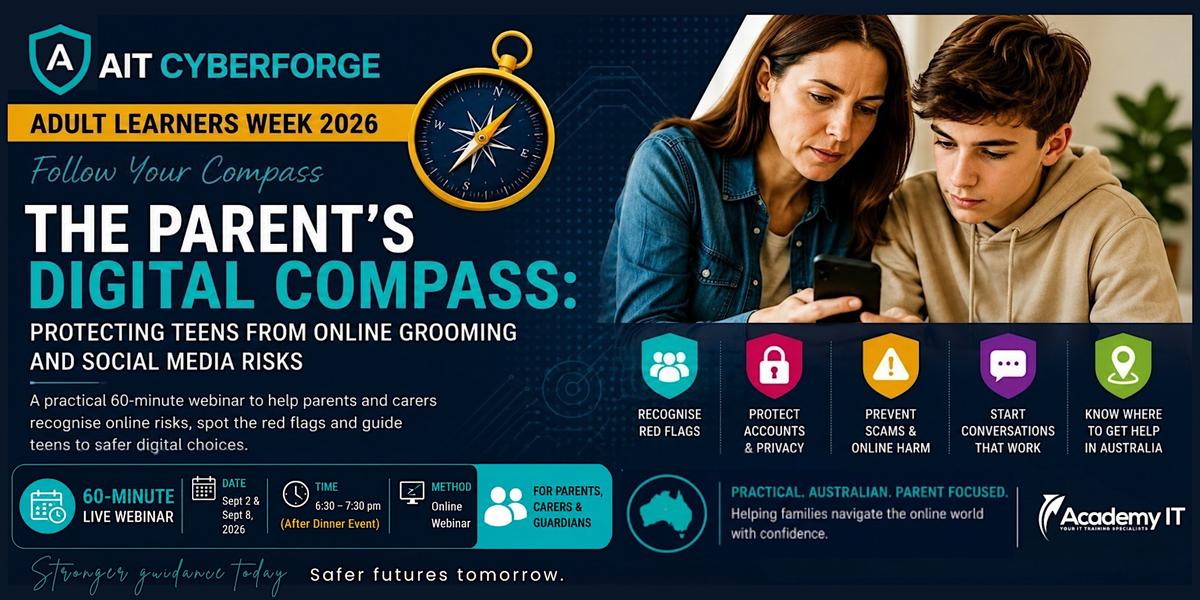
A true partnership means what we ask of students at school is reinforced at home. Please talk with your children about how they use their phones and devices, and about the reach and permanence of anything they share or create. You may be interested in this free 60-minute webinar for parents and carers on supporting teens online.
We must address this together.
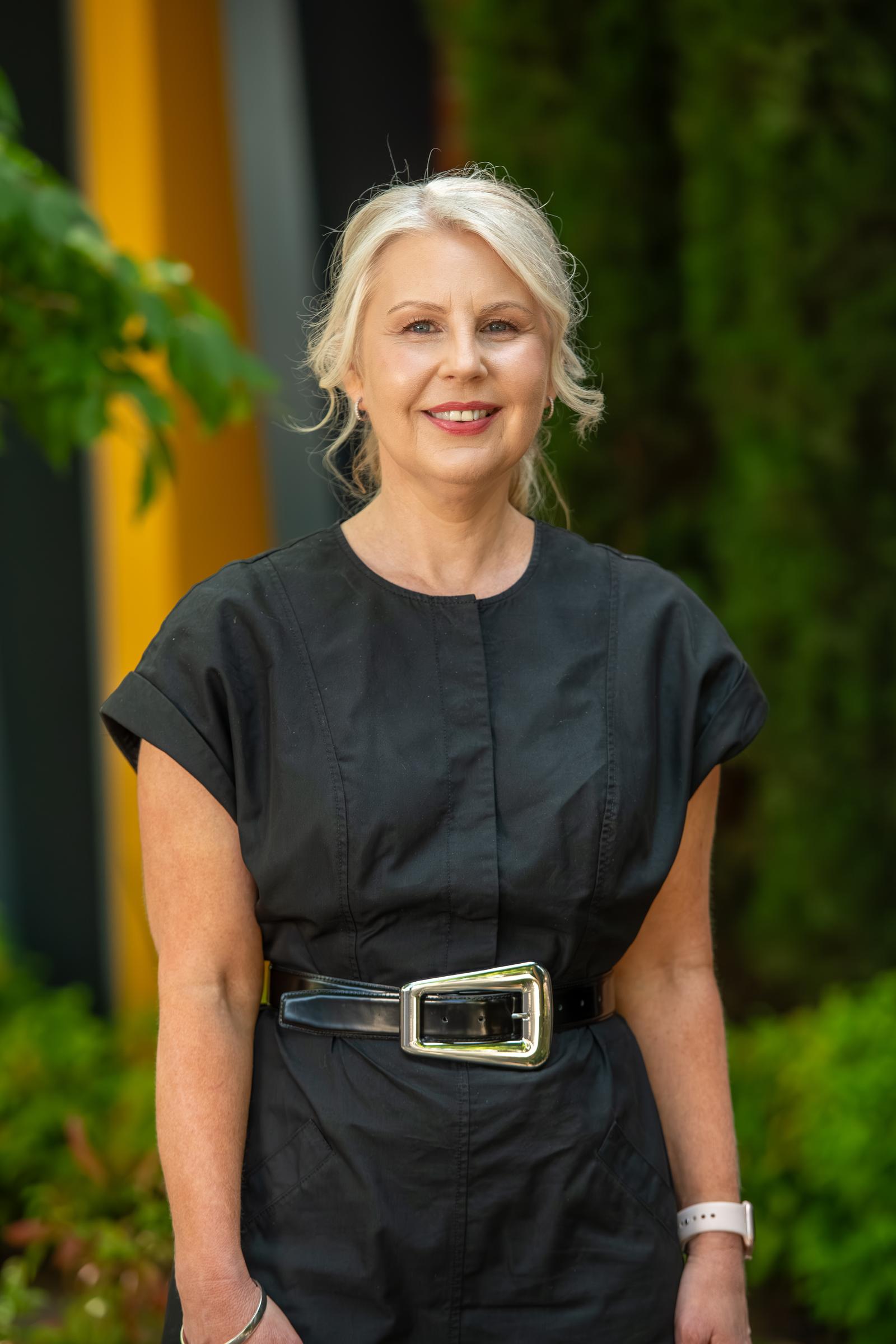
Dr Emma O'Rielly
Principal