Student Wellbeing












Child Safe Standard 10
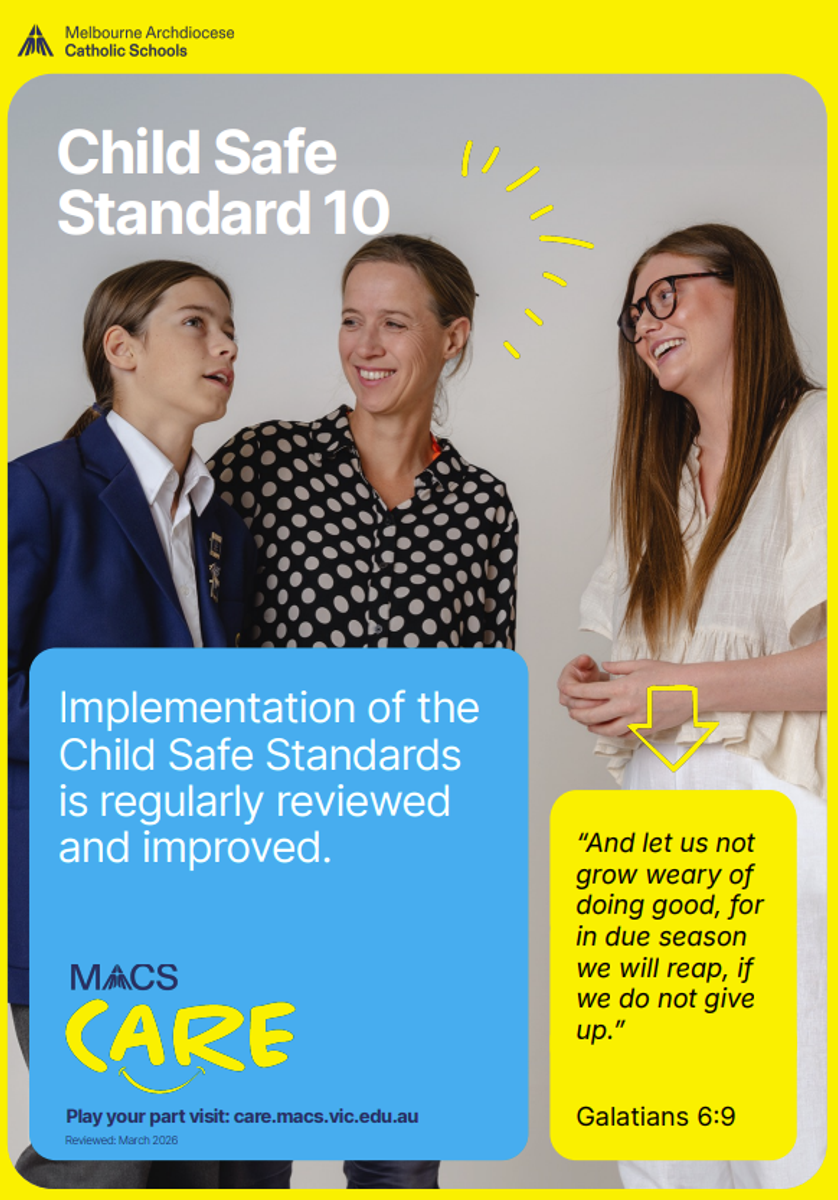
Implementation of the Child Safe Standards is regularly reviewed and improved.
As Catholic educators, we have a moral, mission-driven, and legal responsibility to ensure that our child safety practices are not only in place, but are regularly reviewed, strengthened, and improved. This responsibility is lived out not just through policies and procedures, but through ongoing reflection on how effectively they are understood, implemented, and embedded across school life.
Our commitment to child safety includes routinely evaluating our approaches to safeguarding, learning from experience, and responding to feedback from children, families, staff, and the broader community. By reviewing what is working well and identifying areas for improvement, schools can respond to emerging risks, strengthen consistency, and ensure that child safety remains effective and relevant.
When child safety practices are regularly reviewed and improved, children and young people:
- Are better protected through systems that respond to emerging risks and lessons learned
- Benefit from consistent, transparent, and accountable safeguarding practices
- Feel safer in school communities that listen, learn, and adapt
- Experience environments where child safety remains a visible and ongoing priority
- Learn and flourish in communities committed to continuous improvement and care
To find out more about Child safe Standard 10 visit the MACS Care website:
Anxiety in children as the end of the year approaches.
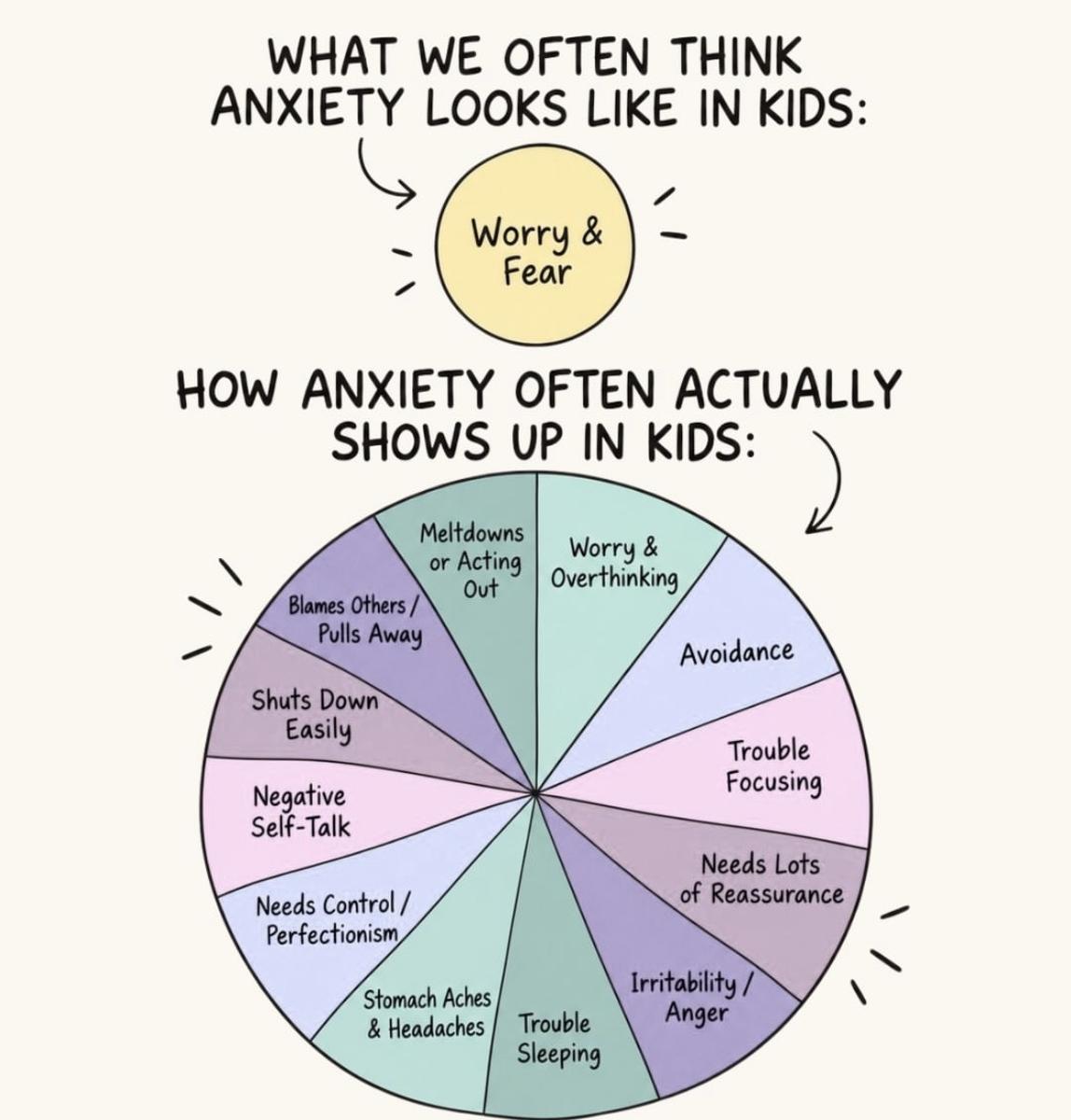
Anxiety in children doesn't always look like worry. Sometimes it looks like mood changes, stomach aches, difficulty sleeping, shutting down, needing constant reassurance, avoiding things or having big emotional reactions.
When we understand what anxiety can look like below the surface, we are better able to respond and support a child to manage the situation. Normalising big feelings and navigating coping strategies together supports your child to regulate. With change, many children can experience feelings of anxiety. At this time of year, children recognise that their homegroup will change, sporting commitments will change and sometimes friendships.
Supporting your child through this challenging time by encouraging them along the way builds their resilience and when you model calm, they will recognise that all will be ok.
Lisa
Deputy Principal & Wellbeing Leader
lisa.heath@smcmeppingnth.catholic.edu.au
Jess
Deputy Principal & Learning Diversity Leader