Education in Faith











St Vincent De Paul Christmas Appeal

The Feast of Christ the King
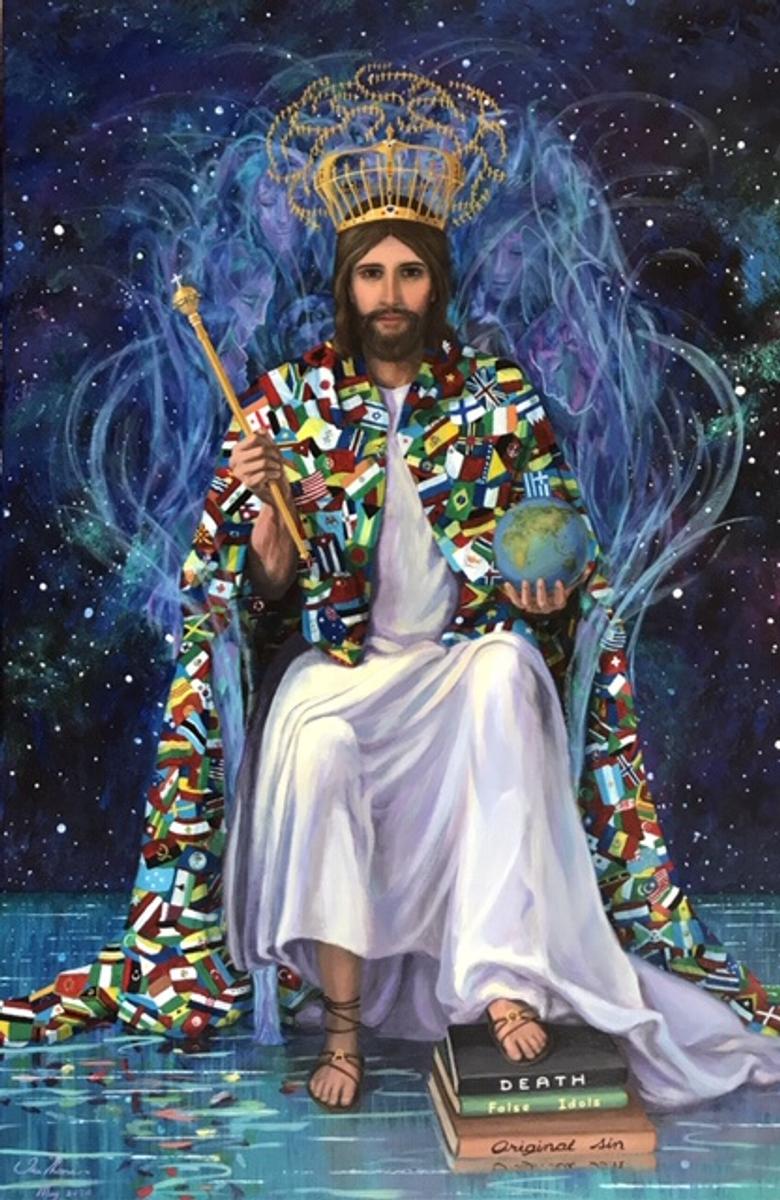
This Sunday, we celebrate the Feast of Christ the King, the final Sunday of the Church’s liturgical year. This special feast invites us to reflect on who Jesus is and what it truly means to live with Him as the King of our hearts. Unlike earthly kings who may be associated with power, wealth and authority, Jesus shows us a different kind of kingship. His kingdom is built on love, compassion, humility, forgiveness and service. Through His words and actions, Jesus reminds us that true greatness is found not in being served, but in serving others. In our school community, we are encouraged to put His teachings into practice through the way we treat one another: showing kindness, welcoming others, offering forgiveness, standing up for what is right and caring for those in need.
A New Church Year Begins – Welcome to Year B!
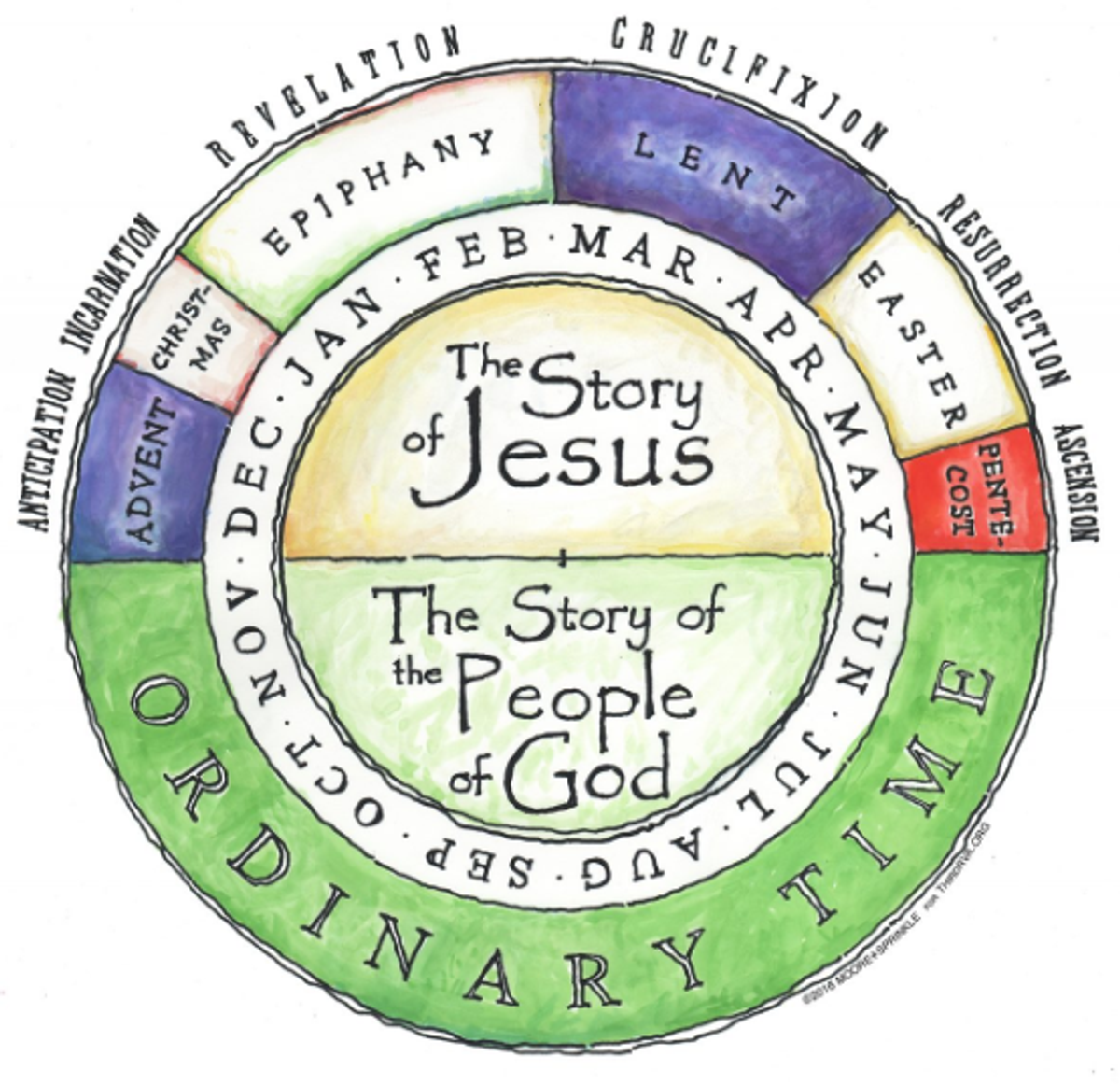
As we mark the end of our liturigal calender this Sunday, Sunday 29th November marks the beginning of Advent, a special season of preparation and anticipation as we get ready to celebrate the birth of Jesus at Christmas. But did you know that the First Sunday of Advent also marks the beginning of a new Church Year?
Just as our calendar year begins in January, the Church follows its own calendar, beginning each year with Advent. Along with the new Church Year comes a change in the Gospel readings we hear at Sunday Mass. The Church follows a
three-year cycle of Gospel readings, known as Years A, B and C. Each year has a particular Gospel as its main focus:
- Year A: The Gospel of Matthew
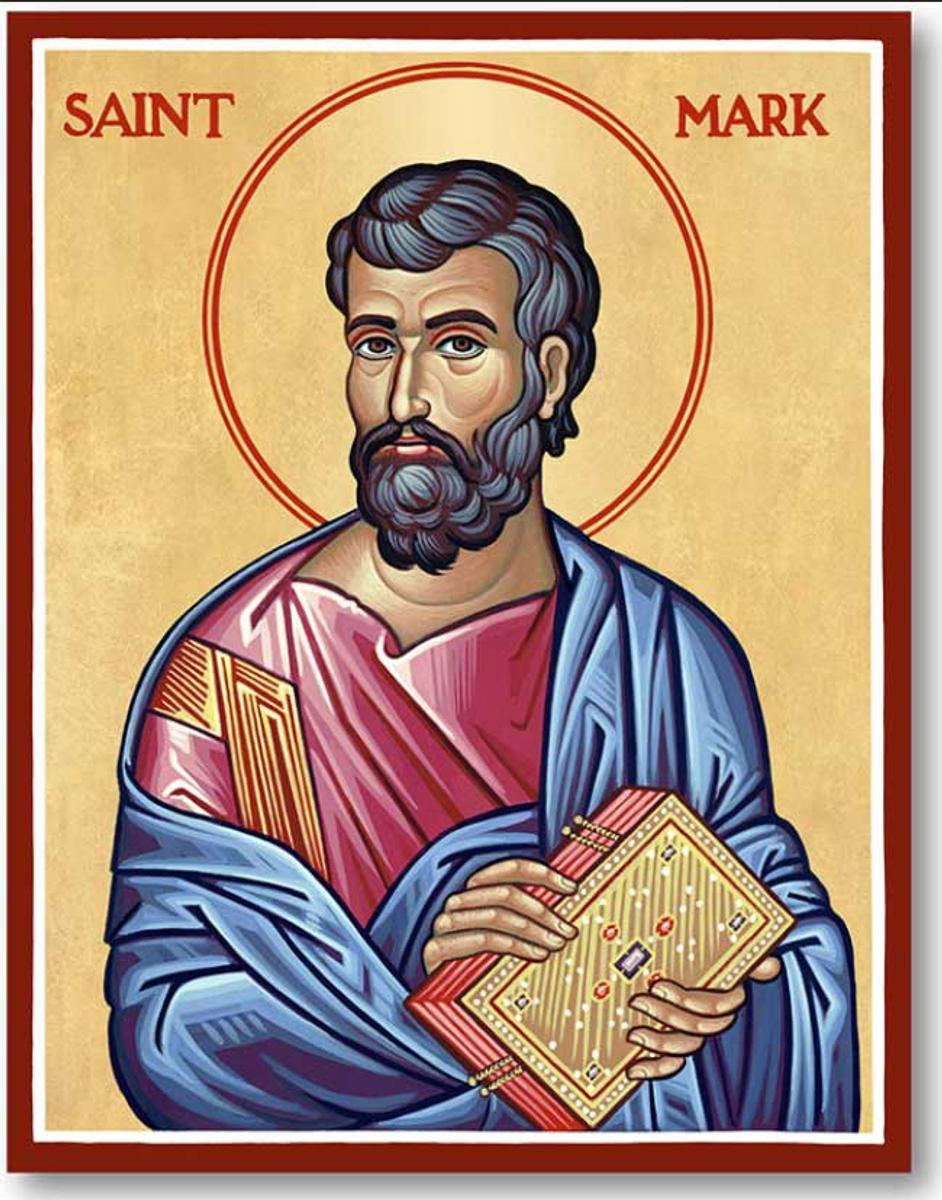
- Year B: The Gospel of Mark
- Year C: The Gospel of Luke
As we begin Year B, which places a particular focus on the Gospel of Mark, we won't be hearing from Mark only. Because Mark's Gospel is the shortest of the four, the Church also draws on John's Gospel throughout the year, giving us additional insights into the life and teachings of Jesus.
So, what do we know about Mark and the Gospel he wrote?
Here are a few interesting facts:
- Mark is traditionally identified as John Mark: He is mentioned in the New Testament and was associated with the early Christian leaders Peter and Paul.
- Mark's Gospel is believed to be the earliest of the four Gospels to have been written: Mark was writing during a very difficult and uncertain period in history, when the
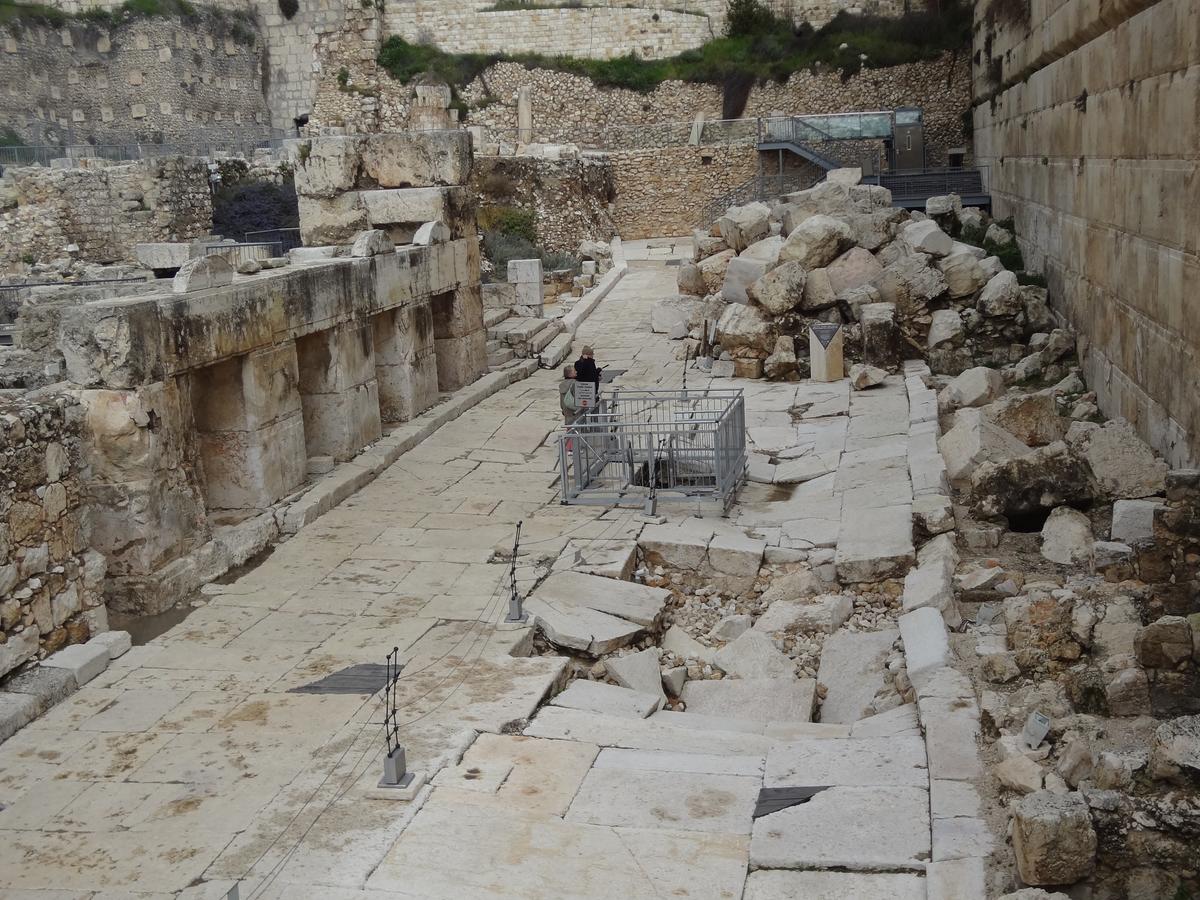
- Jewish people were experiencing conflict and suffering under Roman rule.
- Around AD 70, the Roman army destroyed Jerusalem and its magnificent Temple following a Jewish revolt against Roman occupation: For the Jewish people, this was an enormous tragedy. The Temple was at the very heart of their religious and community life and its destruction would have left many people feeling frightened, uncertain and wondering what the future held.
- Mark gets straight into the action: Unlike Matthew and Luke, Mark doesn't begin with the birth or childhood of Jesus. Instead, it begins with John the Baptist preparing the way for Jesus.
- Mark focuses strongly on the actions of Jesus. We see Jesus reaching out to people, healing the sick, welcoming those on the margins and demonstrating God's love through what he does.
- Mark reminds us that following Jesus is not always easy: Jesus teaches his disciples about humility, service, sacrifice and putting others before ourselves.
As we enter this new Church Year, Year B invites us to walk alongside Jesus through the eyes of Mark. It is an opportunity for us to rediscover who Jesus is, listen more closely to his teachings and consider what it means to live as his followers.
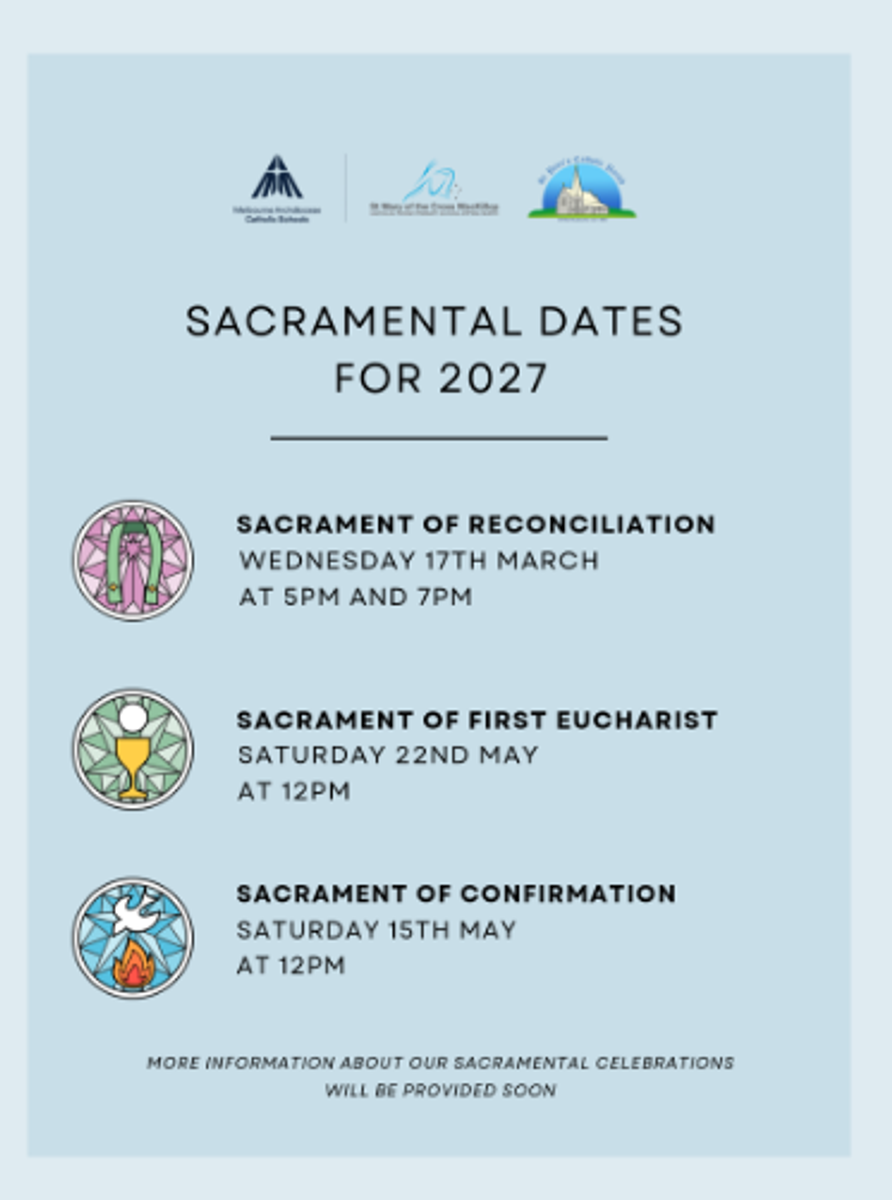
2027 Sacramental Dates:
Sarah
Education in Faith Leader