
Principal Report
DearDear Parents and Carers,
In this newsletter issue, I am going to share information about a new initiative we have been working on at school over the last two terms, calledSchool-wide Positive Behaviour Support (SWPBS). It is a big read, but I hope you find the information interesting and, in the near future, you are happy to share your thoughts on the framework.
We have kind, respectful, and well-behaved children who show us every day how much they value what we do as educators, with the choices they make each day. Considering we have 419 students, 53 working adults, and 600-1000 parents and carers, our school days run smoothly.
There are the inevitable bumps in the road. It is not always smooth. It is to be expected that children will make the wrong decisions sometimes; we all learn more from what we got wrong than we ever do from getting things right each time.
It is difficult to make those good choices when we have not been taught what they look like in the first place; this includes behaviour expectations. By teaching behavioural expectations and positively acknowledging students for following them, the evidence says we will have better outcomes for everyone involved.
We have been working together across our school in our teams to establish a continuum of behaviour support that considers all students and emphasises prevention, rather than just reacting to inappropriate behaviour.
Please find information from the Department. Behaviour – Students: 5. School-wide Positive Behaviour Support framework | education.vic.gov.au
School-wide Positive Behaviour Support (SWPBS) is a framework that brings together school communities to develop positive, safe, supportive learning cultures.
SWPBS assists schools to improve social, emotional, behavioural and academic outcomes for children and young people.
When SWPBS is implemented well, teachers and students have more time to focus on relationships and classroom instruction.
Students and staff benefit from:
- increased respectful and positive behaviour
- increased time focused on instruction
- improved social-emotional wellbeing
- positive and respectful relationships among students and staff
- increased adoption of evidence-based instructional practices
- a predictable learning environment with improved perceptions of safety and increased attendance.
SWPBS can be implemented in any school setting to support students from Foundation through to Year 12. The framework supports schools to identify and successfully implement evidence-based whole-school practices to enhance learning outcomes for children and young people.
Key features of SWPBS
Implementation of SWPBS requires commitment by the whole school community, particularly from the principal and leadership group.
All SWPBS schools implement 8 essential features. They will:
1. Establish a common philosophy and purpose
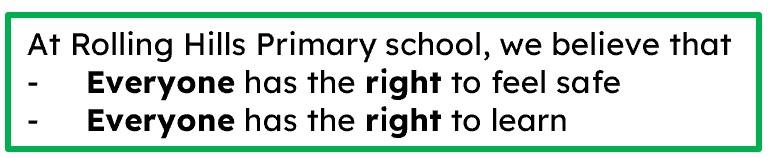
2. Establish leadership and school-wide support.
As a school, we all support the introduction of SWPBS. A team has been created that includes a member from every team who has worked closely to create, review, and monitor an action plan. This plan includes collaboration by the whole staff with input from parents, students, and the community.
SWPBS Team consists of Mrs. Brebner, Mrs. Layton, Mr. Van Haaster, Mr. Pagliaro, Ms. Poole, Miss Chamber, Mrs. Spiers, Mr. D. Smith, Ms. MacMillan, Mr. Younes, and myself.
3. Clearly define a set of expected behaviours
Using our existing school values, we have created clear, positively stated examples that can be identified and displayed in different school settings. There are 3 to 5 behavioural expectations that apply at all times. You will begin to see a series of posters appear around the school.
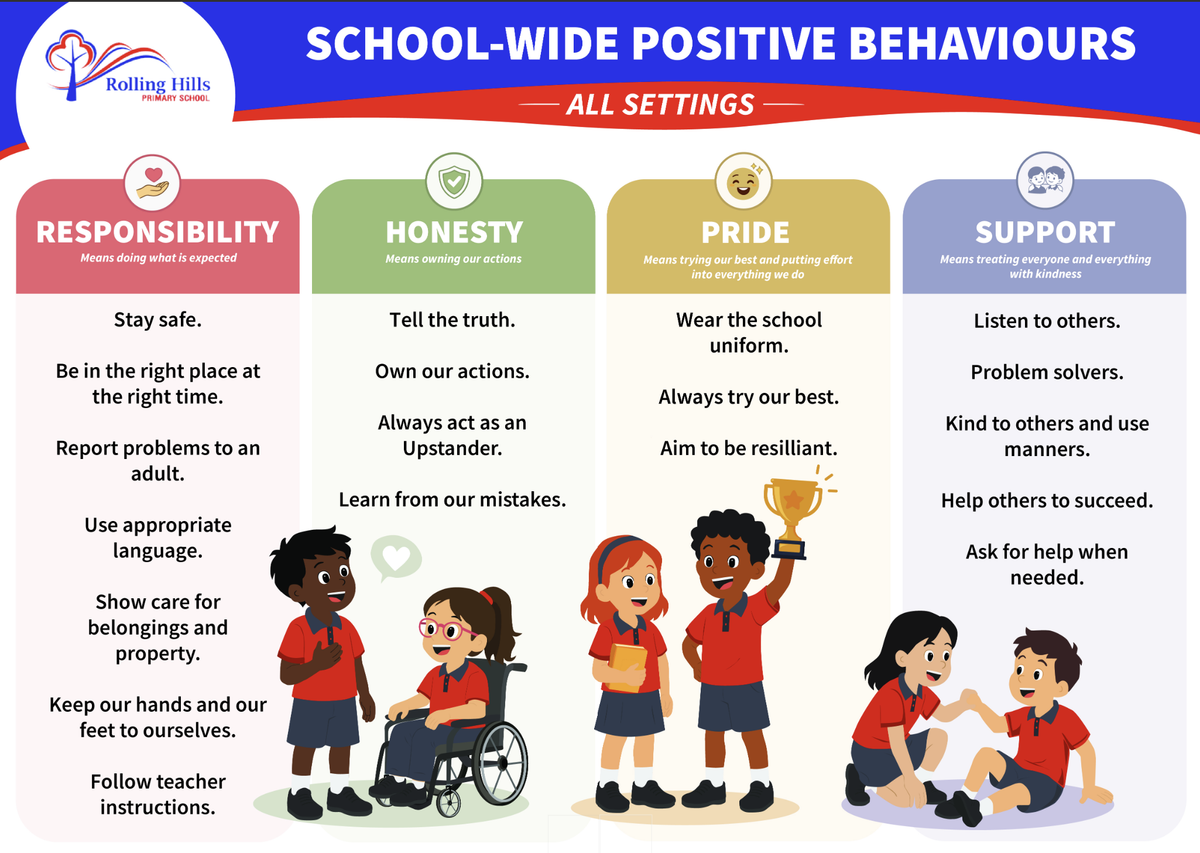
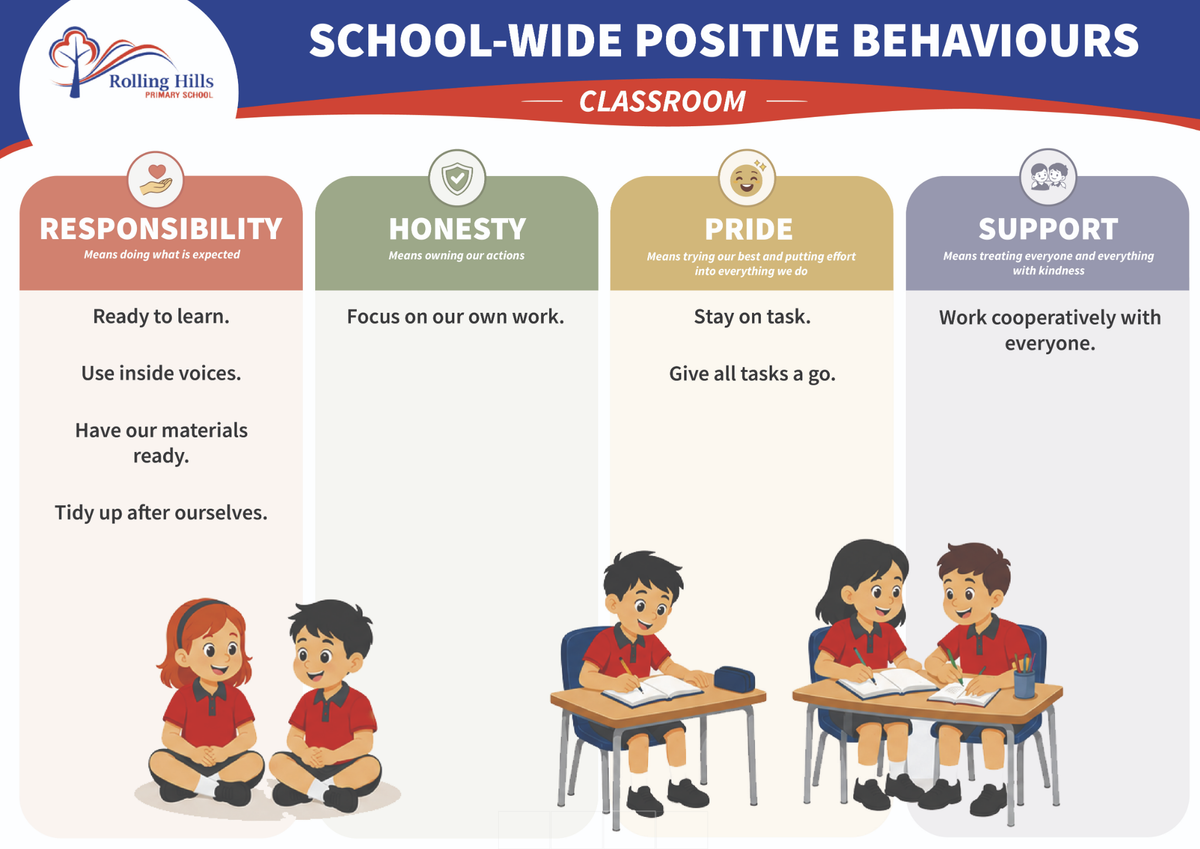
4. Establish procedures for teaching and practising expected behaviours
A school-wide plan has been developed to ensure behavioural expectations are taught to all students by all staff. Some of these expectations will be tweaks, some will be new routines.
5. Implement a continuum of procedures to encourage expected behaviours.
You will start to see 'mail' in your inbox. Every time students show us a positive school value, we will acknowledge the expected behaviour by awarding house points.
6. Develop a continuum of procedures to discourage inappropriate behaviour.
We have clearly defined challenging behaviours and identified specific strategies and responses to minor and major behaviours. These will be shared with the community so we align when some of those bumps in the road appear.
7. Use procedures for record-keeping, decision making and ongoing monitoring.
We have been using and reviewing data to be proactive in reducing repeated behaviour issues, making adjustments to school plans to reduce inappropriate behaviour.
8. Support staff to use effective classroom practices.
Through professional learning sessions, we have been establishing systems to support staff to adopt evidence-based instructional practices associated with reductions in inappropriate behaviour.
Look out for those positive emails. Next time I will share more about the school values and how we are encouraging positive behaviour.
Thanks,
Craig