Literacy News
















 St Cecilia's Primary School
How to Help Your Child With Letter Reversals
Why do letter reversals occur?
One of the most common developmental milestones during childhood is learning to recognise letters and words- a necessary skill which must develop in order to be able to read and write. When children are first developing these early literacy skills, they may mistakenly reverse some letters. For example, they may reverse the letters 'b' and 'd', or the letters 'p' and 'q'.
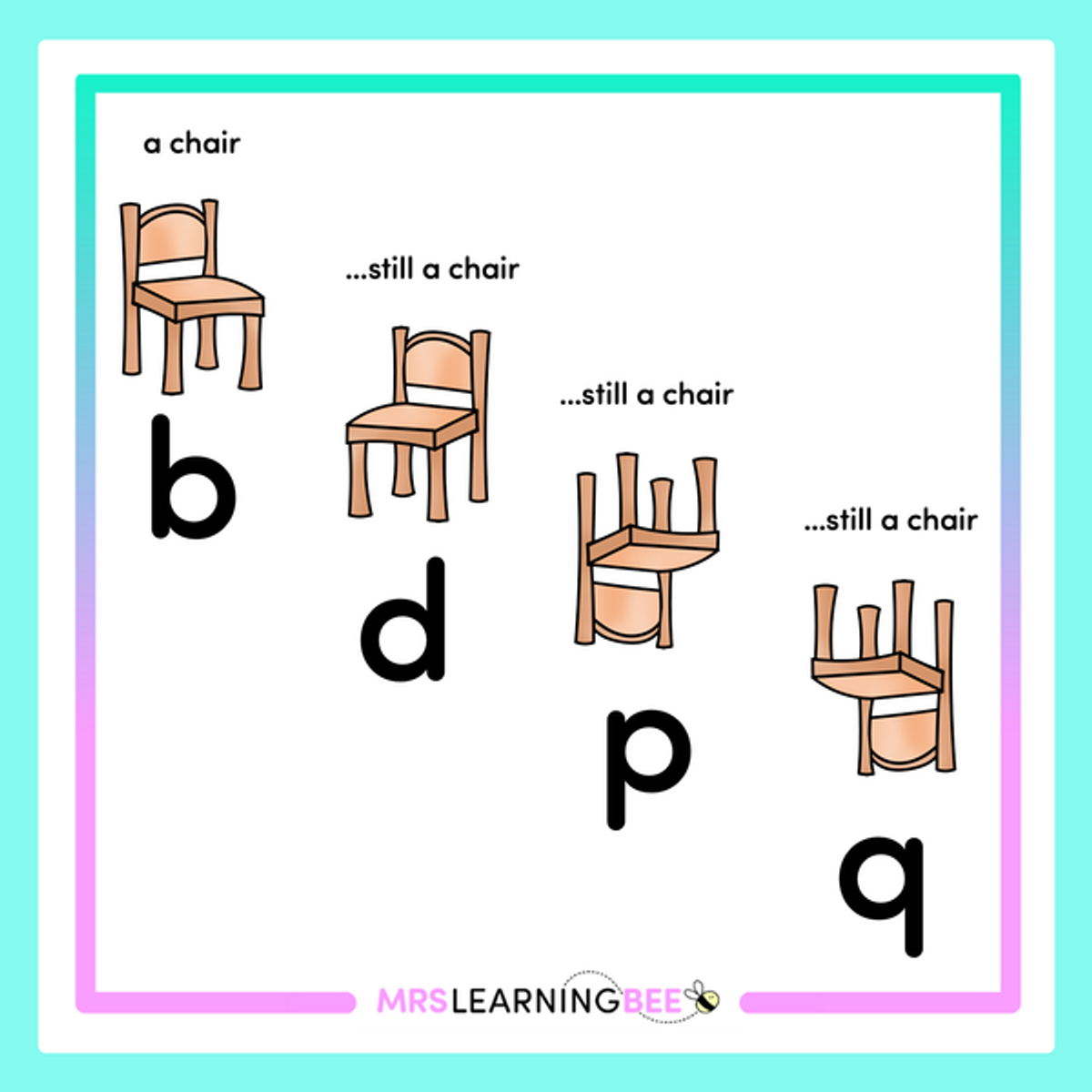
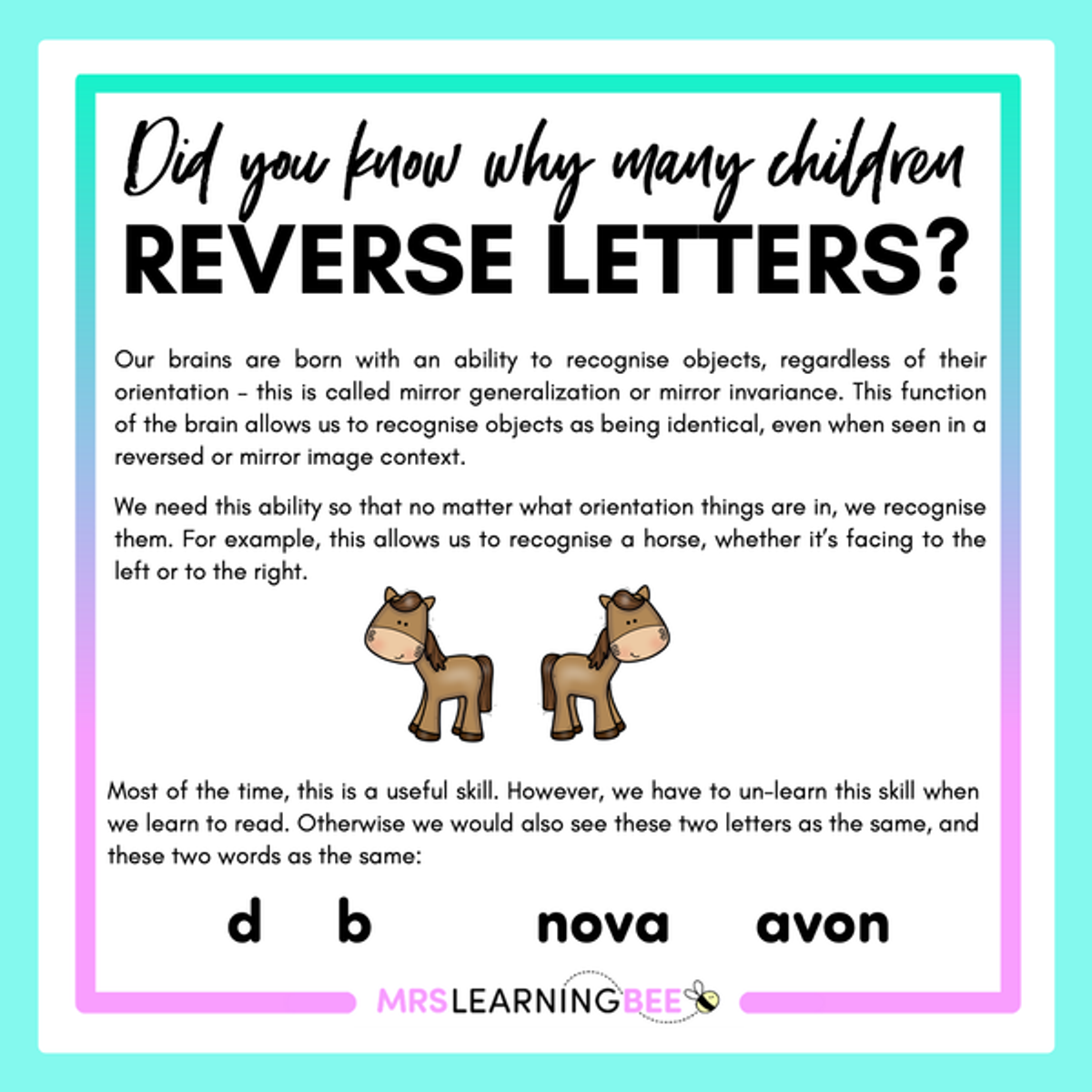
This is not unusual- and there is a reason why. Our brains are born with an ability to recognise objects, regardless of their orientation – this is called mirror generalisation, or mirror invariance. This function of the brain allows us to recognise objects as being identical, even when seen in a reversed or mirror image context. For example, we are able to recognise a chair whether it is facing towards us or facing away from us.
We need this ability so that no matter what orientation things are in, we recognise them. For example, mirror generalisation allows us to recognise a horse, whether it’s facing to the left or to the right.
This innate ability allows us to navigate through our environment and interact with the world around us. It also helps us identify familiar objects and remember them over time.
However, as preschool and kindergarten children develop early literacy skills, they must also learn to override their brain's tendency to recognise identical objects regardless of their orientation. This 'over-ride' will allow children to read and write letters, sounds and words correctly.
Are letter reversals normal?
Letter reversals are perfectly normal for young children as they are learning to read and write. In fact, most children will experience some degree of letter reversal during this process. It is very common for children in preschool and Kindergarten to reverse some letters in the early years of their education.
Will letter reversals resolve themselves?
Letter reversal usually resolves itself over time as children become more proficient at reading. They become less common as students enter first grade and second grade, although students may still require consolidation to ensure correct letter formation is second nature.
Correct letter formation will develop naturally for a lot of children, but other children may require some targeted intervention to assist them. So, how can educators and parents support all children to develop correct letter formation skills through our preschool programs, in primary schools, and at home?
Tips and resources for teachers, schools and parents to support correct letter formation:
1. Anything that is tactile, multi-sensory or hands-on.
Practise tracing and forming letters frequently, regularly, and with over-sized letters to exaggerate the movements. This will help children learn the shape of each letter, and how it should be written correctly. Get kids moving their hands in the air, on the carpet, or with sensory materials such as playdough, wikki sticks, sand etc.
2. Encourage children to feel the difference between different letter formations
Encouraging kids to feel the difference between swinging to the left or to the right while they are engaging with these sensory or hands-on activities.
3. Use mouth articulation
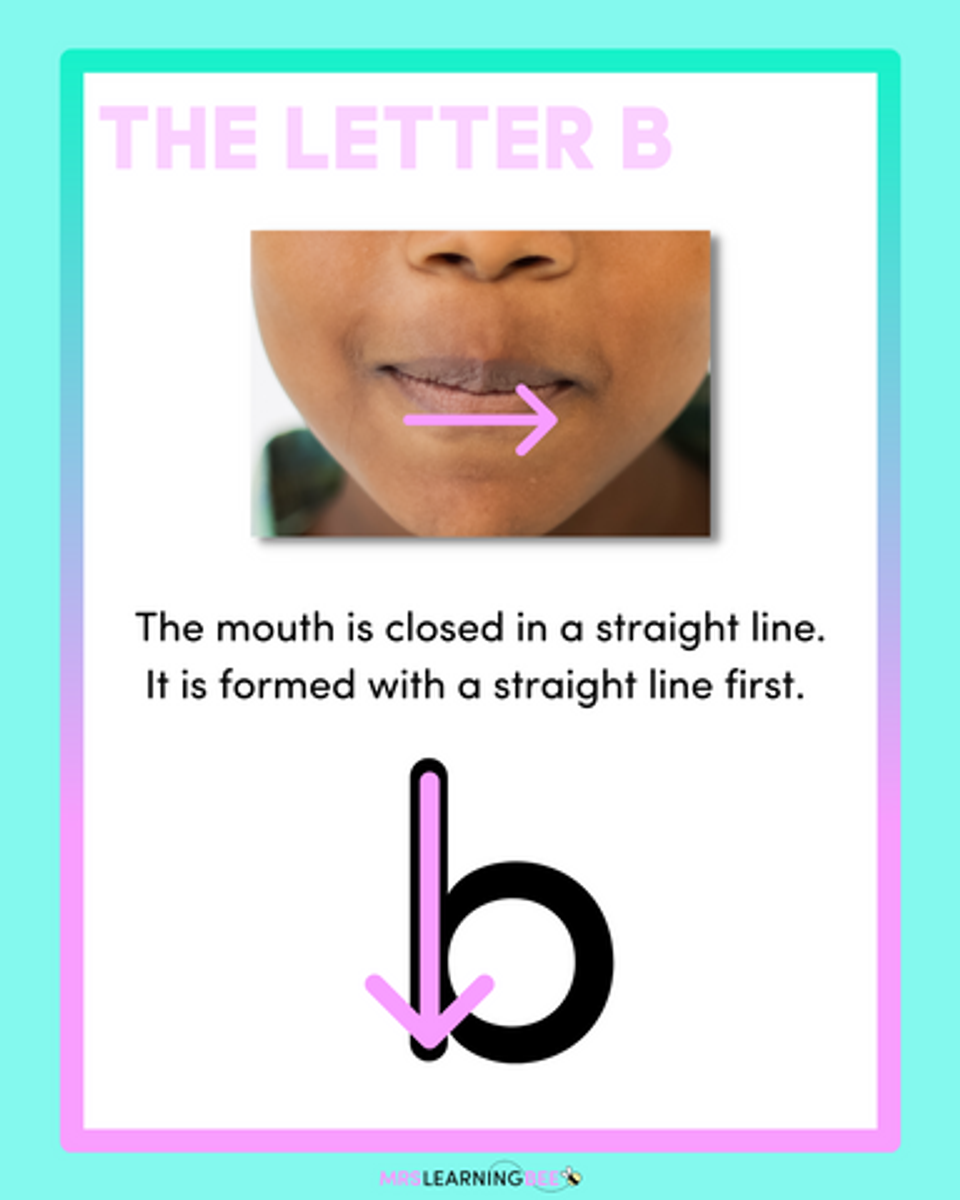
Mouth articulation is my number one tip for helping children with lowercase b and lowercase d reversals.
With the letter b, the mouth starts in a straight line. Therefore, we form the letter b with a straight line first.
4. Provide children with opportunities to develop strong fine motor skills
Fine motor skills are the skills that allow us to control our fingers and hand movements. They are essential for many tasks such as writing, typing, and using tools. Children can build their fine motor skills at home and in the classroom through activities such as cutting, pasting, threading, manipulating small objects and drawing/colouring.

If a child has difficulty with fine motor skills, this will often impact their handwriting, and potentially their learning. The child may have trouble controlling the movement of their hand and fingers, which will result in shaky or uneven writing, and may reduce a child's writing stamina. A child may also have difficulty with letter formation and spacing between letters.
The content of this article was taken from Mrs Learning Bee and modified for the school newsletter.