Reading Fluency















 Boroondara Park Primary School
Reading Fluency: Bringing Words to Life!
When we think about children learning to read, we often focus on their ability to recognise words, sound out unfamiliar words and understand what they are reading. However, there is another important component of reading that plays a significant role in developing confident, capable readers: reading fluency.
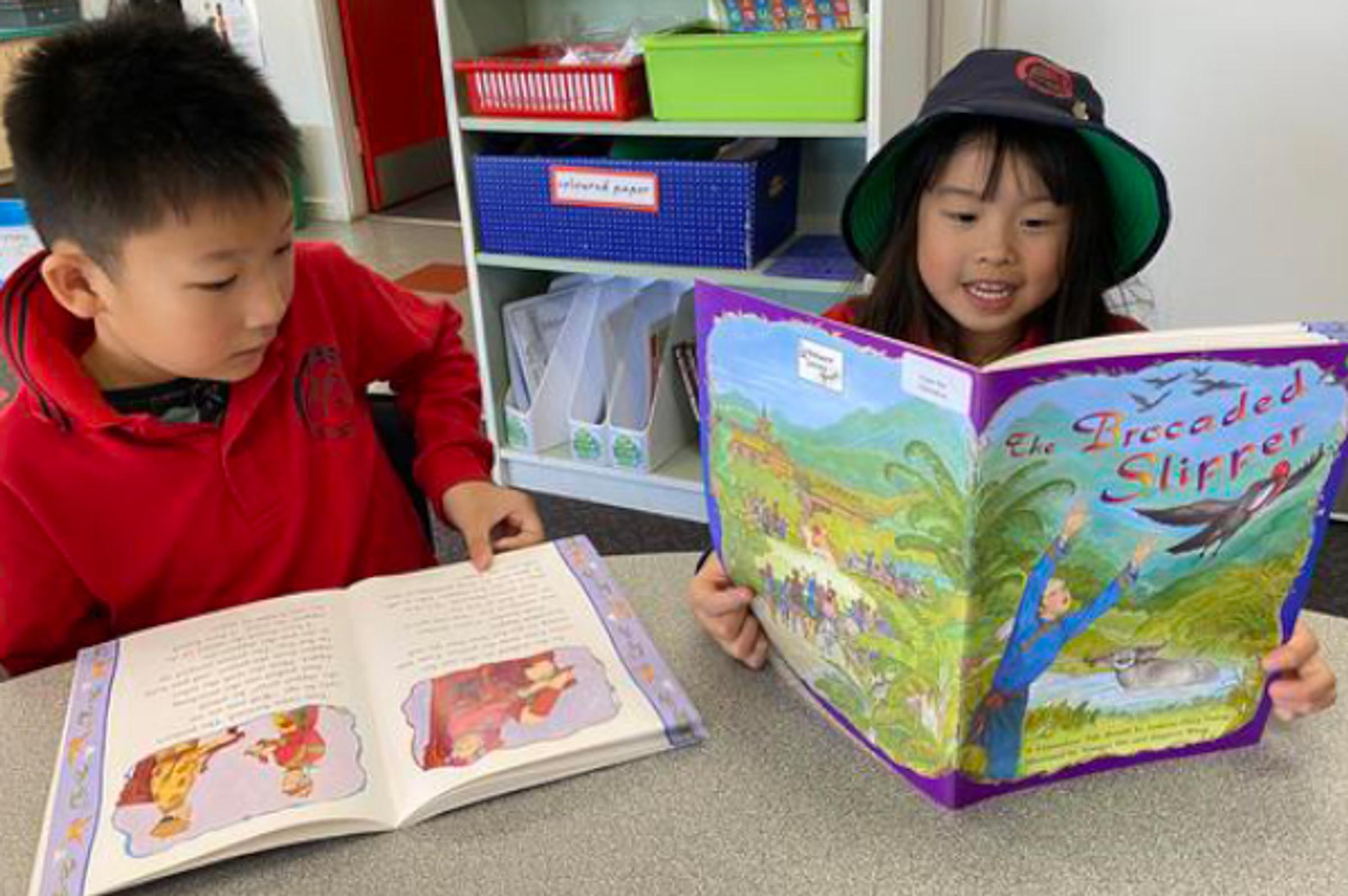
Reading fluency is the ability to read accurately, smoothly and at an appropriate pace, while using expression to bring the text to life. It is much more than simply reading quickly. Fluent readers can read aloud in a way that sounds natural, paying attention to the rhythm, intonation, stress and phrasing of the words. They know when to pause at punctuation, which words to emphasise and how to change their voice to reflect the characters, emotions and meaning within a text.
Think about the difference between listening to someone read in a monotone voice, with little expression or variation in pace, compared with someone who brings a story to life through their voice. The second reader makes it much easier for the listener to follow the story, understand the characters and connect with what is happening.
Why is reading fluency important?
Fluency is an important bridge between learning to read words and understanding what we read (comprehension). When children need to concentrate heavily on recognising and decoding individual words, they have less capacity available to think about the meaning of the text. As word recognition becomes more automatic, children can devote more attention to comprehension, making connections, visualising events and thinking deeply about what they are reading.
Fluent readers:
- Read words accurately and with increasing automaticity.
- Maintain an appropriate pace, rather than reading too quickly or too slowly.
- Use expression, changing their voice to reflect characters, emotions and meaning.
- Pay attention to punctuation, pausing at commas, full stops and other punctuation.
- Group words into meaningful phrases rather than reading one word at a time.
- Use appropriate intonation, rhythm and stress to help communicate the meaning of the text.
How can you support reading fluency at home?
Reading aloud together is one of the simplest and most effective ways to help children develop fluency. Here are some practical ideas you can try at home:
- Model fluent reading: Read aloud to your child regularly. Show them how your voice changes when reading dialogue, how you pause at punctuation and how you use expression to bring a story to life.
- Read the same text more than once: Re-reading a familiar passage, poem or favourite book helps children become more confident, accurate and expressive. Encourage them to focus on how they read, rather than simply how quickly they can finish.
- Take turns reading: You could read a paragraph and then have your child read the next one. This gives them an opportunity to hear fluent reading before having a go themselves.
- Practise reading with expression: Encourage your child to experiment with their voice. How might a character sound if they are excited, frightened, disappointed or surprised? Can they make the dialogue sound like a real conversation?
- Read aloud together: Try reading a passage at the same time as your child. This provides a supportive opportunity for them to hear the rhythm and pace of fluent reading while building their confidence.
- Don't forget poetry, rhymes and plays: Poems, rhymes and plays are wonderful ways to practise rhythm, phrasing, expression and intonation. They also make reading aloud fun!
Most importantly, make reading enjoyable. Choose books, stories and texts that interest your child, celebrate their progress and give them plenty of opportunities to hear and practise fluent reading.
Remember, fluent reading isn't about how quickly your child can read a page. It's about reading accurately, smoothly and with expression, so that the words come alive and the meaning of the text shines through!
Julie Tainsh
Learning Specialist - Curriculum
Grade 5/6 Teacher