Wellbeing Report






















Helping Children Navigate Peer Conflict
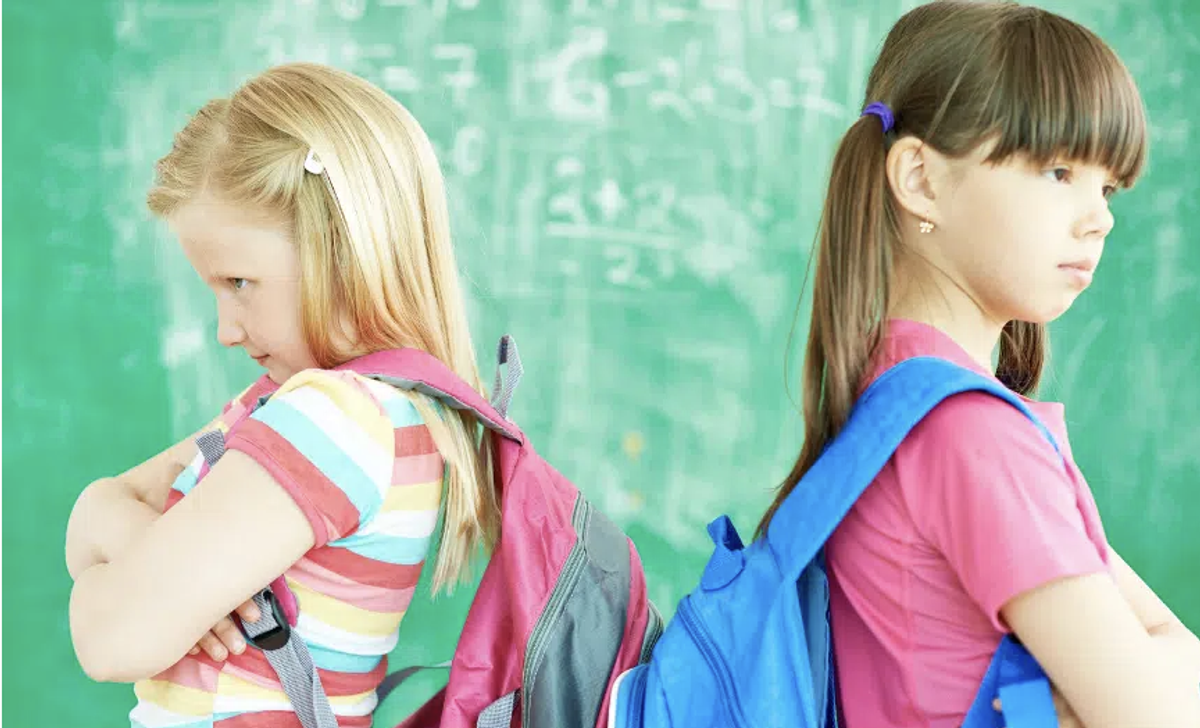
Friendship challenges are a normal part of growing up. As children learn to navigate relationships, they are still developing the skills to manage big emotions, communicate their needs and consider different perspectives. As parents and carers, one of the most powerful things we can do is co-regulate with our children before expecting them to problem-solve.
Connect before you correct
When your child comes home upset about something that has happened at school, it can be tempting to jump straight into finding solutions. However, when children are overwhelmed by anger, sadness or frustration, they may not yet be ready to reflect on what happened.
Co-regulation means helping your child feel safe, supported and understood. This might involve listening without interruption, speaking calmly, offering a hug if they want one, or giving them time to settle.
Try phrases such as:
“I can see you're upset. I'm here for you.”
“That sounds like a difficult situation.”
“Would you like me to listen, or would you like help working out what to do?”
Connection comes before correction. Once children feel calmer, they are better able to reflect, learn and problem-solve.
Helping your child unpack a conflict
Gentle, open-ended questions can help children make sense of a situation without feeling interrogated or encouraged to blame others.
Try asking:
“Can you tell me what happened from your point of view?”
“How were you feeling when that happened?”
“What do you think the other person might have been feeling?”
“What could you try if something similar happens again?”
“How could you stand up for yourself while keeping everyone safe?”
You don't need to ask every question. Often, simply listening and allowing your child time to talk is enough. Remember, understanding another person's perspective does not mean excusing hurtful behaviour.
Moving beyond “If they hurt you, you can hurt them back”
When children feel hurt, they may believe that retaliating is a fair response. We can acknowledge their feelings while teaching them that standing up for yourself doesn't mean hurting someone in return.
Instead, try phrases such as:
“You have every right to feel angry. Let's work out how to respond safely.”
“You don't have to accept being treated badly, but you don't have to hurt someone to stand up for yourself.”
“You can tell them to stop, walk away if it's safe, and ask a trusted adult for help.”
Children should never feel they must manage unsafe or repeated behaviour alone. If your child shares a concerning experience, listen, reassure them and contact the school when further support is needed.
Working together
Children learn how to navigate conflict by watching the adults around them. By modelling calm communication, setting clear boundaries and helping children find safe solutions, we build their confidence, empathy and resilience.
Together, we can help our children understand that being strong means knowing how to manage big feelings, stand up for yourself respectfully and seek help when you need it.