Arts
Mrs Jeanean Pritchard, Head of Arts
Arts
Mrs Jeanean Pritchard, Head of Arts
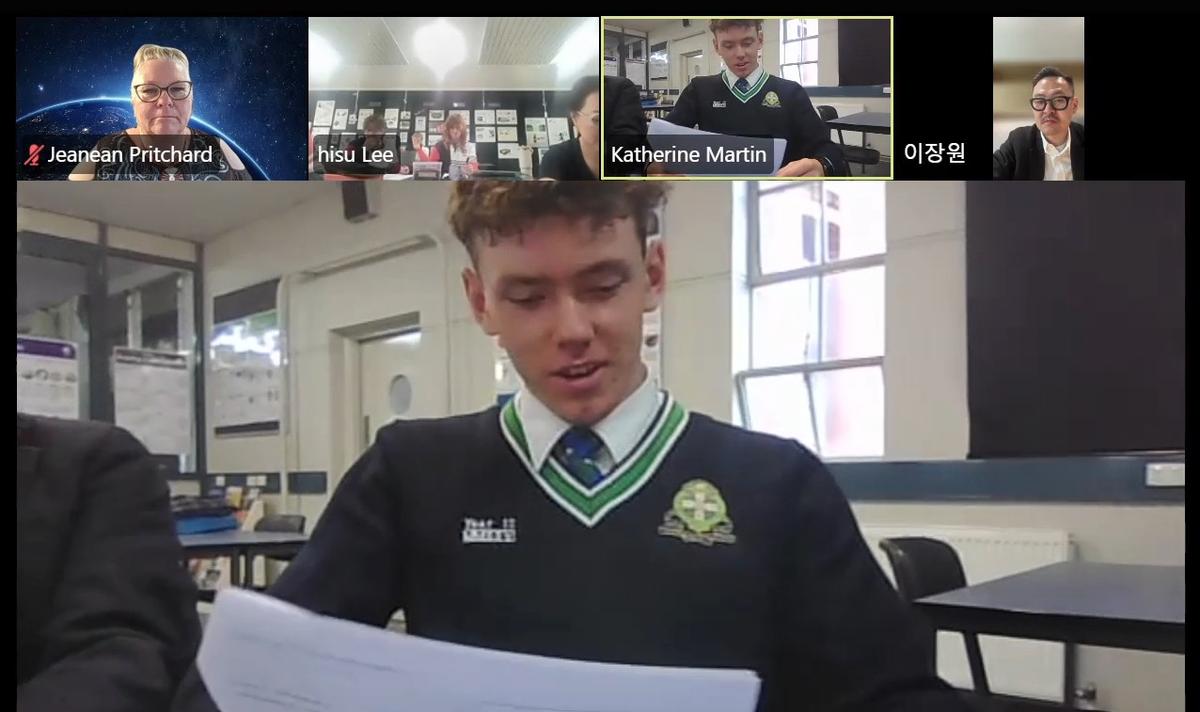
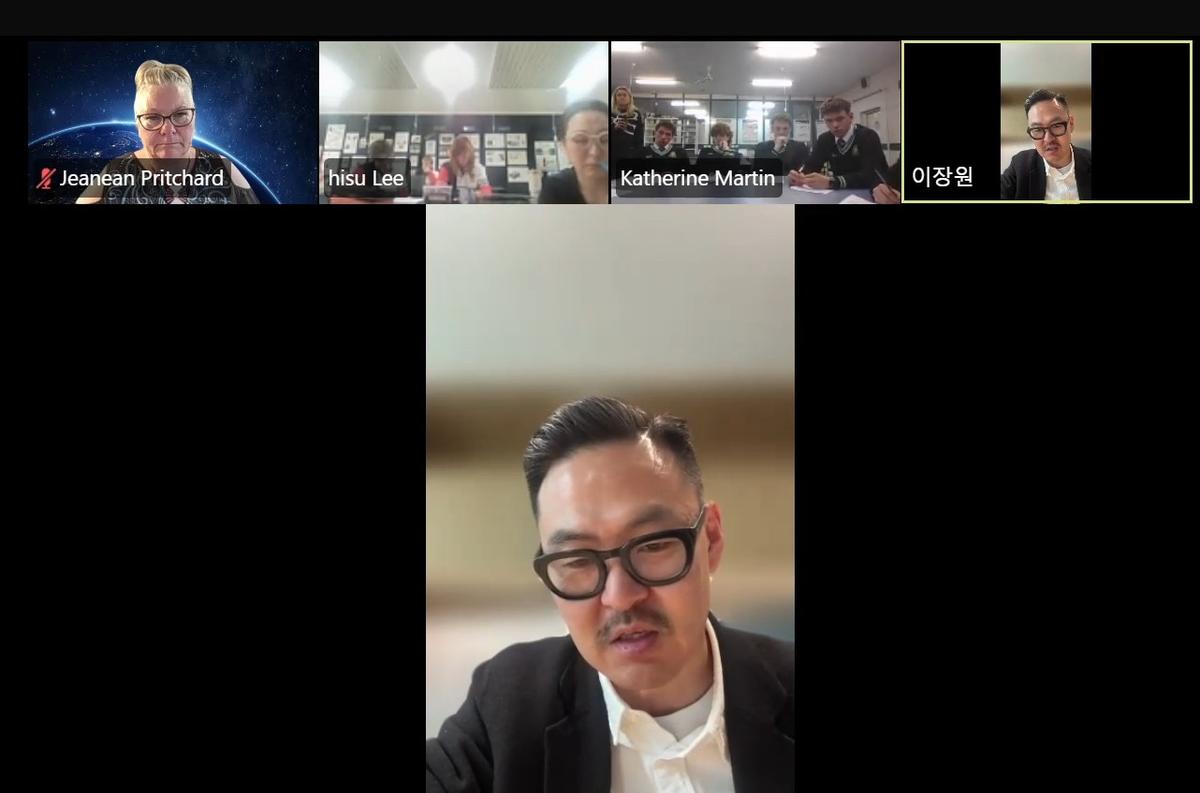
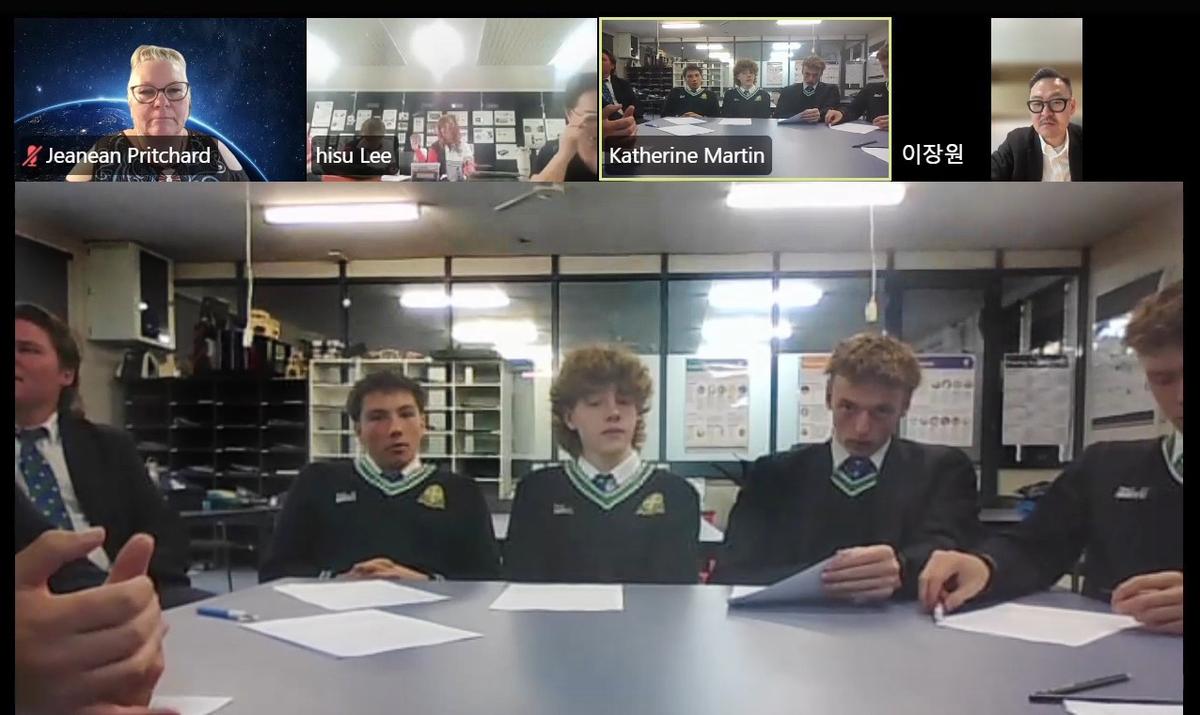
Year 12 Visual Communication Design students recently had the wonderful opportunity to connect with Andy Lee, Vice President of FILA, via a live Zoom conference from China. The session offered valuable industry insights into how global brands approach design, innovation, and audience engagement.
Students asked thoughtful and targeted questions, beginning with how designers identify audience, purpose, and context. Andy explained that understanding the target audience is essential. Every design decision, from materials to aesthetics, is guided by who the product is for and how it will be used.
The discussion then moved to visual language. Andy highlighted how FILA designers carefully apply design elements such as colour, shape, and type, alongside principles like balance, contrast, and hierarchy, to create strong brand identity. When asked about methods, media, and materials, Andy described a blend of traditional and digital processes. Designers are utilising AI to save time, being able to generate prototypes from designs in a matter of minutes to see how the shoe is working. Andy was clear to stress the importance of human thinking and creativity within the design process, indicating that it is essential and that AI is only used as a tool.
Finally, Andy shared his perspective on what makes a design successful. He described “good design” as innovative, useful, aesthetically pleasing and as little as possible. A successful FILA product looks good; it is clean and aesthetic, but it is also durable and suits the purpose.
We are grateful for Andy giving up his time to present to the Yr. 12 VCD students. This engaging session gave students a real-world understanding of the design process within a global company, inspiring them to think critically and creatively about their own work.
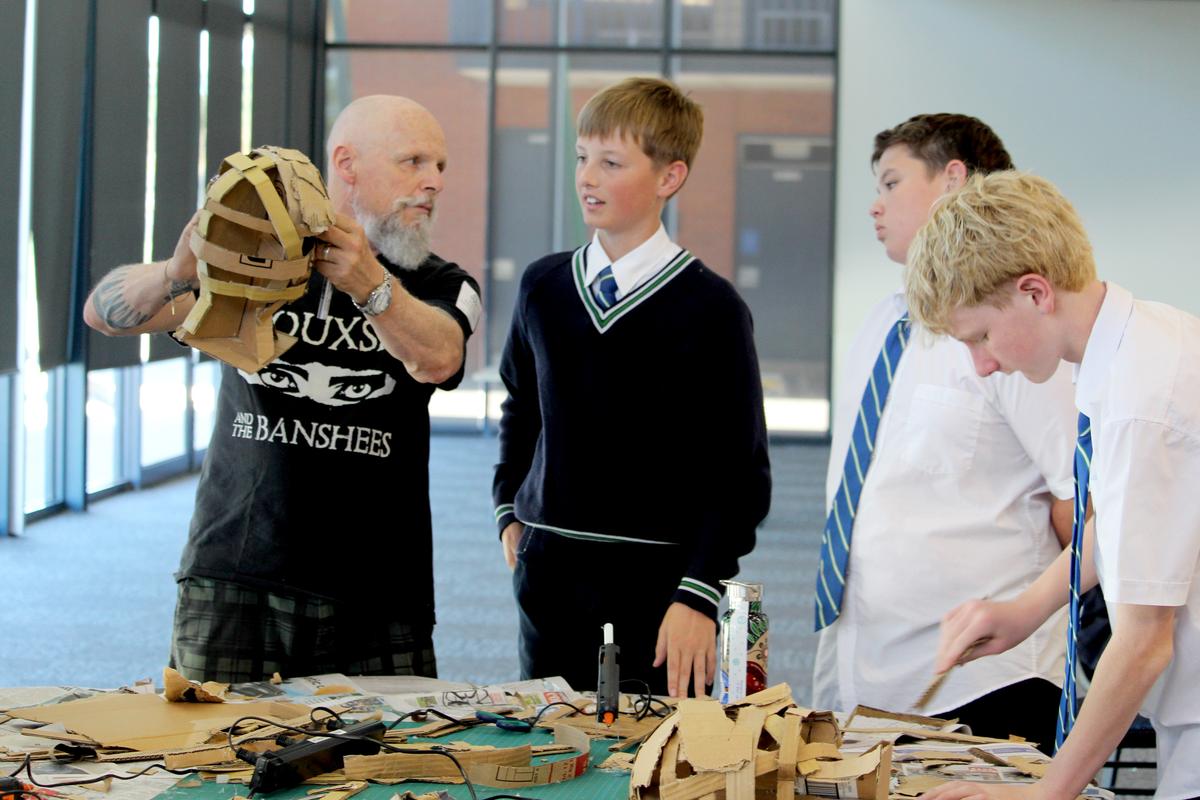
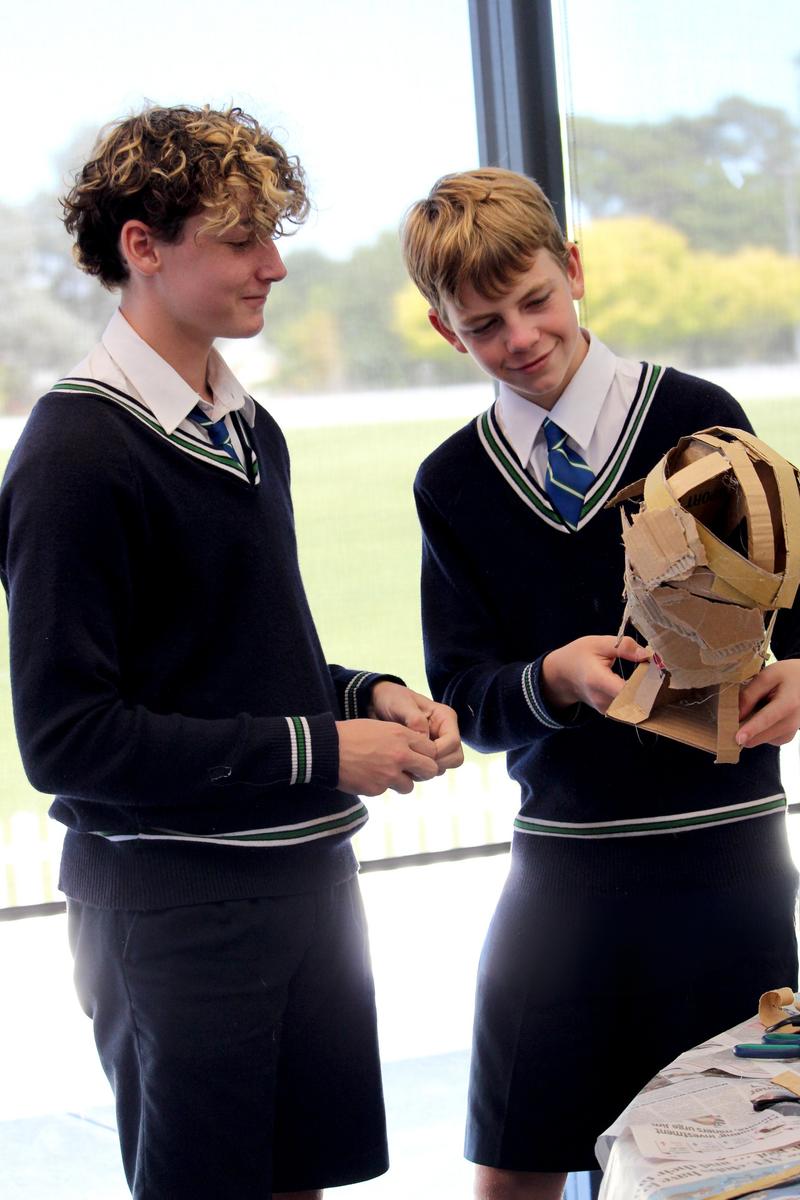
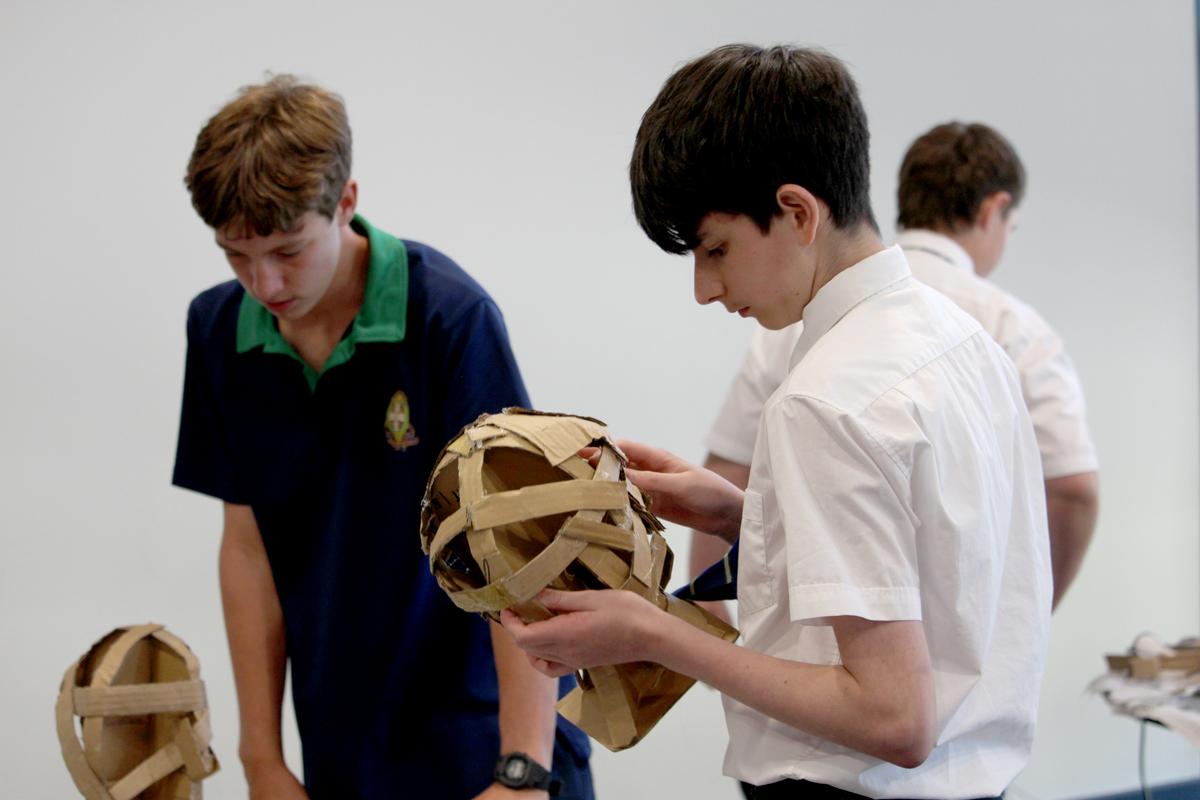
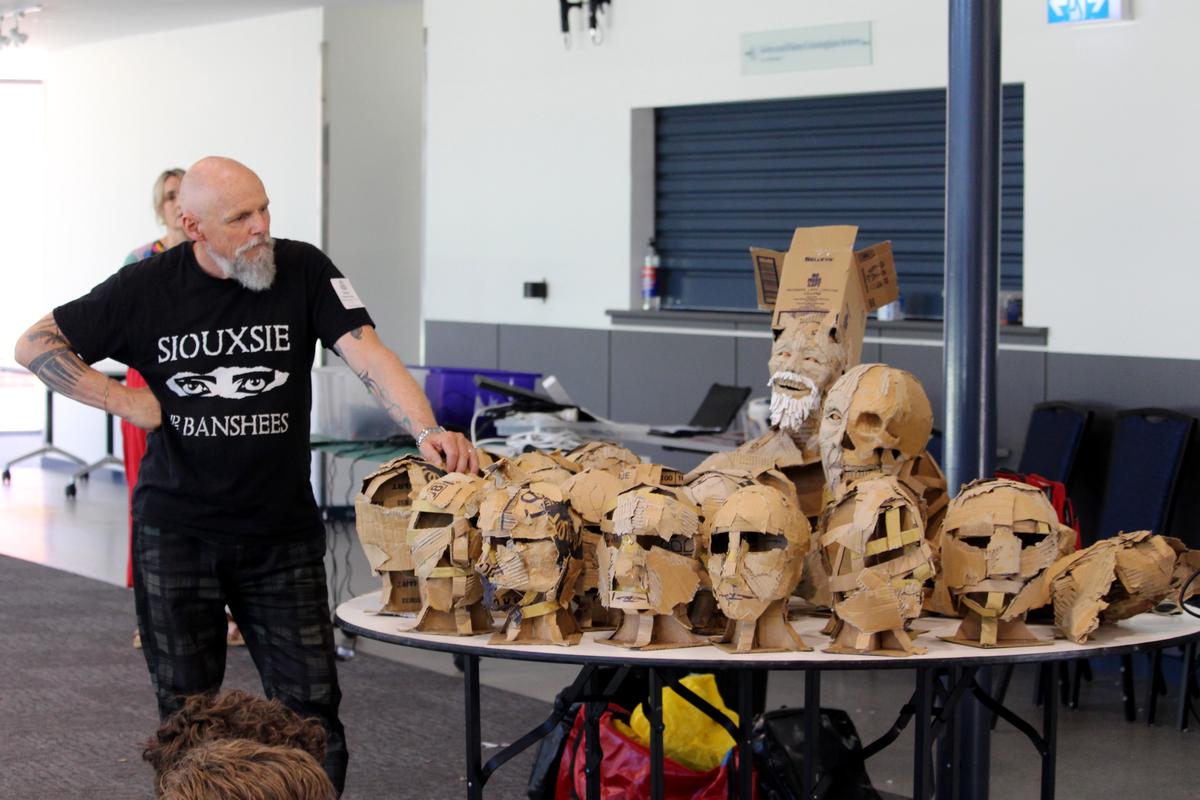
Year 9 Art students recently had the opportunity to work with local artist Patrick Duffy in a hands-on sculpture workshop focused on creating expressive faces using recycled cardboard.
During the session, Duffy how cardboard can be manipulated through cutting, layering, folding and shaping to build form and structure. Students explored how facial features such as eyes, noses and mouths can be exaggerated and assembled to create character and personality in a sculpture.
Throughout the workshop, students experimented with texture, depth and composition, learning how layering pieces of cardboard can create striking three-dimensional effects. Duffy encouraged students to think creatively about materials that are usually discarded and to consider how recycled materials can be transformed into meaningful artworks.
The workshop provided an engaging opportunity for students to develop their sculpture skills while also learning about sustainable art practices. By the end of the session, students had produced an expressive sculptural face that demonstrated expression and individuality.
How much did our students love the workshop?
"Who came up the idea for the workshop? It is so good - I love it." - Jack
“The Patrick Duffy workshop was incredibly enjoyable - learning to make cardboard sculptures of human heads! It was an unforgettable experience that I know I’ll remember for many years” - Cal
“It was really really fun and informative. I liked working with the different people” - Rylan
“REALLY good! I want to do something like that again. I’m really grateful” - Aden
The Arts Faculty thanks Patrick Duffy for sharing his expertise and inspiring students to explore new possibilities in sculpture and recycled materials.
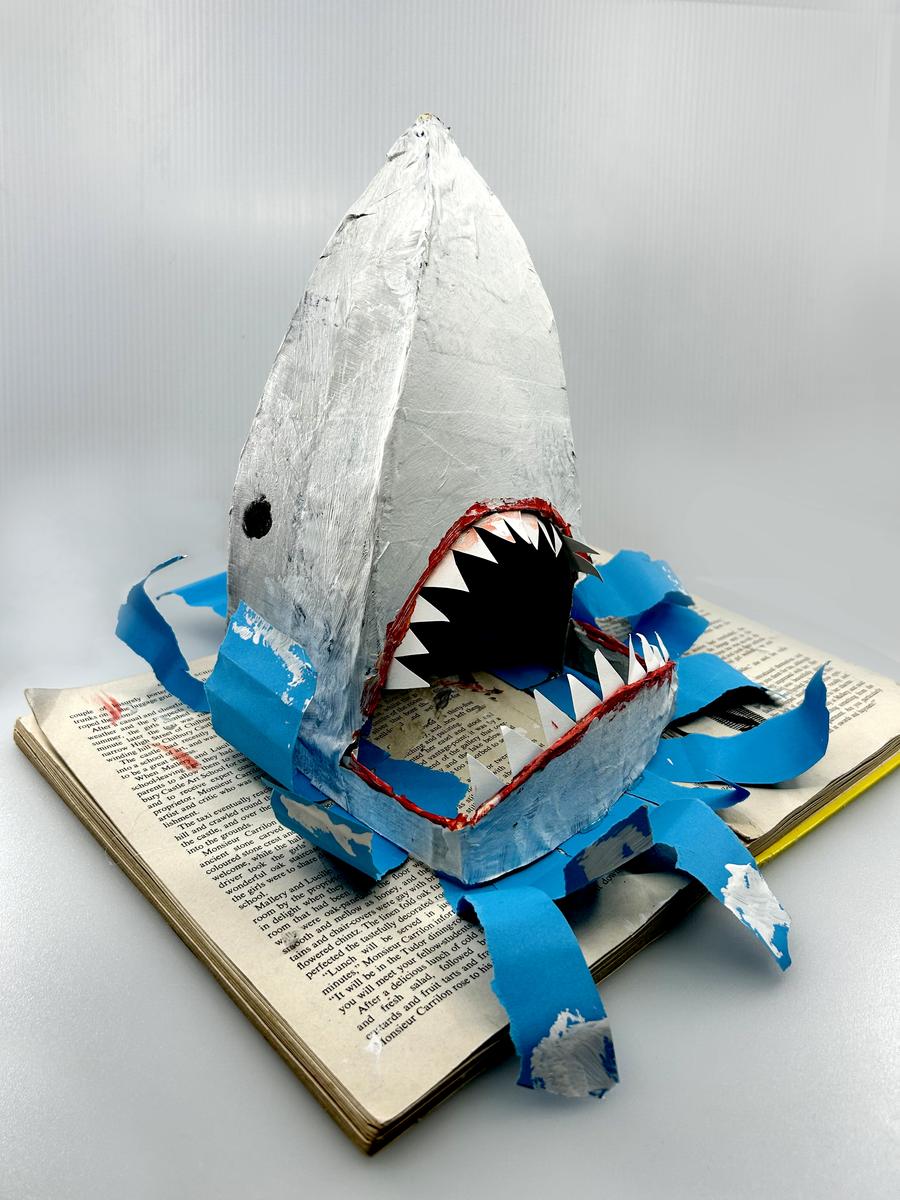
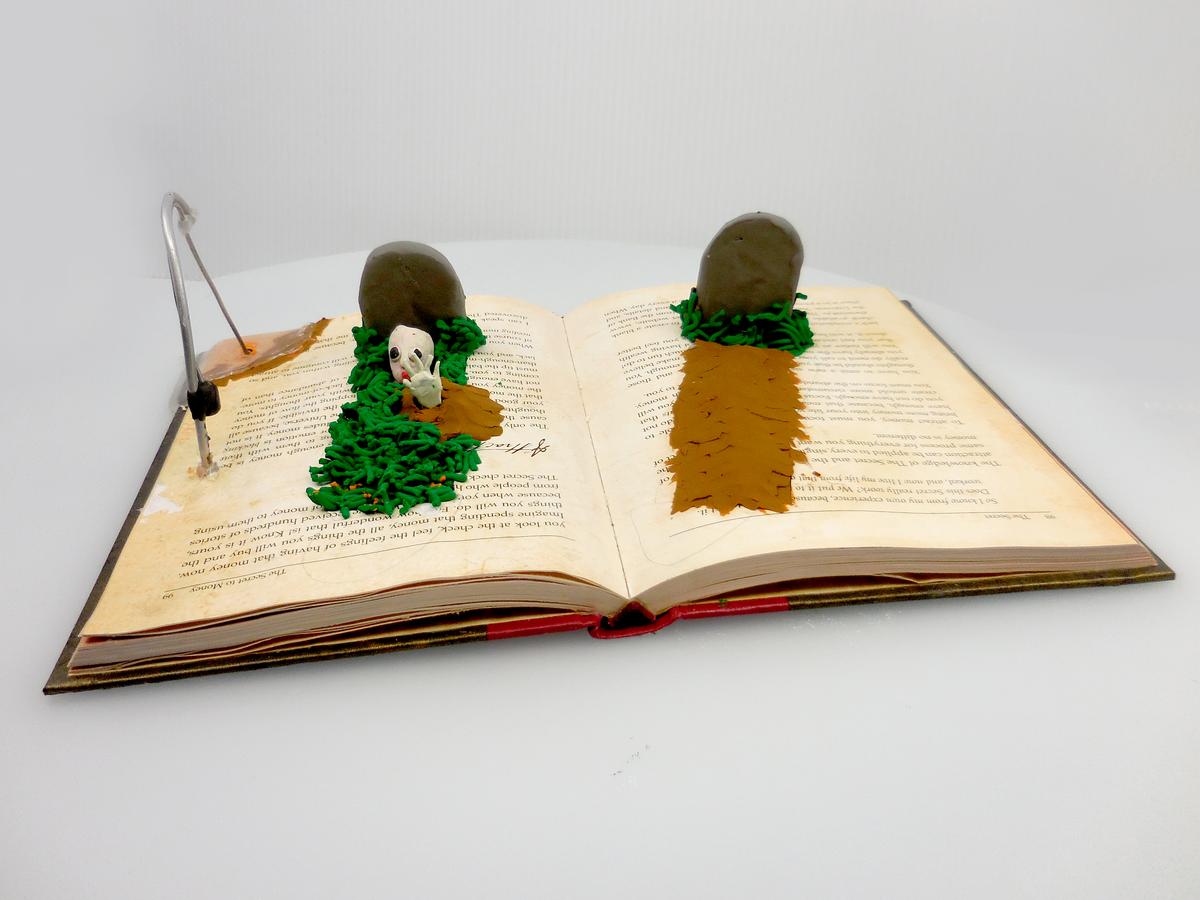
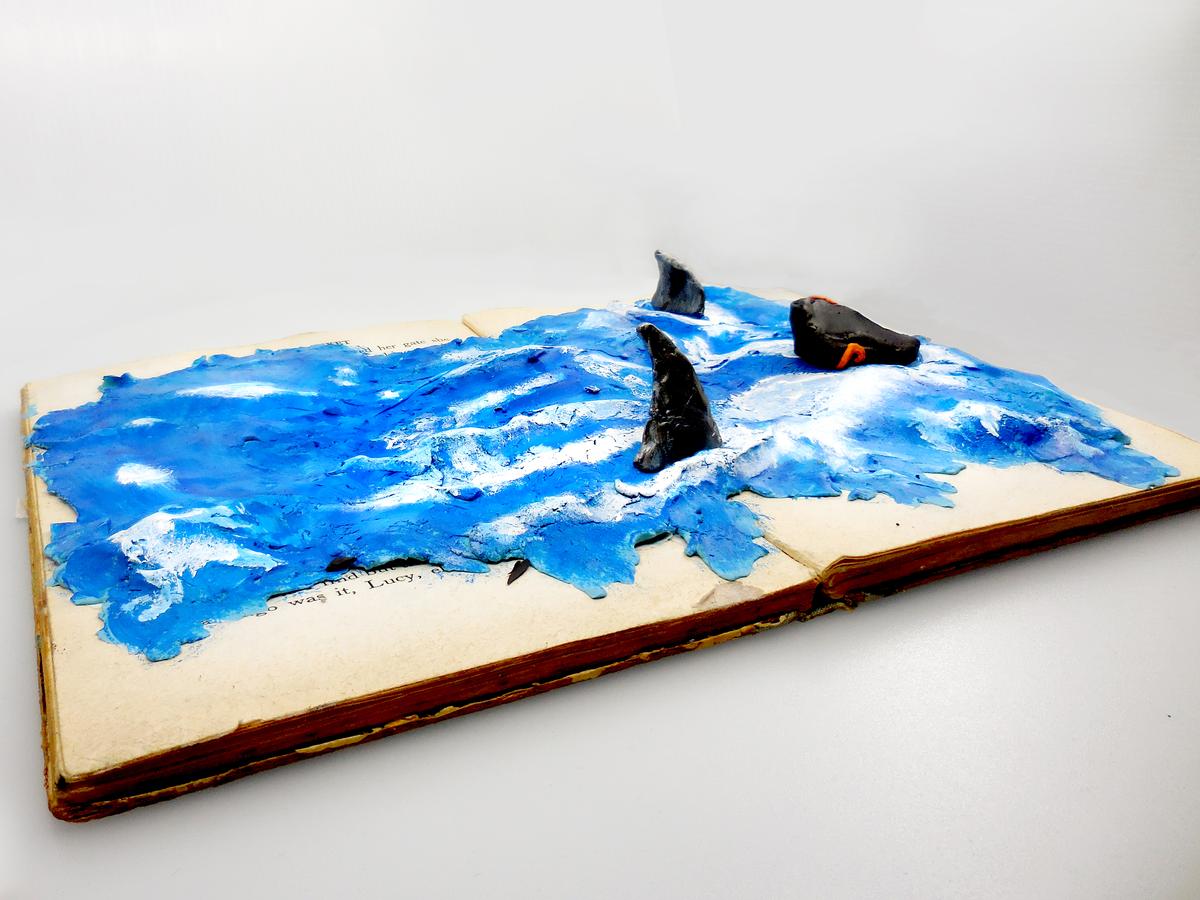
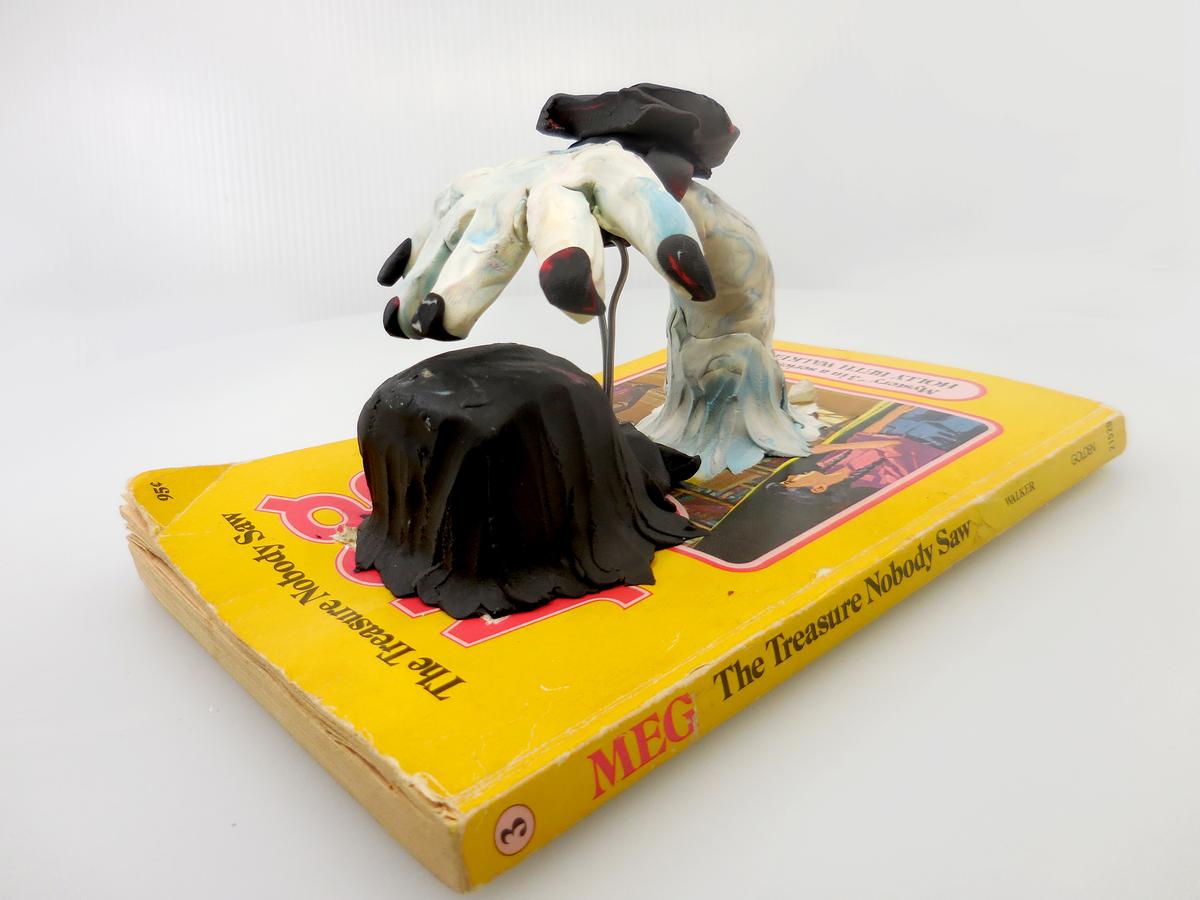
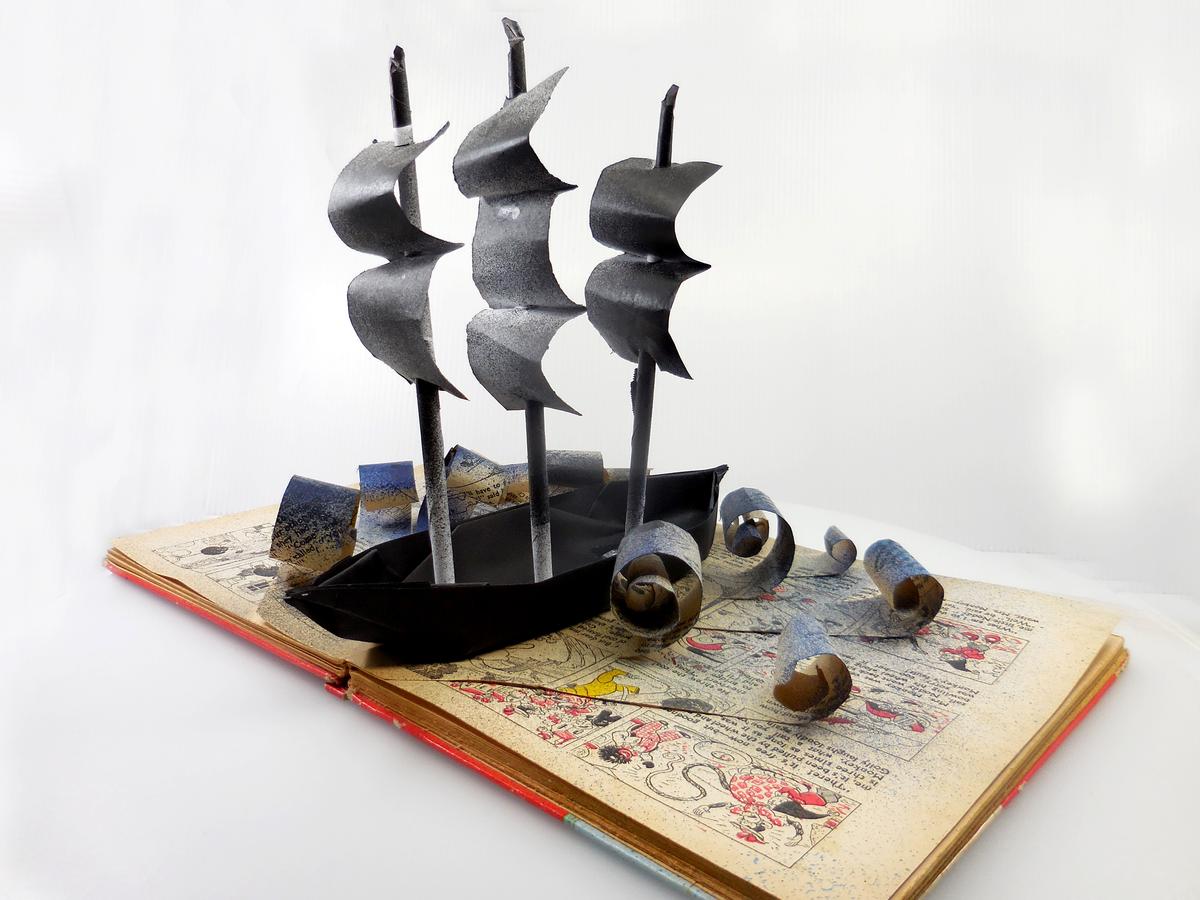
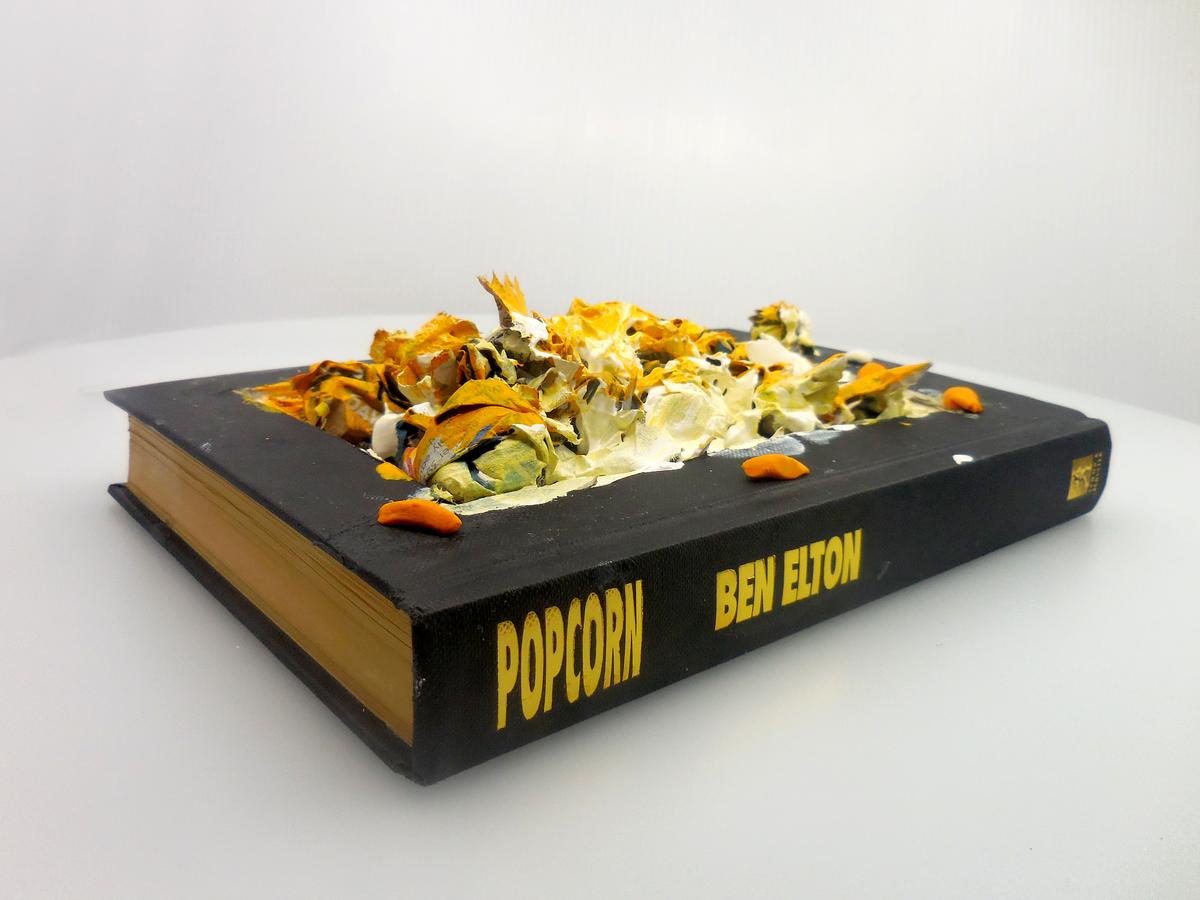
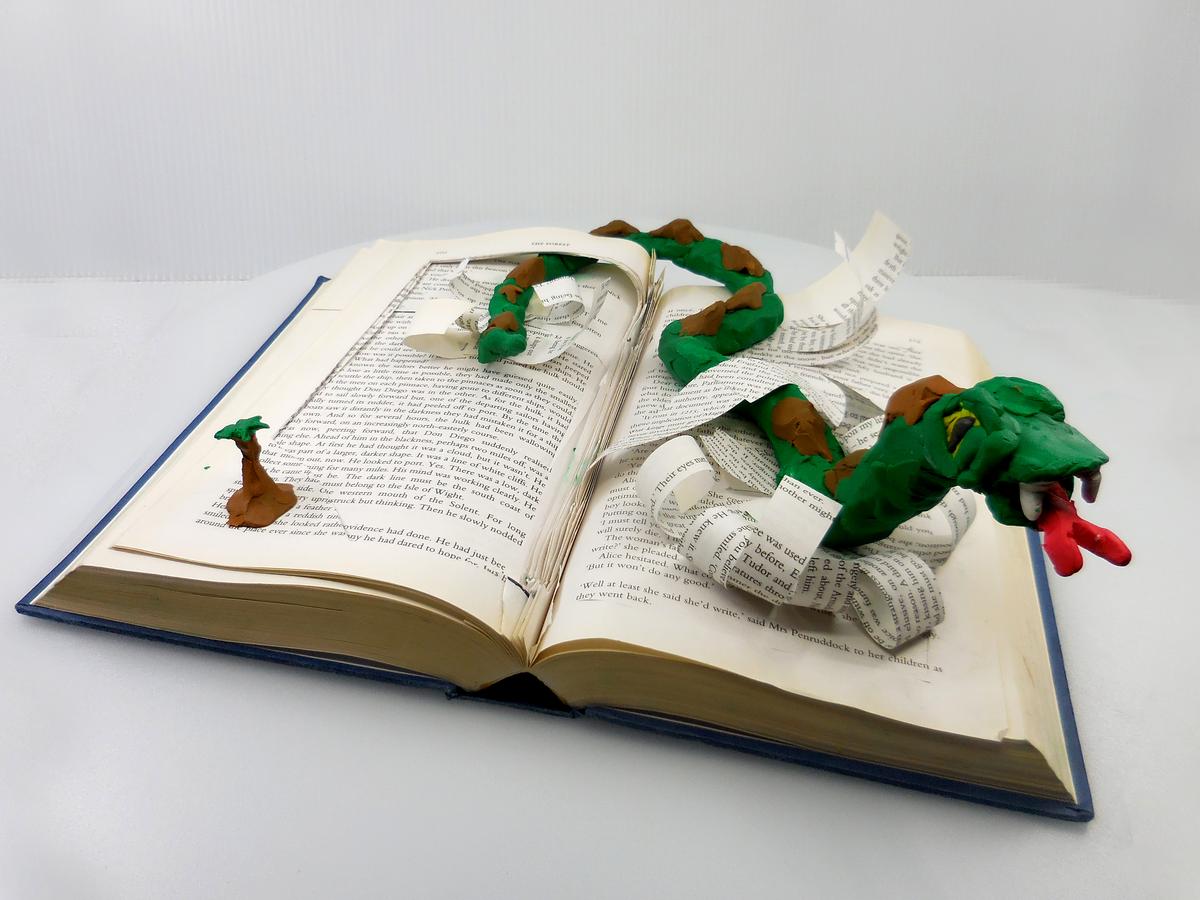
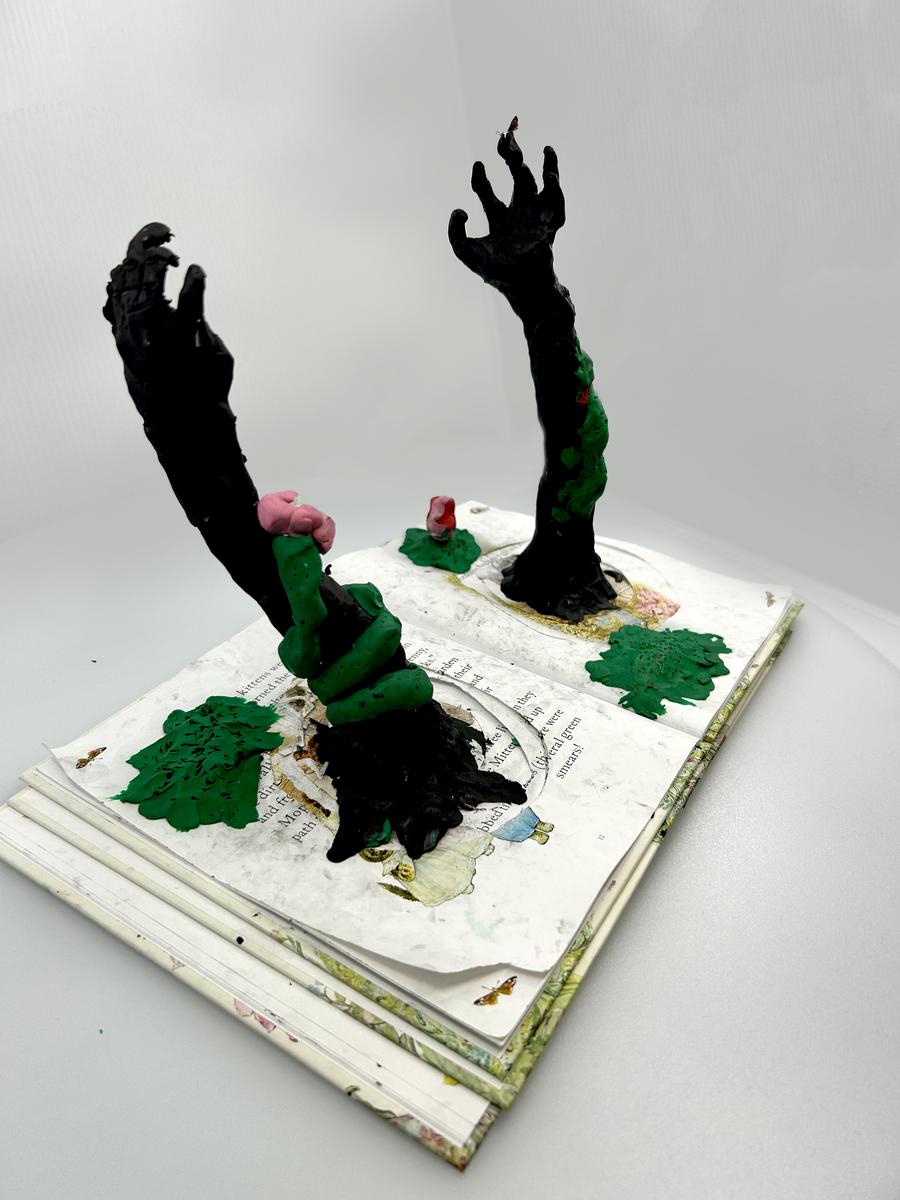
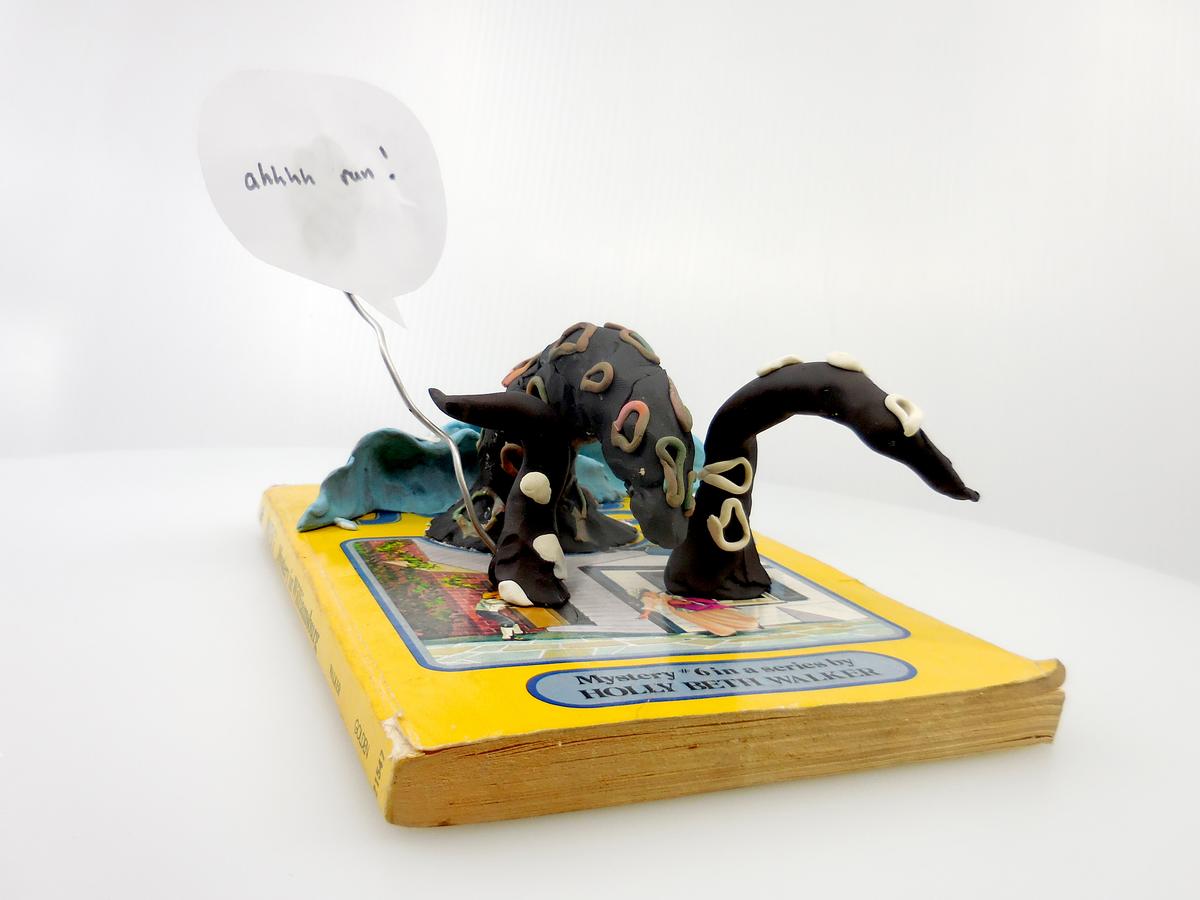
This term, students have created sculptural art forms where ordinary books have been transformed into original 3D artworks. Instead of just reading a story, students have reshaped it, reimagined it, and brought it to life in new ways.
Altered books are created using existing printed books and changing them through different techniques. Our student artists have used materials, media and methods like paint, collage, or sculpted forms, and have removed parts of the book by carving, folding, or cutting into the pages. These processes have either highlighted the book’s original meaning or completely reinvented it.
To begin, students explored real examples of altered books, identifying artists, materials, and techniques used. They then selected a favourite piece to analyse, thinking about what they liked and how it could inspire their own ideas.
From there, the focus shifted to creativity and planning. Students brainstormed ideas based on their favourite books, movies, and genres, then developed detailed sketches of designs that appear to “emerge” from the pages. Students then built their altered book sculptures, using their drafts as a guide and selecting materials carefully.
This project is all about imagination, transformation, and storytelling in a whole new way. Instead of books on the shelf, they are now artworks. The Year 9 Altered Books can be currently viewed in SPC Reception where they are on display.
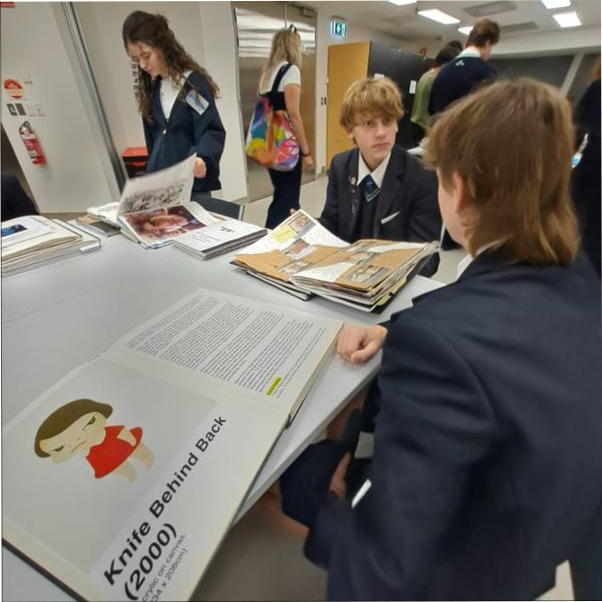
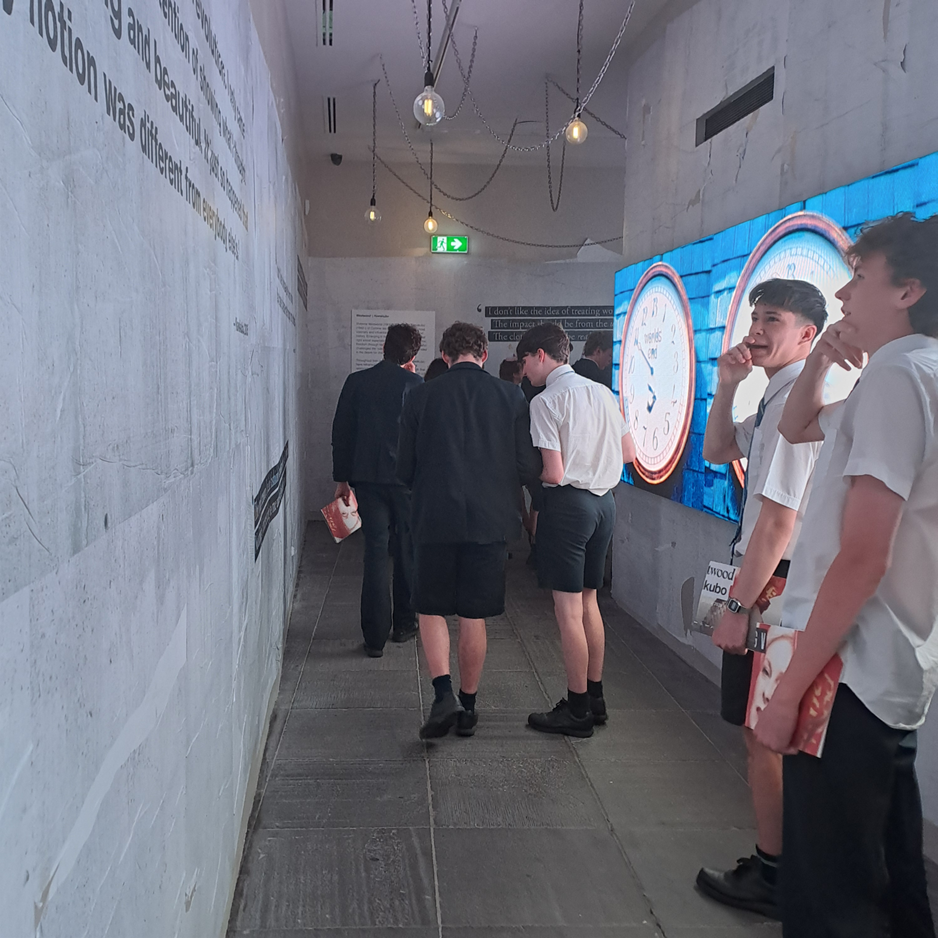
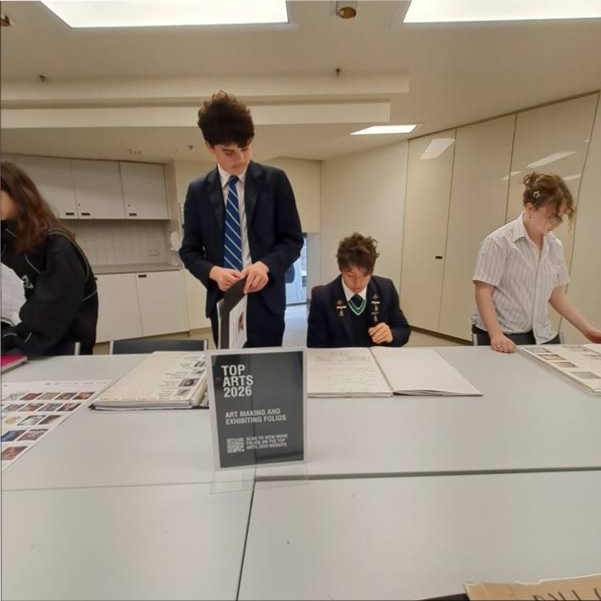
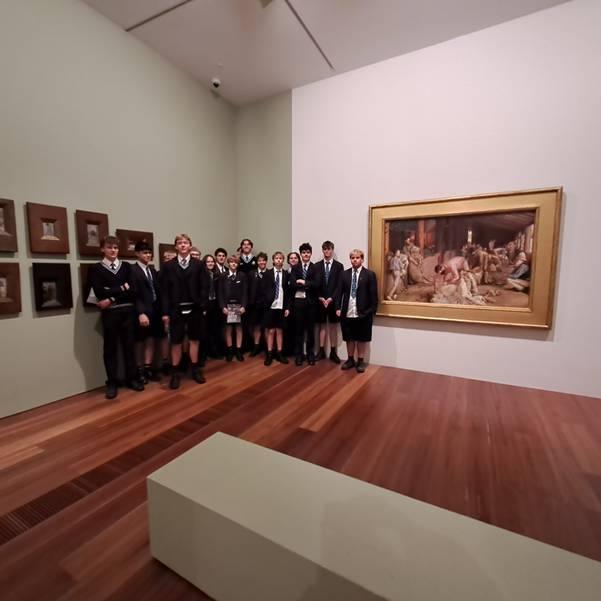
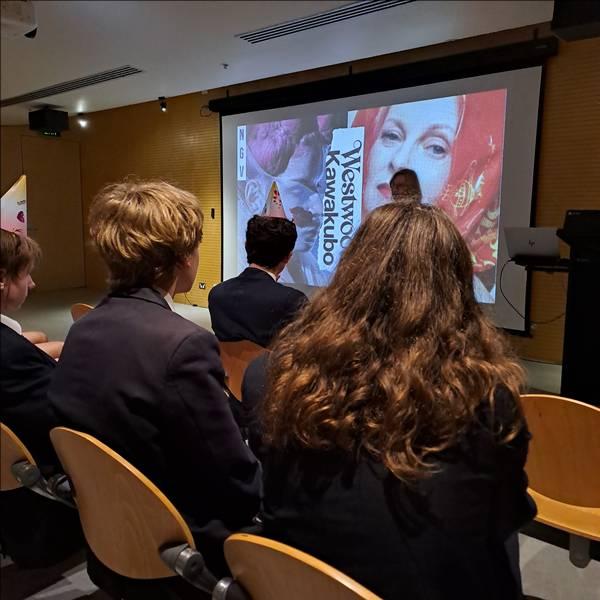
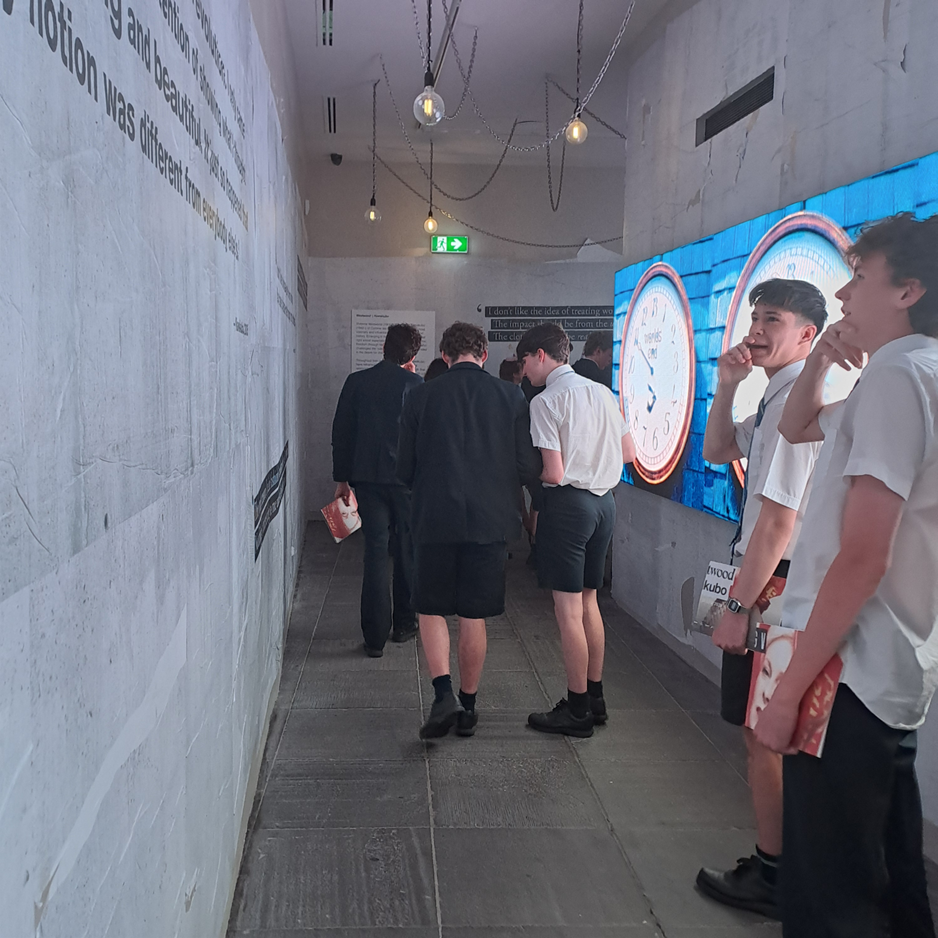
Top Arts 2026 & Westwood|Kawakubo
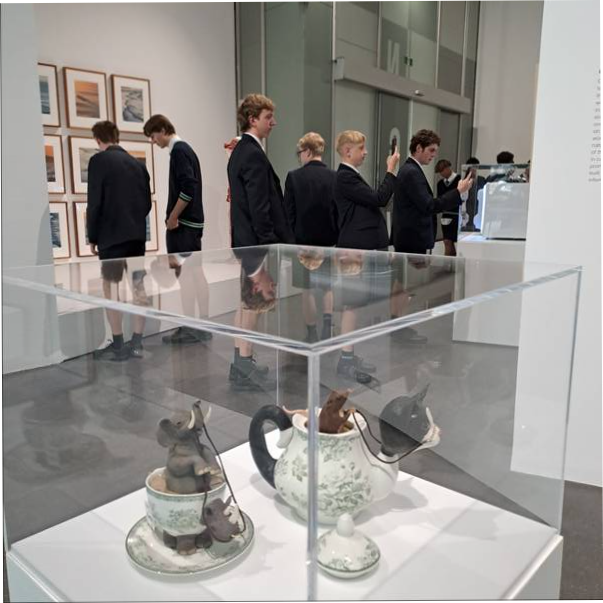
On Monday 16 March, the Units 1 & 3 VCE Art Making & Exhibiting students travelled to Melbourne to view the Top Arts and Westwood|Kawakubo exhibitions. Top Arts showcases the best work in the state from last year’s Unit 3/4 Art students and is a benchmark of excellence that our students can use as inspiration and as an exemplar of what a high scoring work and folio looks like in practice.
After viewing the exhibition itself, we went upstairs and viewed the folios of the student works, with students taking away a real idea of what they will also need to aim for in their own endeavours in this subject.
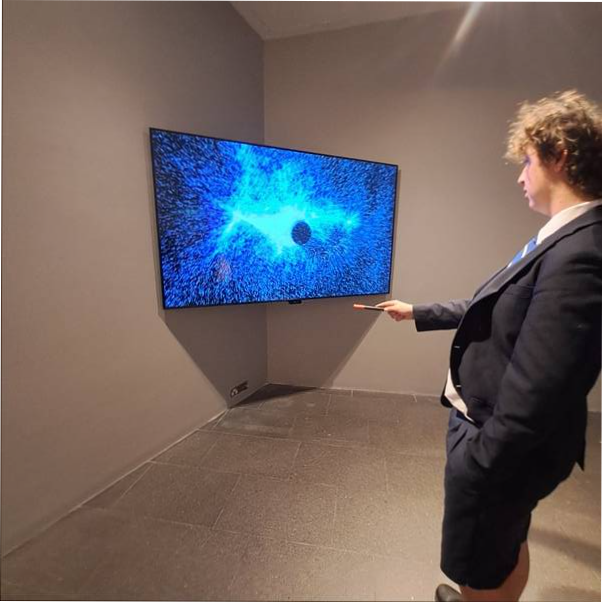
After stopping for lunch, we headed down to the NGV International, where we focused our attention on exhibition design and spent an hour with an educator who took us through the design process of their current blockbuster exhibition – Westwood|Kawakuibo.
With a focus on curatorial intention and exhibition design, this discussion ties in directly to Outcome 3 in Units 1 and 3 so has direct relevance to tasks that students will be working on in their next tasks. We then spent an hour viewing the exhibition from the perspective of the exhibition design as well as enjoying the amazing works themselves.