Pastoral Wellbeing












Attendance at St. Kilian’s
Student Attendance Update
Regular attendance continues to be an important focus at St Kilian's as we work towards our whole-school attendance target of 95%.
Over the past two weeks, our whole-school attendance average was 91.3%. While we're not quite at our target, there are some wonderful achievements worth celebrating!
A fantastic 138 students achieved 100% attendance during this period. That's more than half of our students!
A special congratulations to 1GF (98.4%), 2EM (96.4%) and 1PW (96.2%), who all exceeded our 95% target. Well done also to 5JW, who came close with 94.0%!
Class Attendance Averages
Class | Attendance |
Foundation HE | 89.3% |
Year 1 GF | 98.4% |
Year 1 PW | 96.2% |
Year 2 EM | 96.4% |
Year 3/4 A | 92.8% |
Year 3/4 B | 84.5% |
Year 3/4 C | 92.2% |
Year 5 JW | 94.0% |
Year 5 LT | 82.2% |
Year 6 RM | 90.5% |
Year 6 SH | 88.4% |
Whole School | 91.3% |
Every Day Matters!
As we move further into Term 4, we encourage all families to continue prioritising regular school attendance. Every day at school provides opportunities for learning, building friendships, developing confidence and feeling connected to our school community.
We also recognise that illness, family circumstances and other challenges can sometimes impact attendance. If your child is experiencing difficulties attending school regularly, please reach out to their classroom teacher. We're always happy to work alongside families to provide support.
Thank you to all our families for your ongoing commitment to getting children to school, ready to learn and grow. Together, let's keep working towards our 95% attendance goal!
Keeping Us Informed
If your child is going to be absent, arrive late or leave early, please let us know as soon as possible.
Where possible, we ask families to:
- Notify your child's classroom teacher in advance of planned absences such as medical appointments, specialist visits, family events or holidays.
- Record the absence through PAM (or follow the school's usual absence notification process).
Provide supporting information where appropriate so we can best support your child's learning and wellbeing.
Early communication helps us plan for your child's learning, ensure accurate attendance records and, most importantly, know that every child is safe and accounted for.
Thank you for partnering with us to make attendance a shared priority. Together, we can ensure every child has the best opportunity to learn, grow and flourish.
Seeking Assistance?
If your family is finding it difficult to get to school regularly, please know that we are here to help. You’re encouraged to speak with your child’s classroom teacher or reach out to our Wellbeing Team – Mrs. Antonowicz, Mrs. Maher, Mr. Teggelove or Mr. Podosky – for support.
We can assist in a variety of ways, including:
- Creating a positive morning routine to reduce stress before school
- Helping your child feel safe and connected at school
- Offering support for separation anxiety or school-based worries
- Adjusting your child’s transition into the classroom
- Working with families to make a plan that suits your situation
Please don’t hesitate to reach out – we’re here to work with you and your child every step of the way.
If you know that your child won’t be attending school, please contact the office and let them know that your child will be away!
Our Classroom Routines
Supporting Calm, Ready Learners
To help create calm, focused and respectful learning spaces, all classes use three shared classroom routines. These routines support students to transition smoothly, know what is expected of them, and feel confident and safe at school.
Classroom Entry
What this routine teaches: This routine helps students develop respect for learning spaces, independence and calm transitions.
How the routine works: Students line up outside the classroom and enter calmly when invited, moving to their seat or learning space quietly and ready to begin.
How families can help at home:
- Encourage calm transitions between activities
- Talk about the importance of entering spaces respectfully (e.g. libraries, shops, places of worship)
- Reinforce the idea that how we enter a space sets the tone for what comes next
Classroom Exit
What this routine teaches: Classroom exit supports safety, responsibility and respect for others.
How the routine works: Students pack up, stand behind their chair or line up, and wait to be dismissed calmly by the teacher before leaving the room.
How families can help at home:
- Practise waiting calmly before leaving the house or moving to the next activity
- Encourage children to finish one task before starting another
- Model calm exits when leaving places together
These shared routines help create consistent expectations across the school and give students clear, predictable structures that support learning and wellbeing. Thank you for reinforcing these routines at home — your support makes a big difference.
Ready in 5
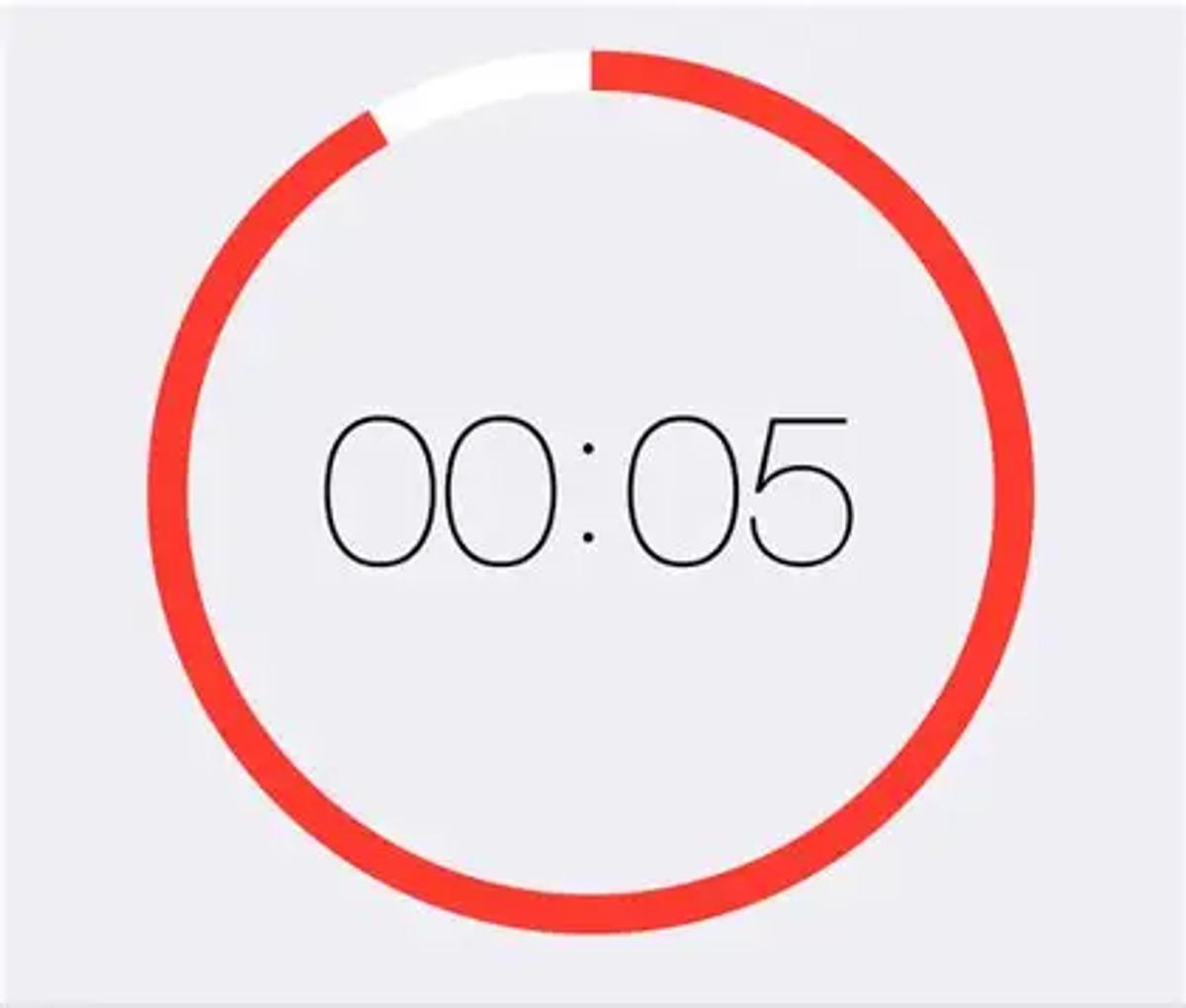
What this routine teaches: Ready in 5 helps students learn self-regulation, organisation and focus. It supports children to pause, prepare and be ready to learn together.
How the routine works: When “Ready in 5” is called, students have a short countdown to:
- Sit or stand calmly
- Face the teacher
- Have hands still and voices off
- Be ready to listen and learn
How families can help at home:
- Practise short countdowns for transitions (e.g. “Ready in 5 for dinner” or “Ready in 5 to leave the house”)
- Encourage children to stop, look and listen when given a cue
- Praise effort rather than speed: “You got yourself ready so calmly”
Classroom Entry
What this routine teaches: This routine helps students develop respect for learning spaces, independence and calm transitions.
How the routine works: Students line up outside the classroom and enter calmly when invited, moving to their seat or learning space quietly and ready to begin.
How families can help at home:
- Encourage calm transitions between activities
- Talk about the importance of entering spaces respectfully (e.g. libraries, shops, places of worship)
- Reinforce the idea that how we enter a space sets the tone for what comes next
Classroom Exit
What this routine teaches: Classroom exit supports safety, responsibility and respect for others.
How the routine works: Students pack up, stand behind their chair or line up, and wait to be dismissed calmly by the teacher before leaving the room.
How families can help at home:
- Practise waiting calmly before leaving the house or moving to the next activity
- Encourage children to finish one task before starting another
- Model calm exits when leaving places together
These shared routines help create consistent expectations across the school and give students clear, predictable structures that support learning and wellbeing. Thank you for reinforcing these routines at home — your support makes a big difference.