Healthy Eating Habits







 Mitcham Primary School
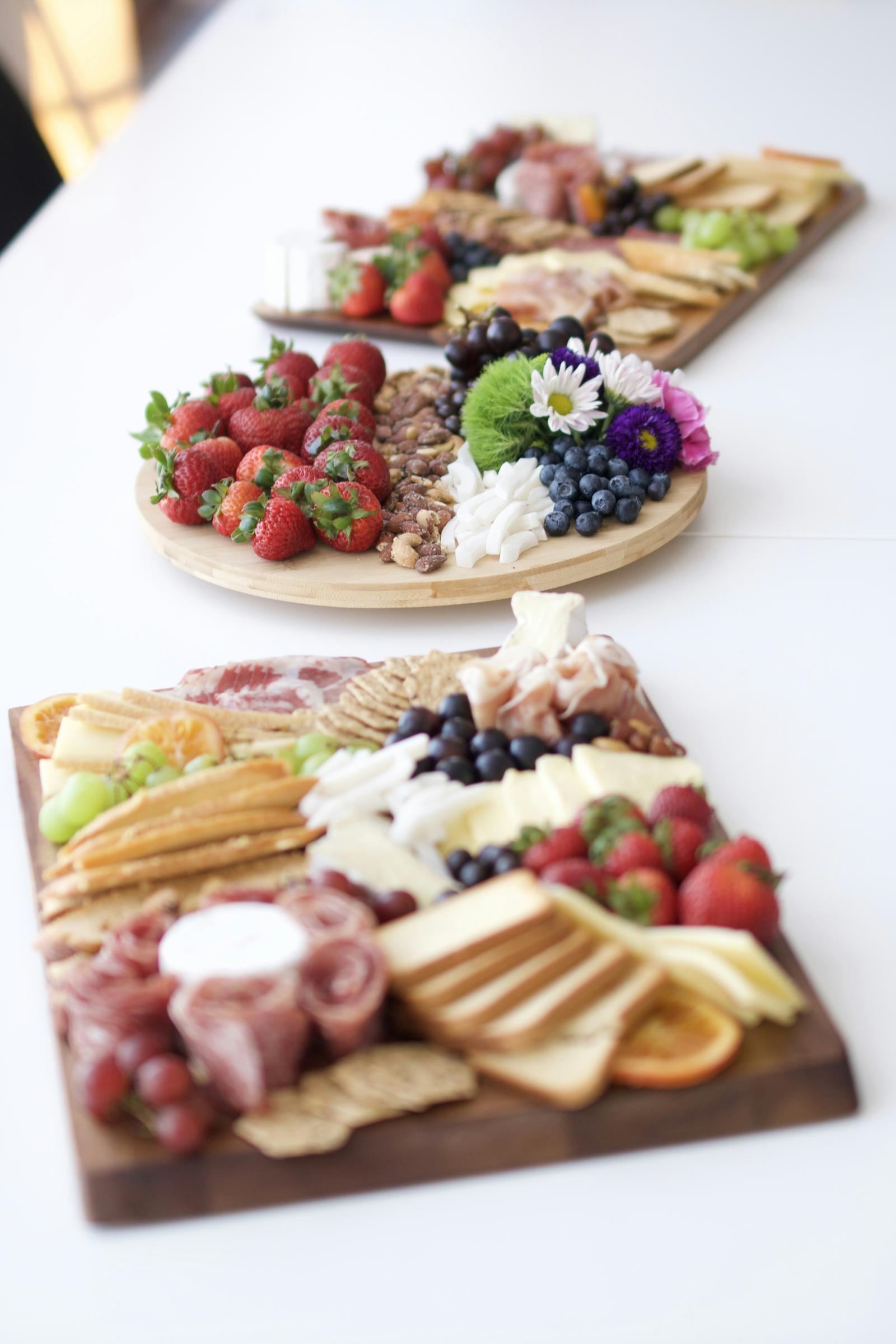
Taking the Stress Out of Family Meals
What’s for dinner?
It’s a question that comes around every single day – often just when everyone is tired, hungry and trying to get through homework, after-school activities, baths and everything else that happens in a busy family!
A little bit of meal planning can help take some of the stress out of feeding the family. And the good news is that meal planning doesn’t mean spending hours searching for recipes, cooking everything from scratch or having seven perfectly planned dinners each week.
In fact, the best meal plan is simply one that works for your family.
Why bother planning meals?
Taking 10–15 minutes once a week to think about meals can make the week run a little more smoothly. It can help reduce the mental load of deciding what to cook every afternoon, make grocery shopping easier, reduce food waste and save money.
It can also make it easier to include a variety of foods across the week – without having to think about nutrition at every single meal.
Keep it simple
Before planning meals, have a quick look at the week ahead. Are there nights with sport, swimming lessons or other activities? Is someone working late? Which nights will you actually have time to cook?
Plan your easiest meals for the busiest nights and save meals that take a little longer for evenings when you have more time.
You also don't need to plan all seven dinners. Choosing four or five meals and leaving space for leftovers, a quick meal, takeaway or a change of plans often works much better.
And don't feel you need to find new recipes every week. Start with meals you already know your family enjoys. Having a regular rotation of reliable family favourites can make planning much easier.
A simple way to build a family meal
There are lots of different ways to put together a nutritious family meal – and the foods your family knows, enjoys and traditionally eats are a great place to start.
As a simple guide, think about including a protein food, a grain or other carbohydrate food, and some vegetables or salad. These don't need to be separate foods on the plate – they might all be combined in a curry, stir-fry, soup, noodle dish or other family favourite.
For example:
- Dhal or chickpea curry with rice or roti and vegetables
- Chicken, fish, tofu or meat with rice and vegetables
- Stir-fried noodles with tofu, chicken or meat and vegetables
- Fried rice with egg, tofu or meat and plenty of vegetables
- Rice with fish, chicken or tofu and cooked vegetables
- Spaghetti bolognese with vegetables added to the sauce
- Tacos with beans or mince, tortillas and salad
- Homemade pizza with favourite toppings and vegetables or salad on the side
There is no one “right” type of family meal. Traditional and cultural foods can absolutely be part of healthy family eating – and familiar foods that everyone enjoys can make meal planning much easier.
Have an emergency dinner!
Every family needs a few meals for the nights when the plan simply doesn't happen.
Keep a couple of easy options in the pantry, fridge or freezer that can become dinner quickly. Eggs on toast, baked beans, soup and toast, pasta with tuna and frozen vegetables, or a simple toasted sandwich with some fruit or vegetables on the side can all do the job.
A quick and easy dinner is still dinner.
Try this for next week
Sometime over the weekend, take 10 minutes to look at the week ahead.
Choose four or five dinners, include a leftovers or easy night, and write your shopping list based on what you've planned. You could even ask everyone in the family to choose one meal for the week.
Need some meal inspiration?
If you're stuck for ideas, there are some great Australian resources with practical recipes and ideas for feeding the family:
No Money No Time – lots of quick and affordable recipes and practical ideas for eating well when both time and money are tight.
One Handed Cooks – family-friendly recipes and practical information about feeding children, including ideas for families navigating fussy eating.
Healthy Eating Advisory Service – a Victorian resource with a large collection of recipes, including dishes inspired by Indian, Sri Lankan and Asian cuisines.
Adam Liaw's Multicultural Family Lunchboxes – recipes and ideas celebrating the many different cultural foods families already enjoy, with information also available in several community languages.
LiveLighter – family-friendly recipes, quick dinner ideas, lunchbox recipes and weekly meal plans.
These can be handy places to turn when you're tired of cooking the same meals or simply need a little inspiration for the week ahead.
Meal planning isn't about getting family meals “perfect”. It's simply about making feeding the family a little easier – and hopefully making that daily question of “What's for dinner?” a little less stressful.