And now a word from
Mrs Richards...








And now a word from
Mrs Richards...
SCHOOL WIDE POSITIVE BEHAVIOUR UPDATE – TERM 4
We have continued with our School Wide Positive Behaviour journey and are making good progress in embedding this throughout the school. Our Term 3 focus was on how we managed and tracked unacceptable behaviours in classrooms, specialist areas and out in the yard. (The good news is that the work that we have done on establishing protocols and high expectations of behaviour means that we have relatively few incidents of unacceptable behaviour!)
Teachers have established consistent, school wide systems for collecting data on unacceptable behaviour and discussions around this data is a documented part of each weekly team meeting. Here you can see the Minor Behaviours Flow Chart that we have enacted – it is important to note that the emphasis remains on reinforcing, reminding, redirecting and finally relocating. We have also developed a consistent process for reflective conversations with children when these behaviours occur.
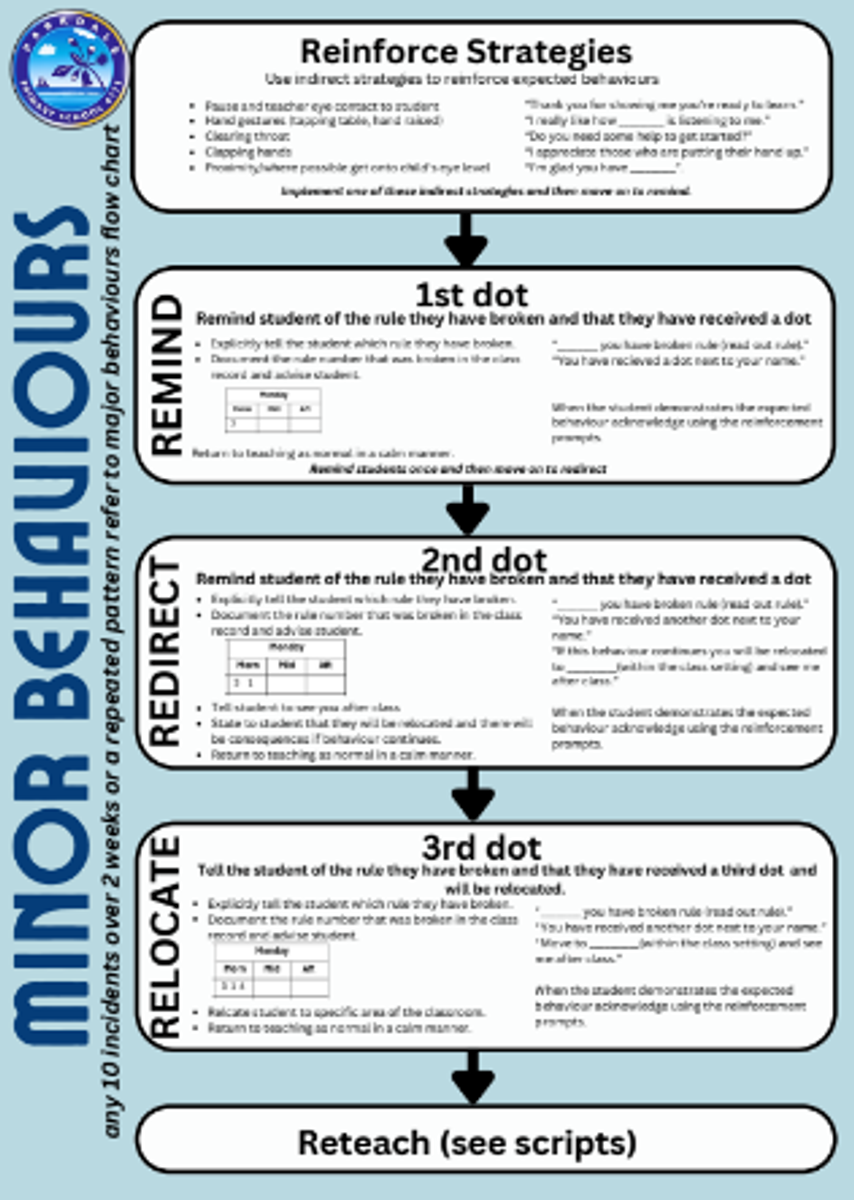
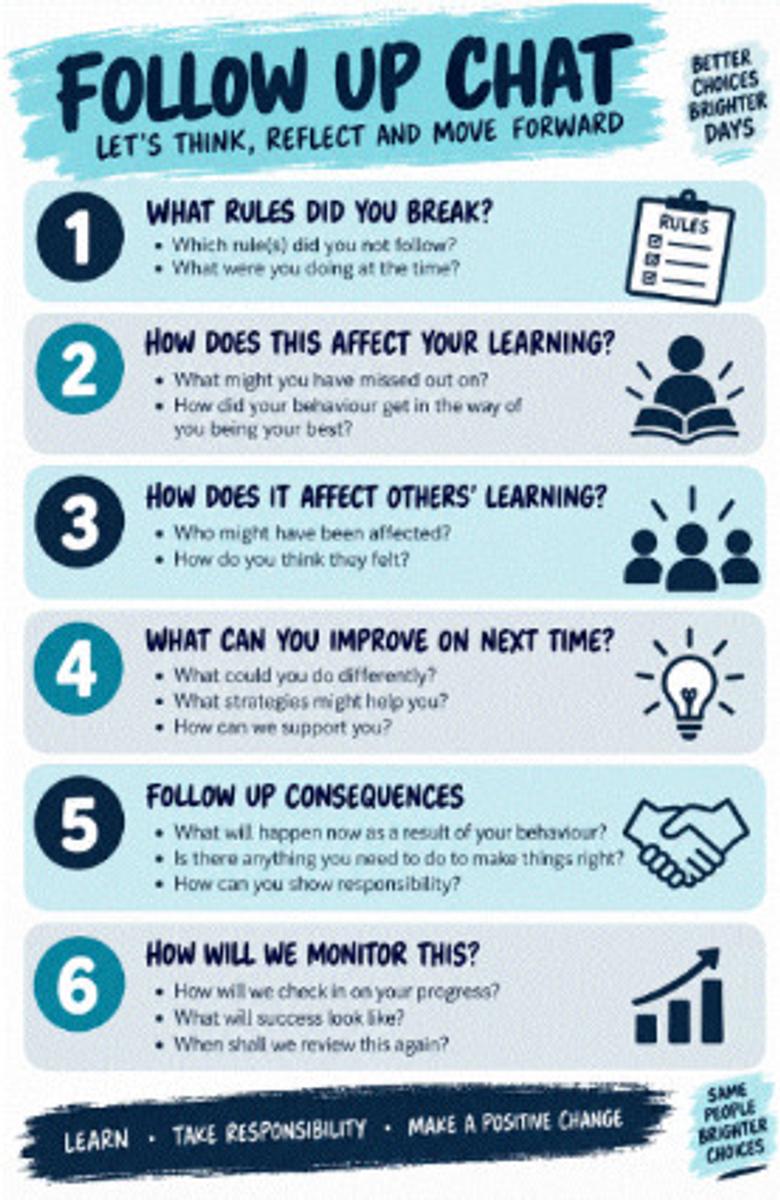
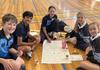
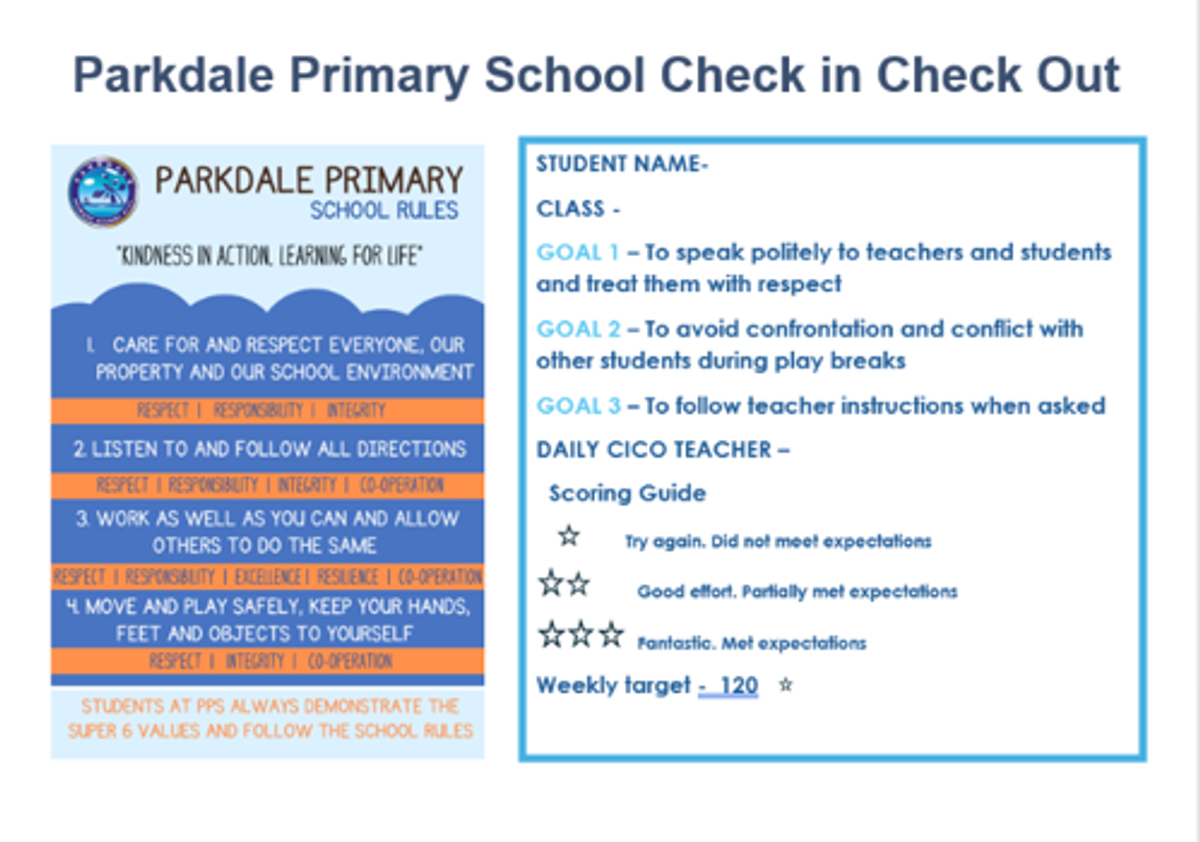
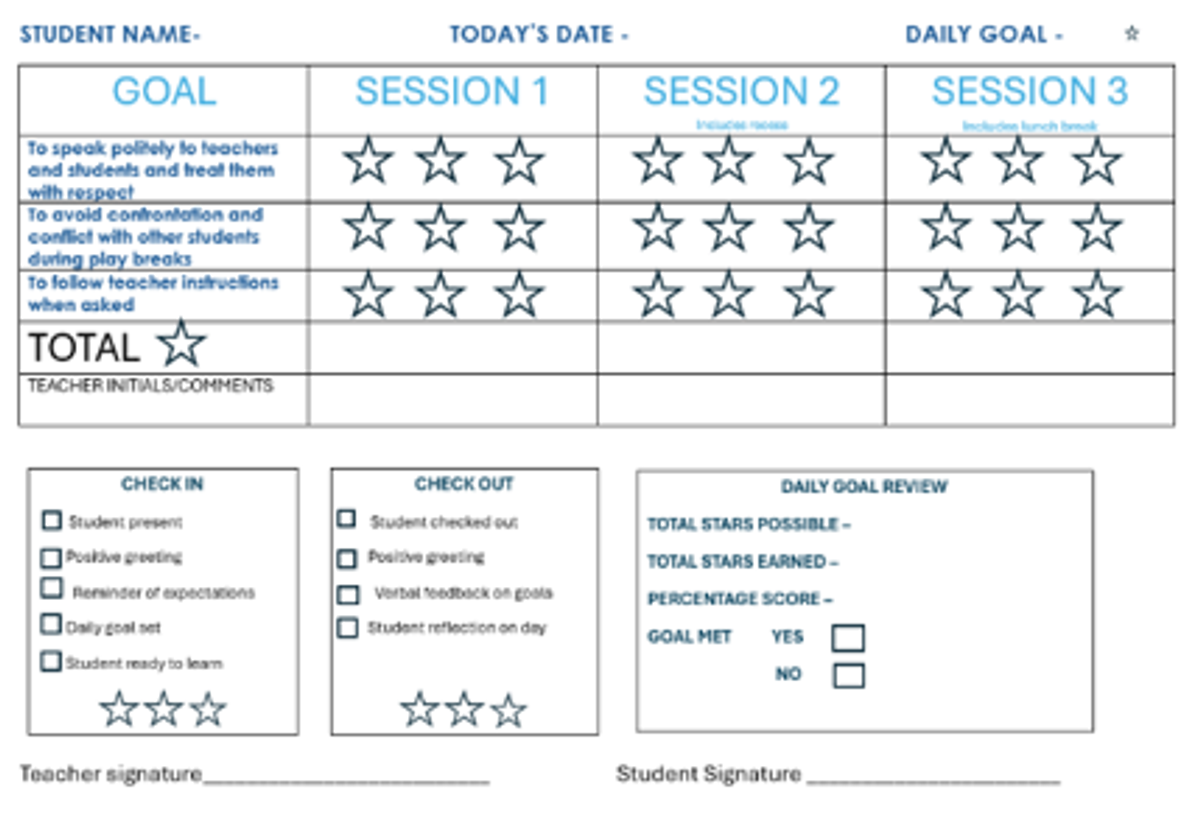
Data is looked at in two ways. Any general patterns that emerge inform planning – for example if a team notes that they seem to have had upturn in the number of children receiving dots for continuously calling out in class or a number of cases where children are not solving problems in the yard in a positive manner, then explicit class lessons would take place to reteach these skills/rules. If an individual child consistently receives behaviour dots 10 incidents over two weeks or a repeated pattern of behaviours) then leadership would be involved. This begins with a conversation about the behaviours that have been seen and the student is then given a week to improve their behaviour before having to move to a Tier 2 behaviour approach. At Tier 2, parents would receive a call/come in for a meeting and the student then moves to a Check In Check Out process. A CICO plan such as the one below is developed that incorporates goals specific to the student (the goals on the example below are examples but are individualised for students). The student touches base with a member of the leadership team each morning and afternoon to reflect on their day and have a positive conversation around how their progress is going. We are still trialling this system, but the idea is that students would stay on the CICO program for a few weeks until they show that they are modifying their
behaviour.
We are now ready to move to the next phase of our SWPBS implementation which is how we acknowledge positive behaviour and how we ensure that this is done consistently across the school. There have been some robust conversations around what this acknowledgement looks and sounds like. The data and research provided by SWPBS has enabled us to gain clarity on this.
“Behaviour specific feedback gives specific, positive verbal feedback indicating approval of social or academic behaviour. This is one of our most readily available forms of feedback
The recommended ratio of positives to correctives varies in the research, but a ration of 4:1 is widely accepted as optimal. This does not mean that teachers should correct students after four praise statements, but rather that teachers should be aiming to provide more positive feedback than corrective statements over the course of a lesson or school day
Feedback should be specific, describe the behaviour that the teacher would like to see more of, and recognise effort and success. For example: ‘You started work straight away.’ or ‘Everyone is on time.’
Reinforcement is not synonymous with praise. It is important that feedback sounds sincere and considers student preference for public or private acknowledgement. General positive statements, such as ‘good job’ or ‘great’ do not have the same teaching effect because students may be unaware what they are being acknowledged for. “
This term we will be working to embed the consistent acknowledgement acceptable behaviours across the school and incorporating this into our House Point system. The new scoreboard has created a generally excitement about house points and we are keen to capitalise on this.
We welcome any parent feedback on the School Wide Positive Behaviour Support framework.