School TV

















 Our Lady Star of the Sea Primary School

SPECIAL REPORT: Dealing with Conflict
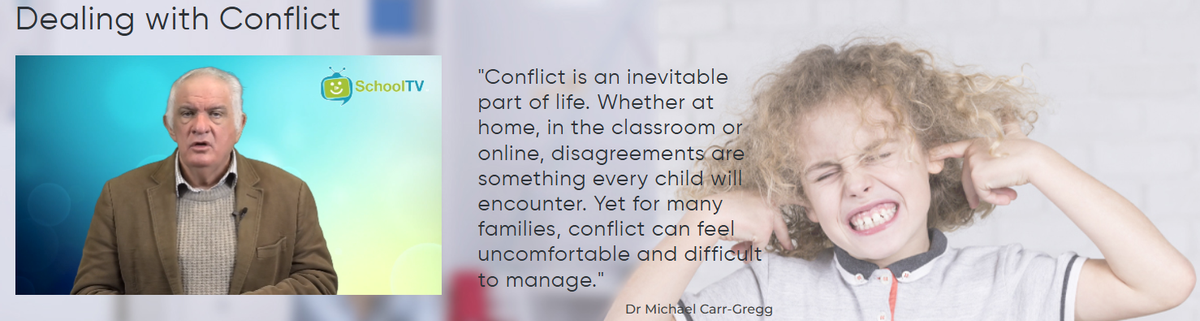
Conflict is a natural part of life and an important aspect of healthy relationships. Whether it occurs at home, at school or online, disagreements provide opportunities for children and young people to learn how to communicate, understand different perspectives and manage emotions. However, without guidance, conflict can become overwhelming, leading to heightened emotions, damaged relationships and avoidance behaviours.
For families, supporting children through conflict means helping them build the skills to respond calmly, think clearly and communicate respectfully. When parents model positive conflict resolution and maintain open, supportive communication, young people are more likely to develop confidence in handling challenges. Working together with schools, families can turn everyday disagreements into valuable learning experiences that strengthen relationships and emotional well-being.
Practical ways to support children in dealing with conflict:
1. Model calm and respectful behaviour
Children learn by observing adults. Demonstrating calm communication, active listening and respectful disagreement sets a powerful example.
2. Encourage open communication
Create a safe space where your child feels comfortable expressing their thoughts and feelings without fear of judgment.
3. Teach emotional awareness
Help your child recognise and name their emotions. Understanding feelings is the first step in managing them effectively.
4. Pause before responding
Encourage taking a moment to breathe and think before reacting. This can prevent escalation and support more thoughtful responses.
5. Focus on problem-solving
Guide your child to consider possible solutions and outcomes rather than placing blame. This builds independence and confidence.
6. Promote empathy
Encourage your child to consider the other person’s perspective. Developing empathy can reduce conflict and improve relationships.
7. Set clear and consistent boundaries
Establish expectations around respectful behaviour and reinforce them consistently. Boundaries provide a sense of safety and structure.
8. Support repair and resolution
Teach the importance of apologising, making amends and rebuilding trust after conflict. Repair is a key part of healthy relationships.
9. Recognise patterns of conflict
Help your child reflect on recurring issues and identify triggers. Awareness can lead to more effective strategies over time.
10. Work in partnership with the school
Maintain communication with teachers and staff to ensure consistent messages and support across home and school environments.
Click the link below for more information: