School Nurse -
Carla Lang






 Wedderburn College
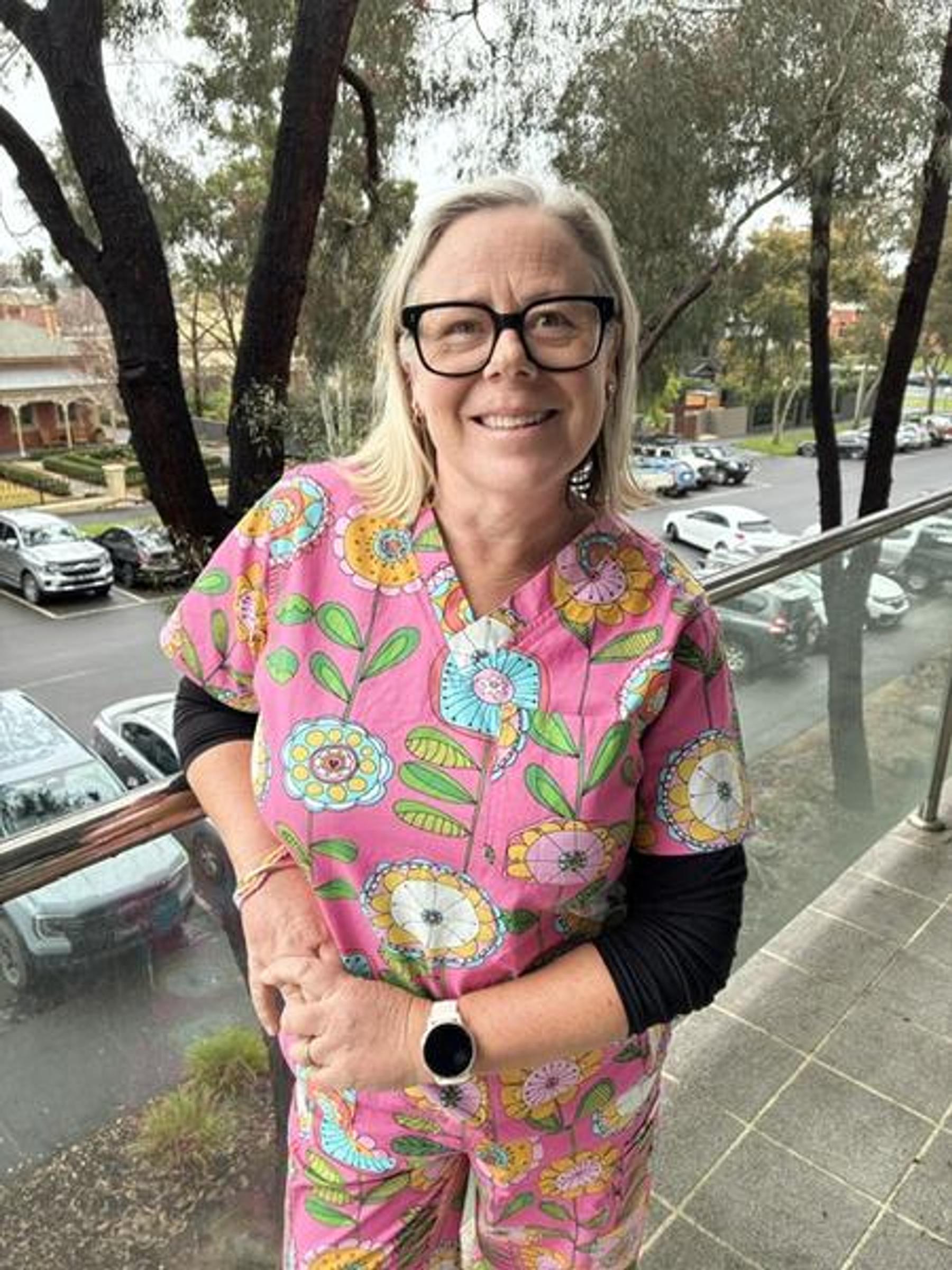
School Nurse -
Carla Lang
Warmer weather means longer days, sport, bike rides, swimming, camping trips, road trips and plenty of time outside.
It also means it's time to get serious about sun protection, hydration, heat and being prepared for those stings and bites.
When UV levels are high:
You can check the daily UV ratings at
https://www.sunsmart.com.au/uvalert/widget.aspx
💧 Drink up!
By the time you feel thirsty, you may already need fluids. Always carry a water bottle with you and drink regularly throughout the day. Water is the best way to stay hydrated – add some ice cubes, lemon or mint to keep it refreshing.
On very hot days, take extra care with exercise and outdoor activity. If someone becomes dizzy, very weak, confused or unwell in the heat, move them somewhere cool and get help.
Put sunscreen, hats and water bottles somewhere easy to grab for when you leave the house.
🏊 Water safety
Summer also means swimming season.
Whether it's a pool, river, dam, lake or the beach, remember that natural water can be unpredictable. Water depth, currents, submerged objects and changing conditions can all create risks. Never dive into unknow water ways.
Young children should always be actively supervised around water, and older children and teenagers should also avoid swimming alone.
Stings and bites
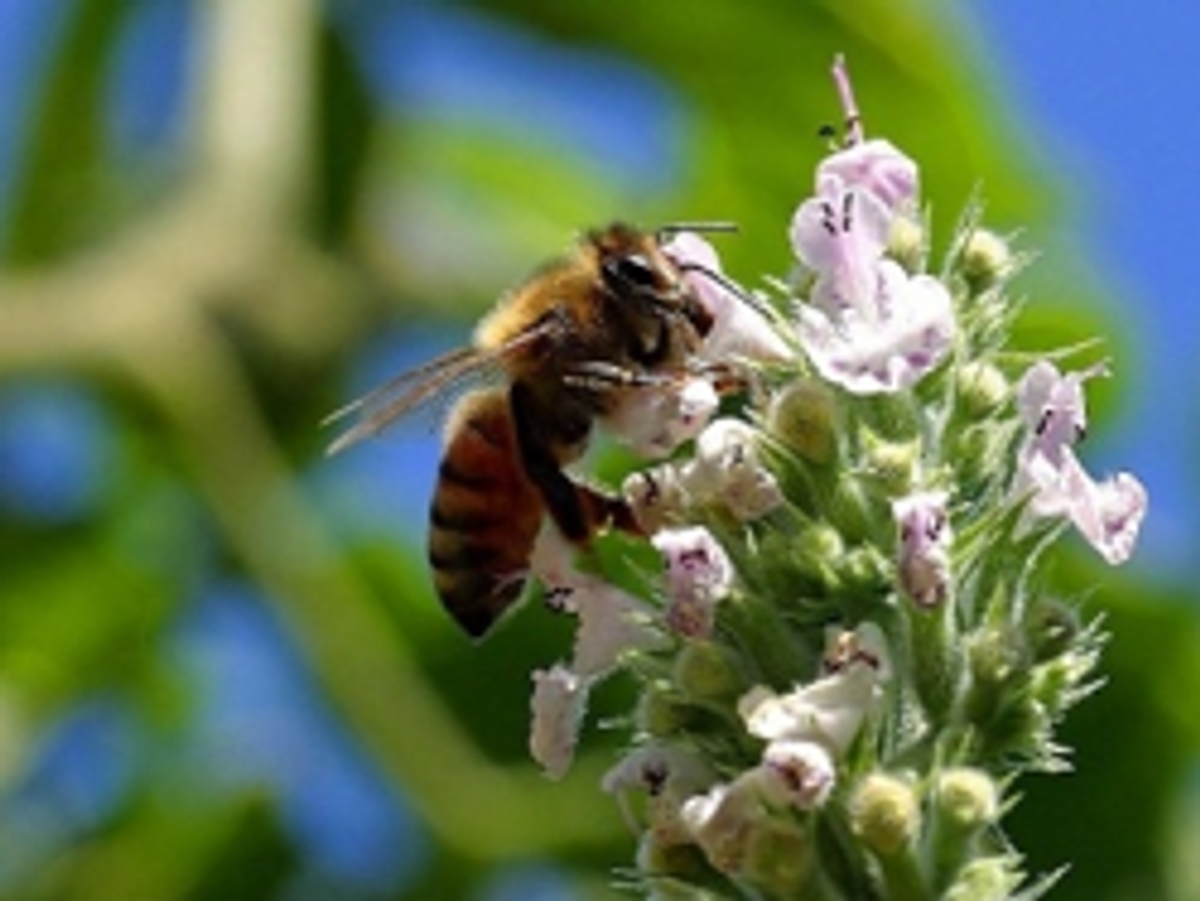
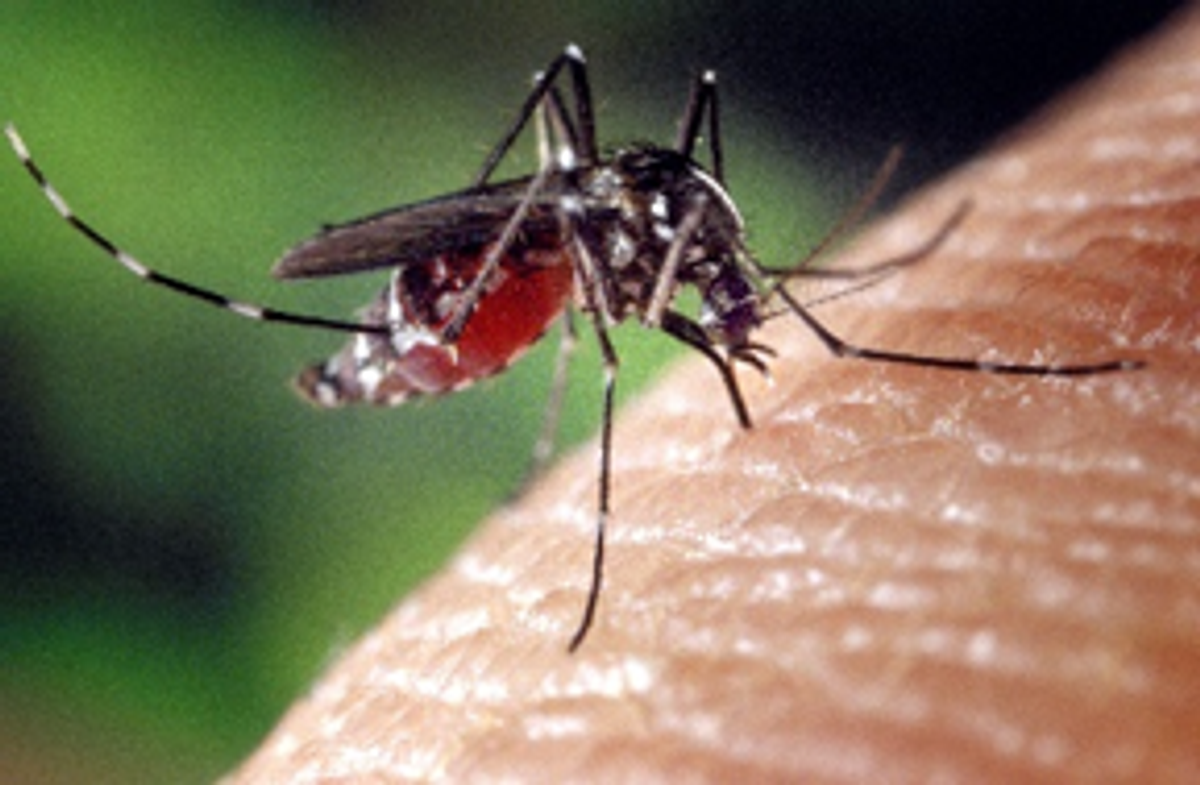
In summer insect stings and bites are very common – think bees, mossies and ants
These stings/bites can be painful and will often leave a red mark at the site and some localised swelling. If there is a sting left behind from a bee – remove it from the skin immediately.
https://raisingchildren.net.au/guides/a-z-health-reference/insect-bites-stings
🐍 Snake Season – Respect Wildlife & Stay Safe
As the weather warms up, snakes become more active — and in a country community, it's important that everyone knows how to behave if they come across one.
Snakes generally want to avoid people. Most encounters happen because a person and a snake unexpectedly come across each other.
If you see a snake: STOP!
Don't try to catch it, chase it, touch it or kill it.
Give the snake plenty of space and move away slowly.
Tell an adult where you saw it so others can avoid the area.
Be snake-aware outdoors and take extra care when:
Closed shoes, long pants and being aware of your surroundings can provide additional protection when working or playing in areas where snakes may be present.
What if someone is bitten?
A suspected snake bite is an emergency. Call 000 straight away.
Keep the person as still and calm as possible and follow emergency first-aid advice. Do not try to catch or handle the snake.
For snake bites, pressure immobilisation first aid is used while waiting for emergency medical assistance. Full first aid management is via the below link:
https://www.stjohnvic.com.au/news/snake-bite-first-aid-tips/
A message for our younger students
If you see a snake, remember:
🐍 Don't touch it.🐍Move away.🐍Tell an adult.
Country living means sharing our environment with plenty of wildlife. The best approach is to respect wildlife, give it space and know what to do if an encounter occurs.
Summer is also a great time for families to refresh their first-aid knowledge and make sure everyone knows how to call for emergency help.
More information:
Raising Children Network
St Johns Ambulance Victoria
Cancer Council
SunSmart Victoria
Carla Lang
School Nurse
Carla Lang
Secondary School Nurse