
Welcome Year 2, 2026
Welcome to the 2025 school year! We hope you had an enjoyable break! Please take the time to read the IMPORTANT information below to support your Year 2 child’s learning.
We also ask that you keep informed and action requests as they are posted to the Compass News Feed throughout the year.
Victorian Lesson Plans (VLP)
VLP are high quality classroom resources designed to support schools to deliver the Victorian Curriculum 2.0 that was introduced at the start of 2025. They ensure consistency between classes of the same year level, allowing teaching teams to create support materials and extension activities tailored to our own student cohort.
Phonics
Phonics is a mandatory program for students from Prep to Year 2 (optional for Years 3 & 4) that teaches the correlation between sounds and letter combinations. Students in Prep to Year 2 undertake 25-minutes of phonics each day and are asked to read decodable books to develop reading fluency. Decodables are not rich stories with exciting plot lines. They are repetitive and predictable and are designed to be read many times so that students gain experience with the rhythm of sentences and to help with comprehension. Rich texts are also used during English lessons to develop analytical thinking and extended English skills. These two types of texts can be confused, but they have vastly different purposes.
Explicit Mathematics Program
Explicit Mathematics program will be delivered to students in Prep to Year 2 in 2026. It will move up with our students as they move through the school years. This is a highly ambitious mathematics program designed to support foundational learning as well as challenge our most able students.
Wellbeing & Inclusion Programs
Cyber Safety
We want to reassure all families that strong internet safety measures are in place at BNPS to protect students while they are online at school. All Victorian schools filter by the Department of Education security platforms.
Our systems use secure filters, monitoring tools, and restricted access settings to ensure students can only view age‑appropriate and educational content. Staff also actively supervise online activity and teach students safe and responsible digital behaviours as part of our curriculum.
Student wellbeing—both online and offline—remains a top priority, and we are committed to providing a safe, secure, and supportive digital learning environment for every child.
If you have any questions about our online safety practices, we’re always happy to discuss them further.
Internet Code of Conduct Parent/Student Agreements
During the enrolment process, parents and students are required to consider and complete ‘The Internet Code of Conduct Parent/Student Agreements’ authorisation forms. Students who break these rules will be subject to appropriate action by the school which may include loss of Internet access for some time.
Social Networking
Most social networking and chat/instant messaging sites and applications have a legal requirement for users to be 16 years of age. This means that NO BNPS student should be using Facebook, Kik Messenger, WhatsApp, Ask.fm, Twitter, Tumblr, Pinterest, MySpace, Bebo, Instagram or the multitude of other similar sites/apps. Sites such as Ask.fm and Tumblr allow users to post anonymous questions or comments and due to the anonymity, have been used for cyber bullying, harassment and sexual exploitation.
We ask that ALL families review their home practices in relation to the use of portable devices, particularly Apple devices. Our teachers in the senior school are constantly receiving information from parents about students using the ‘imessage’ facility on their Apple devices. As many students’ devices are connected through their parents email addresses, which we suggest should be the case; parents are also receiving message threads, often at inappropriate hours of the night. The latest research suggests that students’ sleep can be negatively affected using these devices before bed.
It is recommended that devices be turned off an hour before bed, and devices kept and used in communal family areas only. This ensures that children get a good night’s sleep and also prevents students from using messaging facilities at inappropriate times.
Respectful Relationships
The Respectful Relationships program supports schools and early childhood settings to promote and model respect, positive attitudes and behaviours. It teaches our children how to build healthy relationships, resilience and confidence.
Home Reading
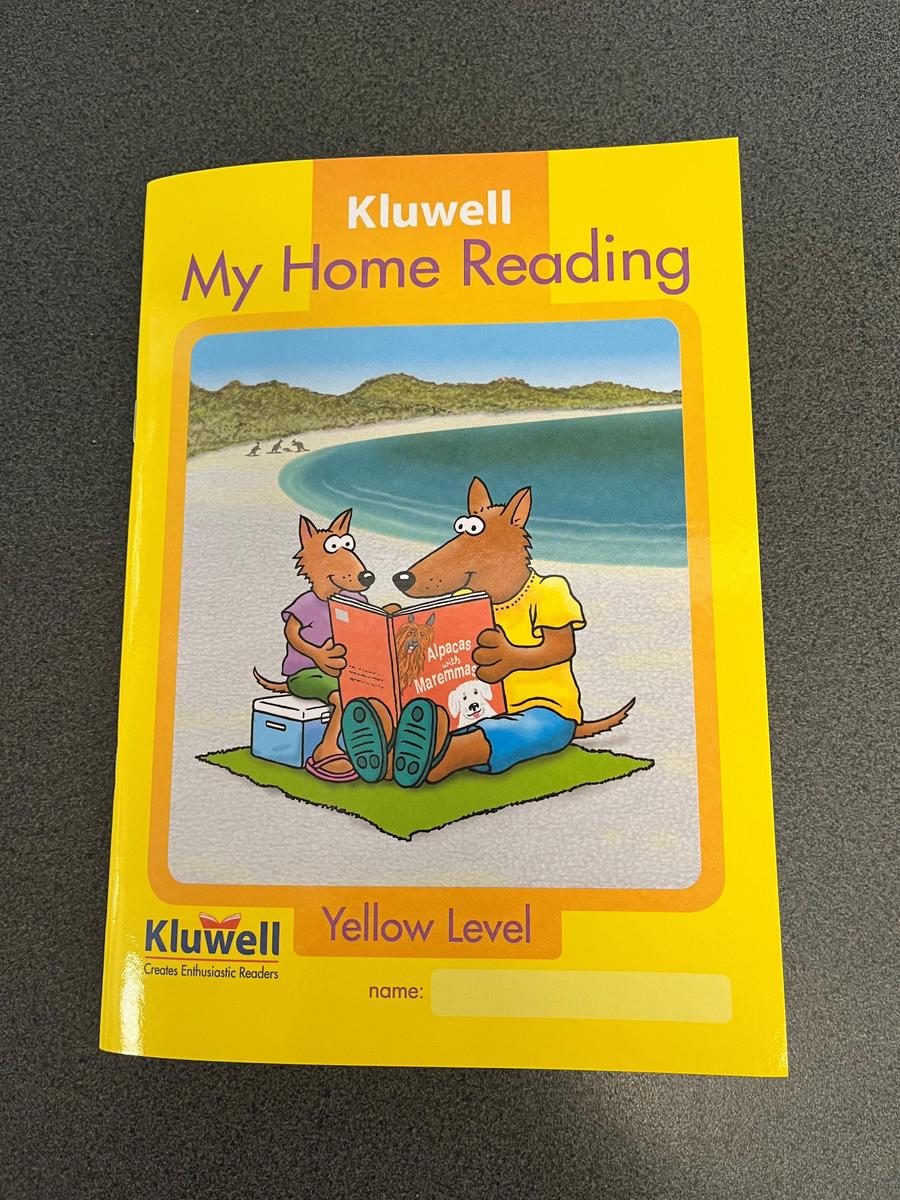
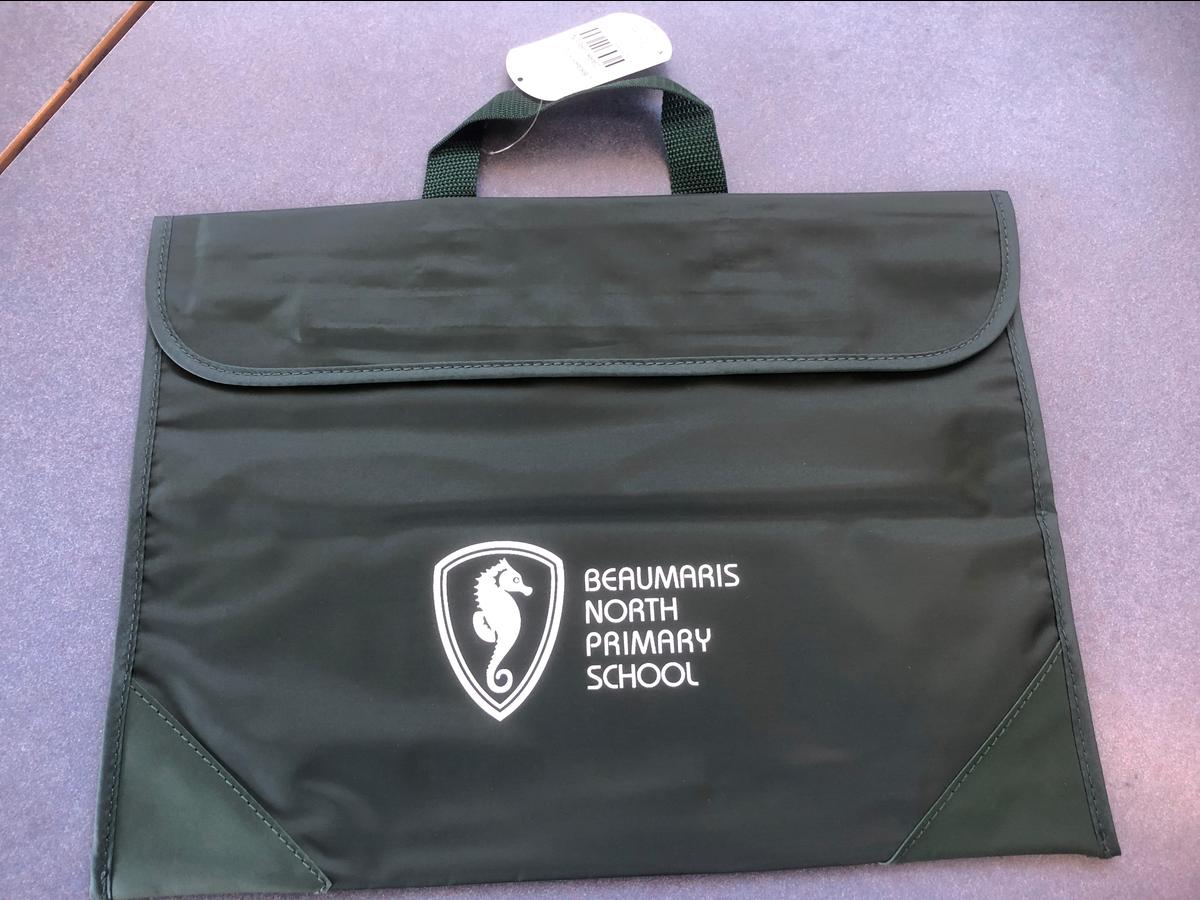
Commencing during term 1, your child will bring home several books in their green reading bag with their reading diary on a Monday. This is where you will record the books your child will be reading at home. We would like the journal to stay in your child’s green reading bag with their take home books and be brought to school each day. Your child will bring home 2 books at a time and will be given the opportunity to change their books on a regular basis. We are aware that some books will take longer to complete and may be read over several nights.
It is expected that your child reads as often as possible both orally to an adult and to themselves if possible. Please record the title of the book and a small comment on their reading in their reading diary to assist us in monitoring your child’s reading frequency.
A teacher will listen to your child read throughout the term and keep their own record of their progress.
It is important that your child reads their take home books frequently to consolidate expression, fluency, pausing, self-correction and their comprehension. Your child should experience success reading these books and not find them challenging. We want your child’s home reading to be a positive and enjoyable experience. Remember to ask your child questions about the story and ask them to retell the story in his/her own words to enhance comprehension.
Encourage fluency and expression when reading and point out punctuation ensuring they are pausing and taking a breath at the end of a sentence. It is important to read to your child regularly to model good reading and promote enjoyment.
Communication Folder
Commencing next week, your child will bring home their clear plastic pouch which we use as our communication folder. This will be used for home/school communication between teachers and parents and for sending home students work.
The communication folder needs to be returned to school every day.
Mangahigh
Through a combination of A.I. driven adaptive quizzes and engaging games, Manga High is guaranteed to keep the students engaged and keen to learn mathematics. Teachers will assign students activities which they will complete during maths sessions and at home.

Log in details will be sent home in the coming weeks.
Essential Assessment
An online differentiated and personalised assessment tool known as 'Essential Assessment' is used in Years 1 - 6 to deliver a whole school approach to formative and summative assessments in Maths. Essential Assessment is aligned with the curriculum and allows students to grow their knowledge at their own pace.

Curriculum/Units of Inquiry
Throughout the year students will explore six transdisciplinary themes, through Units of Inquiry. Mathematics and English require elements of explicit teaching but may also have a focus through inquiry. Humanities, Science, Health, Technologies and Civics are studied through inquiry learning.
In the process the students will be challenged to explore, research, question, predict and solve problems. Inquiry engages students actively in their own learning.
Units of Inquiry will be posted on Compass along with 'Curriculum News' updates to keep you informed.
Specialist Programs
A timetable of your child's Specialist times has been posted on Compass, please ensure you have printed a copy and placed it in a visible area. Please support your child and ensure they have the appropriate items on the correct day.
Homework
Special Dates
Term 1
‘Meet & Greet’ - Wednesday 4, Thursday 5, Wednesday 11, Thursday 12 February
School Photos - Monday 2 March
Labour Day - Monday 9 March
School Fete - Saturday 28 March
Term 1 concludes - Thursday 2 April @ 2.30pm
Term 2
Term 2 commences - Monday 20 April
Parent Teacher Interviews - TBC
Kings Birthday - Friday 8 May
Semester Report - June
Term 2 concludes - Friday 26 June @ 2.30pm
Term 3
Term 3 commences - Monday 13 July
Year 2 Swimming - Monday 27 - 31 July - Monday 3 August - Thursday 6 August
Student Led Conferences - TBC
Term 3 concludes @ 2.30pm
Term 4
Term 4 commences - Monday 5 October
Year 1 Swimming - Monday 19 - Thursday 29 October
Melbourne Cup Day - Tuesday 3 November
Semester Report – December
Term 4 concludes - Friday 18 December @ 1.30pm
Compass
Ongoing feedback will also be provided throughout the year via Compass Learning Tasks.
Contacting your Teachers
Notes may be passed directly to your classroom teacher via the Reader/ Multi purpose bag or you can send an email (marked to the attention of your child’s teacher) to:
beaumaris.north.ps@education.vic.gov.au

Informal discussions may be arranged upon request at any time throughout the year to discuss specific issues however please be assured that we will contact you should we have any concerns.
Finally...
Don’t forget to check out our A-Z Parent Guide - this (along with loads of other information!) can be accessed on our comprehensive website.
We encourage you to get involved by discussing your child’s school day, offering to assist classroom programs and attending our school events - it’s going to be a great year!
Kind regards
The Year 2 Team
Kristy Smith, Tania Maxwell, Jen Lee
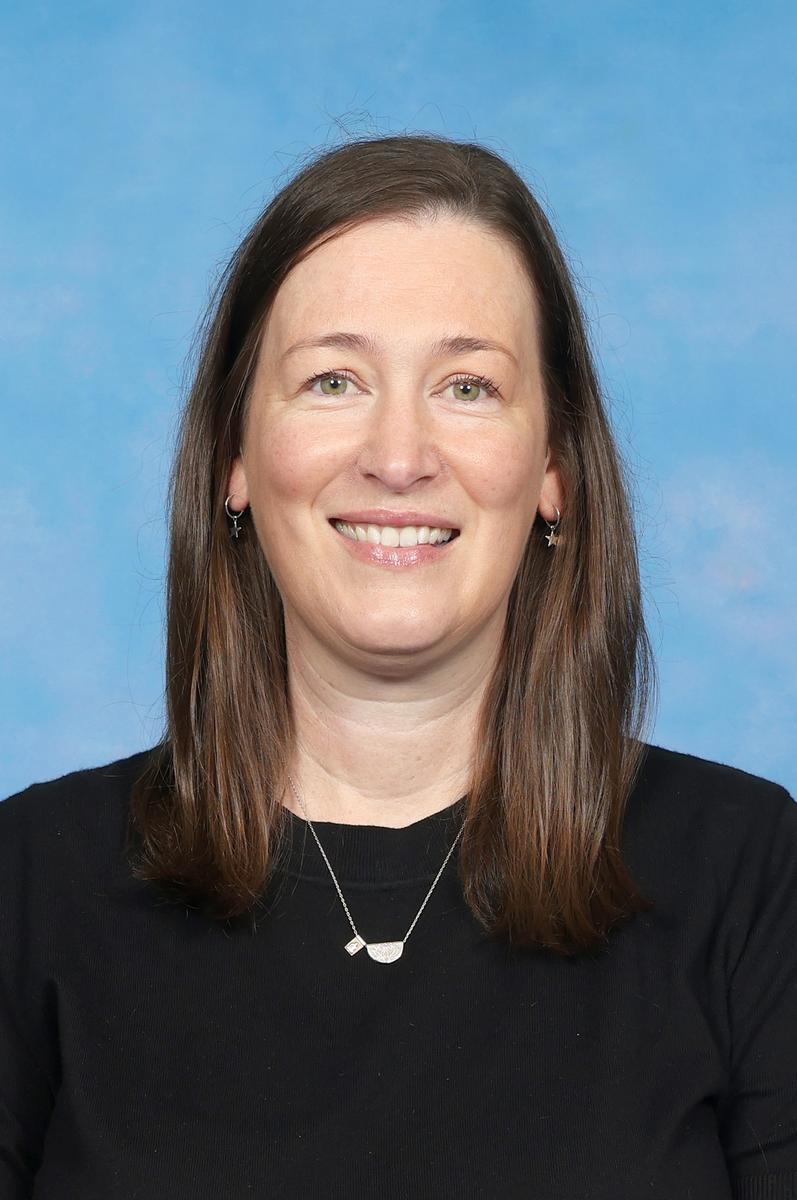
Kristy
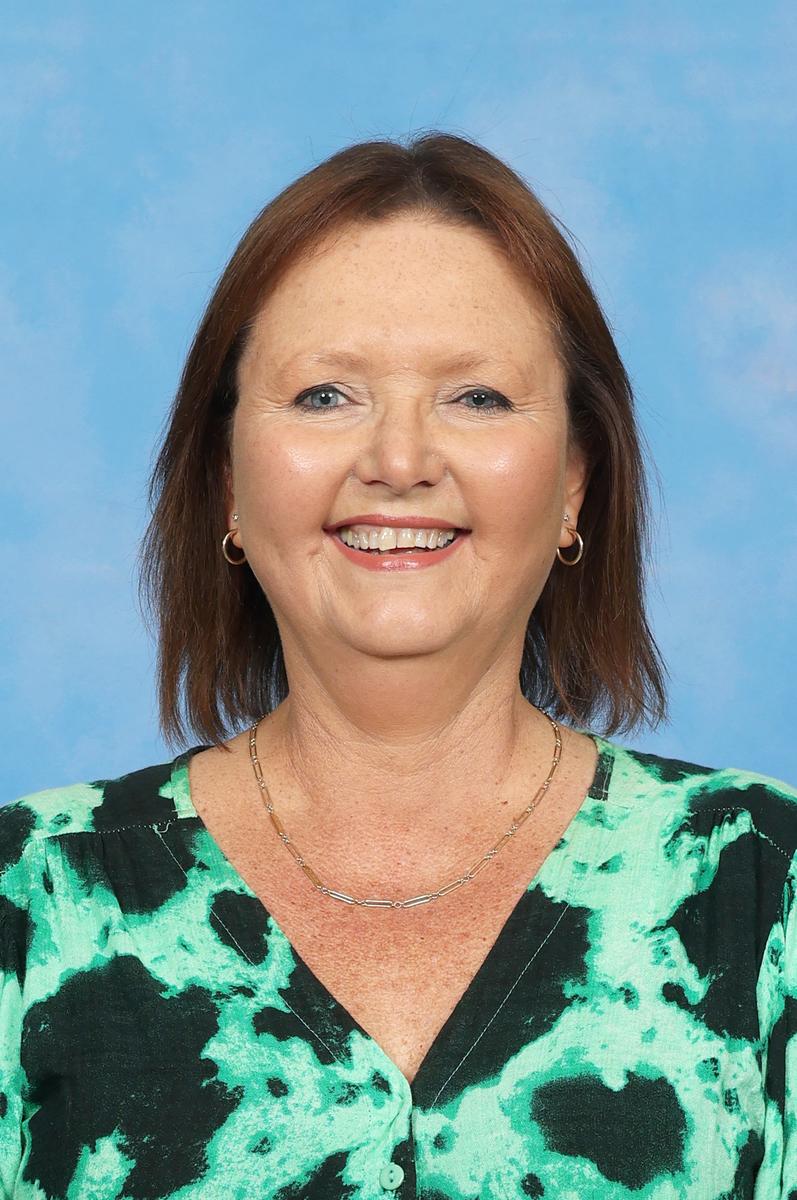
Tania
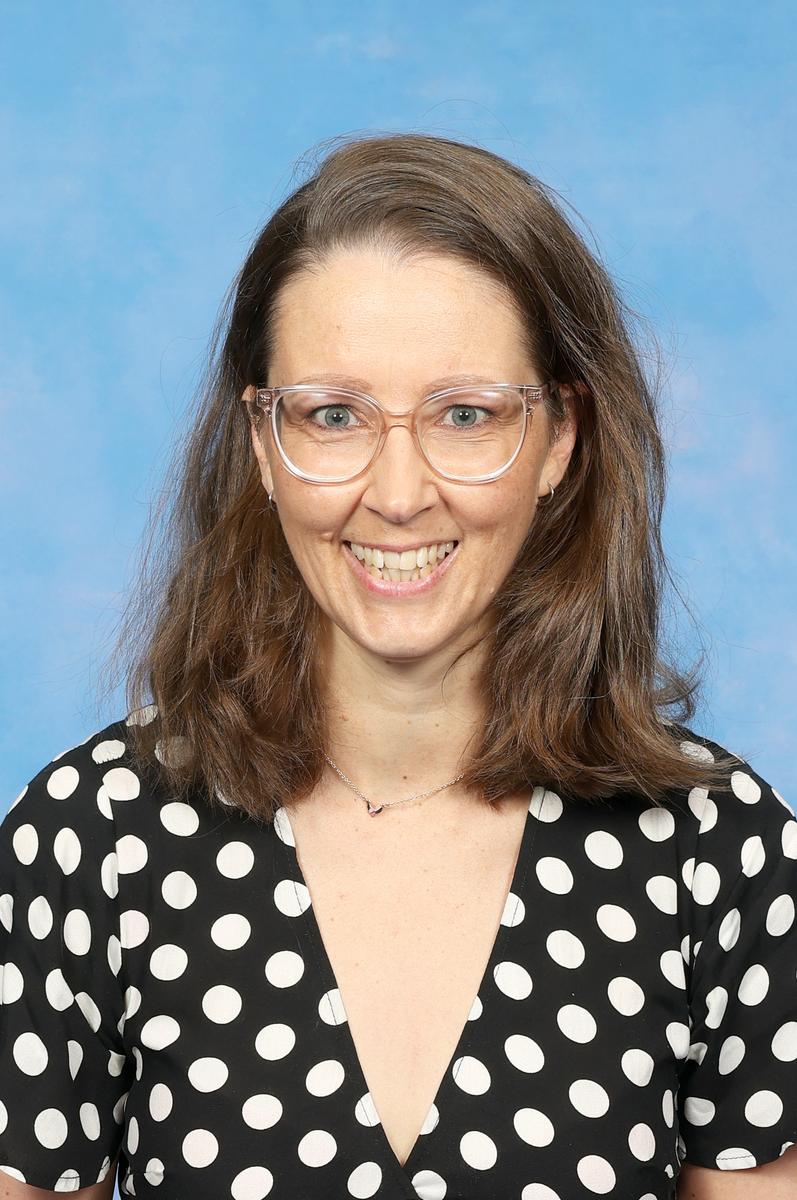
Jen
Kristy
Tania
Jen
Beaumaris North Primary School is an International Baccalaureate (IB) World School authorised to teach the IB Primary Years Programme (PYP) and provides the framework for implementing the requirements of the Victorian Curriculum.
The IB Primary Years Programme is an innovative international programme of teaching and learning that focuses on the development of the whole child and fosters a positive attitude to learning. The PYP strives towards developing internationally minded students who demonstrate the attributes of the IB Learner Profile. Accordingly, at BNPS we aim to educate inquiring, knowledgeable, and caring students, who are encouraged to ask challenging questions, critically reflect, and take responsible action.