
Head of Early Learning Centre
Ms Sarah Bethune

Head of Early Learning Centre
Ms Sarah Bethune
Between the ages of three and five, children lay the foundations for how they will approach challenges for life. Will a hard puzzle feel like a something to avoid, or an invitation to try? The Early Learning Centre program is built around this question, giving children daily opportunities to take risks, make mistakes, and discover they are more capable than they may have realised.
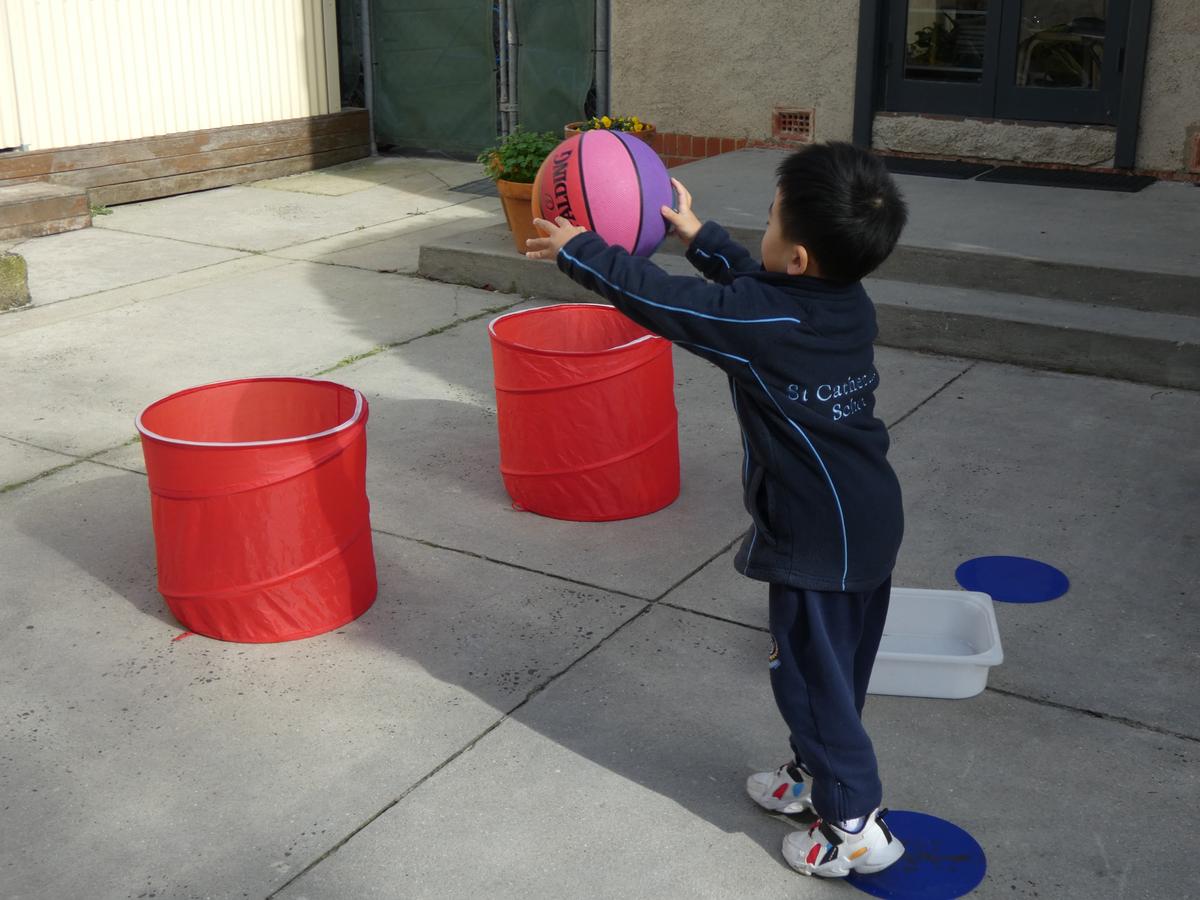
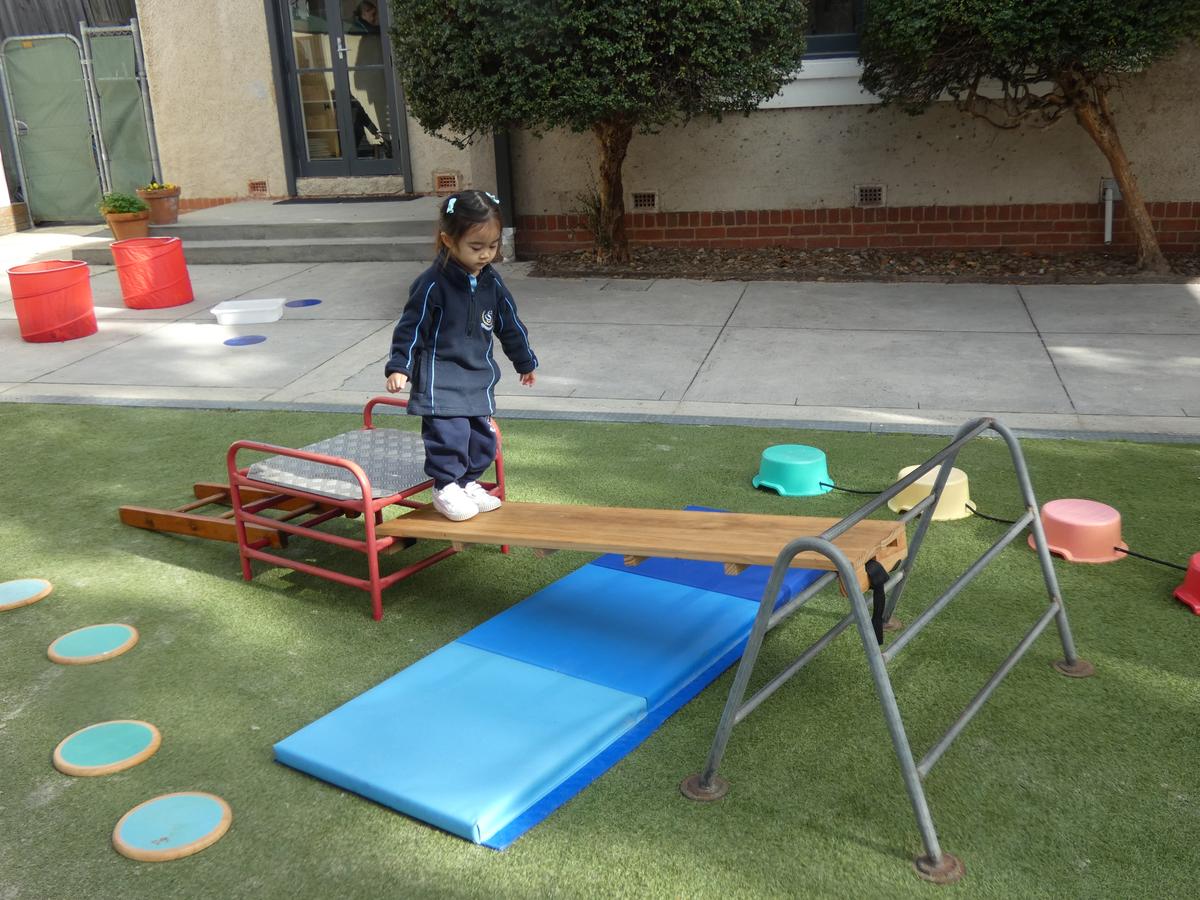
Physical risk-taking
Climbing equipment, logs, trees, balance beams, and uneven terrain let children test their limits in a supervised setting and build real judgement about safety. A 2025 scoping review of 40 studies found consistent links between risky outdoor play and resilience, confidence, and wellbeing. Other research suggests risky play may help protect children against anxiety later in life – while overly restricting movement and risk may do the opposite.
Acknowledging process rather than outcome
Stanford psychologist Carol Dweck's research shows children's beliefs about ability form early and shape how they respond to difficulty. Children praised for effort ("you worked really hard") persist longer and take on harder tasks; children praised for innate ability ("you're so smart") tend to avoid challenges that might expose a perceived limit. Dweck cautions, though, that effort praise isn't a magic phrase – children also need new strategies when they are genuinely stuck, so educators pair encouragement with acknowledgment of the specific difficulty.
Making mistakes visible
Educators model their own errors. "Oops, I got that wrong, let me try again", and use "yet" as a deliberate classroom word ("I can't do it yet"). Watching adults handle failure calmly teaches children that mistakes are a normal, temporary part of learning.
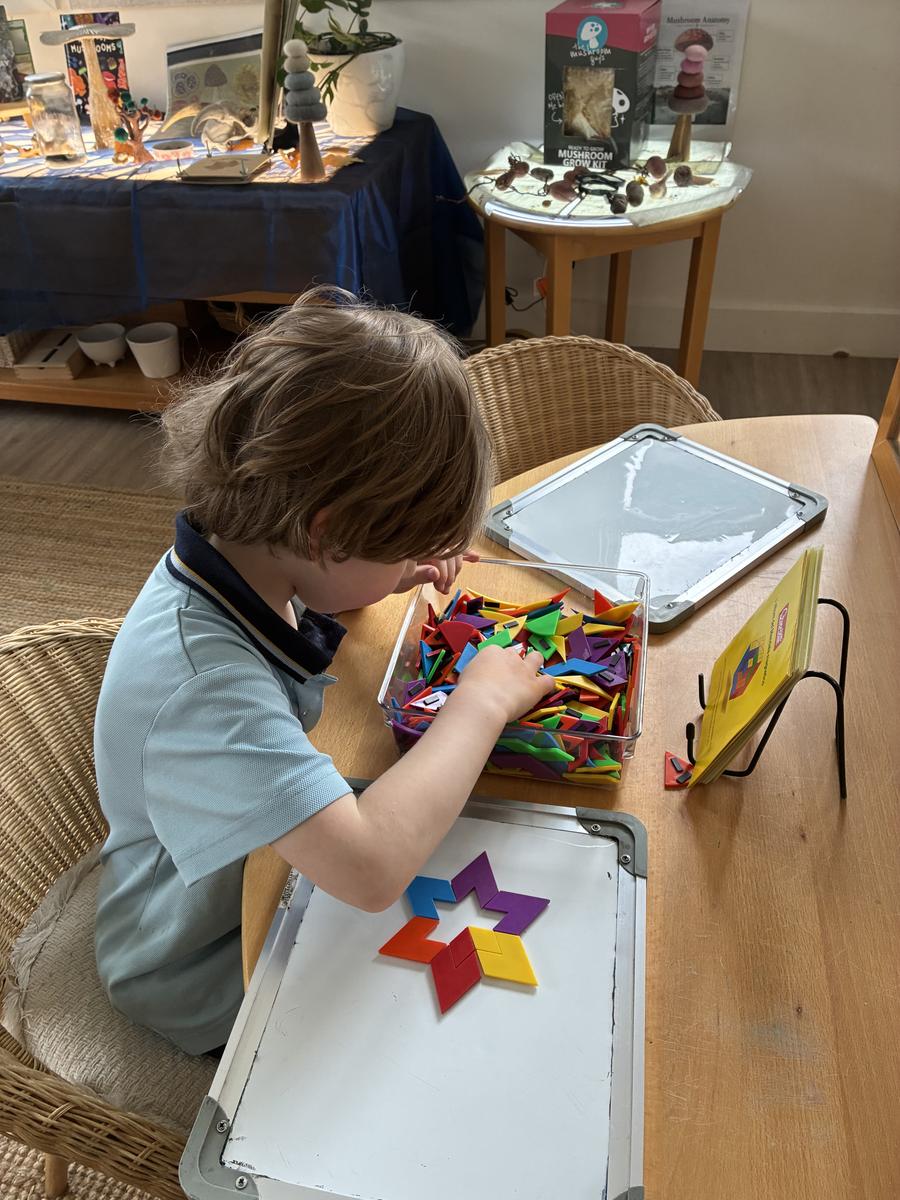
Calibrated challenge
Activities are layered by difficulty so each child can choose something just beyond their comfort zone. This reflects Vygotsky's Zone of Proximal Development – the gap between what a child can do alone and what they can do with a little support. As competence grows, that support is gradually withdrawn until the child works independently. Small, self-chosen stretches build confidence for bigger challenges later.
Questions over answers
Instead of solving problems for children, educators ask, "What do you think will happen?" or "What could you try next?" This everyday scaffolding builds independent problem-solving and resilience.
Resisting the rescue
When a child is frustrated, educators pause and observe before stepping in. Given time, children often find their own solutions, reinforcing their belief in their own capability.
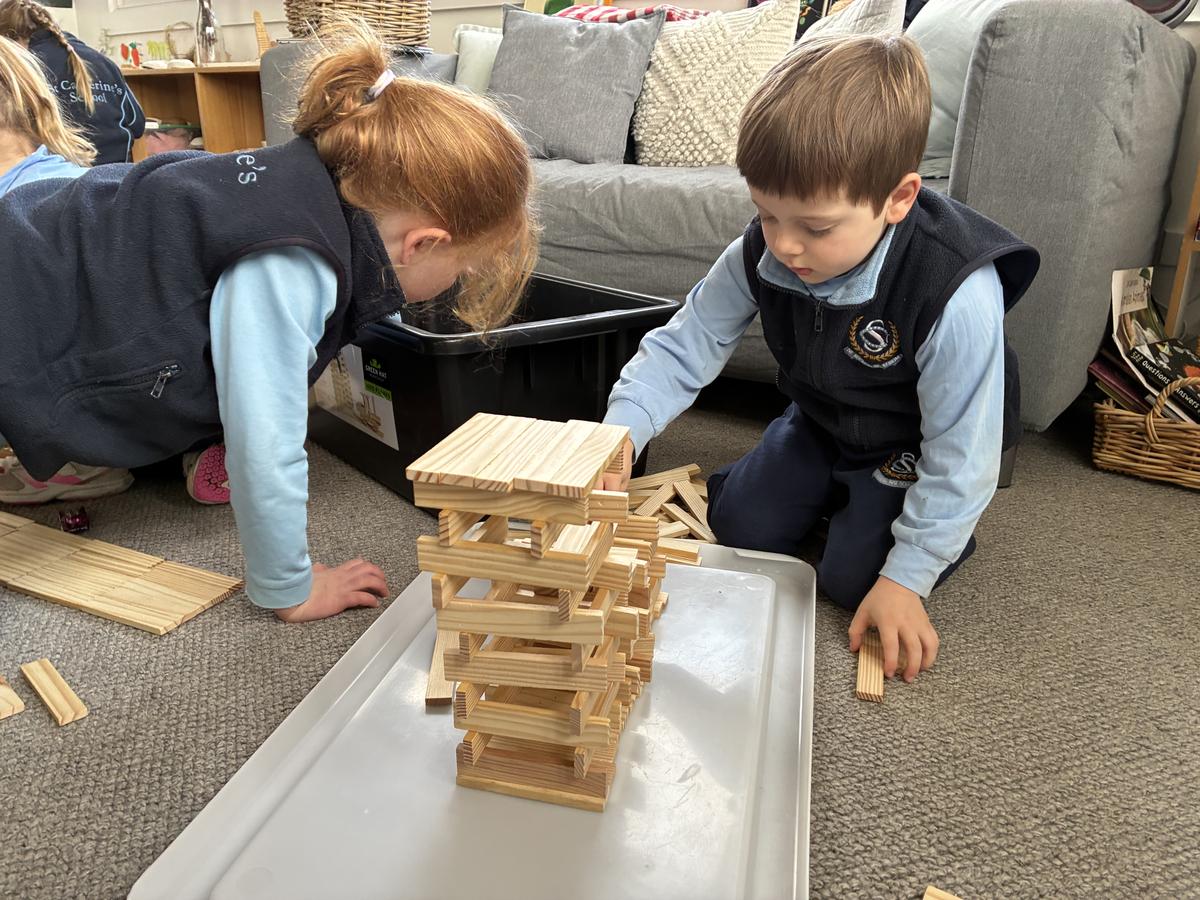
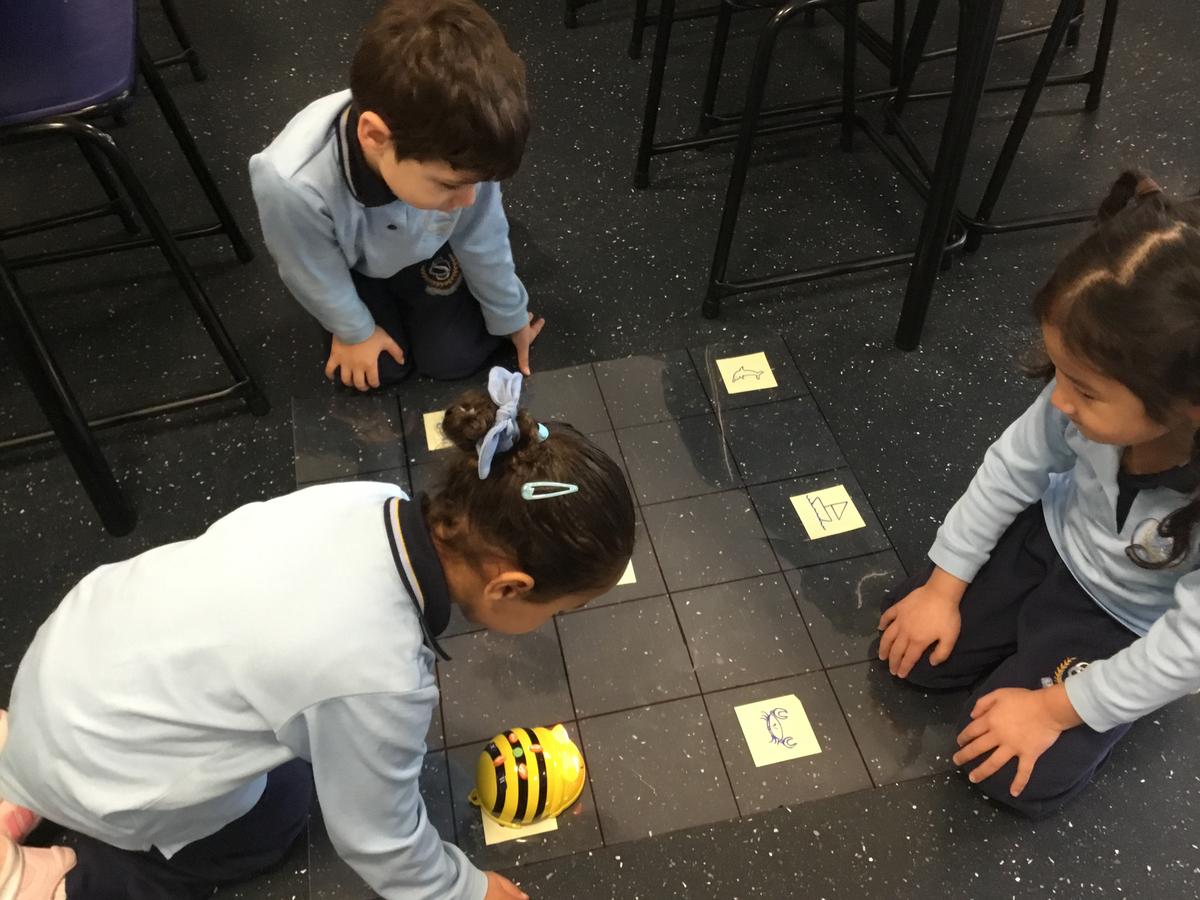
A supportive peer culture
Group activities where children help and encourage one another extend the growth-mindset message beyond the teacher, giving children access to each other as a source of support and modelling that effort – not just success – is what's valued.
Woven into daily routines within the ELC program, these strategies help children build resilience, adaptability, and a genuine love of learning – qualities that will serve them throughout their education and beyond.
Ms Sarah Bethune
Head of ELC