
Arts
Mrs Jeanean Pritchard, Head of Arts

Arts
Mrs Jeanean Pritchard, Head of Arts
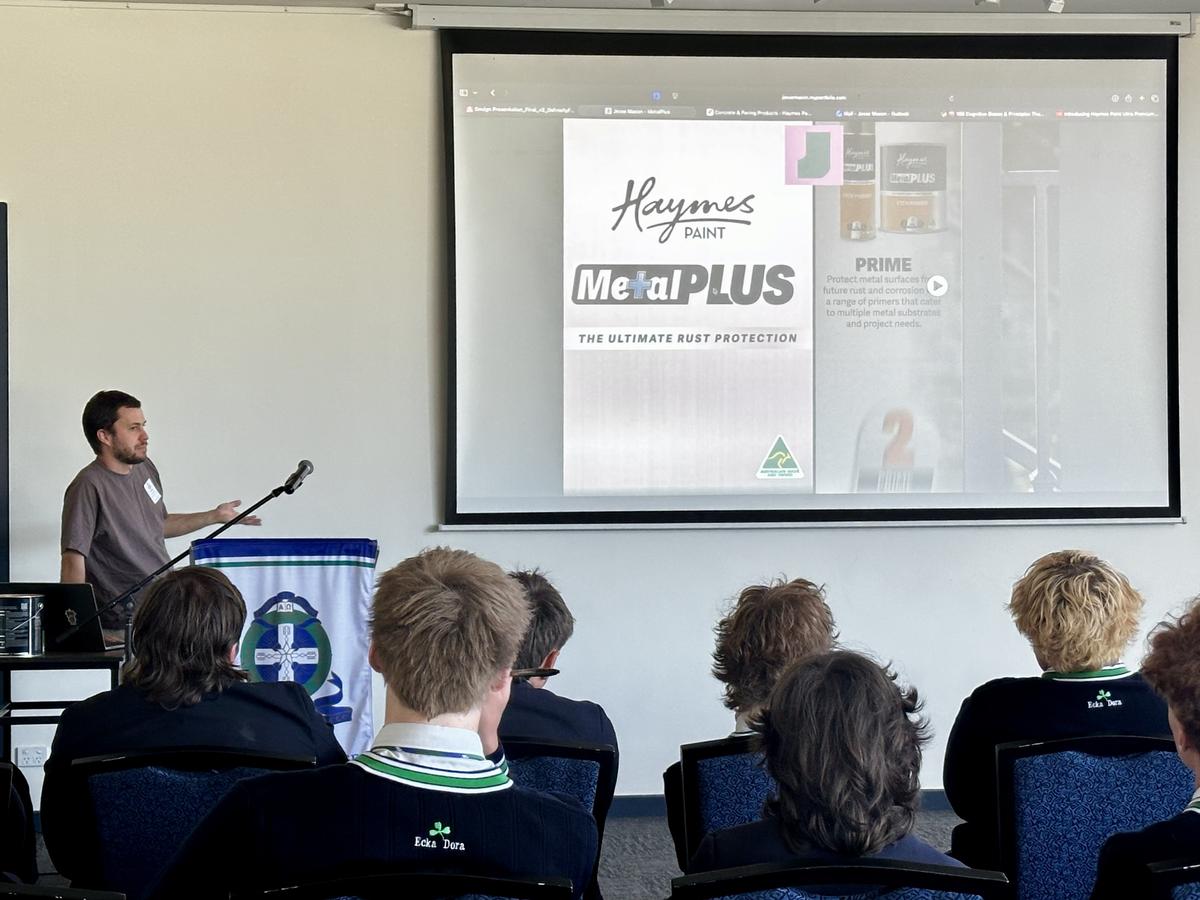
Recently, our Year 12 Visual Communication Design students had the opportunity to hear from Jesse Mason, in-house designer at Haymes Paint, during a presentation held in the Pavilion.
As part of Area of Study 1: Professional Design Practice, students are required to explore real-world design fields, and Jesse provided an authentic insight into the industry.
Founded in Ballarat in 1935, Haymes Paint remains 100% family owned and now has over 300 stockists across Australia.
Jesse works within a close-knit team of designers, producing a wide range of visual communications, from packaging and point-of-sale material to television advertisements and digital campaigns.
Jesse explained the distinguishing characteristics of working as an in-house designer. His team uses the Adobe Suite and collaborates with printers using lithographic and IML printing processes.
Students were particularly interested in how carefully considered visual language strengthens brand identity. Haymes Paint follows a detailed brand toolkit, including the consistent use of Haymes Blue, specific typefaces, and precise spacing rules.
Case Study – Metal +
The Metal+ range provided an excellent case study. Designed primarily for a male-dominated trade market, the packaging is bold, strong and functional. Jesse advocated for transparent ink on the metal cans, so the raw metal shines through, reinforcing the product’s purpose. The embossed logo enhances the tactile, industrial feel.
Jesse emphasised the importance of collaboration and evaluation. Designs are presented to a small team for approval, with careful consideration of colour consistency, printing feasibility and cost. External specialists, stock imagery, 3D renderers, and even AI tools assist the team when needed. Students were fascinated by the ethical and legal responsibilities designers must navigate. Paint tins require mandatory safety warnings displayed in specific sizes and formats.
Jesse’s presentation provided invaluable insight into the realities of working as a professional designer. Our students gained a deeper understanding of how creativity, strategy, collaboration and ethical responsibility combine in the design industry.
We sincerely thank Jesse Mason for generously sharing his time and expertise, and for inspiring our students, who just may one day become designers themselves.

St Patrick’s College is incredibly fortunate to have Belinda Lees as part of our Arts Faculty teaching staff. Most students only know Belinda as an experienced and inspiring Media teacher, but what we know is that Belinda brings something truly special to her classroom: real-world industry expertise combined with a lifelong passion for storytelling.
Belinda is not only an educator, she is a prolific and award-winning screenwriter, playwright, narrator and director. Her recent projects include Stella Miles, (2026), where she served as writer, narrator and producer, This Land Remembers (2025), where she served as Narrator, Writer and Director; and, Tale – where she served as the writer, and acted as Morgiana (2025). Other works include Short_Fi (2022–2023. Writer & Narrator); The Clearing (2021, Writer & Narrator); The Enticer (2019, Writer, Narrator & Director); and Smashed (2019, Writer). These are all creative works that have reached world-wide audiences.
Belinda, who has a Master of Arts in Writing for Script & Screen, has developed a solid body of work of which spans genres from powerful drama to absurdist comedy. She has written nineteen children’s plays for The School Magazine, Australia’s longest-running literary publication for children, and has published poetry in numerous literary magazines. Her plays for adults have earned both The Todhunter Literary Award and the Professor L. Marchant Award.
Belinda’s feature project The Clearing, produced as a four-part cinematic podcast, has reached more than 10,000 downloads. The work explores powerful contemporary social issues and demonstrates the impact storytelling can have in shaping conversations and communities. Belinda wrote the screenplay in a personal response to a real situation in Djab Wurrung country, Ararat. Beyond her creative achievements, Belinda is also undertaking a PhD in screenwriting, researching the representation of childfree women in biopics.
Belinda’s academic work ensures that her teaching remains current, rigorous and deeply informed by both industry practice and research. For our Media and VCE students, this means learning from someone who understands every stage of the creative process - from premise and treatment, to screenplay, production and audience reception. Belinda understands deadlines, collaboration, creative discipline and the realities of the screen industry because she actively works within it.
We are exceptionally lucky to have an industry professional of Belinda’s calibre teaching our students. Her passion and expertise enrich our classrooms, inspiring the next generation of writers, filmmakers and storytellers to pursue their own creative ideas.
Belinda’s latest works can be found at https://www.outwrdplus.com
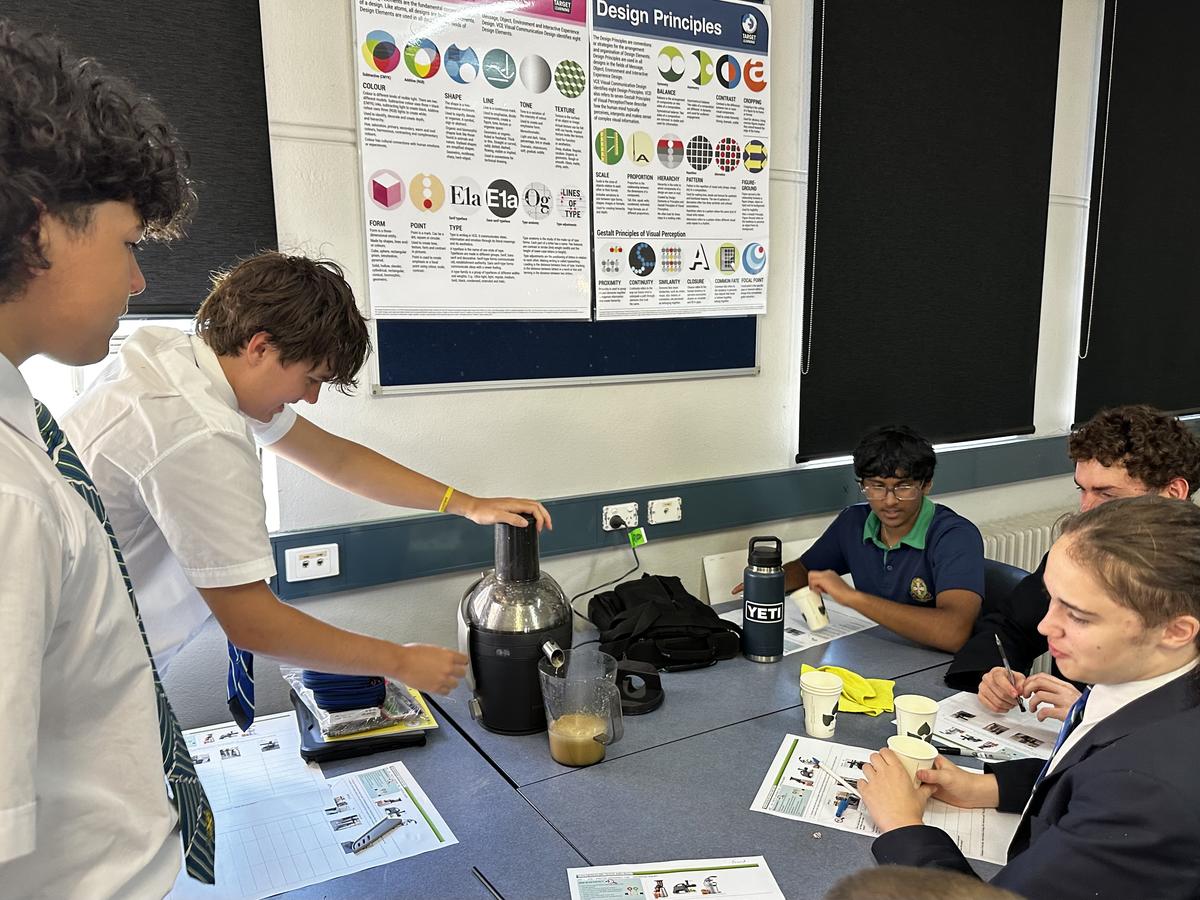
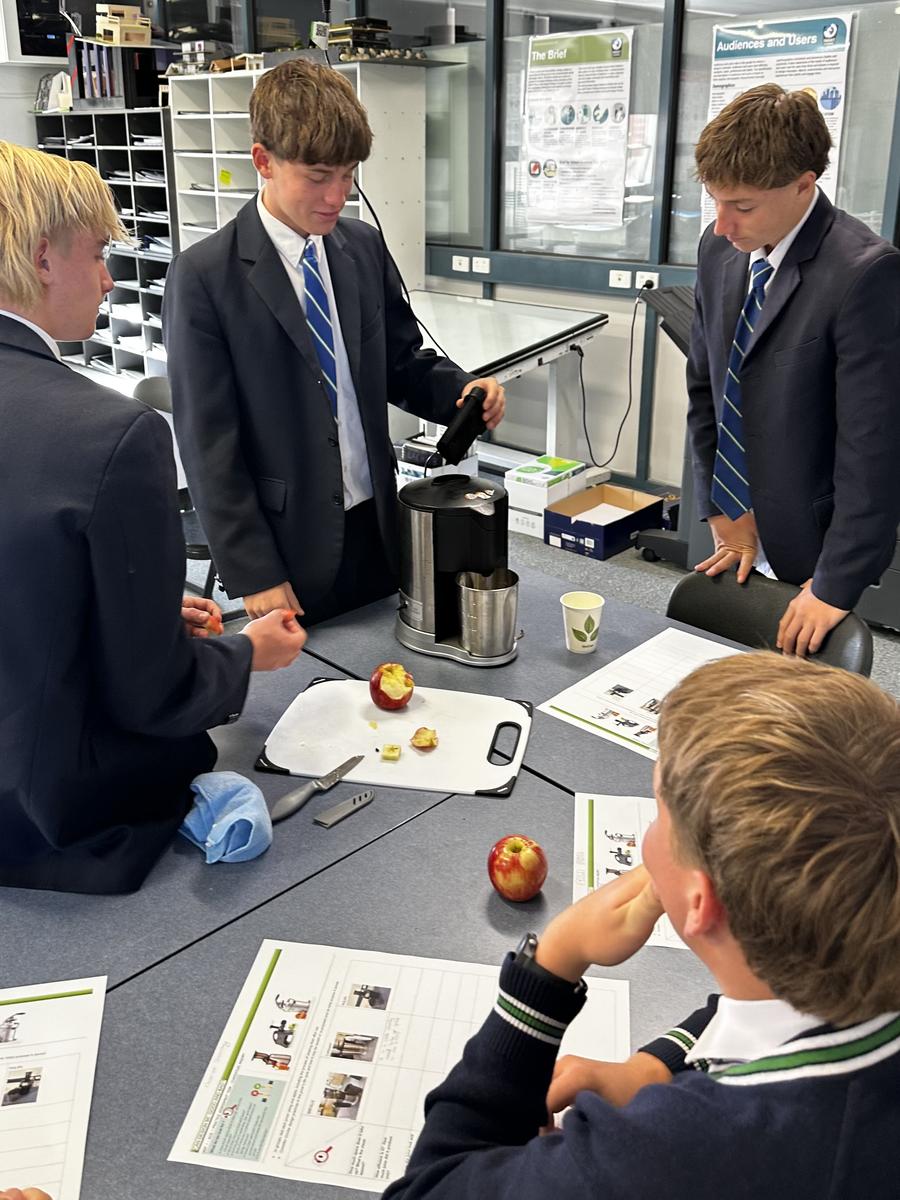
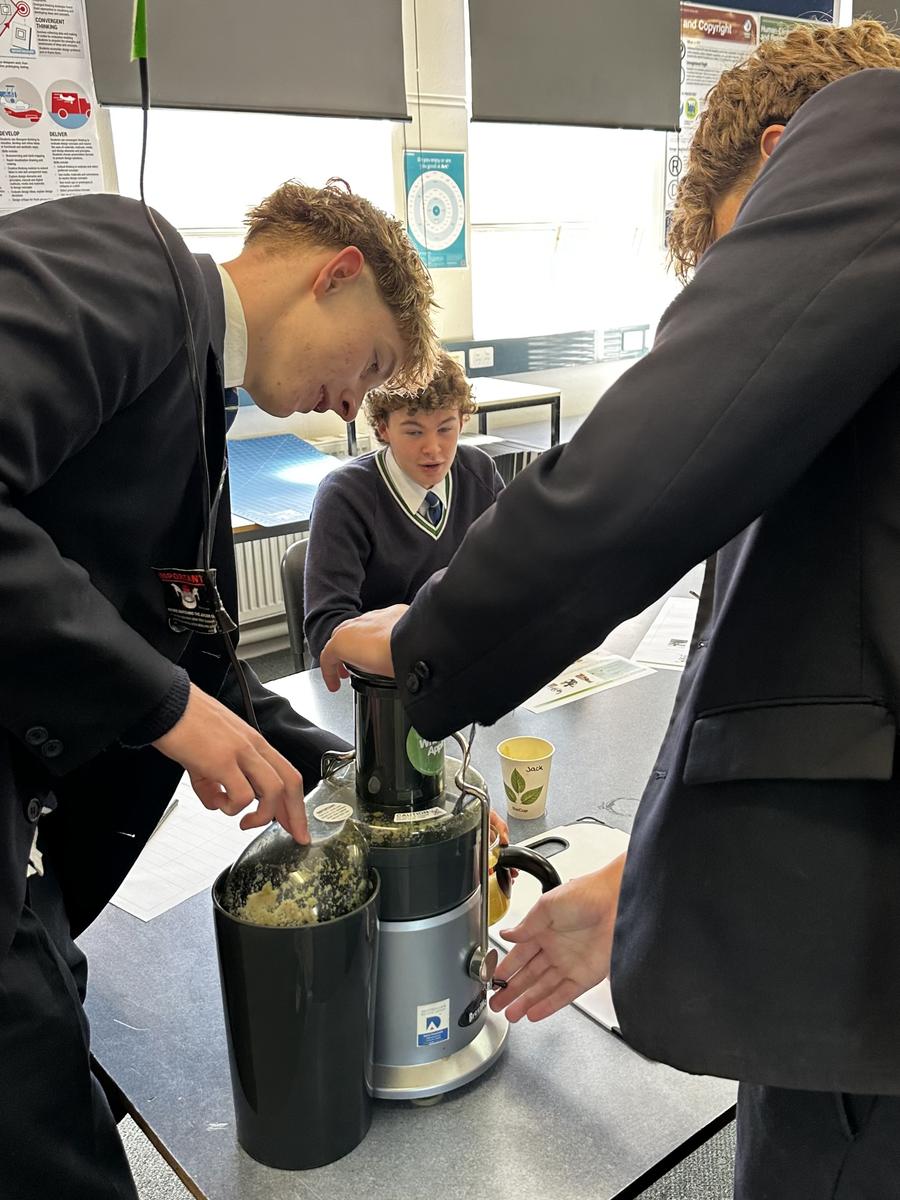
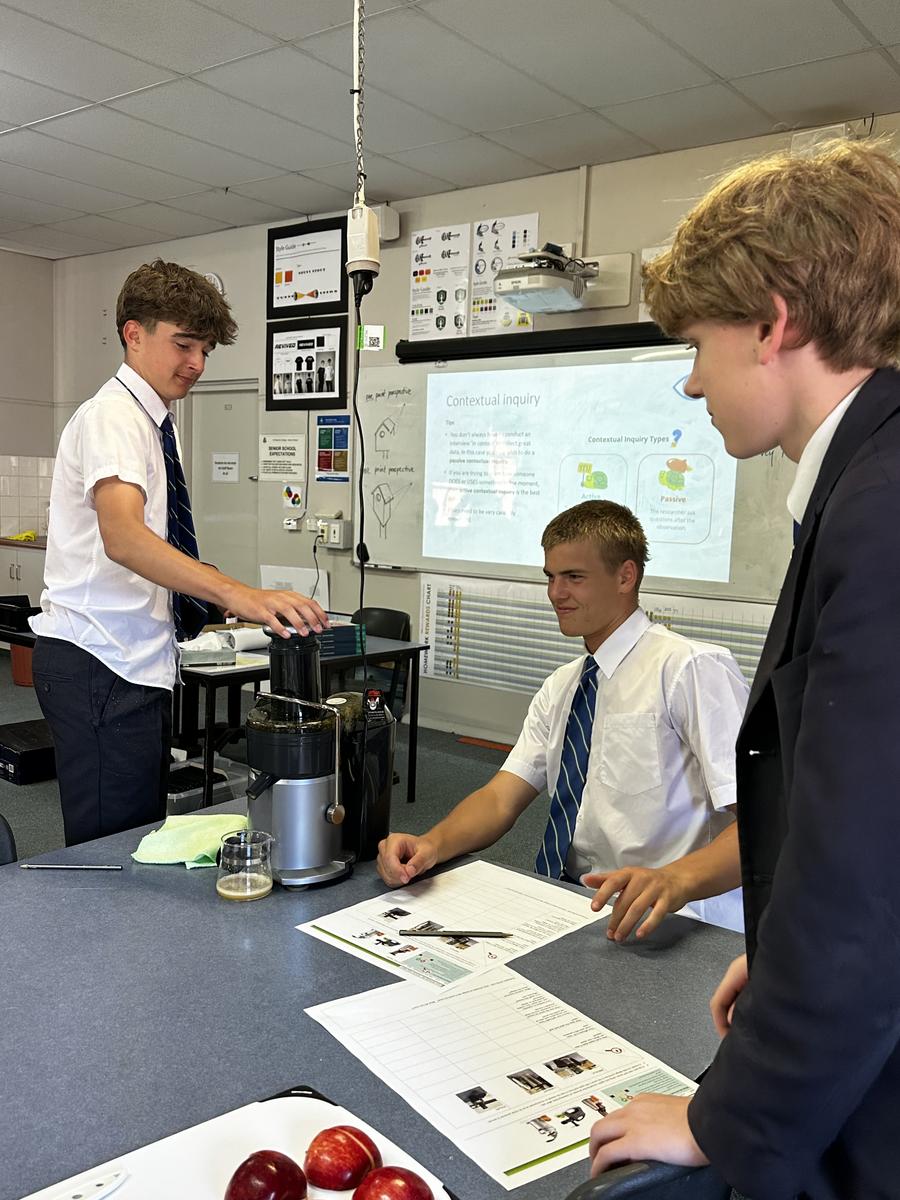
As part of their studies in Visual Communication Design, Year 11 students at St Patrick’s College recently undertook a detailed contextual investigation focused on the design of juicing machines. This project encouraged students to look beyond surface appearance and consider how thoughtfully designed products respond to real user needs.
By closely observing and testing a range of juicers, students analysed how people interact with each machine and evaluated the quality and consistency of the juice produced. They examined important design considerations such as functionality, visual appeal, ergonomics, and overall user experience. Attention was also given to factors including ease of cleaning, safety, and efficiency, helping students understand the broader impact of design decisions.
Through this practical, hands-on comparative study, students developed a deeper appreciation of what defines effective design. The experience strengthened their analytical skills and enhanced their understanding of how successful products balance performance, aesthetics, and usability to meet the needs of their intended audience.