Photo Gallery & Classroom Learning
K - Yr 6
Photo Gallery & Classroom Learning
K - Yr 6
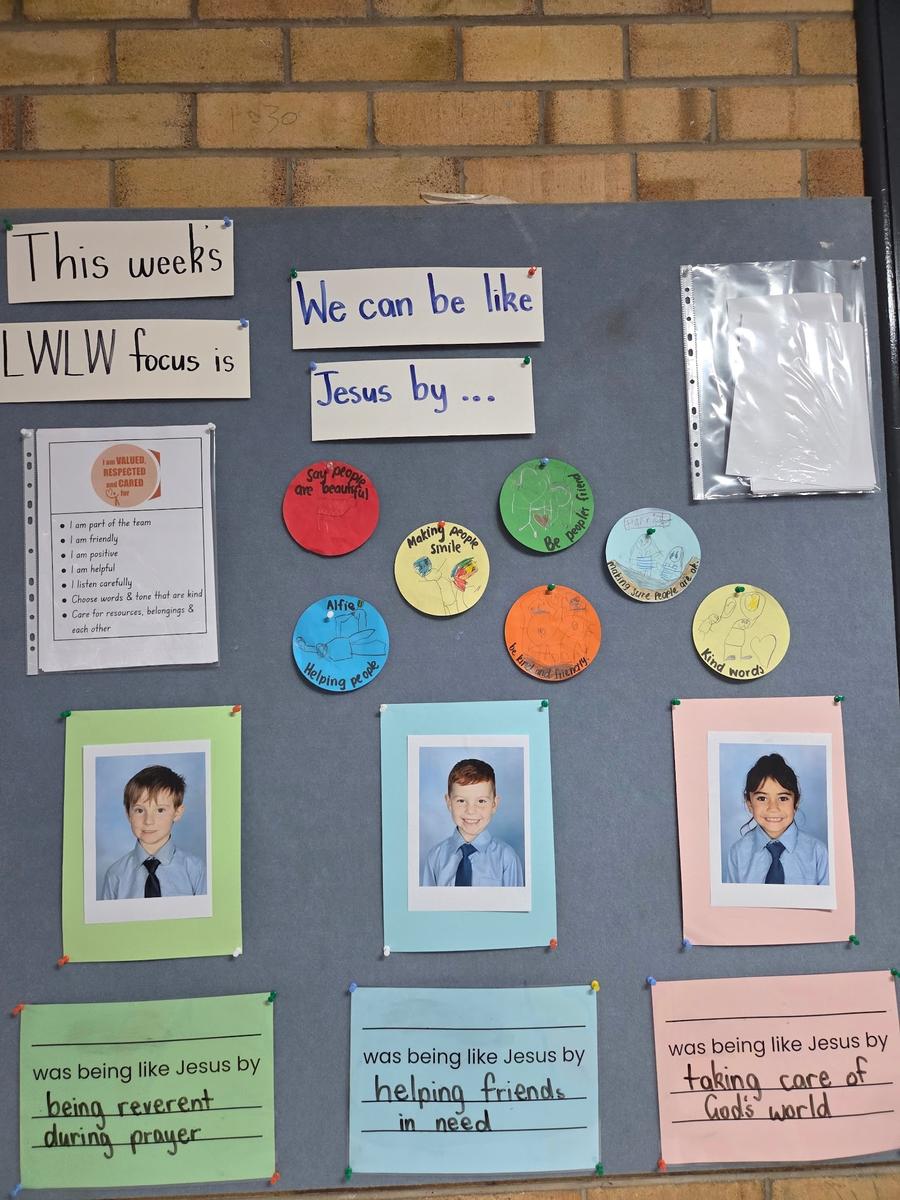
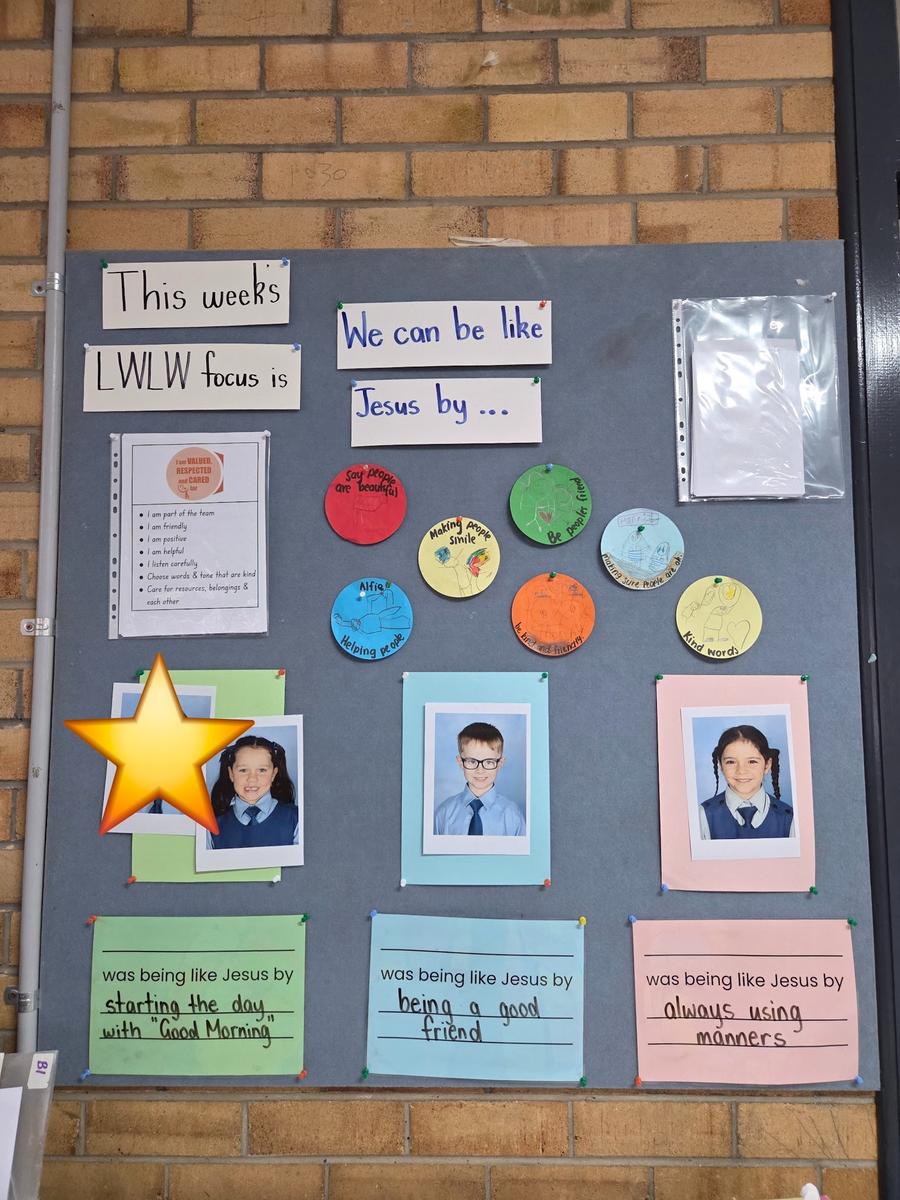
Living Well Learning Well
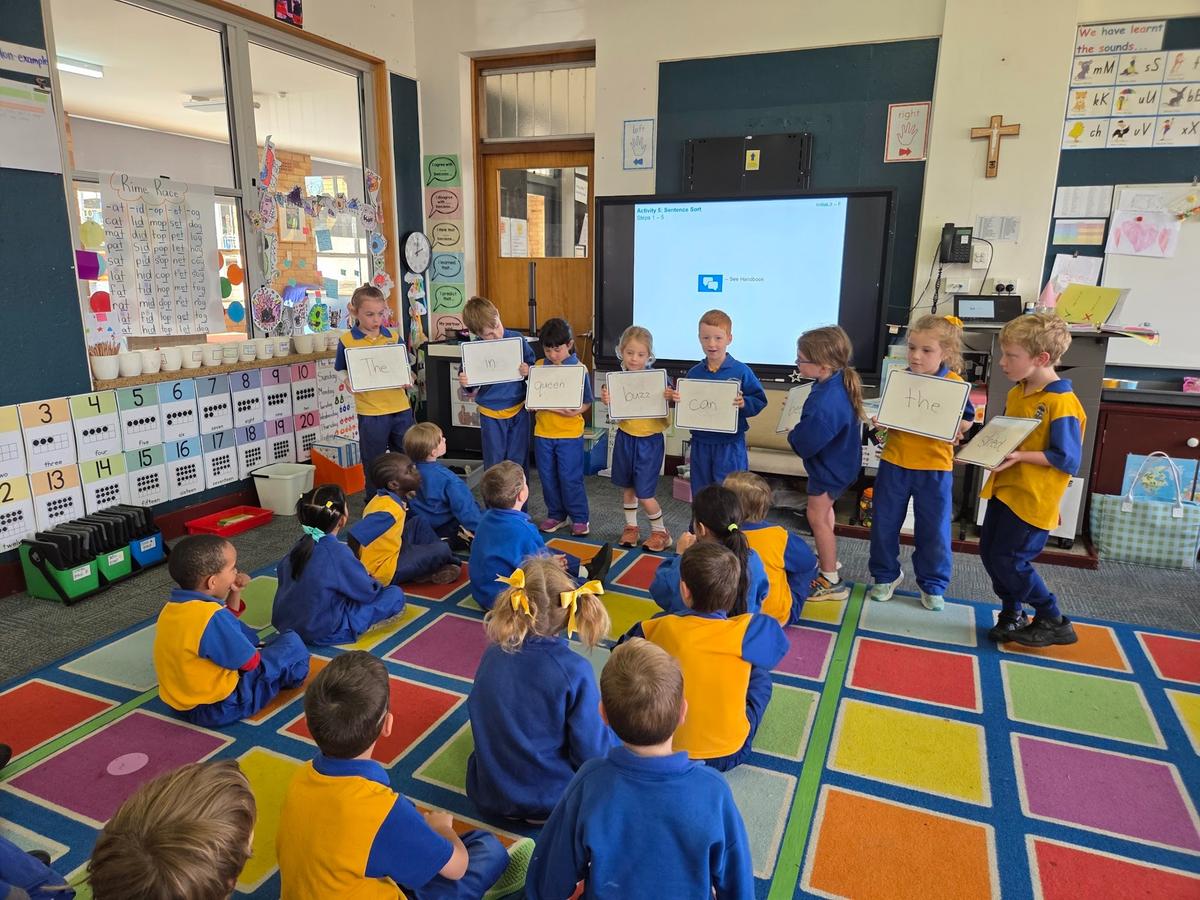
English
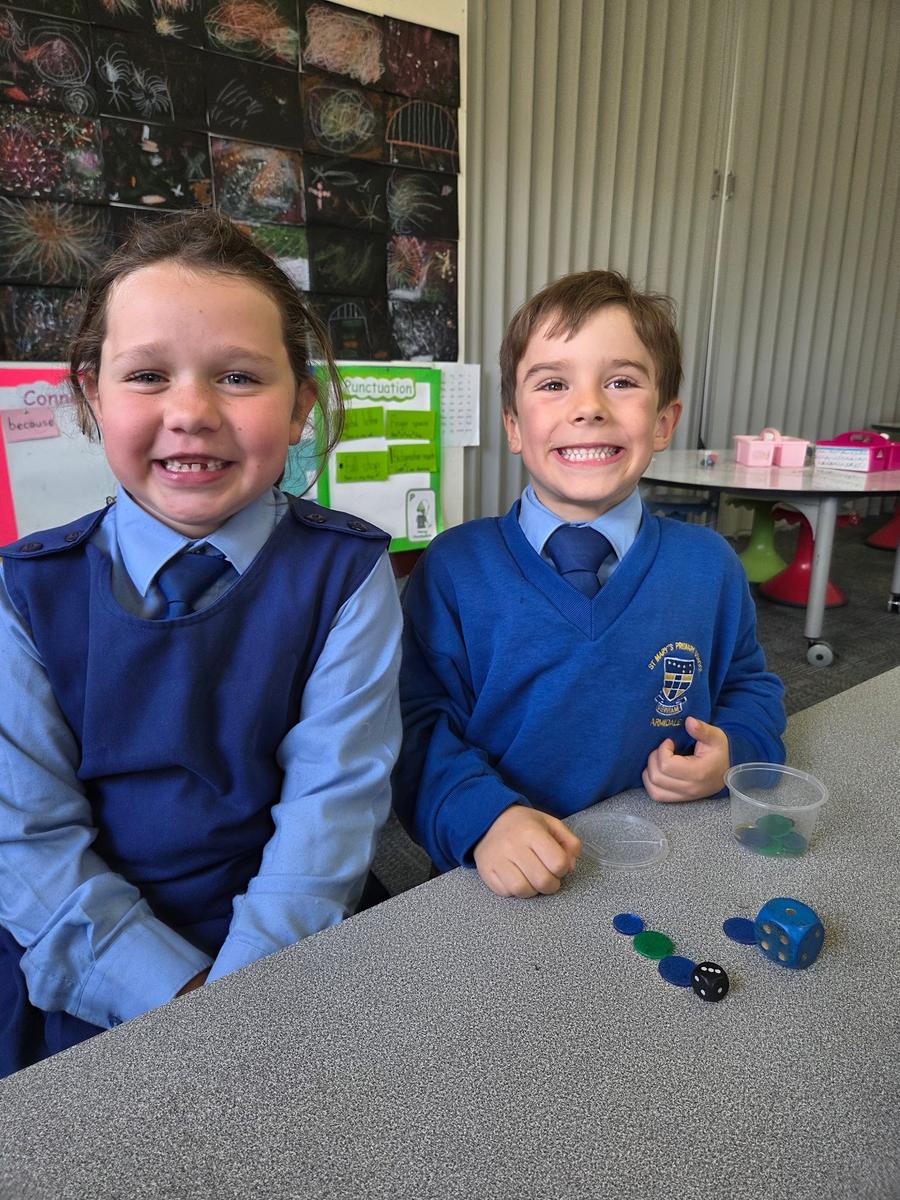
Maths
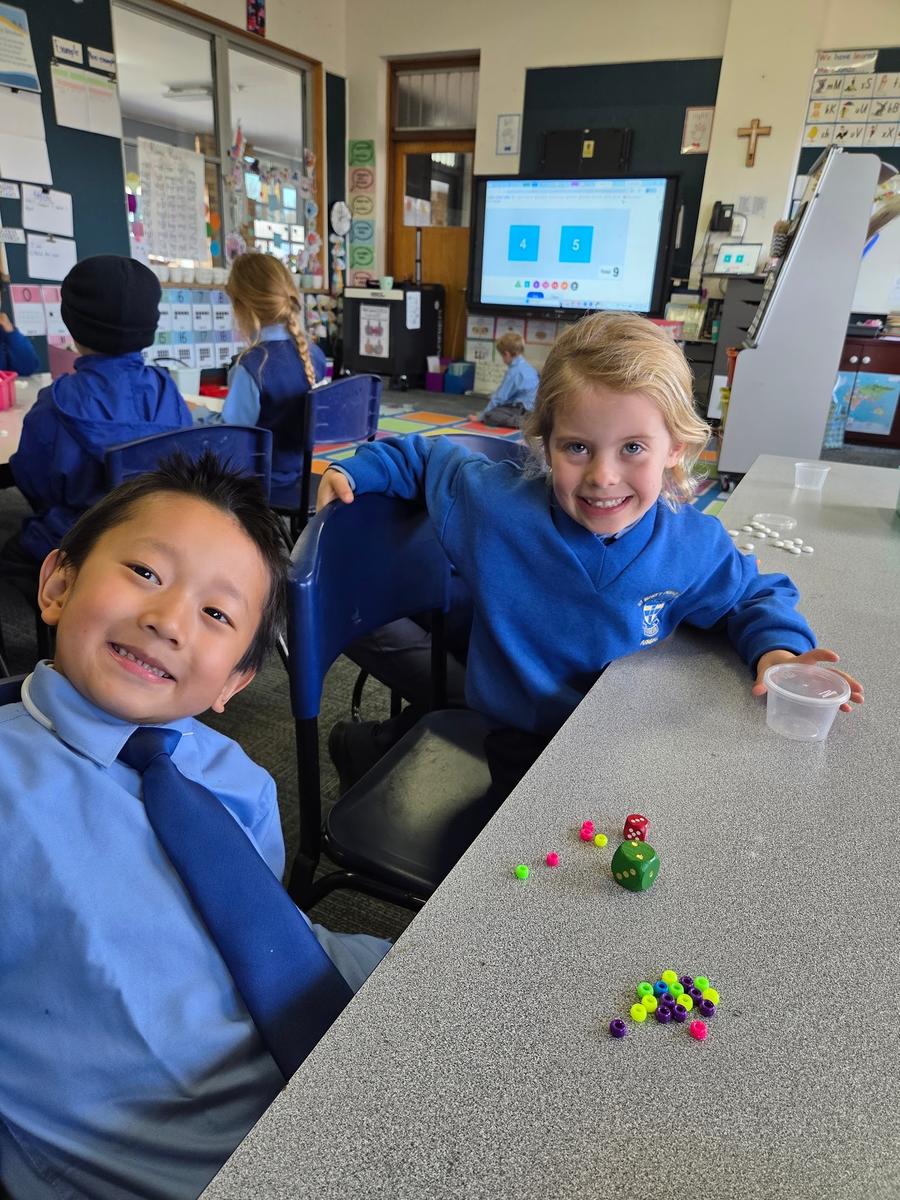
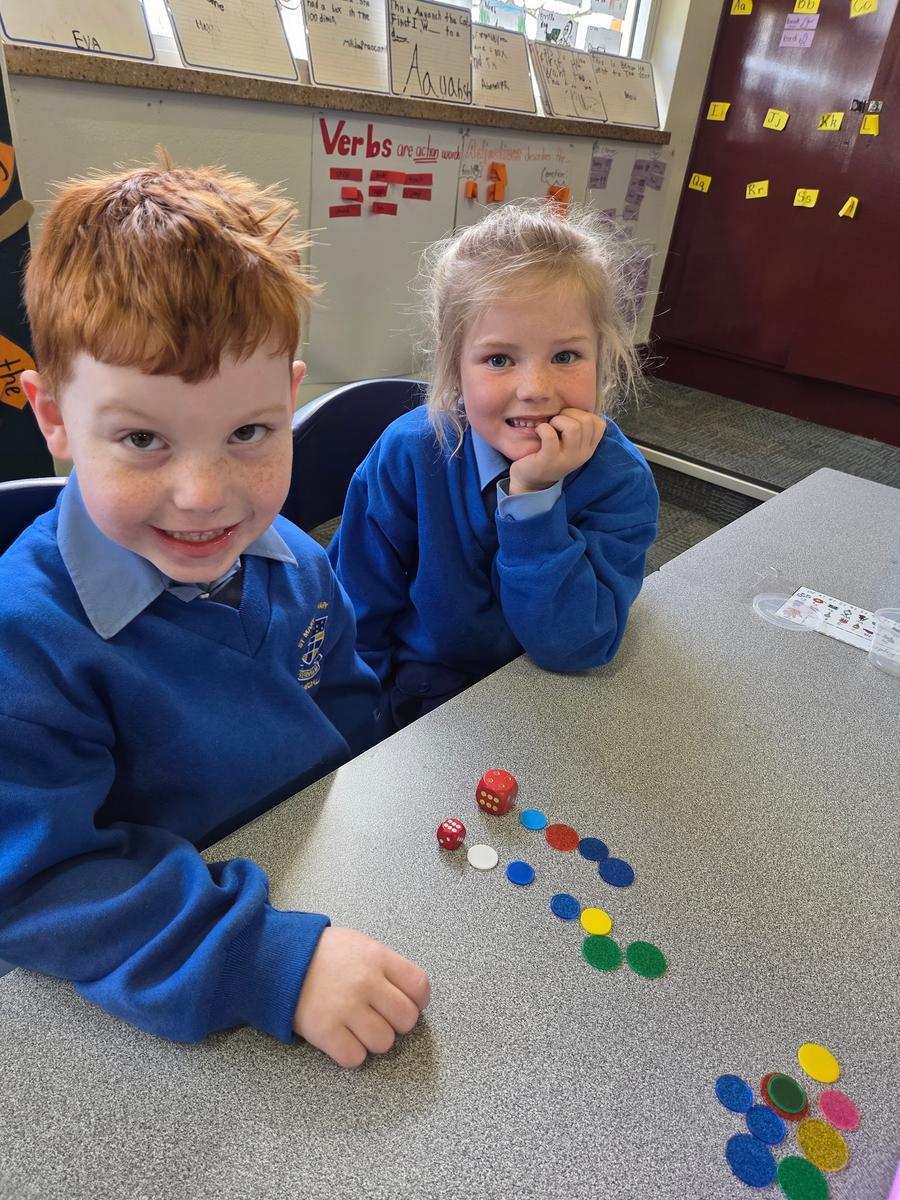
We are learning to find half.
We are learning to give reasons when we model addition.
Religion
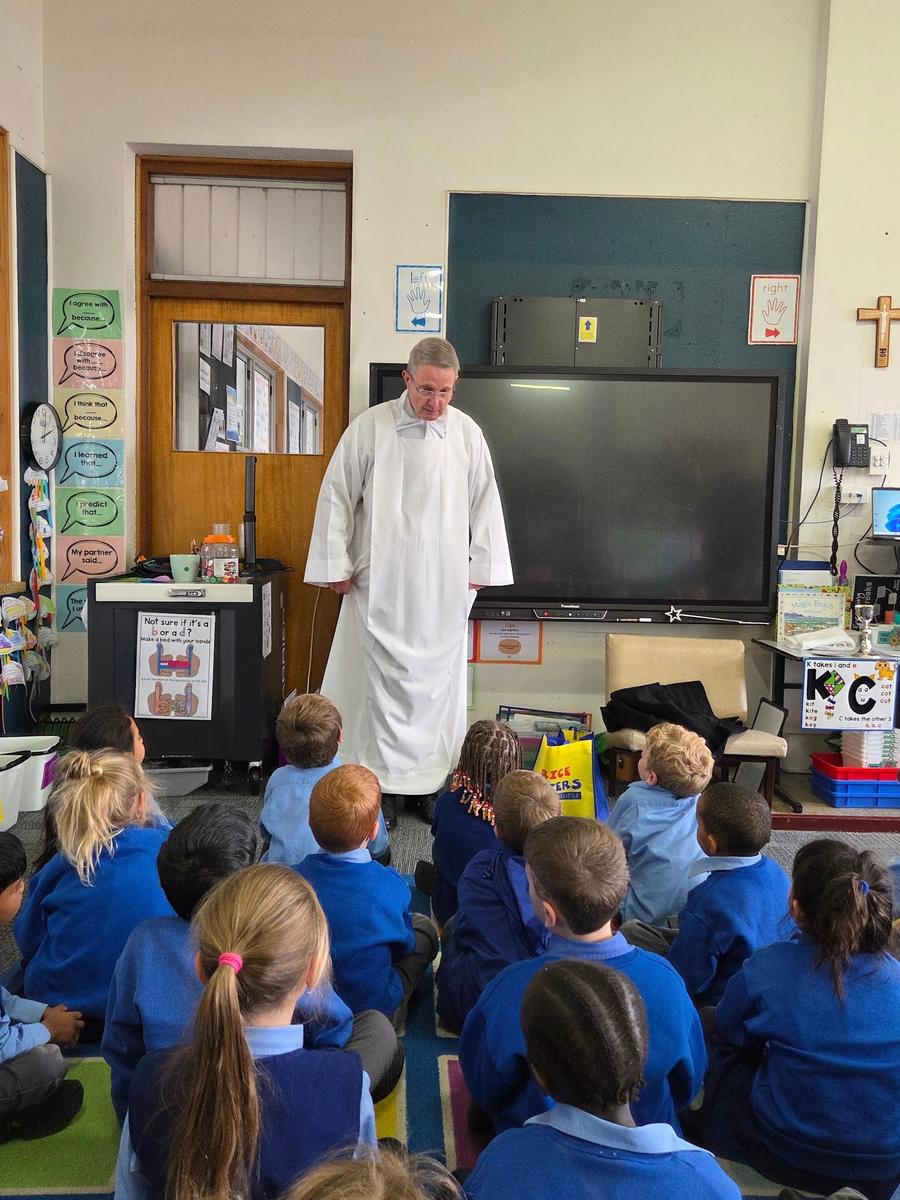
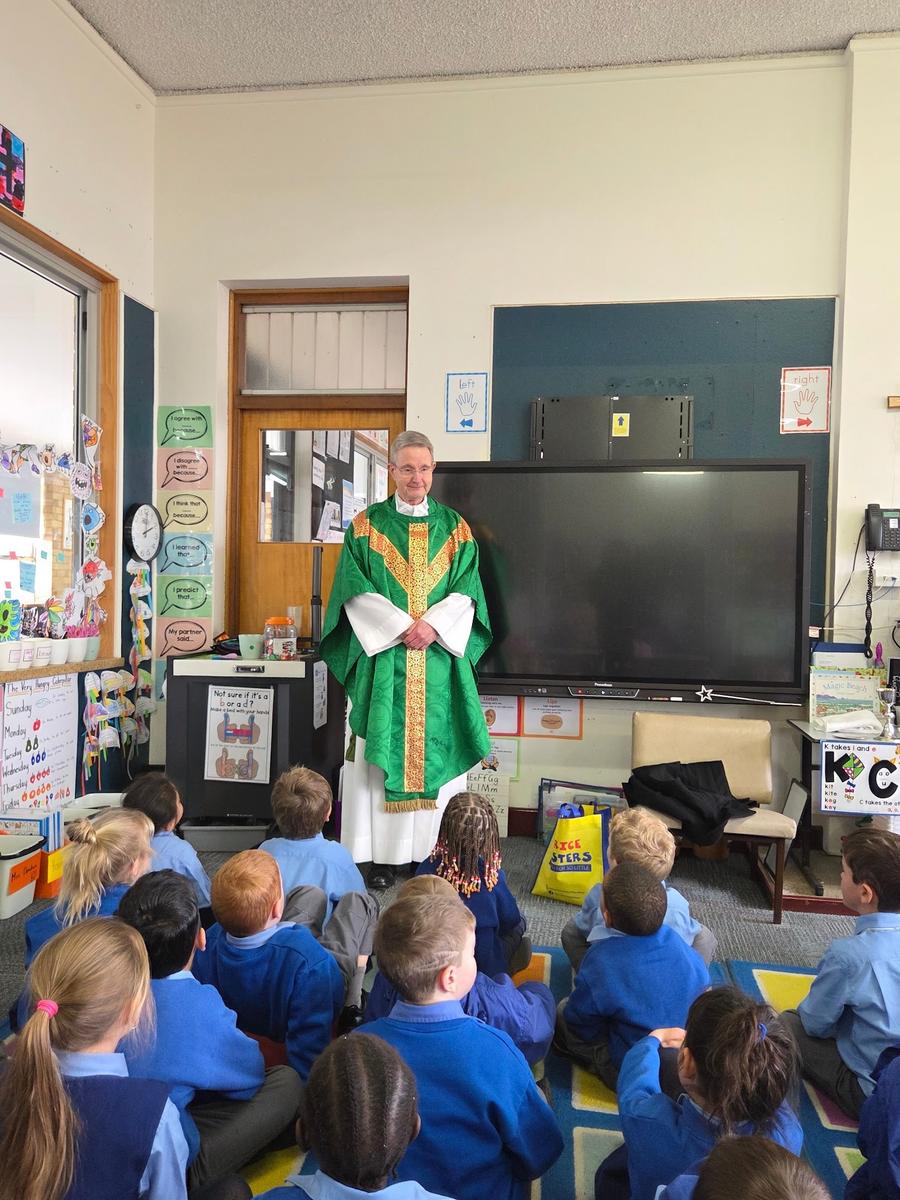
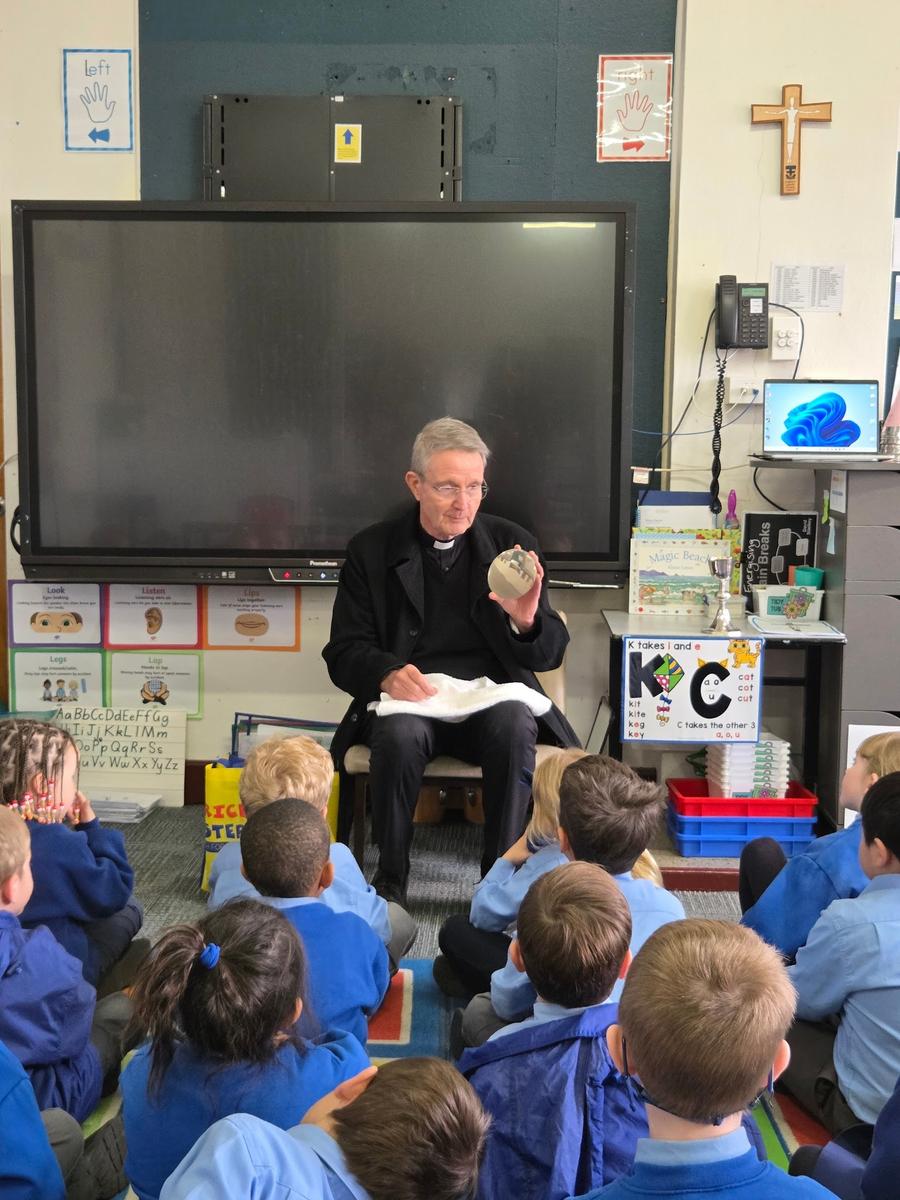
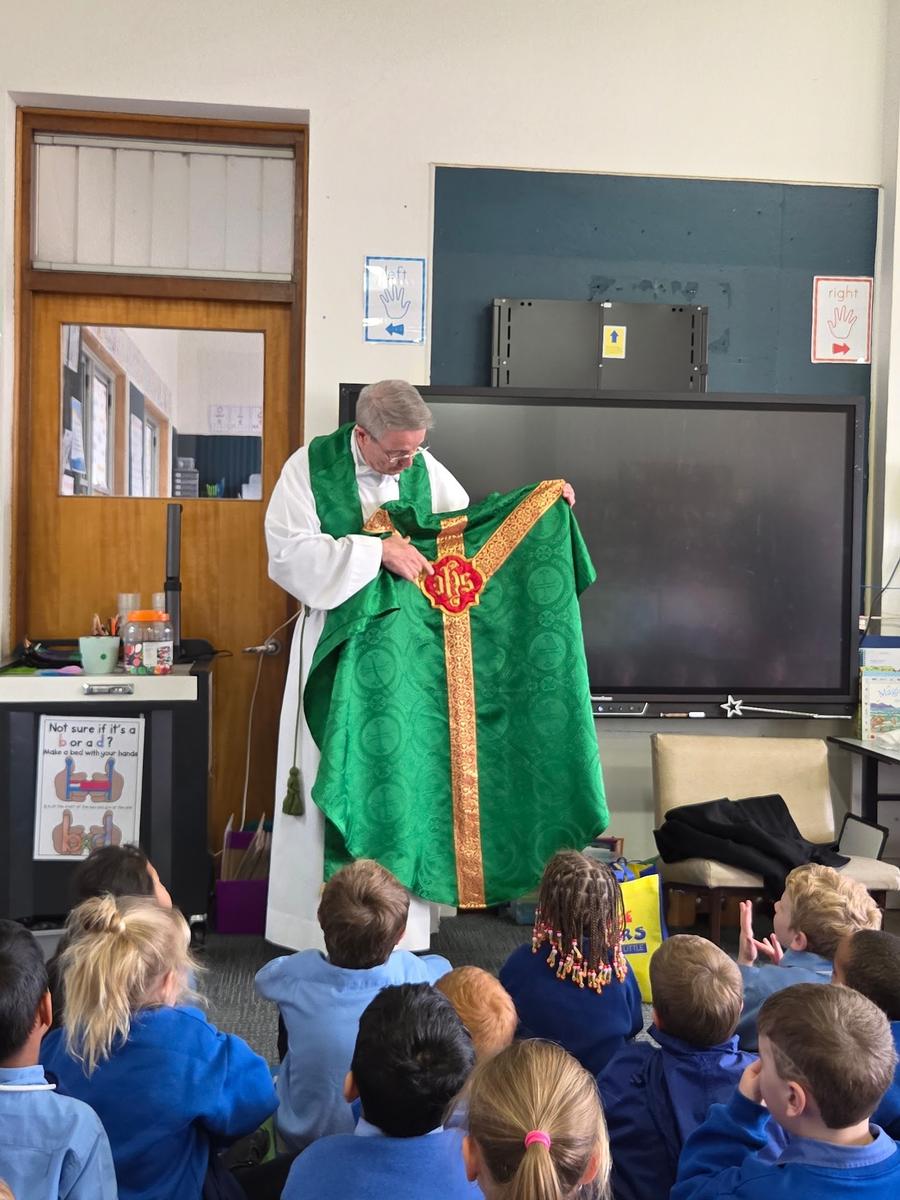
Last Monday, Father Paul came and visited Kindergarten to show us his vestments and vessels.
Science
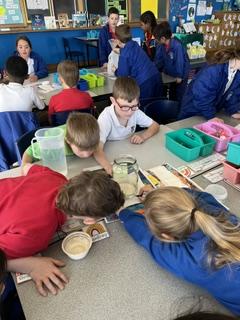
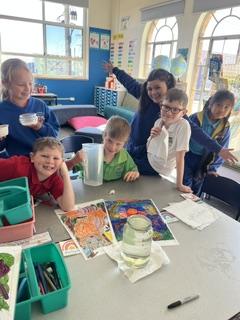
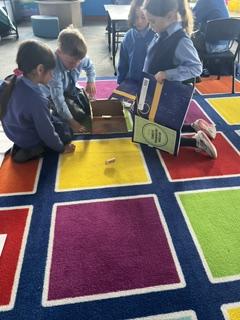
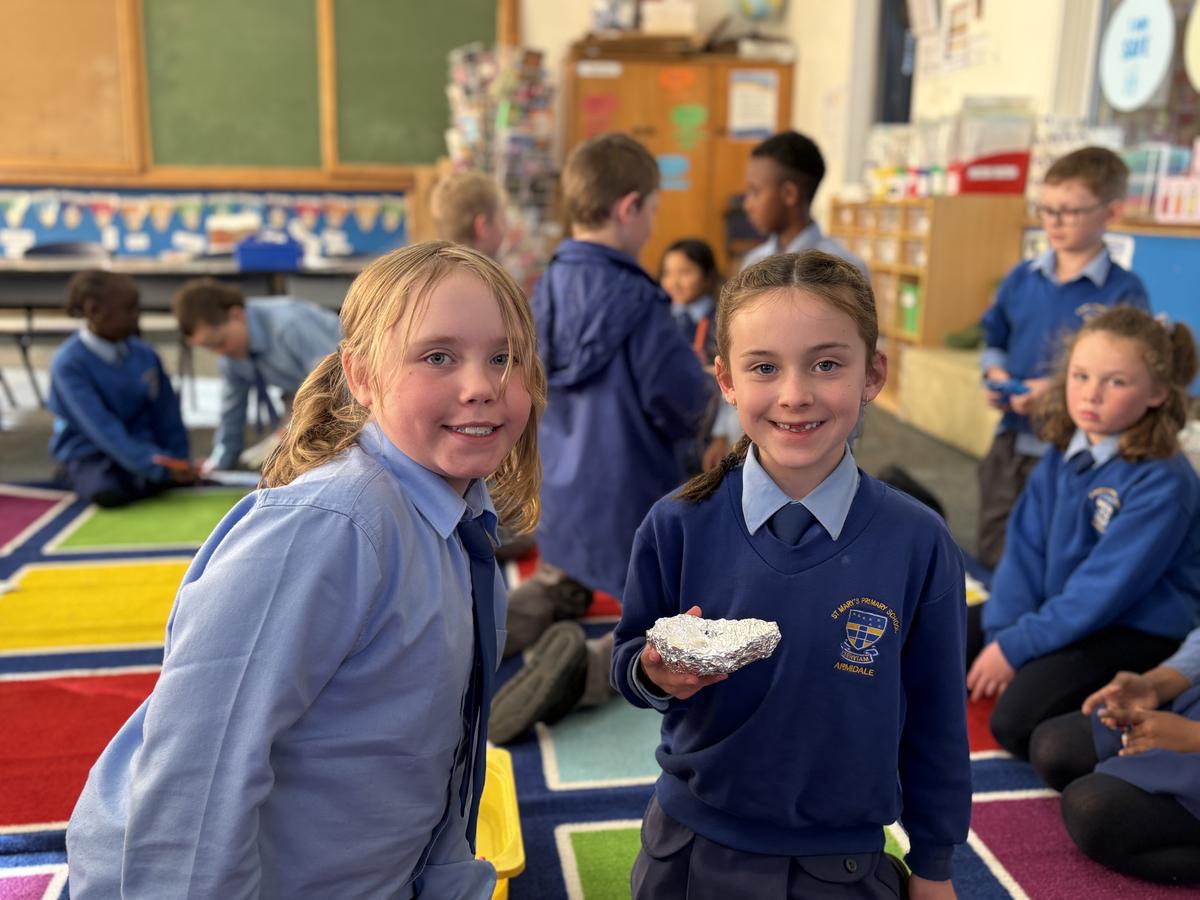
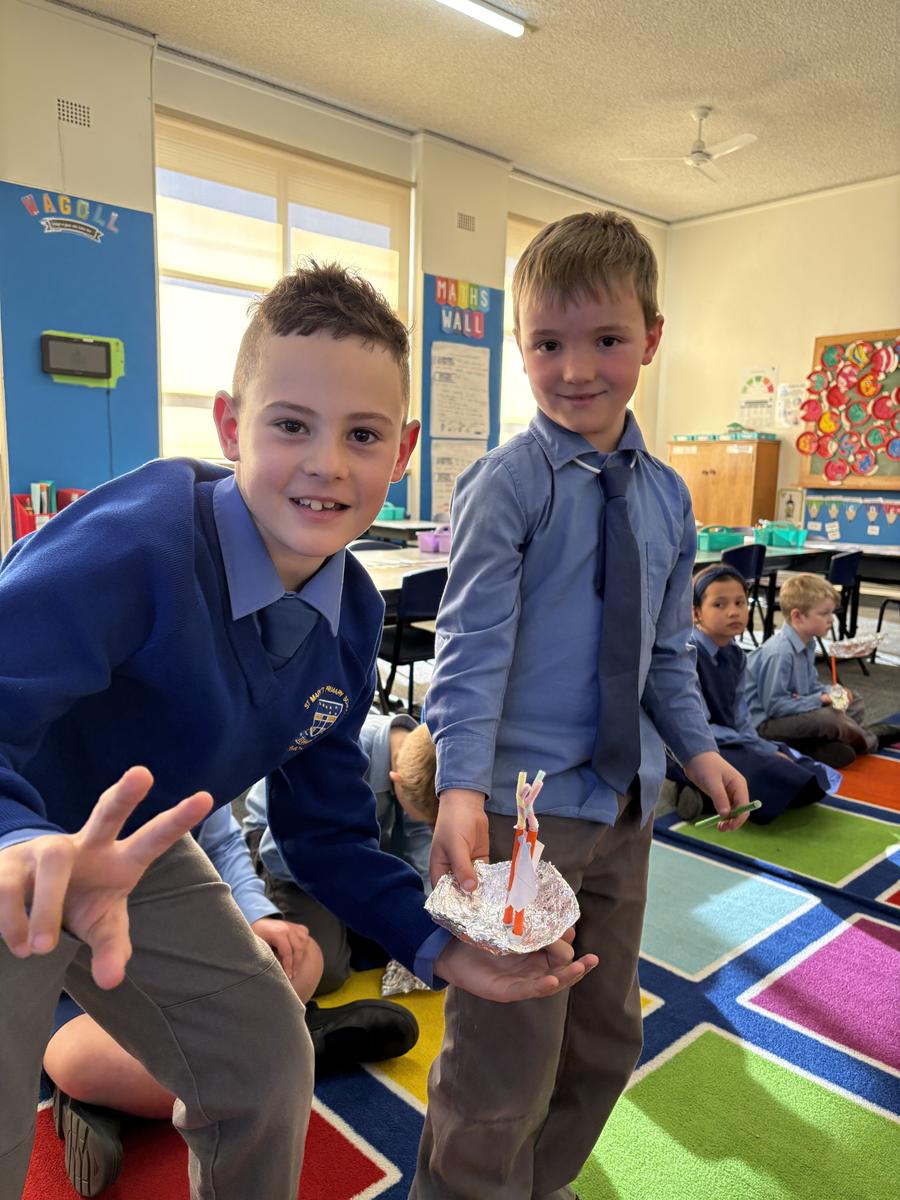
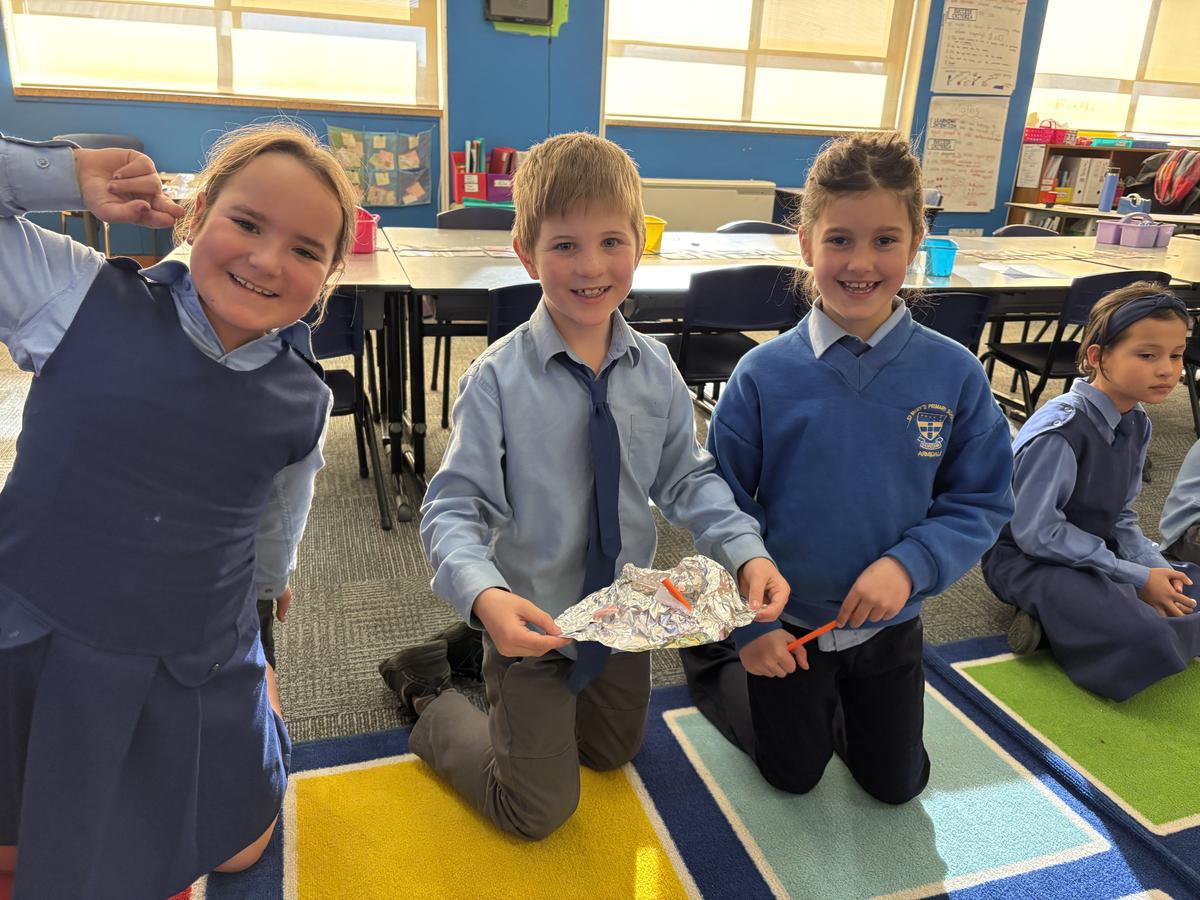
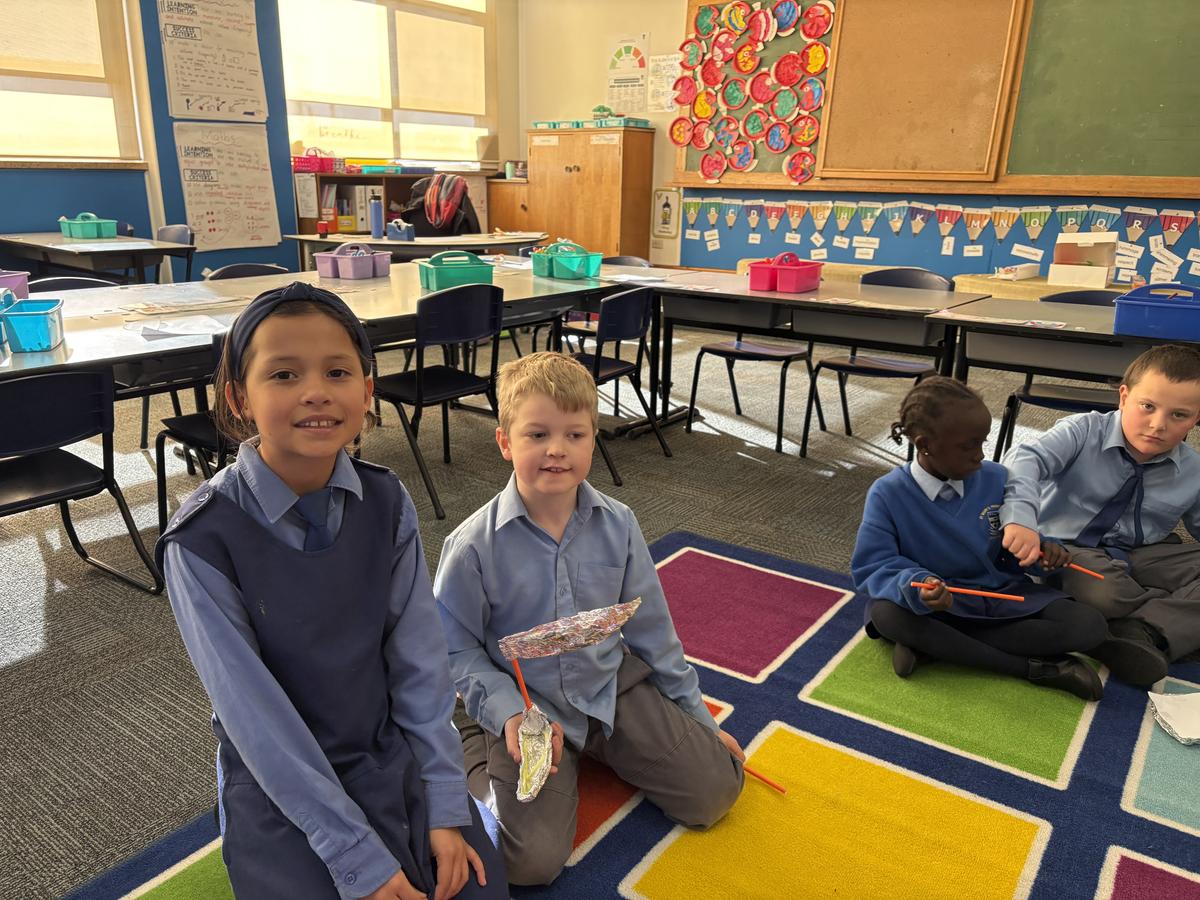
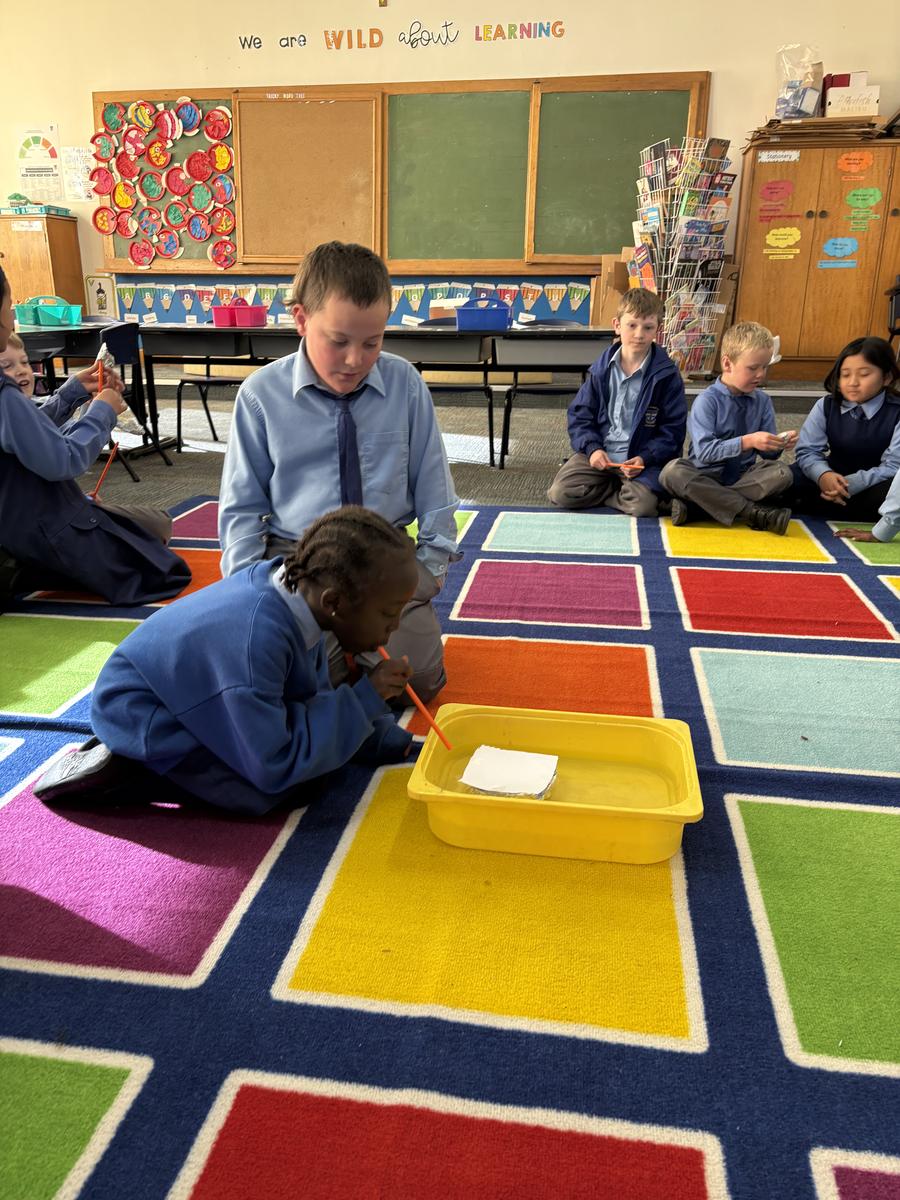
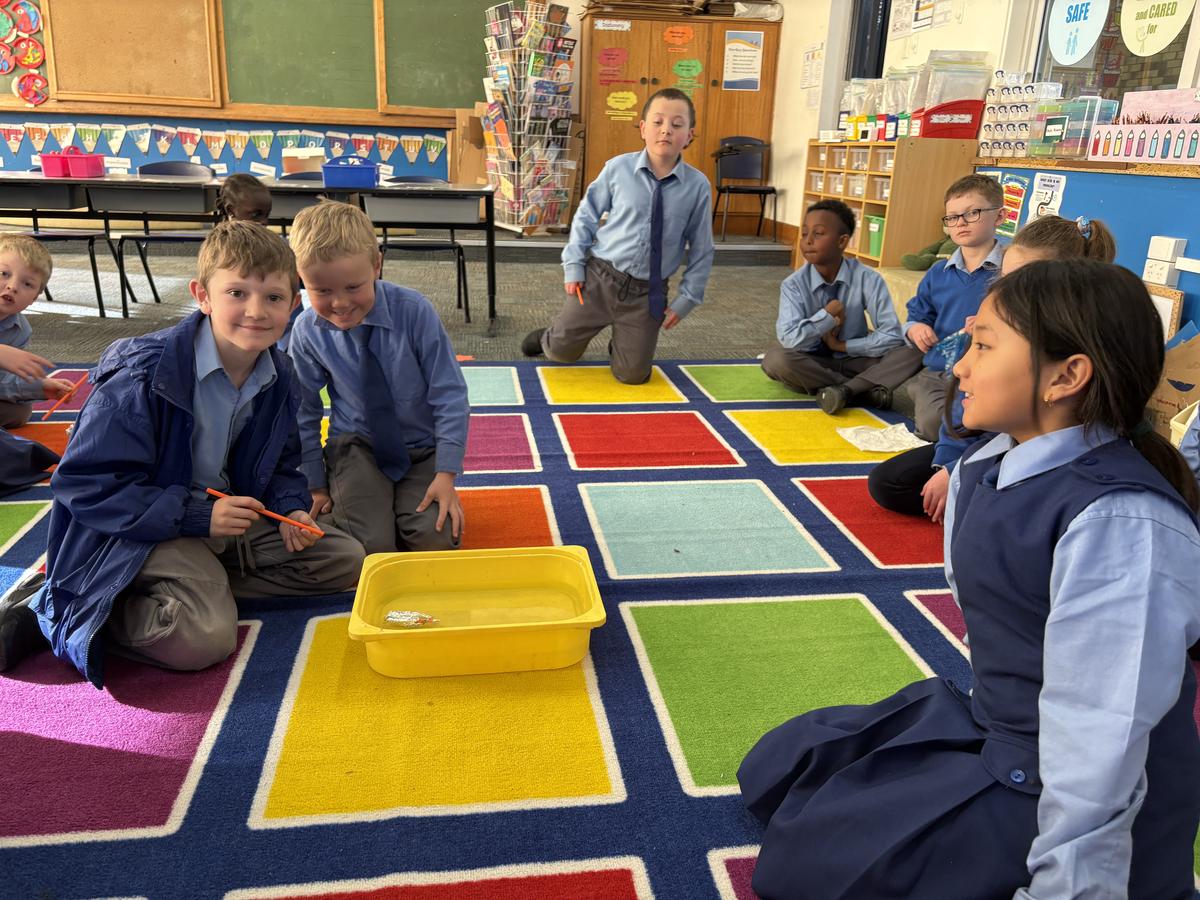
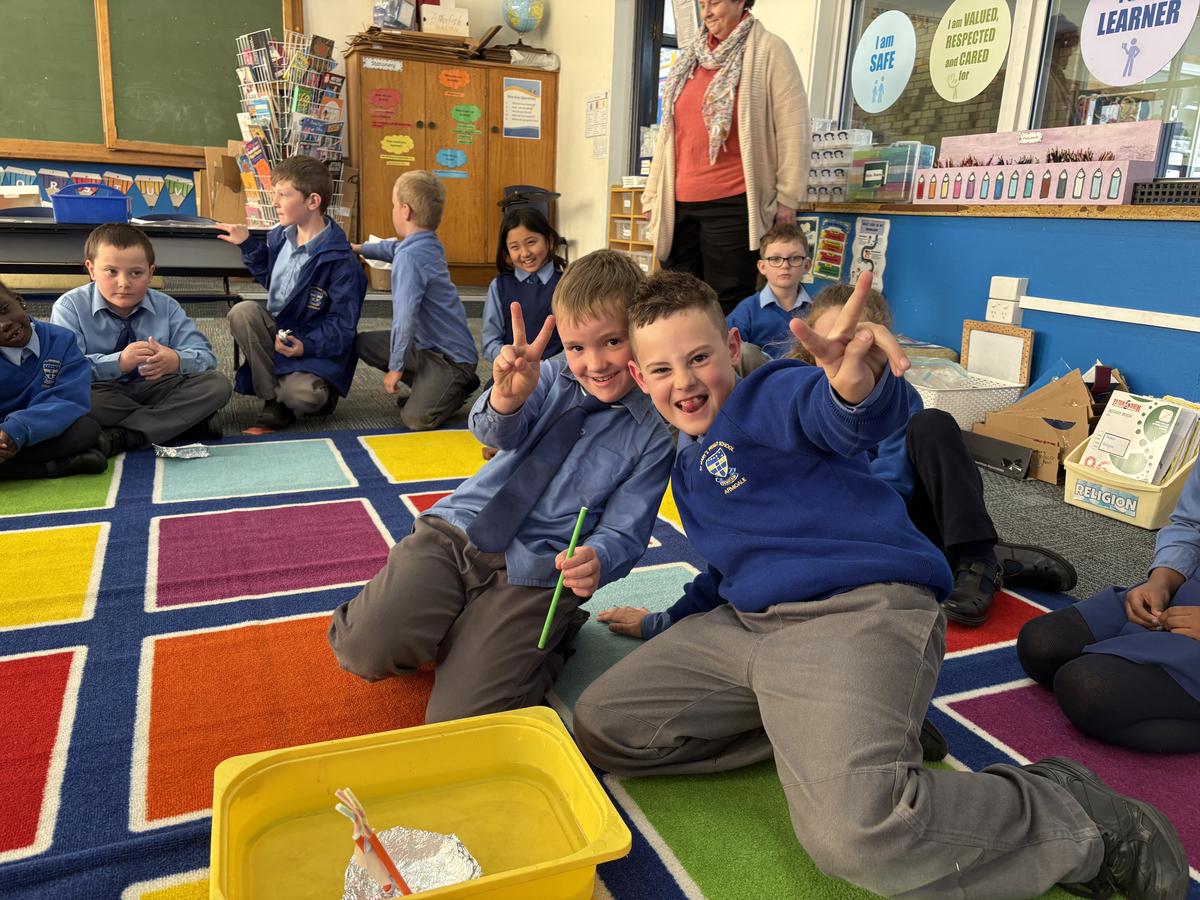
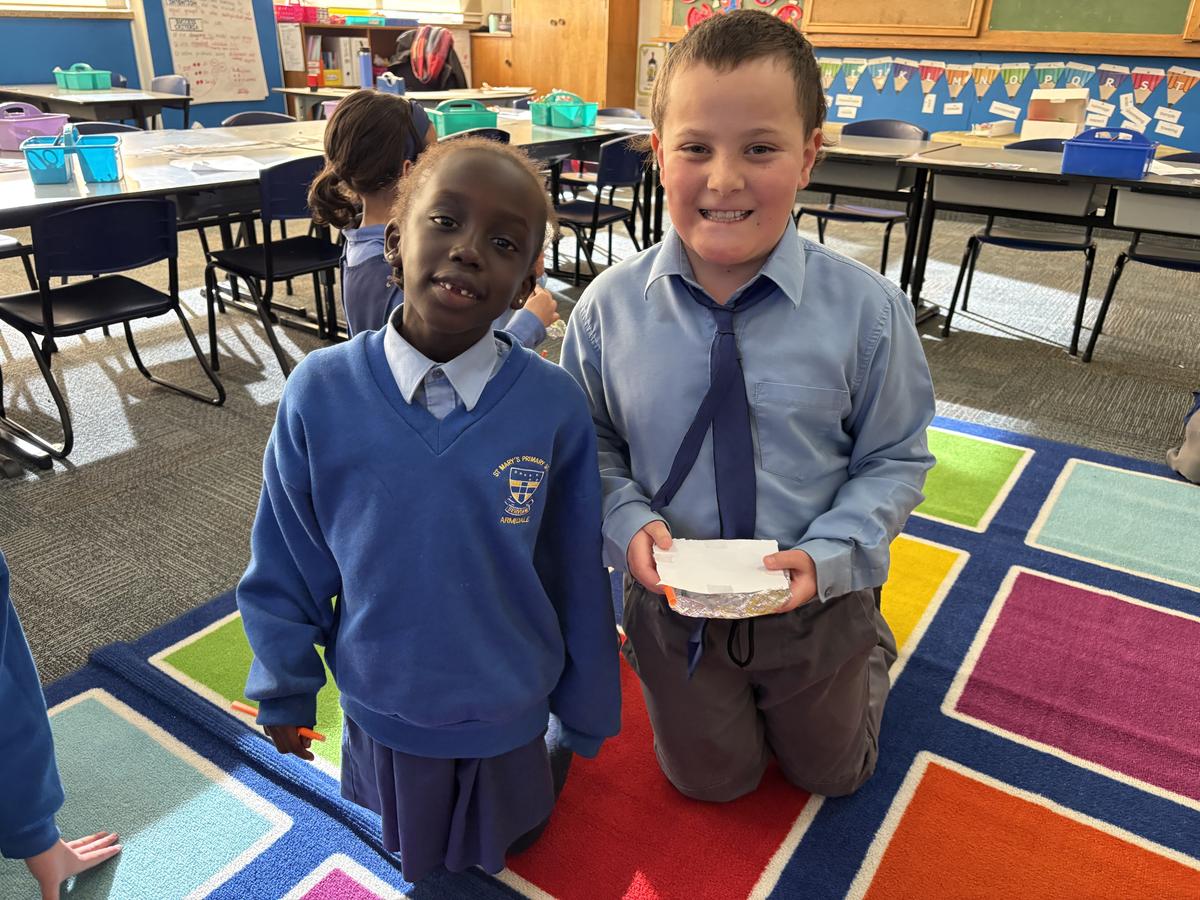
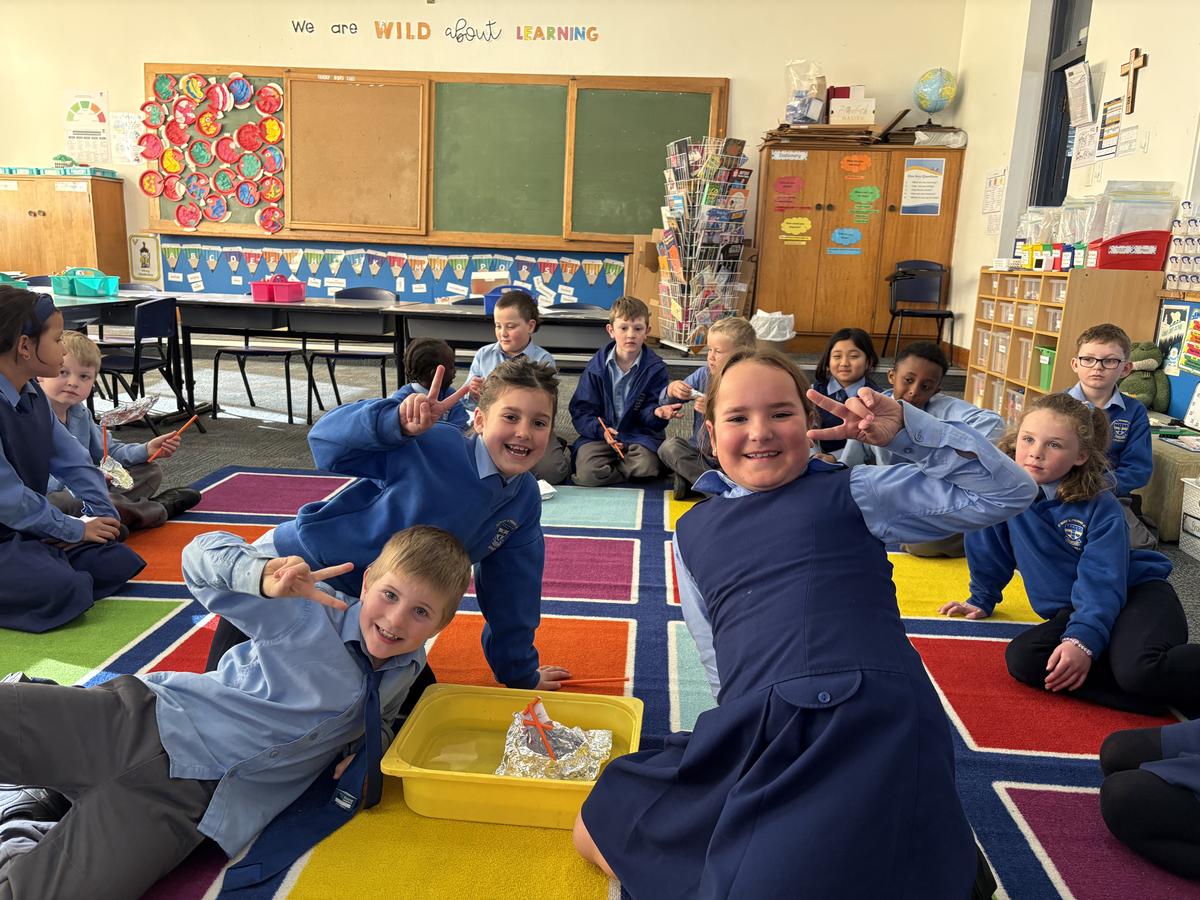
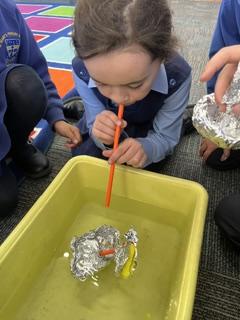
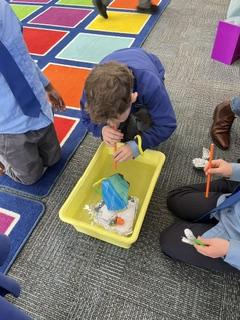
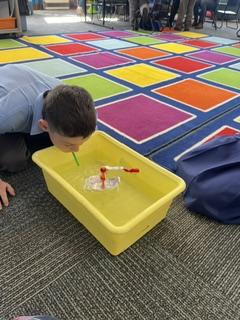
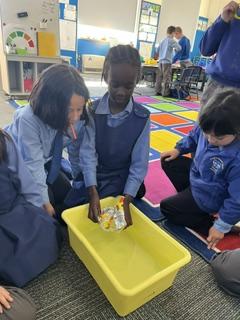
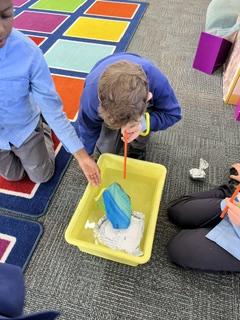
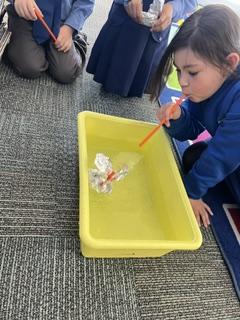
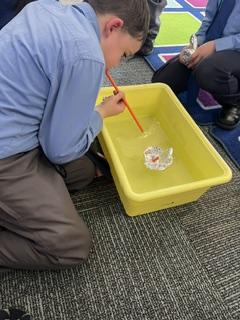
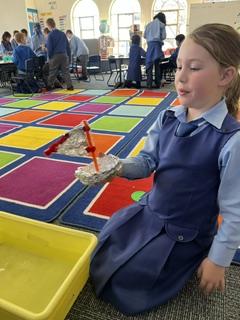
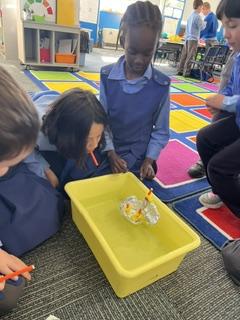
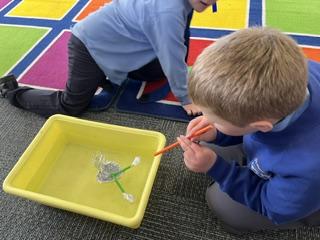
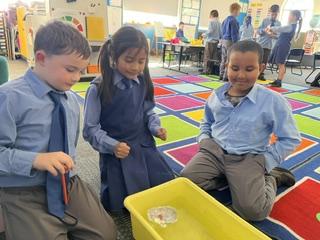
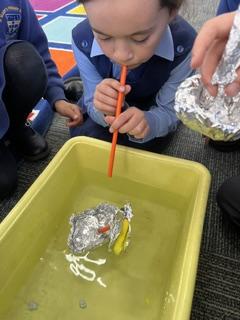
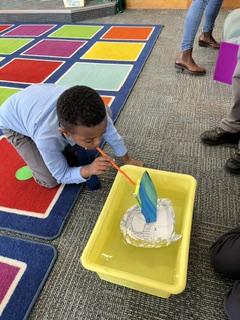
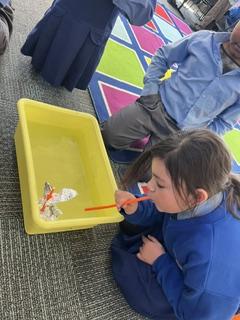
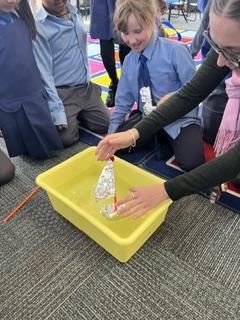
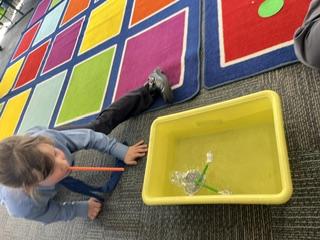
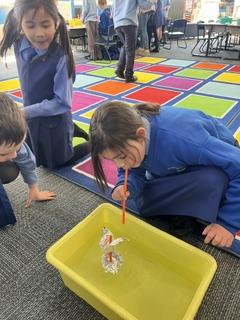
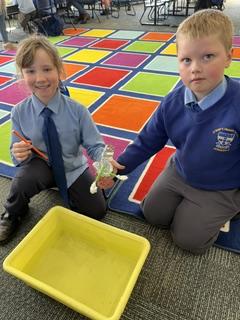
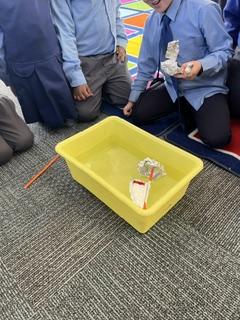
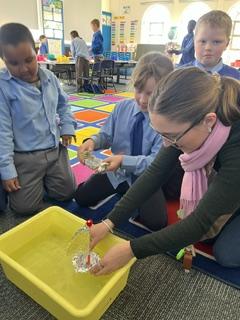
We are learning how objects move.
We are learning to follow a procedure.
Mathematics
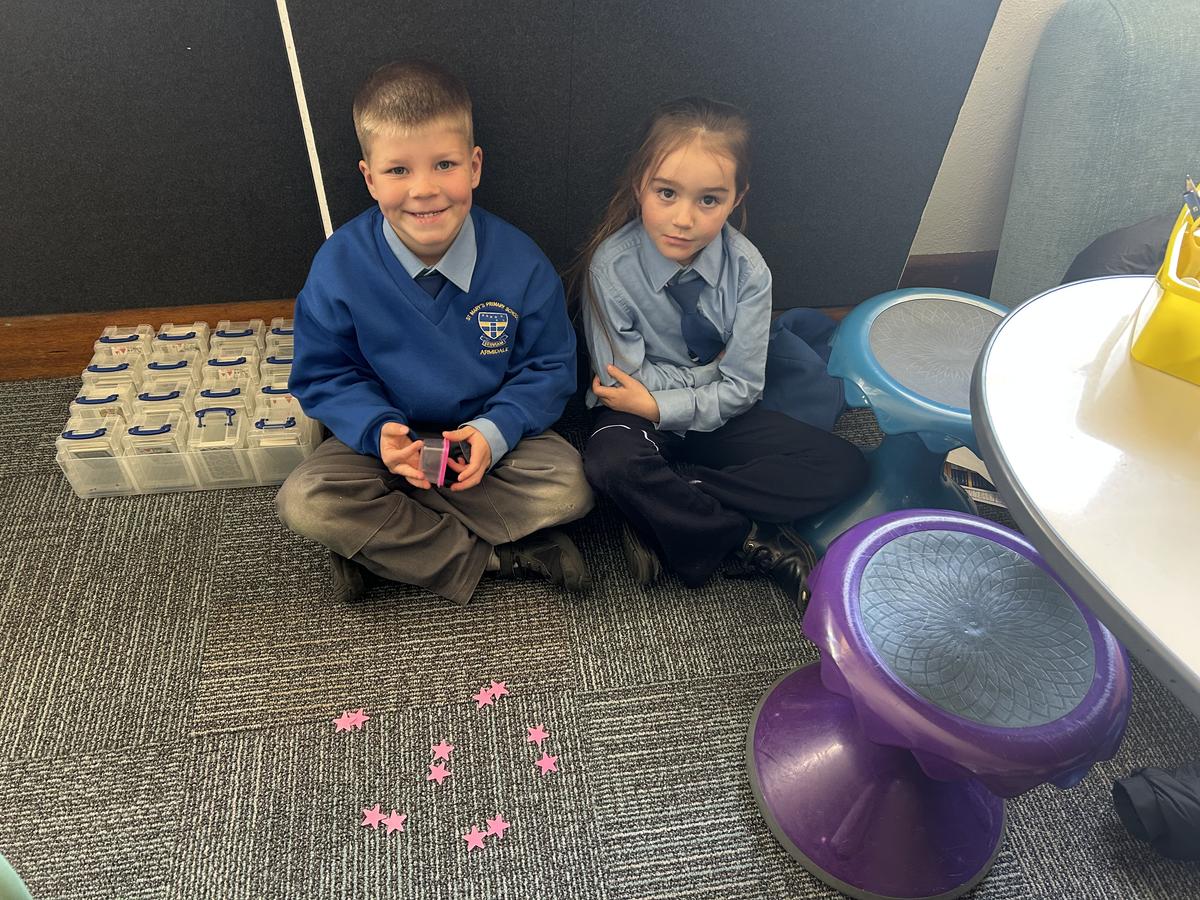
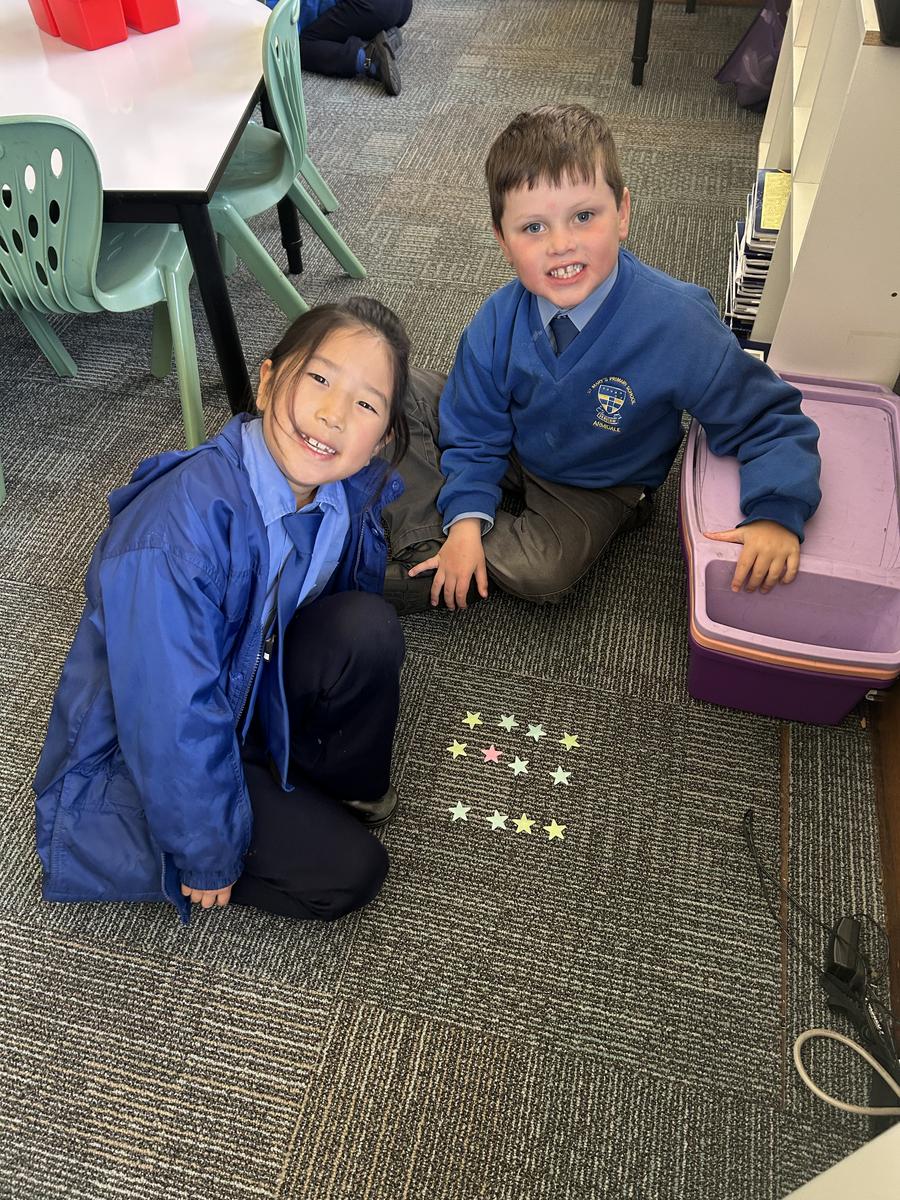
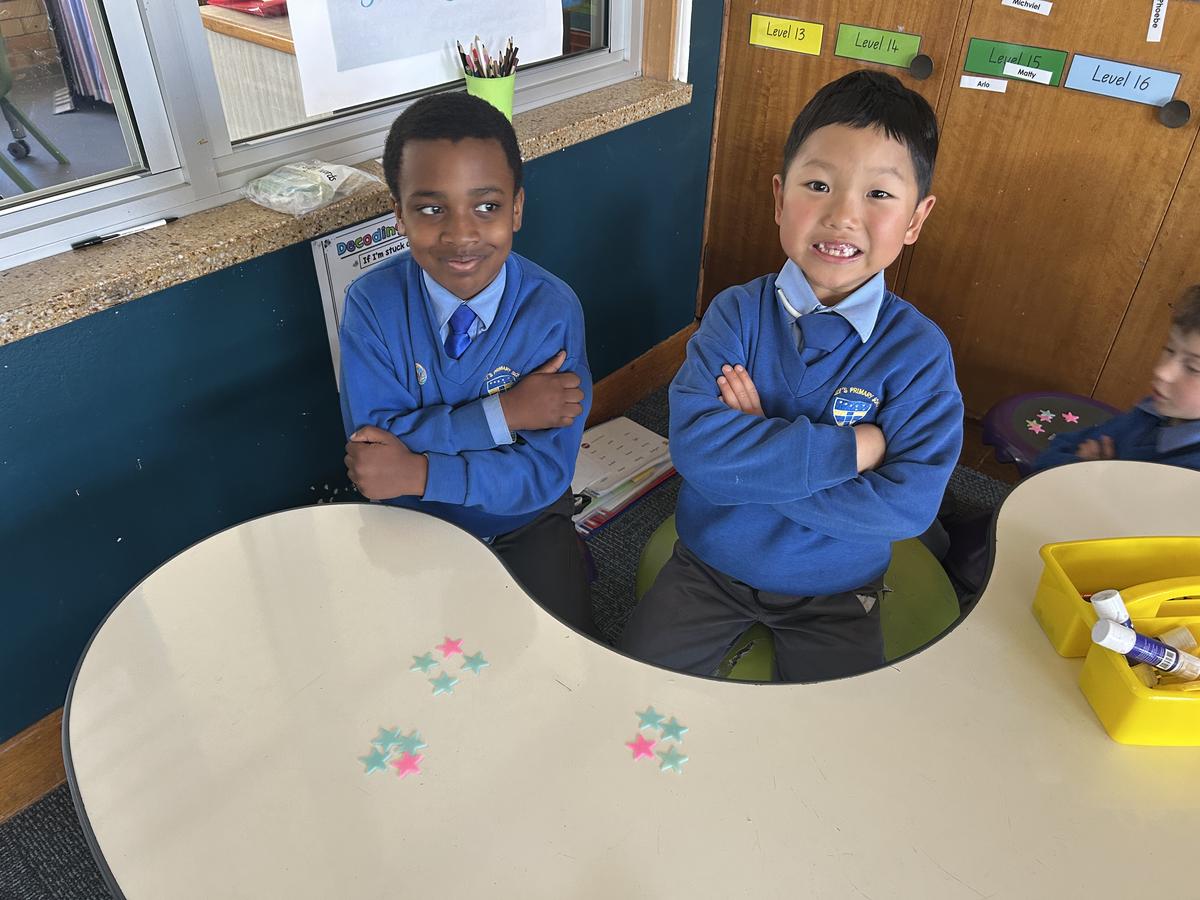
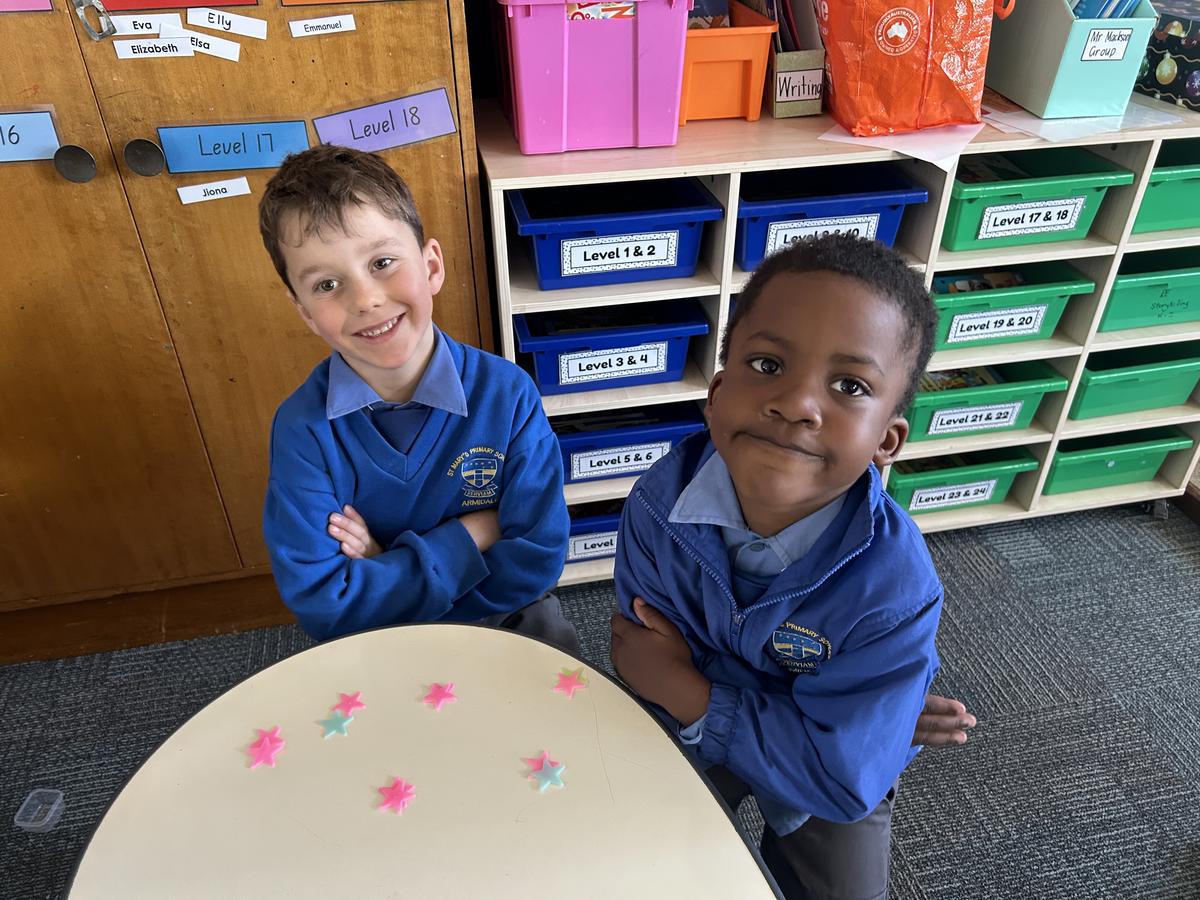
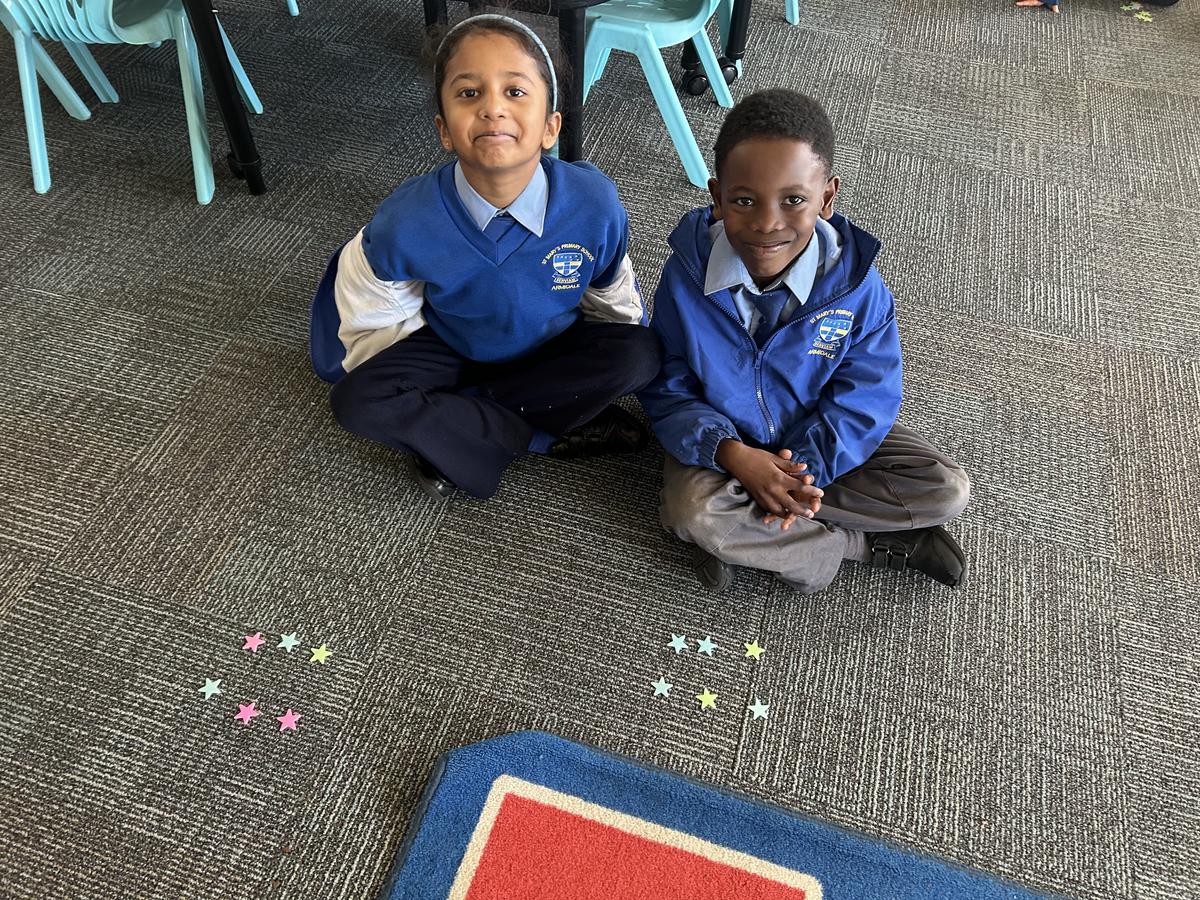
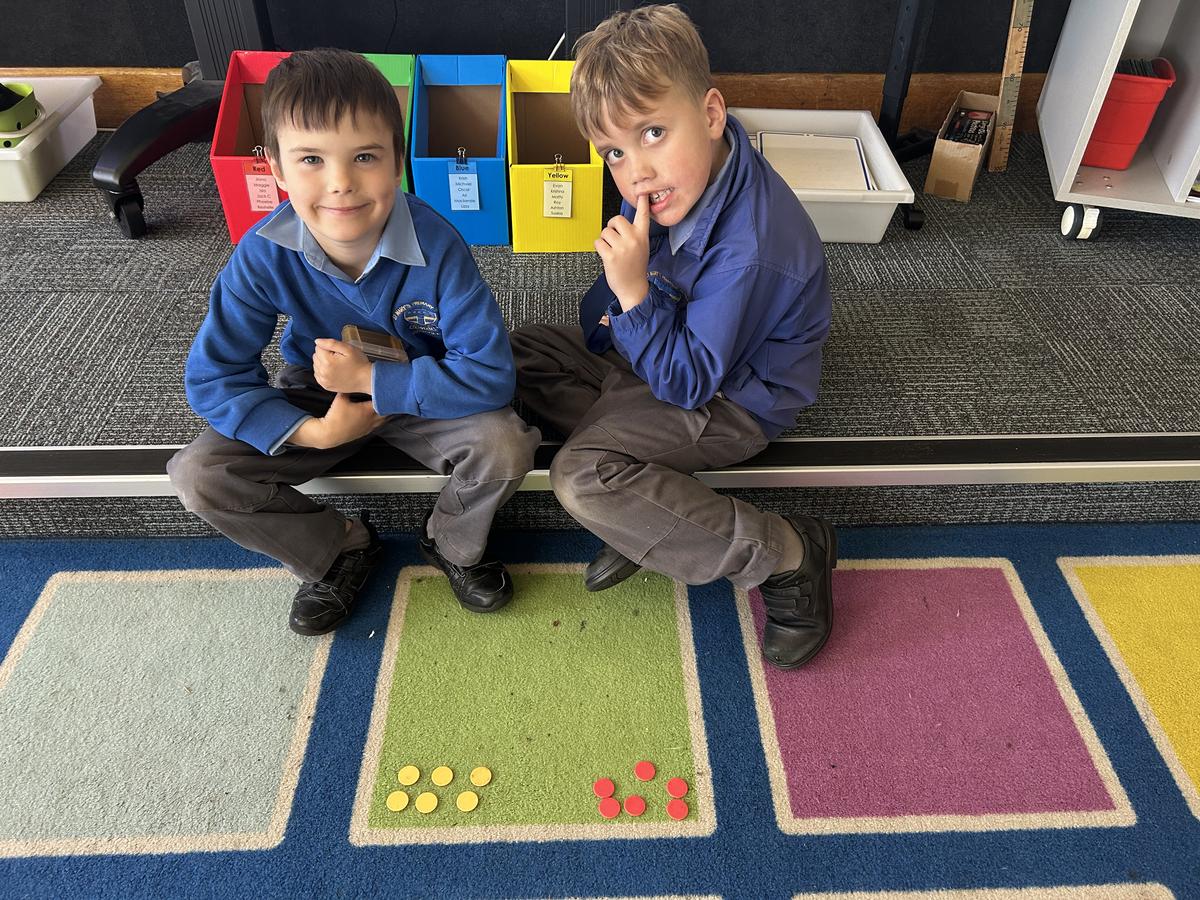
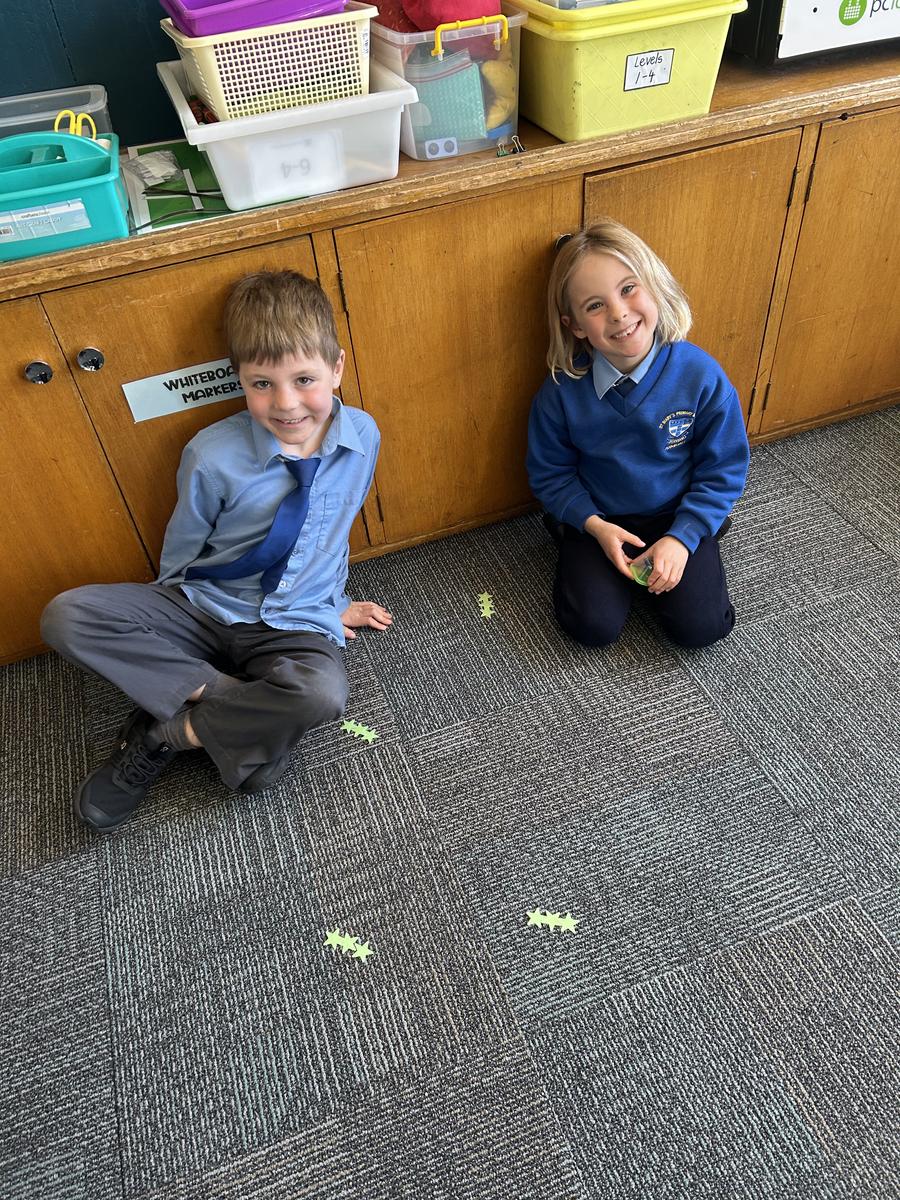
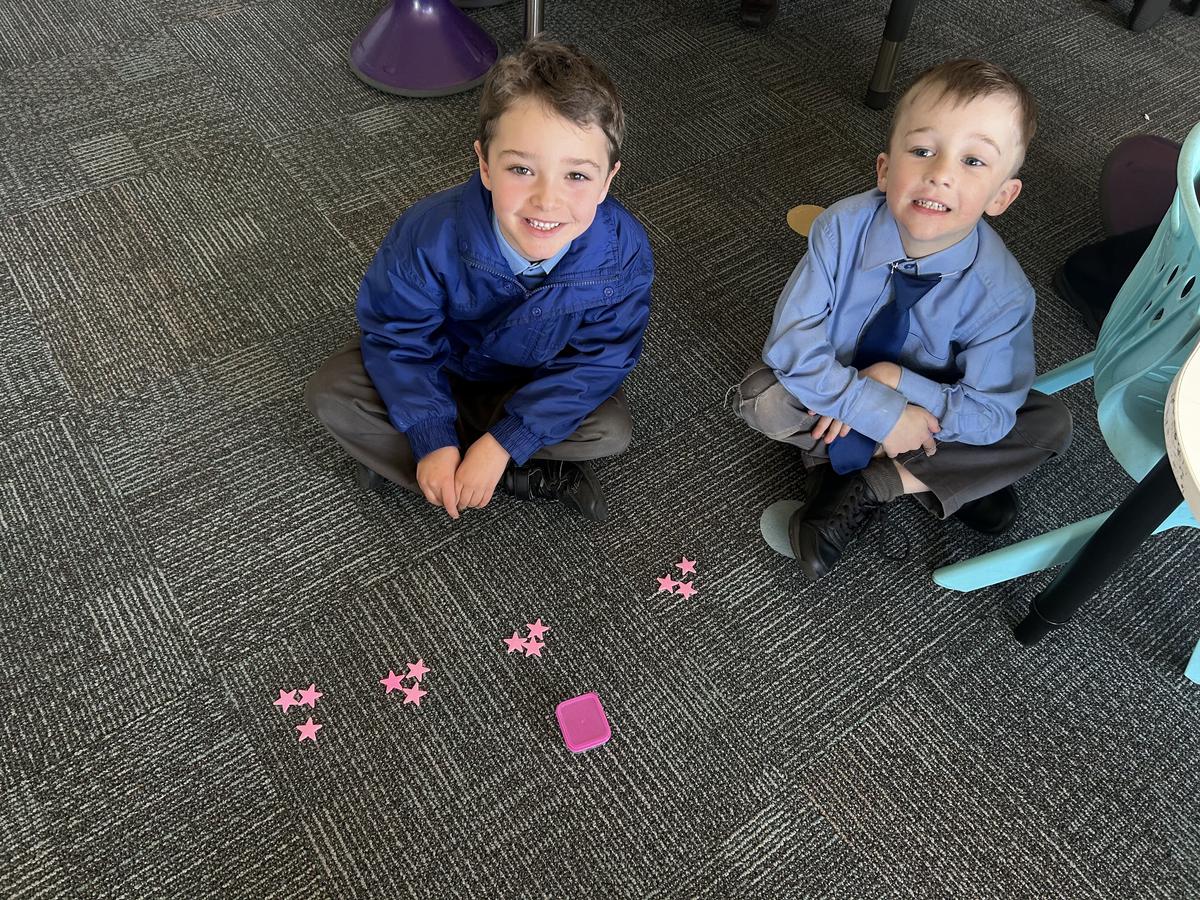
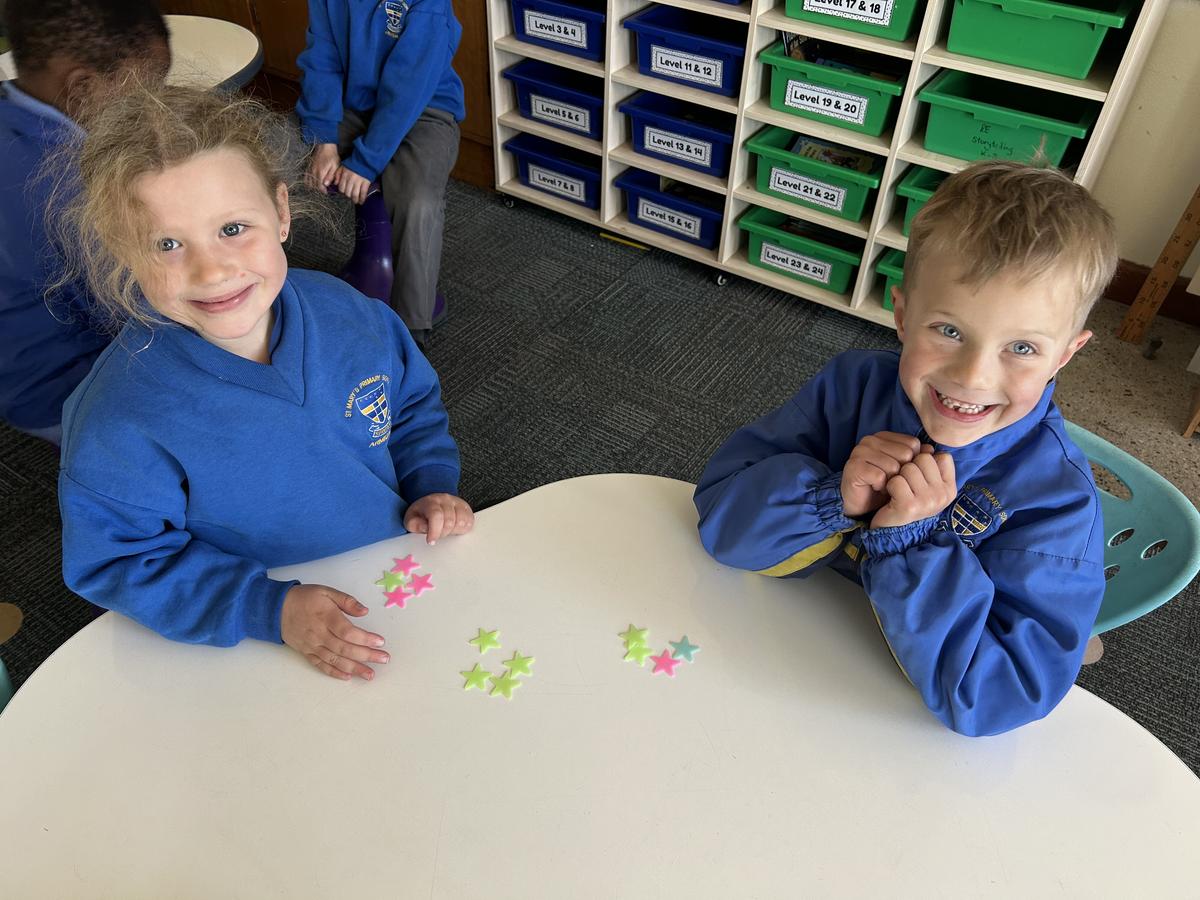
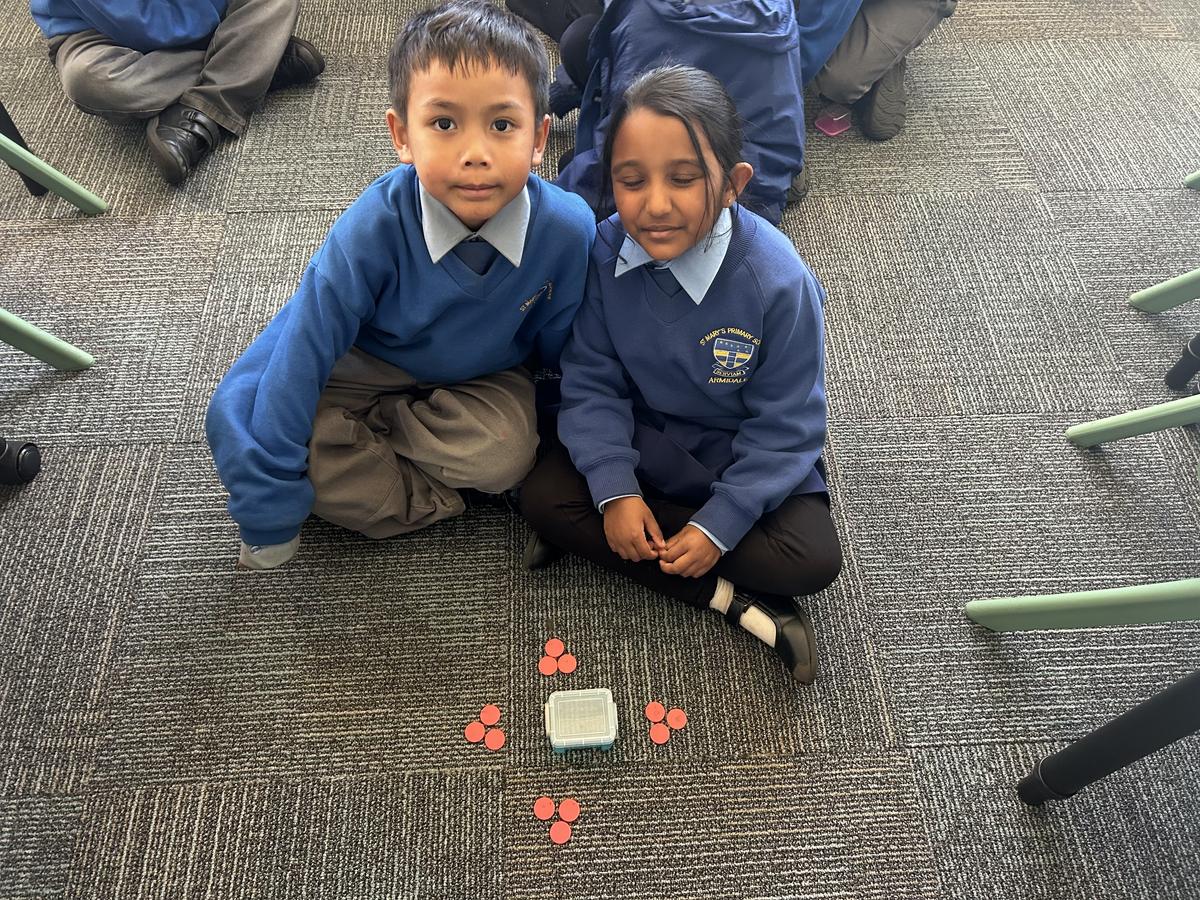
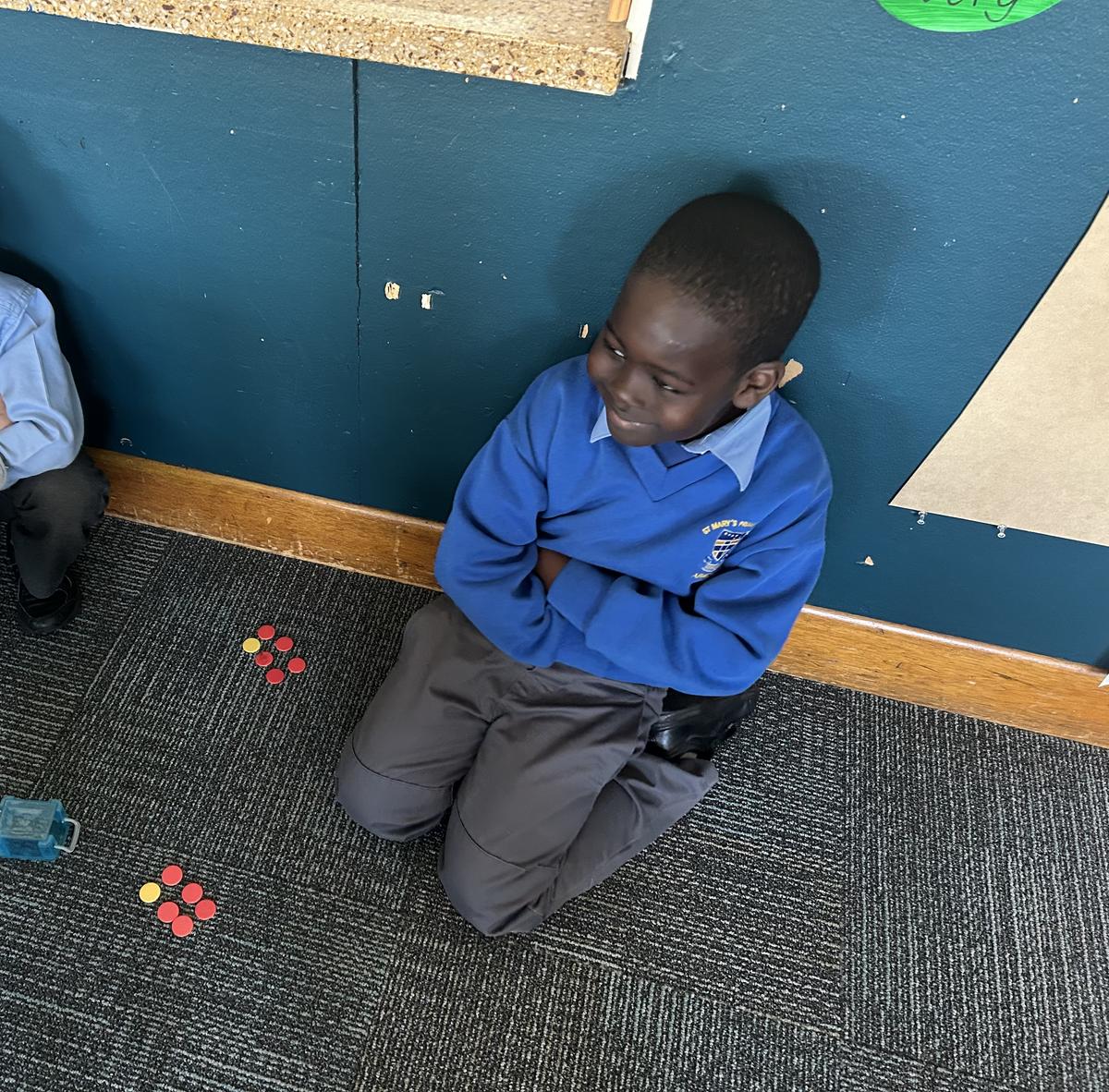
Our students used 12 hands-on counters to create a variety of equal groups, exploring how numbers can be split evenly in different ways. This interactive activity helps build a strong visual foundation for early multiplication and division skills.
Religion
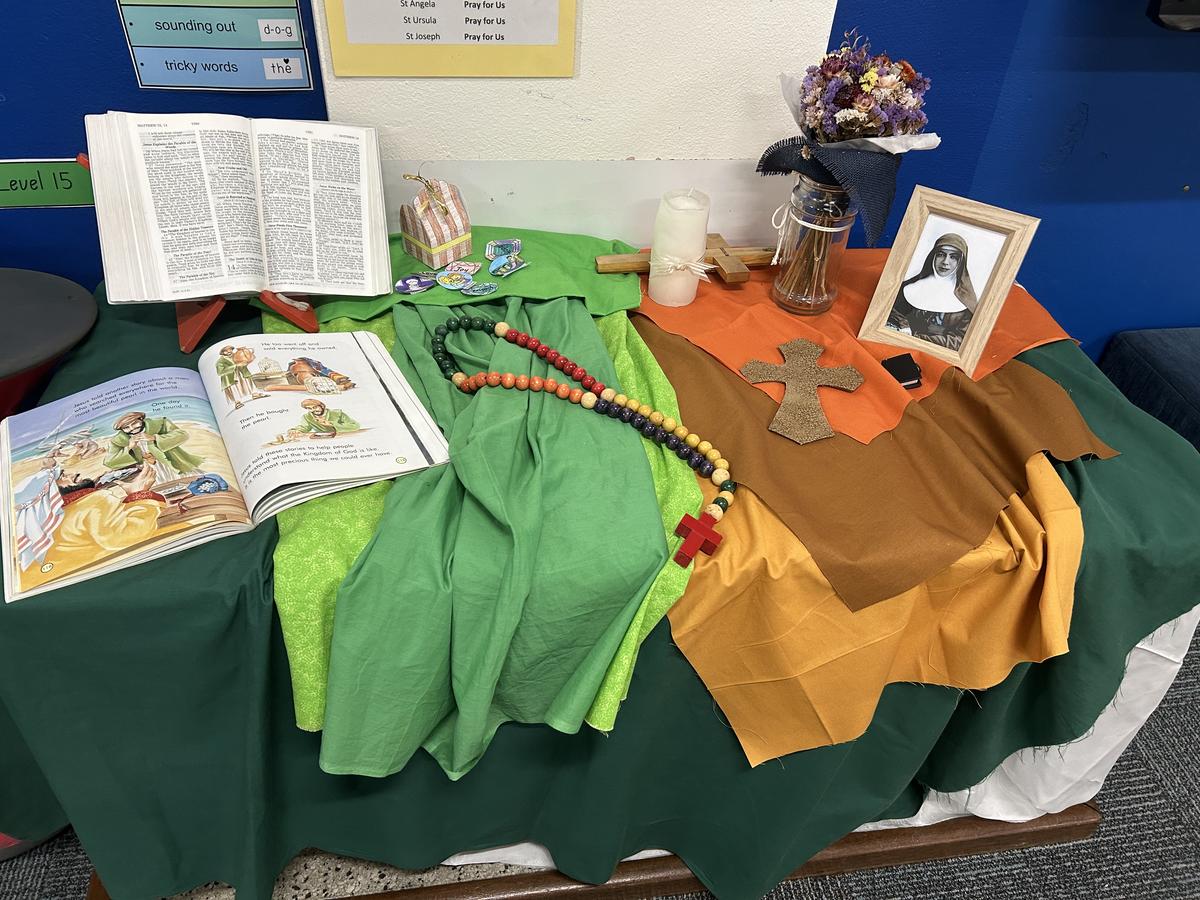
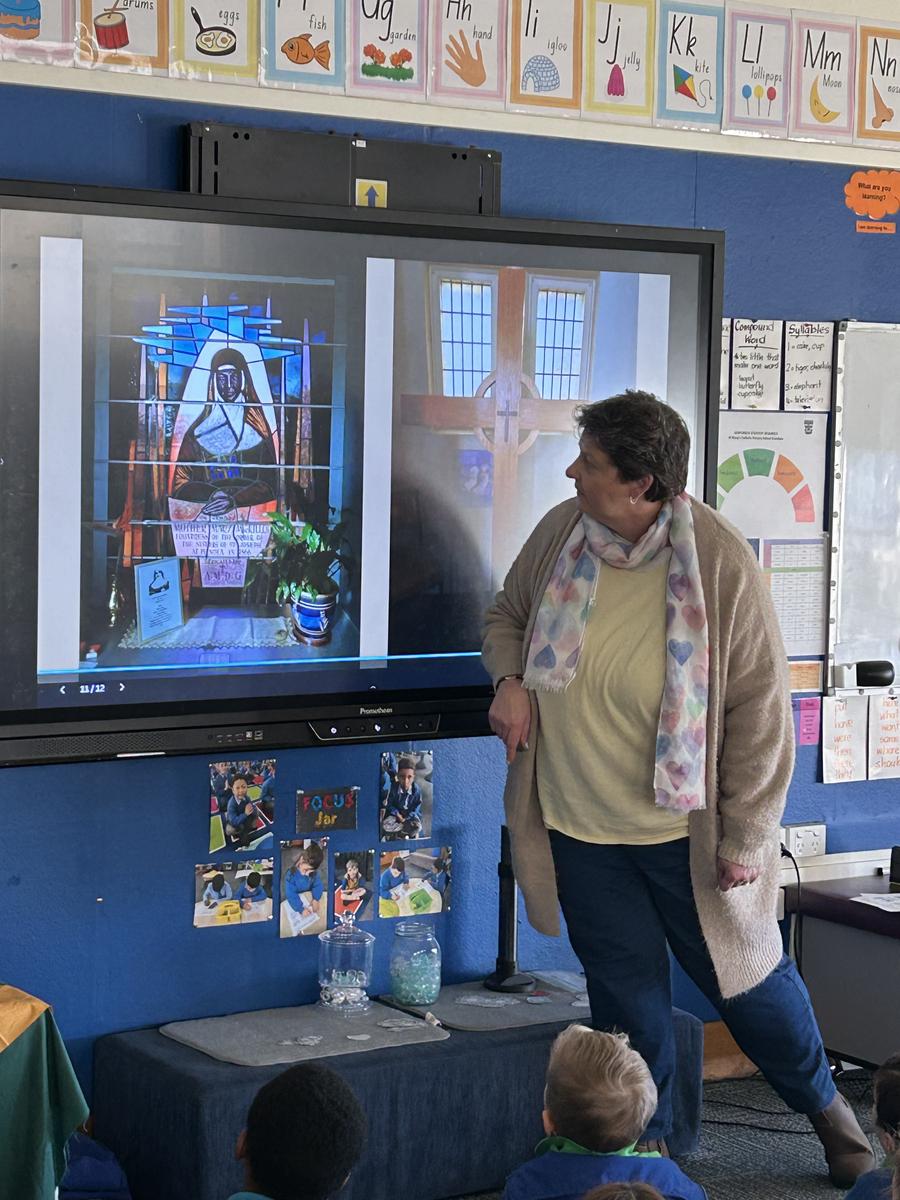
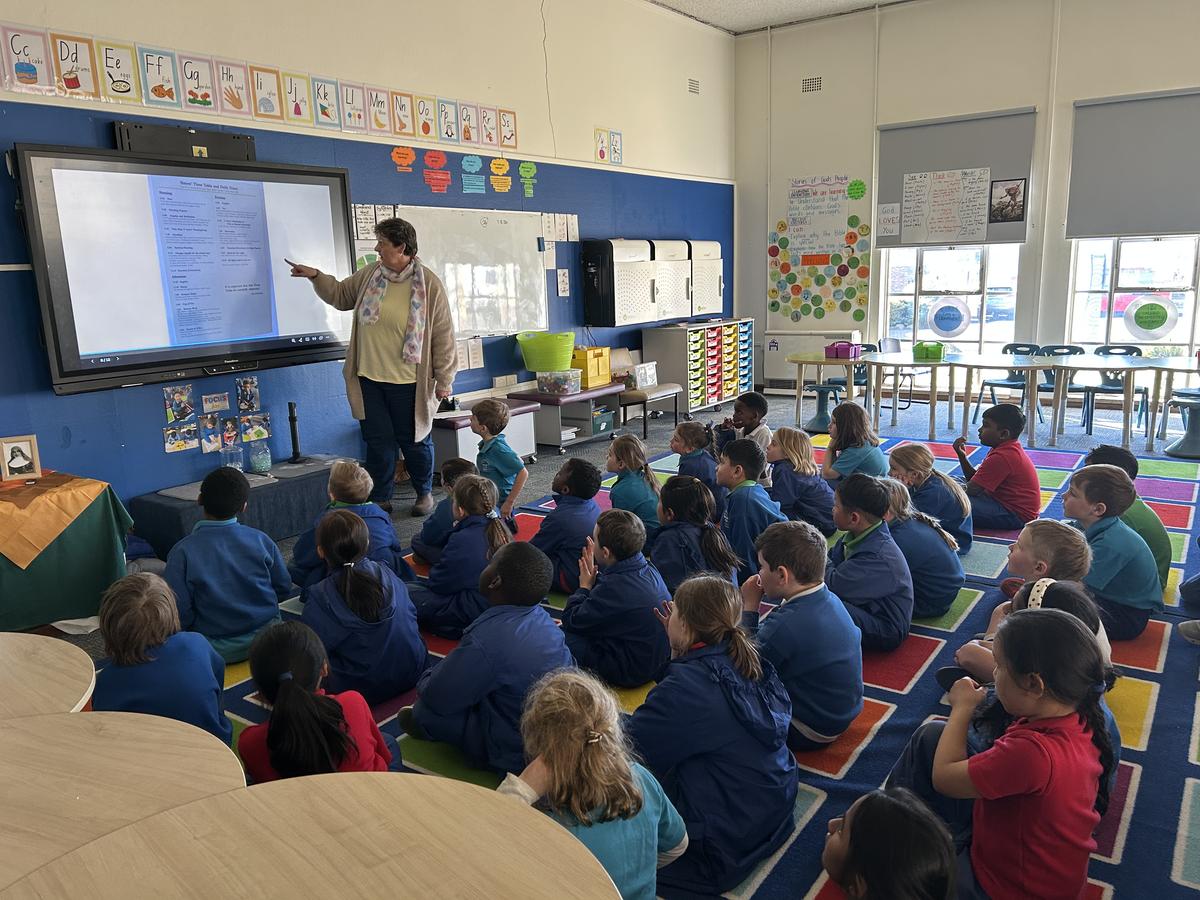
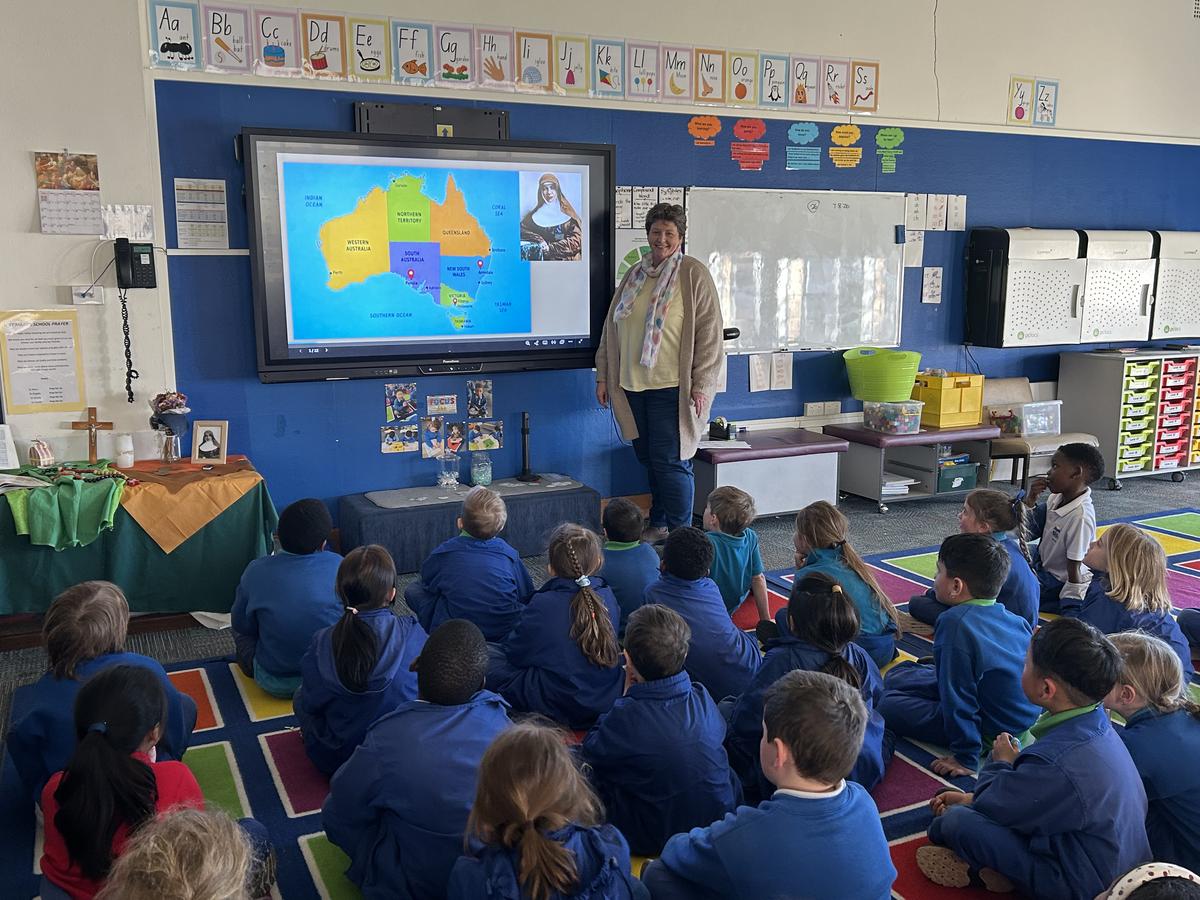
On Friday 7th August we celebrated the feast day of St. Mary of the Cross MacKillop with a whole school mass in the Cathedral. Mrs. Troon shared photos from a past family holiday to Penola in South Australia where Mary MacKillop spent her early adult years working and teaching here.
English
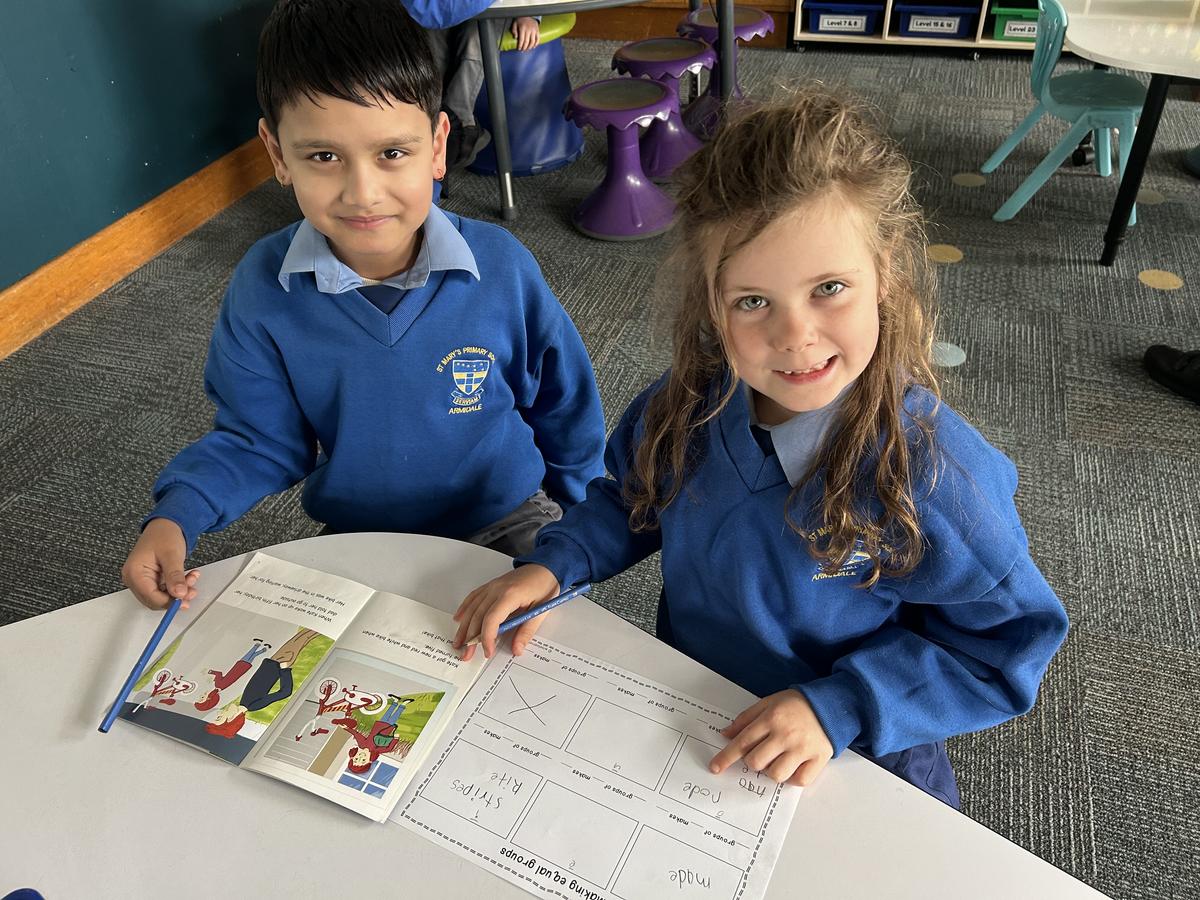
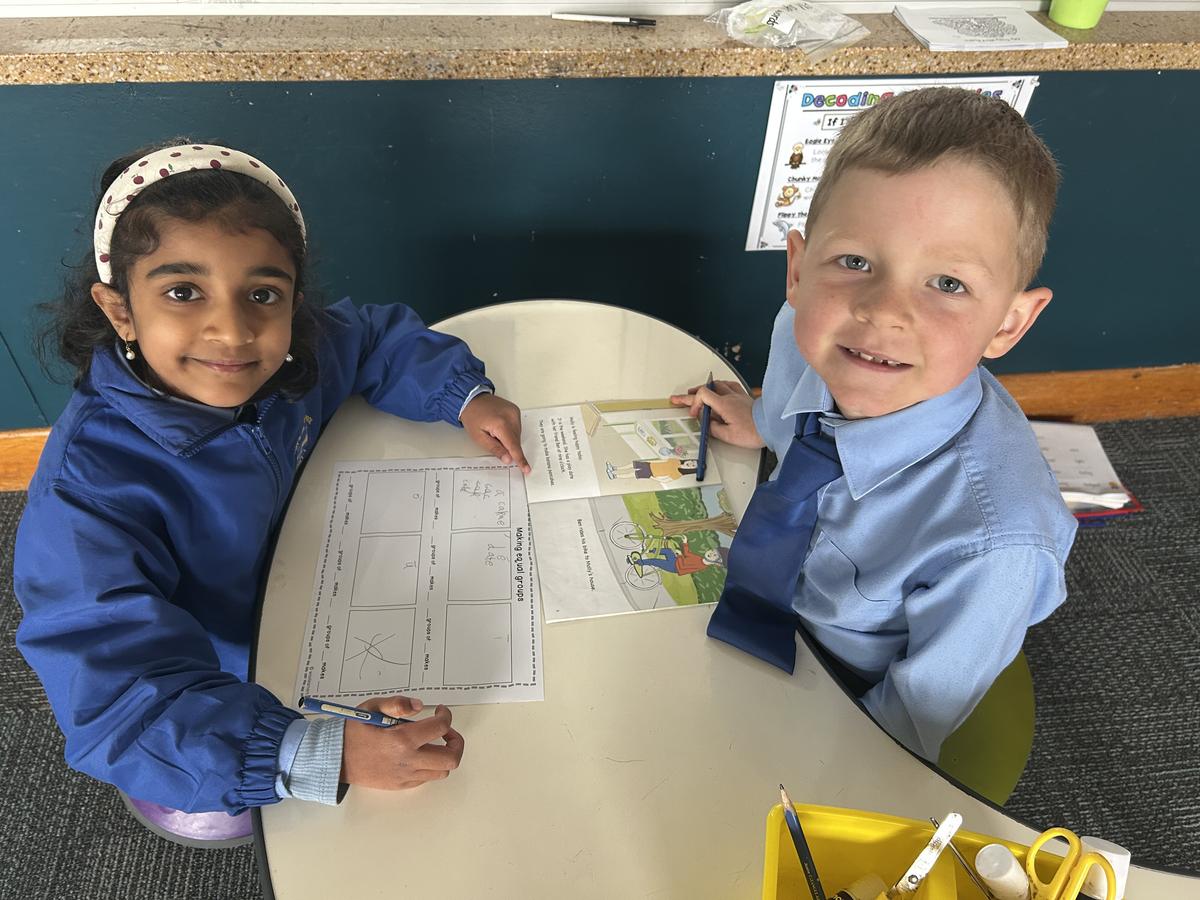
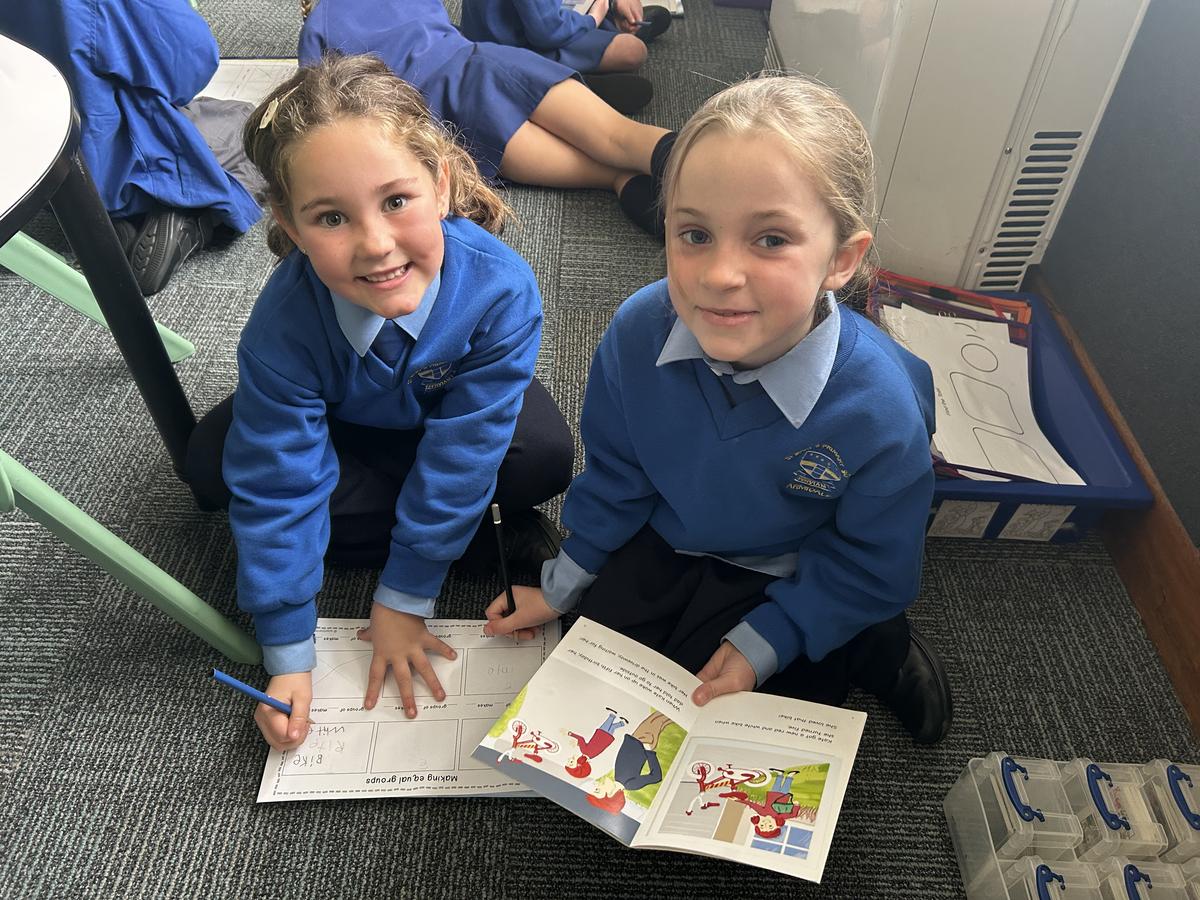
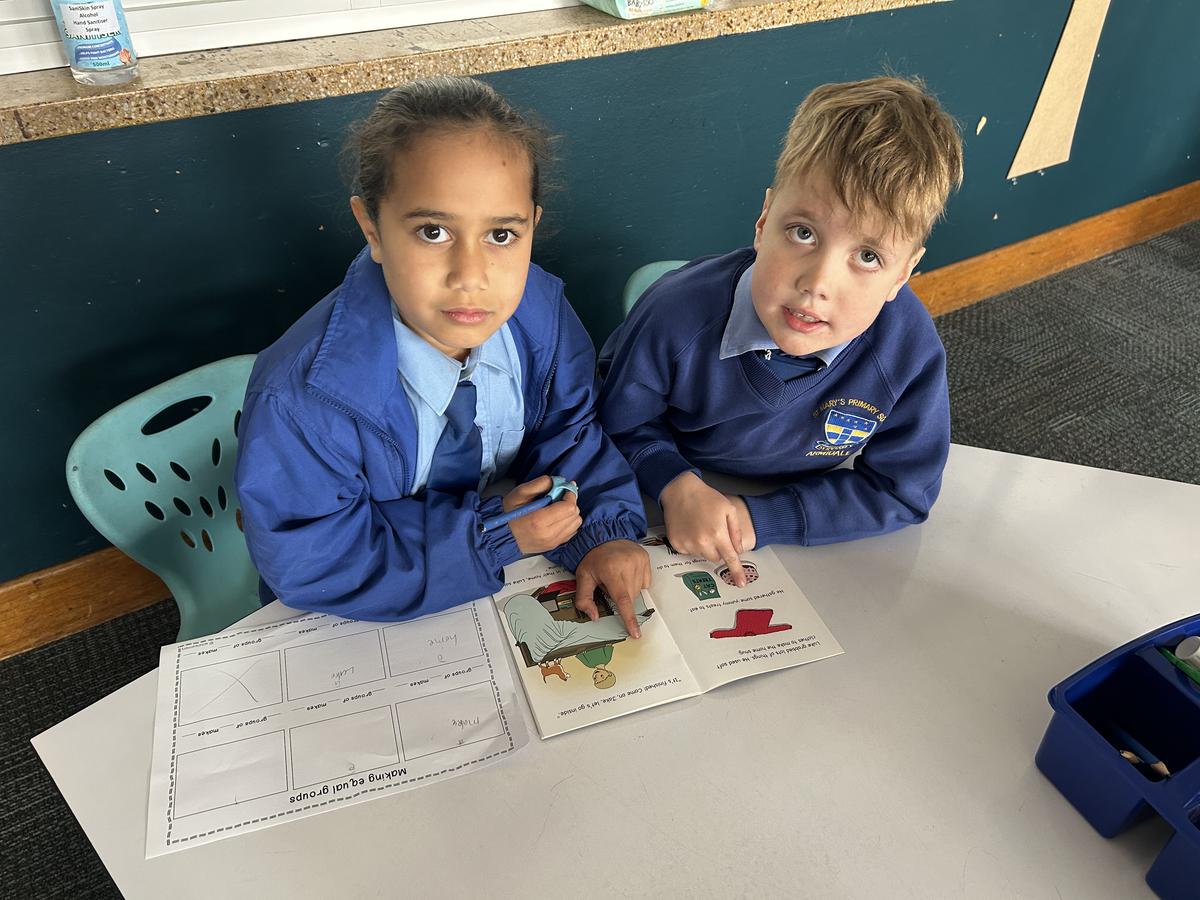
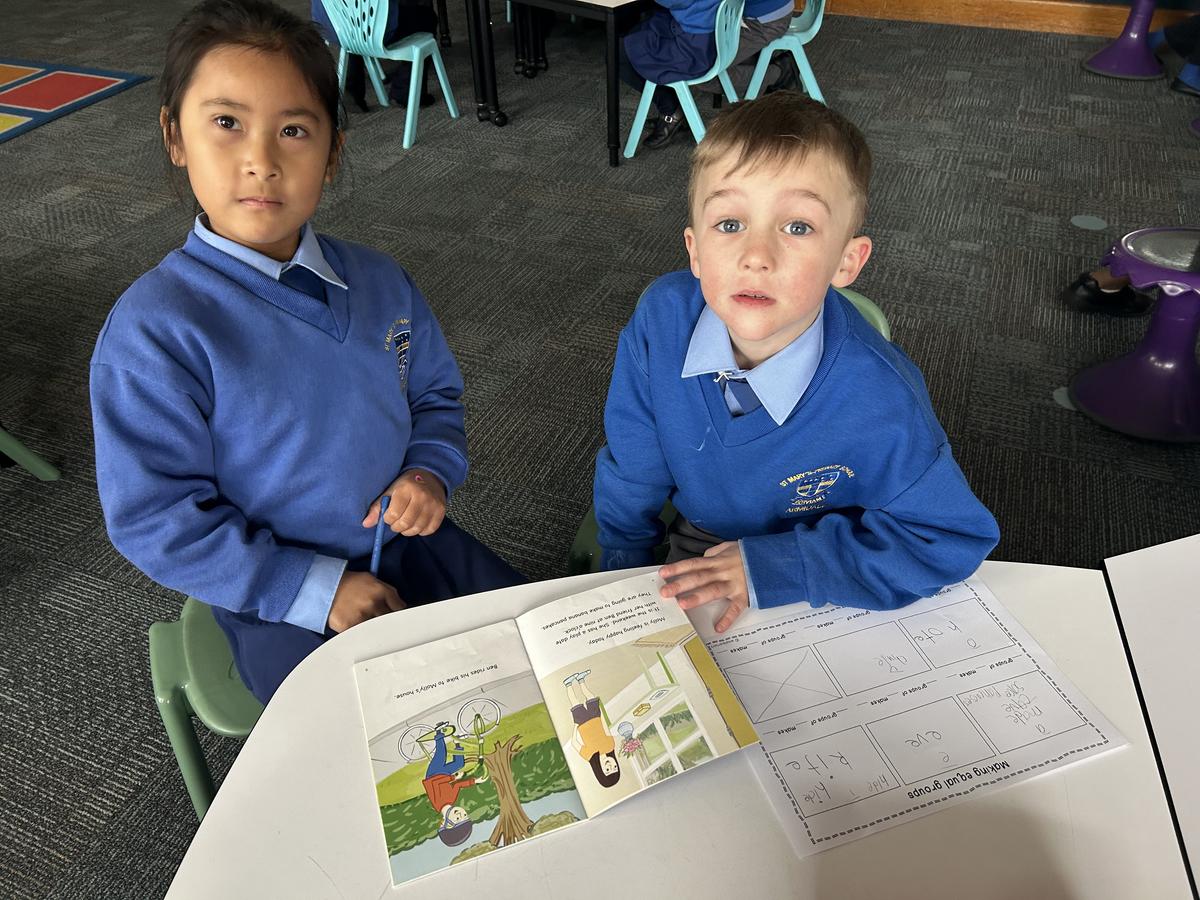
Team work makes the dream work! How many 'bossy e' words can we find in a chosen text. Students worked together to read a variety of texts and hunt for words where the 'e' at the end is making the vowel say its name (a long vowel sound).
Religion
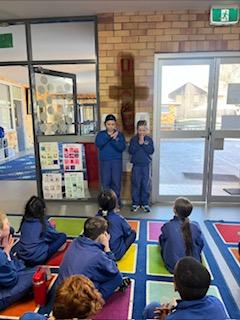
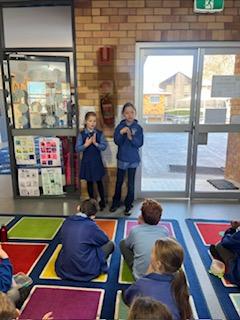
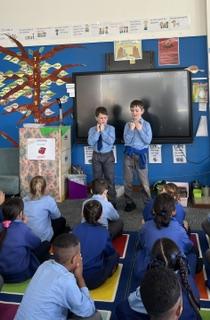
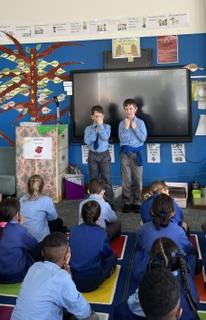
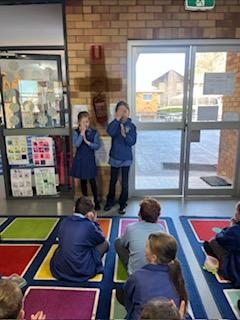
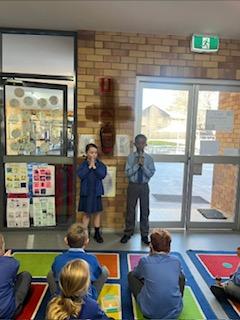
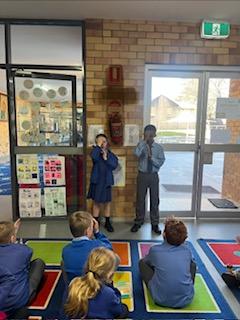
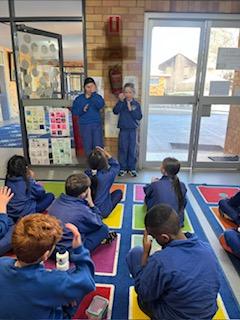
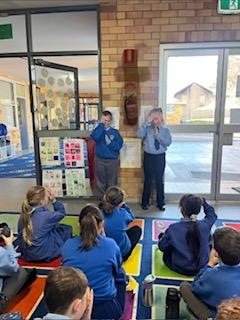
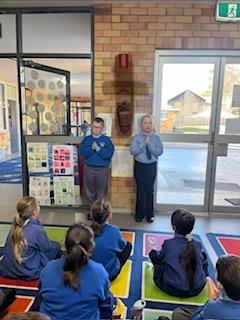
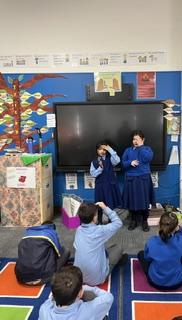
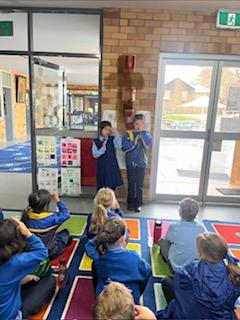
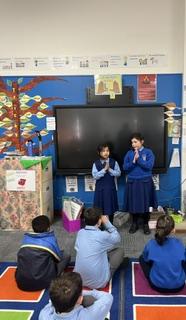
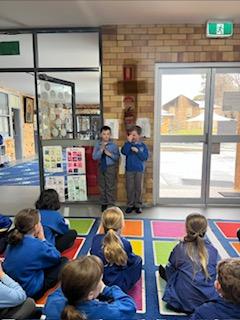
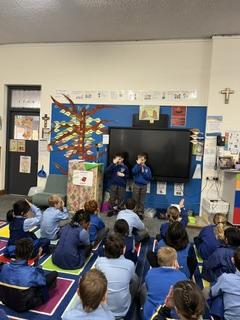
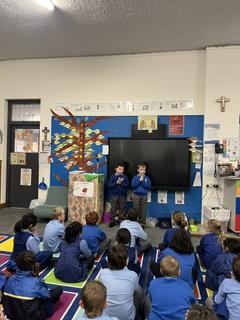
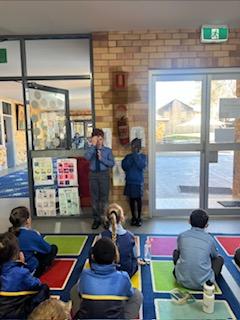
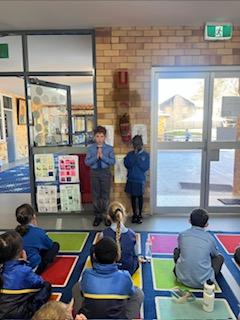
Weare learning that saints are ordinary people who reflect God’s goodness to the world.
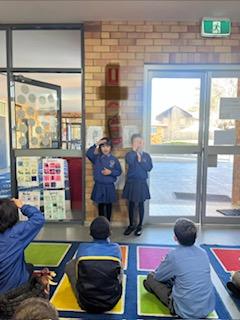
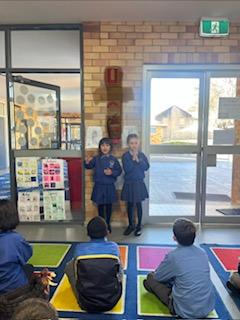
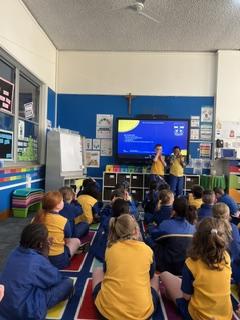
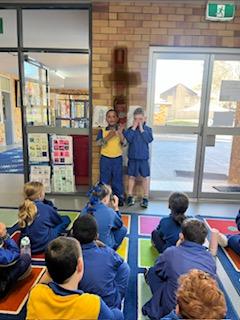
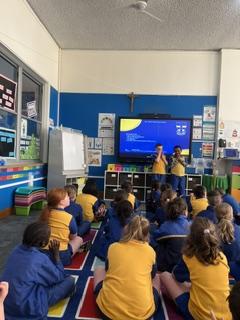
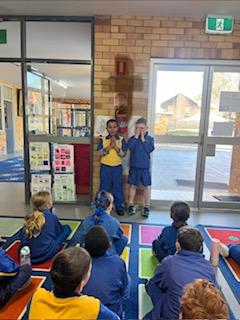
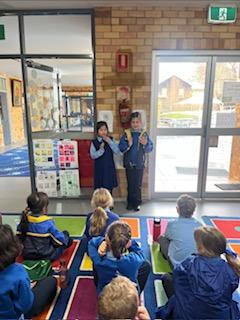
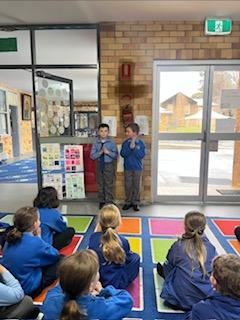
Students reflecting God’s goodness as they lead prayer.
Maths
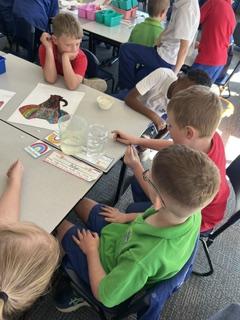
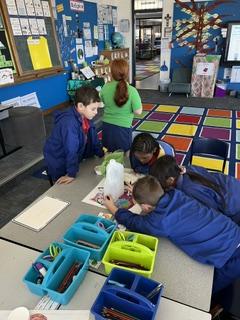
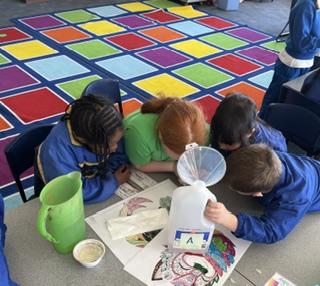
Students calibrating their container when learning Volume and Capacity.
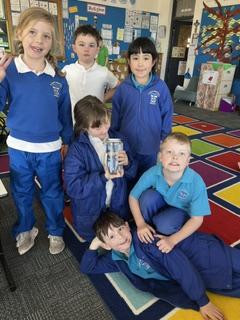
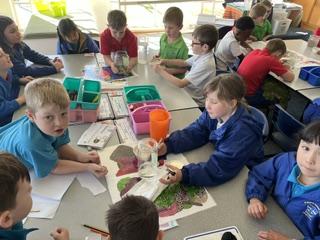
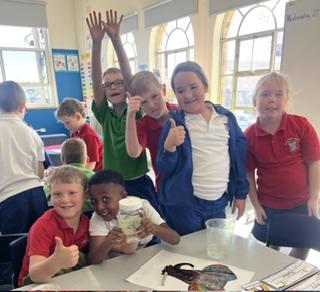
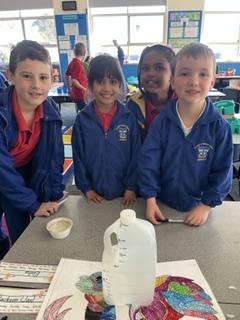
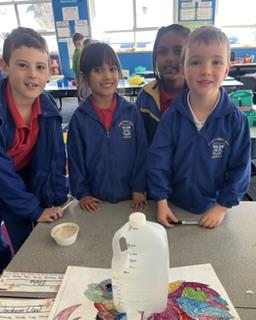
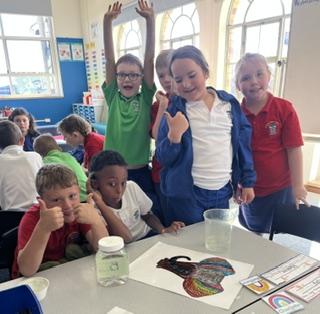
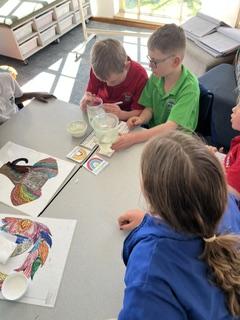
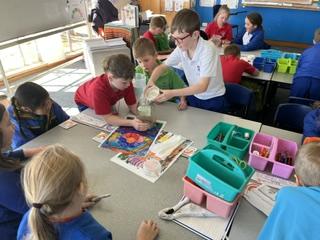
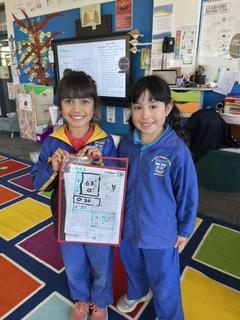
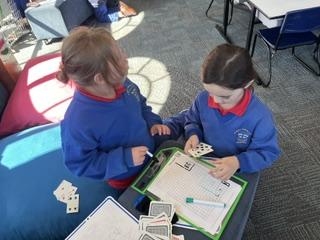
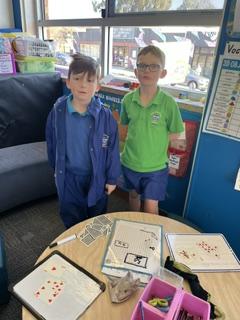
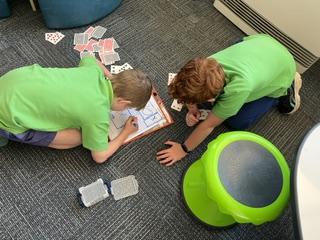
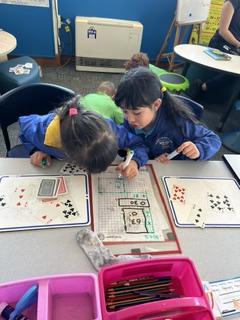
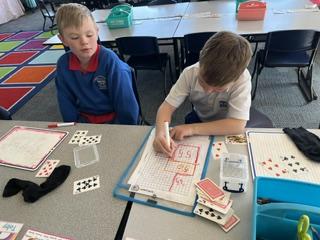
Students playing Maths games as they learn about arrays in Multiplication.
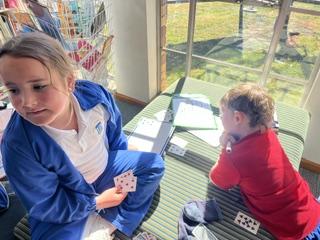
Science
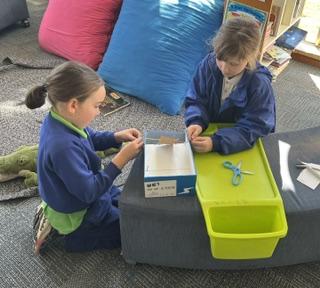
Designing in Science
Car launcher - learning about forces
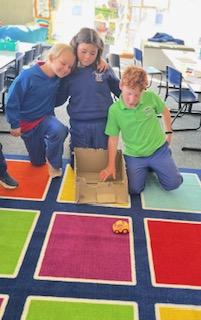
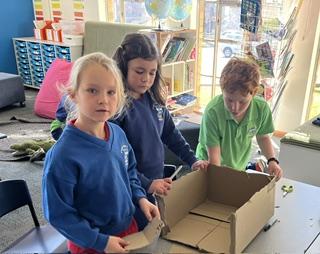
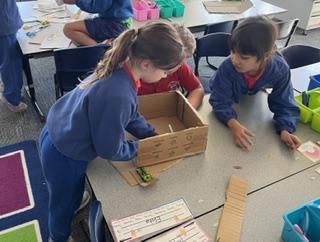
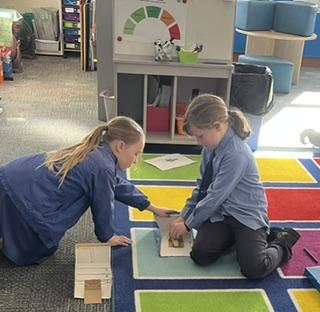
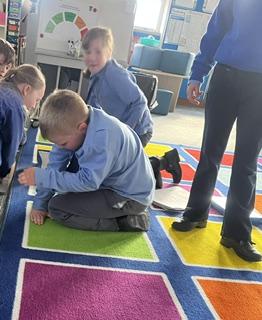
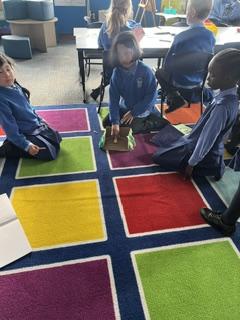
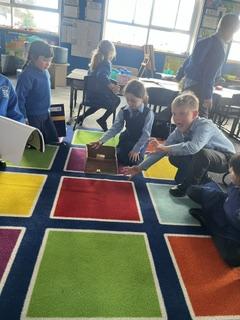
Boat experiment - learning about forces
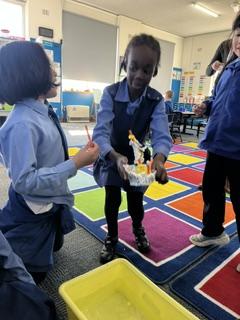
Visual Art
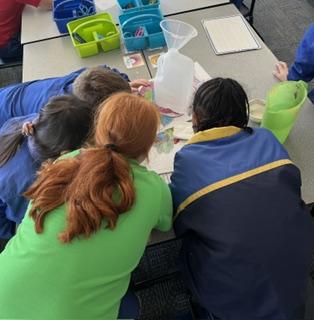
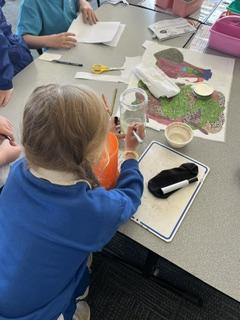
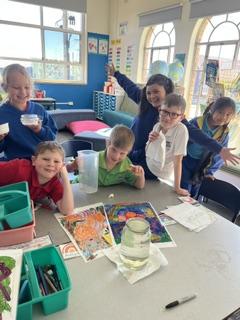
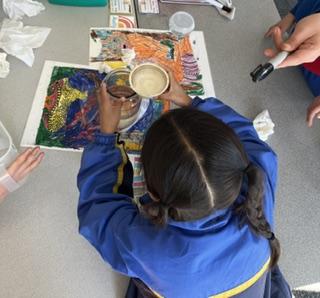
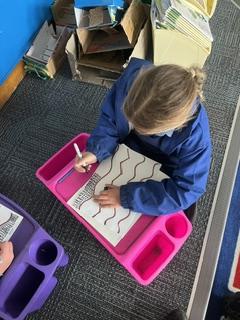
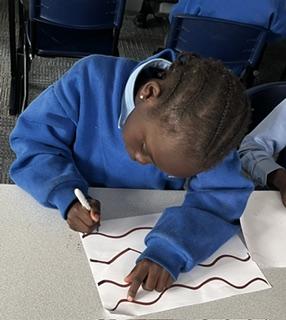
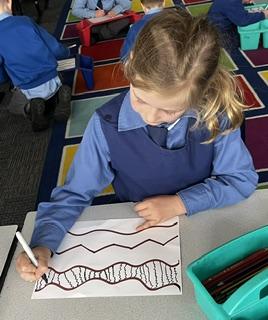
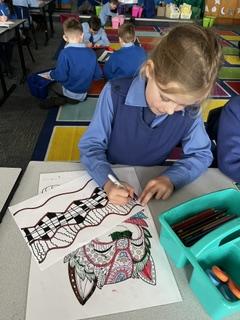
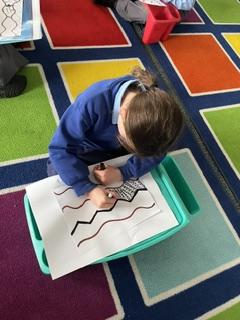
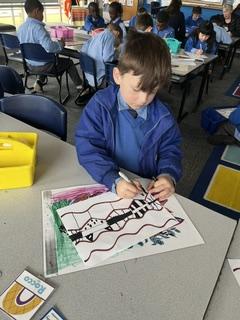
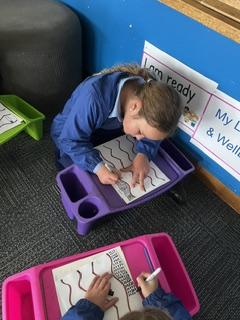
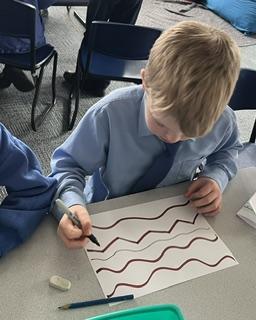
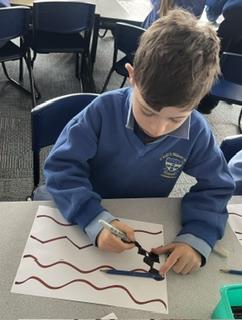
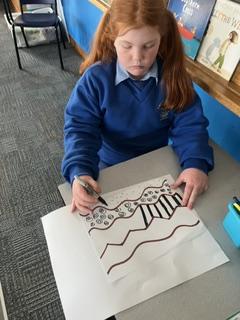
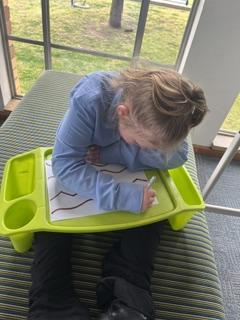
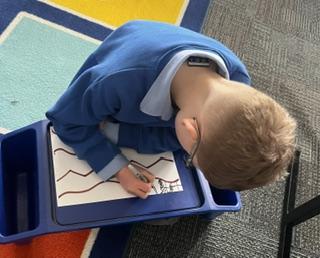
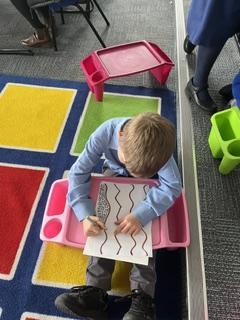
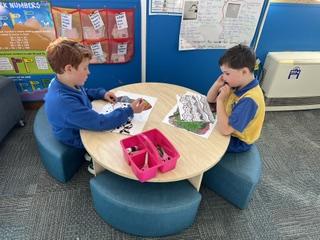
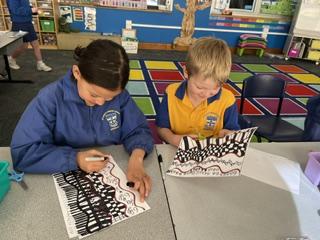
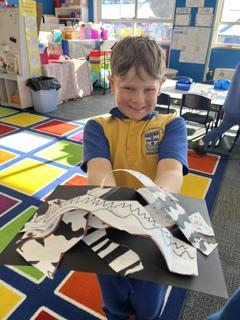
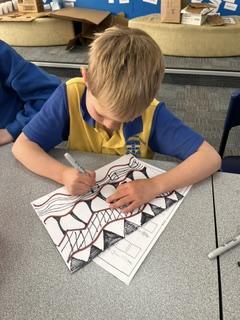
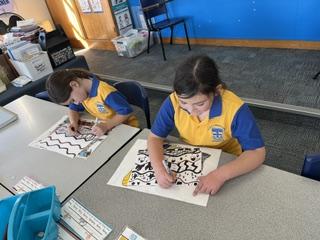
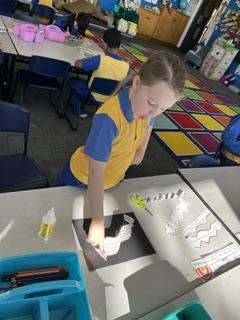
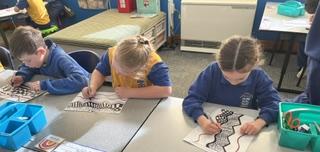
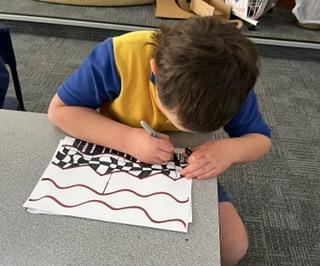
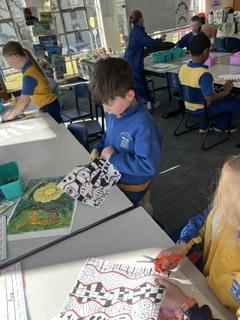
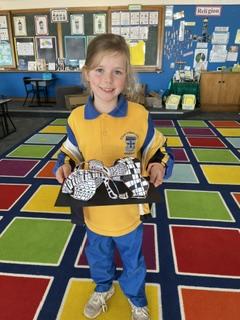
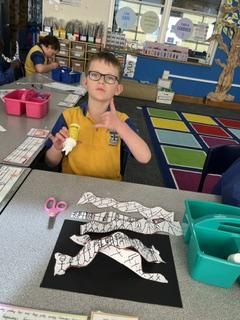
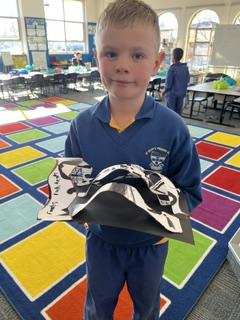
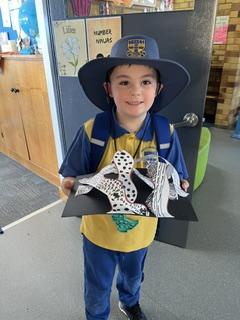
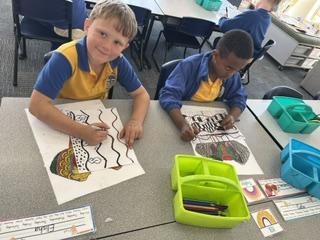
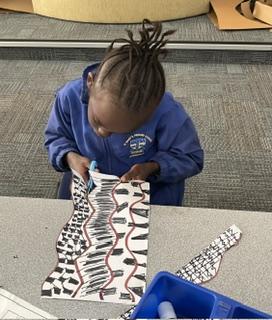
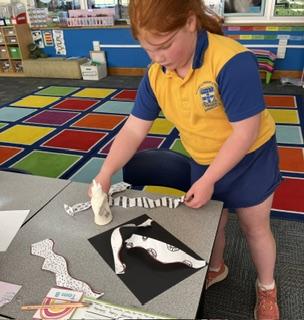
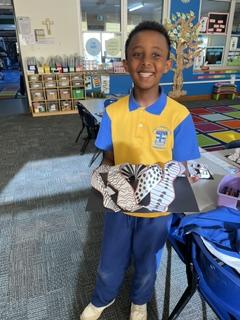
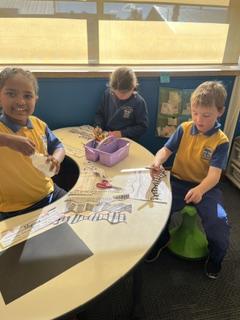
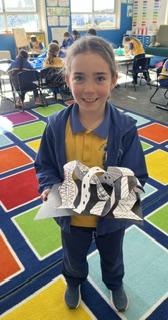
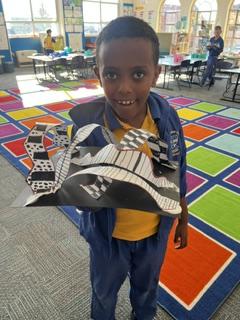
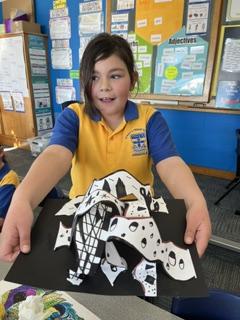
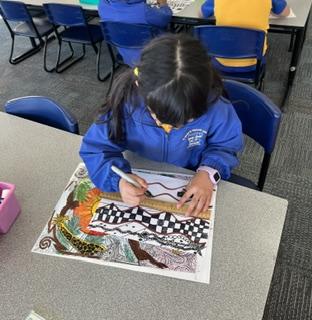
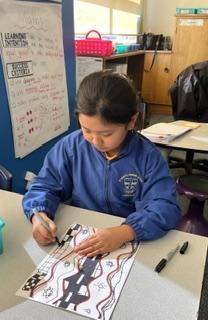
Students create a 3D sculpture inspired by the artist Charles McGee.
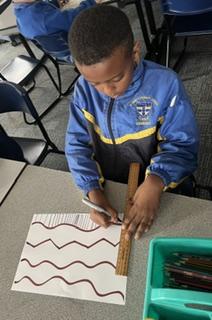
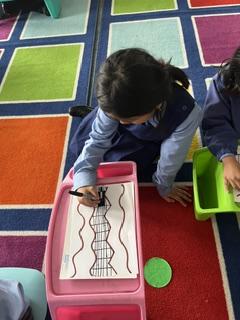
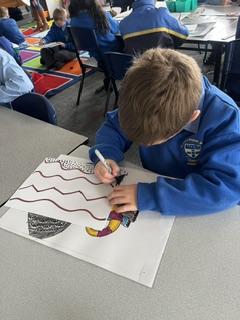
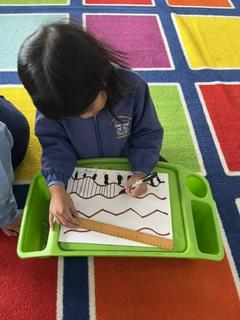
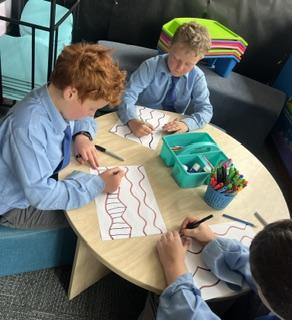
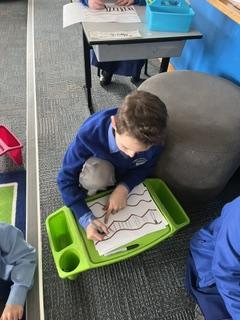
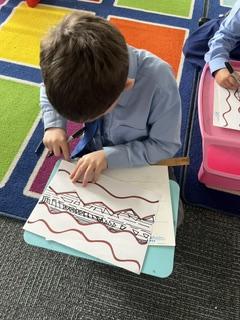
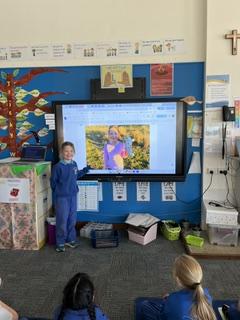
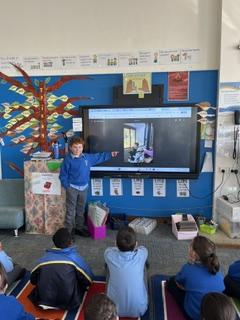
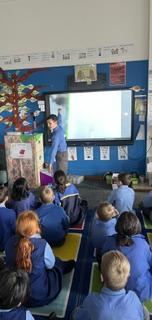
Show and Tell
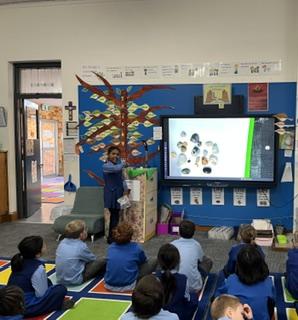
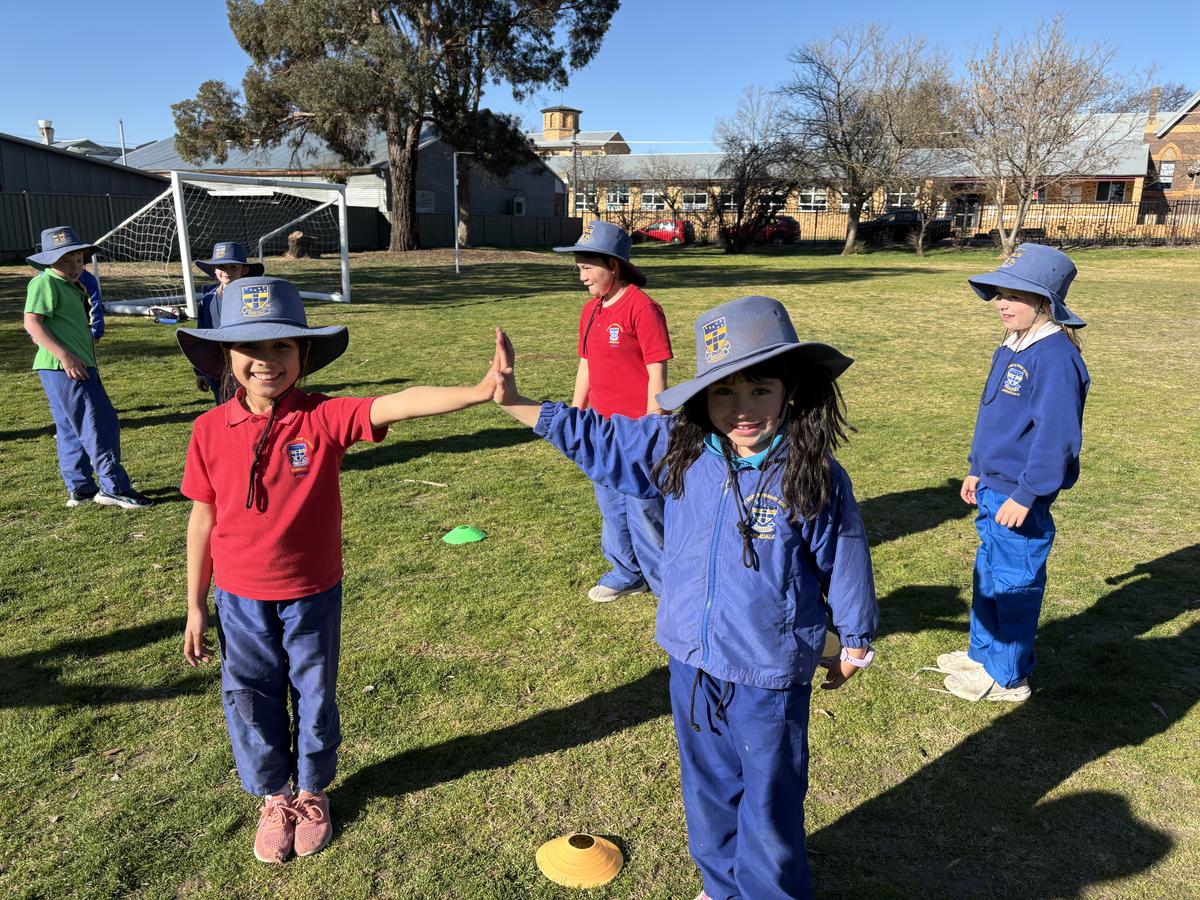
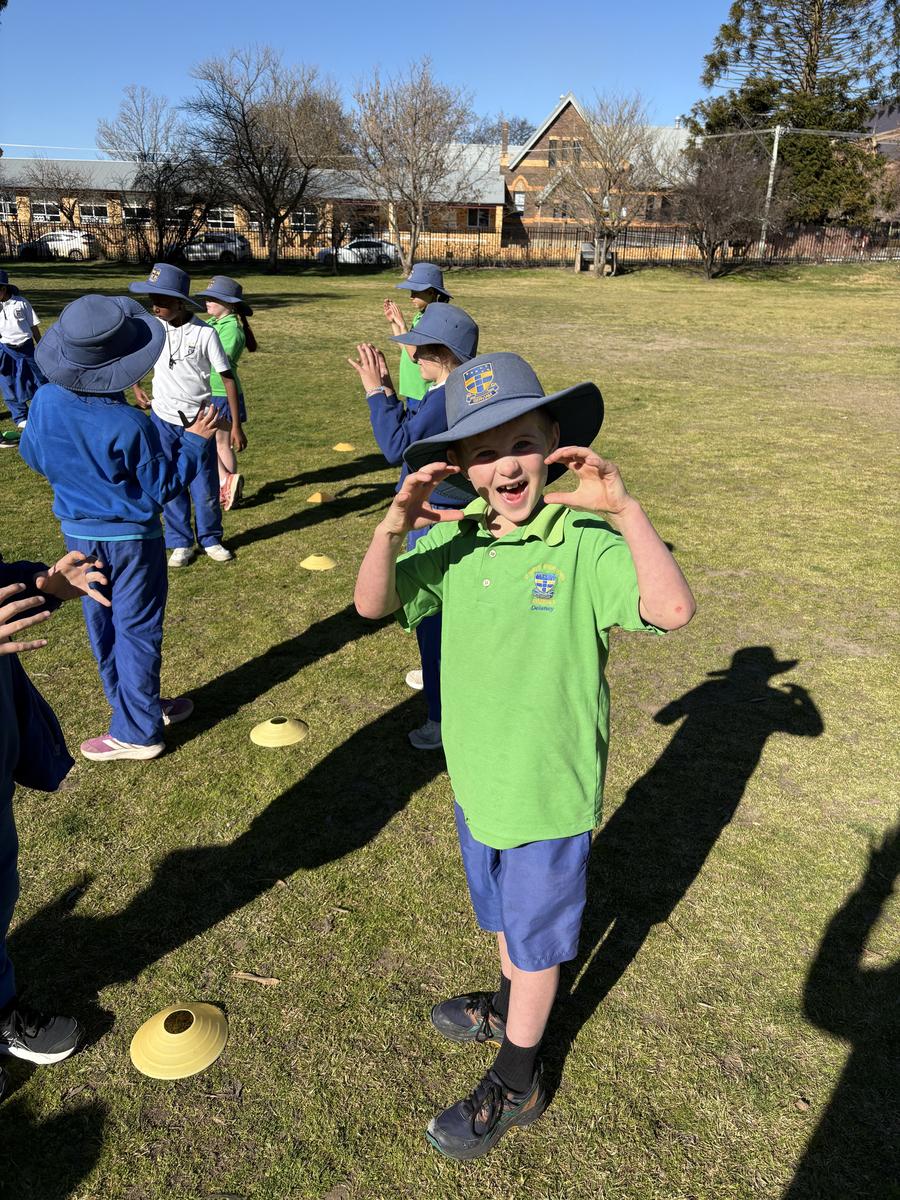
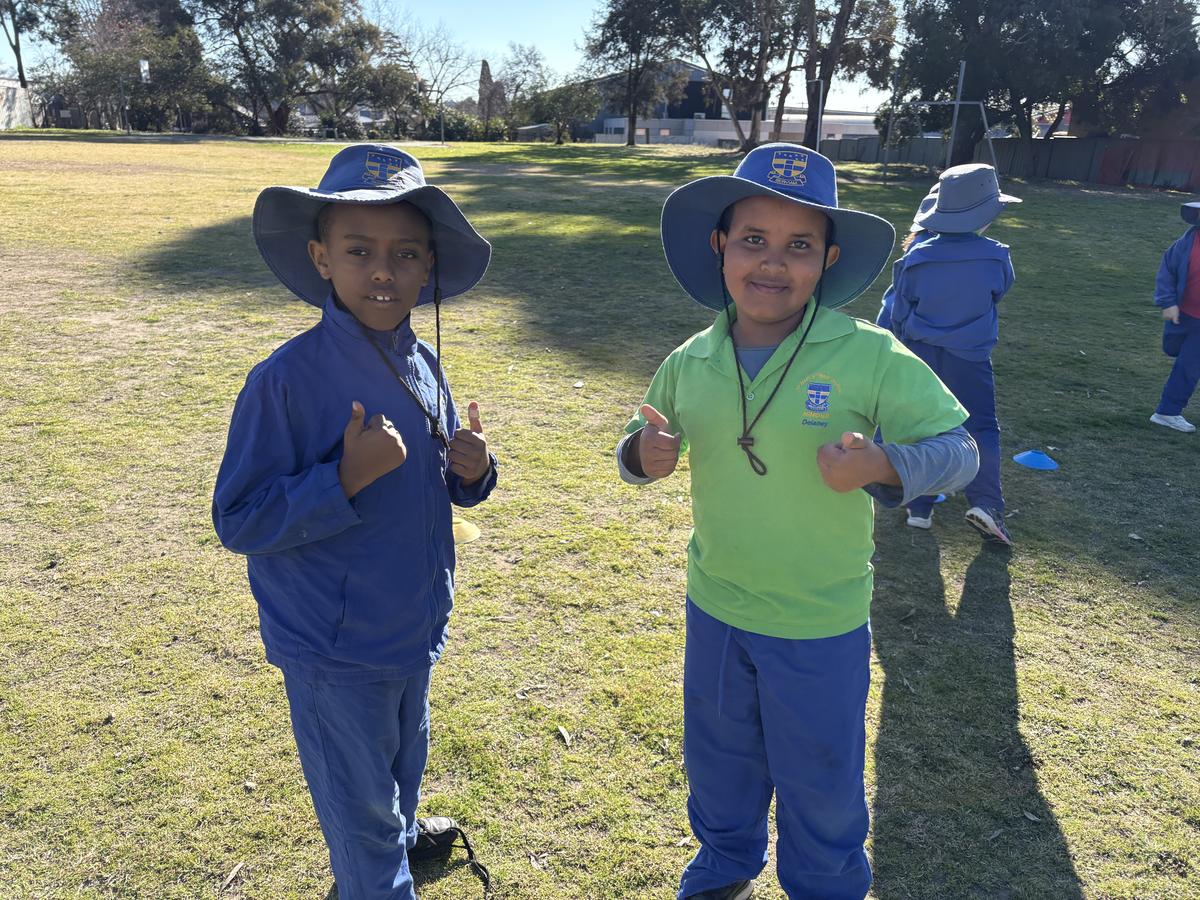
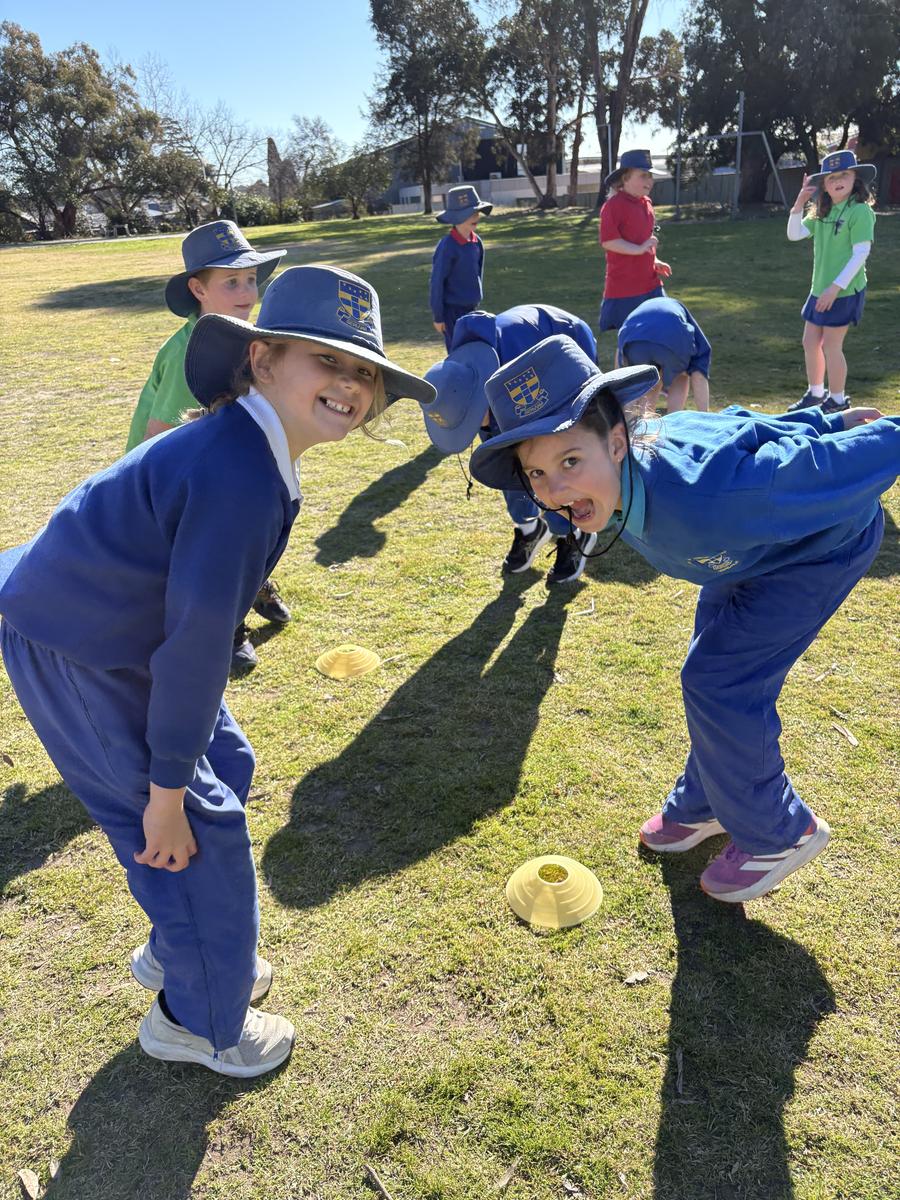
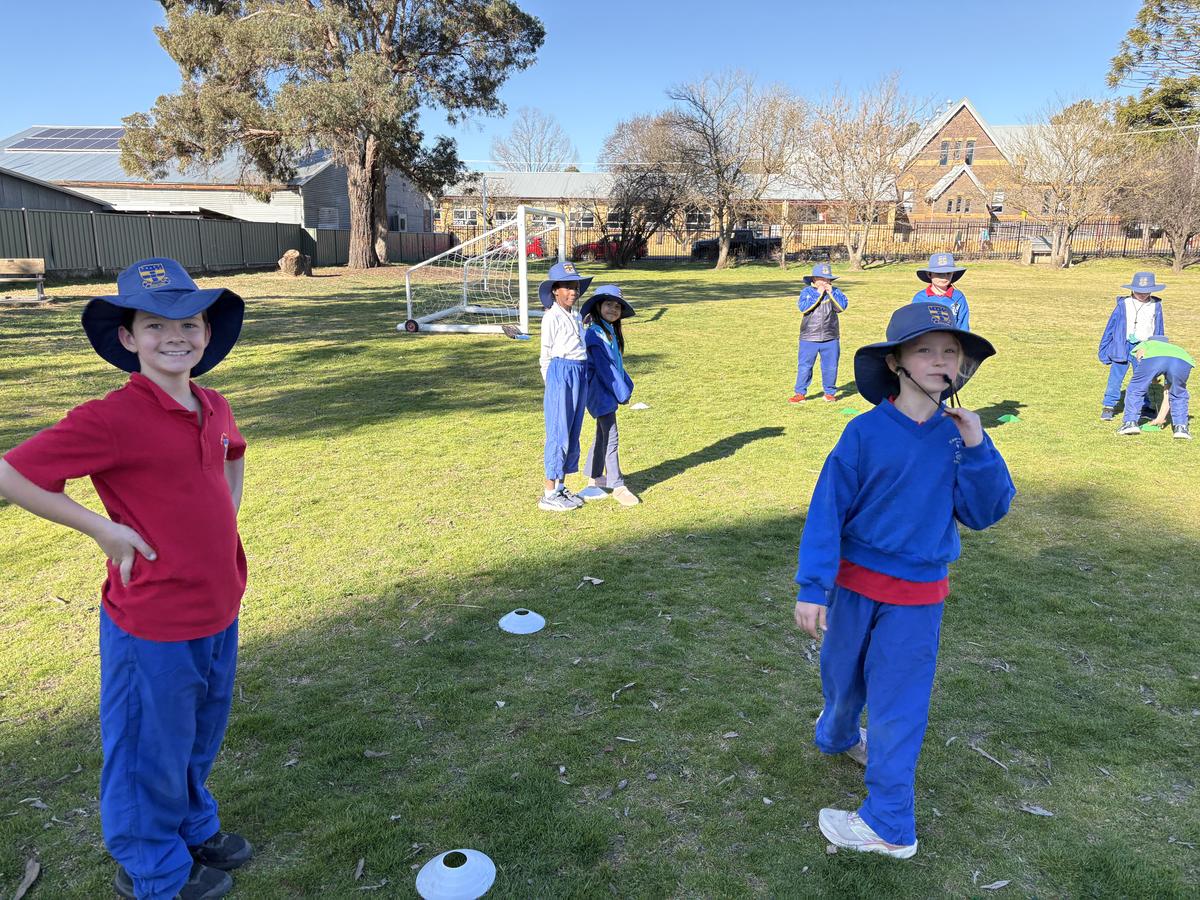
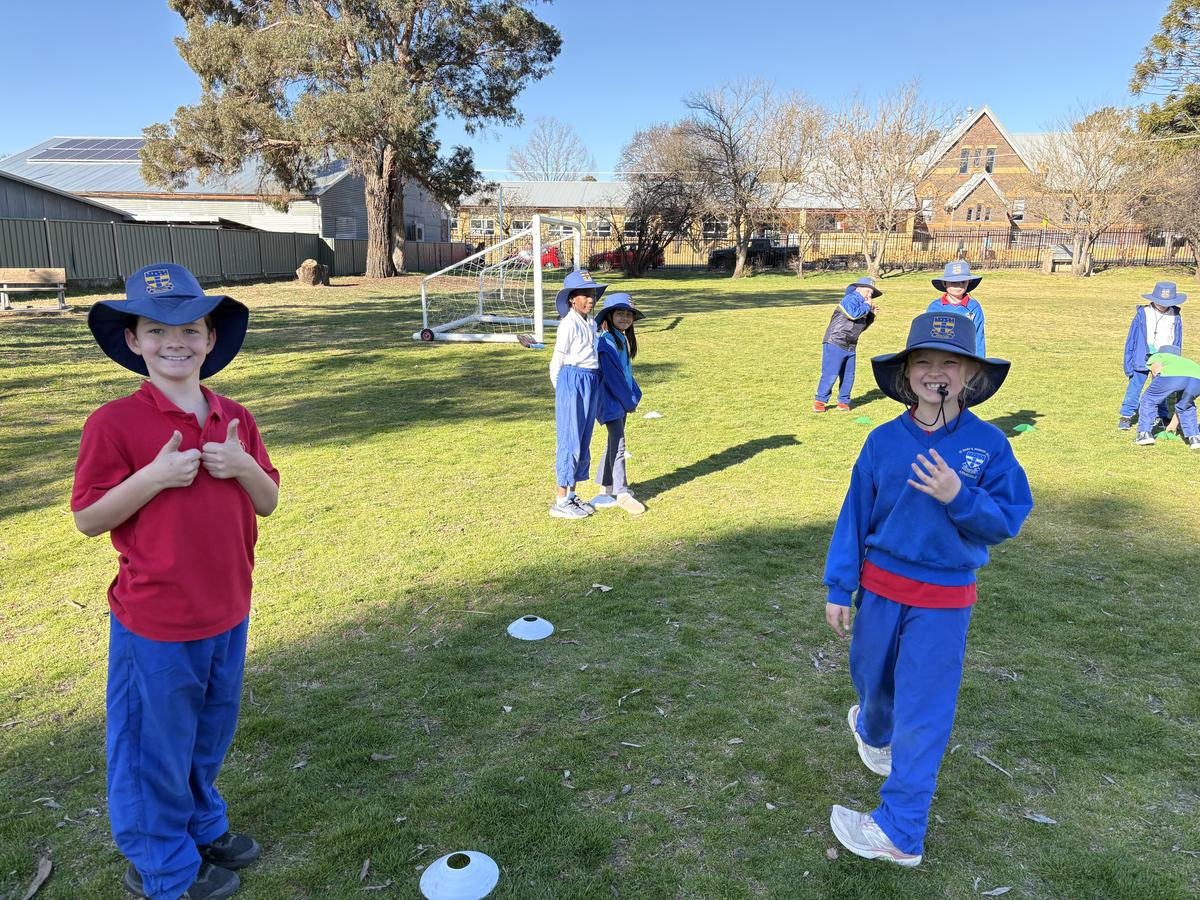
Playtime Fun
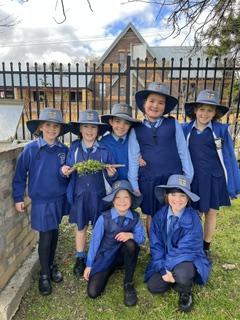
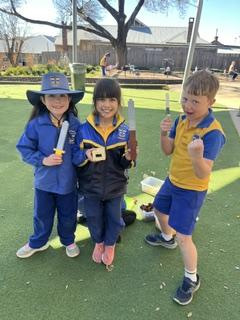
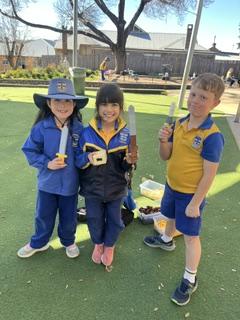
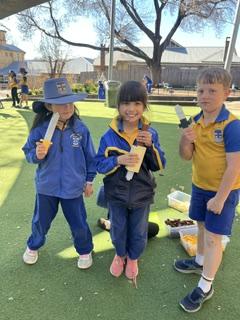
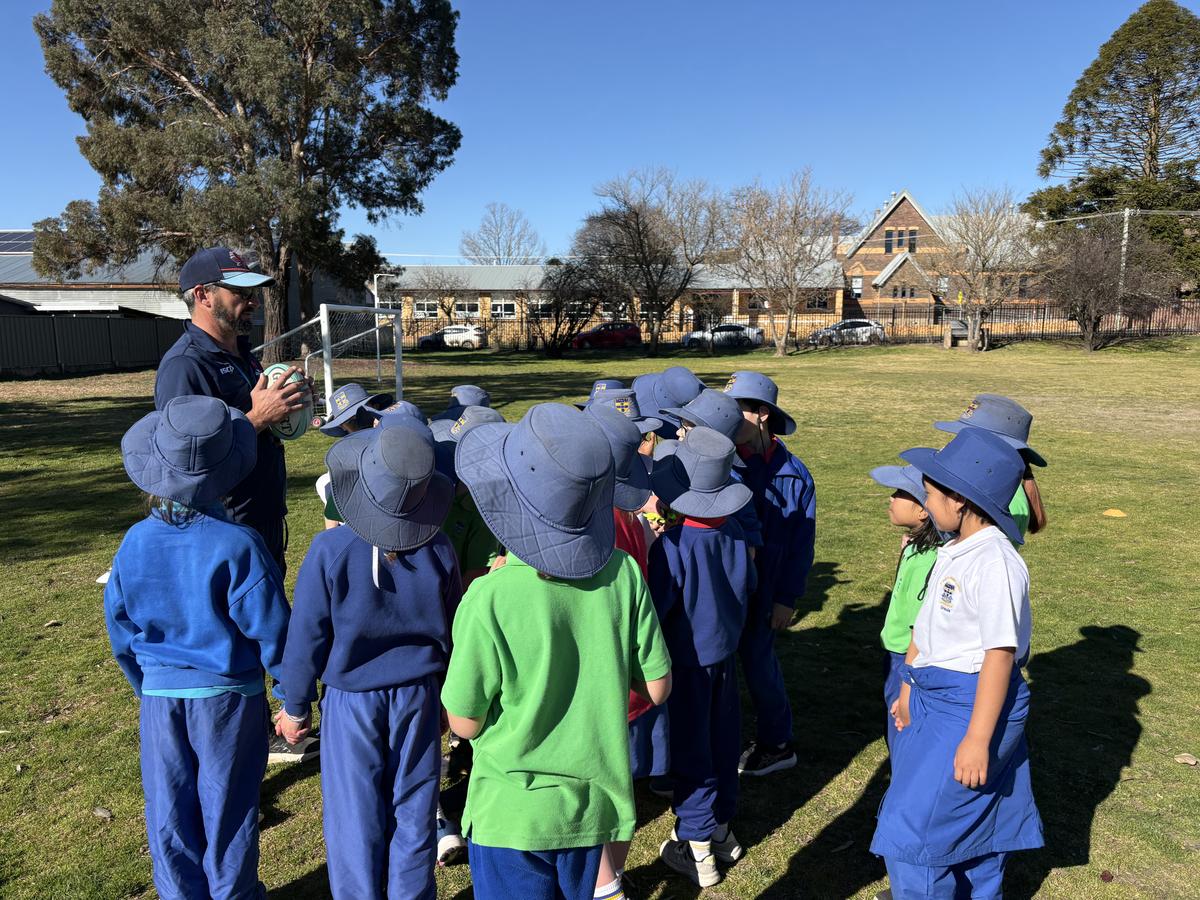
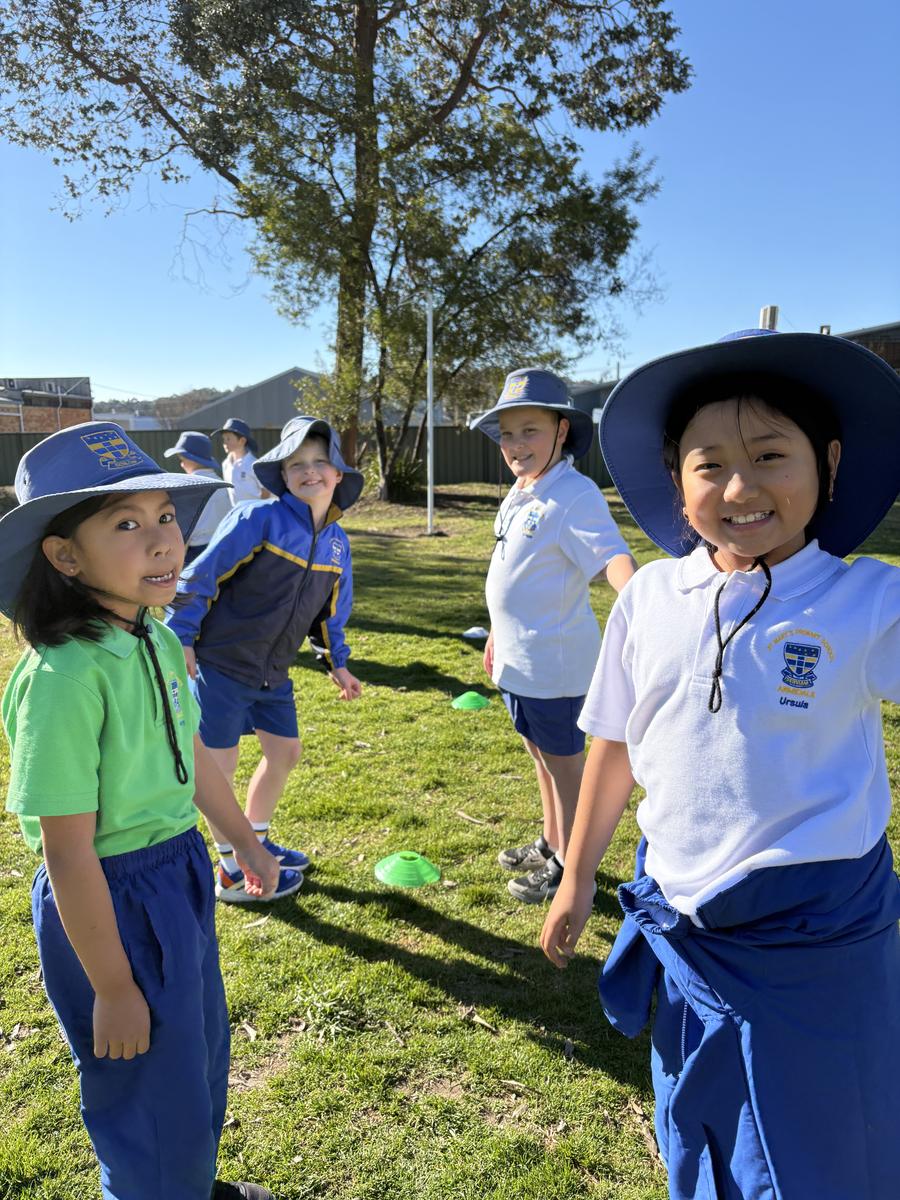
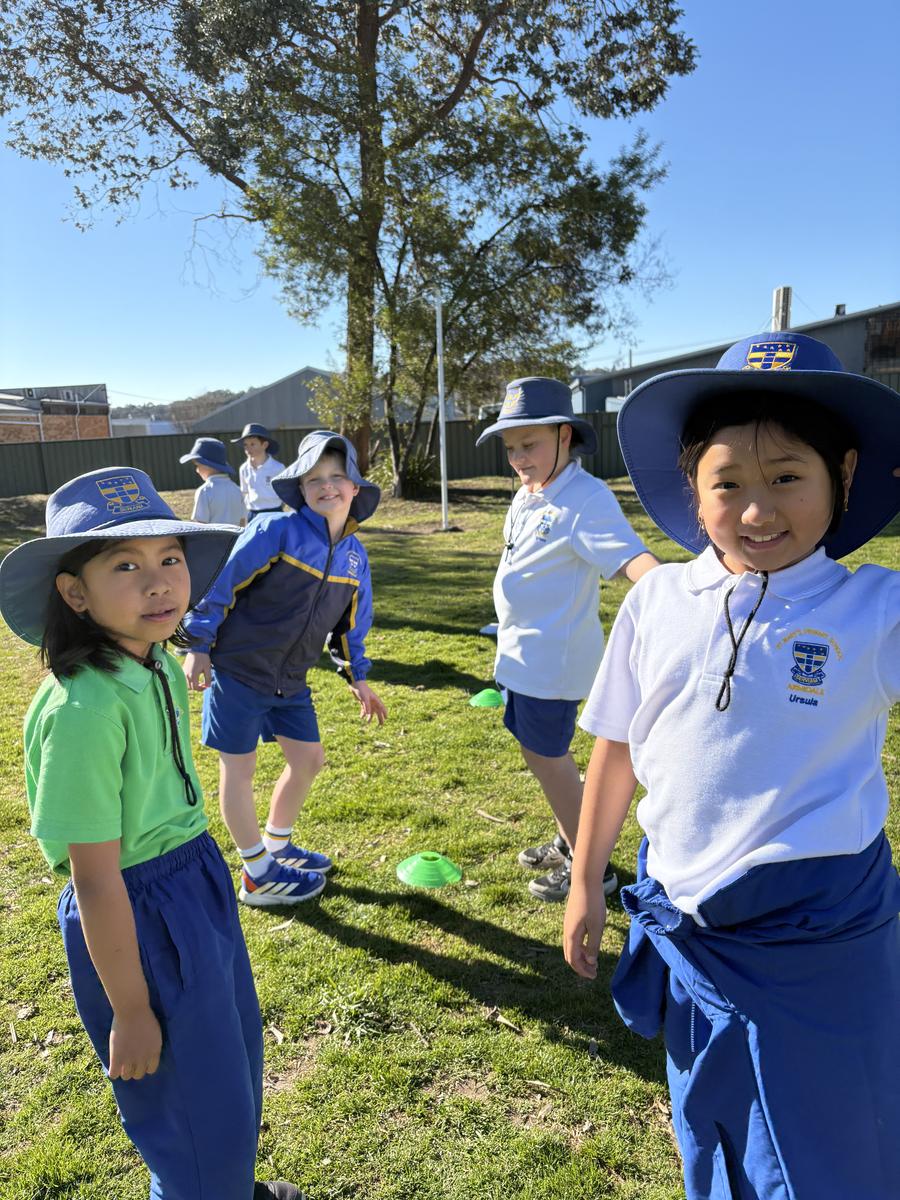
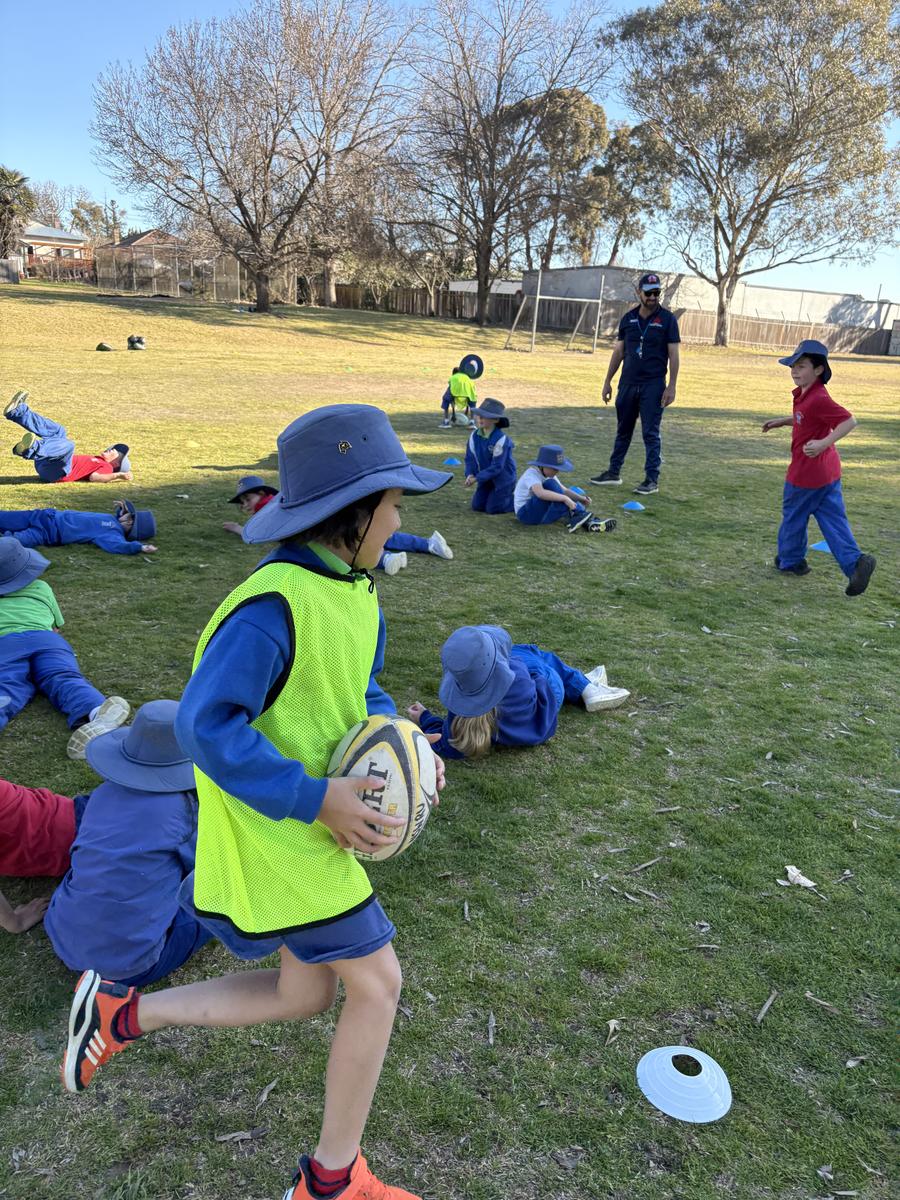
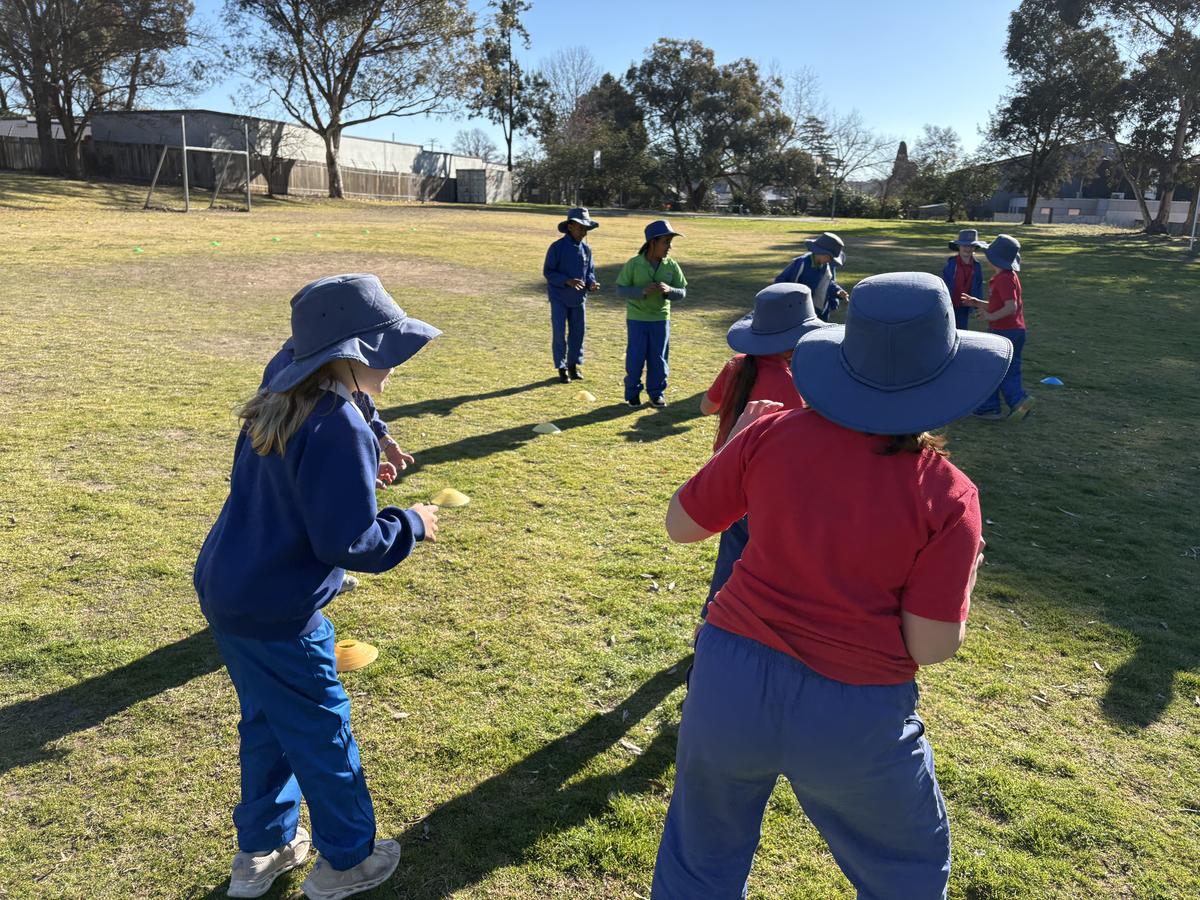
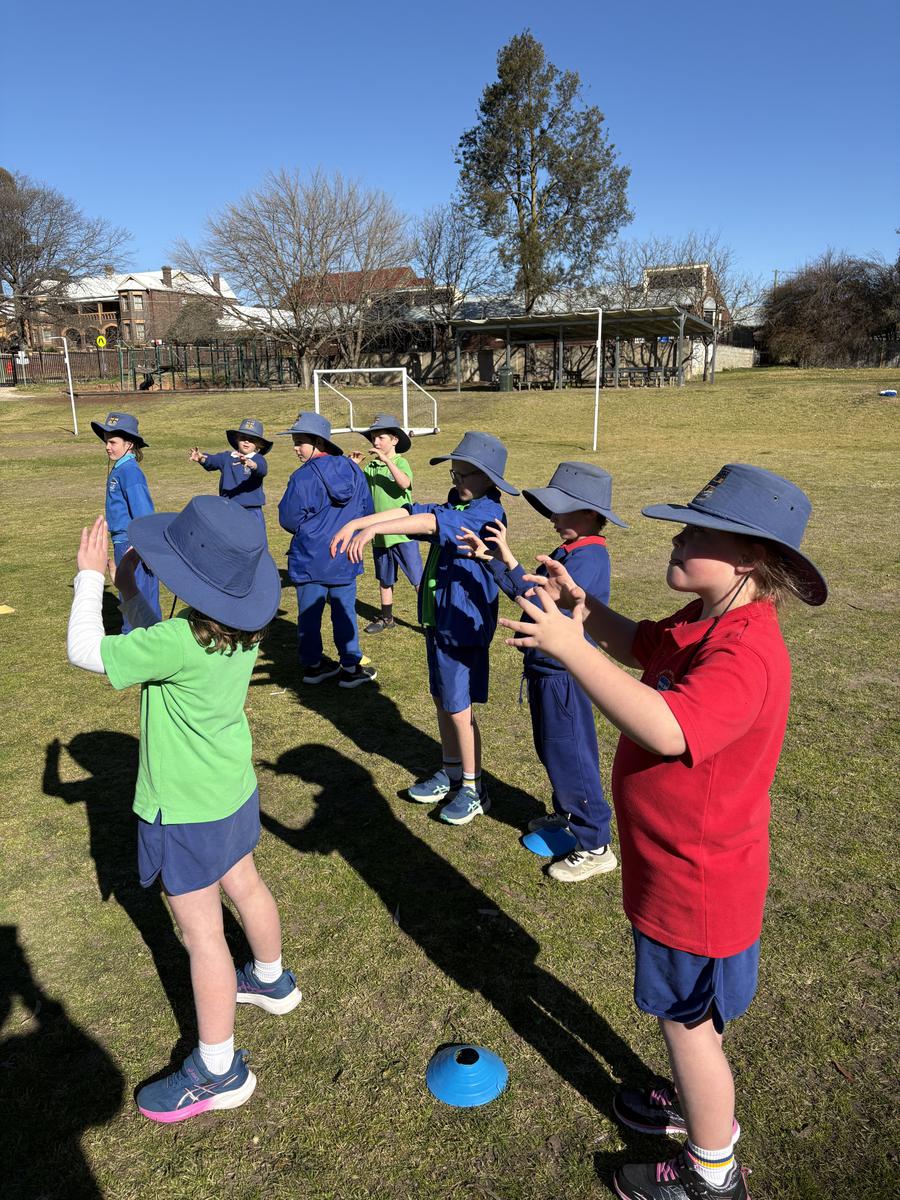
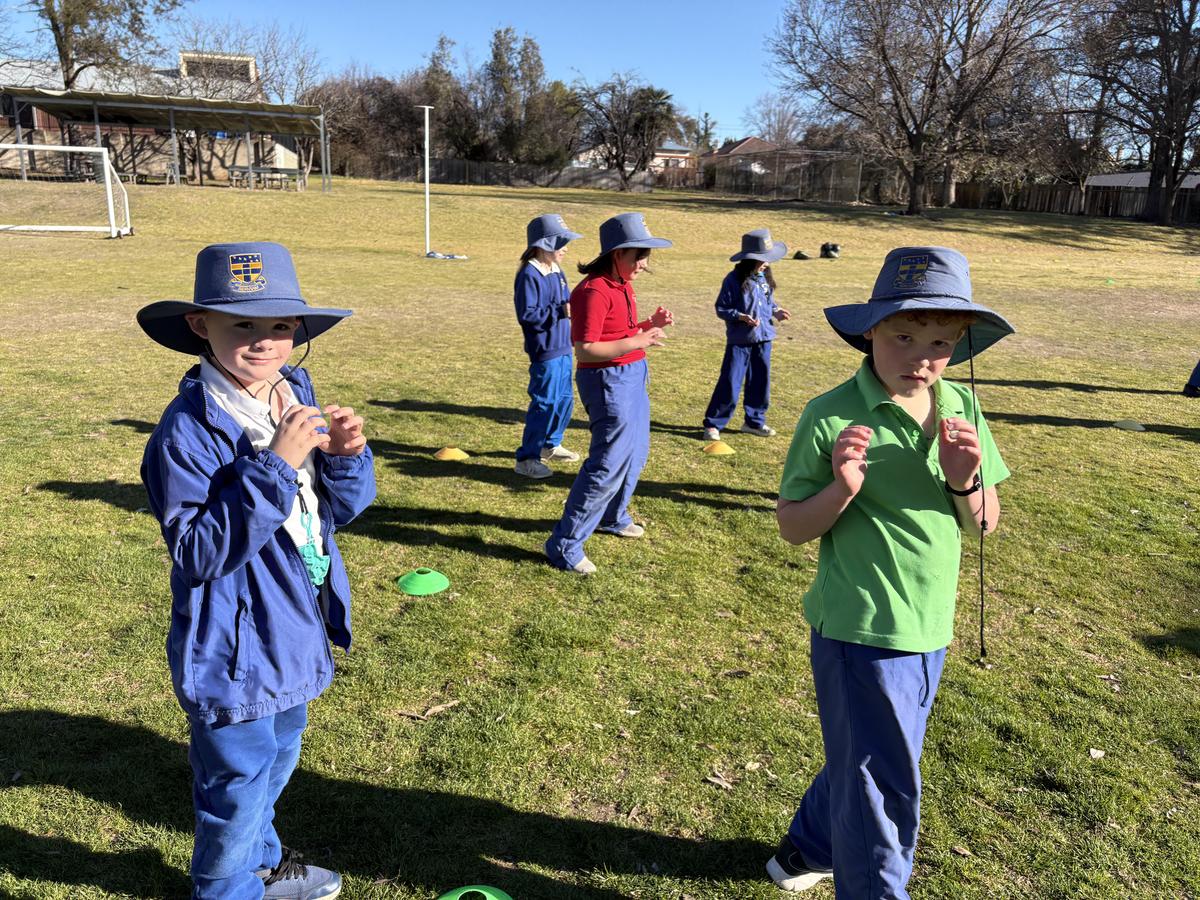
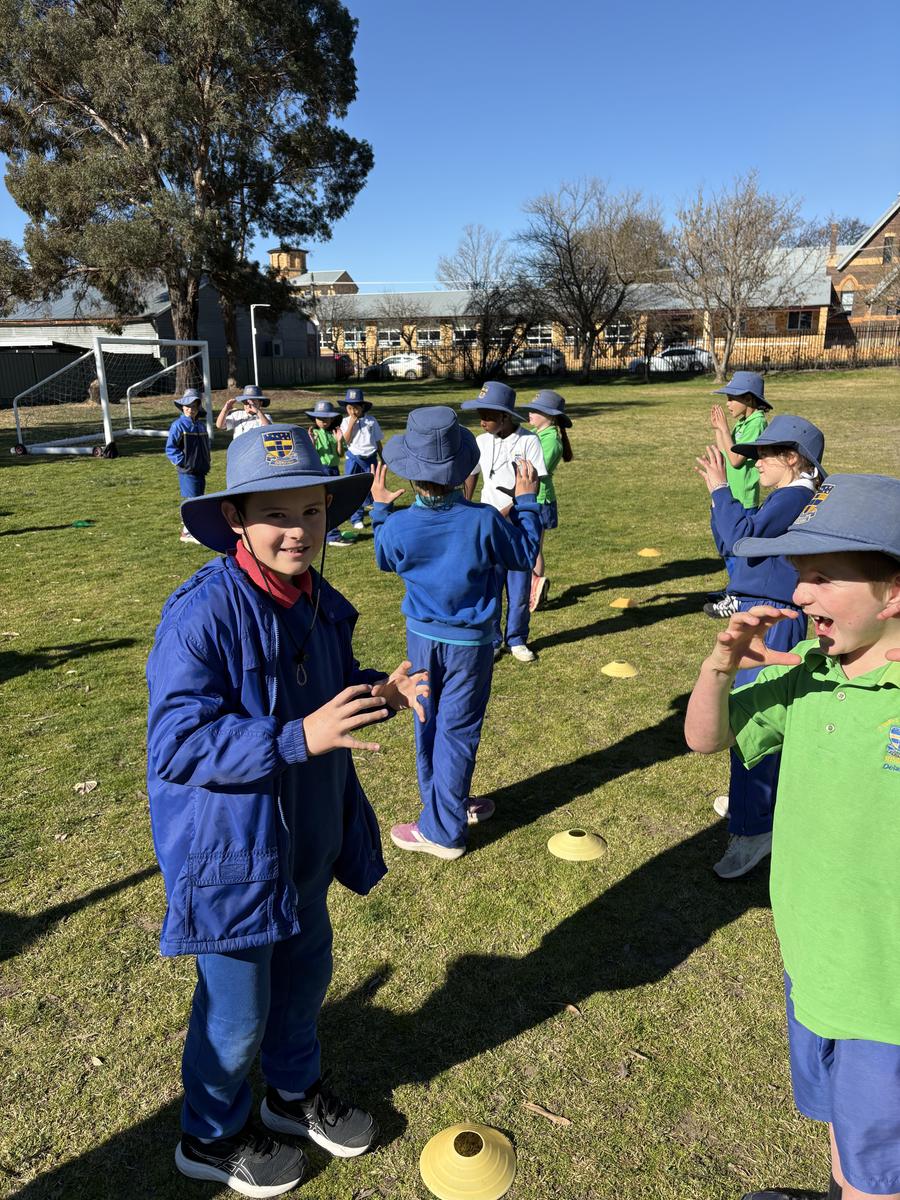
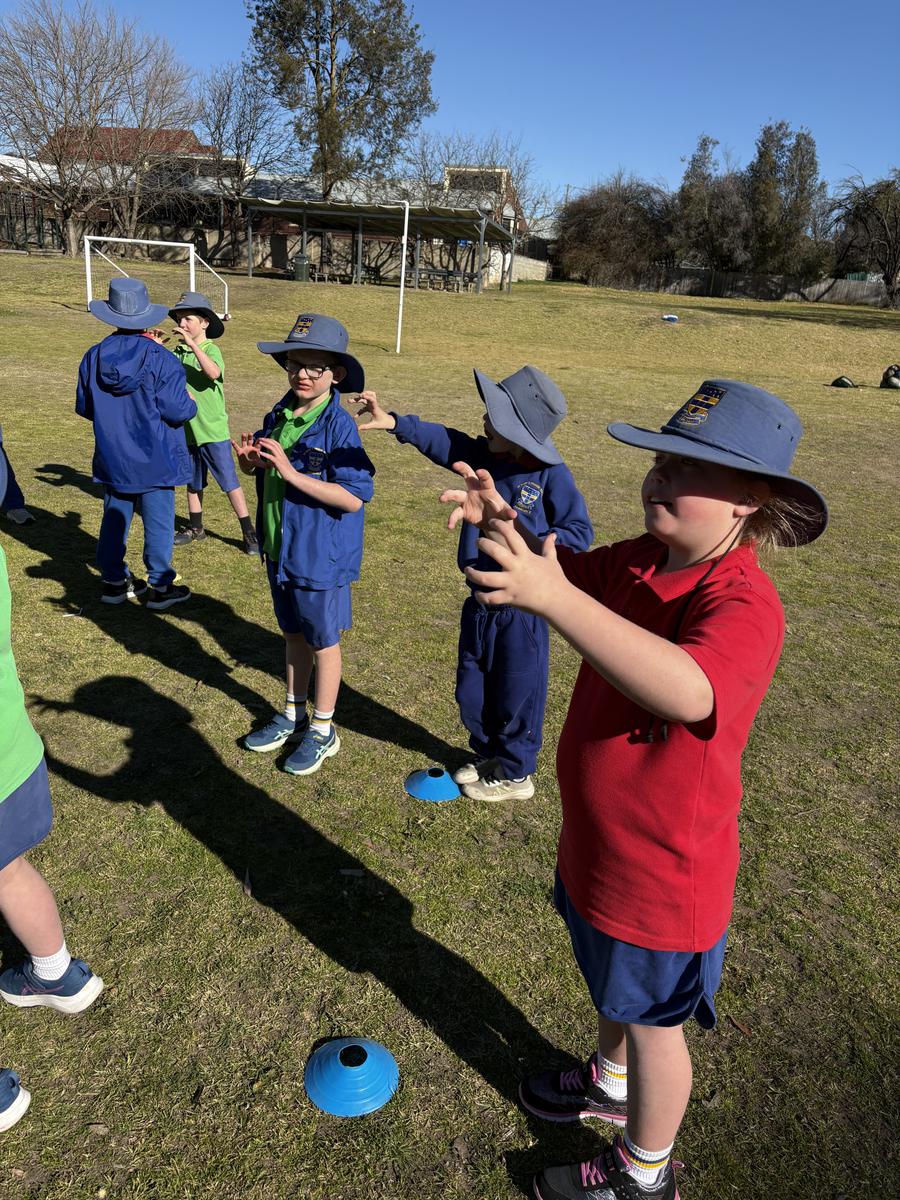
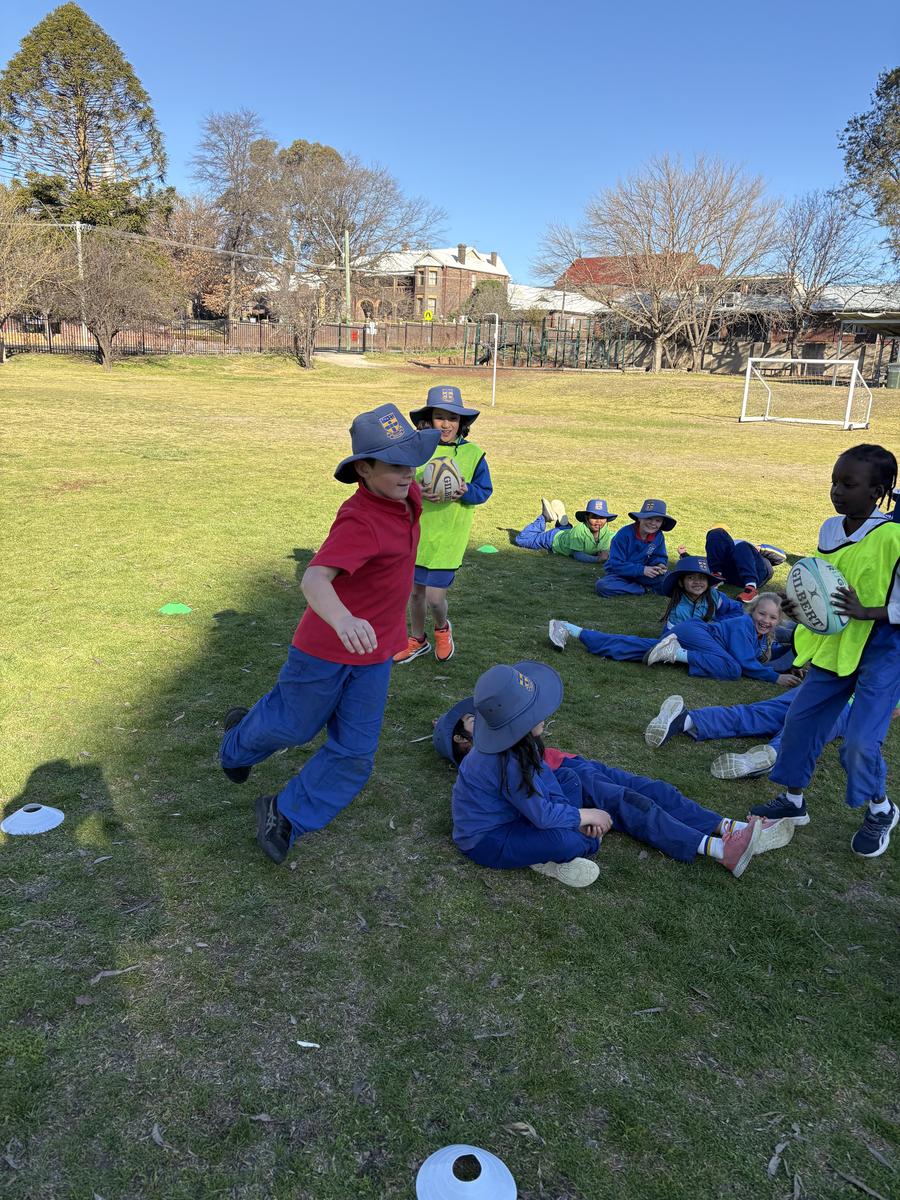
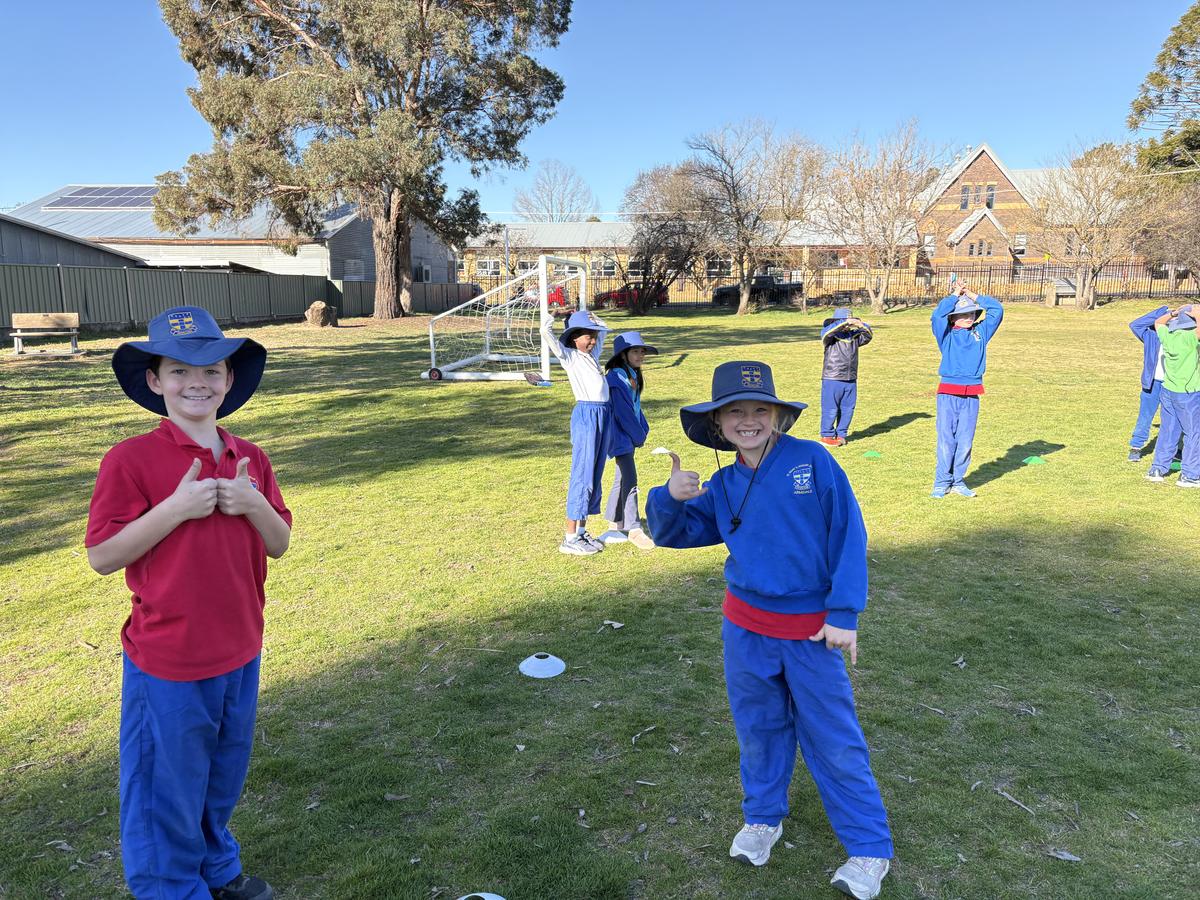
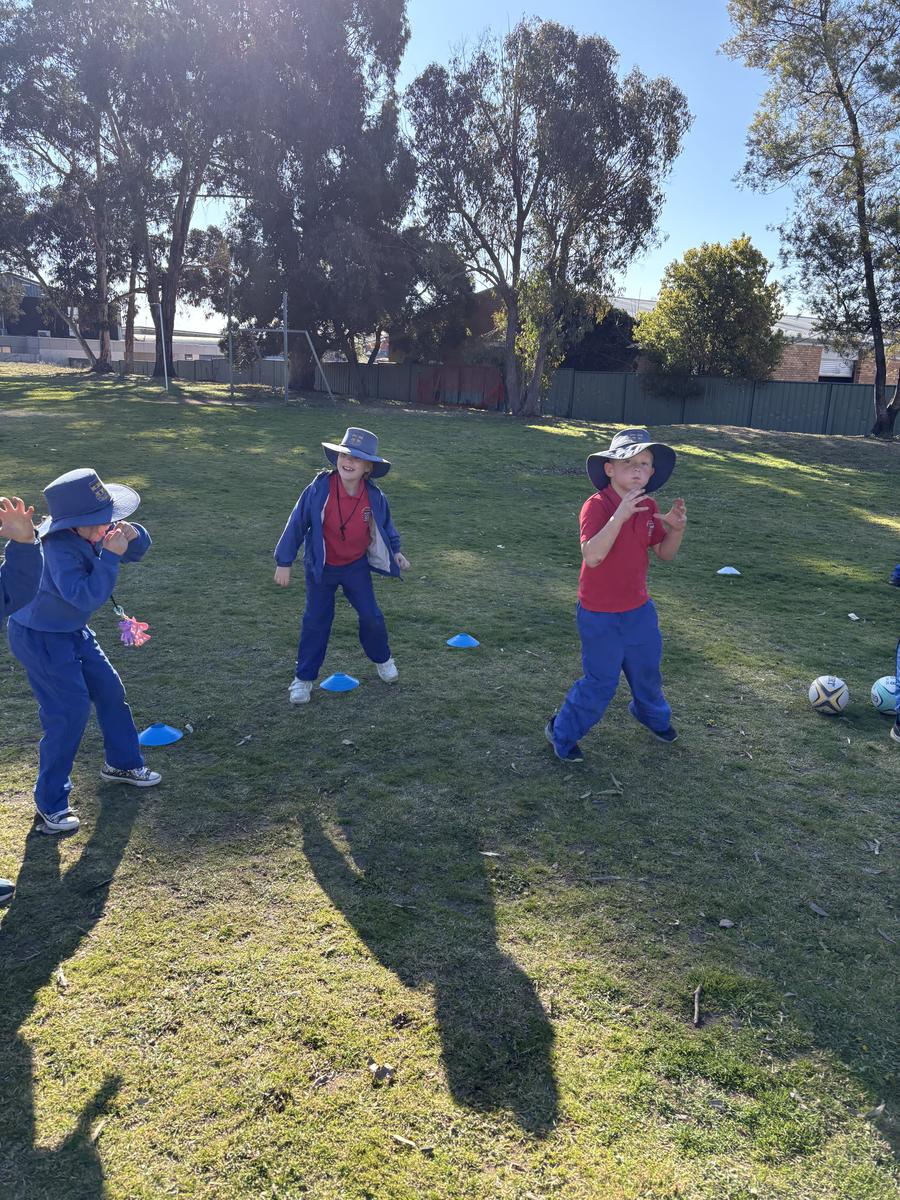
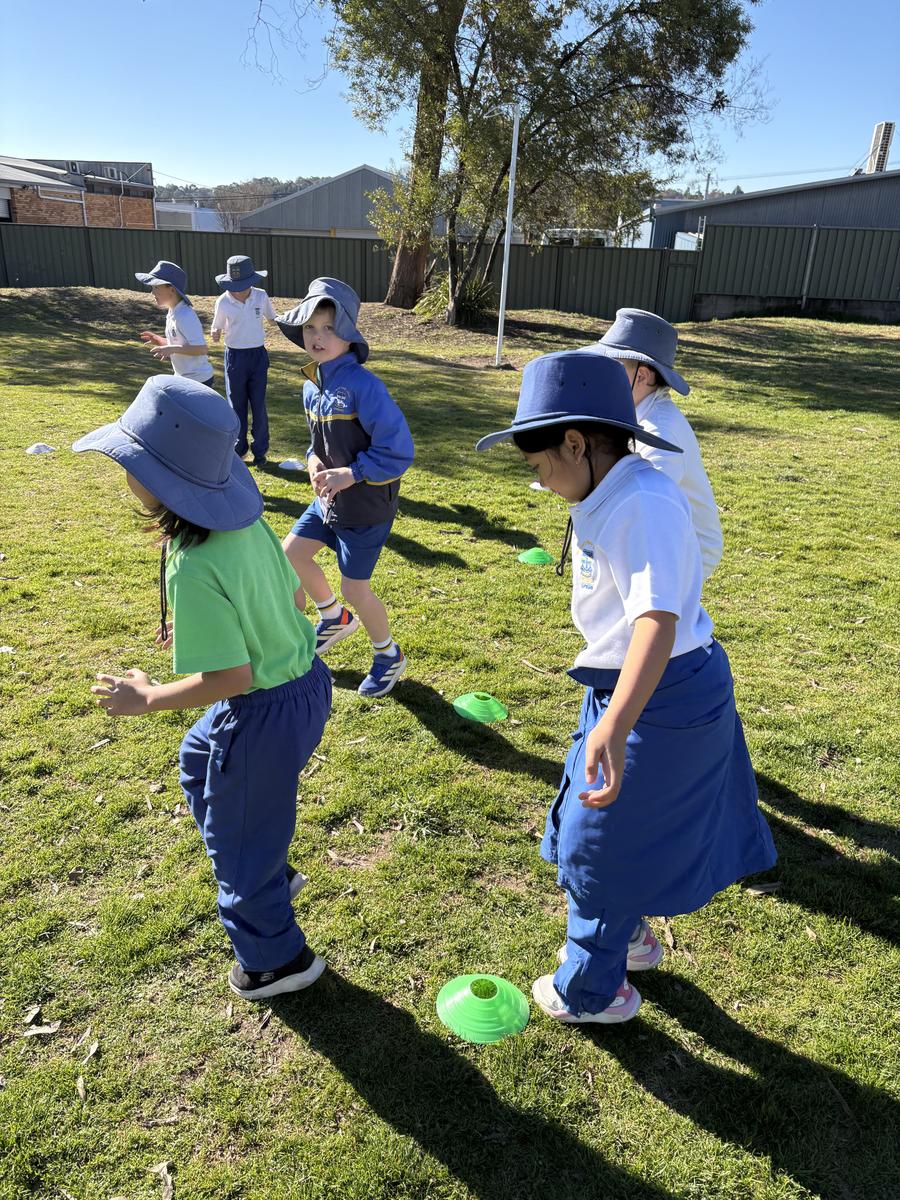
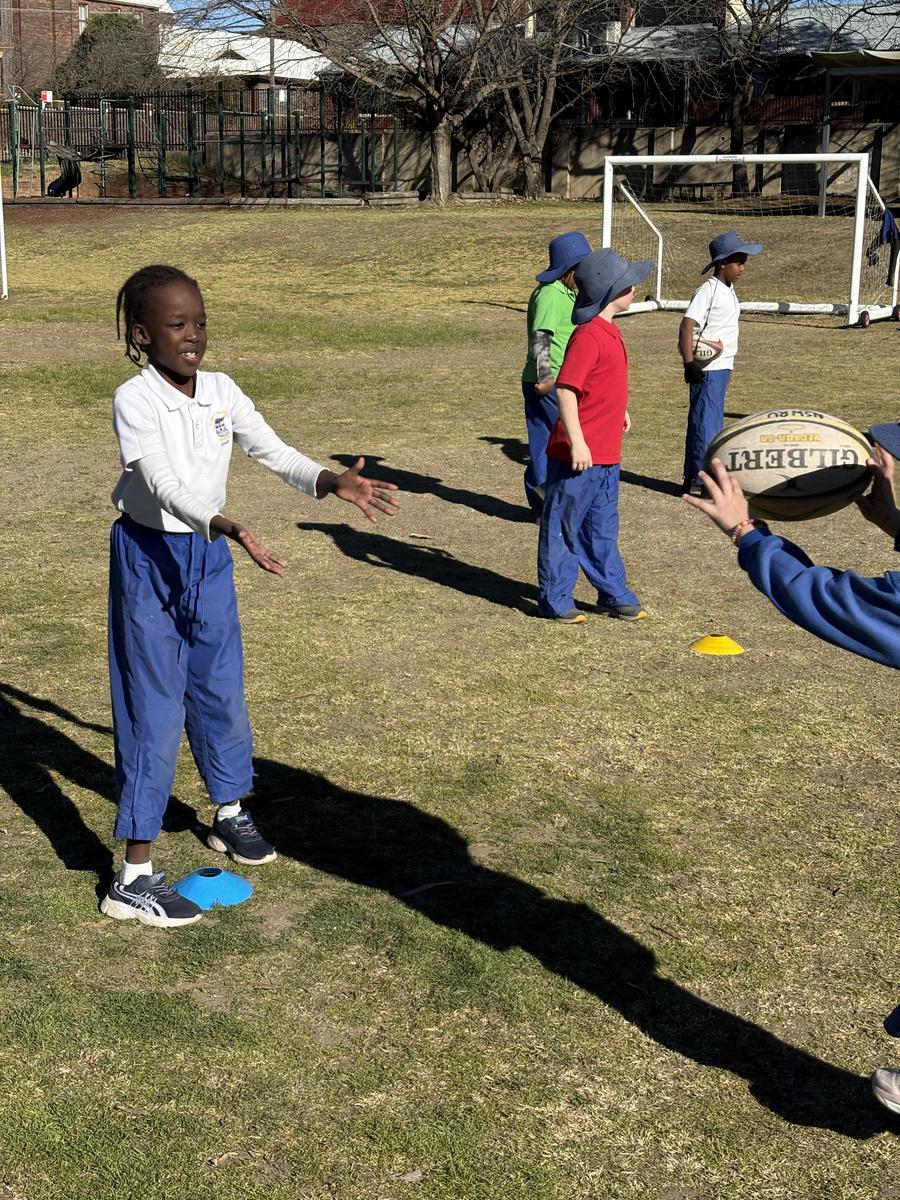
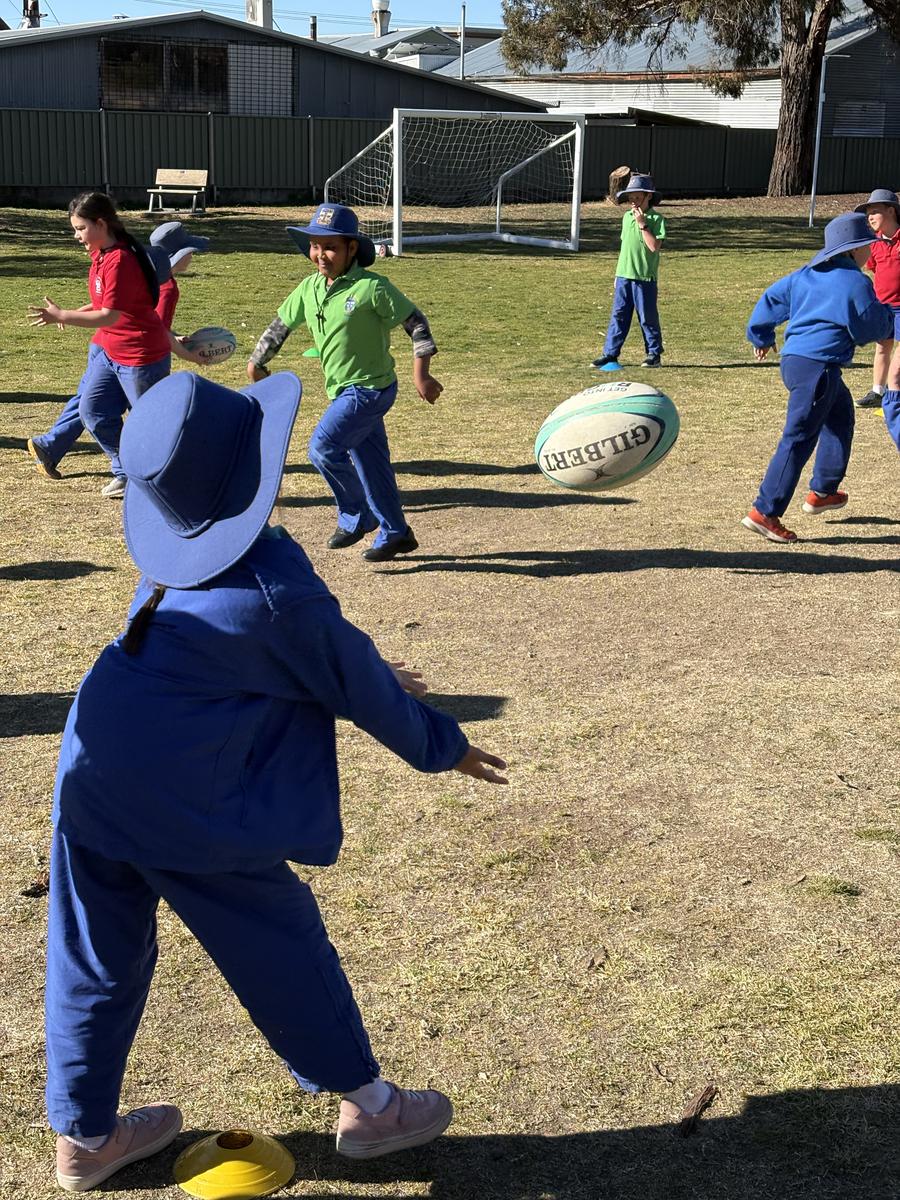
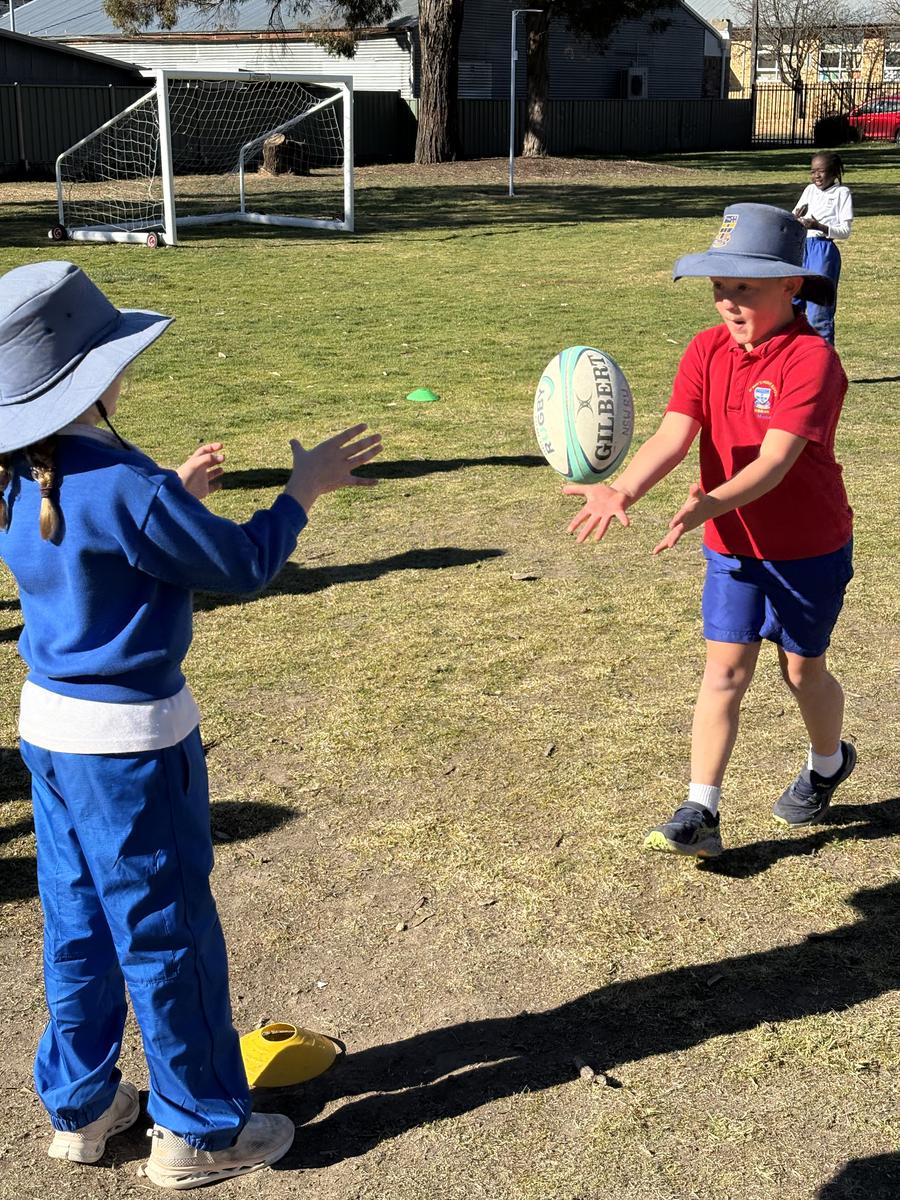
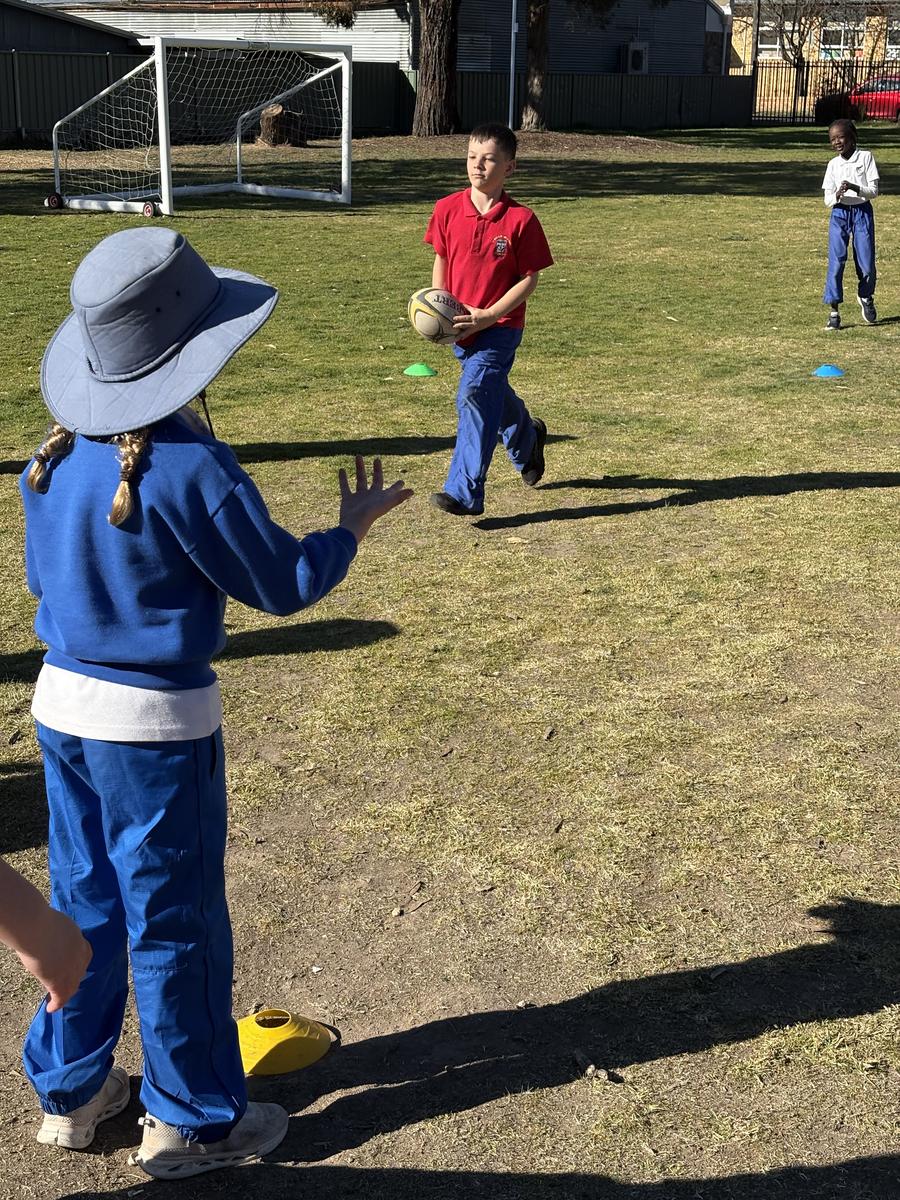
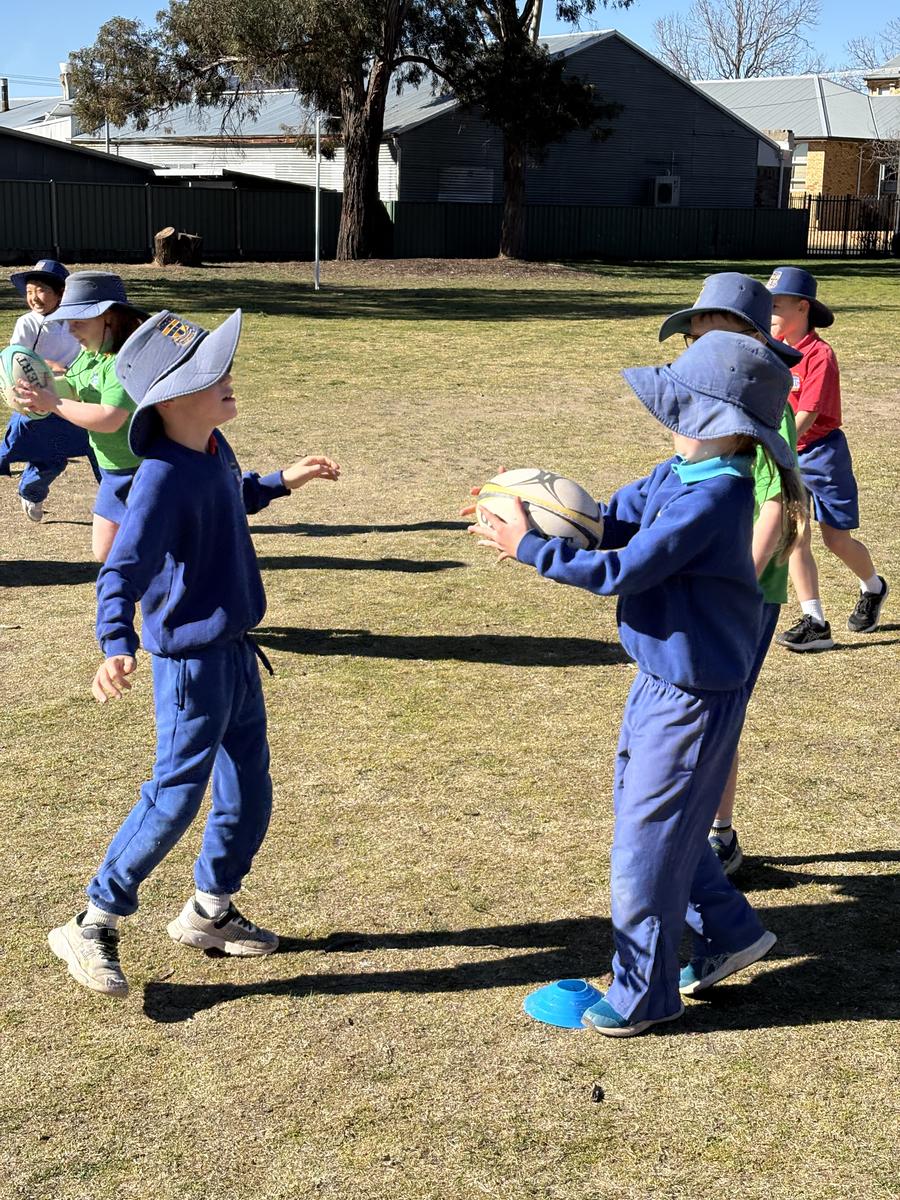
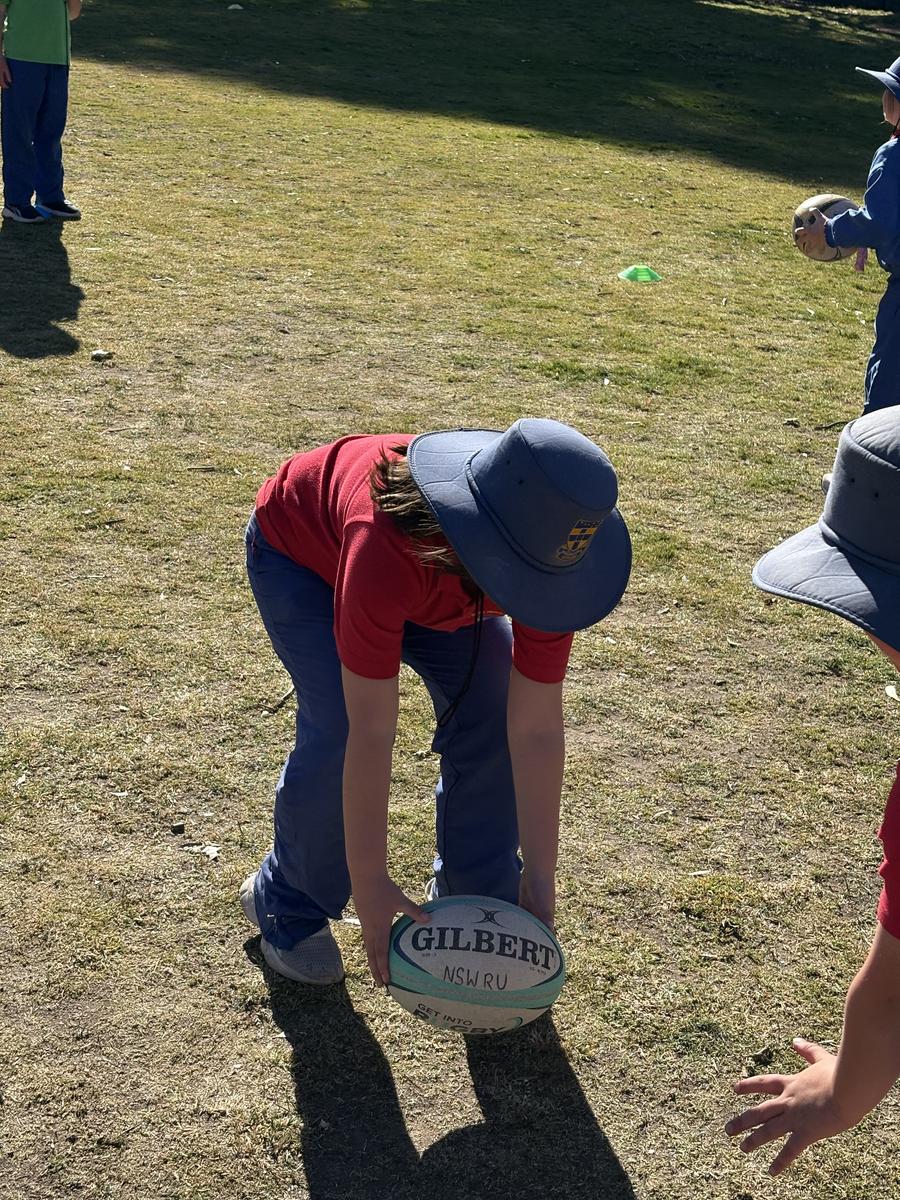
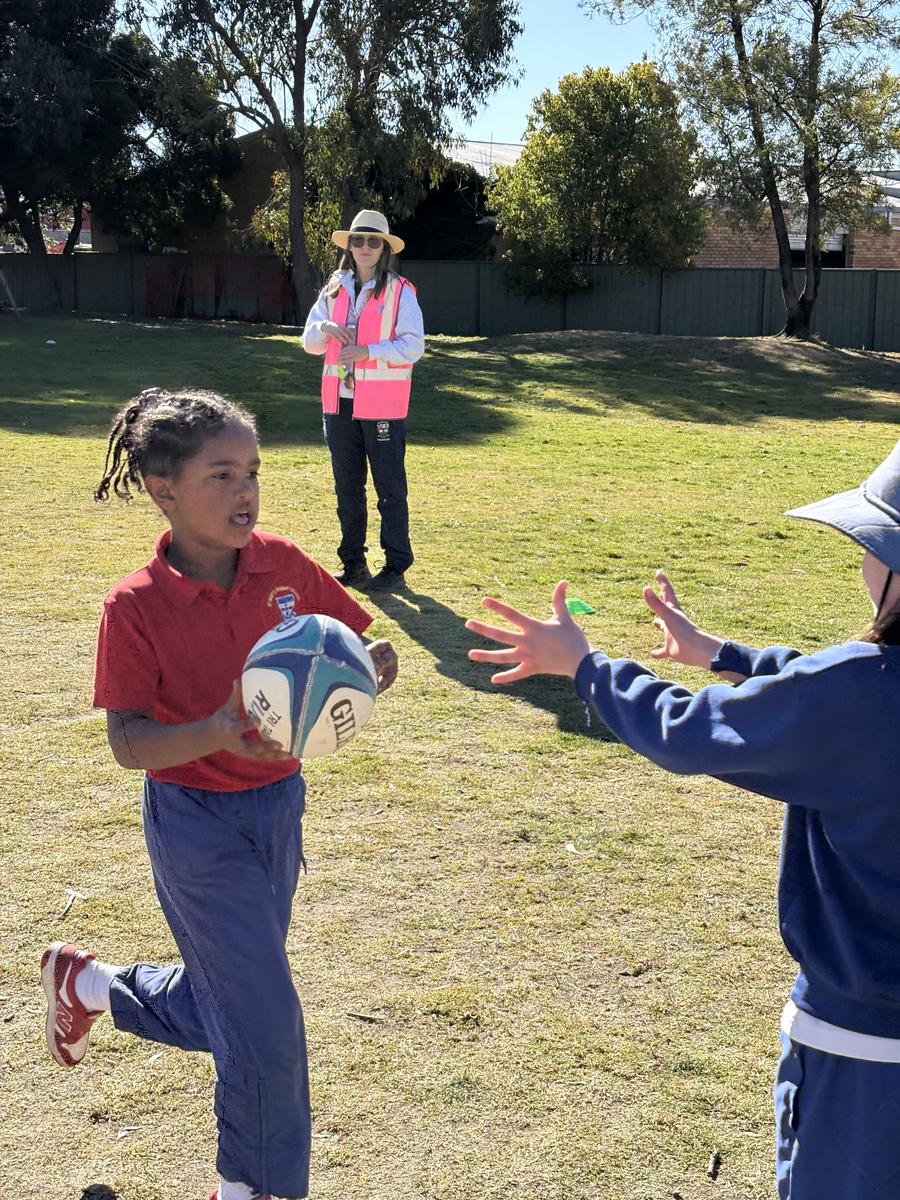
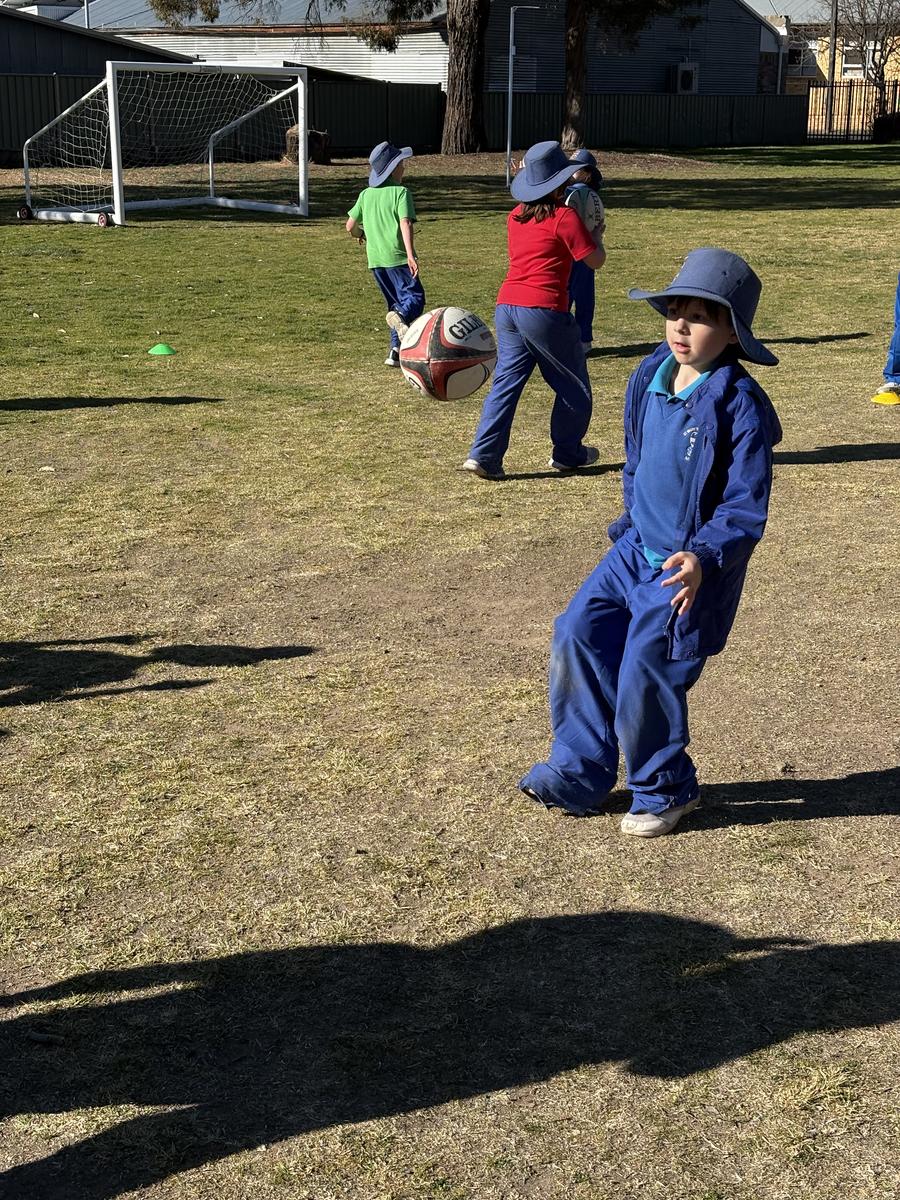
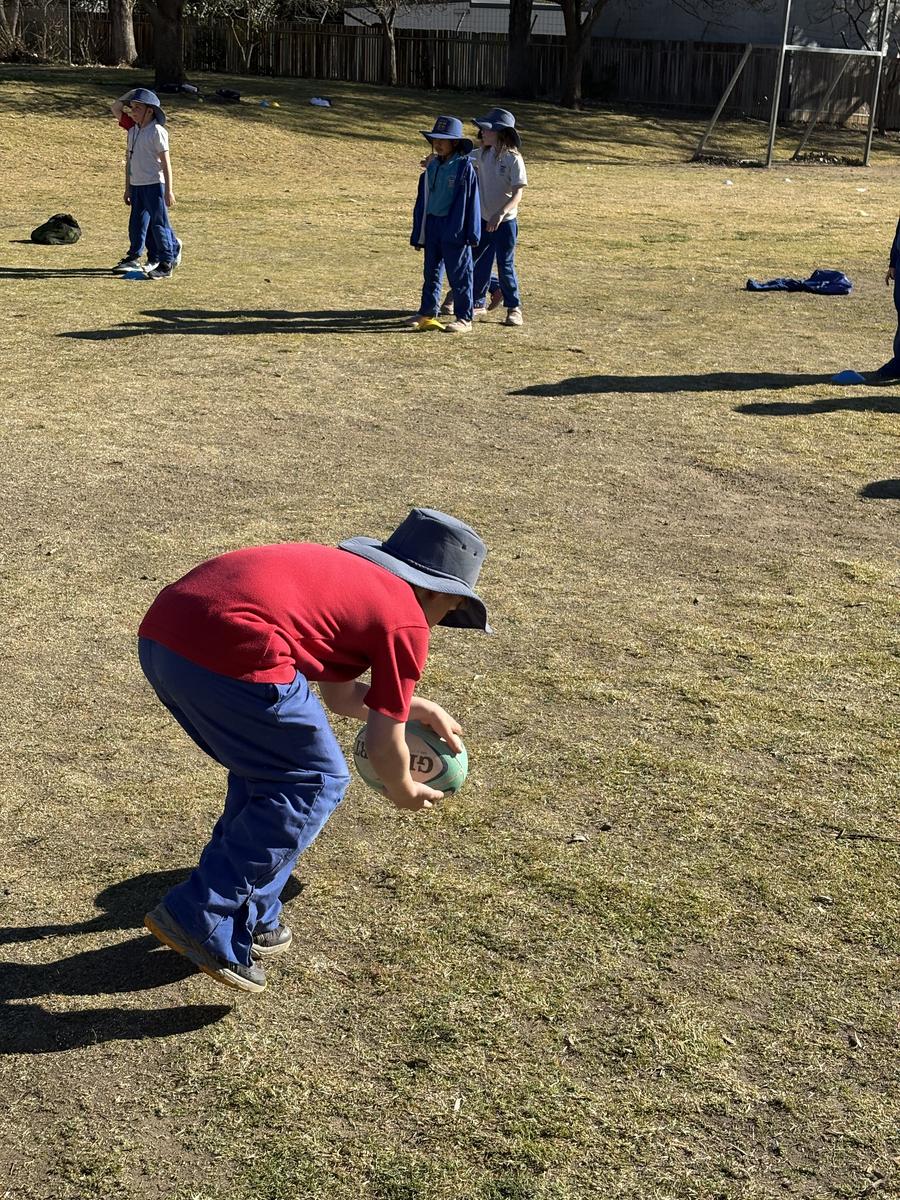
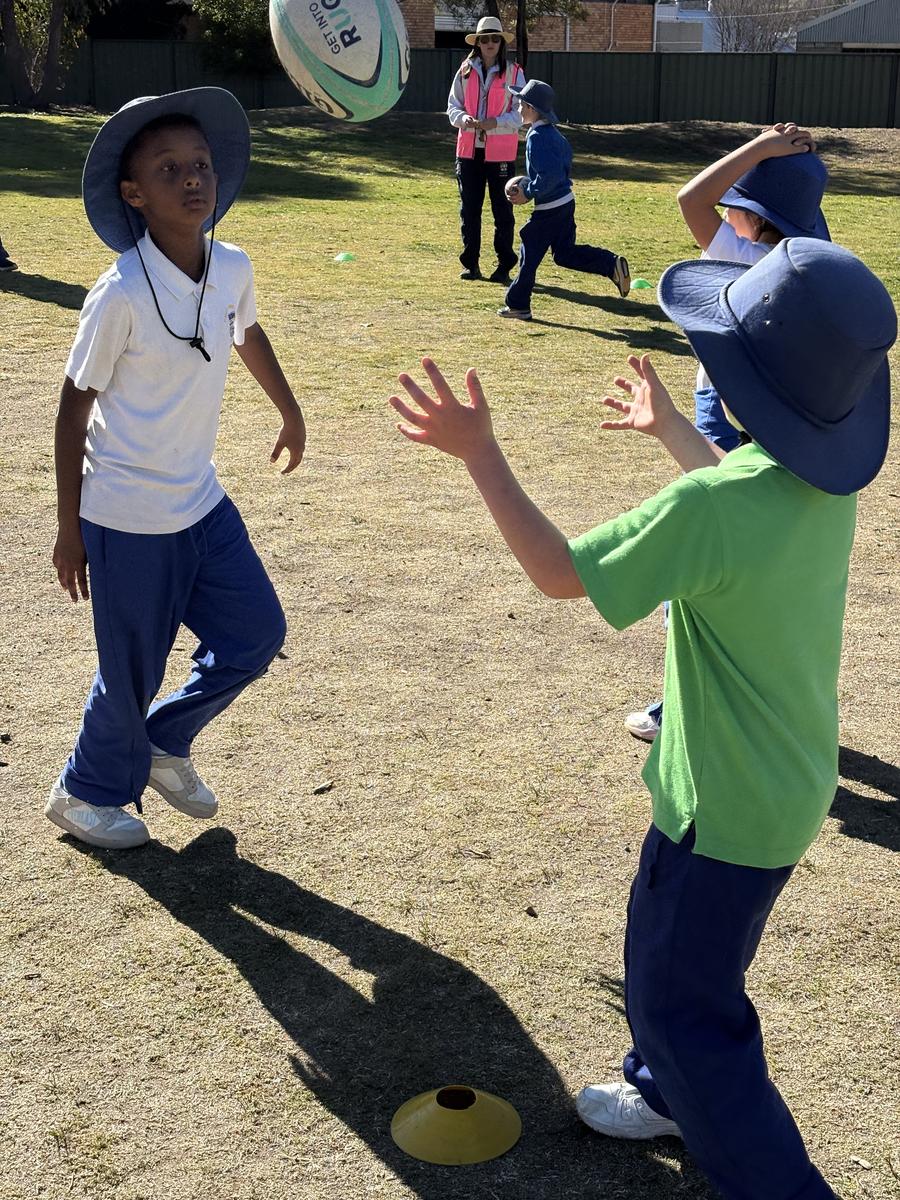
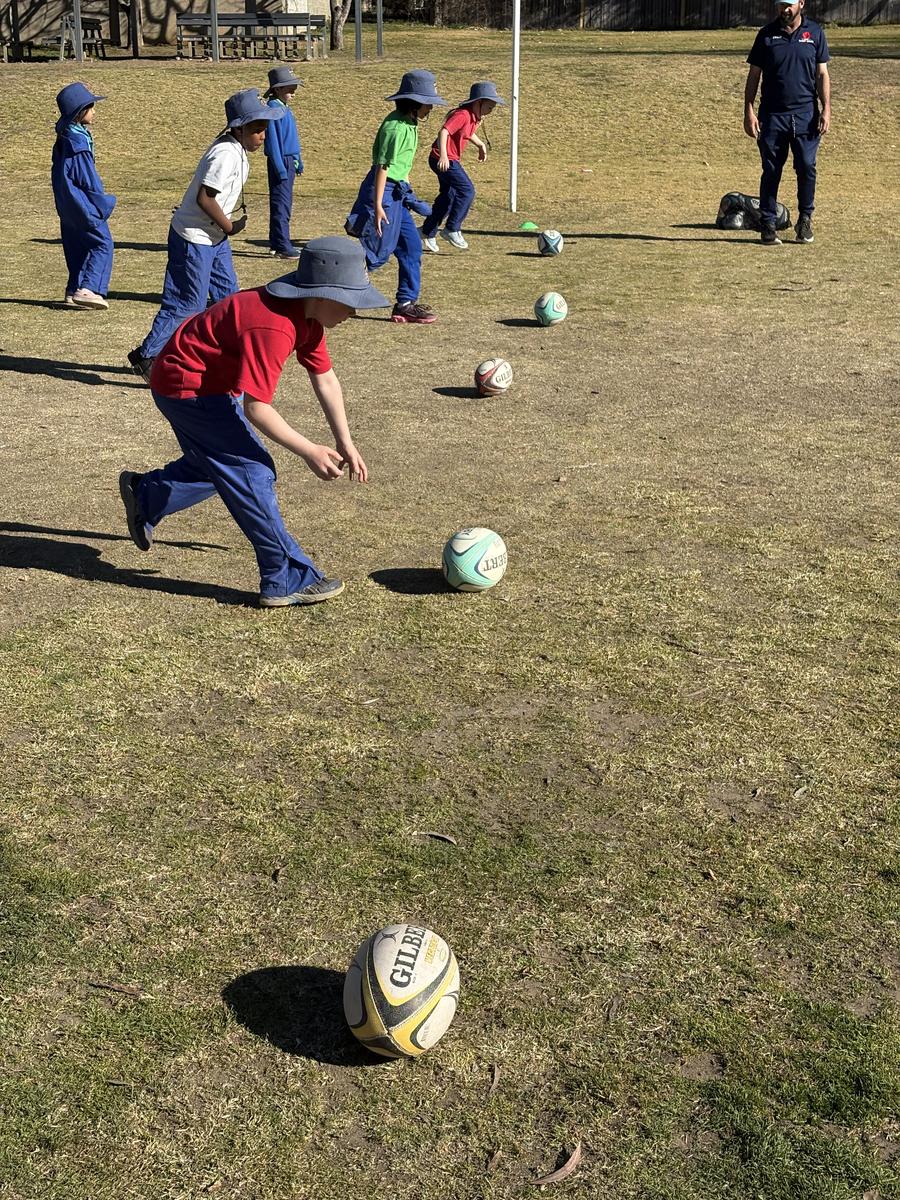
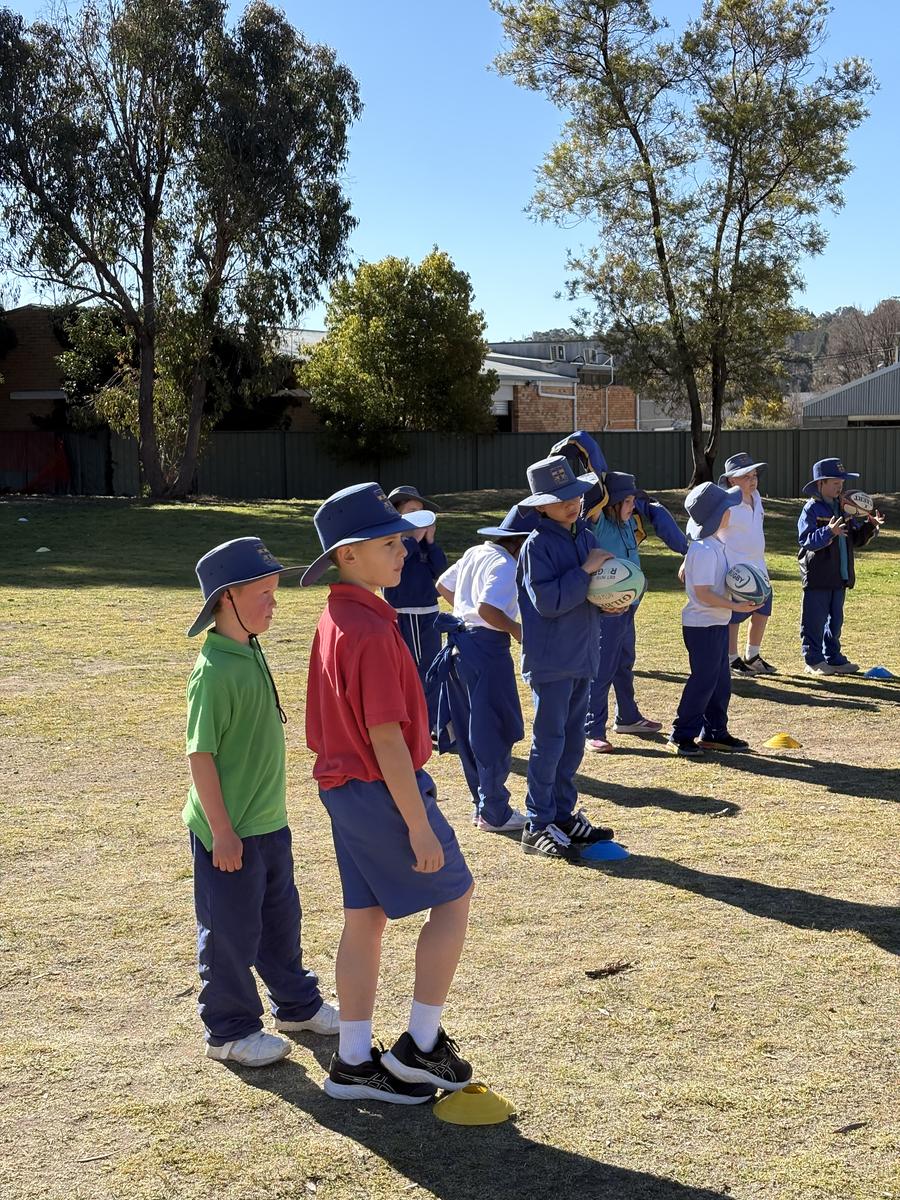
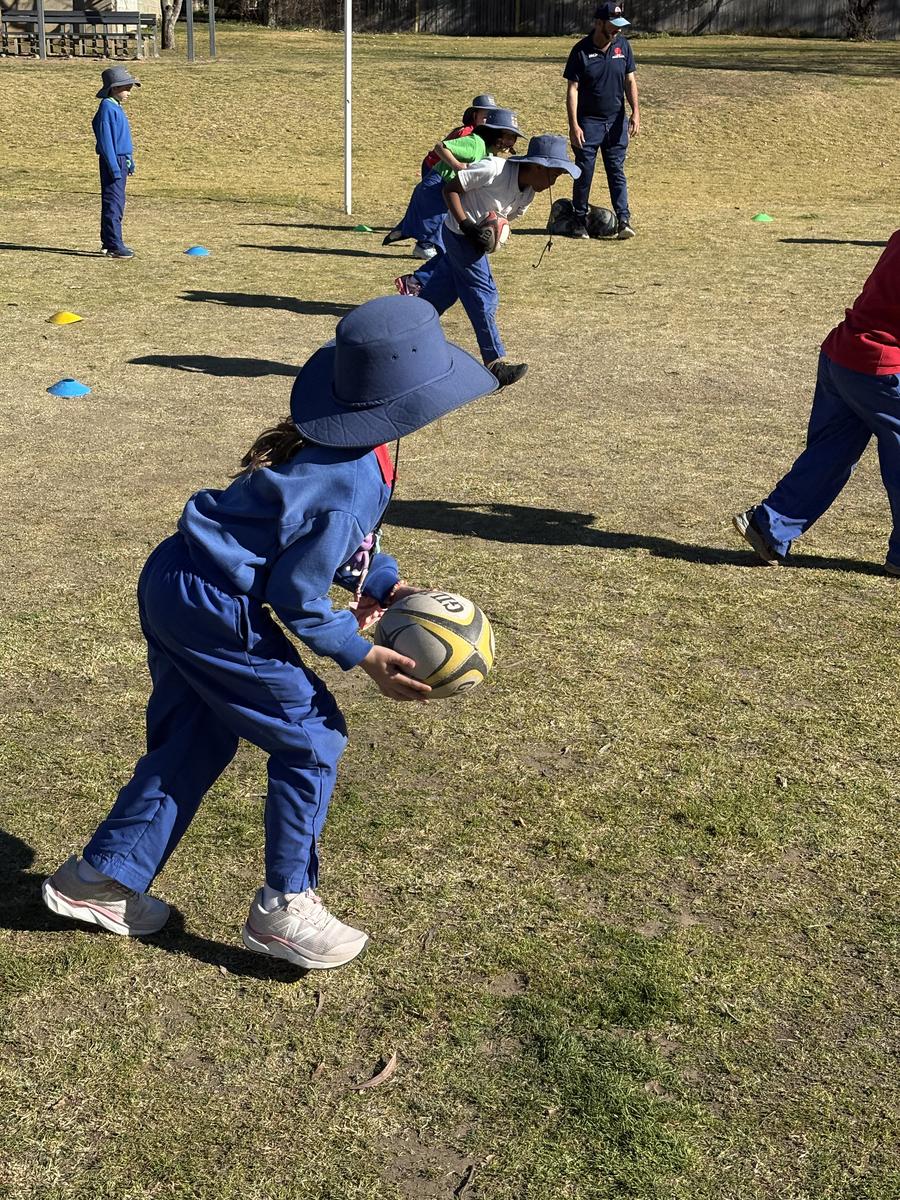
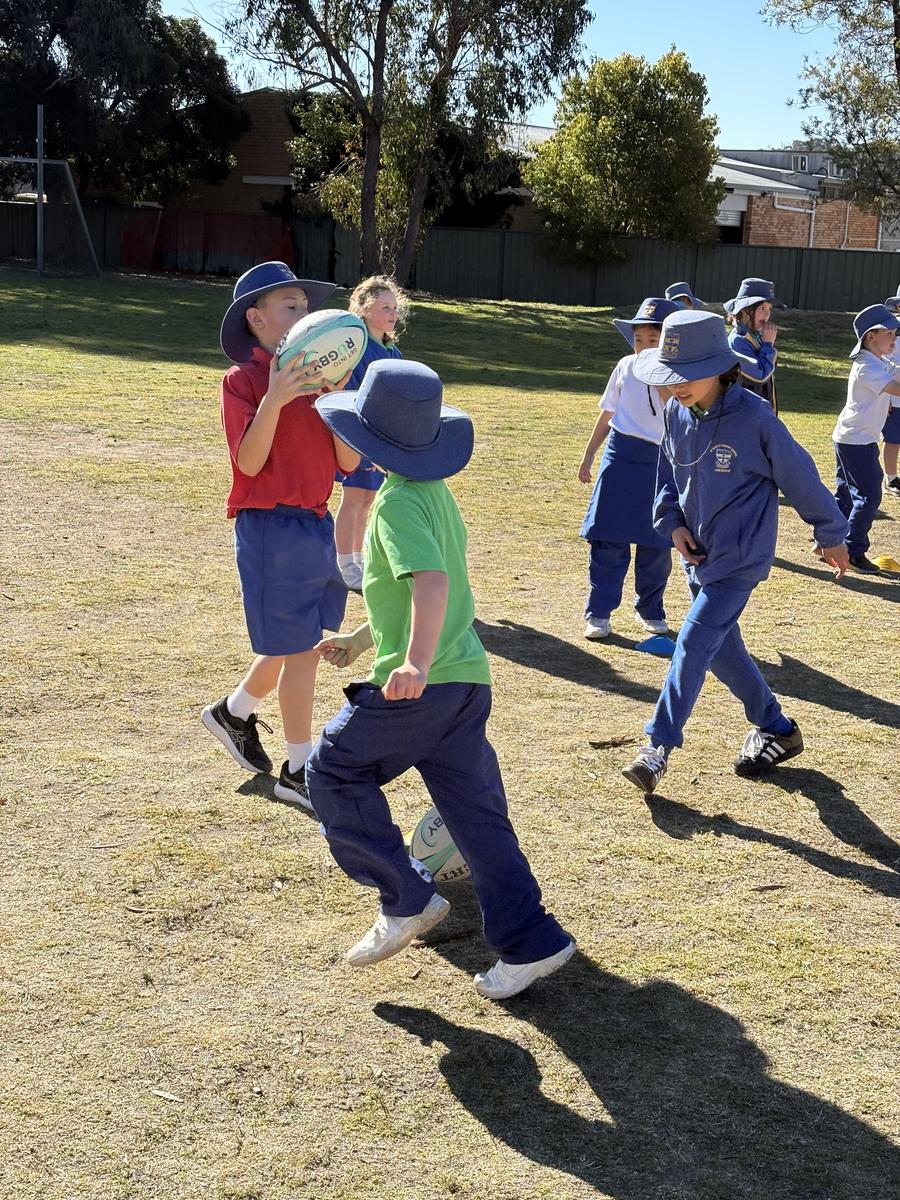
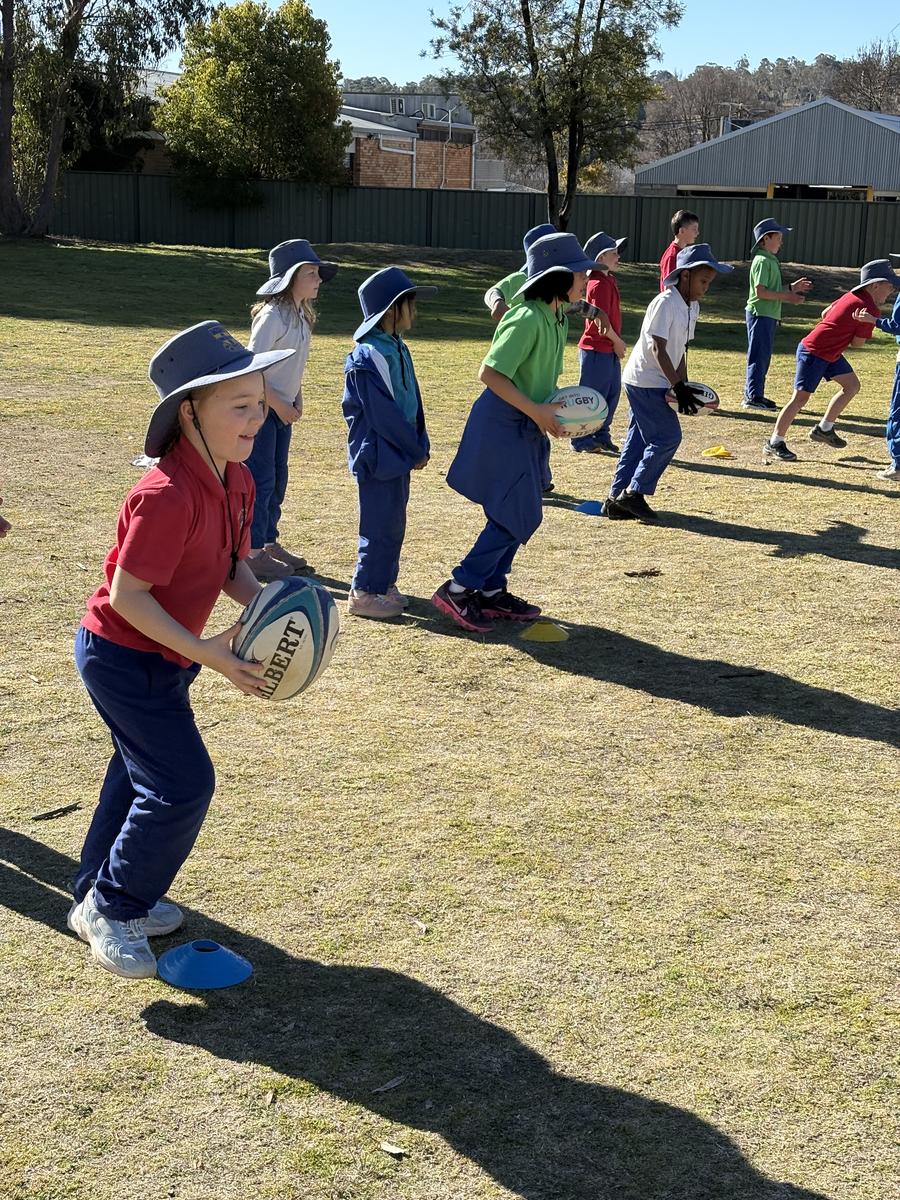
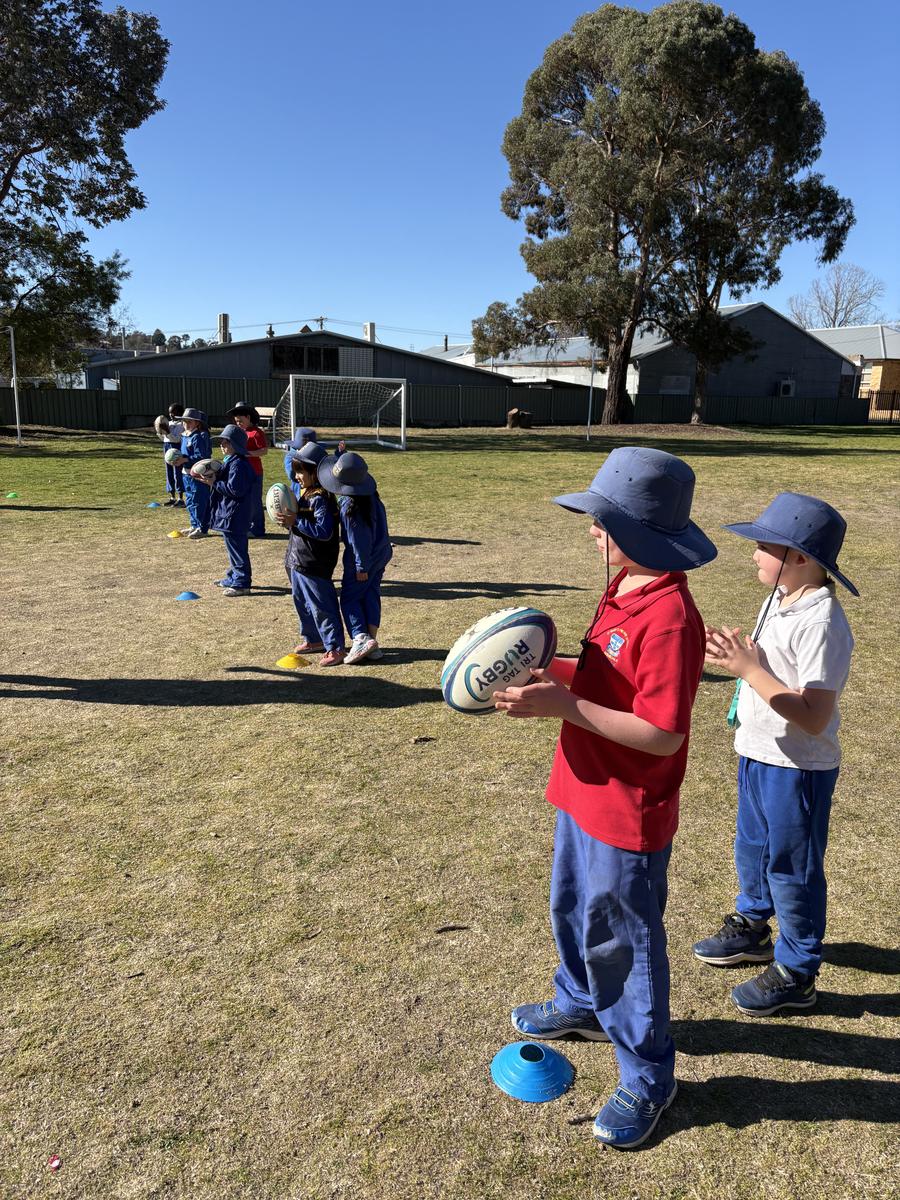
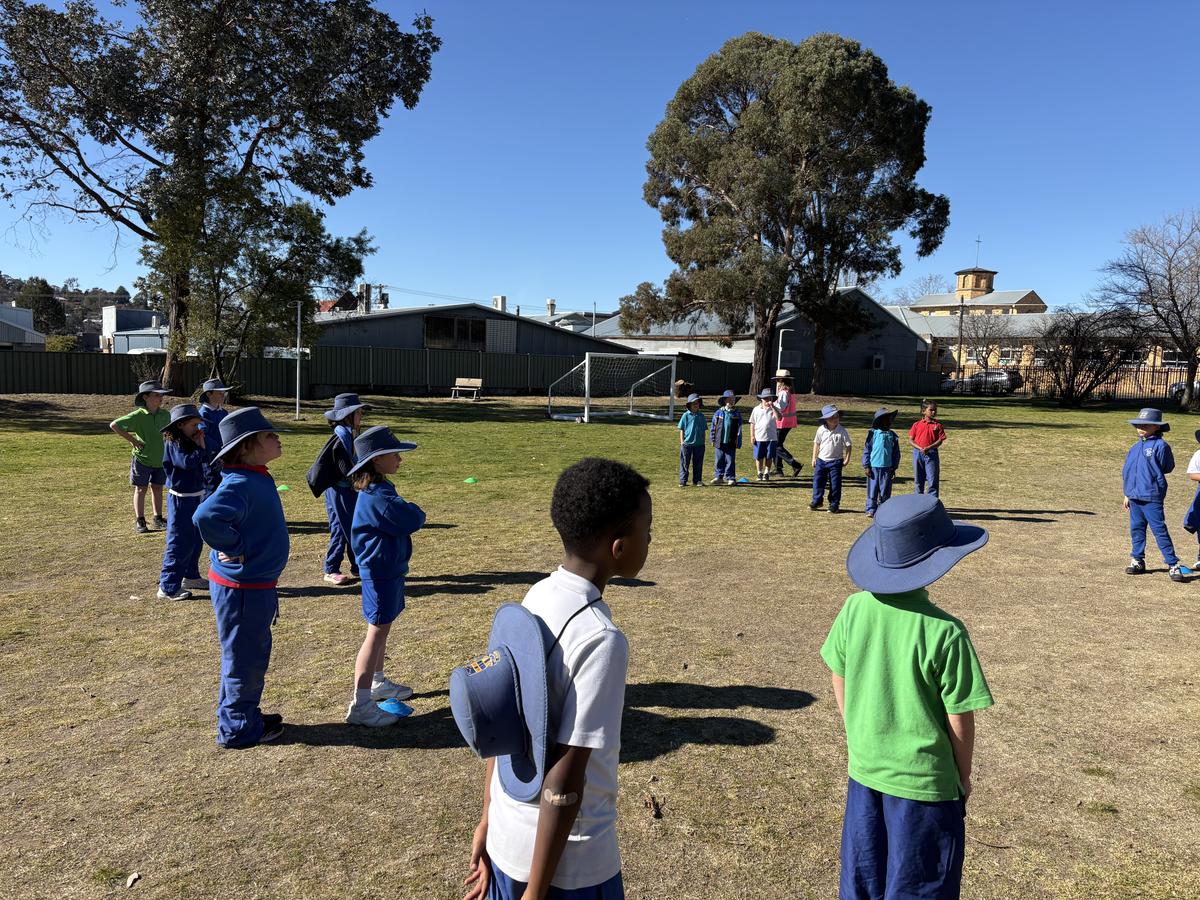
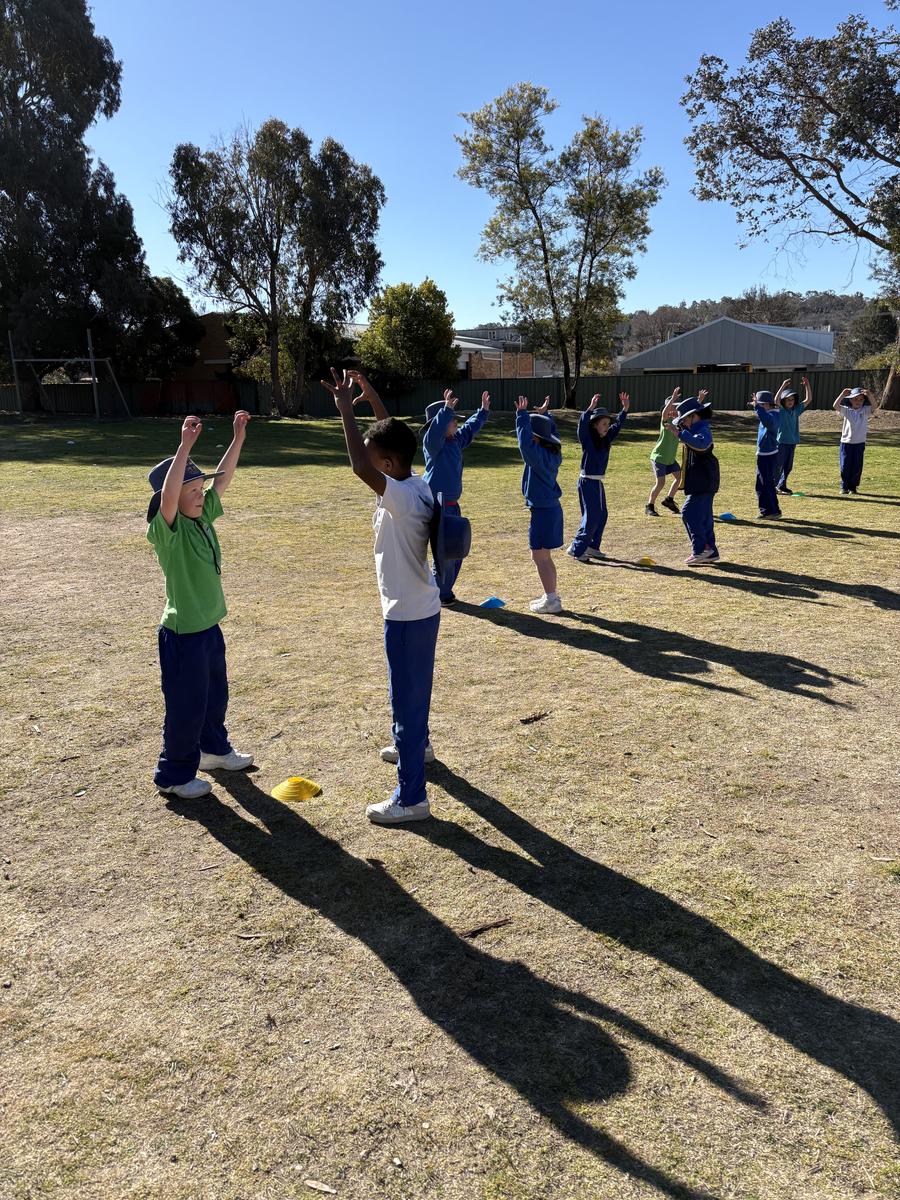
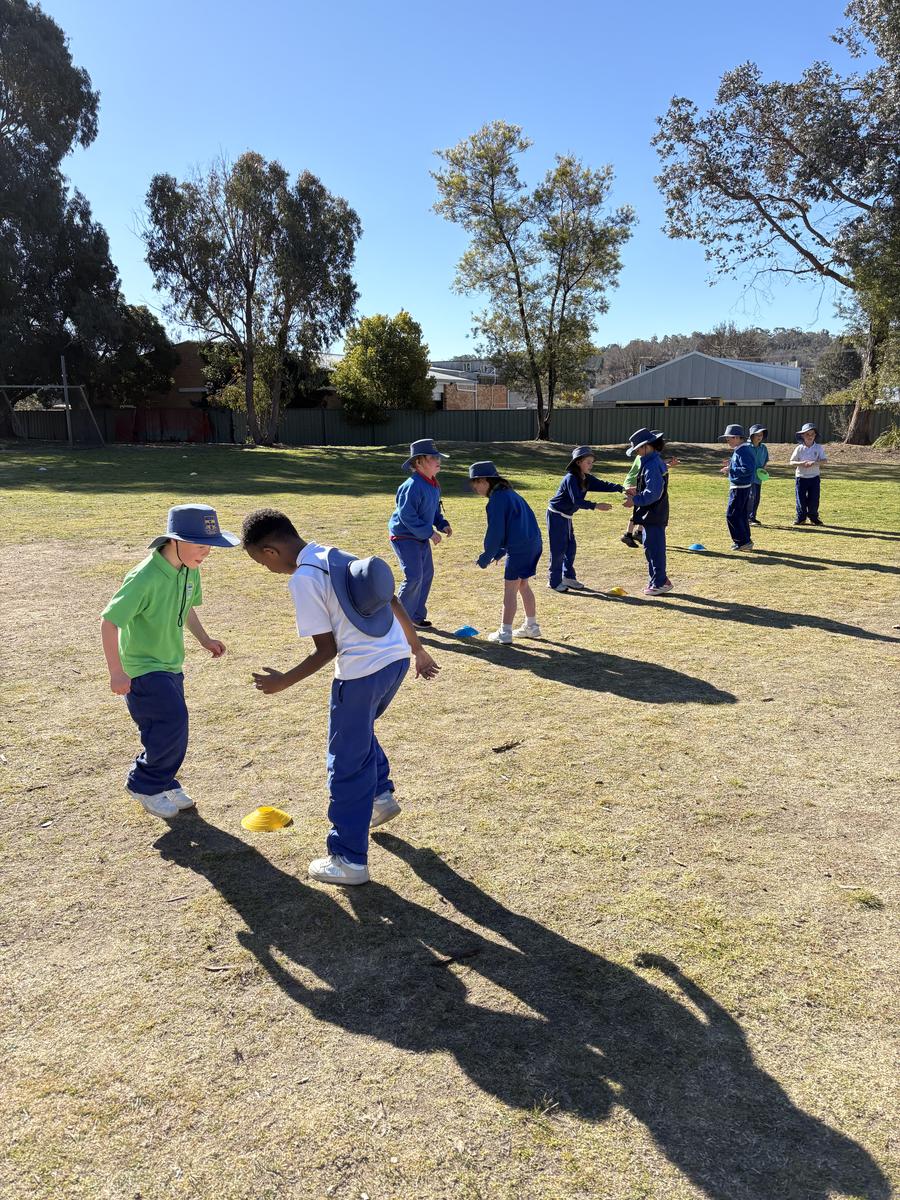
Rugby Skills
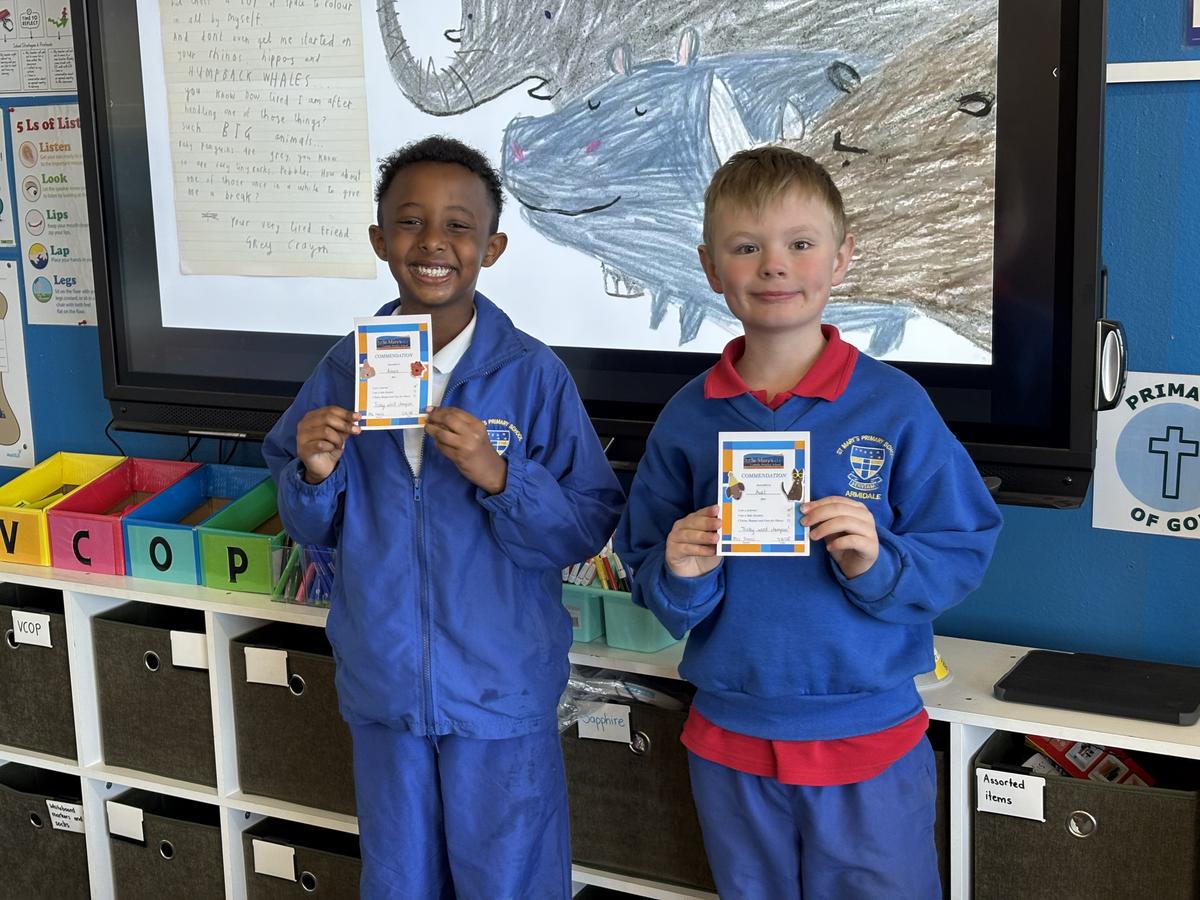
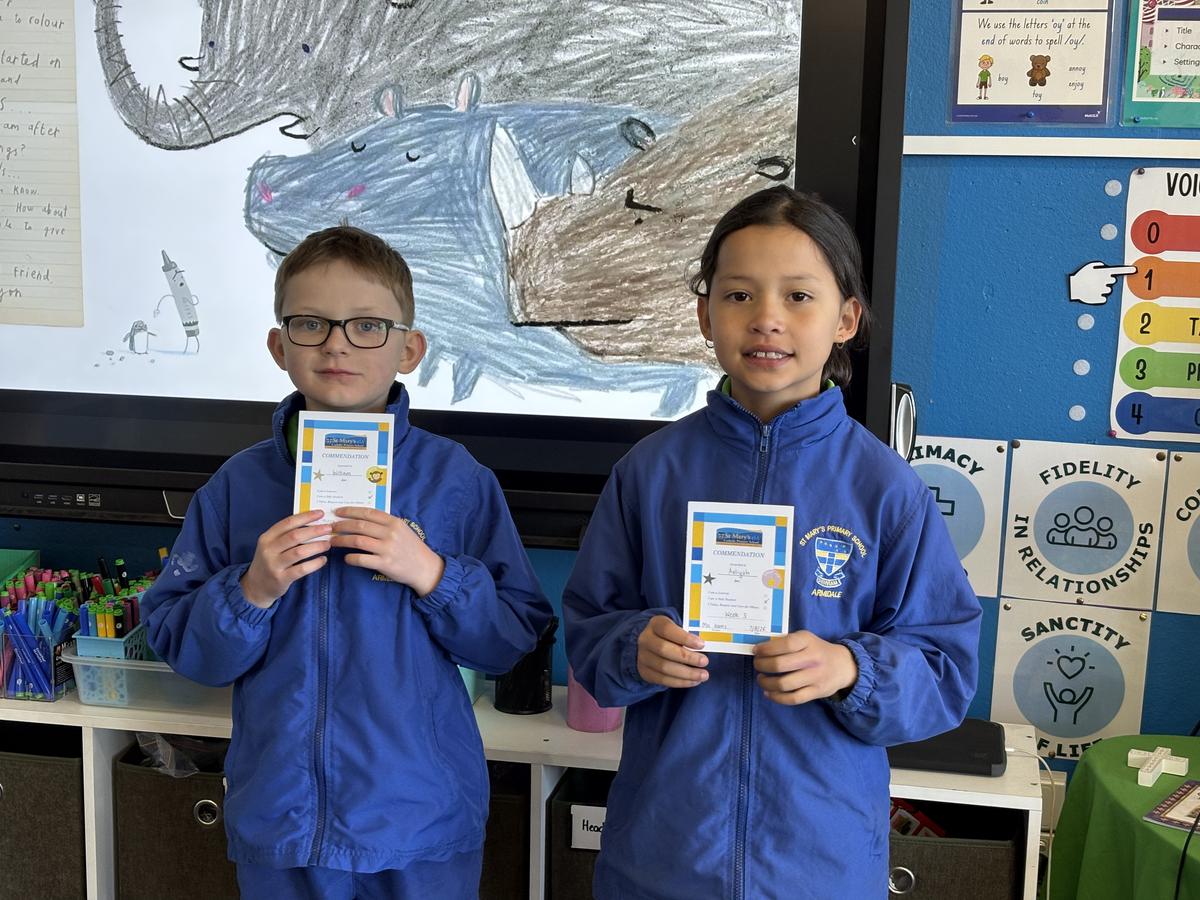
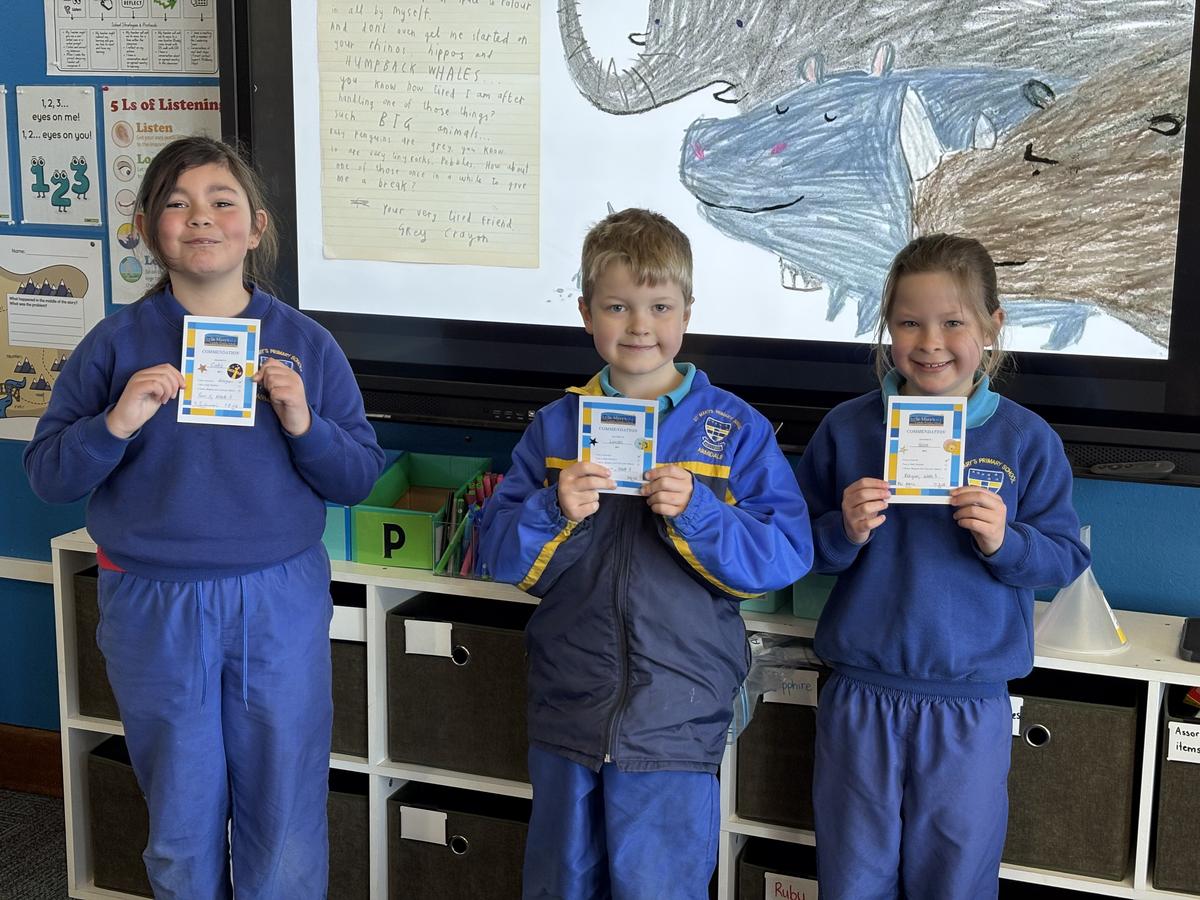
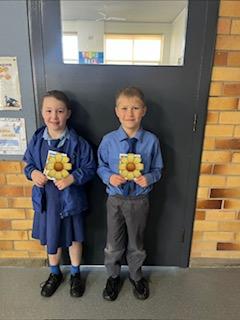
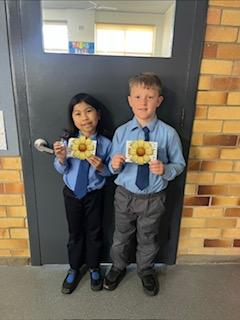
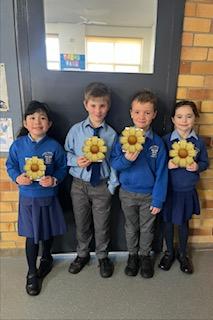
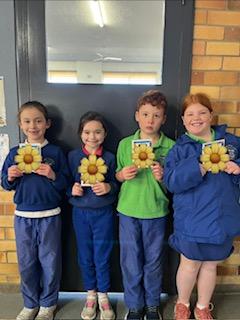
Awards
I am Safe, I am a Learner, and I am Valued, Respected and Cared for
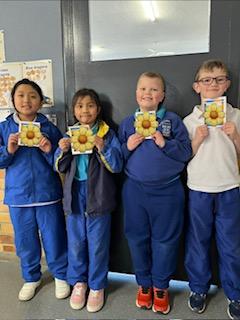
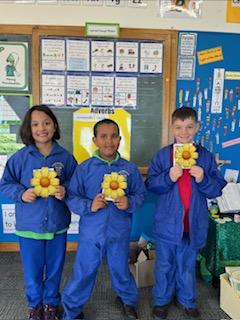
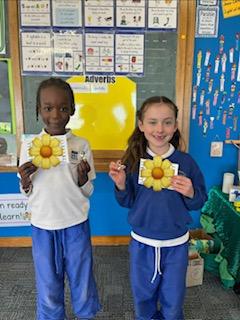
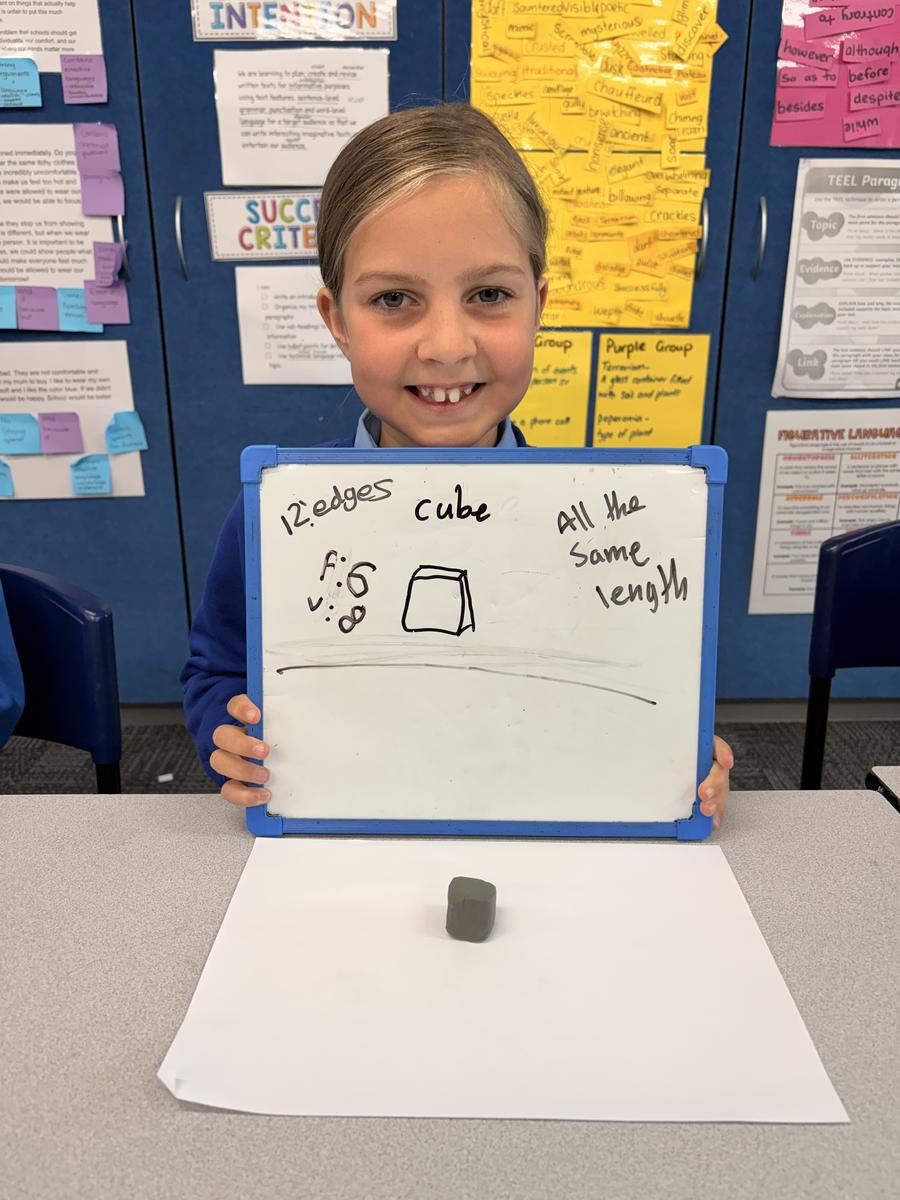
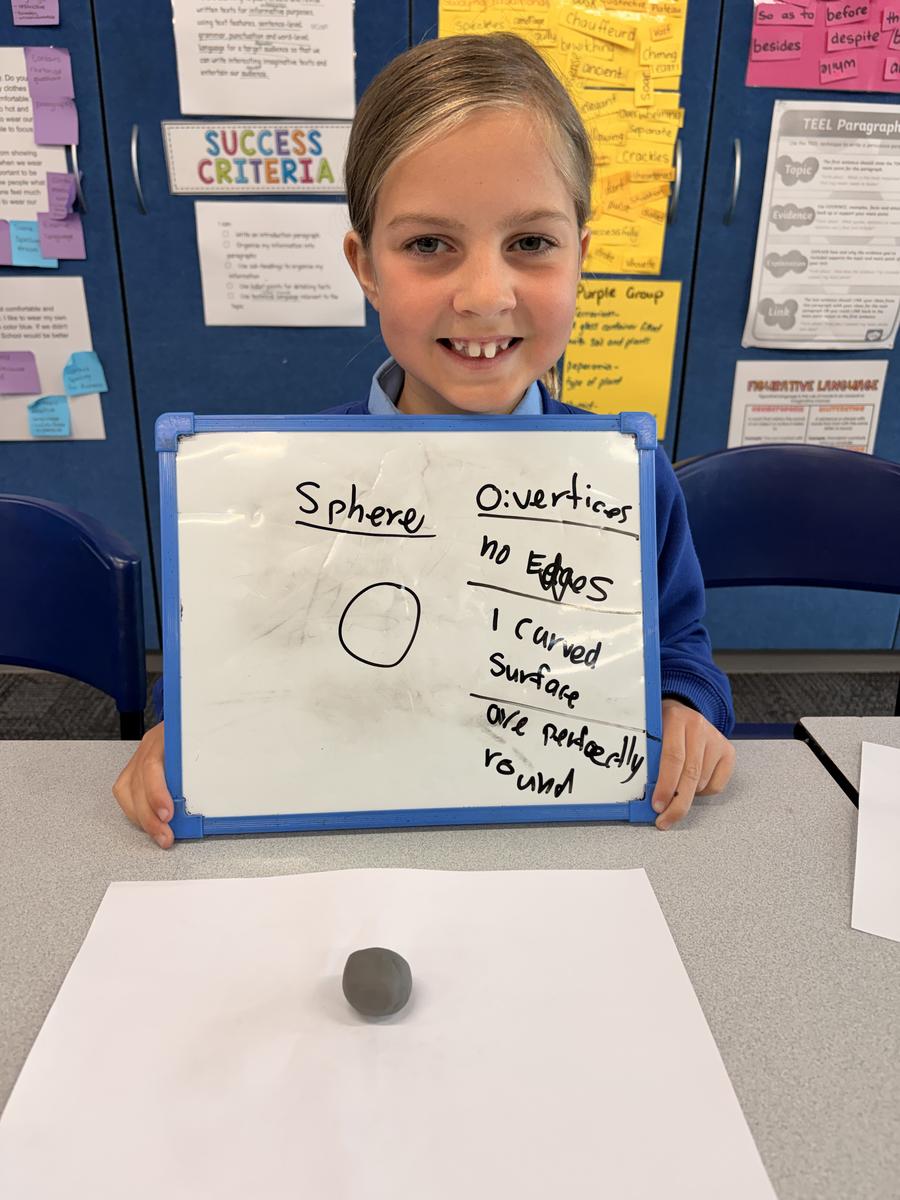
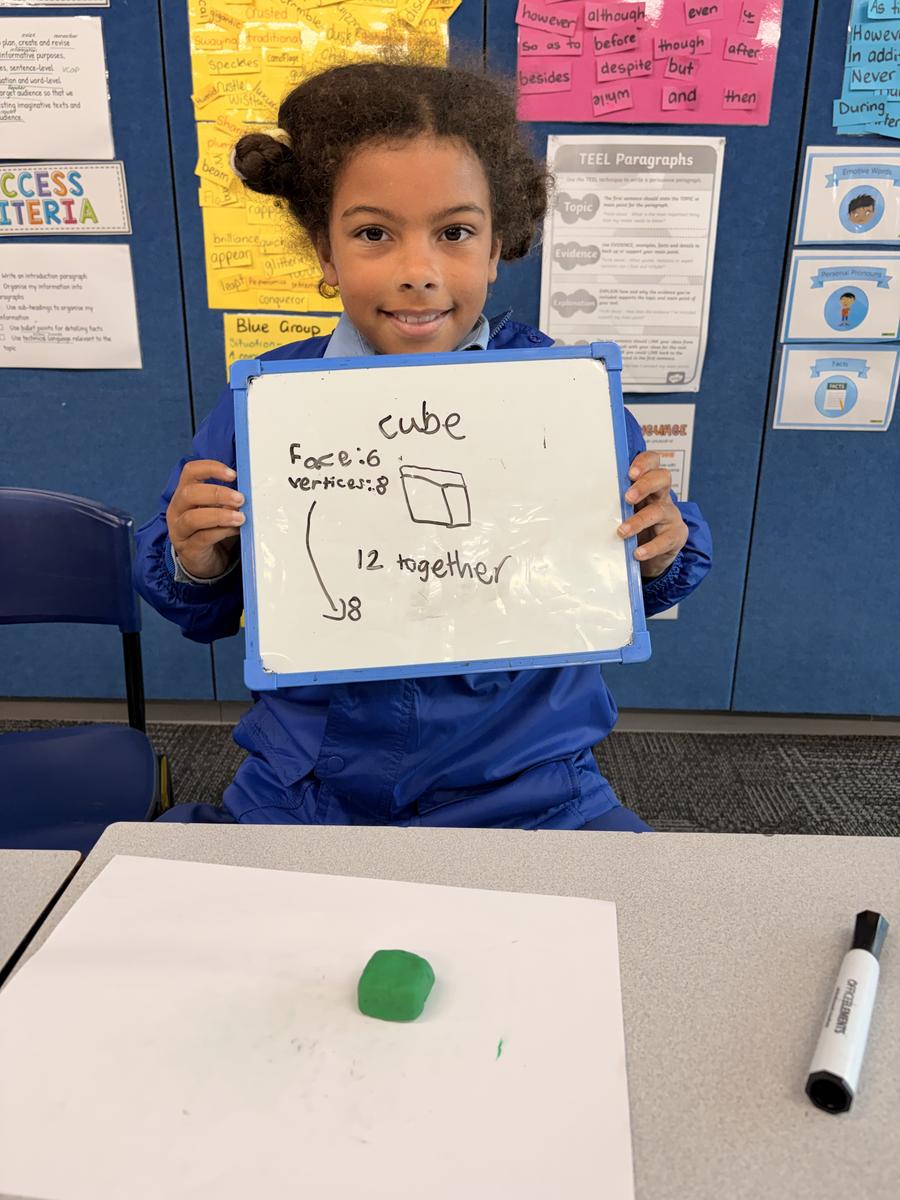
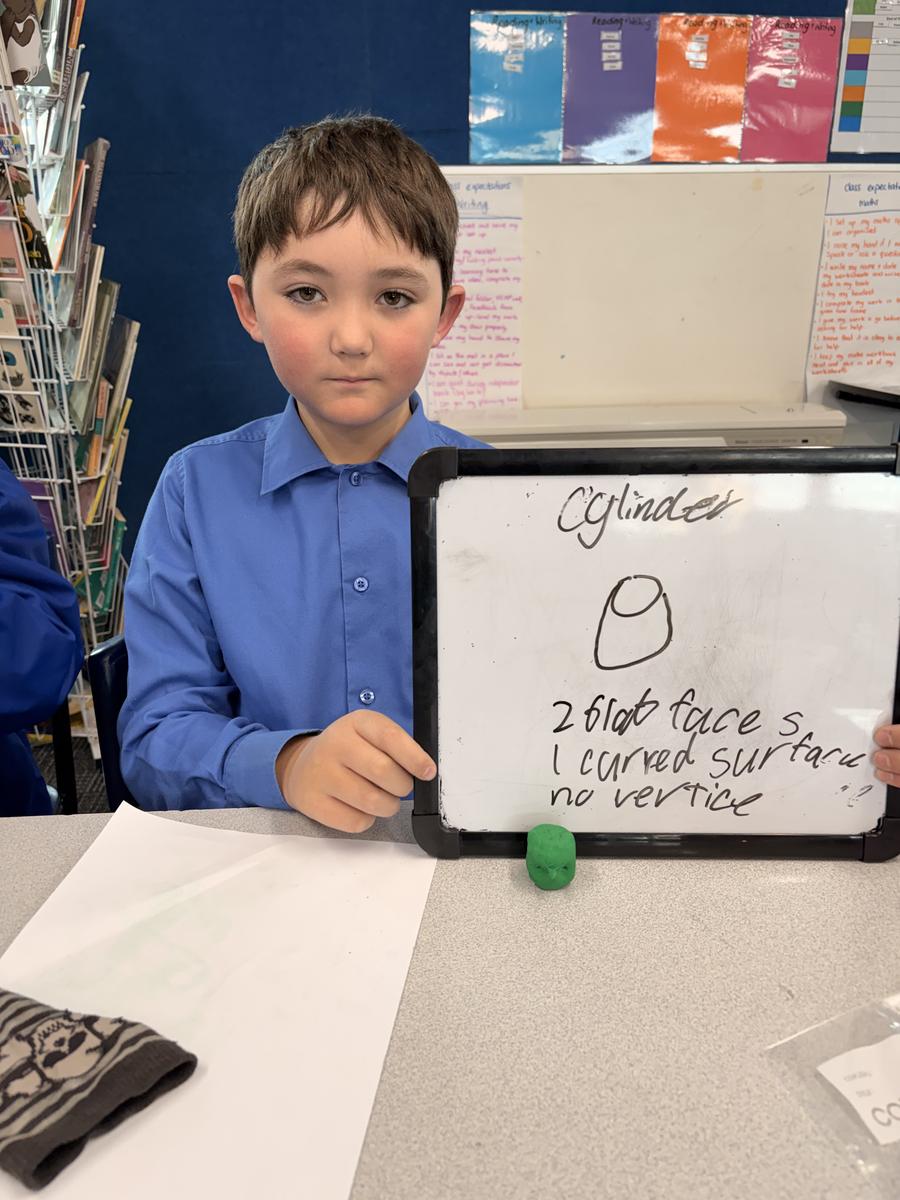
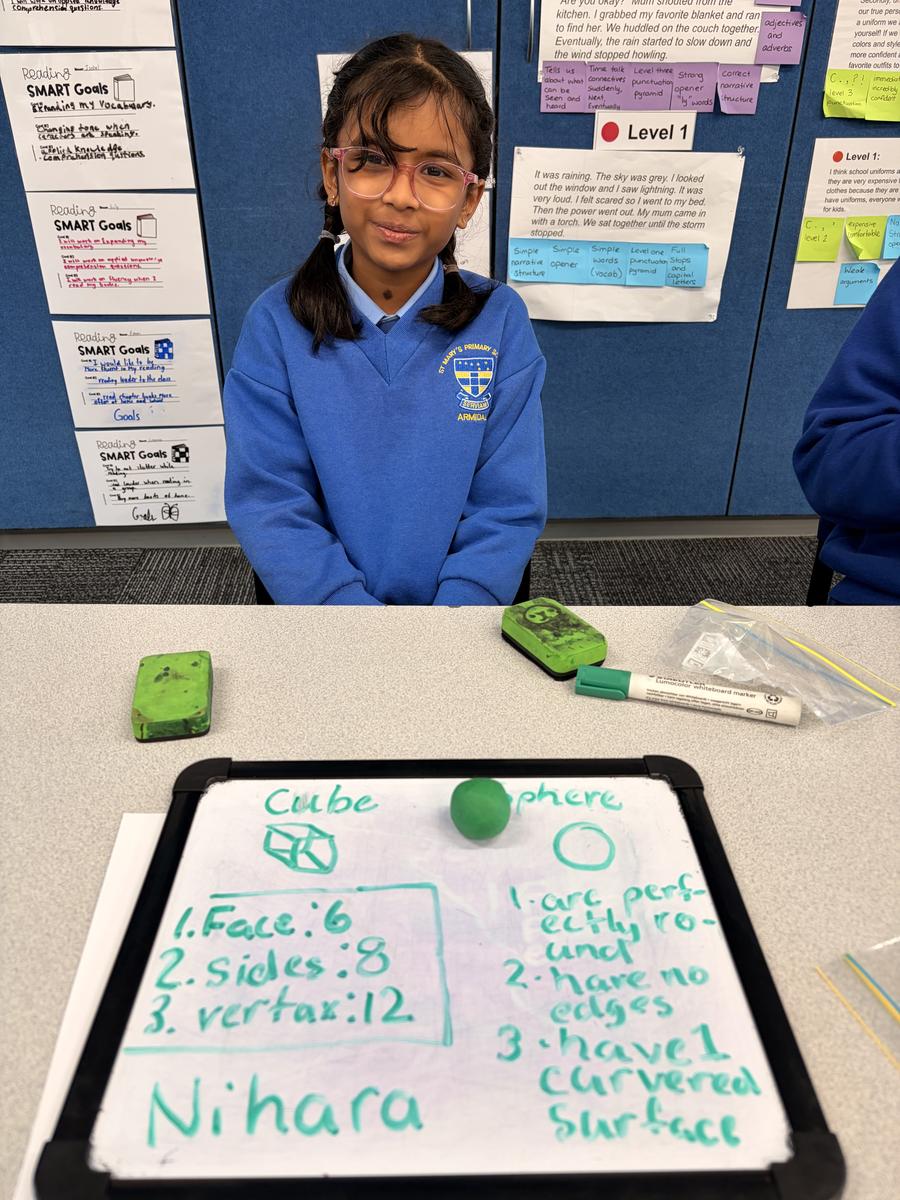
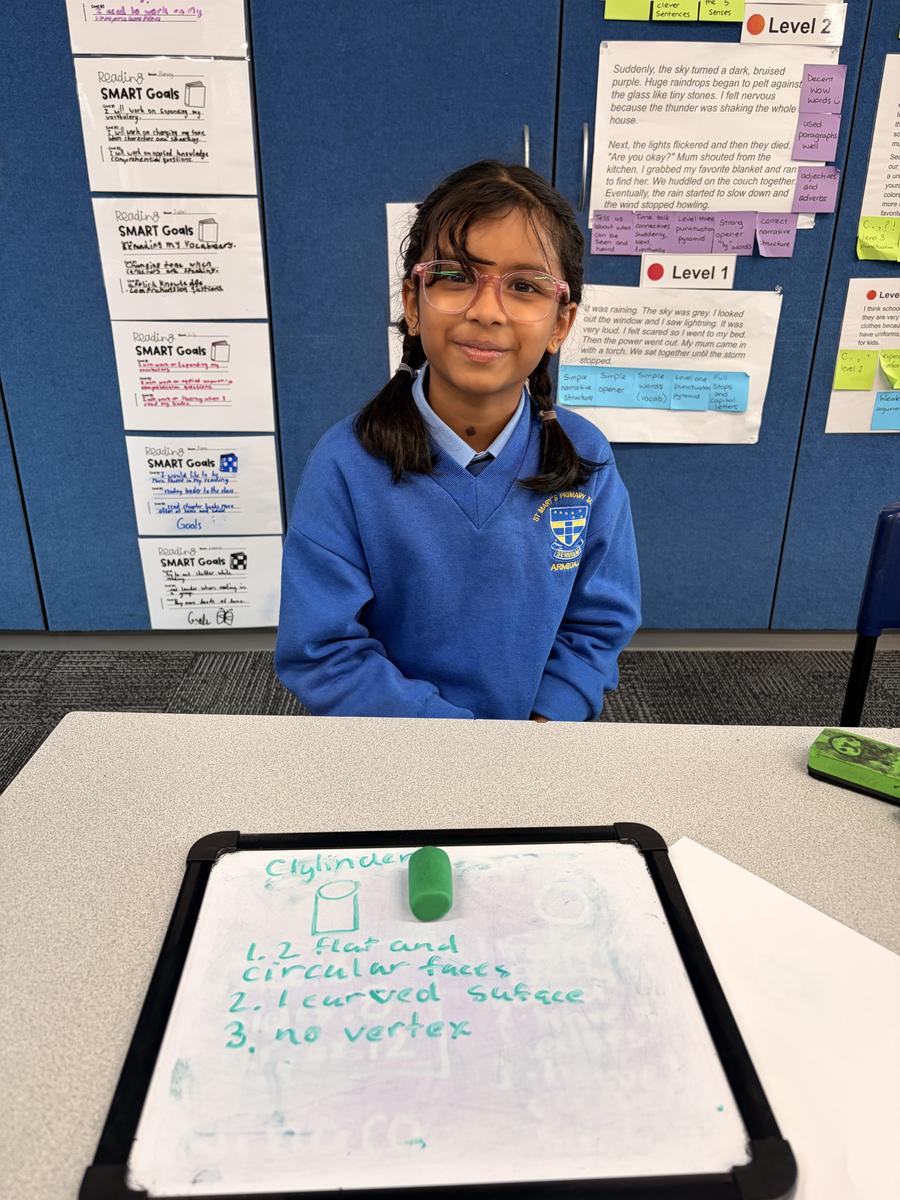
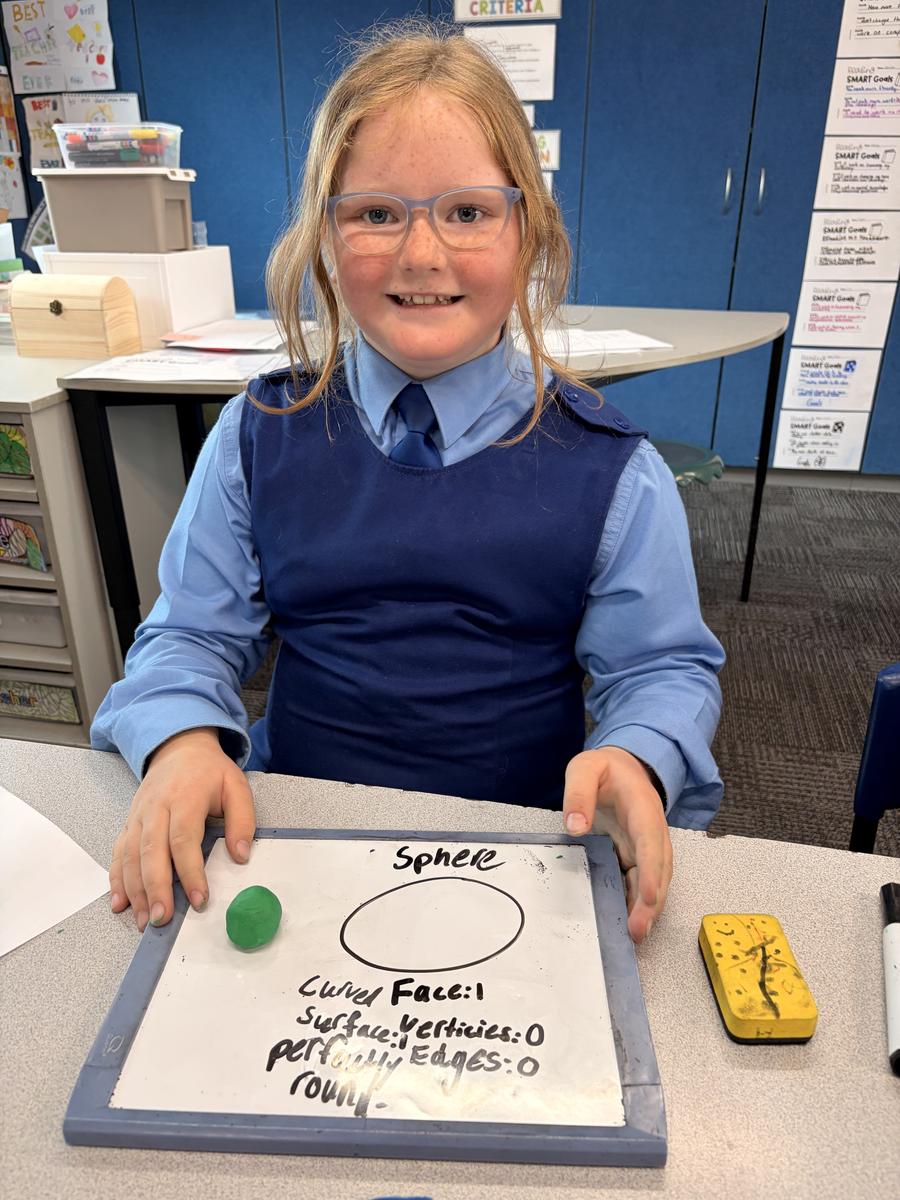
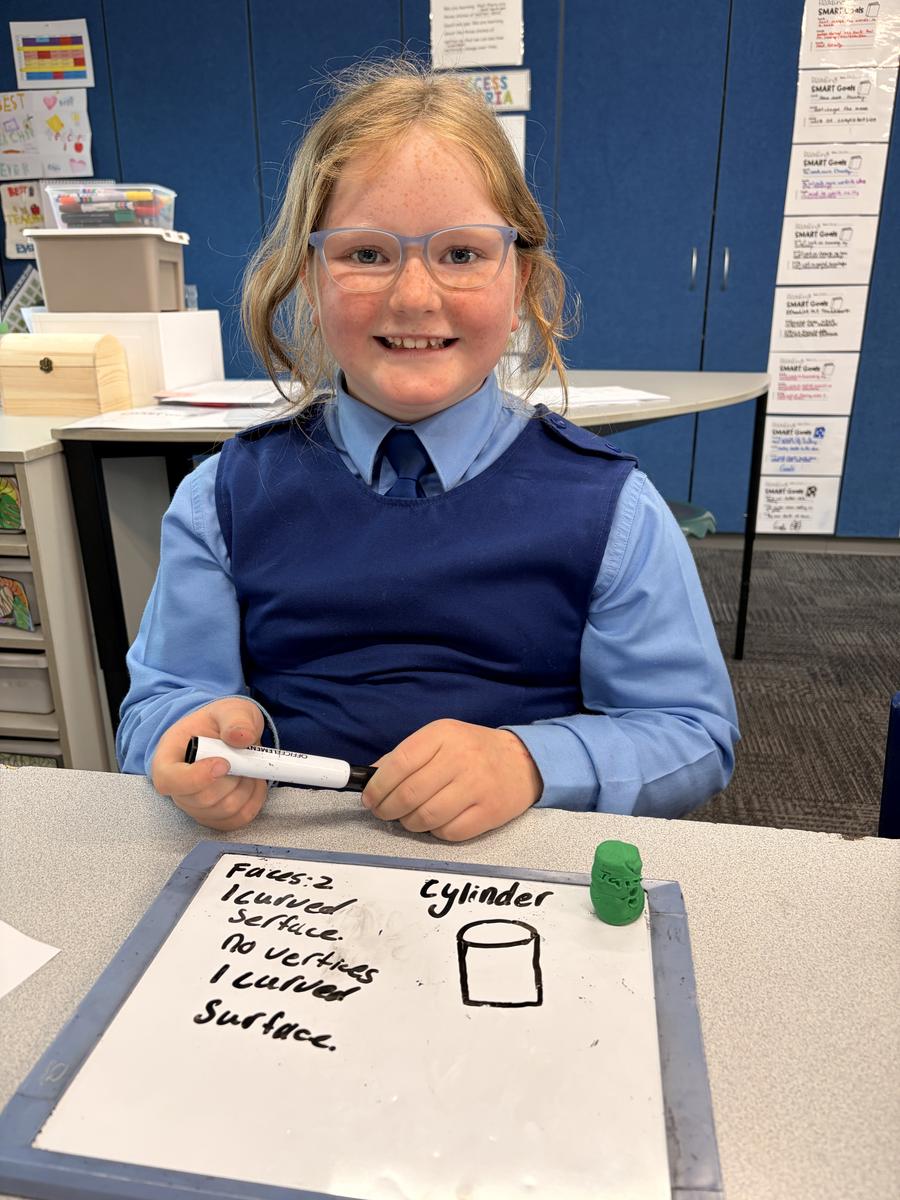
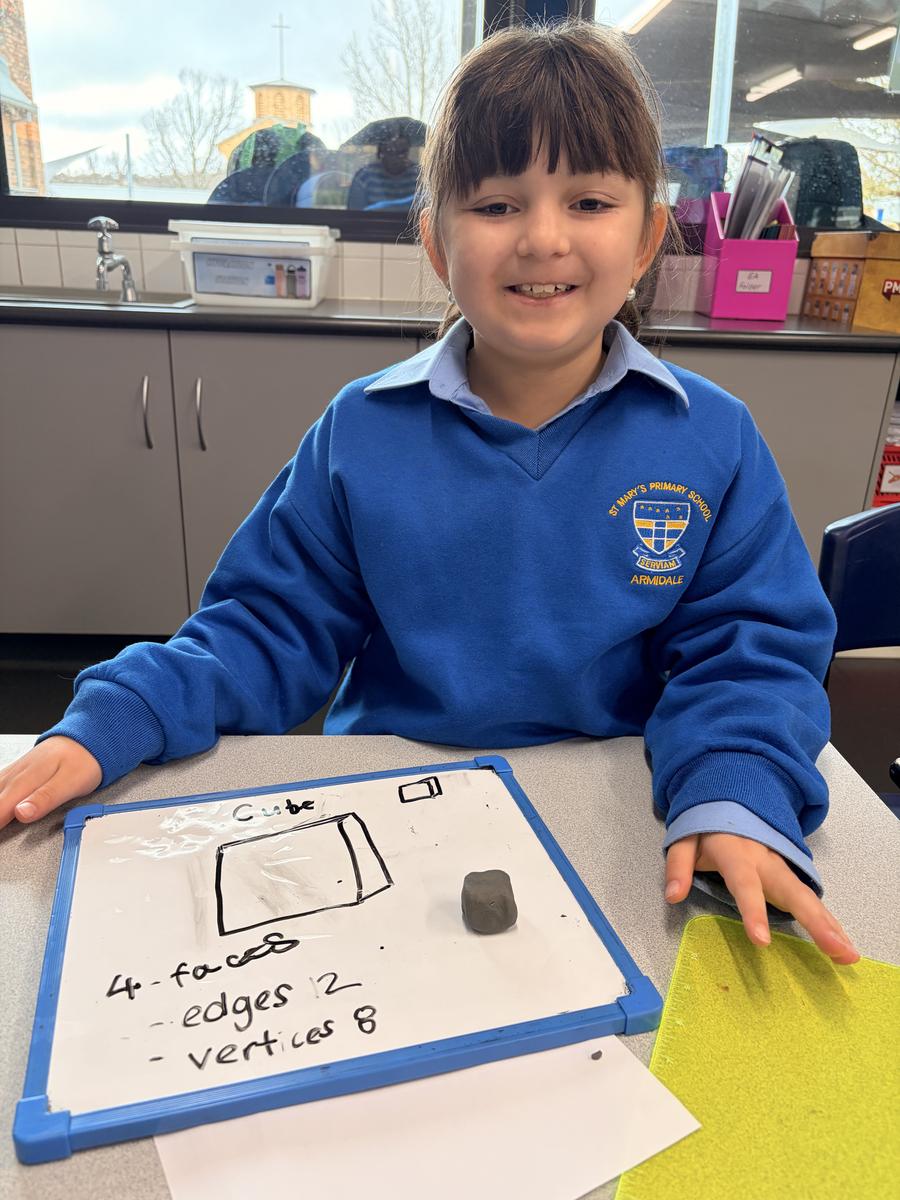
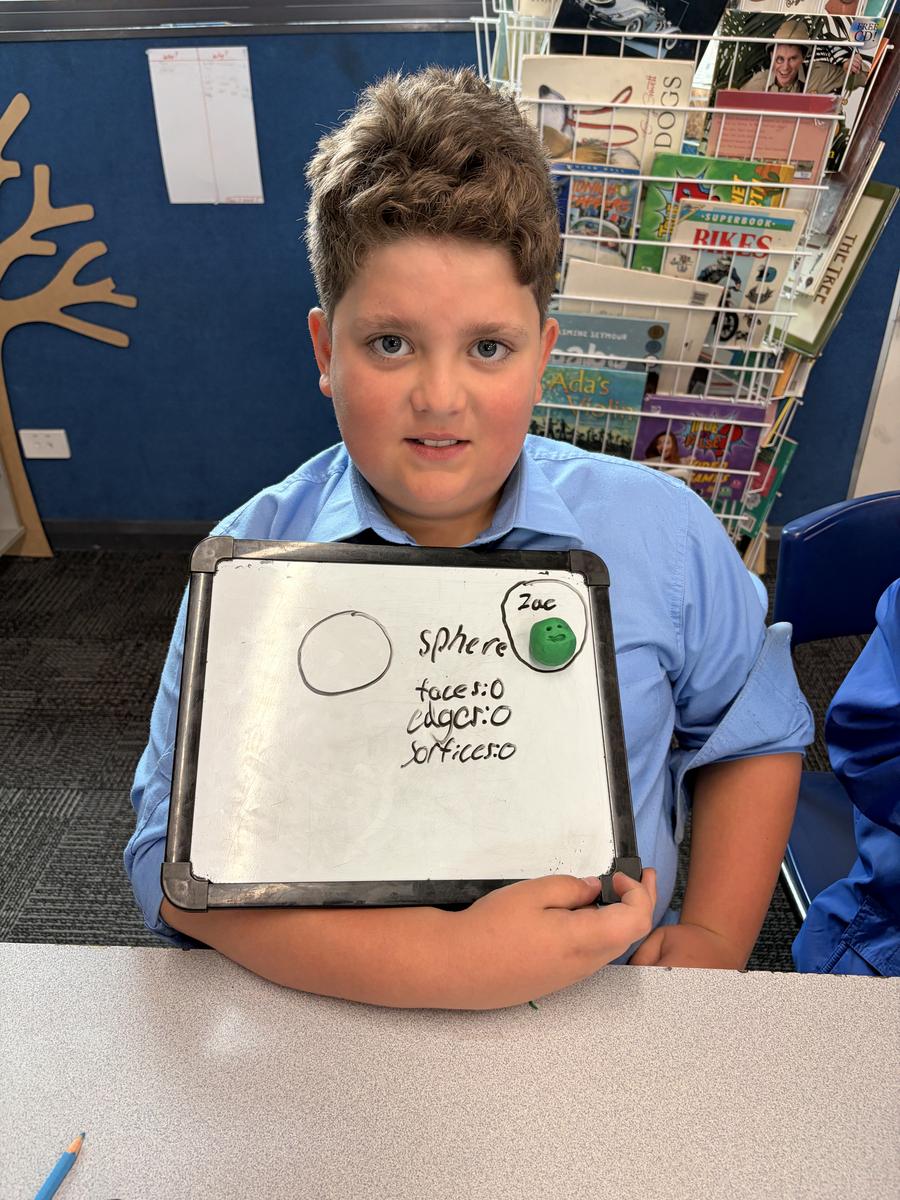
Maths - 3D shapes
Tips for parents:
Use Everyday Objects: Encourage your child to explore and identify 3D objects in everyday items like cereal boxes (prisms), cans (cylinders), and pyramid-shaped packaging. Discuss the objects, their features, and their nets.
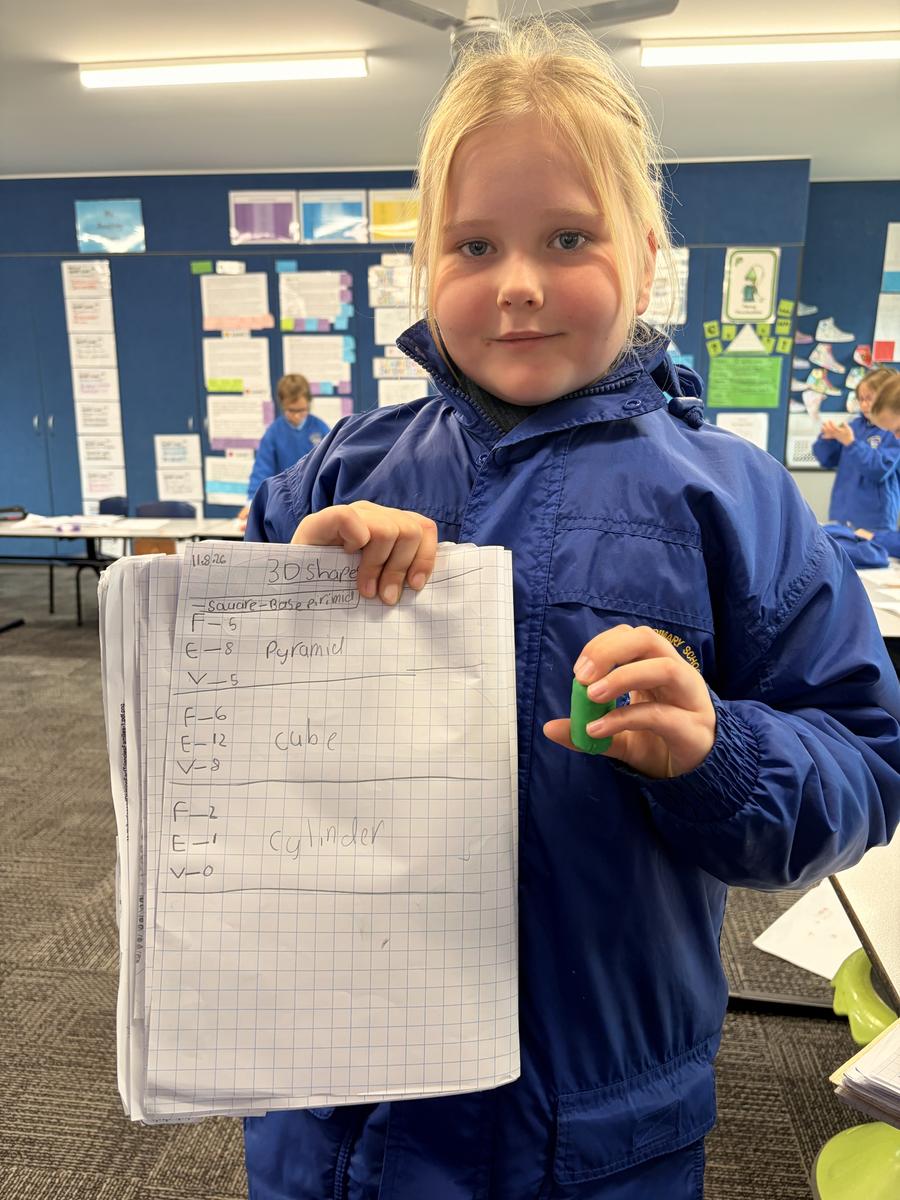
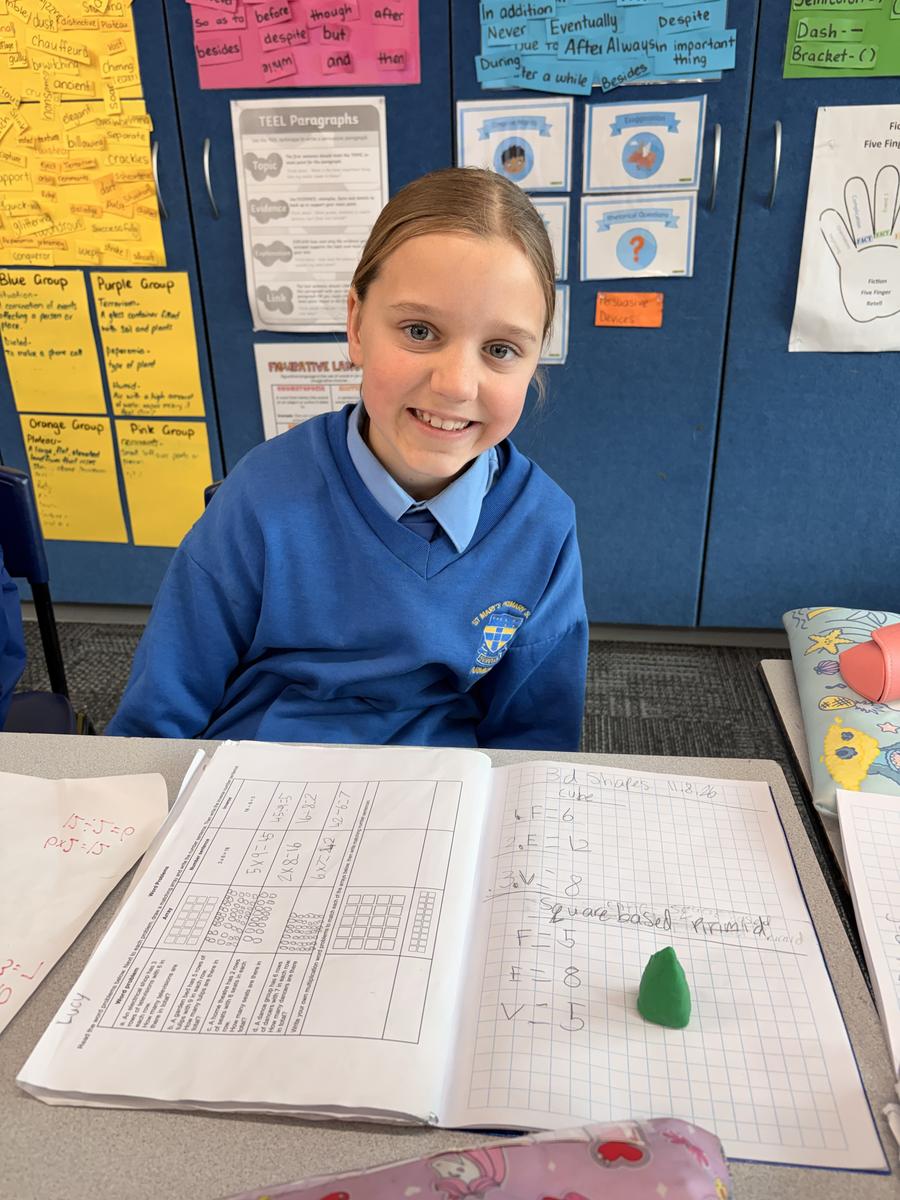
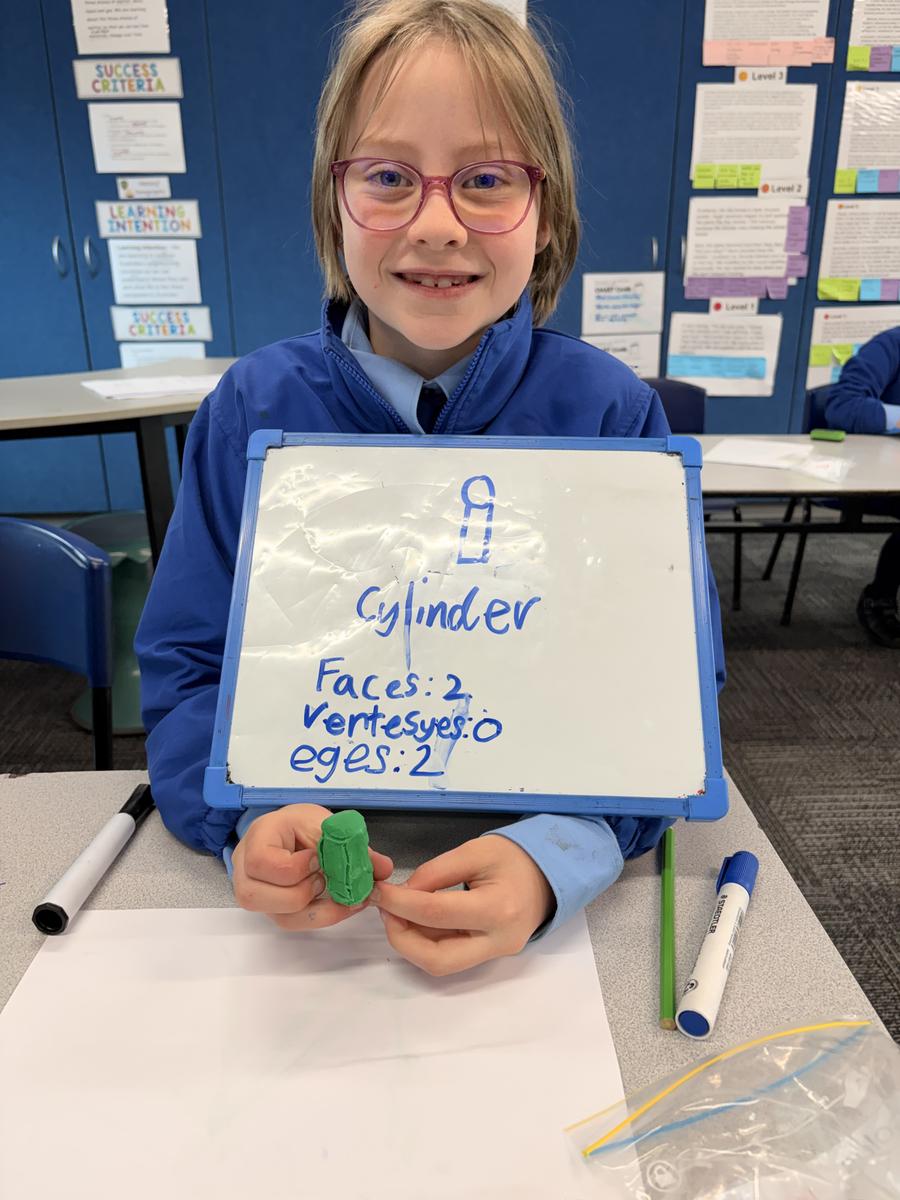
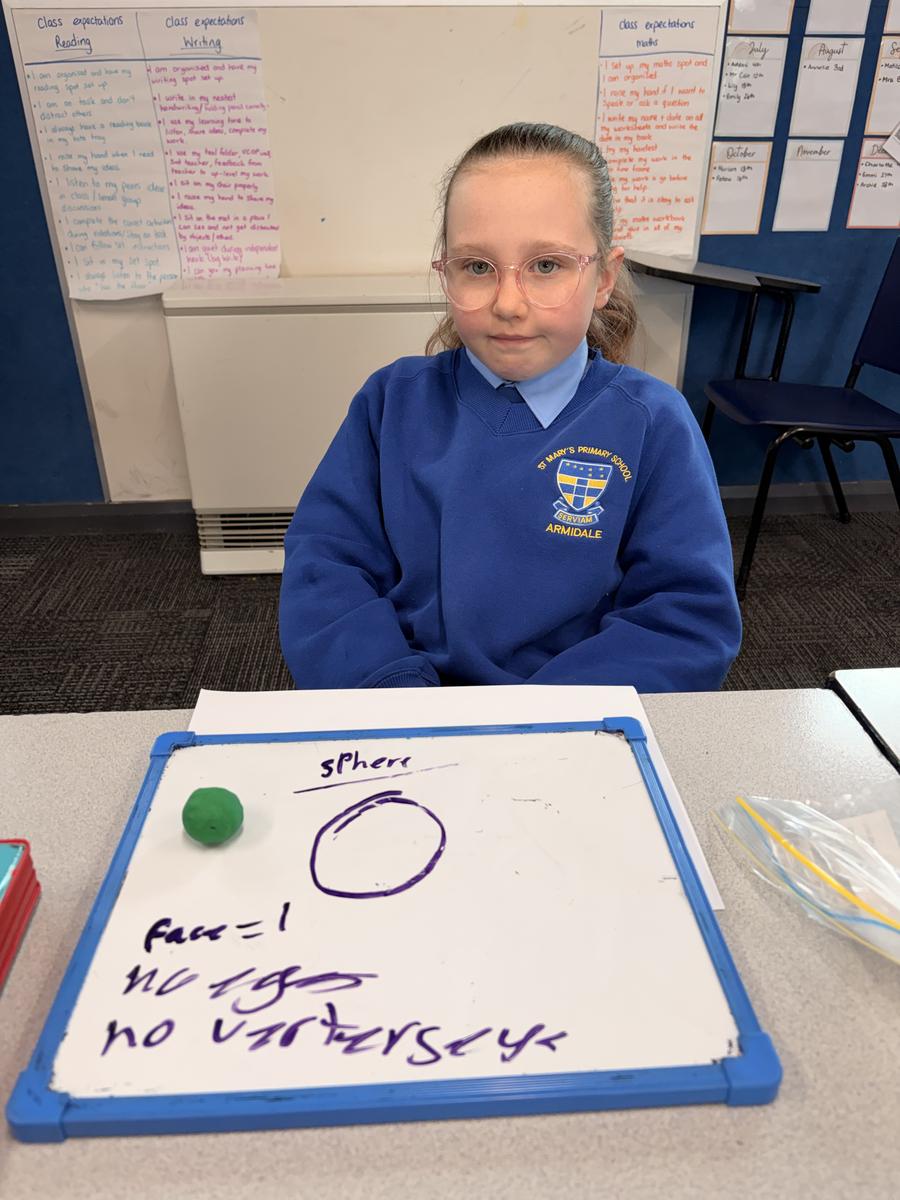
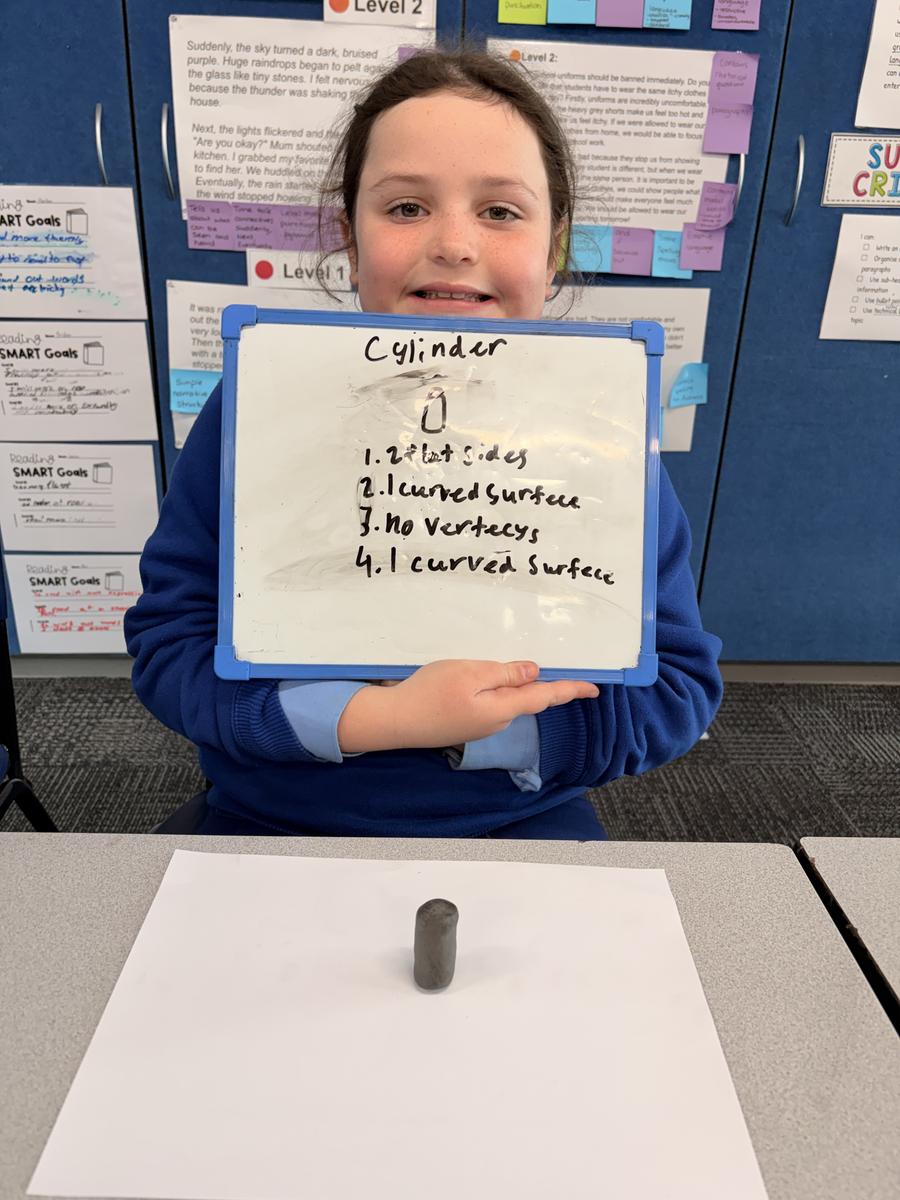
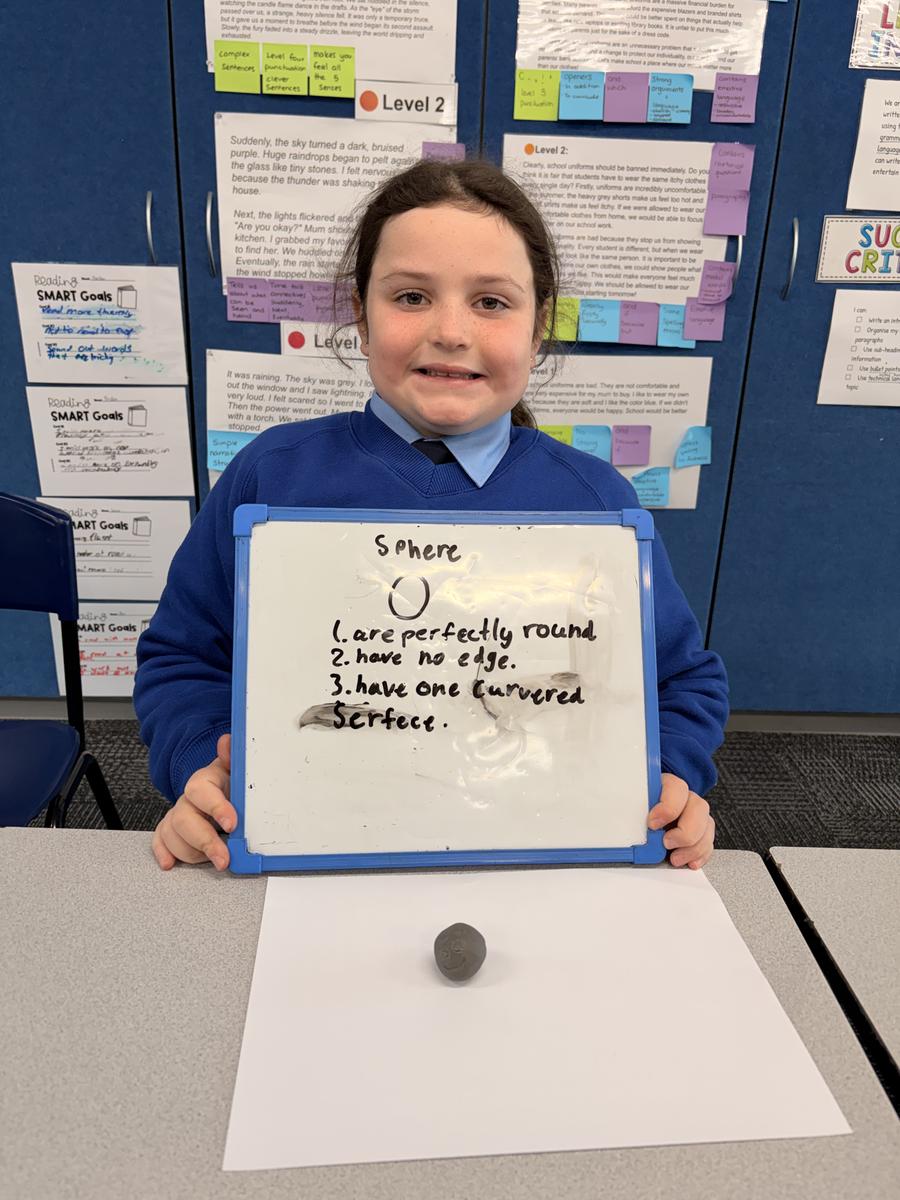
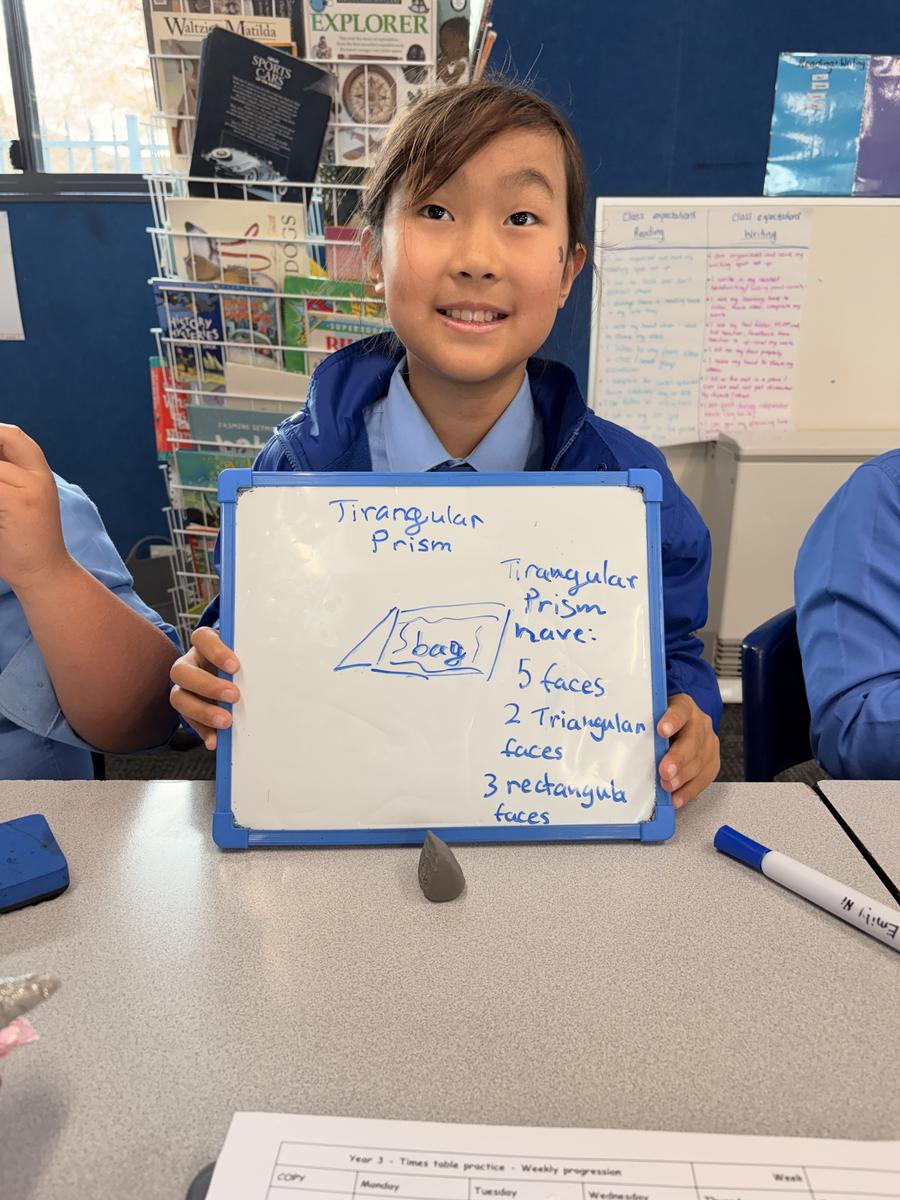
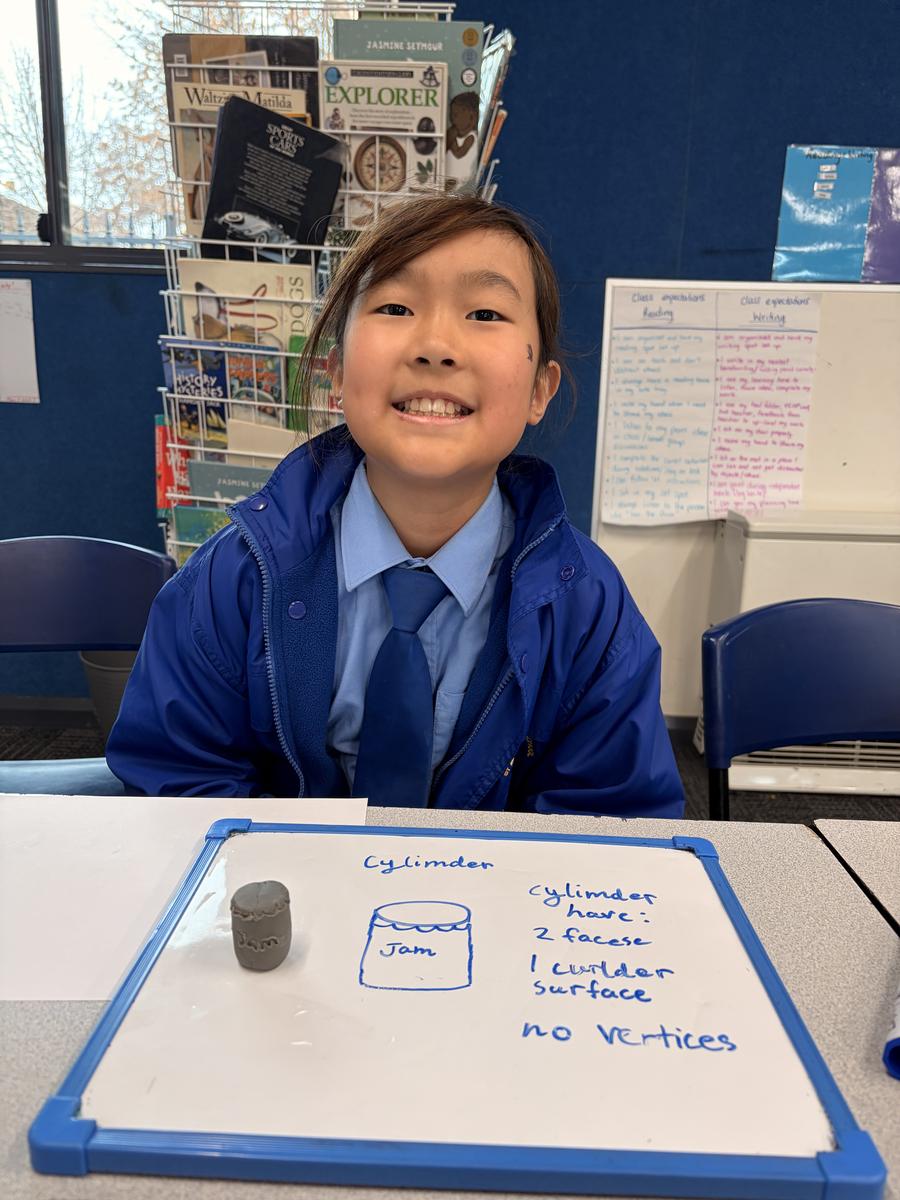
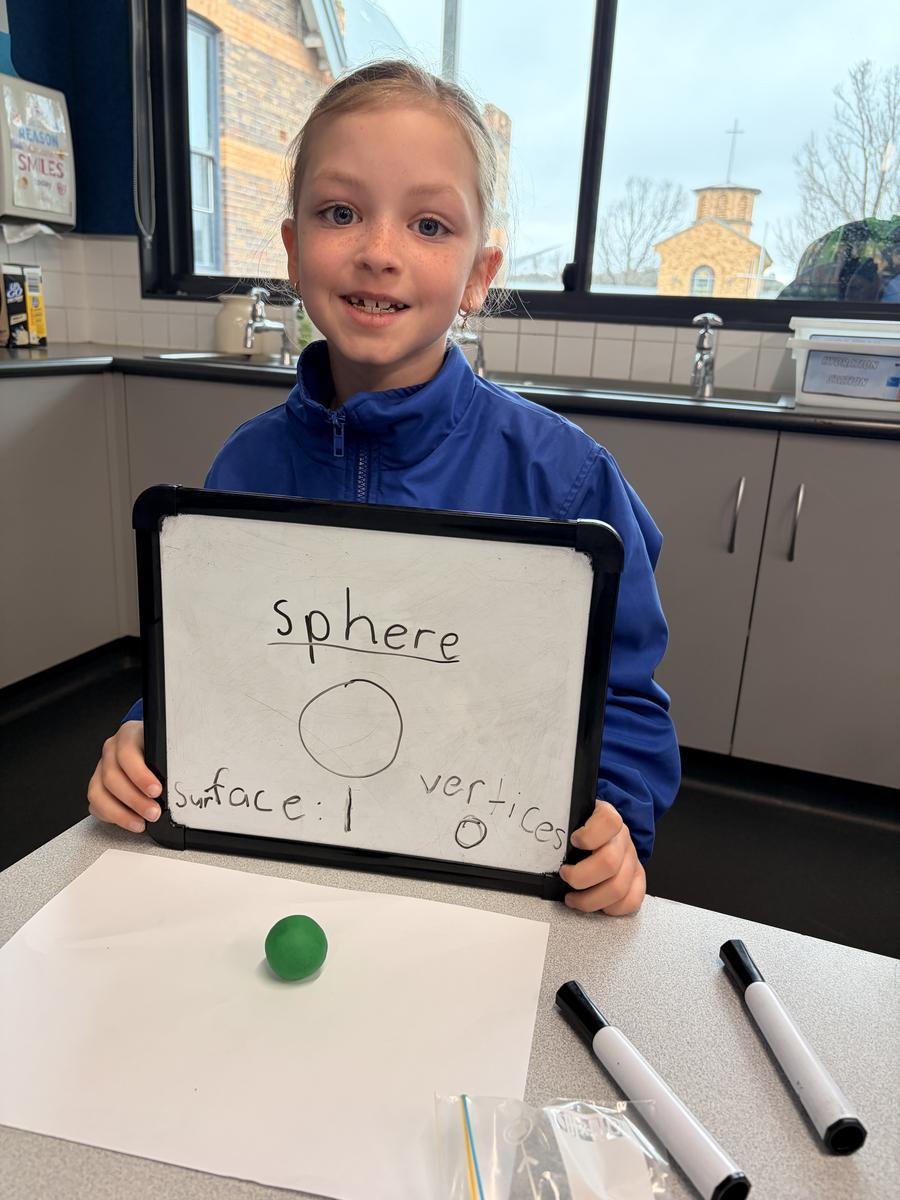
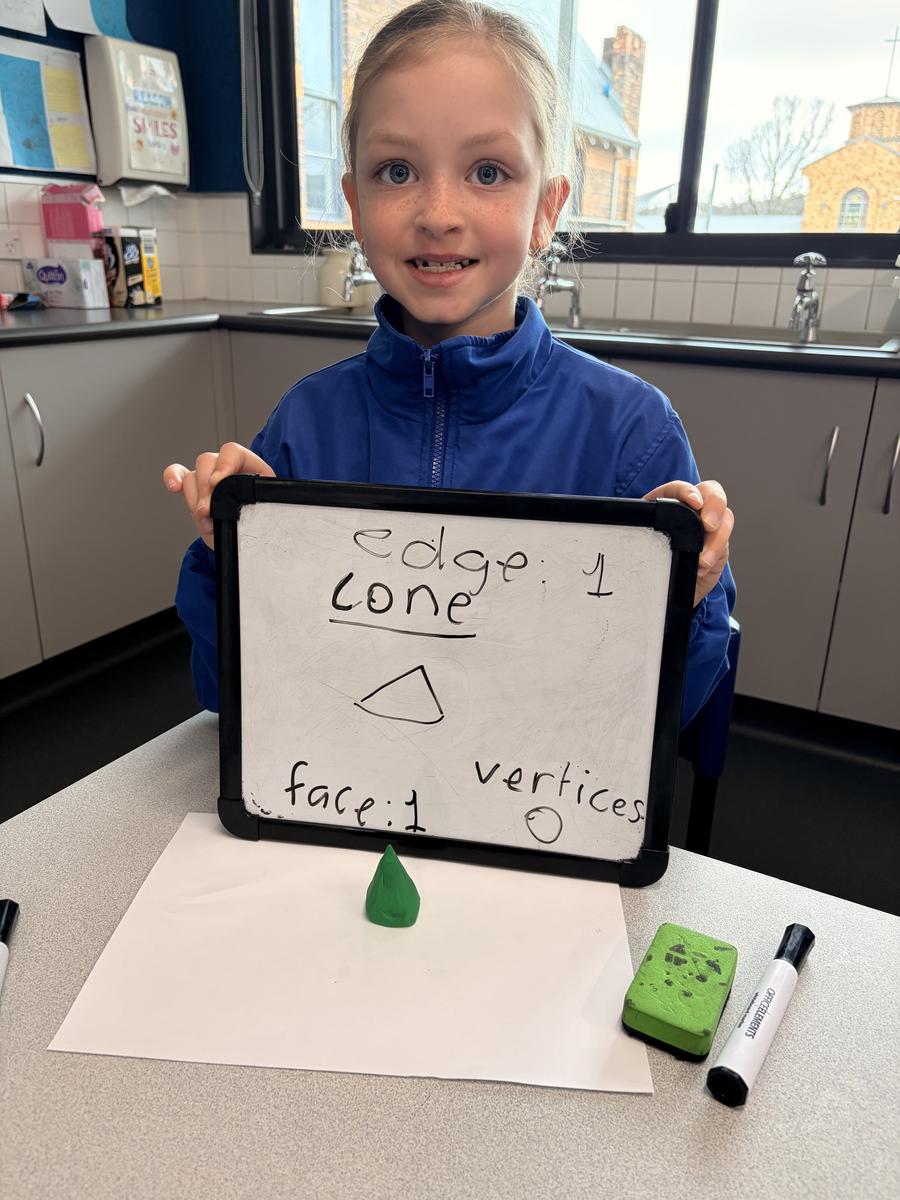
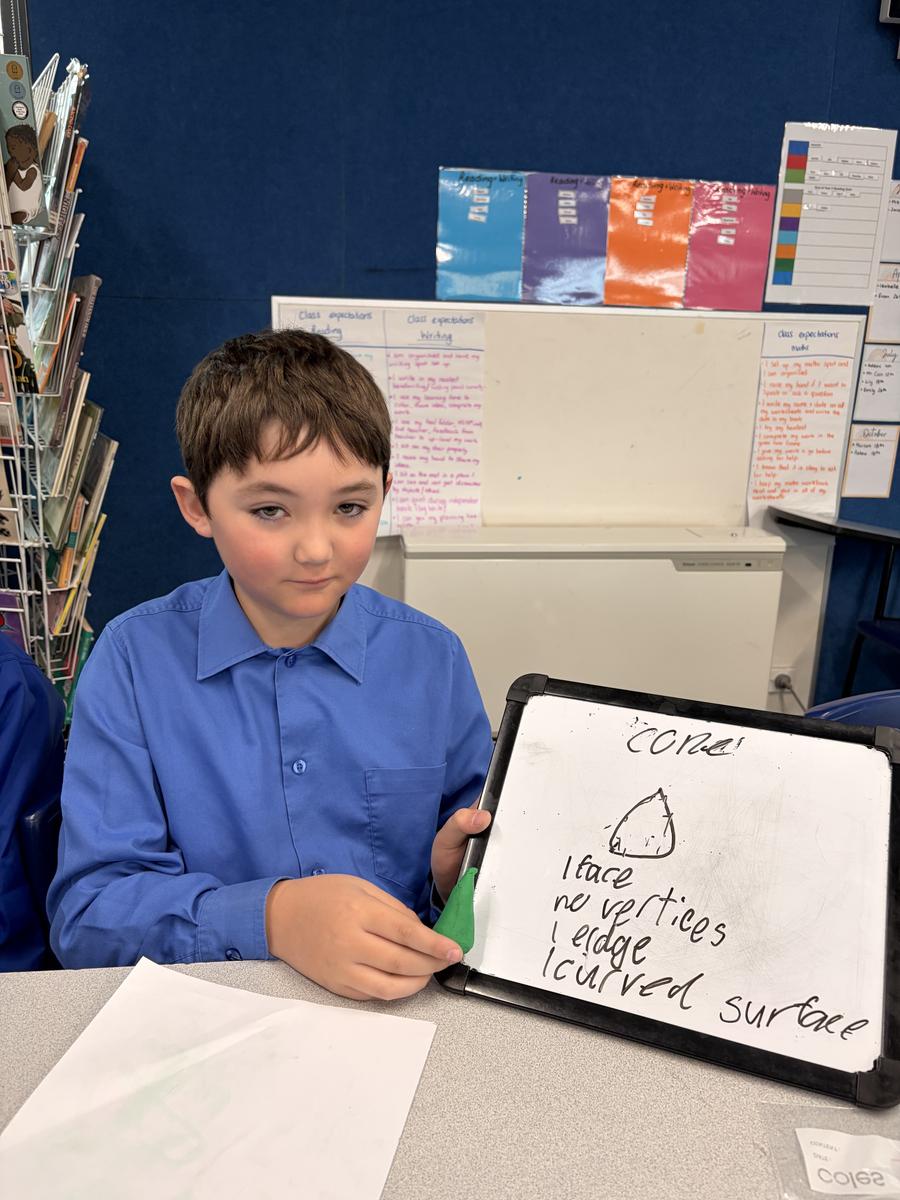
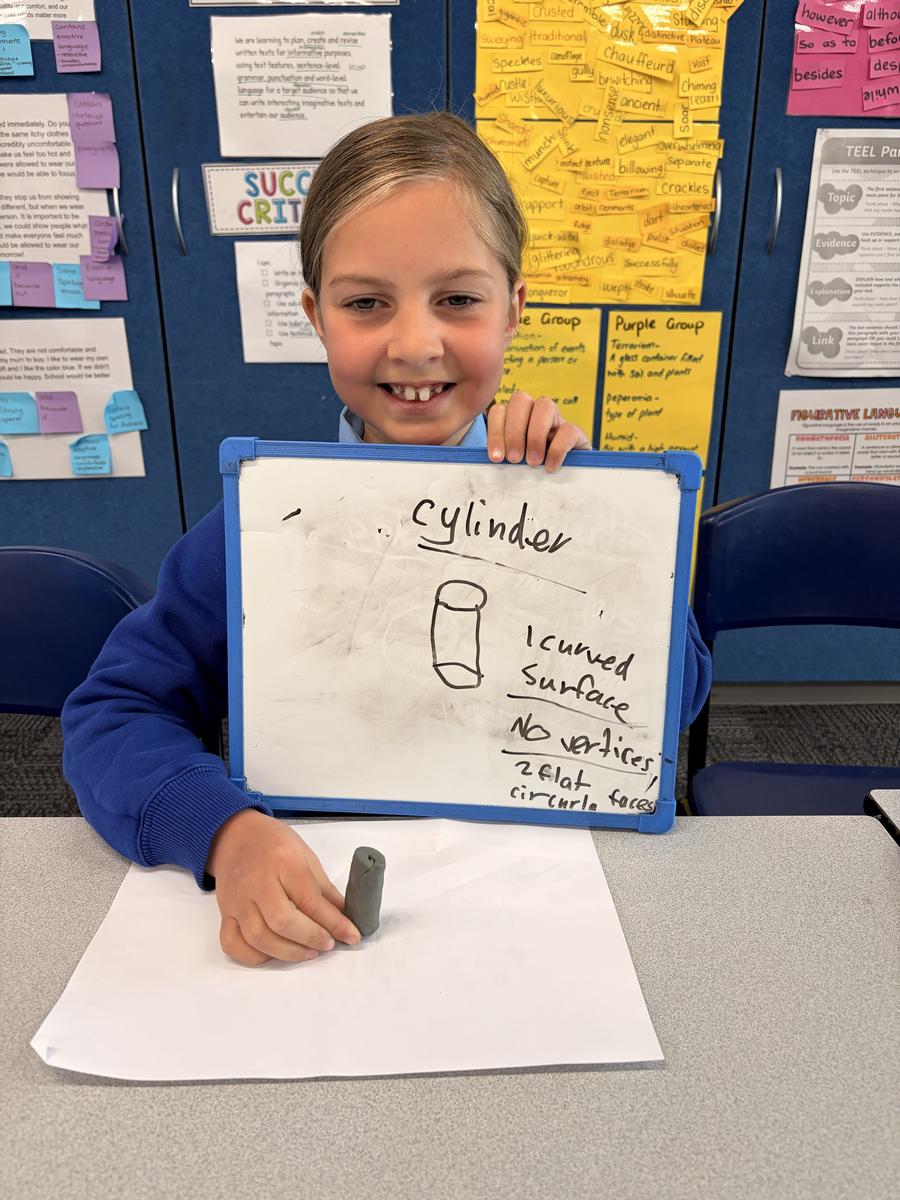
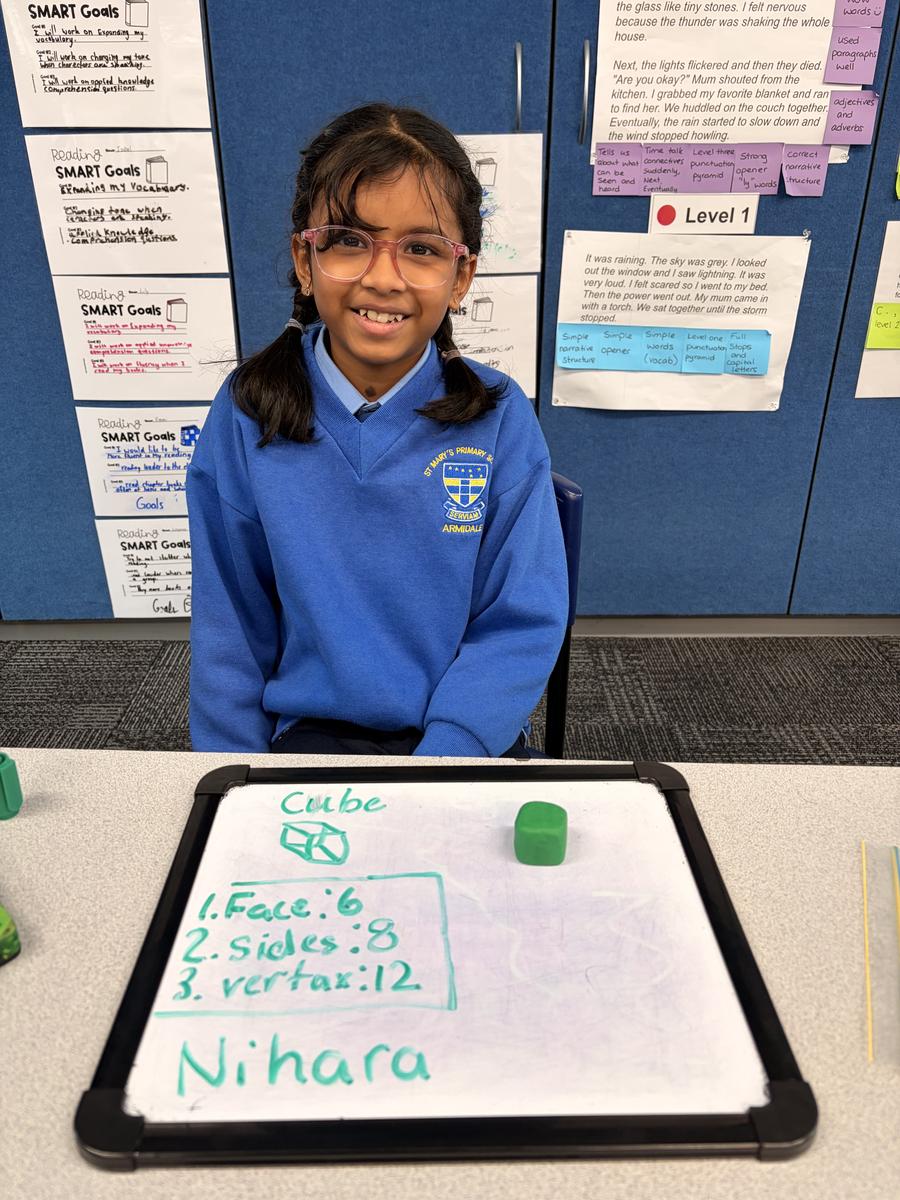
Hands-On Building: Help your child construct models of prisms (including cubes), pyramids, and cylinders using building blocks, playdough, or online 3D tools. Focus on counting edges, vertices, and faces together.
Create and Deconstruct Nets: Work with your child to flatten boxes to see the nets of prisms. Then, try making your own nets from paper and folding them into 3D objects, discussing how each part connects.
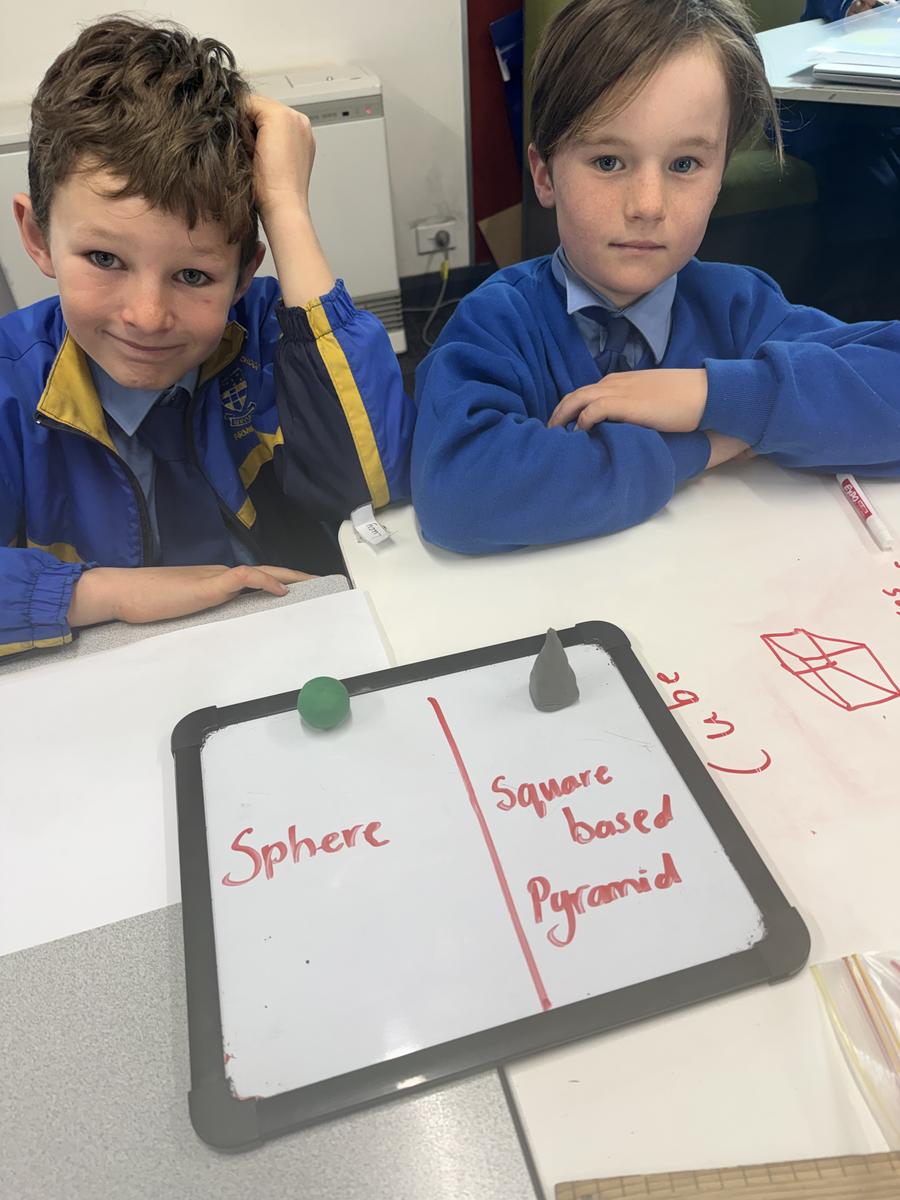
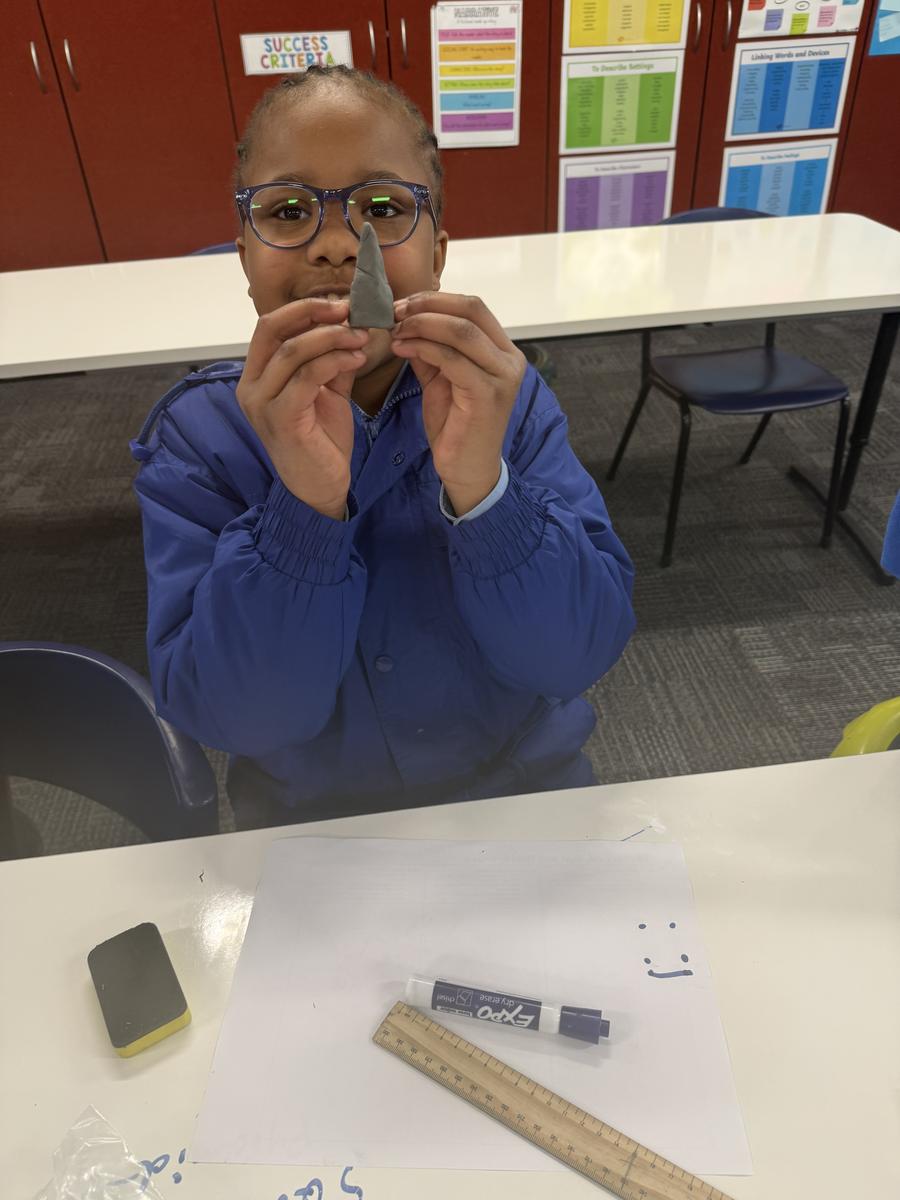
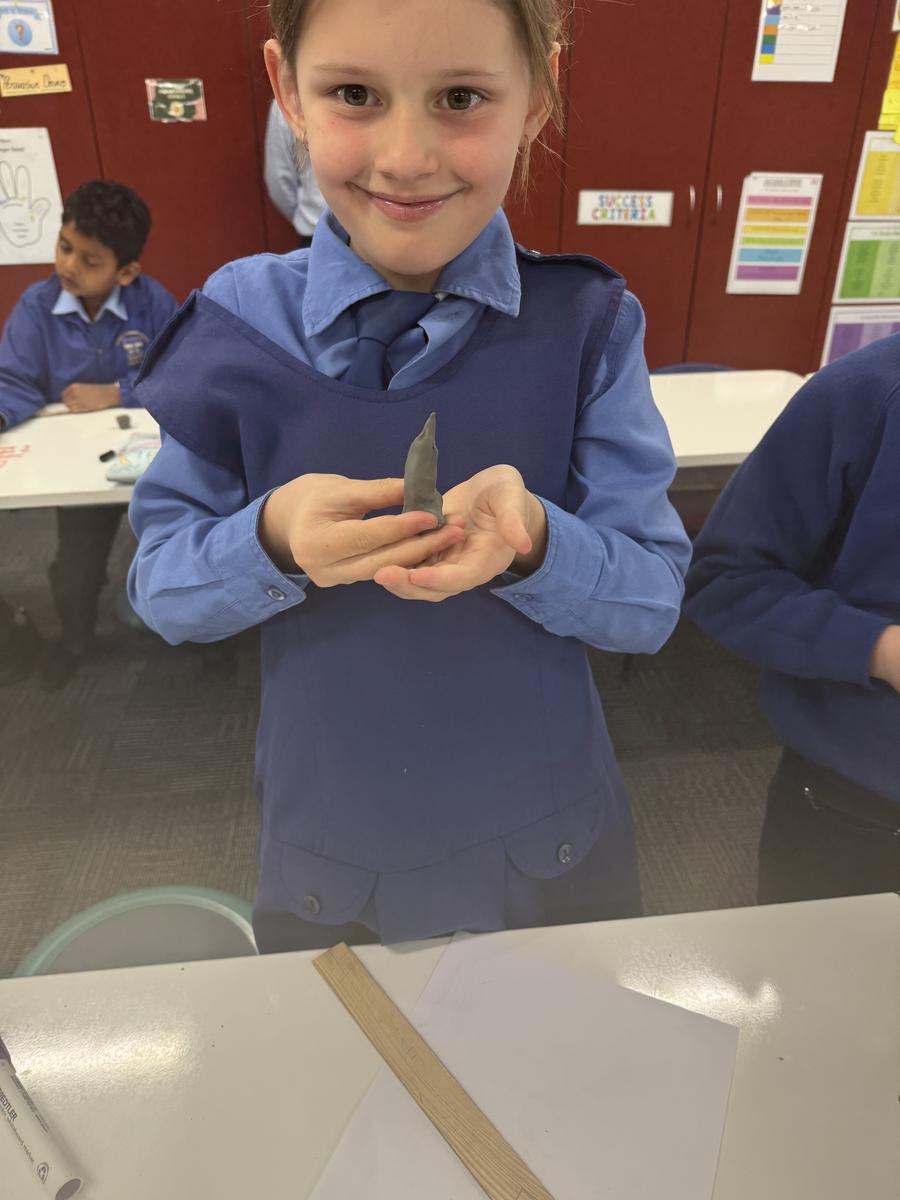
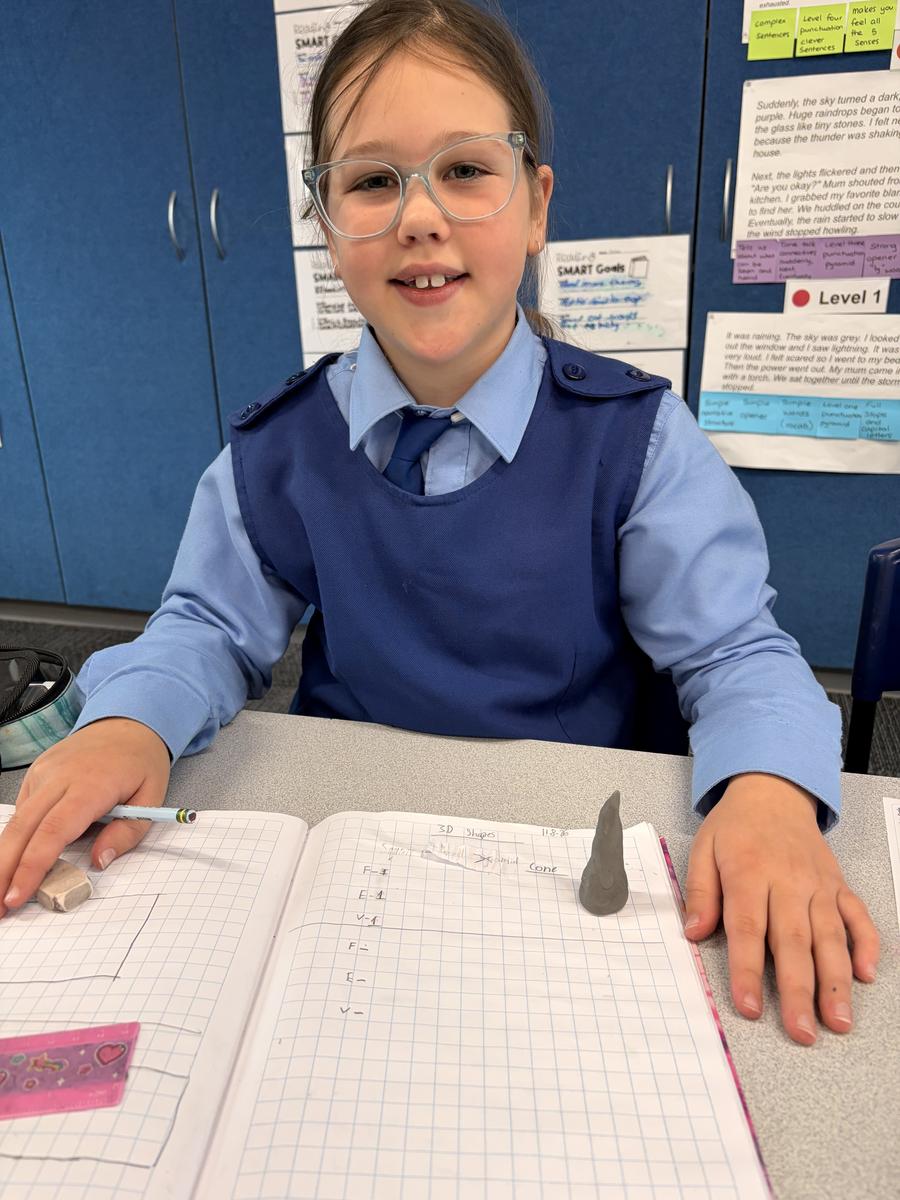
Year 3 have been learning how to construct models of prisms, pyramids and cylinders using physical manipulatives and identifying their features.
Week 5 Maths - Fractions
Tips for parents:
Article from the Institute of Education Sciences on learning about fractions at home.
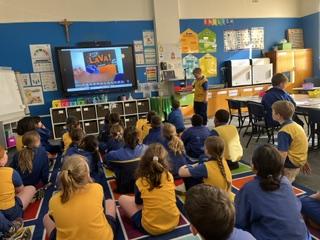
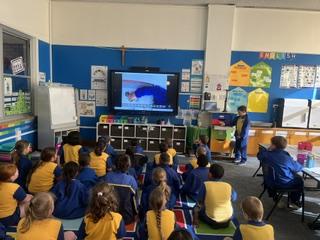
In English for the next three weeks the Year 4 students are packing their imaginary bags and heading off on an epic road trip across Australia!
As part of our classroom learning in English, students are diving into a fantastic picture book called Our Country: Ancient Wonders, written by Mark Greenwood and beautifully illustrated by Frané Lessac.
Imagine taking a journey to the most mind-blowing spots in Australia—without leaving the classroom!
This book takes kids on a tour of our continent's greatest hidden gems. From the glowing red rocks of Uluru and the giant Bungle Bungle Range, to deep underground lava tubes and prehistoric dinosaur fossil sites, it shows children just how incredible, old, and unique our backyard really is.
We want learning to be hands-on and inspiring. Here is how this book helps your child grow in the classroom:
You don't need to travel across the country to join in the fun. Here are three quick ways to keep the curiosity going at dinner or over the weekend:
"In every corner of Australia, wonders are waiting for curious explorers."
— Mark Greenwood
We can't wait to read about all the amazing facts and stories your child brings to life!
Happy exploring
Fractions are everywhere—from slicing up a weekend pizza to sharing a block of chocolate or measuring ingredients for a recipe. Next week Year 4 are taking their understanding of fractions to the next level by exploring how they work visually and practically!
Instead of just thinking of fractions as "parts of a shape" (like a pie chart), students are learning to place fractions along a number line.
Maths isn't just about getting the right answer; it’s about how we think! Students are actively:
You don't need worksheets or flashcards to practice fractions at home! All you need is a strip of paper (a strip cut from an A4 page or a piece of ribbon works great).
Tip for Parents: Ask your child, "How do you know that space is one-quarter?" Listening to them explain their reasoning is the best way to support their learning!
We are so proud of the curiosity and problem-solving skills our students are showing in mathematics every day.
Happy folding and measuring!
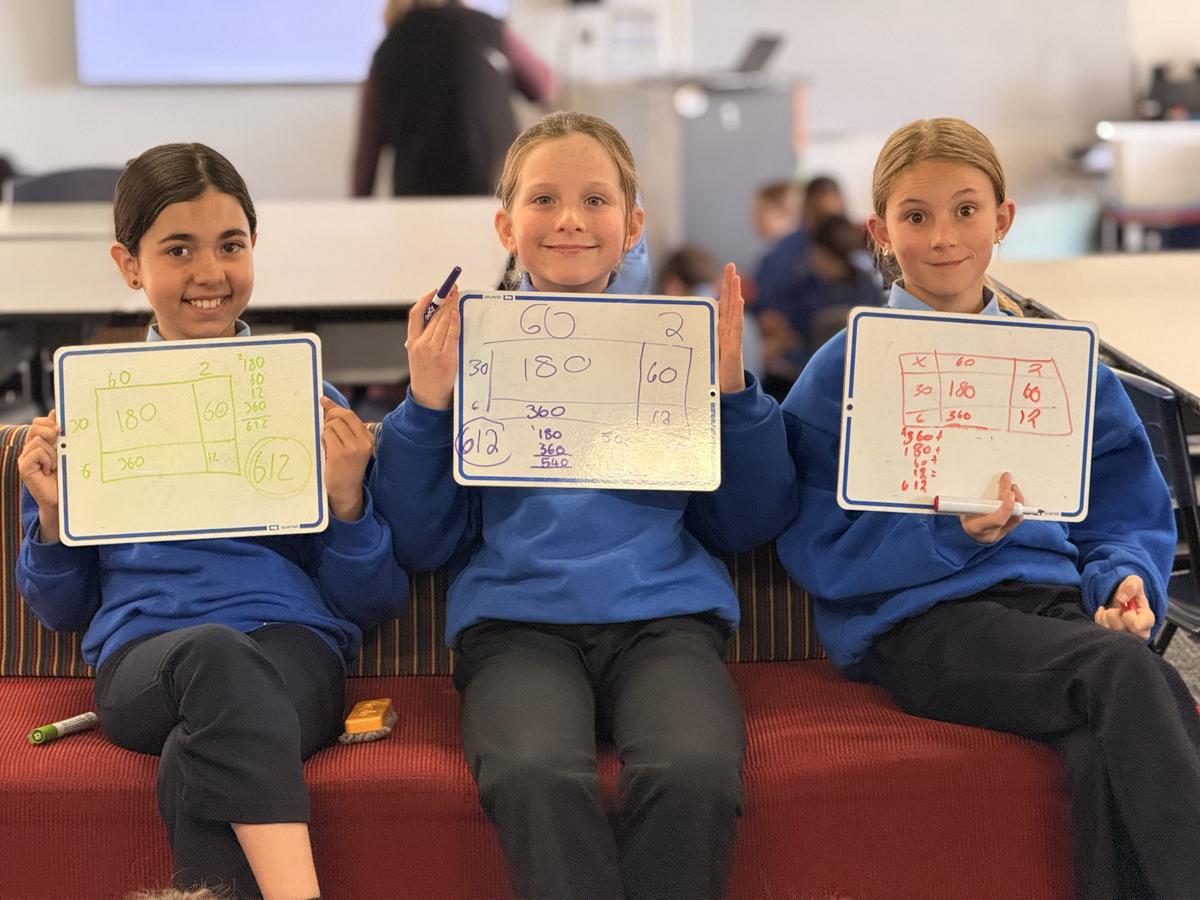
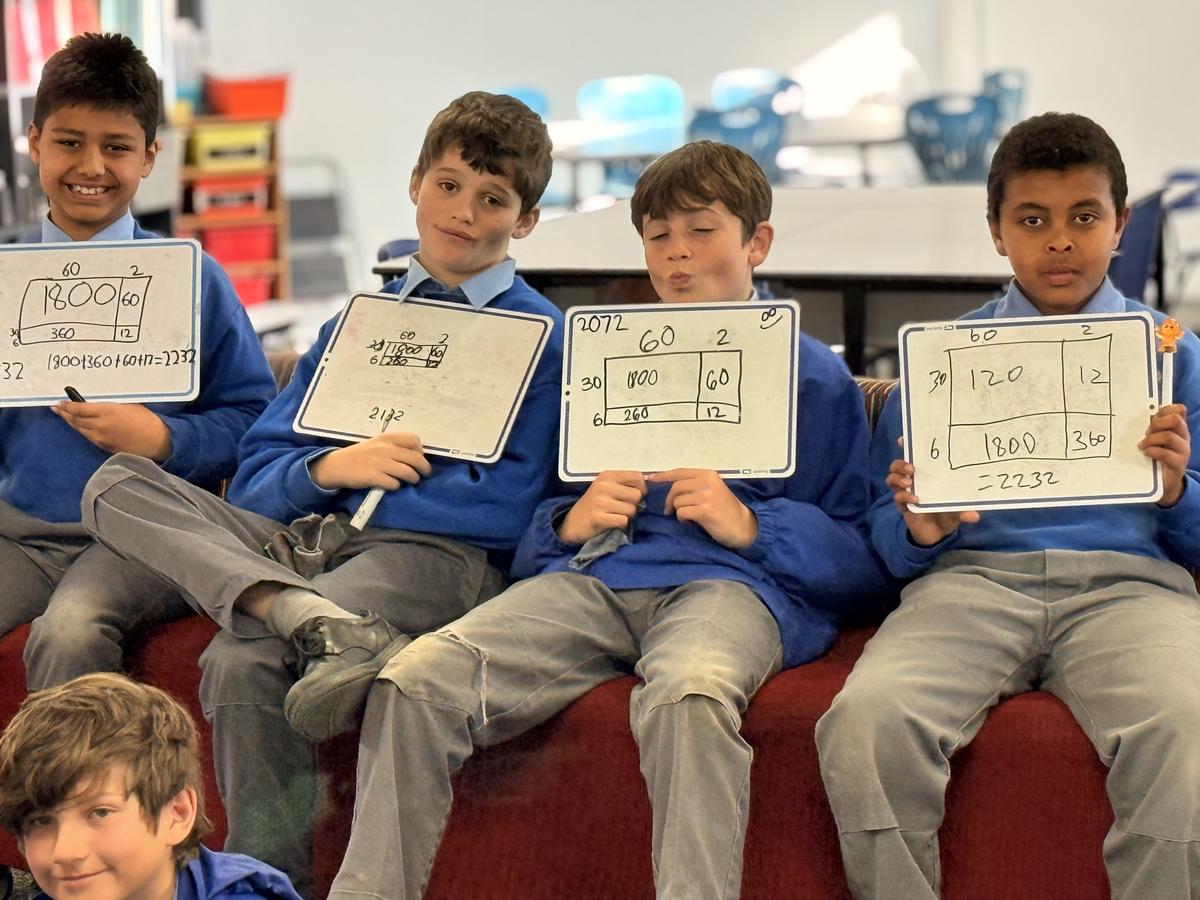
Mathematics
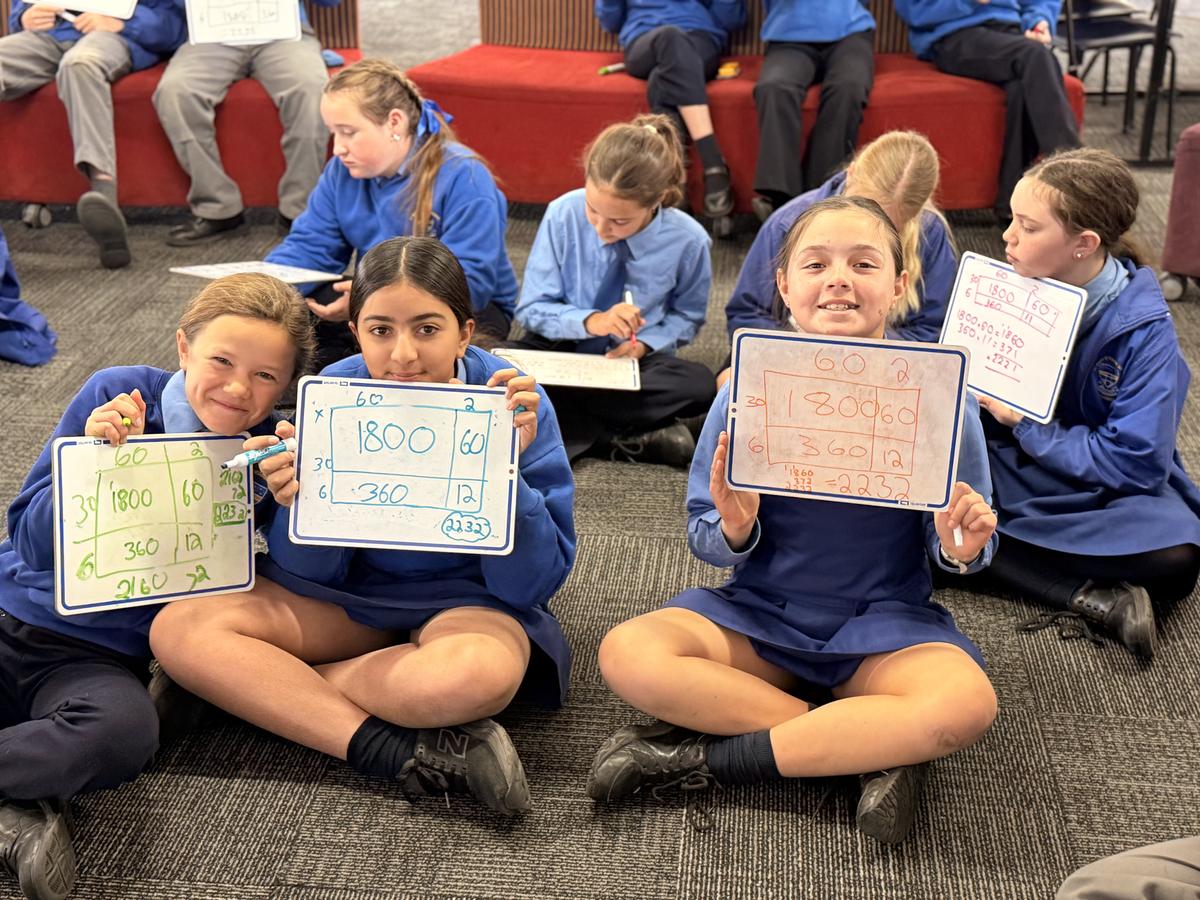
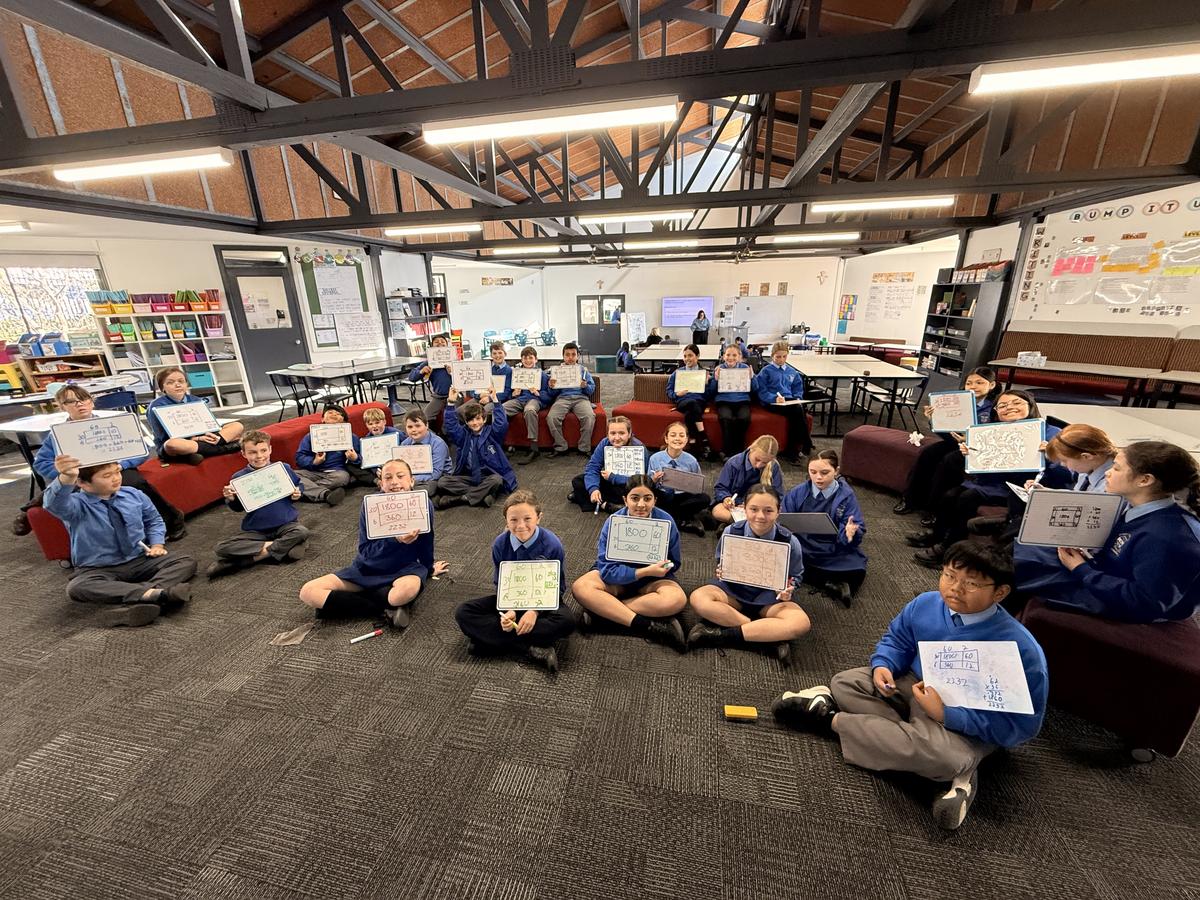
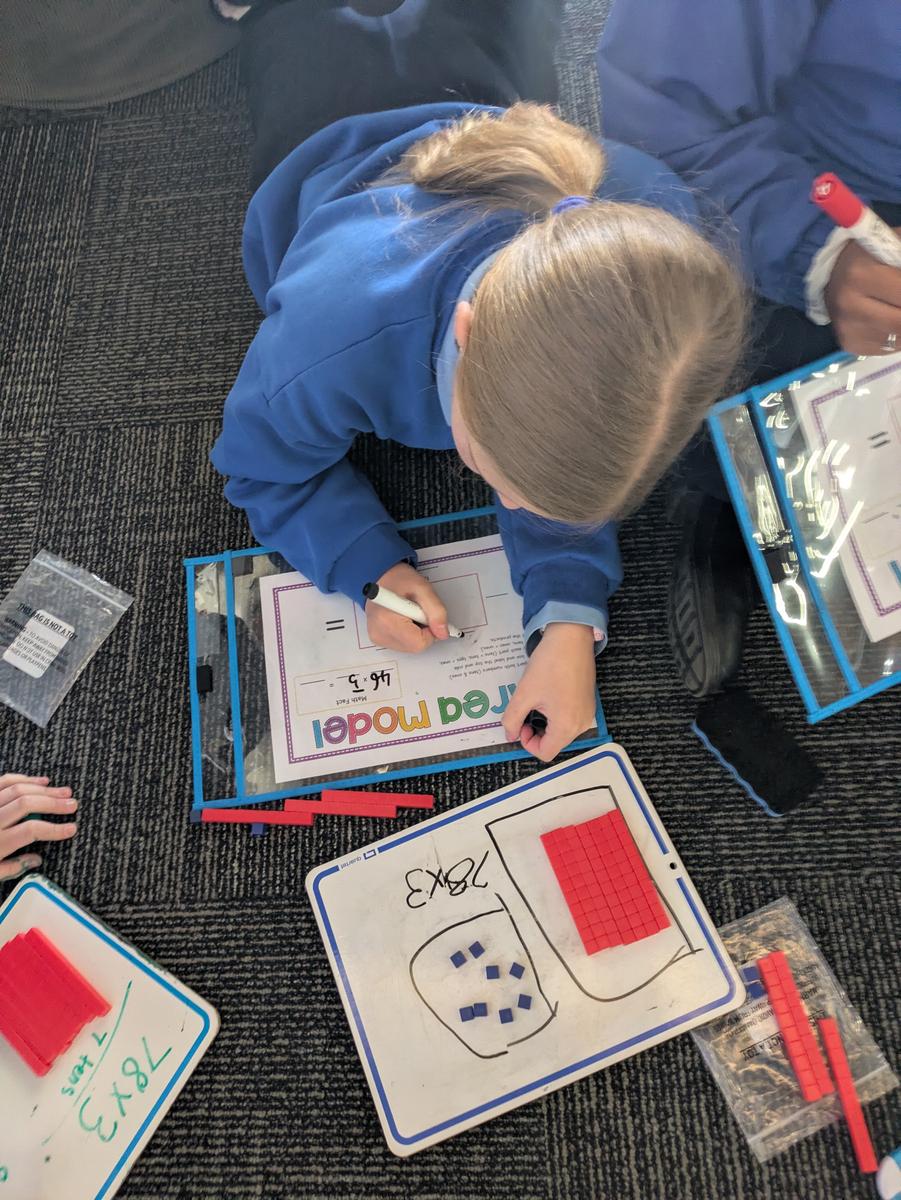
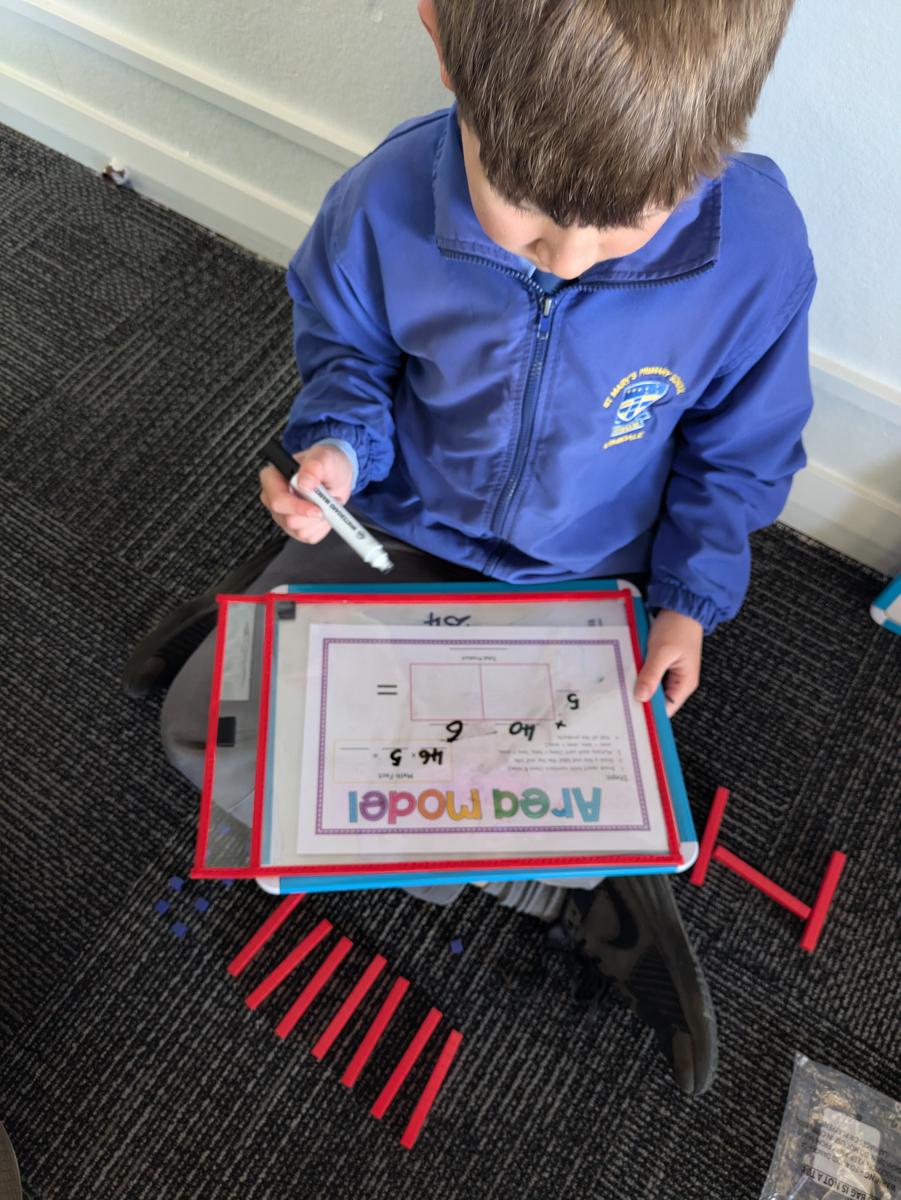
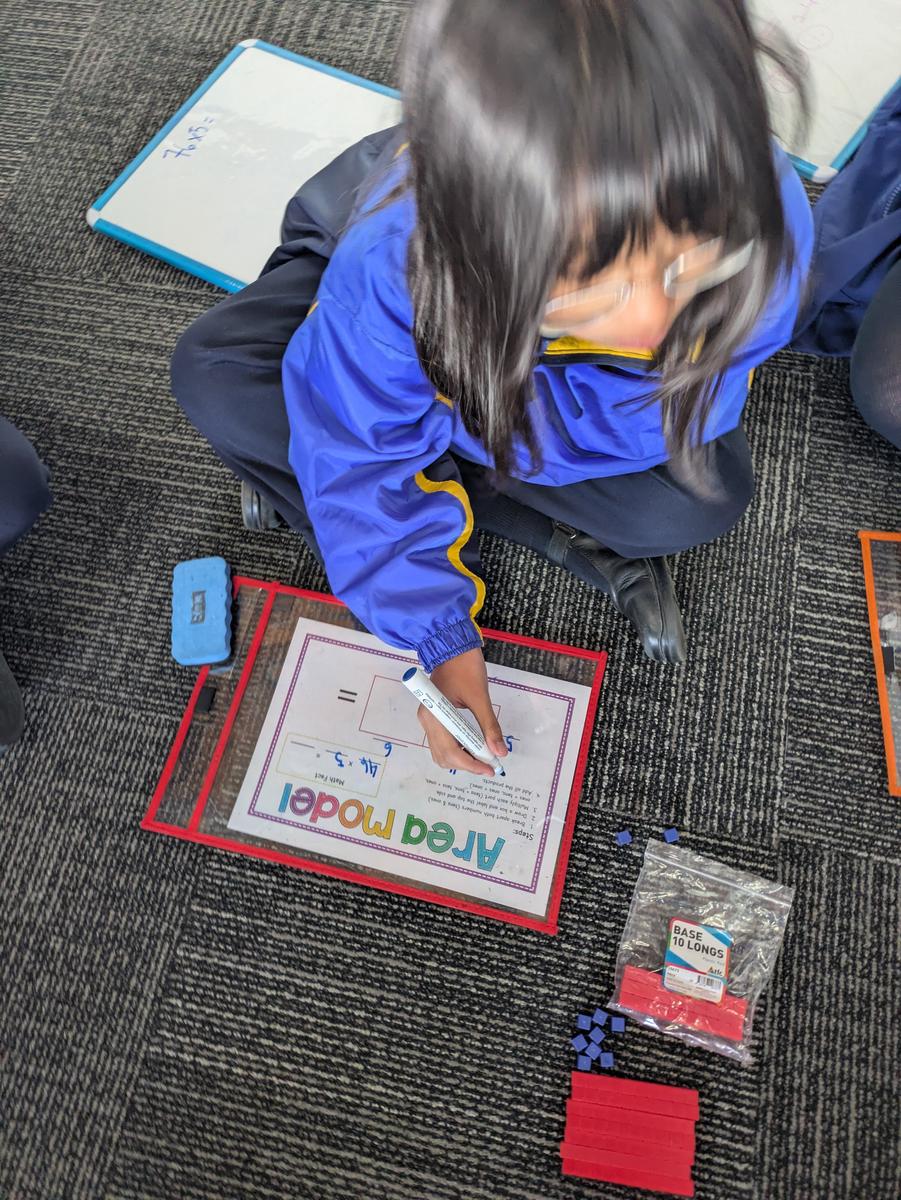
We have now concluded our focus on multiplication and are now diving into the spatial world of Area! As we kick off this unit, students are learning to distinguish between two important concepts:
Perimeter is the total measurement around the outside edge of a shape.
🔍 What’s Coming Up in This Unit?
Over the next few weeks, students will be extending their multiplication skills to investigate two-dimensional spatial structures through a range of hands-on activities and problem-solving tasks:
English
In English, we completed our Cold Write, putting into practice the skills we have been developing in class. We have been breaking down what makes an effective writer and exploring strategies to strengthen our writing. We have also been focusing on spelling patterns, using these patterns to help us identify and choose the correct homophones when writing. Students have worked hard to apply these skills independently and are becoming more confident in making thoughtful choices as writers.
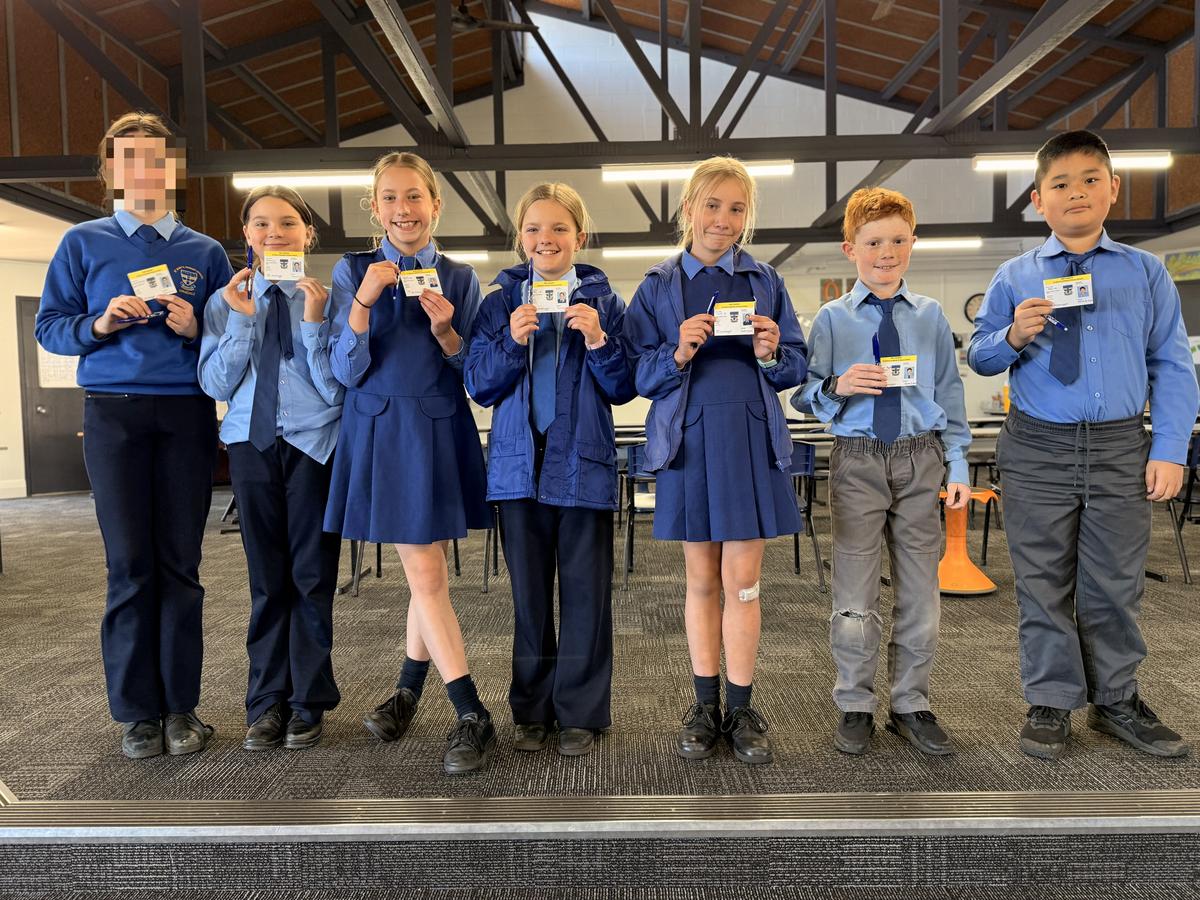
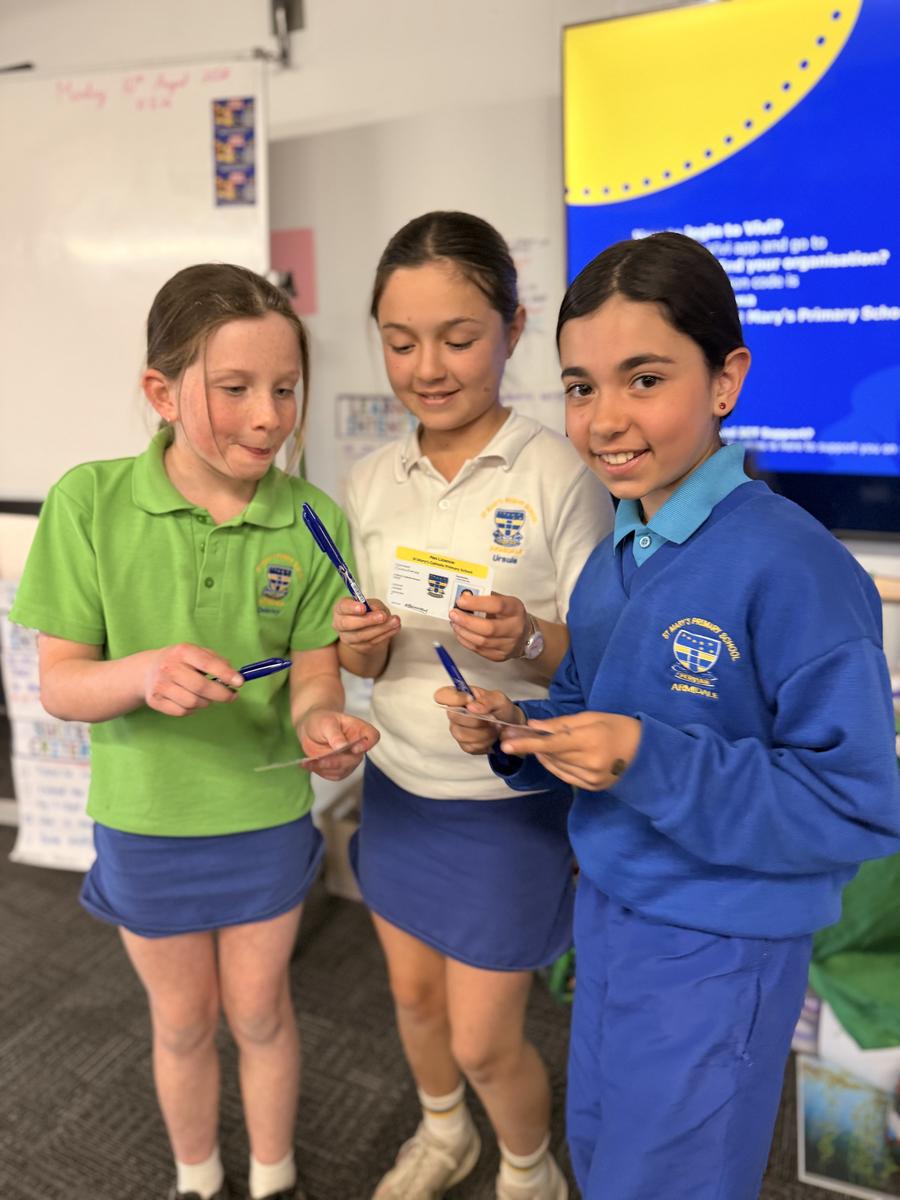
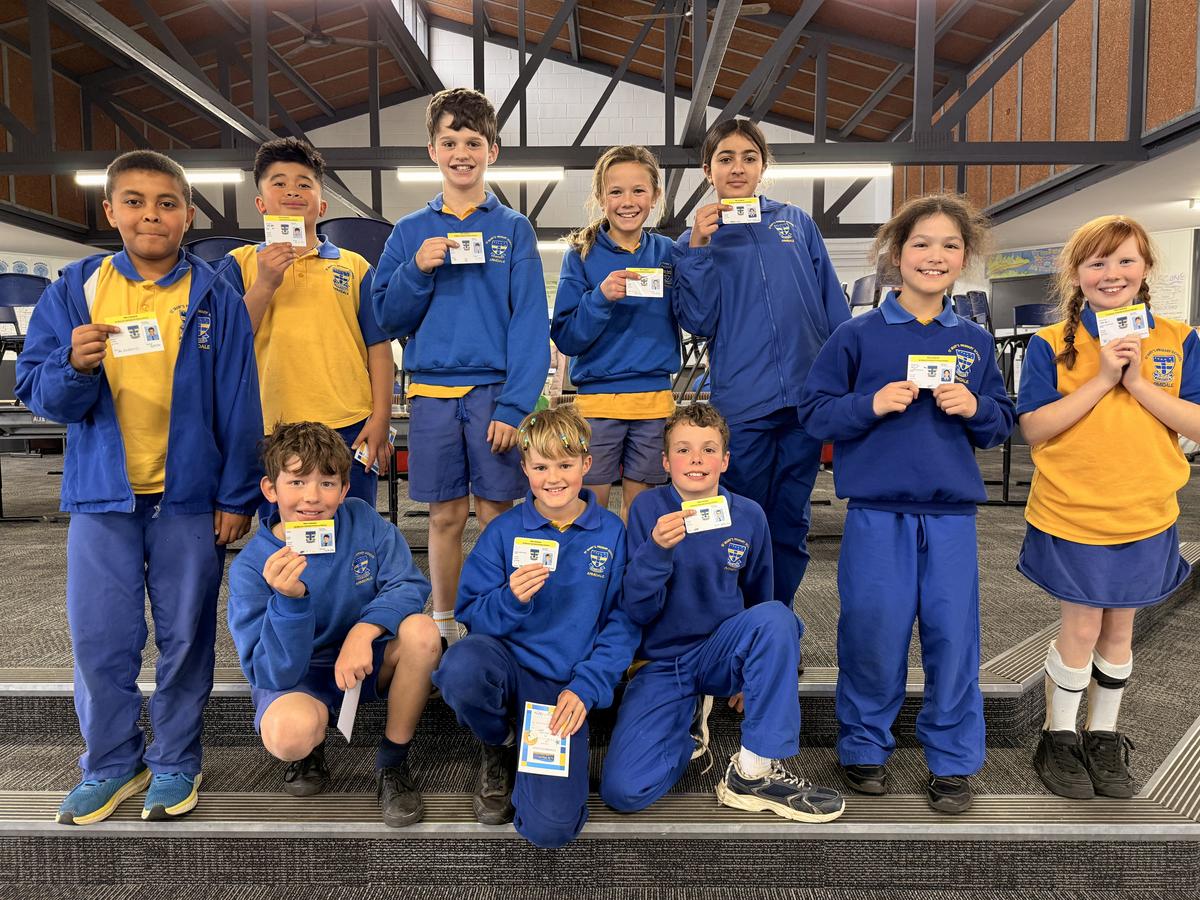
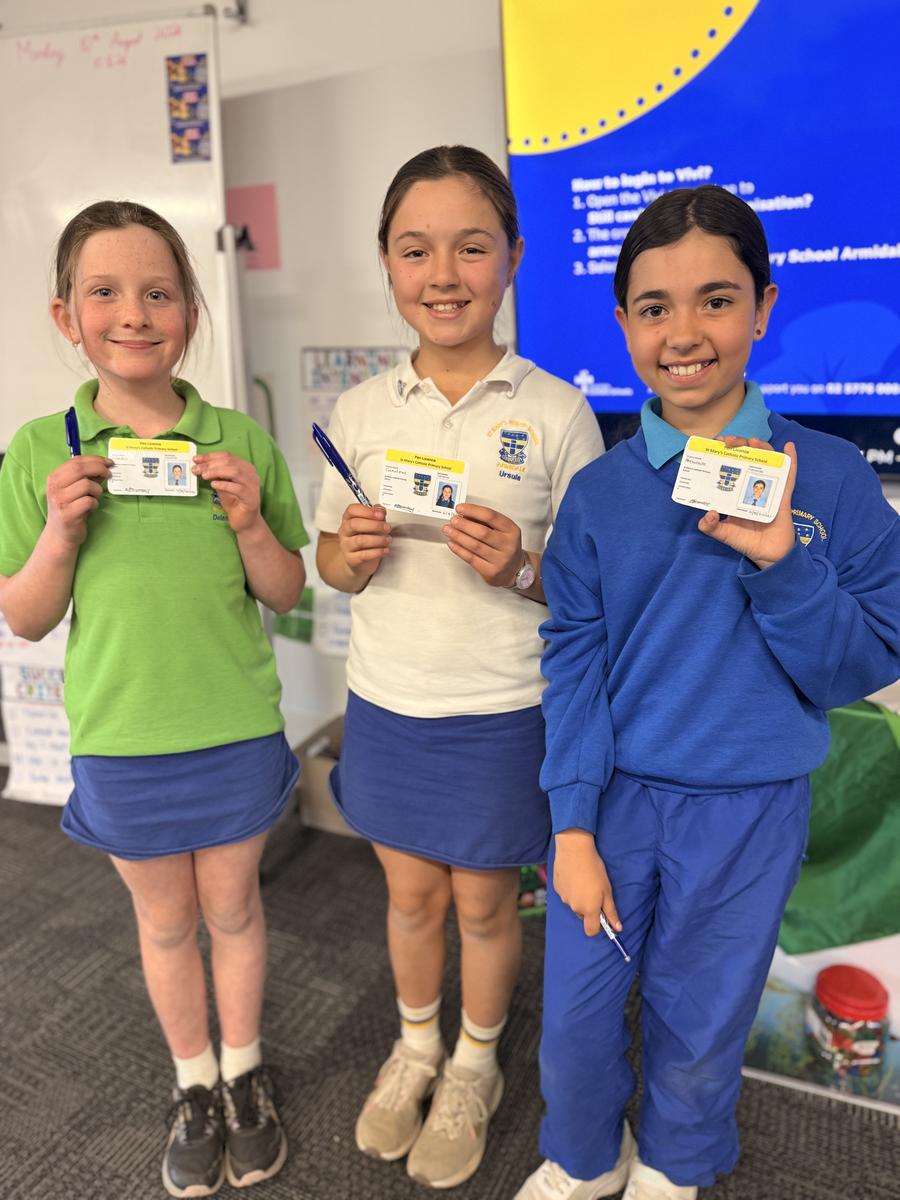
✏️ Pen Licence
Congratulations to our students who have recently achieved the exciting milestone of earning their Pen Licence!
Year 5 teachers will continue paying close attention to student book work, looking for consistently neat handwriting, well-presented pages and thoughtful effort across all subjects.
Writing in pen is a huge privilege and we are so proud of the care students are taking with their work. Keep putting in that top-tier effort—we can't wait to hand out even more pen licences very soon!
Science
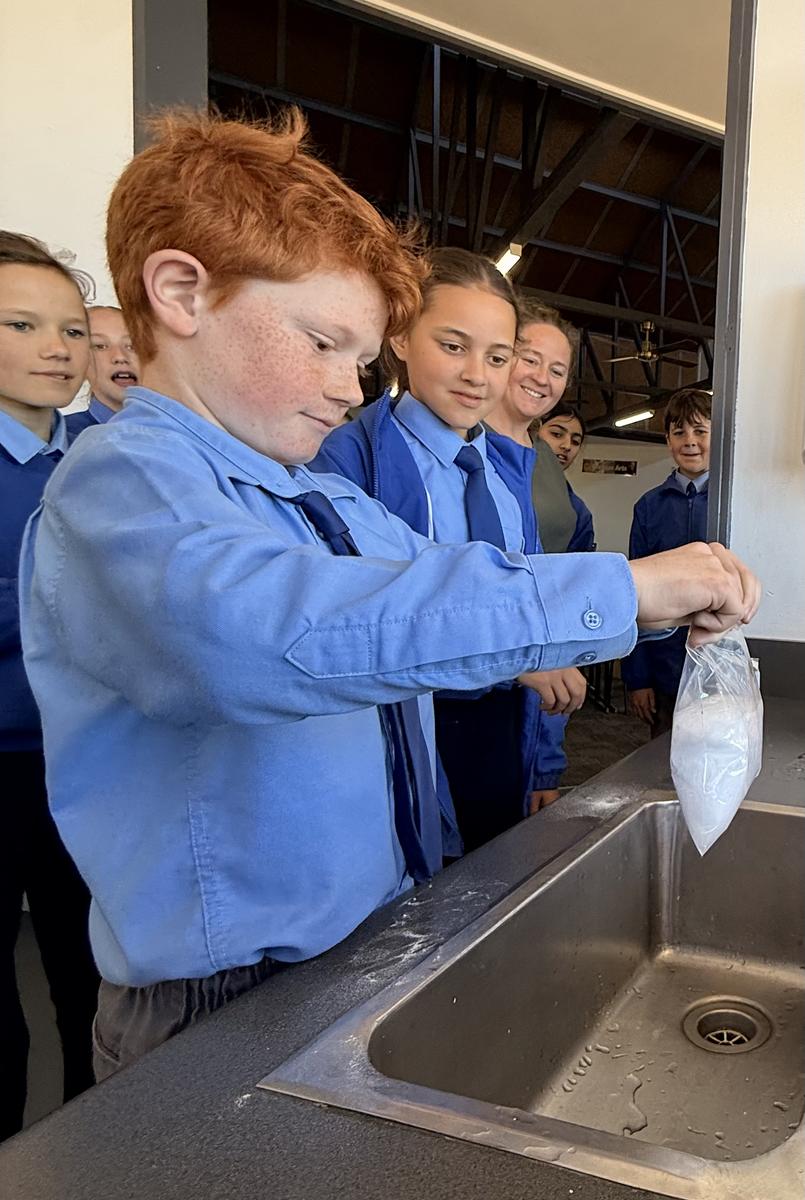
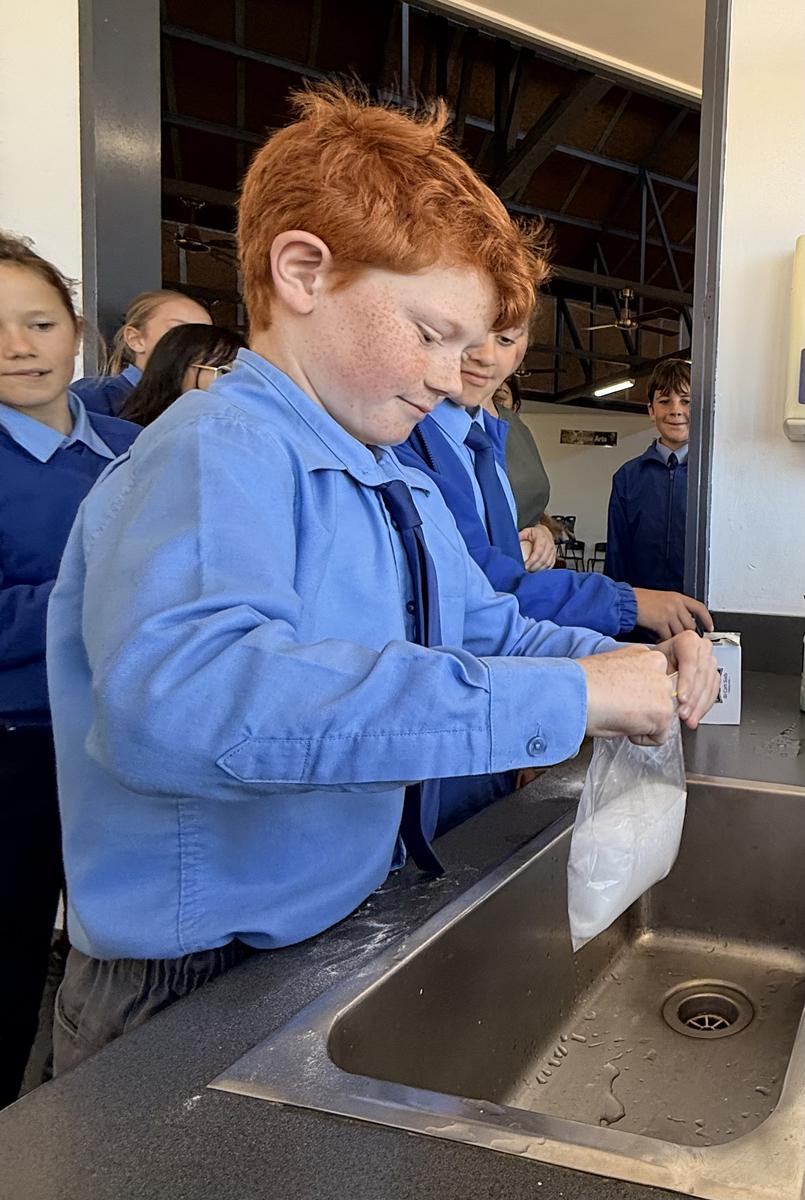
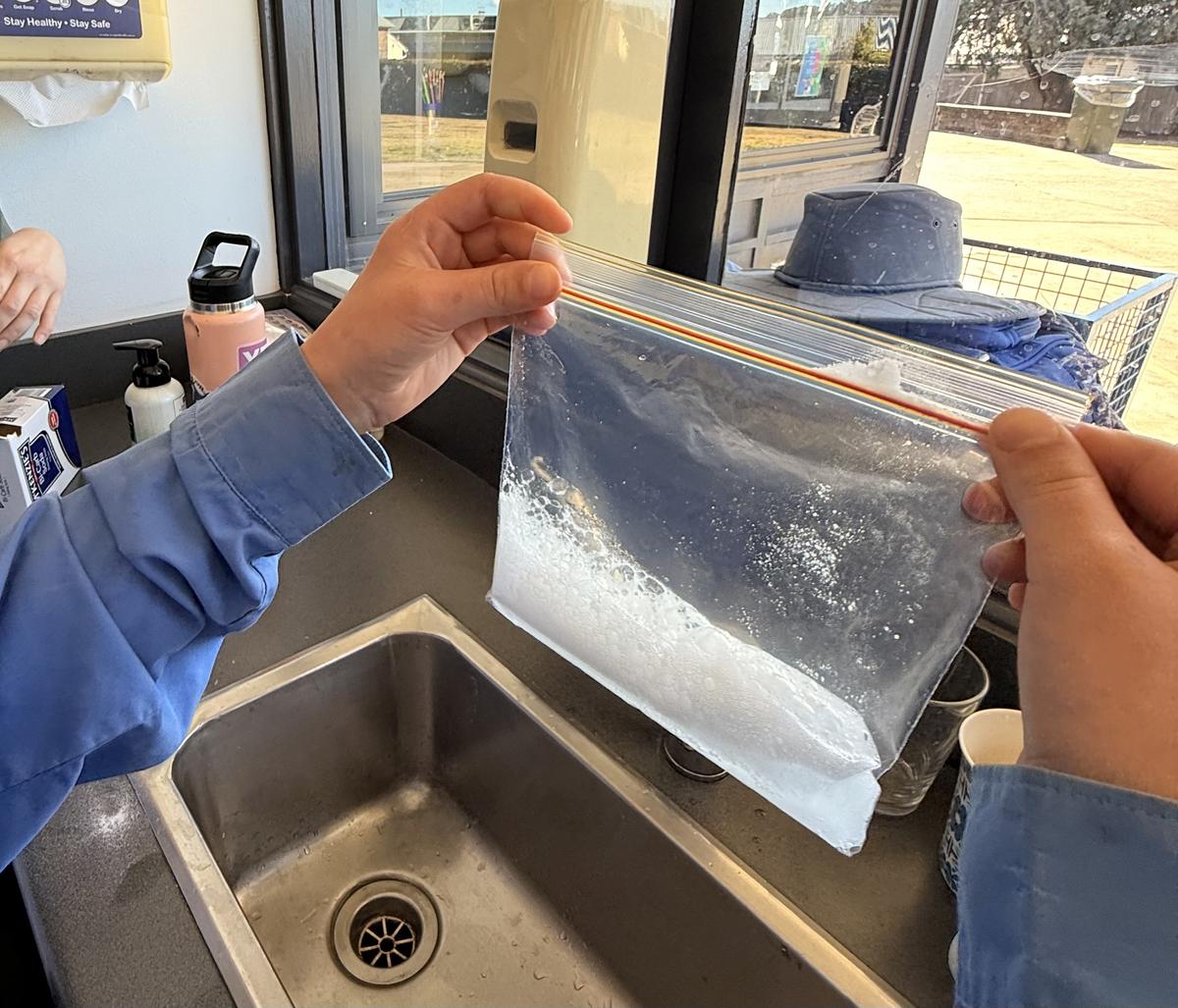
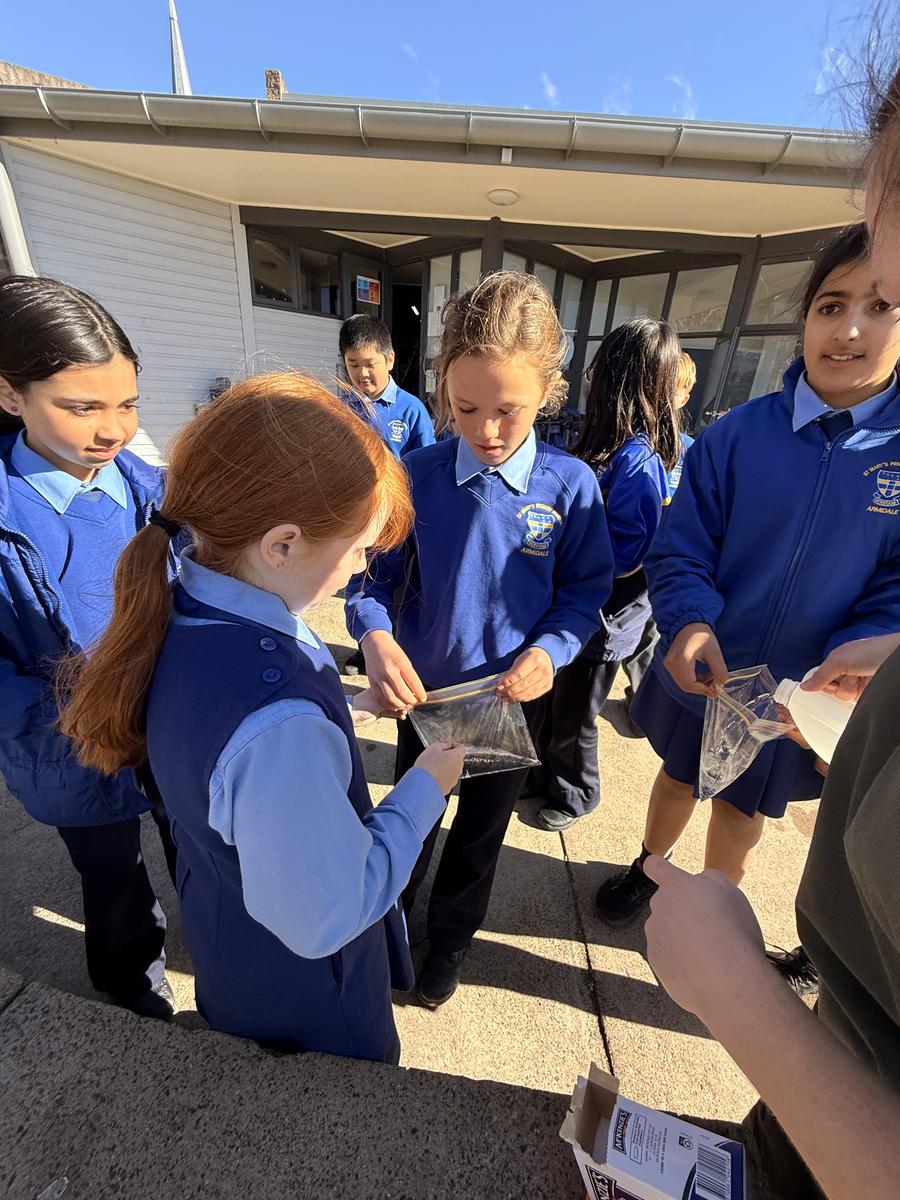
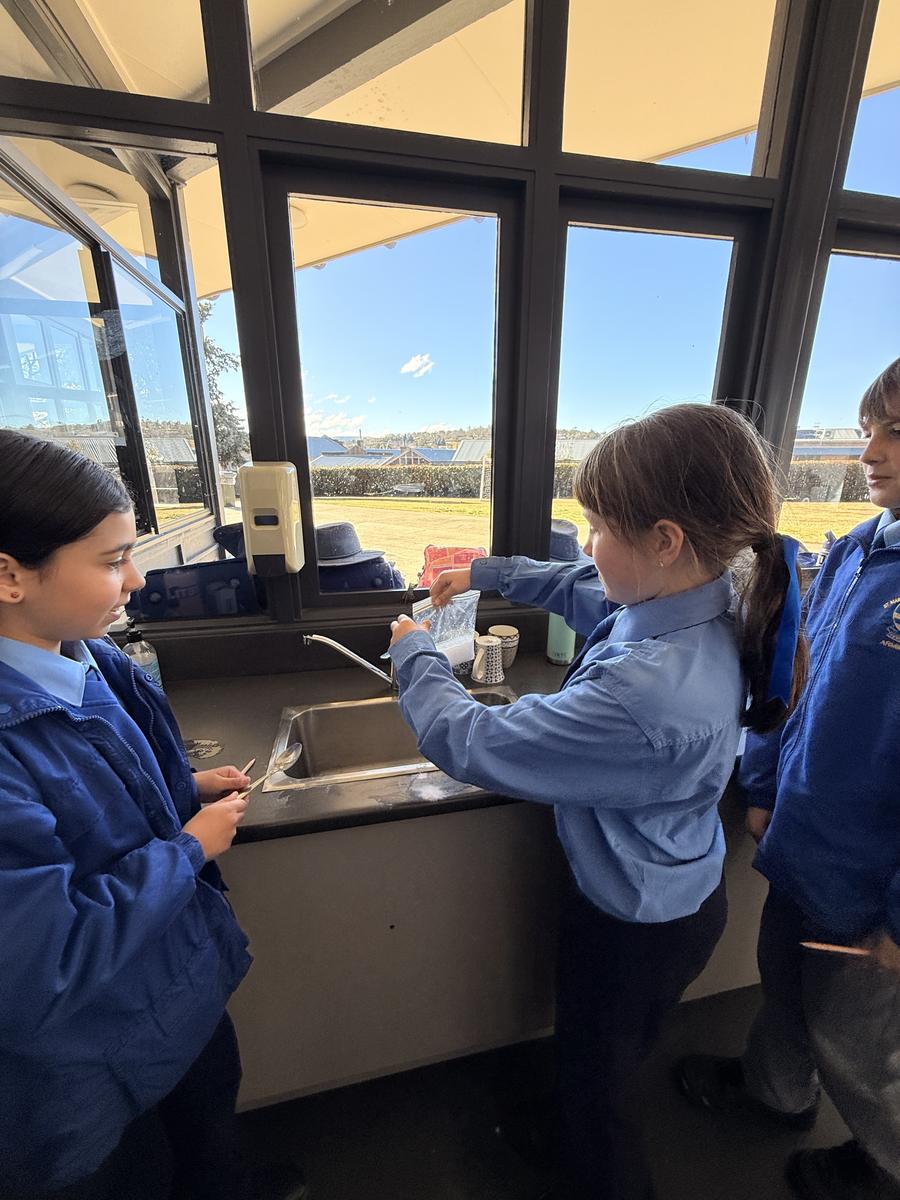
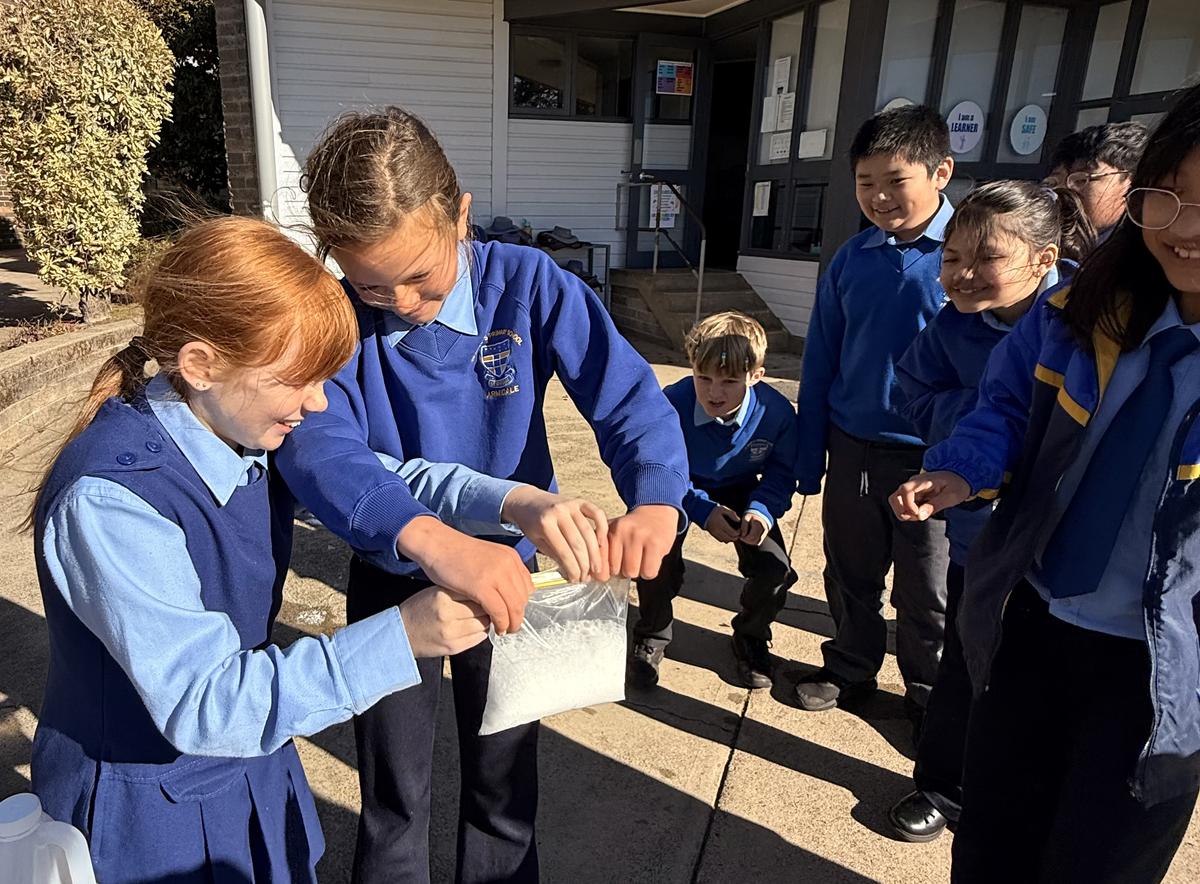
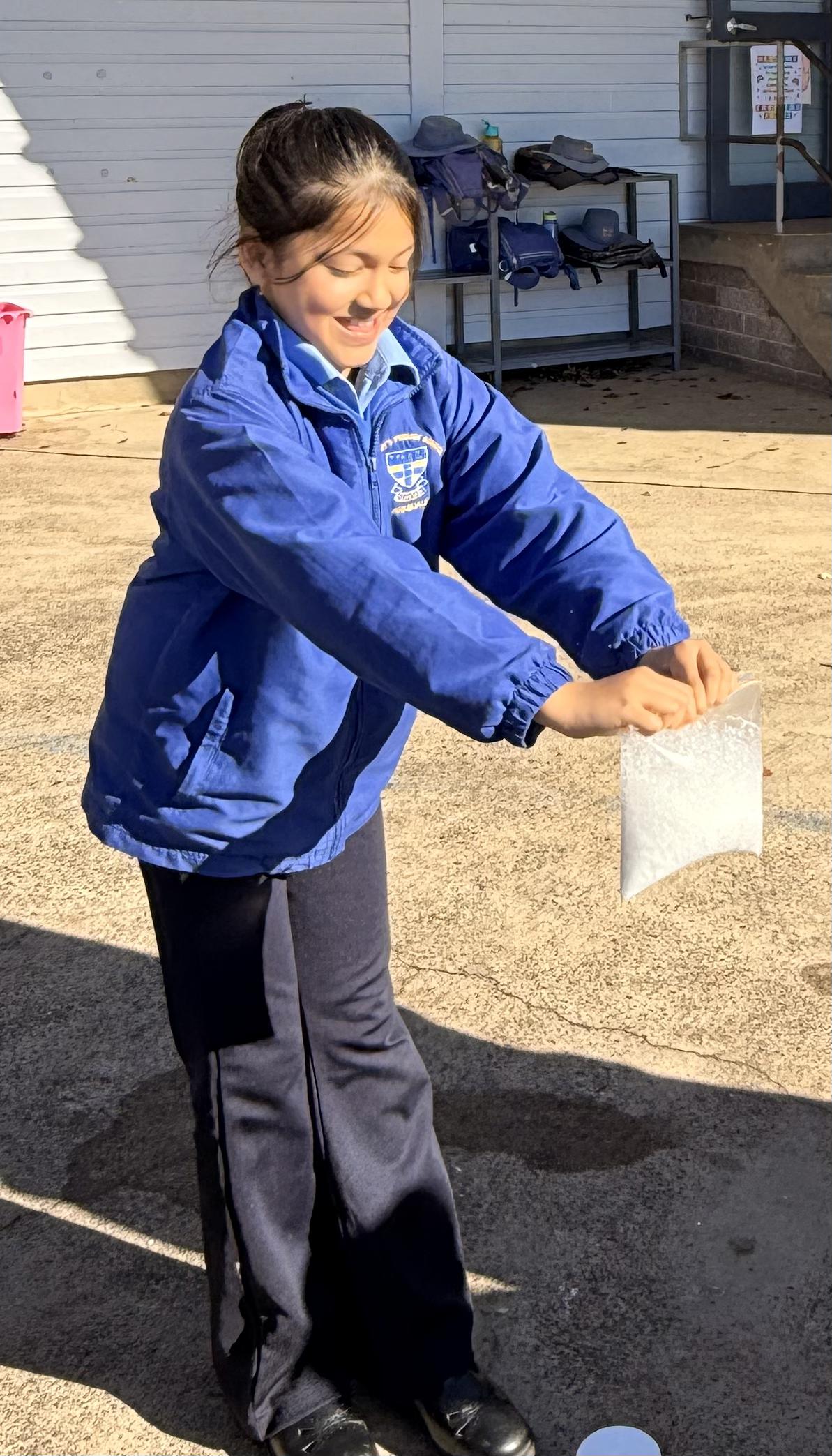
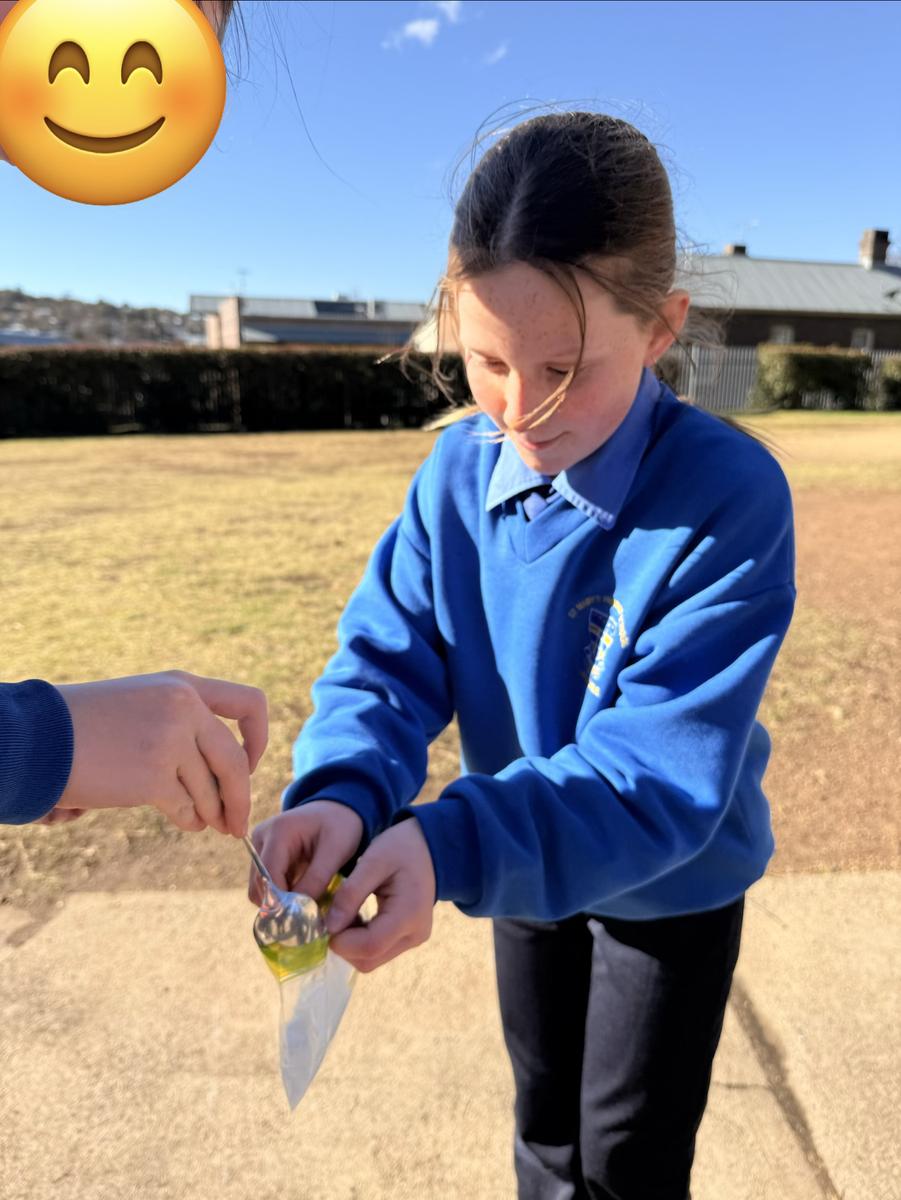
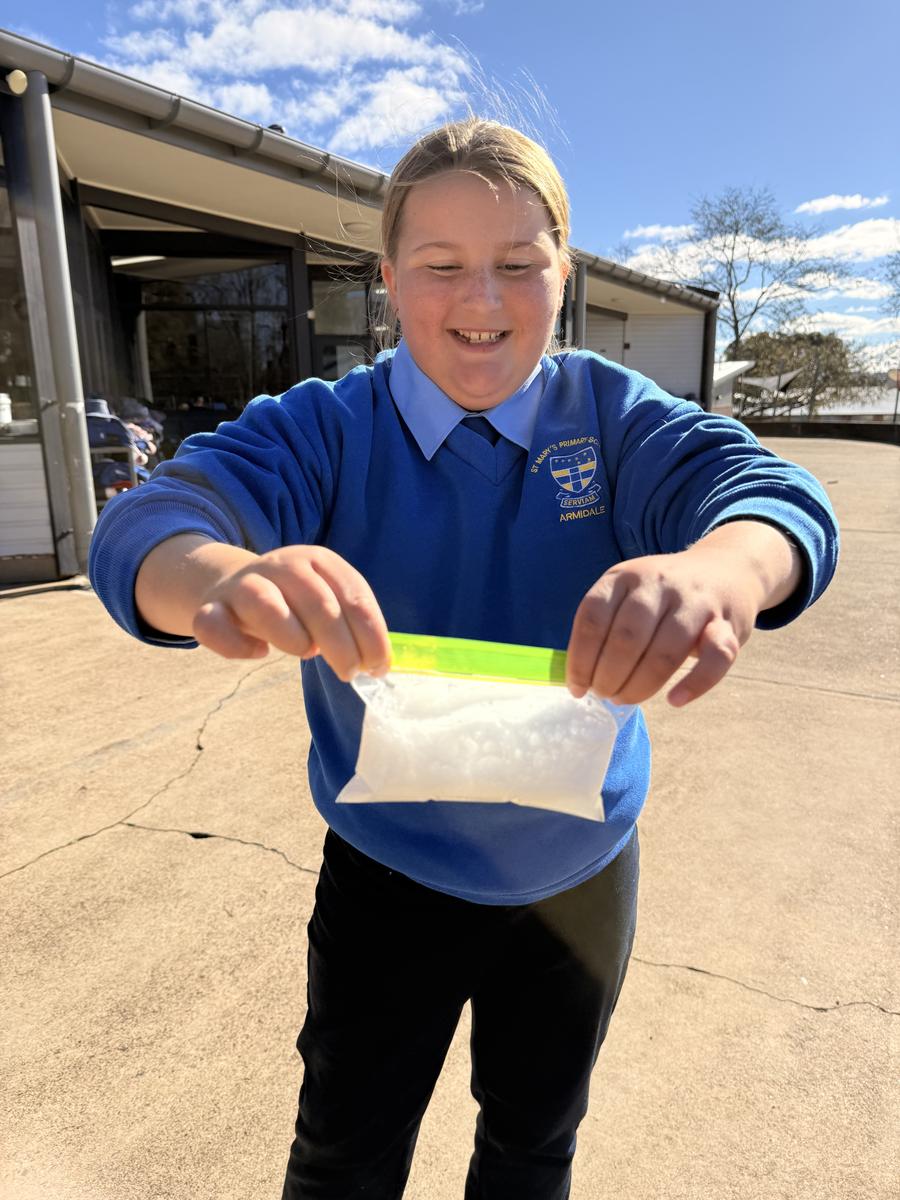
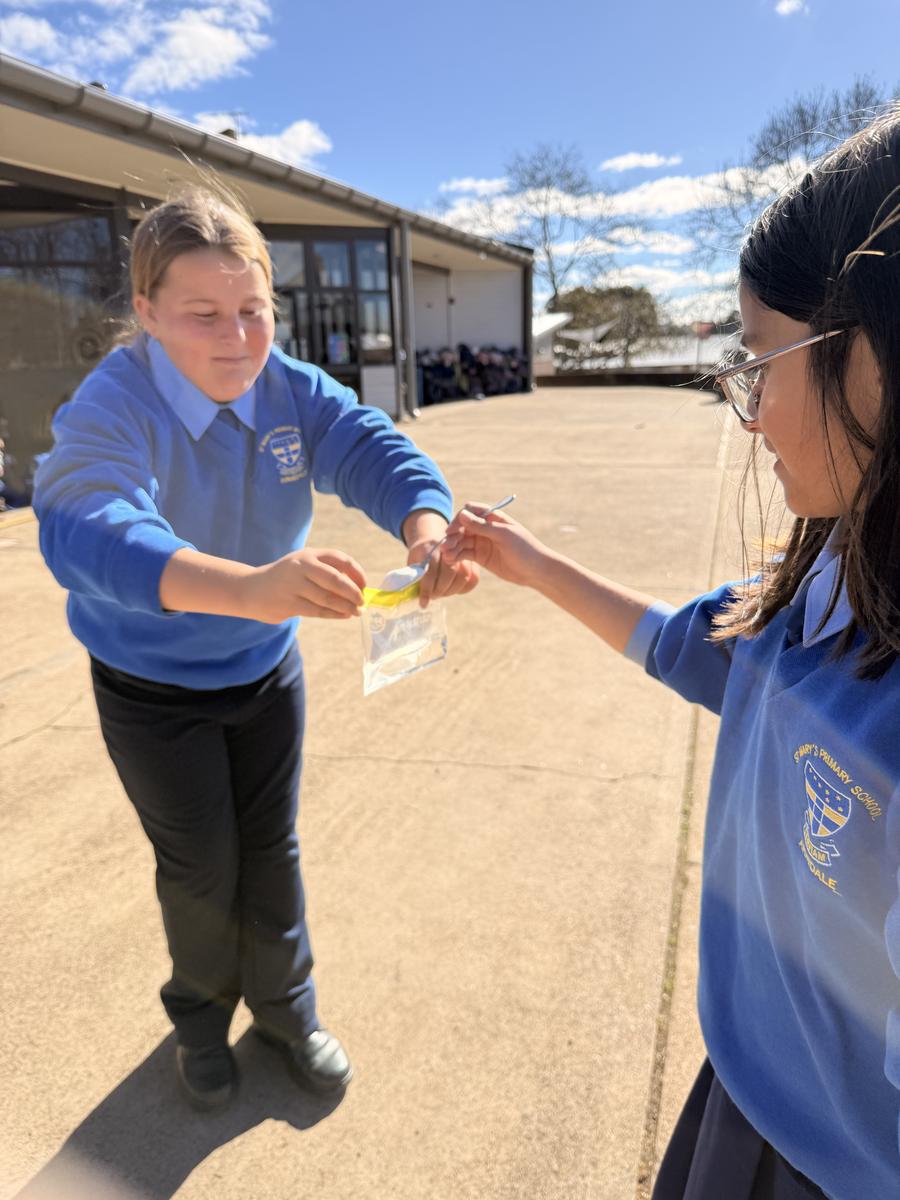
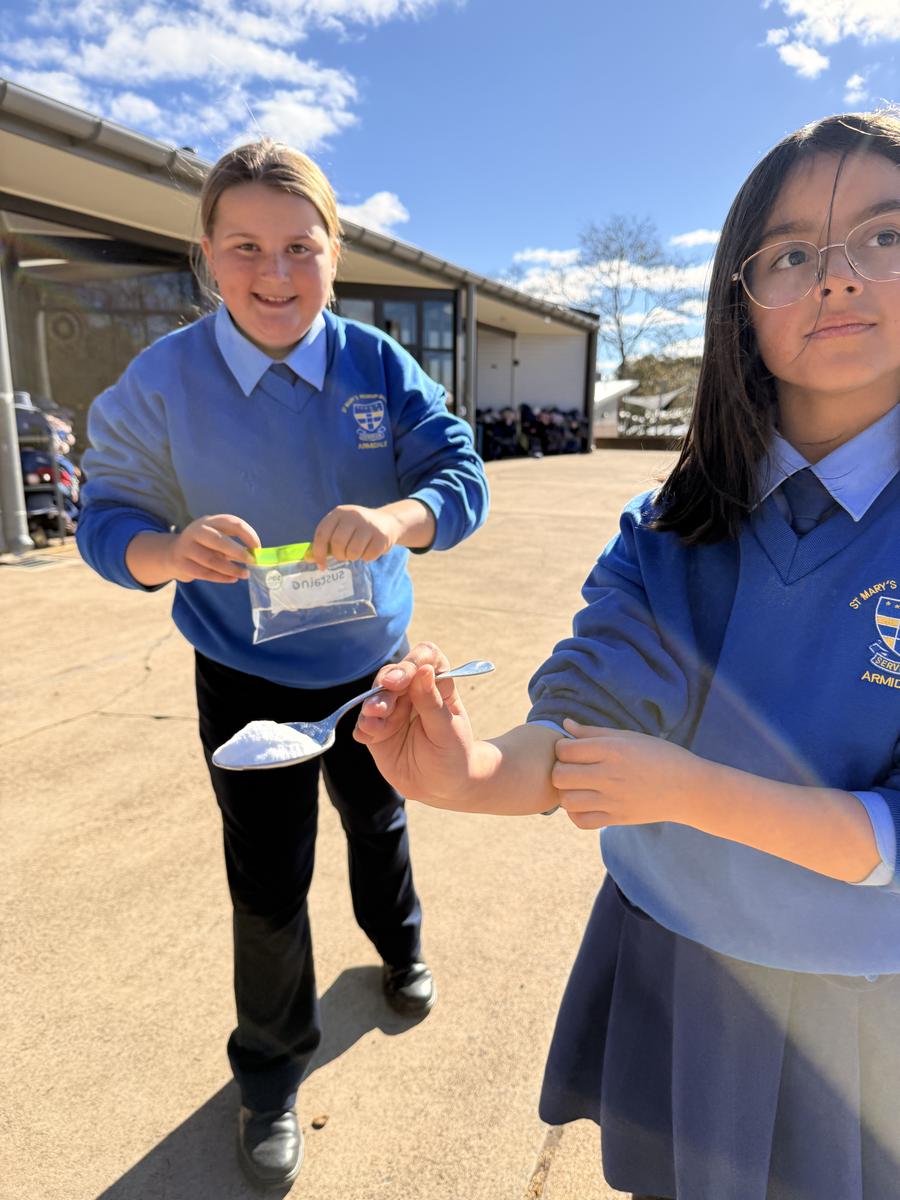
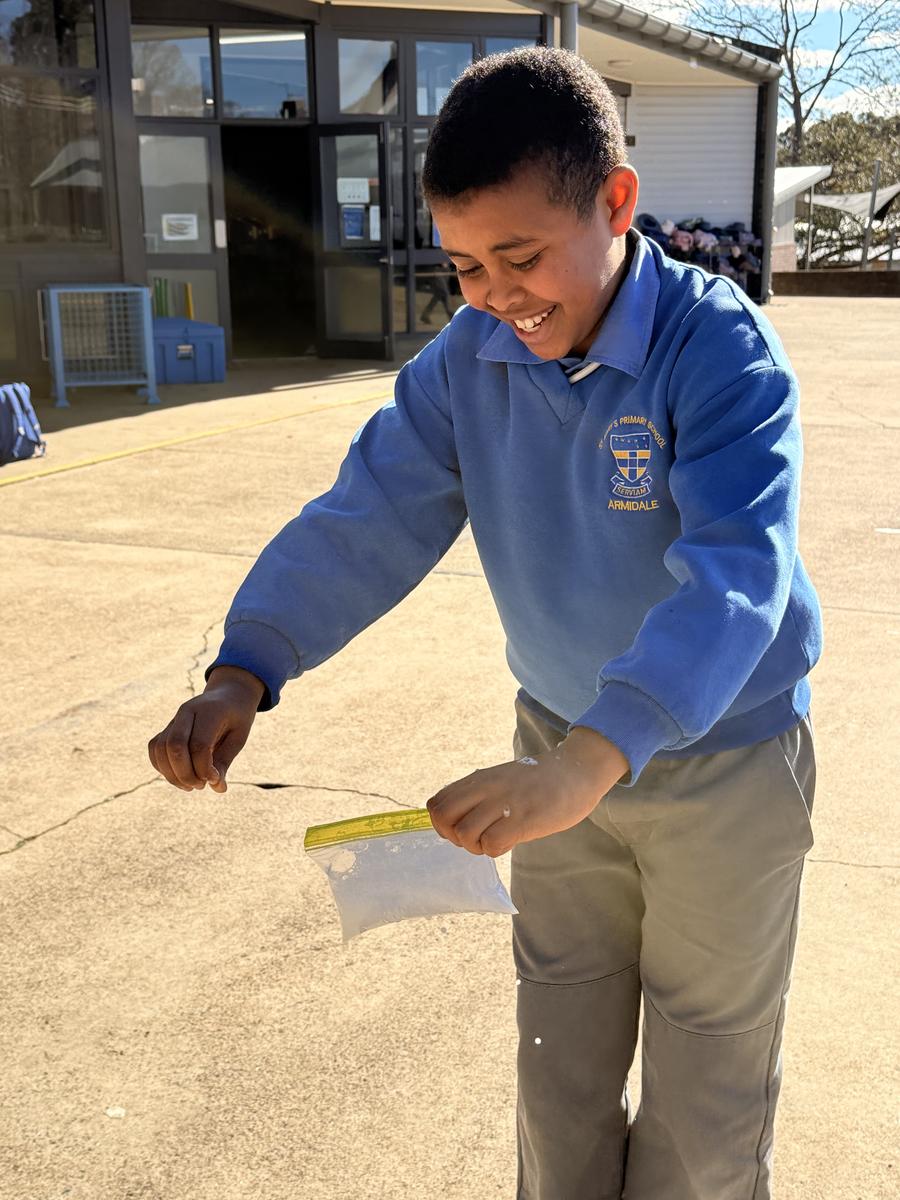
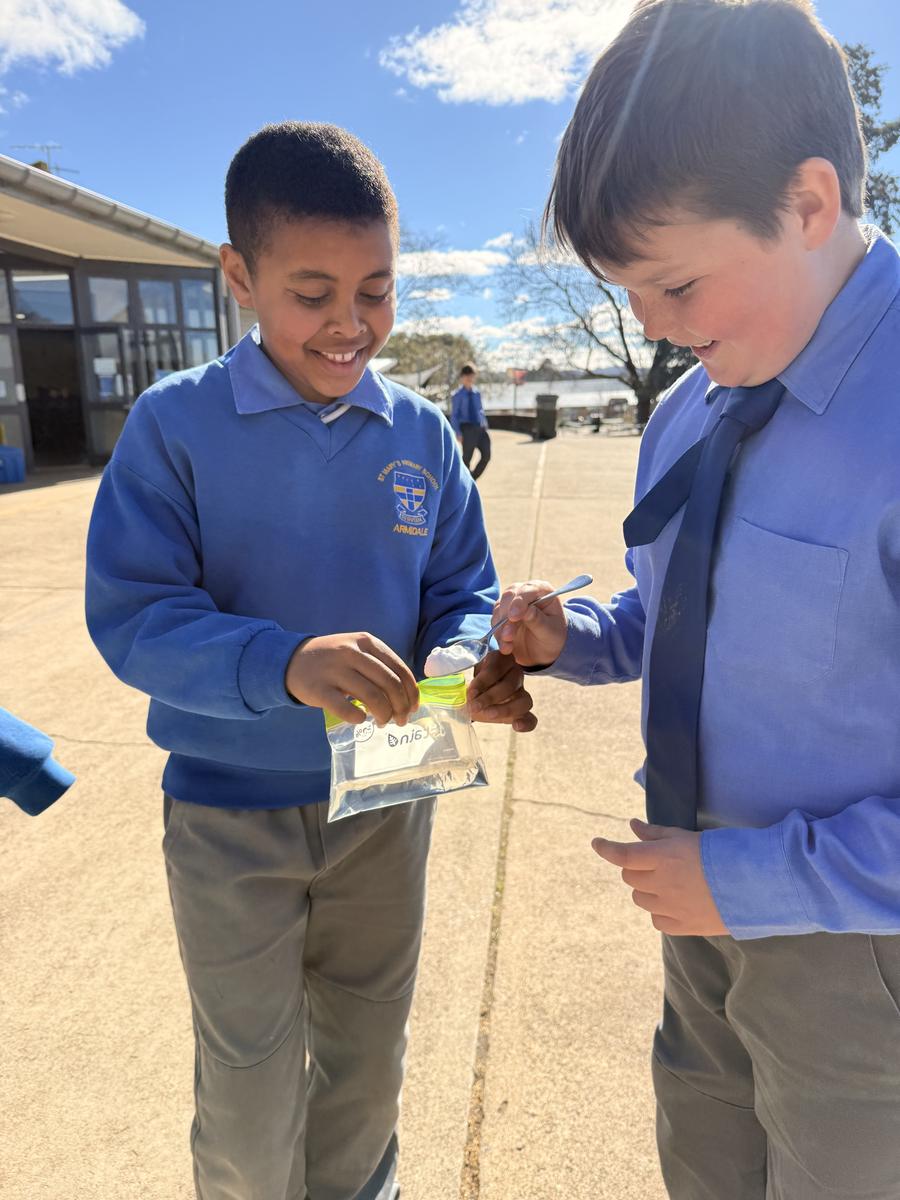
Our Year 5 scientists have been hard at work exploring the states of matter and the fascinating properties of gases!
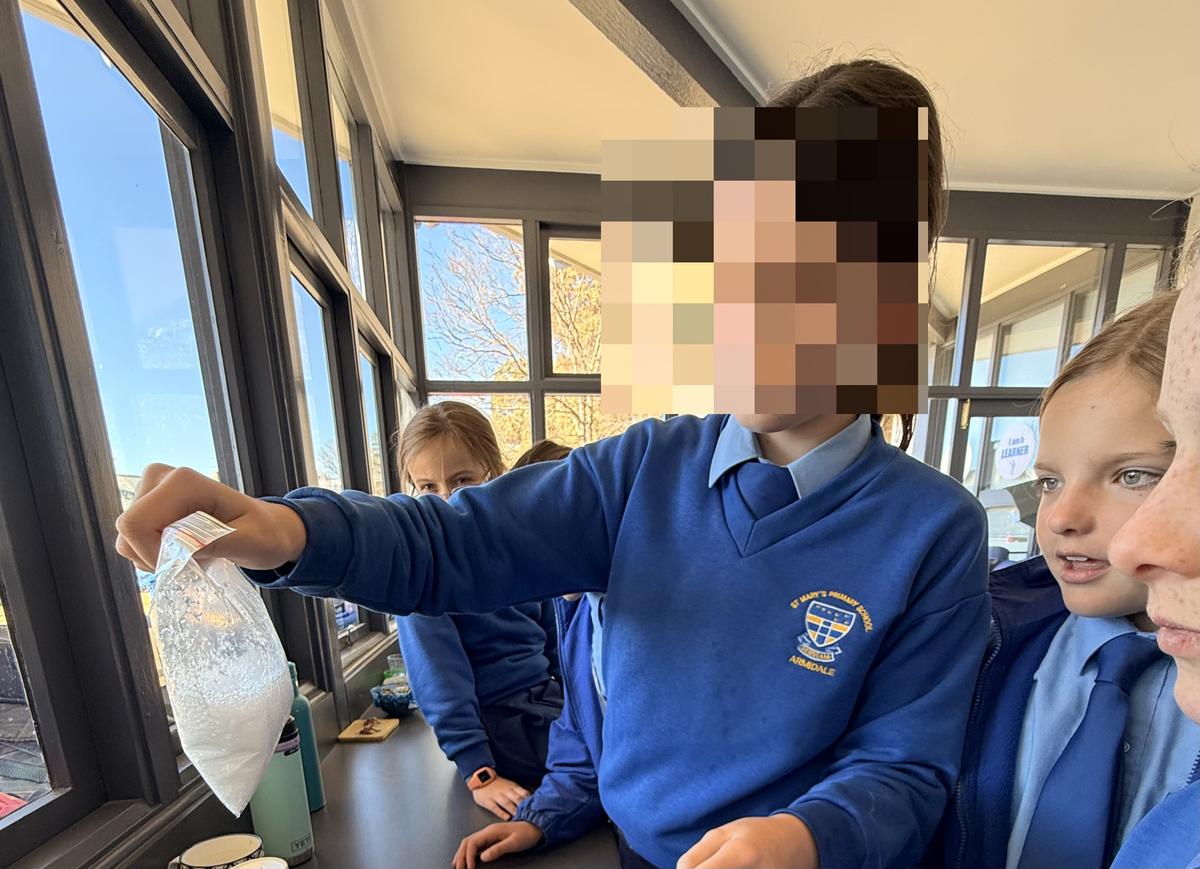
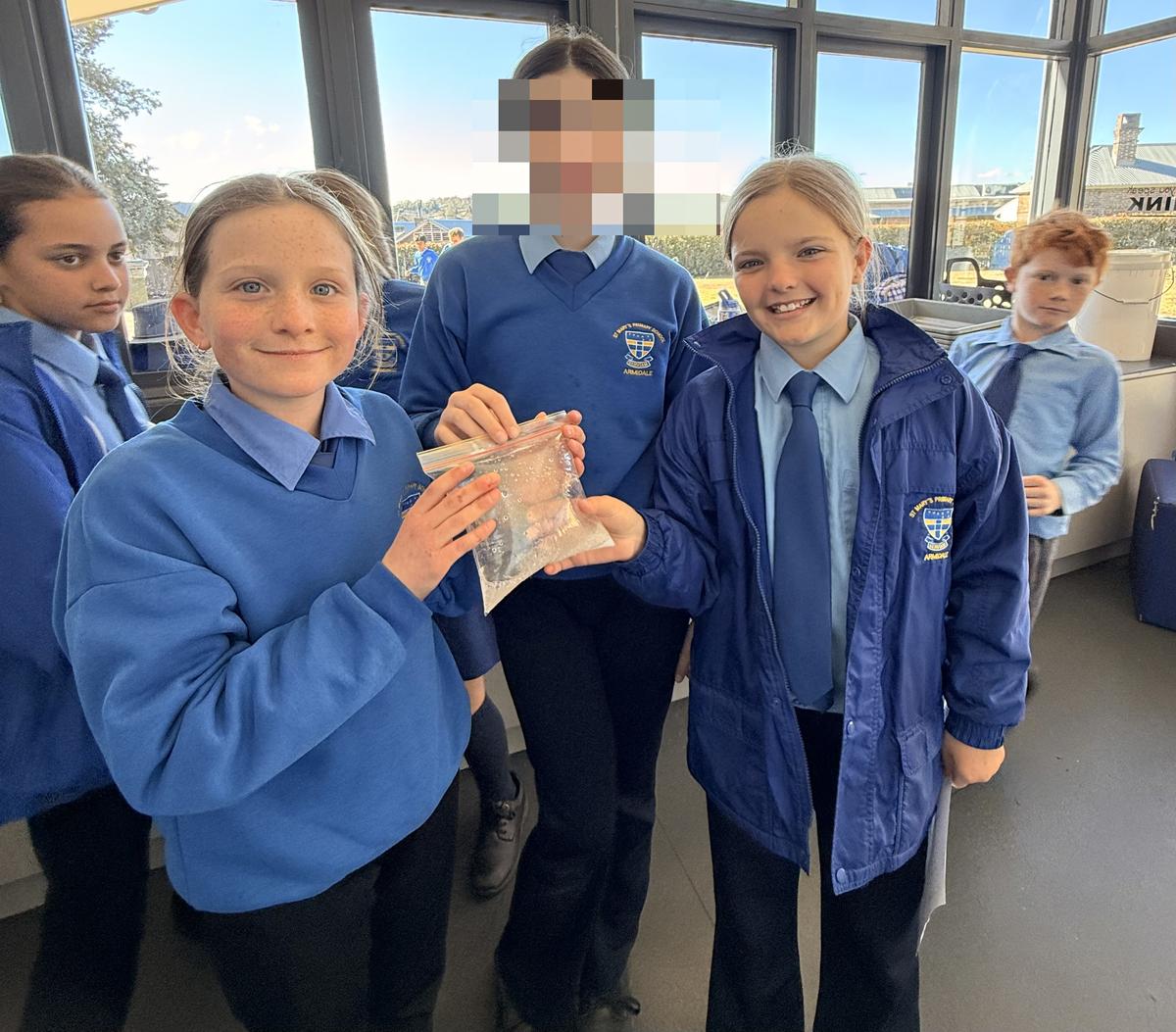
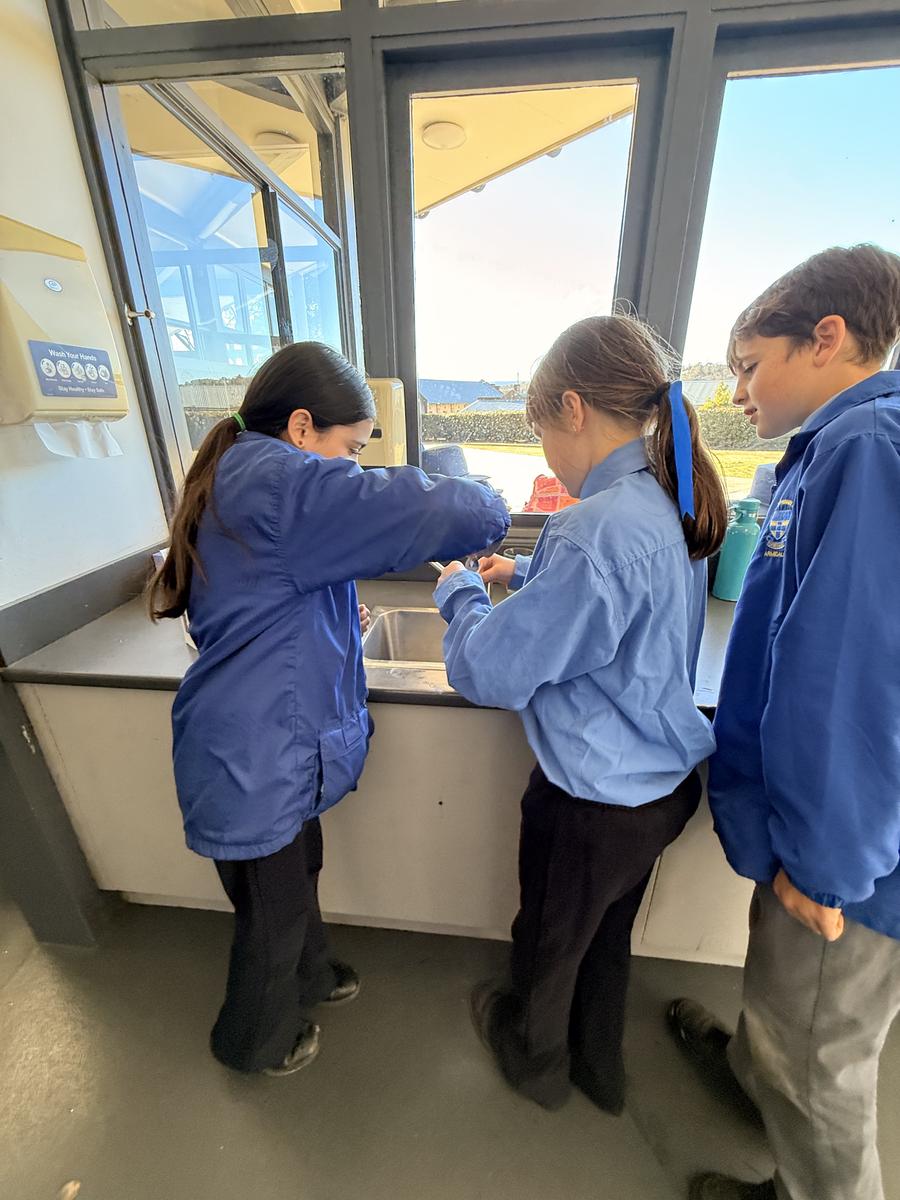
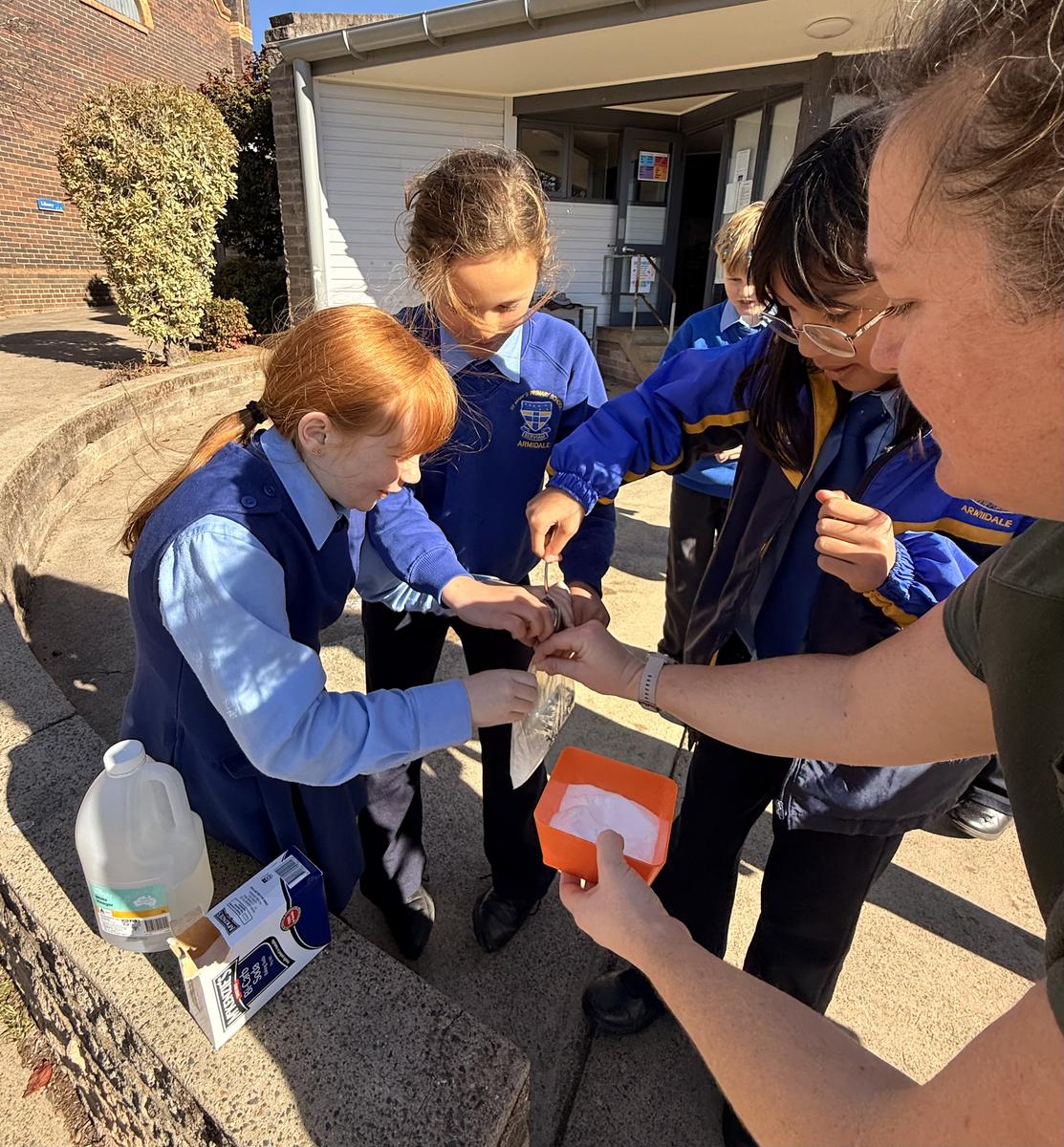
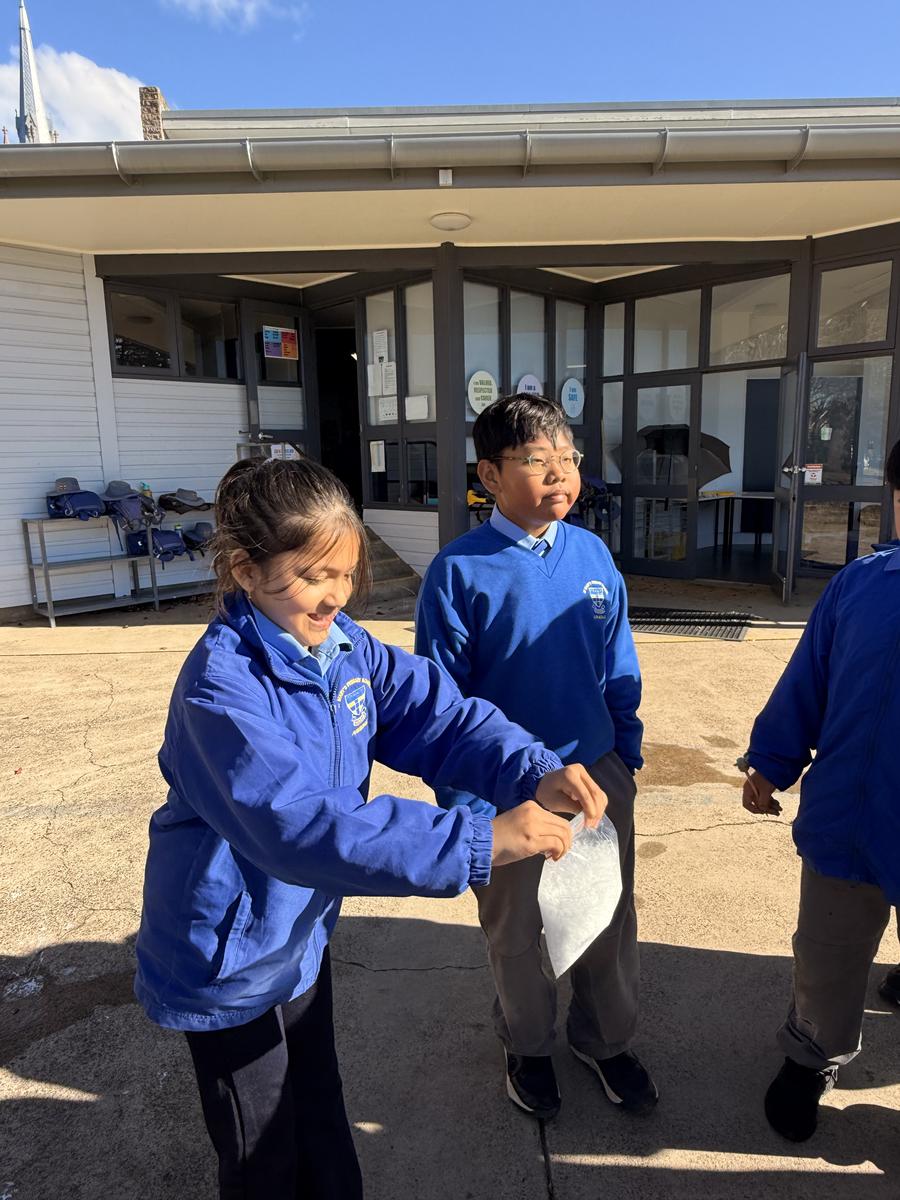
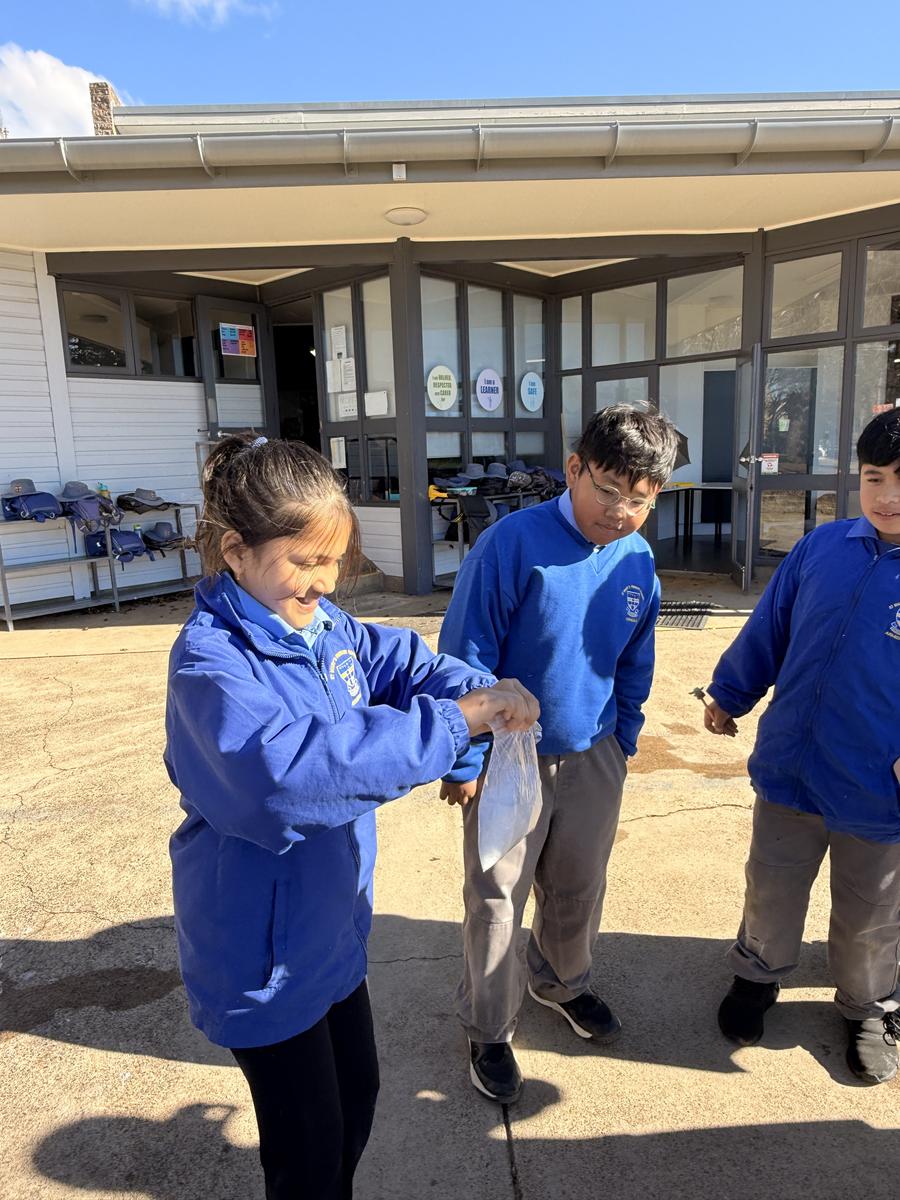
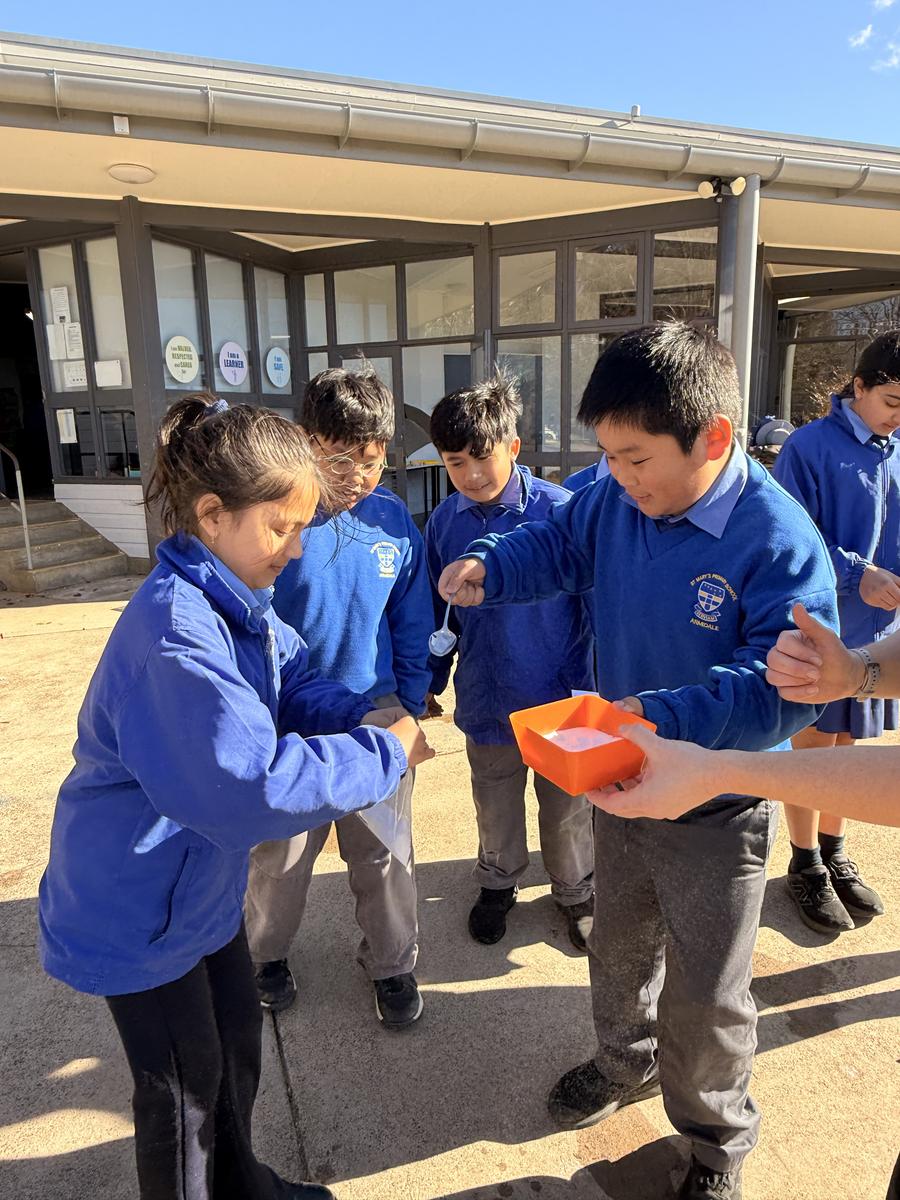
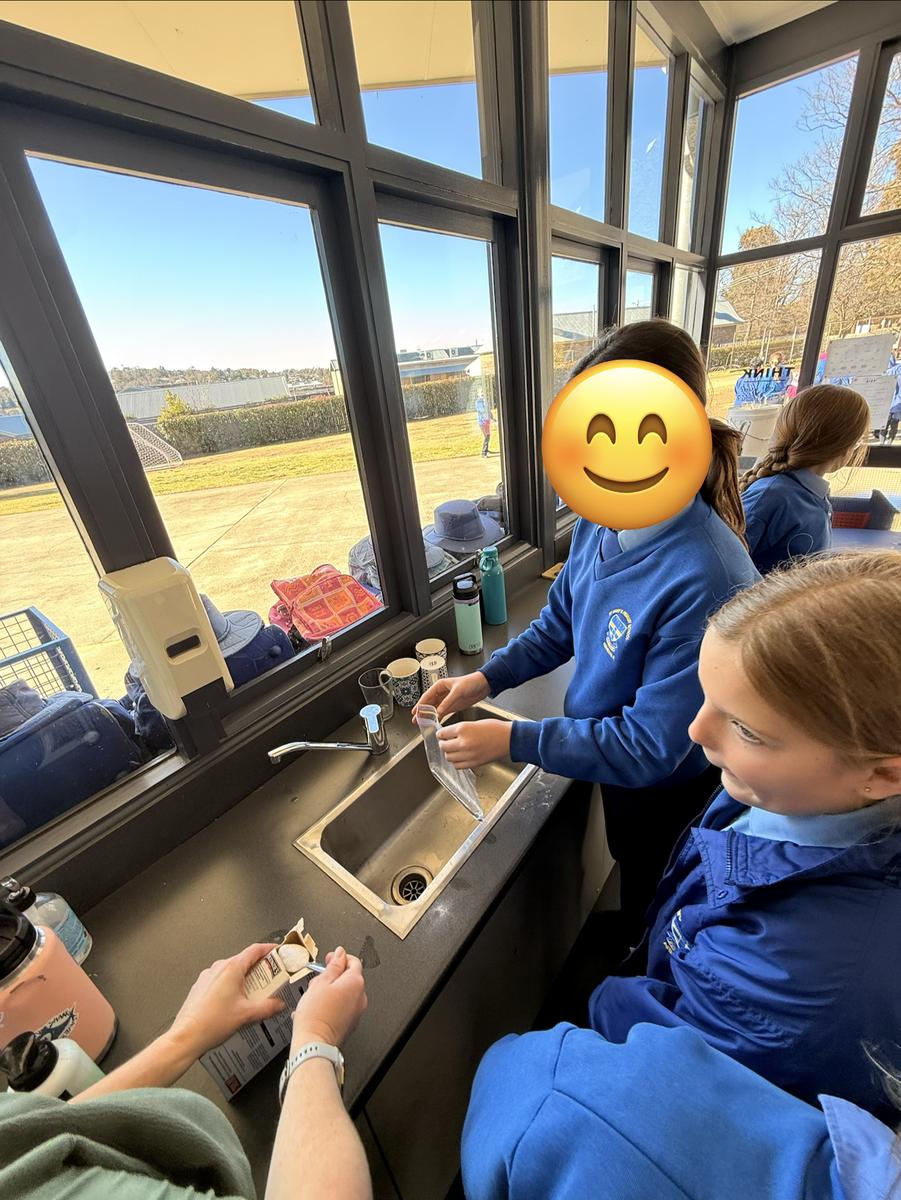
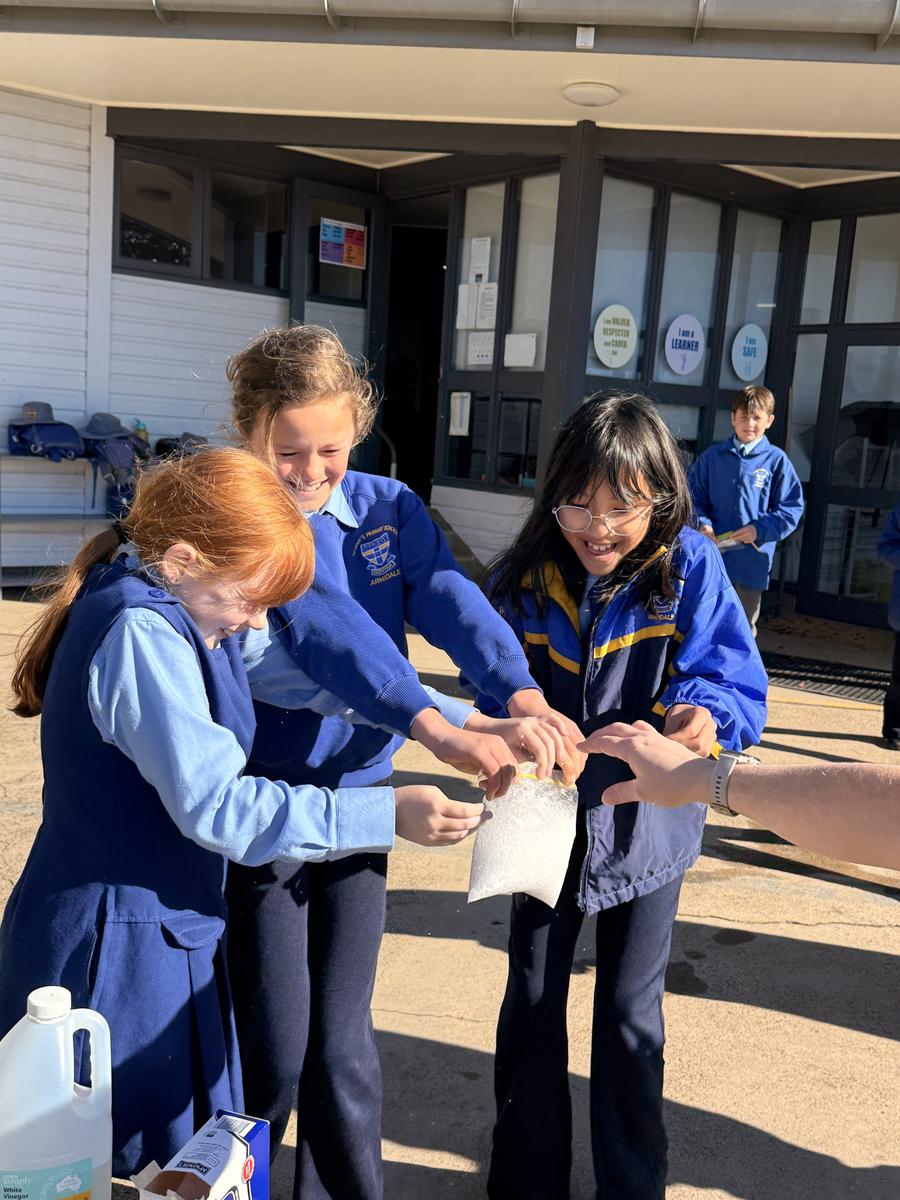
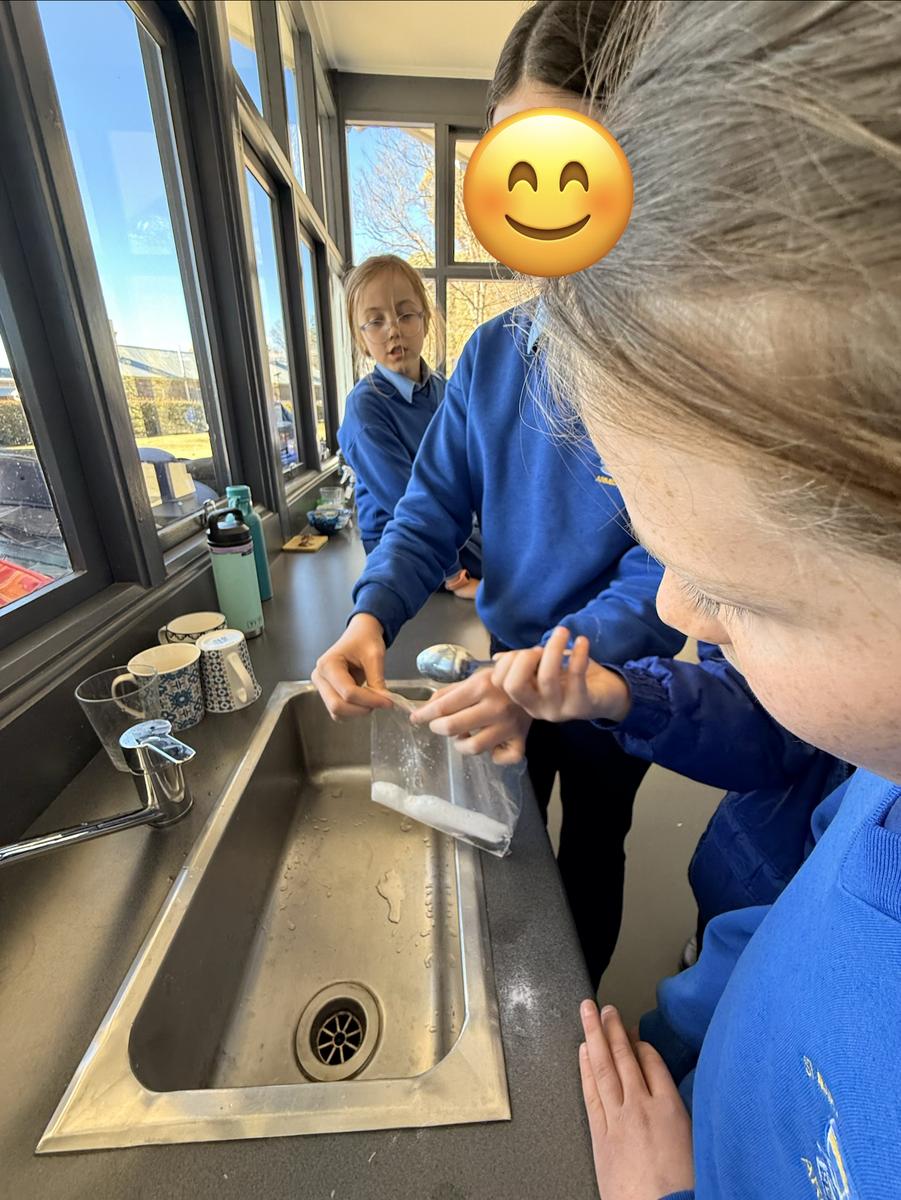
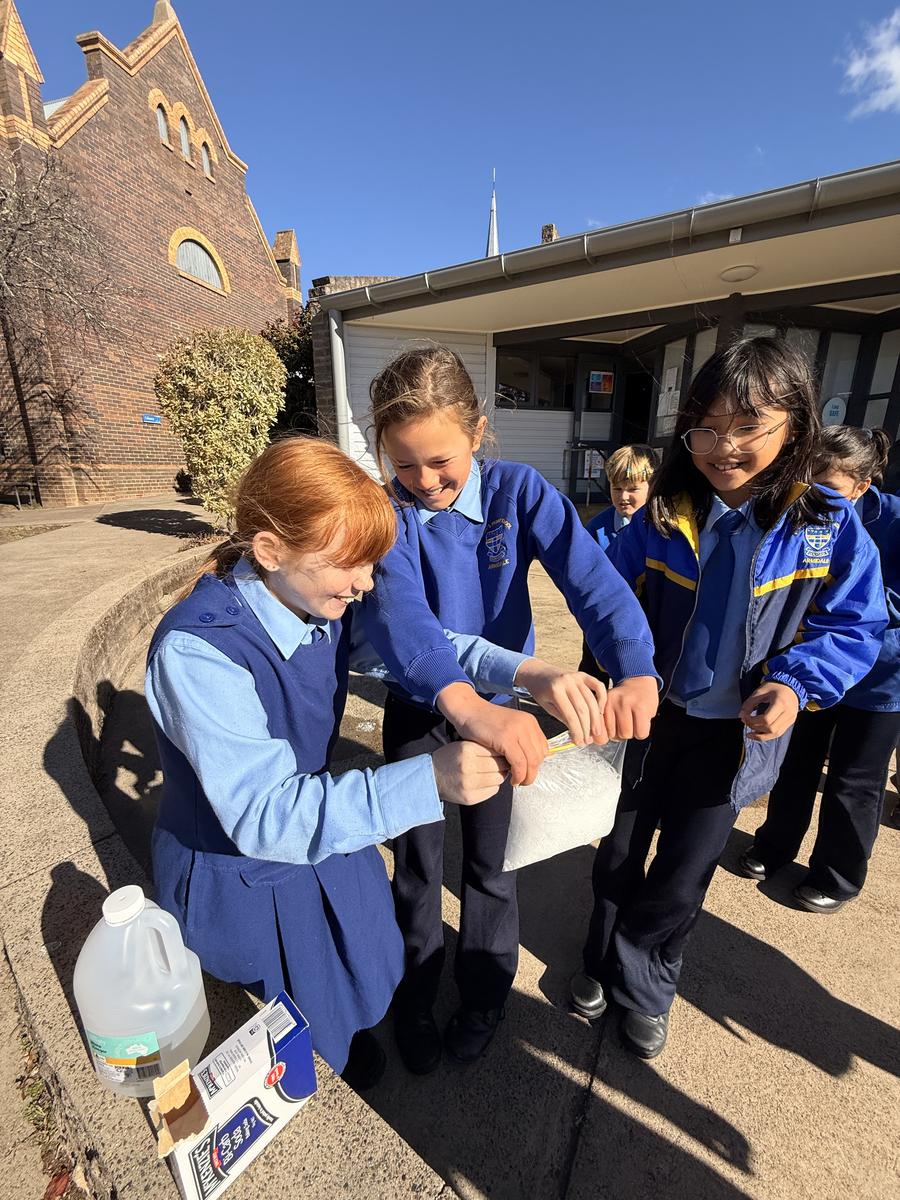
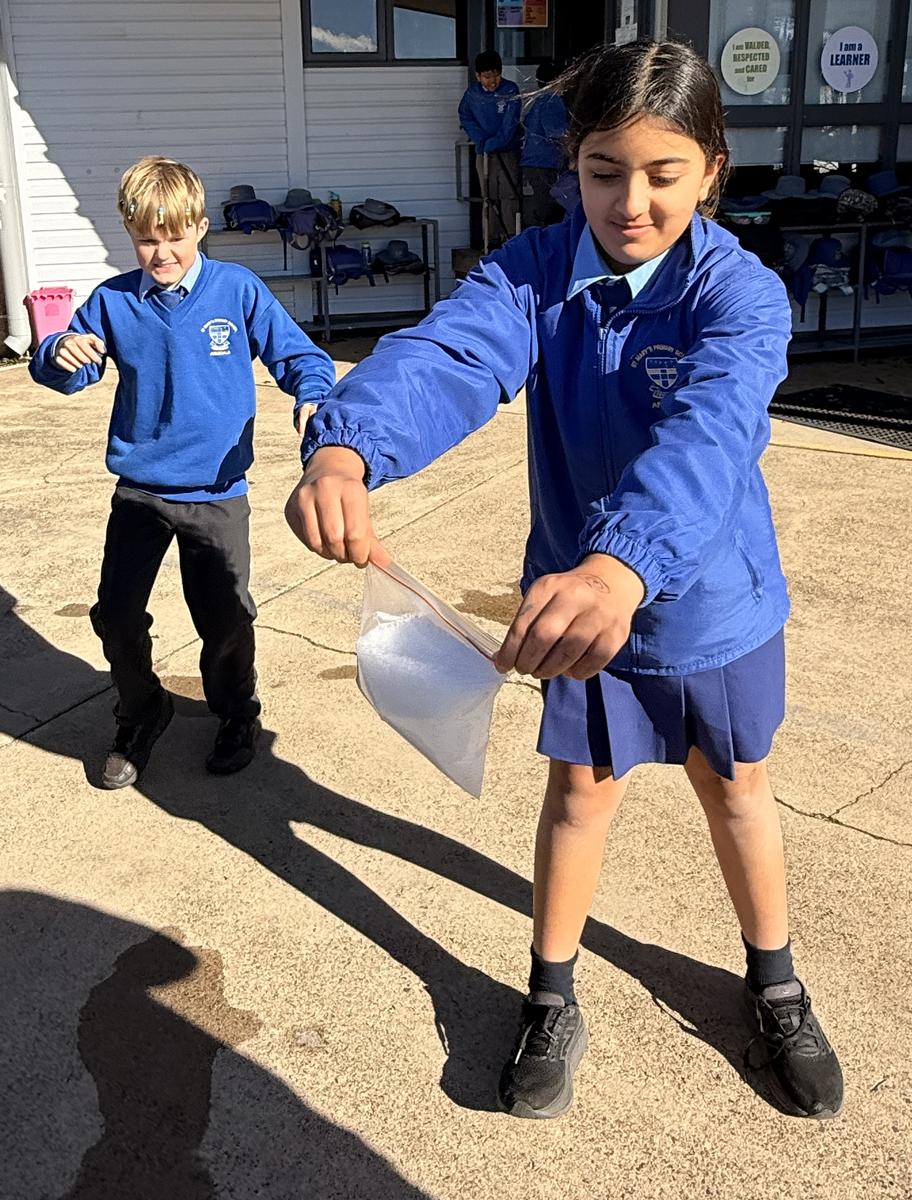
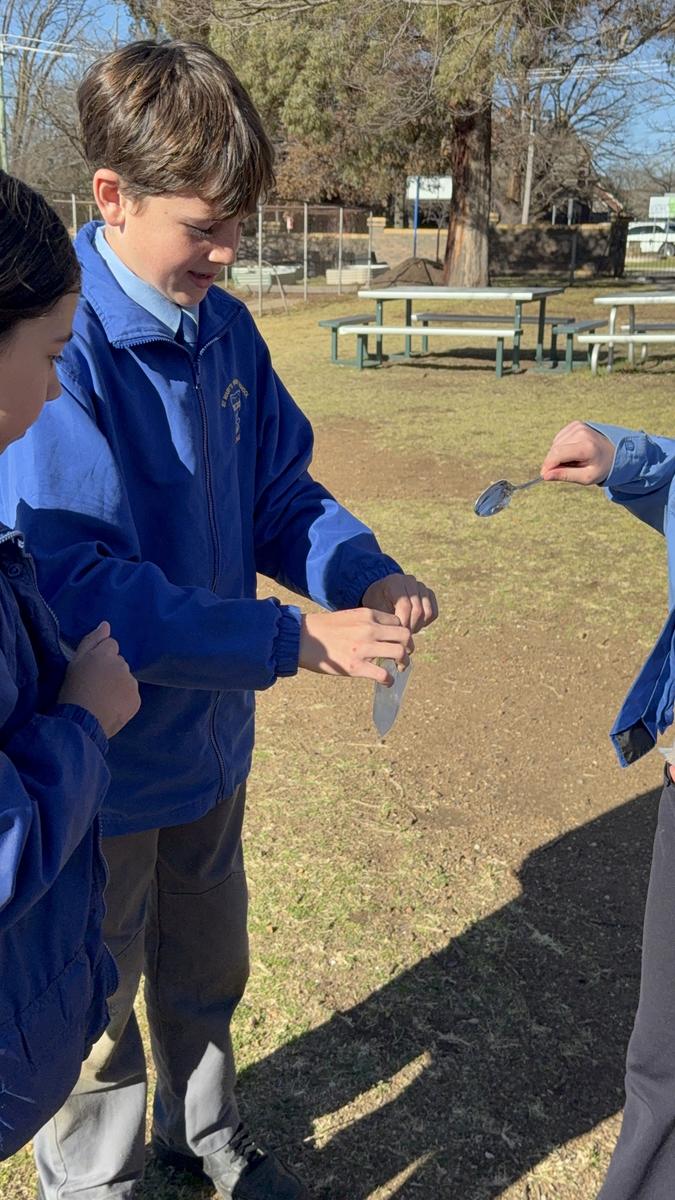
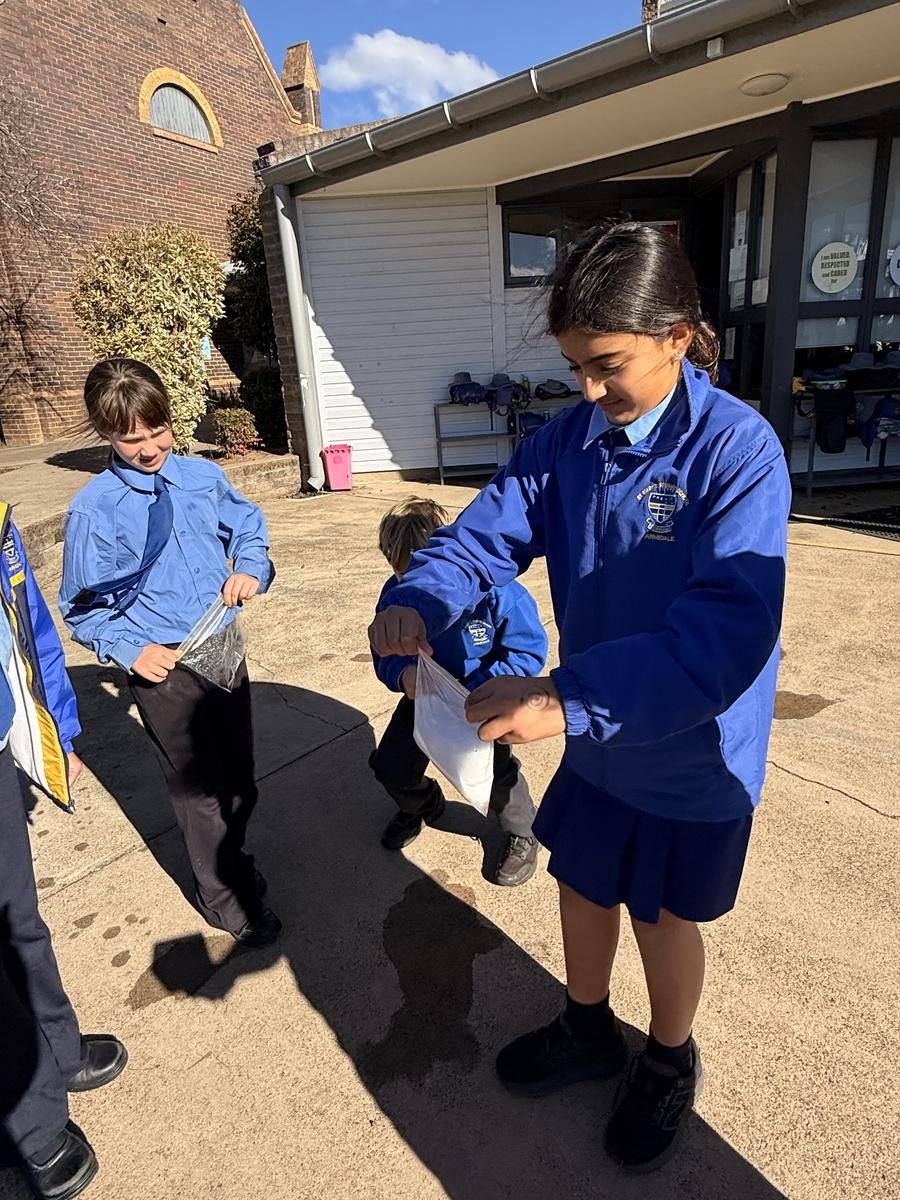
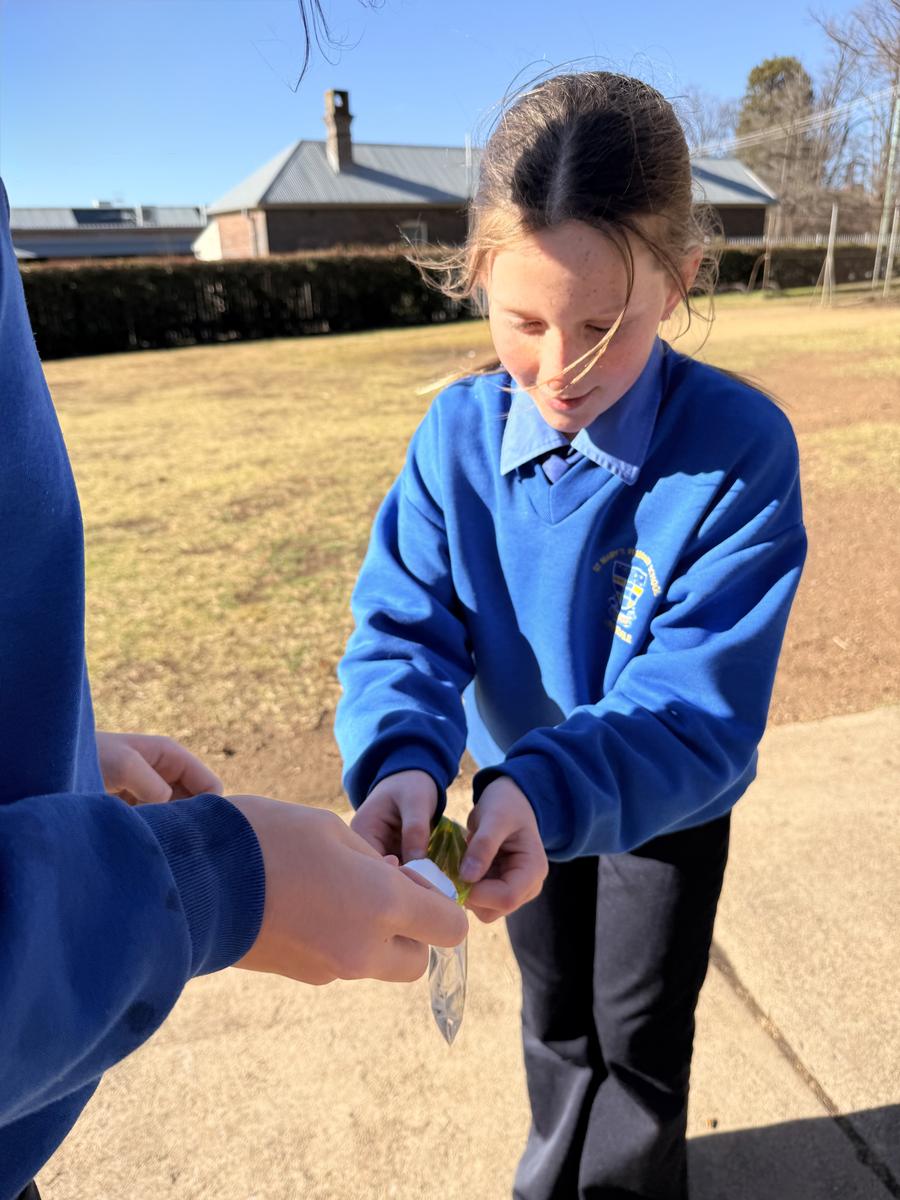
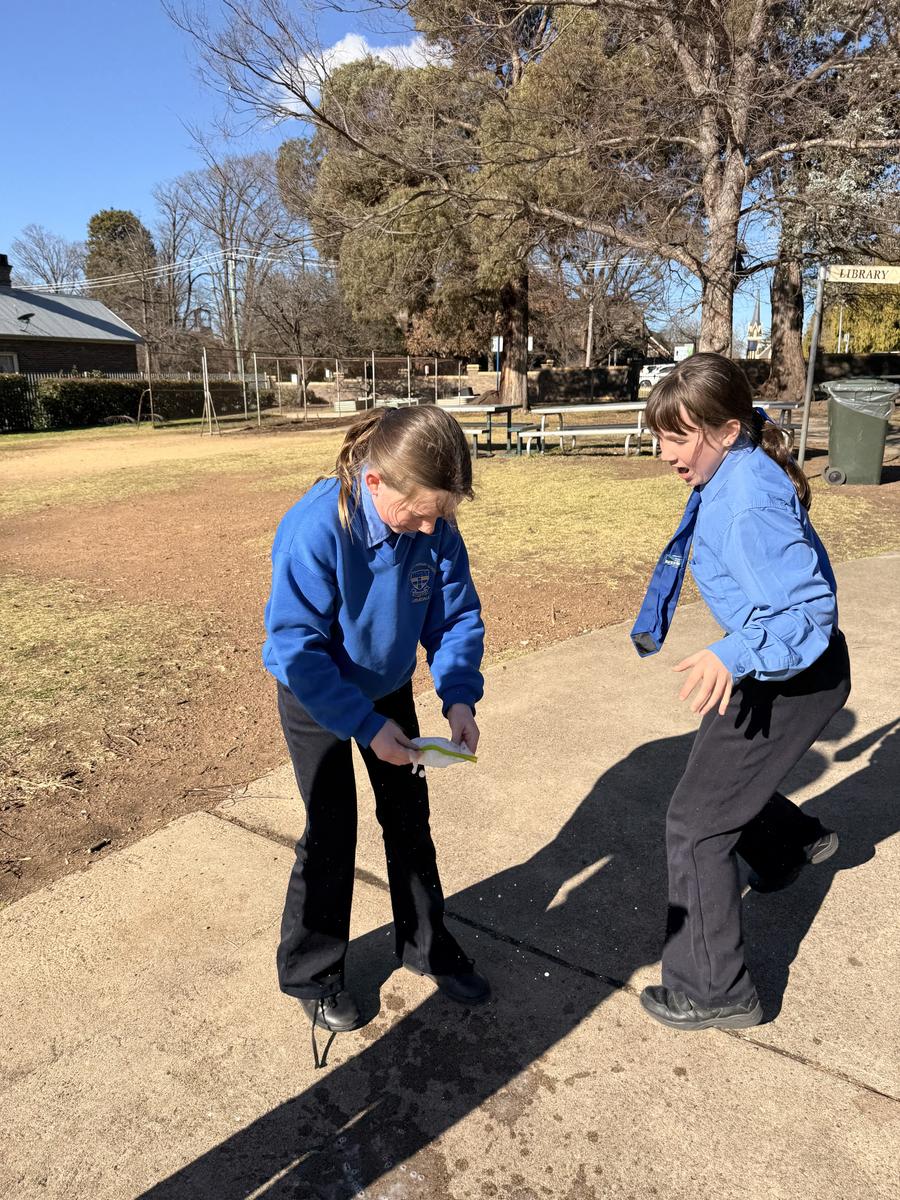
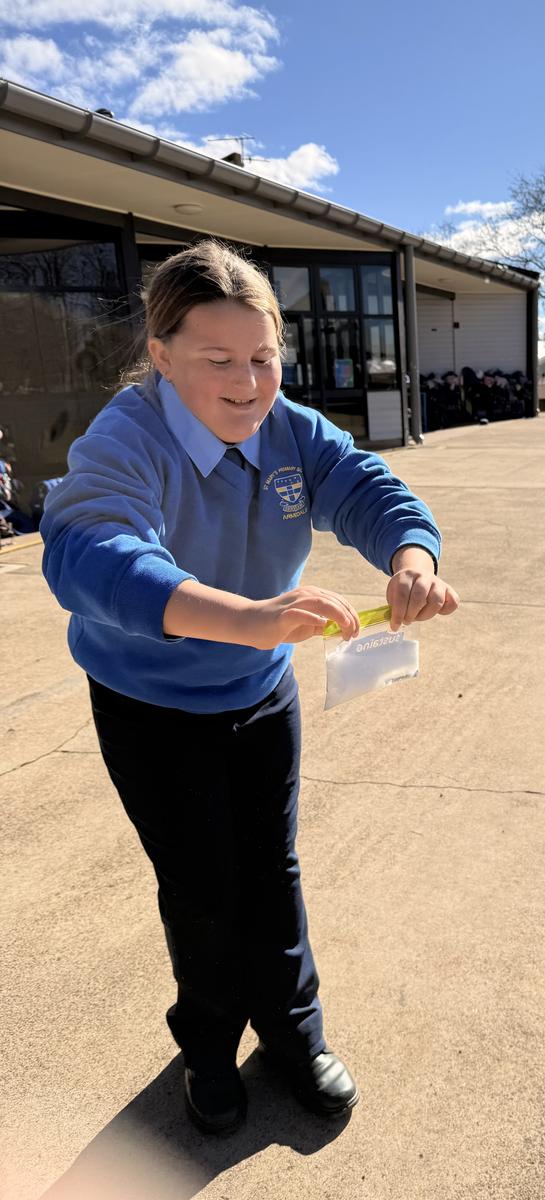
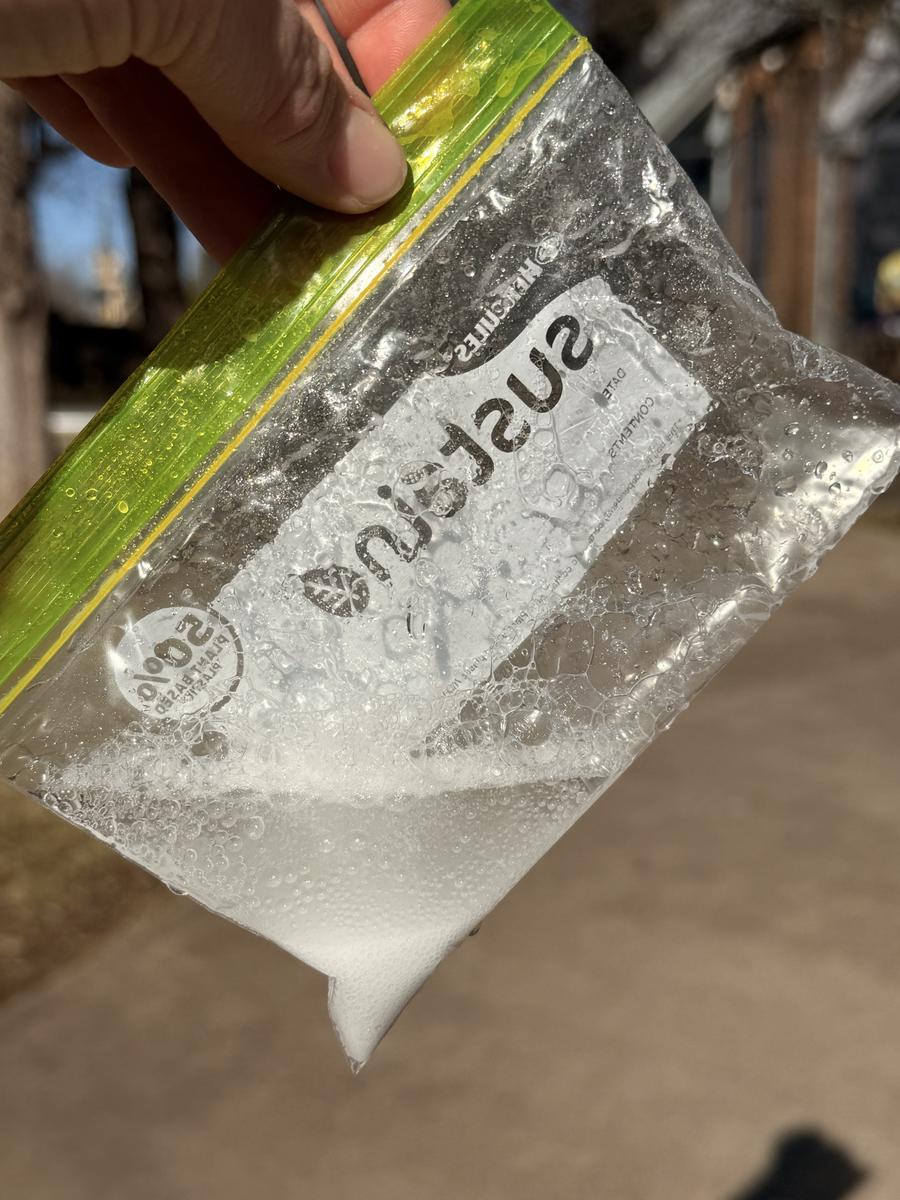
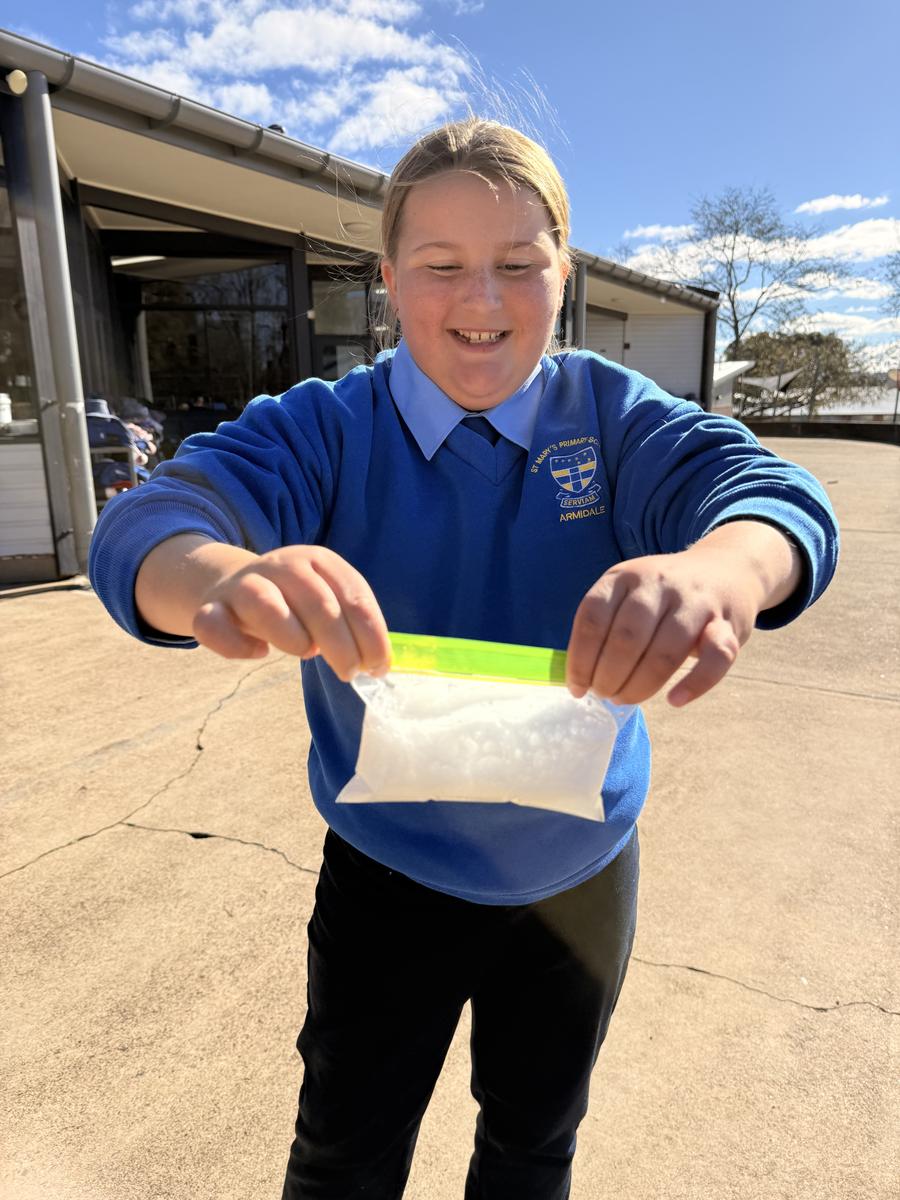
In our latest hands-on investigation, students combined a liquid (vinegar) with a solid (bicarbonate of soda) inside sealed ziplock bags to see if a chemical reaction would take place. The classroom was filled with energy and excitement as the two substances mixed, producing carbon dioxide gas that quickly inflated—and in some cases, popped!—the bags.
It was a fantastic way for students to observe how gas takes up space and creates pressure. Their enthusiasm for scientific discovery was incredible to see!
Science at Home:
Hands-on learning doesn't have to stop at the classroom door. What simple, safe experiments could you and your child explore together at home this week?
🧪 Year 5 At-Home Science Challenge!
Here are three quick, safe, and fun kitchen-science experiments your child can lead using simple household items:
Which experiment will your young scientist try first? We’d love to see photos or hear about their findings!
Religion
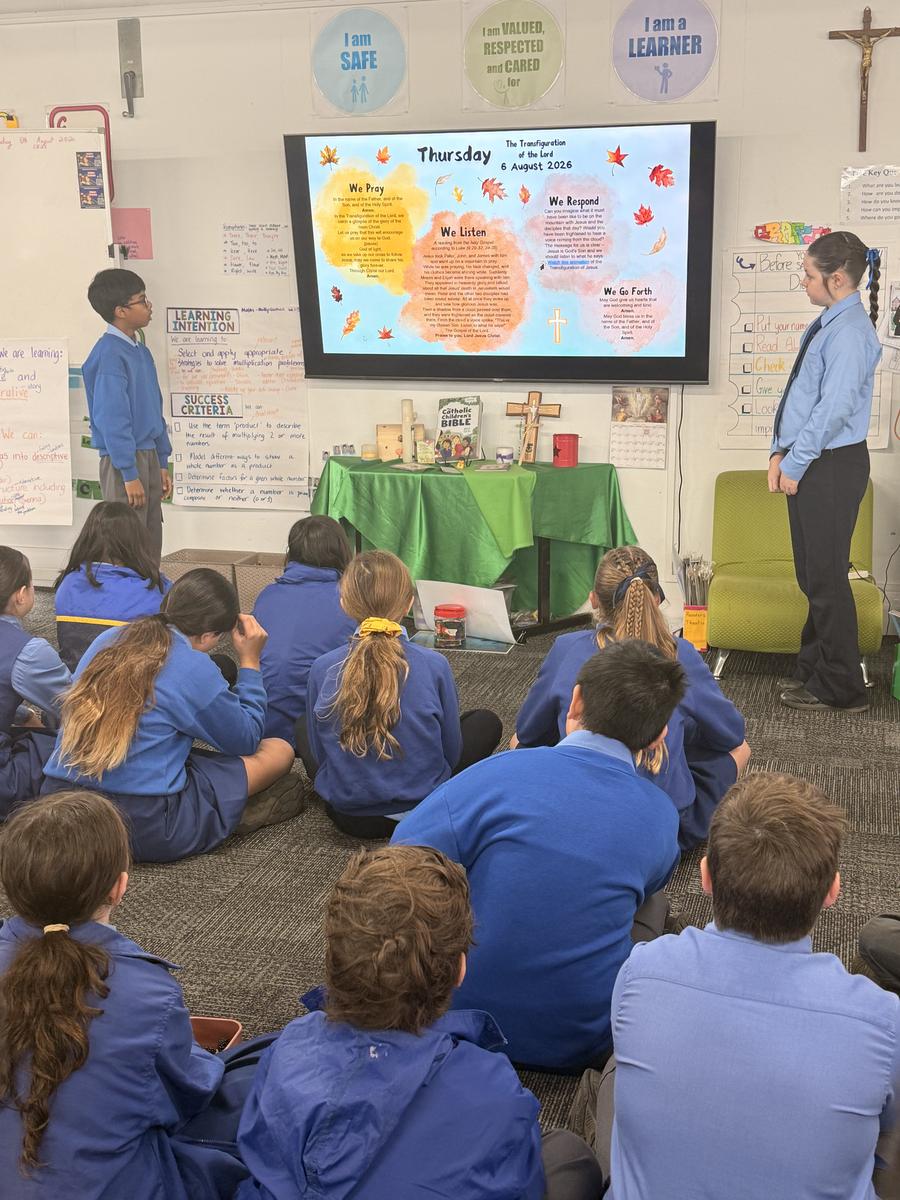
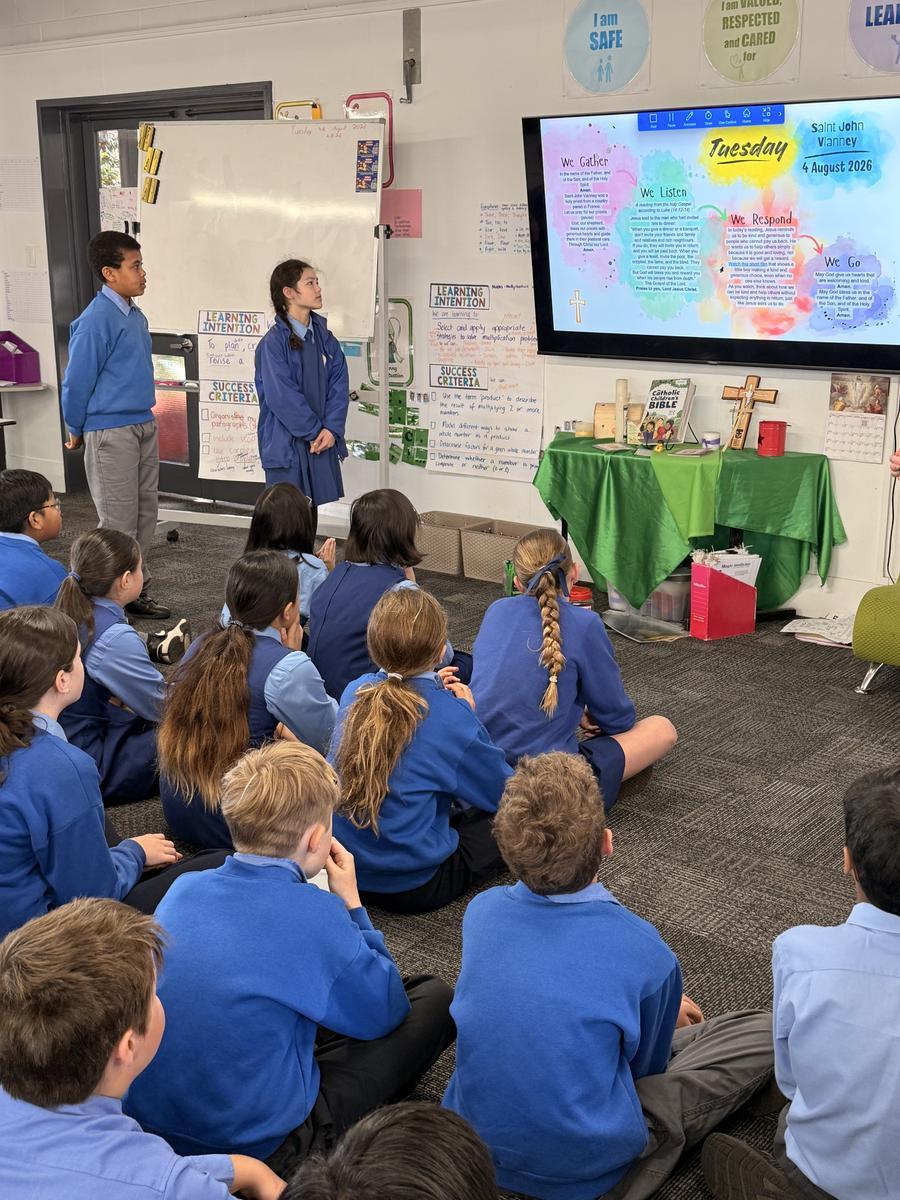
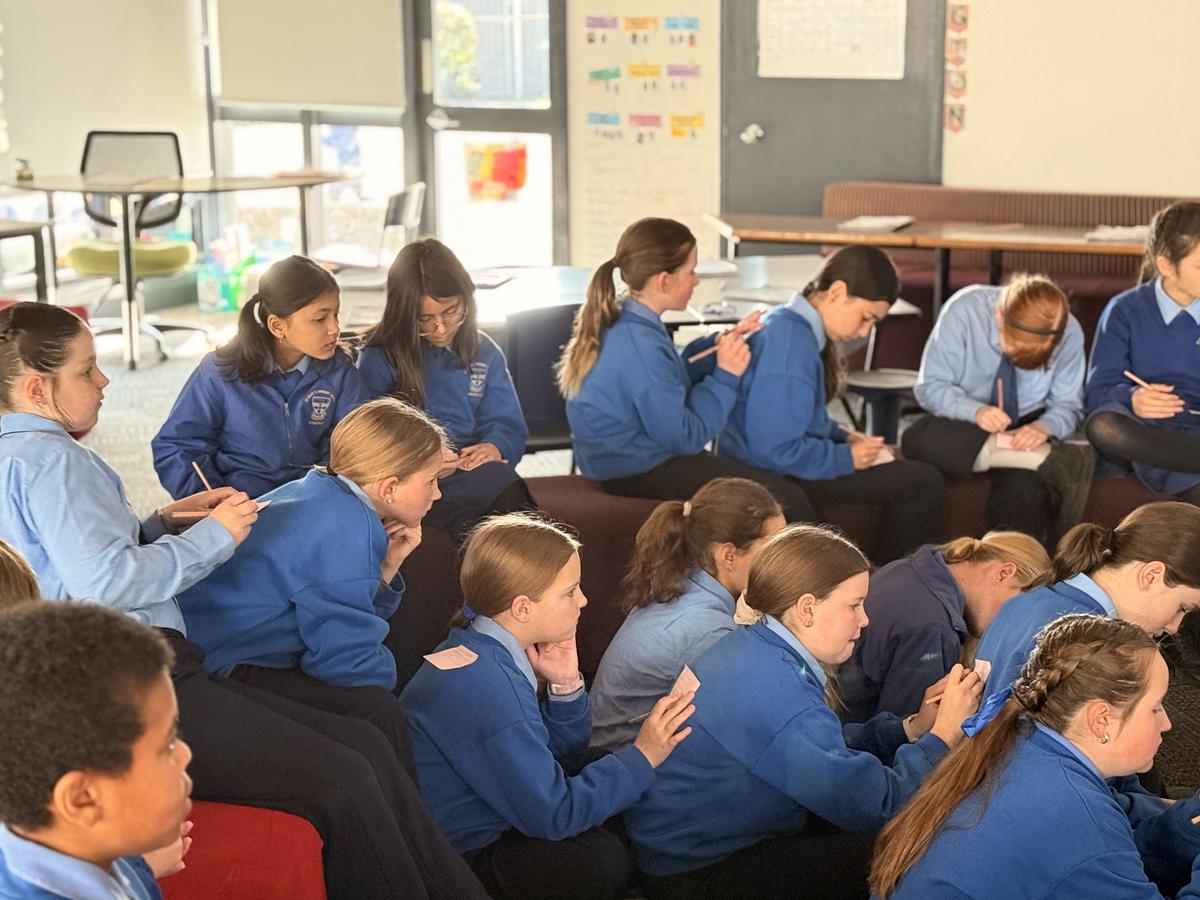
This week in Religion, our Catholic students had the opportunity to celebrate the Sacrament of Reconciliation. We have also been learning about Caroline Chisholm and her significant contribution to the early Catholic community in Australia. Students explored her life, her work supporting families and migrants, and the ways in which her faith inspired her to serve others.
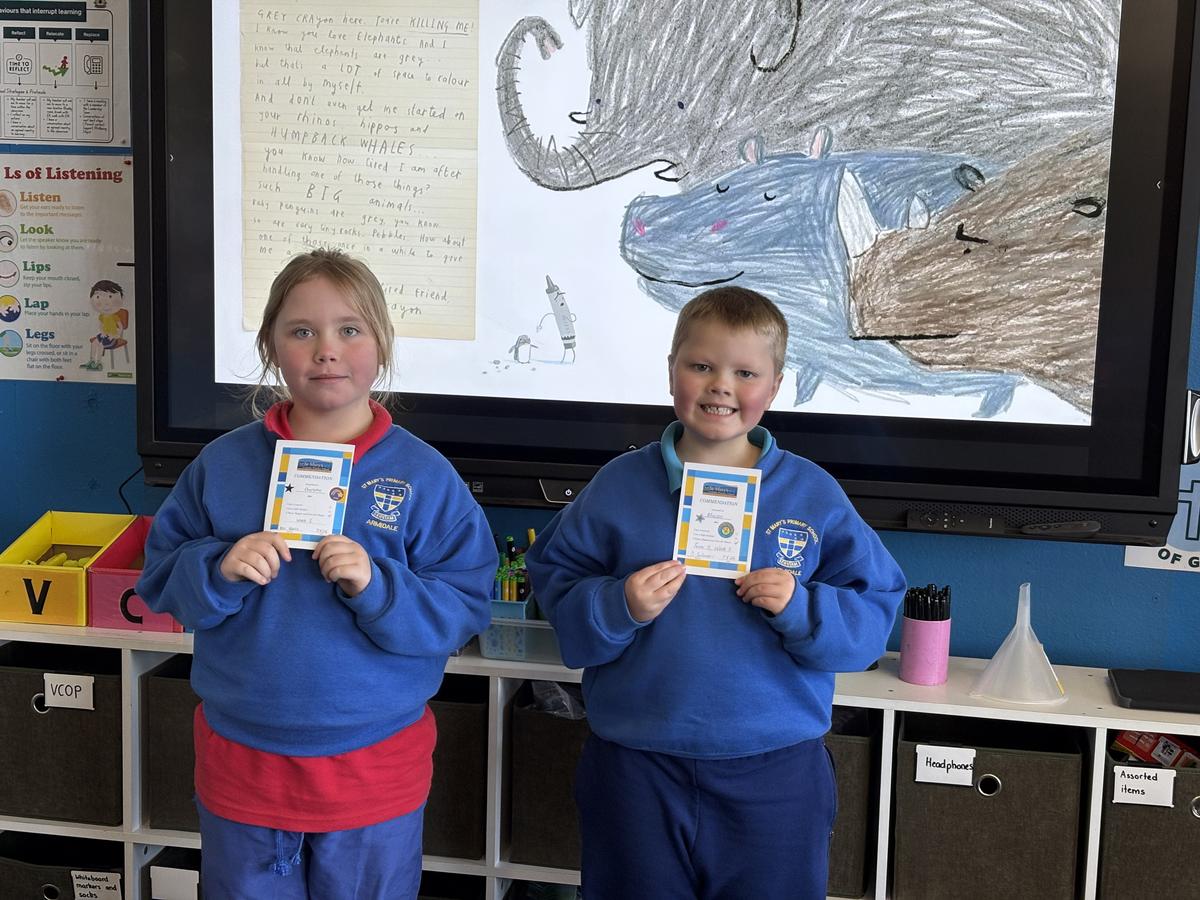
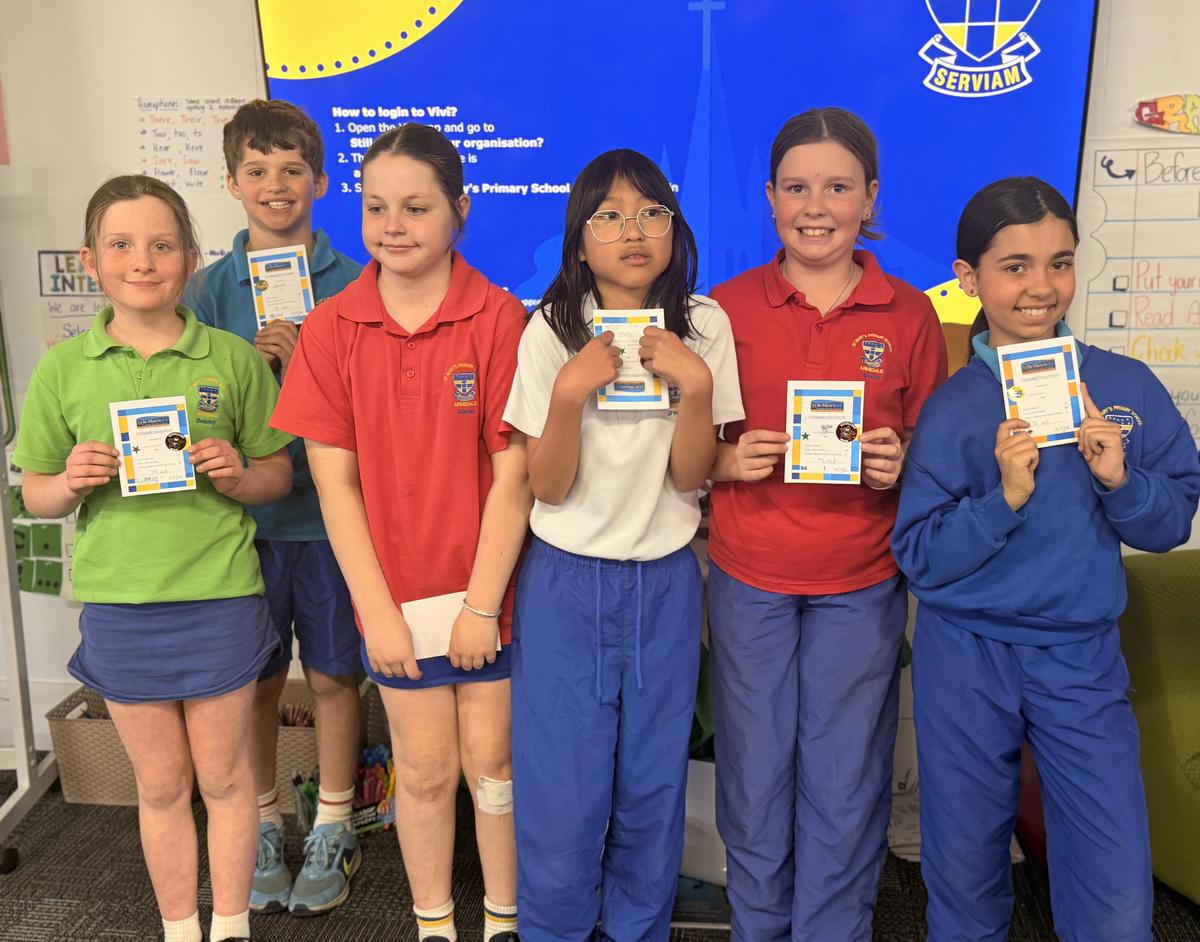
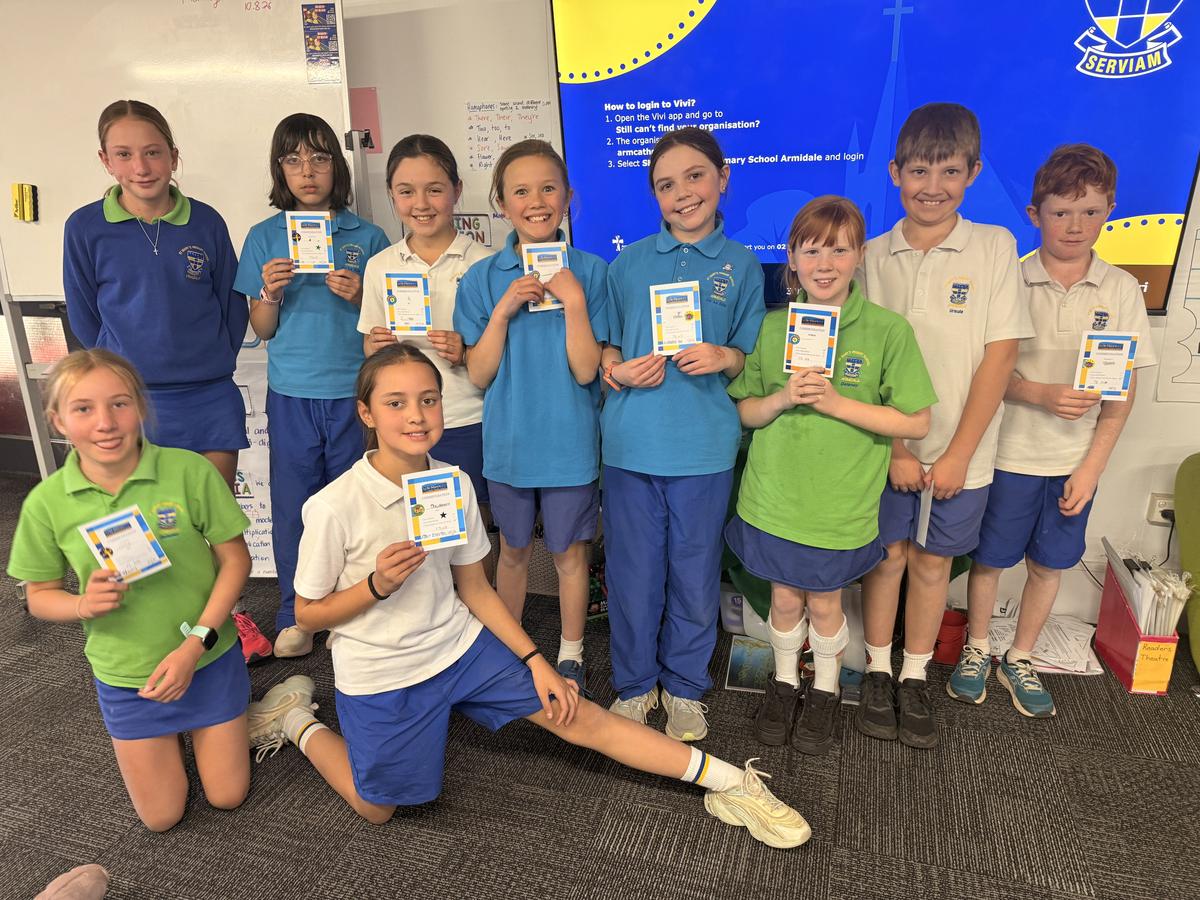
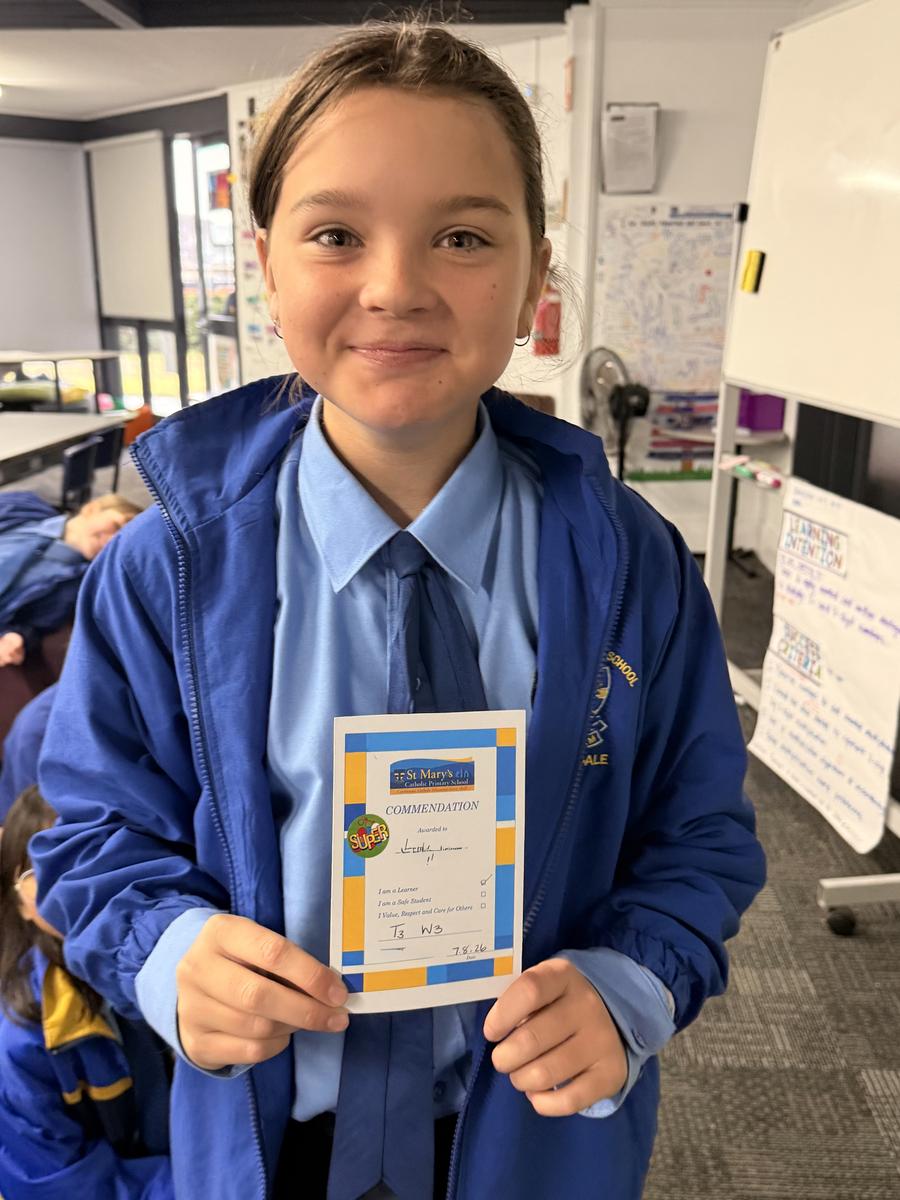
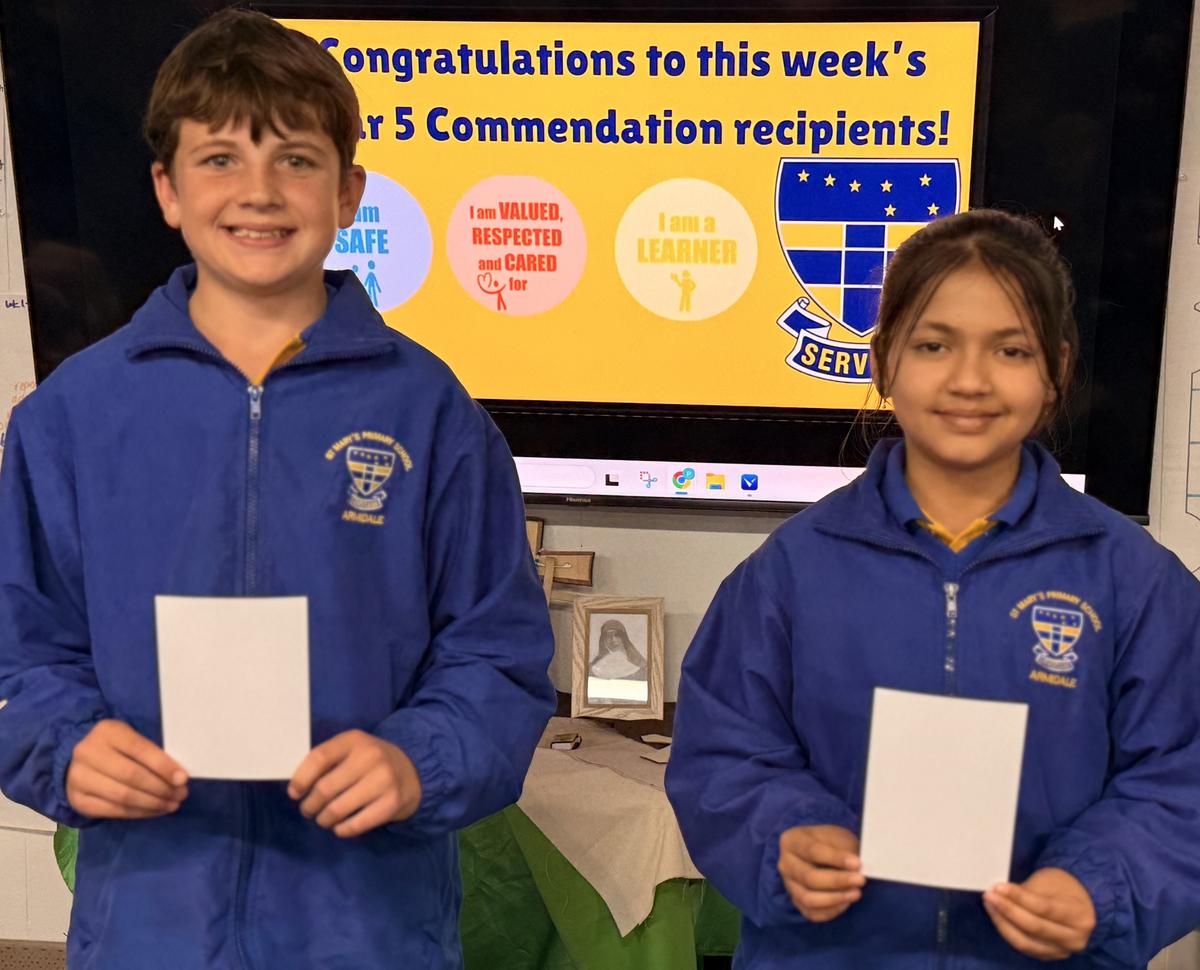
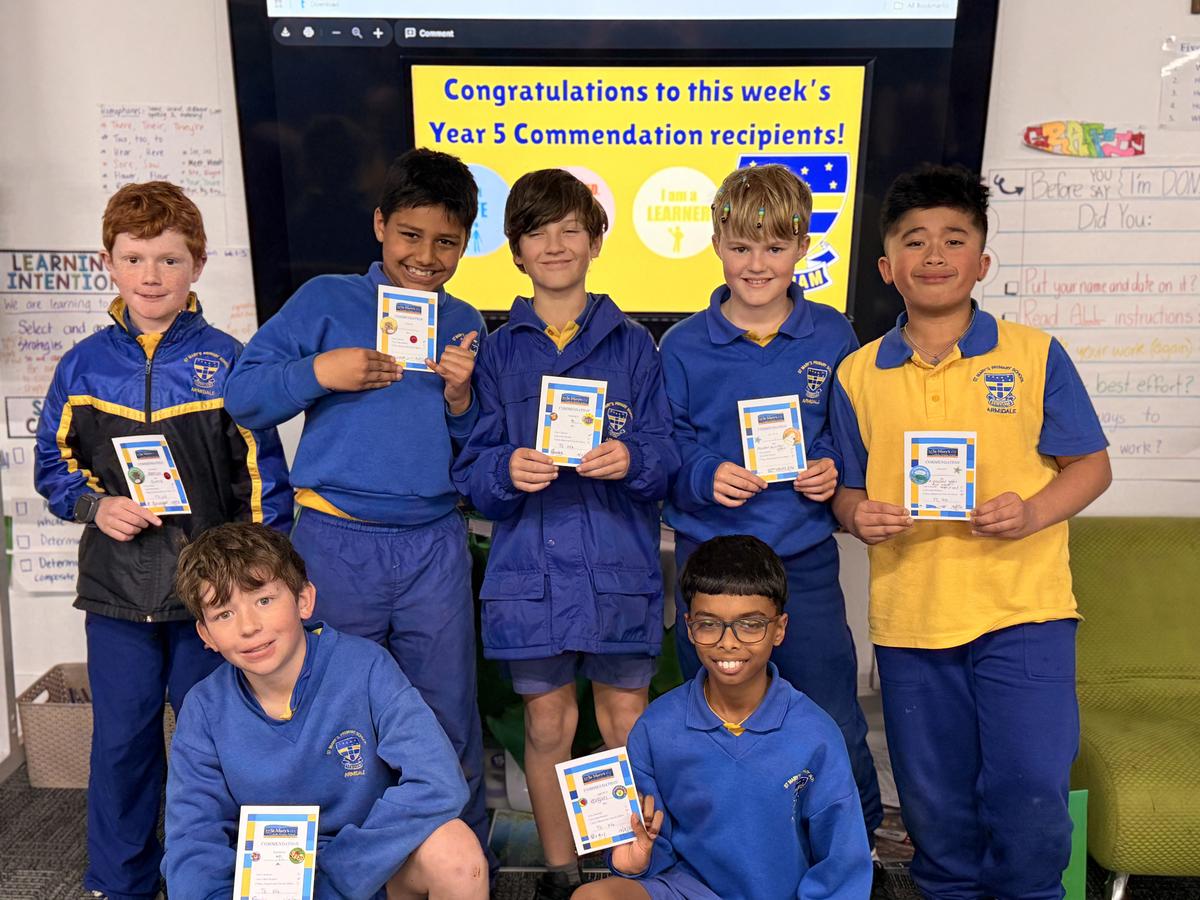
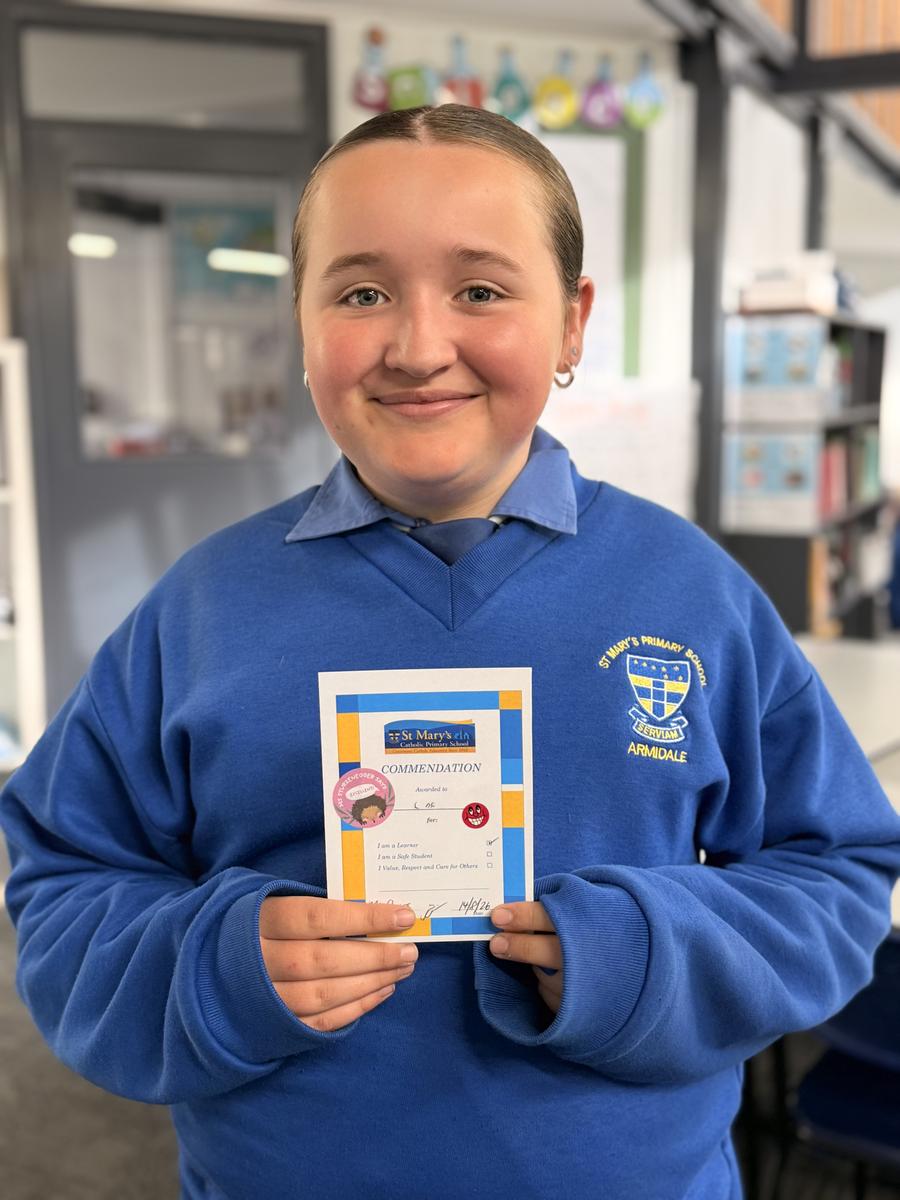
Commendations
Congratulations to our commendation recipients this fortnight who were selected for demonstrating our Living Well, Learning Well values.
Friendships
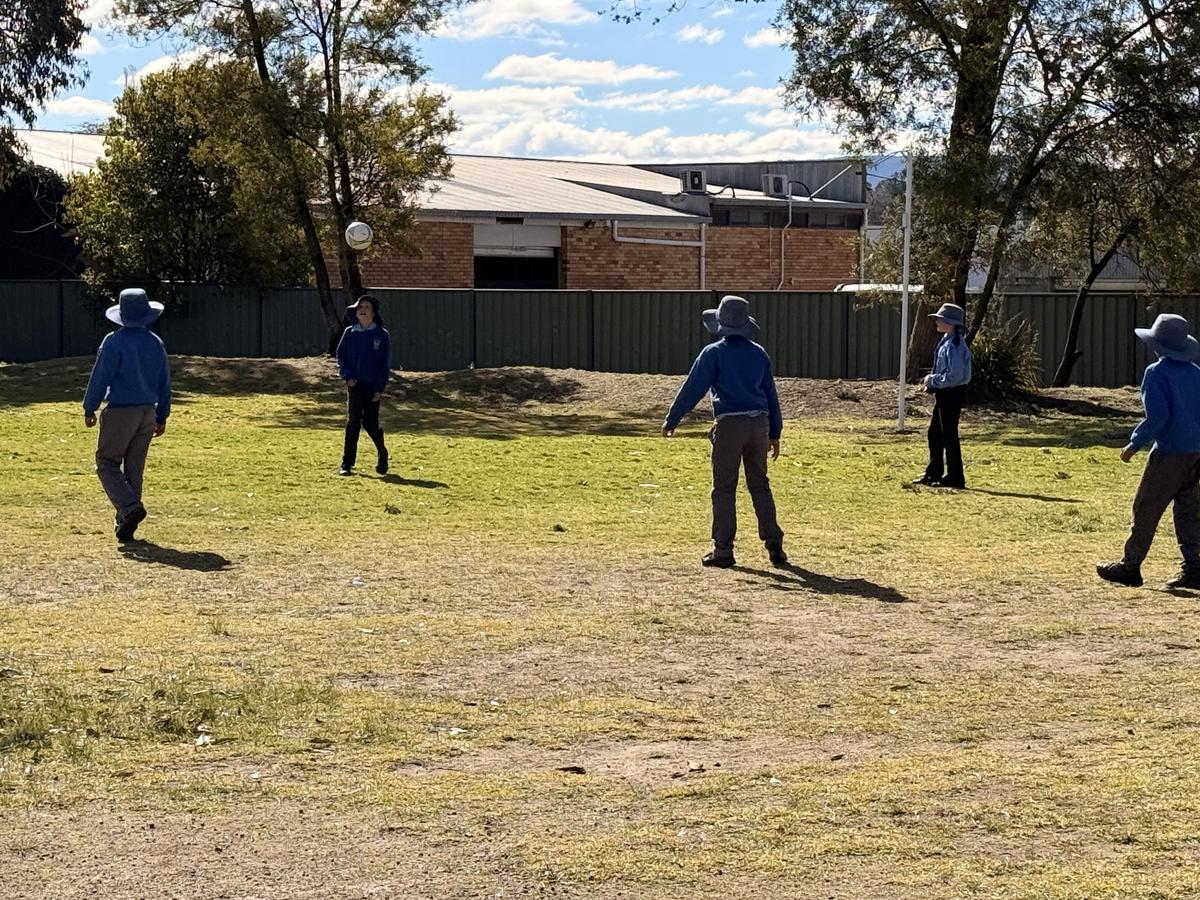
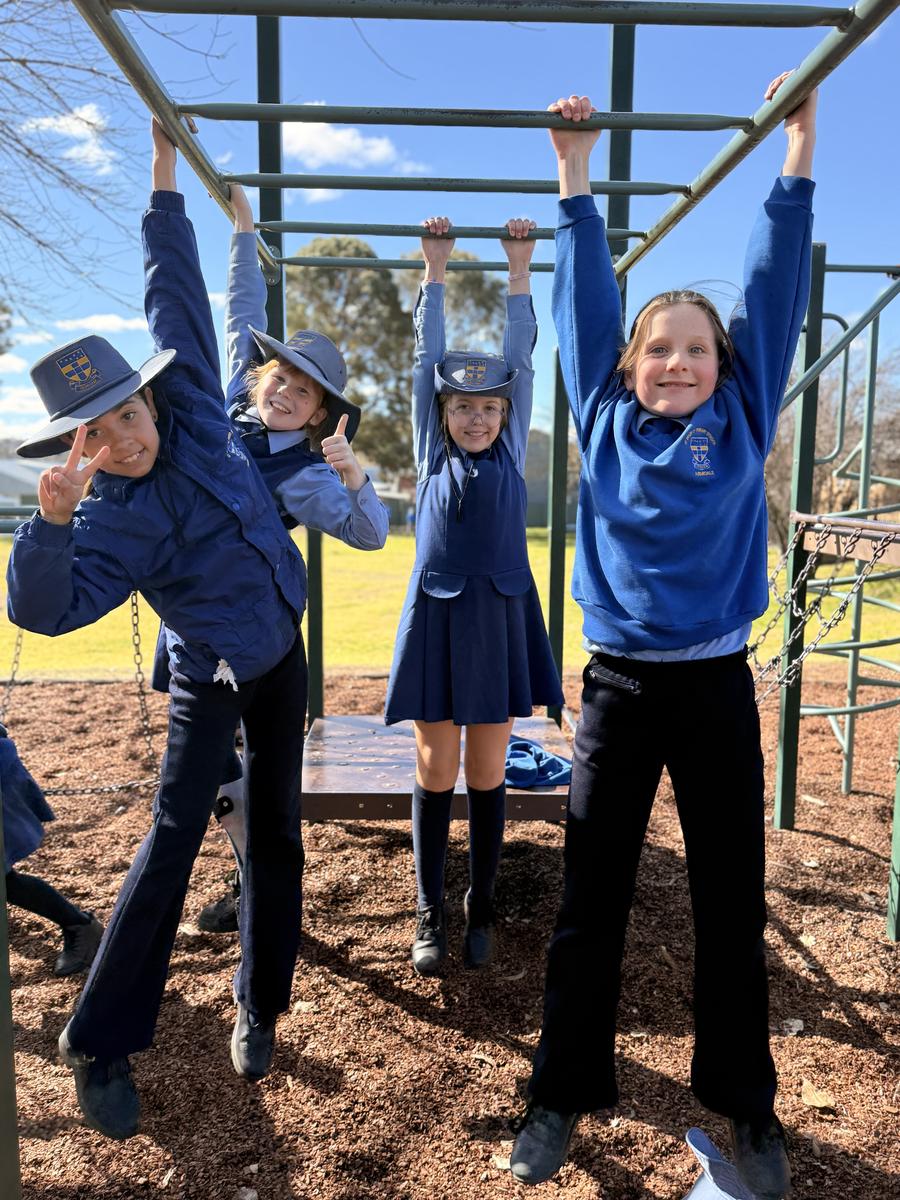
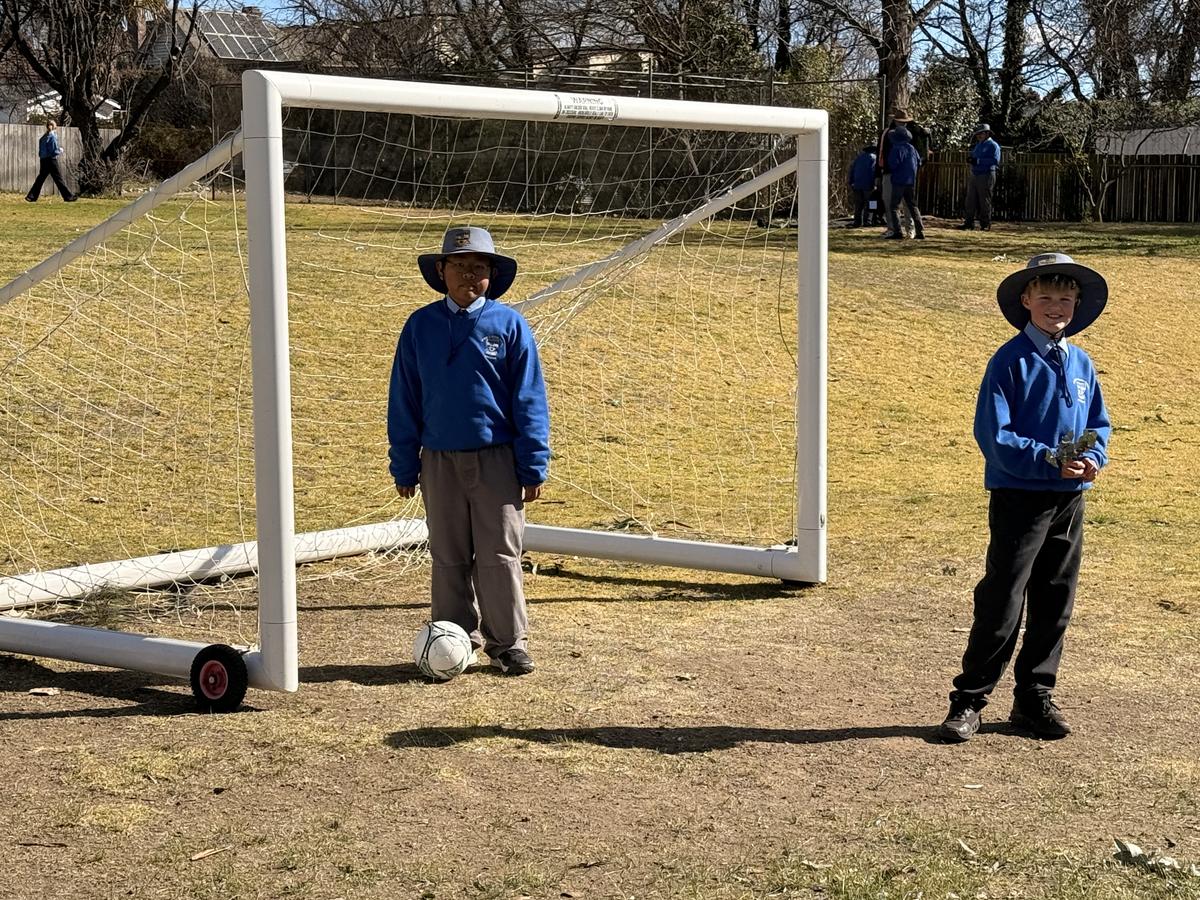
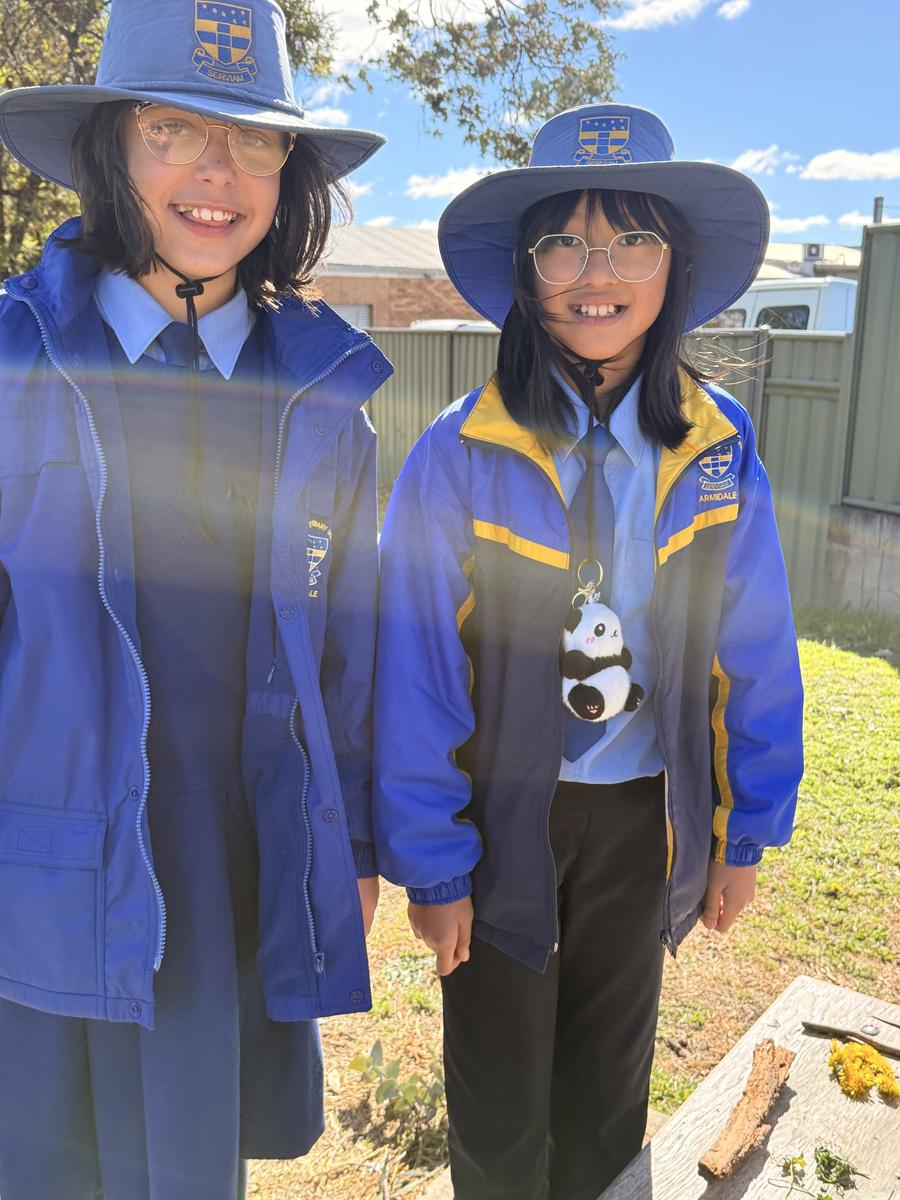
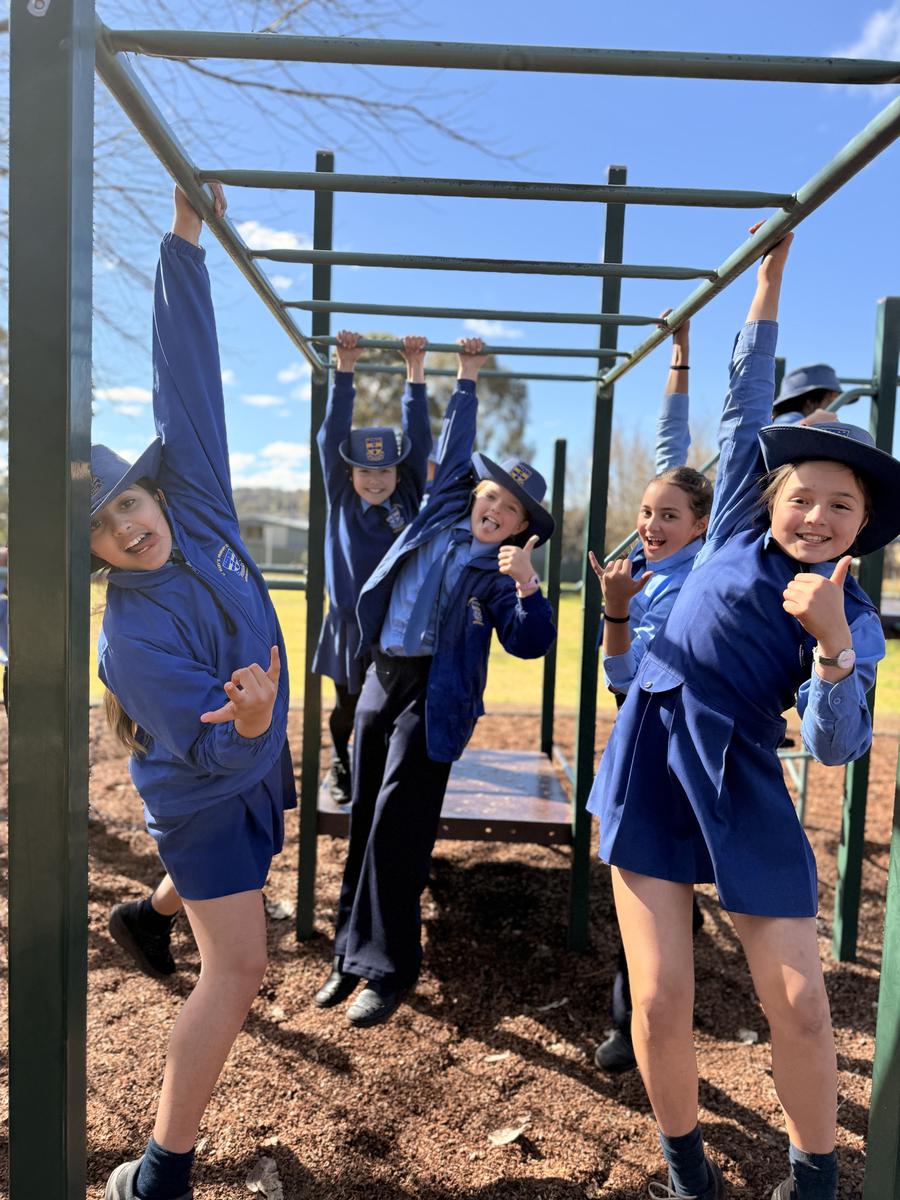
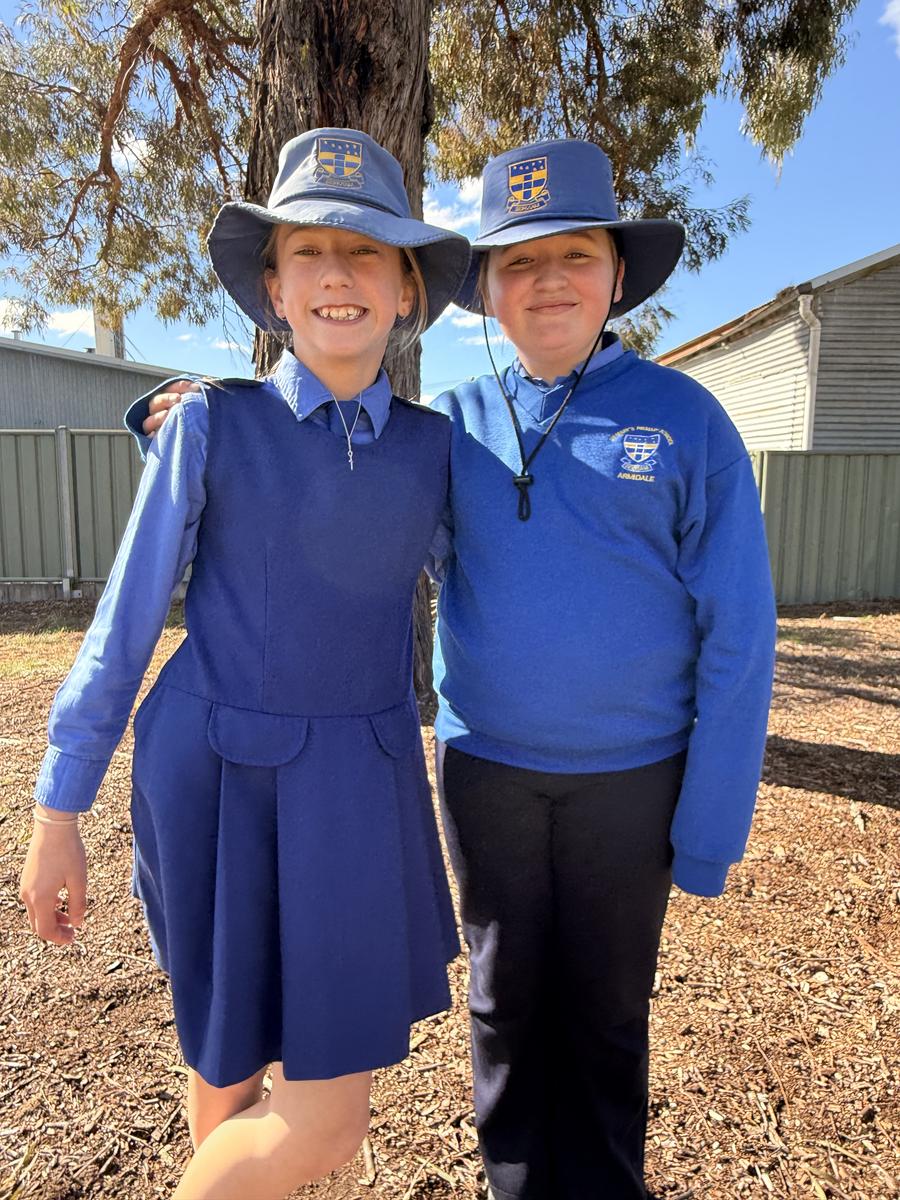
We are continuing to work closely with our students on the Living Well, Learning Well framework and it has been wonderful to see this in action—especially out on the playground!
Students have been actively putting these values into practice by learning to show empathy, encouraging positive behaviour and working to ensure everyone feels included during break times. It is fantastic to see their growth as responsible and caring members of our school community.
Year 5 Camp to Coffs Harbour (17-19 August 2026)
Get ready for an incredible journey! The upcoming Year 5 Camp is heading to the Coffs Harbour Adventure Centre for a few action-packed days of outdoor discovery, team-building and high-energy adventure. Students will take on exciting outdoor challenges, explore the coastal environment, build independence and create memories that will last a lifetime.
Be sure to check compass for the list of what to, and what not to pack, and PLEASE label all of your child's belongings.
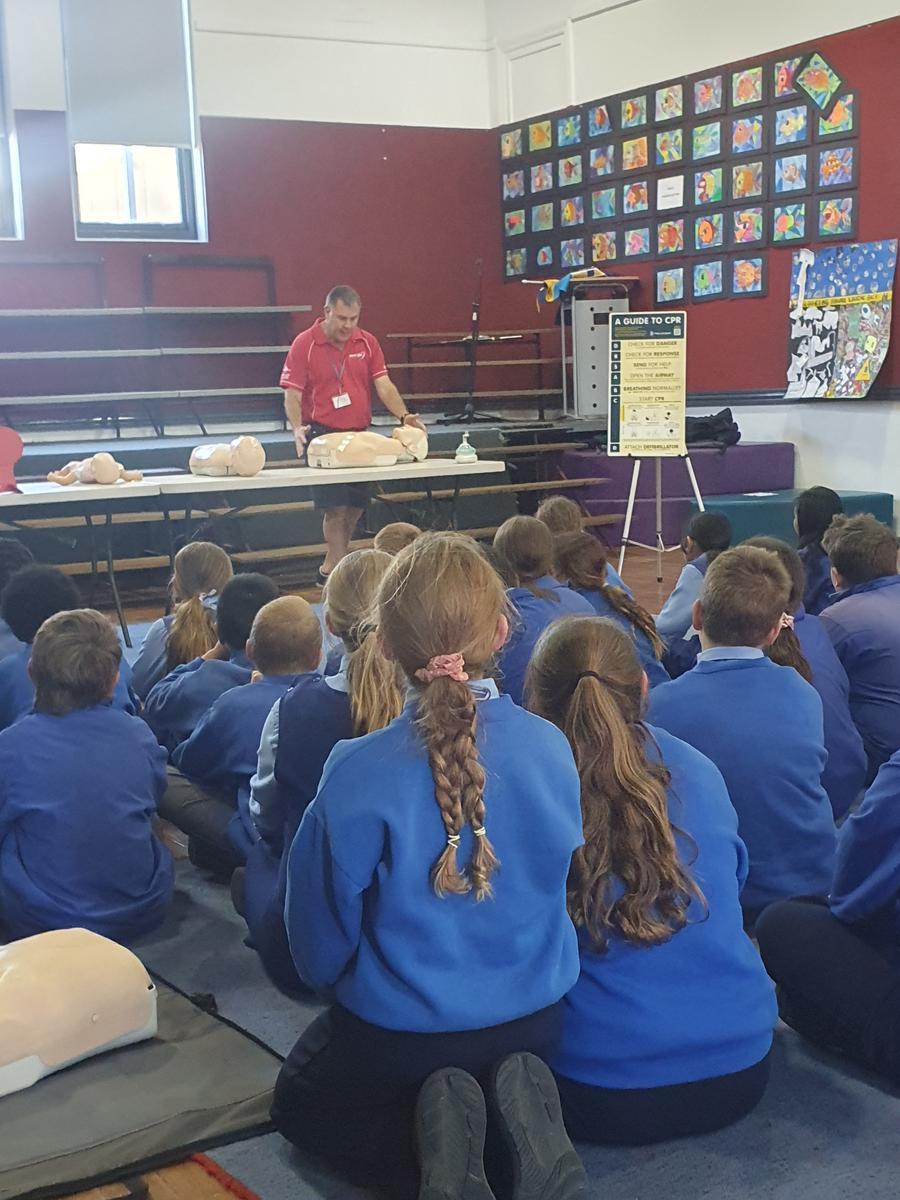
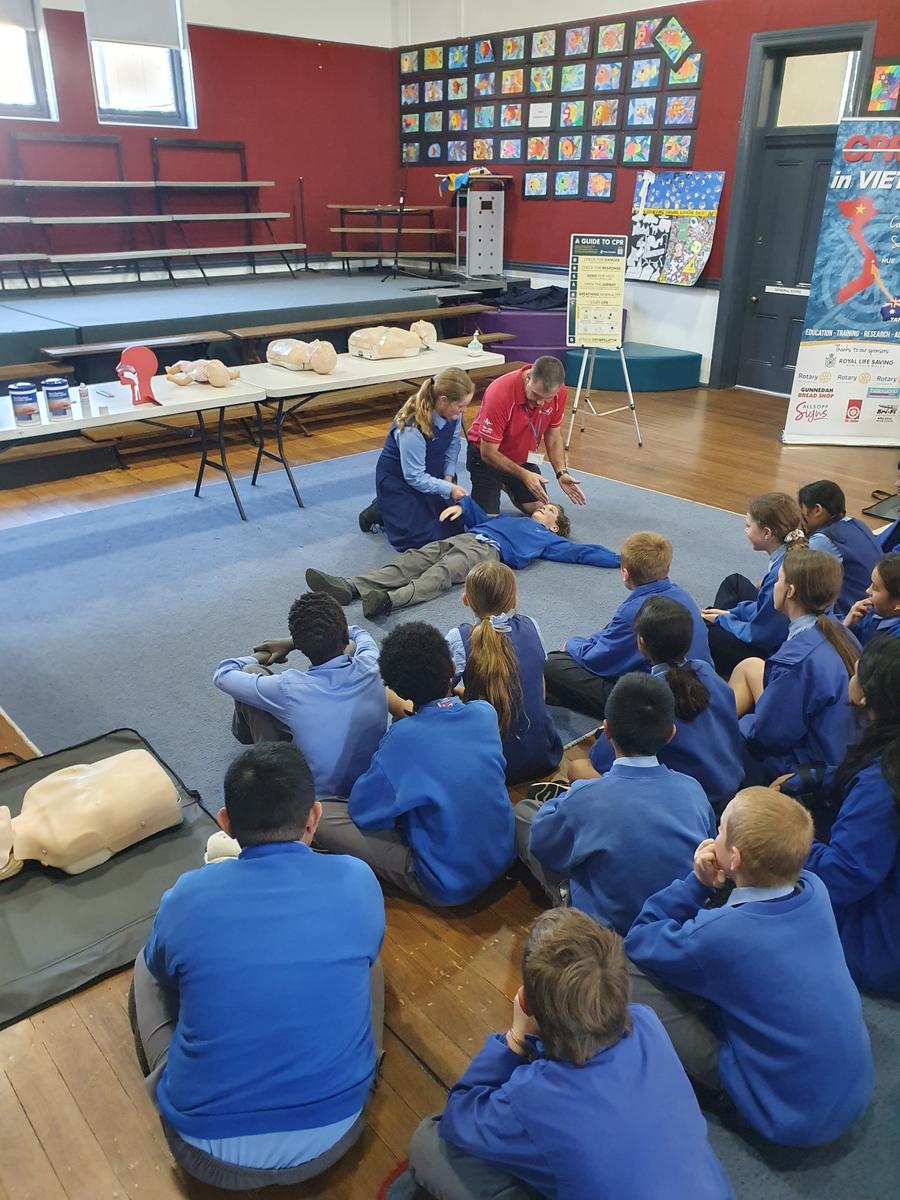
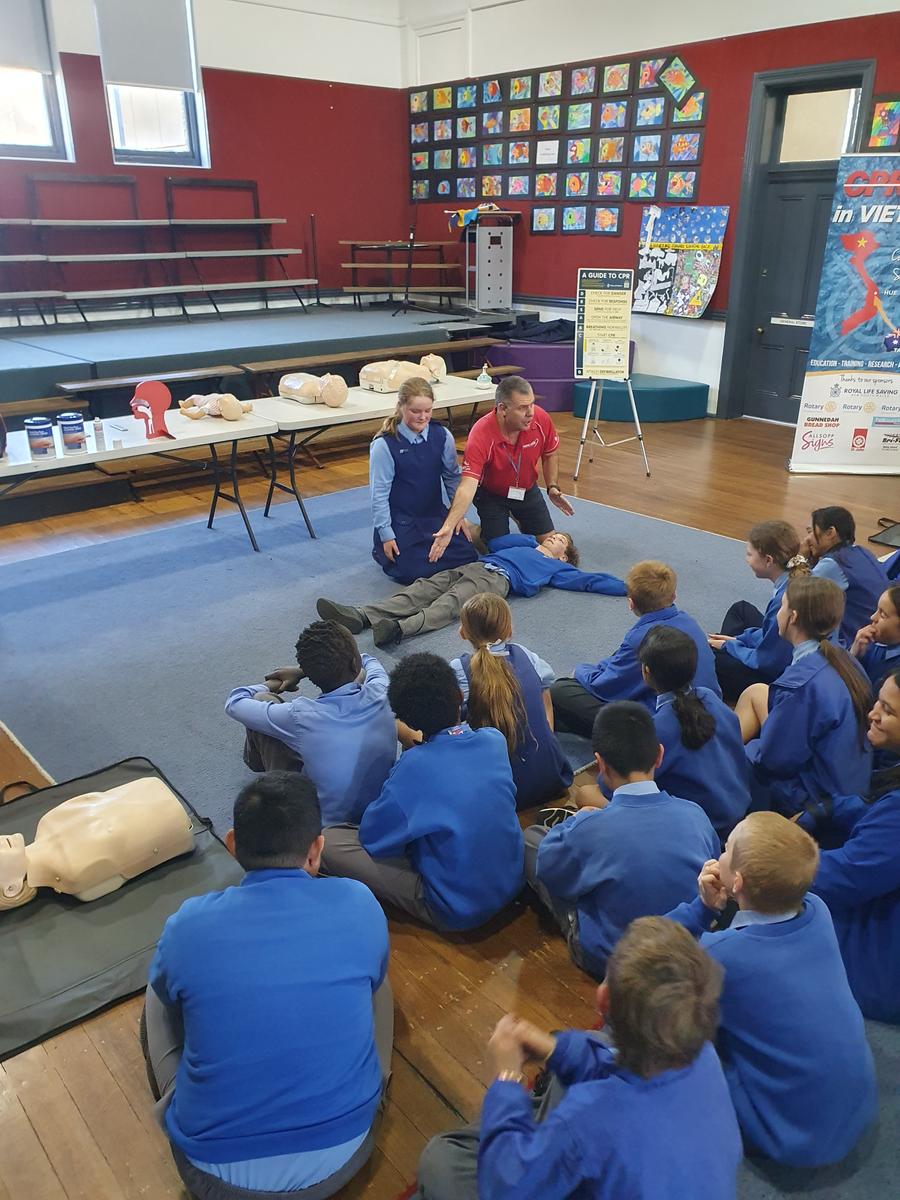
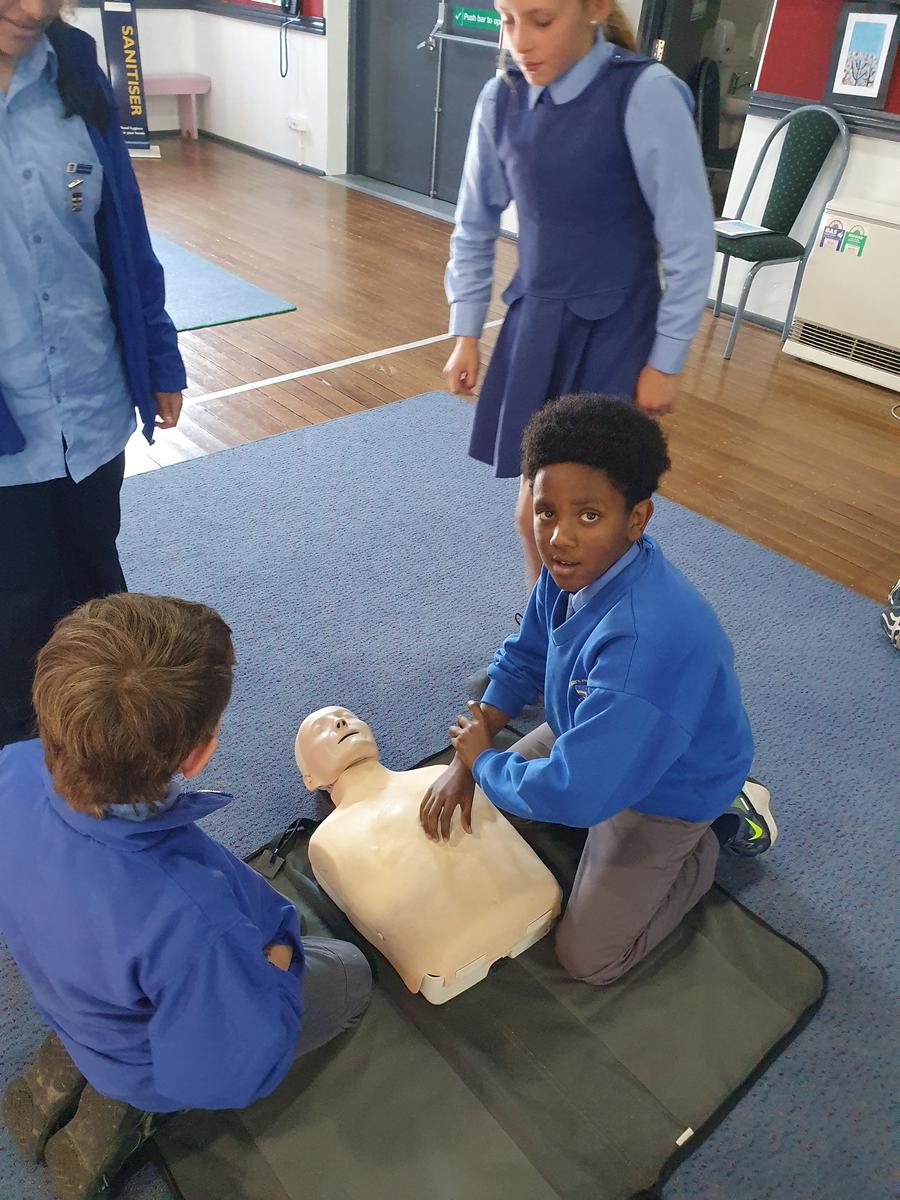
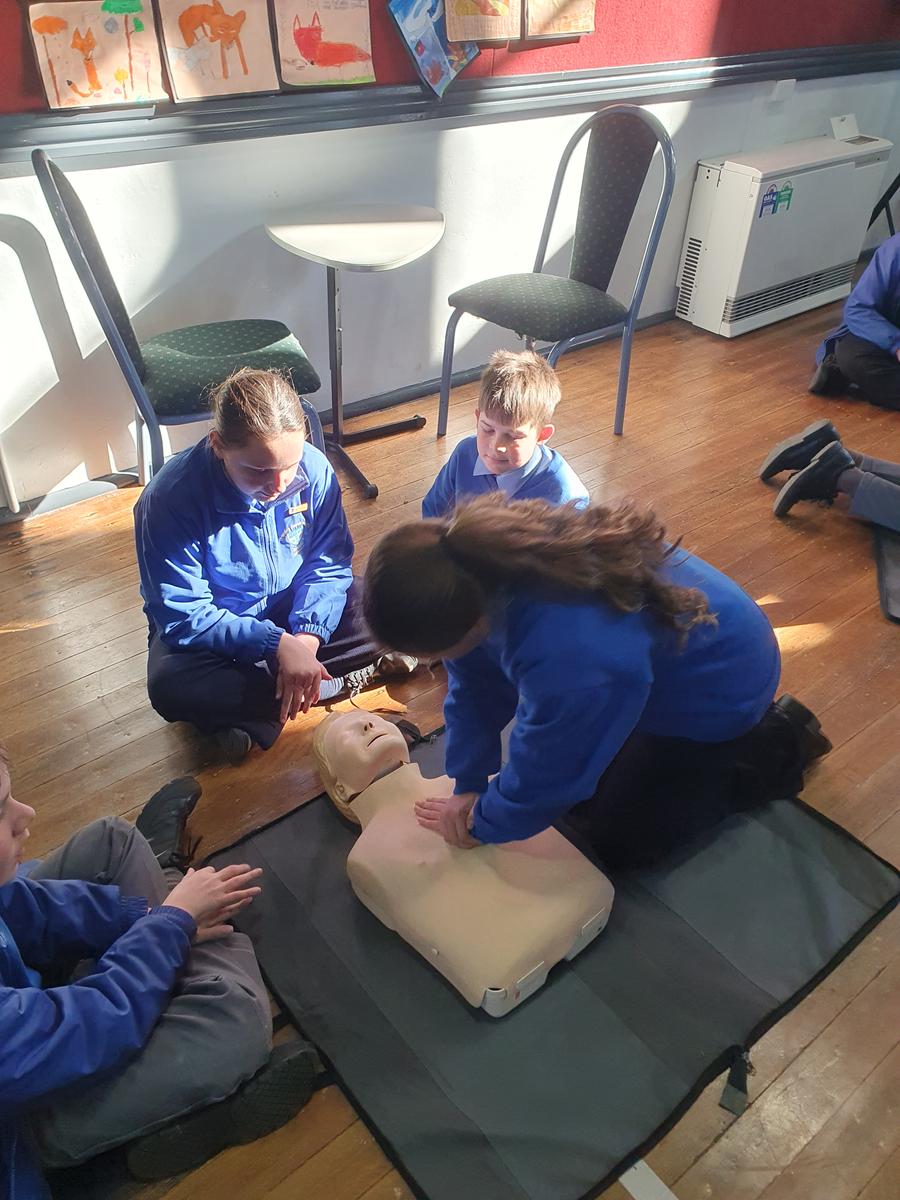
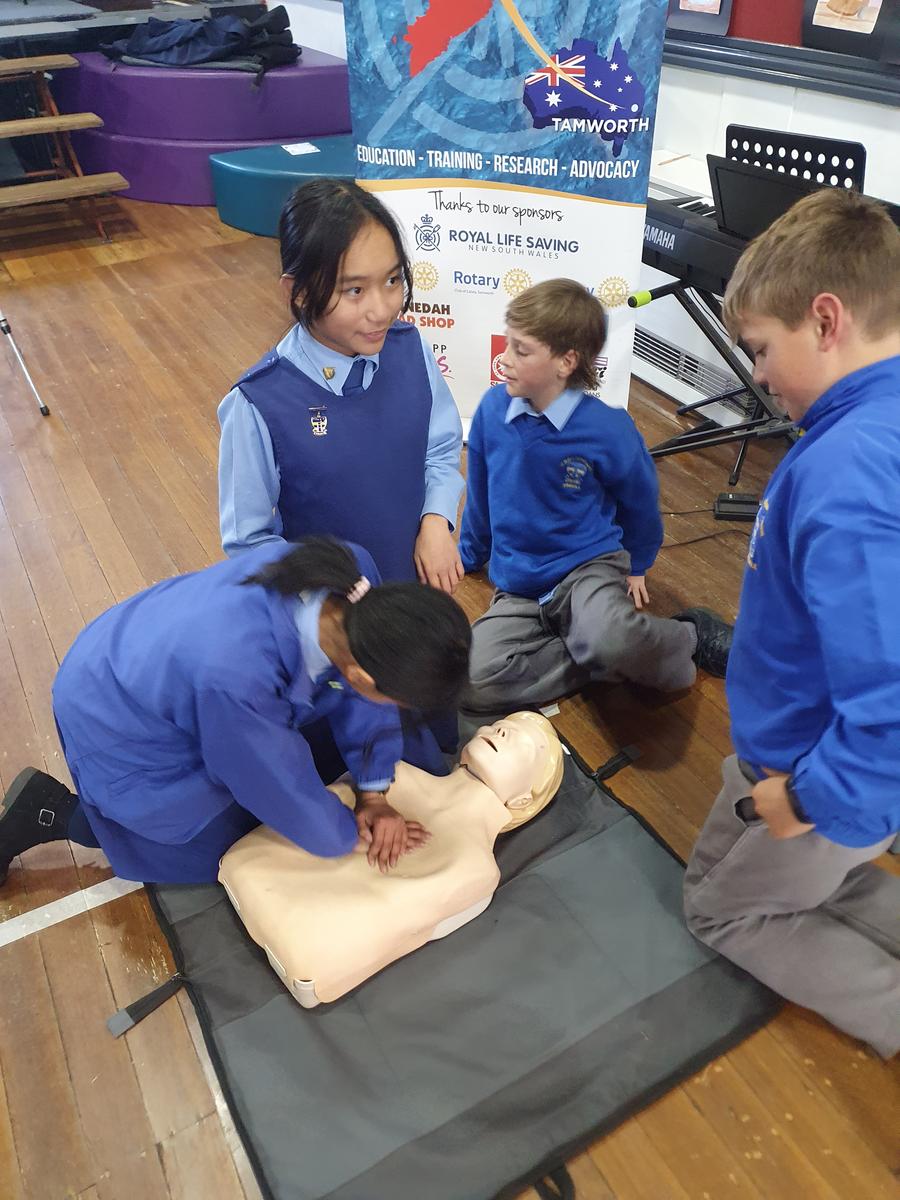
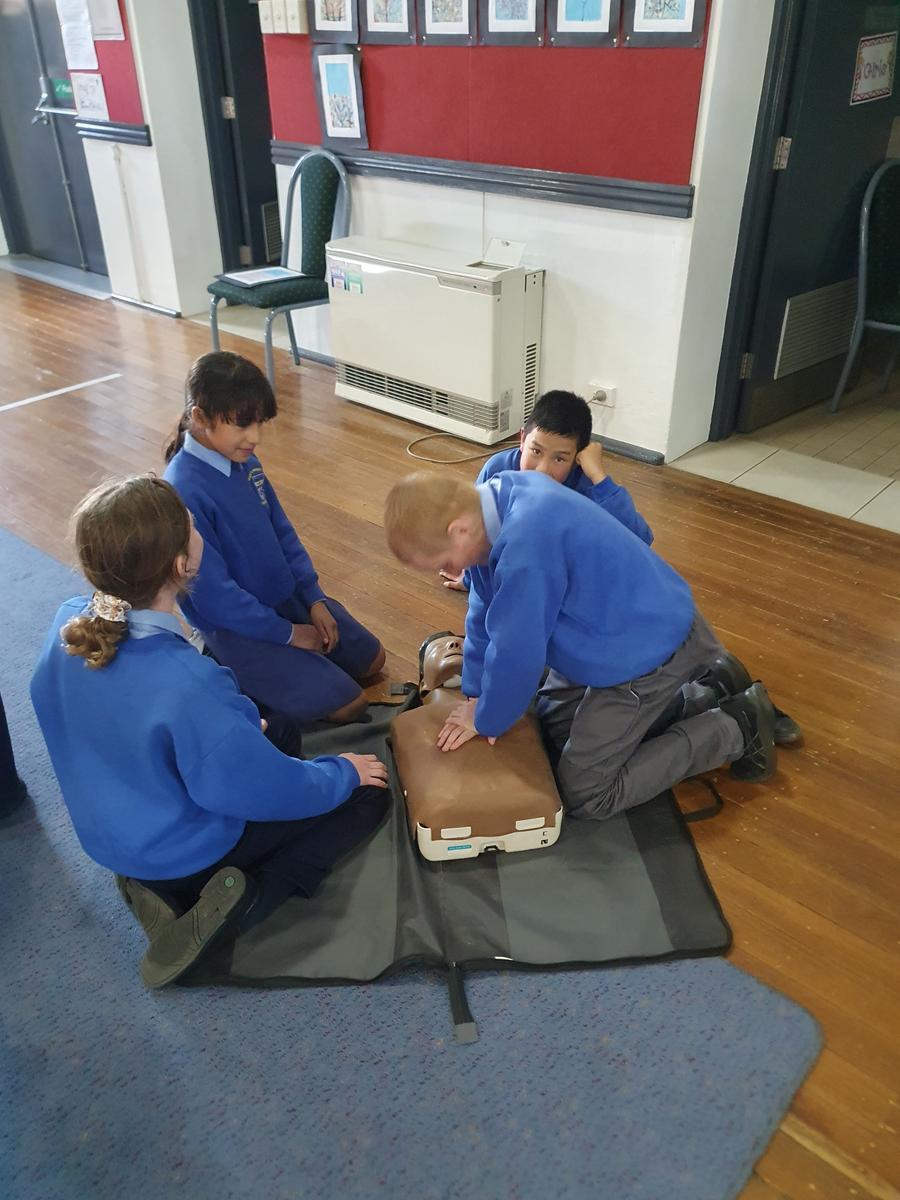
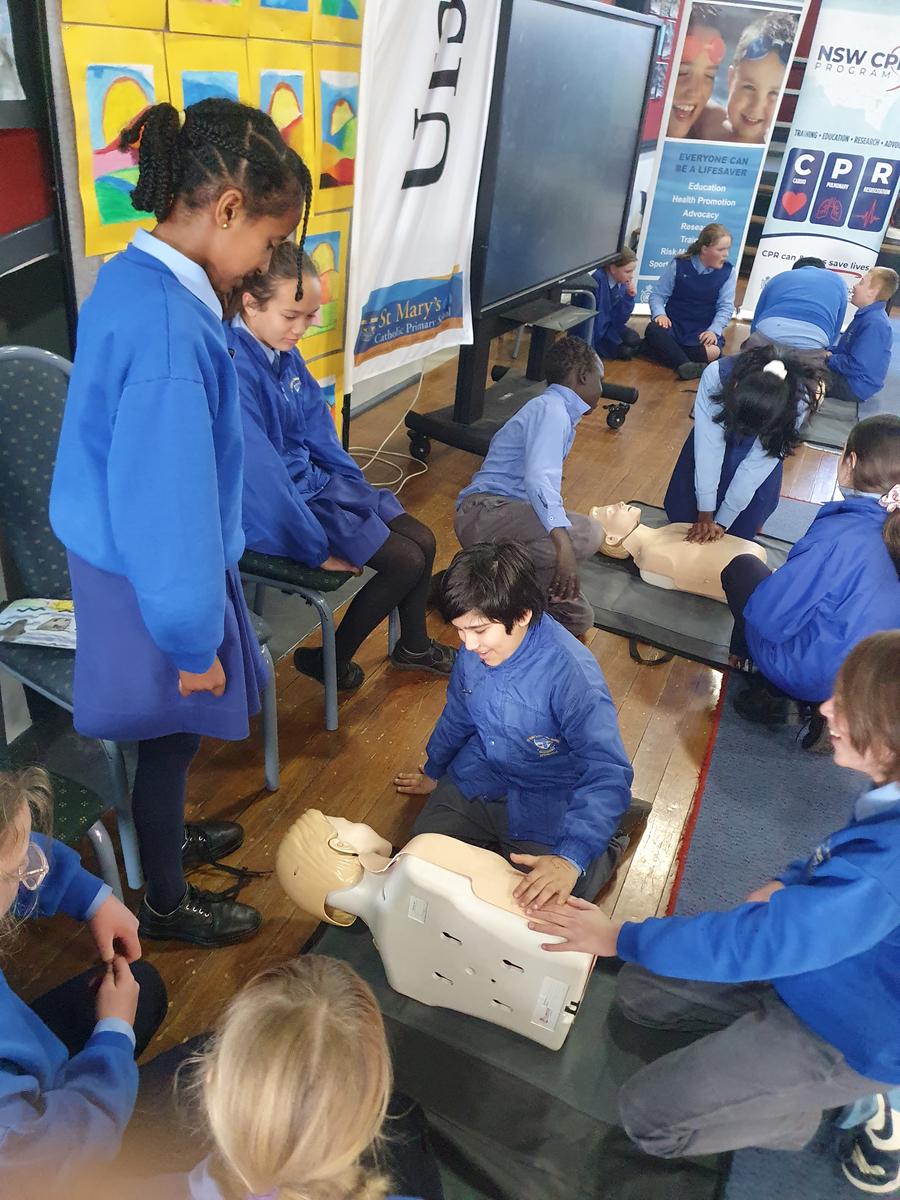
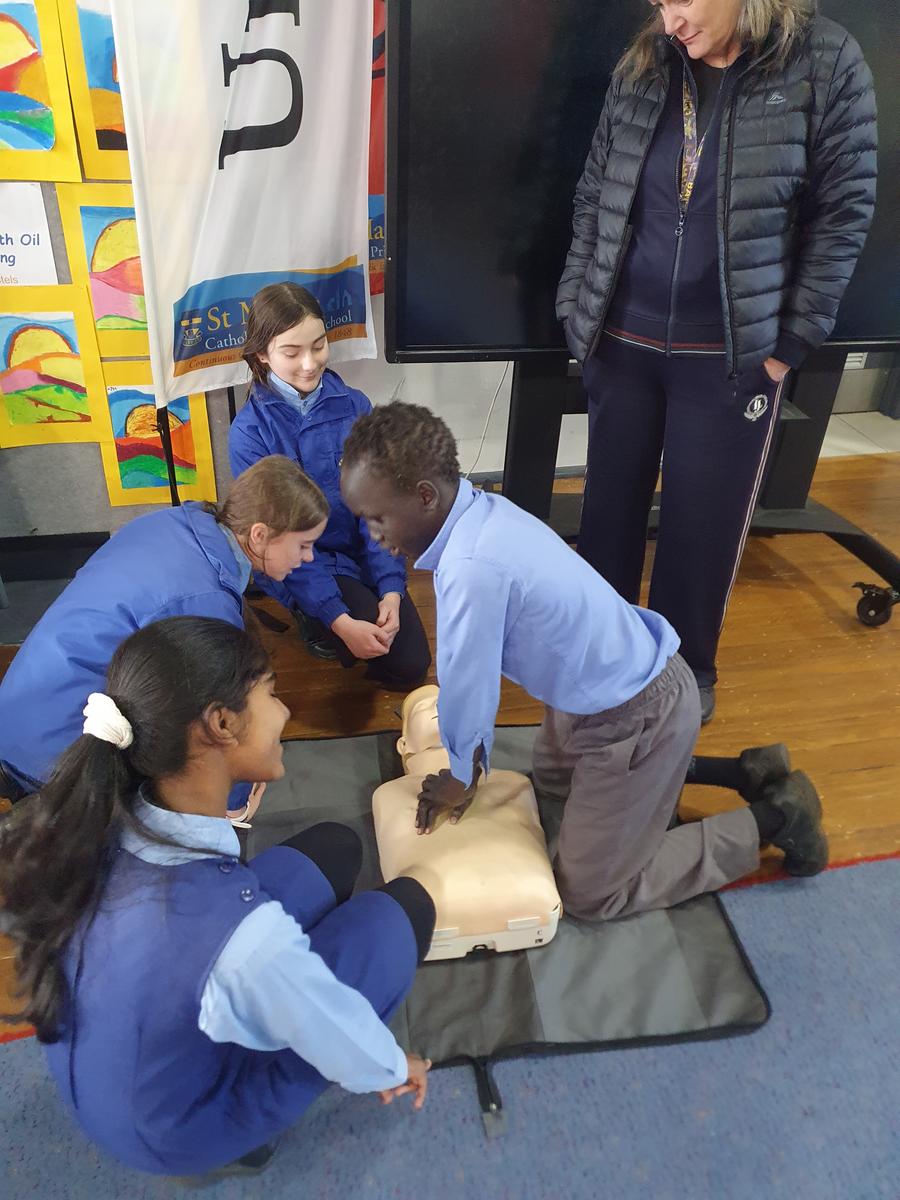
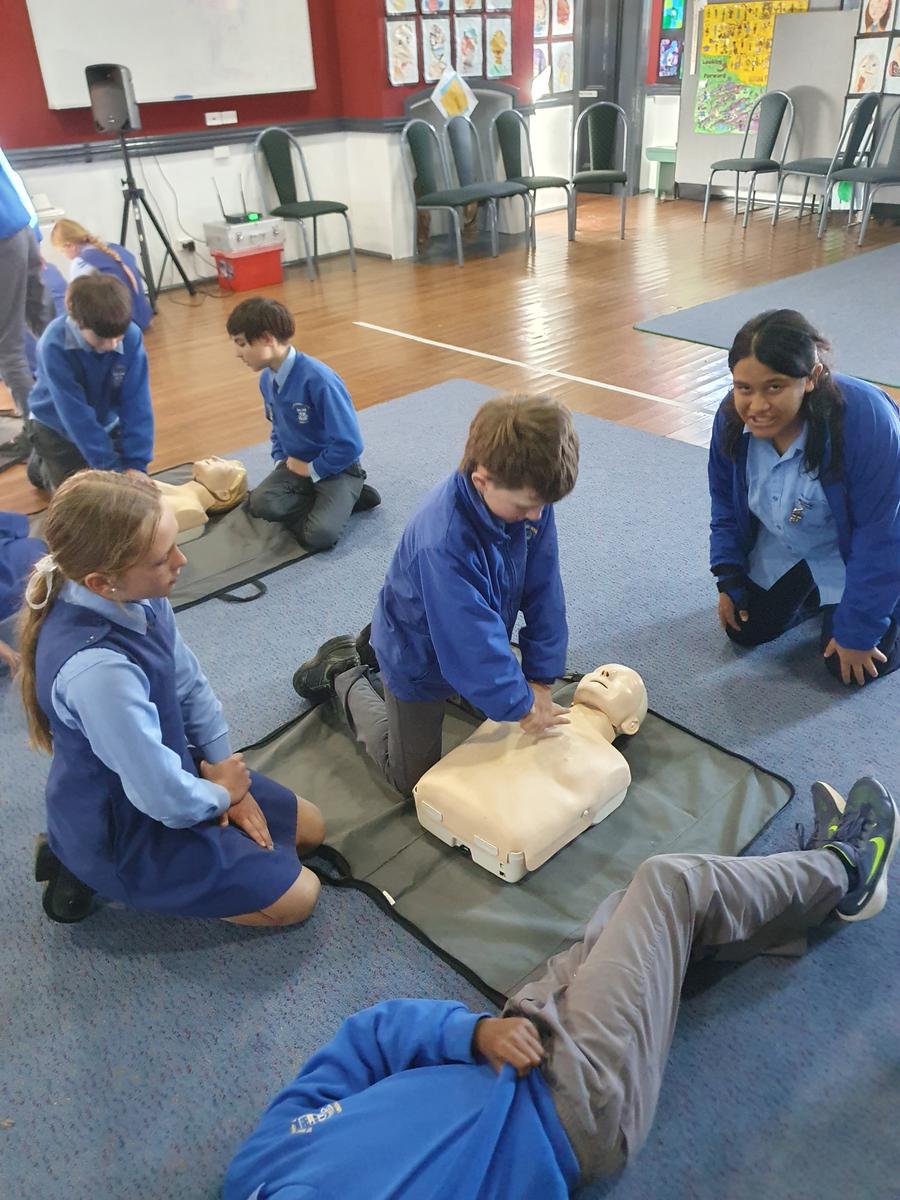
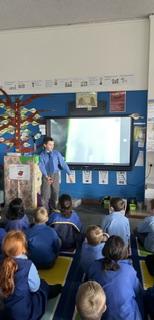
On Monday, Year 6 were visited by Cameron from Royal Life Saving to teach students about CPR. Cameron was very impressed with how well the students listened and participated in the session. Students learnt DRSABCD, how to apply it in an emergency situation and 30 compressions for two breaths when performing CPR.