Girls in STEM
by Julie Mullins
















Girls in STEM
by Julie Mullins
Girls in STEM mentoring – workplace visits in Term 3
The veski Bionics Institute Girls in STEM Mentoring Program empowers secondary school girls to explore the exciting possibilities of a career in science, technology, engineering and mathematics (STEM). Throughout the program, students:
Explore real-world STEM study and career options
Learn how to research and interpret scientific and technical information
Gain confidence in communicating STEM concepts
Present their learnings to peers in a final five-minute PowerPoint presentation
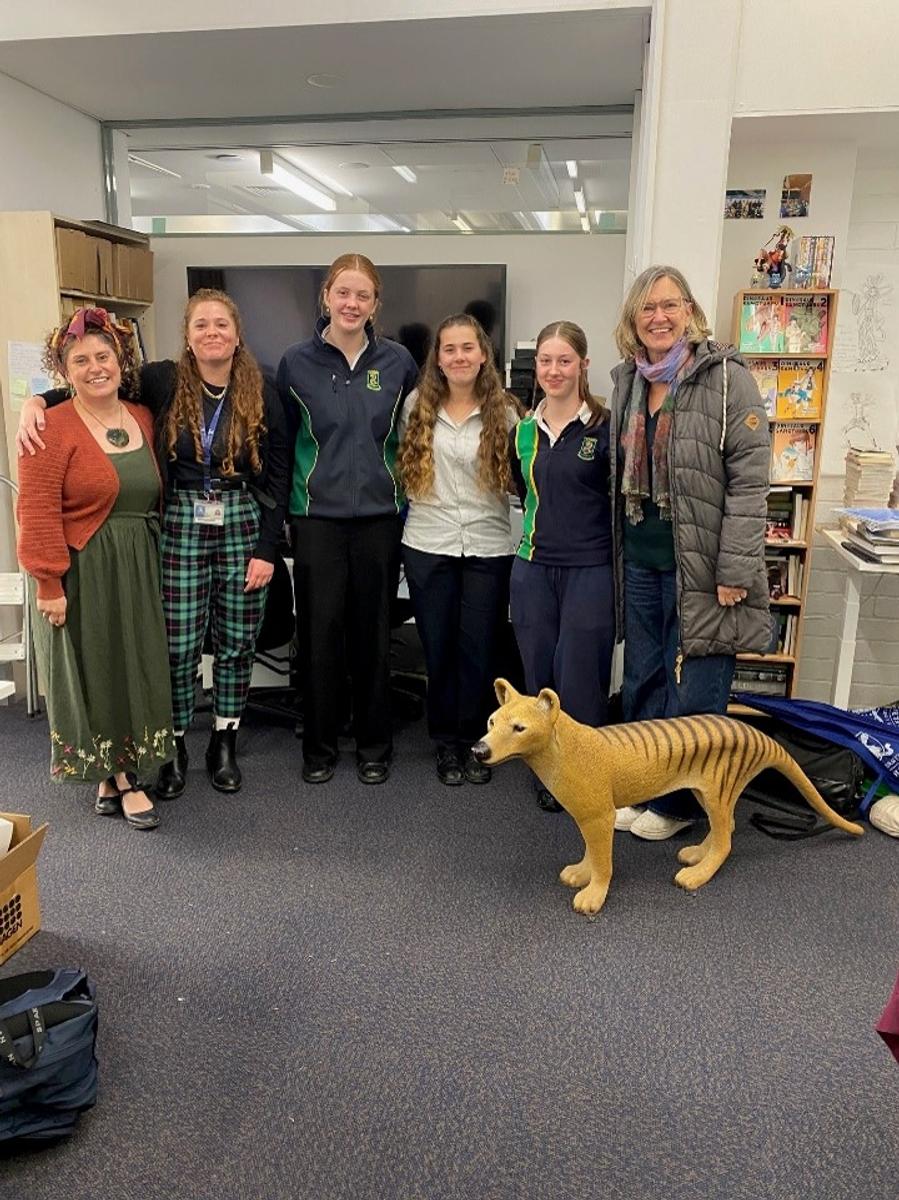
11 students from Parkdale have been meeting in small groups once a month on-line with their STEM mentors to discuss a field of research. Students have had the chance to tour their workplaces, offering a behind-the-scenes look into STEM in action. The program concludes with peer presentations in October with a celebration event on Oct 20th that brings together all participants and mentors.
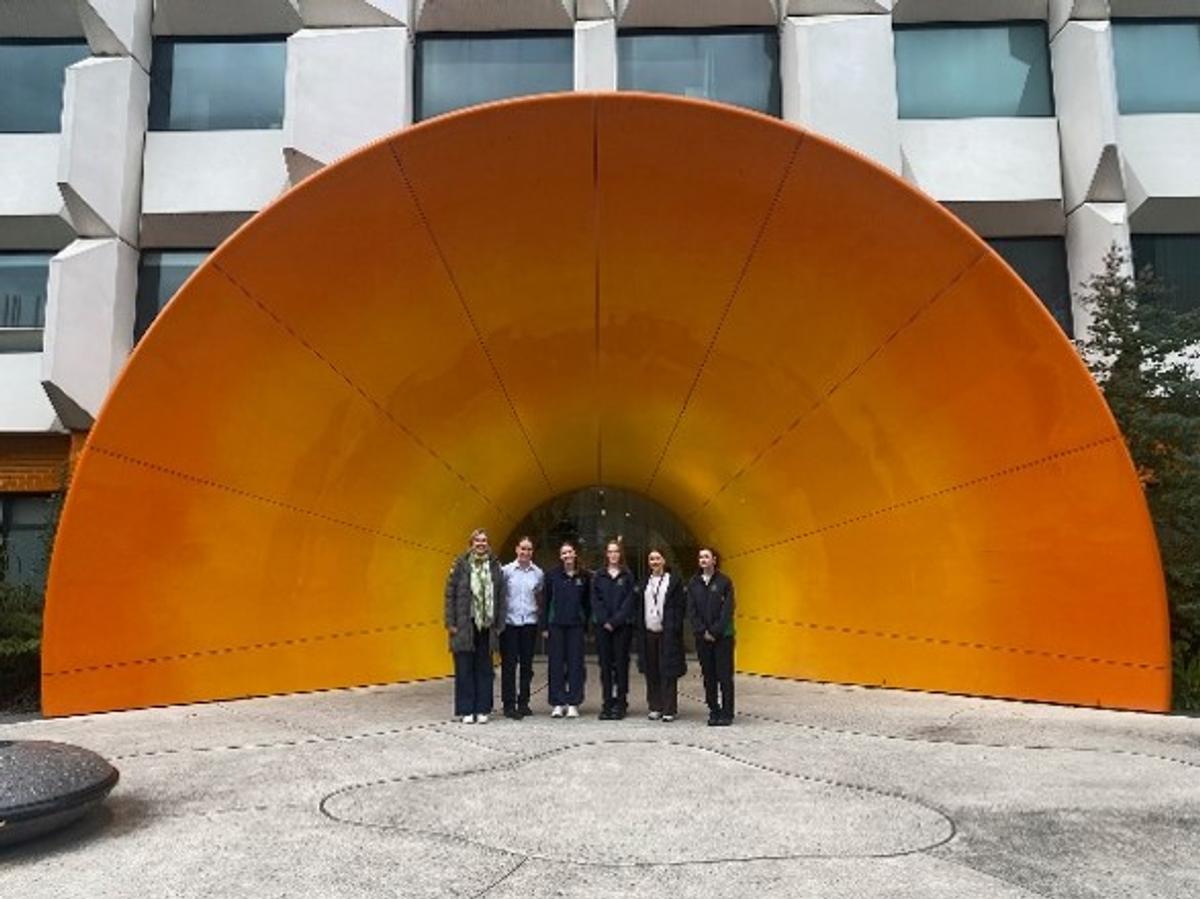
Laura T, Anesta E, Freya L and Tasha S attended a whole day at Monash University at the Australian Regenerative Medicine Institute looking at stem cell research, touring the zebra fish labs looking at embryos under the microscope as well seeing the shark labs and the axolotl tanks. The microscopy labs were amazing with images of live neurons and cells dividing. One of the girls reflected, “I really loved exploring the microscopy department and seeing all the different types of microscopes used for research. Getting to talk with researchers about their projects was also really inspiring and it was amazing to see how passionate they are about their work.”
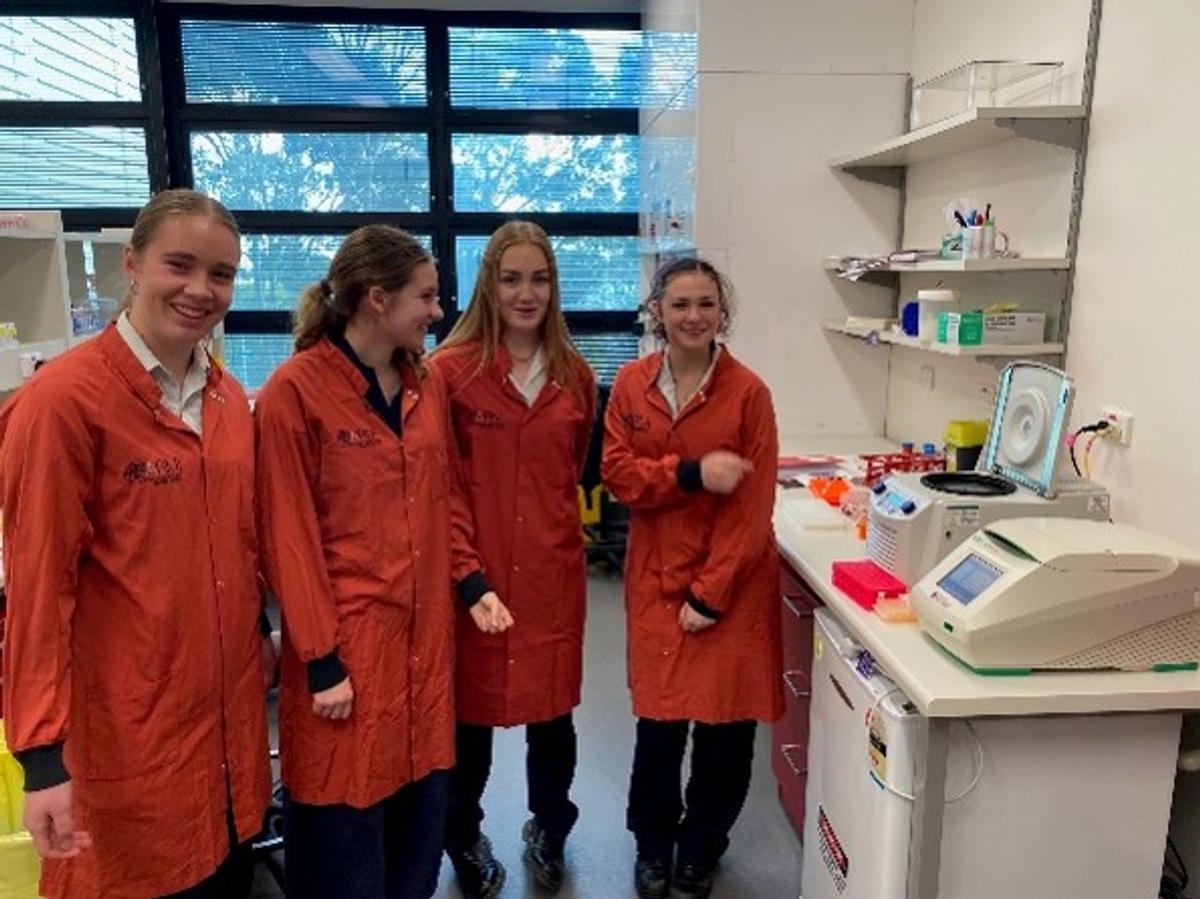
Sharni S, Madi F and Georgia L attended the Diag-Nose.io laboratory at Notting Hill, where scientists and engineers are researching ways to take samples from nose fluid to diagnose asthma and create personal treatments. The facility had several science and engineering start-ups in a facility called Co-Lab, helping the girls understand how entrepreneurial scientific research can be and new product development. The girls discussed new product prototypes with the head engineer and tested different products, rating their use.
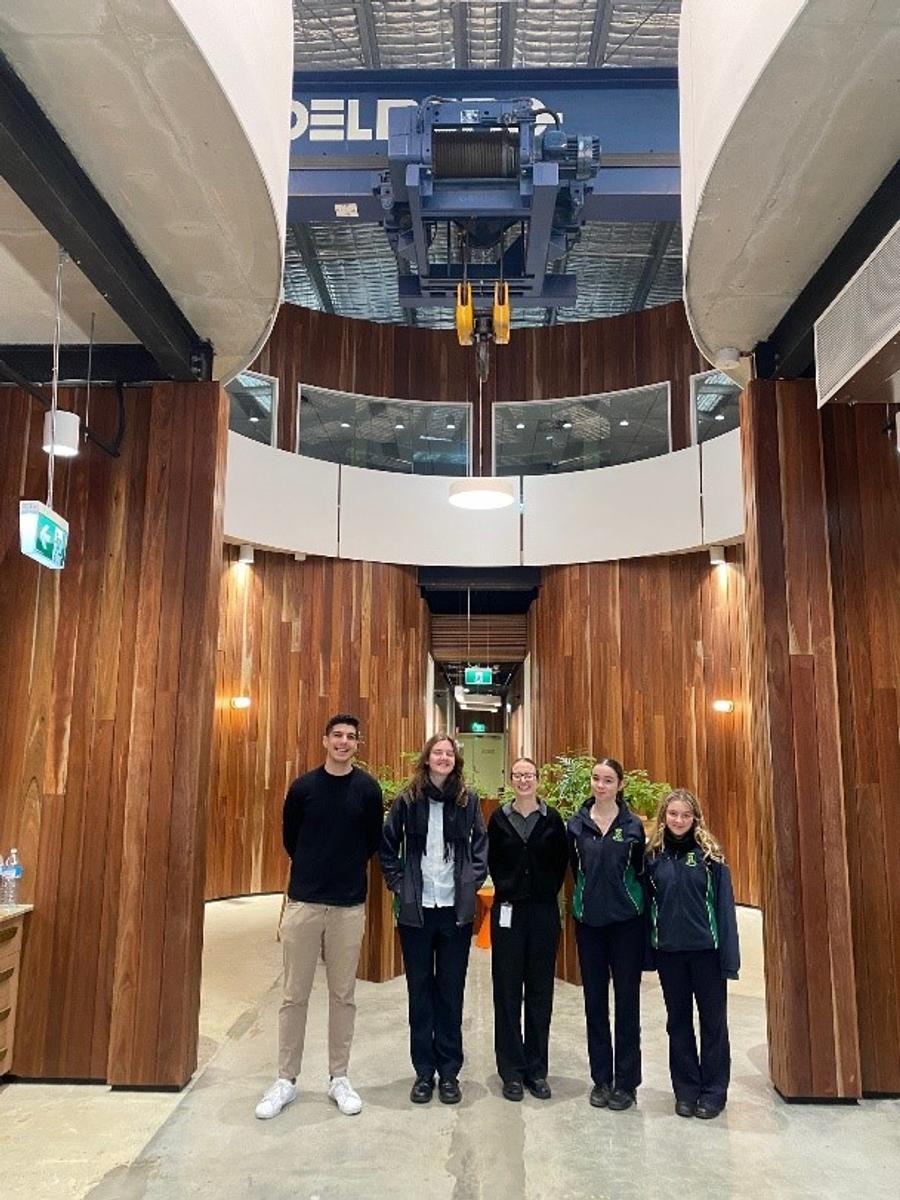
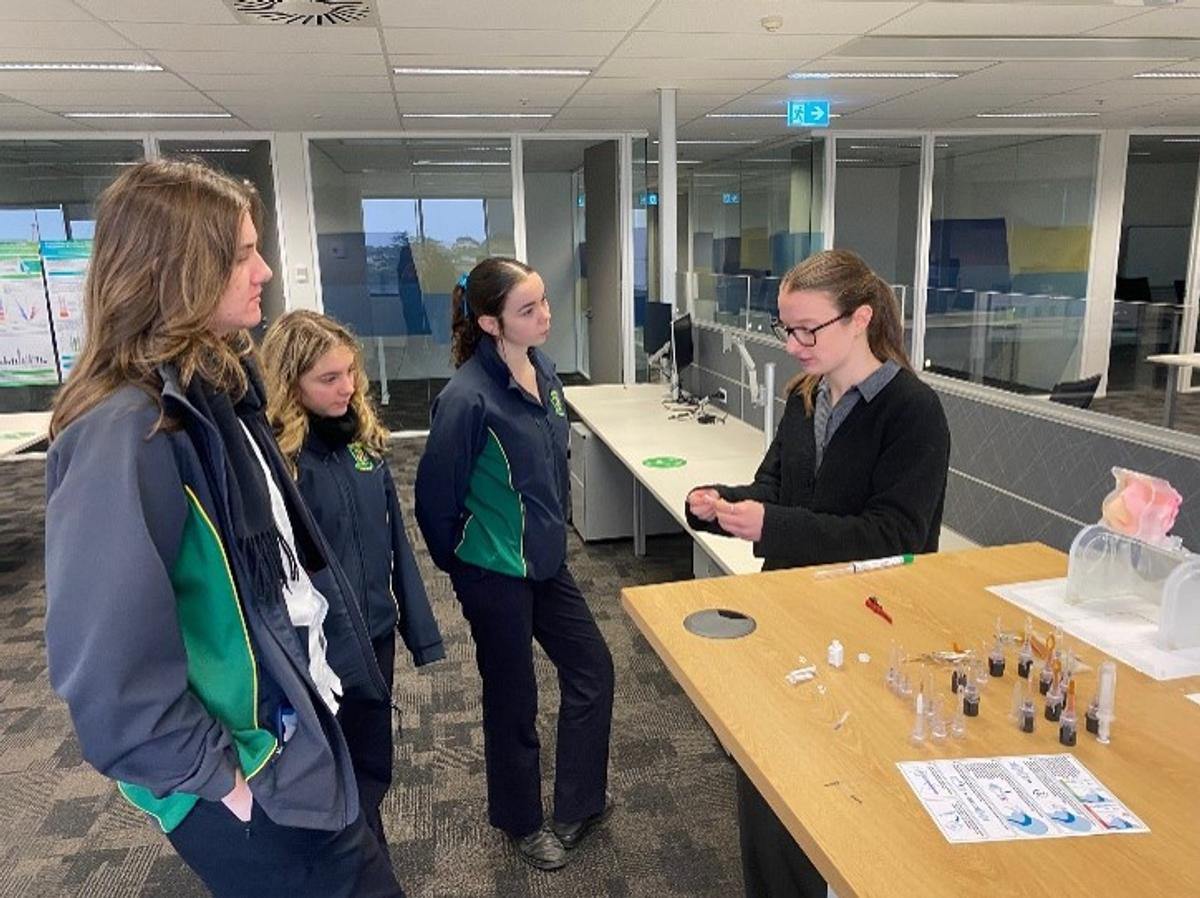
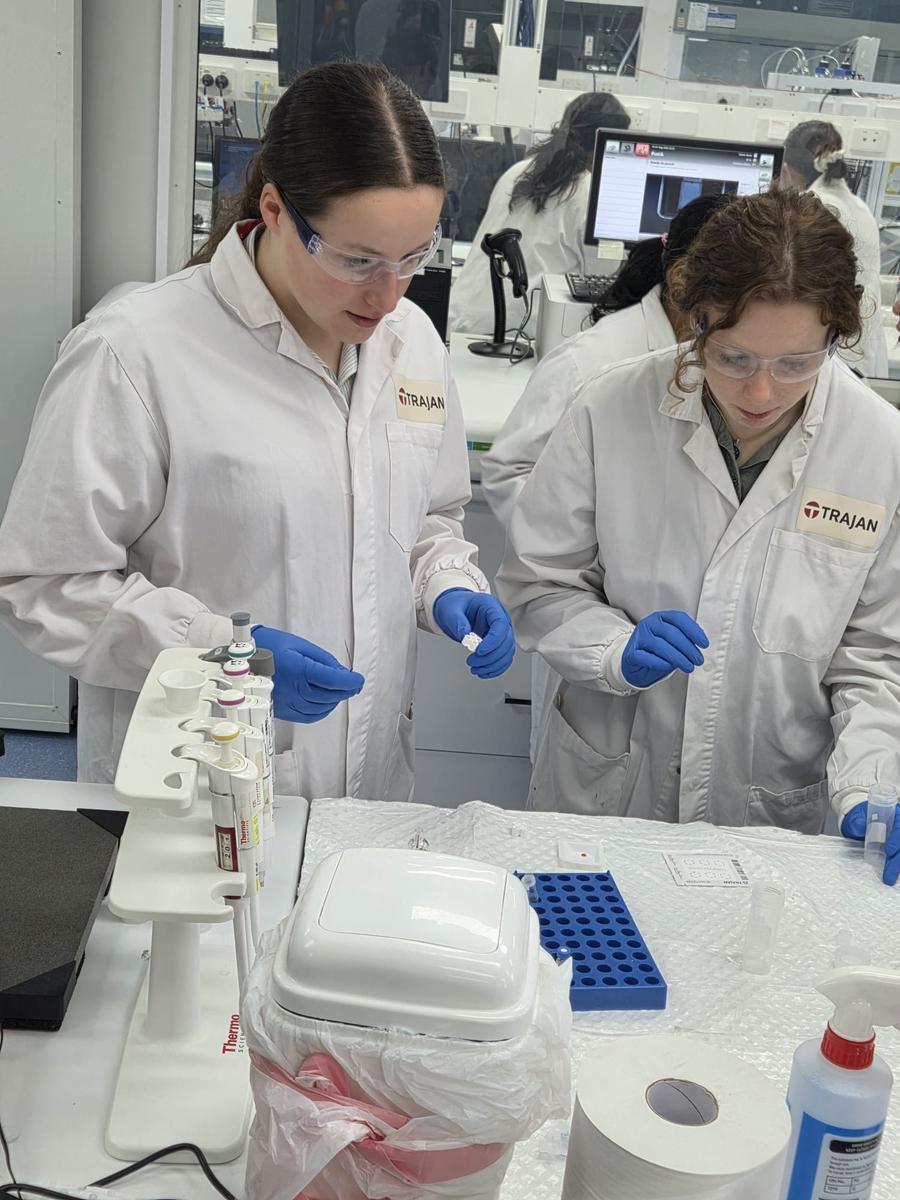
Maddie Schnabl went to Trajan Scientific, working with a mentor looking at PFAS chemicals. There were automated robots that made tiny thin glass tubes as well as people that were working with incredibly tiny pieces of glass and thinning them out to make tubes for the machines that the company works with that are used for chromatography. She was making samples with fake blood (red food die) to imitate how those would take this blood test at home to send to a lab for testing to find disease, etc. During this she used and learned how to use instruments like micropipette. She collected a sample of soil that could be tested to find PFAS chemicals in it and was road testing the scientists instructions for the operation of the mobile sample unit for PFAS which she visited later on. This mobile van has been using to travel around Australia and test soils and the environment for PFAS chemicals for customers (water companies etc.). She said “This was a one in a lifetime experience, and I wanted to thank you for encouraging and supporting me through this program so far.”
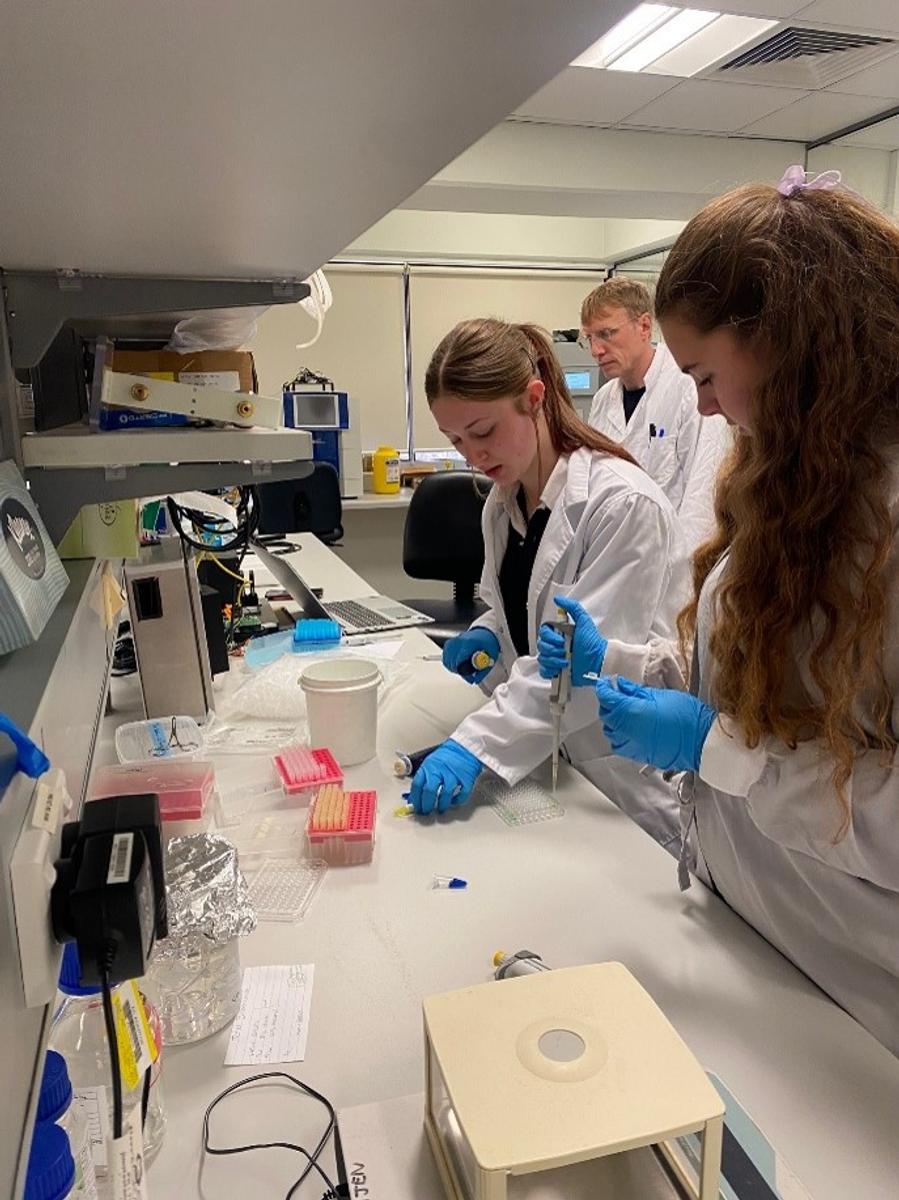
Lexi F, Georgie E and Lucy B attended Melbourne University last term to learn about evolutionary scientists working with ancient DNA. The girls performed their own DNA extraction of an endangered fat-tailed dunnart and had some fun using different lab equipment in a “Lab Olympics” the scientists had set up for them. Dr Katie Moon explained the work the group investigating the genetic and developmental mechanisms that underlie species diversity, reproductive systems and sex differentiation, drawing on insights from marsupials, monotremes, rodents and other model organisms. Research themes include reproductive tract development, genome evolution, stem cell biology and the impacts of environmental factors on reproductive health. The lab also pioneers technologies in genomics, assisted reproduction, biobanking and conservation biology to address biodiversity loss and support threatened species. They also got to meet an inspiring ecologist Dr Emily Scicluna and learn about her career path with Zoos and
conservation.