Learning About Learning:
Screens, Conversation, And Early Learning: What Whānau Need To Know:
Our tamariki can look completely happy and absorbed on a device. The question for us is not “Are they enjoying it?” but “What opportunities are being replaced?”
1) Language doesn’t “just happen”; it grows through conversation
Children build vocabulary, understanding, and social skills through conversational turns: a child speaks or gestures, an adult responds, and the child responds again. Those small, frequent exchanges are powerful for language, relationships, and readiness to learn.
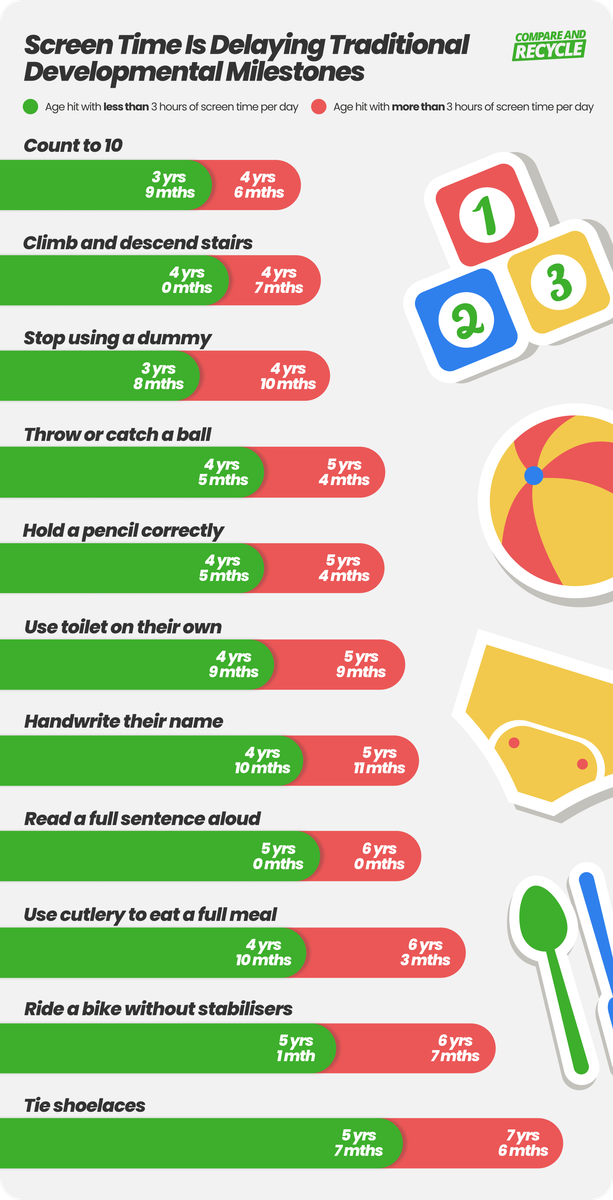
Large-scale research with toddlers has found that more mobile device screen time is linked with poorer language comprehension and expressive language outcomes.
2) Screen time can replace the very interactions that build learning
Time on a screen often displaces:
- face-to-face kōrero (talk)
- shared play
- reading together
- noticing and naming feelings
- practising patience and problem-solving in real situations
None of that is about blame. It is simply about the trade-off: the more screen time fills the day, the fewer natural moments remain for the “serve-and-return” communication that helps children thrive.
3) What brain research is suggesting (and what it isn’t)
A well-known preschool study using diffusion tensor imaging (DTI) reported that higher screen-based media use was associated with lower white matter pathway integrity supporting language and early literacy skills.
Important nuance:
These studies show associations, not proof that screens “cause damage.” Children’s development is shaped by many factors (sleep, stress, relationships, routines, content quality, and how screens are used).
The practical takeaway is still clear:
Protect the conditions that best support language and learning, especially in the early years.
4) What this means for WHS whānau
At WHS, our foundation is reading, writing, maths, and strong wellbeing. All of that depends heavily on:
- oral language and vocabulary
- attention and self-management
- relationships and belonging
That starts at home with simple daily habits. As the whakataukī reminds us:
“He aha te mea nui o te ao? He tāngata, he tāngata, he tāngata.”
What matters most is people - and the connection between us.
Practical whānau ideas (choose one and start small)
Try one change for two weeks:
Device-free anchors
Pick two: meals, car rides, bedtime, or the first 30 minutes after school.
A minimum of 10-minute kōrero burst (daily)
Phones away. Let your child lead. Use prompts like:
- “What was the best part of today?”
- “What was tricky?”
- “Tell me the story of your day from start to finish.”
Co-view when possible
If your child is using a screen, sit with them occasionally and talk:
What do you notice?
Why did they do that?
What might happen next?
That turns passive watching into language practice.
Protect sleep
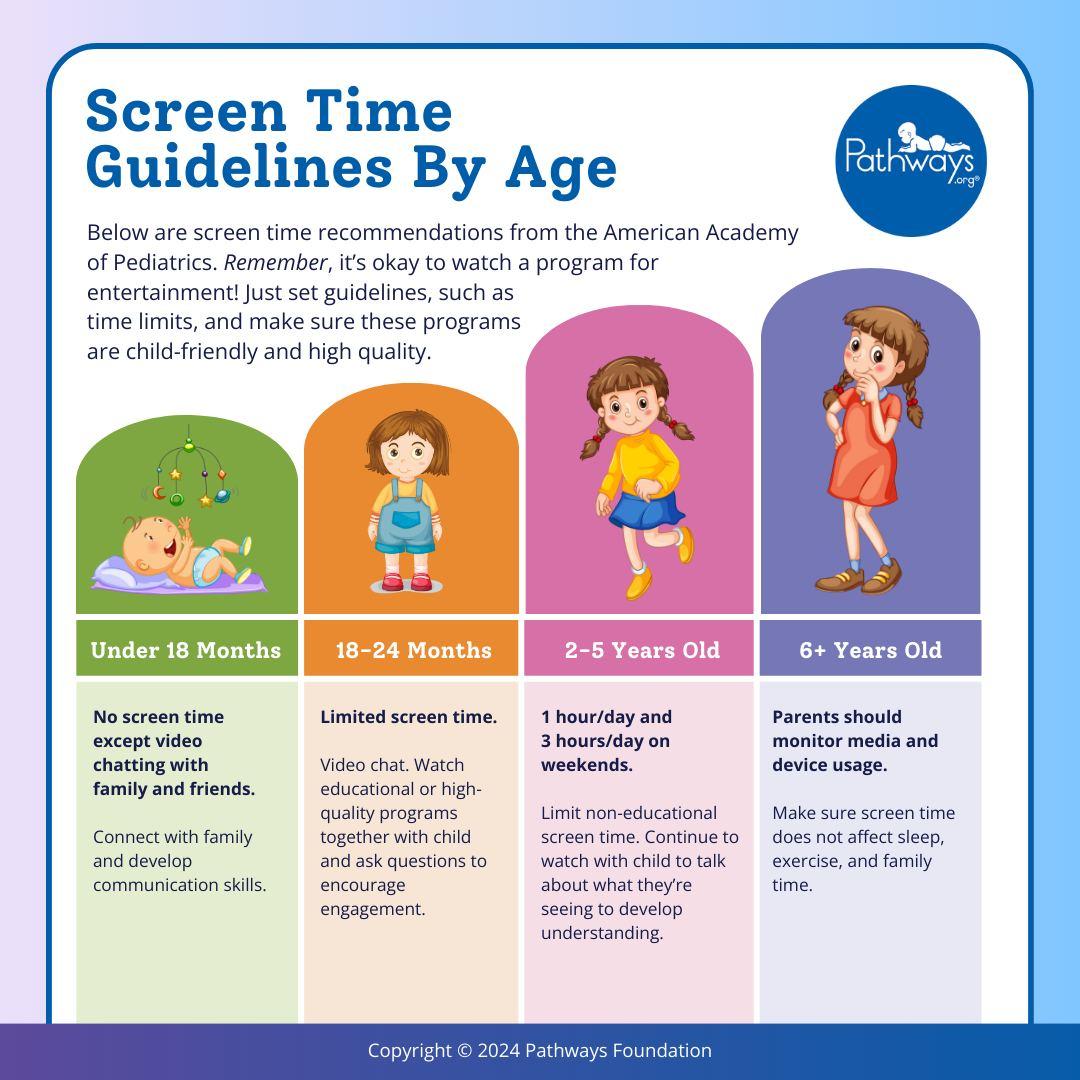
Aim for screens off well before bed so the brain can settle for sleep and learning the next day.
References (for whānau who want to read more)
- Hutton, J. S., et al. (2020). Associations Between Screen-Based Media Use and Brain White Matter Integrity in Preschool-Aged Children. JAMA Pediatrics.
- Rayce, S. B., et al. (large-scale toddler survey). Mobile device screen time is associated with poorer language development among toddlers.