Thinking Is The New 'Must-Have' Literacy:
The thing about knowledge today is that it’s essentially free. Any fact, figure, or “answer” is seconds away on a device. The bigger question is whether our children know what to do with the information they’ve found.
At Western Heights, we want learners who can:
- Tell the difference between reliable and unreliable information
- Notice persuasion (ads, influencers, “clickbait”, hidden agendas)
- Explain their reasoning (not just give an answer)
- Change their mind when better evidence shows up
- Use tools like AI wisely, without handing their thinking over to a machine
A whakataukī that fits here: “Mā te whakaaro nui ka ora ai te tangata” (through careful thought, people thrive). We want our tamariki to be brave thinkers, not fast guessers.
Why This Matters Now (Especially With Ai)
AI can produce confident-sounding writing in seconds. That makes discernment the skill.
Across the world, the job market is shifting quickly. The World Economic Forum has reported there will be major “skills disruption” over the next few years, driving ongoing reskilling and upskilling. And in the workforce, data analyses have already found a substantial wage premium for workers with AI skills, signalling how quickly capability expectations are changing.
But here’s the key point for primary school: we are not trying to turn 8-year-olds into tech workers. We are building the human strengths that underpin everything:
- Ethical judgement
- Context and nuance
- Curiosity and creativity
- Clear communication
- Working with others
- Resilience when learning gets hard
That is our HOPE lens in action: helping learners become steady, kind, capable people who can contribute well to their community and planet.
Capability Matters More Than Credentials Alone
In New Zealand, we’re in the middle of ongoing conversations about what school qualifications should signal. Government consultation materials referencing NZCER research have highlighted that less than a third of employers felt NCEA worked well for them, partly because qualifications can offer an unclear picture of what young people can actually do.
ERO has also reviewed aspects of NCEA Level 1 and its reliability and value, adding to the wider discussion about credibility and clarity.
Even though our learners are still in primary school, the message is simple: real-world success depends on transferable thinking and communication skills, scaffolded and built over time.
What This Looks Like At Western Heights
You will see this through our everyday teaching and our school culture:
1) Teaching children to explain their thinking
In maths, reading and writing, we’re not only checking “right answers”. We ask:
- How do you know?
- What’s your evidence?
- What made you change your mind?
- What would you do next time?
2) Critical literacy in reading and writing
We teach learners to notice:
- Who the message is for
- What the author wants you to think or do
- What’s missing
- How images and words influence feelings
3) Digital citizenship and safe use of online information
We teach practical habits:
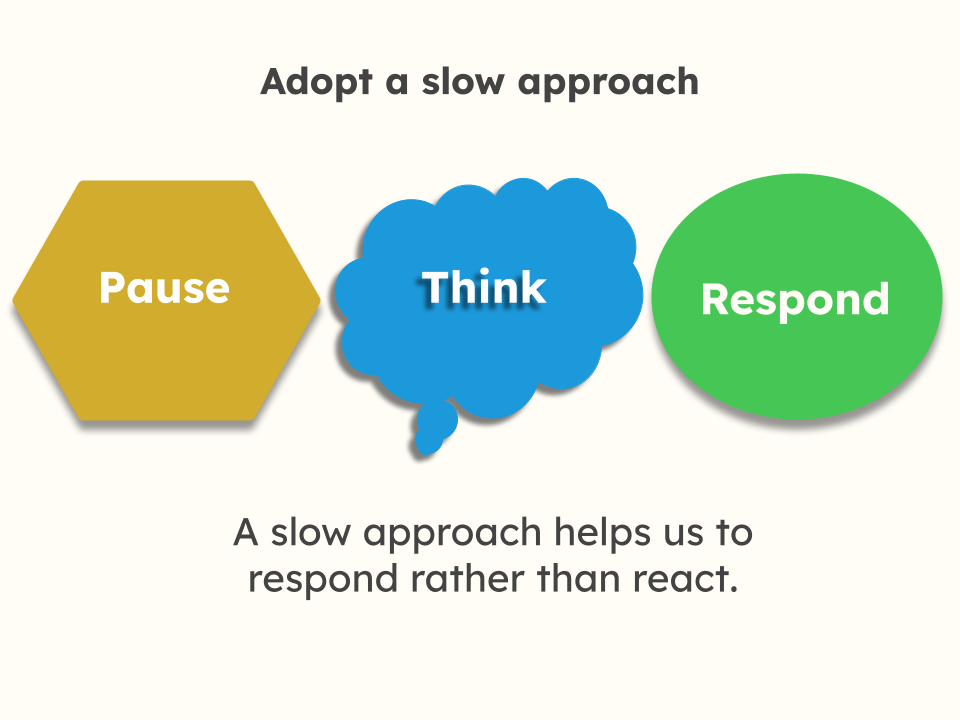
- Slow down
- Check
- Verify
- Talk it through.
This is especially important as AI summaries and search results can be wrong or misleading.
4) A values backbone
Our mission (Aroha, Ako, Arataki) shapes how we think:
- Think with care
- Learn with humility
- Lead with responsibility
Whānau: Simple Ways To Build Discernment At Home
Try one of these for the next two weeks:
The “3 Questions” habit (30 seconds)
- Who made this?
- How do they know?
- What do they want me to believe or do?
The “Two-source rule” (for anything important)
Before accepting a claim, find two trustworthy sources that agree
Turn opinions into reasons
If your child says, “That’s true” or “That’s dumb”, ask:
- What makes you say that?
- What would someone who disagrees say?
- What evidence would change your mind?
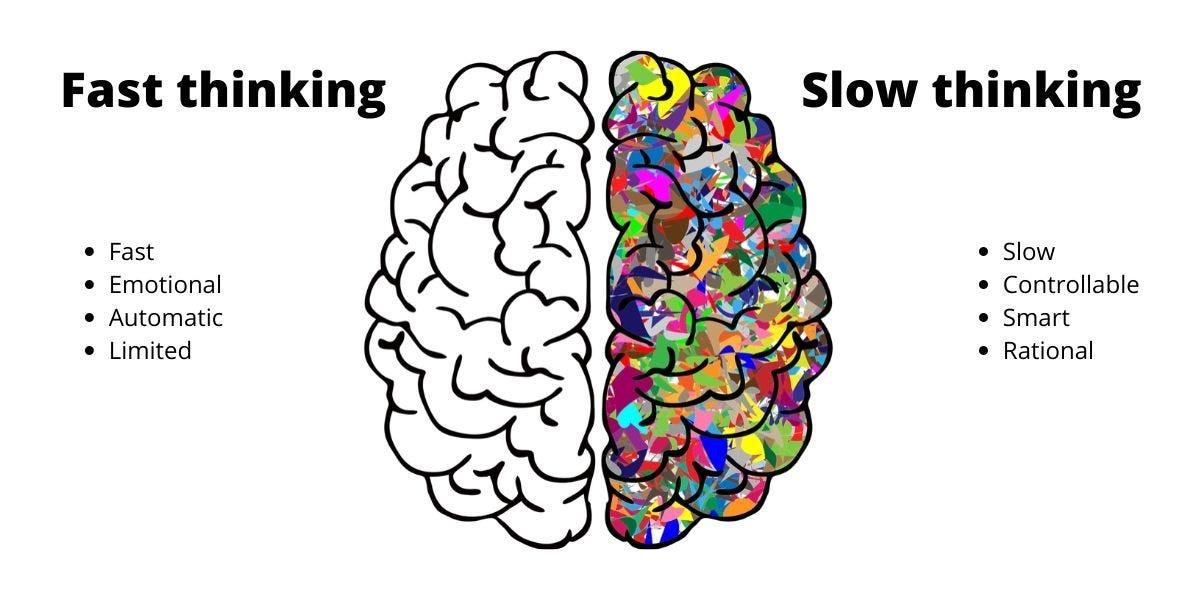
Celebrate slow thinking
Fast answers are not the goal. Thoughtful answers are.