
Pastoral Care & Wellbeing
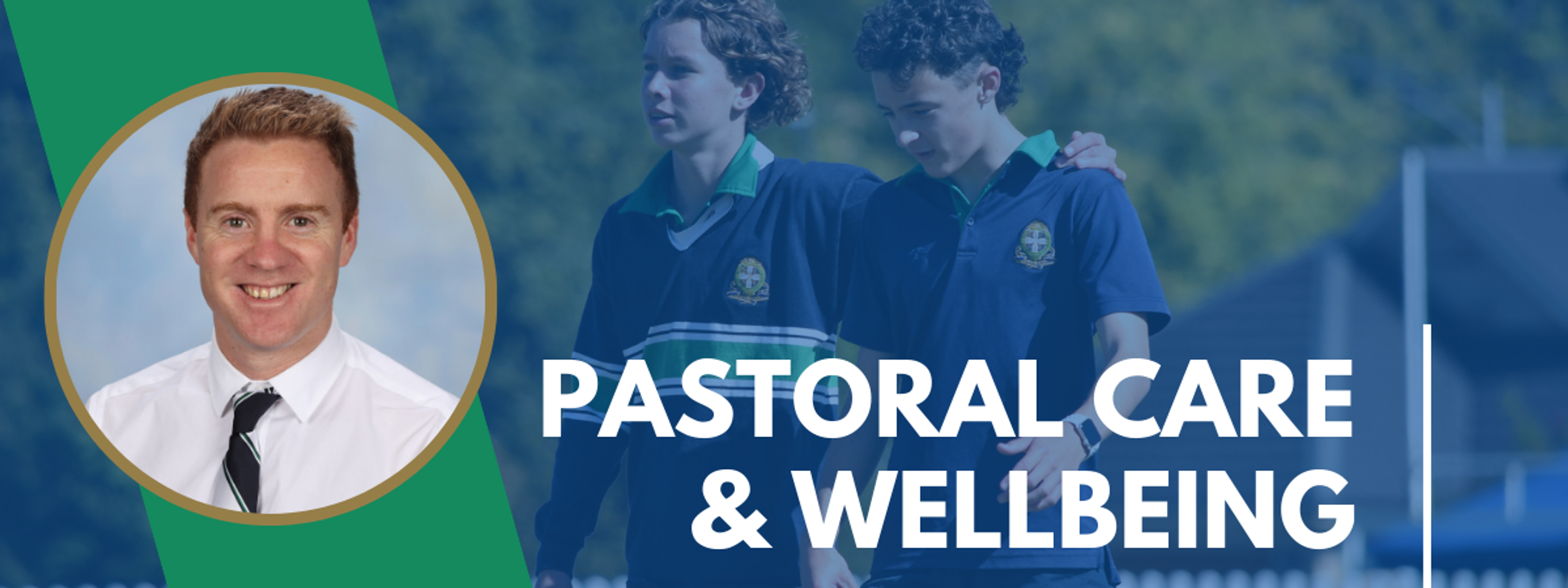
Mr Jarrett Giampaolo - Assistant Principal Pastoral Care & Wellbeing
Pastoral Care & Wellbeing
Mr Jarrett Giampaolo - Assistant Principal Pastoral Care & Wellbeing
As a College community, student wellbeing remains at the centre of the work we do each day. Recently, we have continued to see a rise in issues connected to social media and online communication, including students sharing inappropriate content, online bullying, group chat conflict, and young people being targeted by online scams.
While schools play an important role in educating students through our Pastoral Care programs, Health curriculum, and wellbeing initiatives, there are limits to what schools can monitor and manage once students are online outside of school hours. The most important protective factor for young people continues to be regular, open conversations at home about respectful and safe online behaviour.
The recent Australian Government legislation regarding the social media ban for children under 16 has again highlighted the growing concern around the impact social media can have on young people. We understand that many families are navigating this space differently, and that for students already using social media platforms, the idea of stepping away from them can feel extremely challenging. Many young people fear missing out socially or losing connection with peers, which can make these conversations difficult for families.
However, this also presents an opportunity for parents and carers to guide children toward safer and more age-appropriate ways of communicating online.
One excellent resource available to St Patrick’s College families through the Online Safety Hub is:
The article outlines safer messaging platforms designed for younger users, including apps such as Messenger Kids, JusTalk Kids, and Kinzoo Messenger, which provide stronger parental controls, greater privacy settings, and more age-appropriate communication features.
Importantly, the article also highlights some key strategies families can use to support safer online behaviour, including:
One of the strongest messages from online safety experts is that technology itself is not always the problem — rather, it is how young people use these platforms and interact with others that often creates risk. Teaching empathy, respectful communication, and accountability online is just as important as teaching these values face-to-face.
At St Patrick’s College, we are continuing to explore ways we can better support families in navigating the ever-changing digital world, and further information and parent resources will be shared throughout the year.
We encourage all families to continue having regular conversations with their sons about their online activity, who they are communicating with, and the expectations around respectful and safe use of technology. Working together as a partnership between school and home gives our young people the best chance to develop healthy and responsible digital habits.
At St Patrick's College, the safety, wellbeing and dignity of every young person remains our highest priority.
Victorian schools are currently implementing updated child safety guidance through the refreshed PROTECT framework developed by the Victorian Department of Education. The refreshed guidance strengthens how schools respond to concerns about child safety and wellbeing and provides clearer pathways for support and reporting.
Importantly, the legal obligations for schools and staff have not changed. Mandatory reporting and child safety responsibilities remain the same. What has changed is the way guidance is organised to help schools respond more clearly depending on the source of harm or abuse.
The refreshed PROTECT guidance now focuses on four possible sources of abuse:
The updated framework introduces four key actions for schools:
At all times, schools must also:
The College is currently updating internal processes, training resources and communication materials to align with the refreshed PROTECT guidance.
Sometimes families experience challenges that affect wellbeing, relationships or safety. Support is available and early help can make a significant difference.
The Orange Door is a free Victorian support service that helps children, young people and families access assistance for:
Families do not need a referral and can contact their local Orange Door directly. Support is confidential and focused on helping families stay safe and connected.
The College may encourage families to seek support through The Orange Door where appropriate and, in some situations, schools may make referrals where there are concerns for a child or young person’s safety or wellbeing.
Families can learn more at: