Ruby Saltbush News
DIERDRE AILA & FARISHTA YOUSAFZAI
Ruby Saltbush News
DIERDRE AILA & FARISHTA YOUSAFZAI
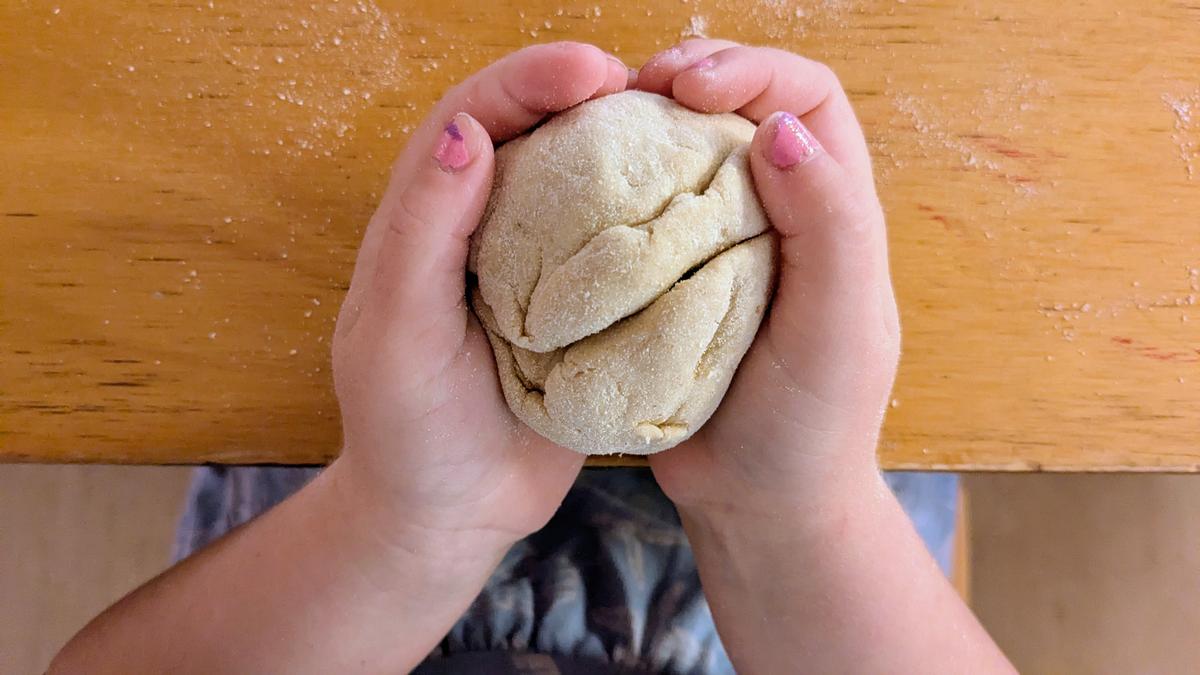
“This is the way we knead the dough, knead the dough, knead the dough,
This is the way we knead the dough, on a lovely Ruby Saltbush day!”
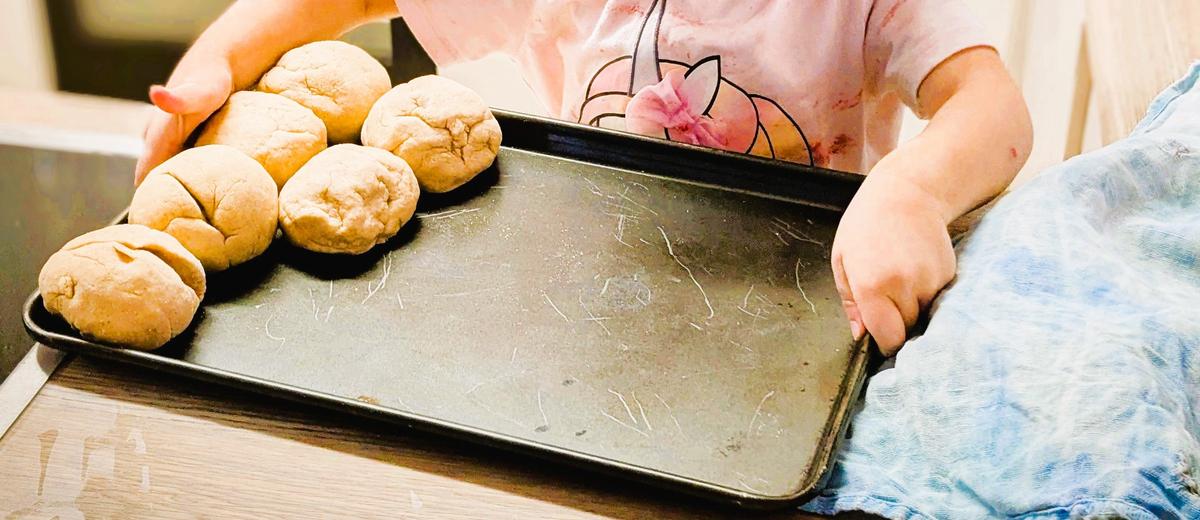
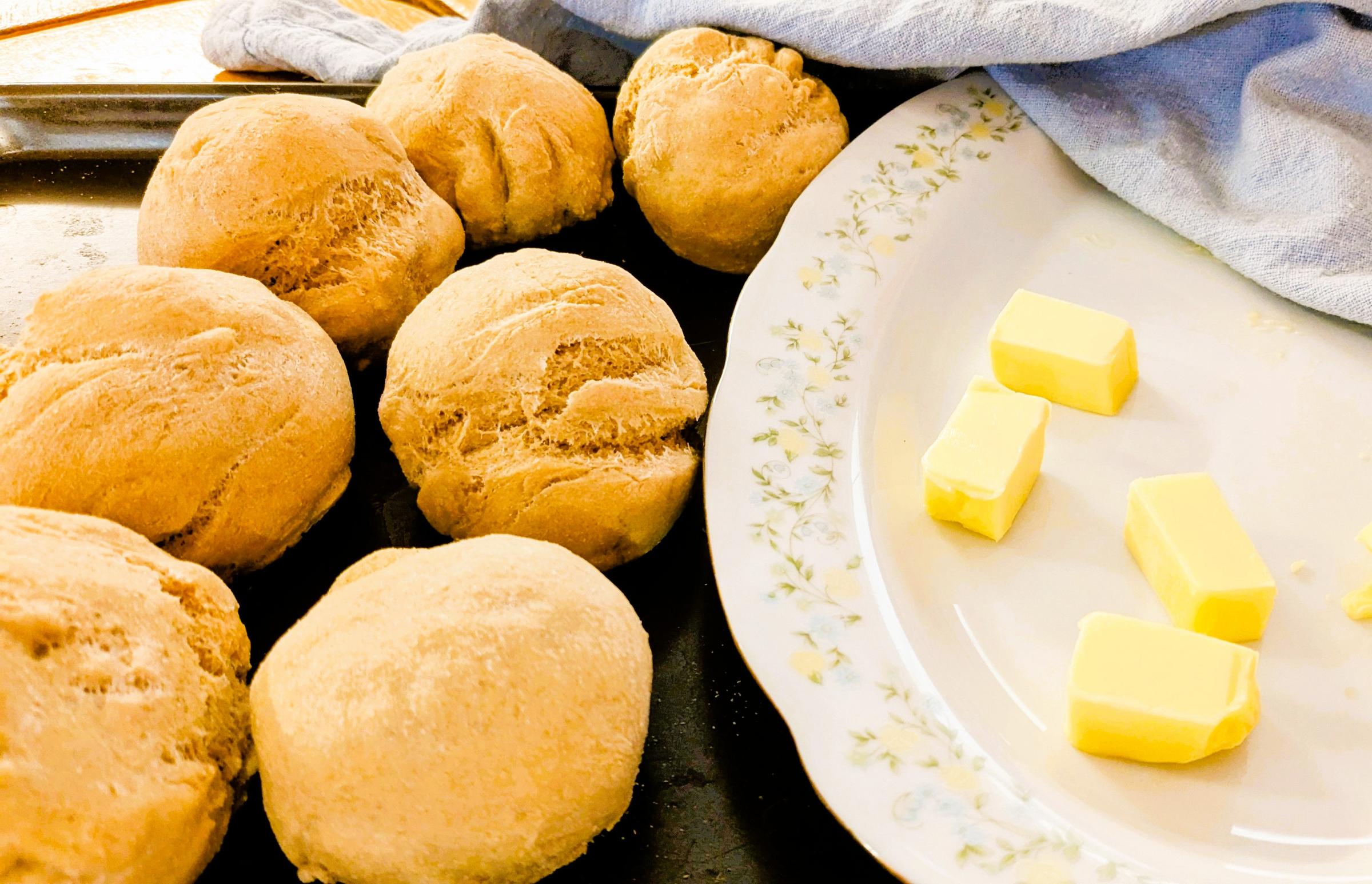
Each week our room fills with the comforting smell of freshly baked bread. While it may look like a simple cooking activity, bread making is a rich learning experience that nurtures children's physical, social, emotional and cognitive development through meaningful, hands-on work.
The wonderful thing about early childhood education is that modern research continues to affirm what Steiner Educators have long observed - young children learn best through meaningful relationships, play and real-life experiences. Current evidence consistently shows that practical, play-based experiences support language development, problem solving, self-regulation, fine motor skills and a growing sense of independence. At Ruby Saltbush, these experiences are woven naturally into the rhythm of each day.
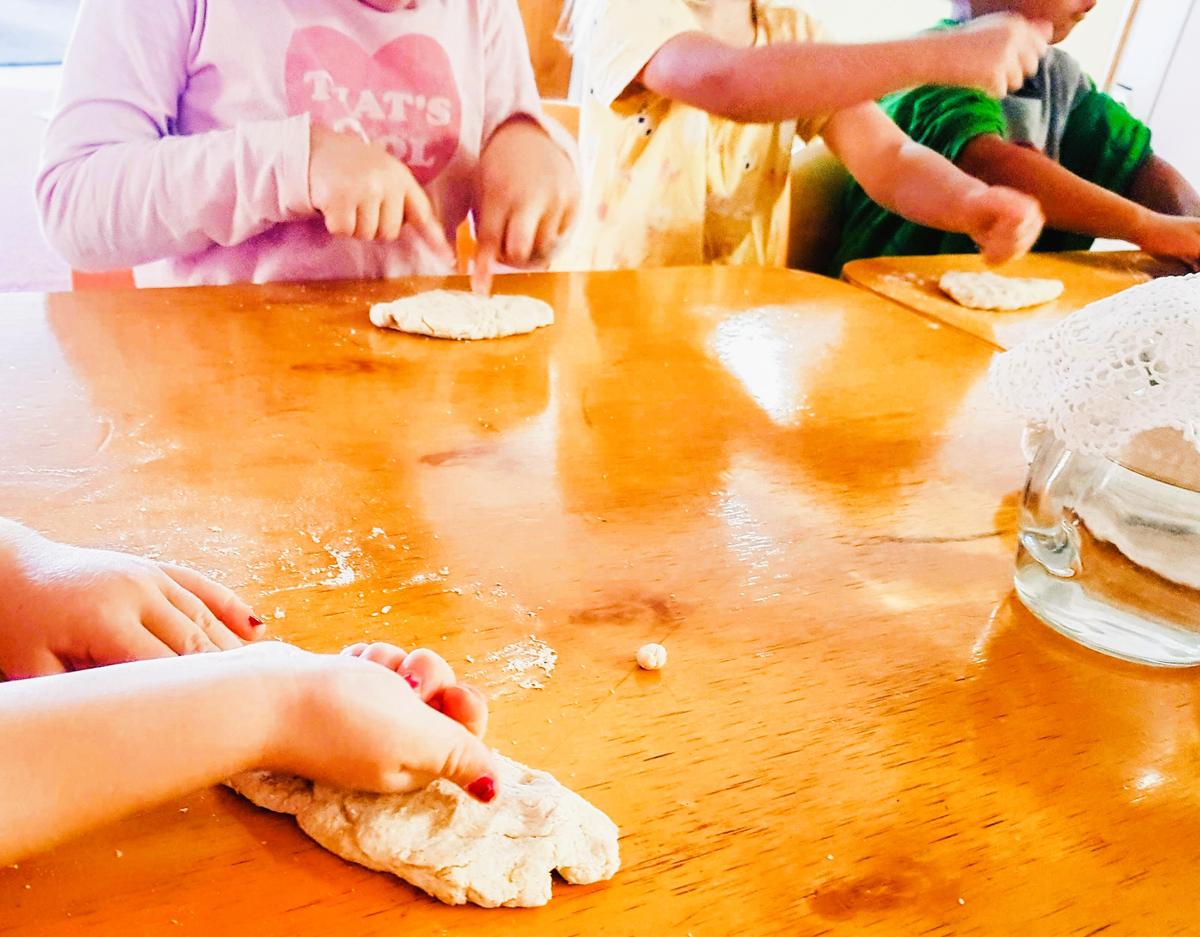
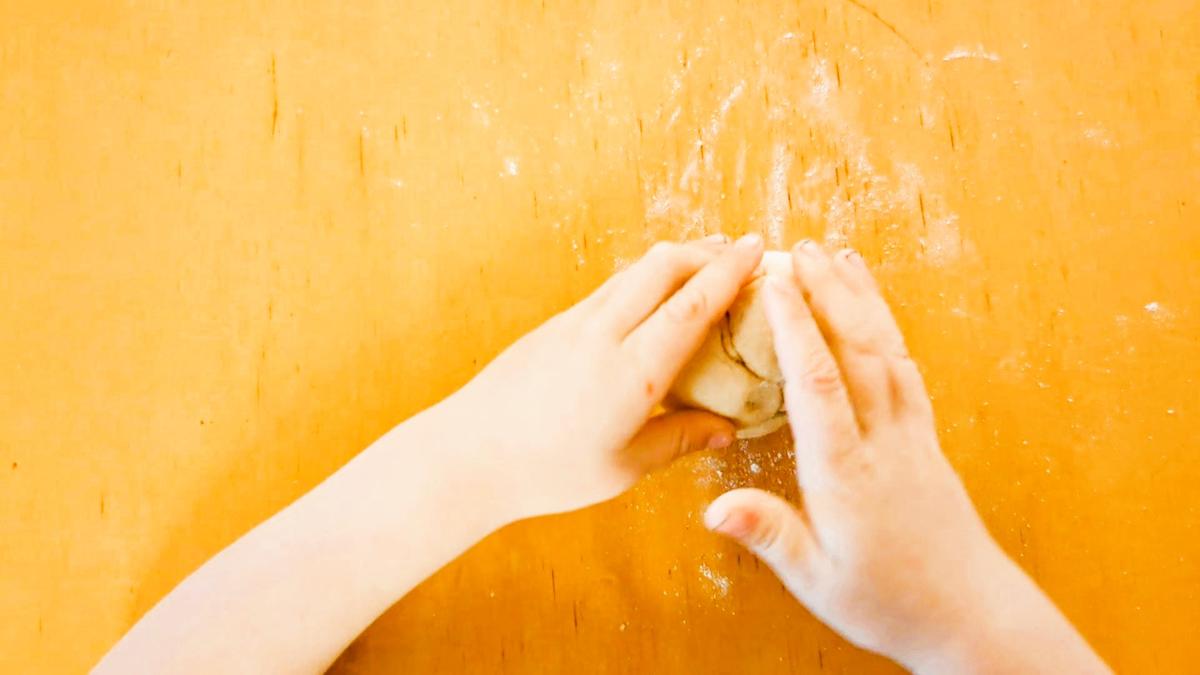
As the children knead, roll and shape their dough, they strengthen the small muscles in their hands while developing coordination and concentration. They notice how the dough changes with more flour, touch, warmth and time, building scientific thinking through firsthand experience. They follow a sequence of steps, patiently waiting for the dough to rise and bake, learning that worthwhile things often take time.
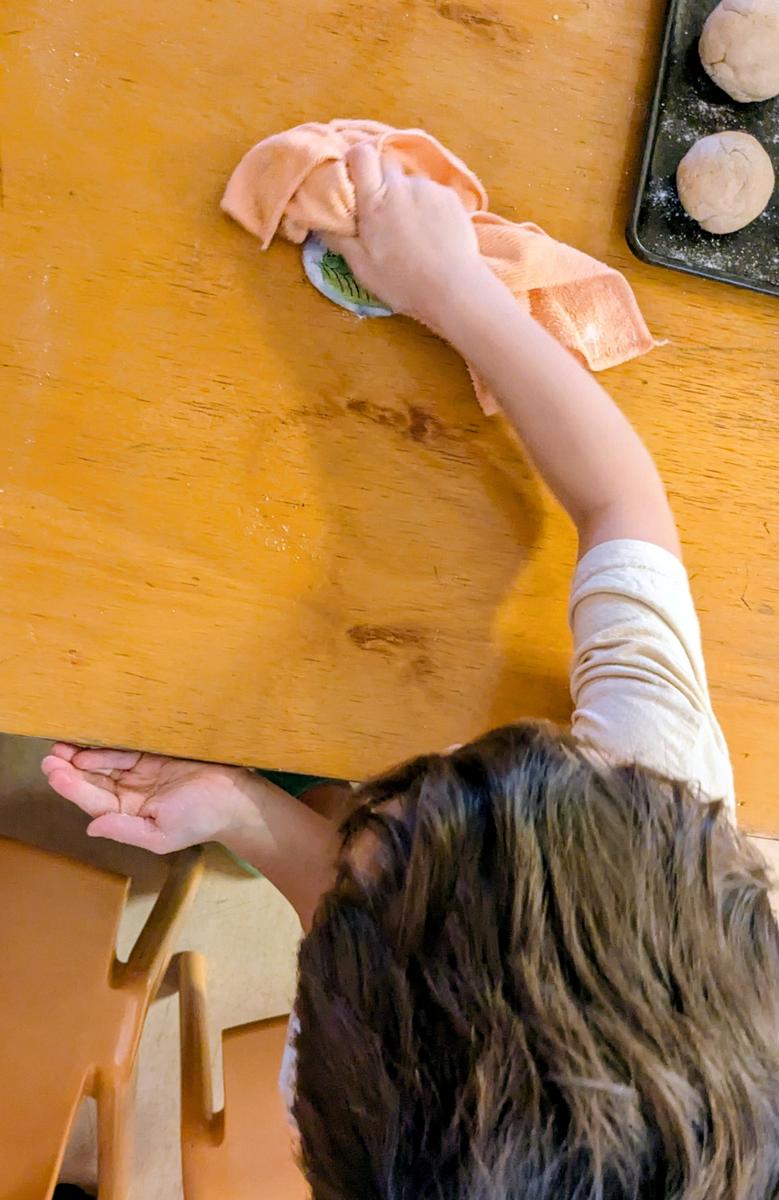
Just as importantly, bread making is a shared experience. The children sing together as they work, help one another clean the tables afterwards and later gather around the morning tea table to enjoy the bread they have made. These simple routines foster cooperation, responsibility and a deep sense of belonging within our classroom community.
In Ruby Saltbush, bread day reflects the Steiner approach to Early Childhood Education, where meaningful work, imaginative play, artistic activity and connection with nature provide the foundation for learning. Rather than teaching skills in isolation, young children develop literacy, mathematical thinking, scientific curiosity, creativity and social understanding through purposeful experiences that engage their whole being.
What you might see… What children are learning…
Kneading and shaping dough hand strength, fine motor control and coordination - important foundations for writing and self-care skills.
Singing while we knead Language development, memory, listening skills, rhythm and a sense of joy.
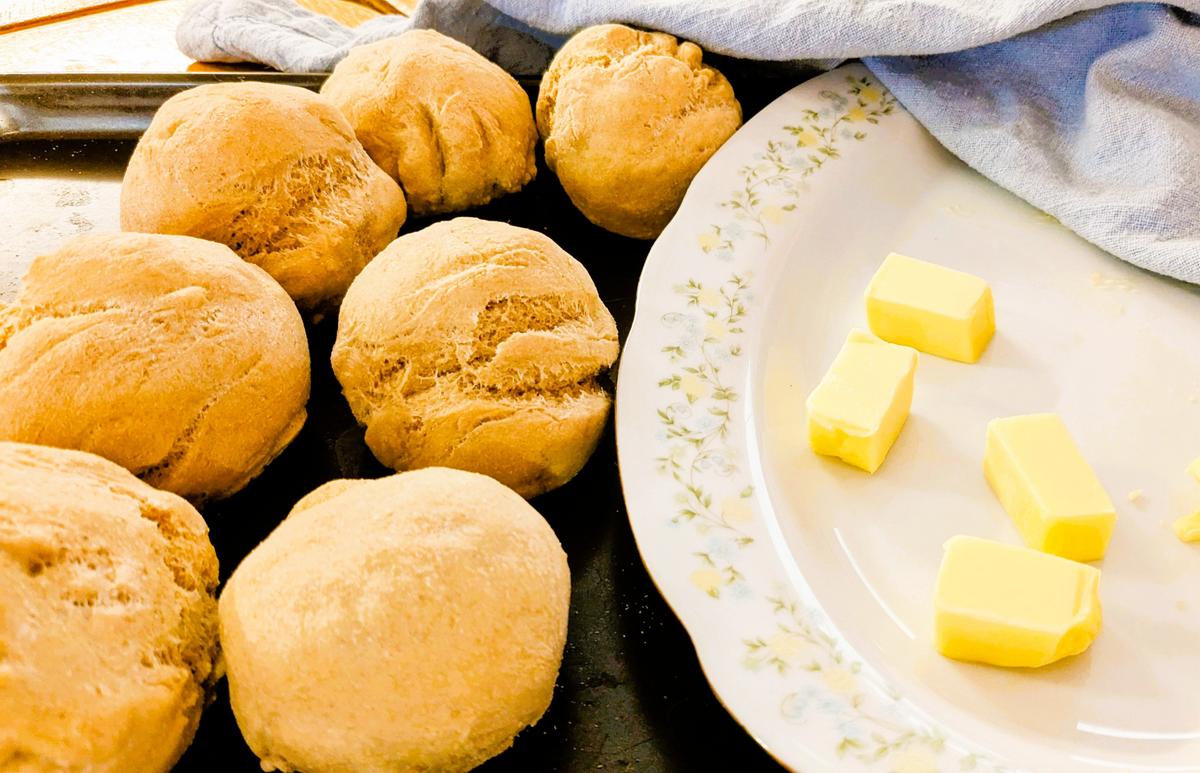
Waiting for the bread to bake Patience, self-regulation and understanding that worthwhile things take time.
Measuring, mixing and watching the dough change early mathematical concepts, sequencing, prediction and scientific thinking.
Sweeping the floor and washing the bowls Responsibility, cooperation, care for our environment and pride in meaningful work.
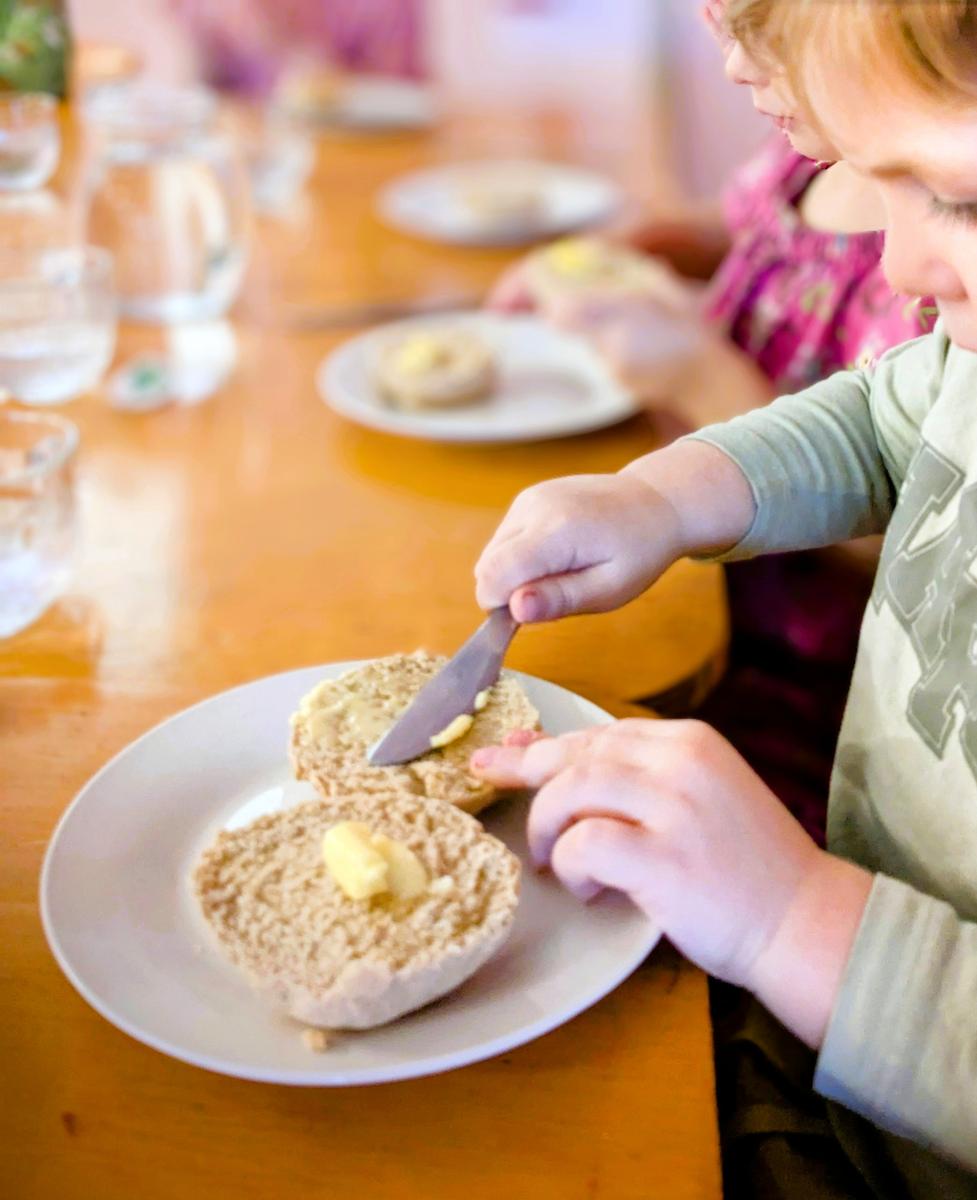
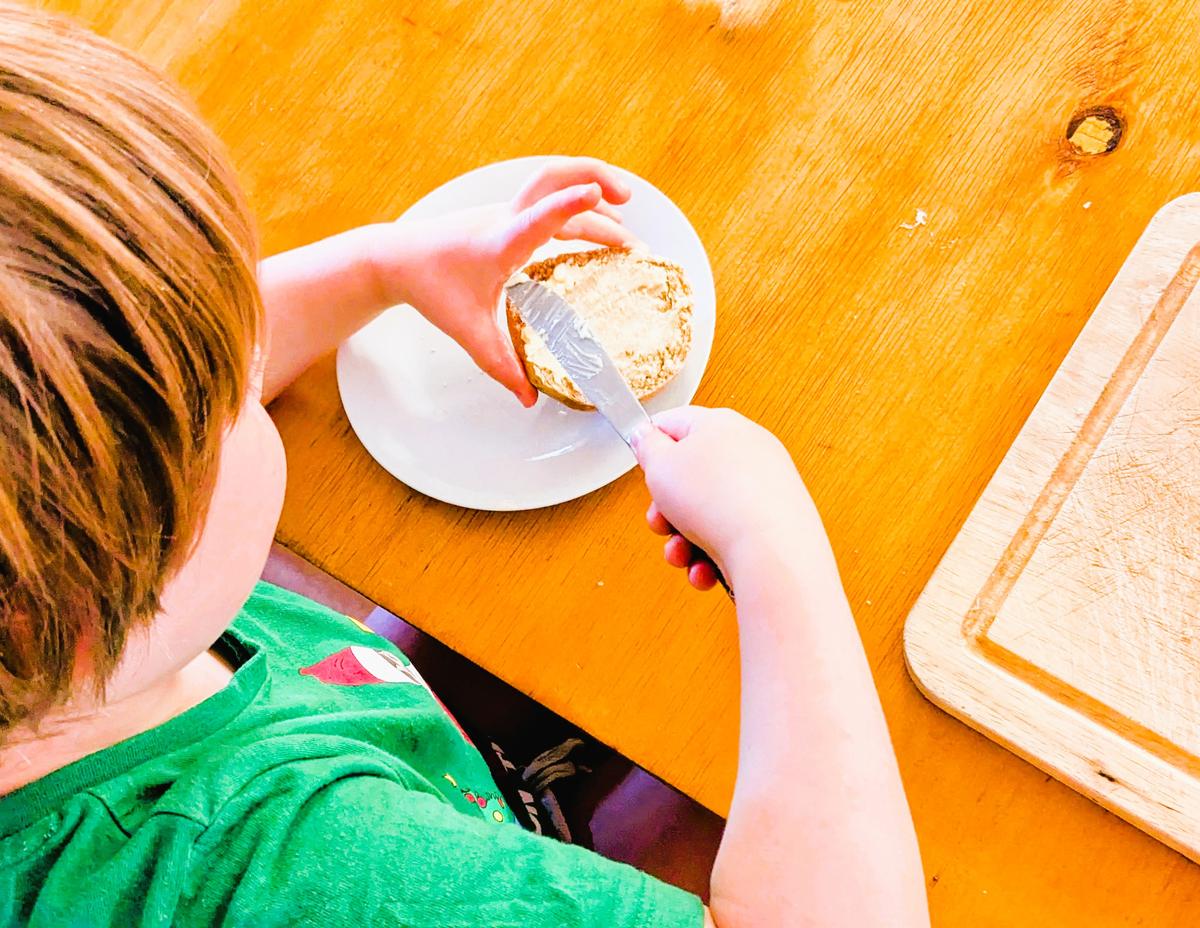
Sitting together to enjoy warm bread and butter Conversation, gratitude, belonging and the experience of being part of a caring community.
Why it matters:
Play really is powerful. Evidence shows children learn best through meaningful, hands-on experiences that integrate thinking, language, movement and social interaction—not through worksheets or formal lessons.
Strong hands support future writing. Activities such as kneading dough, spreading butter and washing dishes build the strength, coordination and dexterity children later need for writing.
Real work builds capable children. Helping to prepare food and care for the classroom develops confidence, independence and a sense of contribution.
Sharing food builds connection. Eating together encourages conversation, empathy and a strong sense of belonging within the classroom community.
Curious to know more?
If you'd like to learn more about why we value play-based learning, these trusted resources are a wonderful place to start:
· Early Childhood Australia Evidence-informed articles and resources for families about children's learning, wellbeing and development. https://www.earlychildhoodaustralia.org.au/
· Australian Children's Education & Care Quality Authority Learn how play-based learning and intentional teaching support children's development through Australia's Early Years Learning Framework.
https://www.acecqa.gov.au/information-sheet-eylf-practices-play-based-learning-and-intentionality
· Harvard Center on the Developing Child Research on how play builds children’s brains https://developingchild.harvard.edu/topic/play/
· UNICEF Parenting Family-friendly resources explaining how play lays the foundation for children's learning, relationships and lifelong wellbeing. https://www.unicef.org/parenting/child-development/learning-through-play