
Wellbeing & Culture

Toys vs Fidgets – What Belongs at School?
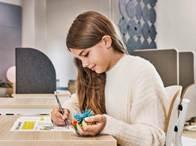
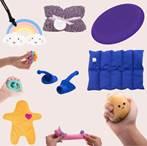

Over the past few years, fidgets have become increasingly popular with children. While some fidgets can be helpful tools for concentration and self-regulation, it is important to understand that not all fidgets are suitable for school, and not all toys are fidgets.
What is a fidget?
A fidget is a simple tool designed to help some children maintain attention, regulate their emotions, or manage sensory needs. Effective fidgets are usually:
- Quiet
- Small and unobtrusive
- Used with one hand
- Able to be used without looking at them
- Supporting focus rather than drawing attention away from learning
Examples may include a small stress ball, a sensory strip, a textured keyring, or a silent fidget ring.
What is a toy?
A toy is designed primarily for entertainment and play. Toys often:
- Require visual attention
- Make noise, light up, spin, or move dramatically
- Encourage sharing, collecting, or trading
- Distract the user or those around them
Items such as large squishies, trading toys, light-up gadgets, pop-its used for games, and spinning toys are generally considered toys rather than learning tools.
Is it Helping Learning?
A useful fidget should help a student focus on the teacher, task, or learning activity. If the item becomes the focus of attention, distracts others, or interrupts learning, it is no longer functioning as a fidget and may need to be put away.
Our School Approach
At our school, we aim to create calm and productive learning environments for all students. Fidget tools may be used when they:
- Support learning and concentration
- Are quiet and non-disruptive
- Have been discussed with the classroom teacher
- Are used responsibly and safely
Items that become distracting, are used for play, or interfere with learning may be asked to remain at home.
Working together, we can help children understand that the purpose of a fidget is not to entertain, but to support their learning, wellbeing, and success at school.
A simple rule to remember:
If it helps you focus, it's a tool. If it becomes the focus, it's a toy.
Kelly Goodgame – On behalf of the Wellbeing and Culture Team