Wellbeing Supports Update











 Mordialloc College

SchoolTV
Each week we will be sharing resources from SchoolTV in line with what is happening in our school environment.
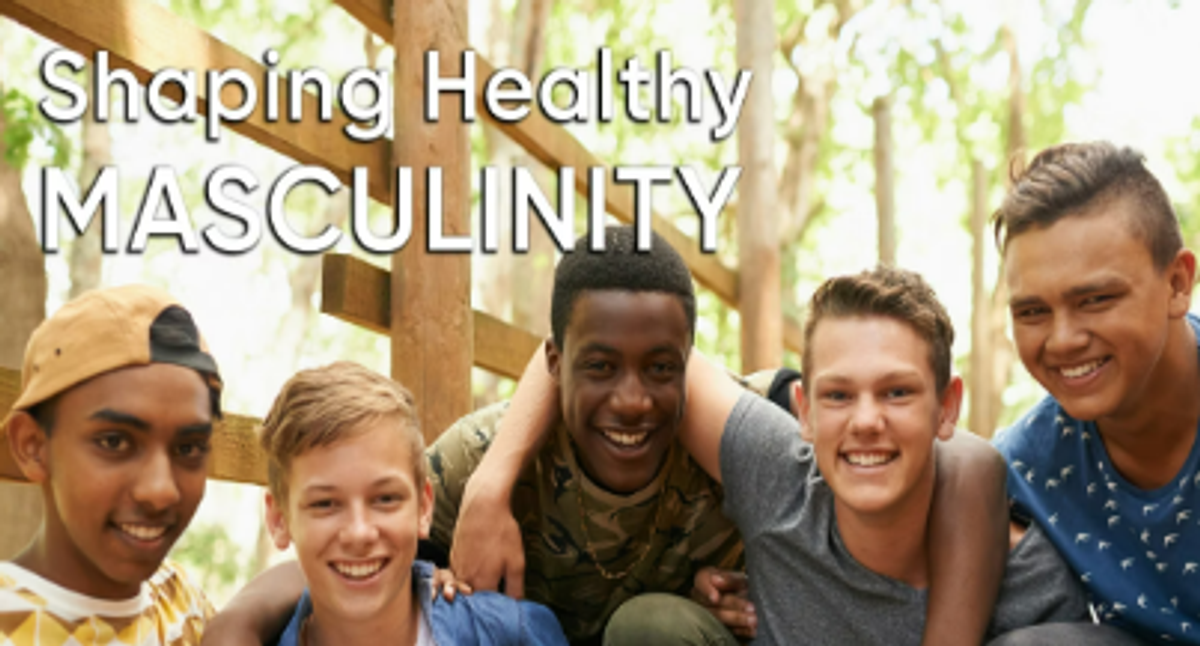
In this edition of SchoolTV - SPECIAL REPORT: Shaping Healthy Masculinity
Overview of this edition - SPECIAL REPORT: Shaping Healthy Masculinity
Young people today are navigating a rapidly changing world - economically, socially and emotionally. Many are struggling to find direction. For boys in particular, even a simple search for advice on fitness, confidence or relationships can quickly lead them into a stream of online content that promotes extreme or unhealthy ideas. This is the reality of the digital age and the nature of today's attention economy.
This topic has gained renewed attention with the release of the critically acclaimed TV show 'Adolescence', which highlights the complex challenges boys are facing. In recent years, there has been a concerning rise in online spaces that present confusing and often harmful ideas about masculinity. Many boys are exposed to messages that glorify toughness, emotional detachment and dominance, while dismissing empathy, vulnerability, and kindness as signs of weakness. These outdated ideals are limiting boys' emotional growth and shaping how they engage with others. The impact is real - and it's being felt across our schools, homes and communities.
We need to consider how we can best support boys as they grow into respectful, confident and emotionally intelligent young men. With a constant stream of messages shaping their beliefs - from social media and online influencers to schoolyard conversations and pop culture - it's more important than ever to offer boys consistent guidance grounded in care, clarity and connection.
This means introducing healthier role models and creating safe spaces where boys feel encouraged to express themselves openly. They need to understand that seeking help and showing emotion are not signs of weakness, but of inner strength - and that respect for others is a true marker of maturity. Encouraging positive, cross-gender relationships offer enormous benefits to boys, helping broaden their perspectives, challenge stereotypes and develop respectful relationship skills for life.
The Australian Government has developed an interactive tool called The Algorithm of Disrespect to help adults understand the subtle and often hidden forms of online disrespect. It simulates a typical young person's digital experience, offering valuable insight into what many young people encounter online. To explore the tool, click the button labelled ENTER JAMES' PHONE via the link HERE.
For more information on how to support young men online, click HERE to view a resource from eSafety Commissioner.
To better understand the hidden meanings behind emojis - as highlighted in the TV show 'Adolescence' - here are two resources you may find helpful:
Here is the link to this topic https://mcsc.vic.schooltv.me/wellbeing_news/special-report-shaping-healthy-masculinity-au

The Mordialloc College Difference
Working Together for Student success
At Mordialloc College, we believe students achieve their best when families, students, and the school, work together in a supportive and consistent way. Our approach to wellbeing is built around strong relationships, shared understanding, and clear communication.
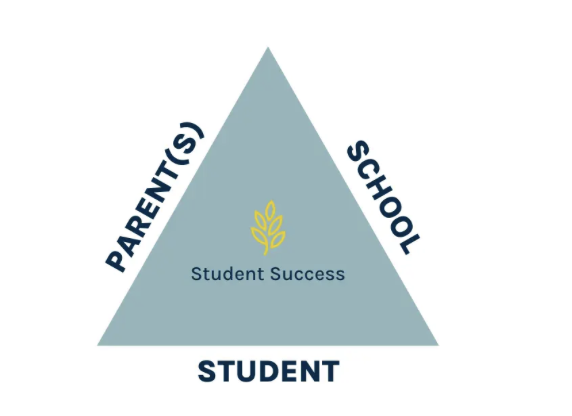
We use a collaborative model called the “Triangle of Engagement,” which places the student at the centre of a partnership between home and school. This approach helps ensure students feel supported both academically and emotionally, while also encouraging them to take increasing responsibility for their own growth and progress.
Every student’s needs are different, so support plans are tailored to the individual. Together, families, staff, and students identify clear goals and agree on practical strategies that will help the student succeed. These goals may relate to learning, attendance, emotional wellbeing, confidence, behaviour, or social connection.
An important part of this process is helping students develop a sense of ownership. Students are encouraged to reflect on their progress, communicate openly, and recognise the important role they play in achieving positive outcomes. At the same time, the school provides guidance, structure, and ongoing support, while families help reinforce routines, encouragement, and consistency at home.
What makes this approach effective is the shared commitment between everyone involved. Regular check-ins allow progress to be reviewed, successes celebrated, and strategies adjusted if needed. This ensures support remains flexible and responsive as students grow and their needs change.
Beyond immediate goals, this model also helps students build important lifelong skills such as resilience, accountability, confidence, and self-awareness. By working together in a respectful and collaborative way, students learn they are supported, capable, and not expected to navigate challenges alone.
At Mordialloc College, we value the importance of strong partnerships with families and recognise that meaningful progress happens when students feel connected, understood, and supported by the people around them.