
Curriculum and Learning
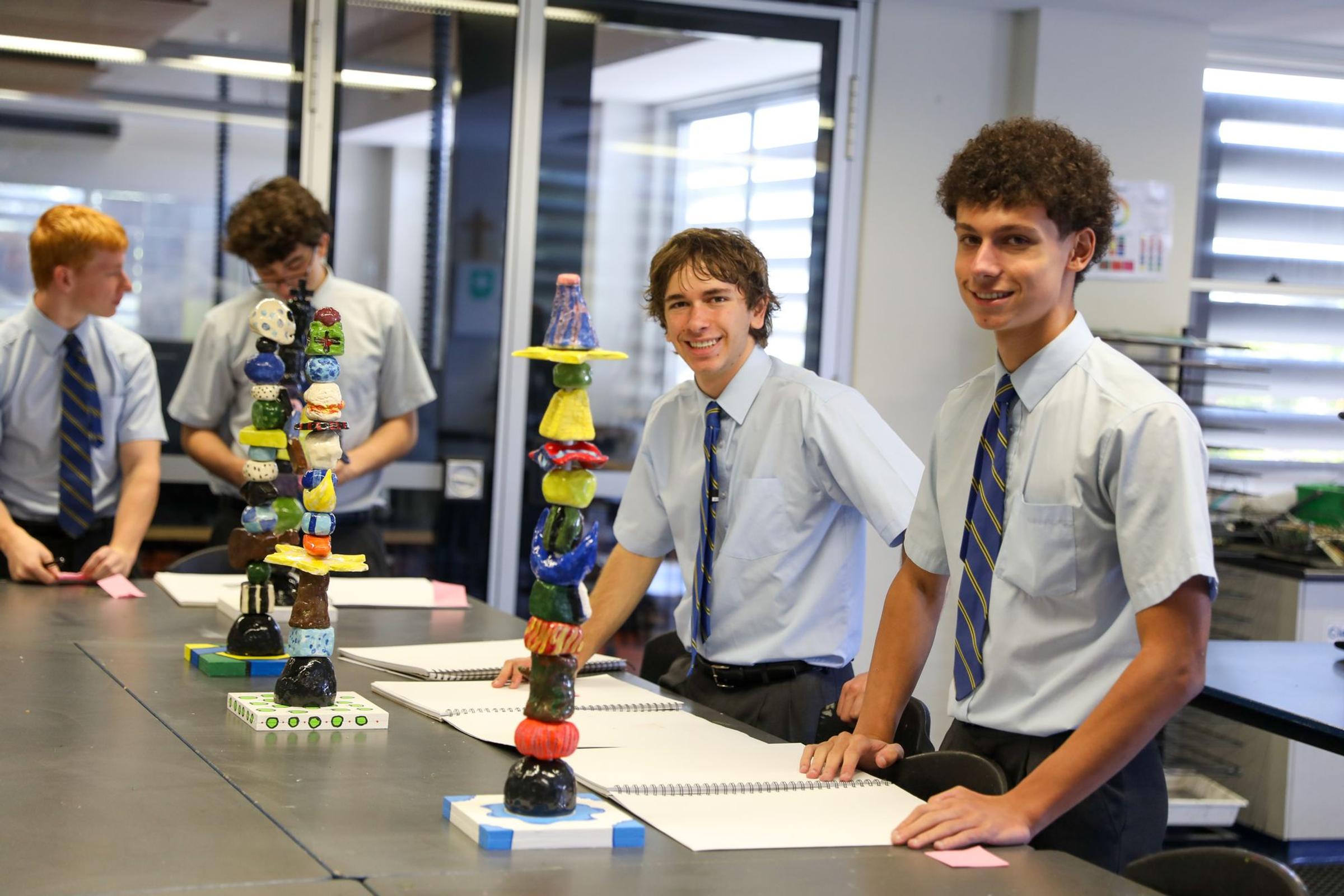
Year 11 2027 Subject Selection
Following the subject presentations to students during the day and the Parent and Student Information Evening last Thursday, subject selection for Year 11, 2027 is now open online and will close at 9:00 AM on Tuesday 21 July 2026.
Students and families now have access to the slides from the subject information session and the Parent and Student Information Evening, the 2027 Year 11 Subject Prospectus, individual Academic Assessment Services testing results, and recommendations relating to English, Mathematics, Science, Economics, and Engineering Studies.
Students and families are encouraged to use this information as they decide on the subjects to be studied in 2027. As communicated to families last week, the recommendations are provided as guidance based on each student’s demonstrated capabilities and performance. They do not prevent a student from enrolling in or studying a particular course; rather, they are intended to support students and families in making informed and appropriate subject choices.
Year 11, 2027: VET Information Evening for Parents and Students
On Monday 22 June 2026 from 6:30 PM to 8:00 PM, all current Year 10 students interested in including Vocational Education and Training (VET) subjects in their pattern of study for Year 11, 2027 are invited to a VET Parent and Student Information Evening in the College Hall. Now that the VET pathway has been broadly explained to families, this evening will explore the individual VET subjects available, including those delivered on site and by external providers. The possibility of School-Based Apprenticeships and Traineeships (SBATs) will also be discussed.
The evening will be led by Mr George Frangioudakis, our Head of Vocational Education and Training, and members of his teaching team. This will be an excellent opportunity to further explore how the College’s VET offering may align with the interests of the Year 11, 2027 cohort. The Director of Curriculum will also be present should parents or students have broader curriculum questions, including those relating to the expectations of the NSW Education Standards Authority (NESA) or the College.
Students interested in VET subjects are encouraged to attend and should do so in full College uniform.
Year 9, 2027 Electives Information Session
On Wednesday 24 June 2026 from 11:20 AM to 1:25 PM, students currently in Year 8 will attend elective subject presentations in the Hall and will have the opportunity to ask questions of the Heads of Department who lead the teaching teams delivering these electives next year.
Prior to the session, students and families will have access to the 2027 Year 9 Subject Prospectus. During the session, the process for selecting electives will also be explained. Key slides from the presentation will be made available online for students and families.
Reminder: Booking Years 7 – 10 Parent Teacher Interviews
The Years 7 to 10 Parent/Teacher Interviews will be held on Thursday 25 June from 2:00 PM to 9:00 PM and on Friday 26 June from 9:00 AM to 3:00 PM. Thursday evening interviews will be conducted in the College Gymnasium, and students are expected to attend in full College uniform. Friday interviews will be conducted online via Microsoft Teams.
Parents and carers may book interview time slots via the TASS Parent Lounge using the Interviews tab until 9:00 AM on Wednesday 24 June. The College will not allocate interview times.
James Martin
Director of Curriculum
Balance is Key
Have you ever been told – by a parent, a mate, or even yourself – to drop the sport, skip the rehearsal, stop the training, because assignments are piling up? Whether you’re in Year 5 still finding your feet, or in Year 8 starting to feel the pressure, that message will come your way as you get closer to Year 11 and 12: study more, do less of everything else.
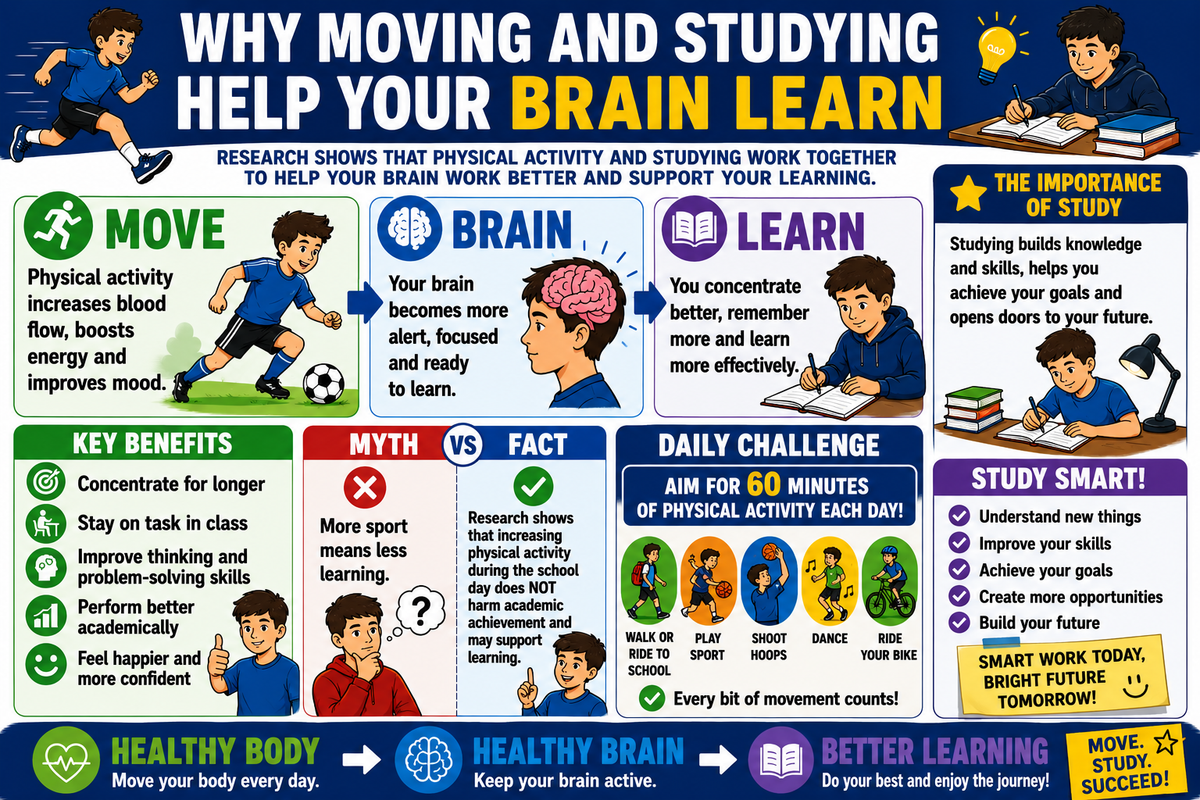
But this advice? It’s completely mistaken, and the evidence consistently suggests otherwise.
What the evidence firmly supports is that the choice between co-curricular involvement and academic success is a false one. These two things do not compete: they sustain each other.
School is demanding even now, and sustained stress works against the very goal it is meant to serve. Co-Curricular activities are not a distraction from your education – they are a tool for protecting it. Exercise reduces stress hormones and restores your focus. Being part of a team or ensemble guards against anxiety and burnout. And having something you care about outside of marks builds a confidence that a test score alone rarely can.
A 2024 study from the University of Sydney tracked over 4,000 Australian children from age four to twenty-one. The findings were clear: students who stayed involved in sport throughout their schooling had better attention and memory, higher NAPLAN results, and stronger outcomes at the end of school. These were Australian children – students not so different from us. So, the message is clear: look after your wellbeing now, and your capacity to learn will follow.
If there was thing I would want you to take away, it is this: the key to doing well – in academics, sport, music, or anything else – is balance. And this is a skill worth developing now, not in Year 11 when it suddenly feels urgent.
Think about the students you know who seem to manage it all. So many of the high achievers from the Class of 2025 were deeply involved in co-curriculars – the First XI, First XV, the band. What they had was not some extraordinary capacity to do more. What they had was balance – and they had been practising it for a while.
Balance is not something that simply happens. It is a conscious effort to ensure no single part of life overwhelms the others. It looks different for everyone – some thrive with a full schedule; others need more space. But both require an honest understanding of what helps you perform at your best.
So here is what I want to leave you with: the challenge is not to choose between academics and co-curriculars. It is to find the balance that allows you to thrive in both. And the sooner you start working on that – now, in these years – the more natural it becomes when the stakes feel higher.
After all, education is not about maximising hours at a desk. It is about creating the conditions in which learning can actually happen. And some of the most important of those conditions are found beyond the classroom.
Denzel T | Learning and Technology Prefect