Deputy Principal – Teaching and Learning
Ms Lisa Hanlon







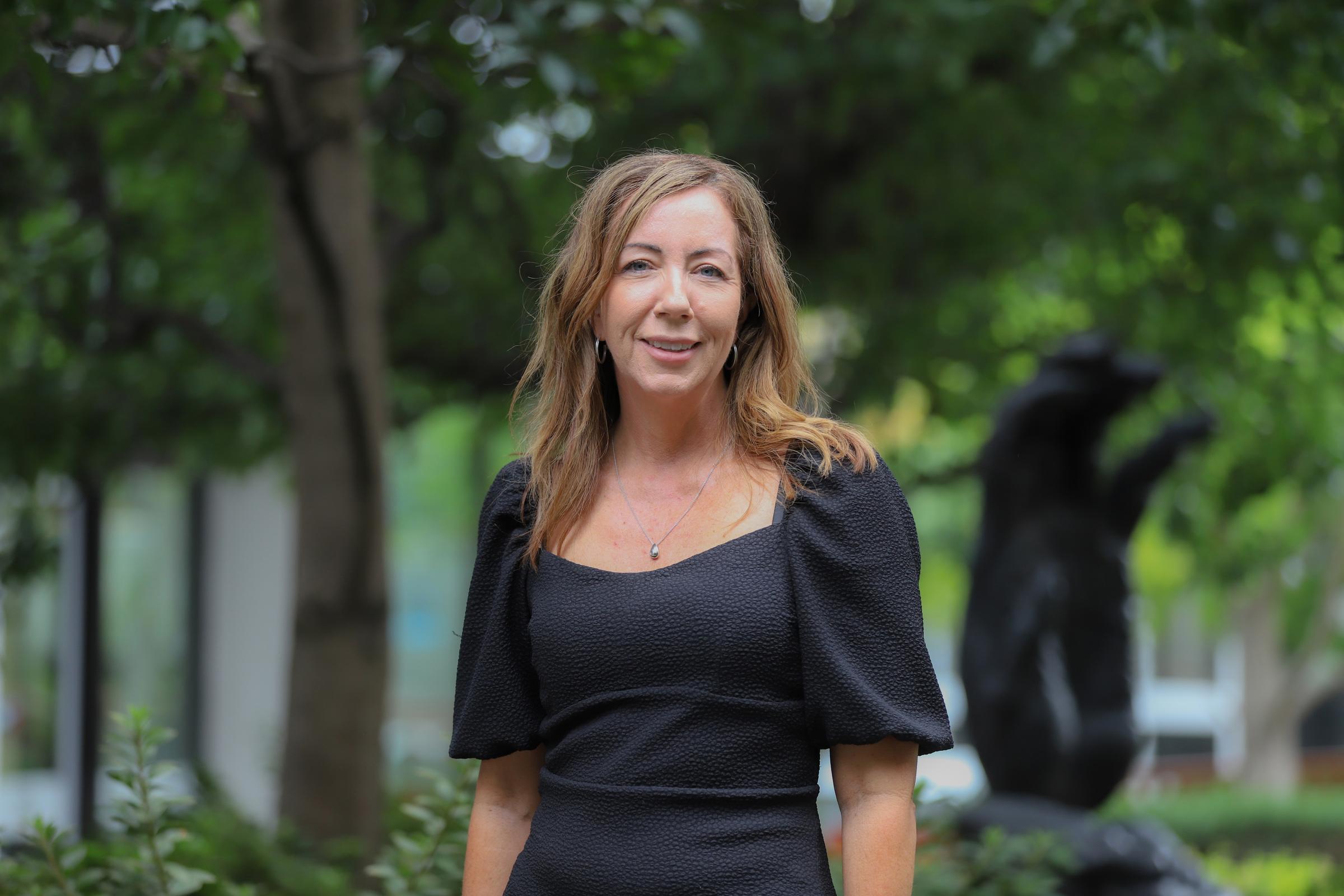
Deputy Principal – Teaching and Learning
Ms Lisa Hanlon
'The best is the enemy of the good.' – Voltaire
Perfectionism among young people has risen markedly since the late 1980s, and it is most harmful when it shows up as fear of mistakes and of others' judgement. Girls from well-resourced, high-achieving settings appear to carry a heavier share of both perfectionism and anxiety. As examinations approach, many of our students will present with feelings of anxiety, as a community, our aim is to be united in our collective approach to supporting our students manage this.
Yesterday, our Middle Leadership Team discussed the recommendations from two Australian clinical psychologists, Dr Judith Locke and Dr Danielle Einstein, authors of Raising Anxiety (2024). Their message is reassuring and practical. Nerves before an exam are normal, and perfectionism is a trap. What matters is helping our students loosen the grip of 'perfect' so they can face exams with courage rather than dread.
Nerves are a signal, not a warning
It is important to reassure our students that feeling nervous before an exam usually means two things: the result matters to you, and the outcome is not yet known. Both are perfectly reasonable reasons to feel uneasy.
Nerves are often useful. That uneasy feeling is what prompts a student to open their notes, attempt a practice paper or ask a teacher for help. Without it, many of us would prepare far less.
No one enjoys feeling anxious. But Dr Locke and Dr Einstein are clear that the feeling has to be faced, not escaped. A student who avoids what frightens them, by skipping a revision session, leaving a practice test undone or finding reasons to miss an assessment, gets brief relief. Over time, avoidance teaches the brain that the task really was dangerous. The fear grows, the gaps in preparation widen and the risk of a more serious anxiety problem rises.
Every result does not have to be perfect
Many families work hard to protect their daughters from disappointment and difficulty. The intention is loving, but it can backfire. A student who has rarely had a less-than-stellar result, or a day that didn't go to plan, has had little practice coping with one.
Resilience is built by facing a range of tasks with a range of outcomes. A disappointing mark on a practice paper is not a catastrophe. It is information about what to revise, and evidence that she can survive a setback and keep going.
Our students understand this better than we might expect. Girls who have sat a difficult paper and come out the other side, whatever the mark, almost always feel proud that they faced it. That pride is worth far more than an exam season spent sheltered from discomfort.
Advice for students: Turning nerves into preparation
Name it and normalise it. Tell yourself: ‘I feel nervous because this matters, and nearly everyone in this room feels the same.’
Ask what would help you feel a little more ready. Then do that one thing, whether it's a practice question, a summary sheet or a question for your teacher.
Move towards the hard topics, not away from them. The subject you most want to avoid is usually the one worth an extra hour.
Rehearse the real thing. Timed practice papers in exam conditions make the actual exam feel familiar rather than threatening.
Treat setbacks as feedback. A poor practice result tells you where to focus next. It says nothing about your worth.
Advice for parents: Support without rescuing
When your daughter tells you she is worried about an exam, Dr Locke and Dr Einstein suggest a simple sequence:
Listen. Let her say what she is afraid of without rushing to fix it.
Empathise. Acknowledge that the feeling is real and uncomfortable.
Normalise. Remind her that most students feel this way before exams, and that it is a sign she cares.
Just as important is what to avoid. Allowing a student to stay home from an exam because she feels anxious, asking teachers to change arrangements every time she is uneasy, or taking over her revision to make it 'perfect' are all well-meant. Each one, though, quietly tells her she can only cope when things go exactly her way.
It also helps to notice your own nerves. A child's worry can stir up worry in a parent, and the reverse is true too. A calm, confident message that you believe she can manage this is one of the most powerful things you can offer.
Working together
Good, satisfying lives include occasional hard things, and exams are one of the first that many young people meet. Our goal is not a stress-free exam season. It is to help our students face their nerves, prepare well and learn that they can cope with whatever result comes.
Of course, if your daughter's worry is persistent, or is stopping her from attending school or completing her work, please contact her Head of Year. We would much rather hear early so that we can assist your daughter through this time.
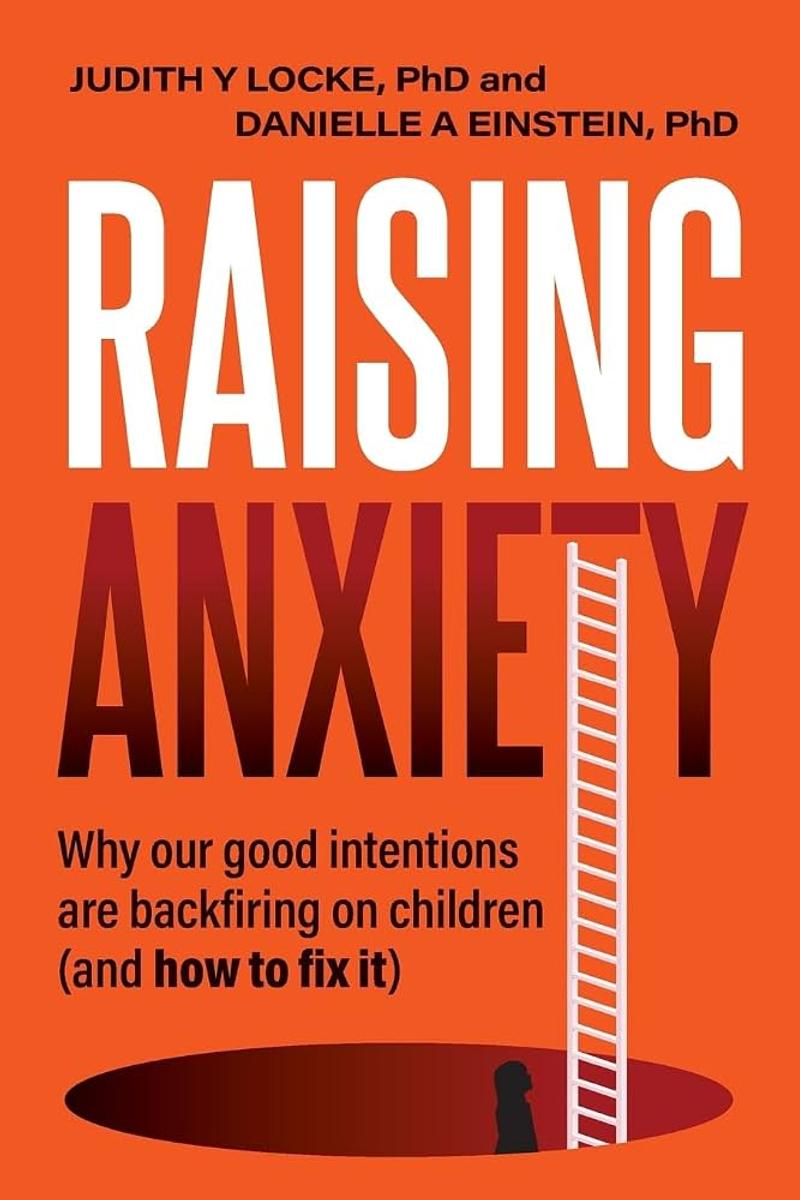
Further reading: Raising Anxiety by Dr Judith Locke and Dr Danielle Einstein (2024) offers practical strategies for building children's resilience and confidence, managing responsibilities and friendships, using technology in healthy ways and taming worry.
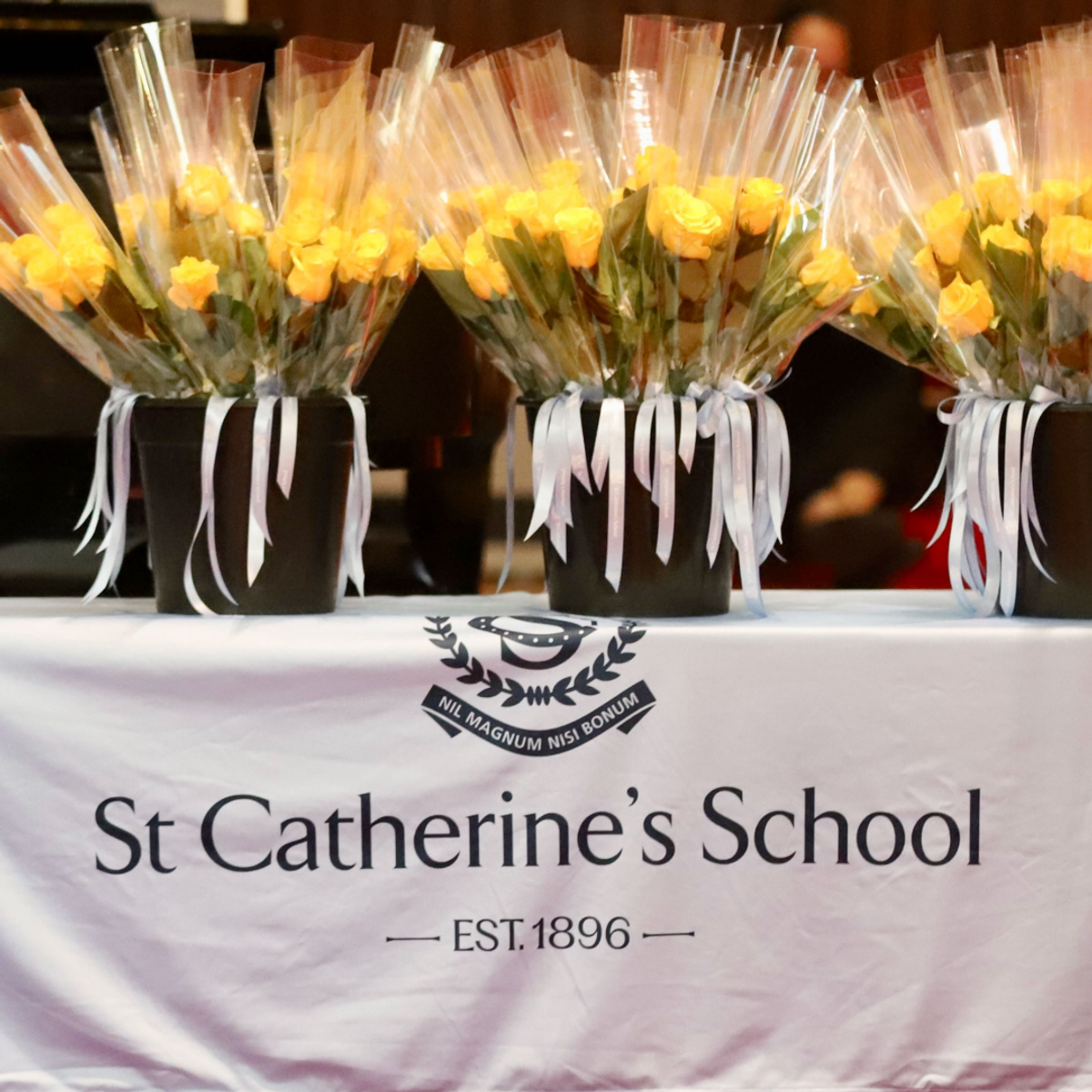
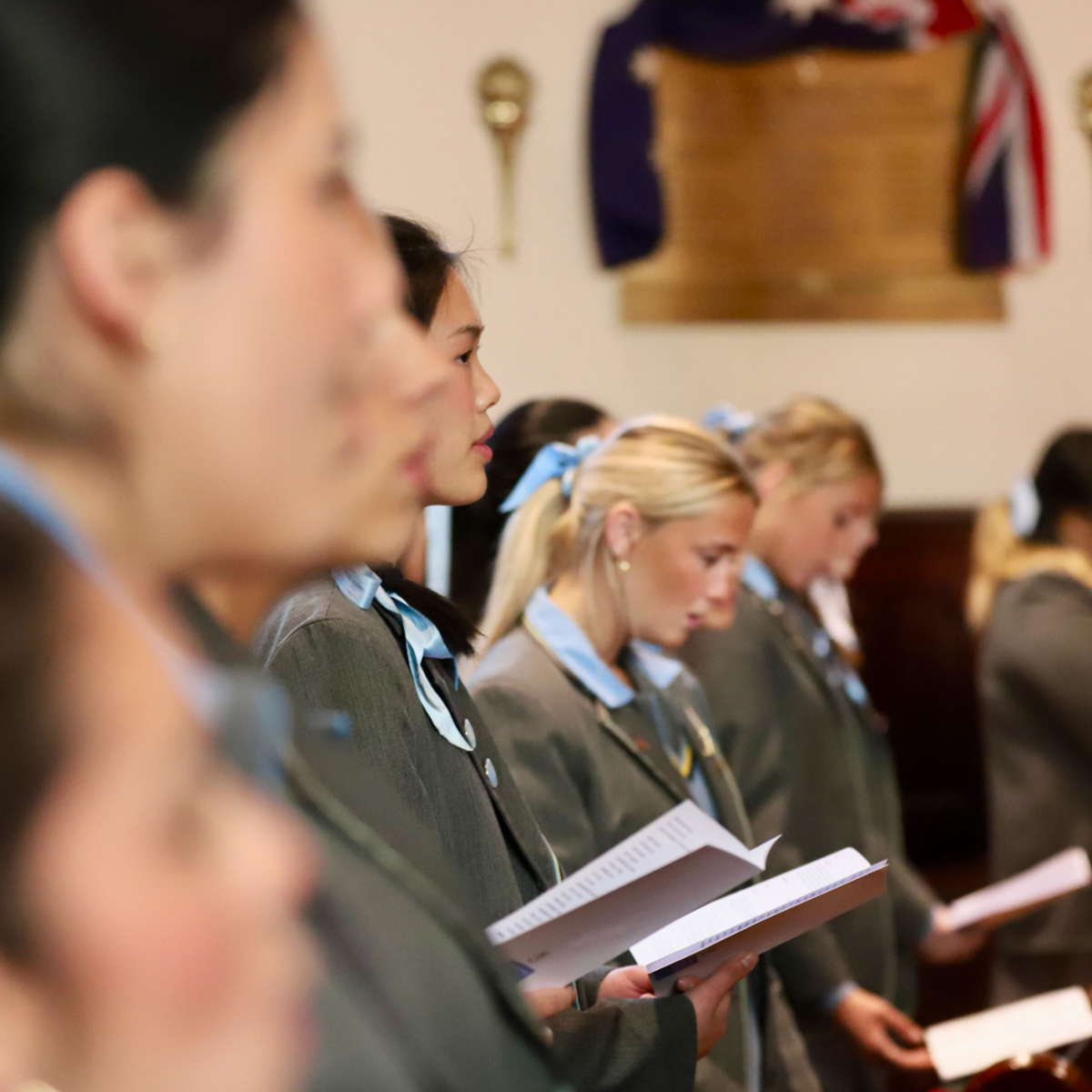
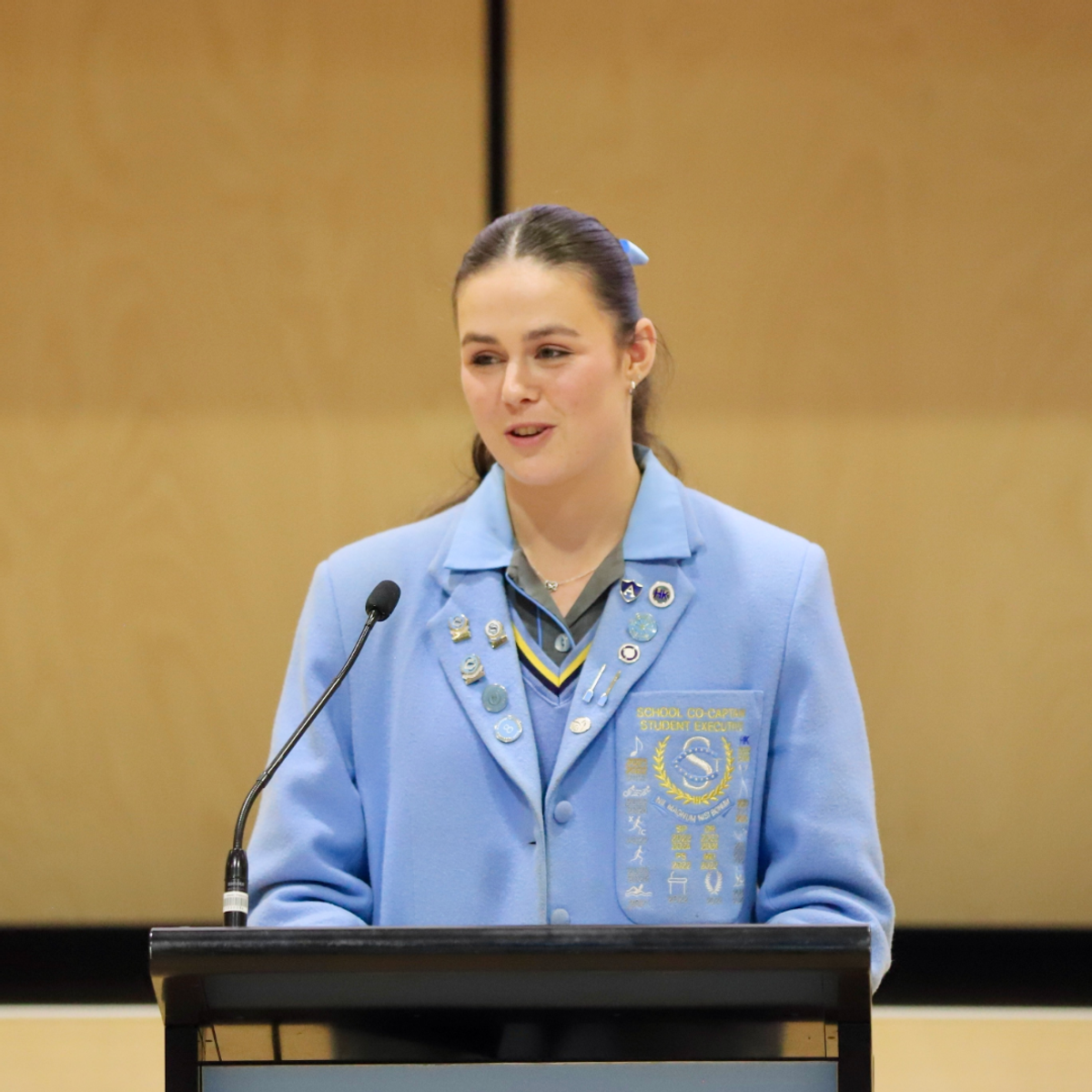
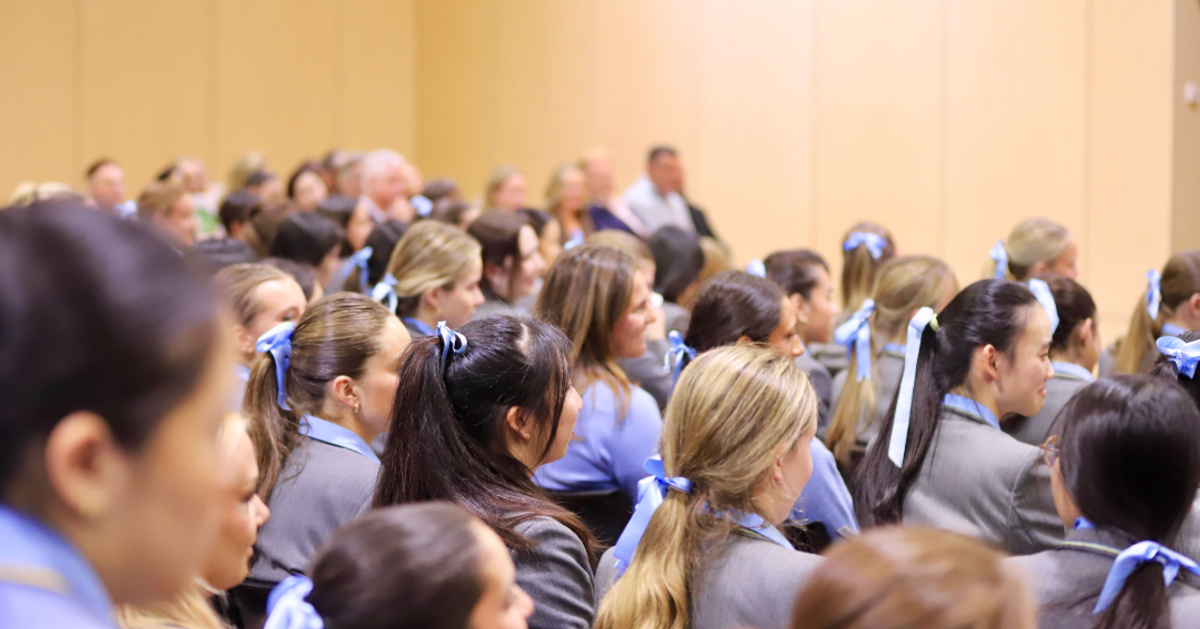
[Ms Hanlon's speech at the Year 12's Final Assembly]
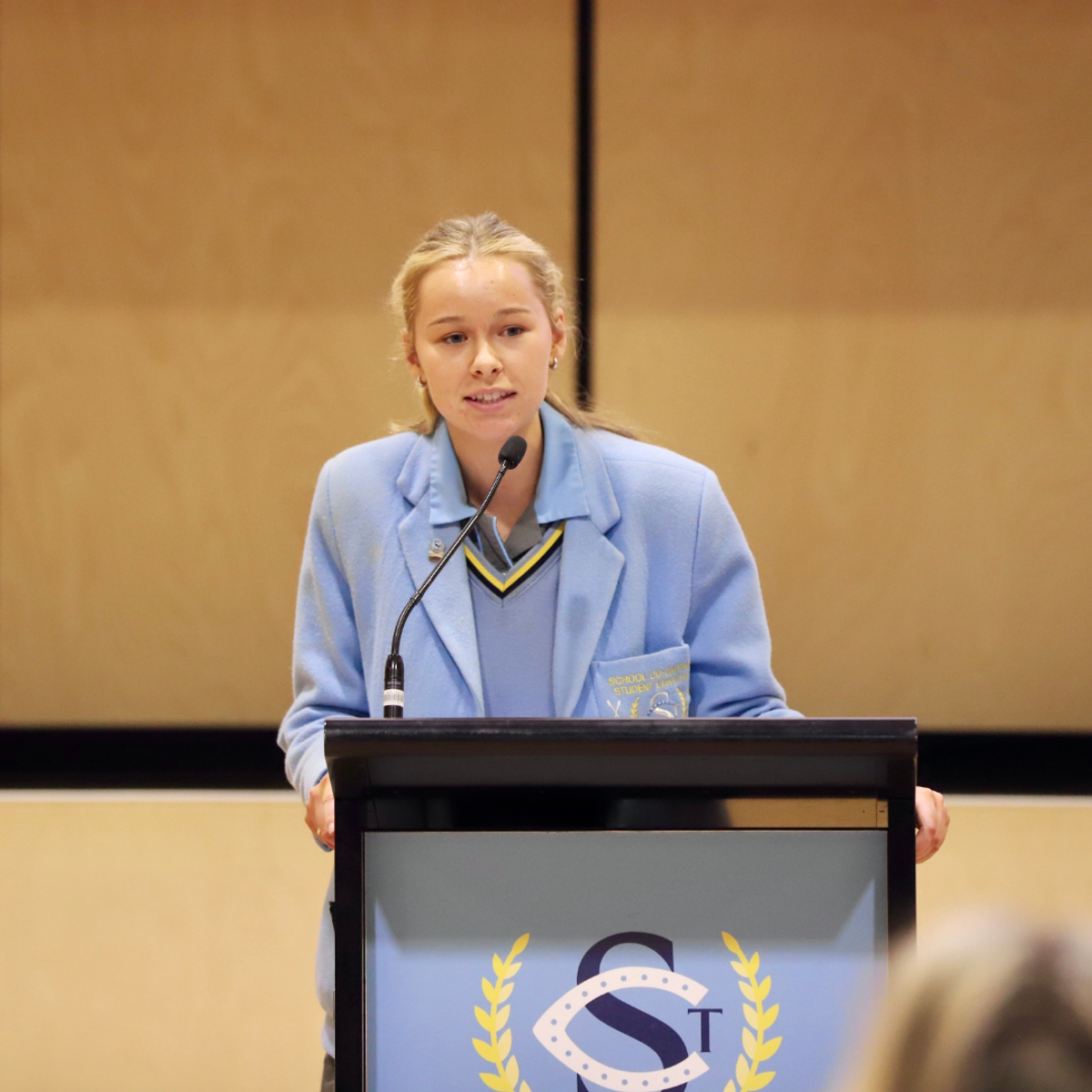
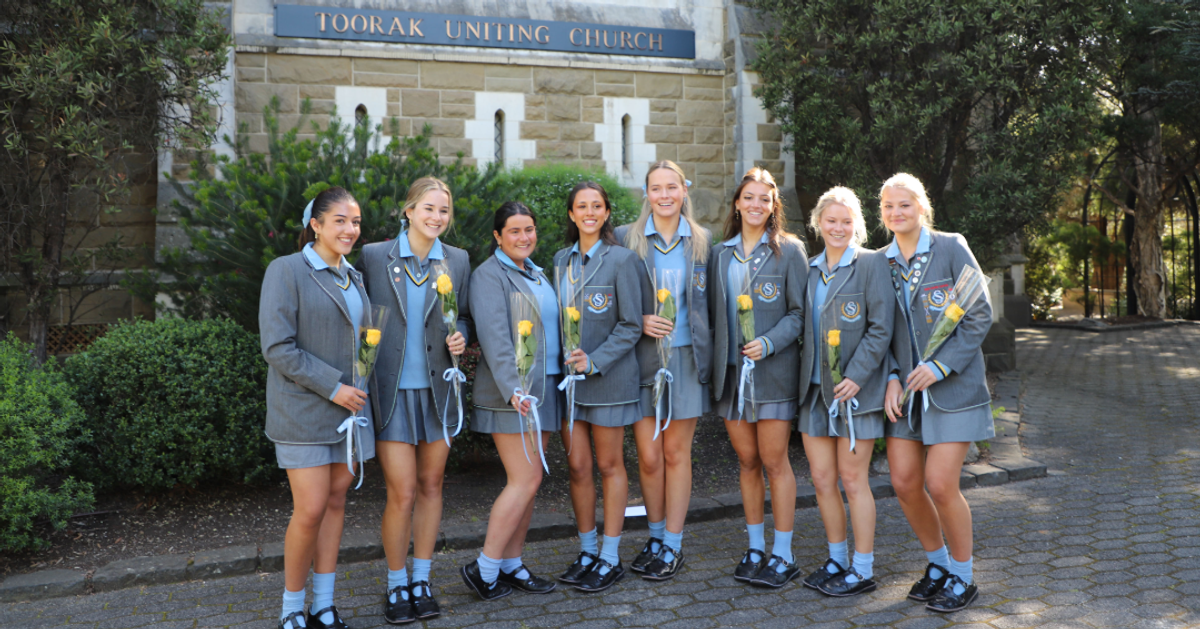
George Eliot opens Middlemarch, one of the greatest novels in the English language, with a small girl: the young Saint Theresa, walking out of her home one morning hand in hand with her even smaller brother, in search of martyrdom – a child's idea of an epic life. Eliot smiles at the image, but she takes it seriously. She asks what becomes of girls born with that kind of ardour, and her answer is sobering: too often their energy is "dispersed among hindrances", in a world not ready to receive it.
Year 12, you have grown up in a place built to receive that ardour, not to scatter it. Today you walk out into your own morning. And as I look at you, I want to leave you with three things to take with you: the value of hard work, the meaning of a life of service, and what it means to belong to a community of women who lift one another up.
Hard work
I have had the privilege of watching your learning up close. I have seen the drafts returned covered in feedback – and the second drafts, and the third. I have seen practice papers attempted at seven in the morning, experiments that failed and were run again, rehearsals that went late, and questions asked bravely in class when it would have been easier to stay quiet.
In a few weeks you will sit your exams, and before long you will receive a number. Let me be clear: that number matters, but it is not the point. Hard work is not valuable because it guarantees an outcome. It is valuable because of who it makes you – someone who can sit with difficulty, who can be patient with her own progress, who knows from experience that she can do hard things.
In Little Women, Amy March says, 'I'm not afraid of storms, for I'm learning how to sail my ship.' Louisa May Alcott knew that truth personally. Before she wrote the book that made her famous, she worked as a seamstress, a governess, a teacher and a servant to support her family. Her skill was not given to her in calm water. It was built in the storms. So, too, has yours been.
A life of service
Let us return to Middlemarch. Its heroine, Dorothea Brooke, is one of those ardent young women. She longs to do something great, and the world offers her no grand stage on which to do it.
Yet, Eliot refuses to call her life a failure. In the novel's final pages she writes that Dorothea's effect on those around her was 'incalculably diffusive' – because the good of the world depends partly on unhistoric acts, and on the many people who live faithfully a hidden life.
Girls, you will be tempted to measure your lives by the visible things – the titles, the awards, the applause. Those things have their place. But I have seen the less visible things too: the student who stayed back to stack chairs after the concert, the one who tutored a younger girl through her mathematics, the friend who noticed someone sitting alone. That is service, and it is the truest measure of a person.
And let us be honest about something else. You have been given a great deal – an education, opportunities and support that many young women around the world can only imagine. Opportunity is not a prize. It is a responsibility. The question is never just, 'What can I achieve?' but 'Who can I serve with what I have been given?'
A community of empowered women
In 1847, Charlotte Brontë gave Jane Eyre these words: 'I am no bird; and no net ensnares me: I am a free human being with an independent will.' In its time, that was a radical thing for a young woman to say.
Closer to home, a teenage Miles Franklin wrote My Brilliant Career, about a young Australian woman determined to choose her own life. And at the end of her own life, Franklin left her estate to create a prize that still lifts up Australian writers today. That, I think, is what empowerment really looks like: not only claiming your own voice, but using what you have to raise up others.
In this School, you have never been told that something was not for girls. You have led, argued, built, performed, competed and questioned. But empowerment is not something we handed you. It is something you practised, every day, alongside one another. Now you will carry it into places where it is not yet taken for granted. When you get there, hold the door open. Bring other women with you.
To parents and families: thank you for sharing your daughters with us, and for every early morning and late night behind the scenes. To my colleagues, thank you for your expertise, your patience and your belief in these young women.
And to the Class of 2026, go well. Work hard. Serve generously. Lift one another. And remember that small girl walking out into the morning, full of ardour. Go out with that same fire – and, unlike her, into a world that is ready for you.
F Scott Fitzgerald’s Daisy Buchanan laments the life she has been damned to, that of a clever woman who must live the life of a decorative ornament. She despairs for the fate of her daughter, as she says, 'I hope she'll be a fool – that's the best thing a girl can be in this world, a beautiful little fool.'
Ms Lisa Hanlon
Deputy Principal – Teaching and Learning