Photo Gallery & Classroom Learning
K - Yr 6

Photo Gallery & Classroom Learning
K - Yr 6
Living Well Learning Well
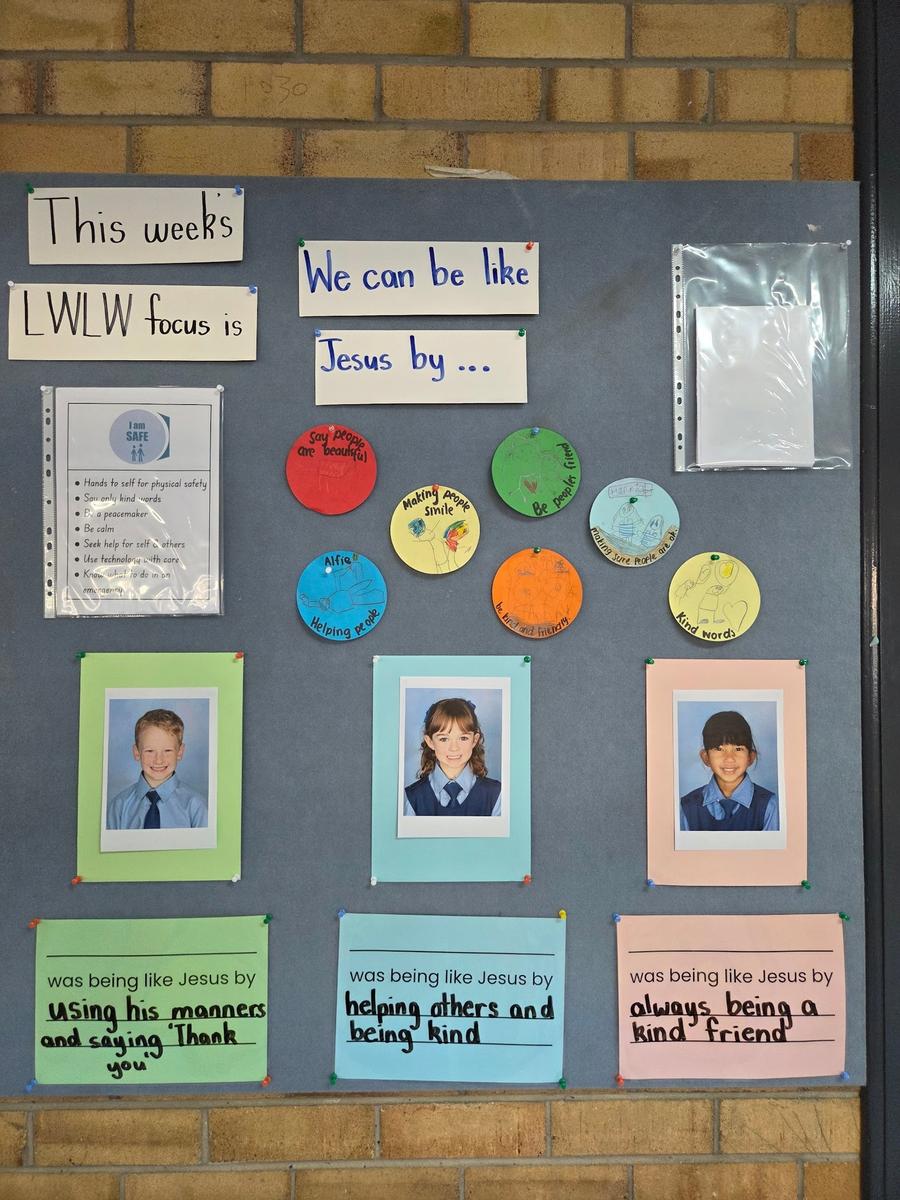
In Kindergarten, we have been awarding students with ‘Be Like Jesus’ awards to highlight their acts of kindness and care for others. In addition to the certificate and “little Jesus” that they take home, we are beginning to also highlight these students in our corridor. Here are last week’s students and how they were being like Jesus.
Maths
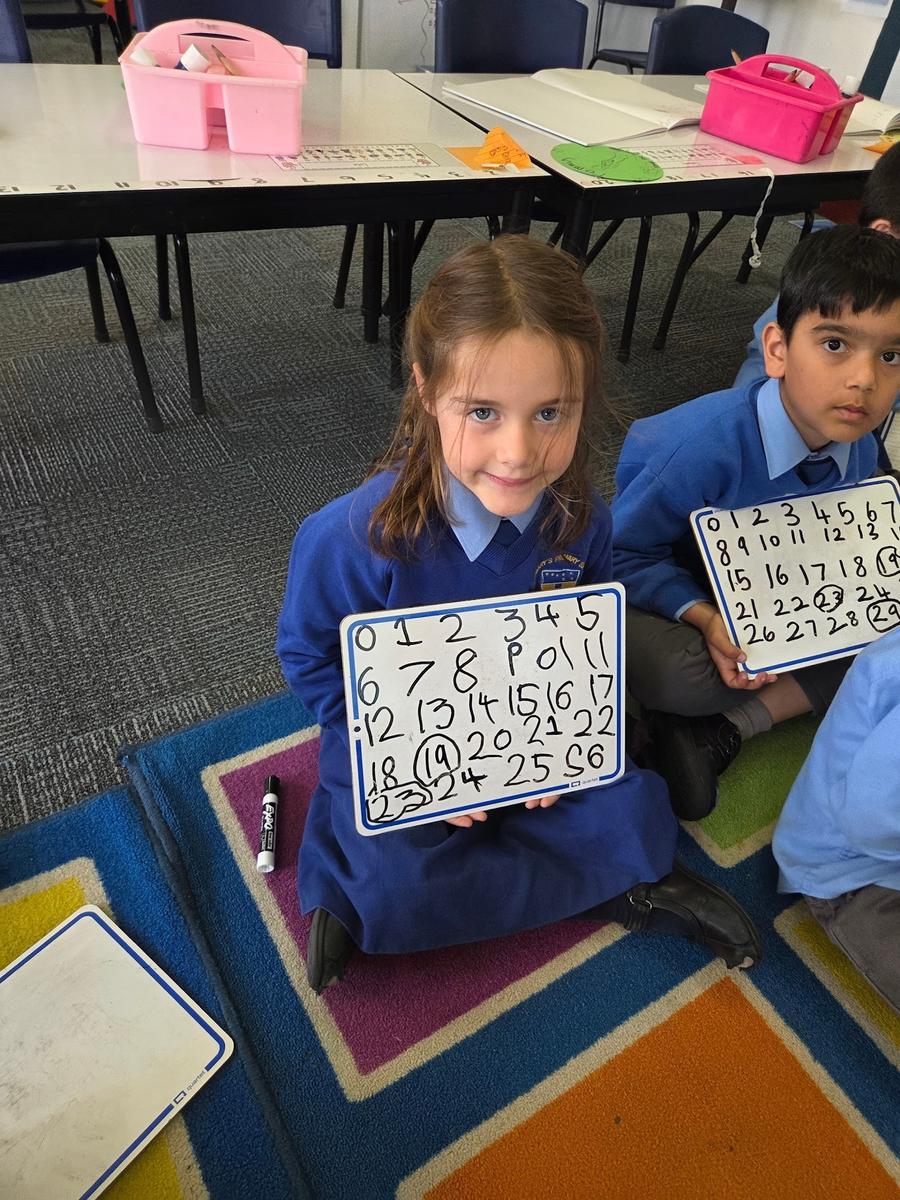
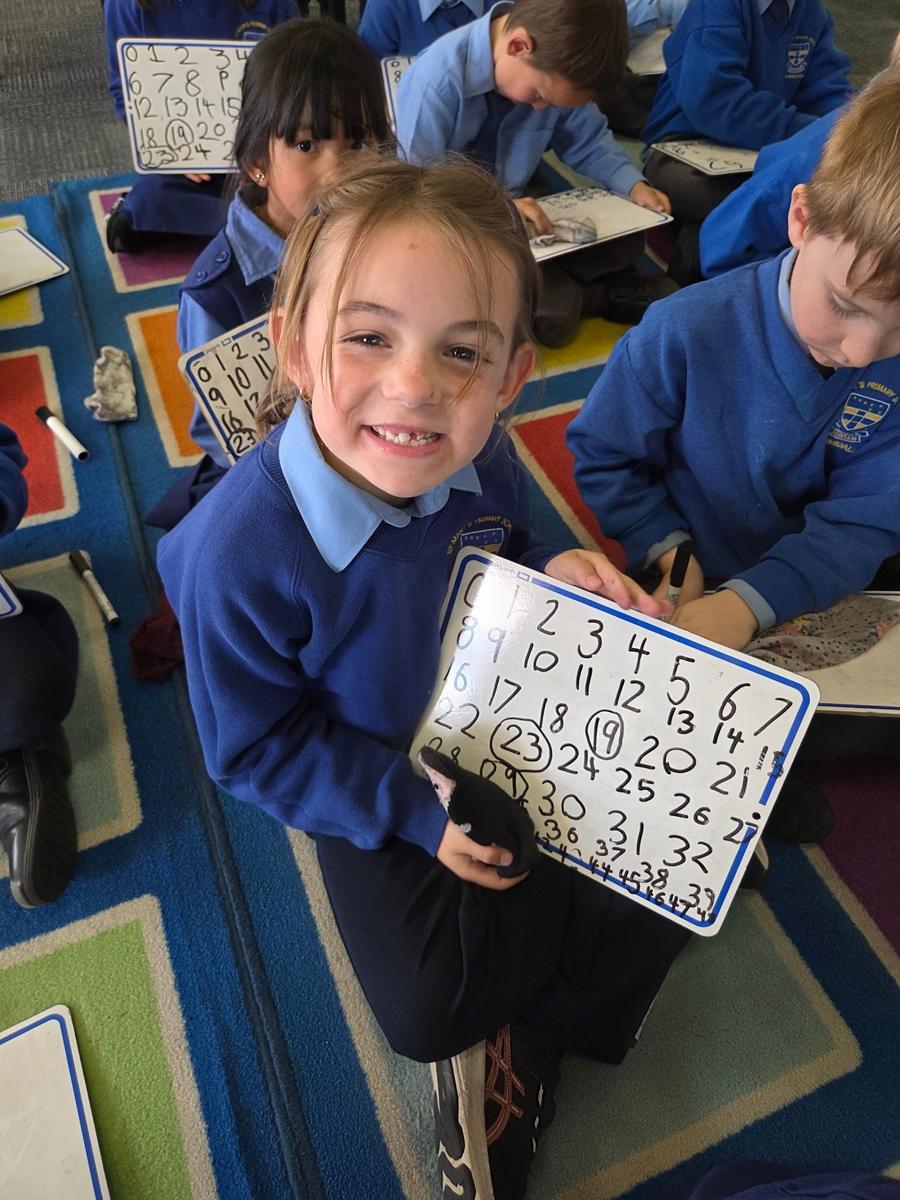
We are learning to write our numbers.
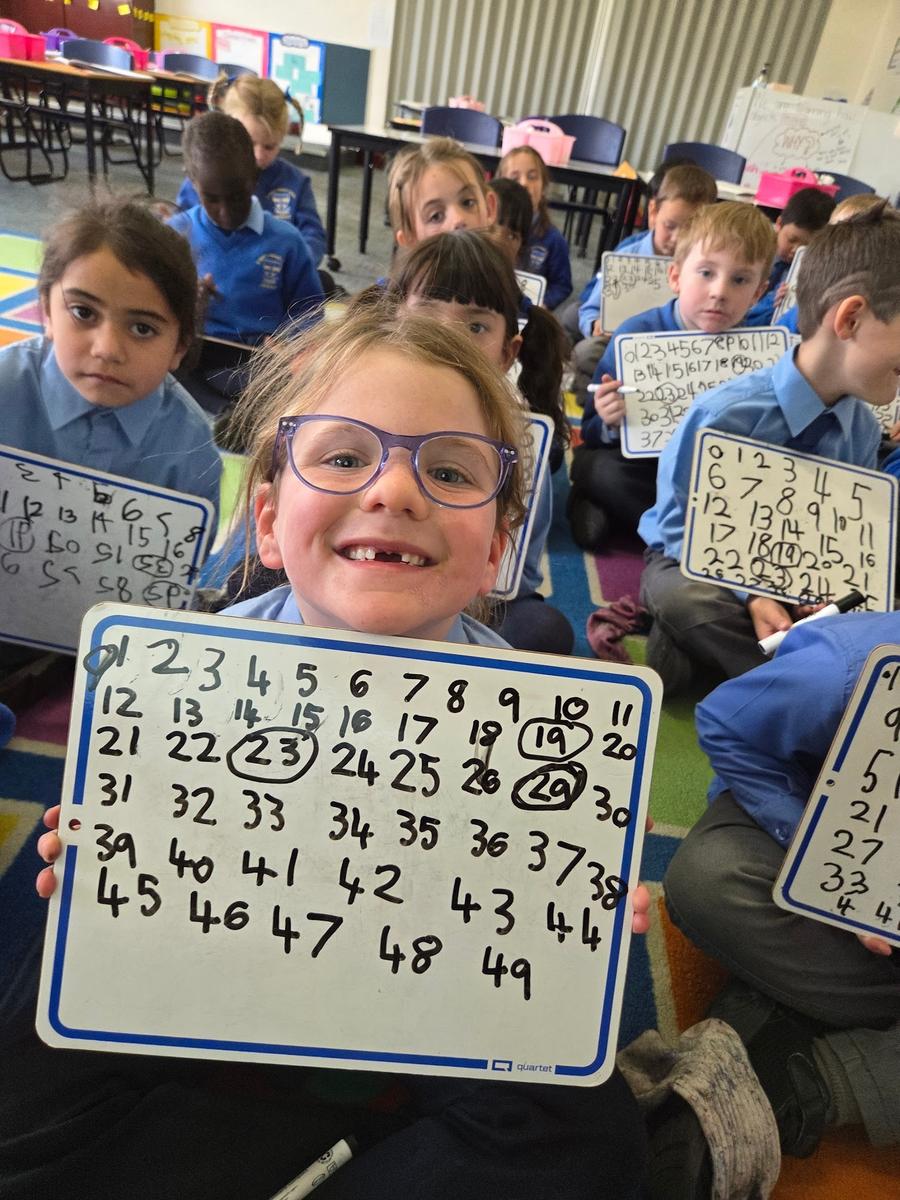
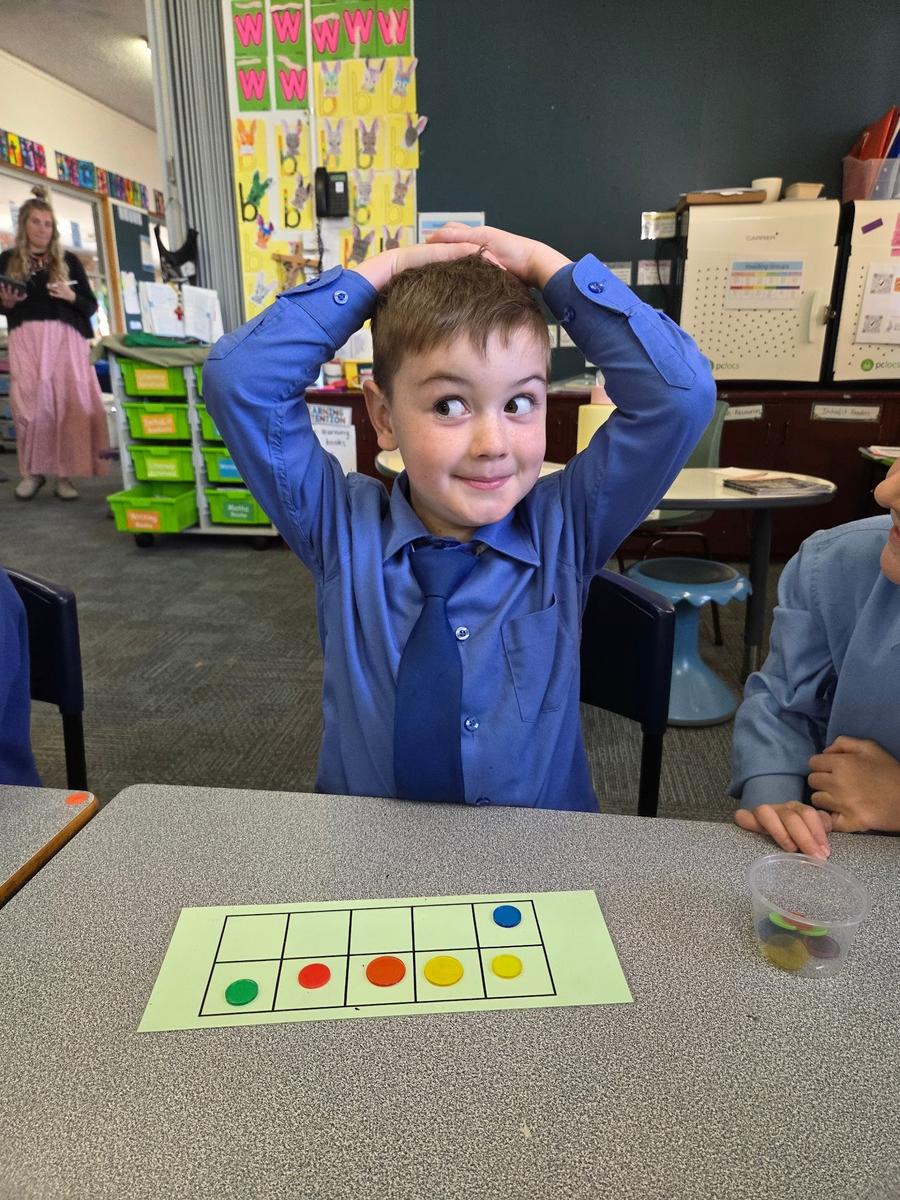
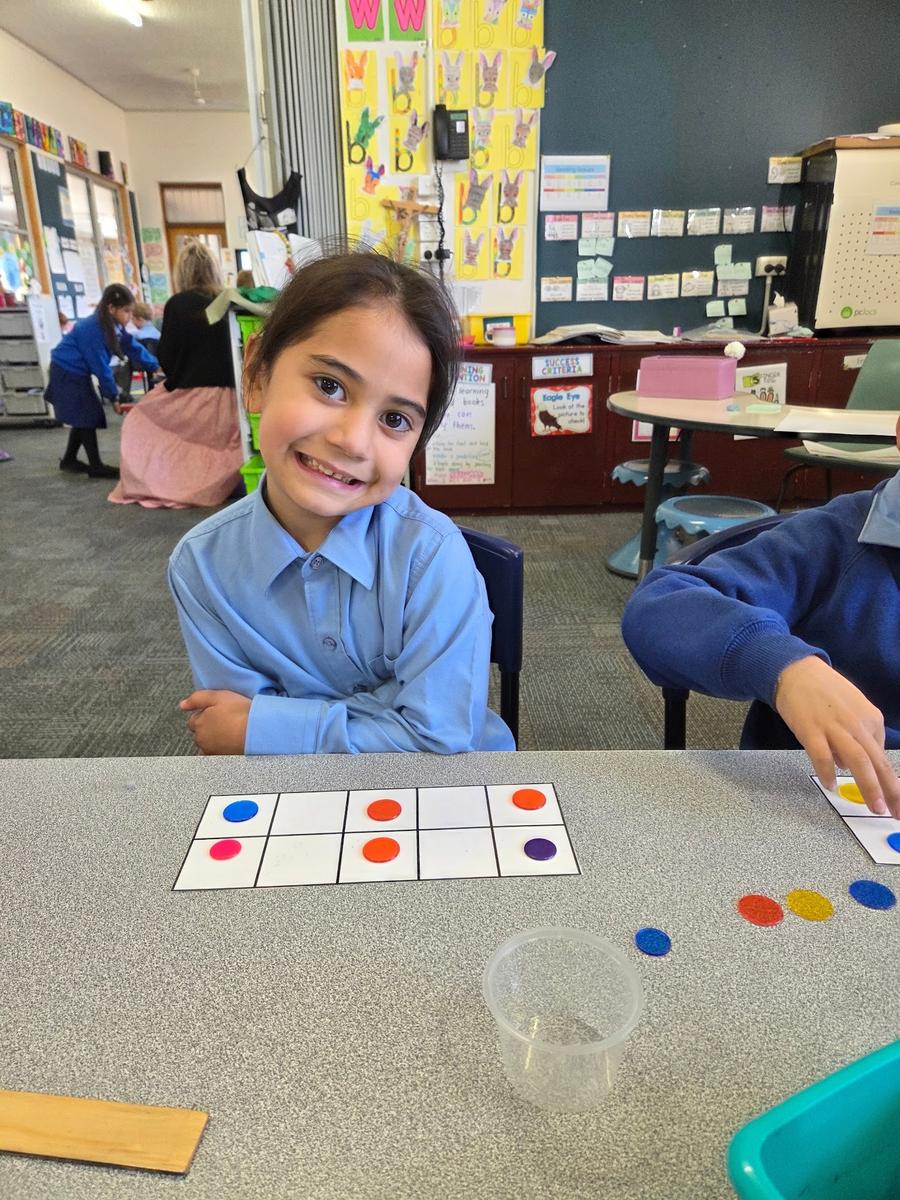
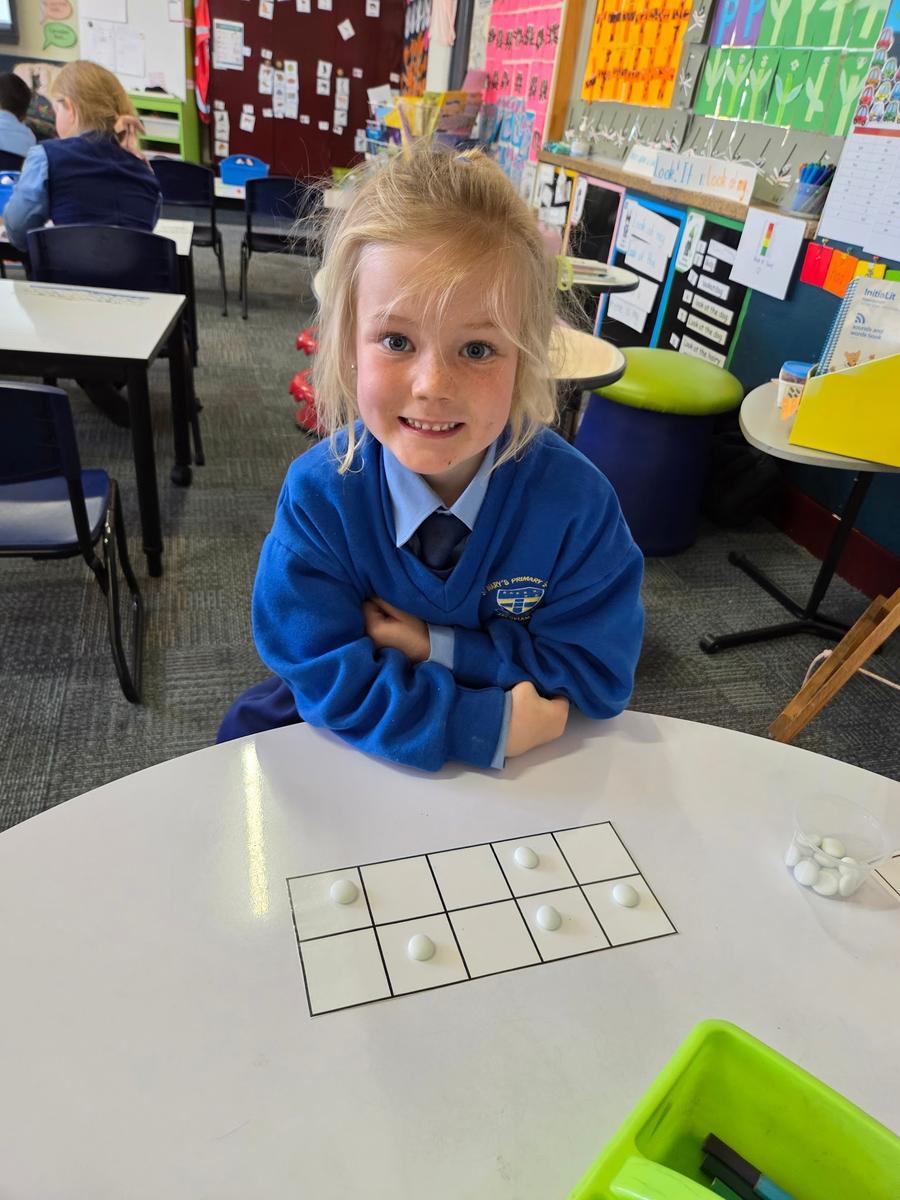
We are learning to recognise a number of objects in different ways.
Science
We are learning how objects move.
We are learning how to use digital technologies so we can take photos and videos.
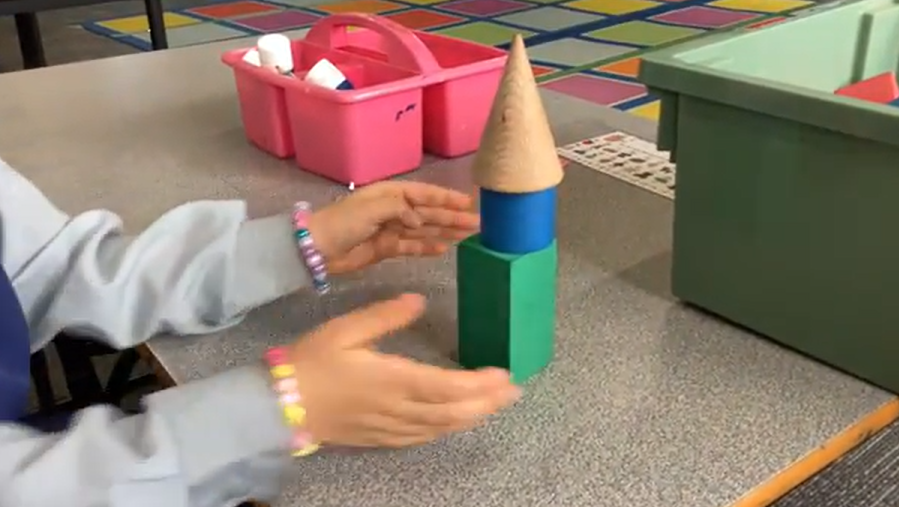
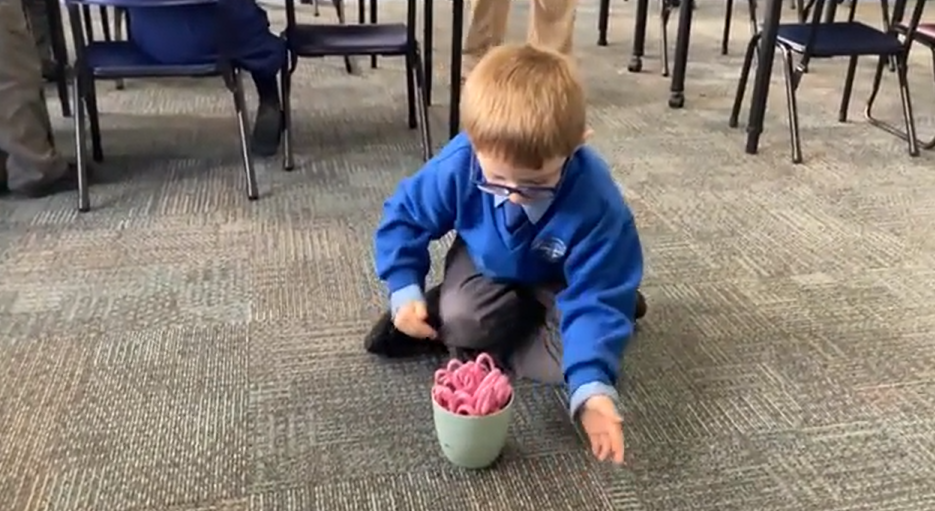
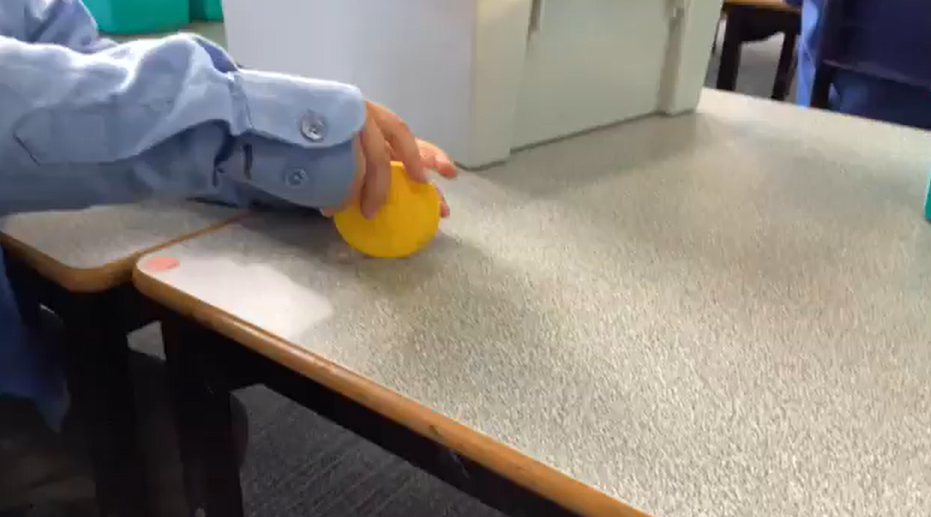
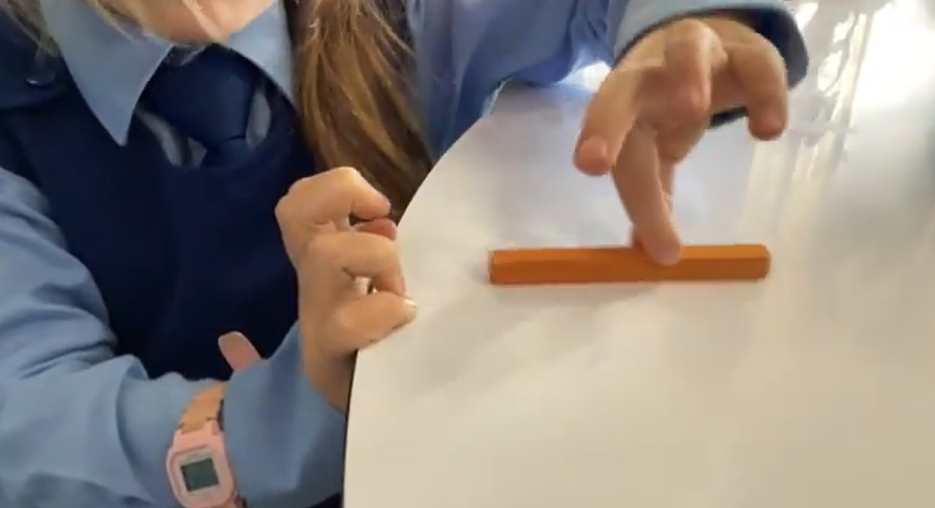
Sport
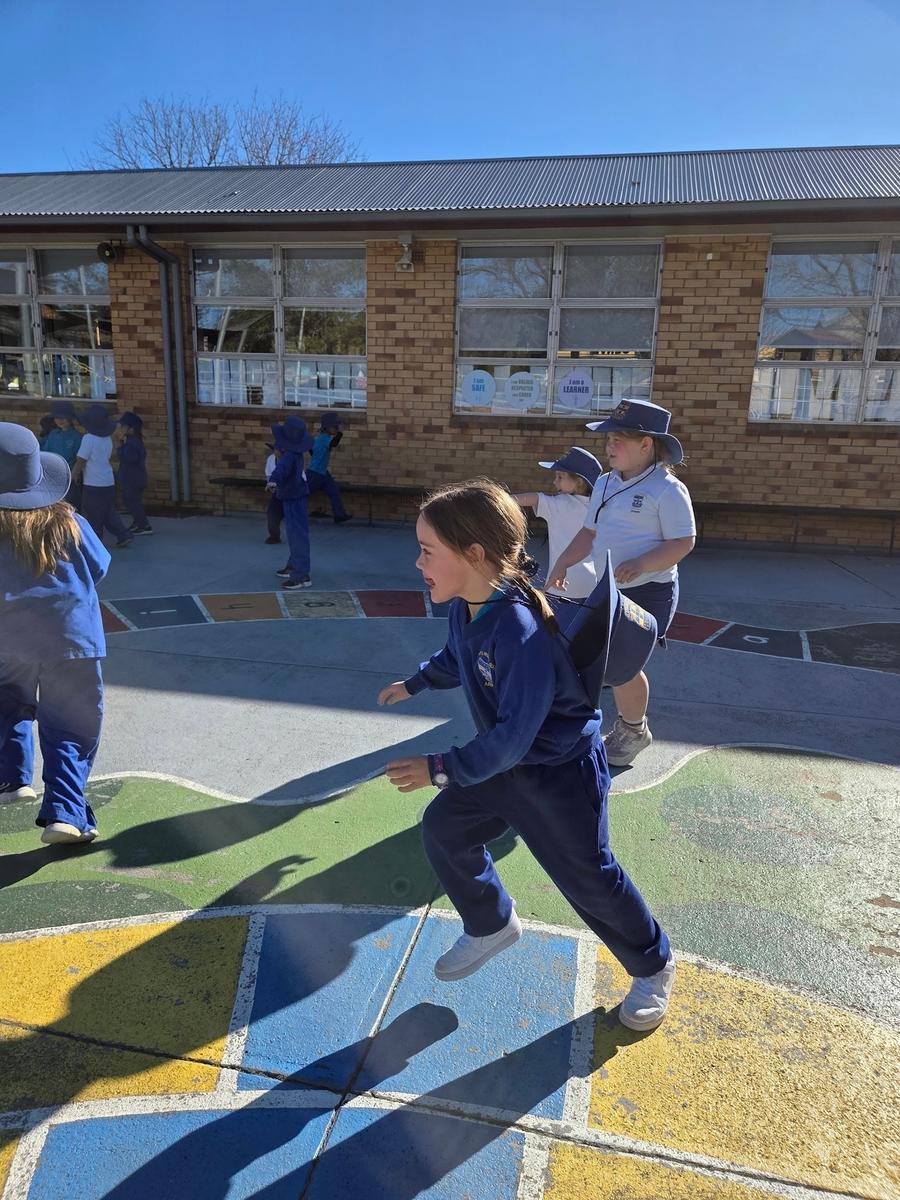
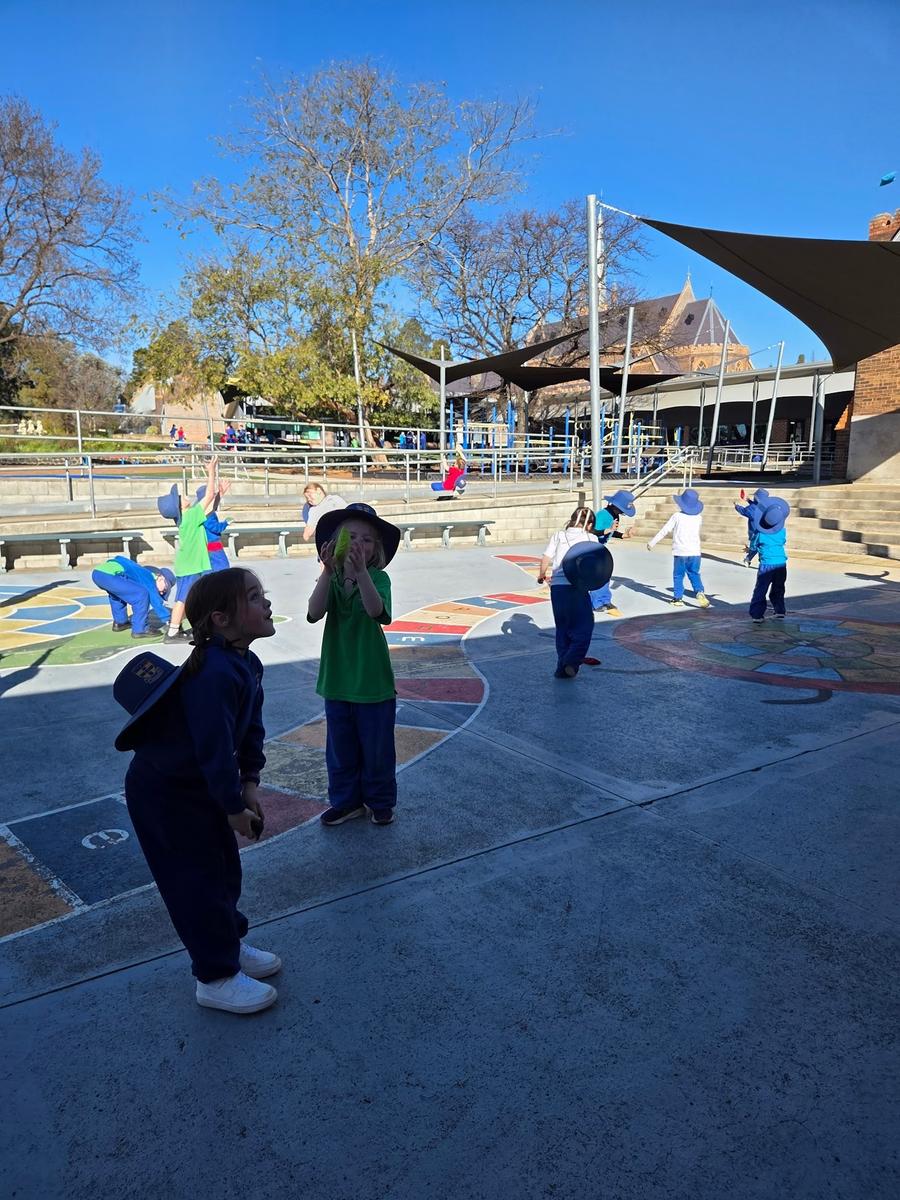
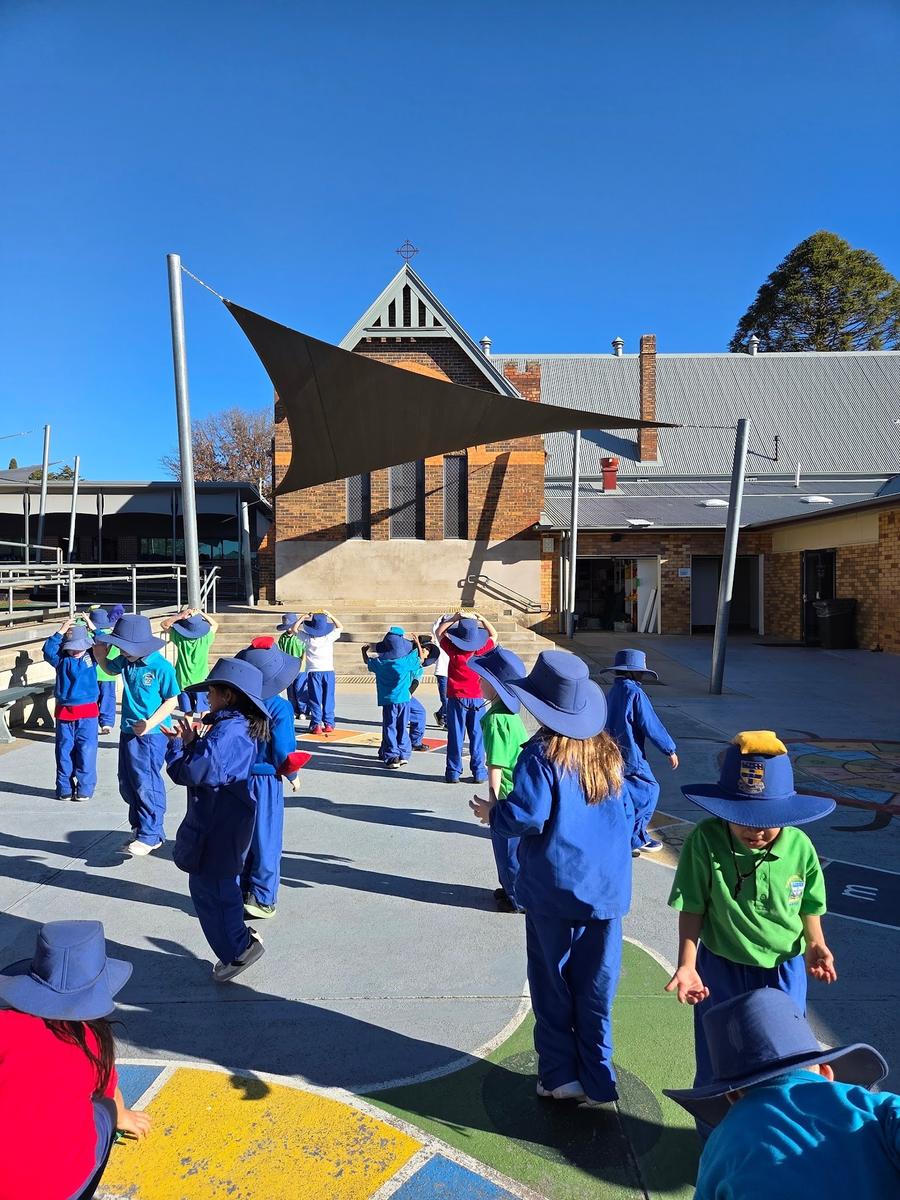
We are learning to throw and catch to ourselves.
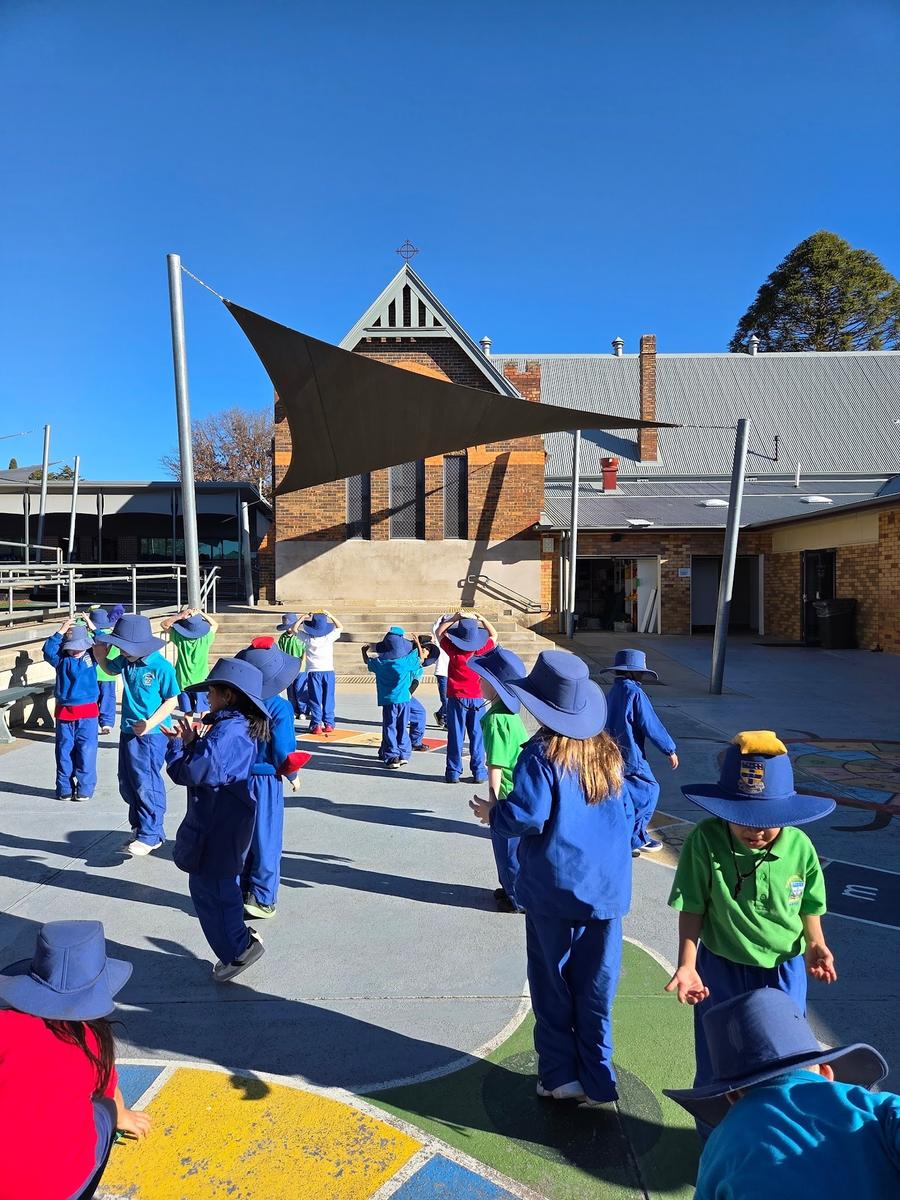
We are learning to balance an object on our heads.
Mathematics
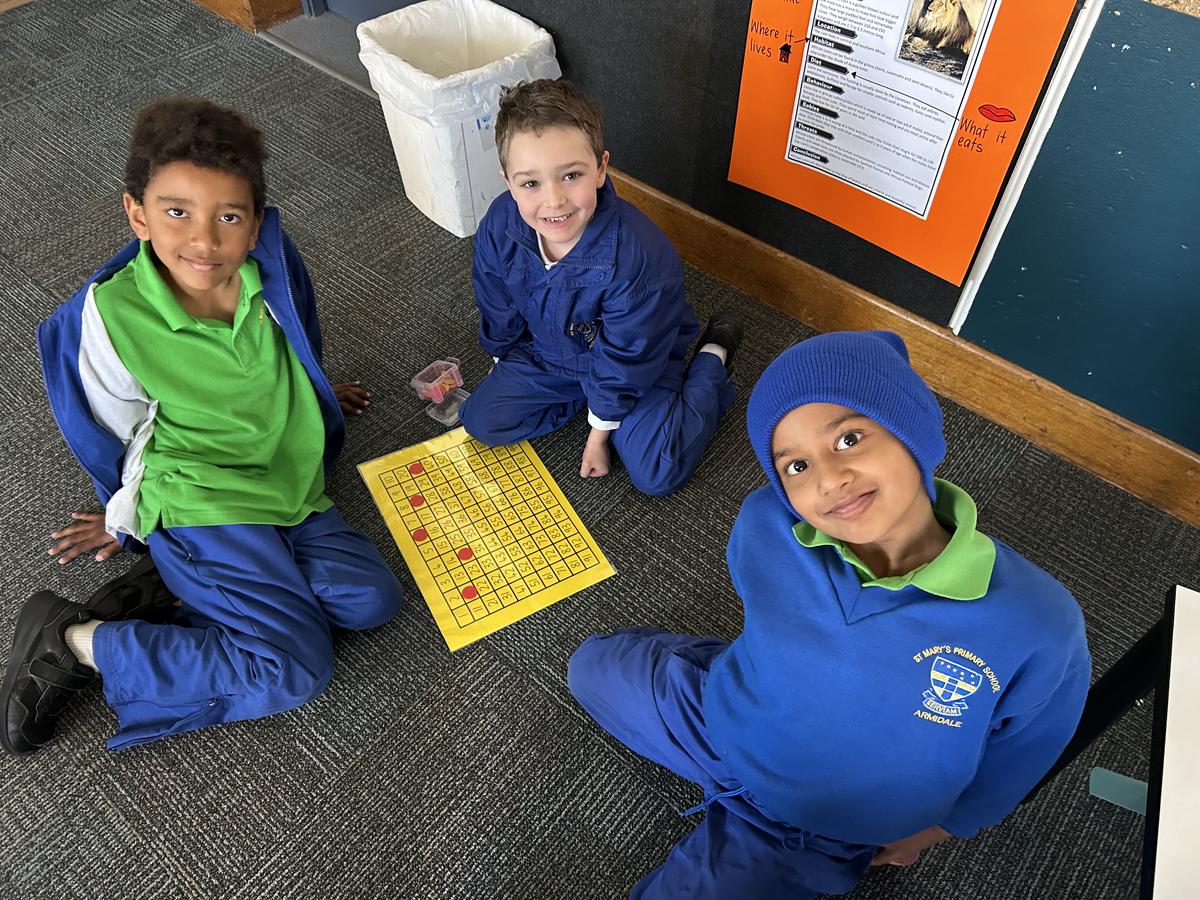
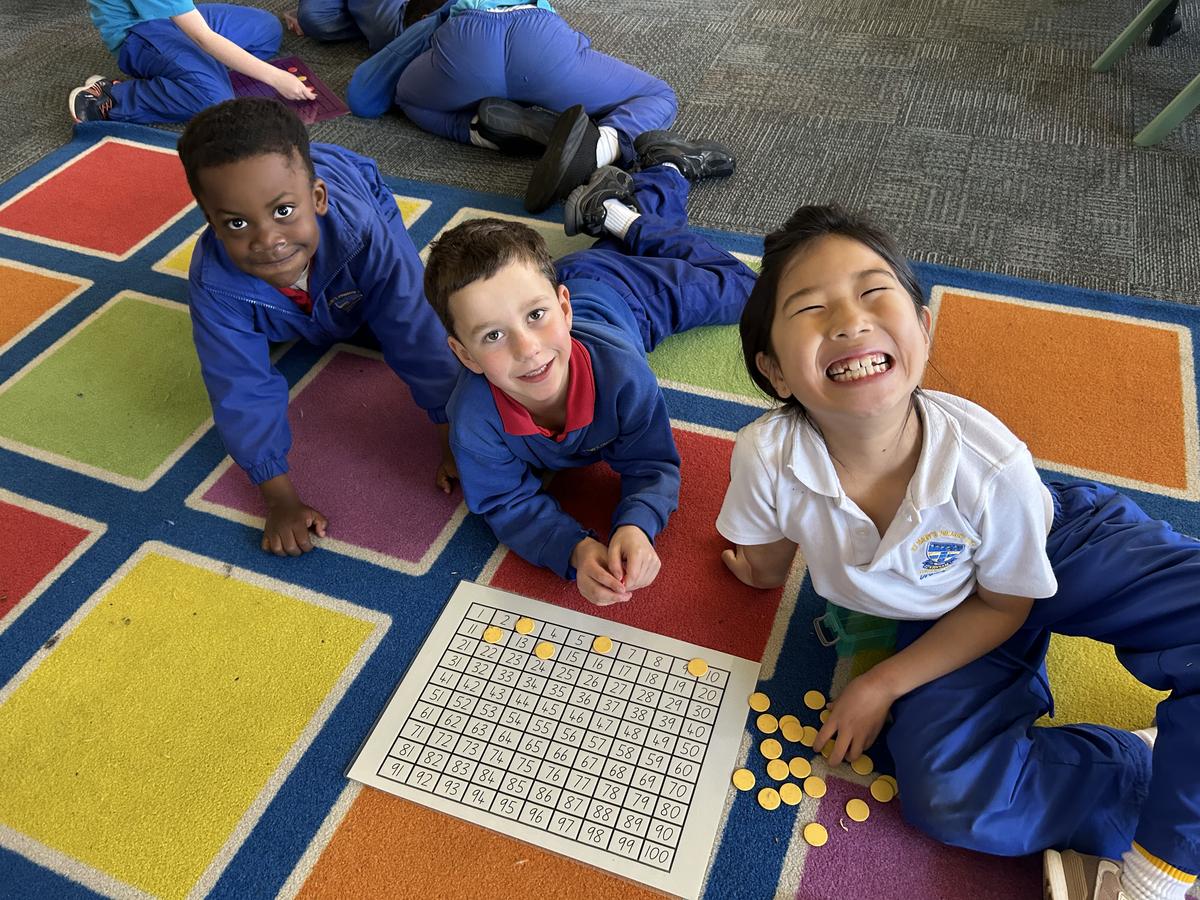
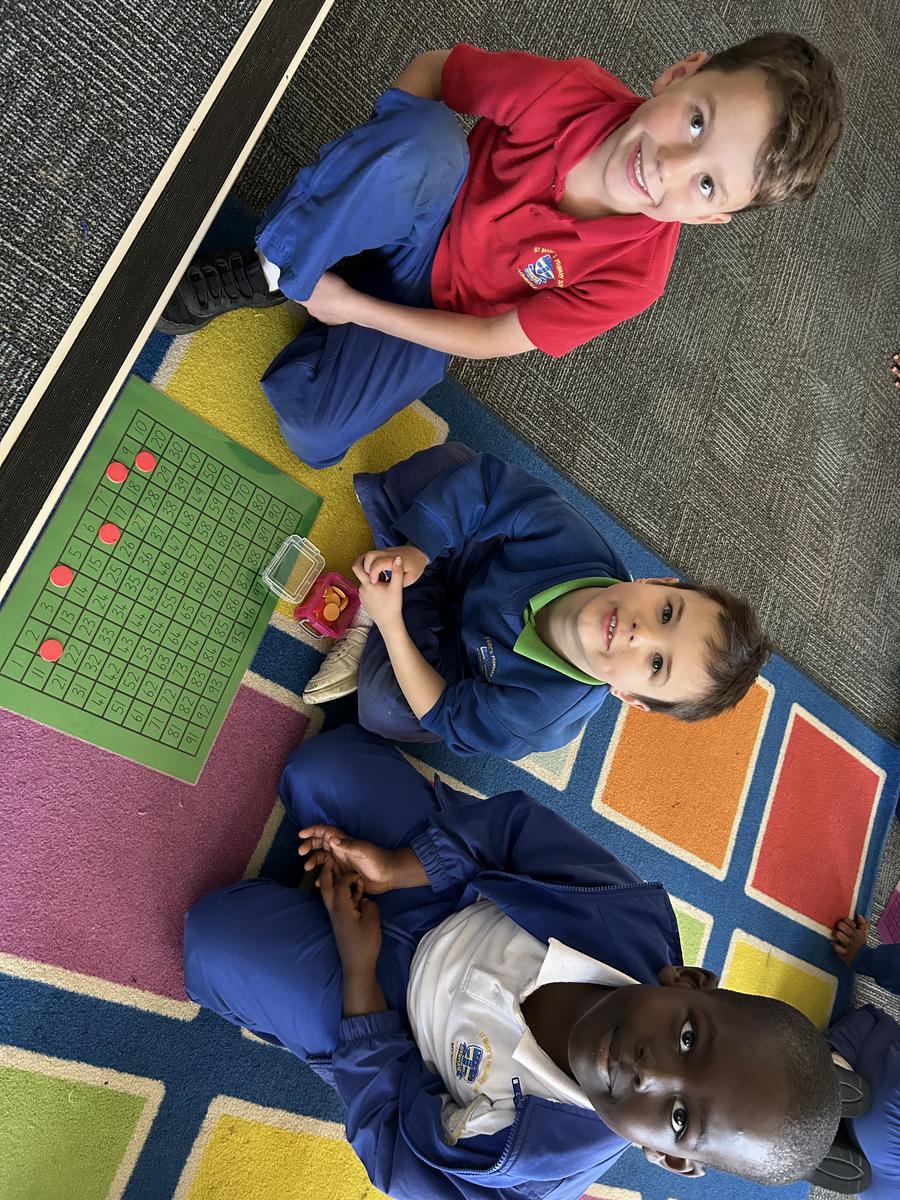
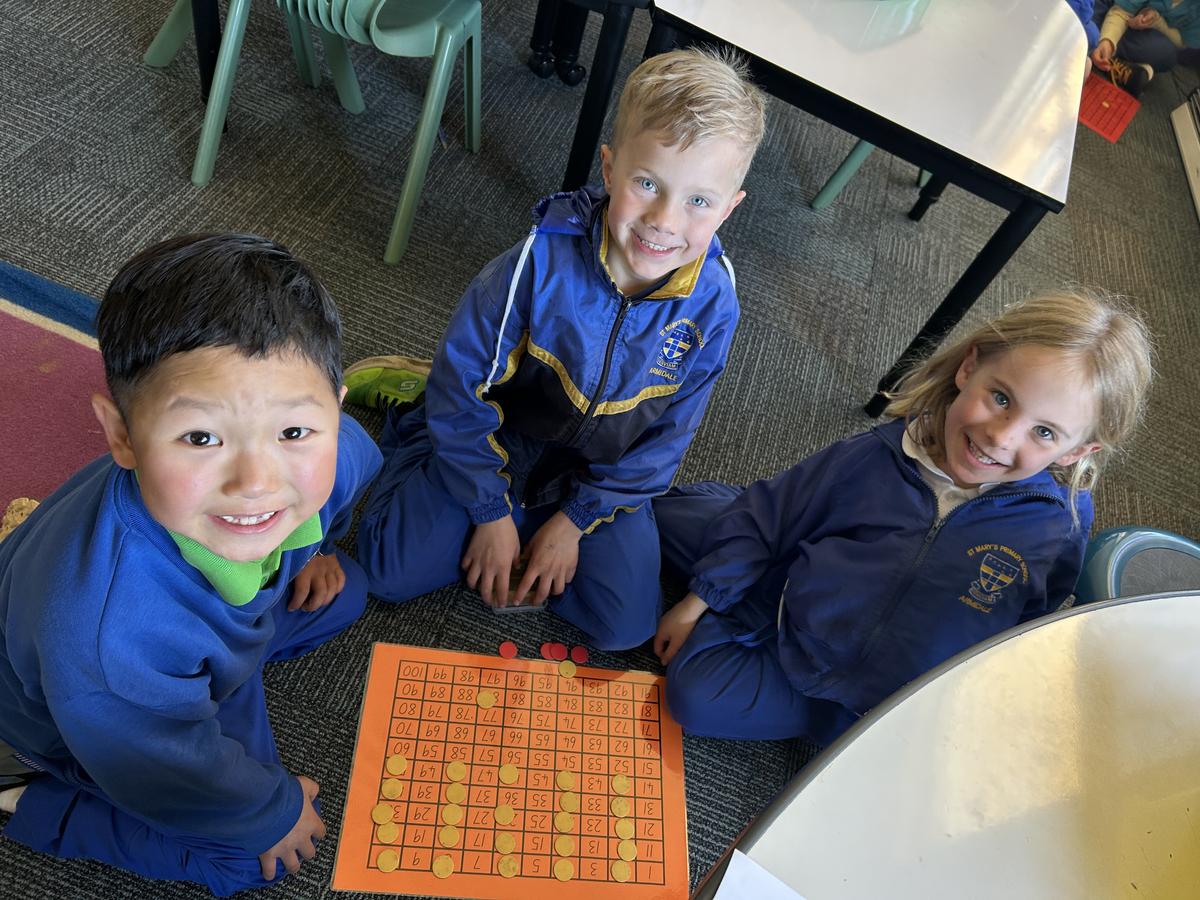
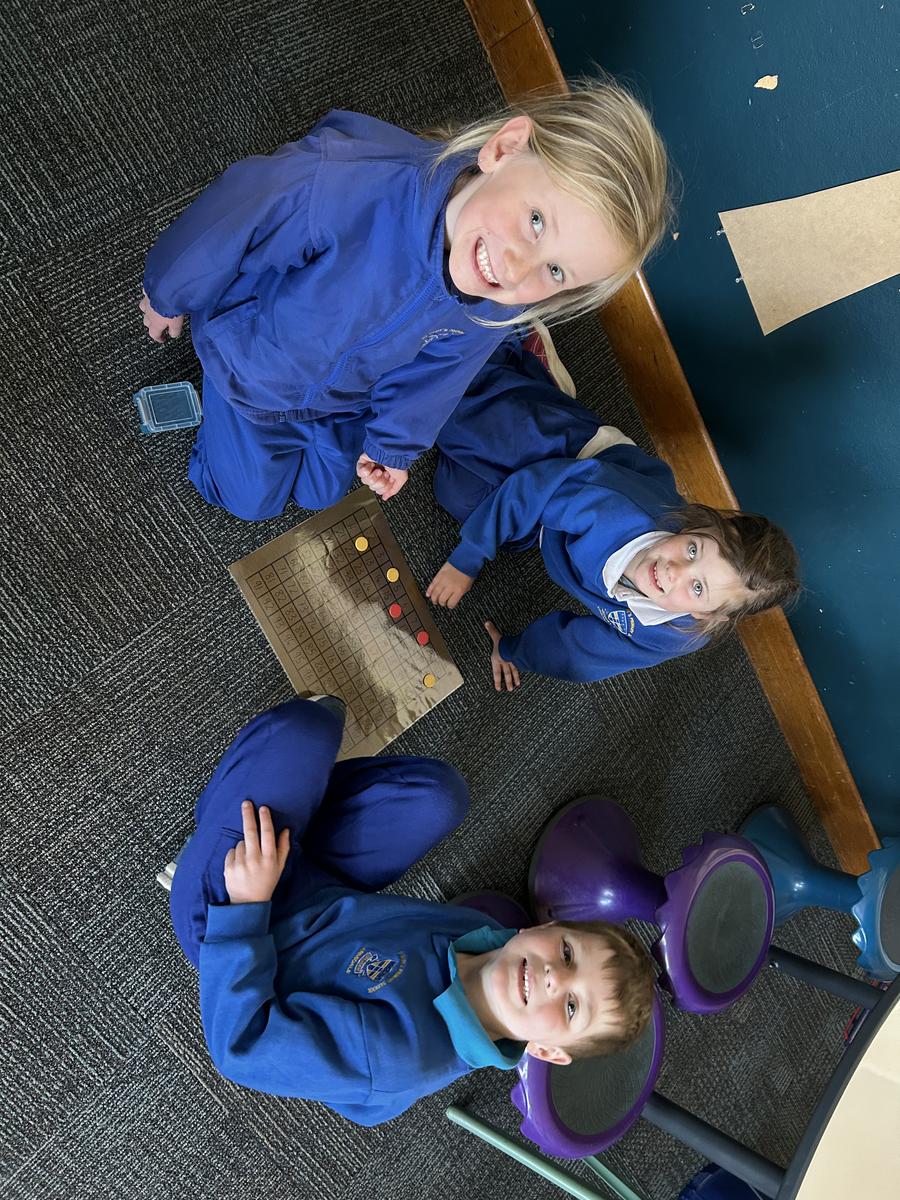
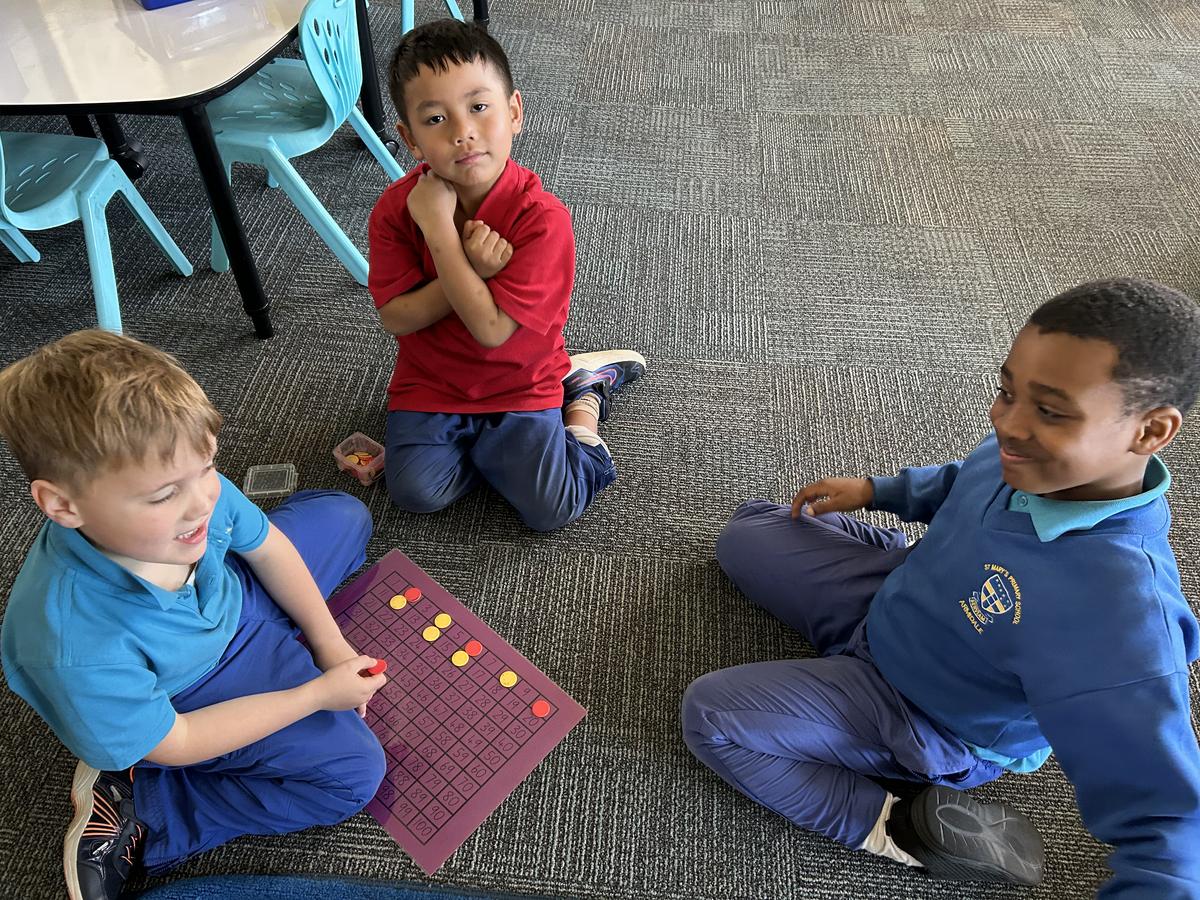
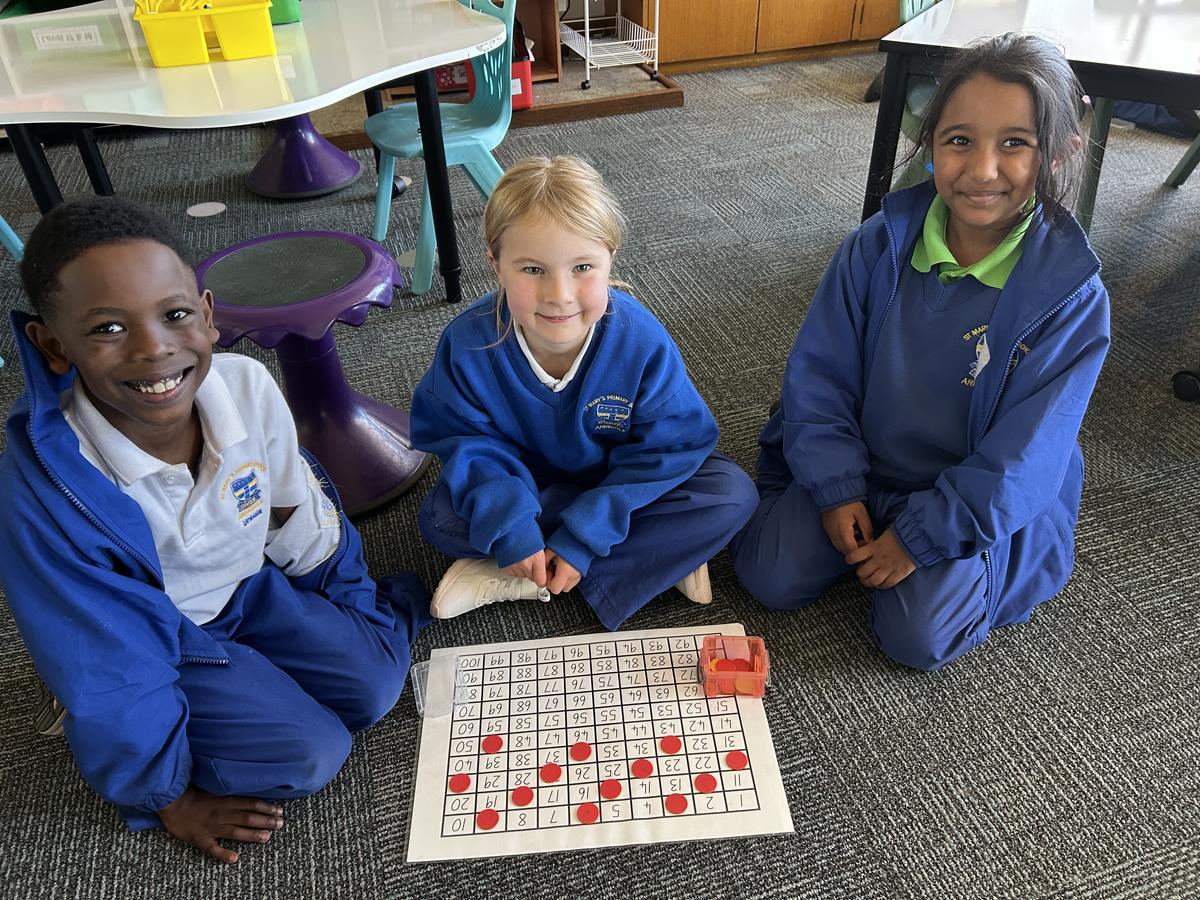
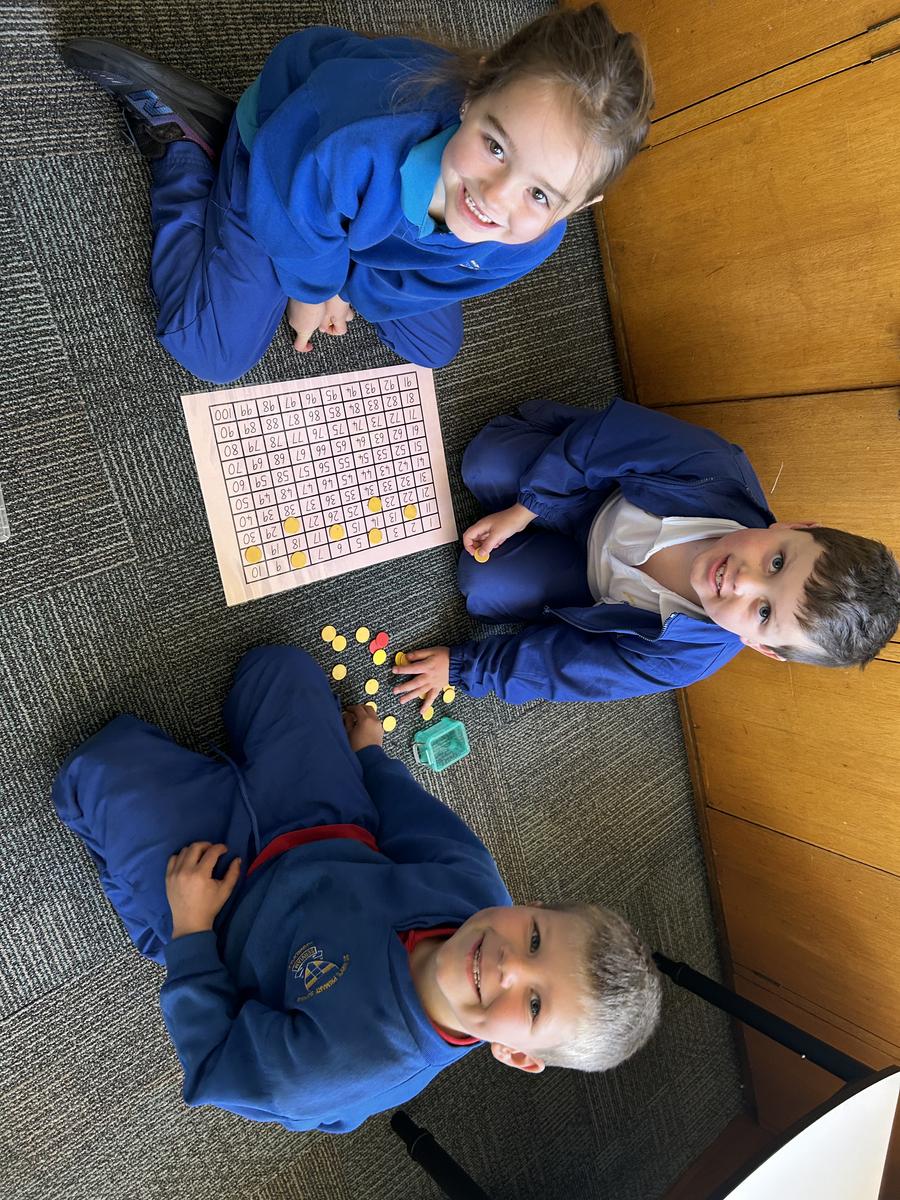
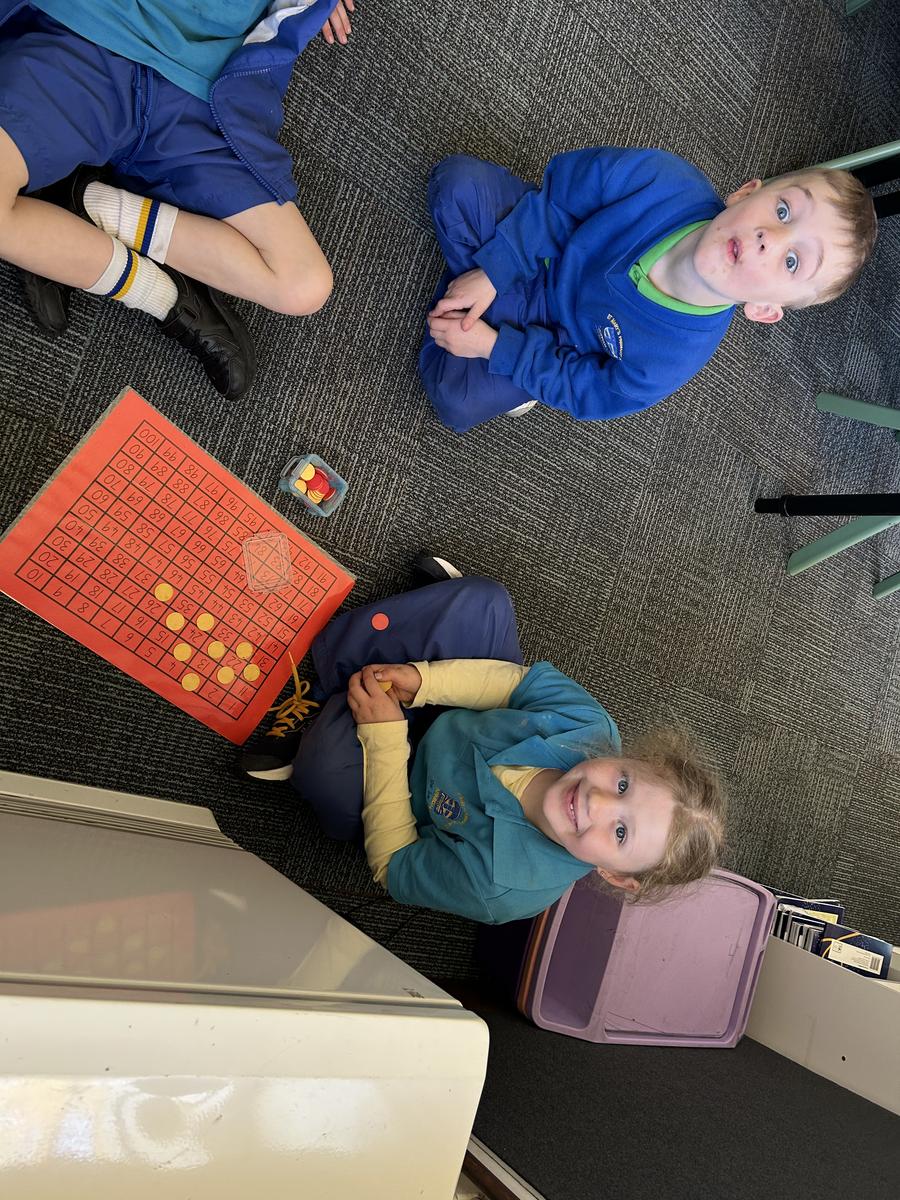
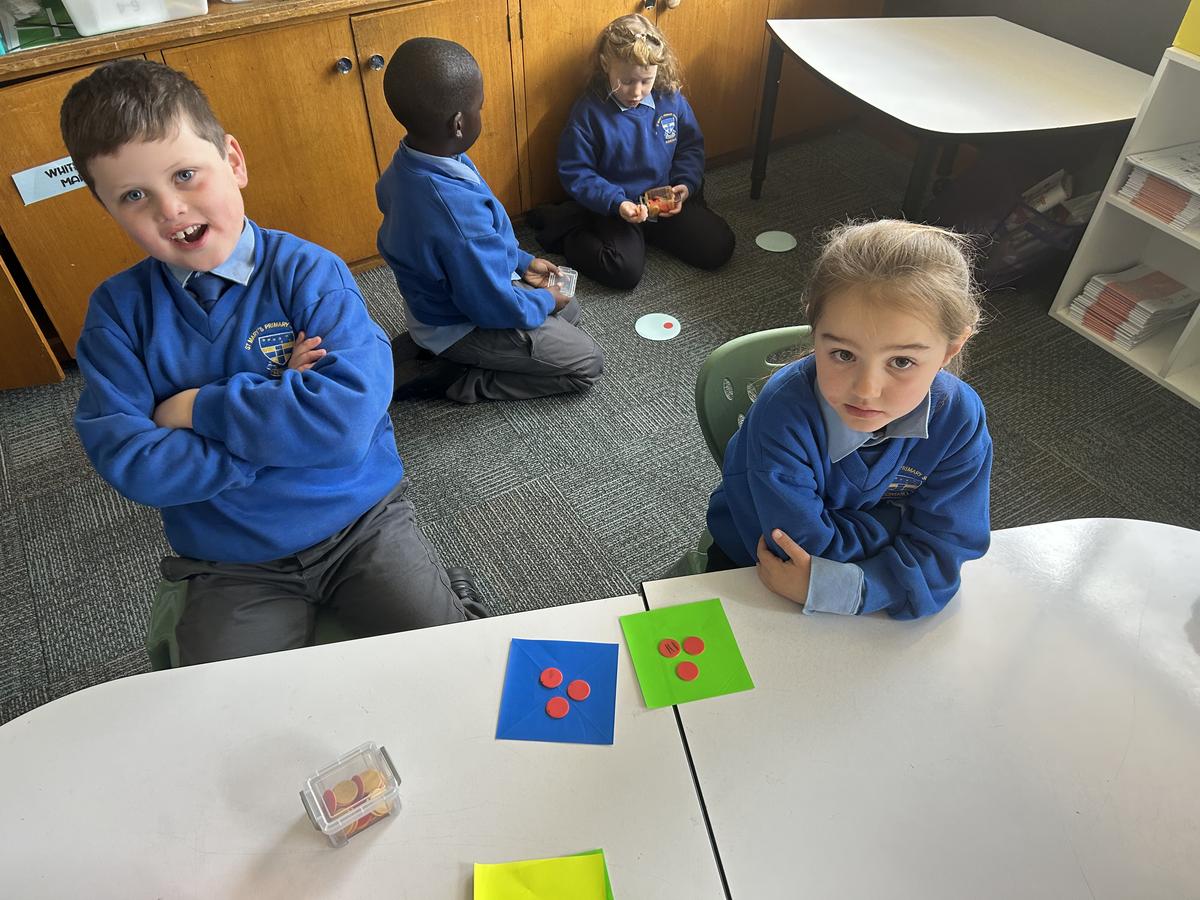
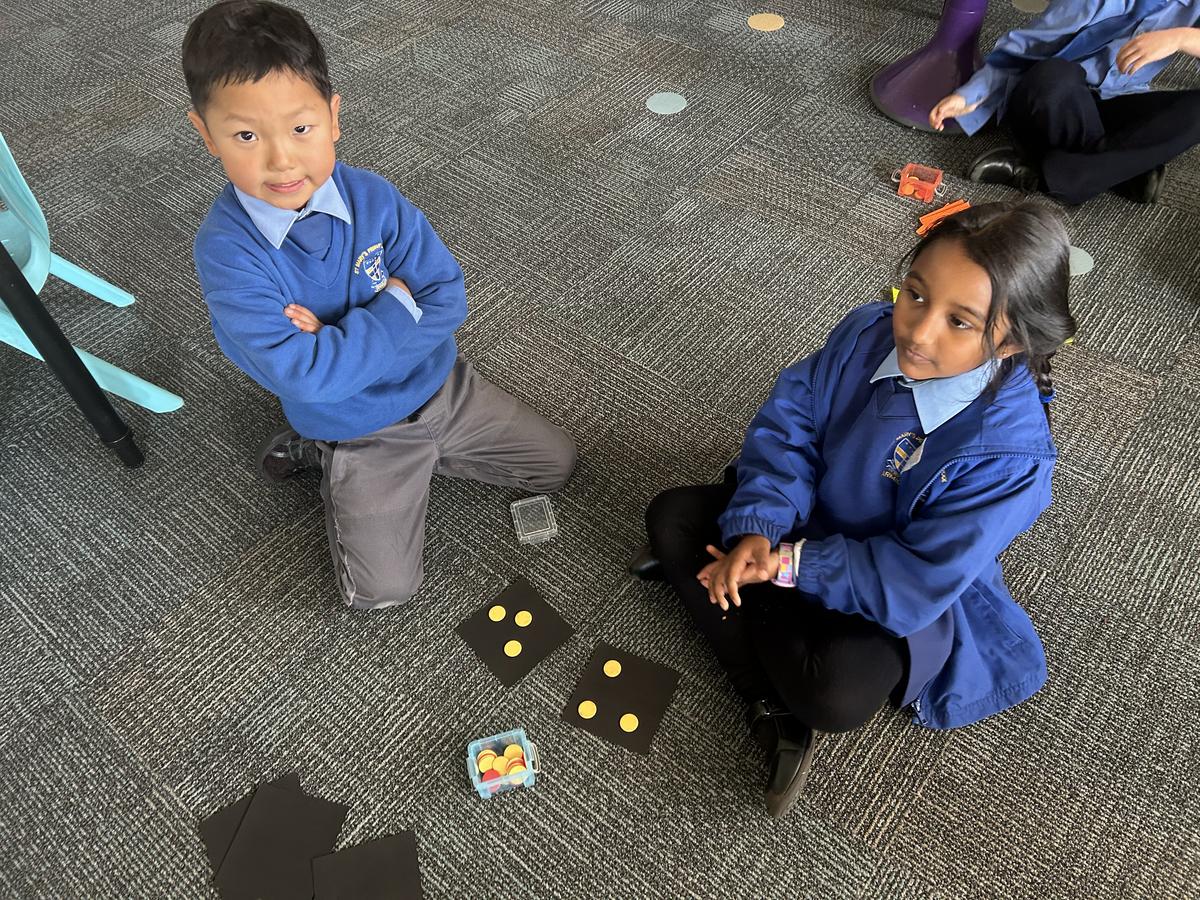
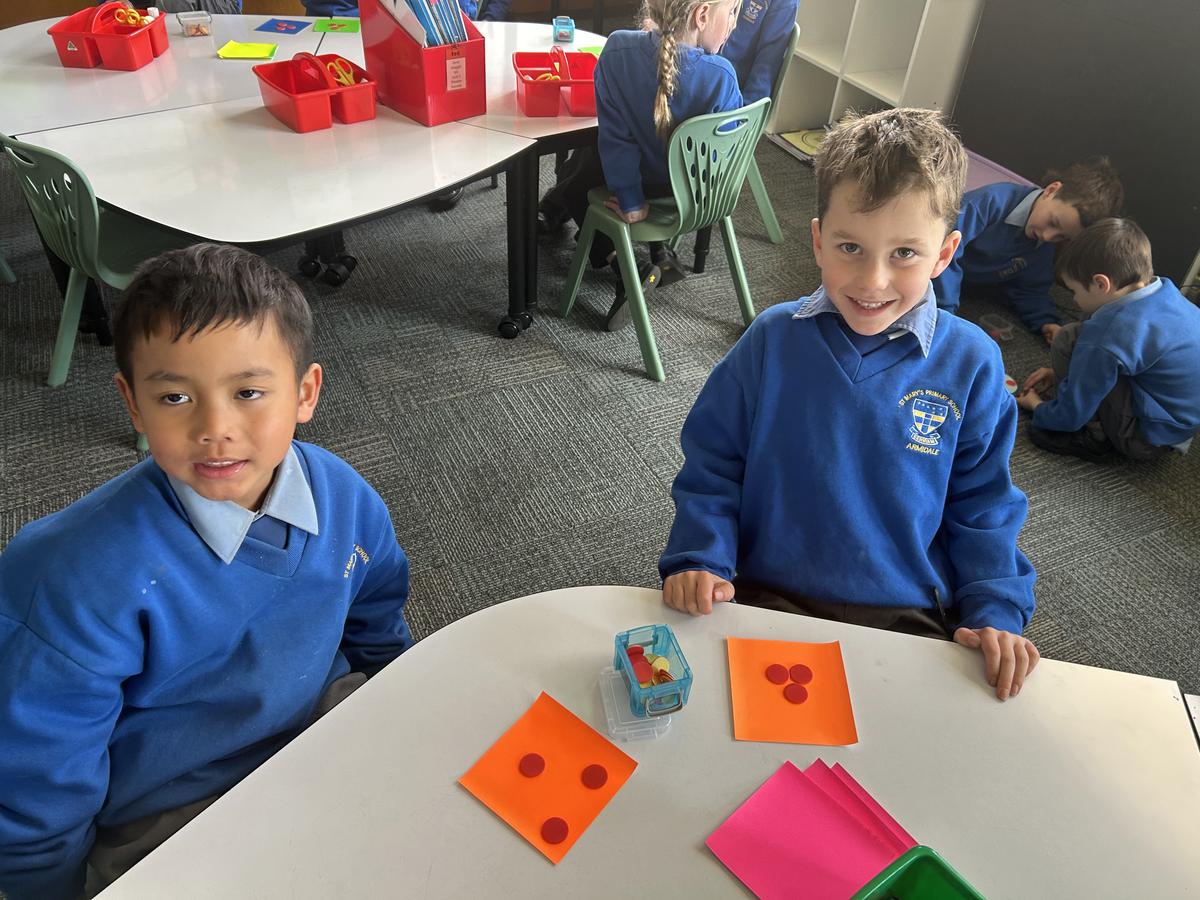
We are learning to:Use equal groups to solve multiplication problems
I can:
Religion
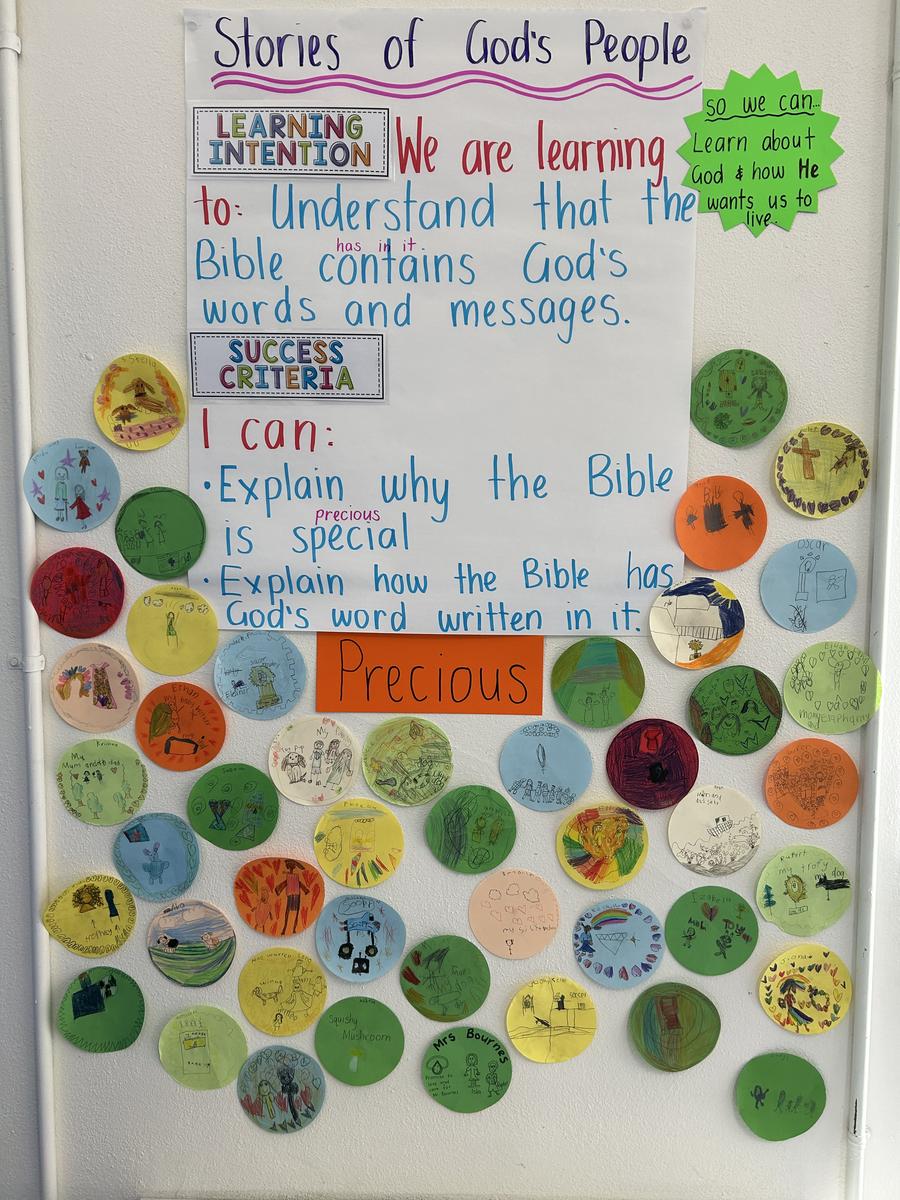
In RE this term, Year 1 is beginning a unit on the Kingdom of God.
We are focusing on why the Bible is a sacred and precious book that holds God’s messages for us. To bring this concept to life, the children reflected on what is precious in their own lives and drew a picture to share. You can see all of their special drawings on our classroom RE wall!
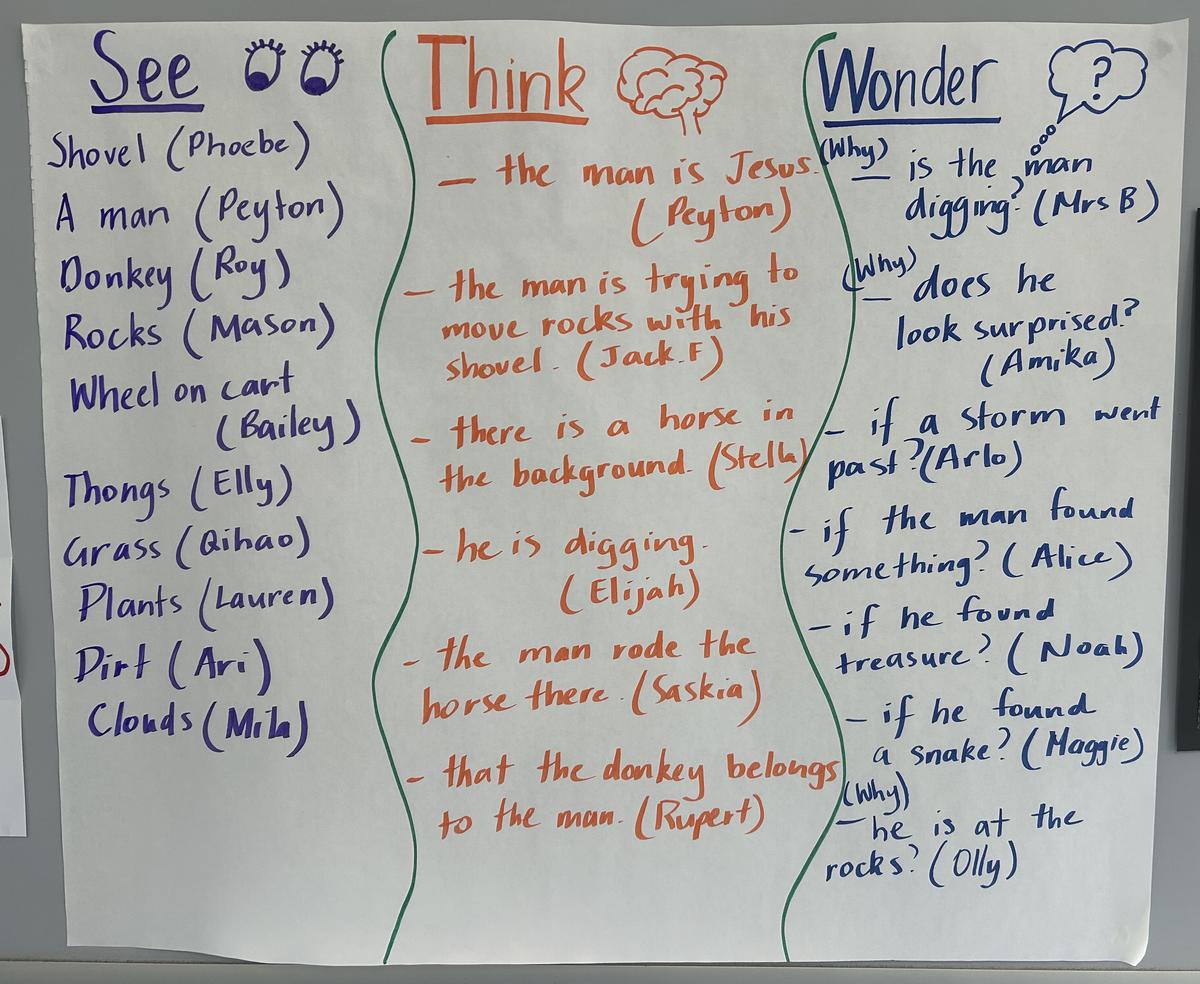
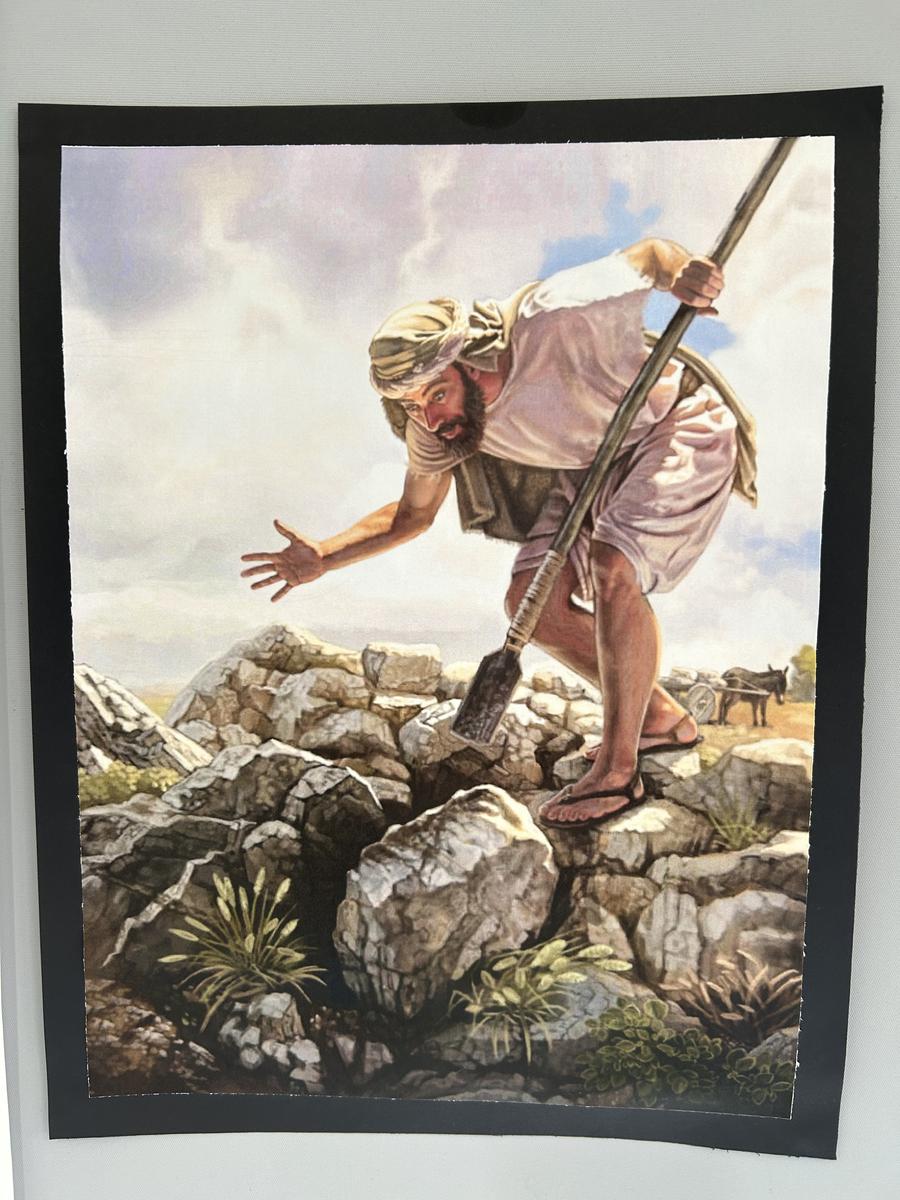
This week we has been exploring the Parable of the Hidden Treasure! To dive into the story, the children closely examined a related picture using a "See, Think, Wonder" routine to share their observations and curiosity. Together, we are now discovering why Jesus told this parable and what special message it holds for us.
Term 3 Overview Year 3 2026
Thursday’s are Library borrowing days during our Library lesson
| Religion | Reconciliation: This unit reflects on the human experience of forgiving others and being forgiven. The parable of the Prodigal Son is presented and explored. It presents God as loving and forgiving. The unit explores the concept of reconciliation and living together in peace. It introduces the Sacrament of Penance, exploring how the Catholic community celebrates reconciliation with God and one another. Eucharist: This unit develops students’ understanding of the celebration of the Eucharist. The unit focuses on the key parts of the Mass and explores the ways Christ is present. It presents the Mass as central to the life of the community. In it we remember and make present the saving act of God in Christ and give thanks and praise. In sharing the Eucharist we become one body in Christ. |
| English | This unit will assist in developing students' understanding of perspective, point of view and character in texts. It draws on a range of quality texts, including picture books and multimodal texts. It addresses the way imagery, connotation and symbol work to connect an audience to a text. This is also supported by looking at thematic elements in texts that tell us about the human experience. Throughout the unit, students unpack perspectives across a variety of types of text. Students will investigate how their understanding of the world is shaped by their personal experience and their own culture. Students will look at how narrative may be looked at and interpreted in different ways. The unit texts will develop an understanding of how narrative form can be looked at as stories that present a view of the world and may be either fictional or a personal narrative text reflecting true lived experiences. Through interacting with a range of quality texts, student Oral language and communication, vocabulary building, phonic knowledge, reading comprehension and creating written texts through understanding and responding to literature, will comprise the content focus of the unit. Students will continue to learn about how to understand and use language effectively throughout the unit. |
| Maths | In Multiplicative Relations A (Division & Inverse), students explore the structural relationship between multiplication and division up to 10 x 10 , using arrays to recall facts for the 2, 4, 5, and 10 times tables, identifying missing values, and applying the inverse relationship to solve problems. This is followed by Three-Dimensional Spatial Structure A (3D Objects), where students build spatial awareness by comparing, constructing, and sketching models of prisms, pyramids, and cylinders, as well as deconstructing everyday packaging to investigate geometric nets. Students then dive into Partitioned Fractions to represent and compare halves, quarters, thirds, fifths, and their related fractions on a number line, using fraction strips and diagrams to understand denominators, find complementary parts, and reverse engineer a whole from its fractional pieces. Measurement concepts are introduced during Non-Spatial Measure (Mass), where students recognize the need for formal units, estimate and measure using kilograms (kg) and grams (g), and calibrate their estimation skills by comparing everyday items to a physical 1kg reference mass. Finally, the term concludes with Data A, a unit where students pose investigative questions, collect discrete data, and organize it into tables, dot plots, and scaled column graphs, ultimately interpreting and comparing different displays to understand how data drives real-world decision-making. Weeks 1-3 Multiplicative relations (division & inverse): Week 4 Three-dimensional spatial structure - 3D Objects: Week 5-7 Partitioned fractions Week 8 Non-spatial measure - Mass: Week 9-10 Data |
| Geography | Australia’s Neighbours: Students investigate Australia’s neighbouring countries and their diverse characteristics. They locate Australia’s neighbouring countries on a map and examine the human and natural features of these countries. Students compare the features of these countries with their own country. Perception and Protection of Places: Students investigate the interconnections between people and places through an inquiry of a local place. They pose geographical questions and collect information to answer their questions. They represent data in simple tables and graphs and draw and label a map using cartographic conventions. Students interpret data, draw conclusions and present their findings. |
| Science | The Sun, Earth and Moon: In this unit, students will enquire into the Earth’s relationship with the Sun, and how the Sun, Earth and Moon interact. They will learn that the rotation of the Earth on its axis causes regular changes, including night and day, and the pattern of the seasons. |
| PDH/PE | Students will develop an understanding of the physical and social benefits of regular participation in physical activity. They will analyse their own levels of participation and suggest ways they can overcome any potential barriers to their opportunities at home, school and in their local community. Students will design and participate in games that involve cooperation and communication in order to achieve goals. |
| CAPA | The unit provides opportunities for students' interests, knowledge and understanding can be extended through the use of dramatic forms and the development of characters and emotions through Reader’s Theatre. In Dance students will investigate the expression of emotion through dance and music and look at Indigenous, folk and traditional dances of the world Students perform dances demonstrating a range of performance qualities and increasingly complex movement skills. They explore the elements of dance in their own works and how these can be selected and combined to convey meaning. Students discuss the meaning and purpose of dance works and the roles of the creator and performer. |
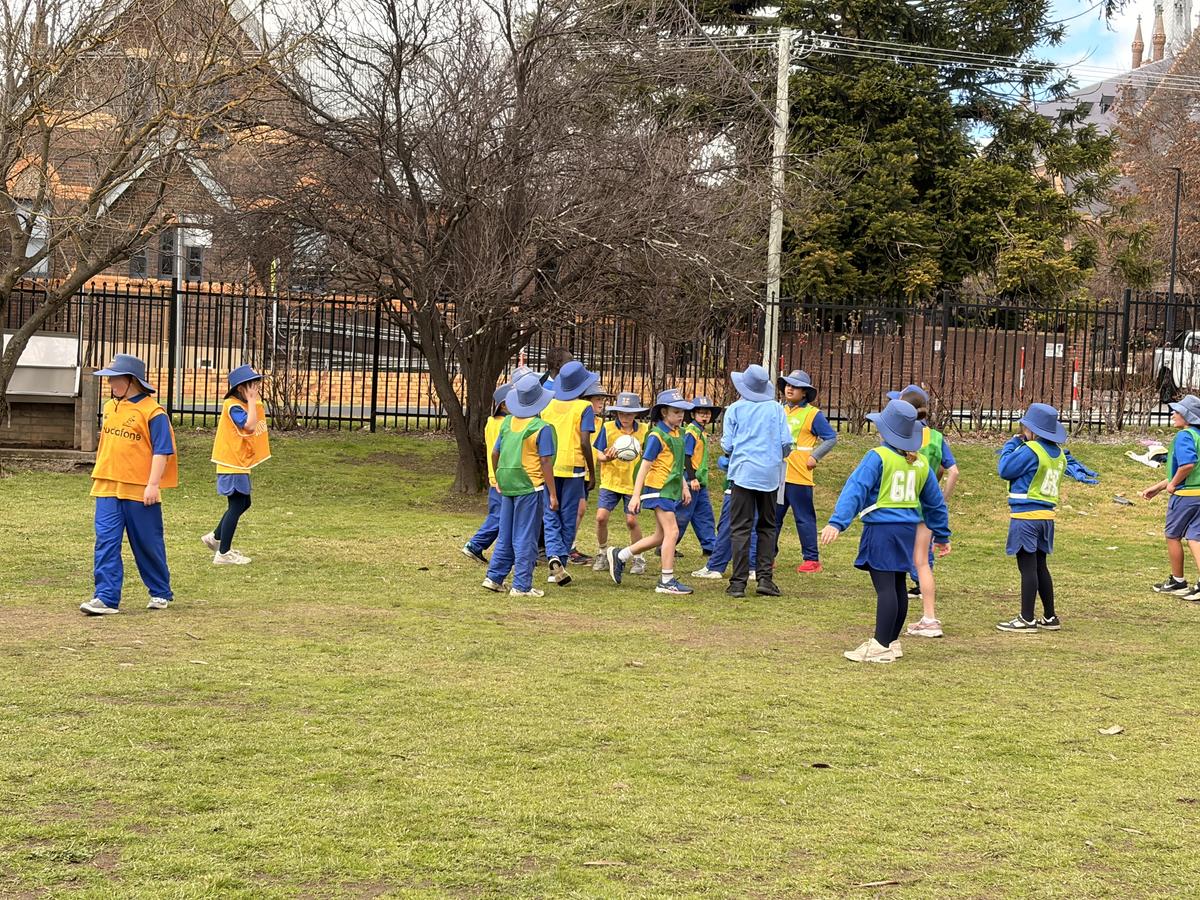
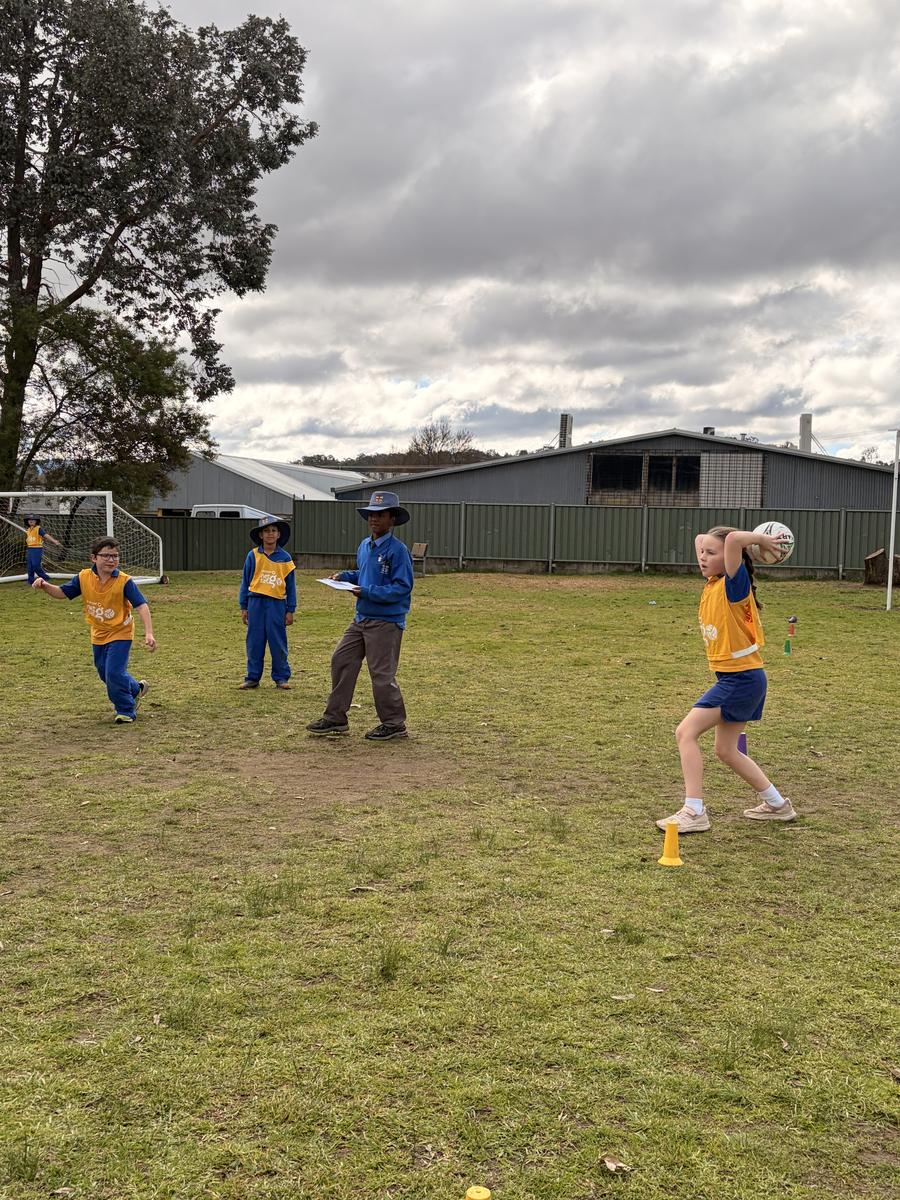
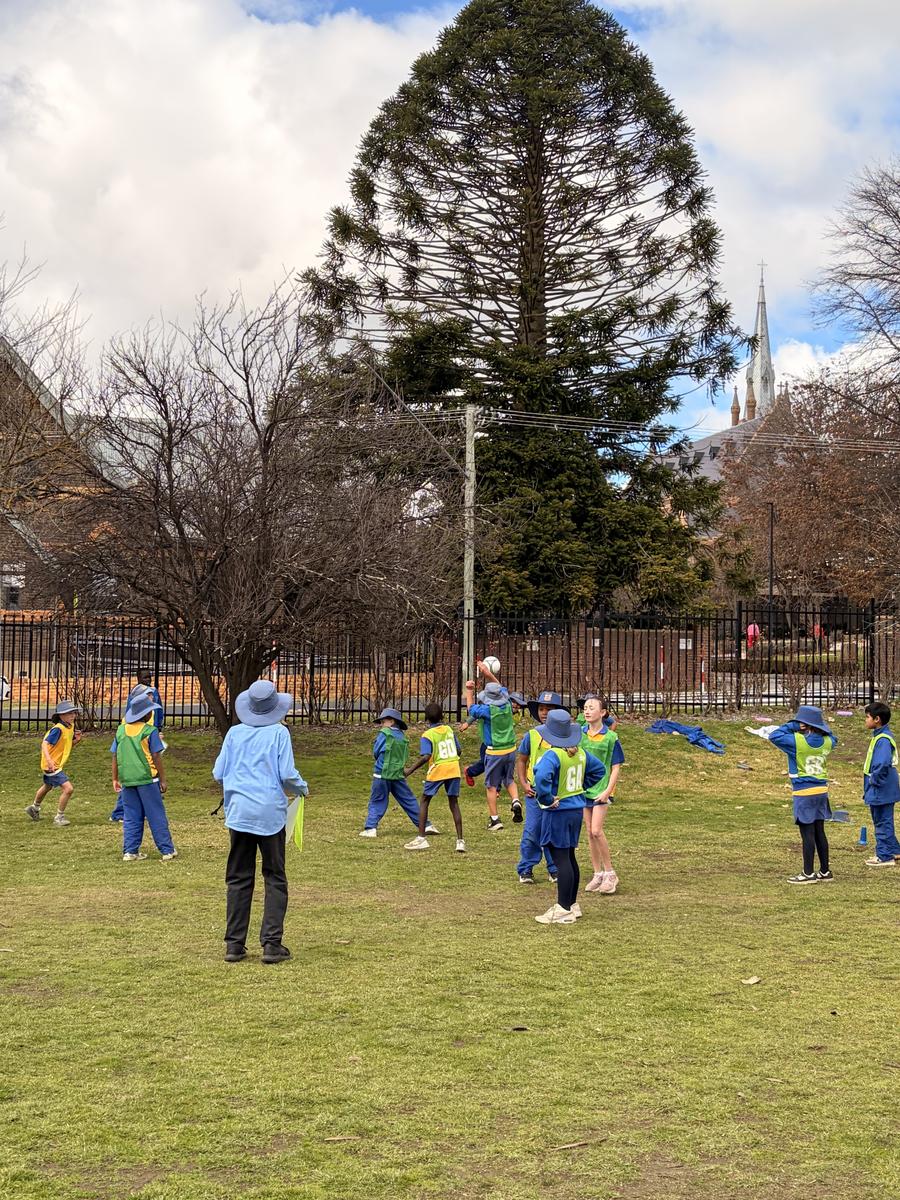
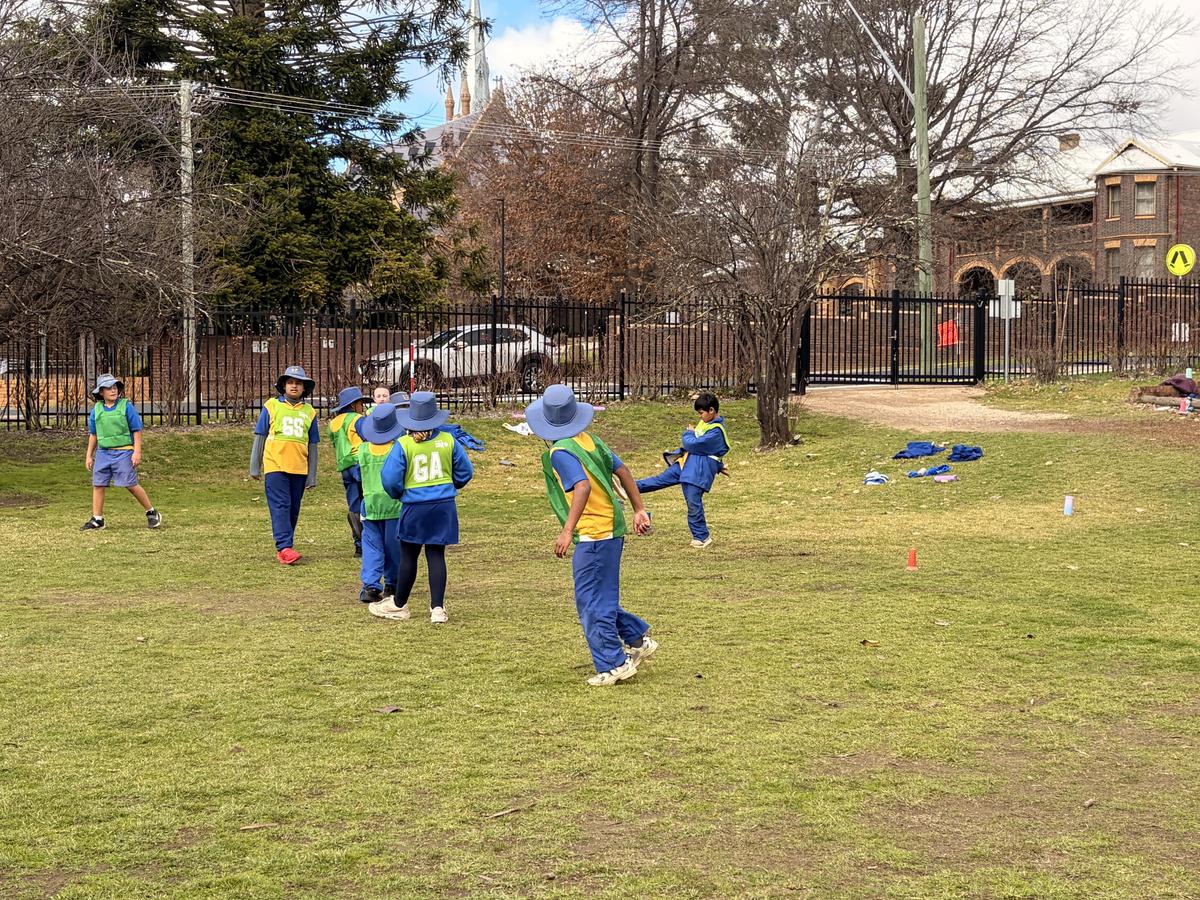
Stage 2 World Cup Gala Day
Mathematics (Division)
Tips for parents
https://home.oxfordowl.co.uk/4-easy-ways-to-practise-division-at-home/
🌟 What’s Happening in Year 4 Religion: Mary, The Mother of God
For the first 5 weeks of this term in Religion, our Year 4 students are embarking on a special unit titled "Mary, The Mother of God: First Among Saints."
In a world that is often fast-paced and noisy, this unit offers our students a beautiful opportunity to pause, reflect, and learn what it truly means to listen with an open heart.
📖 What We Are Exploring Together
Throughout this unit, students will explore key themes that connect ancient faith with their daily lives:
💬 Continue the Conversation at Home
Want to connect with what your child is learning in class? Here are a few simple conversation starters for the dinner table or car ride:
- "What was one moment in Mary's life where she had to trust God, even when it wasn't easy?"
- "How do you think we can practice 'quiet listening' in our busy daily routines?"
- "What is one quality of Saint Mary MacKillop that you admire the most?"
Thank you for your ongoing support as we walk alongside your children in their learning and faith journey!
🌲 What’s Happening in Year 4 English: "Into the Forest"!
Over the next couple of weeks in English, our Year 4 classes are stepping off the beaten path and diving into the captivating world of "Into the Forest" by renowned author and illustrator Anthony Browne. This rich picture book takes readers on a mysterious and imaginative journey through a dense forest, blending a modern story with subtle nods to classic fairytales. It’s a wonderful text that will spark our students' imaginations while building key reading and writing skills!
📚 What We Are Exploring Together
Throughout this unit, students will be developing their literacy skills through visual analysis, creative writing, and literary discussion:
💬 Continue the Journey at Home
Picture books aren't just for younger children—they are fantastic for rich discussions with Year 4 readers! Here are a few fun conversation starters for home:
- "If you could step into the forest in the book, what hidden fairytale details would I need to look out for?"
- "How do the pictures in the story help us understand how the main character is feeling before he even says a word?"
- "If you were writing a story about getting lost in a forest, what sort of atmospheric words would you use?"
Thank you for encouraging a love of reading and storytelling at home!
🔢 What’s Happening in Year 4 Maths: Division & Inverse Operations
This term in Mathematics, our Year 4 students are diving into the world of Multiplicative Relations, focusing on Division and Inverse Operations.
Rather than seeing multiplication and division as two separate topics, students are learning that they are deeply connected—like two sides of the same coin! Building this conceptual link helps students develop stronger number sense and makes solving mental math problems much easier.
💡 What We Are Exploring Together
Throughout this unit, students will be building their mathematical confidence through hands-on problem solving and visual tools:
💬 Try This at Home!
Maths is all around us, and practicing inverse thinking at home can be quick and fun. Here are a few ways to bring division into everyday moments:
- The "If You Know..." Game: Ask your child, "If you know 6 times 3 = 18, what division fact do you automatically know?"
- Everyday Sharing: "We have 12 socks to pair up. How many groups of 2 can we make?" or "If we share these 24 crackers equally between 4 people, how many do we each get?"
- Spot the Fact Family: Pick three numbers that work together (like 3, 7, and 21) and see if your child can tell you all 4 equations in that family!
Thank you for supporting your child's learning and helping them build a positive, confident mindset toward mathematics!
🚀 What’s Happening in Year 4 Science: Forces in Motion!
For the first 5 weeks on this term in Science and Technology, our Year 4 students are putting on their scientist hats to investigate the physical world around them in a hands-on unit all about Forces!
From launching a ball across the quad to sticking a note onto the fridge, forces are constantly at work making things move, stop, and change direction. This unit is designed to turn everyday curiosity into real scientific discovery through questioning, testing, and experimenting.
🔬 What We Are Exploring Together
Throughout this unit, students will be exploring how forces work through interactive investigations:
💬 Explore Science at Home!
Science doesn't just happen in the classroom! Here are a few quick ways to spark scientific thinking at home:
- The Push/Pull Hunt: Ask your child, "How many everyday items in our house use a push or a pull to work?" (Think door handles, light switches, drawers, or toys!)
- Gravity Tests: Drop a heavy book and a single piece of paper at the same time. Ask: "What force is pulling them down? What happens if we crumple the paper into a tight ball?"
- Magnet Magic: Grab a fridge magnet and test different household items together. Ask: "Can the magnet pull through a piece of paper? What about through a wooden table?"
Thank you for encouraging curiosity and supporting your child’s learning journey as they explore the world around them!
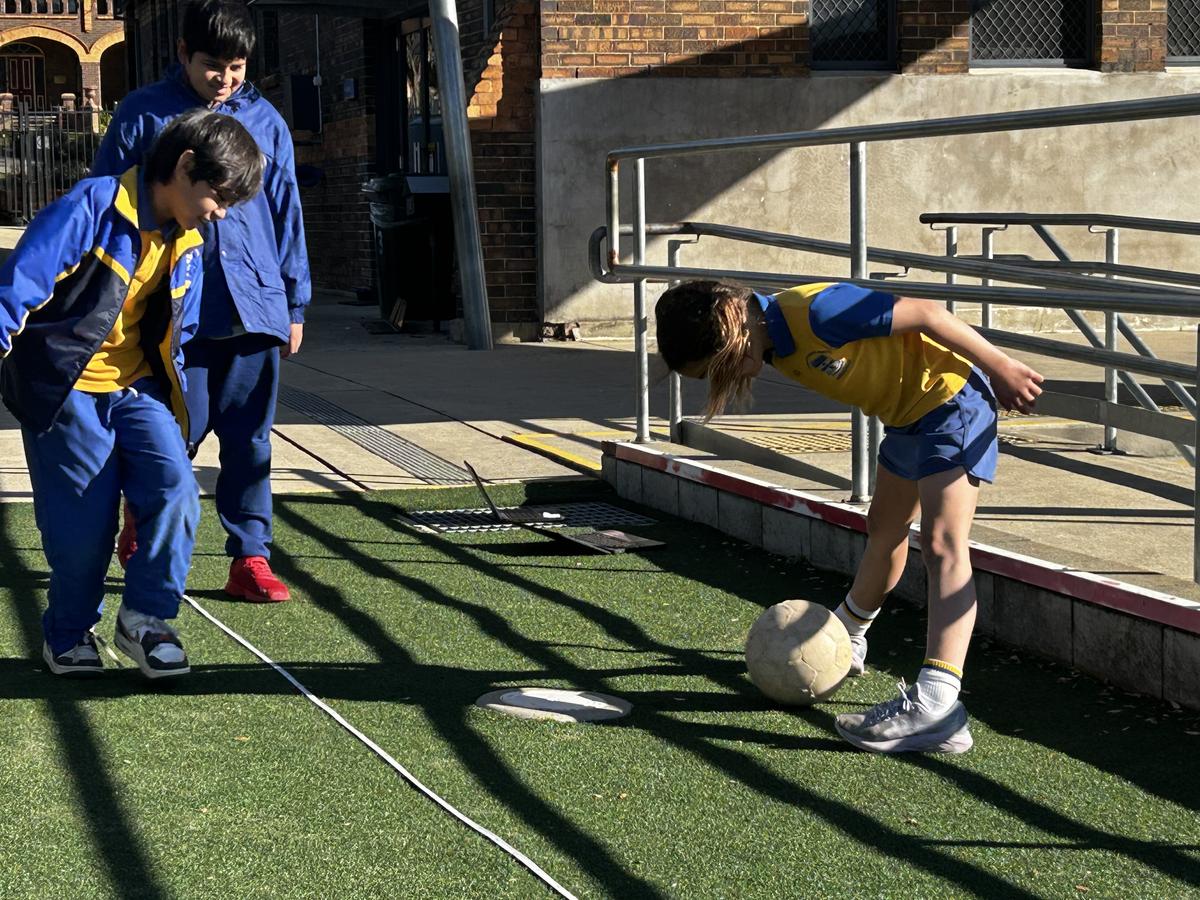
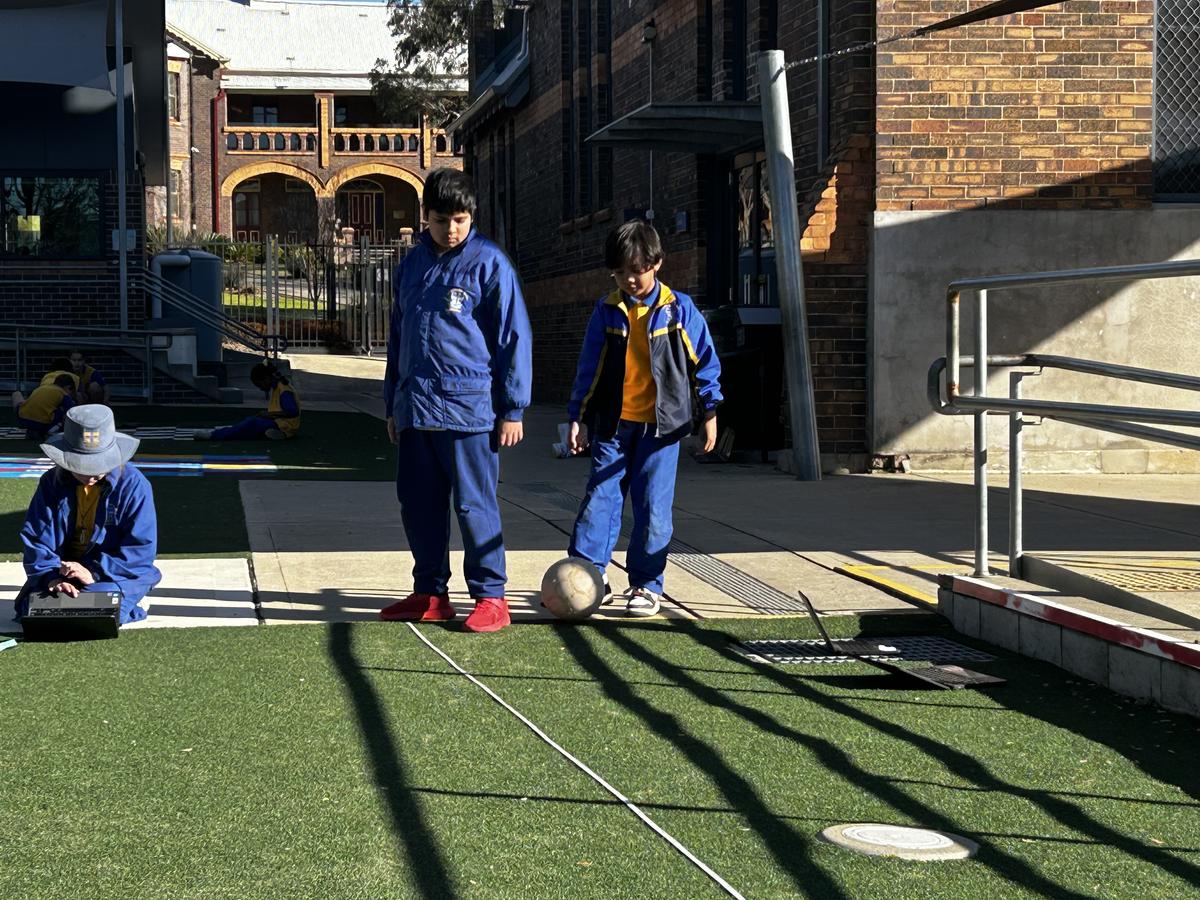
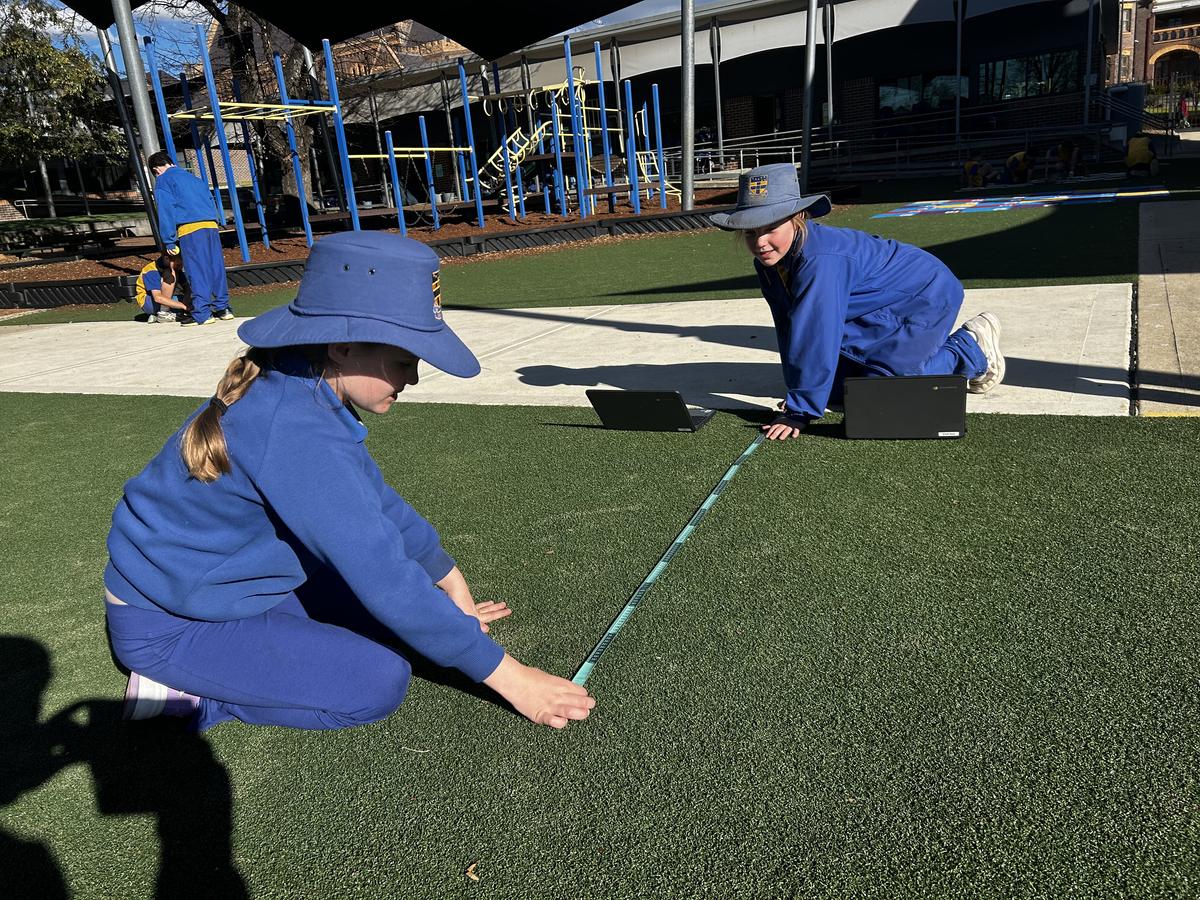
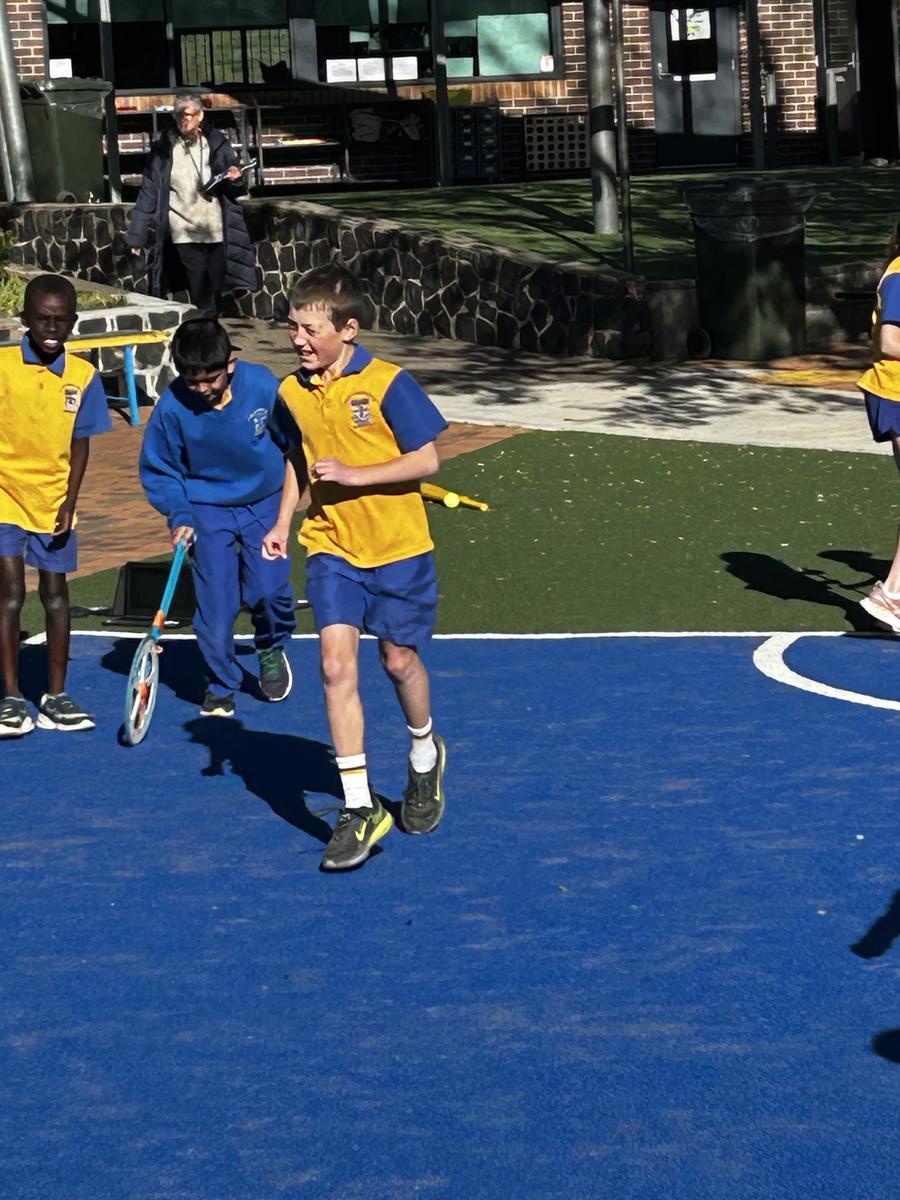
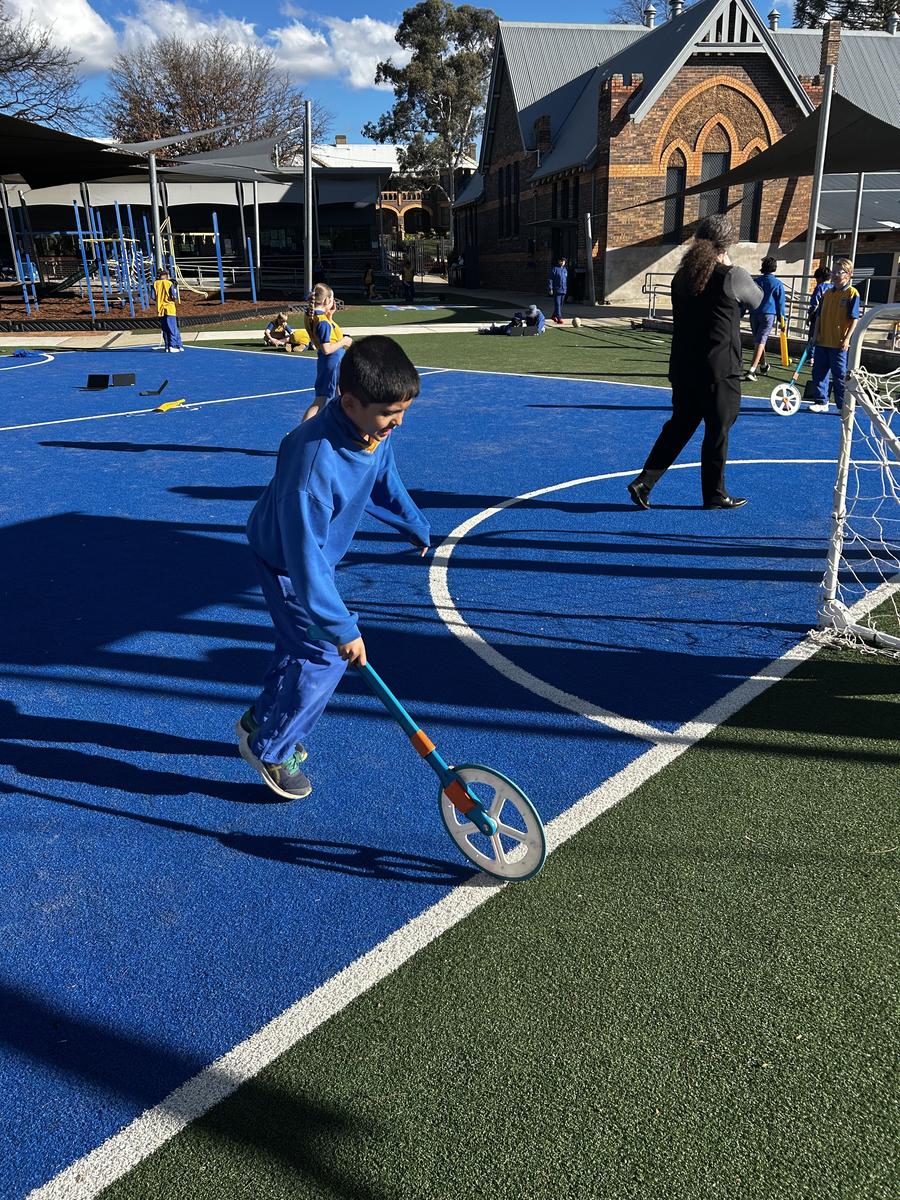
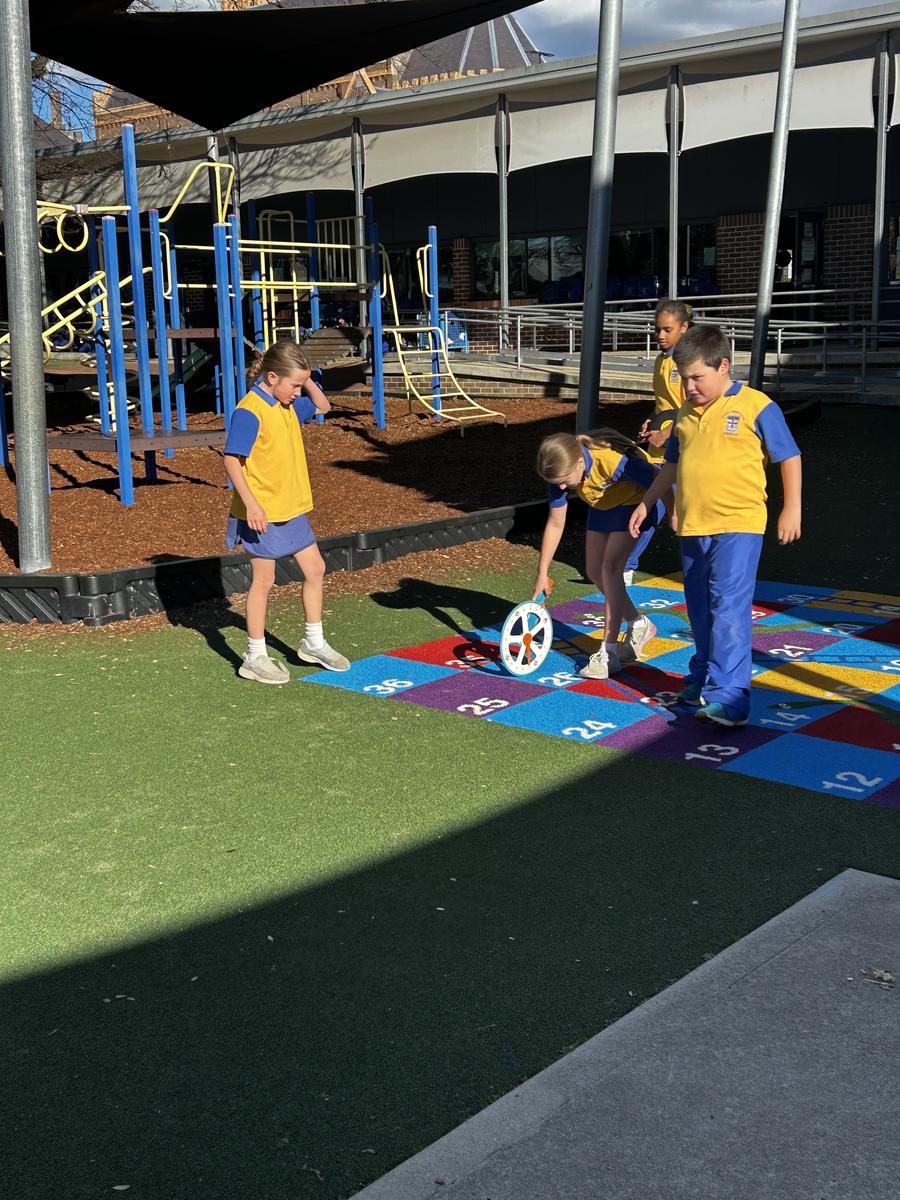
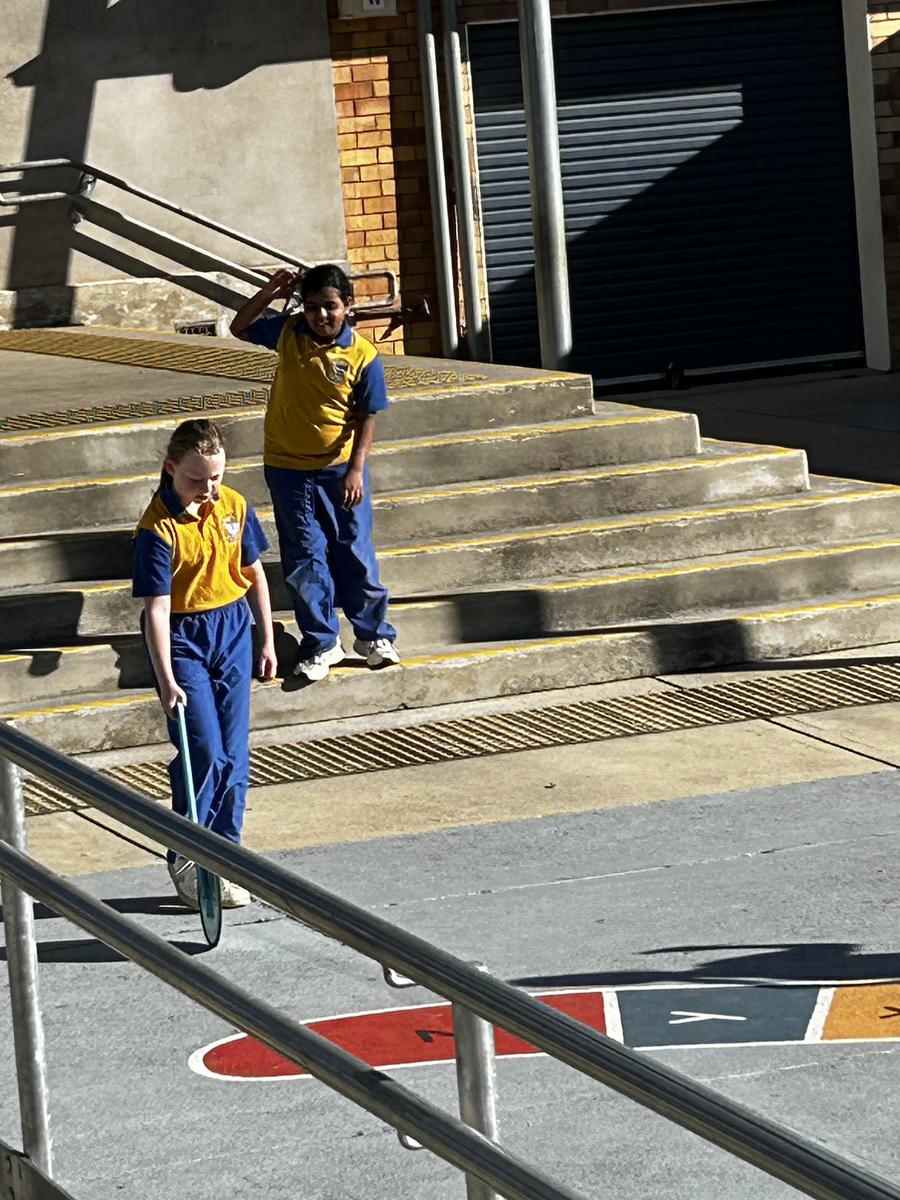
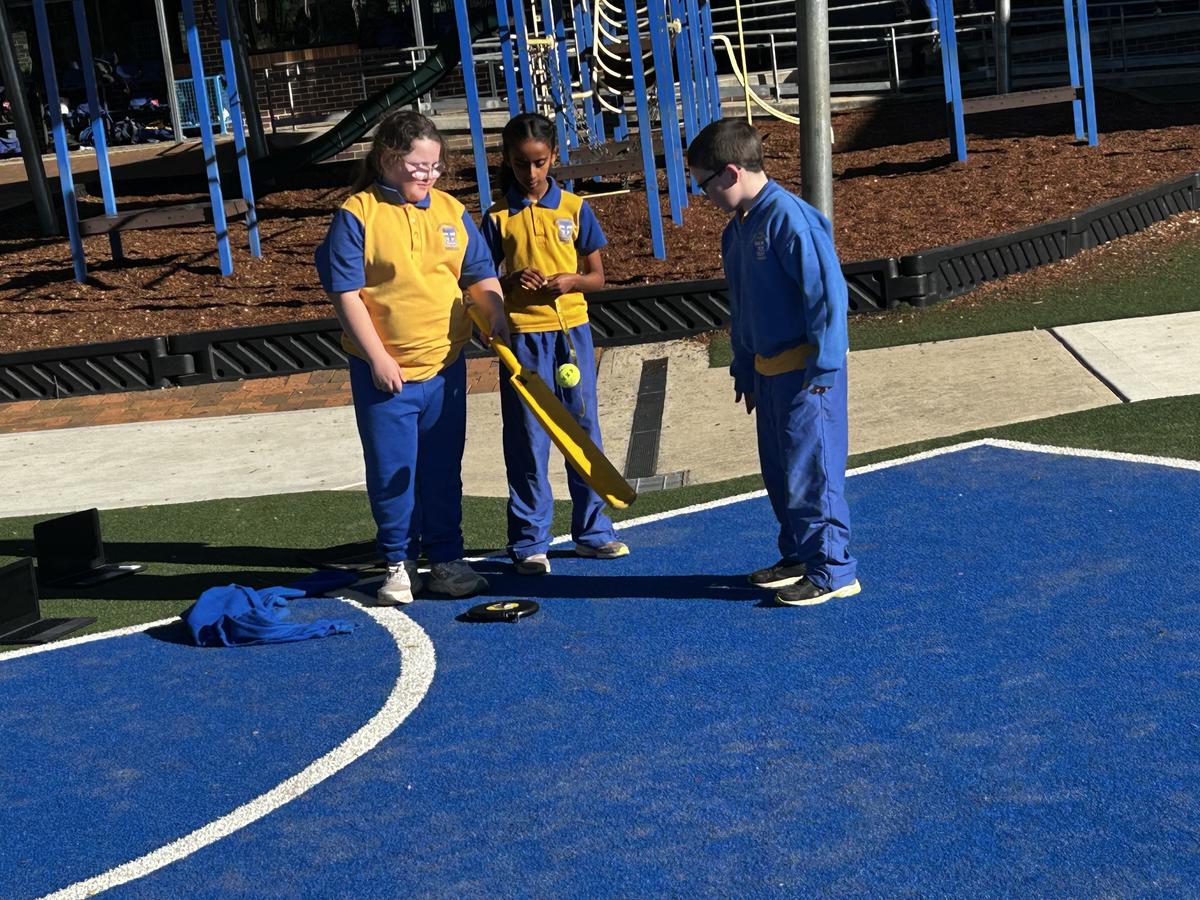
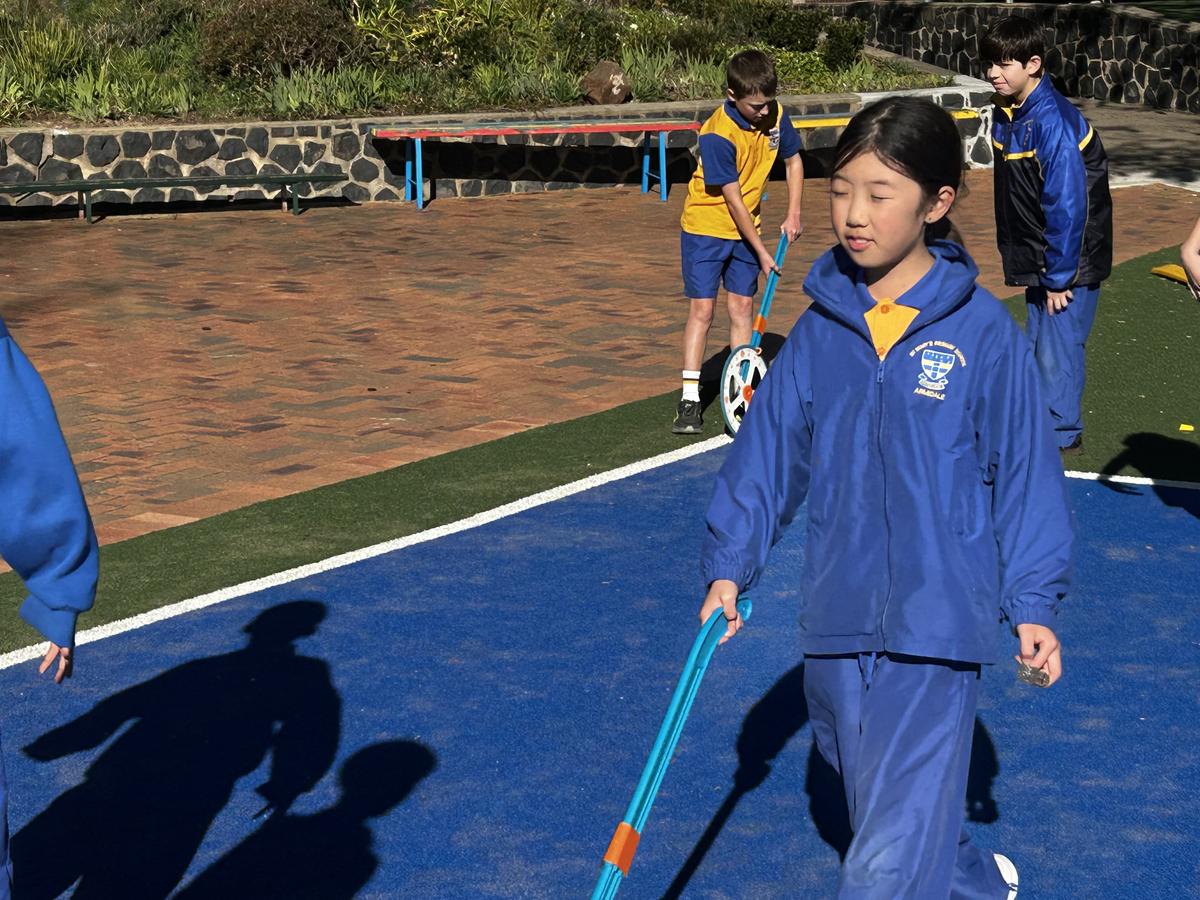
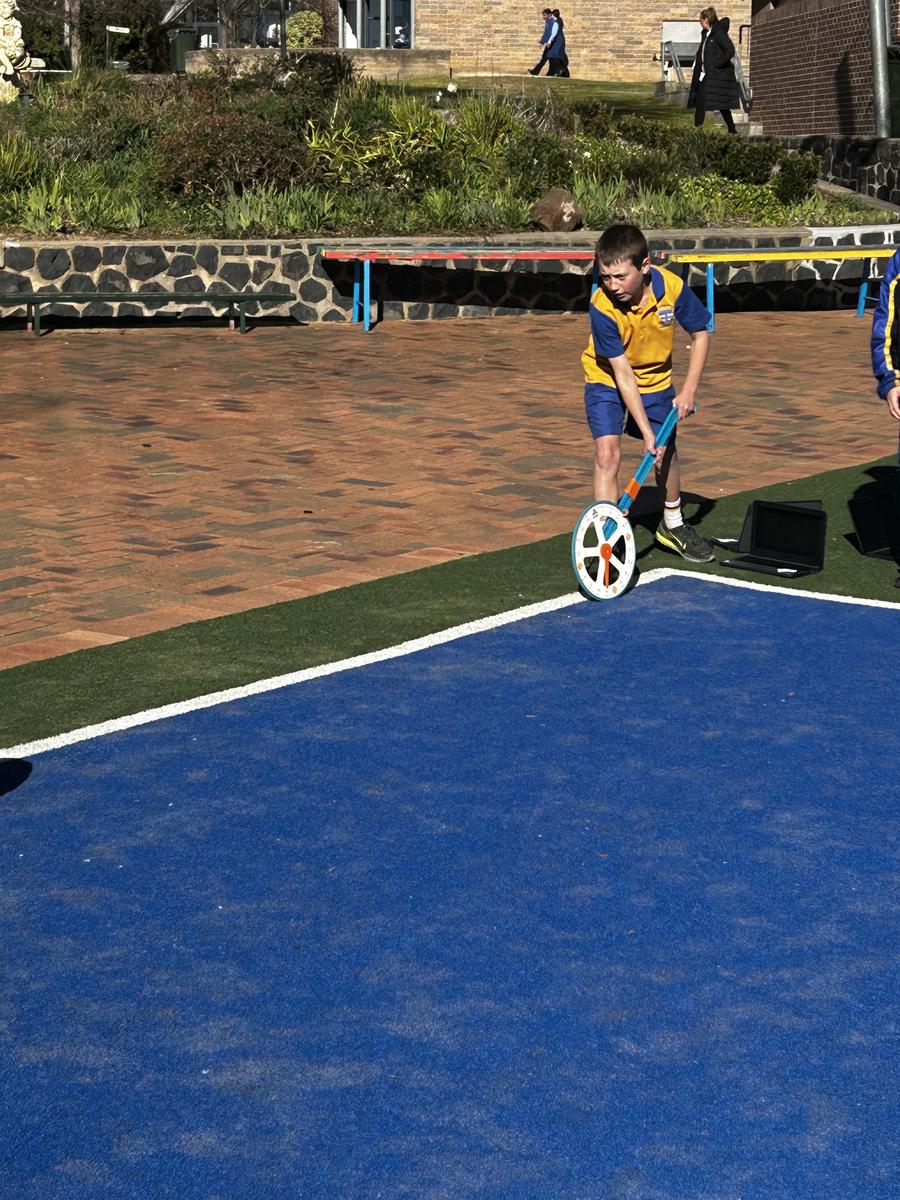
Students conducting a forces experiment.
Welcome new students!
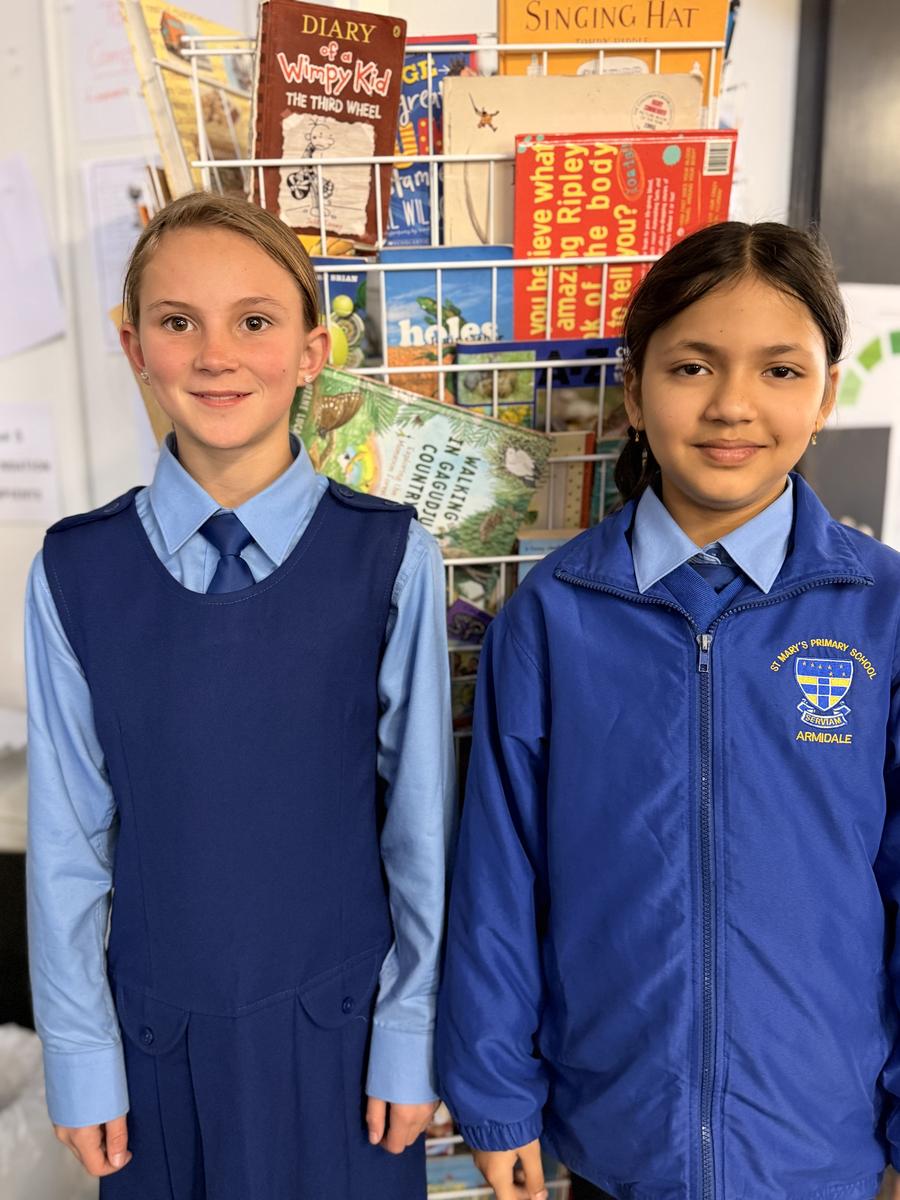
A warm welcome to our two newest members of Year 5 who have joined our class this term.
Please feel free to say hello if you see them around the school!
Mathematics
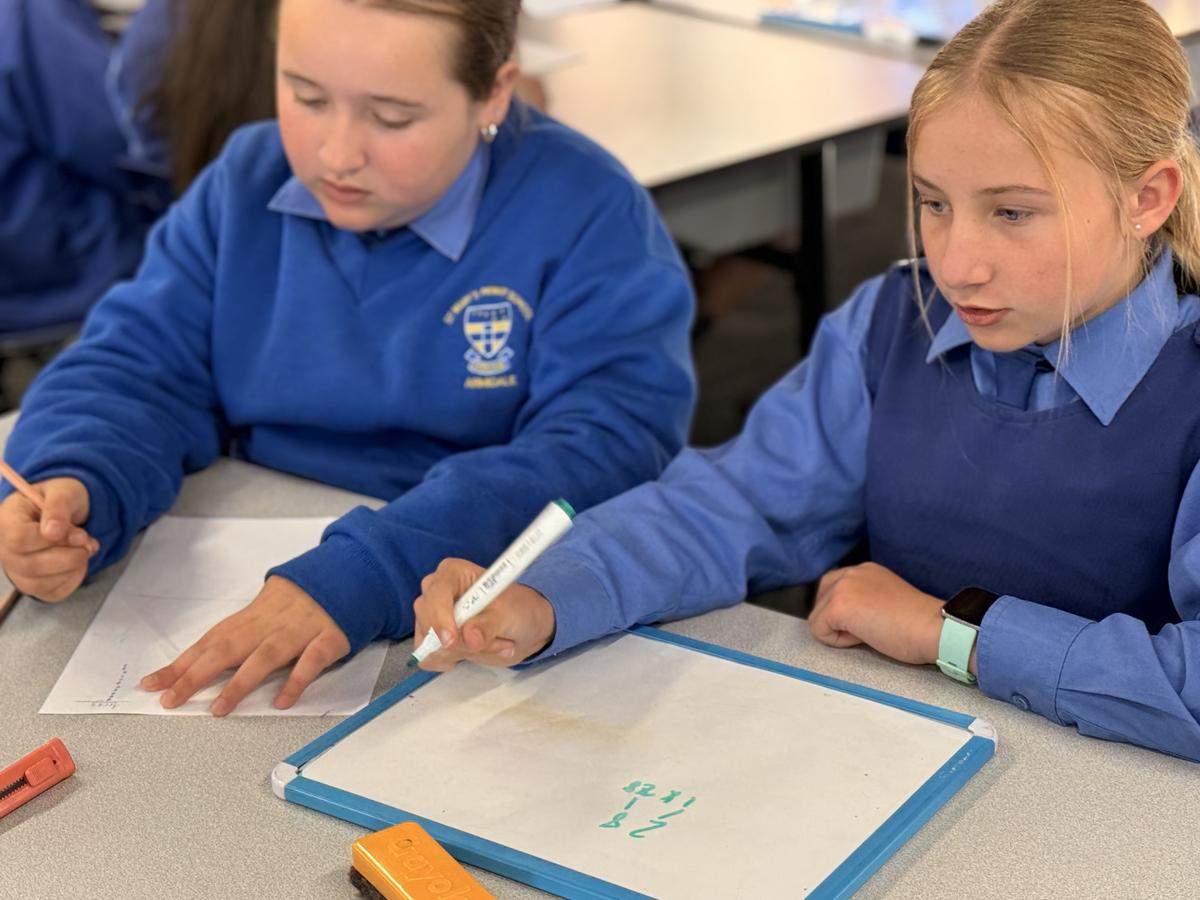
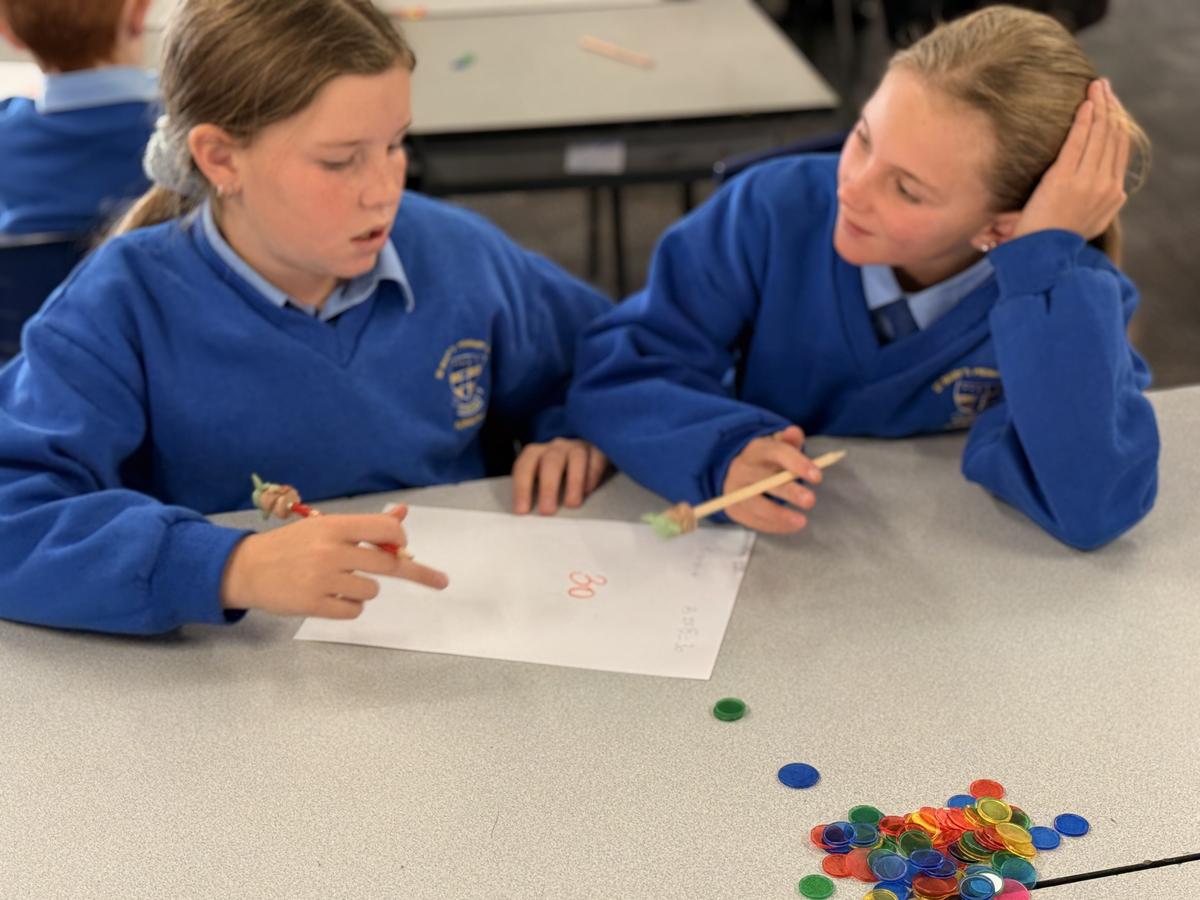
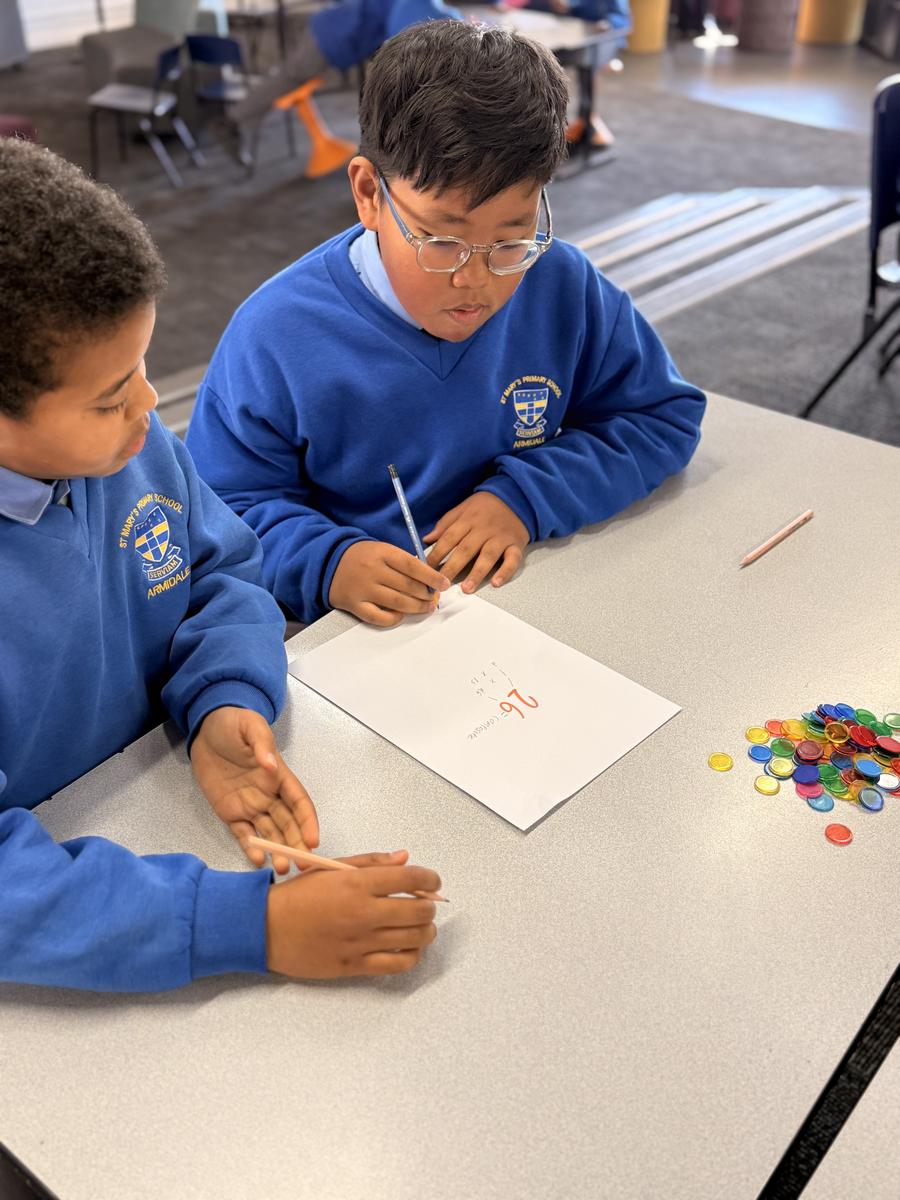
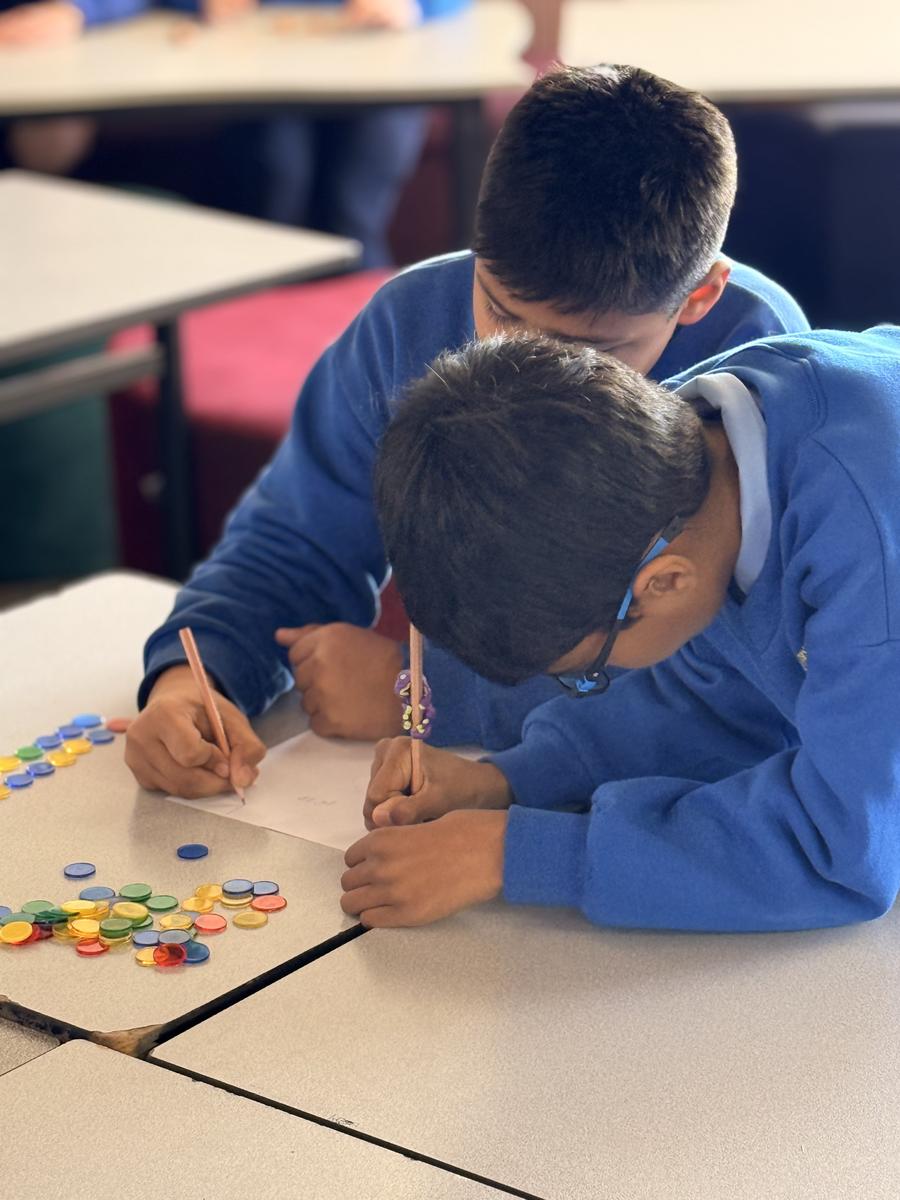
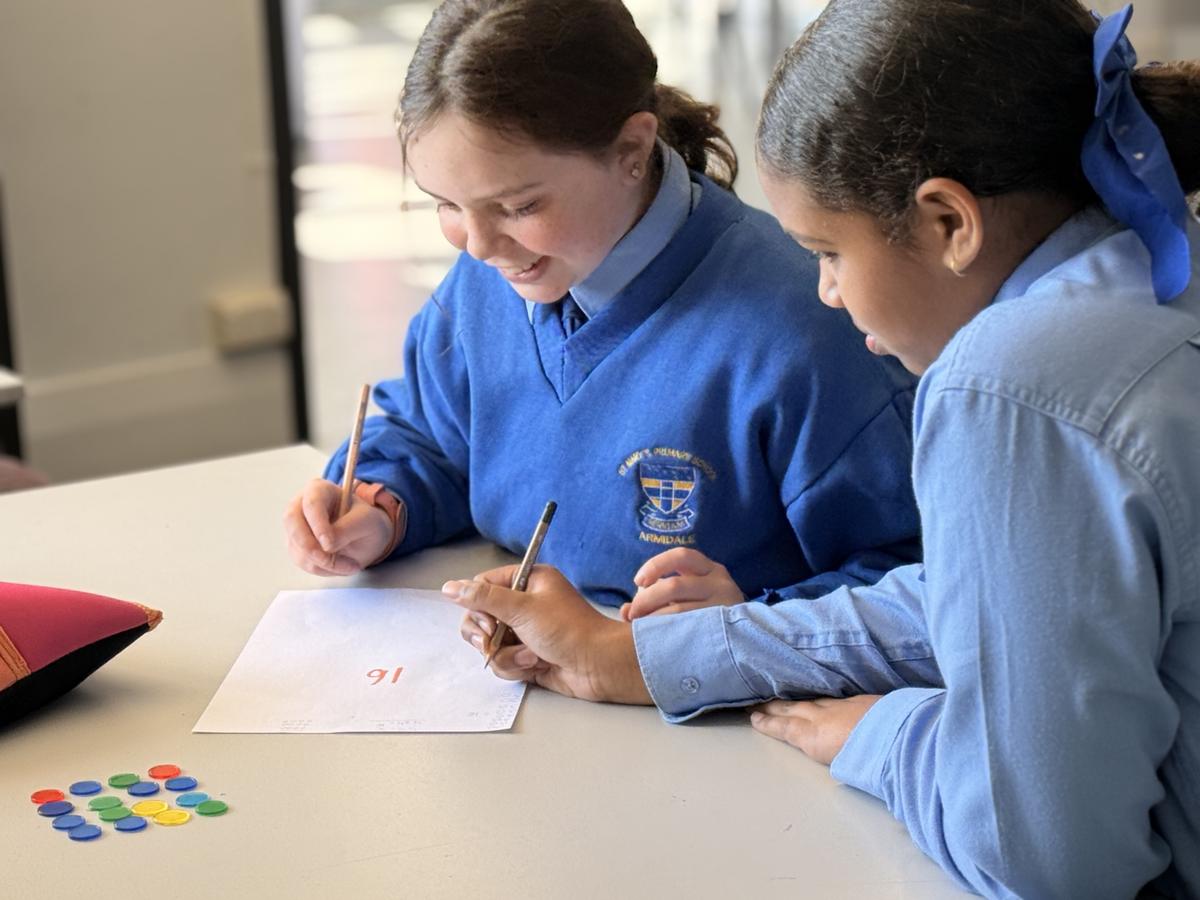
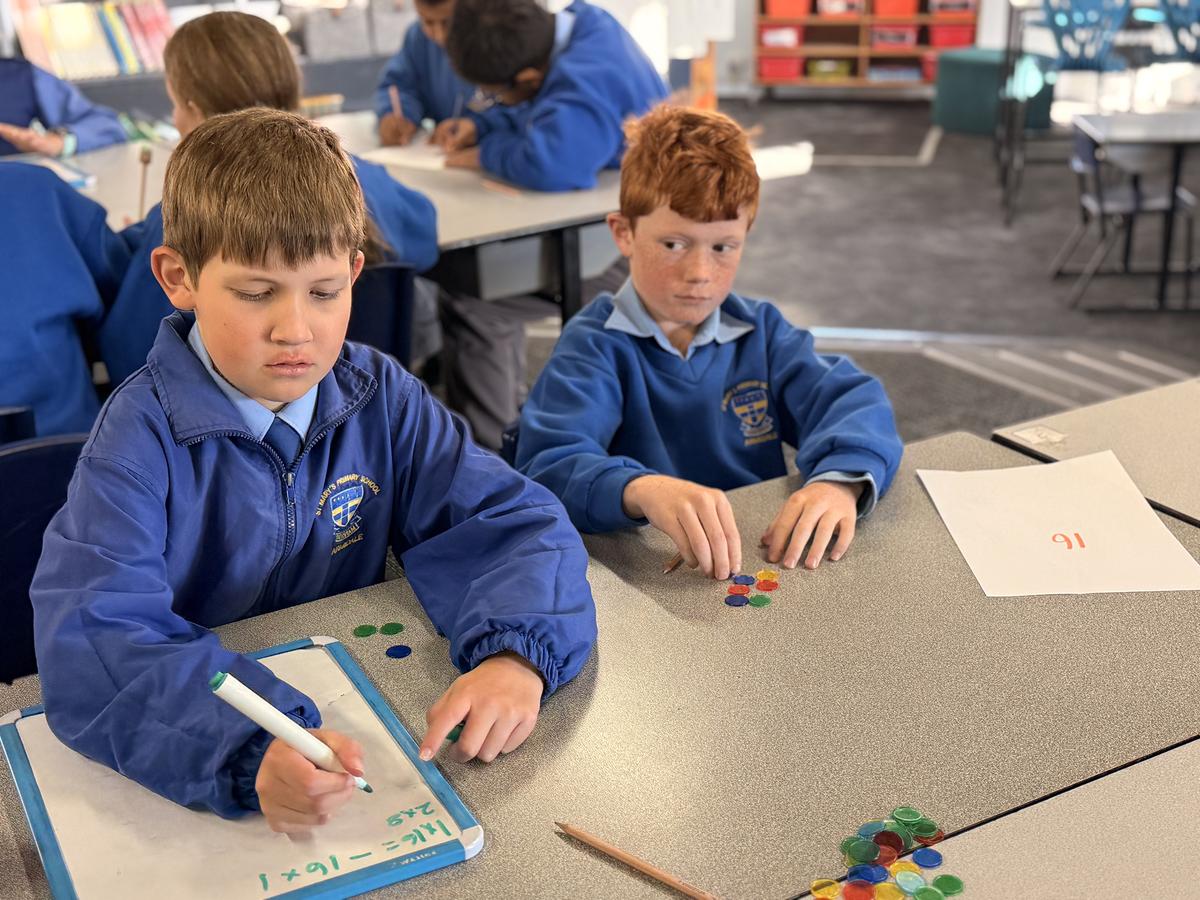
Over the past few weeks in maths, students have been deepening their understanding of multiplication by exploring prime and composite numbers, highest common factors, and area models. To support this learning at home, we encourage parents to practice skip counting with their children regularly!
Commendations
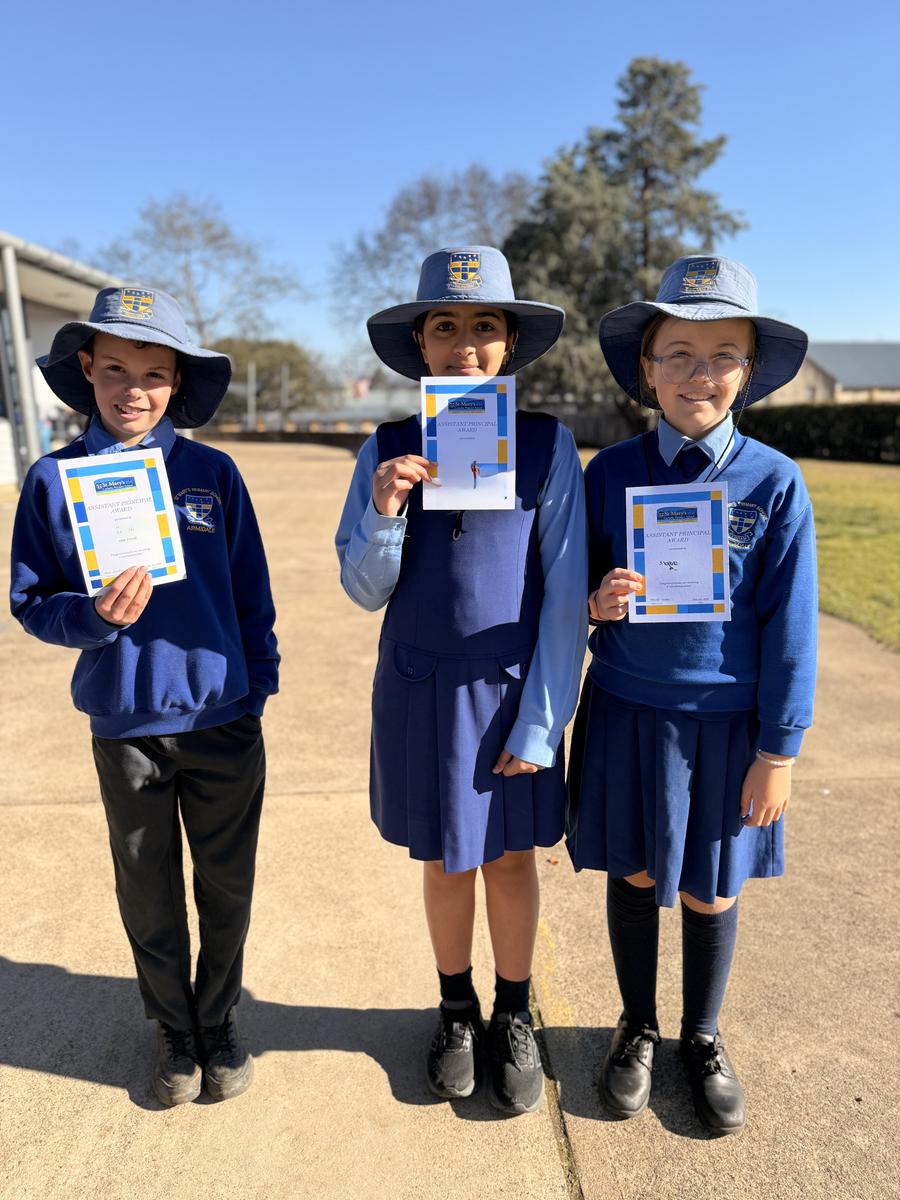
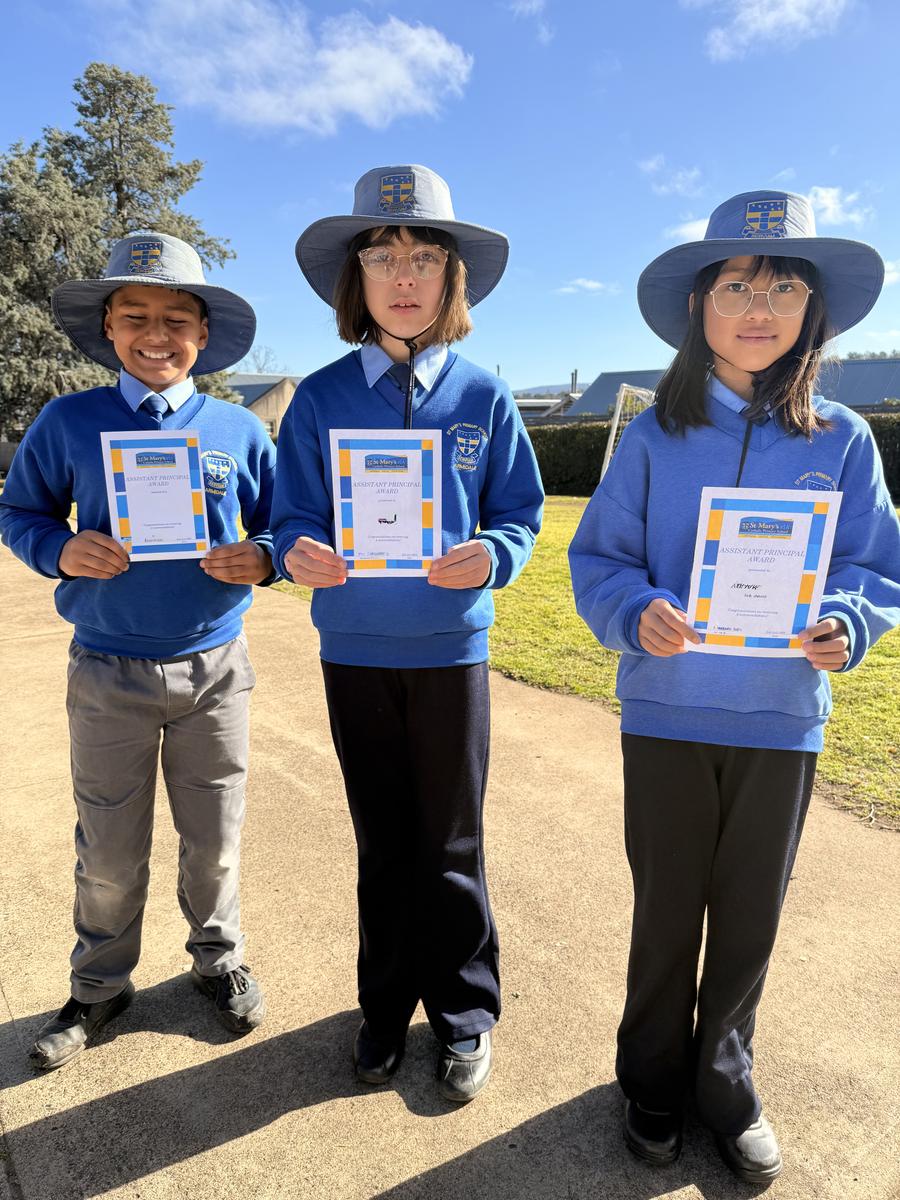
Congratulations to our commendation recipients this fortnight who were selected for demonstrating our Living Well, Learning Well values.
News
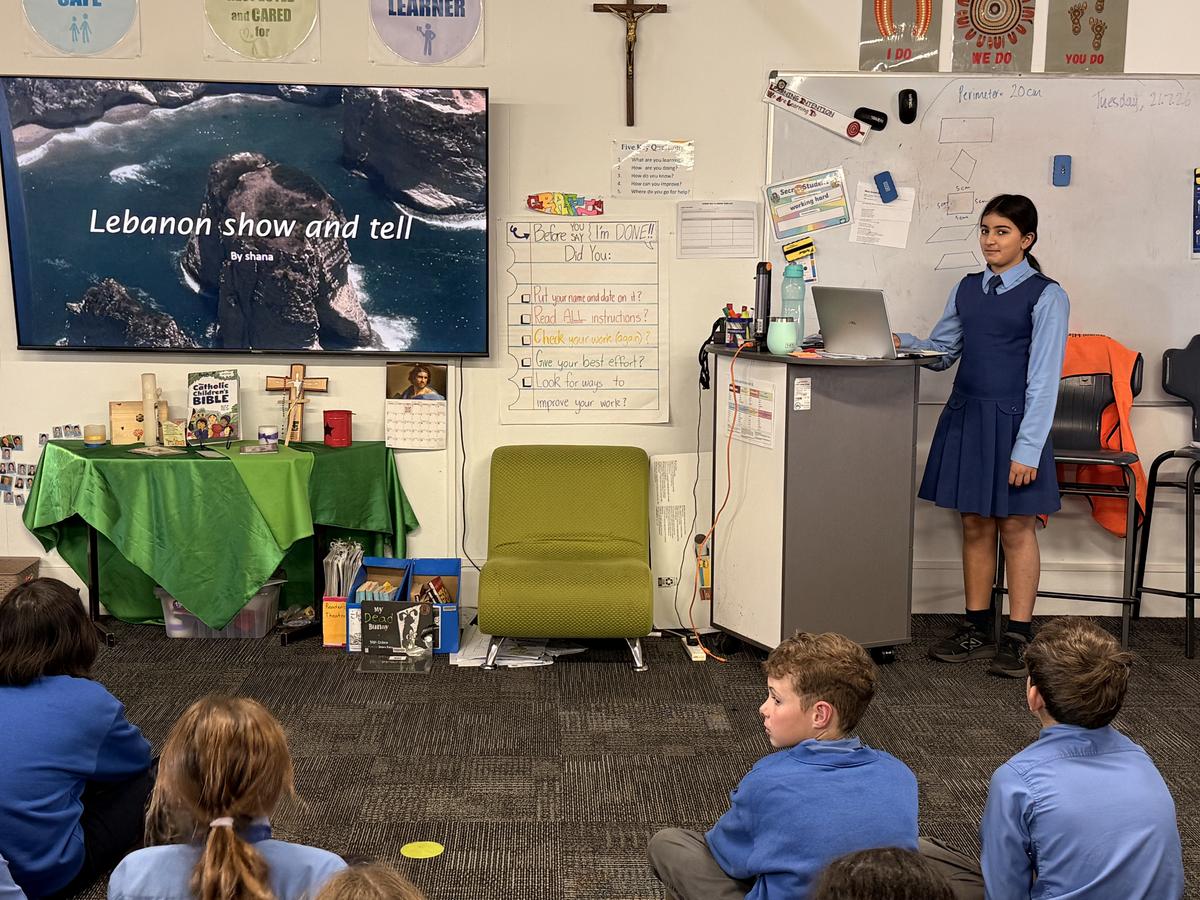
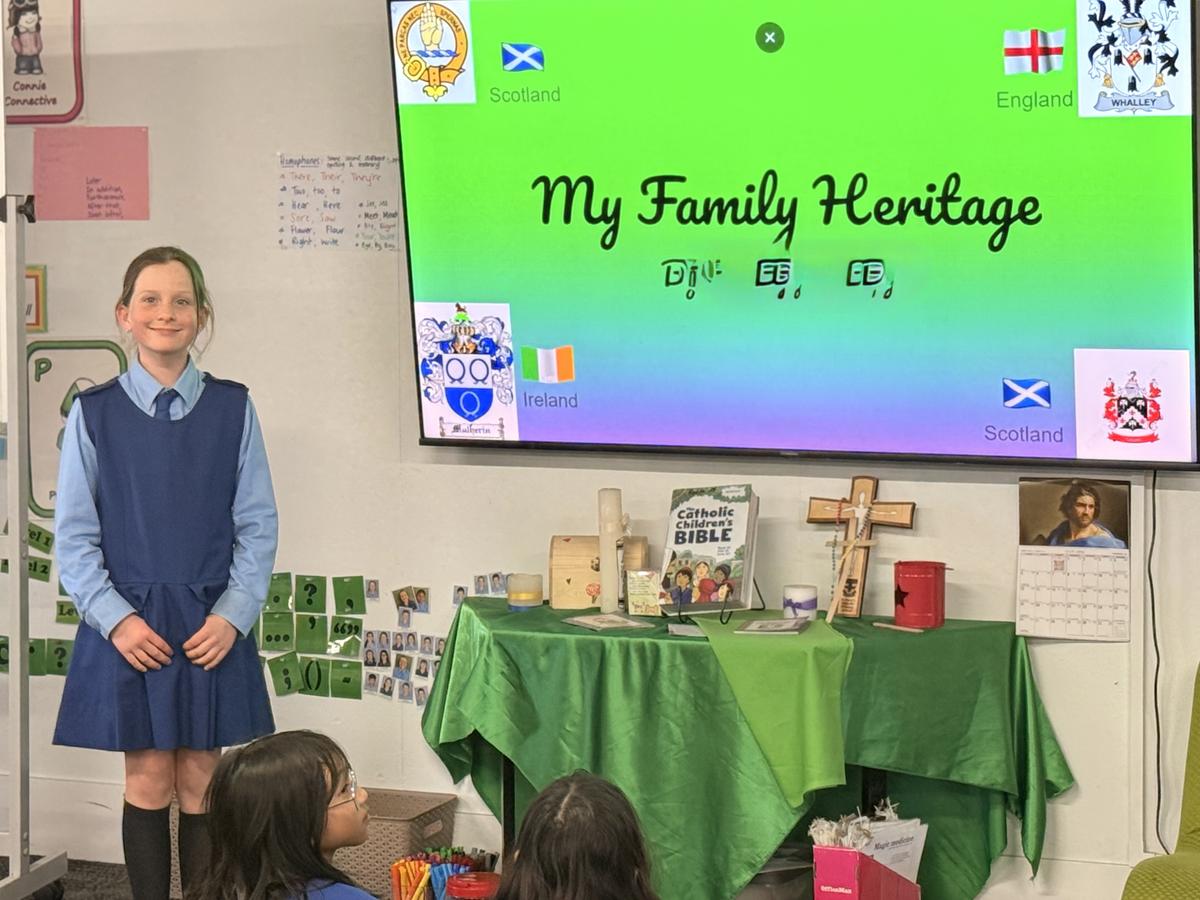
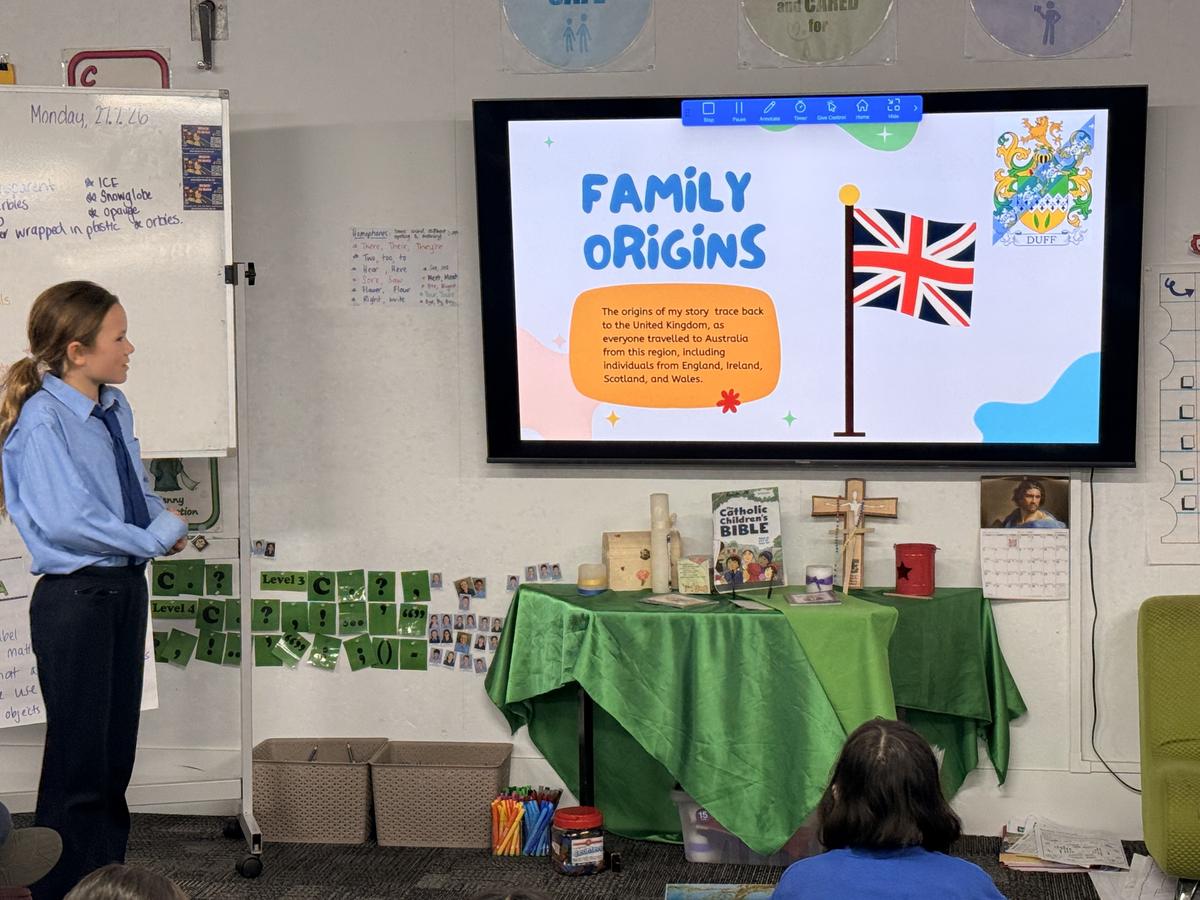
It has been wonderful listening to students proudly share their personal news and family histories with the class.
Religion
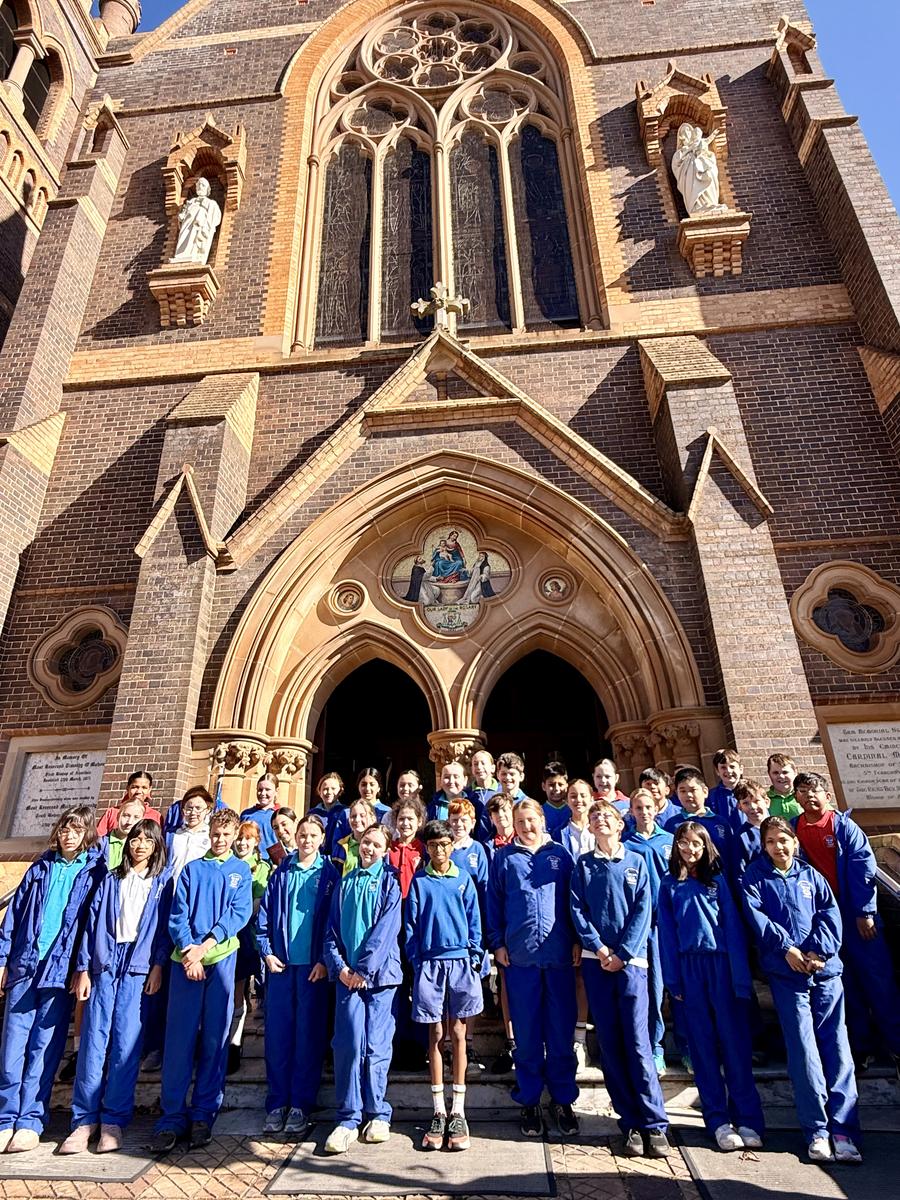
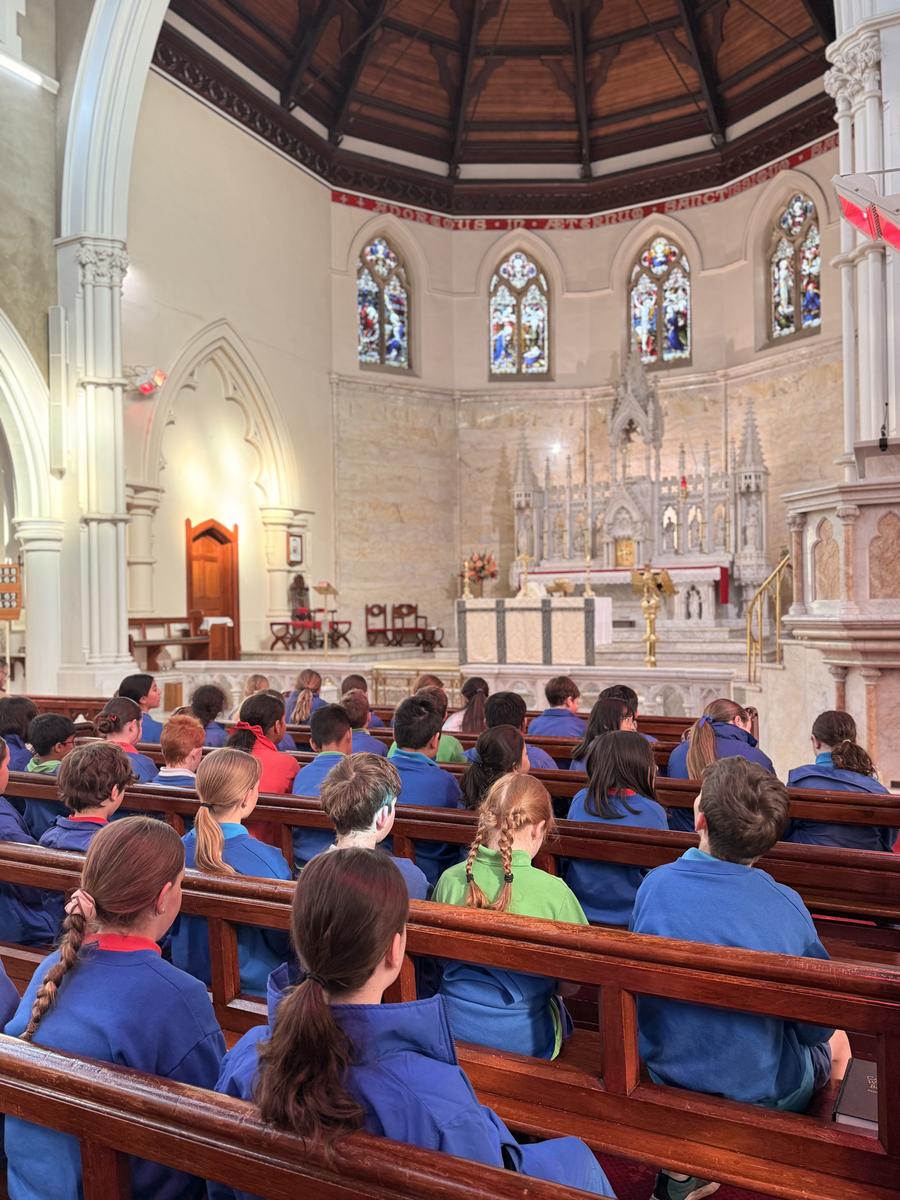
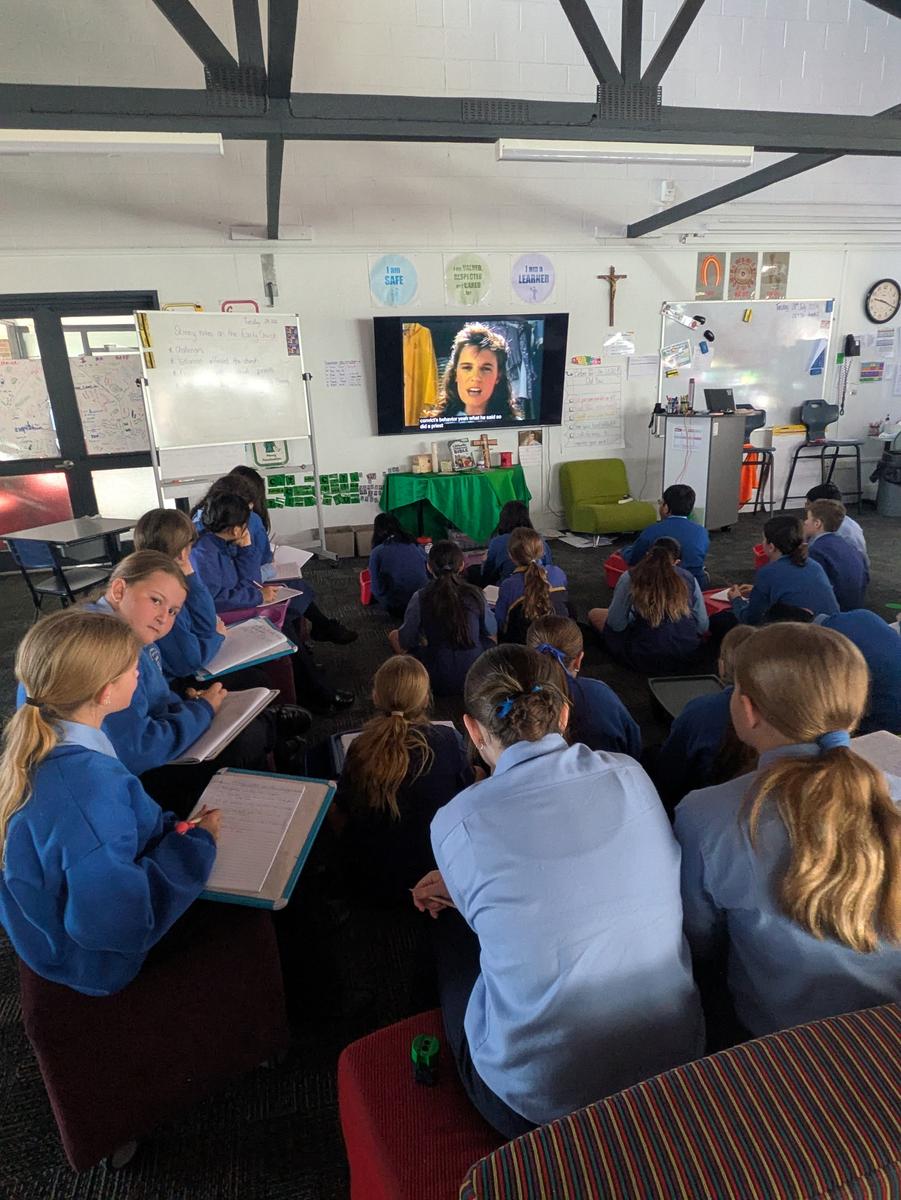
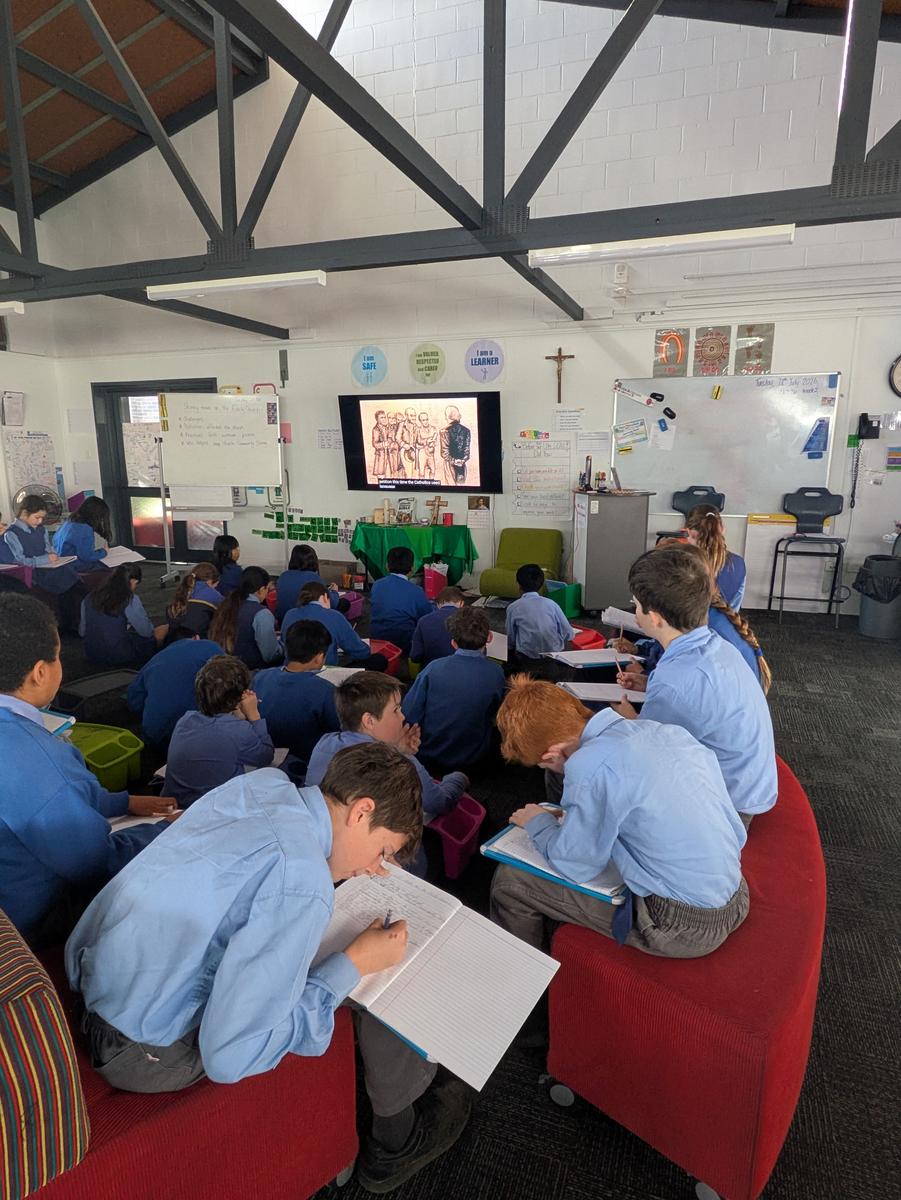
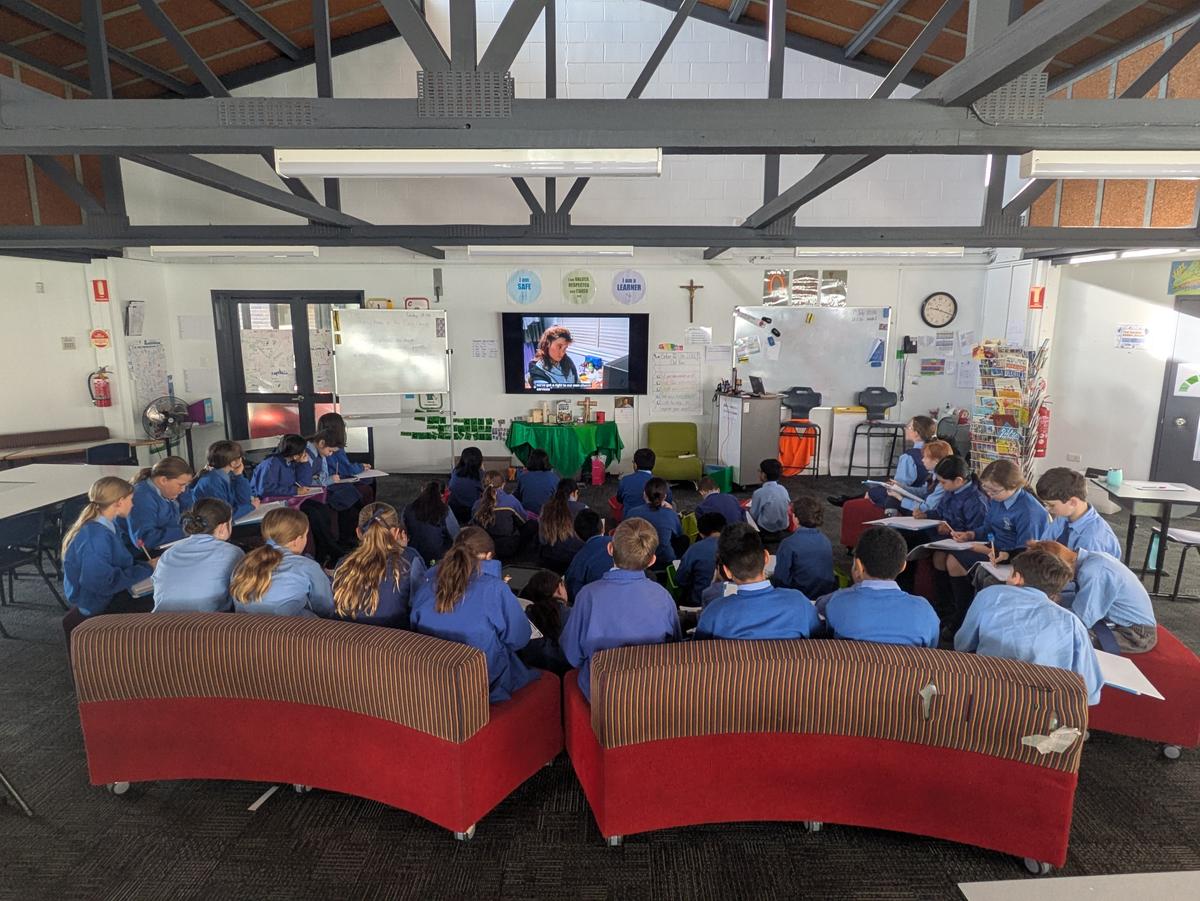
This Fortnight, Year 5 students have been learning about the Early Catholics in Australia and exploring the challenges faced by the first Catholic communities. Through stories, historical sources and class discussions, students have investigated how faith, courage and perseverance helped shape the Catholic Church in Australia.
Students have been discovering the significant contributions of early Catholic leaders, including priests, religious sisters and lay people, who worked to establish schools, churches and communities despite many hardships. They have reflected on how these pioneers lived out the Gospel values of hope, service and compassion, and considered how these same values continue to inspire us today.
We encourage families to ask their child about an early Catholic they have learnt about and discuss how their faith made a difference to the lives of others.
Sport
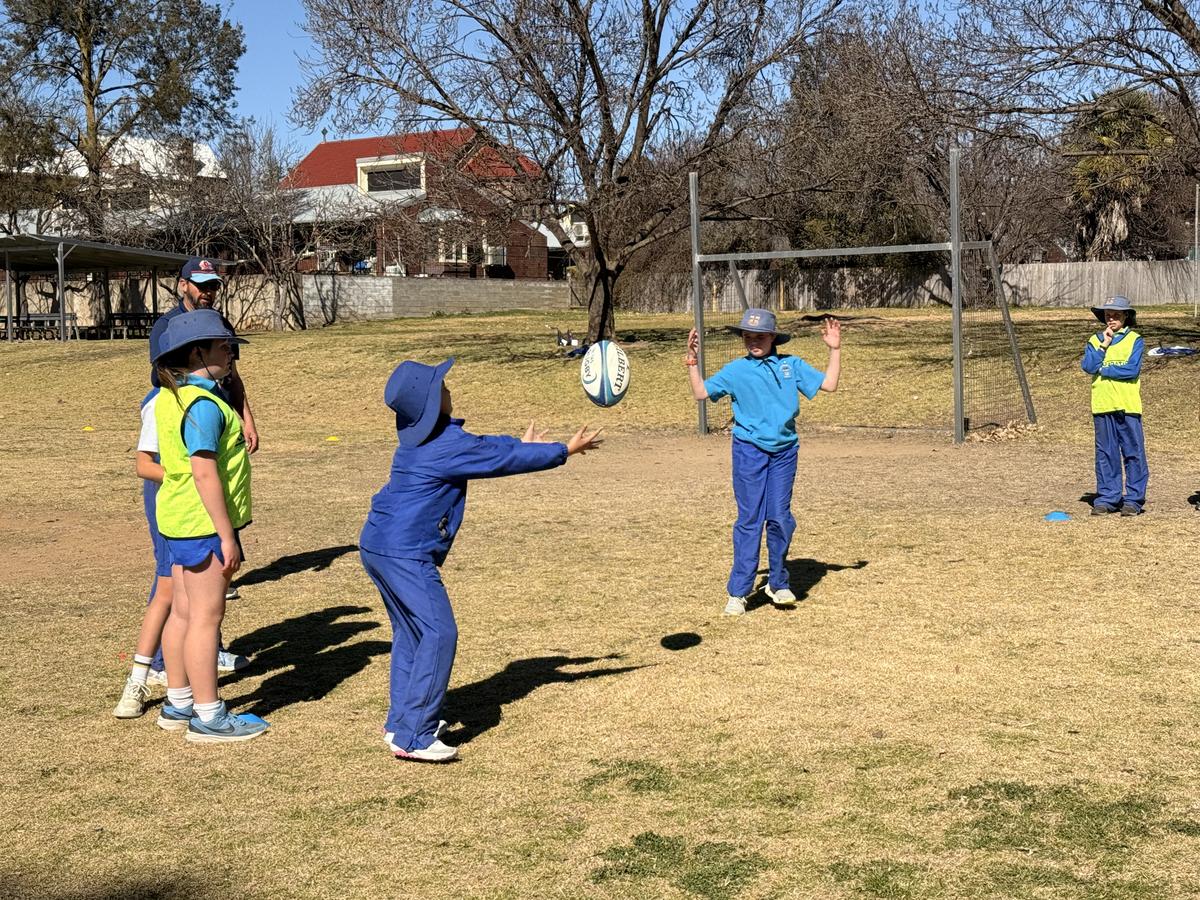
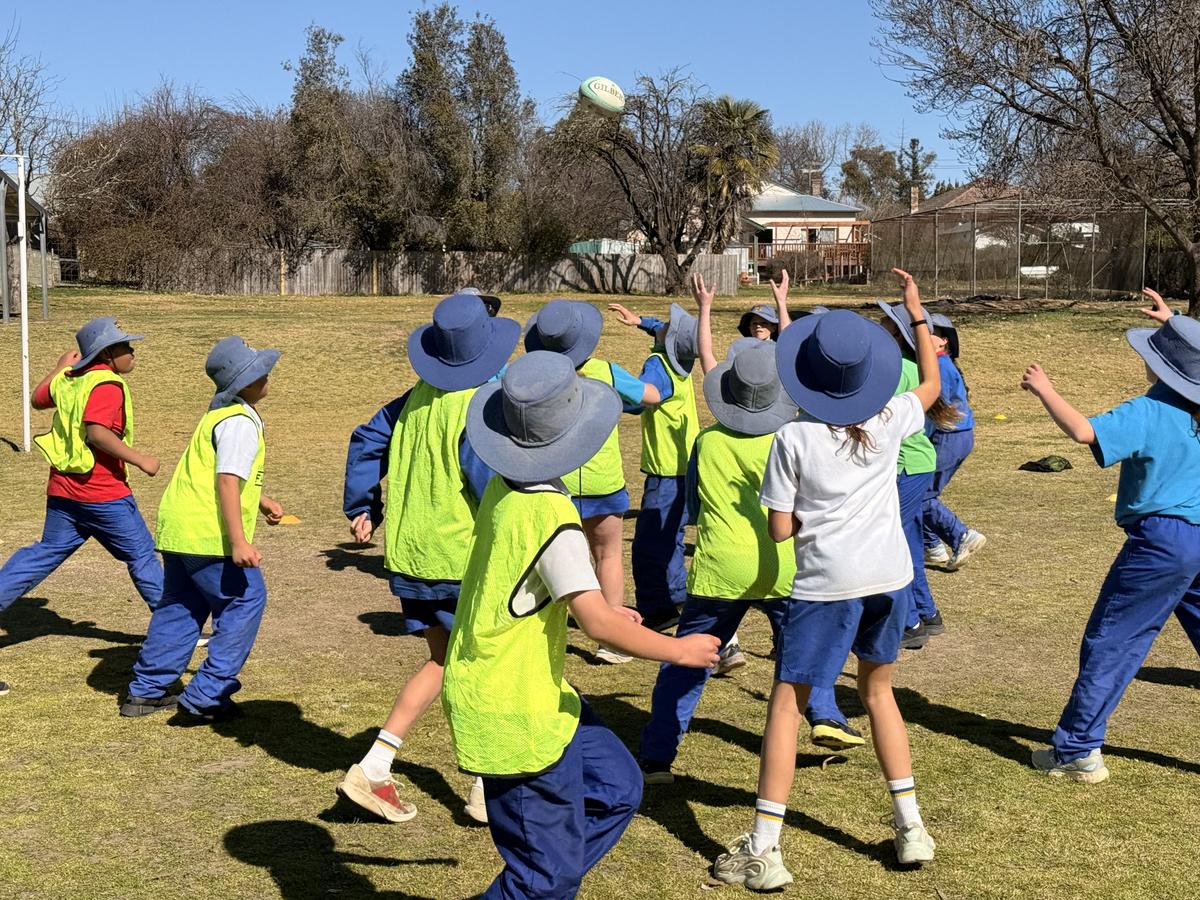
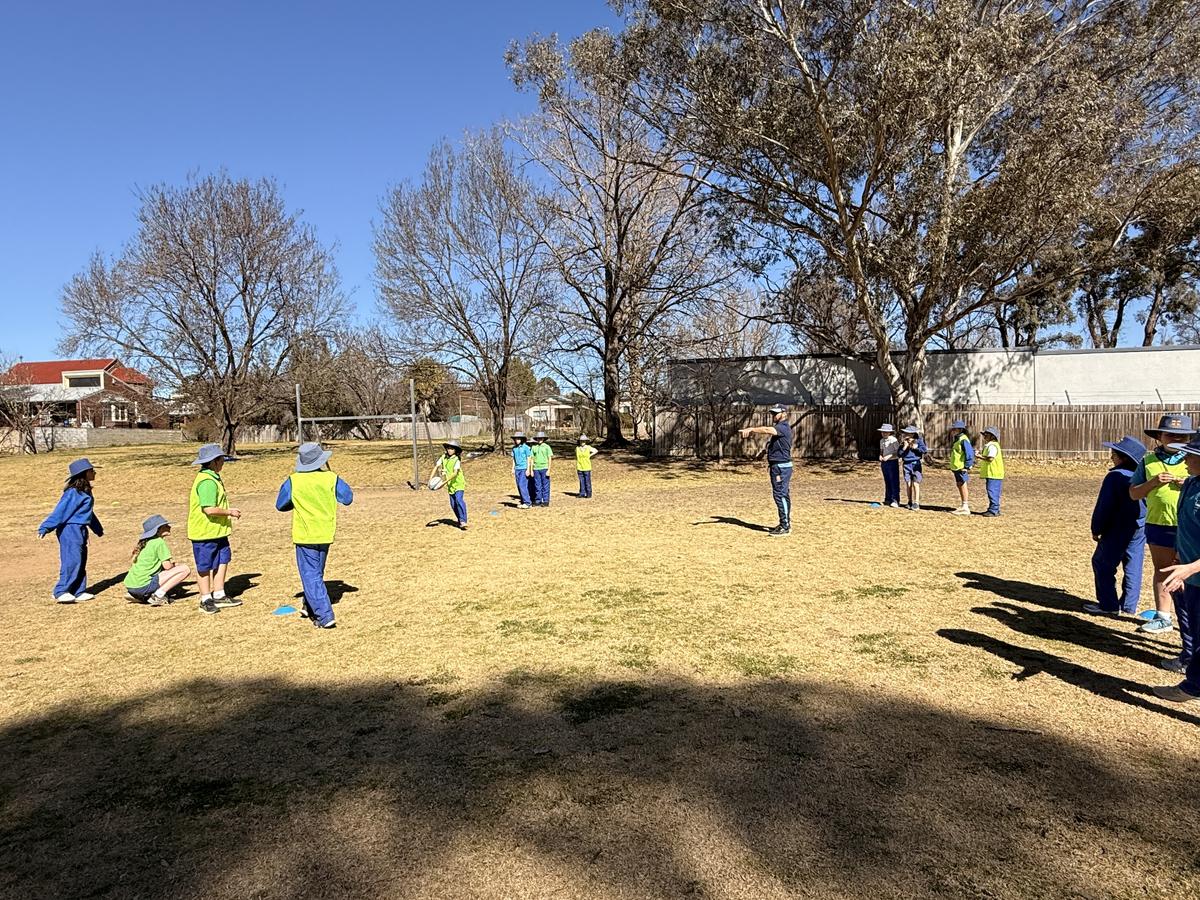
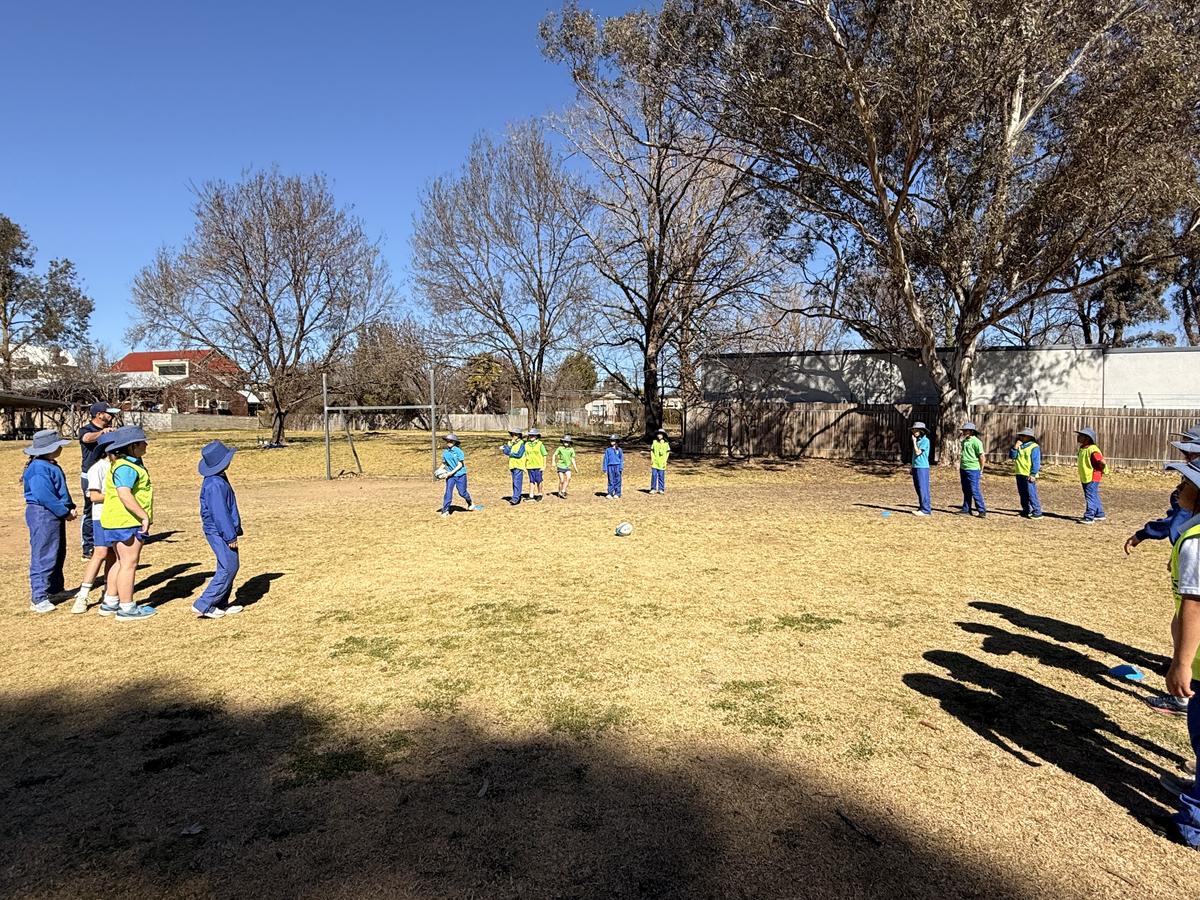
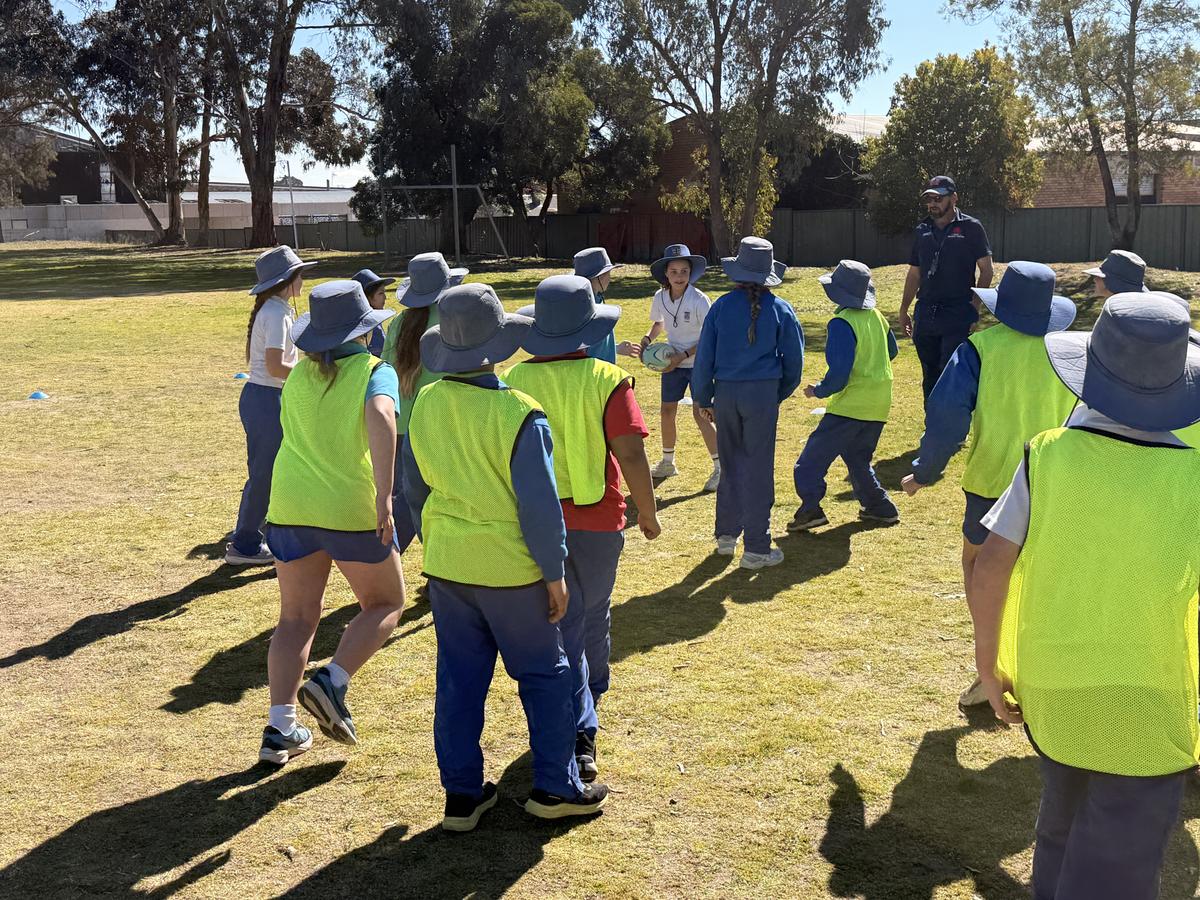
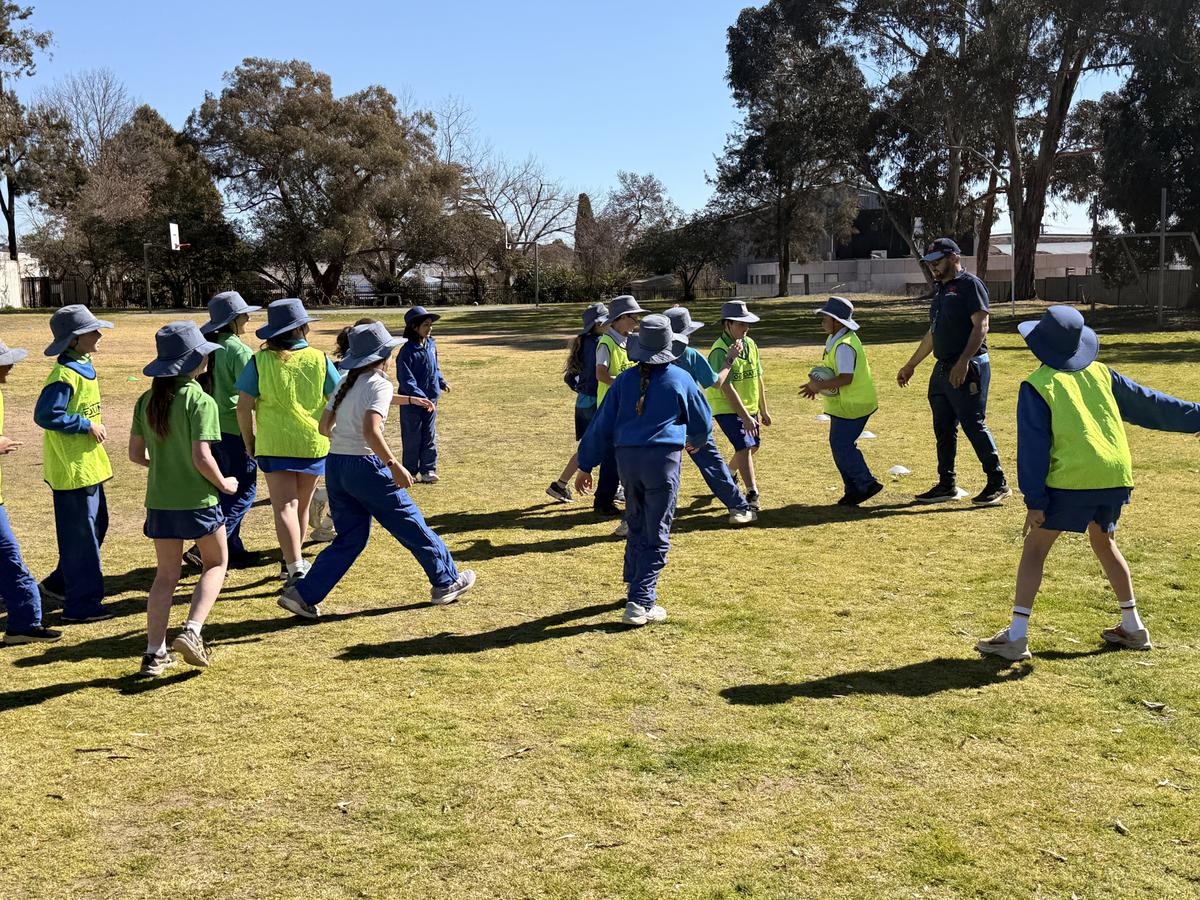
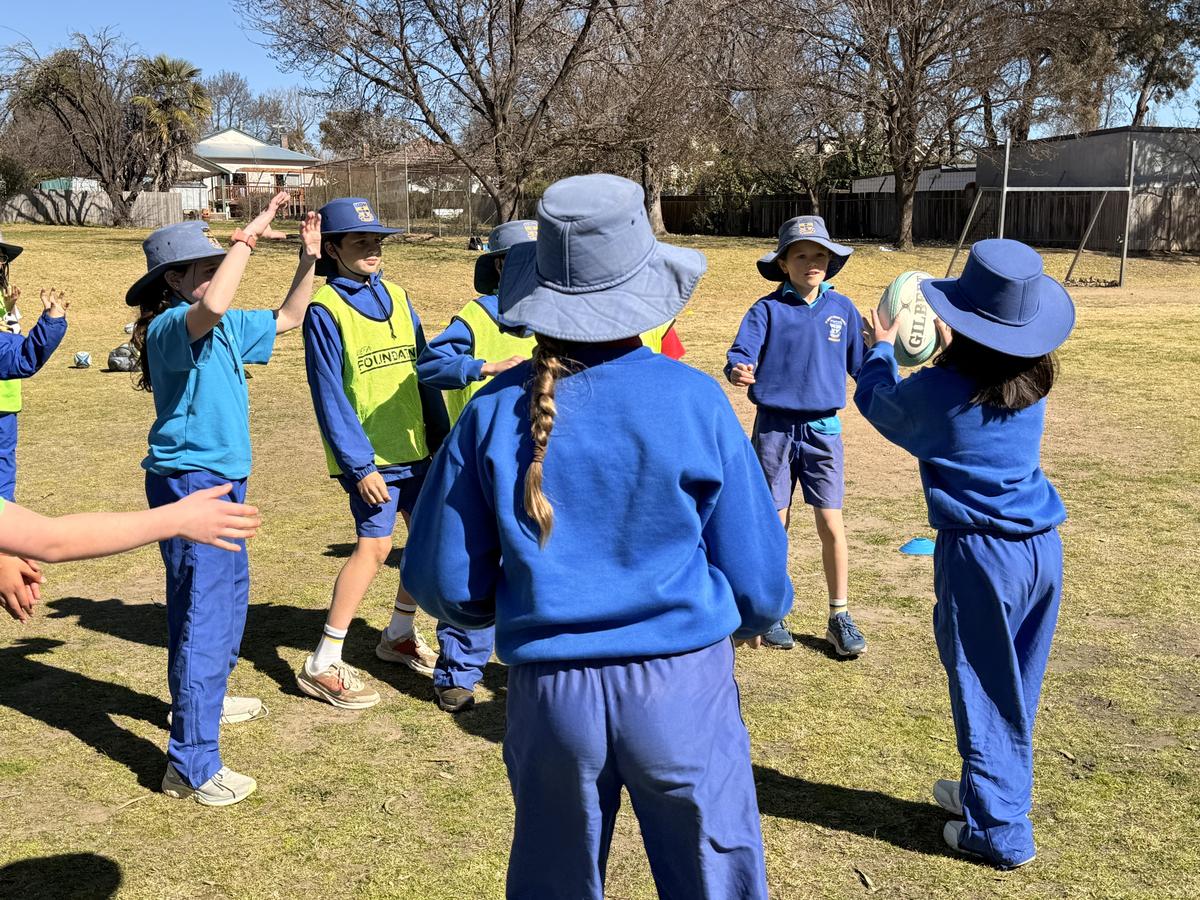
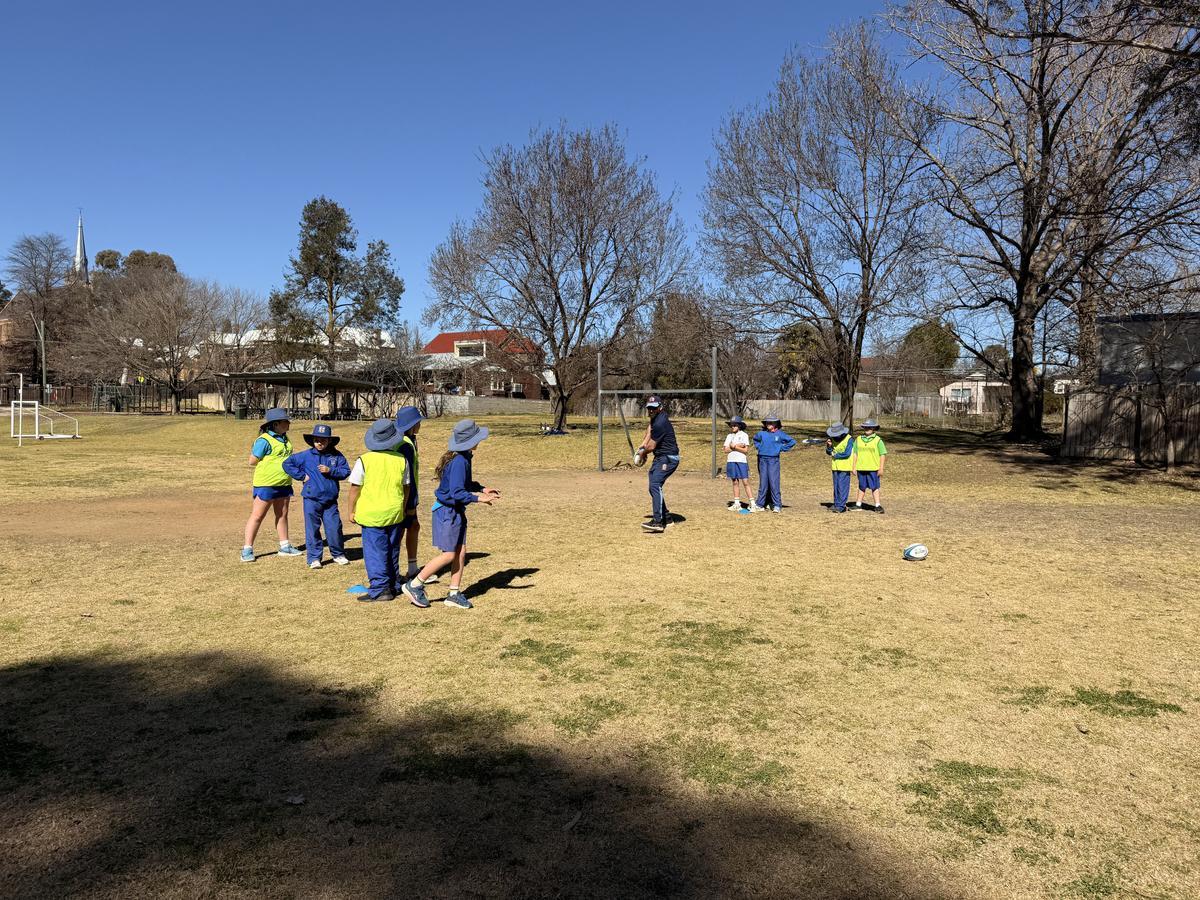
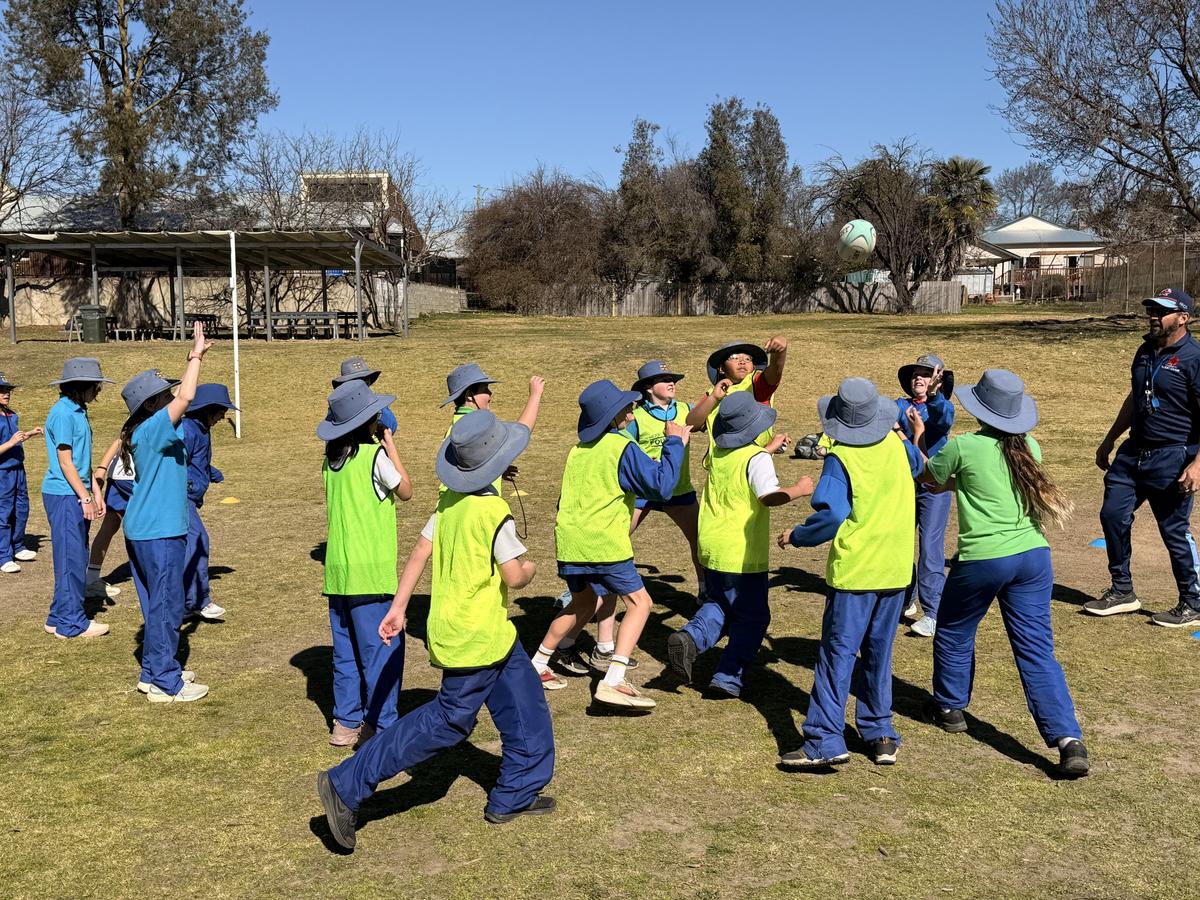
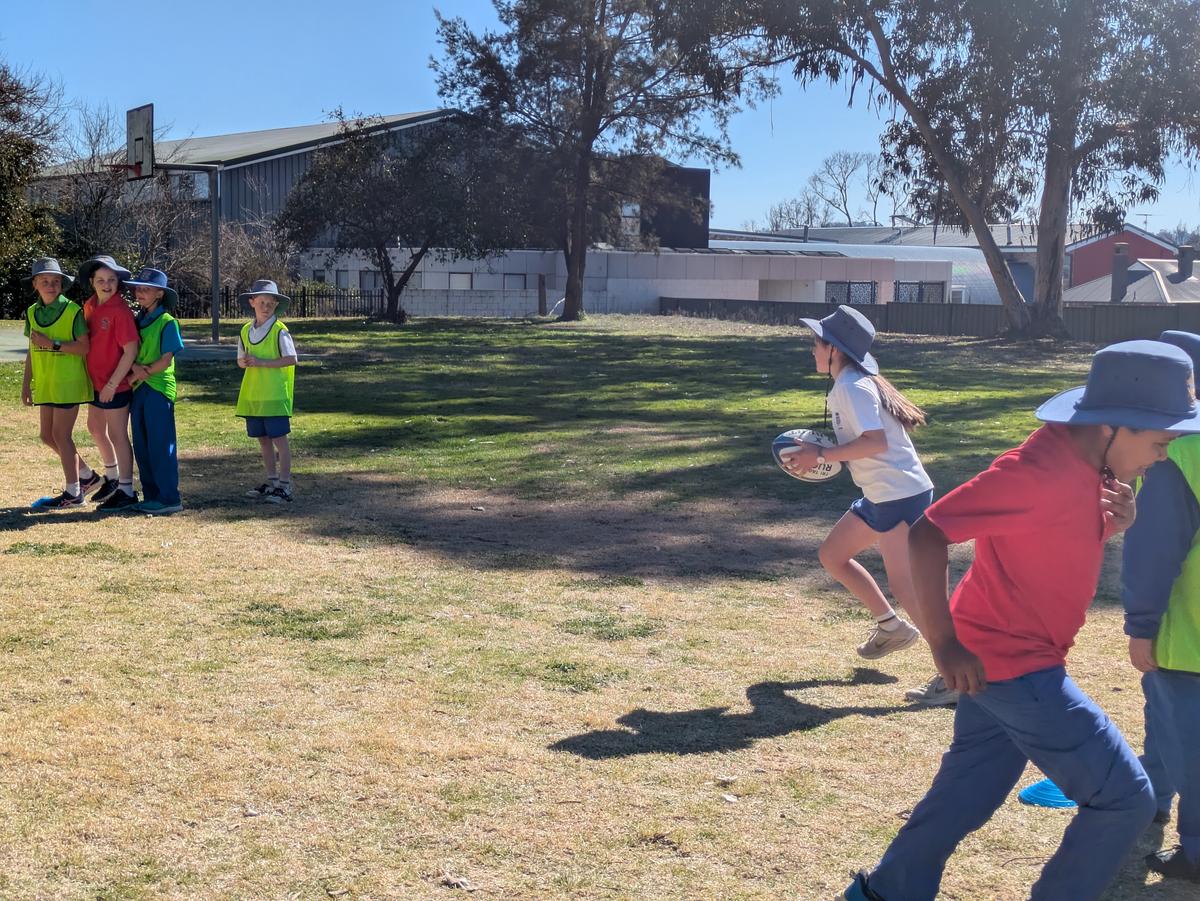
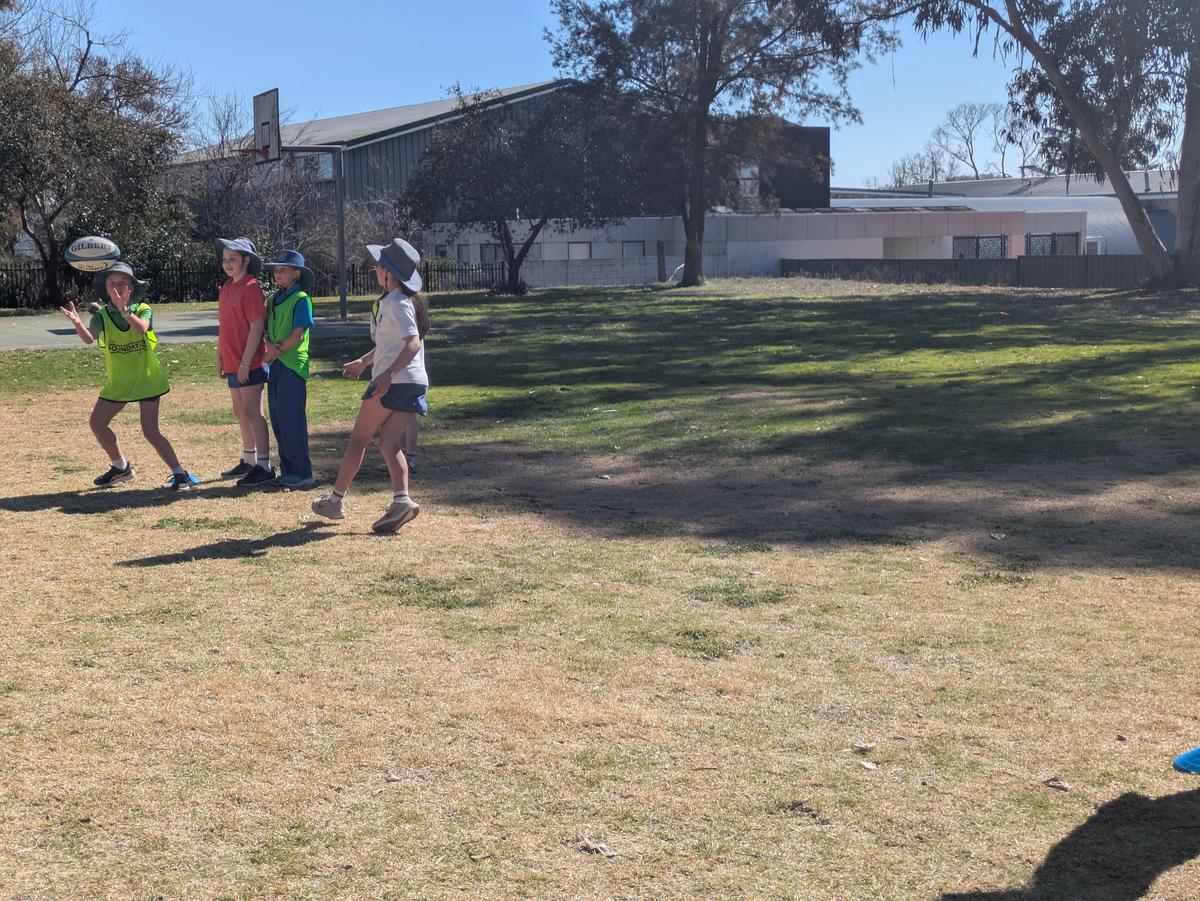
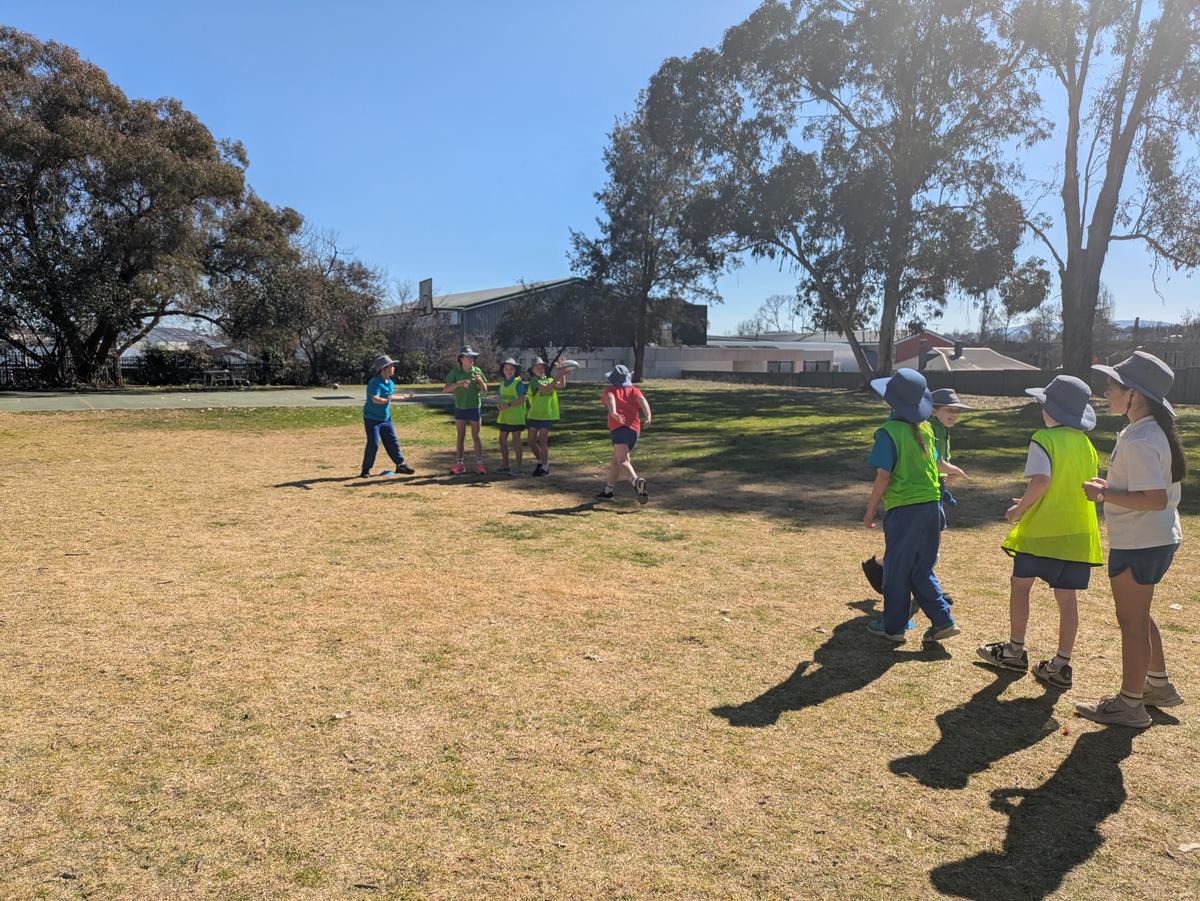
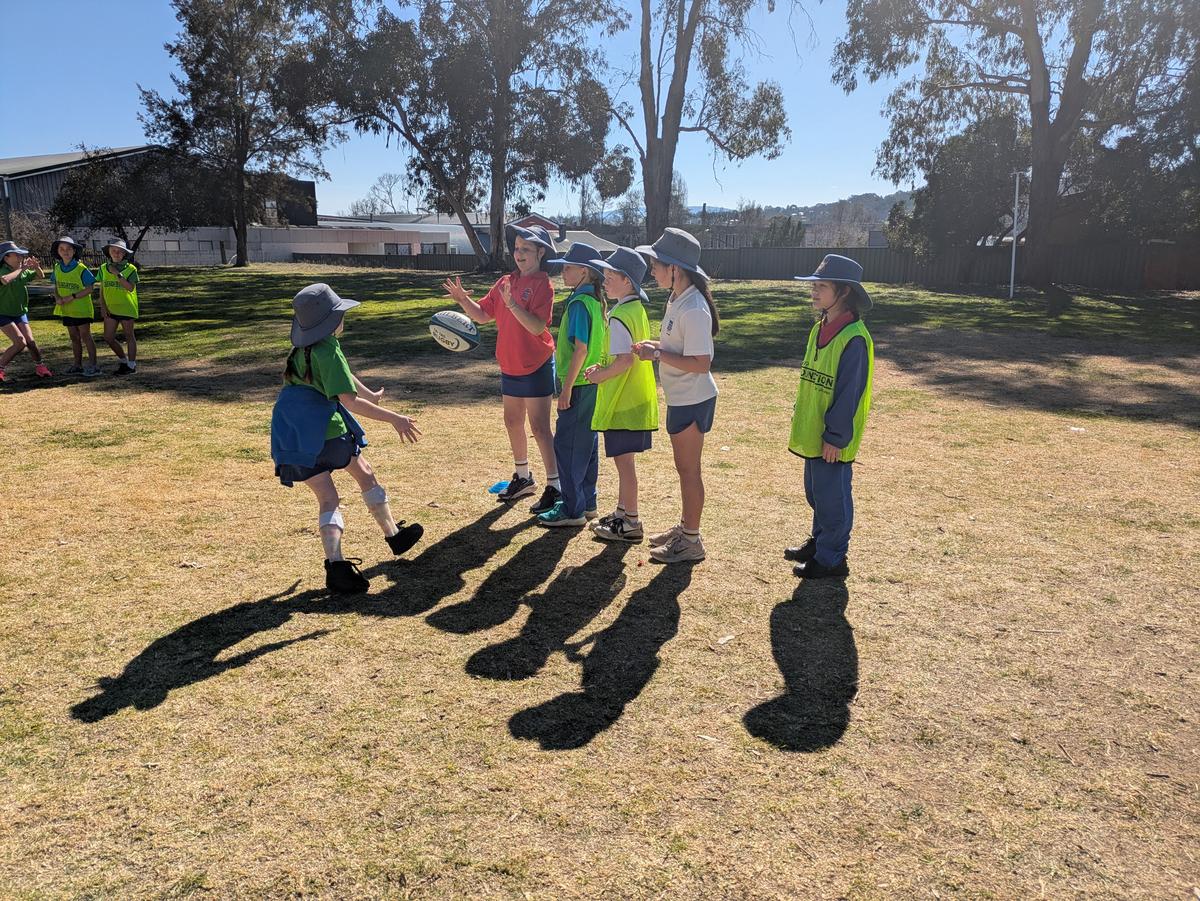
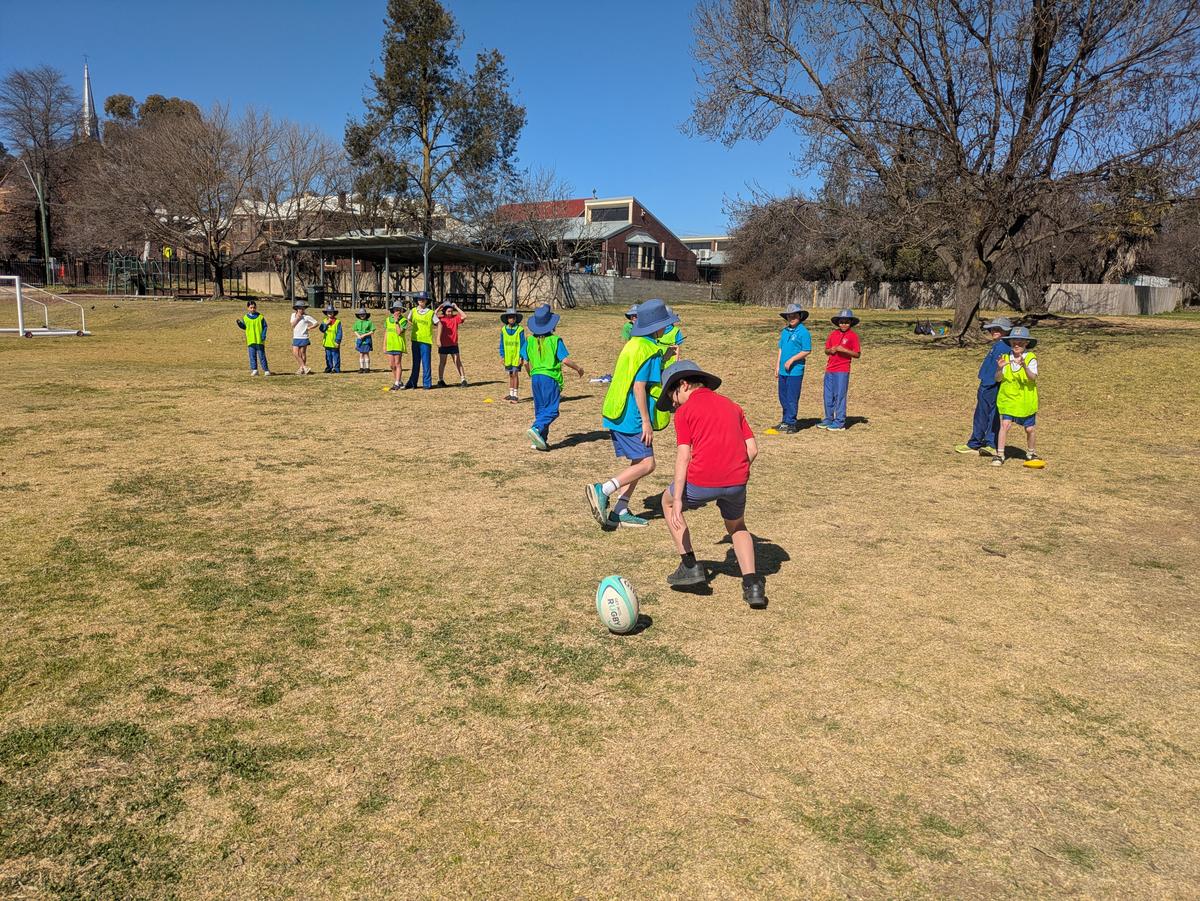
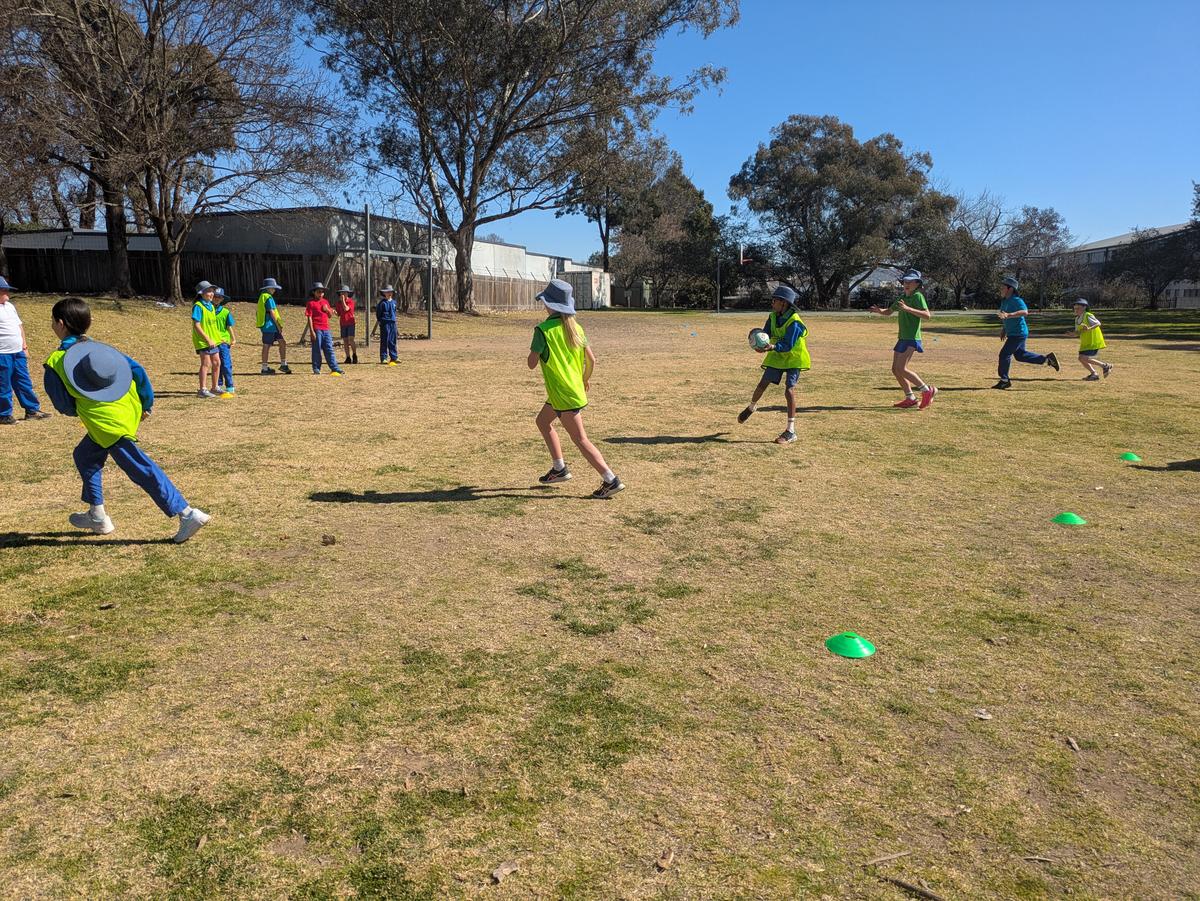
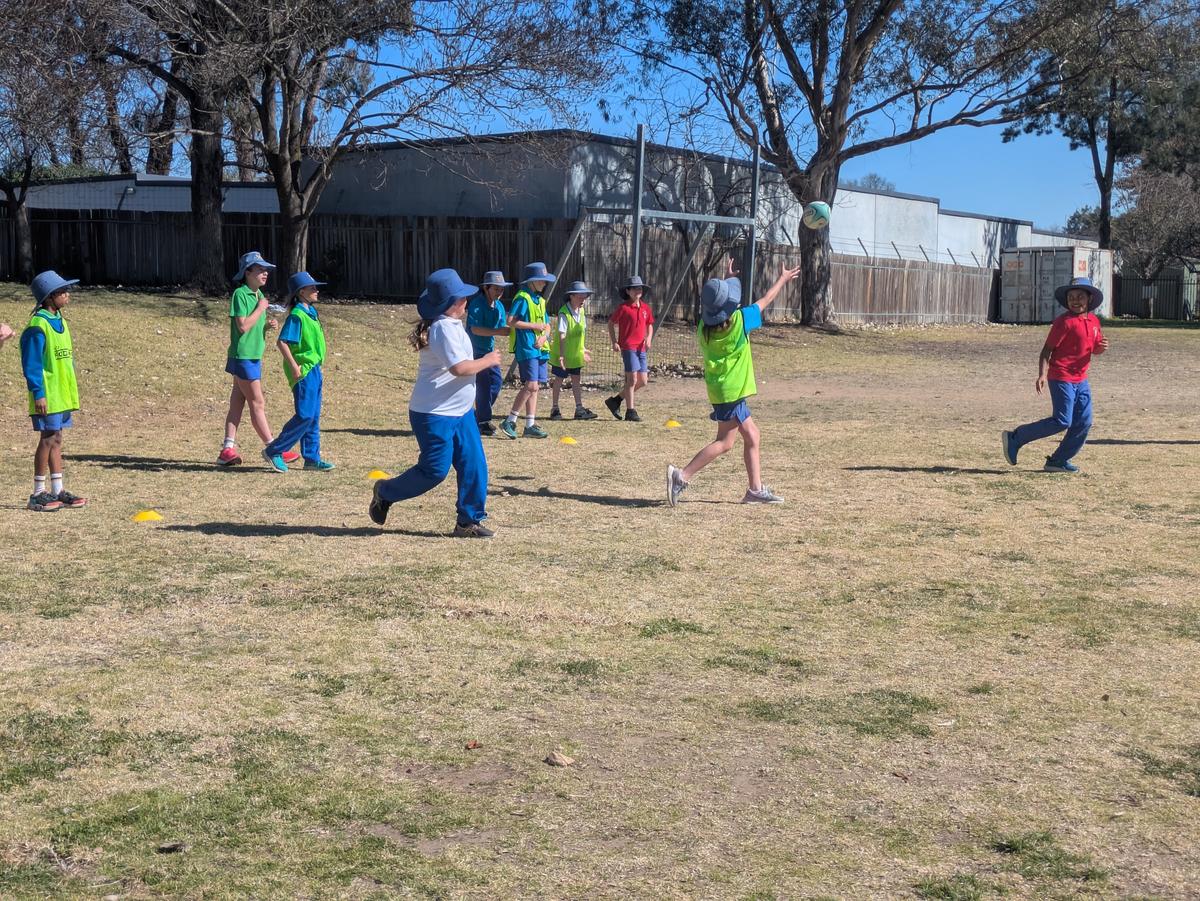
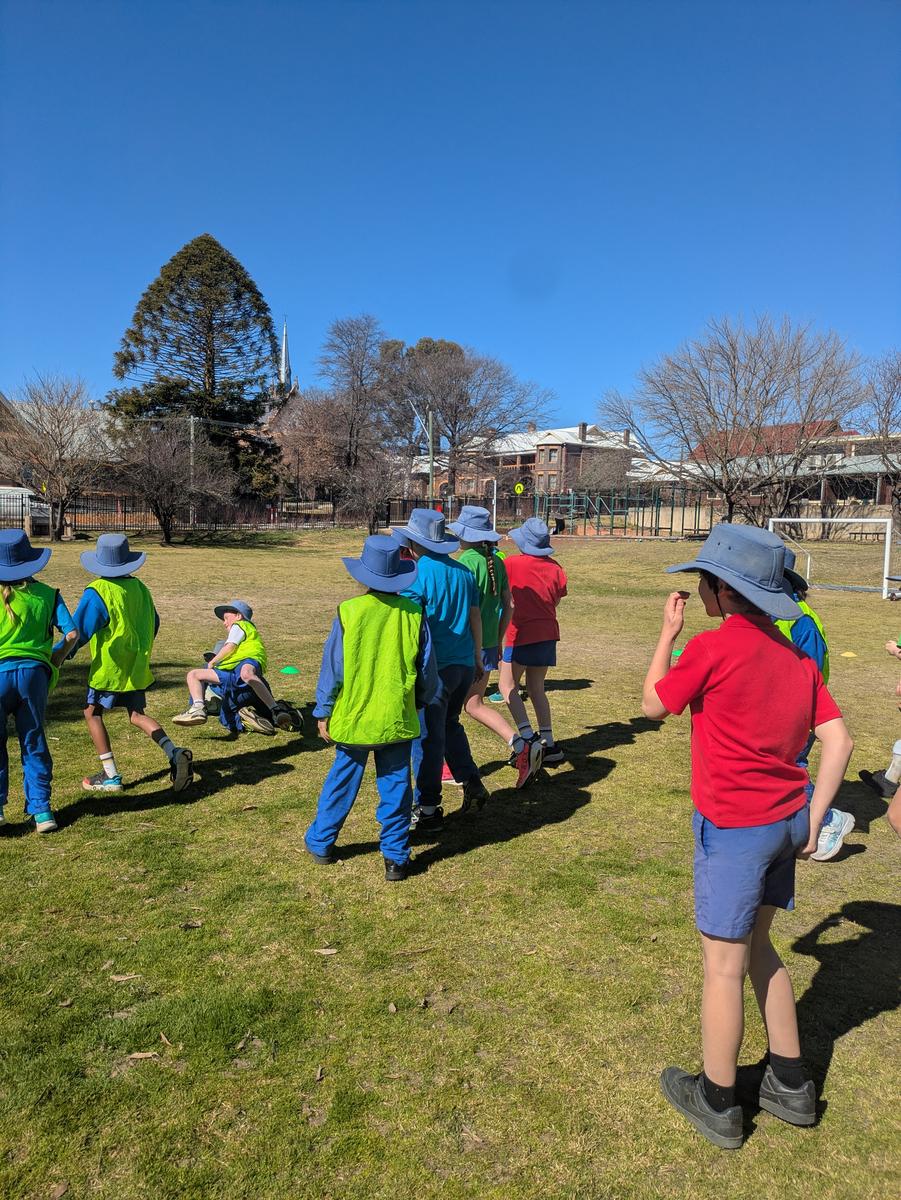
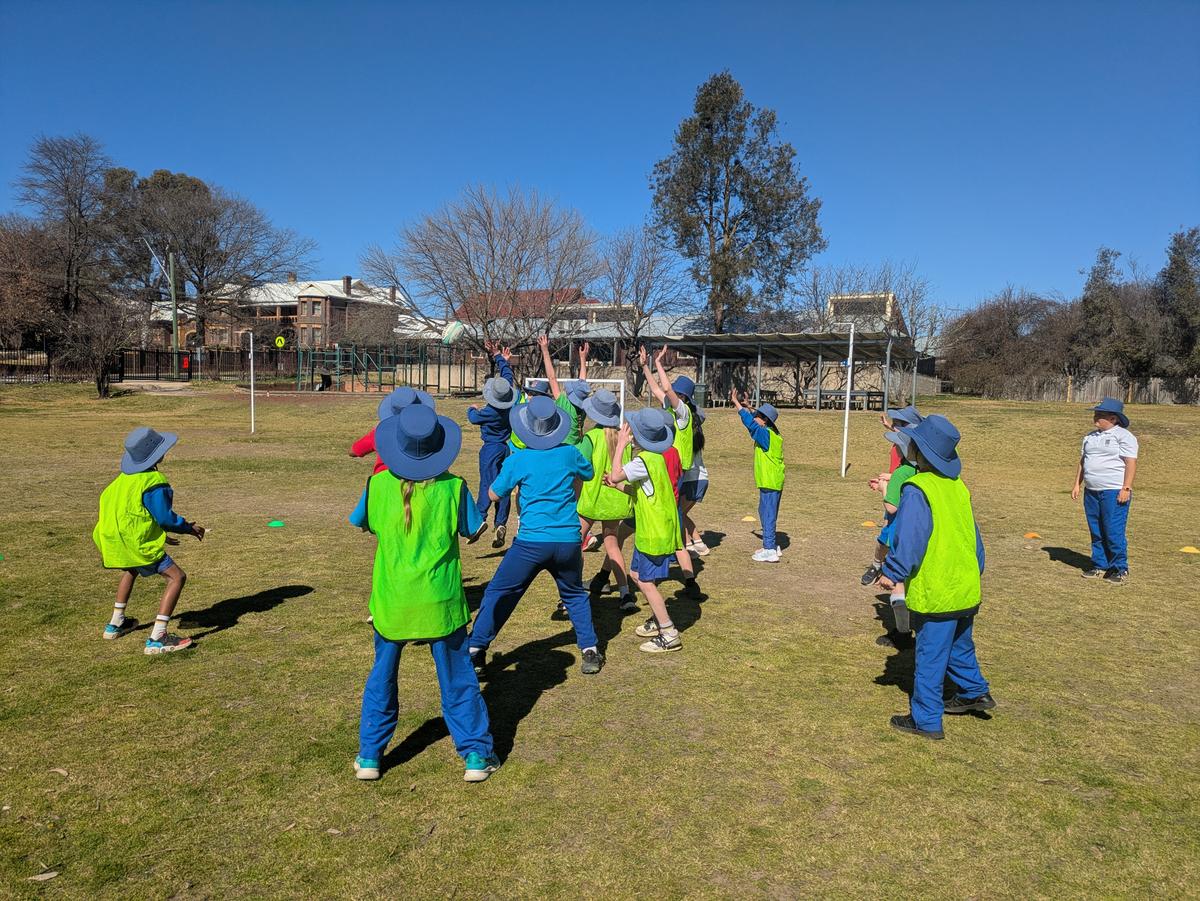
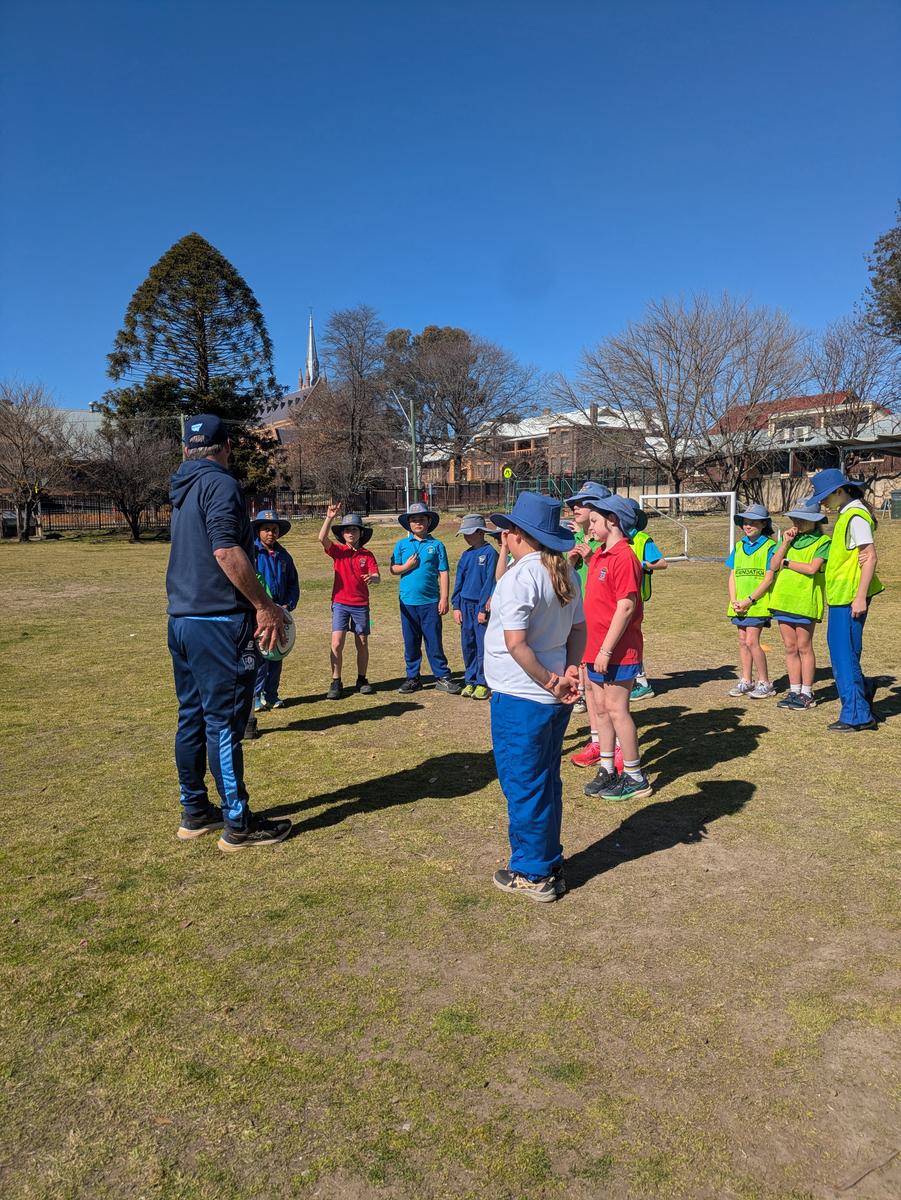
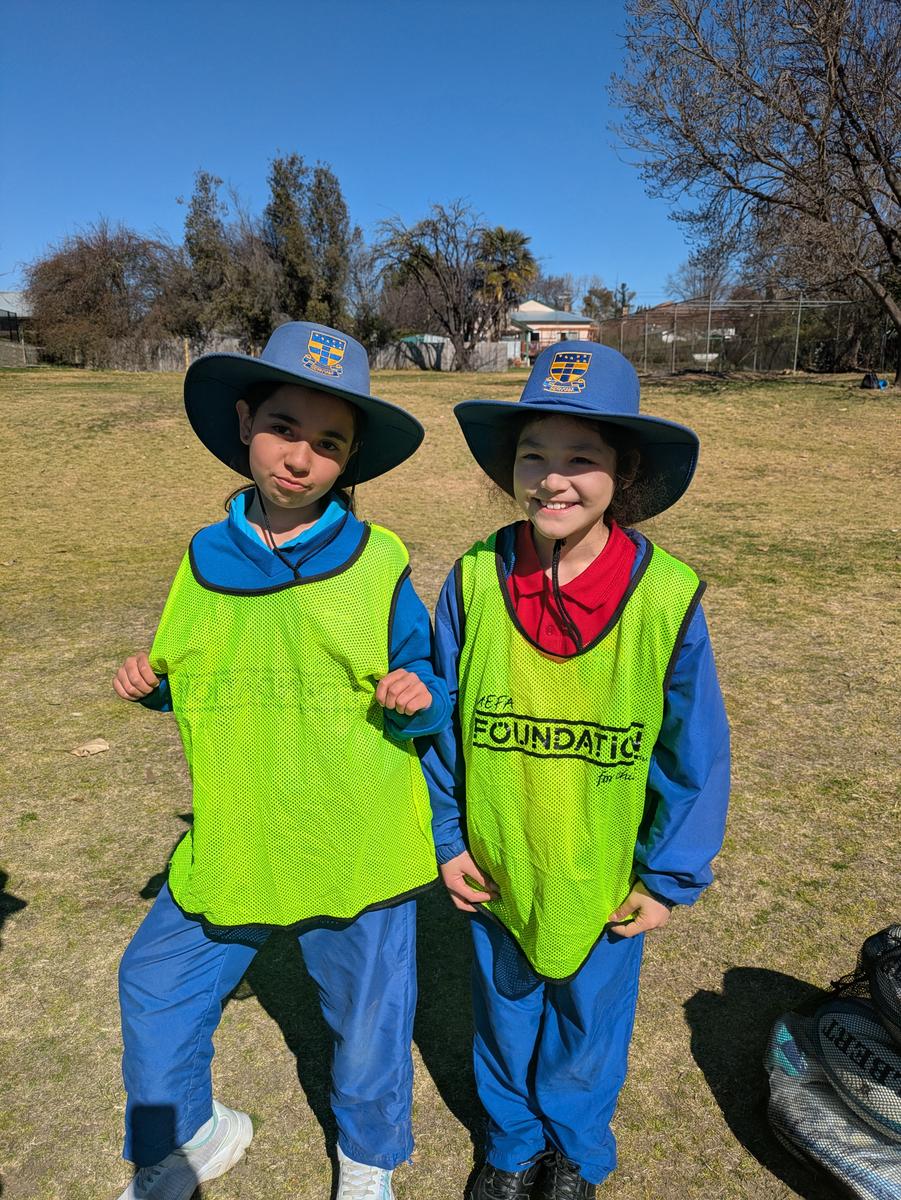
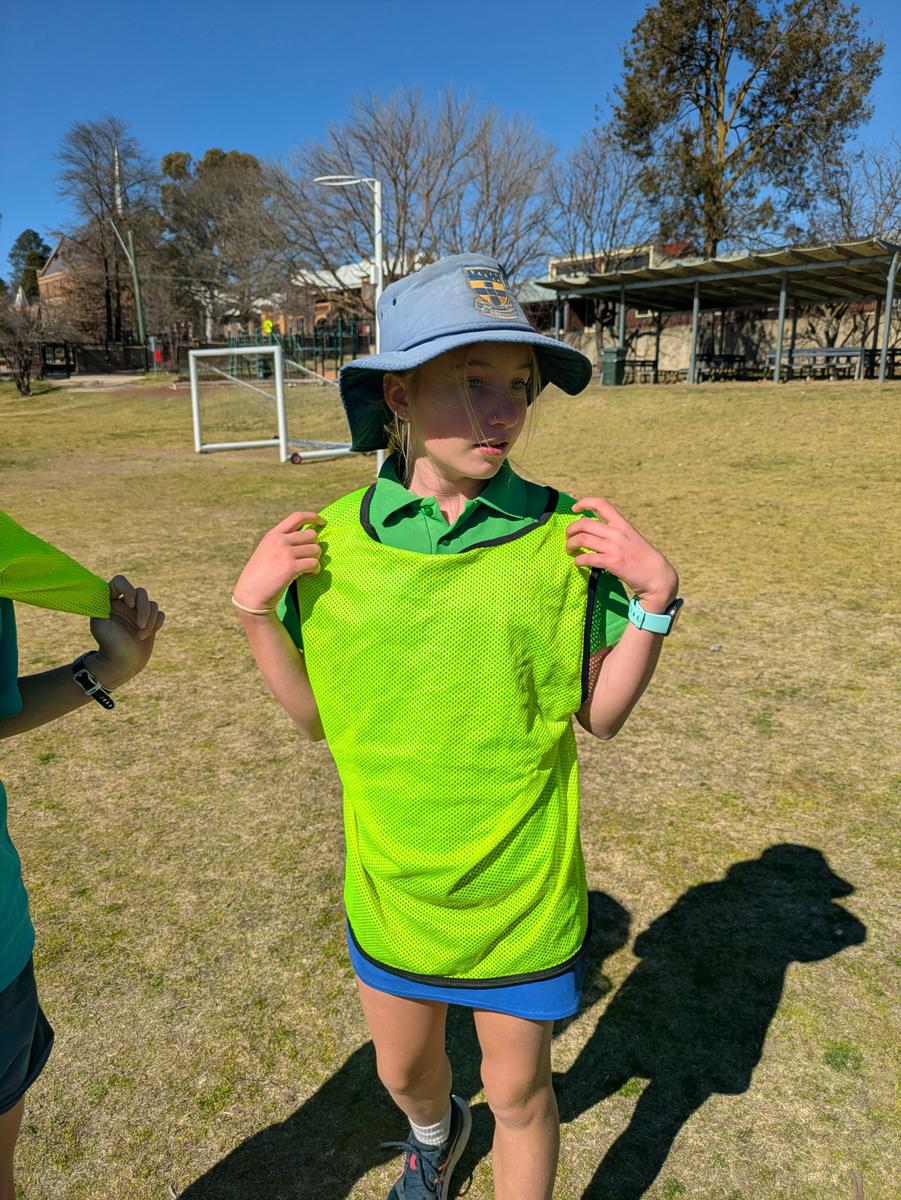
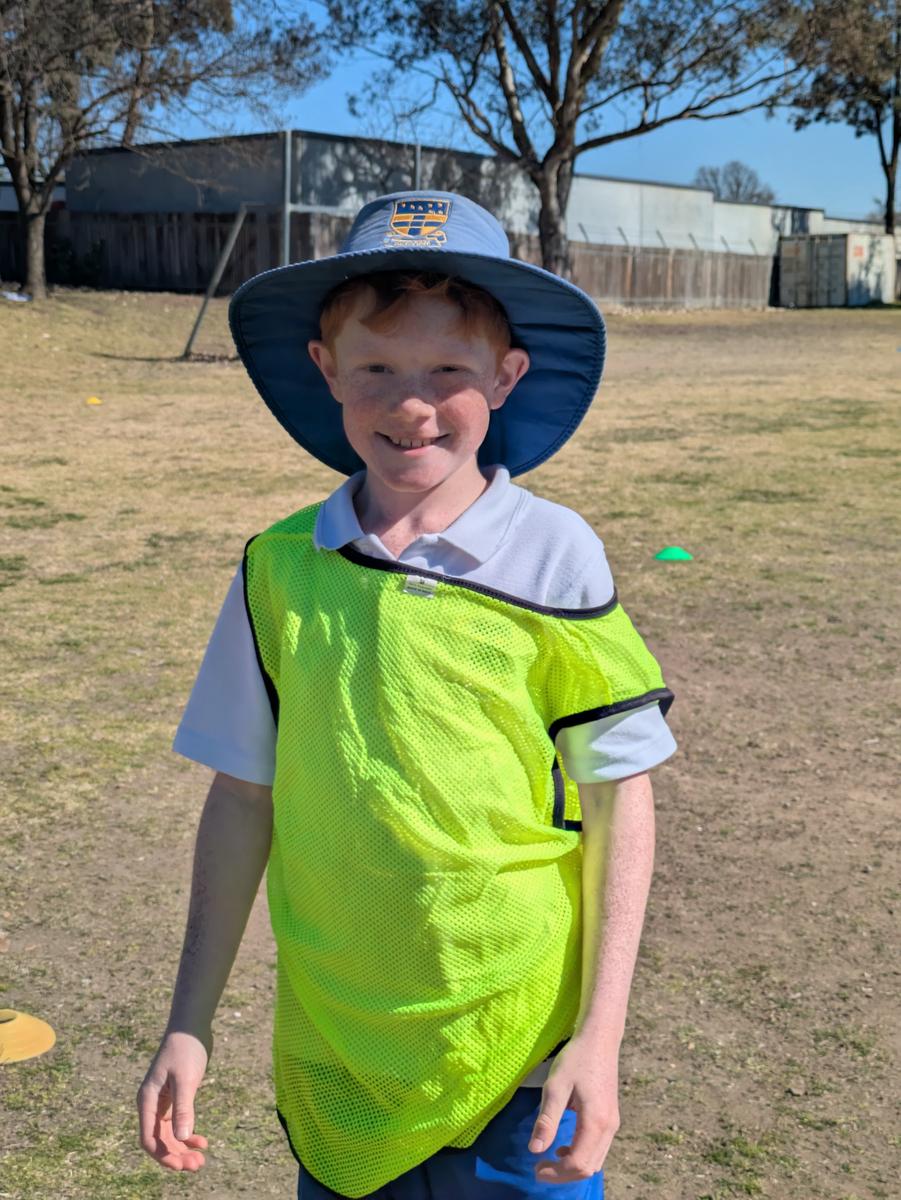
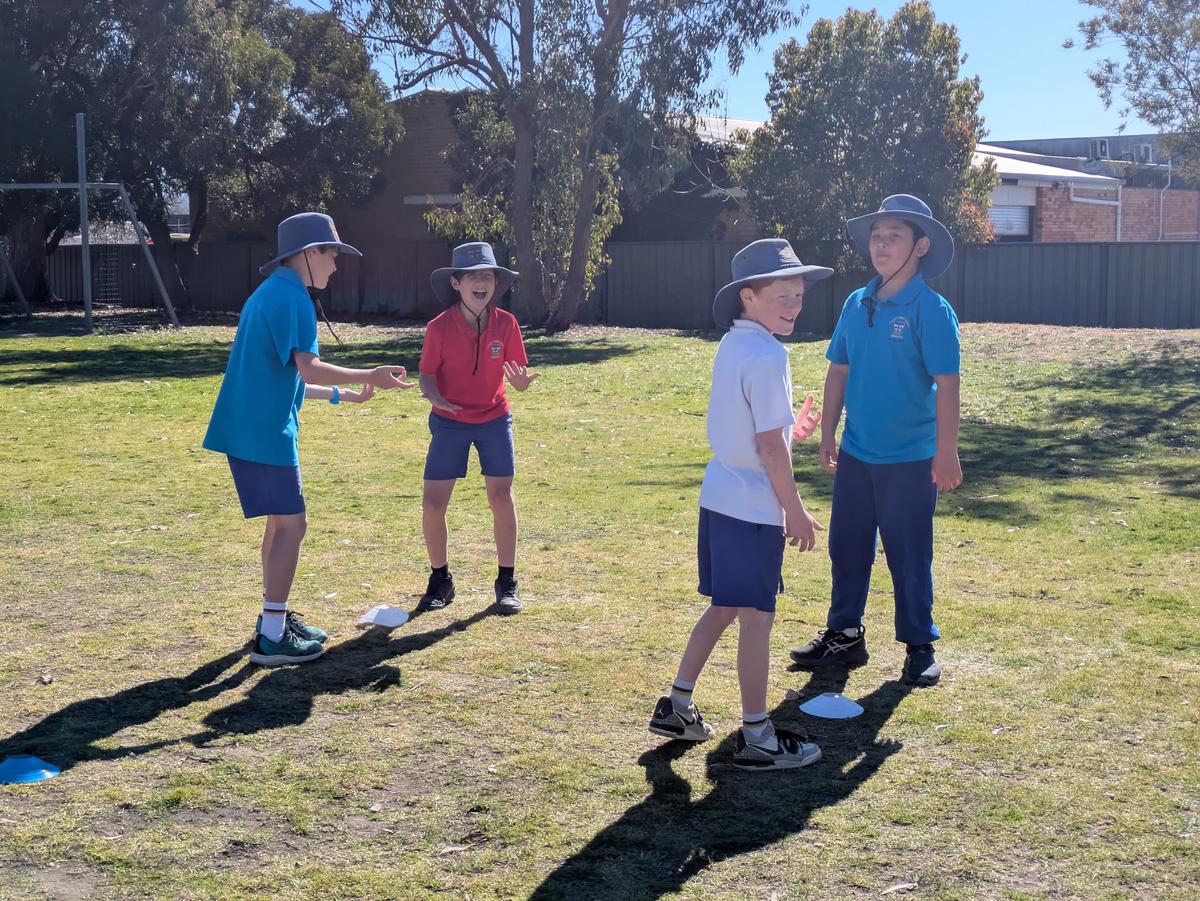
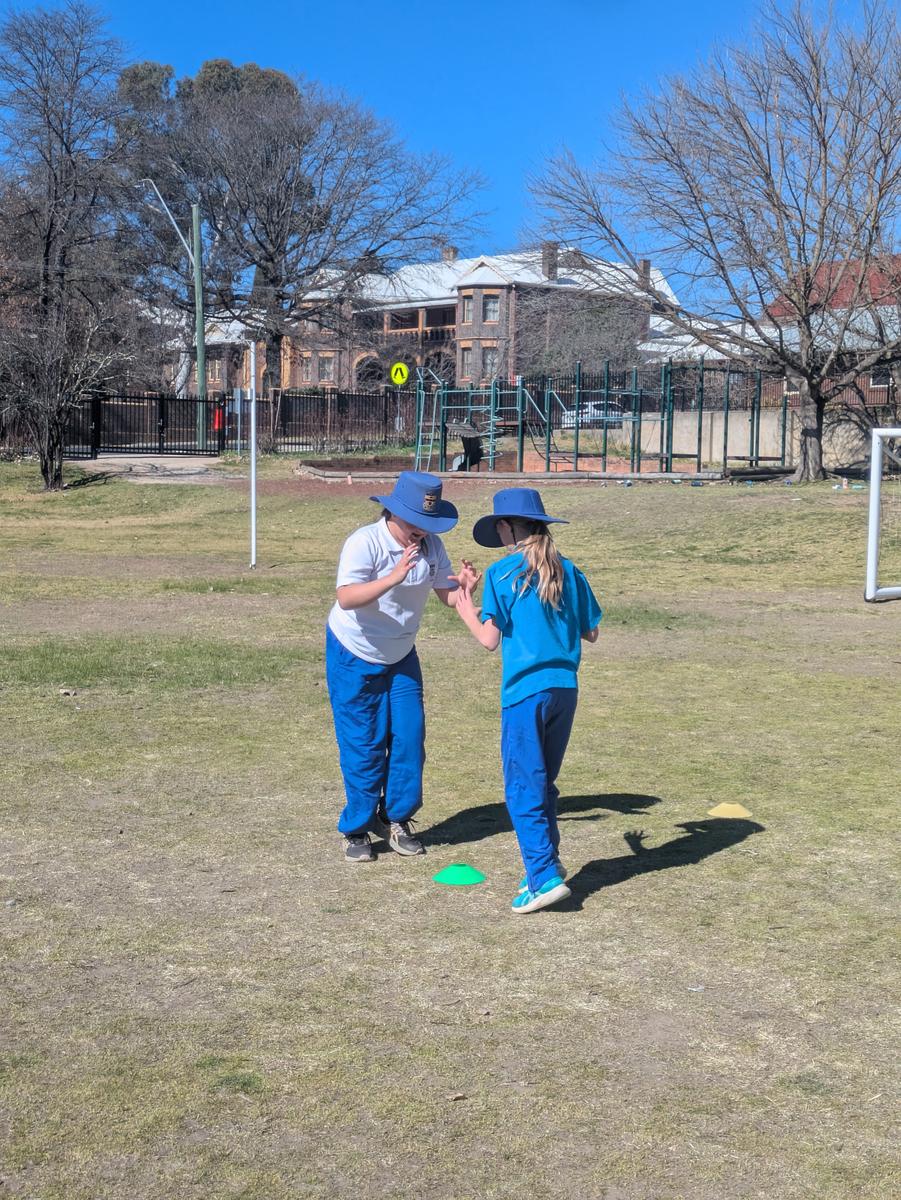
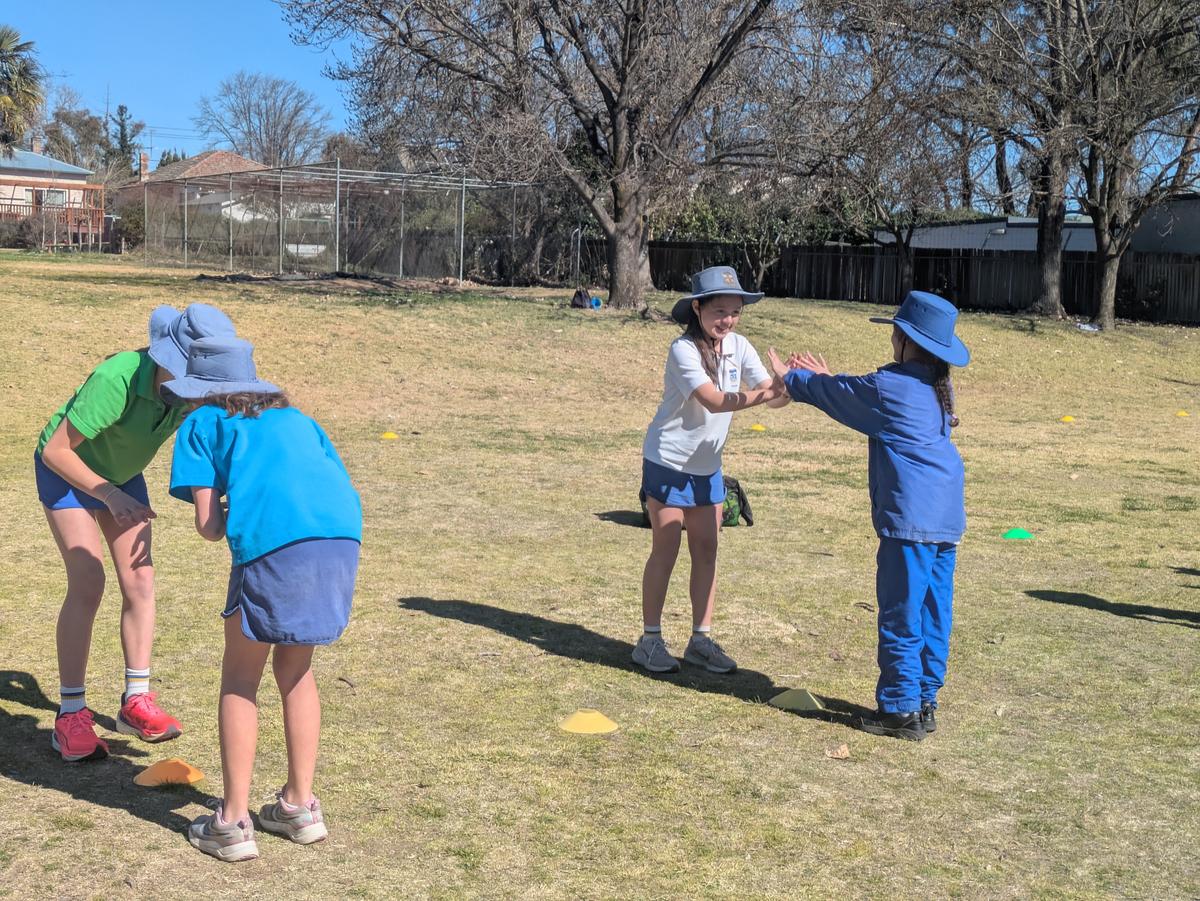
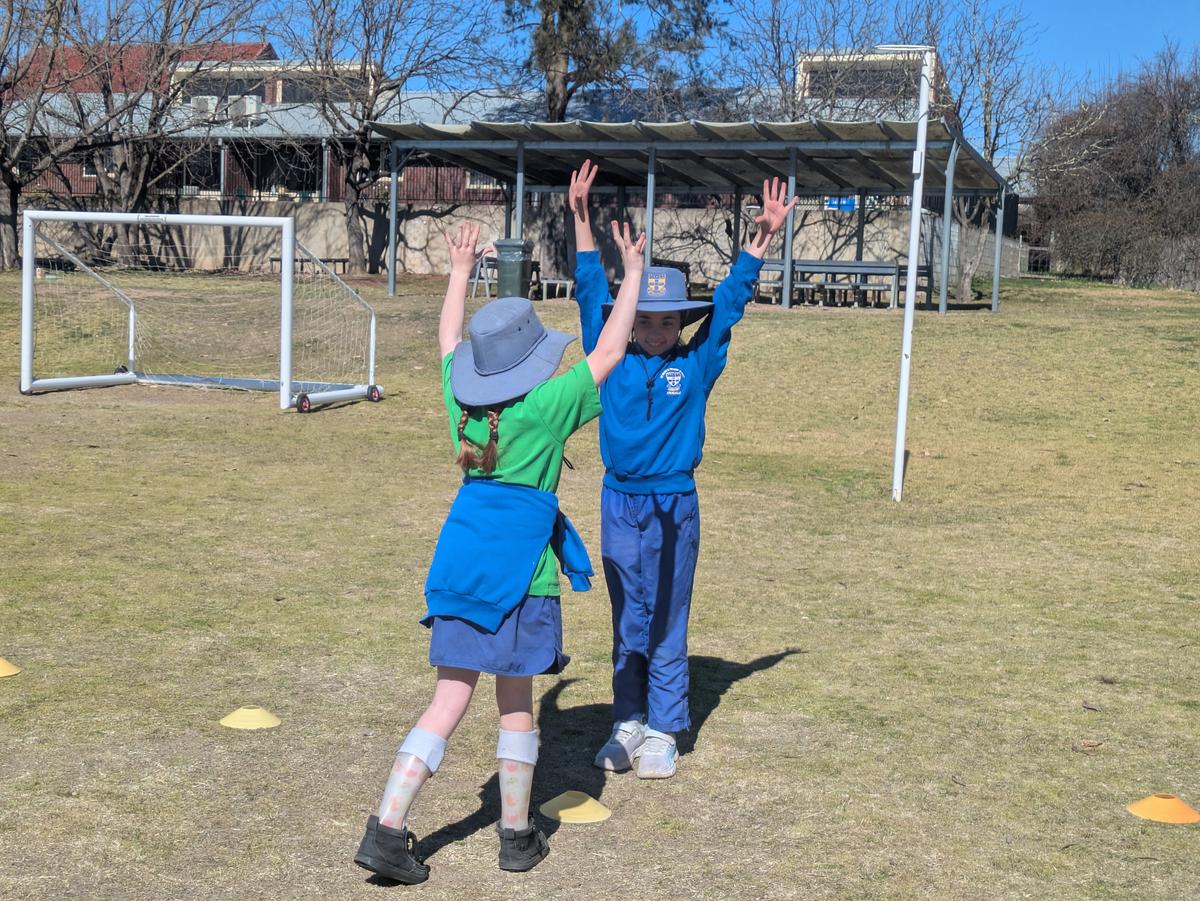
This term, Year 5 students have enthusiastically begun participating in our Rugby Clinics. These sessions provide students with the opportunity to develop their fundamental rugby skills, including passing, catching, evasion and teamwork, while building confidence and enjoying being active. We look forward to seeing their skills continue to grow throughout the term as they demonstrate sportsmanship, resilience and cooperation on the field.
English
This fortnight, Year 5 students have been developing their reading and writing skills through a range of engaging literacy activities. In Reading, students have reflected on their strengths as readers and set individual short-term reading goals to help guide their learning. These goals are regularly revisited to celebrate progress and support continued growth. Students completed a Big Write focusing on descriptive and narrative writing, using rich vocabulary, figurative language and detailed descriptions to engage their readers.
In spelling, students have been learning about homophones, exploring words that sound the same but have different meanings and spellings. They have been practising strategies to choose the correct homophone in their writing.
During Digital Technologies, students have been developing their digital transcription skills by learning keyboard shortcuts to improve their efficiency when typing and editing their work. These skills are helping students become more confident and productive when using digital devices for learning.
Barry walks over, carrying my brand new goggles. He adjusts my scuba tank and kisses me on the cheek. Barry is my scuba instructor and fiance. I stand slowly and attentively, making my way towards the edge of the moving boat, on the swelling waves and foamy splashes.
I gracefully dive in, doing a backflip and landing as straight as a needle into the crystal clear, turquoise waters. No splashes, no soaking your scuba instructor and certainly no wetting your to-be husband! Looking around, I instantly know something is wrong, so I experimentally take a deep breath in. Instead of air, I inhale cold, salty water. Trying not to choke, I look upwards and see Barry and our boat driving away.
Panic building, I instinctively put my hand on my stomach. I think of my new family; Barry, my baby and obviously myself. I carry a tiny secret in my tummy, and my heart feels as small and sad as a worn out stuffed animal. One thing is completely clear to me: I want this family more than anything, therefore I will go to great lengths to make my life what I want. Chelsea (my enemy) is gone and I finally have the long wanted freedom. BUt none of that matters now; if help doesn’t arrive soon I am going to die.
My vision going dark; I look towards the shimmering rays of sun, taunting me that I can’t go up to enjoy them, but I can watch the sun while I feel so helpless. Out of nowhere, I see a boat! Trying to make out the small yacht, I see an emerging shadow. A human being; about 5.9 feet tall and super handsome with dark hair and piercing blue eyes. I know it is Barry - I try to hold on - but my chest aches so painfully and I black out…
I cautiously open my eyes and wait to feel the cold water and see my dying self. Instead I feel a heavy white blanket over my legs and an itchy bandage over my chest. A grave looking doctor leans back on a small, plastic chair and drums his fingers on an important looking file. He sees me open my eyes and starts explaining my health situation so rapidly I barely understand it. I got the memo though, lung problems and no more diving for months or maybe ever.
I gingerly sit up and find out I need lung surgery that has only a 10% survival rate for me. The surgery is scheduled for Wednesday the 3 of February. I watch Barry and the nurse talking about if I can dive ever again. The nurse tells me that I can dive in 7 months after I make a full recovery. Why I’m not afraid to go underwater, I don’t know. Another thing I learned is to always try your hardest and never die diving.