Teaching & Learning Page:

Web Pages:
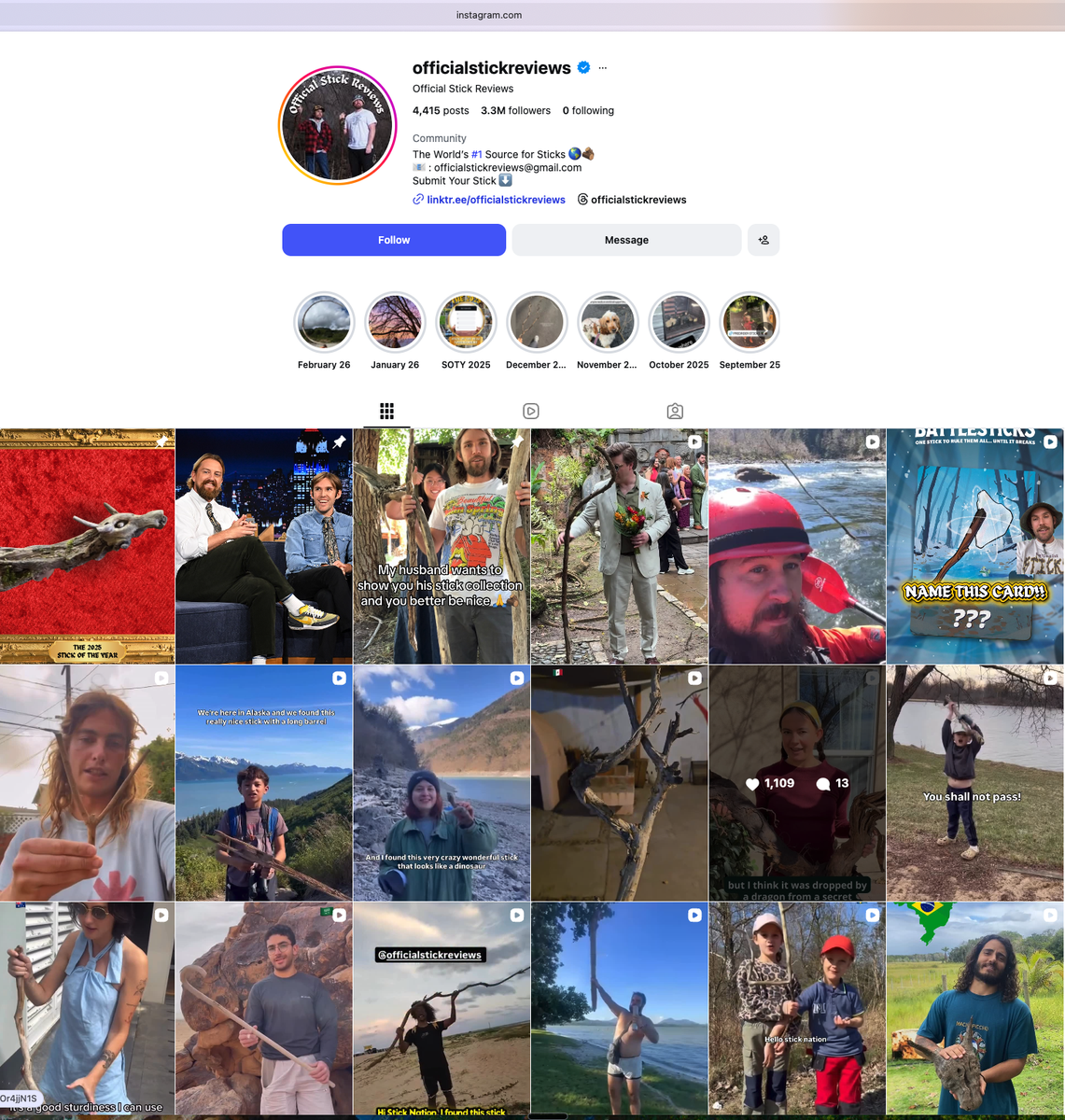
httpswww.instagram.comofficialstickreviews.utm
The internet’s go-to gathering place for those who rate and revere sticks is big and growing fast. The appeal is simple ...

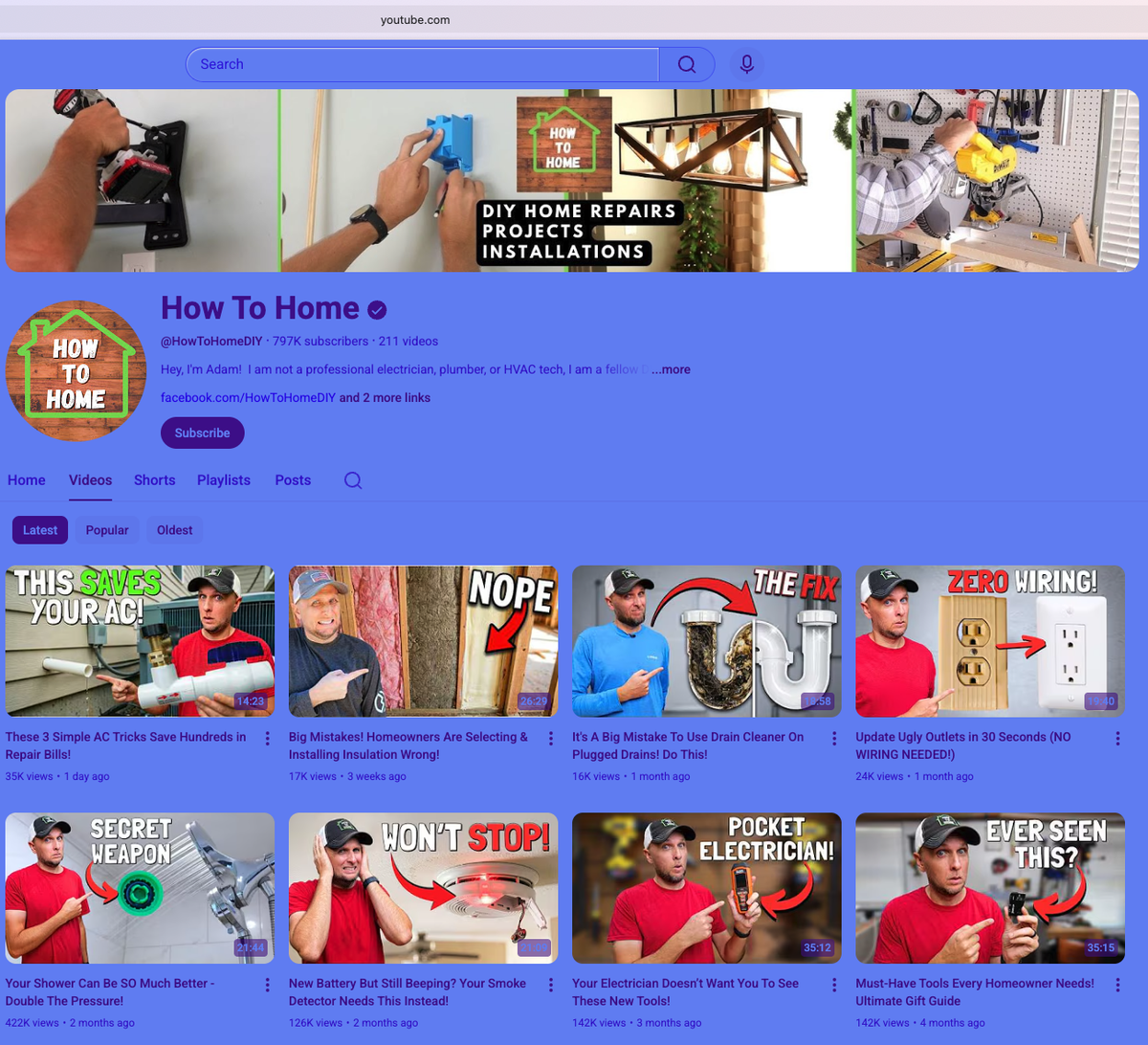
https://www.youtube.com/@HowToHomeDIY
Hey, I'm Adam! I am a fellow DIYer who loves to install, and make repairs on my own home and properties. I create content focused on DIY, how tos, tips and tricks, and reviews of products used around the home. I offer information and ways to save money on projects, builds, renovations, and everyday repairs.
Techie Tips - ChatGPT Hacks - a series:

Use 'branch conversations' to explore tangents off your chats
OpenAI often rolls out minor but useful upgrades to ChatGPT that can get missed, and one of those is branch conversations. They quite literally let you branch off from one conversation and start another, while leaving the original chat preserved so you can go back to it if you need to
(and maybe start another branch).
It's a simple way to go off on a tangent with a discussion. Click or tap the three dots at the end of any ChatGPT response and you'll see the Branch in new chat option. A new chat is then created, based on the first.
From the length of the responses to the data format they're outputted in, tell ChatGPT what you want in precise terms, and it will oblige.
One of the best of these prompt hacks I've seen lately is from u/AdCold1610 on Reddit, and all you have to do is put "extremely lazy person here" somewhere in the prompt. It often has quite a profound effect on the response: Answers get shorter and to the point, and if there are instructions involved they become simpler and more straightforward. You get less fluff and more action in general, though obviously how much impact the lazy prompt has will vary on what you're asking of the AI.
Sketches:
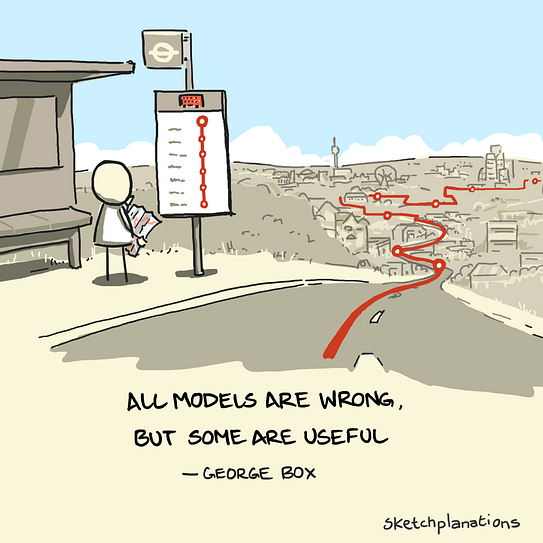
One of my favourite statisticians’ quotes is British statistician George Box’s point that:
“All models are wrong, but some are useful.”
— George Box
His point, as I understand it, is simply that any model is inherently a simplification and approximation of reality. It will never capture reality in its entirety.
This applies to your formula of expected revenue and expenses that you drag down cells in a spreadsheet. And it applies to our largest, immensely complex, weather and climate models with millions of individual variables and data points. They can never be complete. And while we should keep this in mind for the limitations of all our models, forecasts, predictions and explanations, it doesn’t stop them from, many times, being useful.
While you can, and many people do, argue with the premise of models being “wrong,” I like the quote because it reminds me to be humble and duly sceptical of any models I read about or put together. While their accuracy varies enormously, they are all fallible.
It also reminds me that any model has a purpose—emphasising some features of reality and ignoring others.
On MapsWhile a map is not a model in the statistical sense that George Box likely had in mind when he uttered the phrase, I find that maps are a great example of selective focus.
In the sketch, you can see the messy complexity of the world, the traditional map where buildings and roads become marks on paper, and the simplification of a bus route’s sequential stops.
Other times, maps may focus on:
Human geography: streets, buildings, shops
Tourist attractions
Relief, elevation and geographic features
Water courses and watersheds
Traffic and travel times
Political boundaries
And any number of other things.
They are all models representing some aspects more accurately at the expense of others. As the saying goes, “The map is not the territory.”
A model is a tool, and its usefulness depends on what you are trying to do. If you’re trying to plot courses on a flat map, then the Mercator projection is extremely helpful. If you’re trying to understand how large Greenland is compared to other countries, then it’s misleading.
Box advocates using economical models that allow us to interrogate practice while staying aware of where they may be importantly wrong.
It’s not lost on me that I present a lot of simpler models than reality in Sketchplanations. I think that’s because, when we consciously acknowledge their imperfections and limitations, a good model, like a good framework, can be just so helpful. As Larry Keeley said, “Building a good framework is like cutting cubes out of fog.”
Article:
How to Think Before You Speak: 4 Tips:
Thinking before you speak helps you avoid offending others while also remaining engaged
and honest.
What Does It Mean to Think Before You Speak?
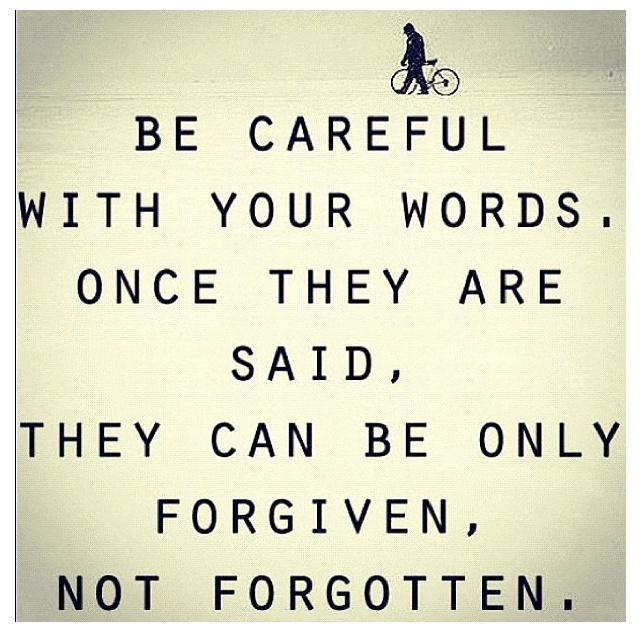
The phrase “think before you speak” refers to the practice of considering your words before you say something or respond to another person’s comments. When you think before speaking, you take into consideration that our words impact others’ feelings.
Thoughtful communication builds trust between acquaintances and fosters connections with loved ones. It also makes them a good conversationalist. Someone who actively listens while others are speaking can formulate a response that furthers a conversation.
The Importance of Thinking Before You Speak
Thinking before speaking can help you to:
Avoid embarrassment. Speaking before you think often leads to saying the wrong thing
at the wrong time. Putting your foot in your mouth is embarrassing, but it can also have
a negative effect on certain relationships or opportunities, such as a job interview.
Consider other people’s feelings. It’s true that words have power. Kind words can
uplift people’s emotions, while harsh or ill-considered words can undermine others’ self-
esteem and trust.
Mitigate stress. Speaking without thinking undercuts the things we want and need in
favor of fulfilling an impulsive urge. As a result, we often end up in stressful situations we
sought to avoid in the first place.
If you want to practice thinking before you speak, you can take steps to make it a habit.
Consider these tips to help you slow down during conversations or presentations:
1. Ask for more time. If possible, ask your conversation partner or audience for a few
extra seconds or minutes to gather your thoughts before you answer a question or begin
to speak. This enables you to form a response according to a more comfortable timeline
and will ease some of the pressure you might feel to speak right away. If you experience
anxiety when engaging in public speaking, this can be an effective strategy for calming
your nerves.
2. Practice awareness. Admitting you often speak before thinking is a form of self-
awareness and the first step toward improvement, so you are already making progress.
Additionally, practice active listening skills and use engaged body language so you are
fully present during a conversation. Notice the other person’s posture, tone of voice, and
mood. Absorb what they are asking or saying. Being more sensitive to others will lead to
more effective communication and ideally eliminate any impatience or impulsivity if you
are someone who interrupts or talks over others frequently.
3. Try taking a breath. To get in the habit of pausing before you speak, practice taking a
few breaths before you start to talk. While you are breathing, you are naturally pausing
the conversation and giving yourself time to weigh your response. Keep in mind you can
pair taking a breath with asking for more time to gather your thoughts. For example, if
your manager asks you a question in a meeting, you could respond, “That’s a good
question. Let me think for a moment.” Then take three breaths while you decide how you
want to answer.
4. Use the THINK acronym. A simple but effective mnemonic device, the THINK
technique encourages you to choose your words with care. “THINK” stands for “true,
helpful, inspiring, necessary, and kind.” Before speaking, ask yourself if what you’re
about to say aligns with each of those qualities. If your answer is “yes” to all five
questions, then your thought is worth sharing.
Book Recommendation: