Student Wellbeing and Inclusion












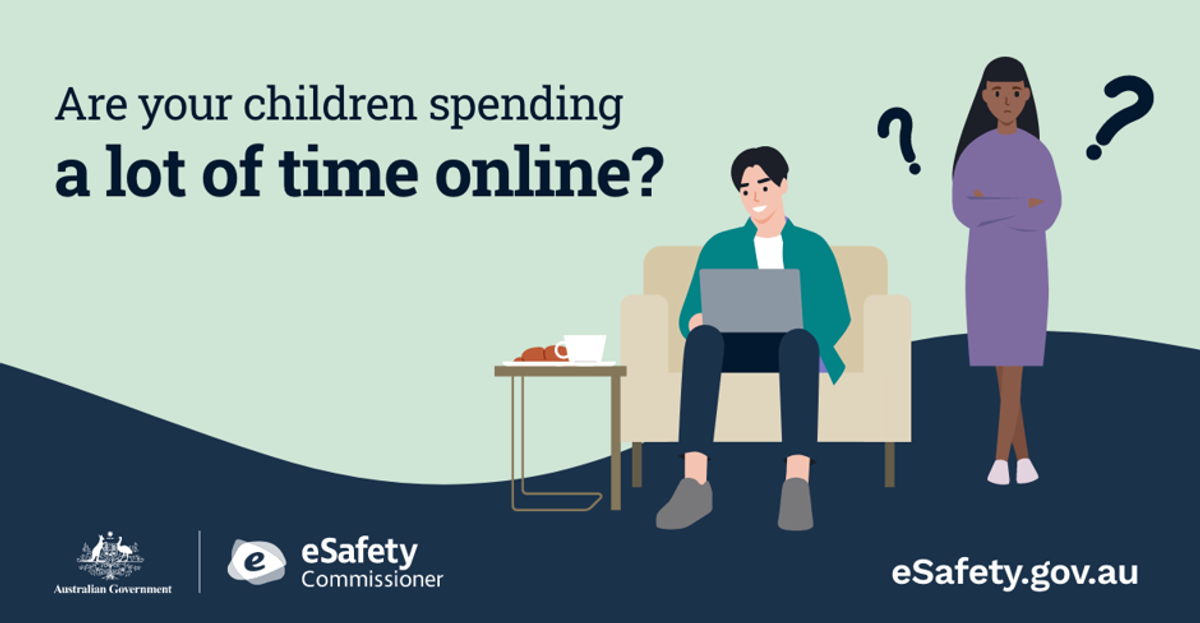
Teaching your child to be cybersafe will help them to engage with the online world safely, responsibly and discerningly and can assist to protect them from online risks.
Children can face situations online they don’t know how to handle. Schools and families work together to teach children to prevent bullying, respond to problems, and build positive relationships.
Common issues:
- Cyberbullying
- Inappropriate content
- Sharing personal information
Simple tips:
- Talk with your child about what they do online
- Keep devices in shared spaces
- Encourage them to ask for help if something feels wrong
Strong school communities are built by students, parents and staff working together to promote respectful and safe behaviour.
For more help and translated resources, visit the eSafety Commissioner:
Signs a child or young person might need support
- A child’s online activity might have a negative impact on them if they don’t also have a healthy balance of offline activities. Sometimes, your child might show signs that they are having negative online experiences or that they are being bullied.
Be alert to changes in your child's behaviour or mood. Watch for signs of withdrawal, anxiety, sadness or changed interactions with family or friends.
Signs can include:
- less interest in social activities like meeting friends or playing sport
- not doing so well at school
- tiredness, sleep disturbance, headaches, eye strain
- changes in eating patterns
- reduced personal hygiene
- obsession with particular websites or games
- extreme anger when being asked to take a break from online activity
- appearing anxious or irritable when away from the computer
- becoming withdrawn from friends and family
For more information see Safe Socials – For parents and carers (Primary) | vic.gov.au
If you or your child needs extra support, don’t hesitate to seek professional help. See the image on the right for more information.

Jemma Hamzah
Wellbeing Support
Heights Campus