Science Technology Engineering and Maths




















Foundation & Year 1
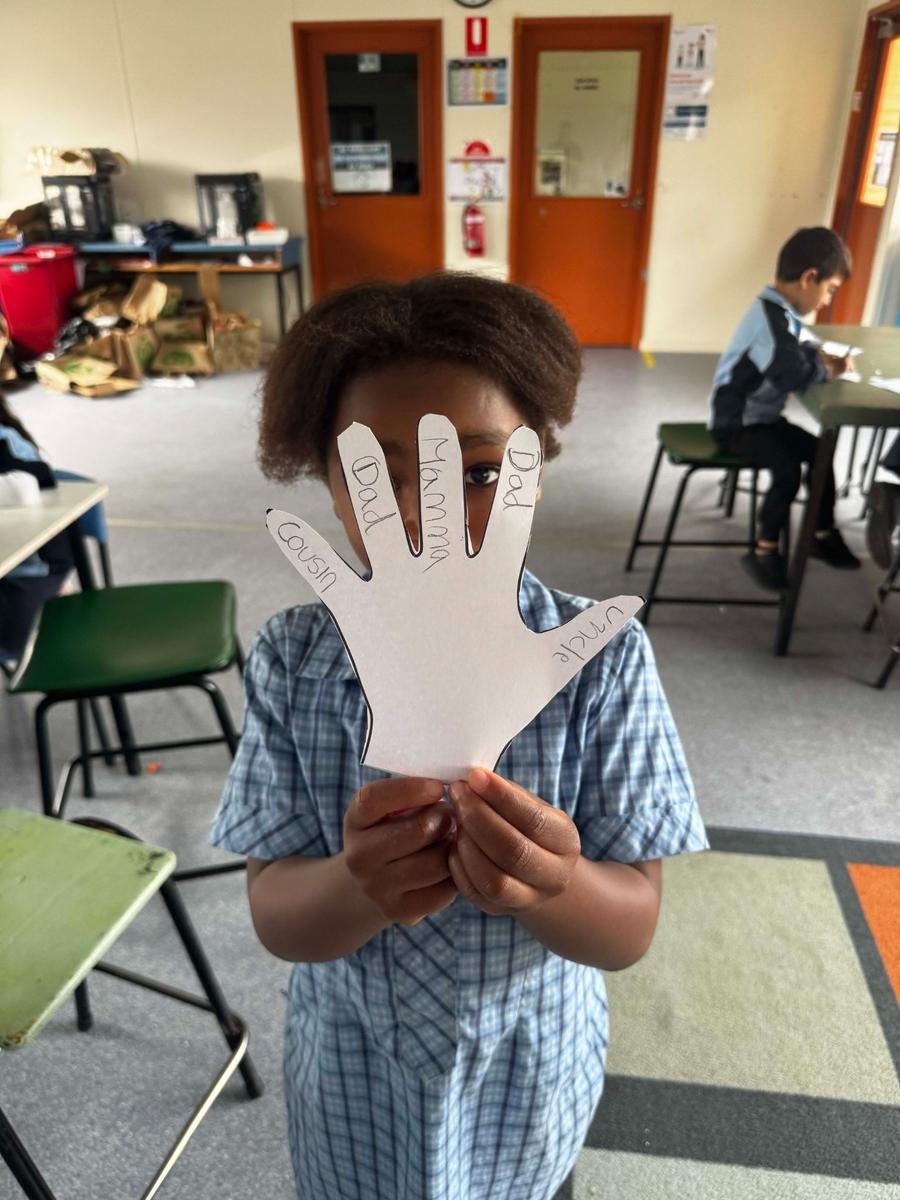
Foundation and Year 1 students have been busy exploring the world of Digital Technologies, with a particular focus on understanding the internet and staying safe online.
Students have been investigating how the internet connects people and devices around the world, learning about digital networks and the different ways we use technology in our everyday lives. Through class discussions students have explored how computers, tablets and other devices can communicate and share information.
A key focus of our learning has been online safety, with students learning to recognise the difference between personal and public information. Students have been sorting scenarios, students have been identifying information that should be kept private, such as passwords, home addresses and personal photographs, while considering what information may be safe to share.
Students have also been discussing the importance of making safe choices online, recognising situations that might make them feel uncomfortable and identifying trusted adults they can turn to for help.
Year 2
Year 2 students have been exploring the world of sound through our Sensational Sounds Science unit. Students have been investigating how sound is created through vibrations and how sound waves travel through different materials.
Students have explored how vibrating objects produce sound and how sound can cause other objects to move. They have been developing their scientific inquiry skills by making predictions, recording observations and explaining their findings using scientific vocabulary.
Year 3
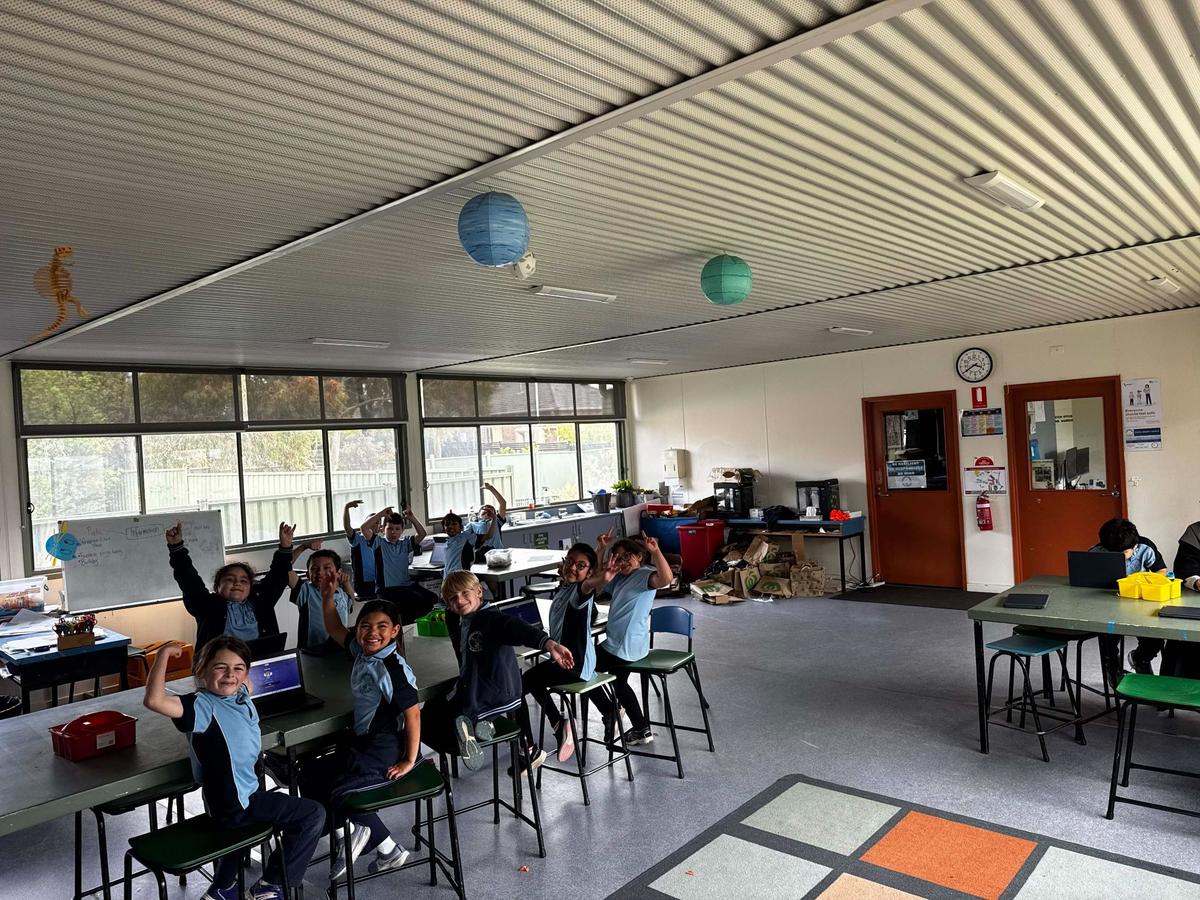
Year 3 students have been exploring the world of Digital Technologies, investigating how digital systems work and how different devices communicate and share information.
Students have been learning about input and output devices, identifying how everyday technologies such as keyboards, microphones, monitors and speakers work together to perform different tasks.
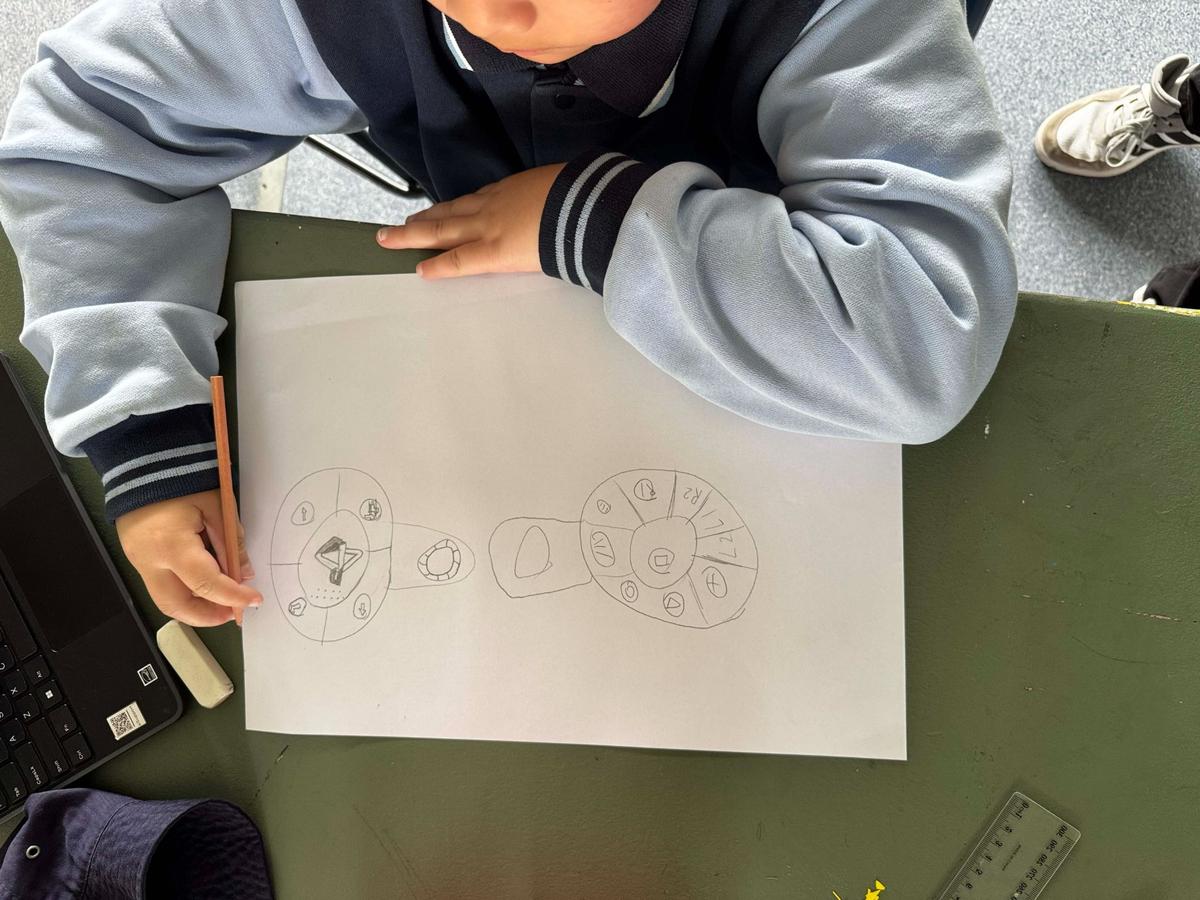
Students have been creating digital system diagrams to demonstrate how information travels between devices. Using real-world scenarios, such as recording podcasts and creating digital content, students have explored how information is entered, processed and presented.
Year 4
Year 4 students have been combining their knowledge of Design Technologies and Digital Technologies, reflecting on their sustainable transport projects while exploring how digital systems work.
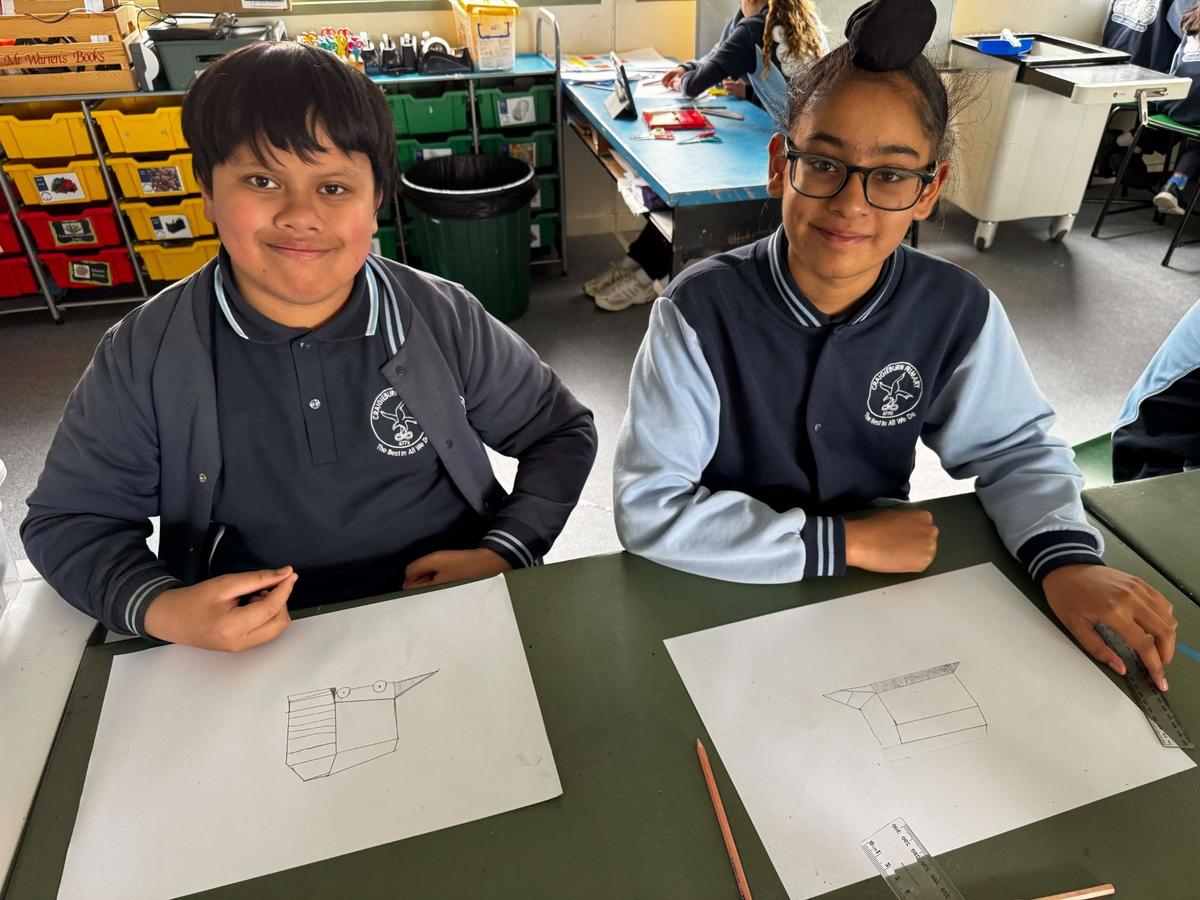
Students have been reviewing their sustainable transport designs, evaluating how effectively their creations met the design criteria and identifying opportunities for improvement. Through reflection and discussion, students have considered the materials, construction techniques and design decisions that influenced their final products.
Students have also begun investigating input and output devices, exploring how components such as keyboards, microphones, monitors and speakers work together to process and communicate information.
Year 5
Year 5 students have been exploring Digital Technologies, investigating how computer networks connect devices and allow information to be shared.
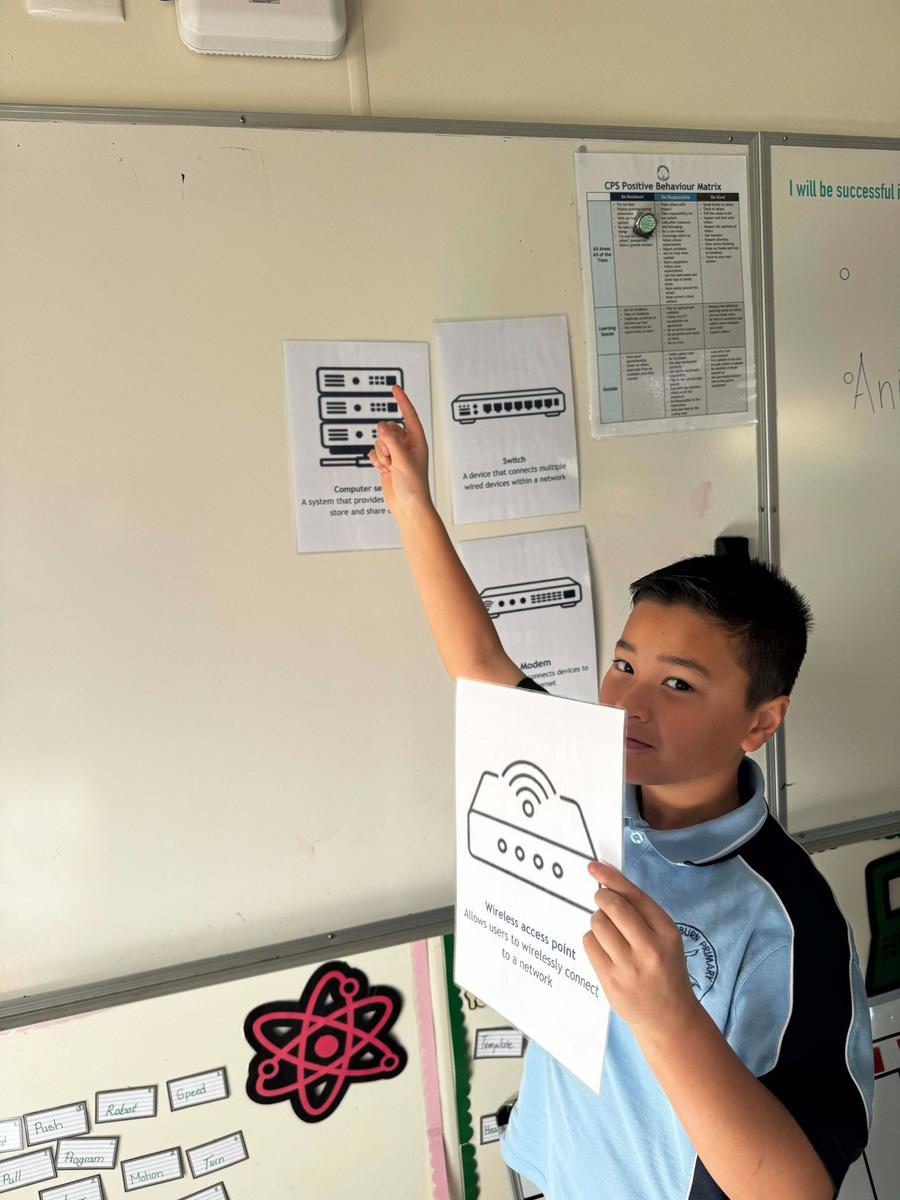
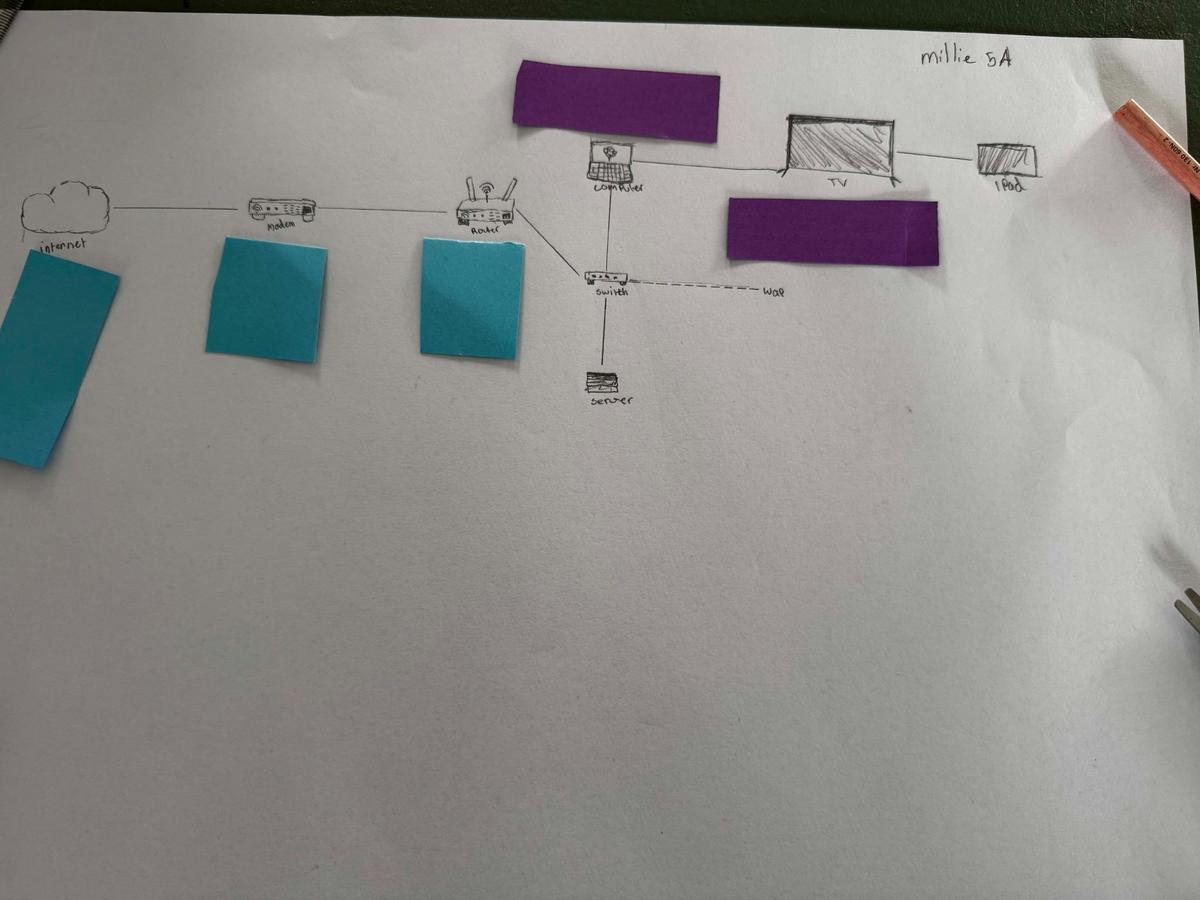
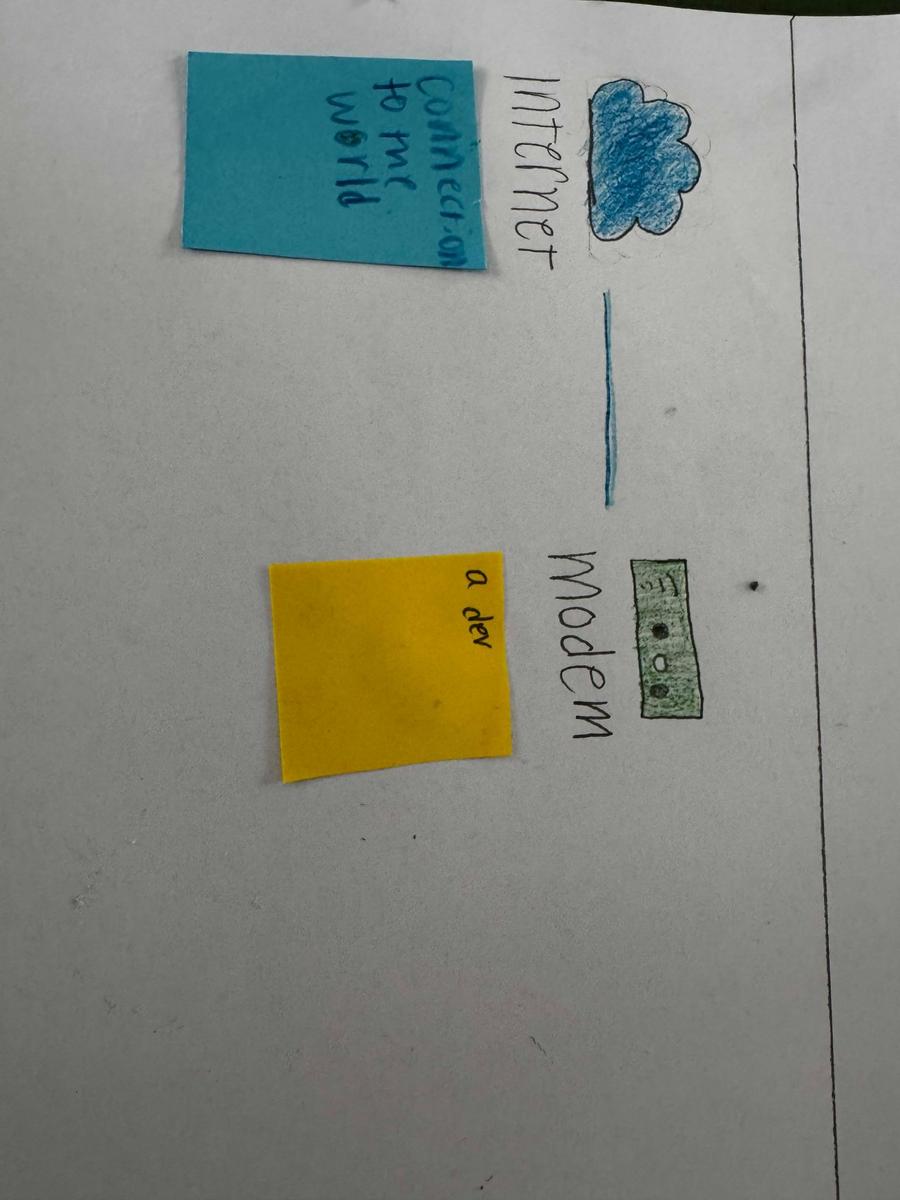
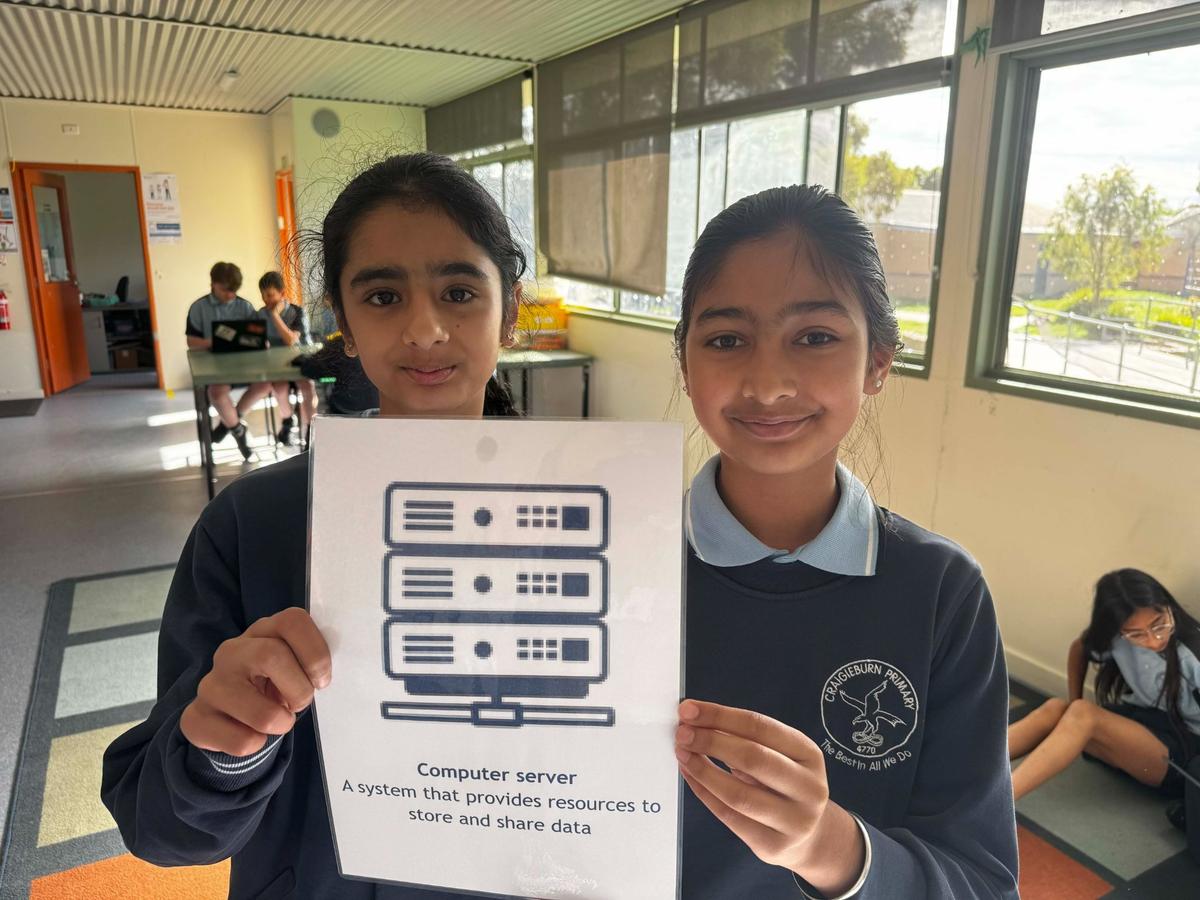
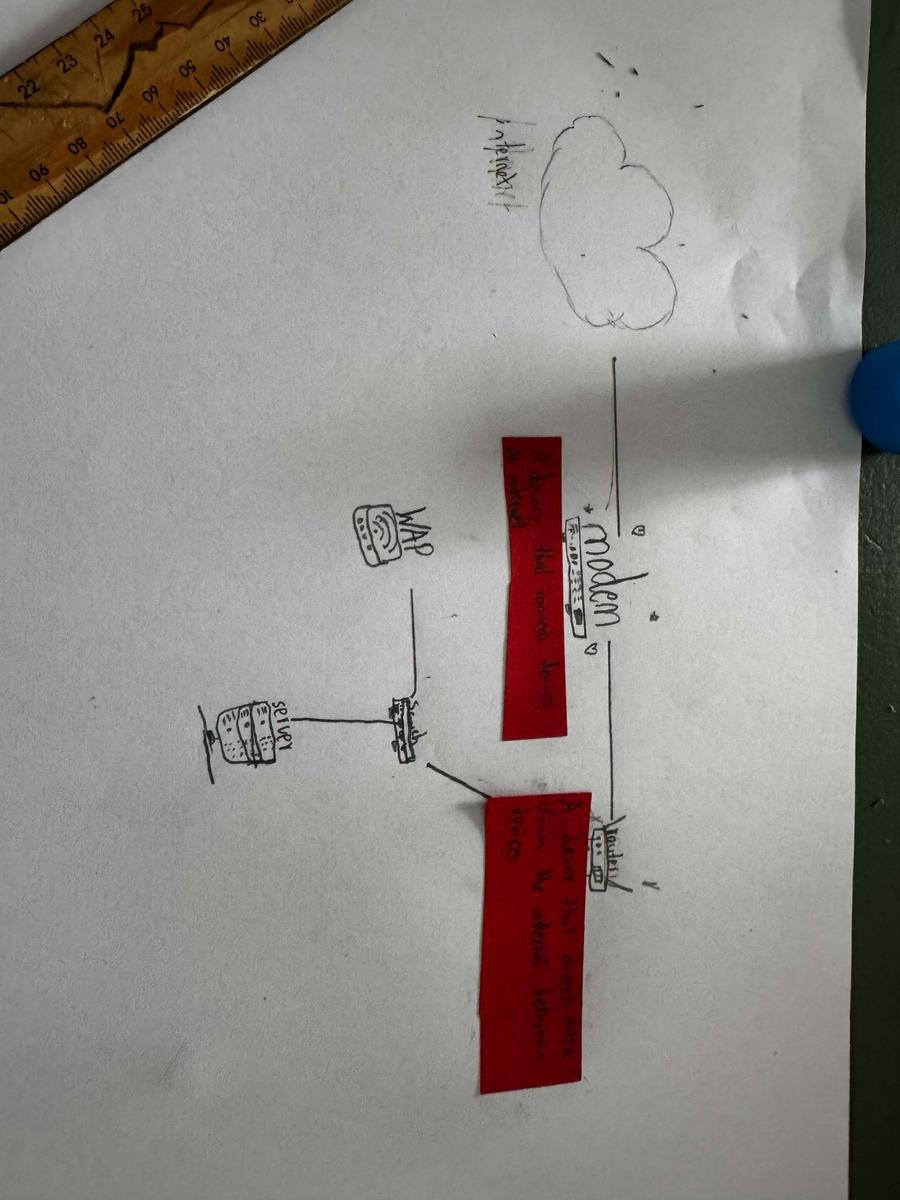
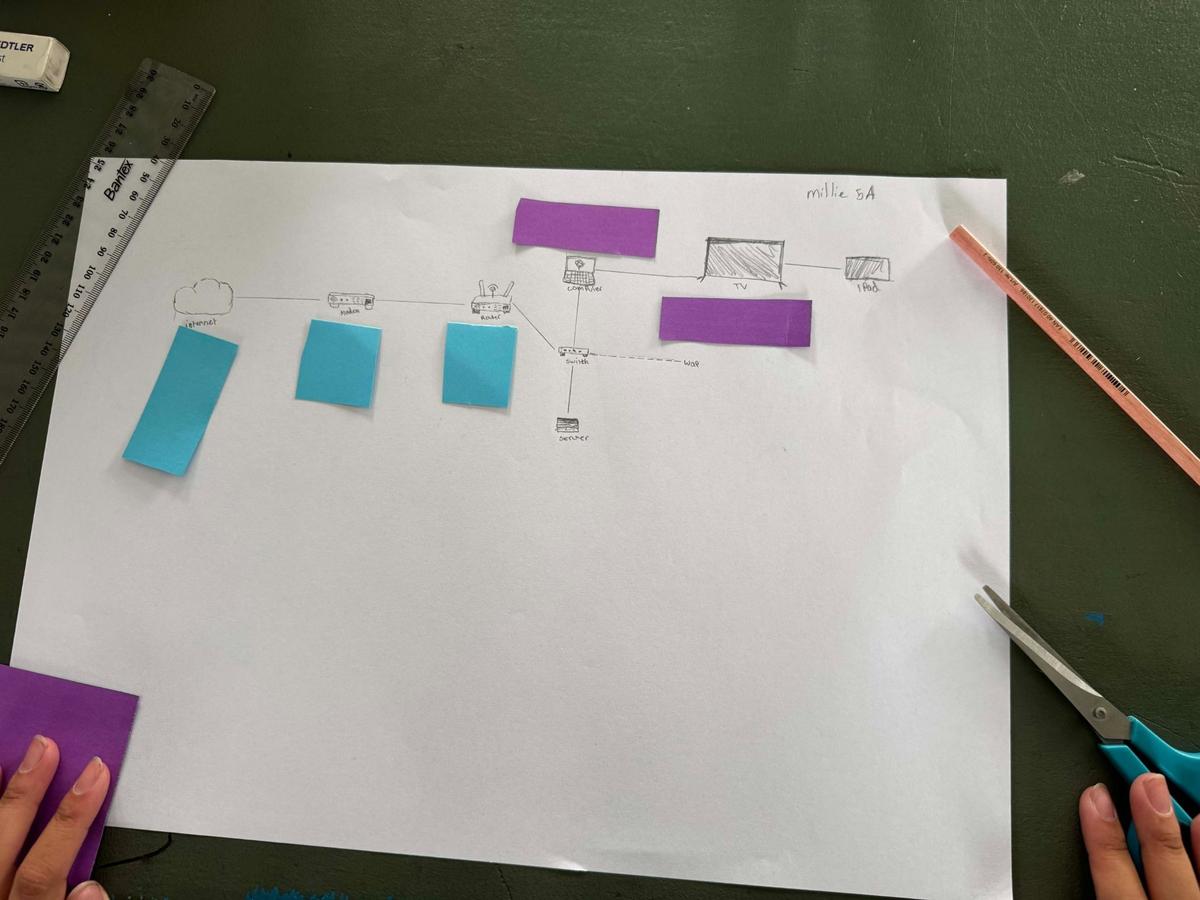
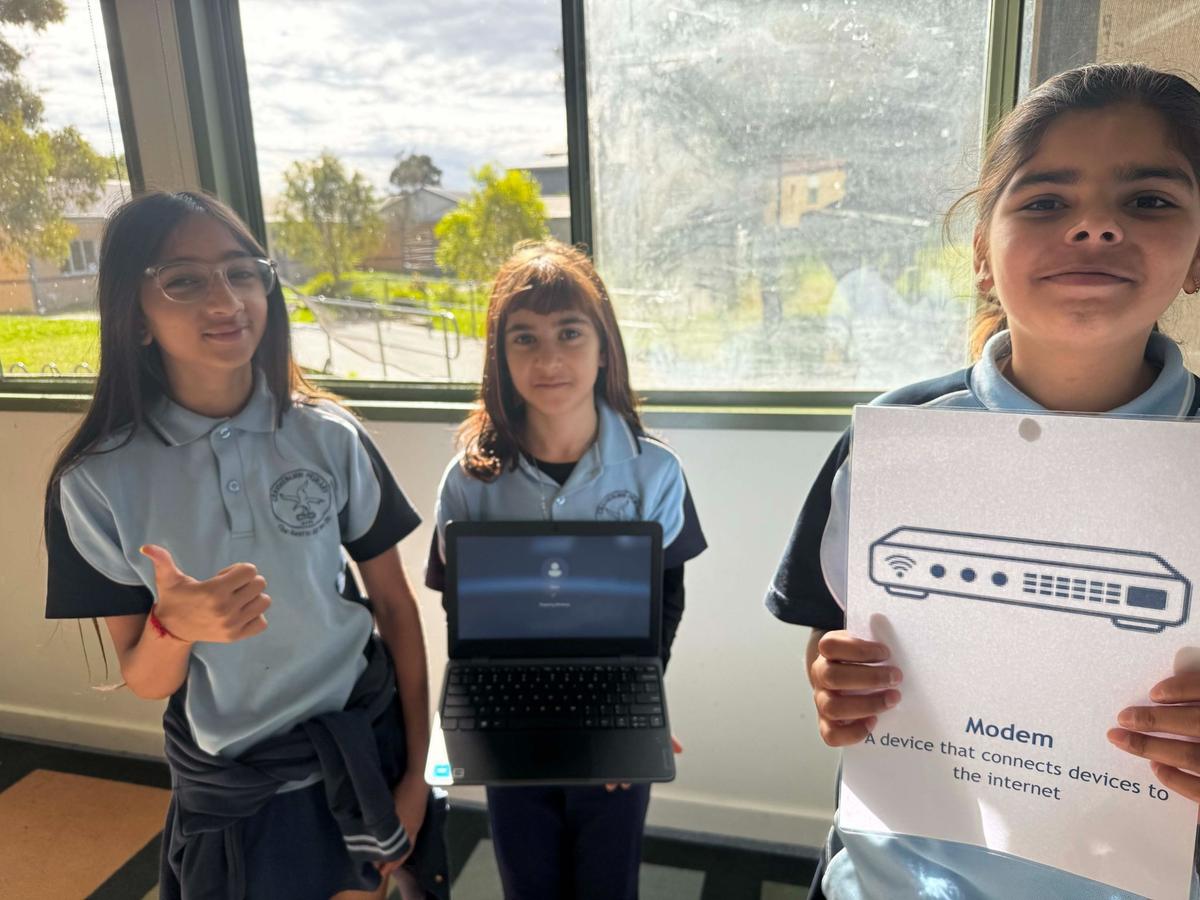
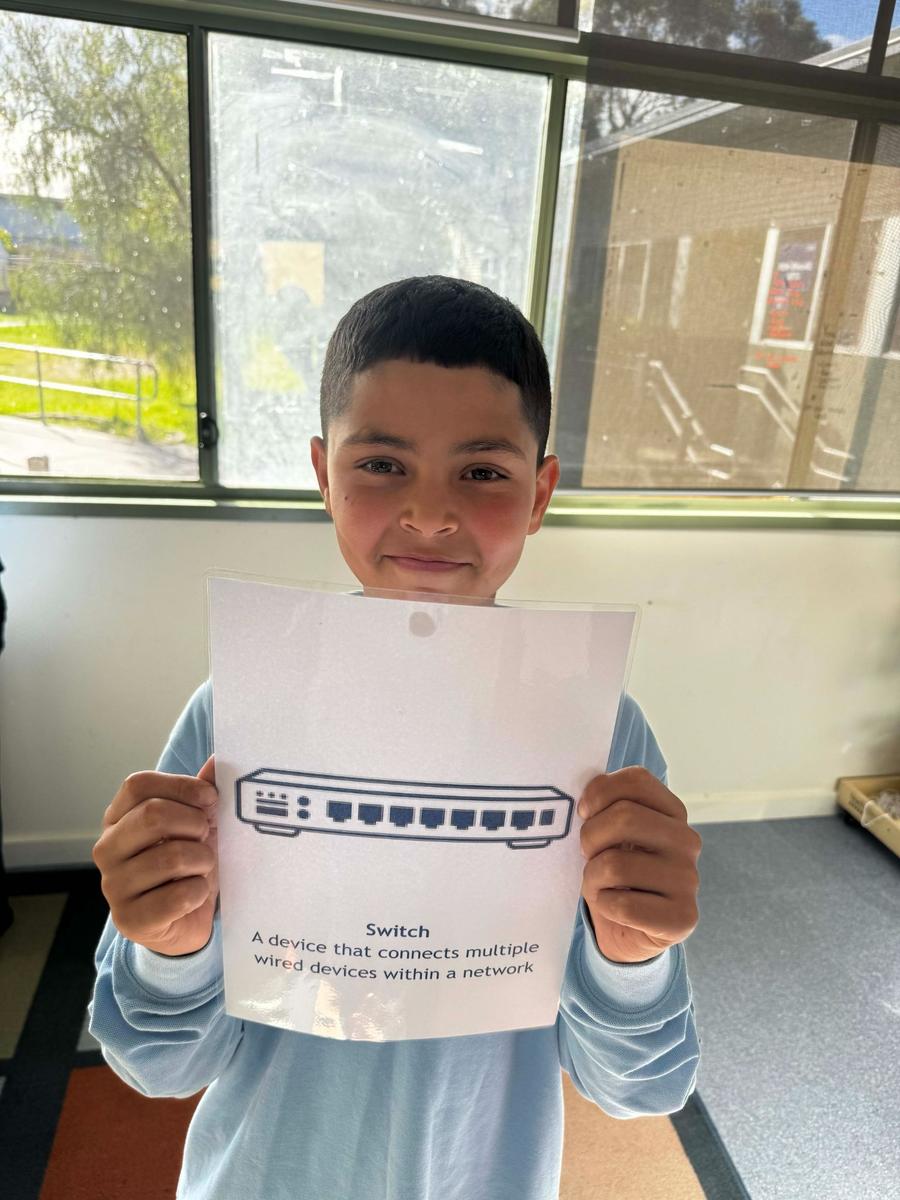
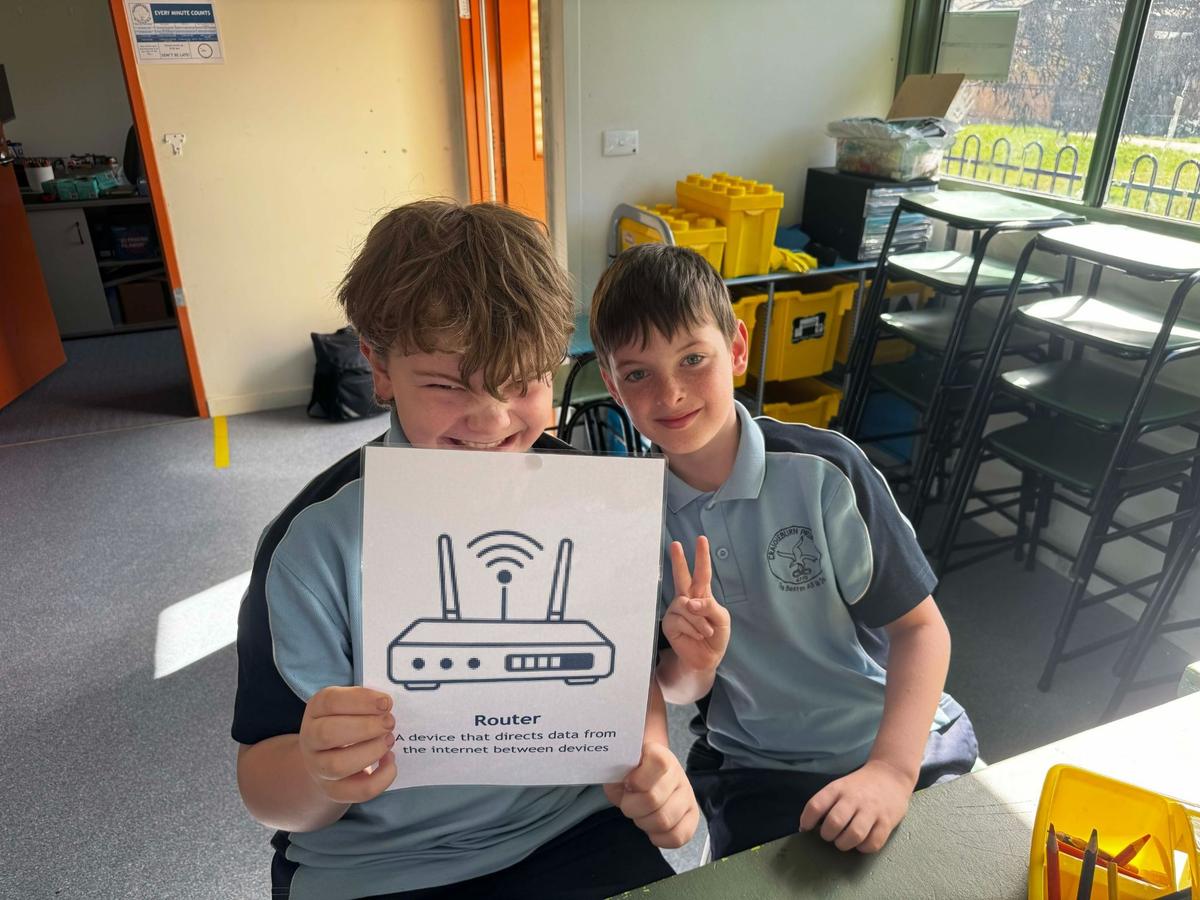
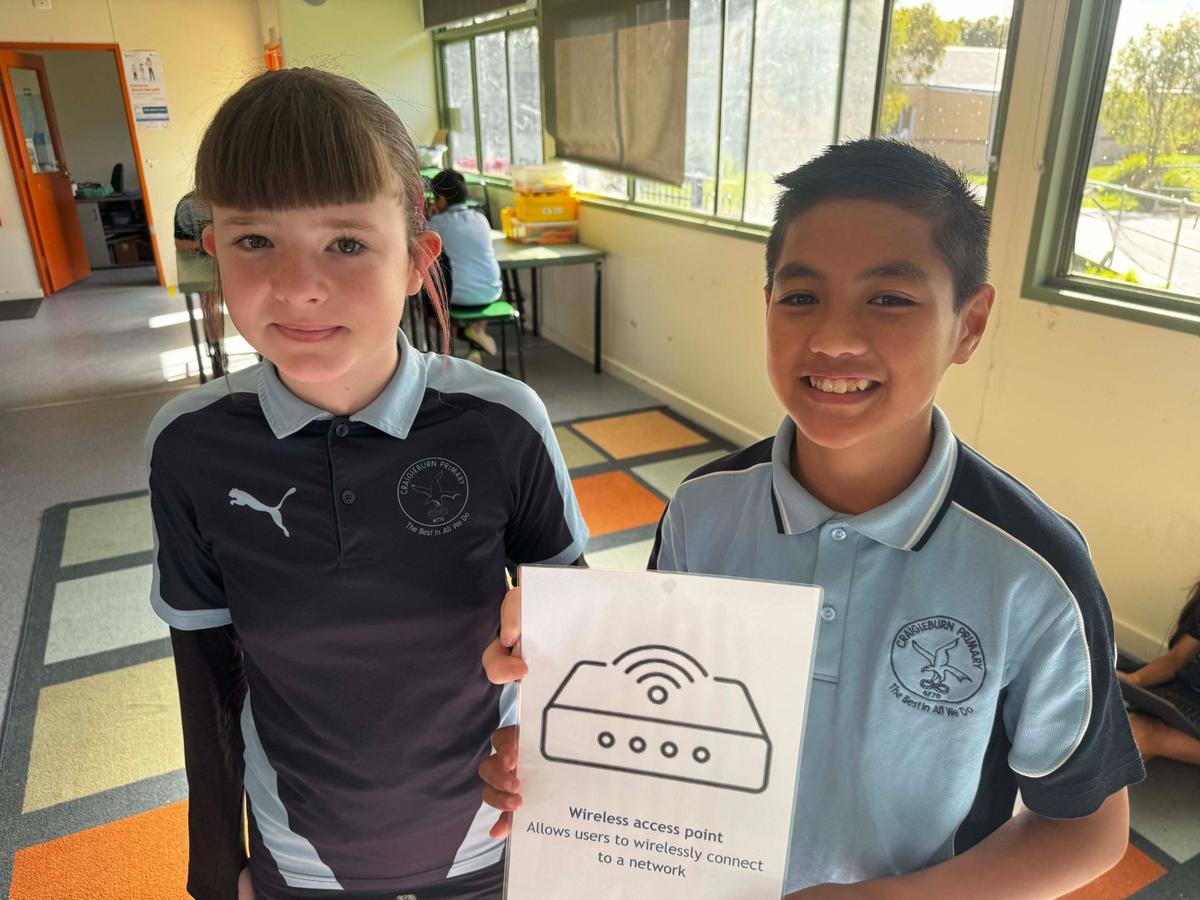
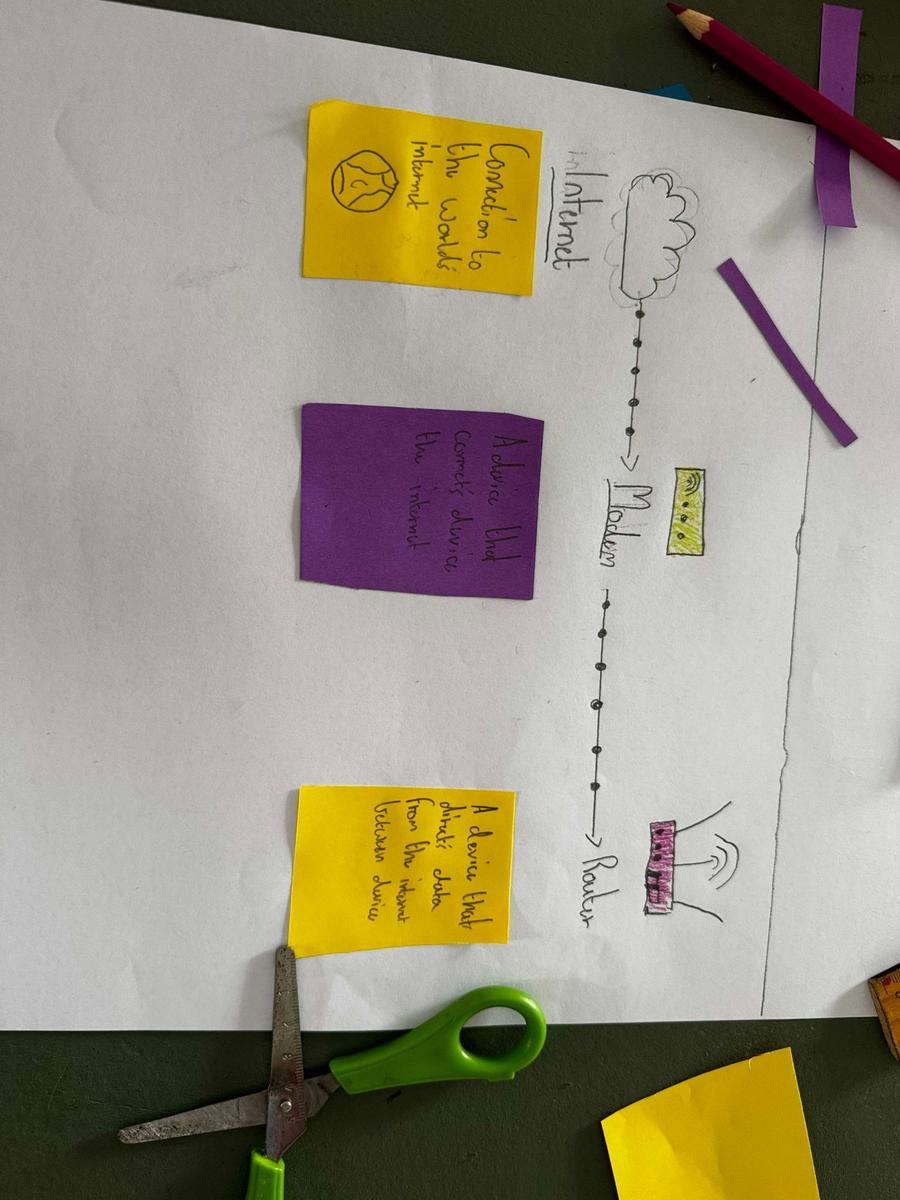
Students have been learning about the different components of a network, including modems, routers, switches, servers and wireless access points, and defining the important role each plays in keeping devices connected.
Through practical digital activities, students have been creating their own network maps,, identifying wired and wireless connections and exploring how information travels between devices. They have also been considering how network layouts can be affected by environmental challenges, such as distance, walls and Wi-Fi coverage.
Year 6
Year 6 students have been exploring Design and Technologies through our Ergonomic Handles unit, investigating how everyday products can be designed to meet the needs of different users.
Students have been using an interactive AI chatbot to interview simulated users, asking questions about their needs, preferences and challenges. Through these conversations, students have explored how factors such as hand size, strength, mobility and comfort influence design decisions.
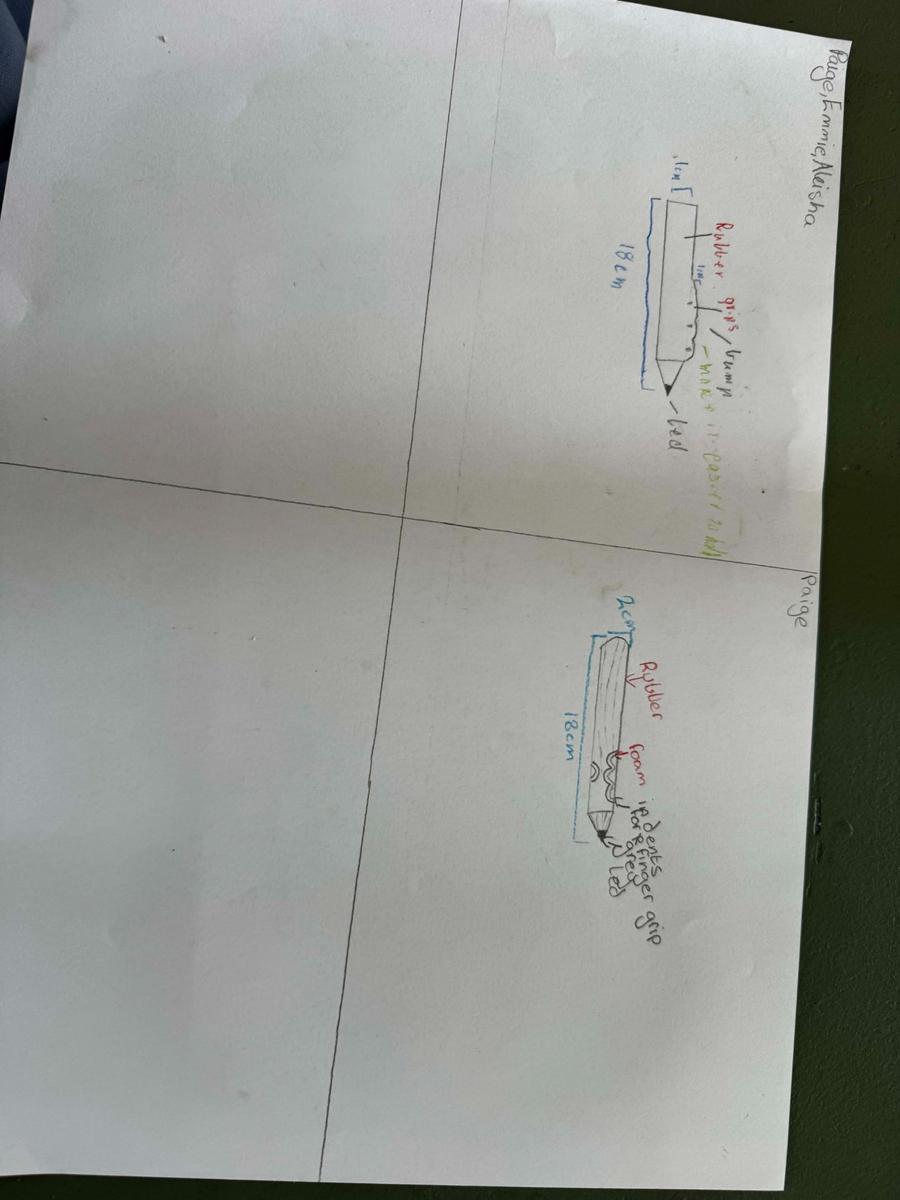
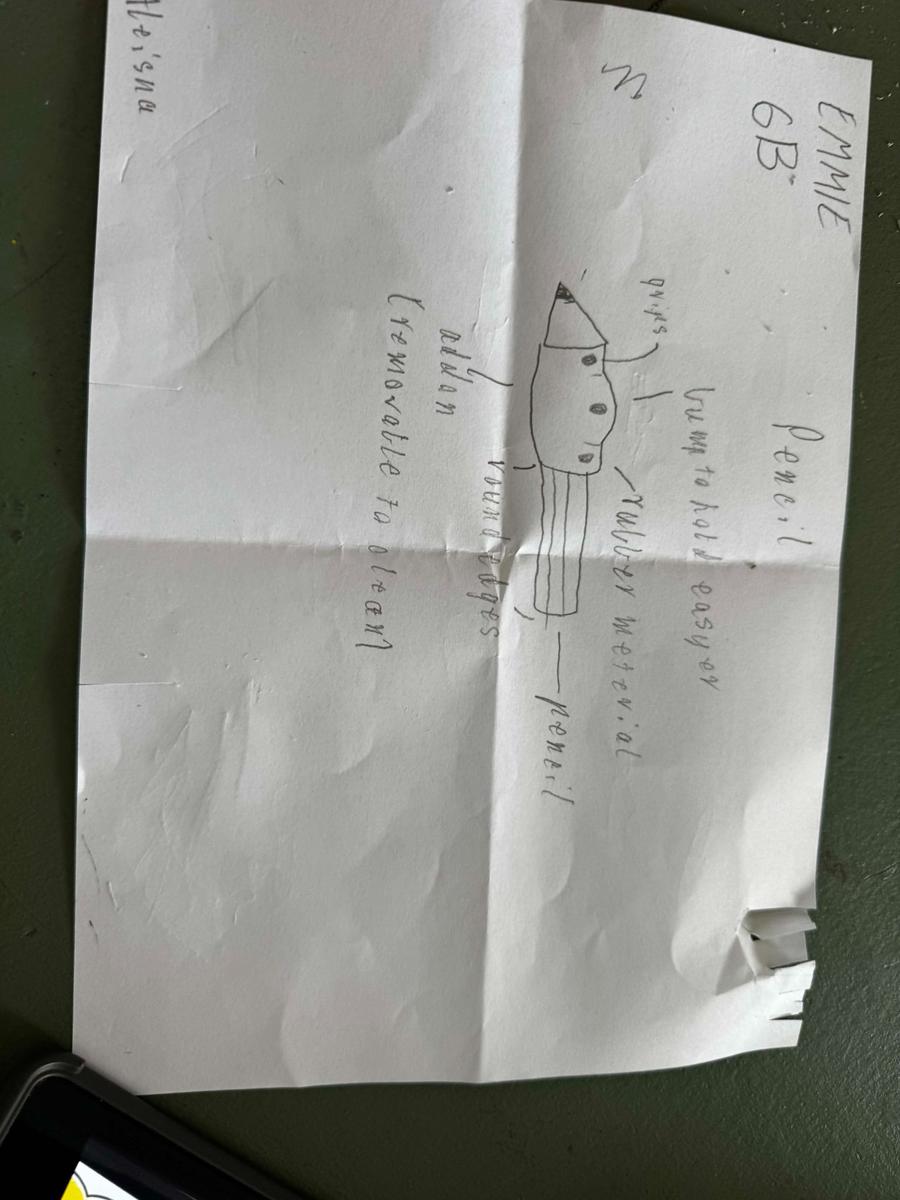
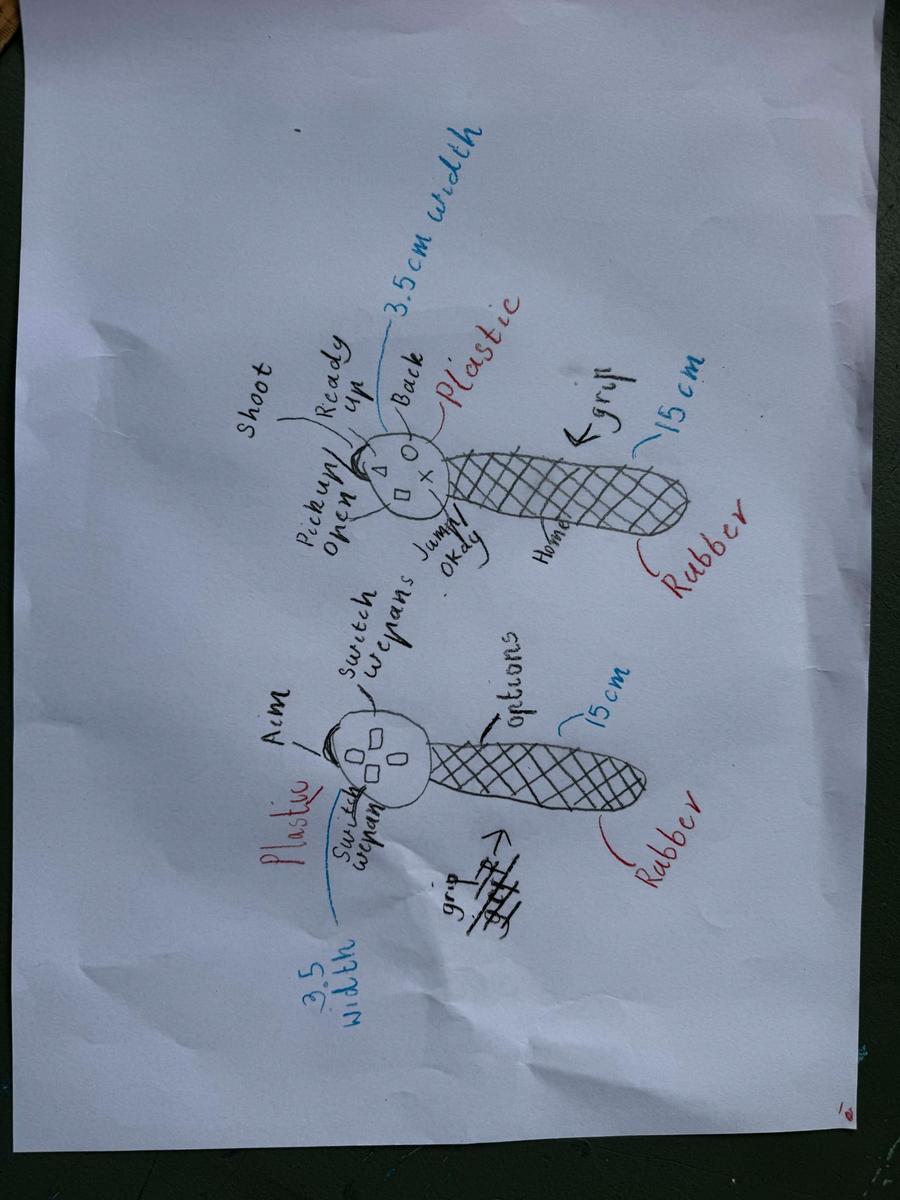
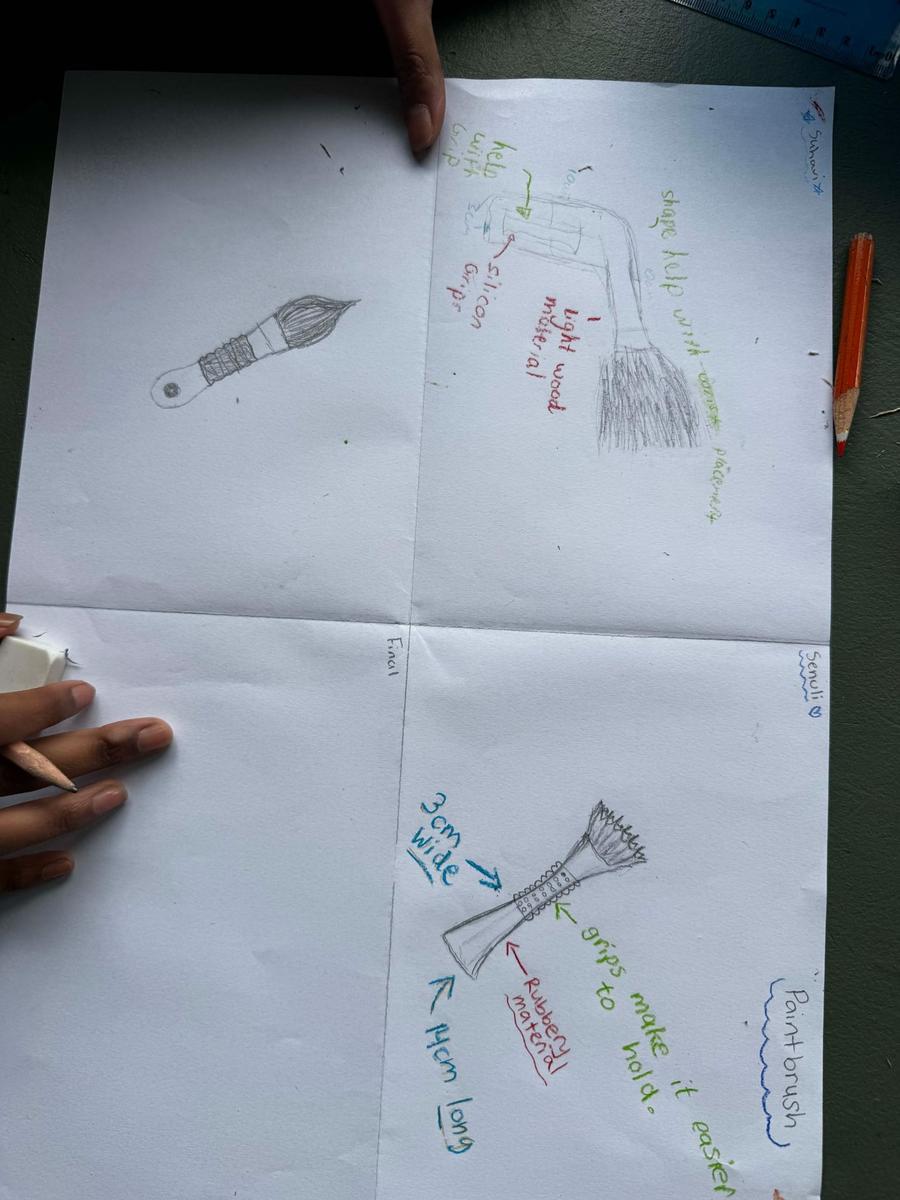
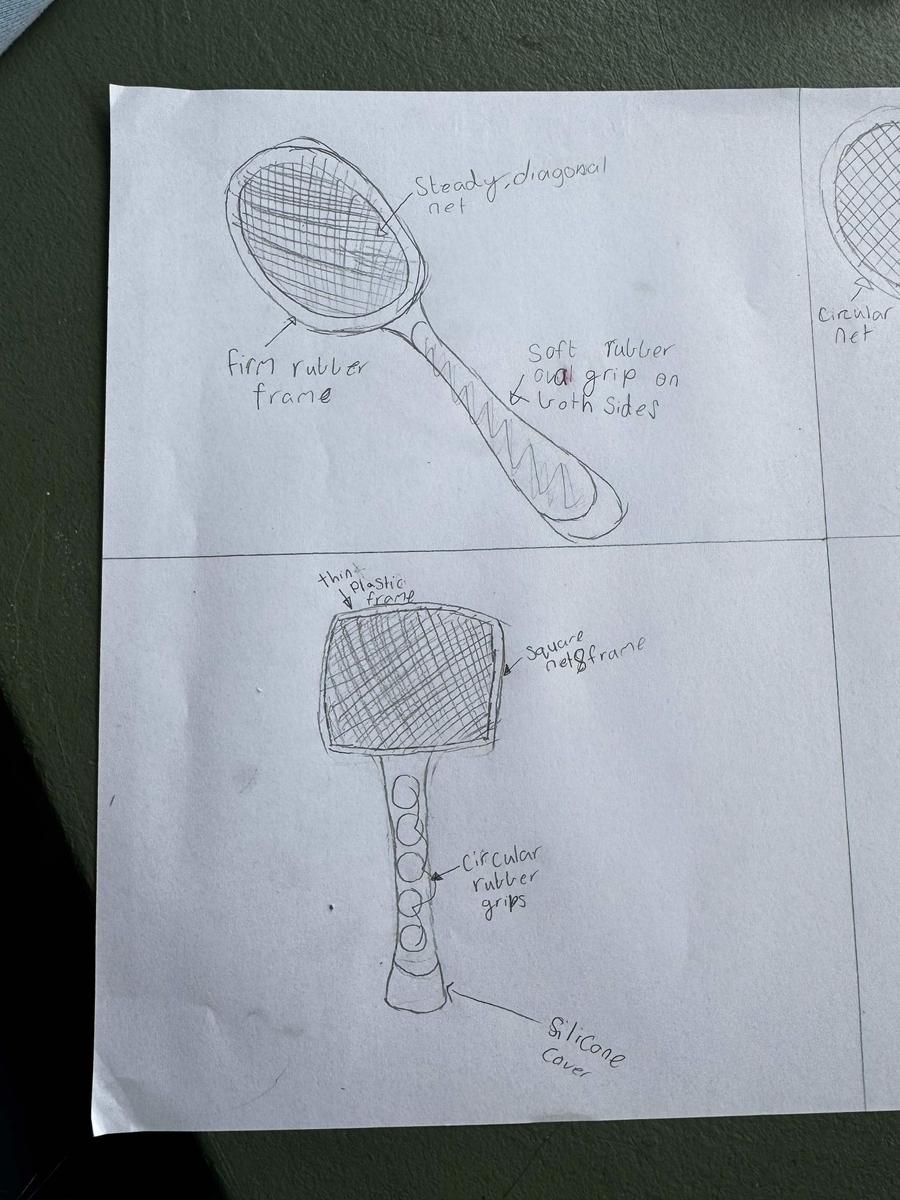
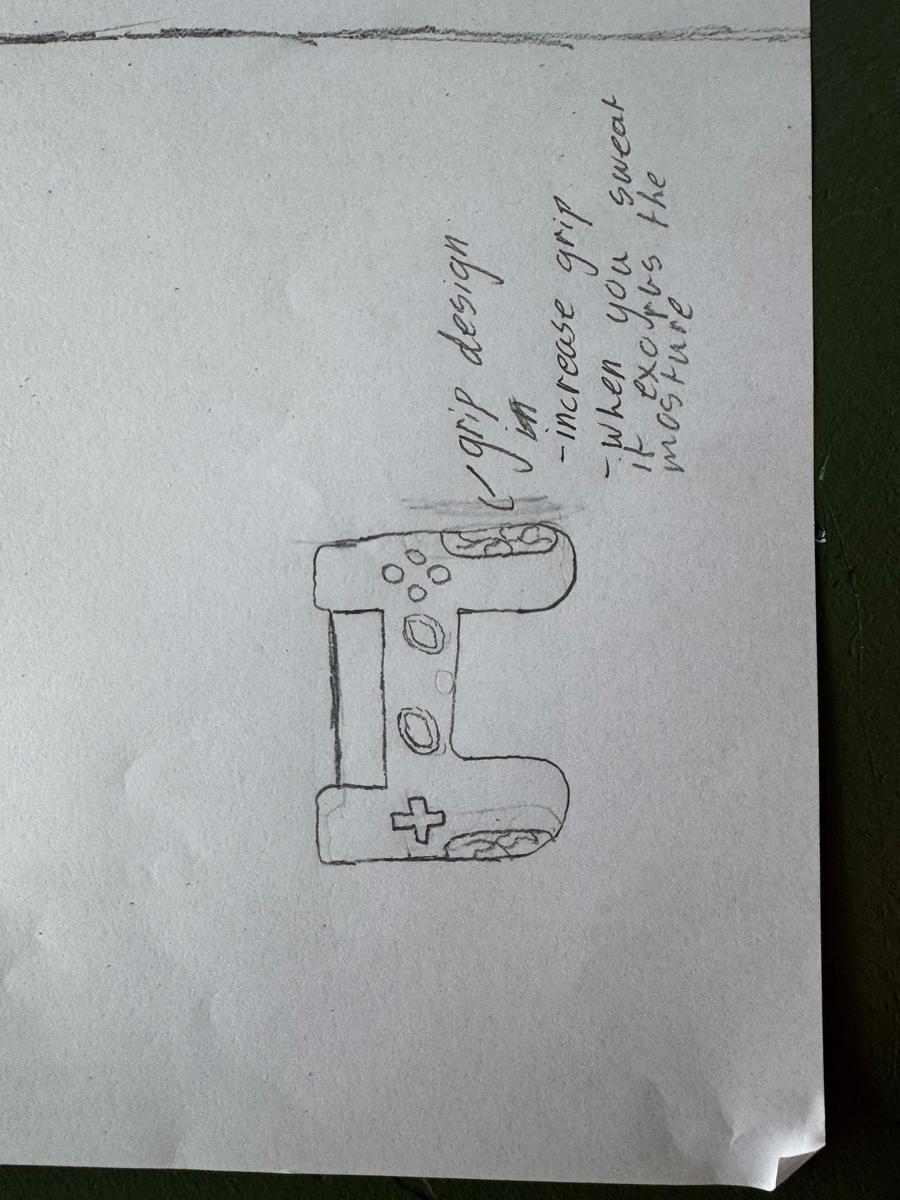
This week, students have been developing concept sketches for their own ergonomic handle designs, focusing on explaining their thinking and justifying their design choices. They have been considering how different shapes, materials and features can improve comfort, accessibility and usability.