Whole School Activities
National Science Week: UNE Discovery Visit
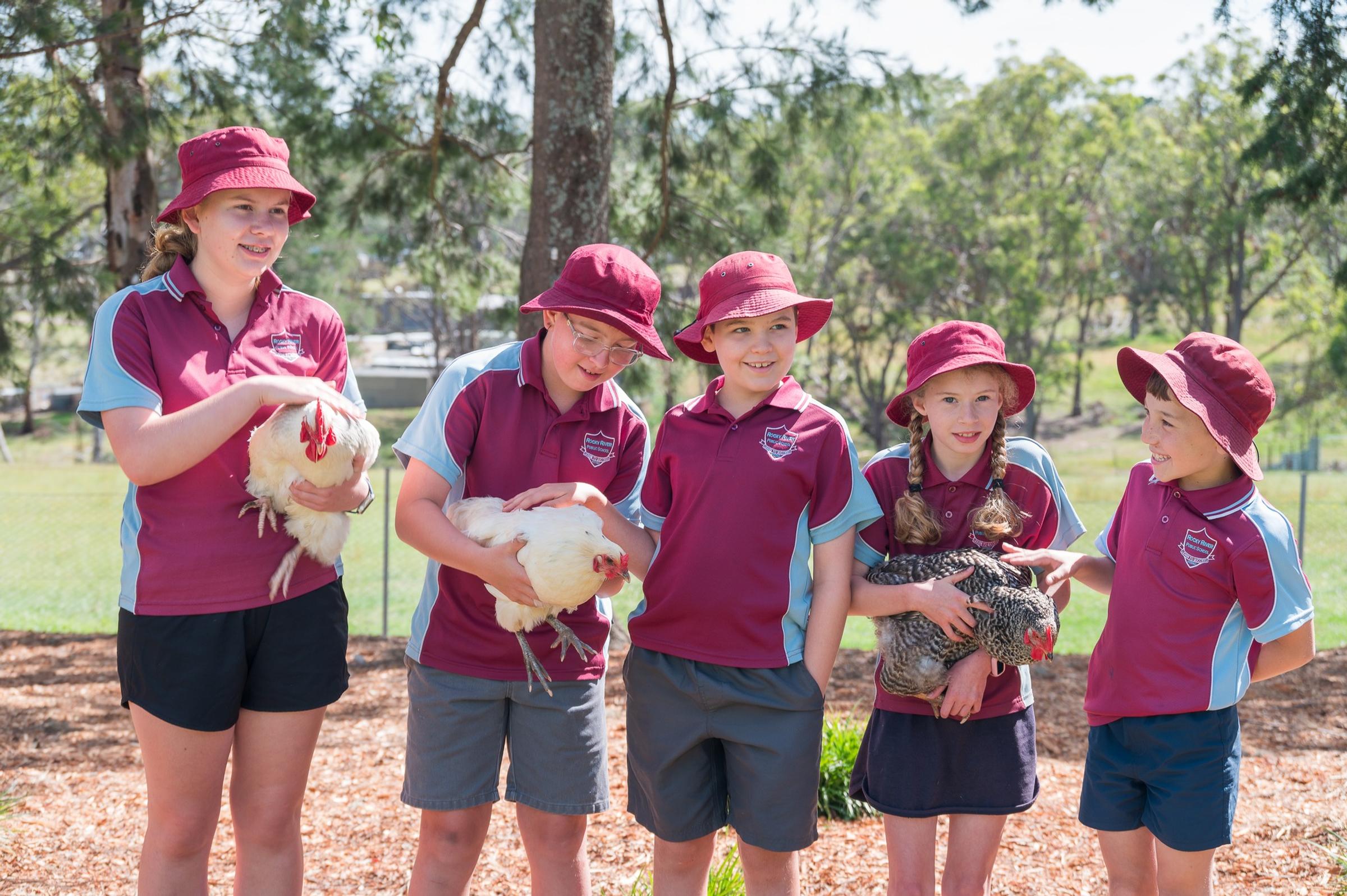
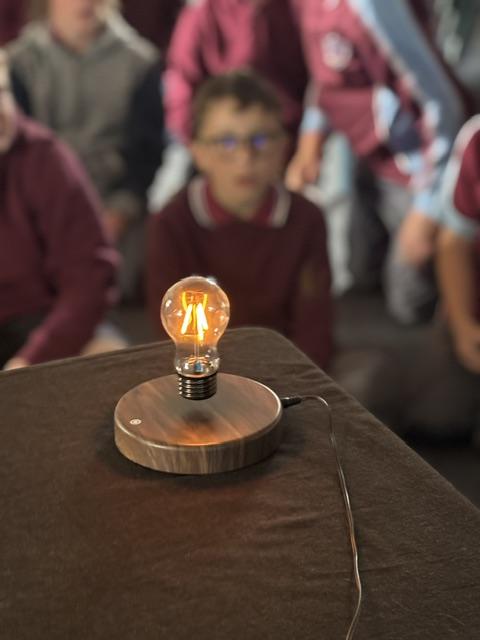
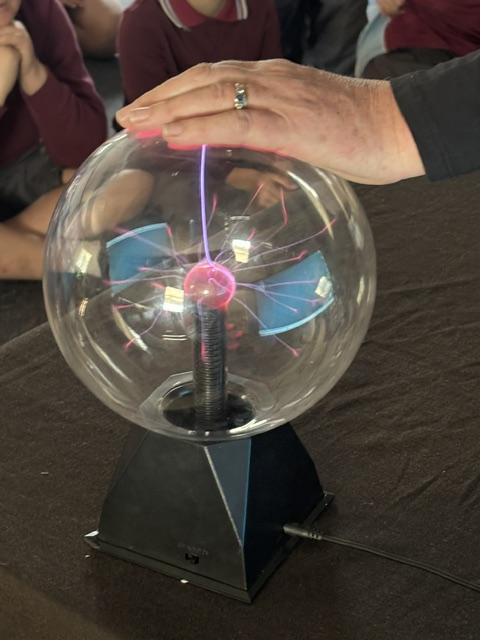
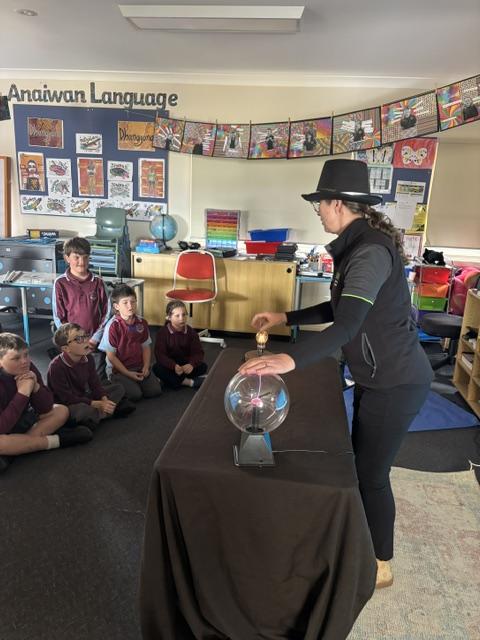
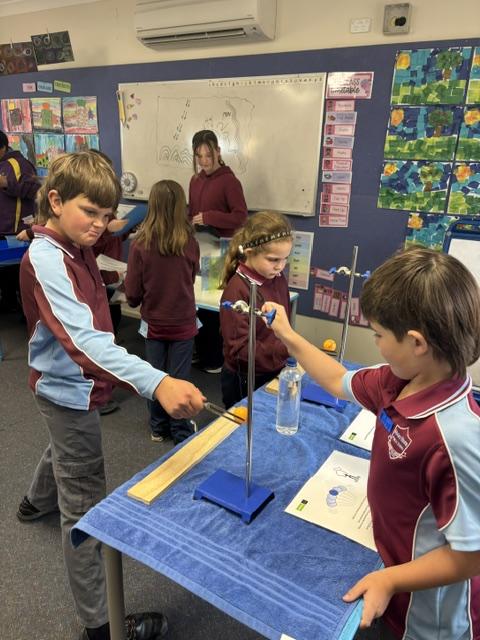
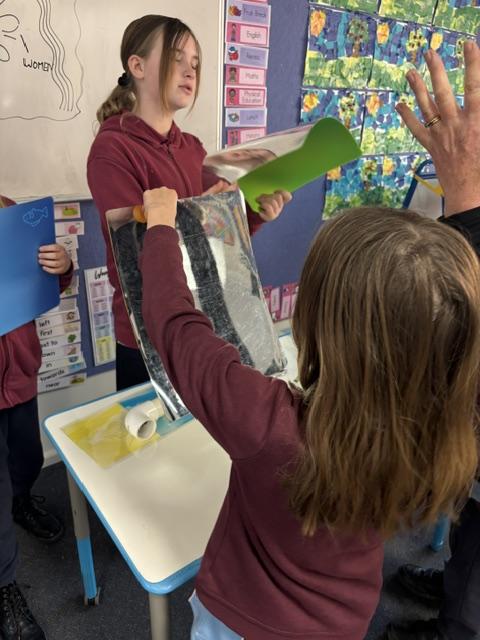
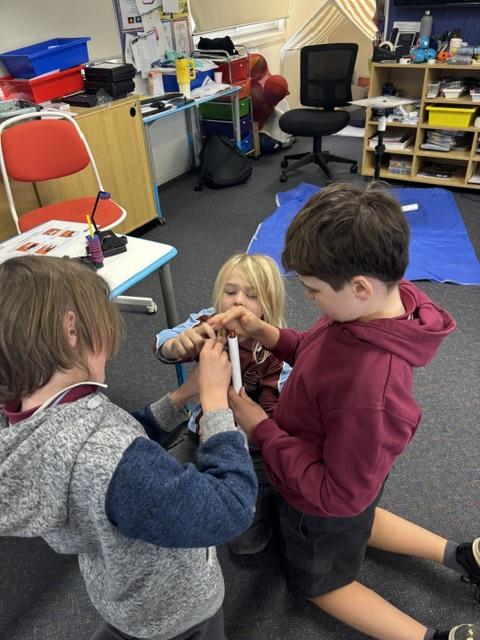
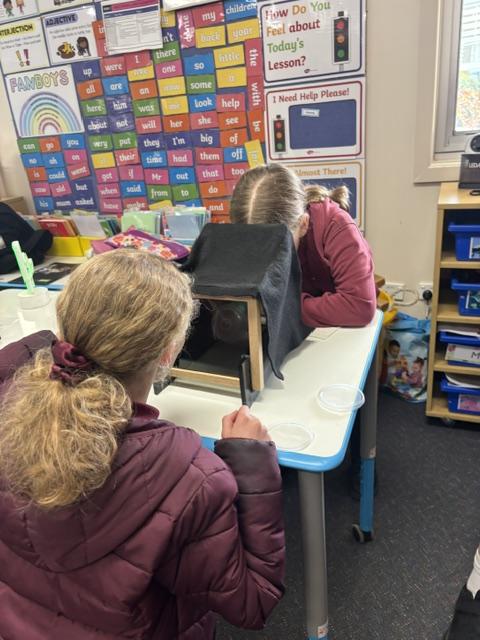
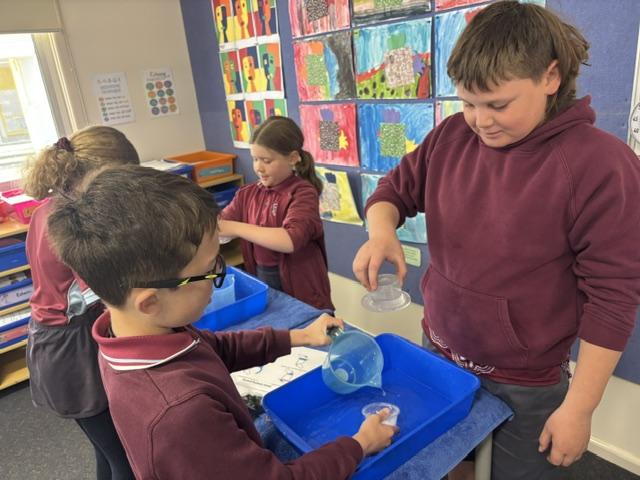
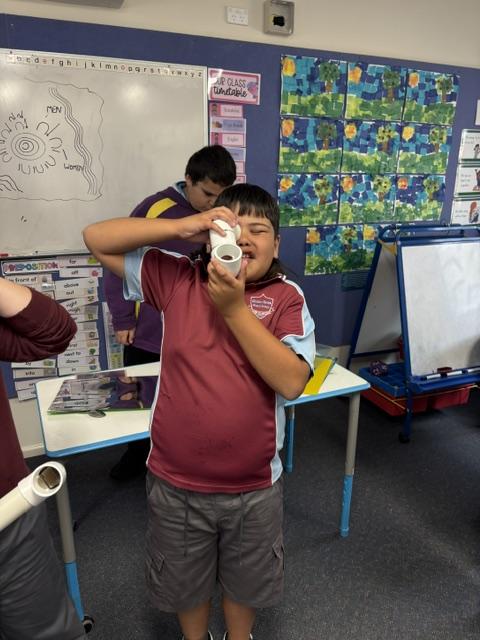
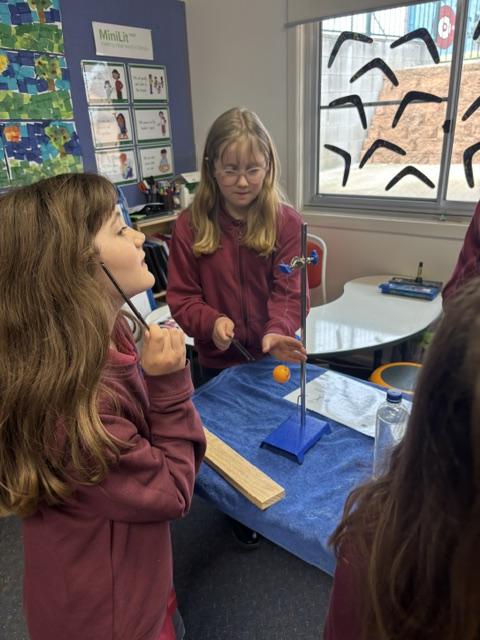
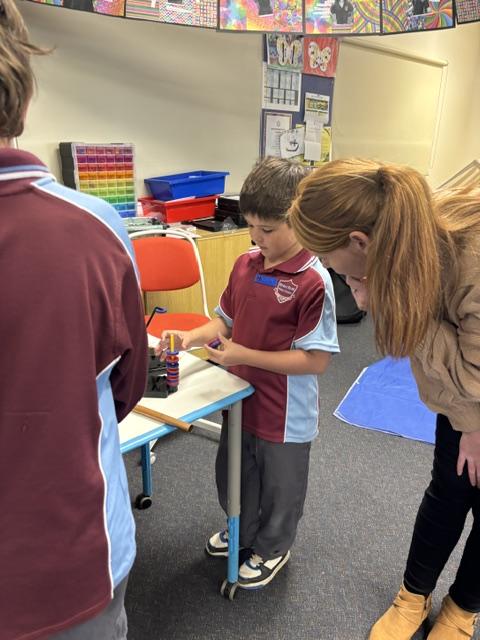
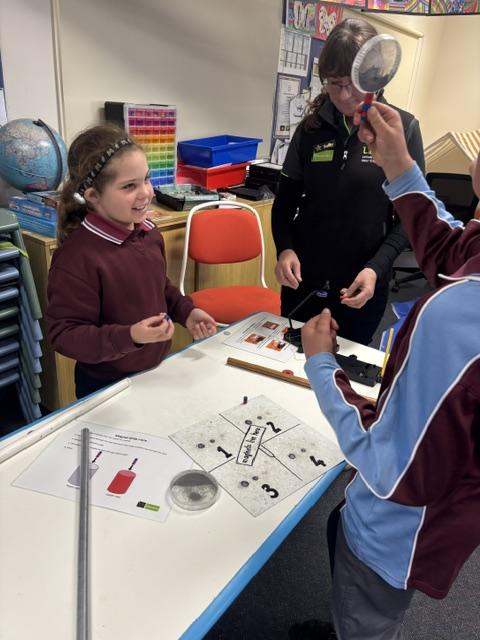
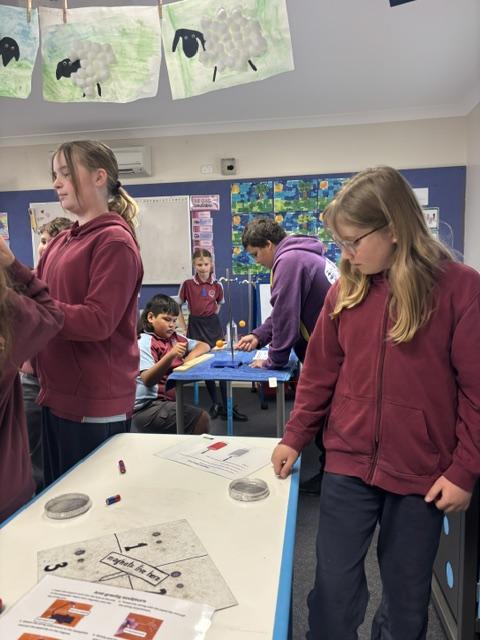
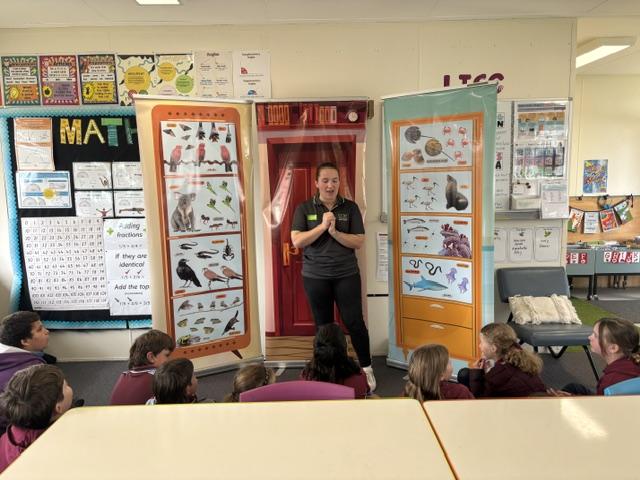
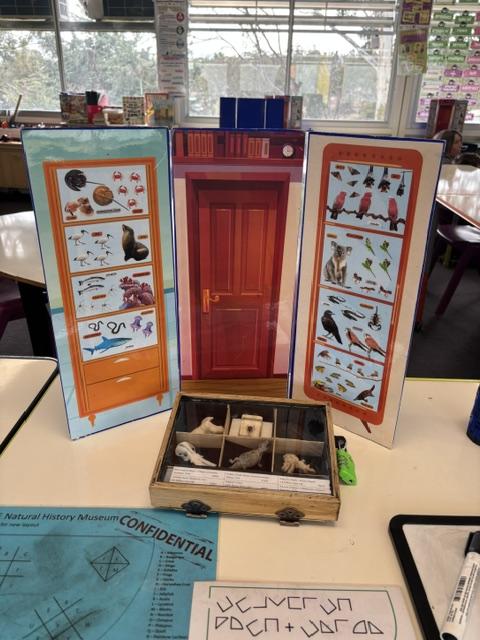
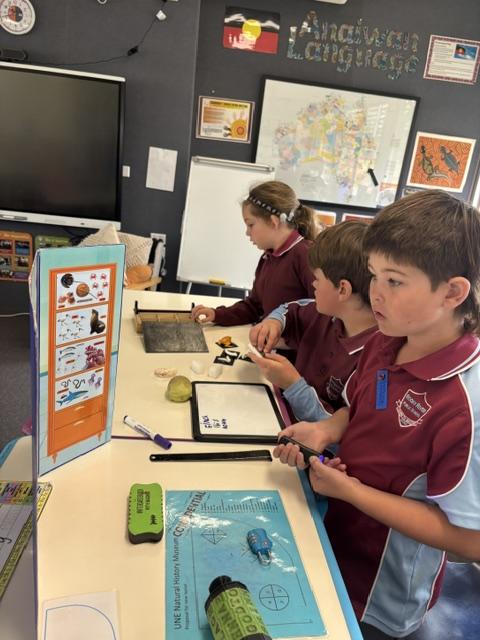
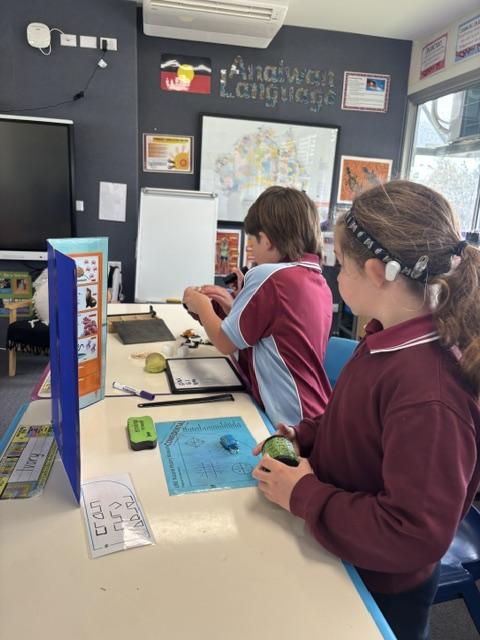
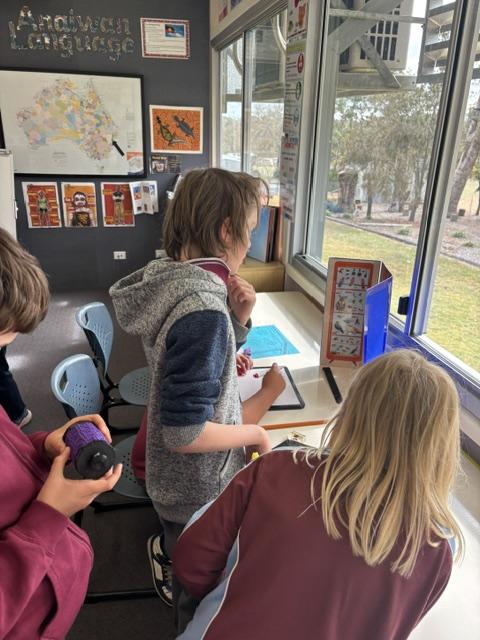
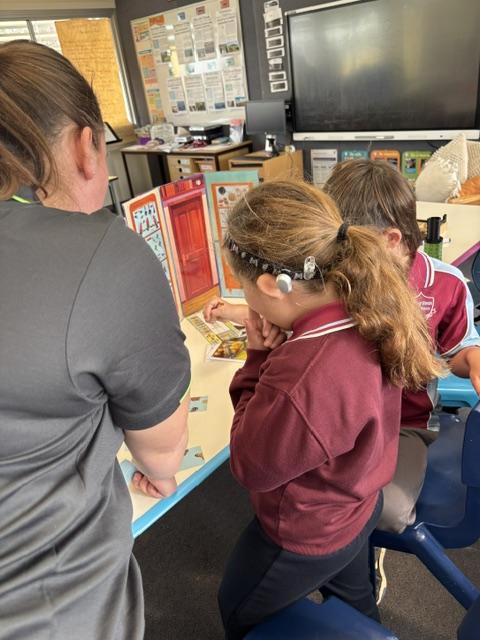
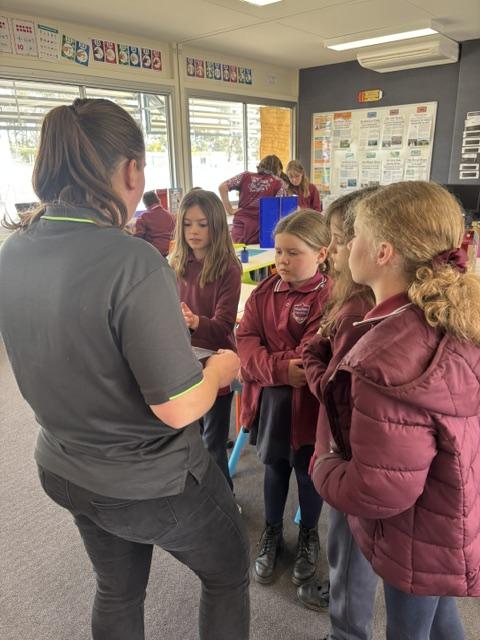
National Science Week was an exciting occasion at our school this year! We were thrilled to welcome the UNE Discovery team, who delivered two fantastic workshops: "The Magic of Physics" and "Escape the Museum." Students had a hands-on, engaging experience exploring the wonders of science, sparking curiosity and creativity. These interactive sessions helped bring science to life, making learning both fun and memorable for all involved.
Assembly Reel
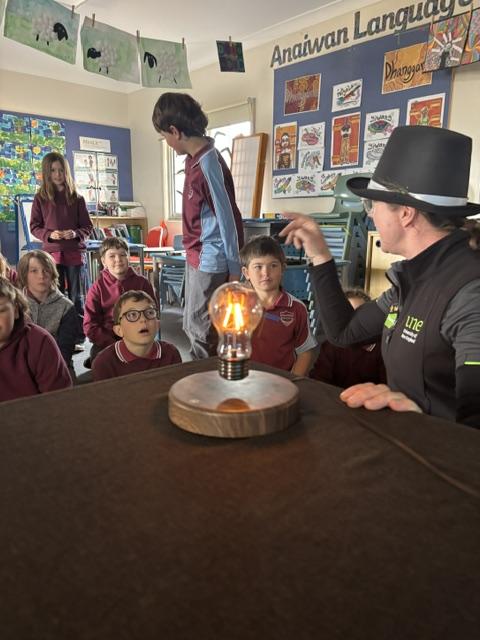
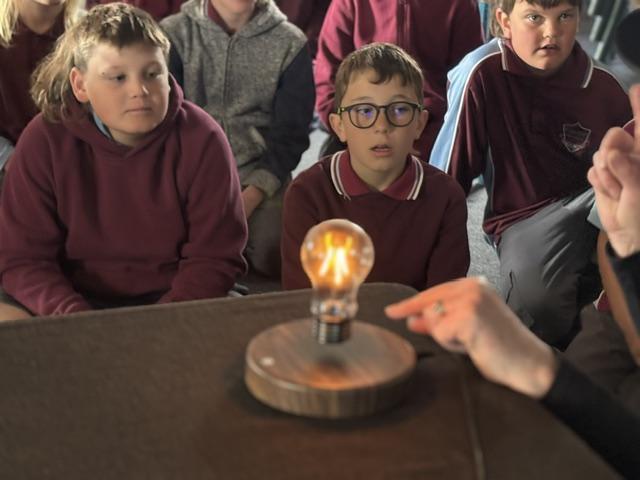
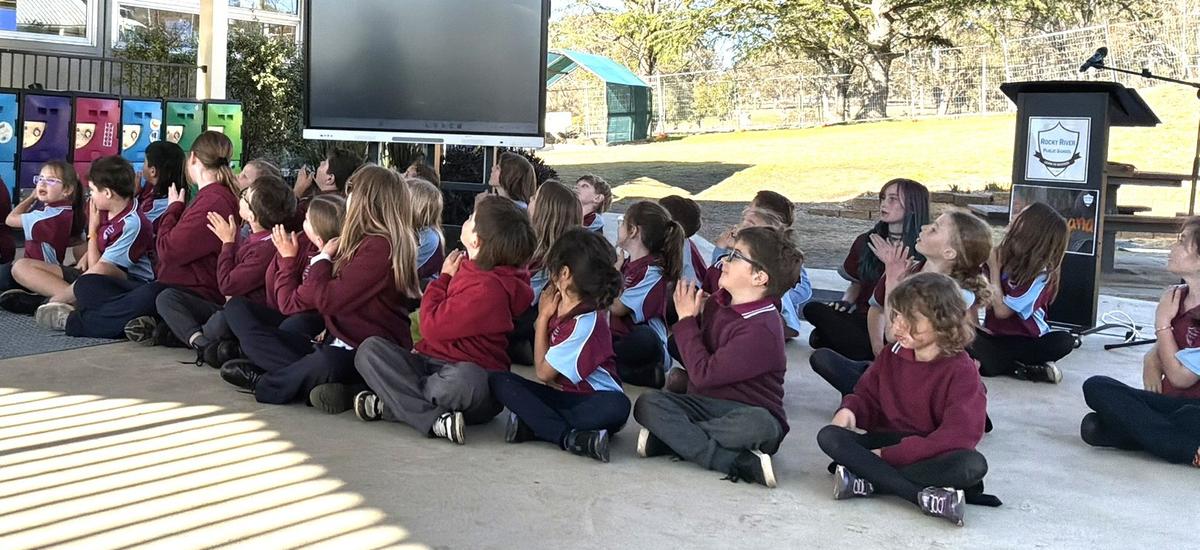
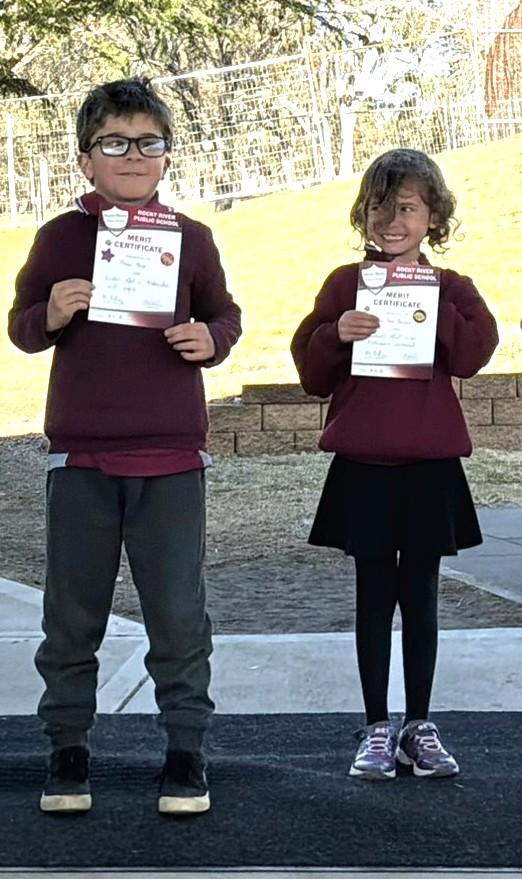
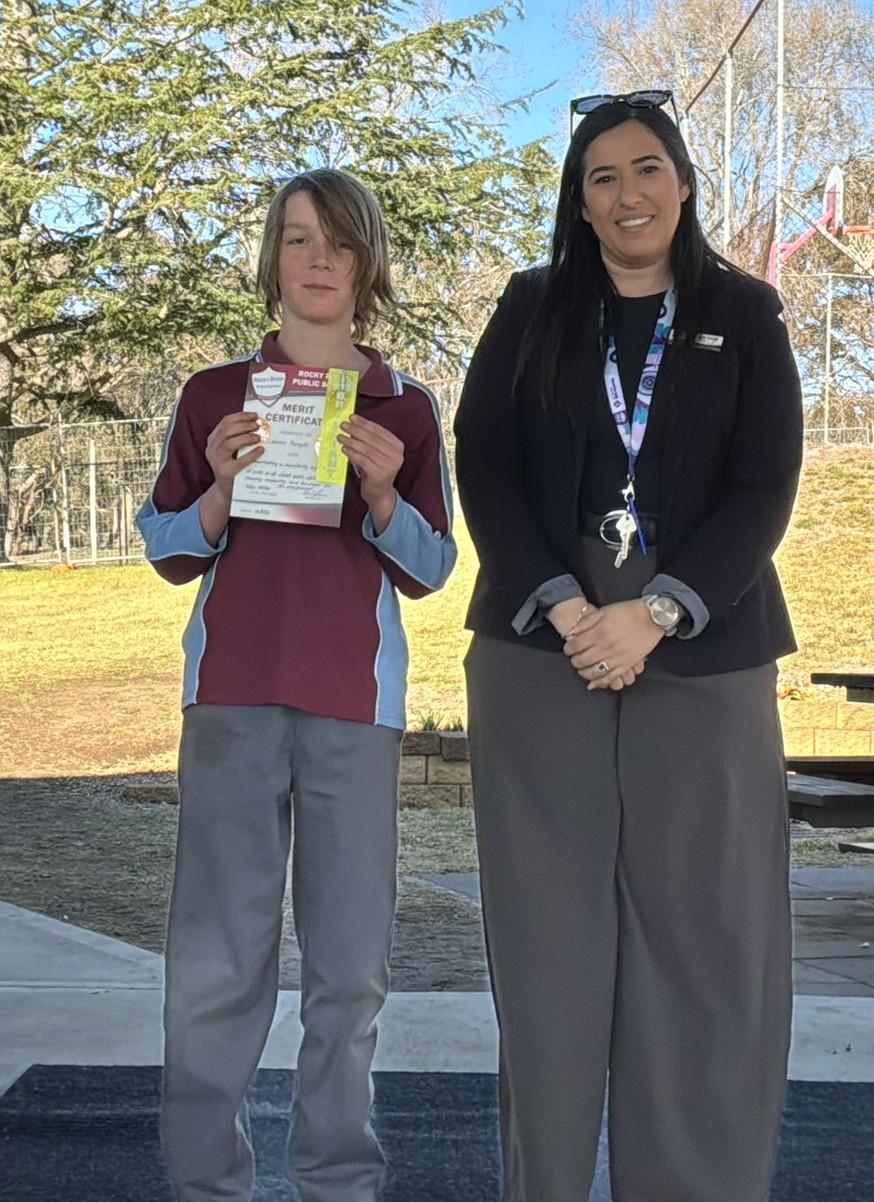
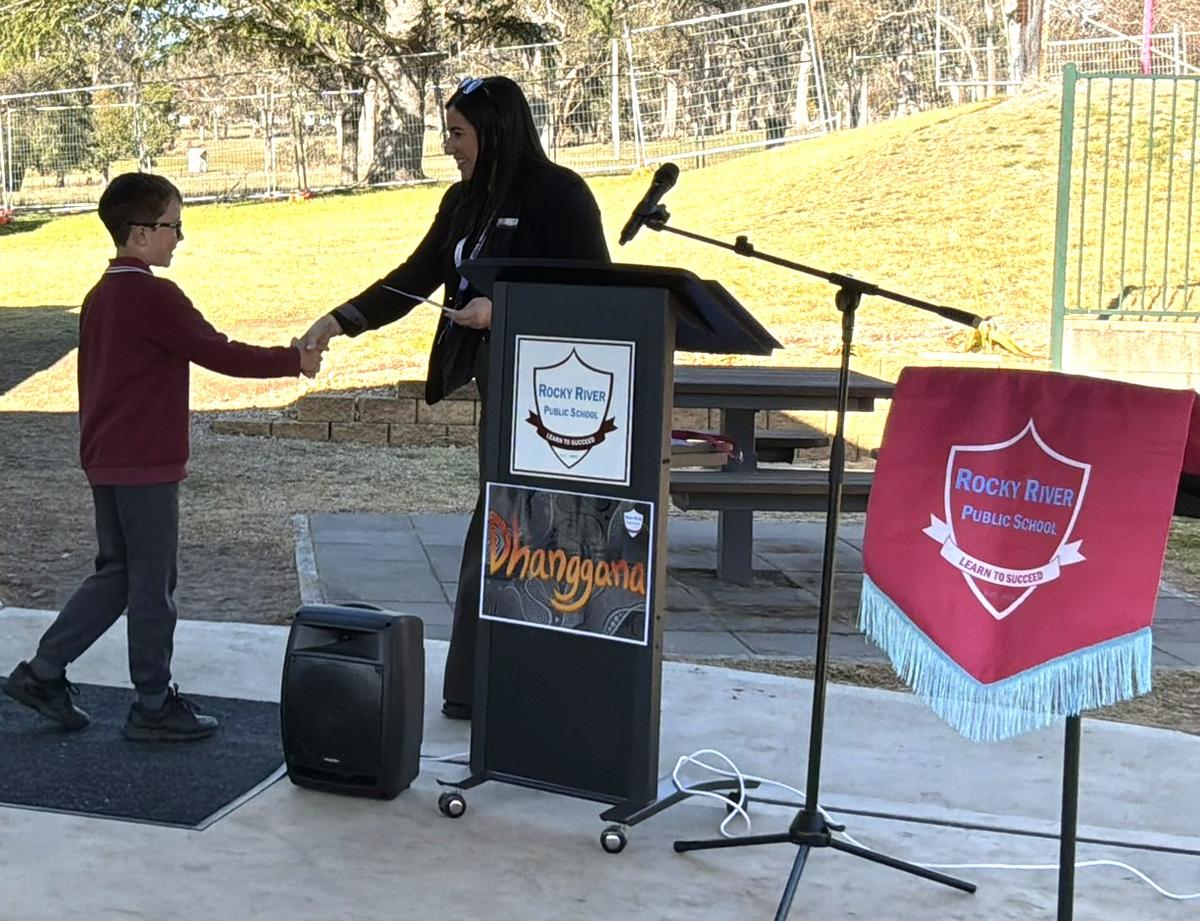
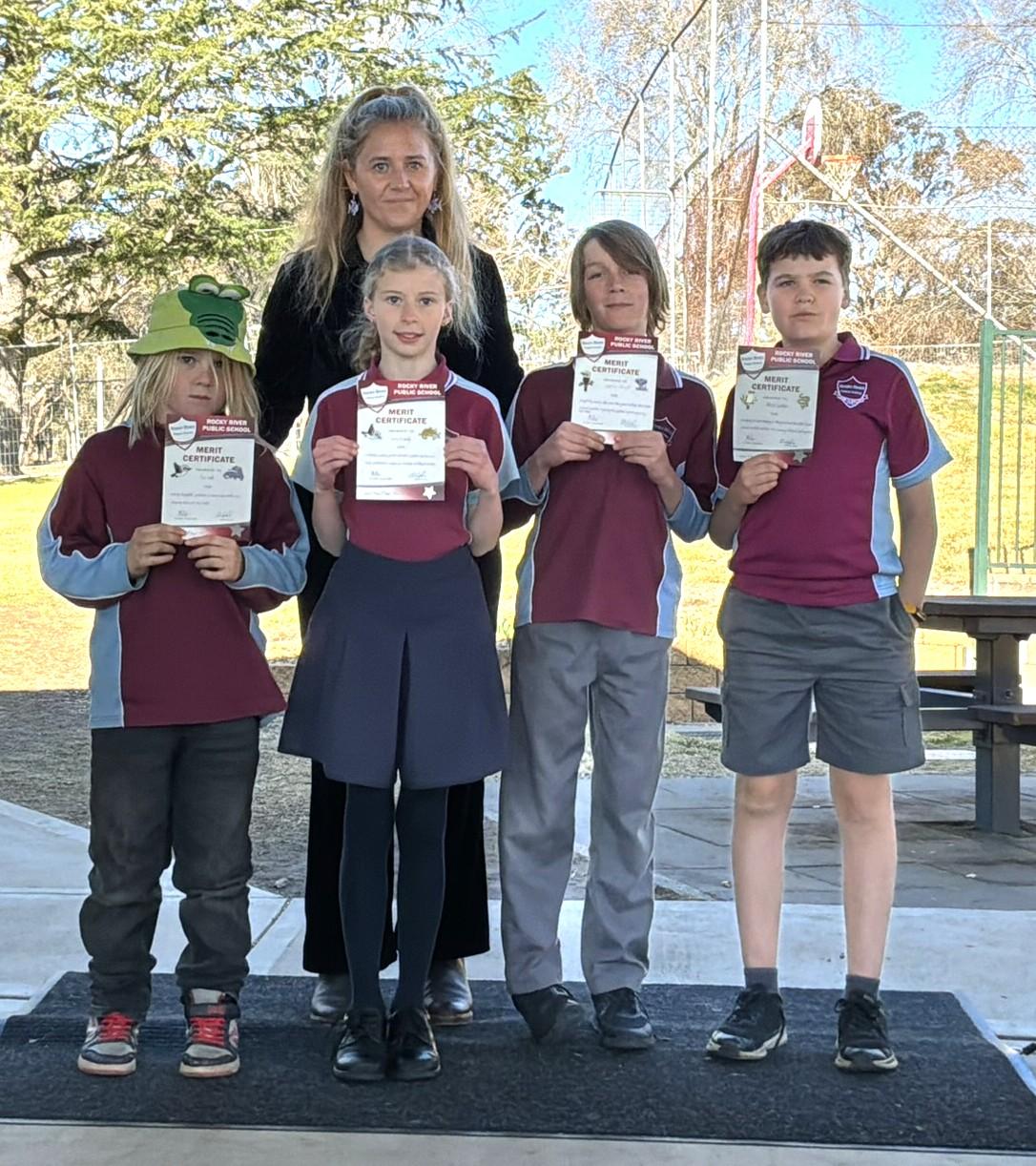
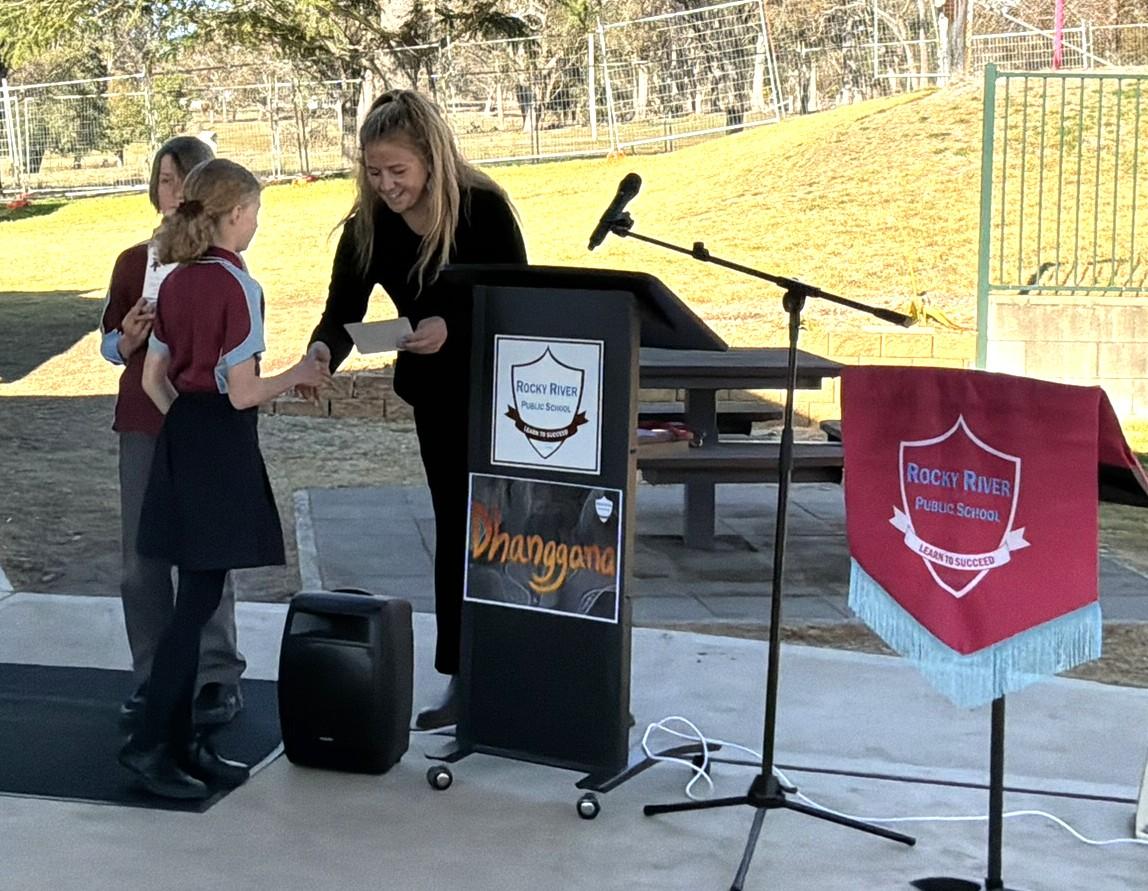
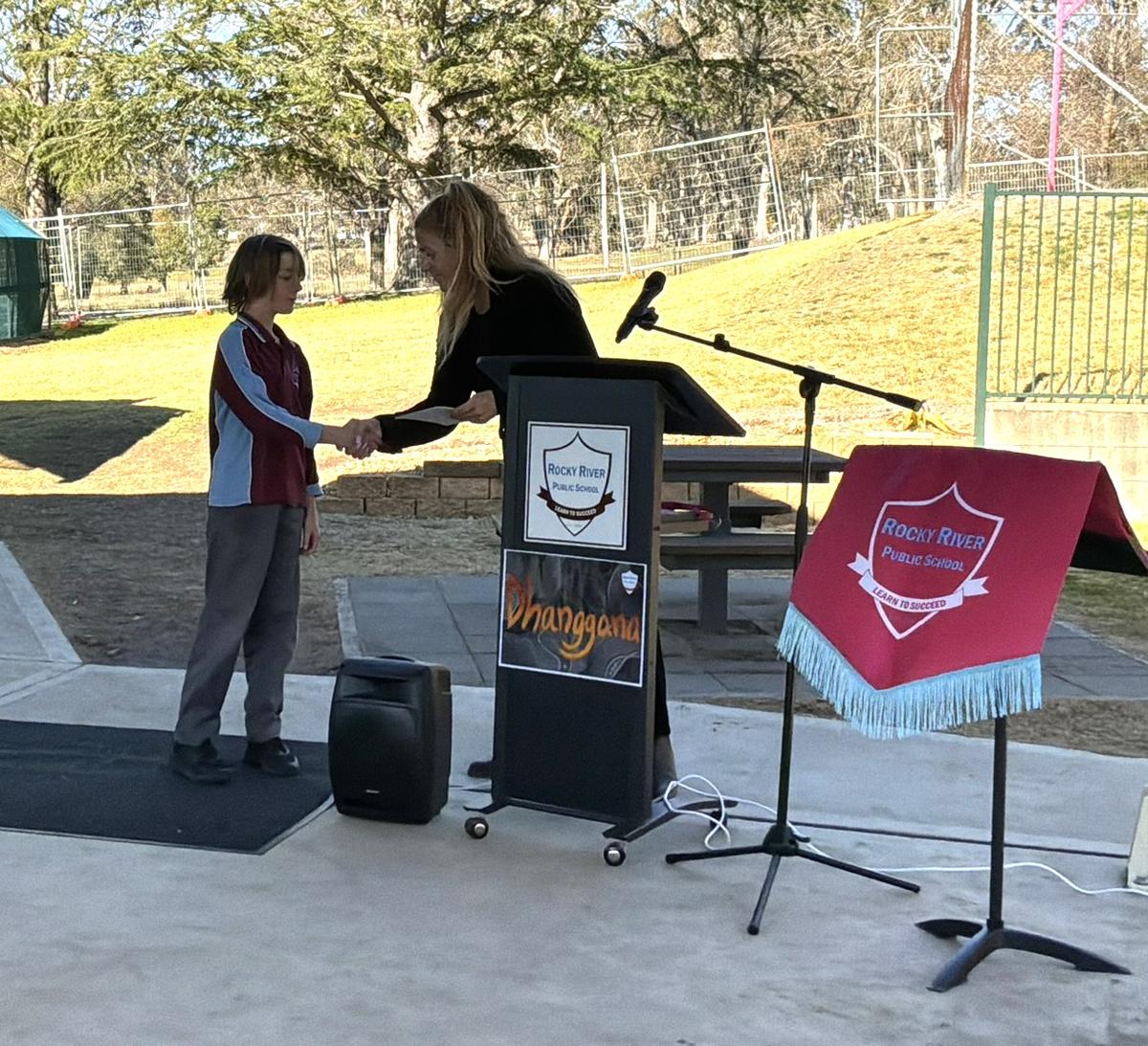
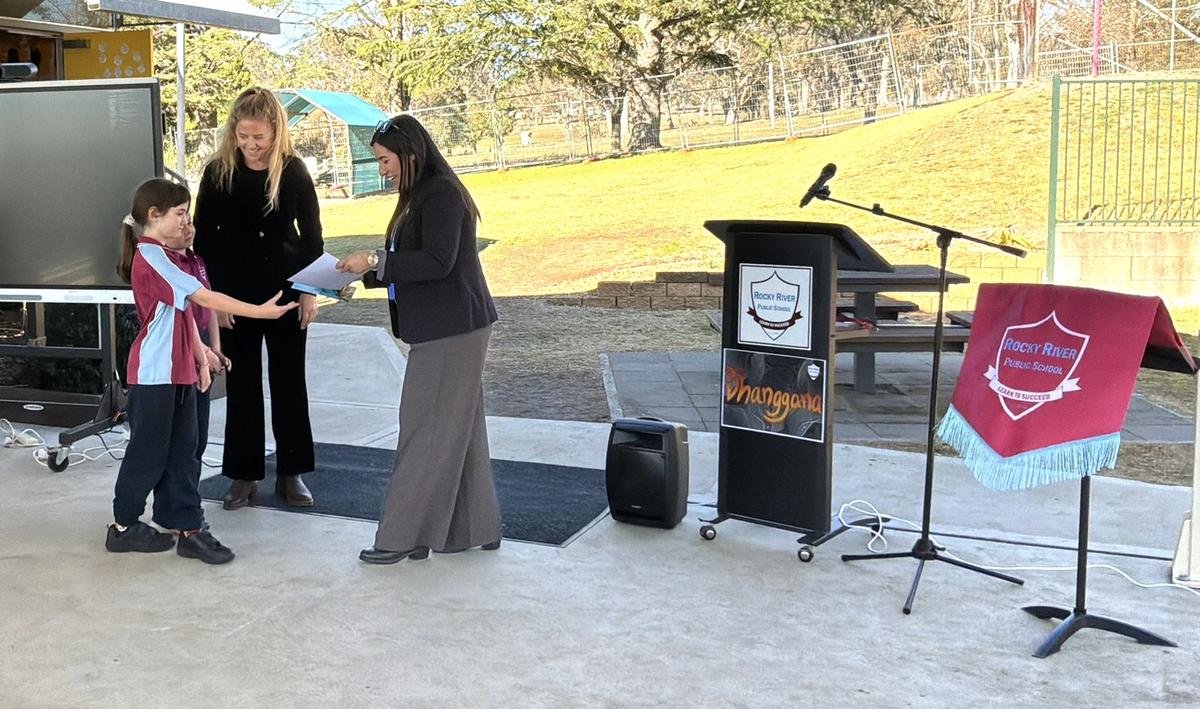
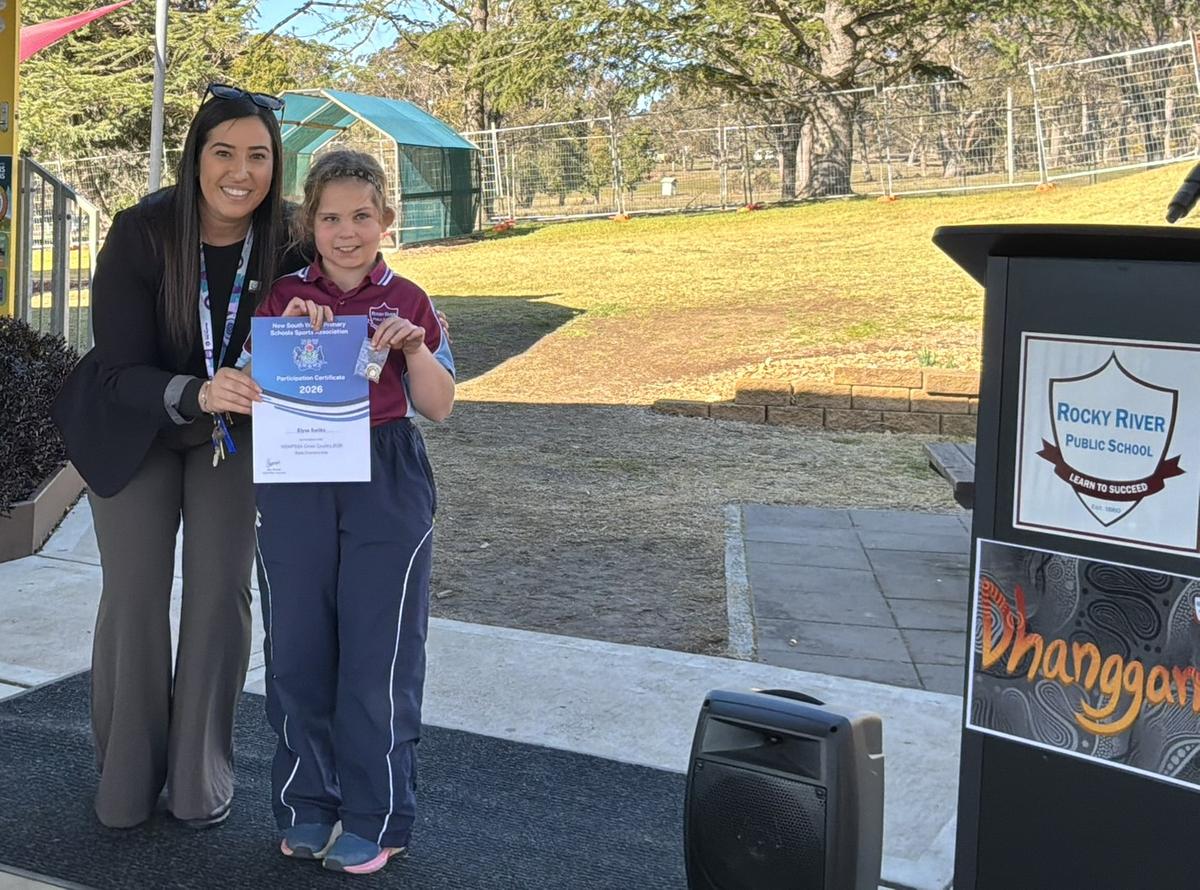
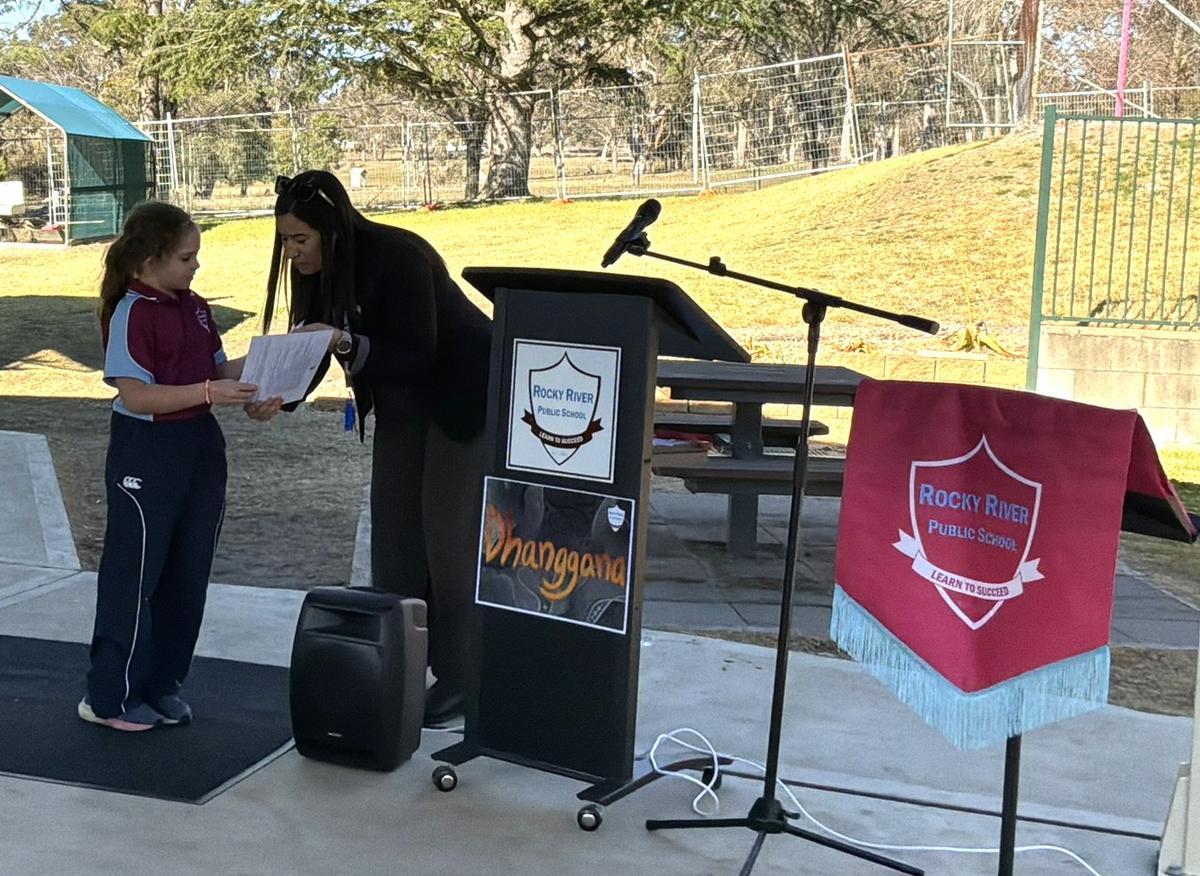
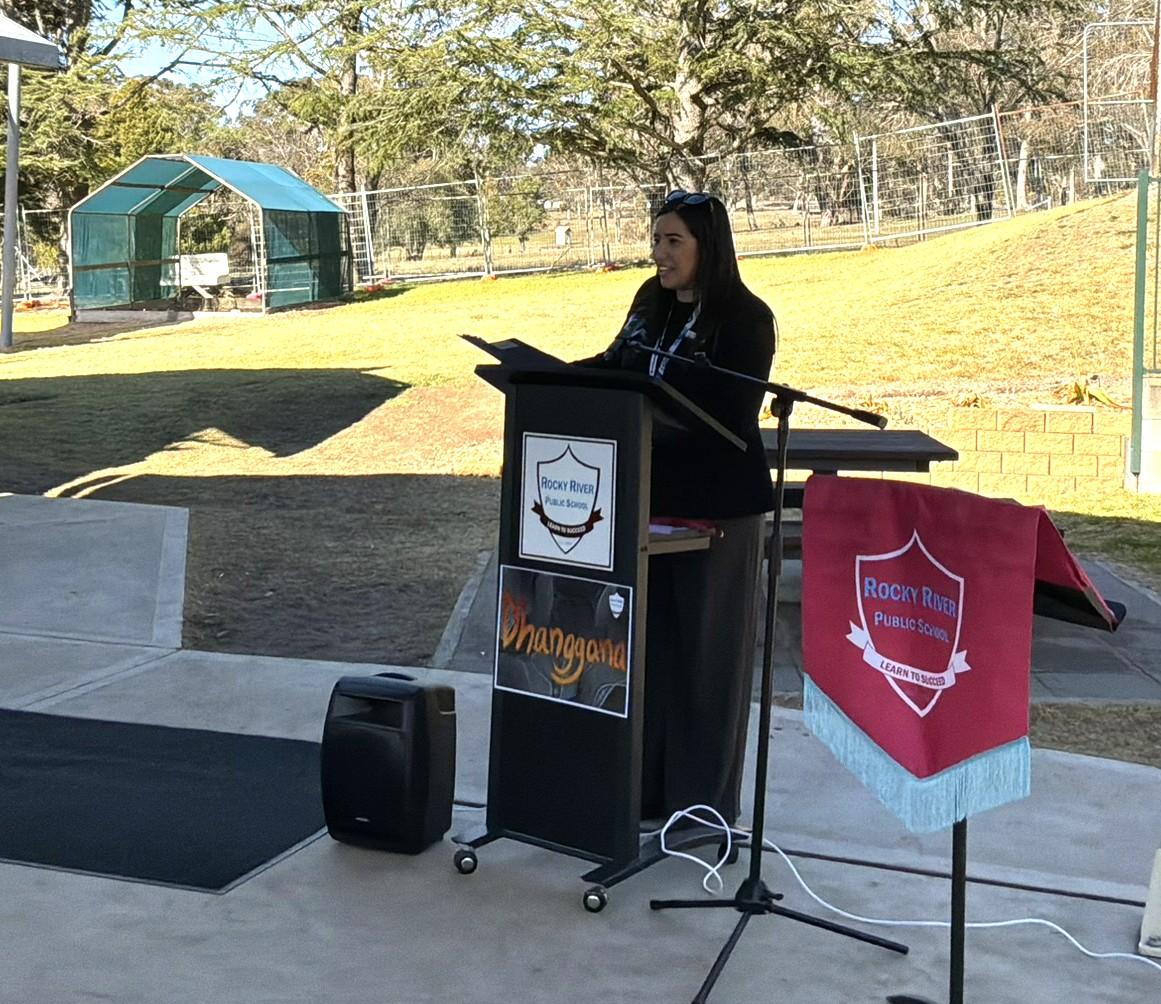
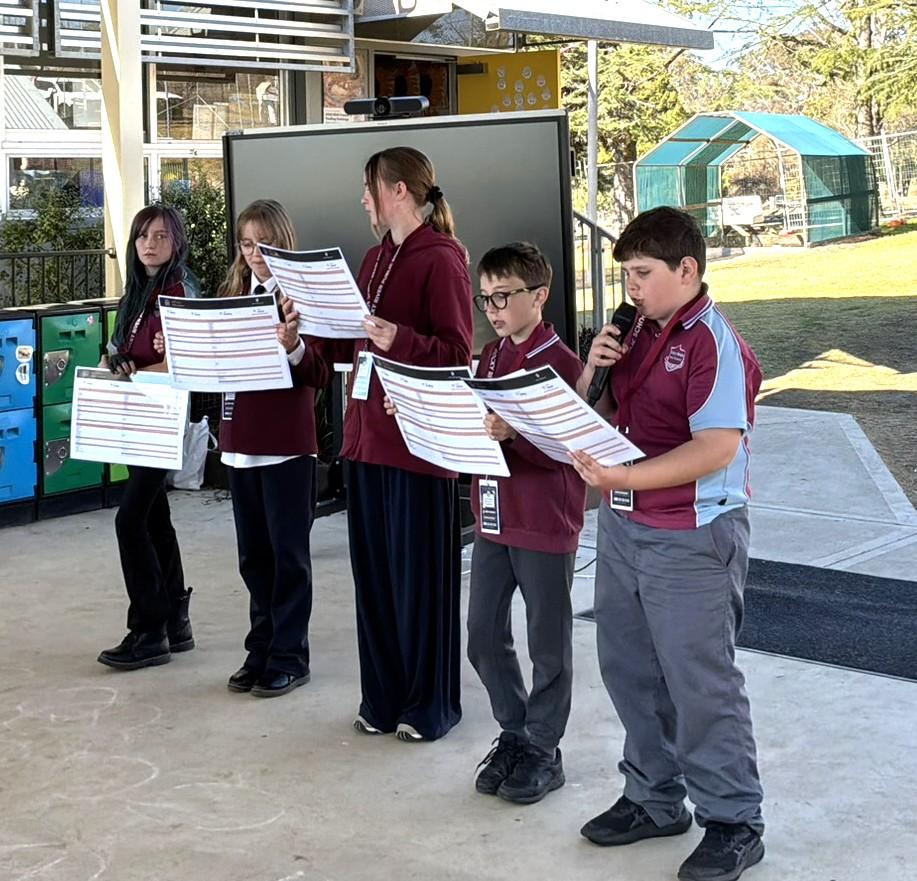
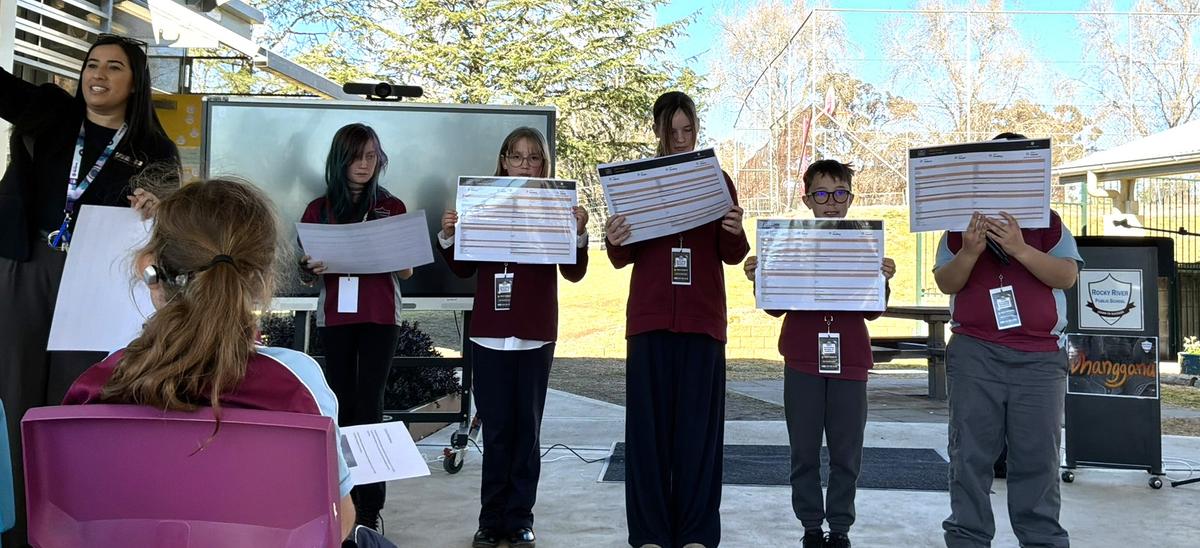
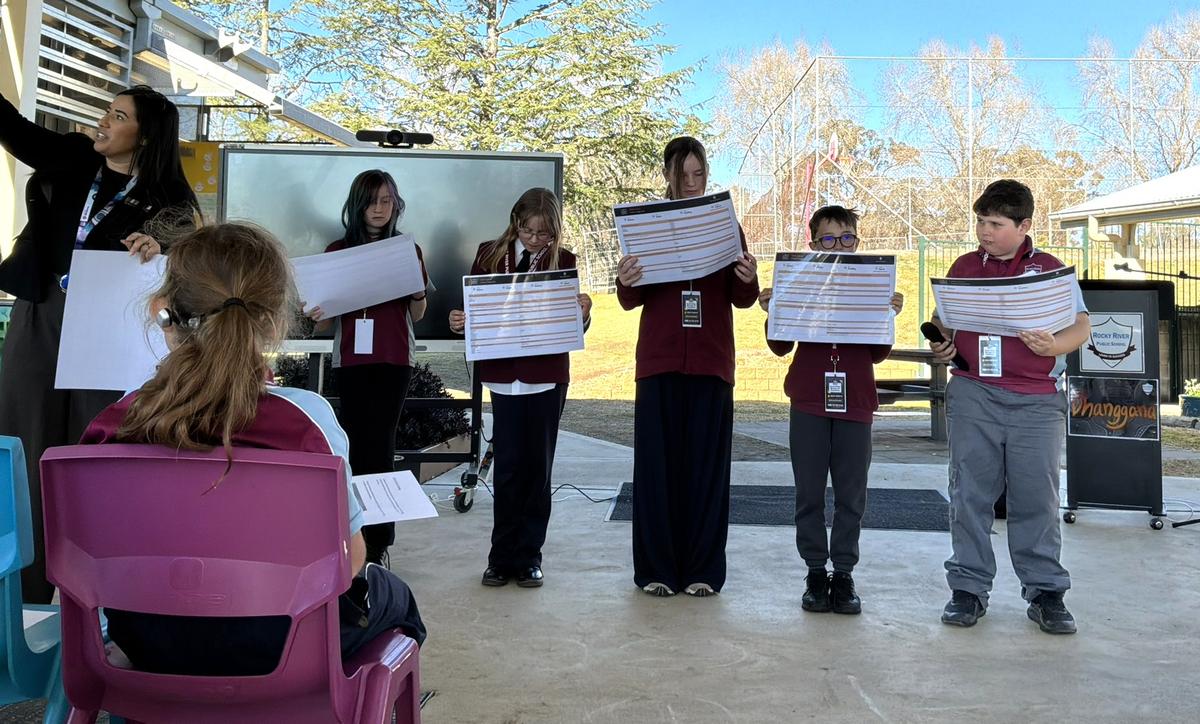
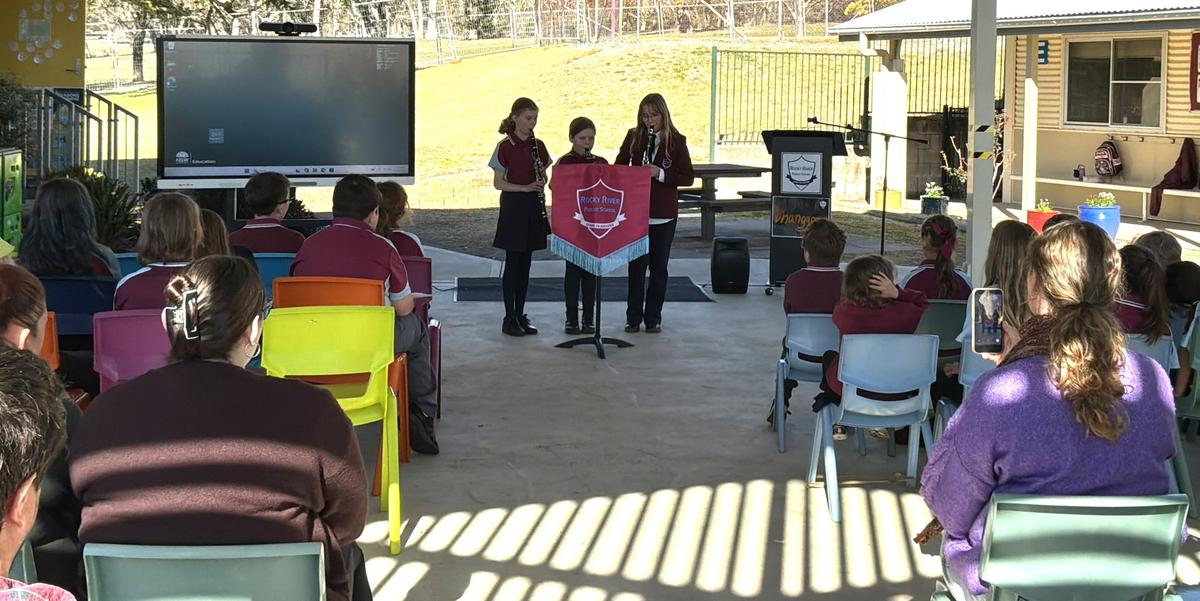
Congratulations to our award recipients at our recent Term 3 Assembly. Well done to all of our talented students who took the stage to showcase their wonderful learning. Our next Assembly is Friday 18th September 2pm-3pm - which is also our book week parade and the RFS truck visit.
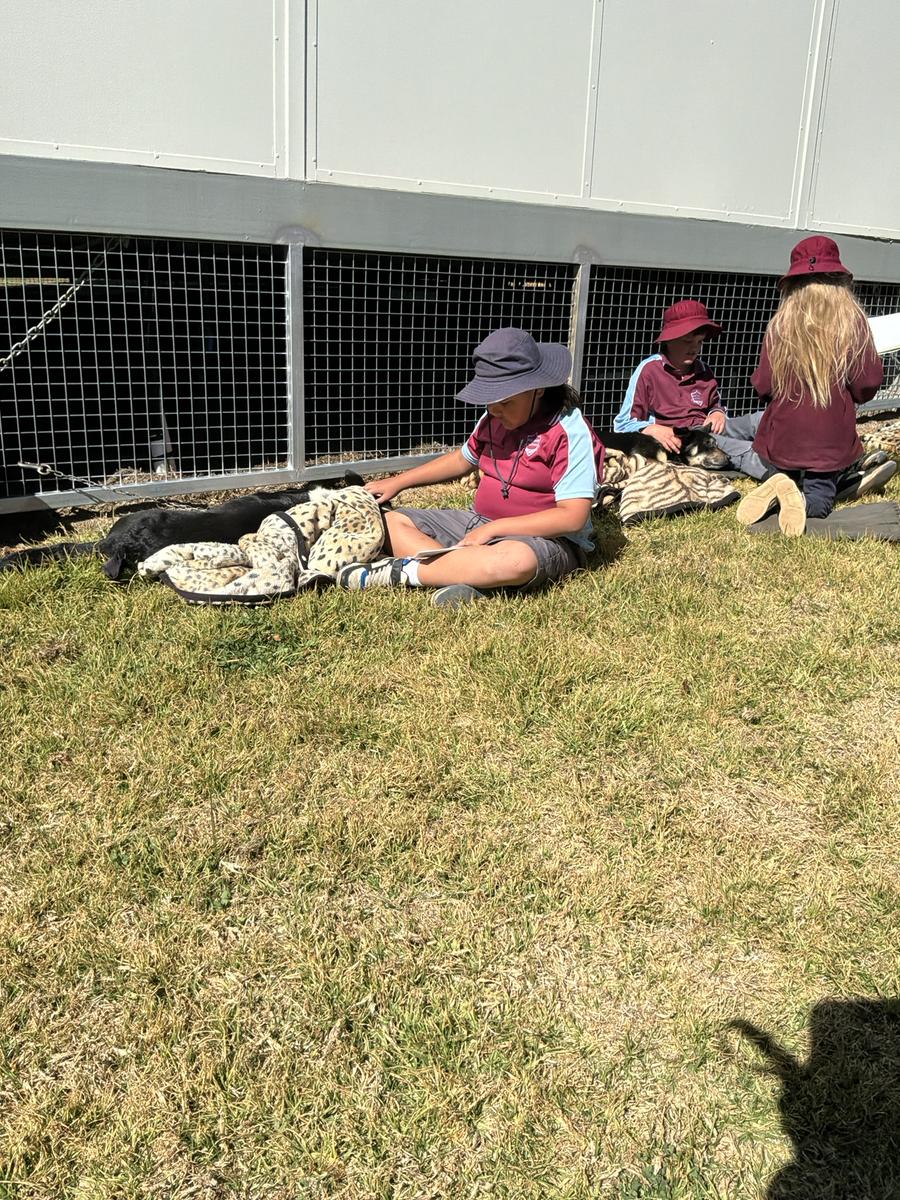
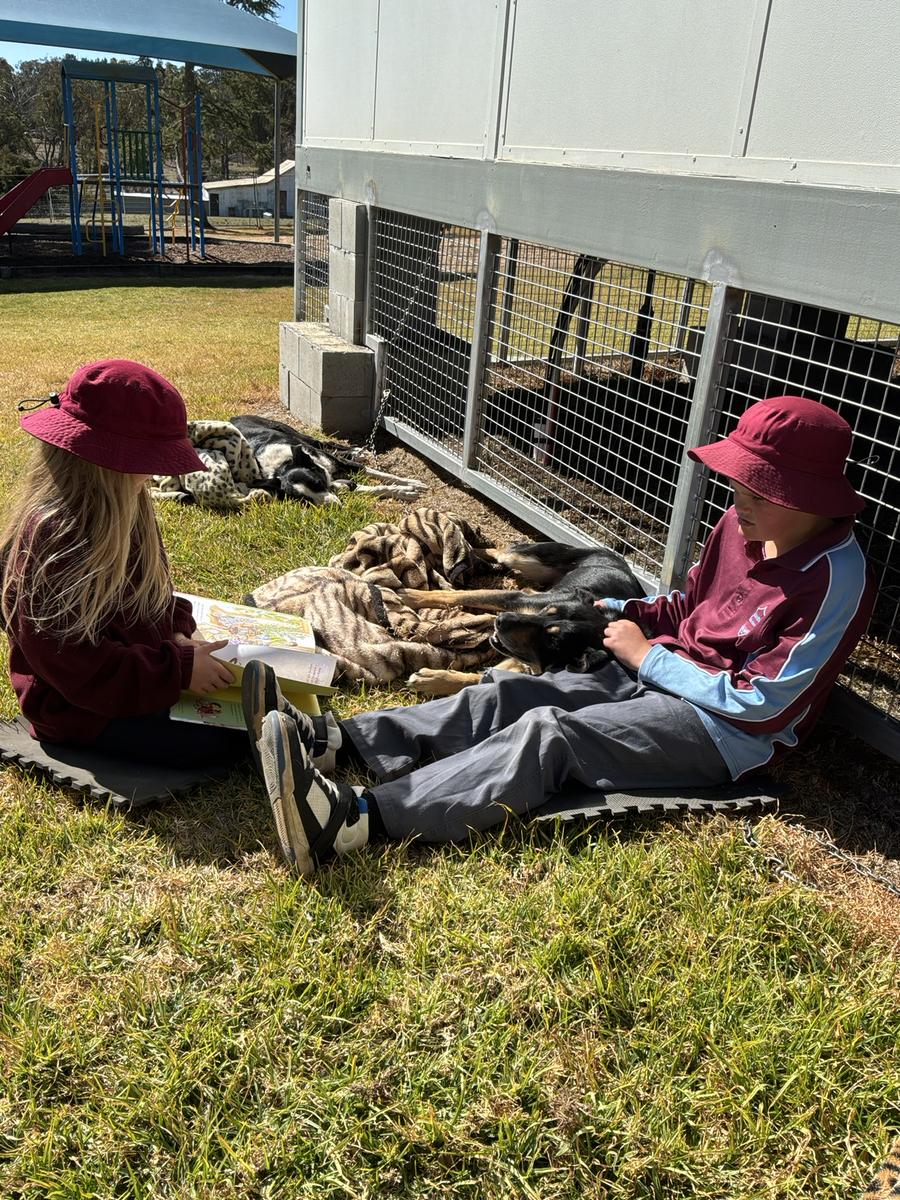
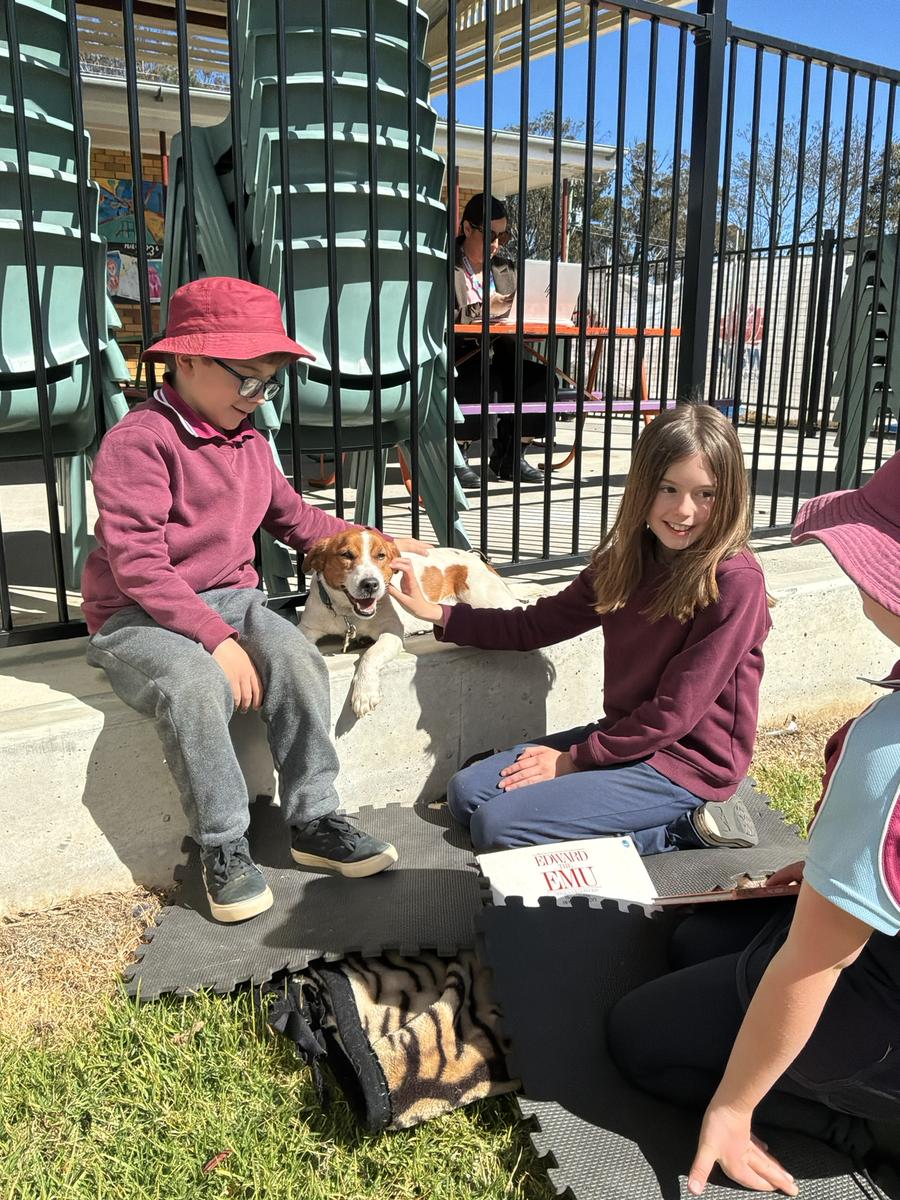
BackTrack Paws Up Visit
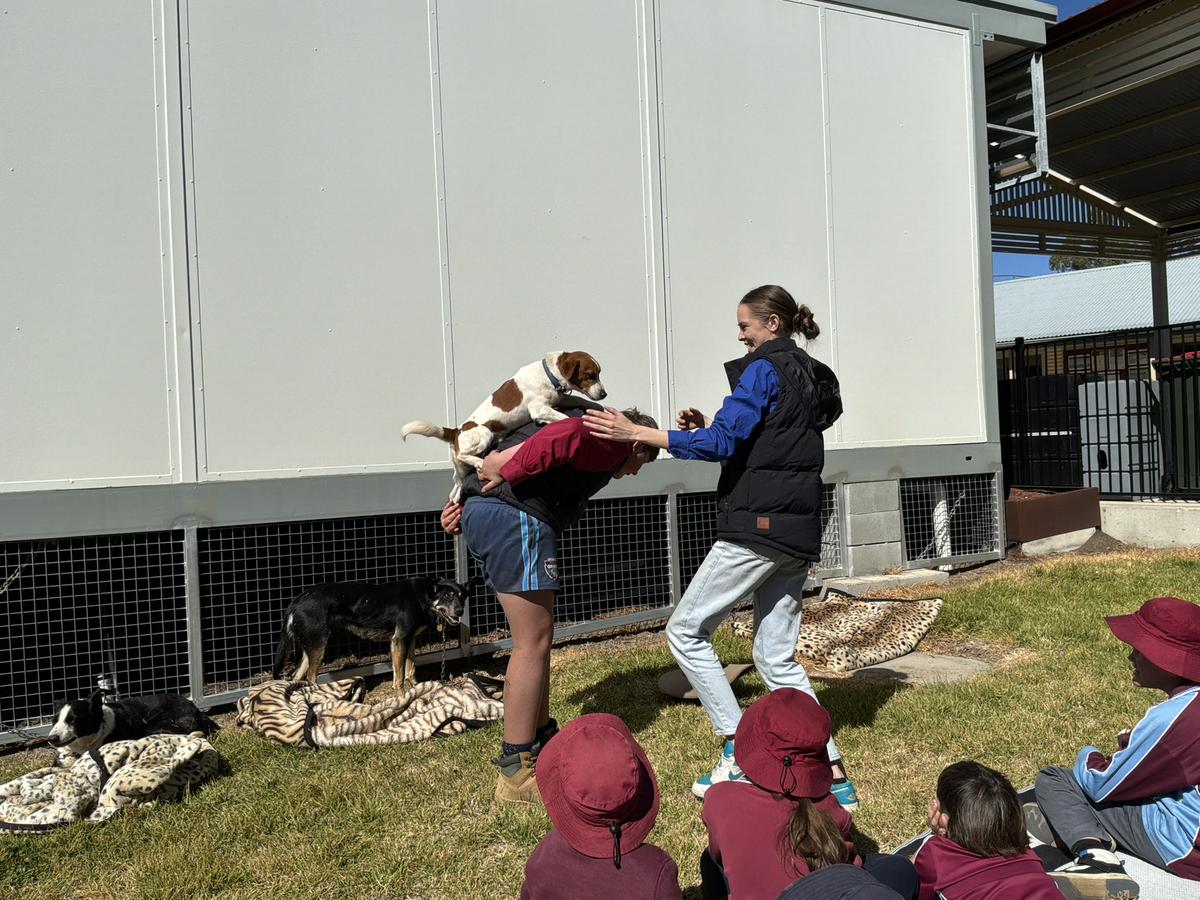
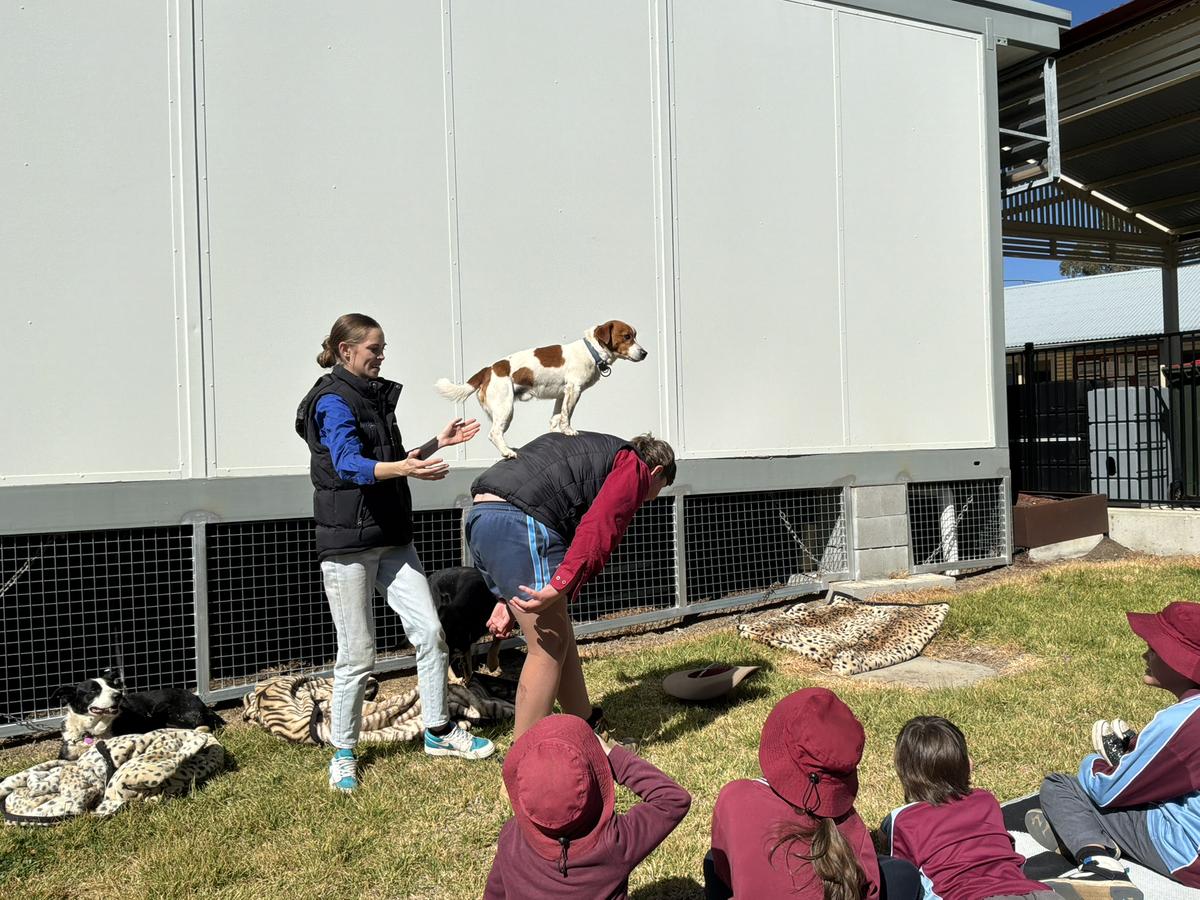
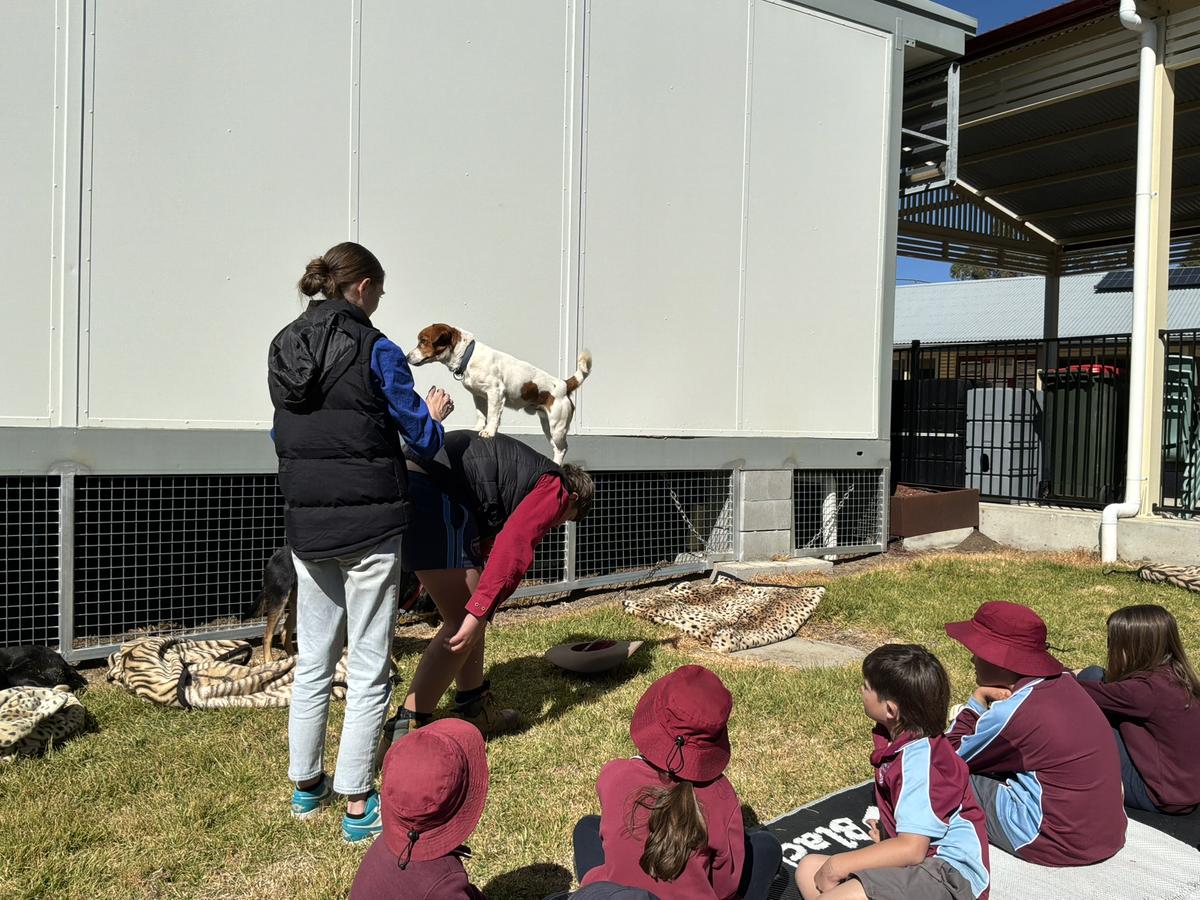
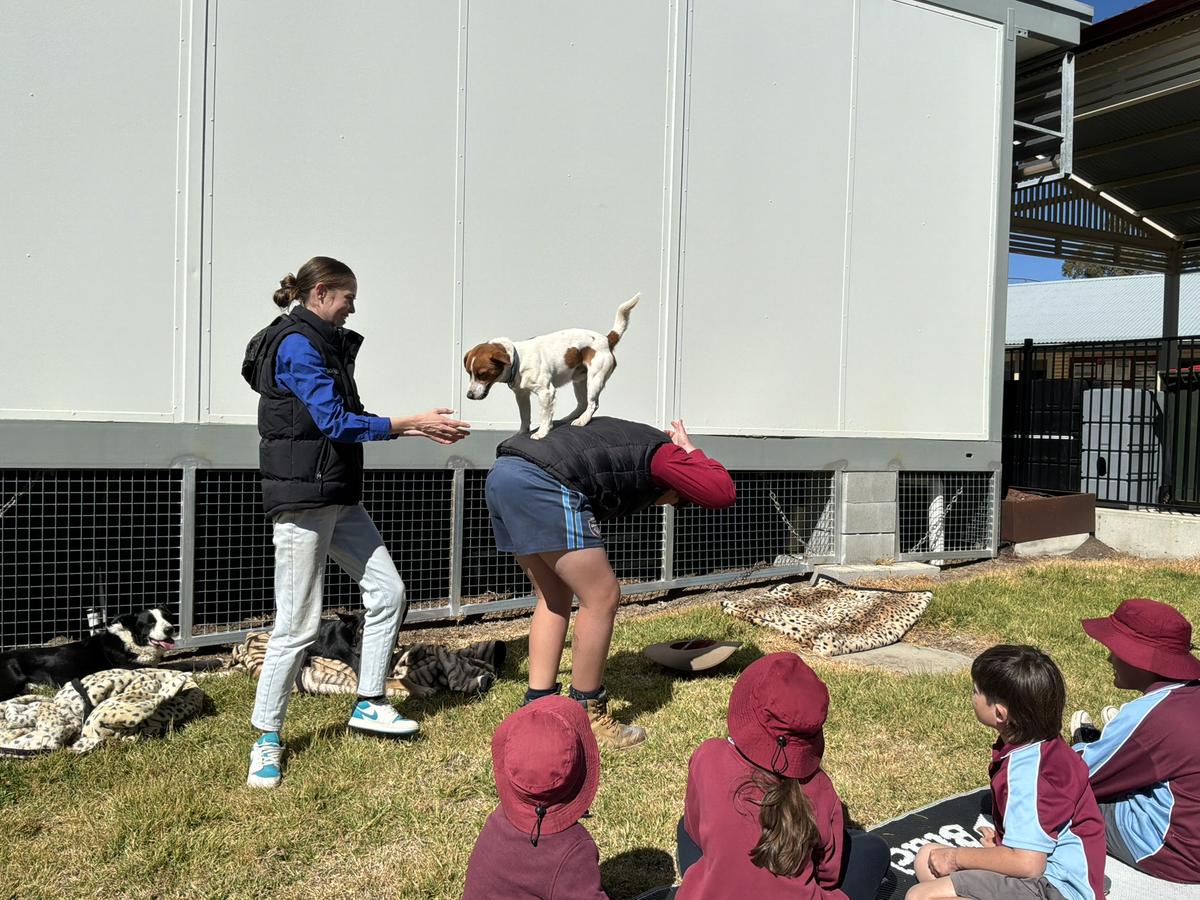
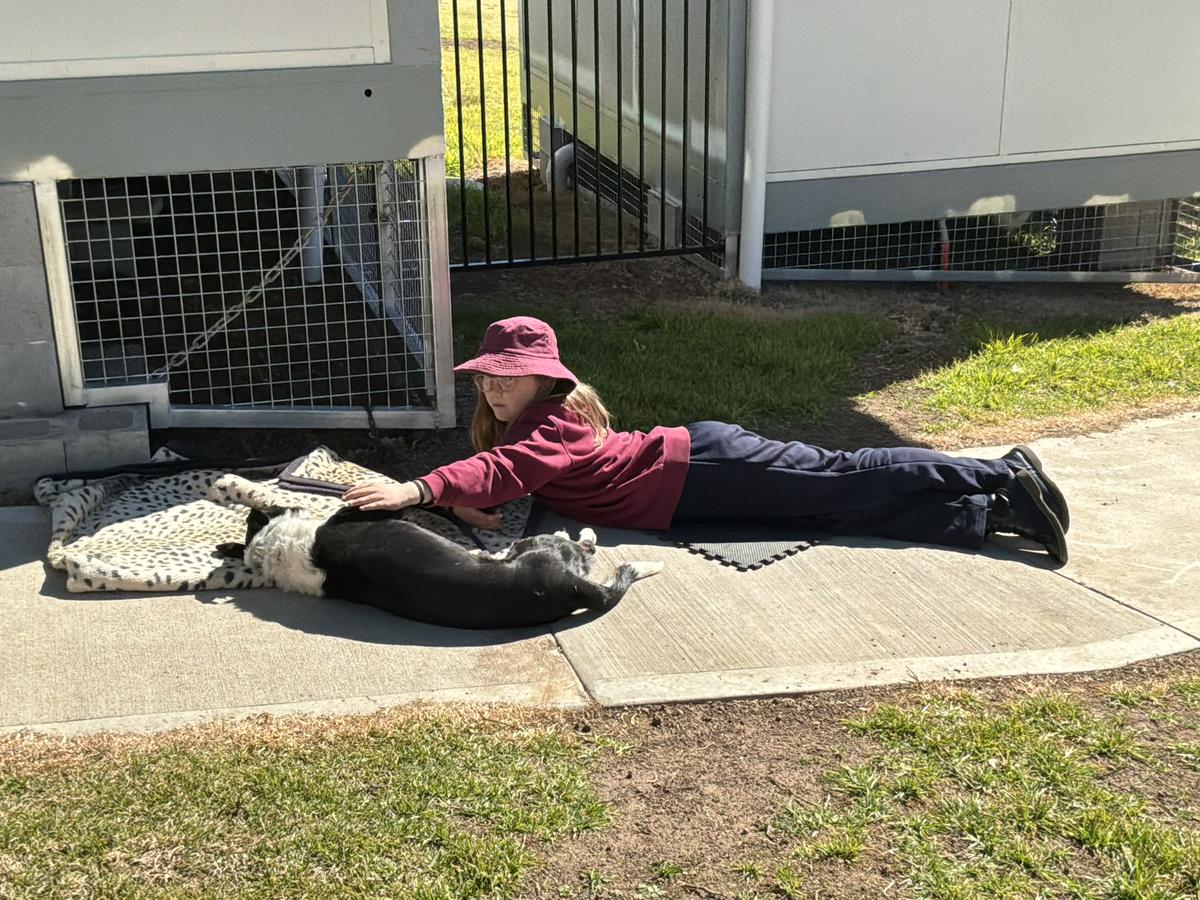
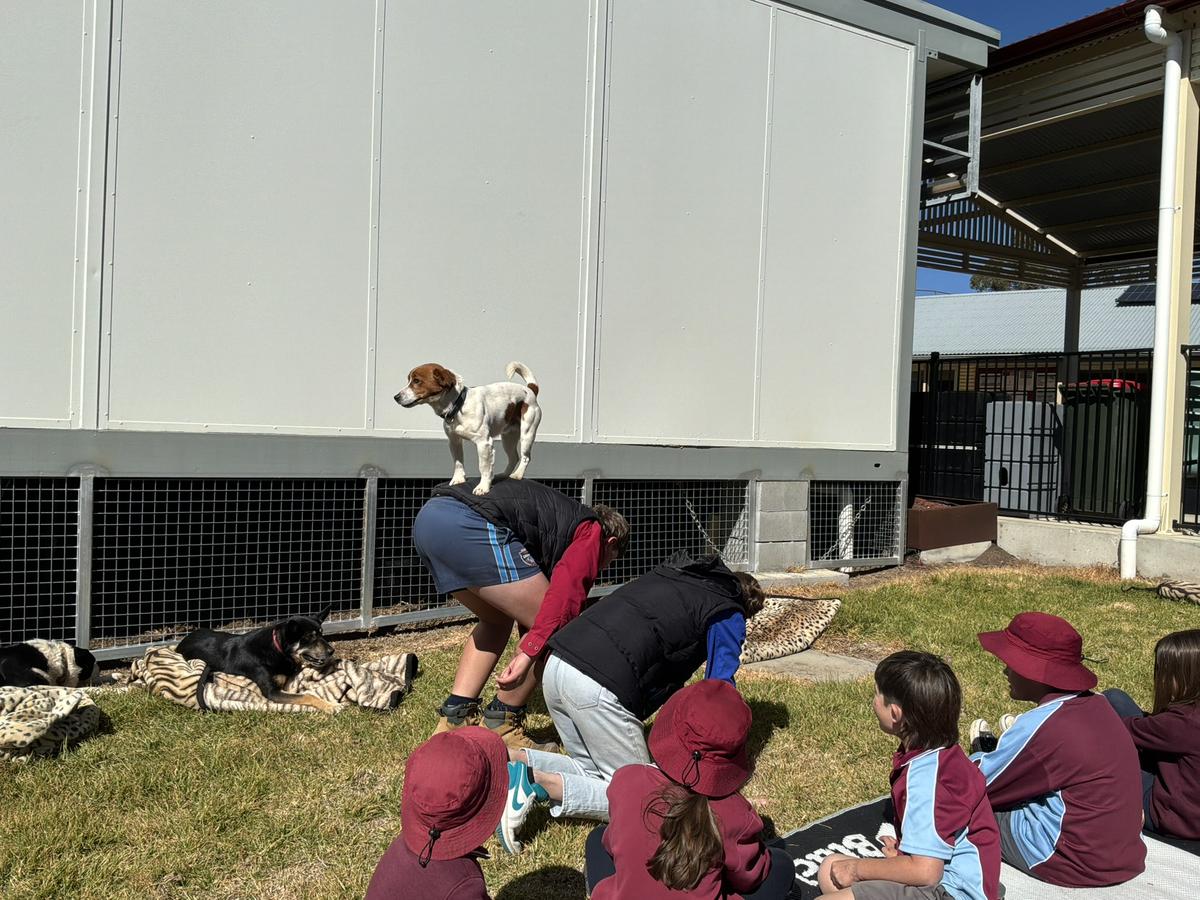
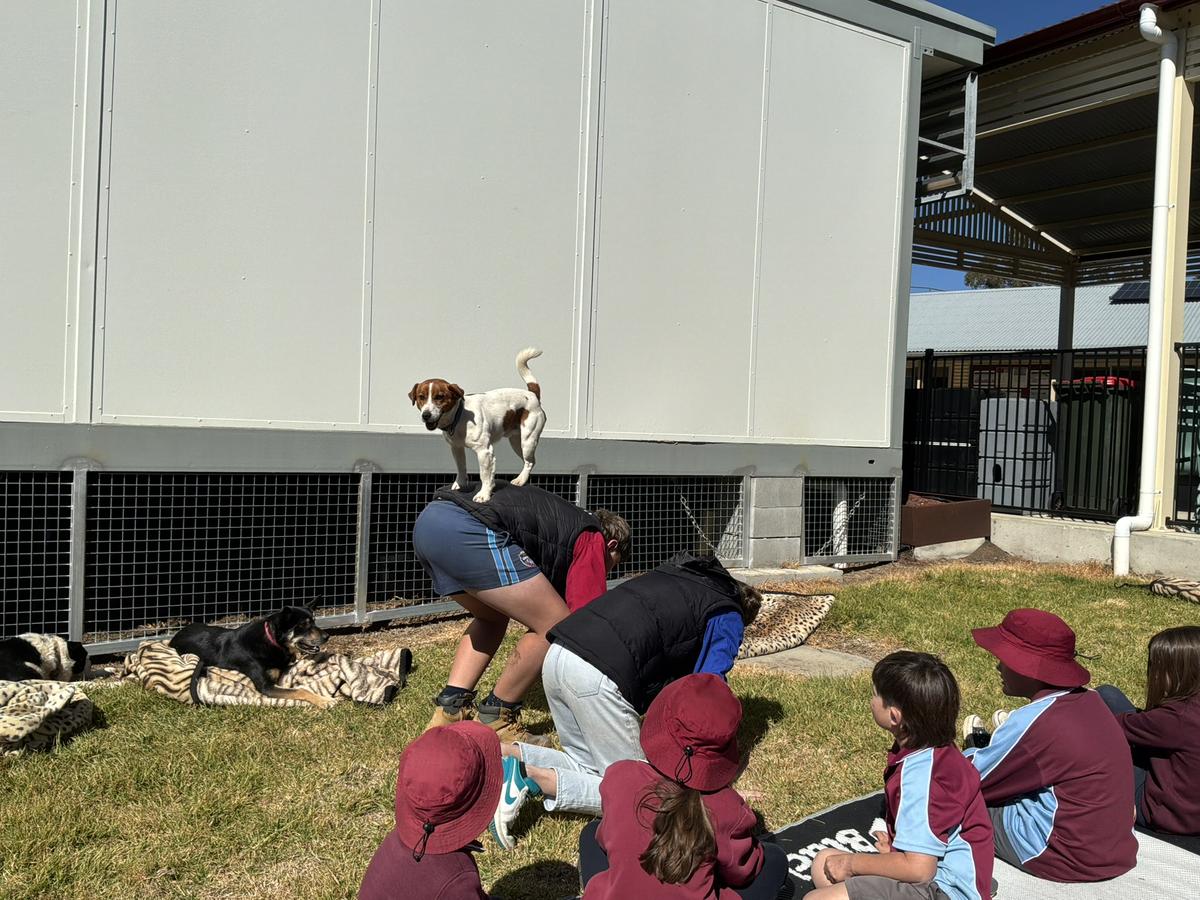
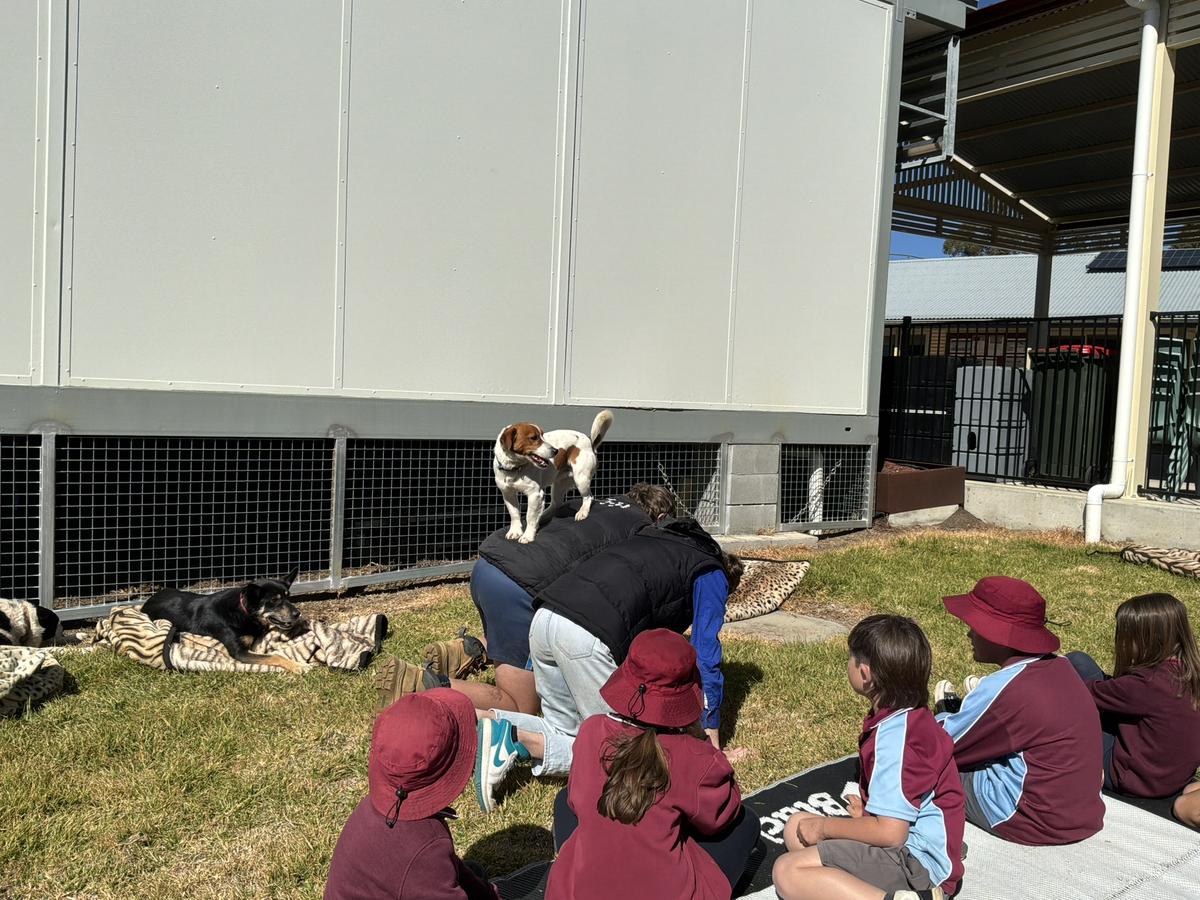
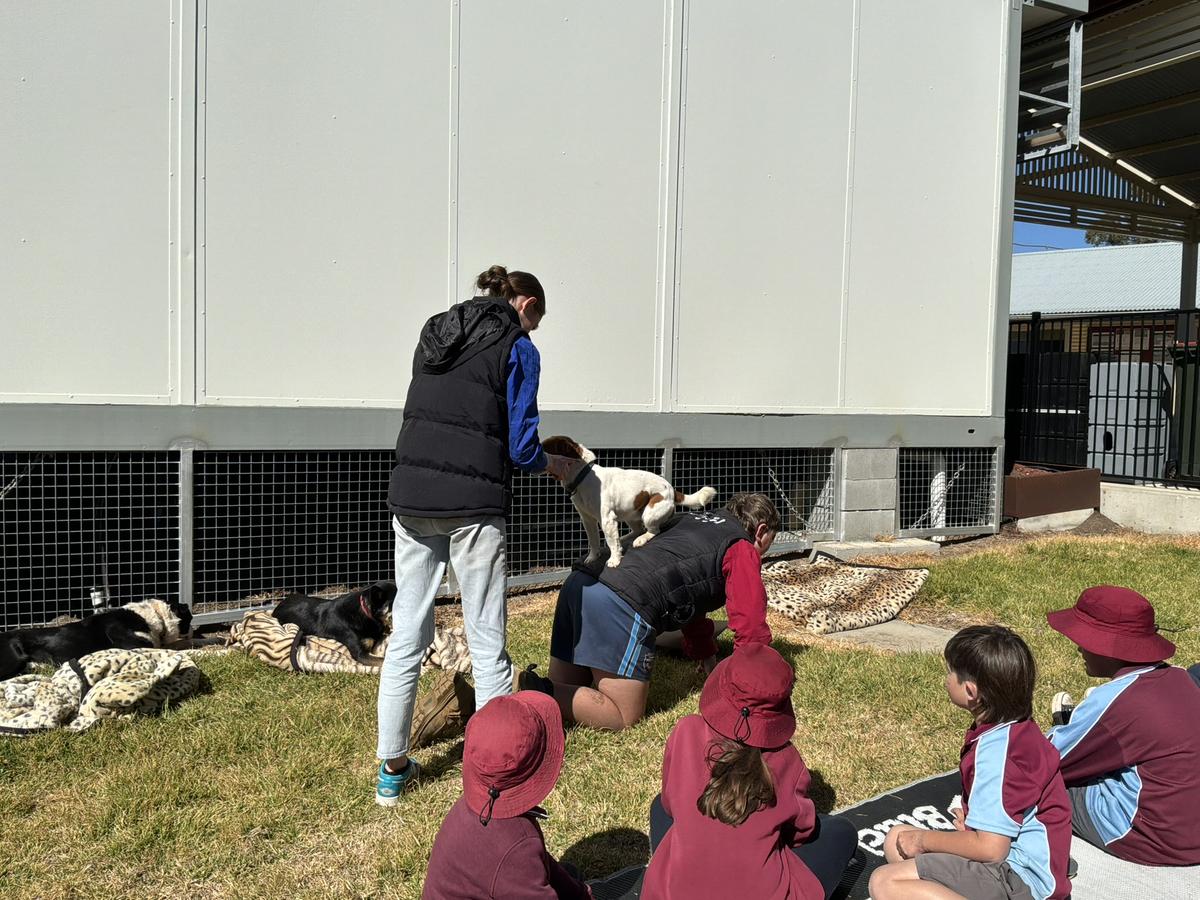
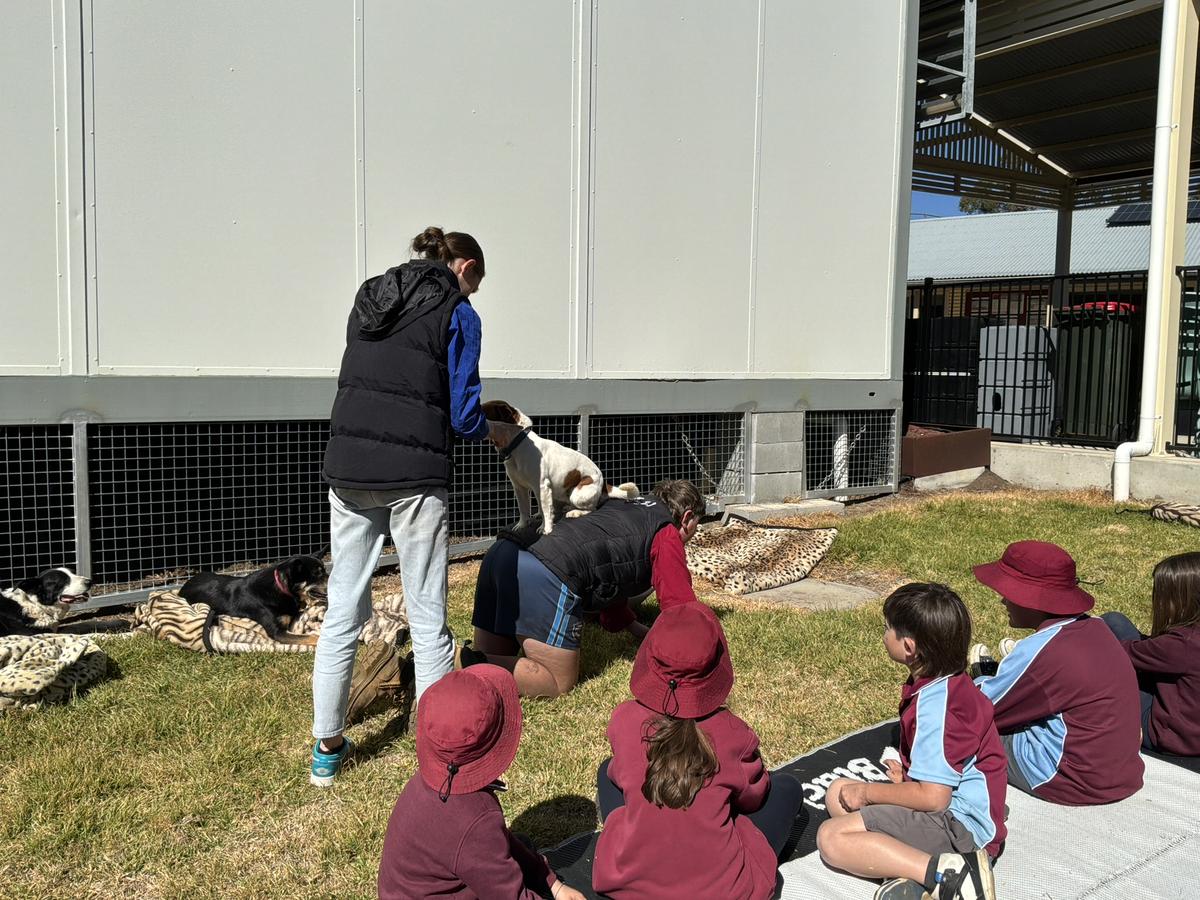
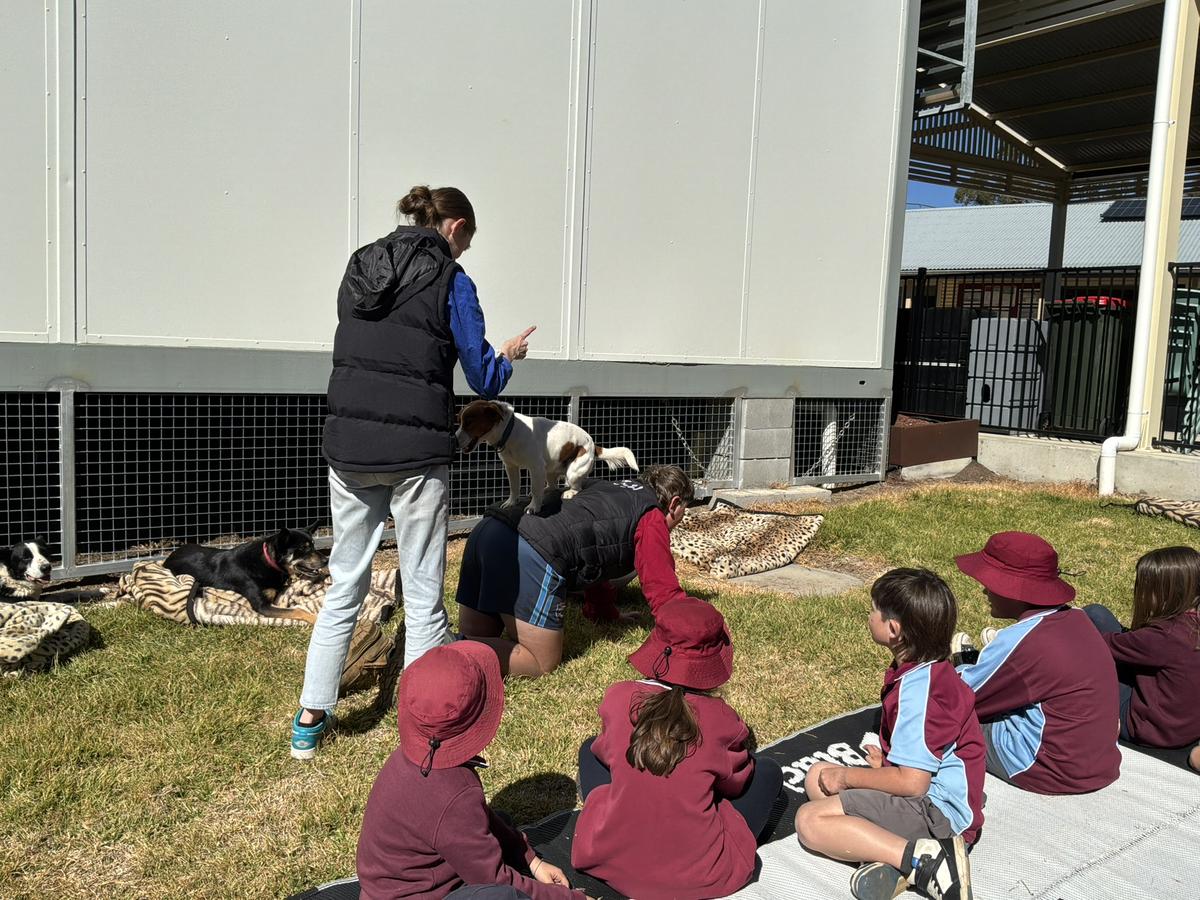
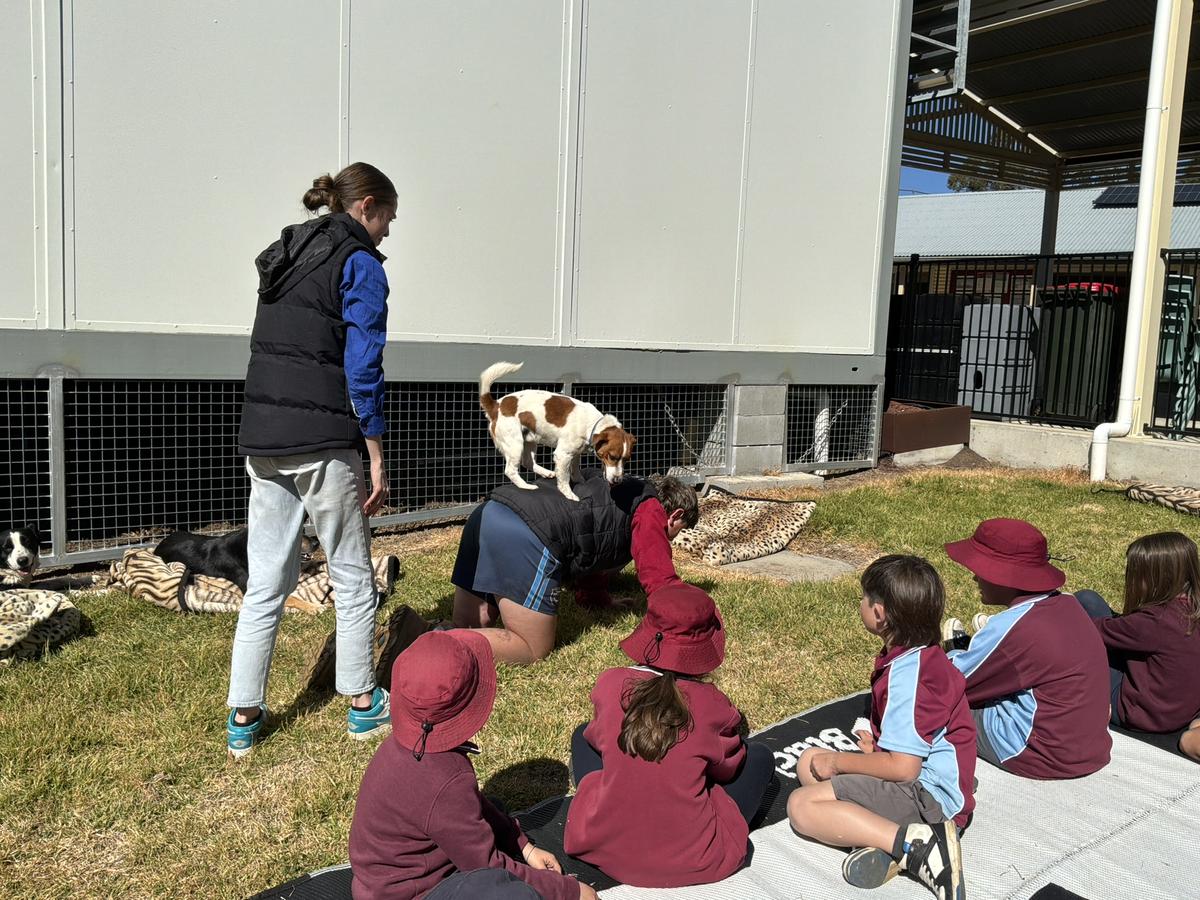
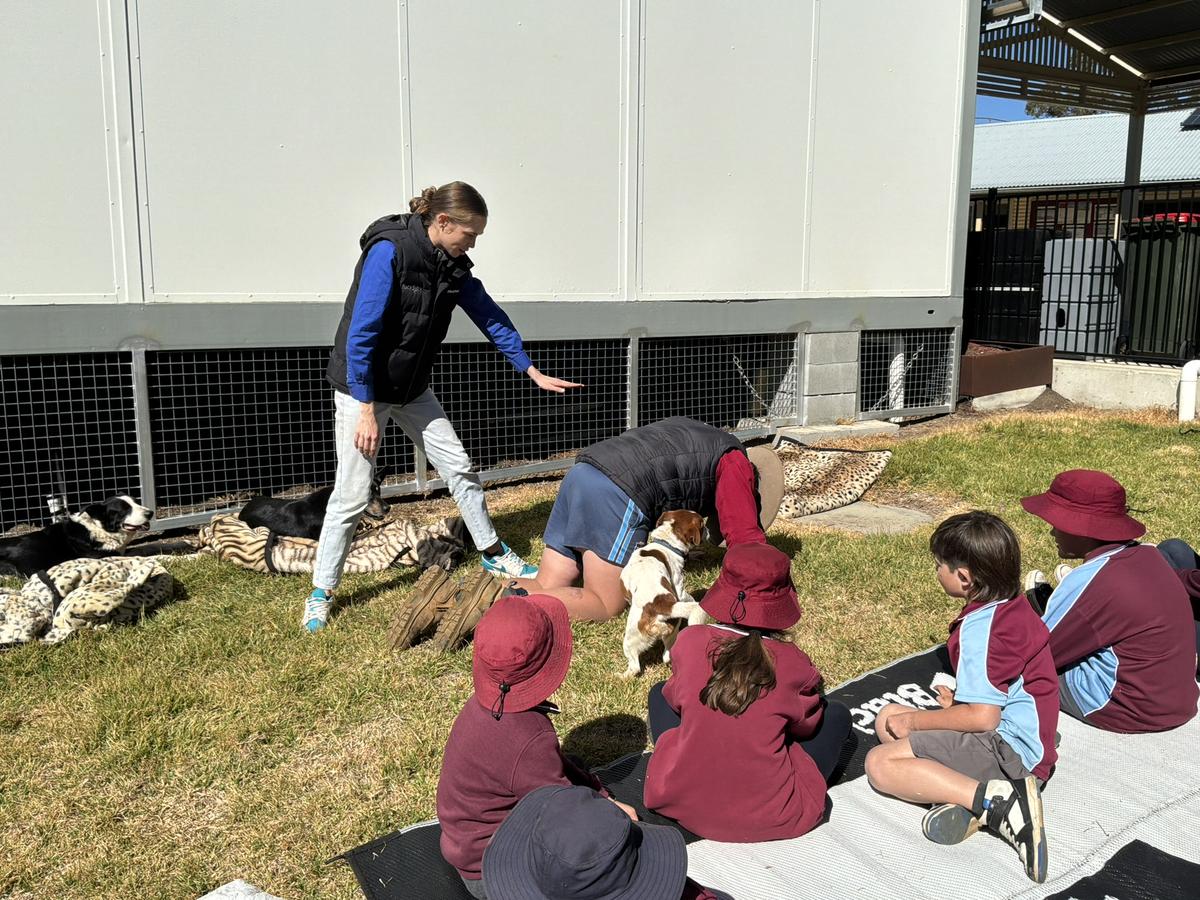
The BackTrack Crew visited us on Friday of Week 3 - what an exciting visit it was! We engaged in our regular check-in circle before breaking off to read to our chosen dogs. We ended the session with some extra games and were honoured to see a special dog trick too!
Connecting with Culture: Clap Sticks
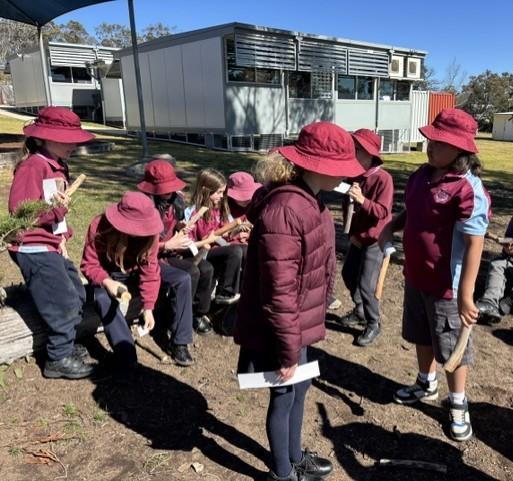
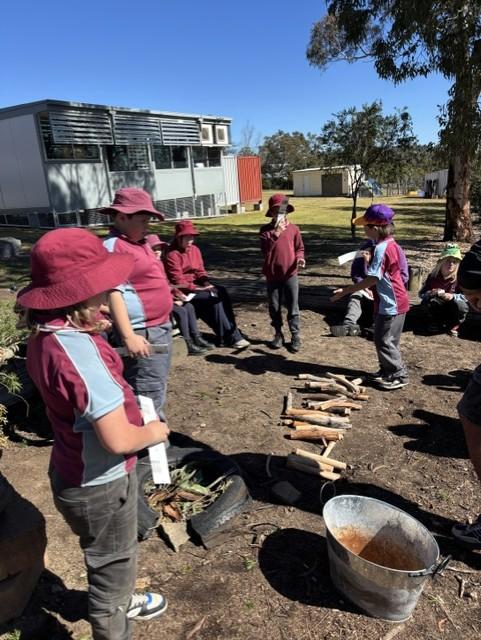
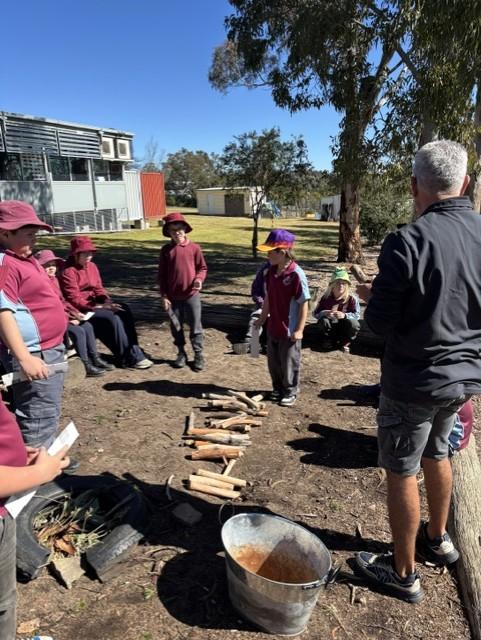
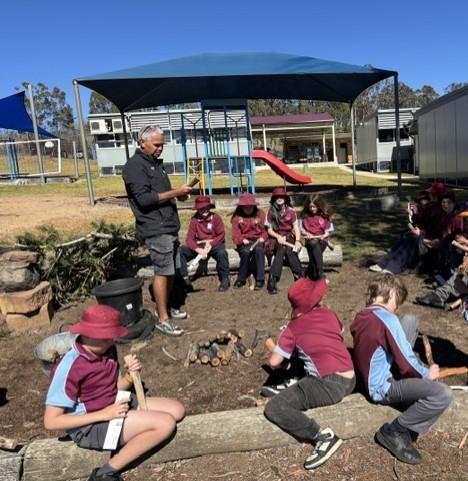
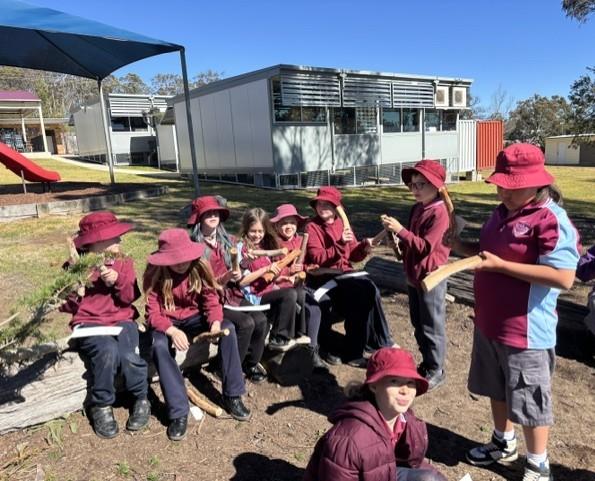
Our recent Anaiwan Language session was a remarkable cultural experience for students, led by respected Aboriginal Elder Mima Dave. During the session, students were presented with pieces of timber personally sourced from Mima Dave's property, providing a tangible connection to Country.
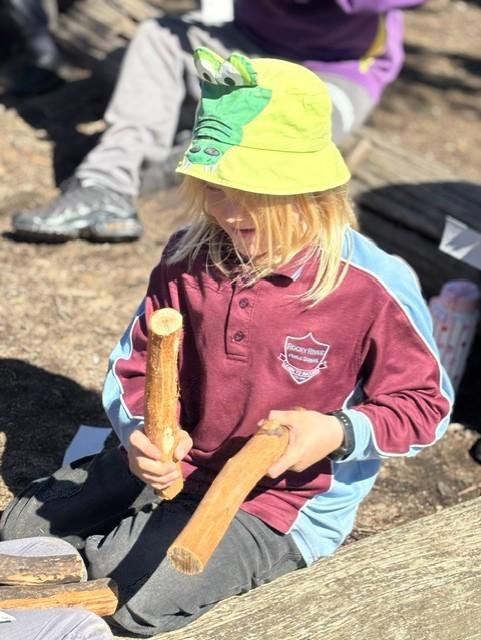
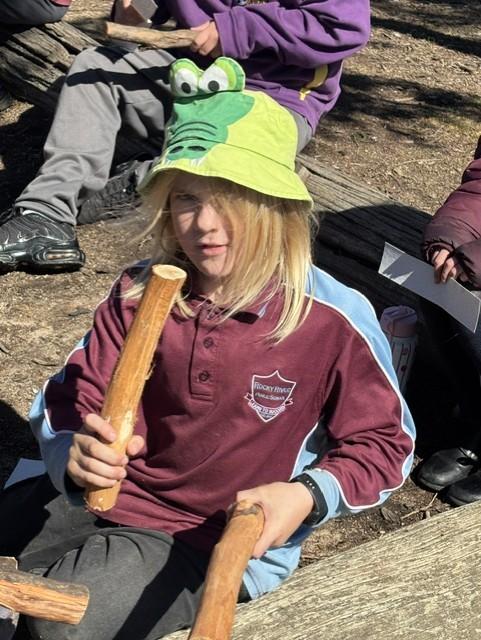
Students were invited to select two sticks that matched well and carefully began shaping them using traditional methods. Equipped with sandpaper and natural materials like rocks, they patiently sanded the timber by hand. This hands-on process gave students a deeper appreciation for traditional crafting techniques and the significance of natural resources in Aboriginal culture.
Some students showed impressive knowledge by identifying the timber as scribbly gum, highlighting their growing connection and understanding of native flora. The clap sticks crafted during this session are more than just instruments; they carry cultural meaning and will soon feature in an upcoming musical performance.
This unique activity not only enriched students’ language learning but also fostered respect for Aboriginal customs and storytelling through music. We are grateful to Mima Dave for sharing his knowledge and helping bring our cultural exploration to life.
Lower Division English
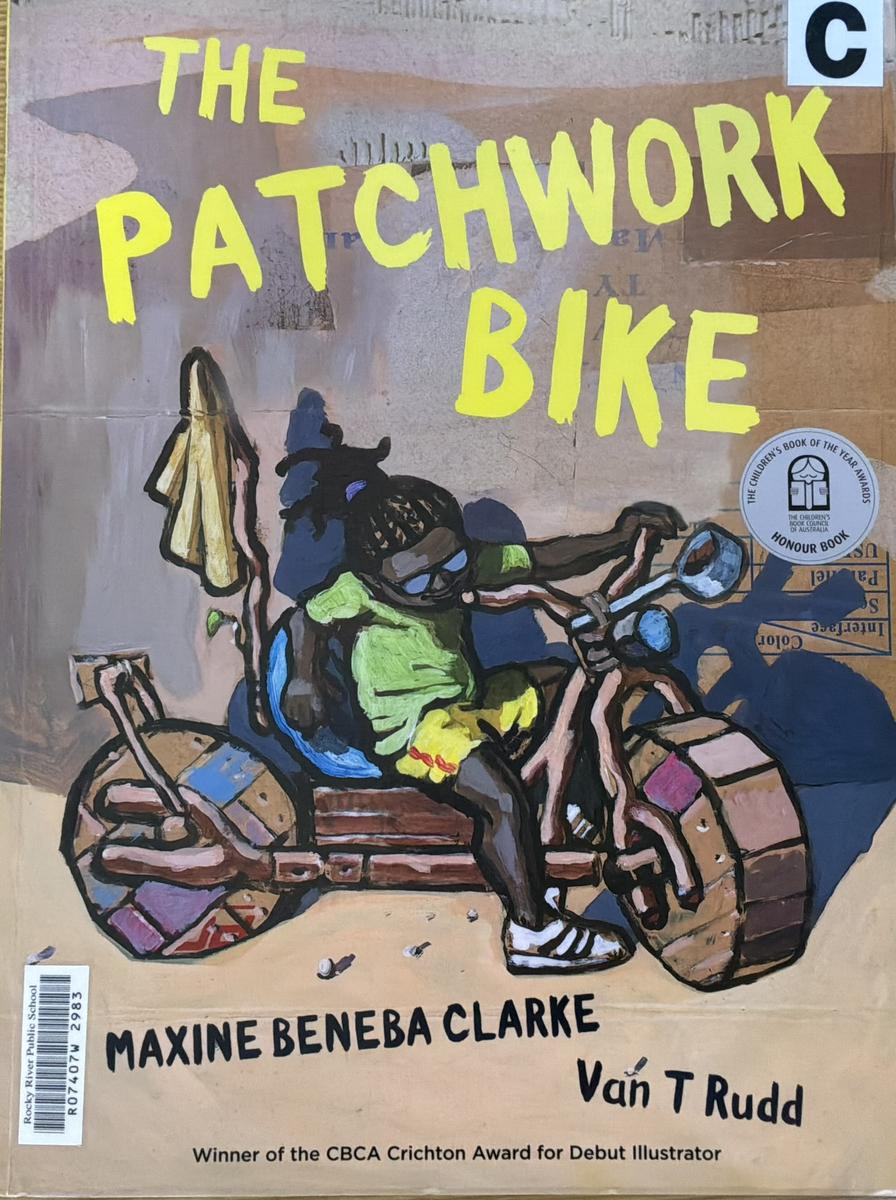
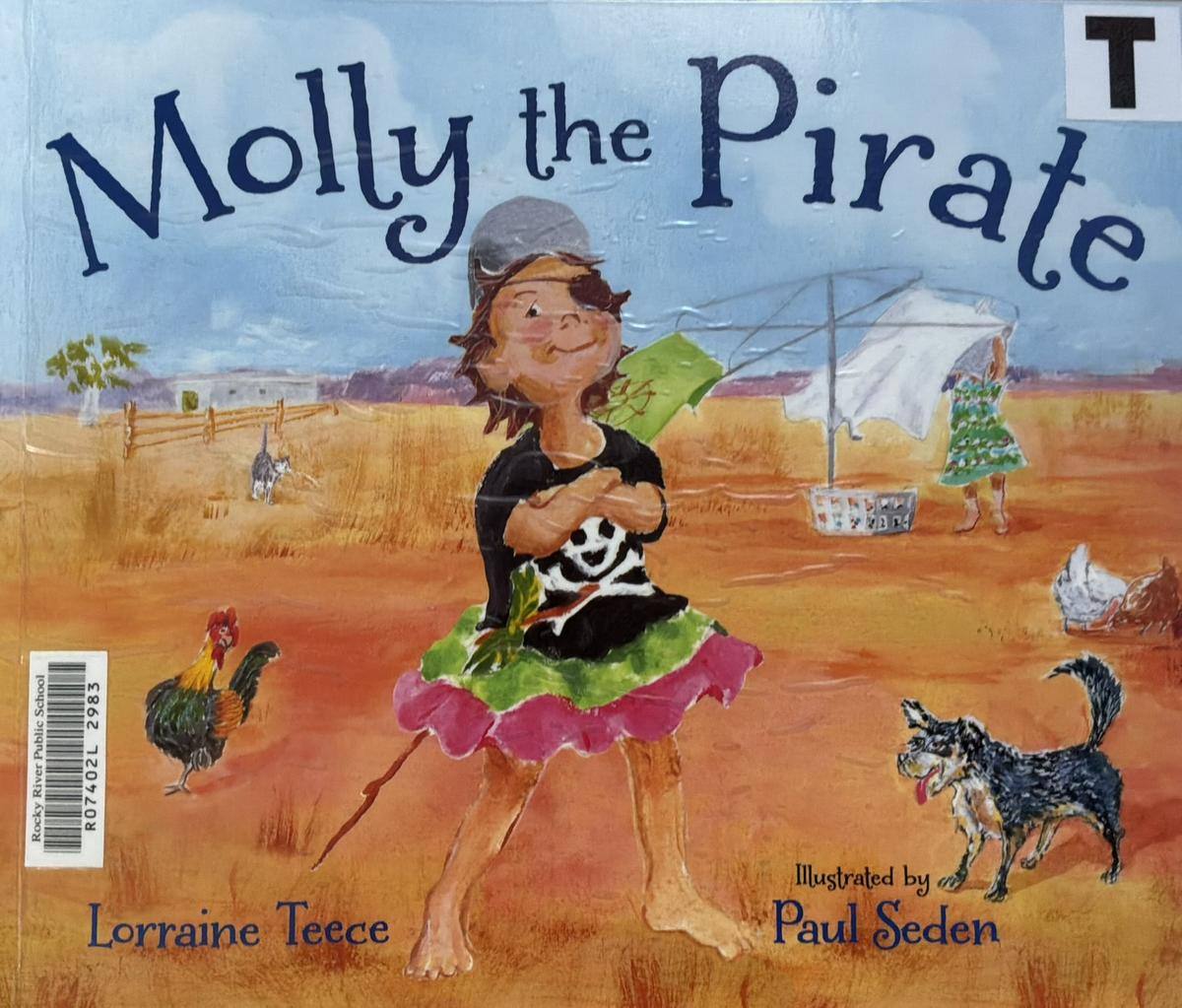
Our latest English unit in the Lower Division has been an exciting journey into exploring context and representation through the engaging texts The Patchwork Bike and Molly the Pirate. Students delved into imaginative play, discovering how to create their own imaginative environments within their stories. We continued building our skills with compound sentences and had the opportunity to add extra chapters to the stories we created ourselves. This unit was thoroughly enjoyable, with the class embracing texts that sparked their creativity and gave them wonderful opportunities to express their imaginations through writing.
Lower Division Mathematics
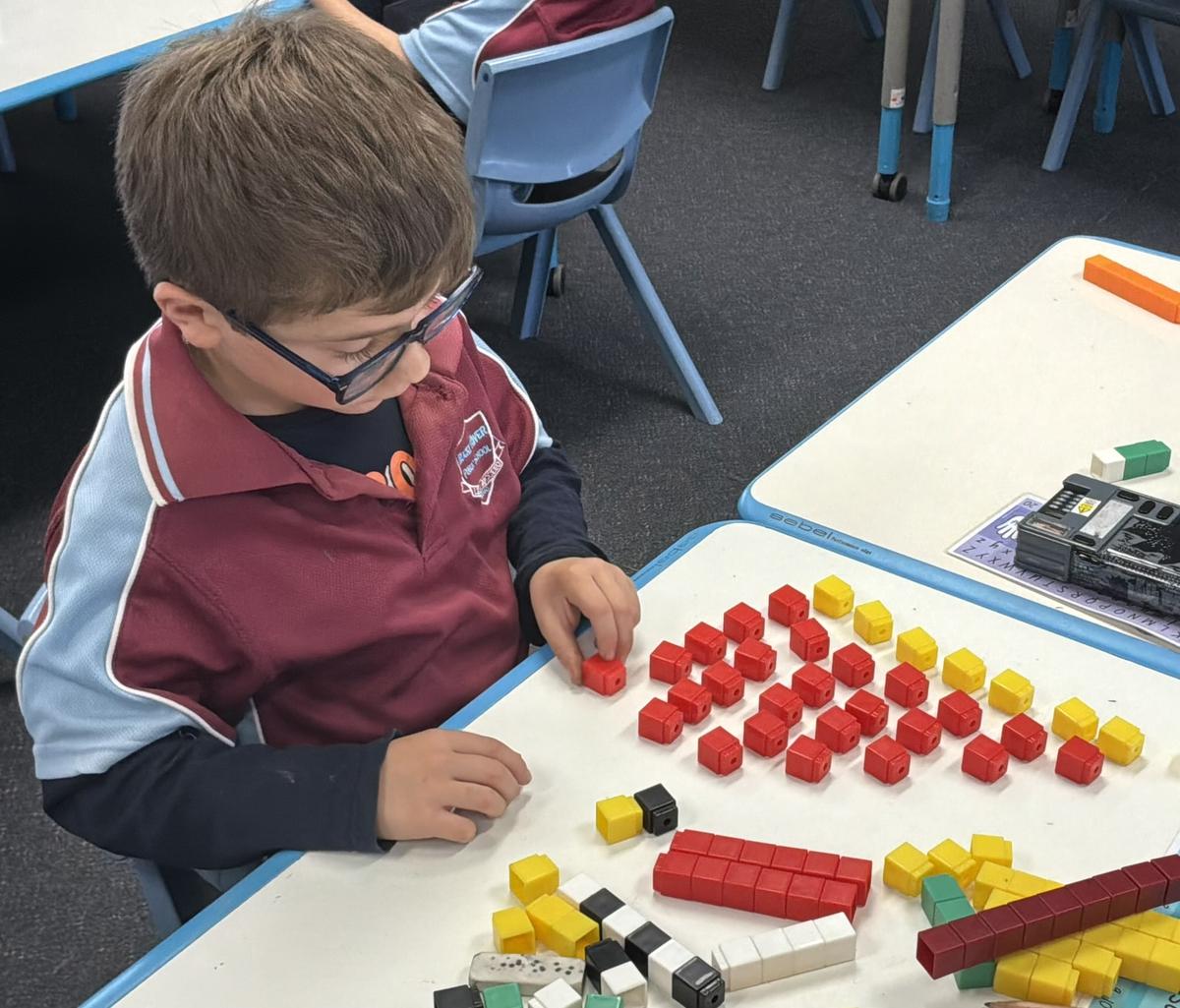
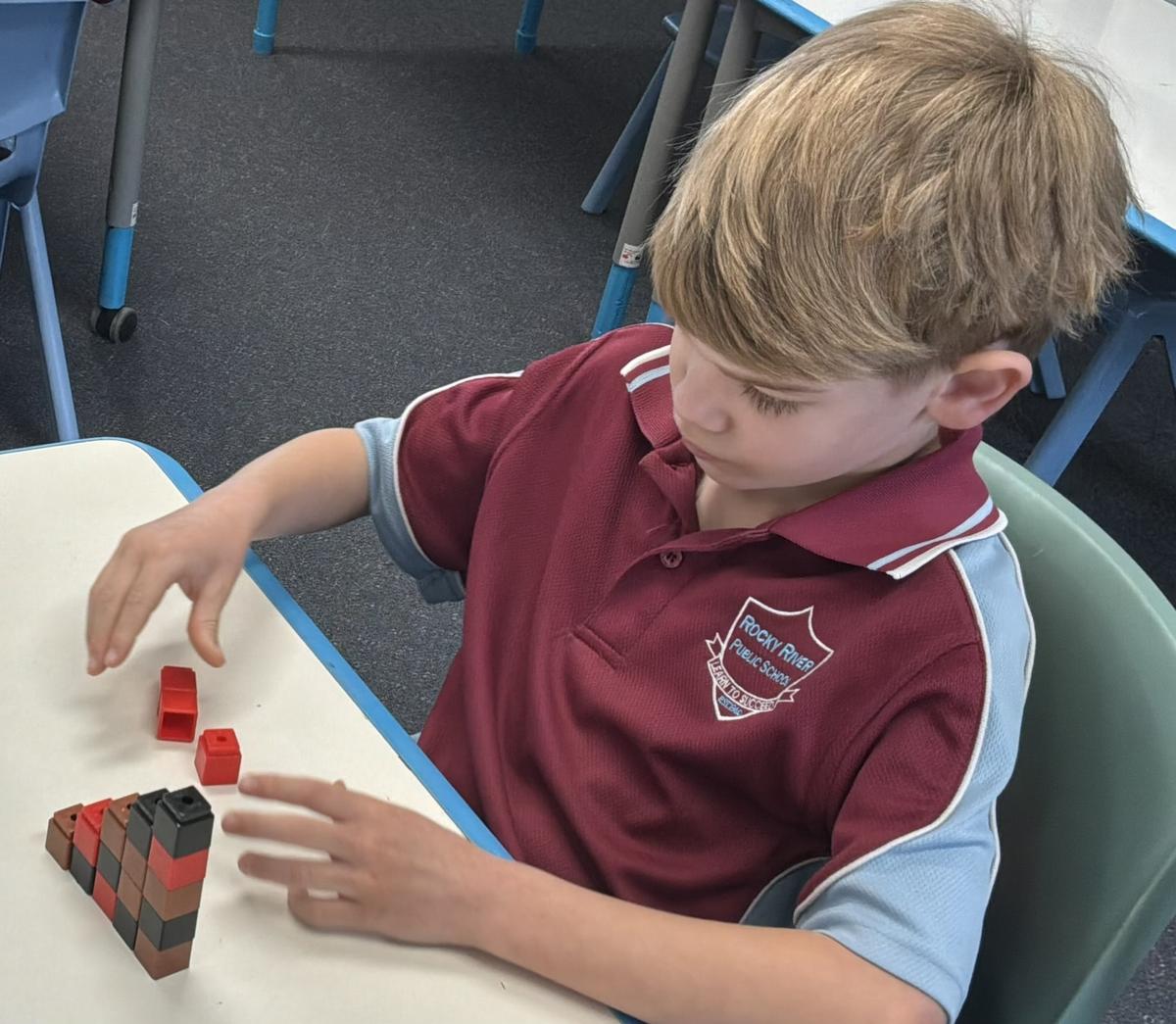
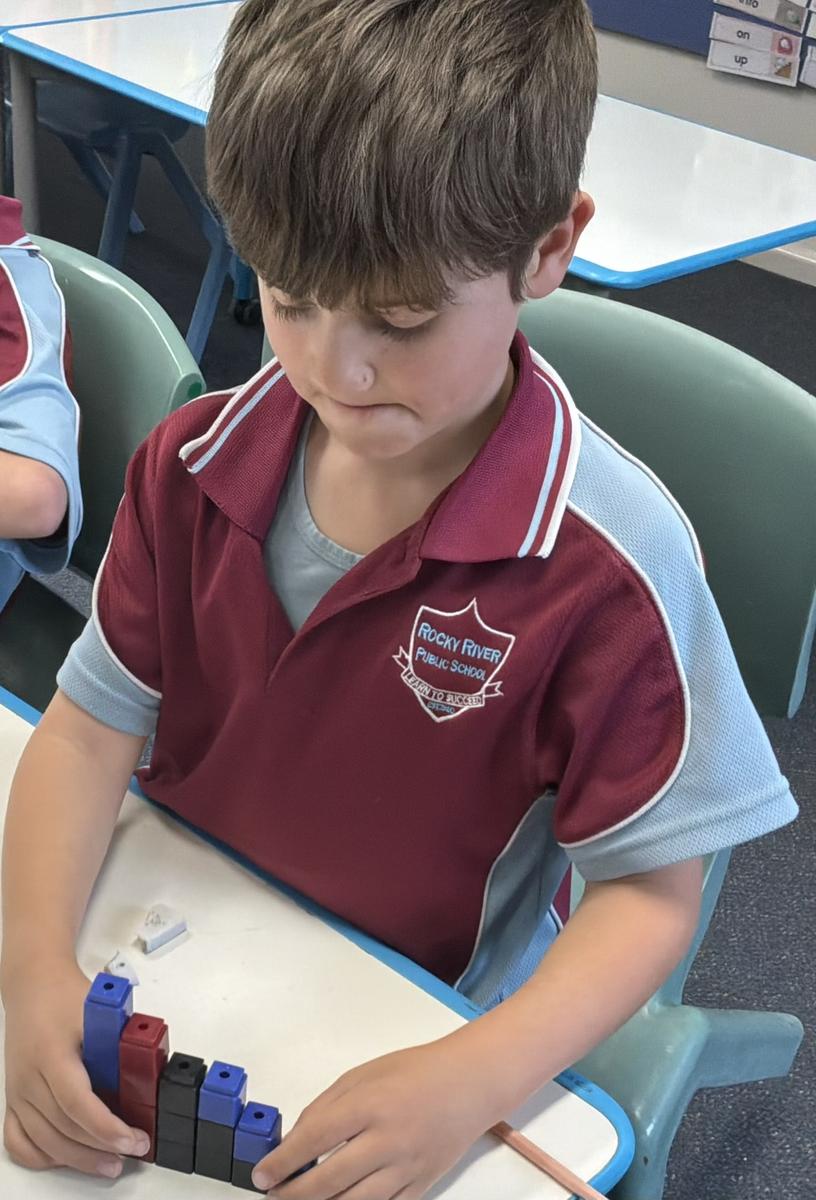
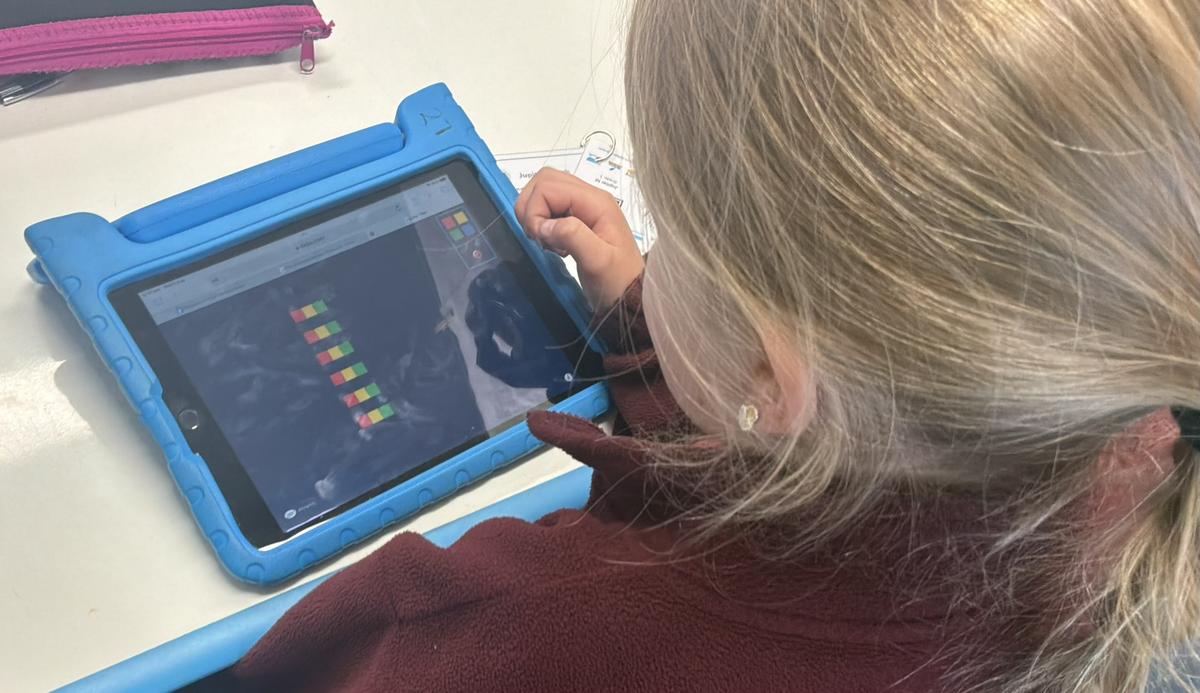
Lower Division students recently completed our latest unit on patterns and how we can apply our mathematical knowledge to understand them. Our class examined different types of patterns, including simple repeating patterns, and discovered how these patterns support the development of skip counting skills.
We focused on core pattern types such as AB, AAB, and more complex sequences, learning how to identify and describe these patterns confidently. Hands-on learning played a key role, with students using concrete materials like blocks and beads to explore, create, and extend various patterns. These activities helped solidify their understanding through tactile experience.
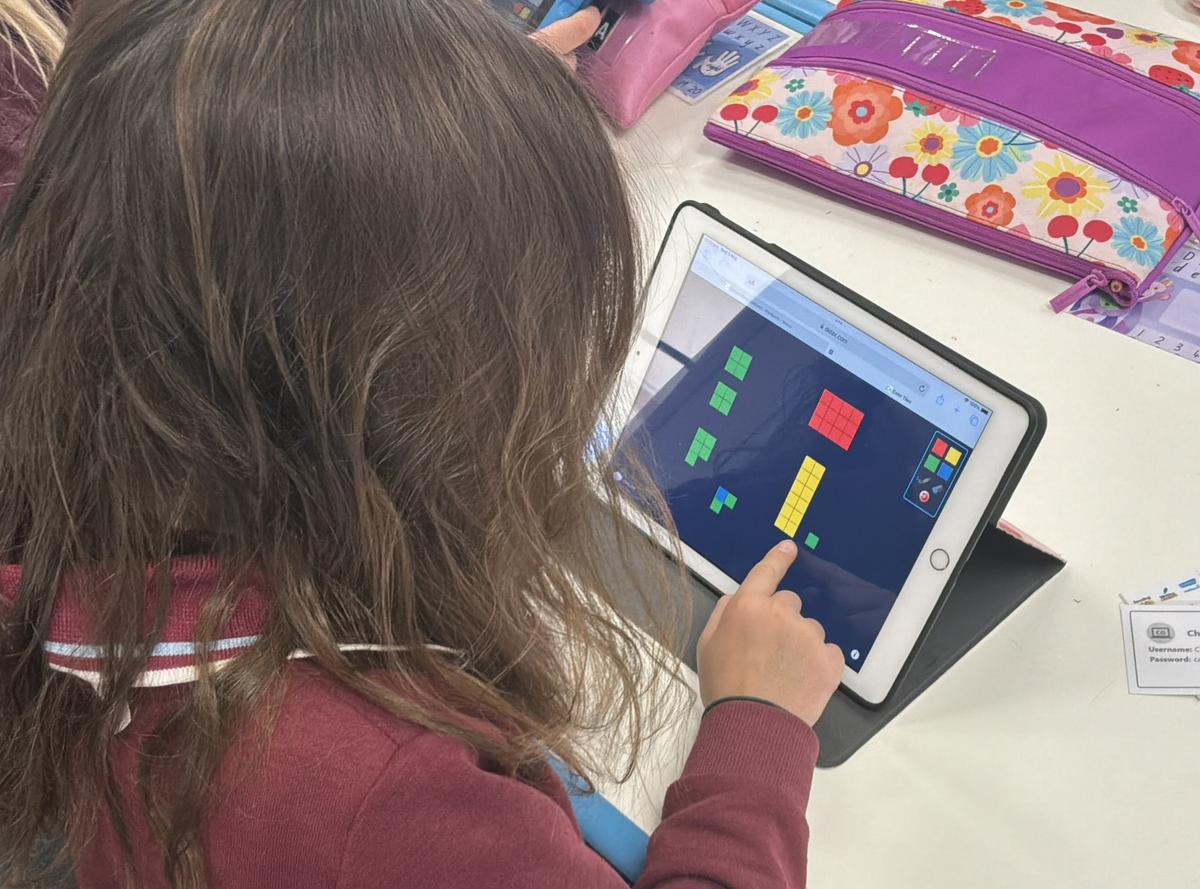
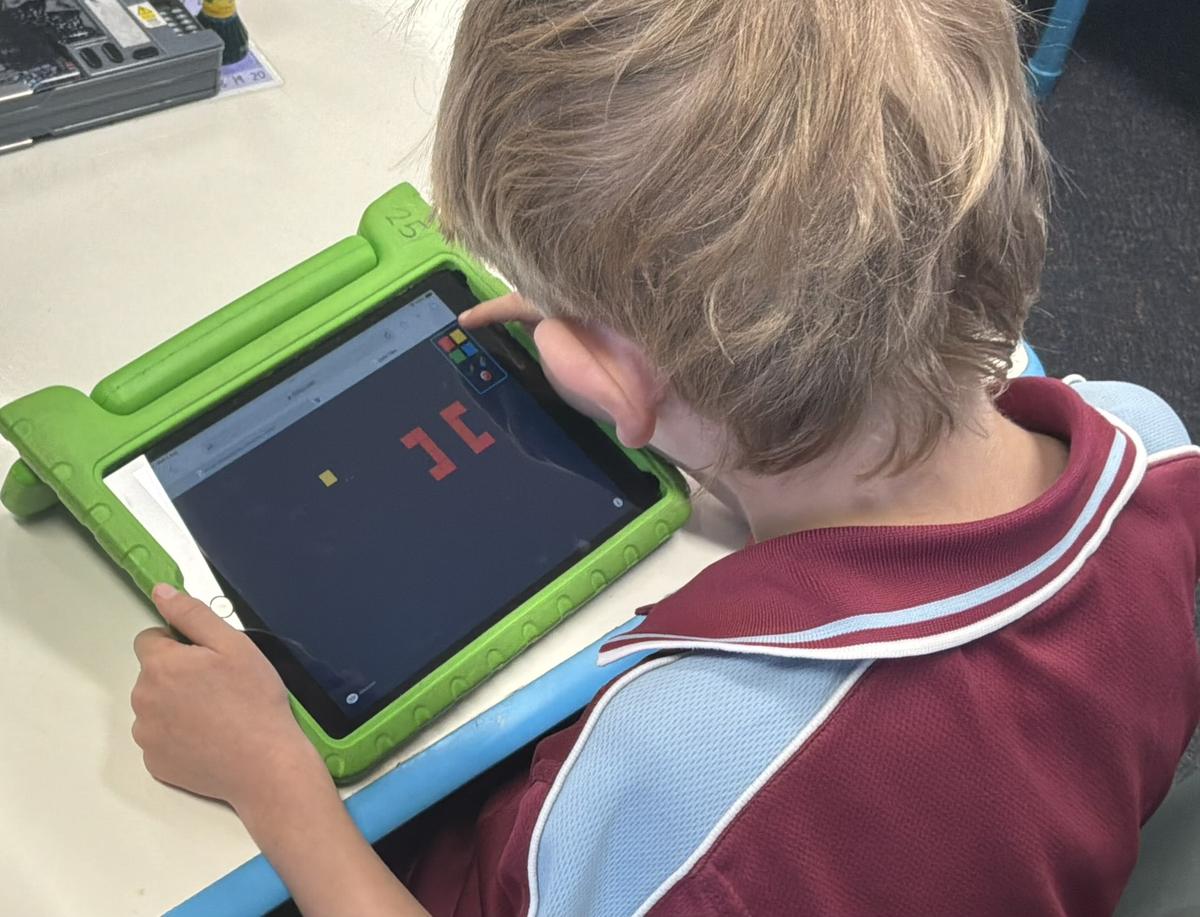
In addition to traditional resources, students also used technology, including iPads and interactive digital platforms, to further practice pattern recognition and creation. These tools provided engaging and dynamic ways to build their skills and reinforced learning in a modern context.
We congratulate all students for their enthusiasm and progress in this unit. Their dedication to building a strong foundation in patterns and skip counting is an important step in their ongoing mathematical development. Well done to everyone for their hard work and growth!
3D Printers
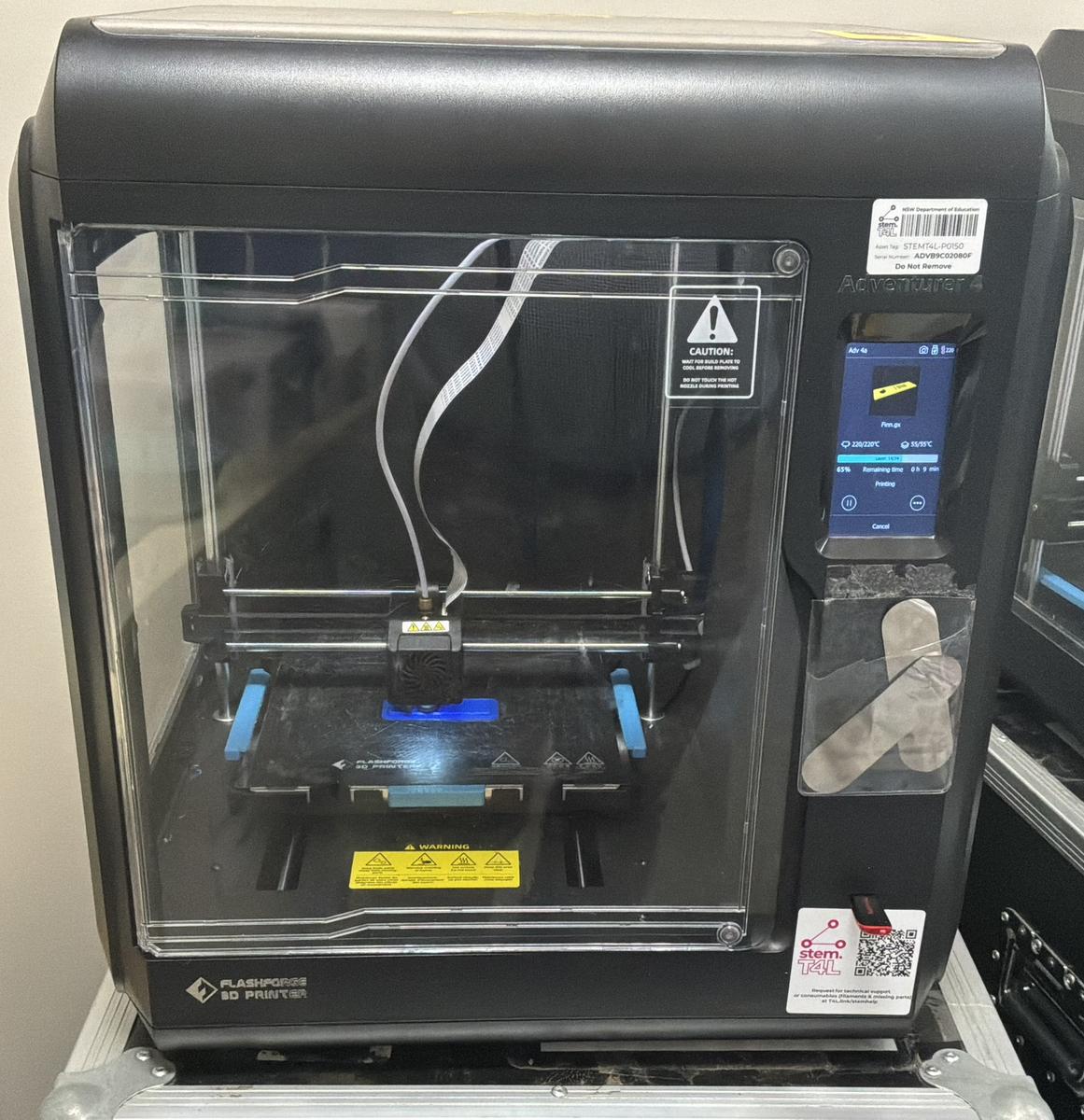
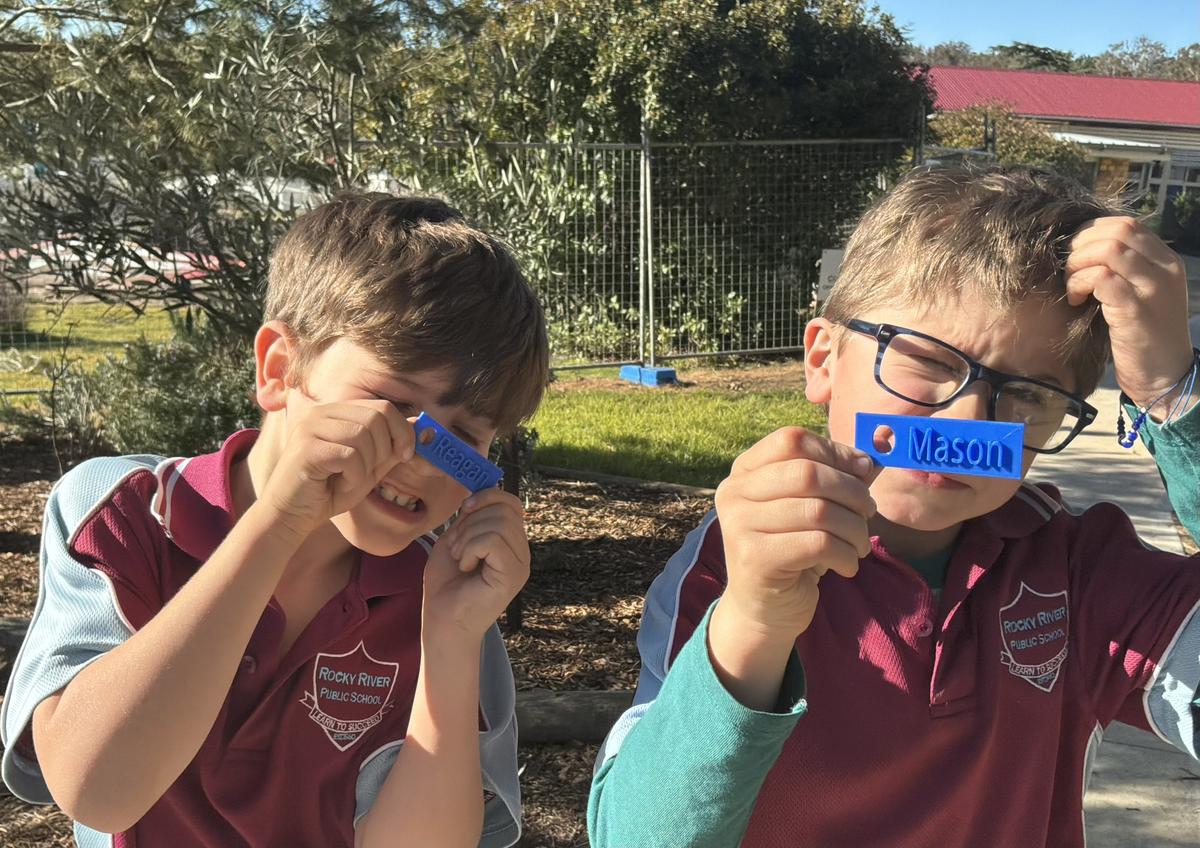
Rocky River has been successful in obtaining two 3D printers for Terms 3 and 4 through the Department of Education’s STEM T4L program. These innovative tools will allow our students to explore the exciting world of 3D printing and design until the printers are returned at the end of Term 4.
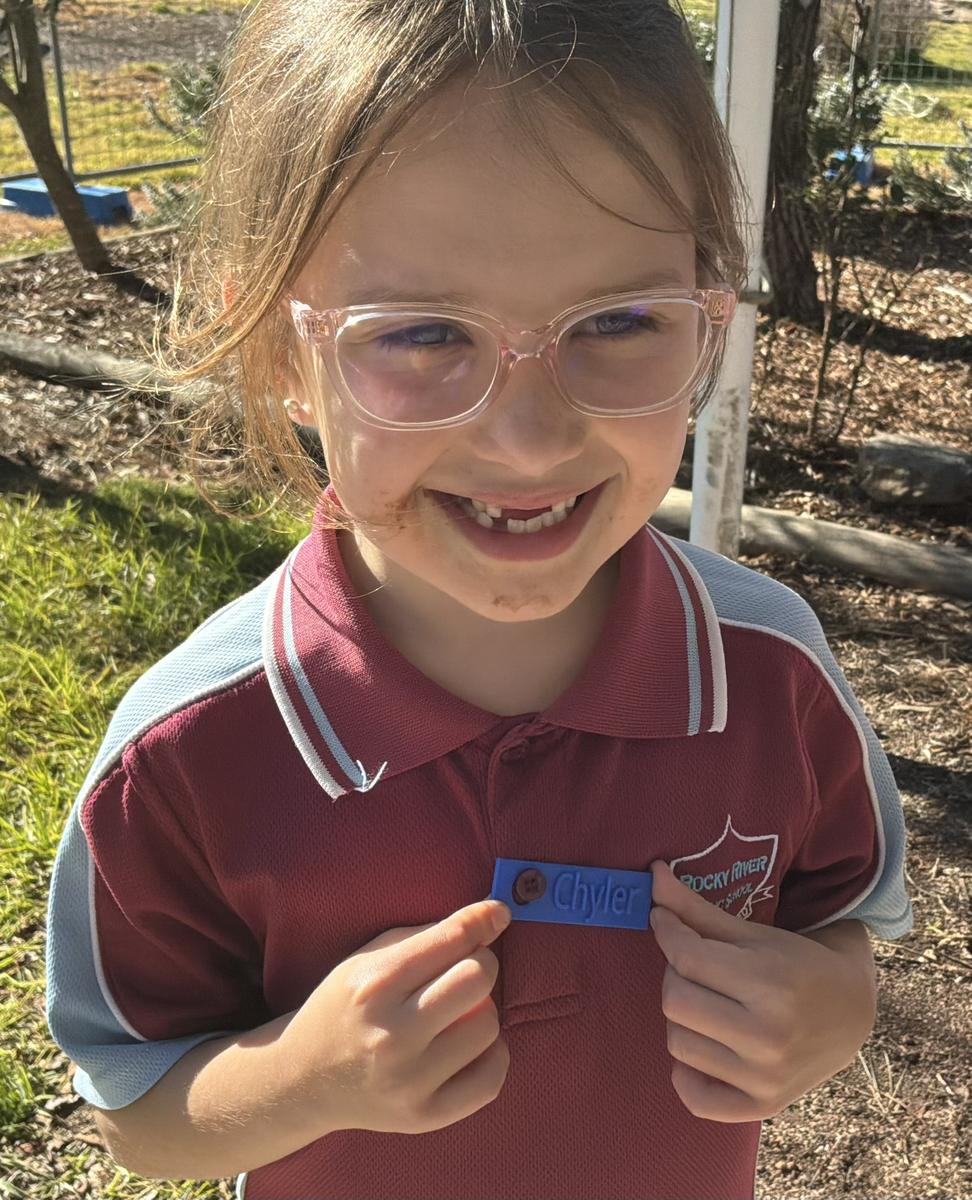
To get started, we have introduced some basic design projects, with personalised student name tags being particularly popular. We are currently in the process of providing each student with their own custom-made name tag, sparking enthusiasm and creativity across the school.
Looking ahead, we plan to expand our use of the 3D printers by exploring a wider range of possibilities and engaging in more complex and exciting STEM projects. We are eager to see the innovative ideas and creations our students will bring to life with this cutting-edge technology!
Upper Division: STEM
Exploring Precision Agriculture: Empowering Future Farmers with Technology
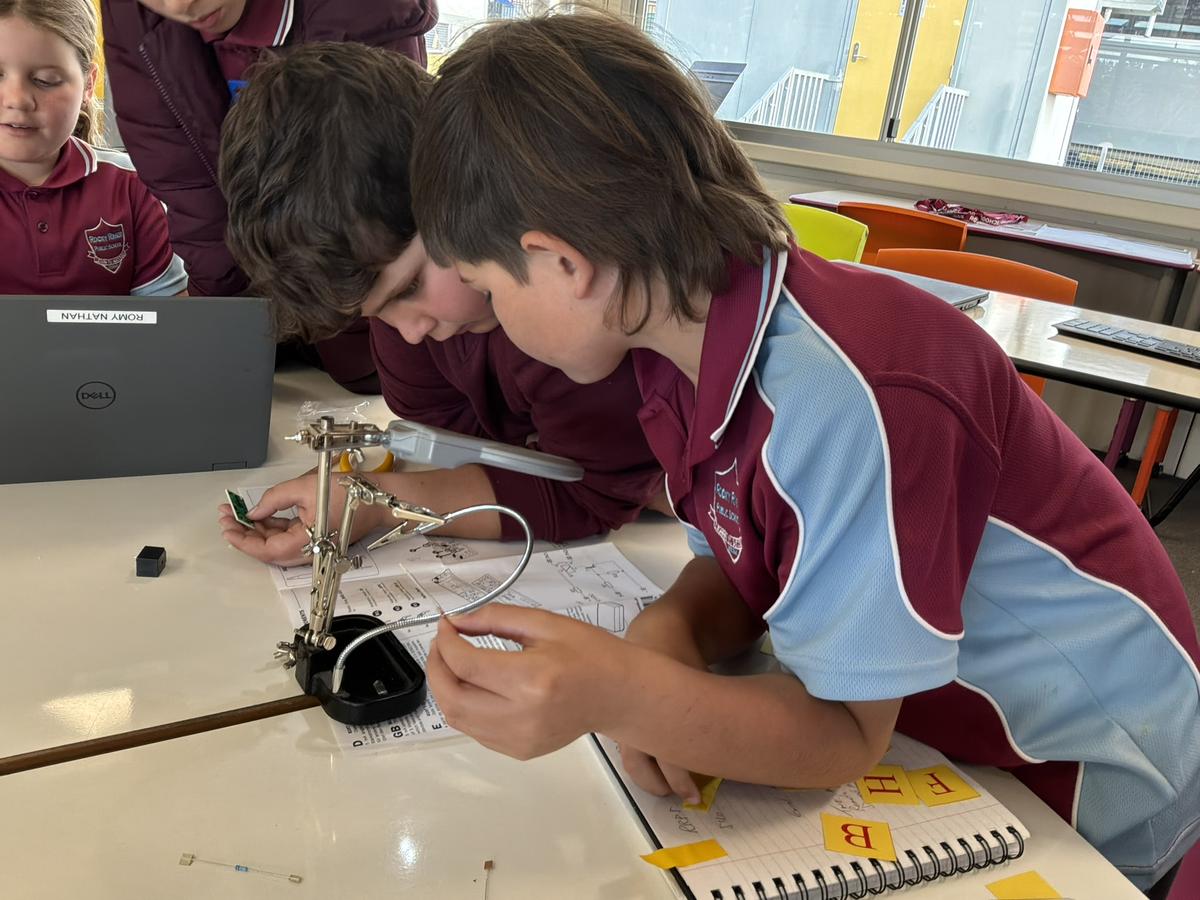
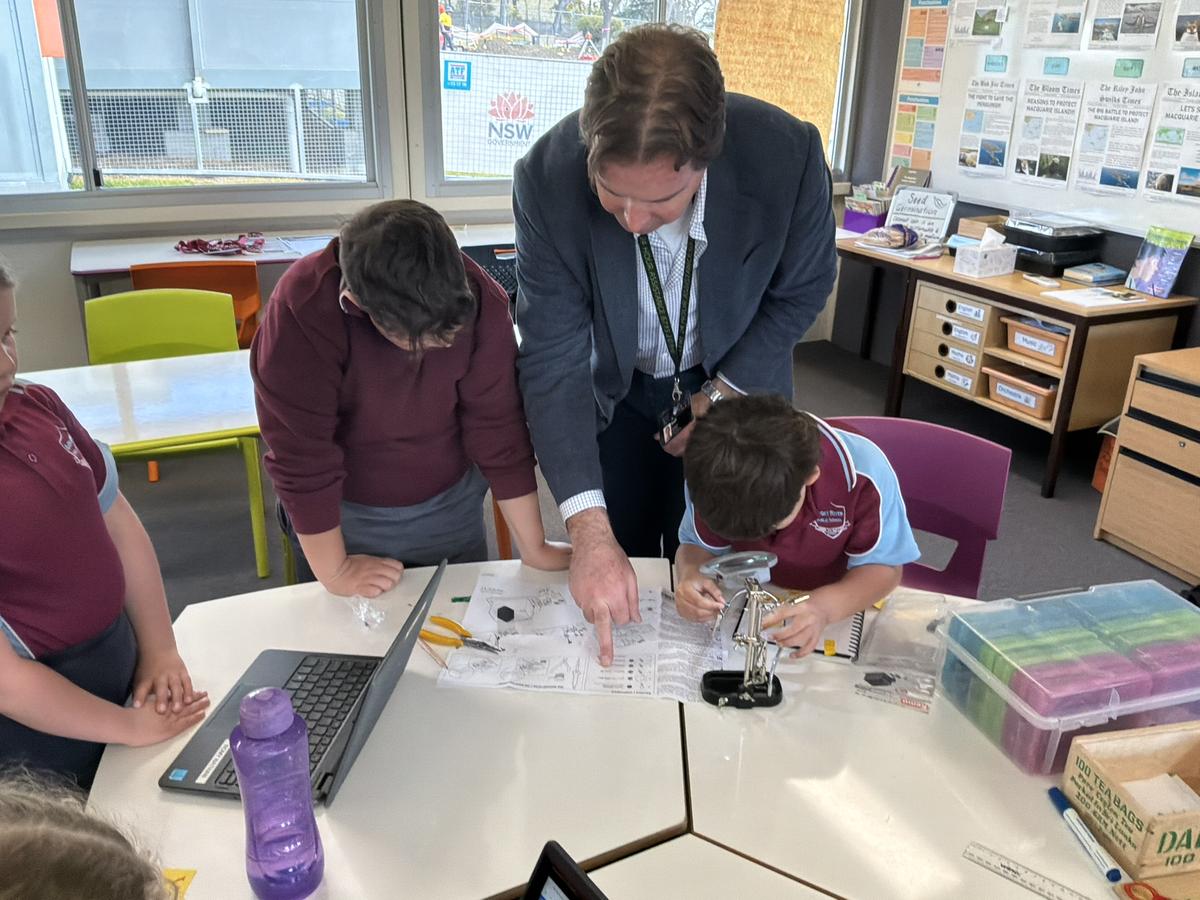
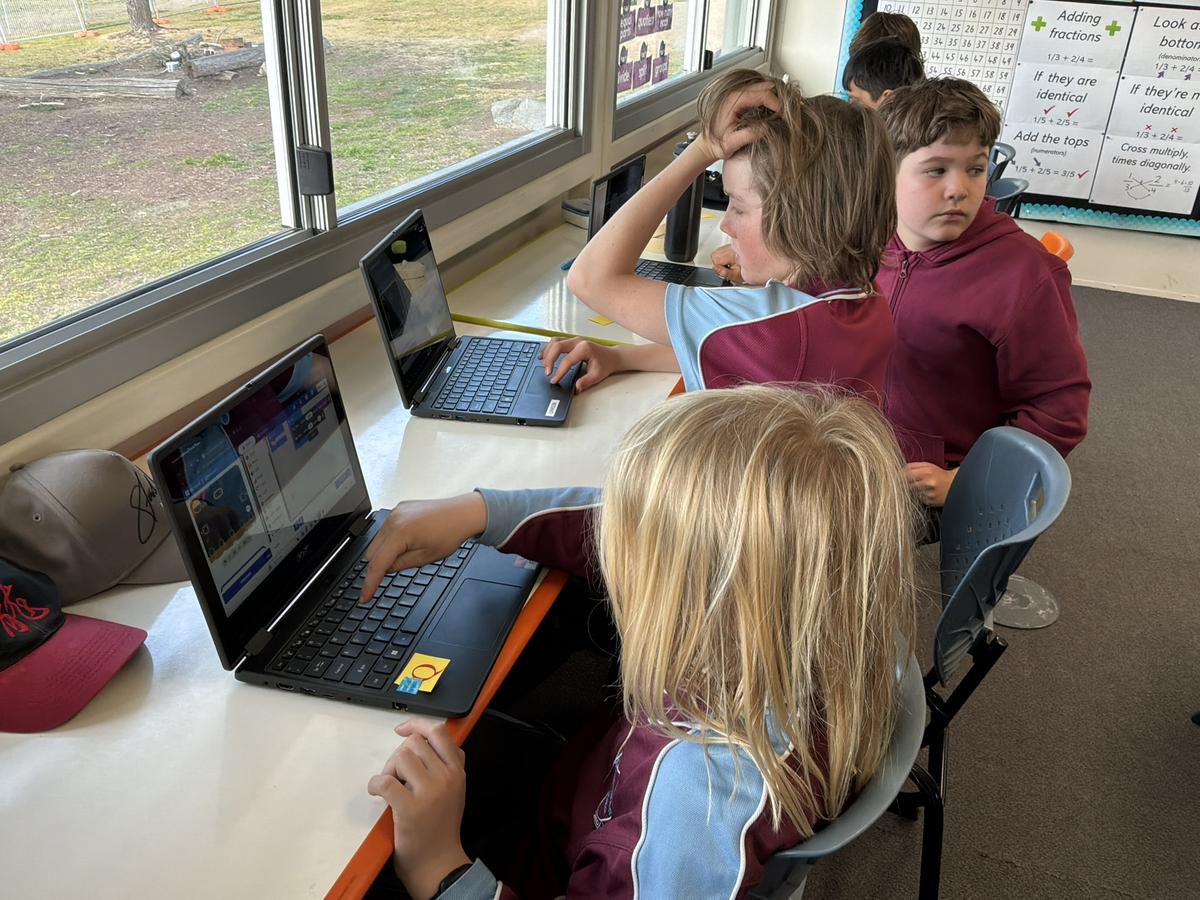
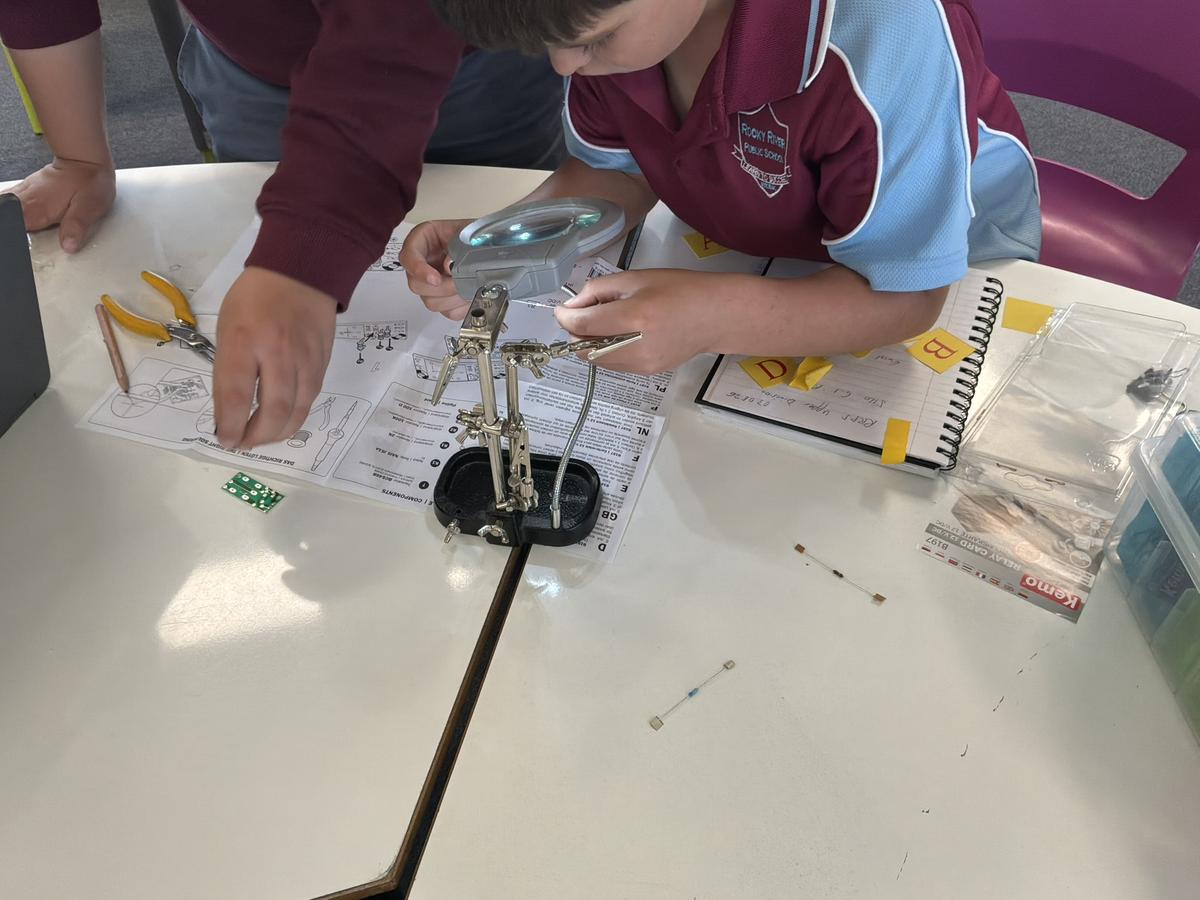
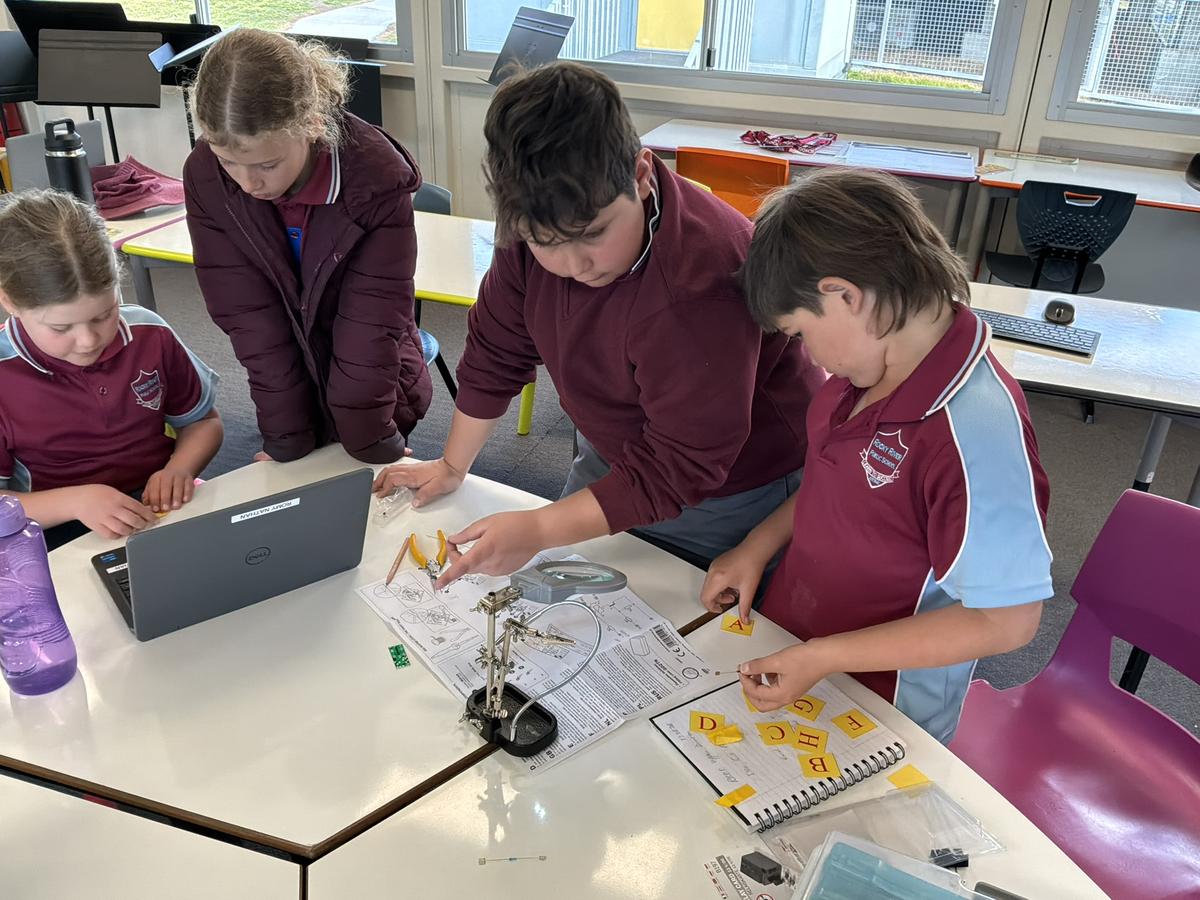
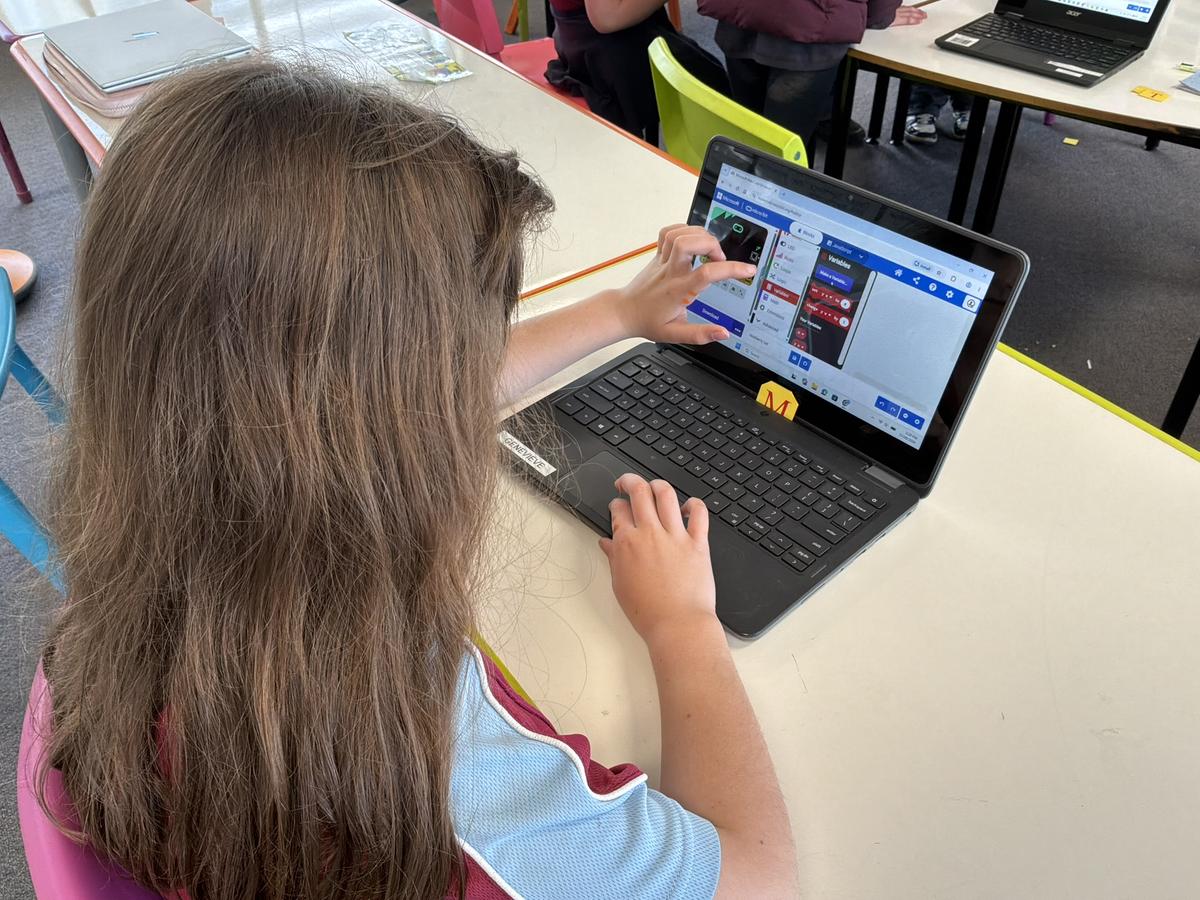
In our recent STEM lesson with Associate Professor Brendan Jacobs, students explored the innovative field of precision agriculture, discovering how digital technology is used to optimise farming and support sustainable food production. This approach allows farmers to use data to make informed decisions and improve crop yields.
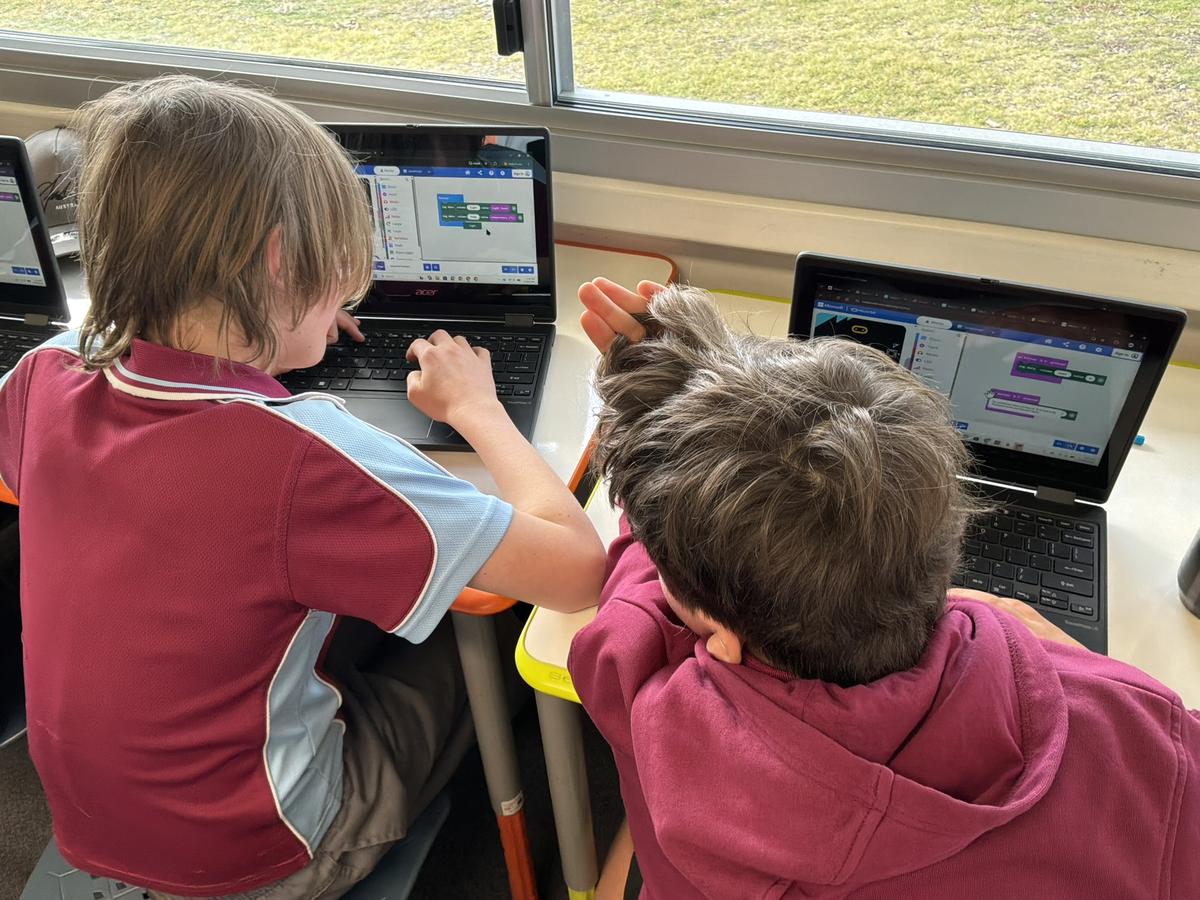
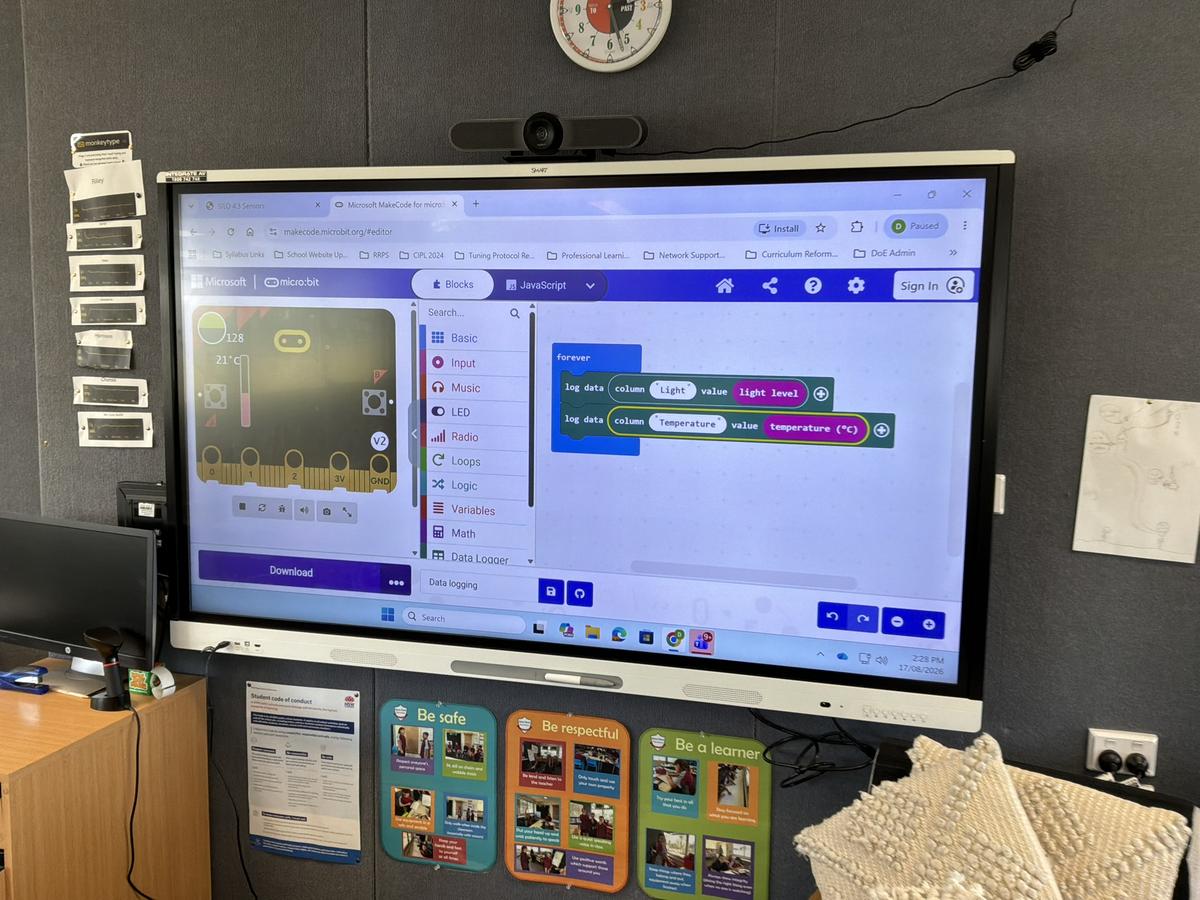
As part of the lesson, students programmed micro:bit devices to log environmental data such as temperature and soil moisture. This hands-on activity not only highlighted the importance of technology in modern farming but also deepened students’ understanding of scientific variables. For example, when moving a plant to a new location, several variables such as light, temperature, and soil moisture, can change at once. Students learned how to identify these variables, measure them using the micro:bit, and control for changes to investigate the plant’s response.
By exploring and experimenting with variables, our students are developing the skills to analyse data, solve problems, and contribute innovative solutions to agriculture. Their experiences in class foster creative thinking and provide a glimpse into future careers where science and technology drive smarter and more sustainable farming.
Upper Division: Census Data Collection
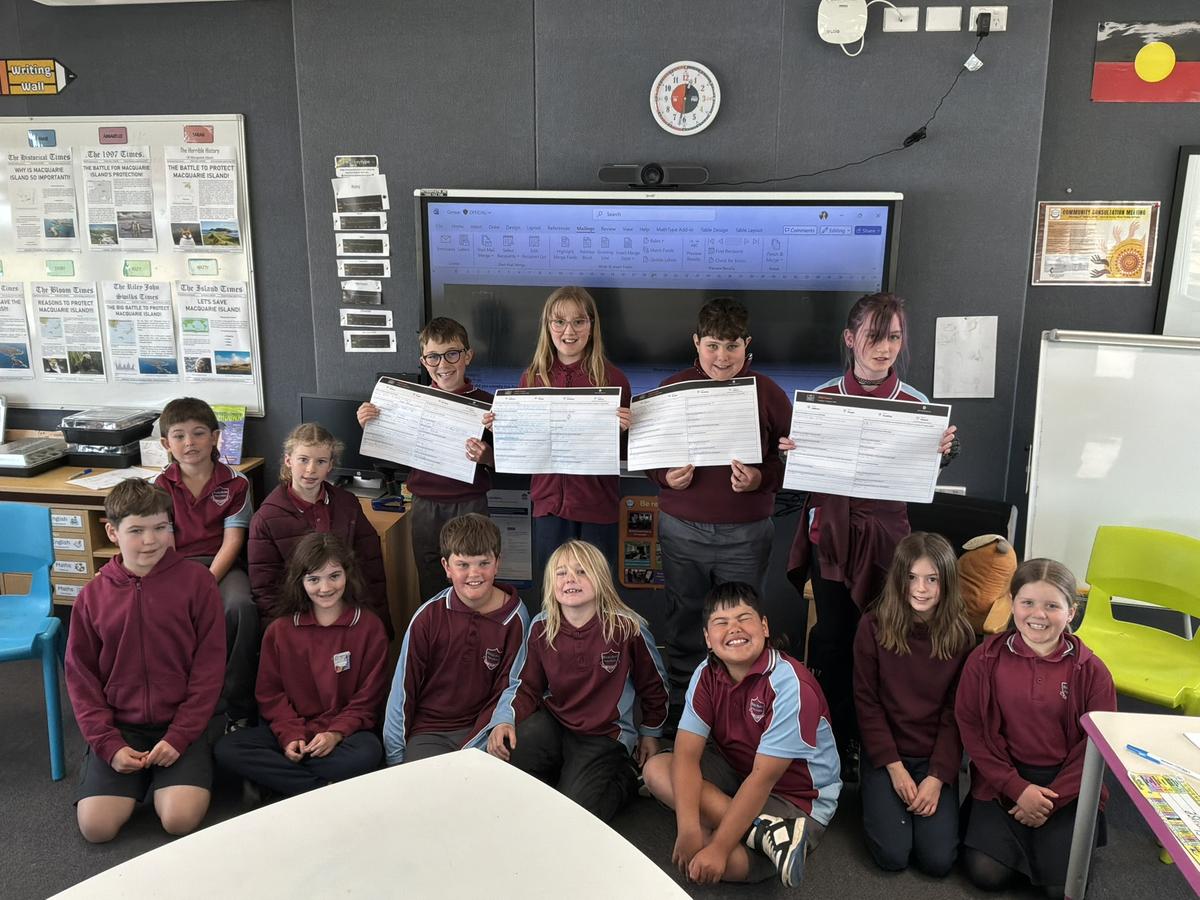
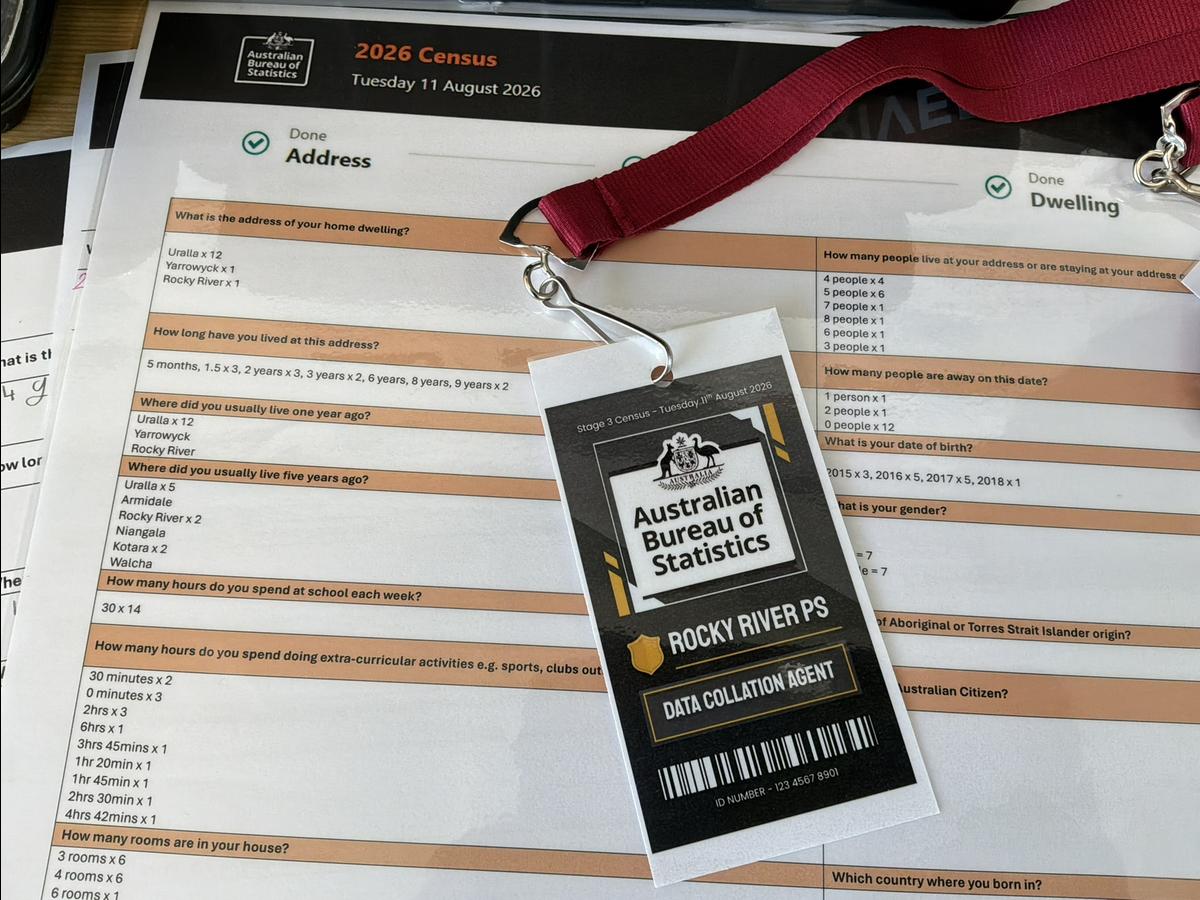
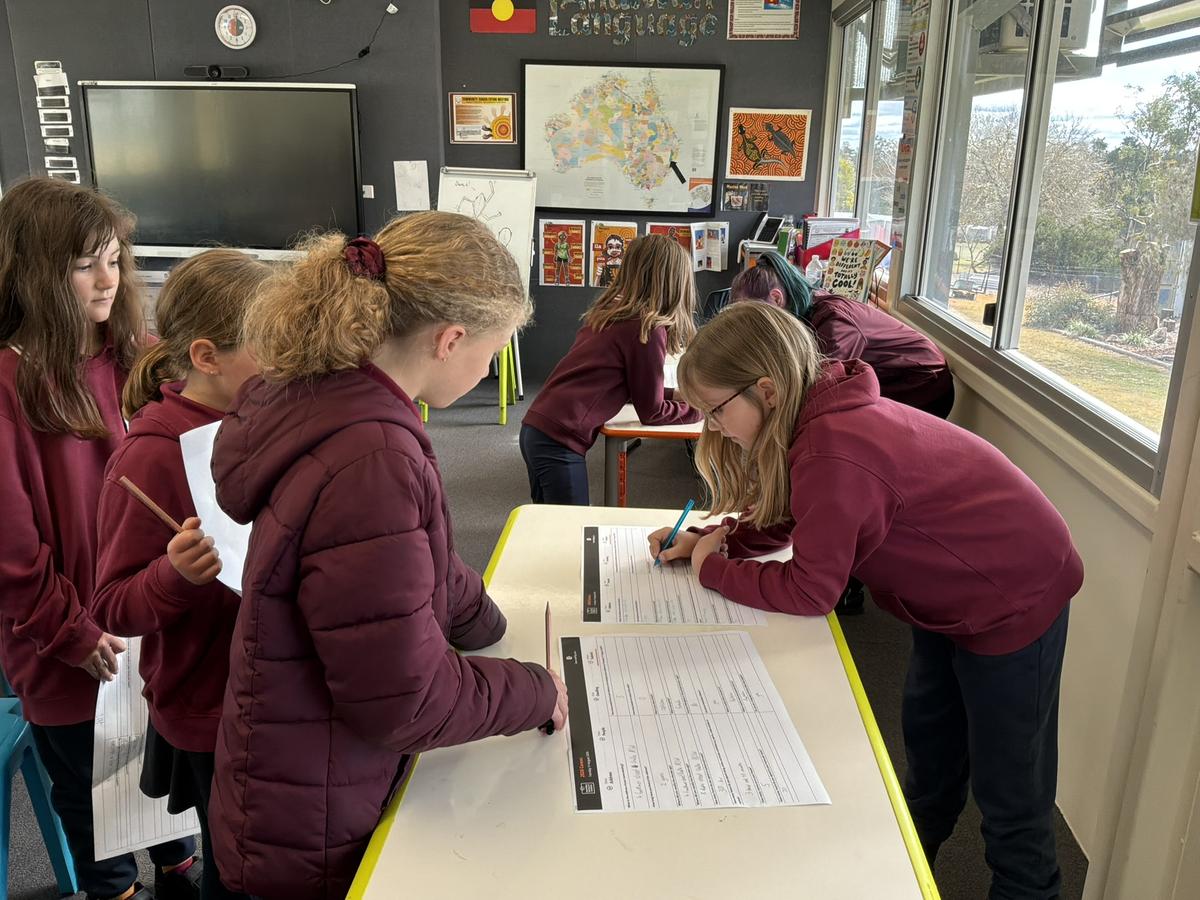
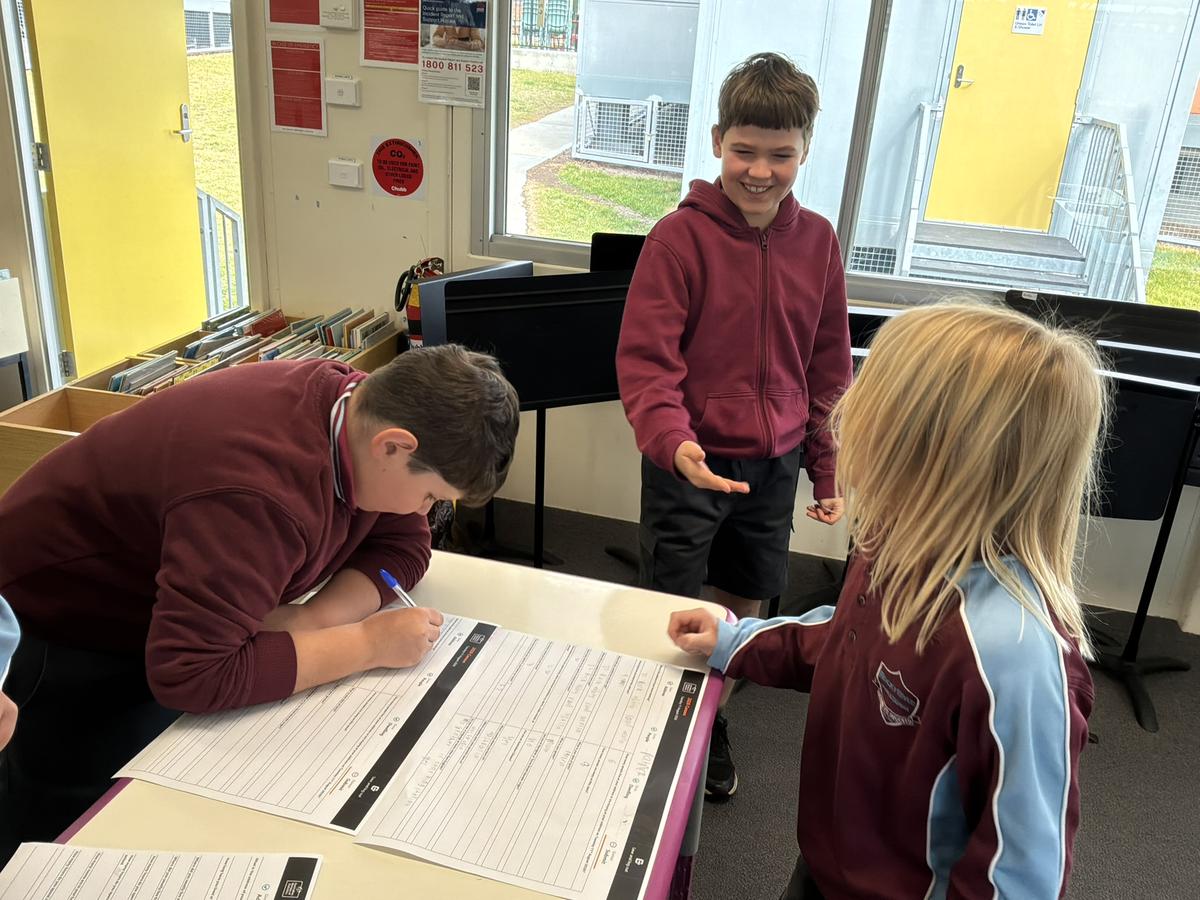
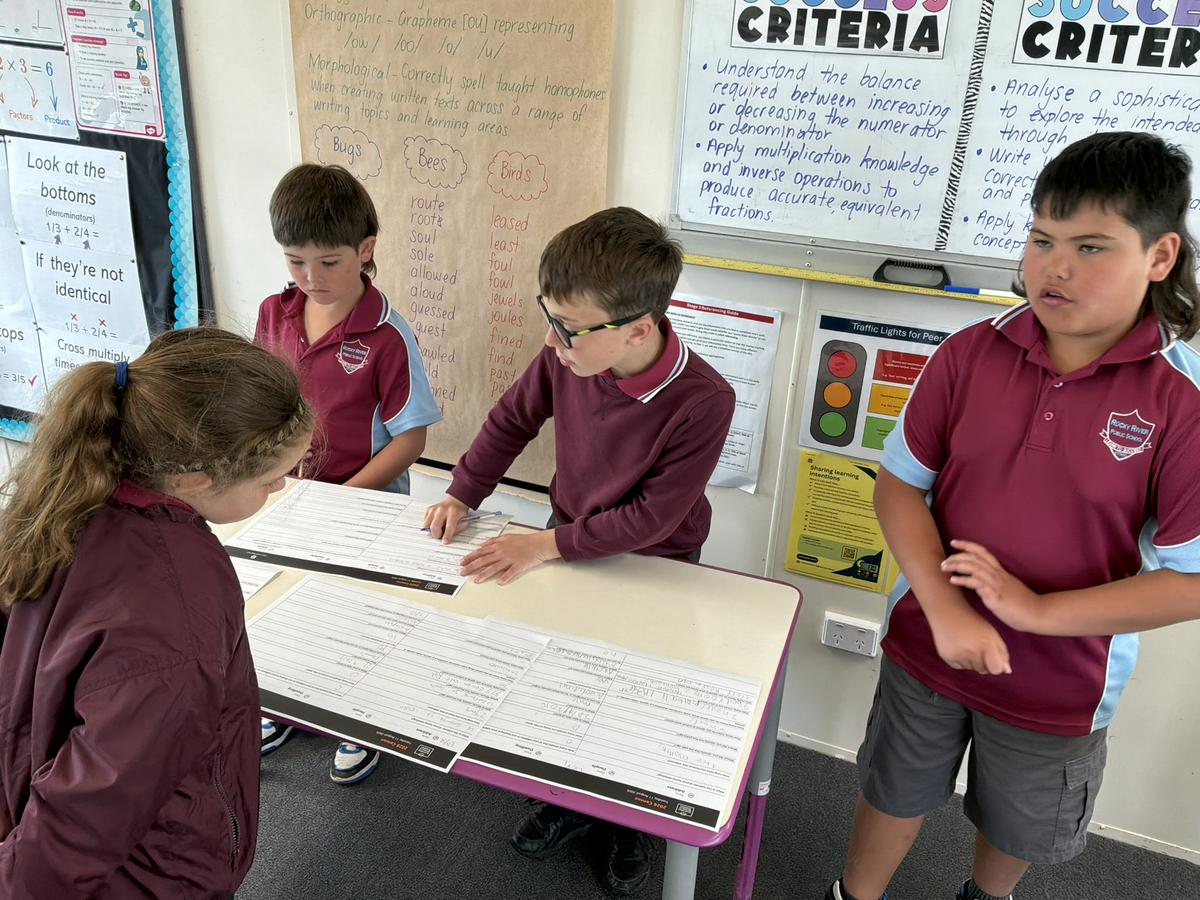
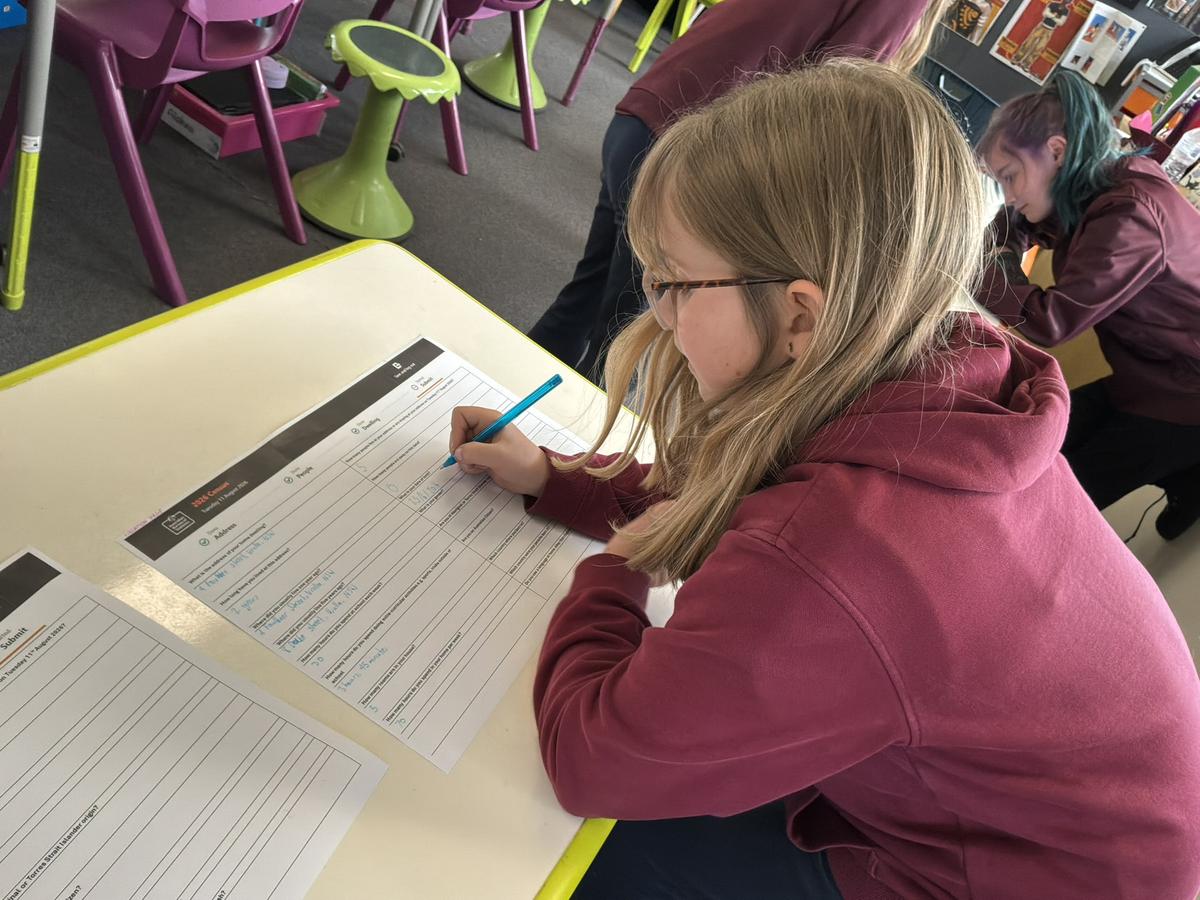
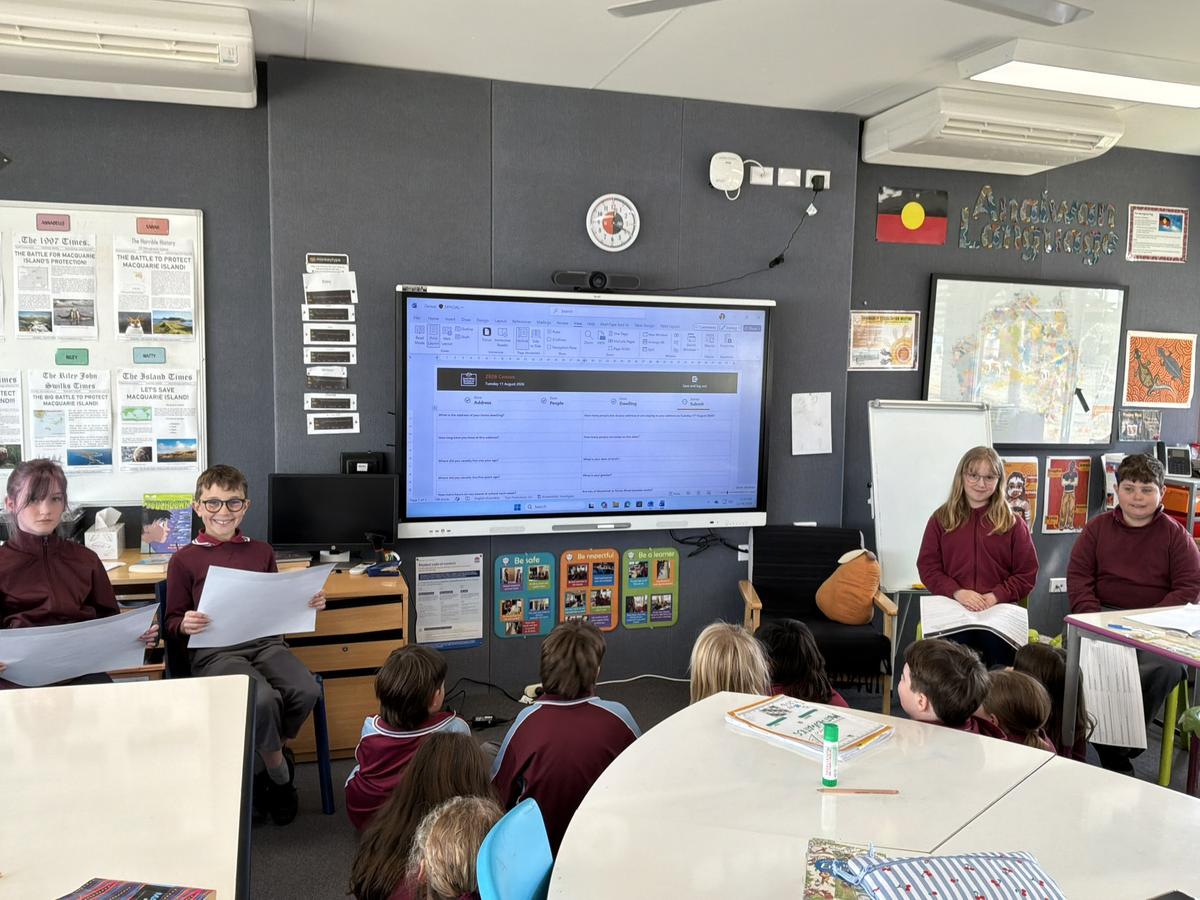
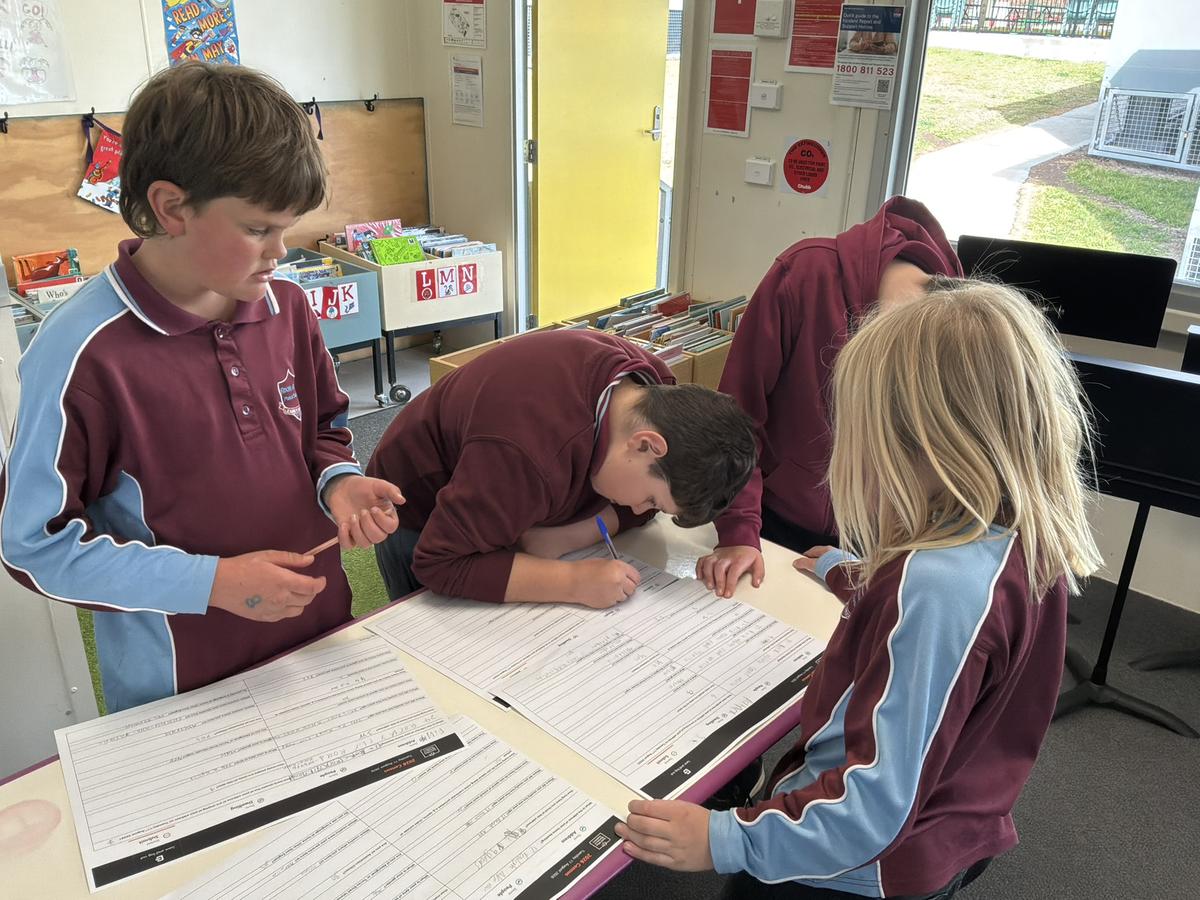
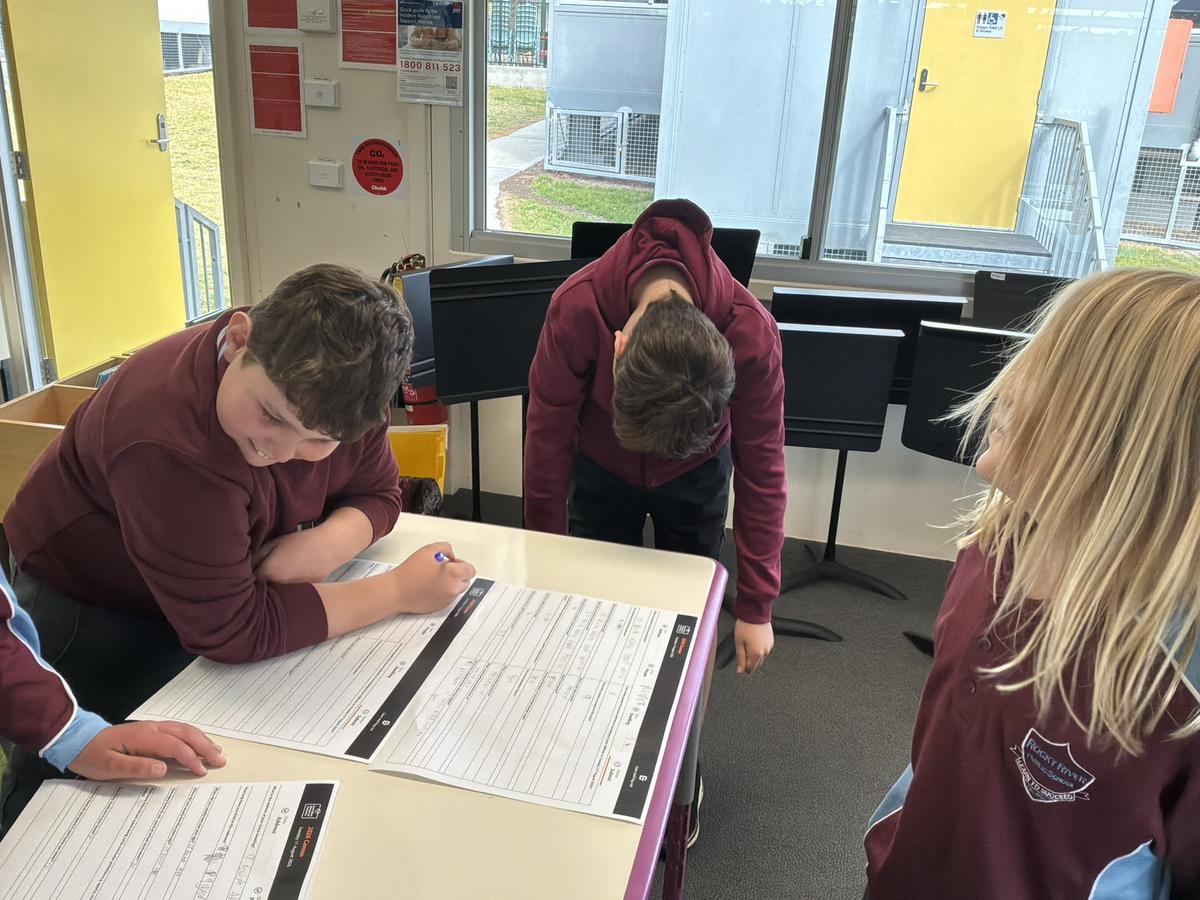
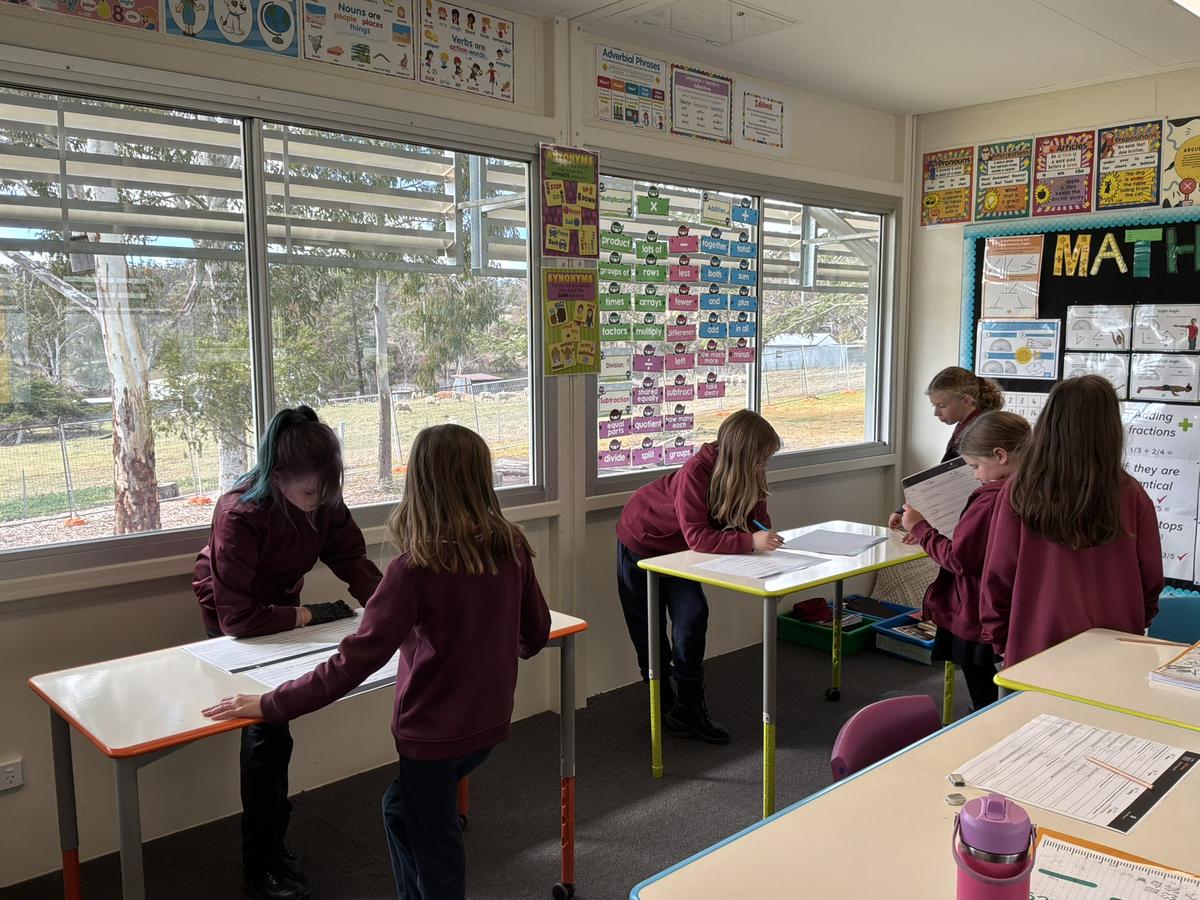
Last week, our Stage 2 and 3 classes participated in a special activity aligned with the Australian Census held on Tuesday, 11th August. Students collected data through individual surveys, which were then gathered by designated collation agents from the Rocky River Australian Bureau of Statistics at their stations. These agents combined the individual responses, and finally, all data was merged into a whole class overview for analysis.
Stage 3 students have been learning about bivariate data - the study of two types of data that correlate to provide meaningful insights. We are applying this knowledge this week as we analyse our census data in depth and look forward to sharing the full results soon.
Some early trends from our class data include:
- Many students lived in other areas five years ago, rather than in Rocky River or Uralla.
- A majority enjoy participating in extracurricular activities outside of school.
- Our class on census day had an equal split of male and female students.
Our learning activity also gave us an insight into the real Australian Census, which is a nationwide survey conducted every five years. The census collects important information about population, households, and where people live.
This data is used to help governments and communities plan for services, resources, and infrastructure for the future. It was both insightful and engaging to understand the purpose of census data and its important role in informing future planning across Australia.
Stage 2 | English | Information Reports
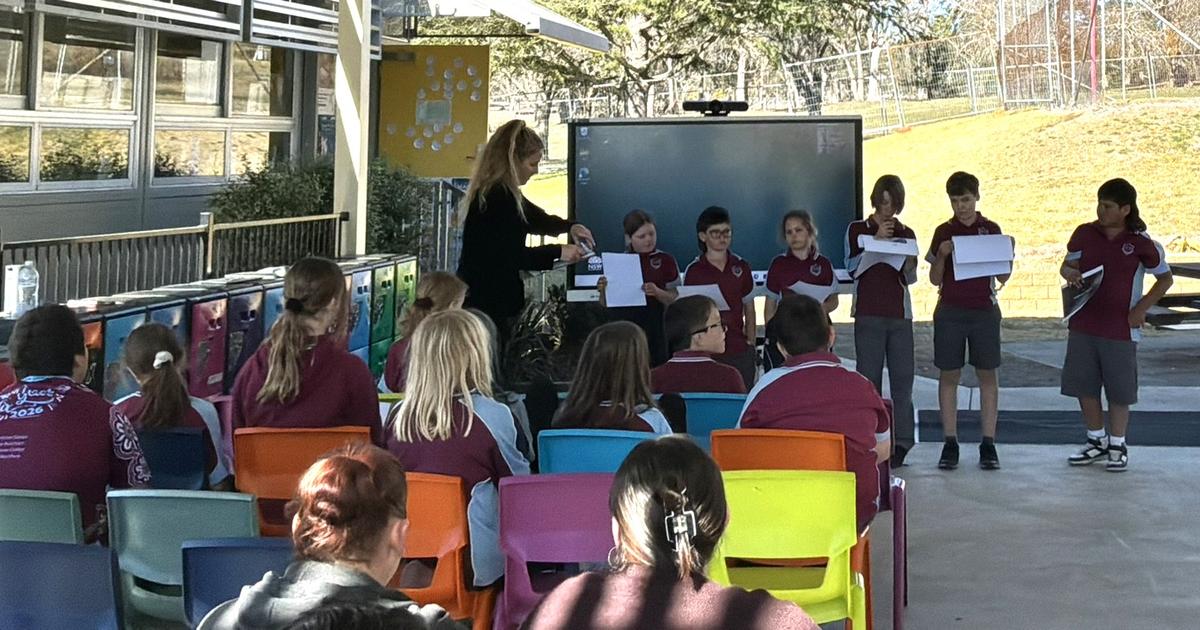
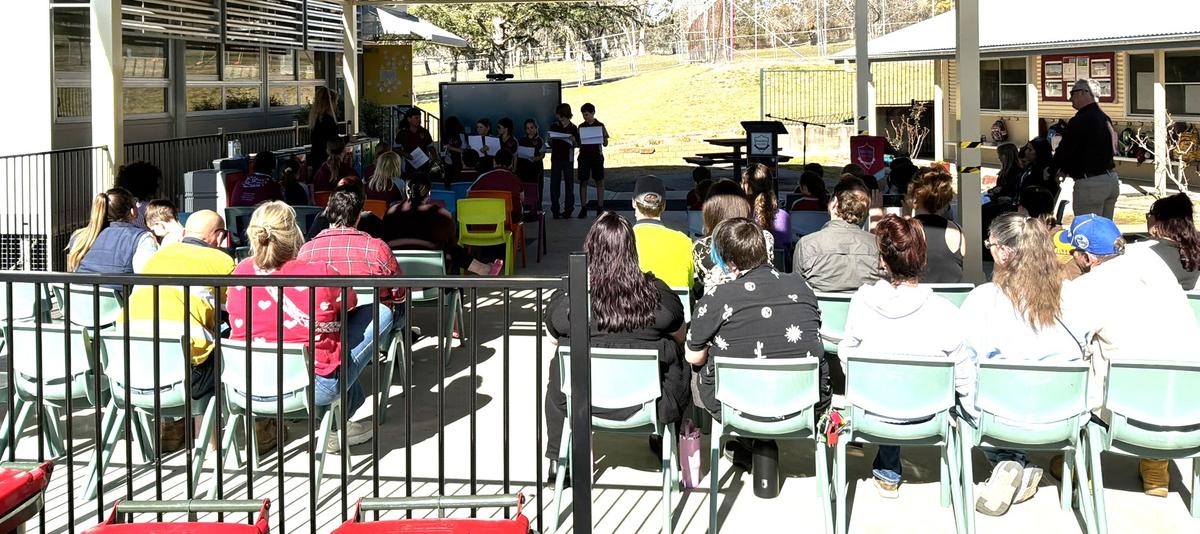
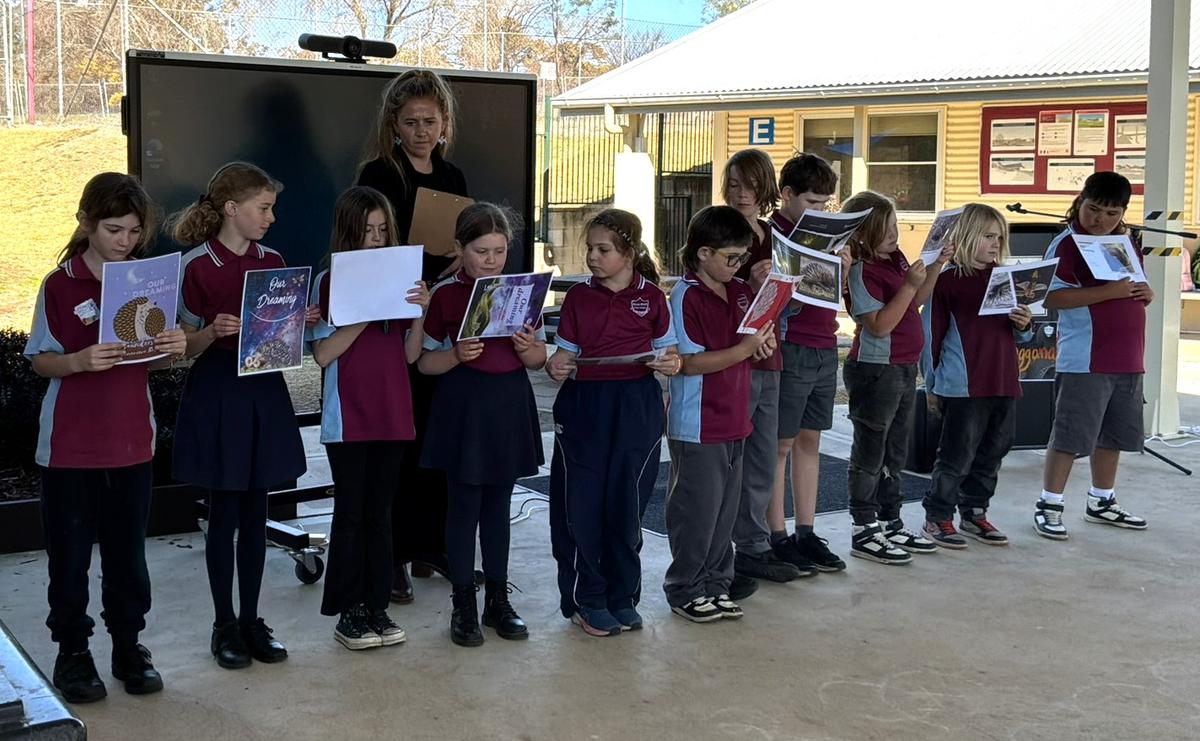
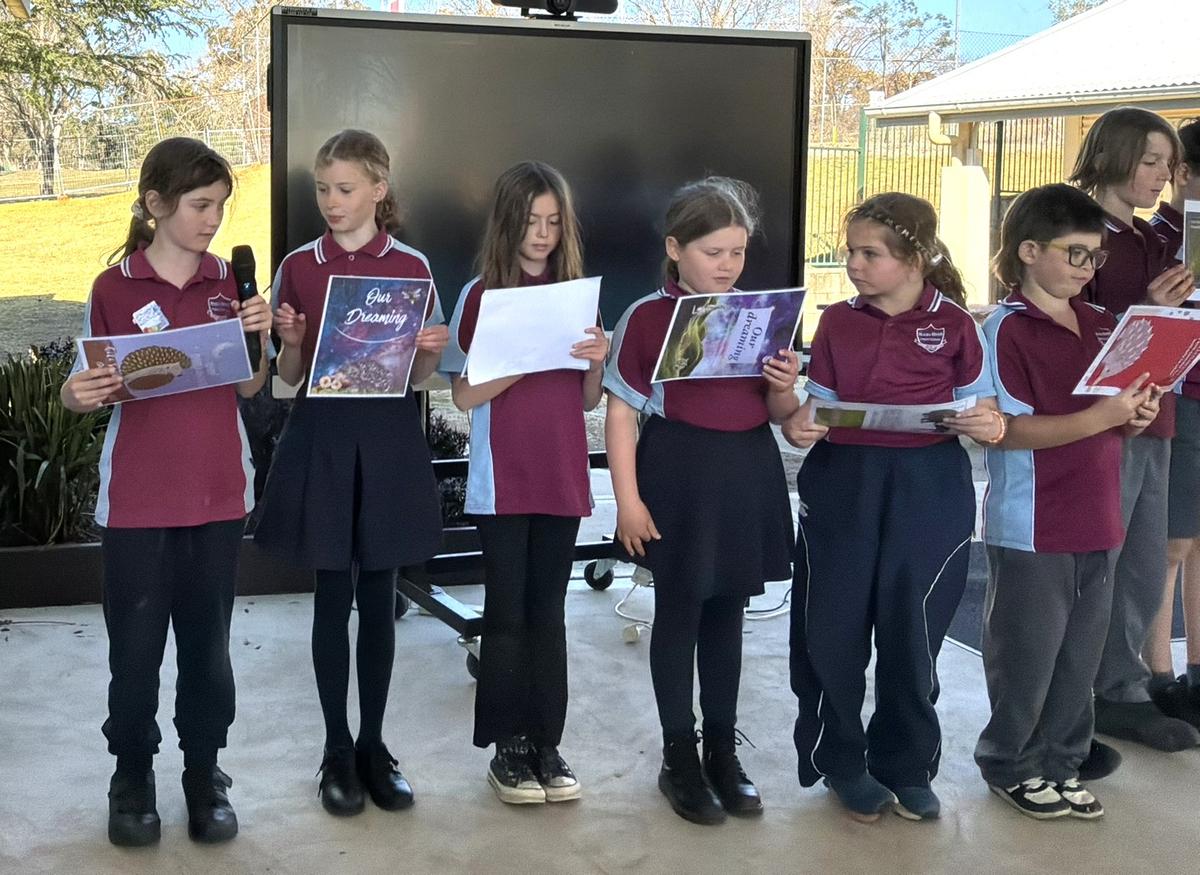
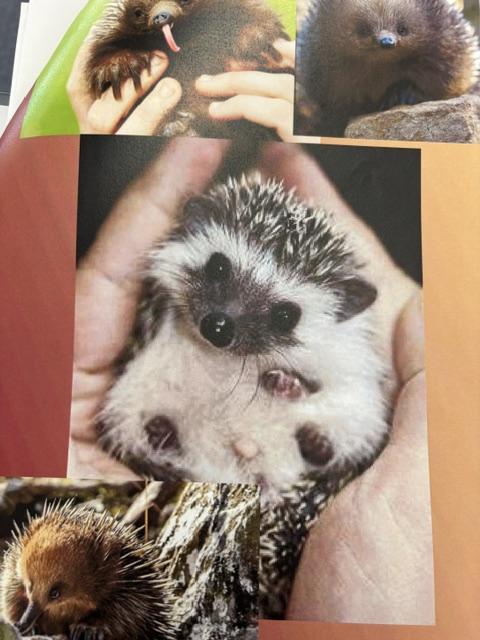
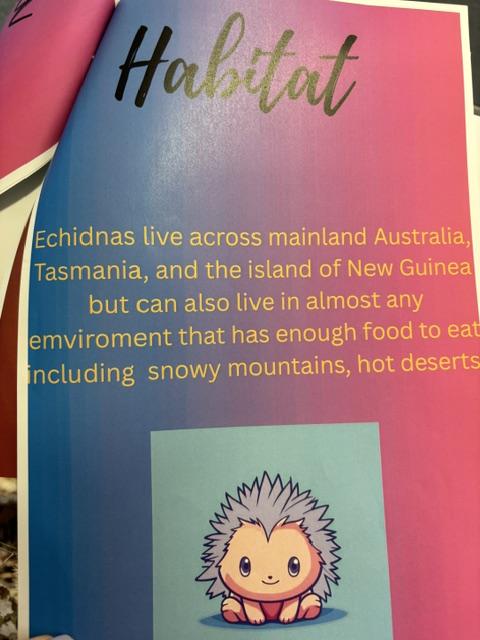
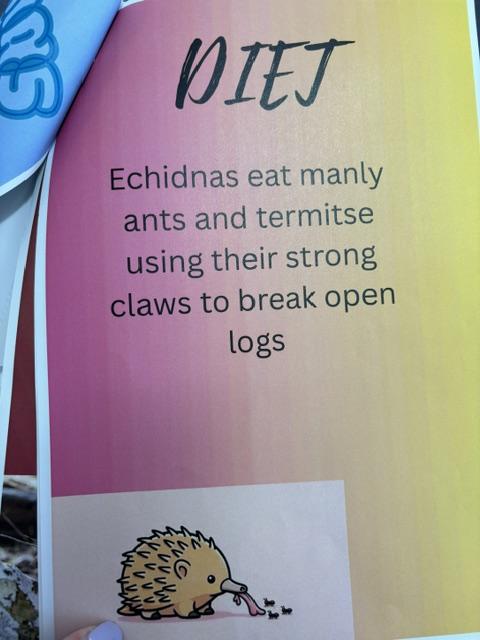
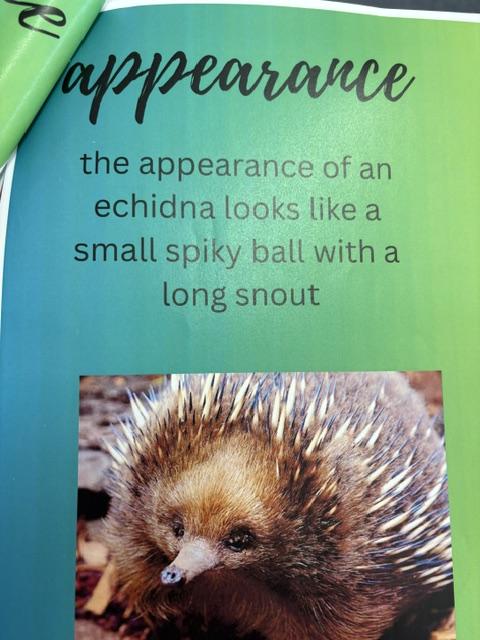
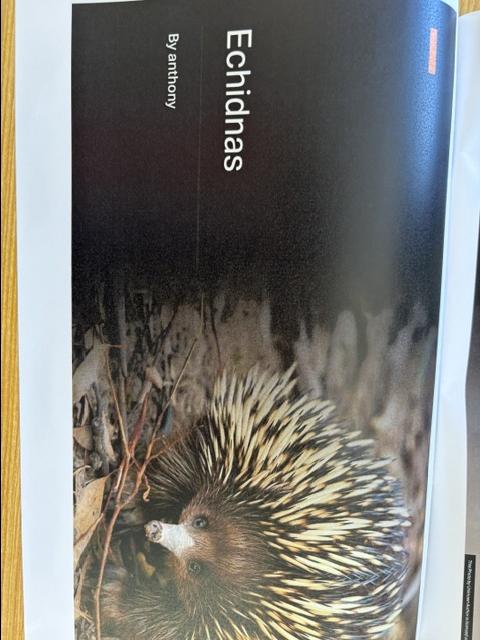
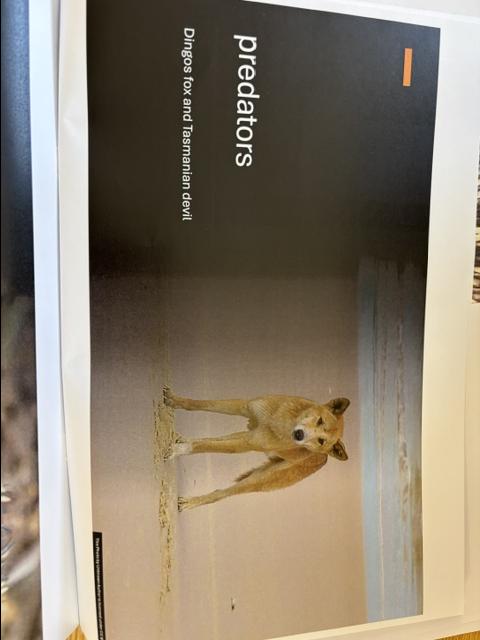
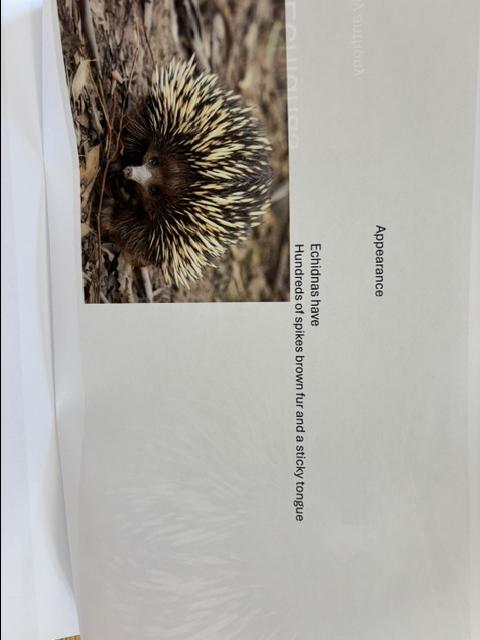
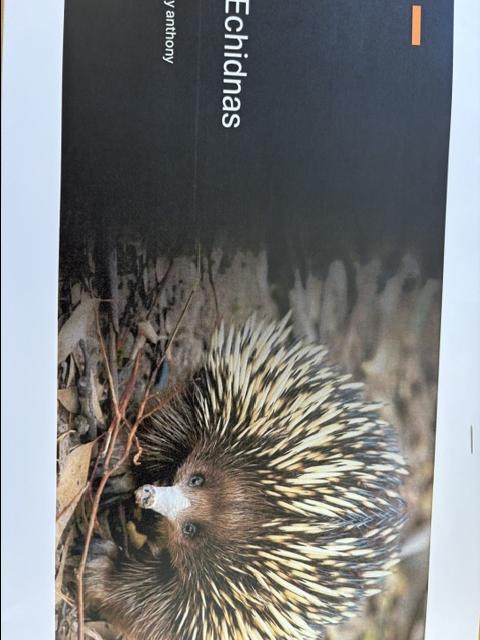
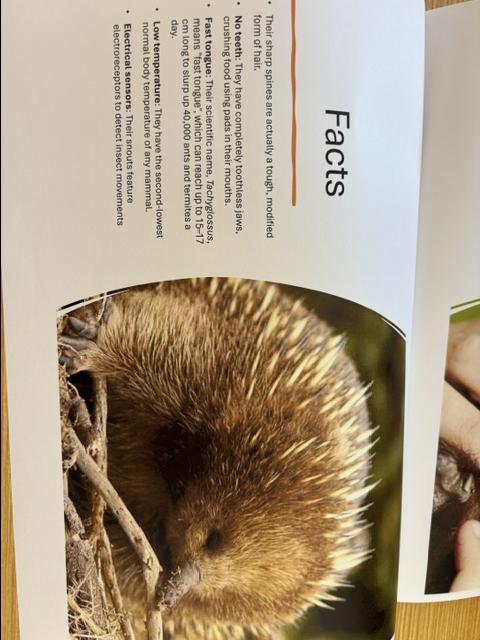
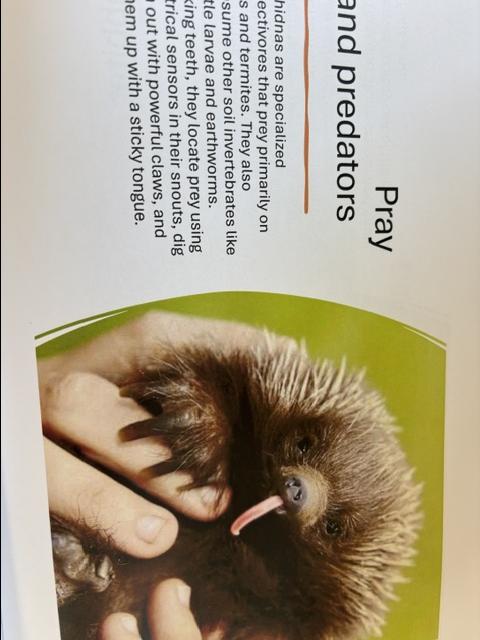
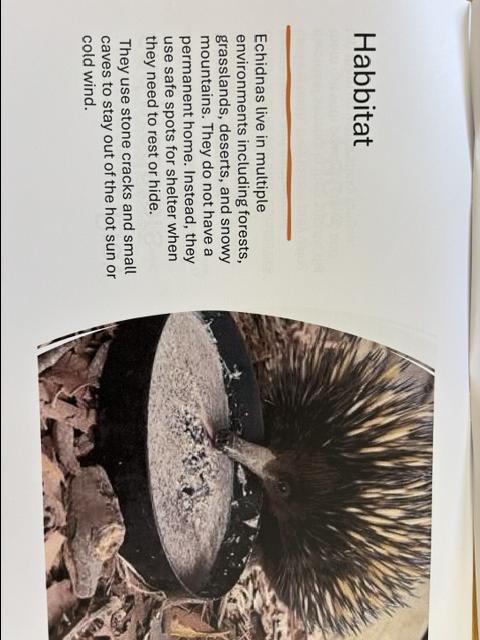
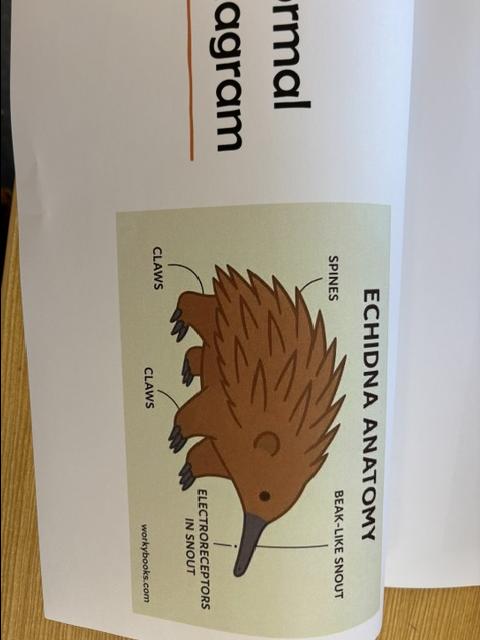
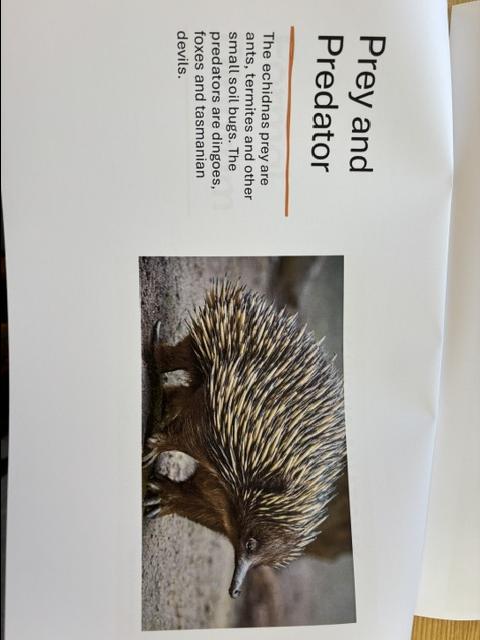
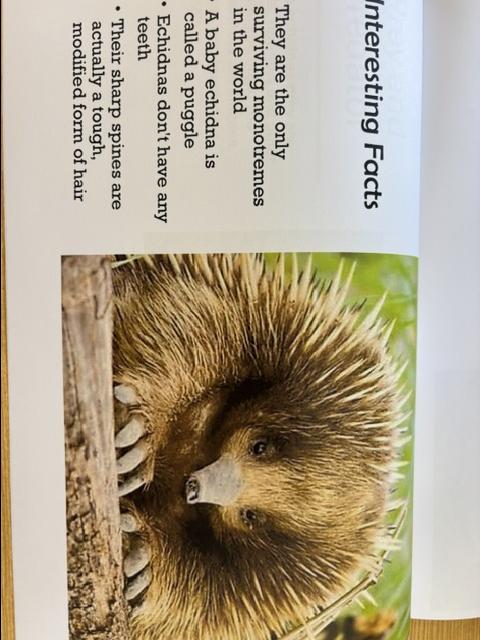
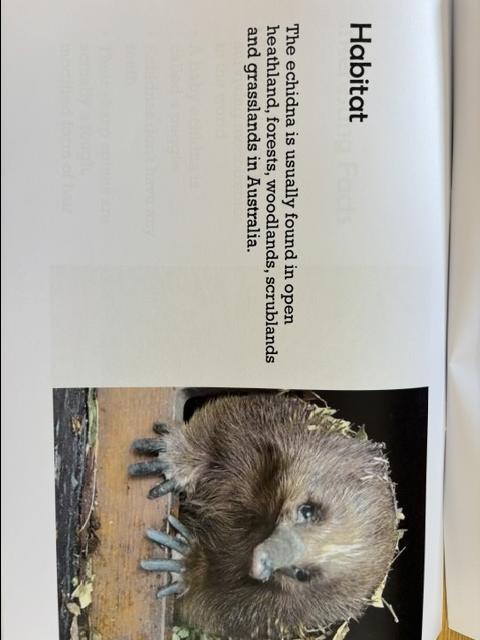
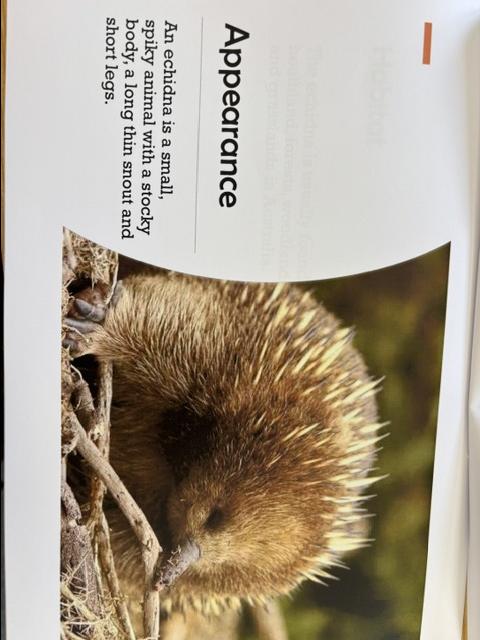
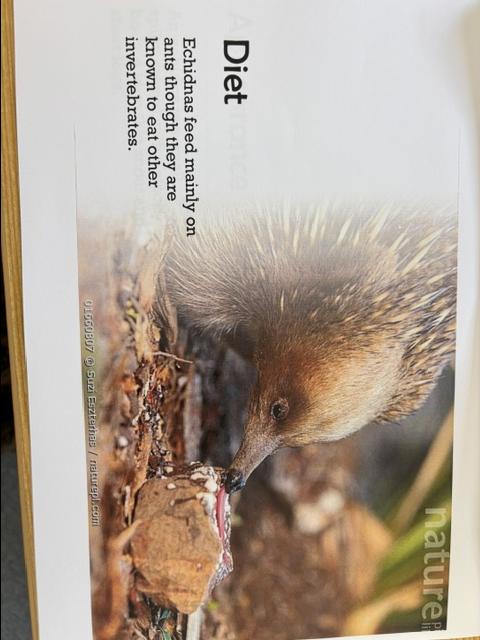
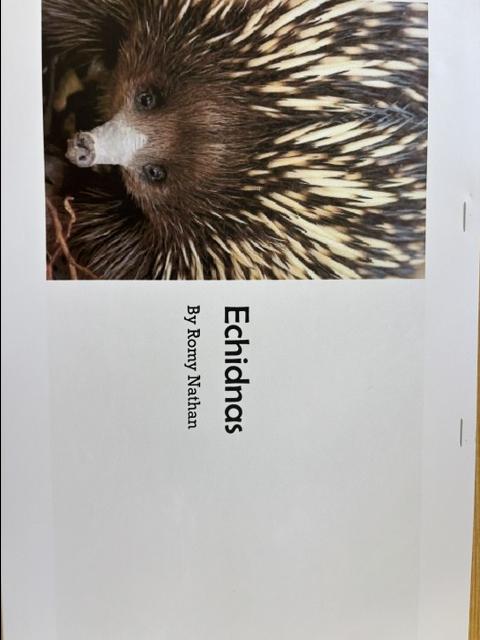
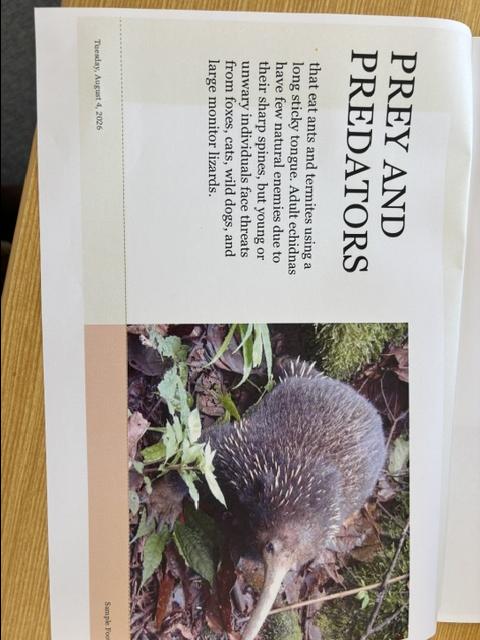
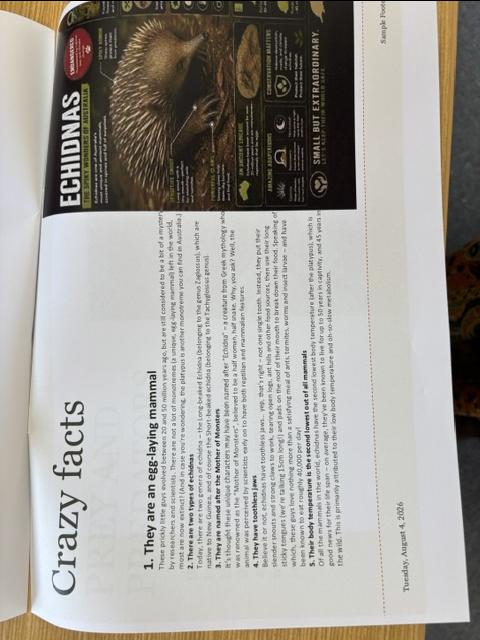
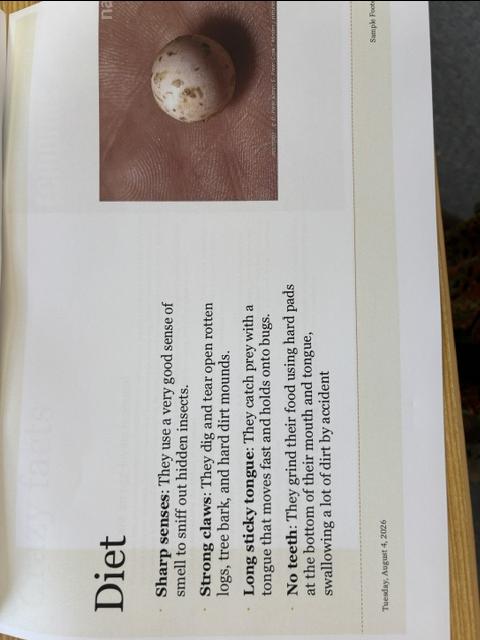
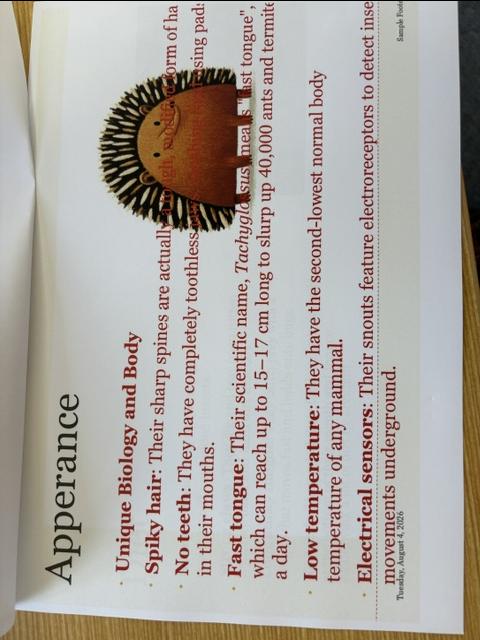
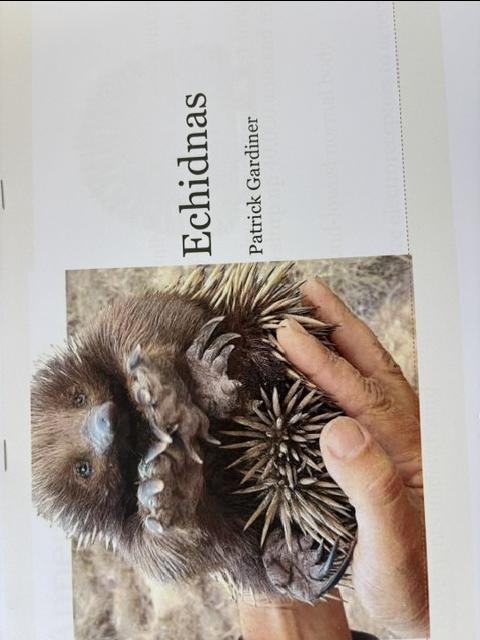
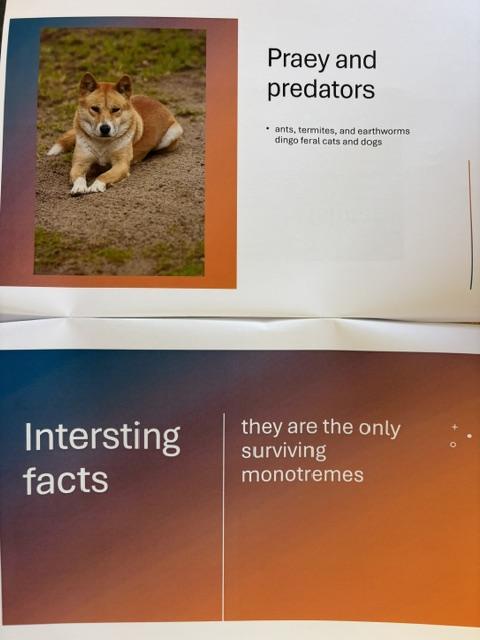
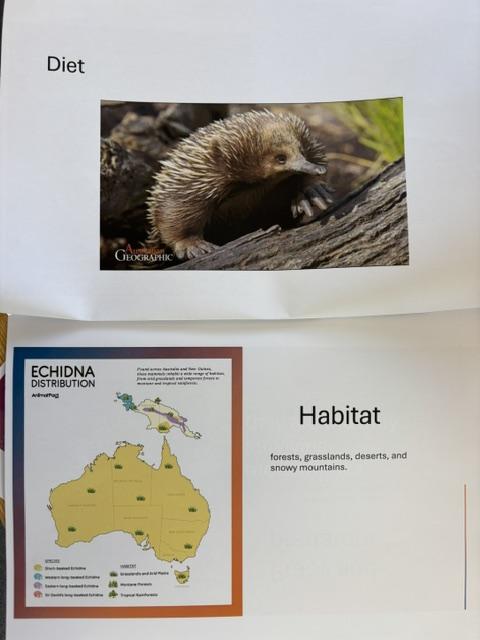
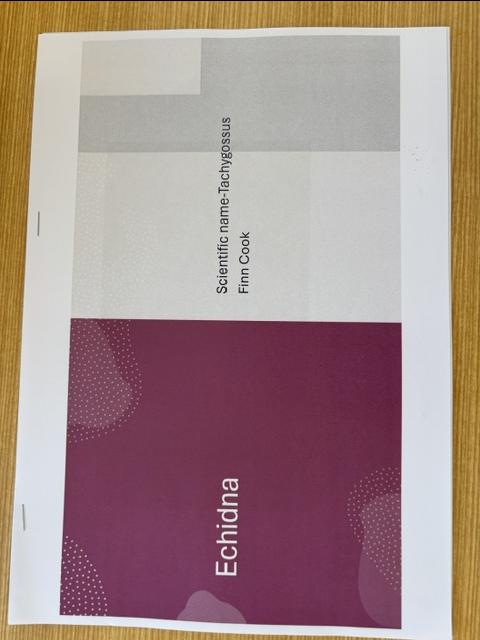
While engaging with Aboriginal cultural stories and practices, students created an information report about iwatas (echidnas). This project beautifully combined scientific knowledge with cultural understanding, fostering respect for Aboriginal and Torres Strait Islander Peoples' rich heritage.
Throughout the project, students identified and respected the cultural practices and protocols that Aboriginal communities use to interact with nature and share knowledge. They learned about the structure and purpose of Aboriginal cultural narratives, recognising these stories as vital ways Aboriginal and Torres Strait Islander Peoples convey history, laws, and connections to country.
Students explored various storytelling methods, including oral storytelling traditions, reflecting on the personal histories embedded within these narratives. They presented their reports incorporating multimodal features—such as images, diagrams, and audio recordings—that enhanced the meaning and brought the rich cultural narratives to life. This approach helped students understand how these features contribute to the salience and impact of cultural stories.
By weaving Aboriginal perspectives into their scientific reports on the echidna, students developed a deeper appreciation for Indigenous knowledge systems and storytelling practices. This project not only strengthened their research and presentation skills but also honoured the enduring connection between Aboriginal culture and the natural world.
Stage 3
English Comprehension: Finger Puppets
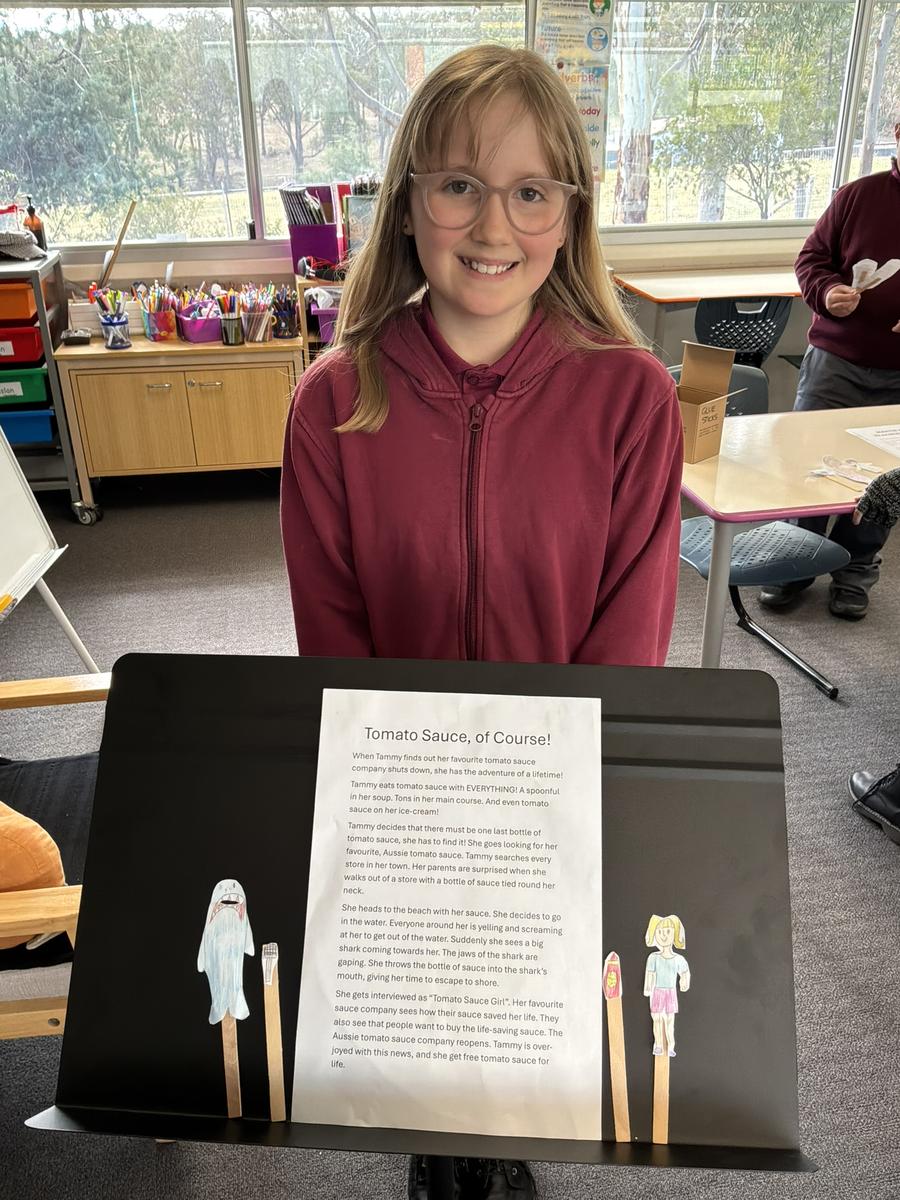
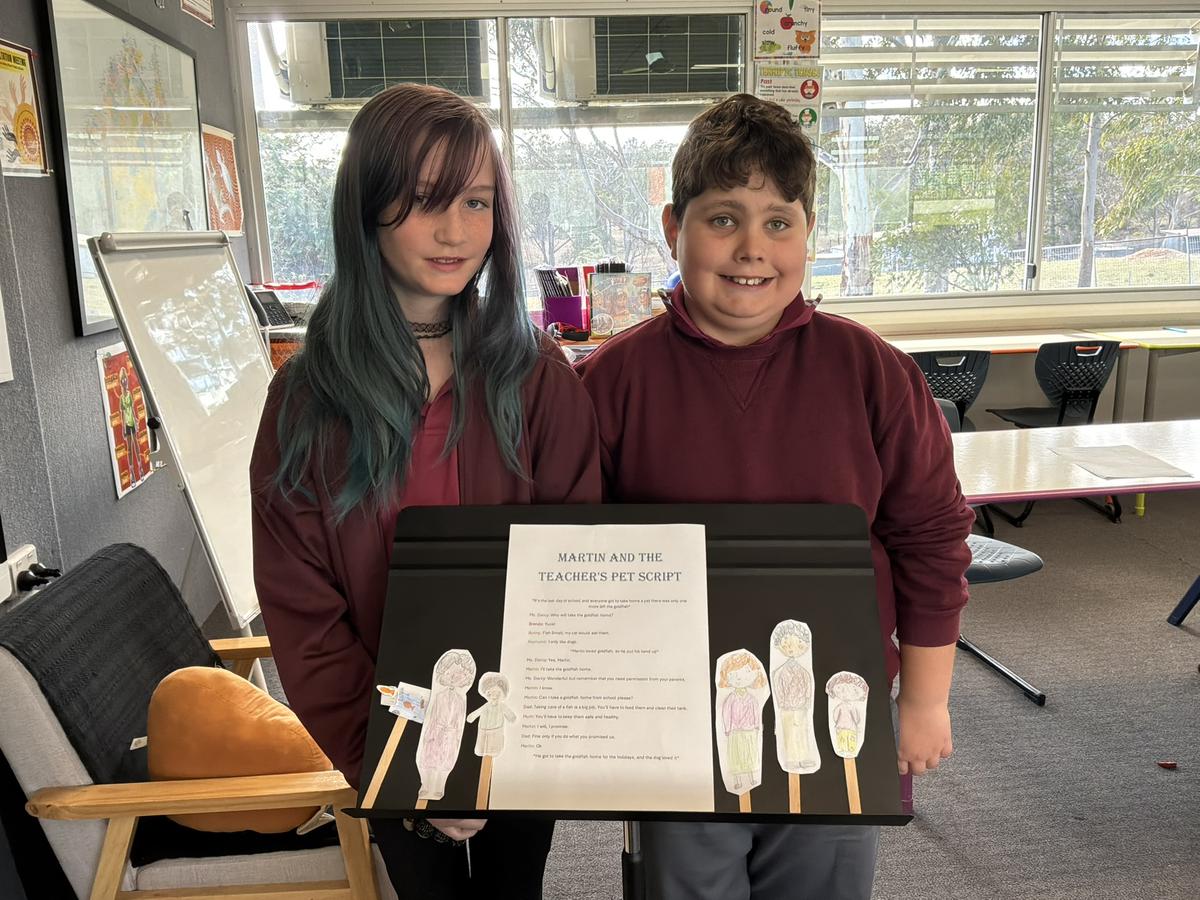
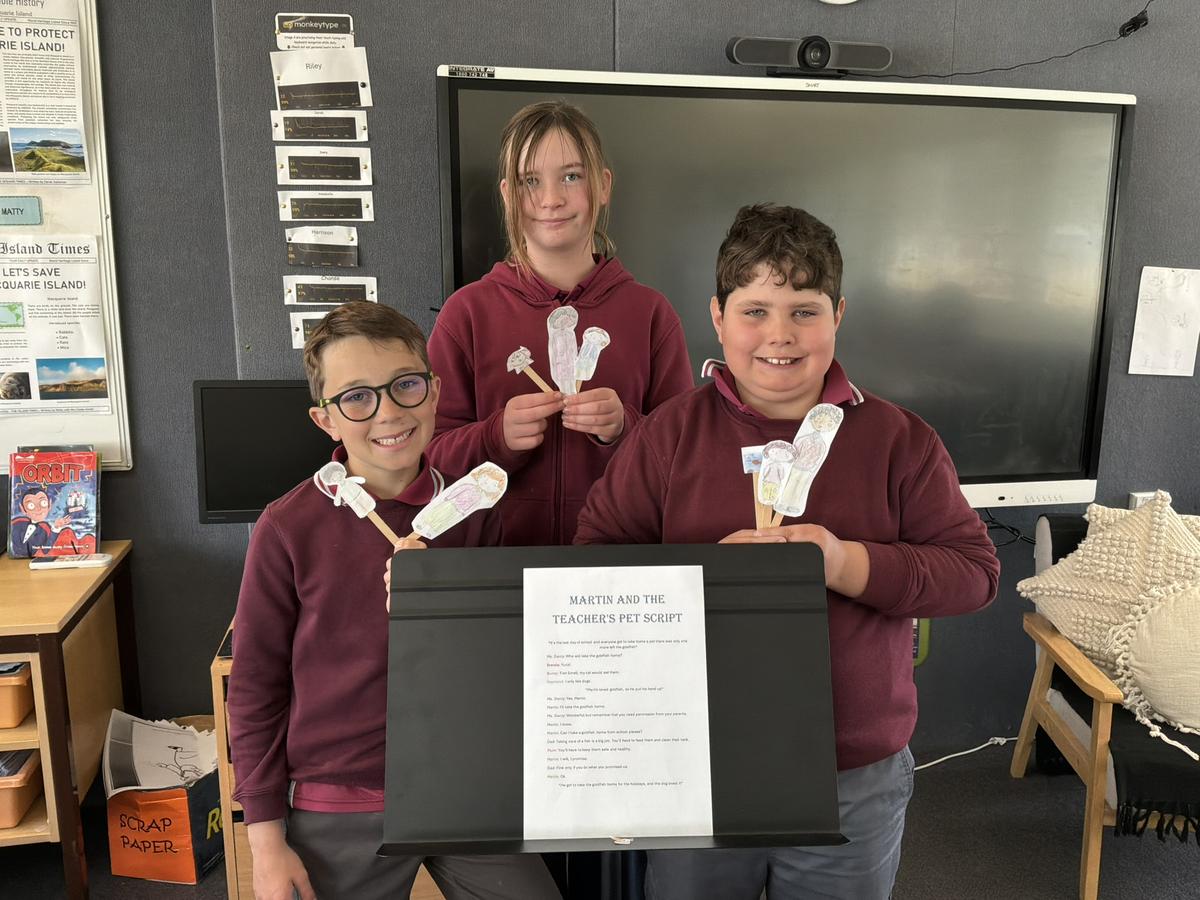
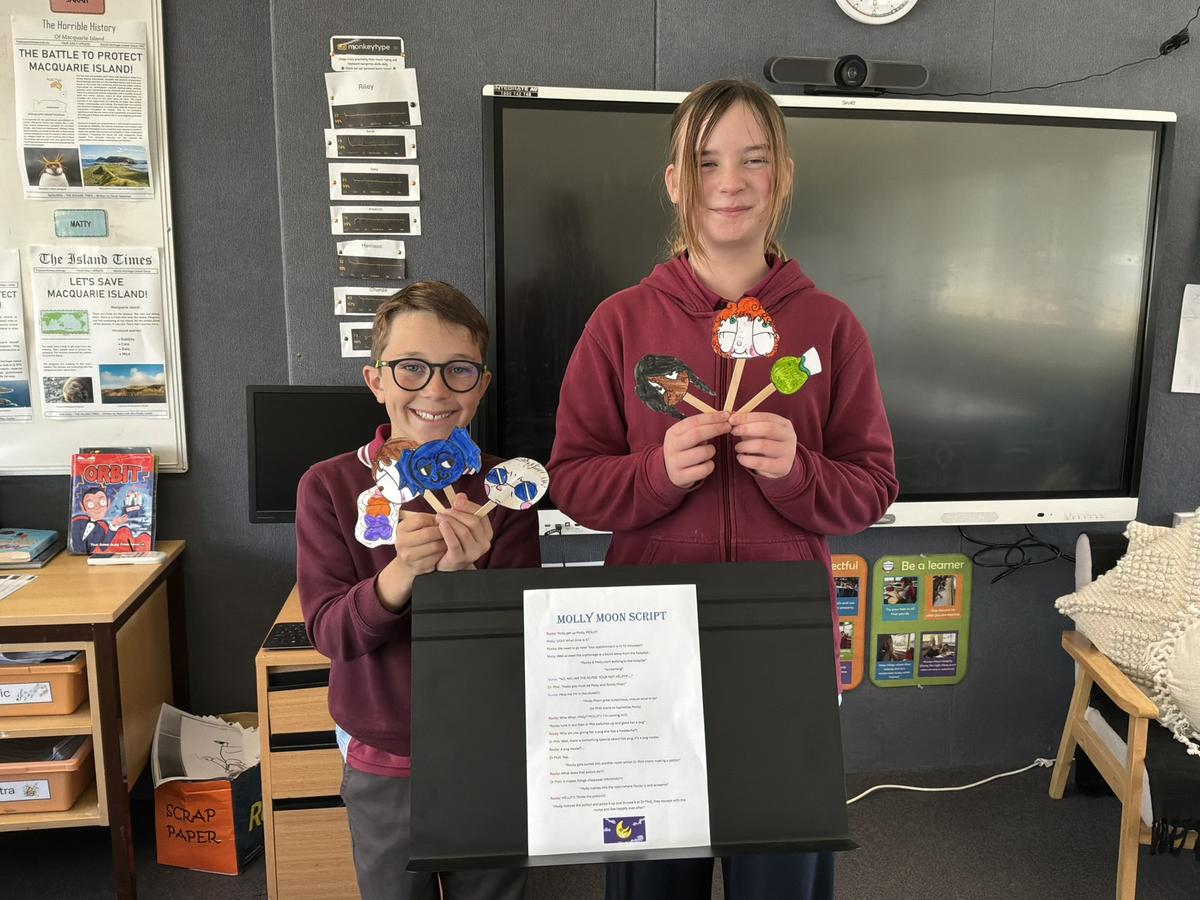
Stage 3 students have been exploring their reading comprehension in a creative and engaging way. After delving into a short story or chapter of a novel, students answered reflective questions to demonstrate their understanding, focusing on both retelling the narrative and making inferences about key elements such as complications and resolutions. To showcase their learning, students designed their own finger puppets and performed puppet shows, bringing the stories to life in their own words. This kinaesthetic activity not only strengthened their grasp of story structure and pacing, but also encouraged imaginative expression and collaboration. The result was a vibrant and memorable learning experience for all involved!
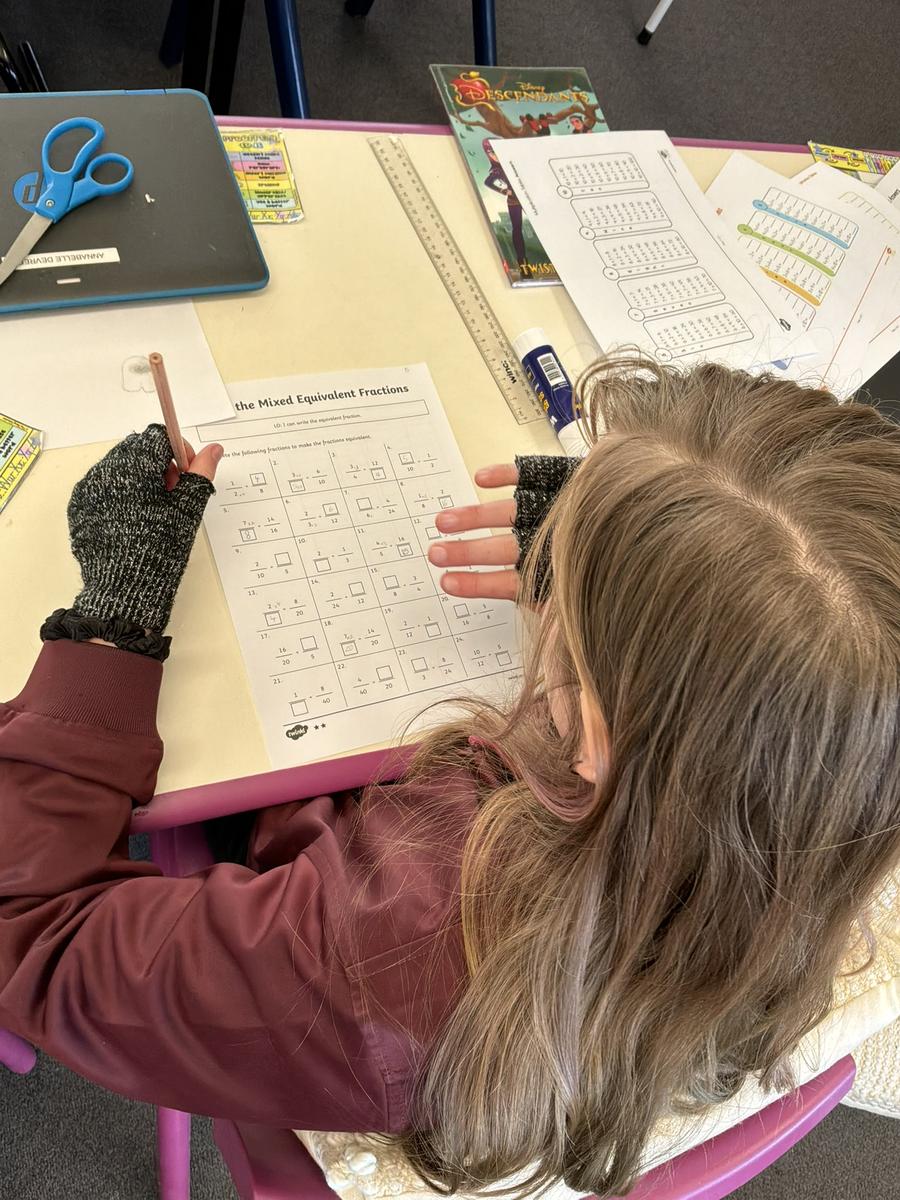
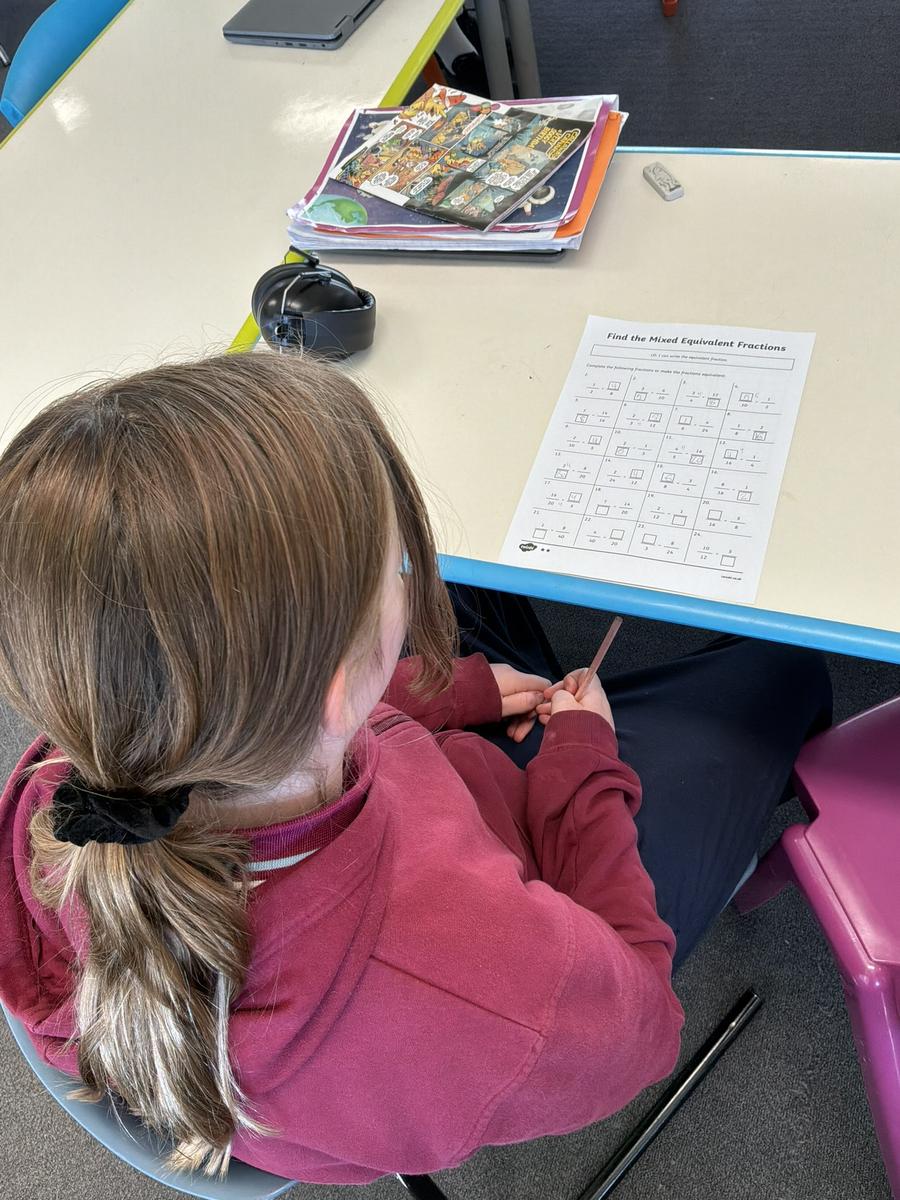
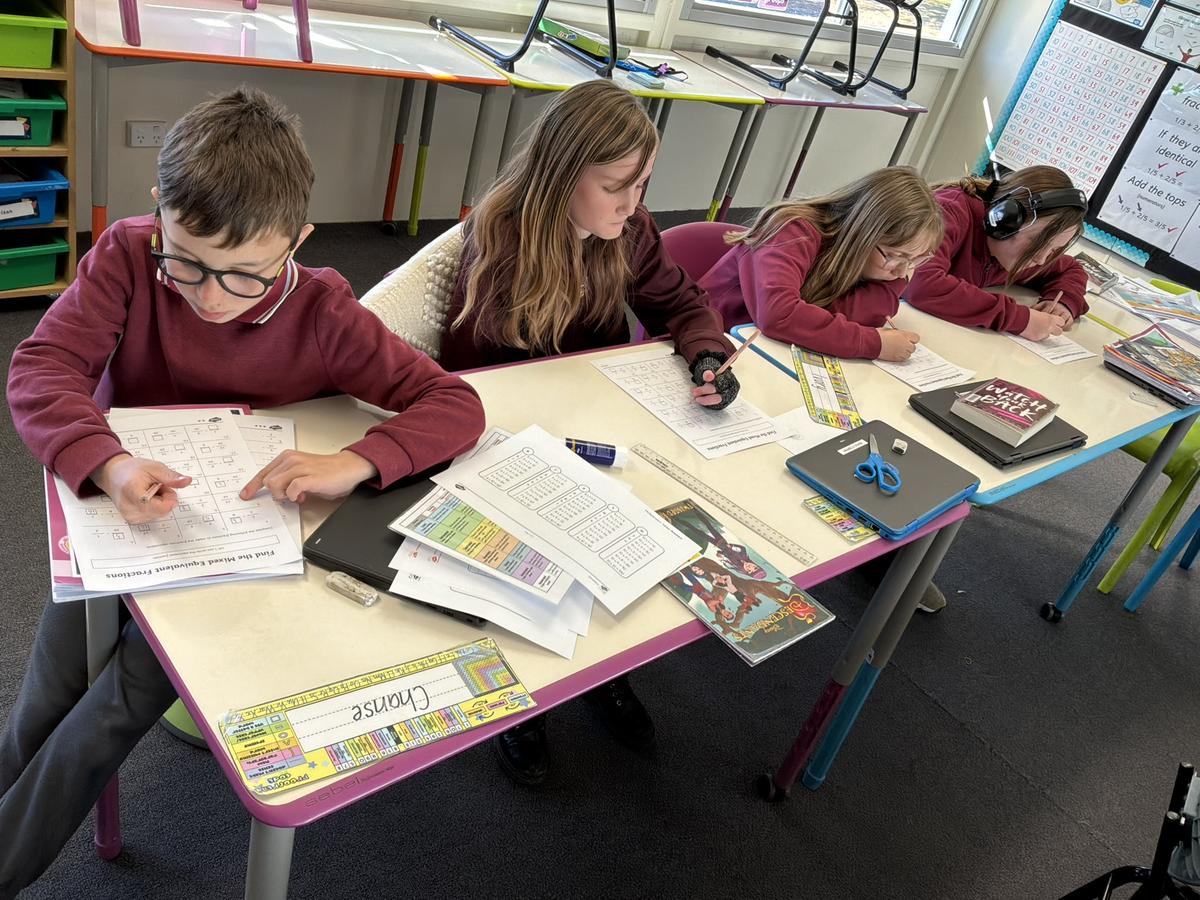
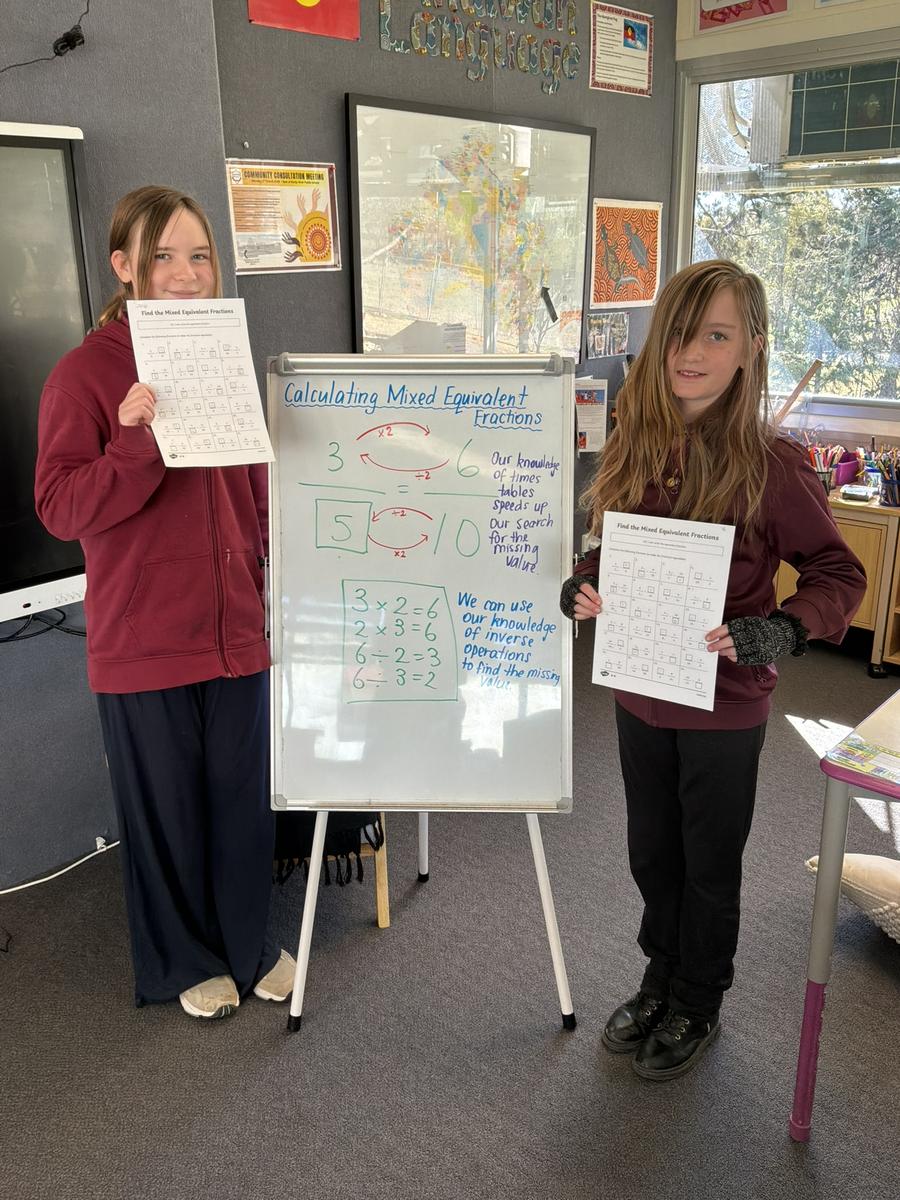
Mathematics: Equivalent Fractions
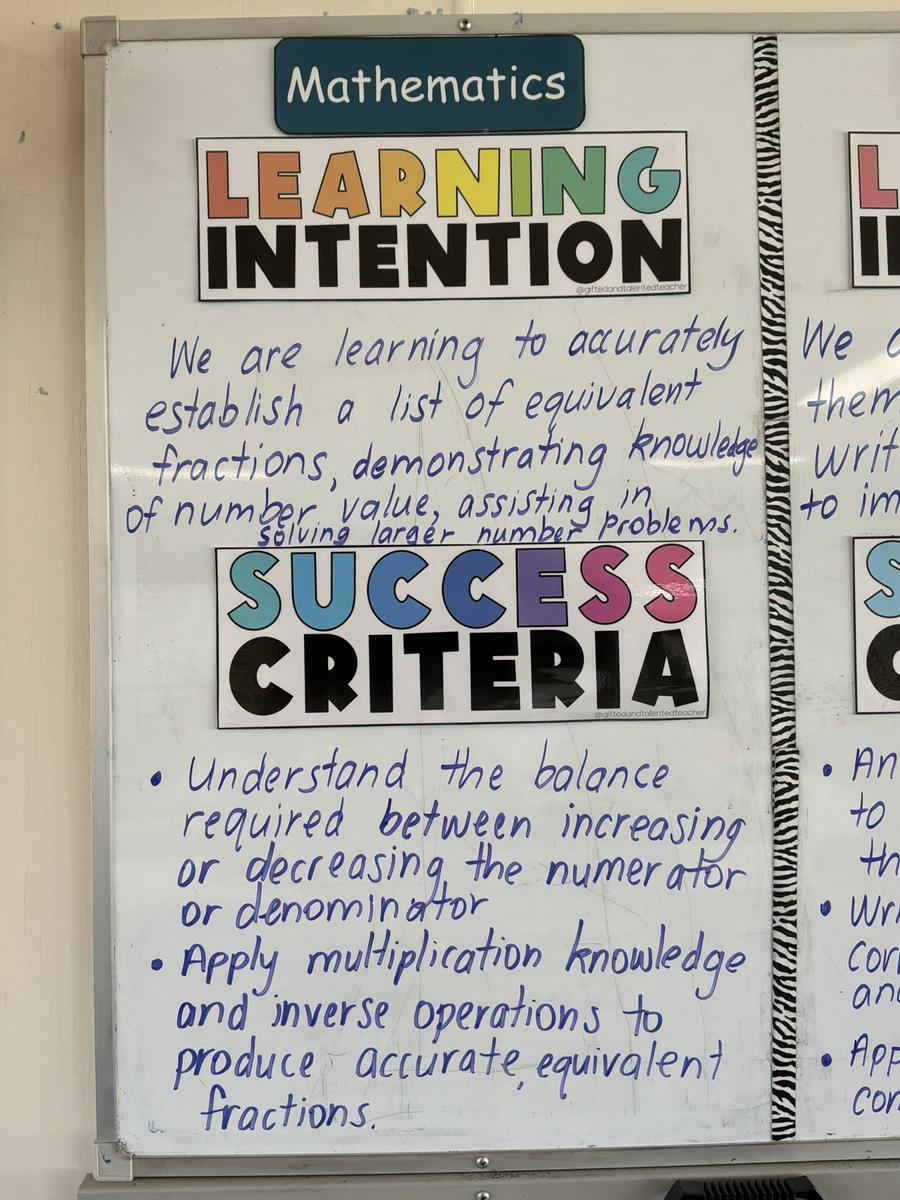
Earlier this term, Stage 3 students have been building their understanding of equivalent fractions through hands-on and collaborative activities. To complete this learning task, students explored the concepts of fraction values, numerators, denominators, and the relationships between different fractions. Students used visual models and manipulatives to compare and create equivalent fractions, deepening their mathematical reasoning and problem-solving skills. Through group discussion and practical exercises, students were able to explain how and why fractions can be equivalent, applying their knowledge of multiplication and division to find common denominators. This engaging approach helped students develop confidence in working with fractions and strengthened their overall numeracy skills.