






Insights from Experience

One of the things that makes Road Trauma Support Group NSW different is that the knowledge generated within this community is real. It comes from people who have lived it. This quarter, two members of our community put that knowledge into words in ways that deserve to be shared widely.
Our Deputy Chair Duncan Wakes-Miller lost his son Barney to a drunk driver in 2020. This quarter he published a powerful piece on the language we use to describe road deaths, and why it matters. Duncan argues that words like "road toll" subtly normalise what are, in reality, preventable losses, and that the language we choose shapes how seriously we respond. It is a confronting read, and an important one. We encourage everyone who works in road safety, policy, media or the justice system to read it.
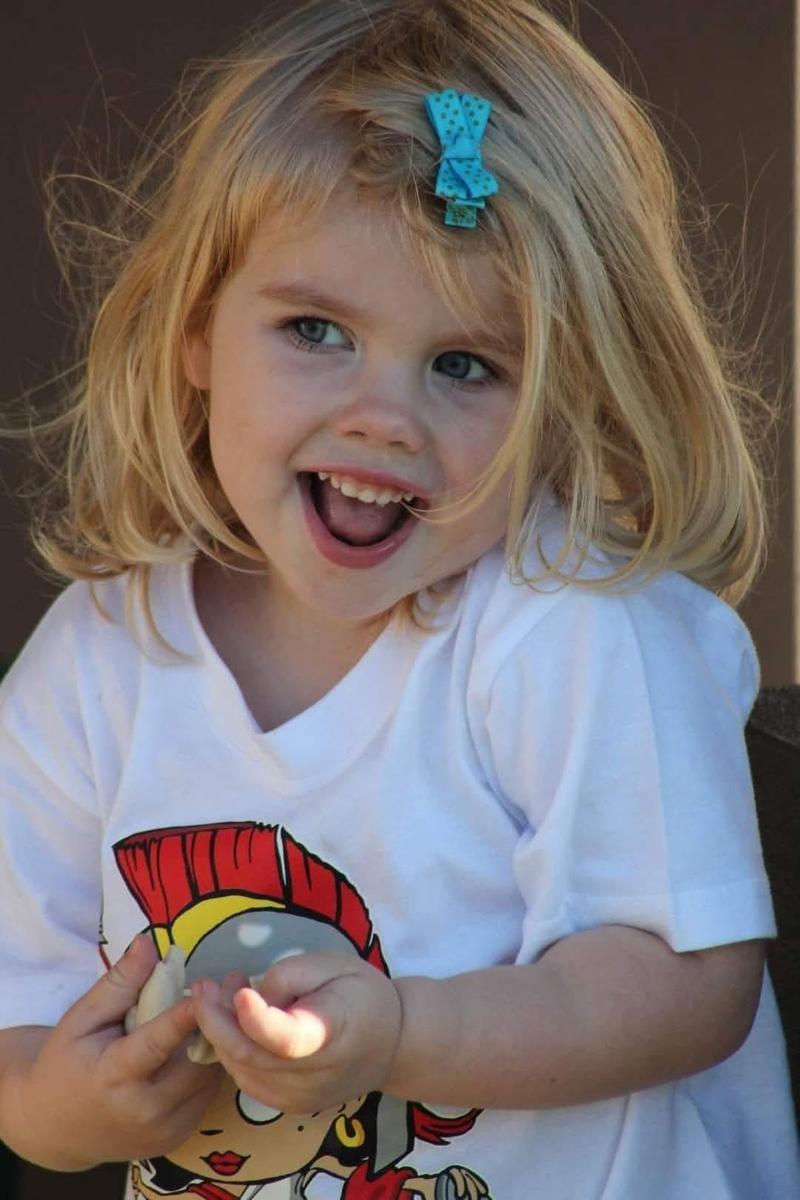
Member Michelle Underhill lost her daughter Elle when Elle was four years old. This quarter, Michelle shared a piece of writing with our community that stopped us in our tracks. We are sharing it here, because we believe it speaks to something every bereaved family will recognise, and because it reflects the kind of hard-won wisdom that only comes from years of living inside grief.
The Art of Letting Go - By Michelle Underhill
Today marks 3,869 days since the 18th of December, 2015.That's 92,856 hours. That's 5,571,360 minutes. Not a single one of those minutes has passed without her being loved.
For so many of those days, I have carried a weight that has been almost impossible to describe. A dark cloud that followed me everywhere I went. A constant replay of every decision, every moment, every "what if."
What if a car didn't run through the day care centre? What if I hadn't taken them out of day care? What if I had noticed something sooner? What if just one tiny detail had changed?
For years, I convinced myself that if I could just go back to the moments before everything went wrong, maybe I could somehow make sense of losing her.
That is the cruel nature of grief.
There is something called true guilt, where our actions have genuinely caused harm and accountability is ours to carry. Then there is false guilt. This is the kind of guilt grief so often creates. The guilt that tells us we should have known the unknowable, prevented the unpreventable, or somehow controlled circumstances that were never ours to control.
False guilt feels just as real as true guilt. It sits just as heavily on your chest. It steals your sleep. It whispers every moment that you failed someone you loved more than life itself.
For over ten years, I have carried so much of that false guilt. I have blamed myself for things that no mother could ever have predicted or changed. I have punished myself over and over because I had made decisions leading to that day which made me the easiest person to blame.
But time has taught me something.
Letting go doesn't mean letting go of her. It doesn't mean forgetting. It doesn't mean loving Elle less. It doesn't mean pretending it didn't happen.
It means slowly loosening the grip that false guilt has had around my heart. It means allowing myself to know that I was a loving mother who would have done absolutely anything to keep them both safe if I had known the outcome of that day. It means accepting that tragedy is not proof of failure.
The art of letting go isn't about erasing the pain. It's about putting down the parts of it that were never ours to carry.
I'll always carry my love for Elle til the second my heart stops beating. I'll always carry her memory.
The insights that come from within this community shape how we support families, how we speak publicly, and how we understand what bereaved families truly need. We are honoured to walk alongside people who are willing to share what they have learned, even when learning it cost them everything.