





Insights from Experience

One of the most powerful things about a community built on shared experience is that the knowledge it generates is real. It comes from people who have lived it. This quarter, that knowledge took several forms.
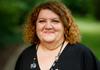
Road Trauma Support Group NSW member Alisha has had her honours thesis published in the Australian Social Work Journal, and it is open access, meaning anyone can read it. Alisha's research explores unexpected death notifications and the potential role for social work, a topic that sits at the heart of what every family we support has experienced. Her work was born from lived experience and shaped into something that could genuinely change how families are supported in their worst moments. We could not be prouder.
Closer to home, our own support meetings continue to surface insights that shape how we grow and respond. A conversation at our Wyong meeting this quarter brought sibling grief into focus, and the often overlooked impact road trauma has on brothers and sisters. Members reflected on how community support tends to quietly fall away after the first few months, even as grief remains a constant presence in daily life. That conversation has already sparked discussion about developing a dedicated online support group for bereaved siblings, because what gets named gets addressed.
The launch of our first Bereaved Partners online meeting this quarter reflects the same principle. Losing a partner is a particular kind of loss. It means losing a co-decision maker, a keeper of shared memories, the person you had imagined your future with. Naming that distinctly, and creating a specific space for it, matters.
Across our meetings this quarter, two themes surfaced repeatedly. The first is the ripple effect of road trauma grief, the fractures that can form within families when people grieve differently, the exhausting frustration of court processes, and the ongoing importance of self-compassion. The second is something members described in their own words: the experience of wearing a mask to face the world each day, and the relief of coming to a space where that mask can finally come off. That is not a small thing. It is, in many ways, the whole point.
The insights that come from listening to this community do not stay inside the room. They shape our services, inform our advocacy, and contribute to a growing body of understanding about what bereaved families actually need. We are committed to continuing that work, and to making sure what we learn reaches the people and systems that need to hear it.