









Religious Education
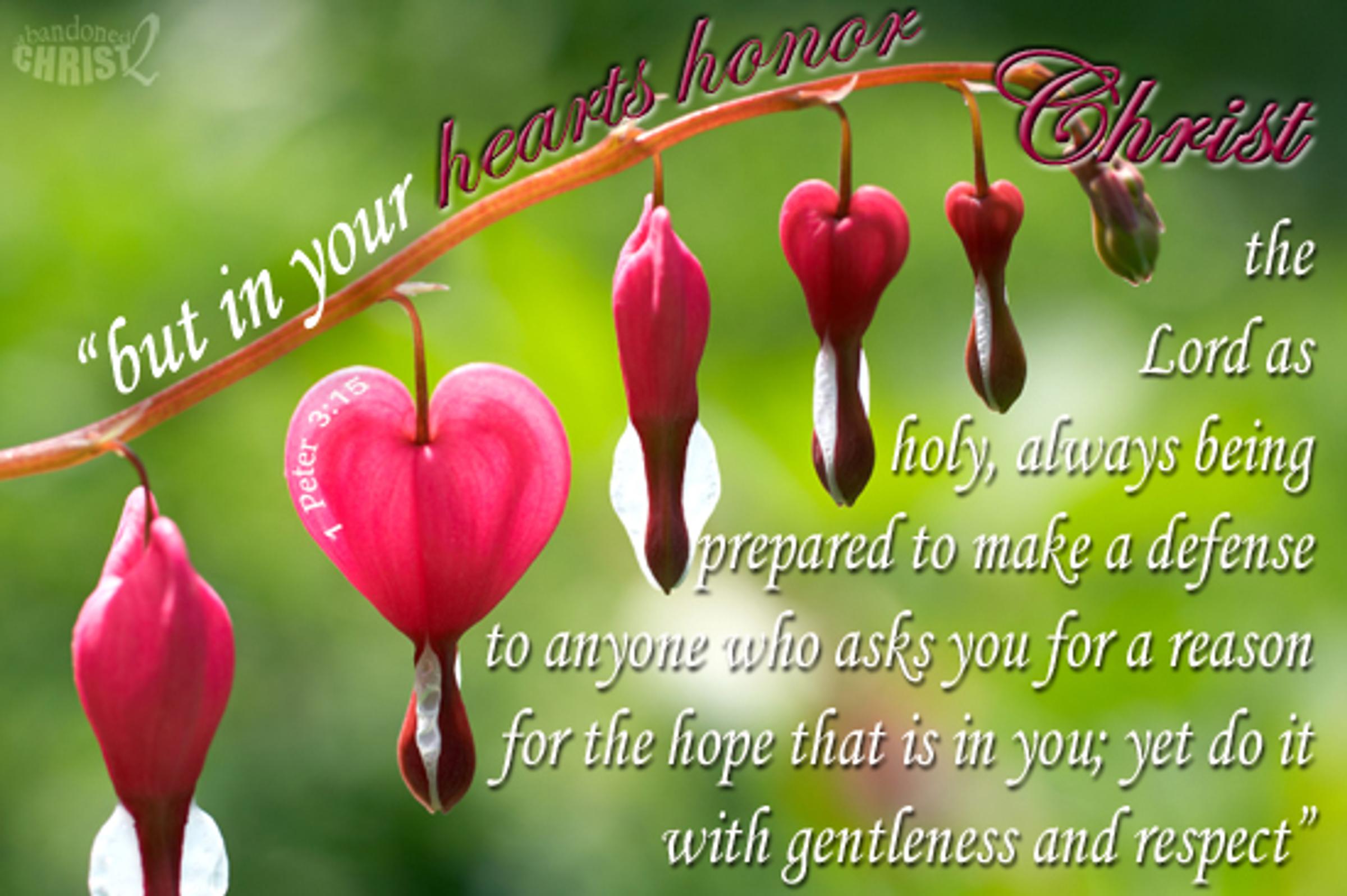
All students attending St Louis de Montfort's Aspendale have the right to feel safe.
The care, safety and well-being of children and young people
It is a fundamental responsibility of all within our school.
You know the words — the ones that often come just after a conversation or a rumour you just heard, or an event. “That’s not fair.” “You’re not listening to me.” “How ridiculous!" "Why would you do that?". We’ve all heard them. Perhaps we’ve even said them ourselves.
And beneath these words, it could be that someone feels misunderstood. Someone feels dismissed. Someone has misinterpreted the situation. Someone is hurting and doesn’t quite know how to say it.
The truth is, we all want a lot of the same things. We want to feel that our feelings matter, that our voices are heard and that our interests lie in the best outcome for all (not just ourselves). That even when someone disagrees with us, our relationship is still safe. Yet in difficult moments, it’s easy to become triggered causing us to lash out, be rude or aggressive, be a 'keyboard warrior' or shut down completely.
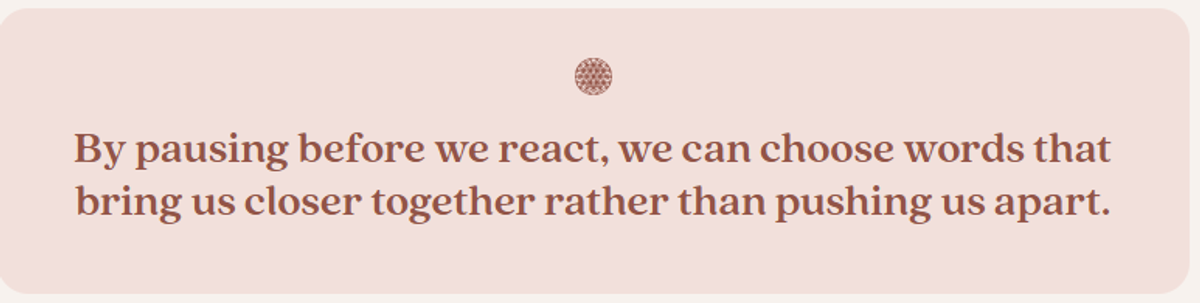
This is where the wisdom of Jesus' teachings offers something beautiful: the practice of slowing down, listening with compassion, and choosing words of empathy and kindness that bring us closer together rather than pushing us apart.
God has taught us that we should never react to people, but always respond to Him. What does that mean? It means when we've been hurt, or if we're annoyed or insulted by someone, we who are in Christ, have the freedom to do good rather than be captivated by evil.
We can either react, that is, reciprocate exactly what I was given by another to another, or I can respond, that is, give a favorable or positive return to God and His gift of Life through Jesus Christ. Am I going to return evil for evil and sprout vile and demeaning accusations, or will I be a light in the darkness and respond to this person or circumstance based on my love and gratitude to God for all that He has given me in His Son?
You may be thinking, "This all sounds so spiritual and good, but what does this look like in real life? How can I actually do this?" Thankfully, God our Father made it pretty simple for us through Christ, who gave us these four practical and Holy Spirit empowered action items.
- LOVE: Like Jesus loves us, sacrificially and with great compassion
- DO GOOD : Do something that will benefit the person who hurt us, and not just something that makes us feel "holy" and good about ourselves
- BLESS: Intentionally and actively seek opportunities to share kindness with those who can never earn or return it
- PRAY: Forgive them and ask God to forgive them (just like Jesus did for us) and pray for their healing and reconciliation with the Lord because their sin against God is far greater than their sin against us.
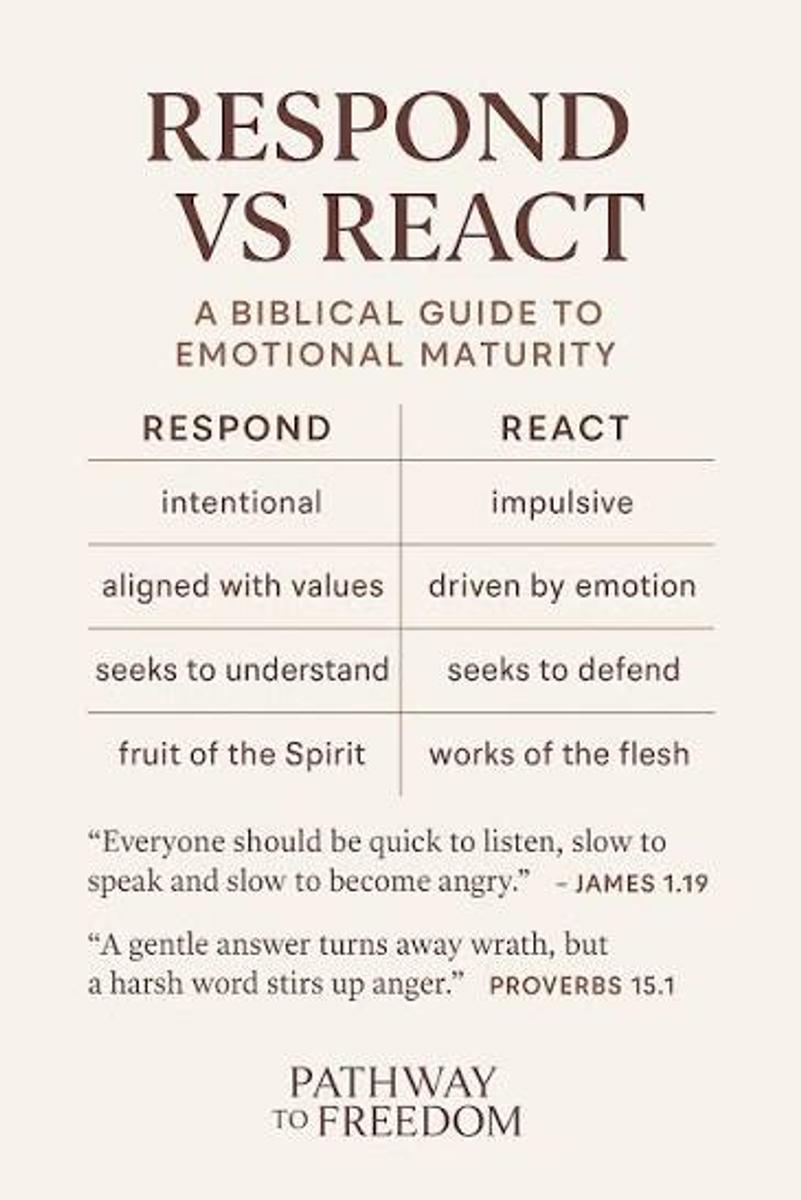
So next time you feel wronged or unhappy about a situation, don't behave like a victim and plot revenge, or pray that God punishes them. Instead, use it as an opportunity to say "thank You Jesus" for all He has done for you. Then, behave like a child of the Almighty who's been given freedom in Christ to do good; empowered by the Holy Spirit to bear the fruits of the Spirit- Kindness, Compassion, Love, Understanding and Forgiveness.
Healthy communication isn’t about always knowing the right thing to say or never losing our patience. It’s about making room for perspectives different from our own, and sometimes, it’s the smallest things: taking a deep breath, pausing before we react, or offering a moment of understanding, that help us find our way through difficult conversations with greater kindness and compassion.
(Ref: Abandoned 2 Christ)