Science










Turtle Connections
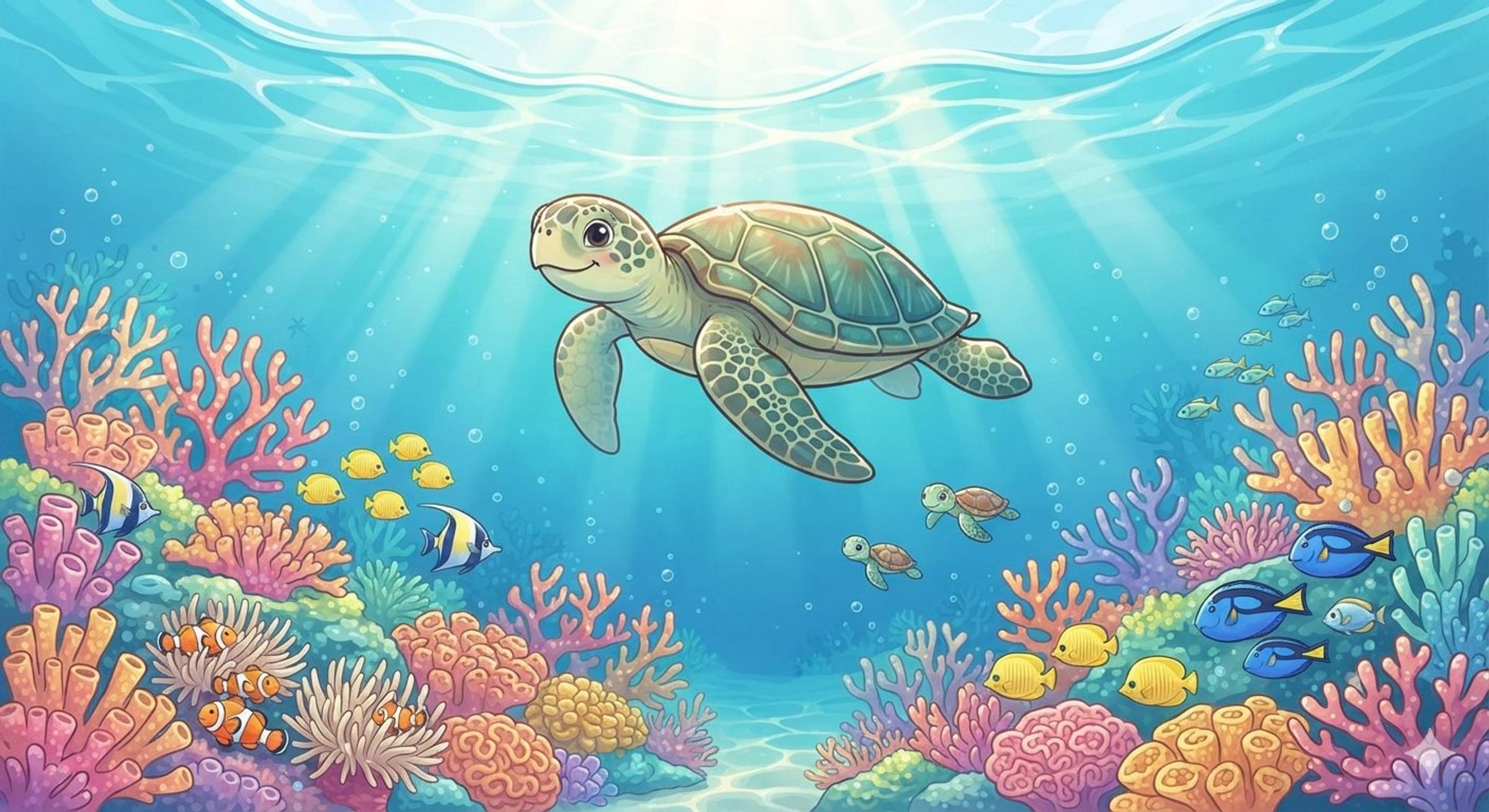
Our Millgrove Senior students recently participated in a virtual excursion with Ecolinc Science Centre, exploring the fascinating world of sea turtles and marine conservation. Students learnt about different sea turtle species, their life cycles and adaptations, and the threats they face from plastic pollution, fishing equipment and human activity. They also explored how injured turtles are cared for and rehabilitated at the Turtle Hospital and discussed simple ways we can help protect our oceans and marine wildlife.
Here’s what some of our students had to say about their learning!
Frankie - Green turtles have many spikes in their throat.
Annabelle - They can’t tell if they are a girl or boy until they are adults, unless they do a blood test.
Chloe - Turtles have lungs, they can hold their breath for around 5 hours under water
Abbi - All the turtles are endangered.
Tyson - Around 1 out of 1000 turtles survive.
Declan - The leatherback turtle is the biggest marine turtle.
Steve - I learnt that depending on the climate and temperature of the sand, it can change the turtle gender.
Jack - If you are overseas you are not allowed to bring back a turtle shell into Australia. It will get taken off you.
Raven - Out of all the turtles hatching the ratio of male to female is 1 male to 116 females.
Jake - I learnt that turtles have spikes down their throat (rather than teeth) These help the turtles to swallow the jellyfish and also squeeze out salt water.
Will E - That only 1 out of 100 turtles reach adult hood (maturity).
William M - Turtles live in the Great Barrier Reef. The biggest sea turtle was called a Leatherback.