Mental Health and Wellbeing:
Supporting Inclusion and Respectful Curiosity at School







Mental Health and Wellbeing:
Supporting Inclusion and Respectful Curiosity at School
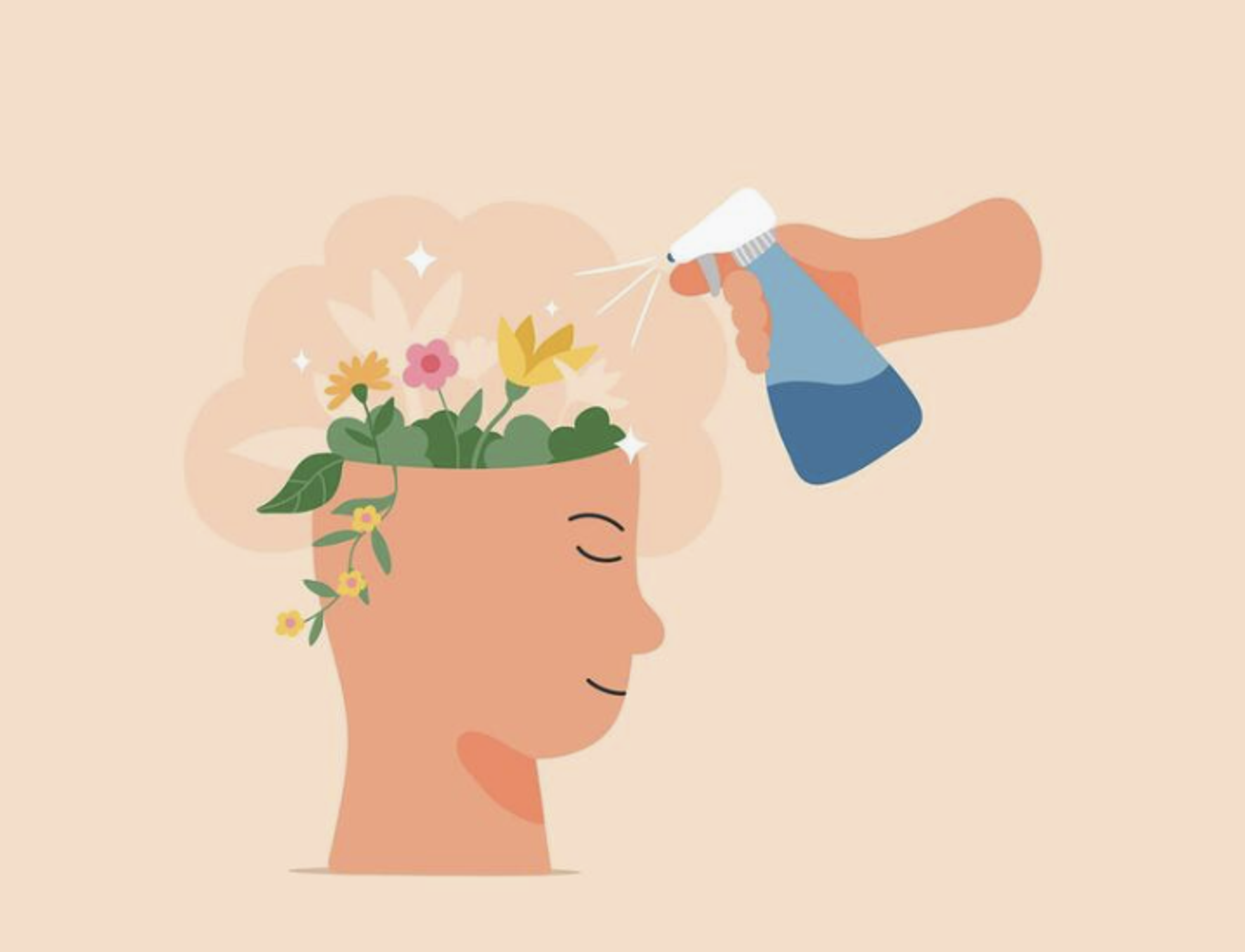
In 2027, Catholic Education Sandhurst (CESL) will draw on the work of the Institute of Positive Education at Geelong Grammar School to strengthen how we teach and support wellbeing. At St John’s, this will build on the work we already do to help every child feel safe, connected and ready to learn.
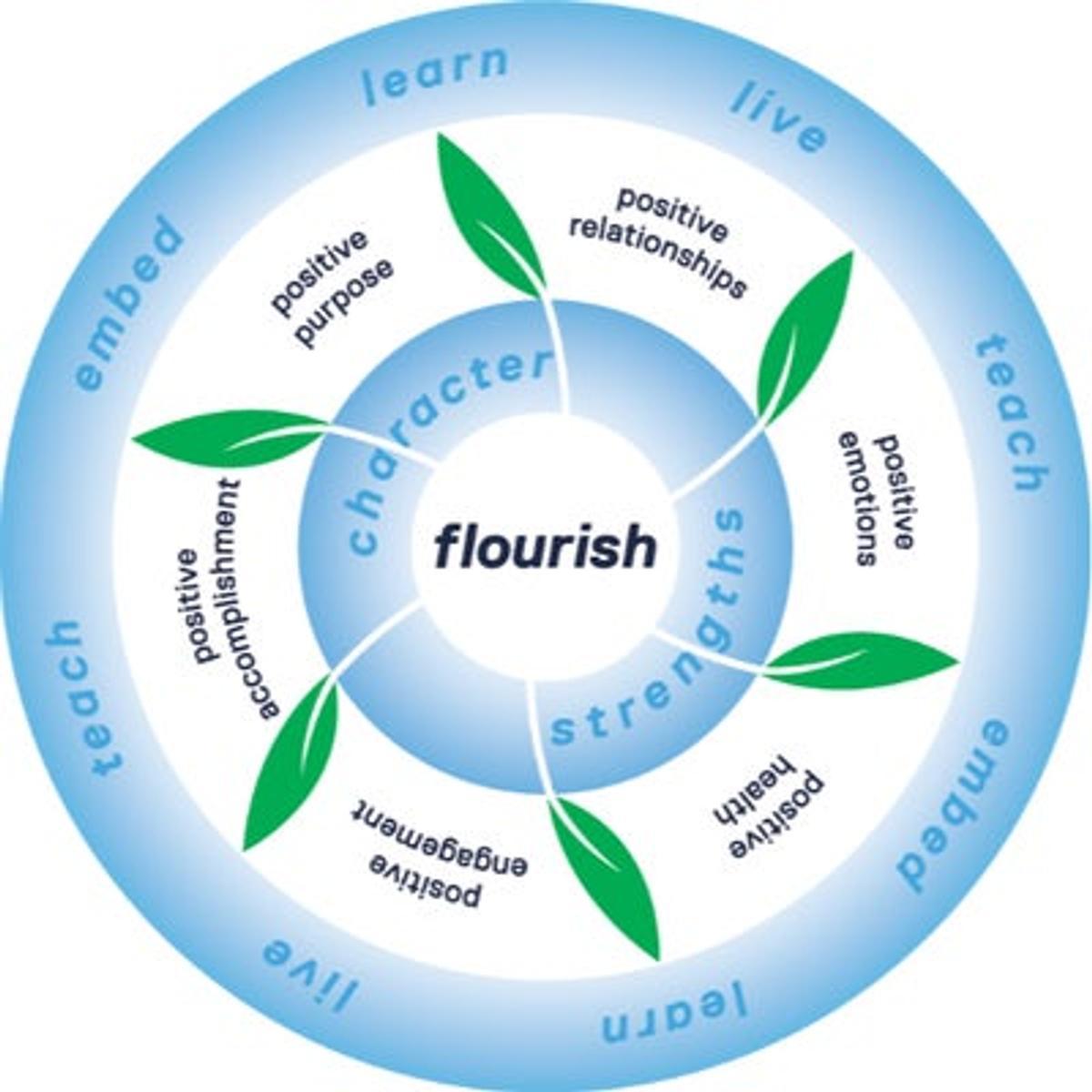
Positive Education gives children practical skills they can use in the classroom, in the playground and at home. This might mean learning how to include someone in a game, work through a disagreement, ask for help when they feel overwhelmed or recognise the progress they’ve made towards a goal. It also helps children notice strengths like kindness, courage and perseverance in themselves and in others.
What I like about this approach is that children get to practise these skills in the moments they need them. A class might rehearse what to say when a game feels unfair, then hear the same language from a teacher on yard duty. It’s a practical way to build on our theme, Seek Peace and Pursue It, and help children see how their everyday choices shape the kind of school we are.
We look forward to sharing more with families as this work takes shape in 2027.
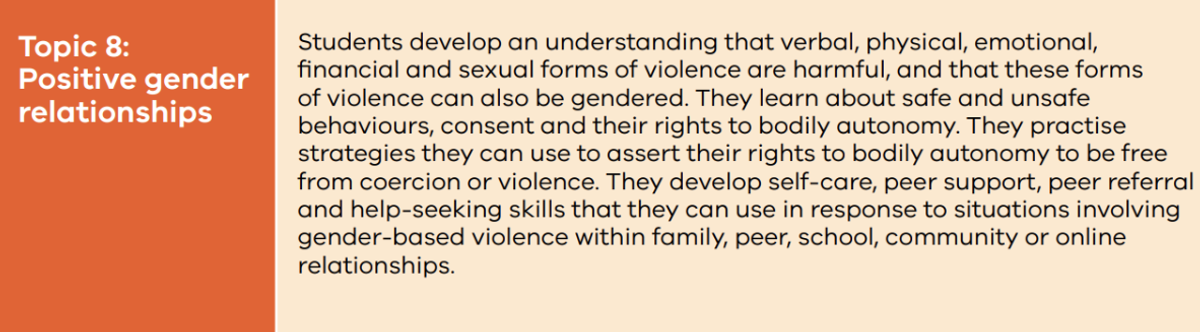
Foundation: Students will be learning about their private parts and that their bodies are their own. They will list the different ways that clothes protect the body, and suggest clothes that people wear in different conditions or for different occasions.
Things you can do at home: Be clothes detectives: Look through your child's wardrobe together. Choose different items of clothing and discuss the purpose.
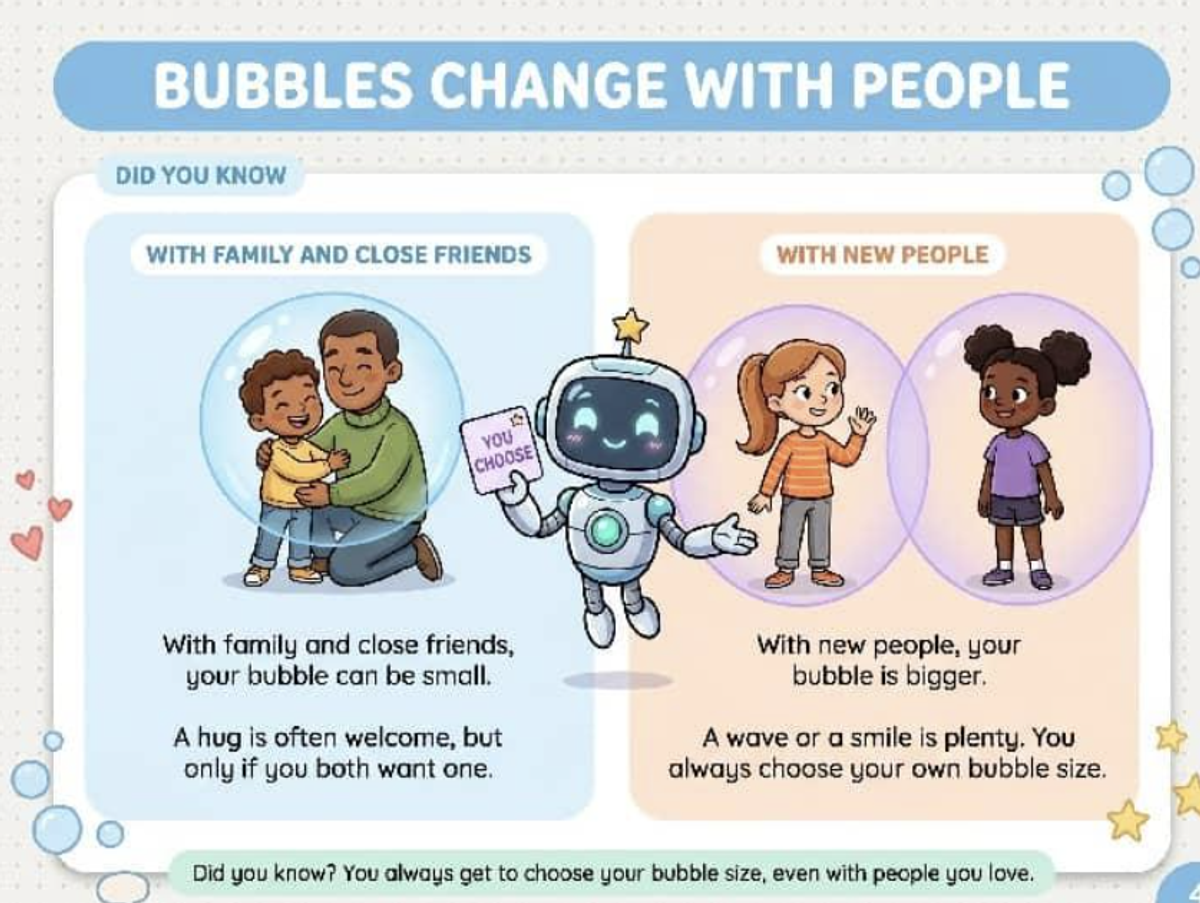
Year 1 and 2: Students will be talking about what it means to ask permission or consent to do something. They will learn that their body is their own and developing the concept of personal space. Students will learn about parts of their bodies that are more private than others.
Things you can do at home: My body belongs to me
Understanding personal space
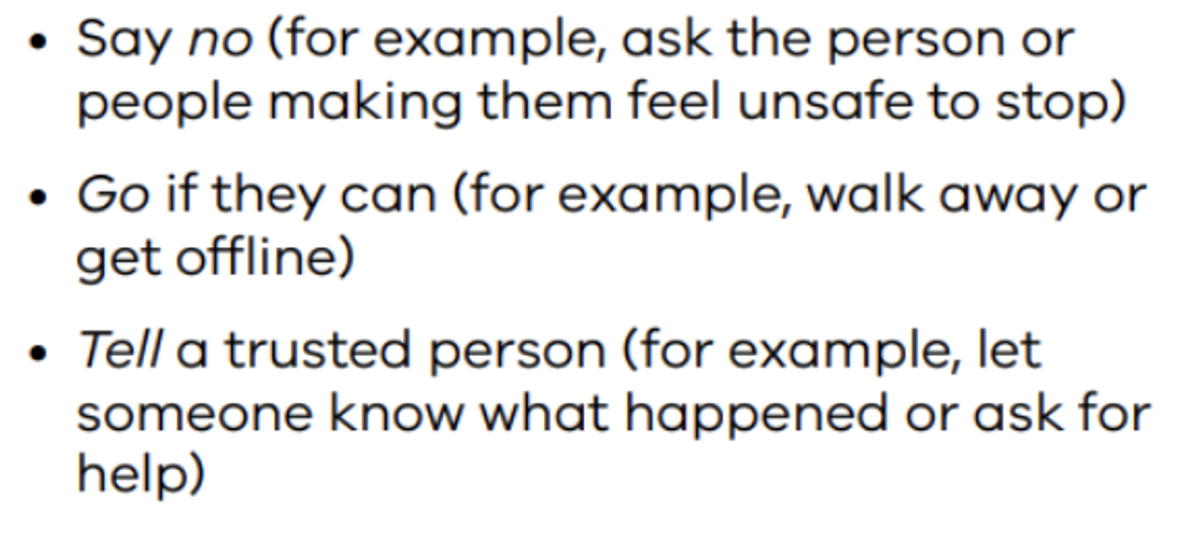
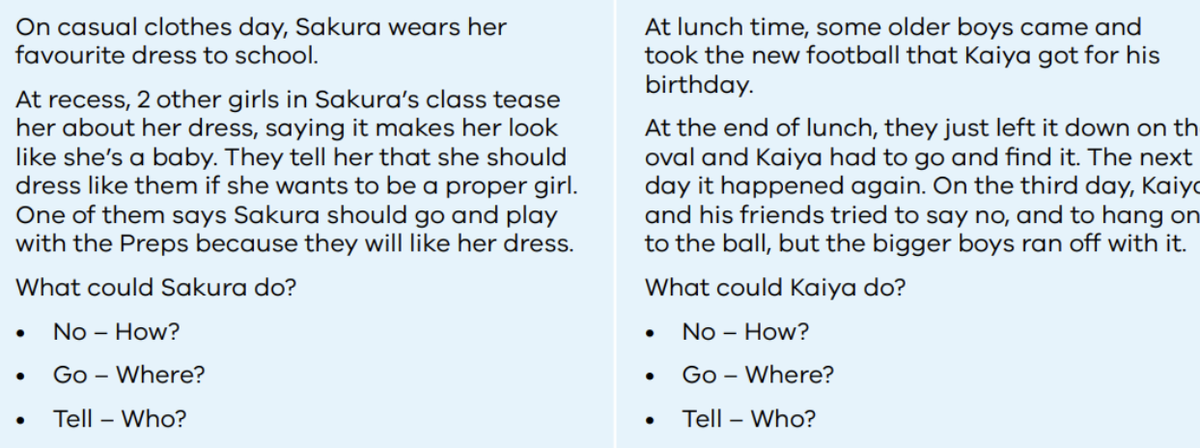
Year 3 and 4: Students will consider actions they can take if they encounter a situation that makes them feel unsafe. They will learn the three key steps on the No, Go, Tell Model.
Things you can do at home: Talk through the scenarios.
Year 5: Students will explore power relations within interpersonal relationships, including what it feels like when a person with power or influence does not respect the needs or rights of the person they have power over. Students will look at data and compare it to their experiences at school.
Things you can do at home: Fair or unfair?
Recognising feelings
Remind your child that they can always seek help from a trusted adult if they feel uncomfortable or are concerned about the way someone is treating them.
Year 6: Students will explore the word, 'respect' and consider active respect in their peer relationships. They will work on some scenarios to provide useful advice when respect is not being shown.
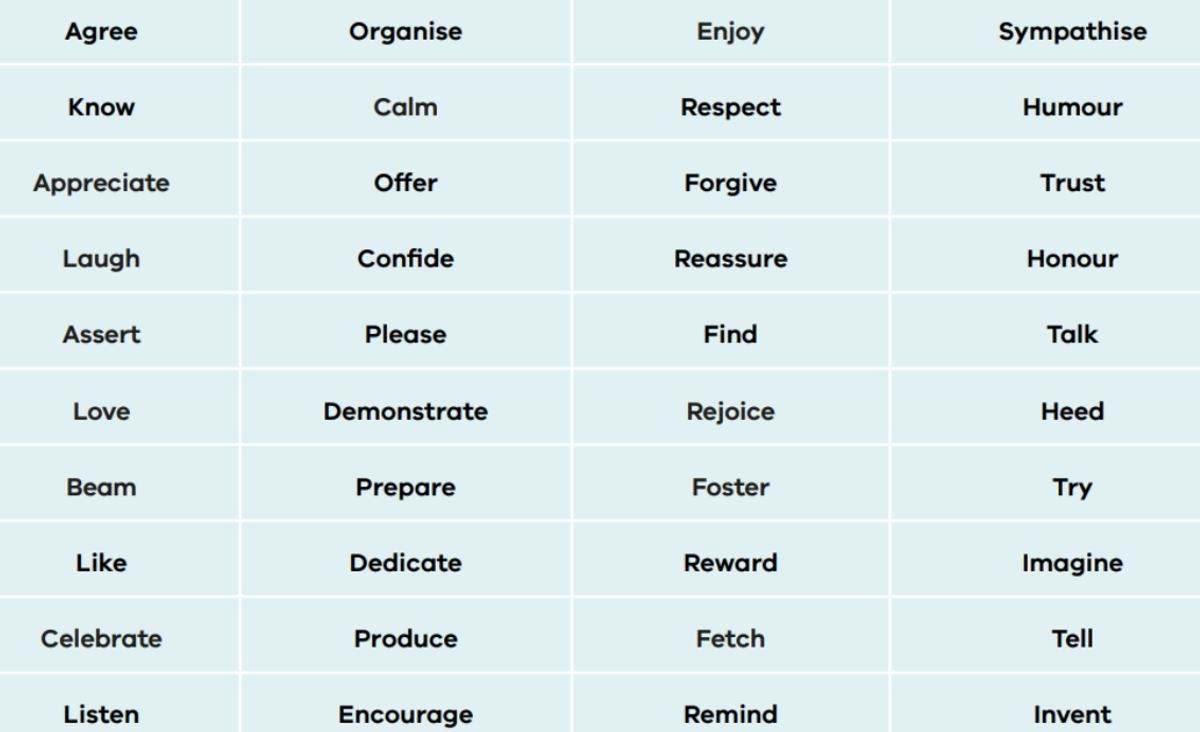
Things you can do at home: Below are a list of 40 positive verbs.
If there are any topics in the Mental Health and Wellbeing space that you would like additional information about, please reach out.
Fiona Robinson
frobinson@sjeuroa.catholic.edu.au
Click to access past resources