Term Four News
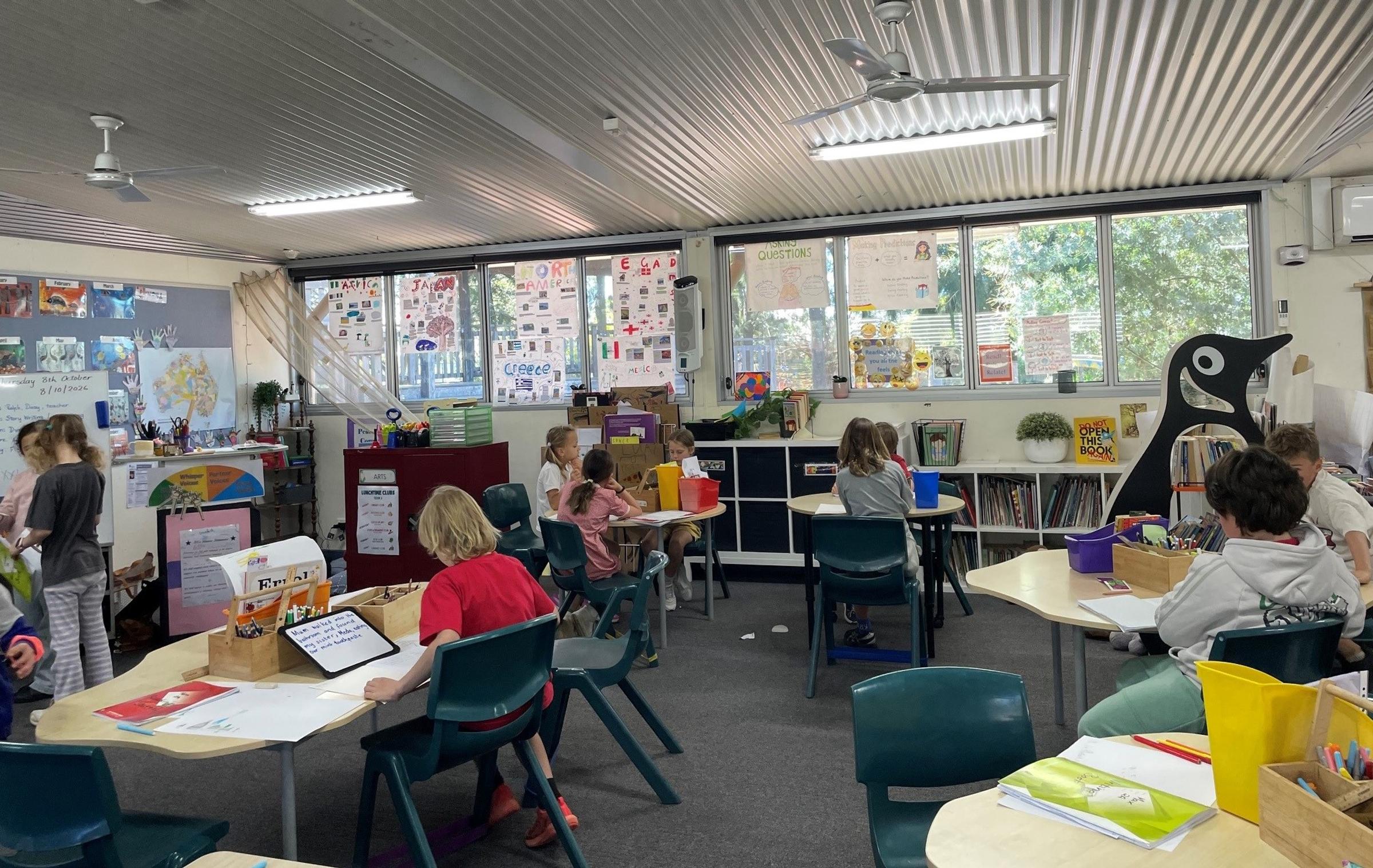
Welcome Back to Term 4 in Year 2!
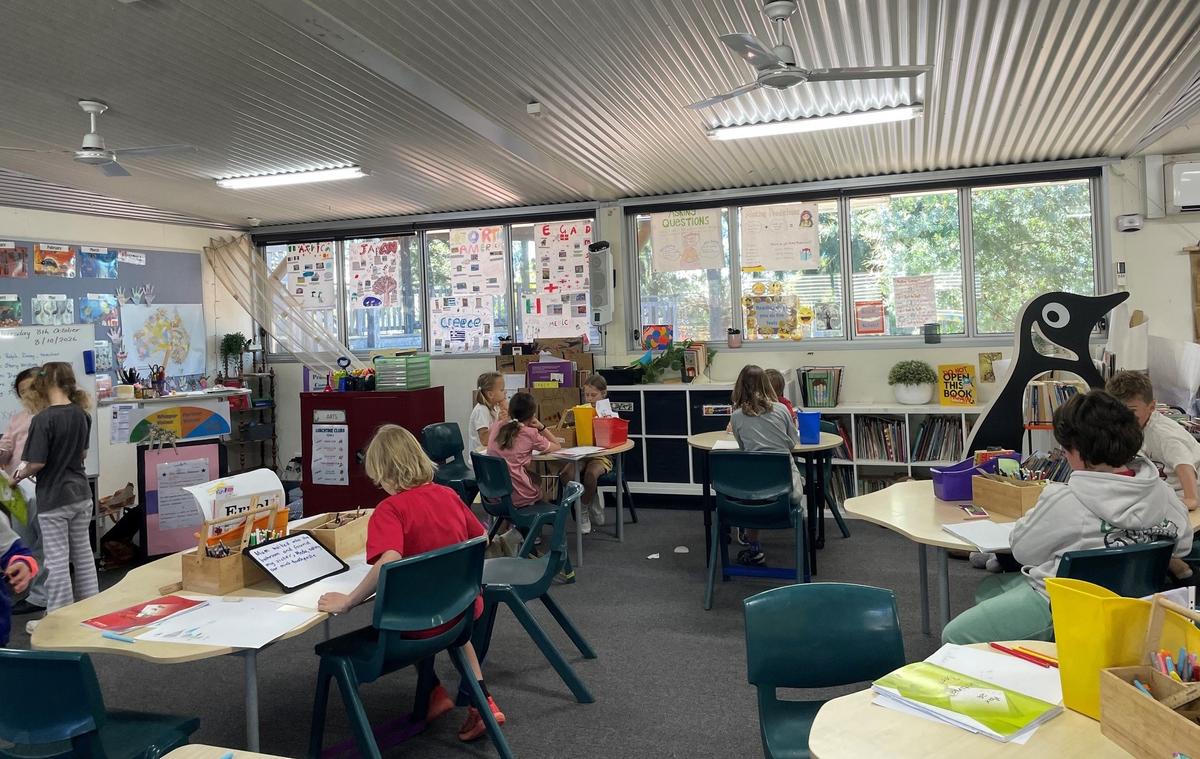
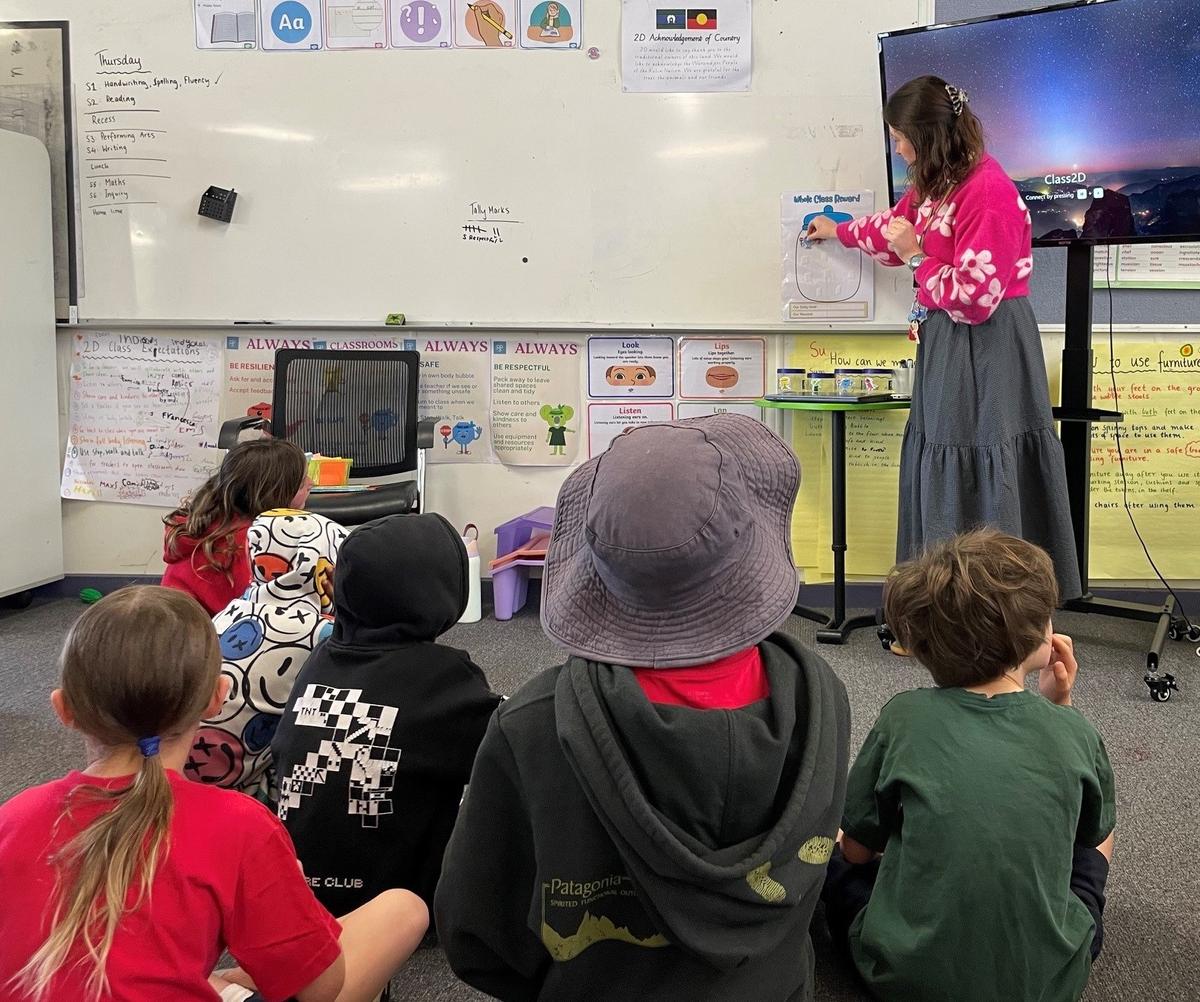
The students have had a good start in the first week of term and have adapted to the impact of daylight saving time. Each day we’ve seen improvements in the way that students have adjusted to classroom routines and students have already enjoyed exploring concepts such as fractions, summarising in reading and how to write narratives.
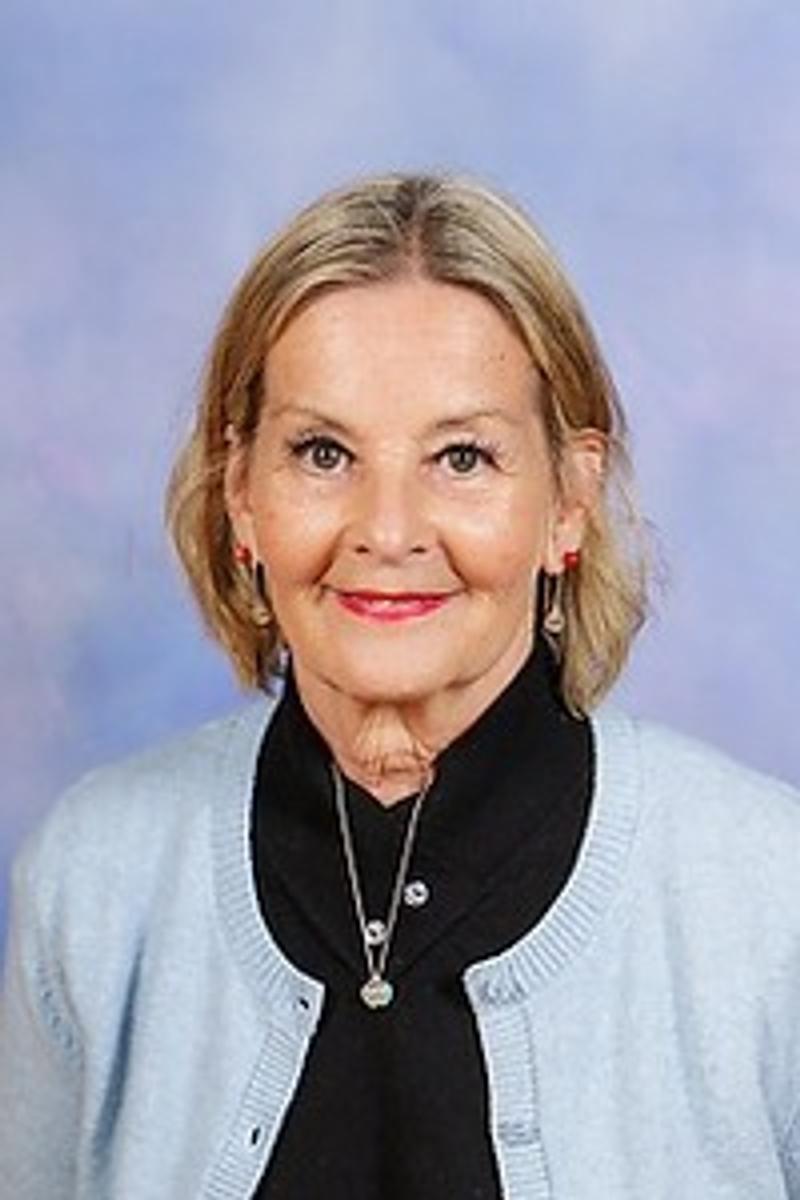
2A - Michele
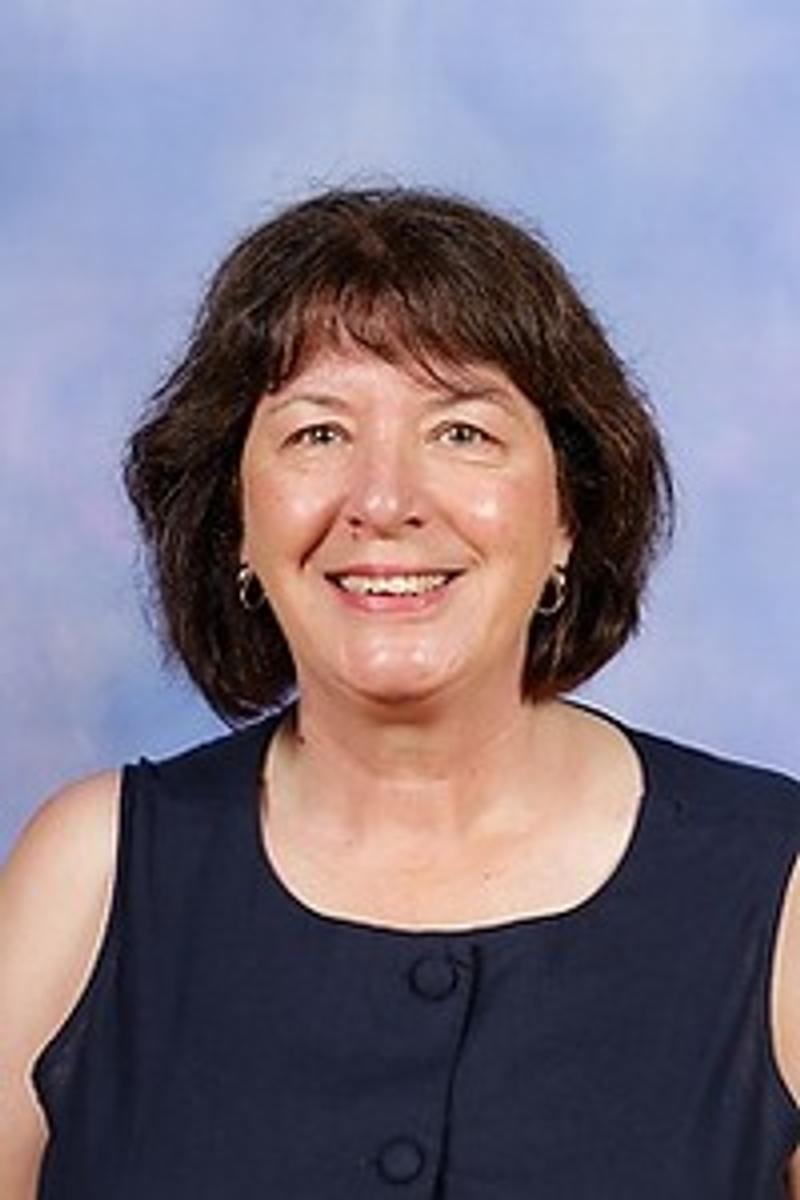
2B - Elise

2C - Brendan
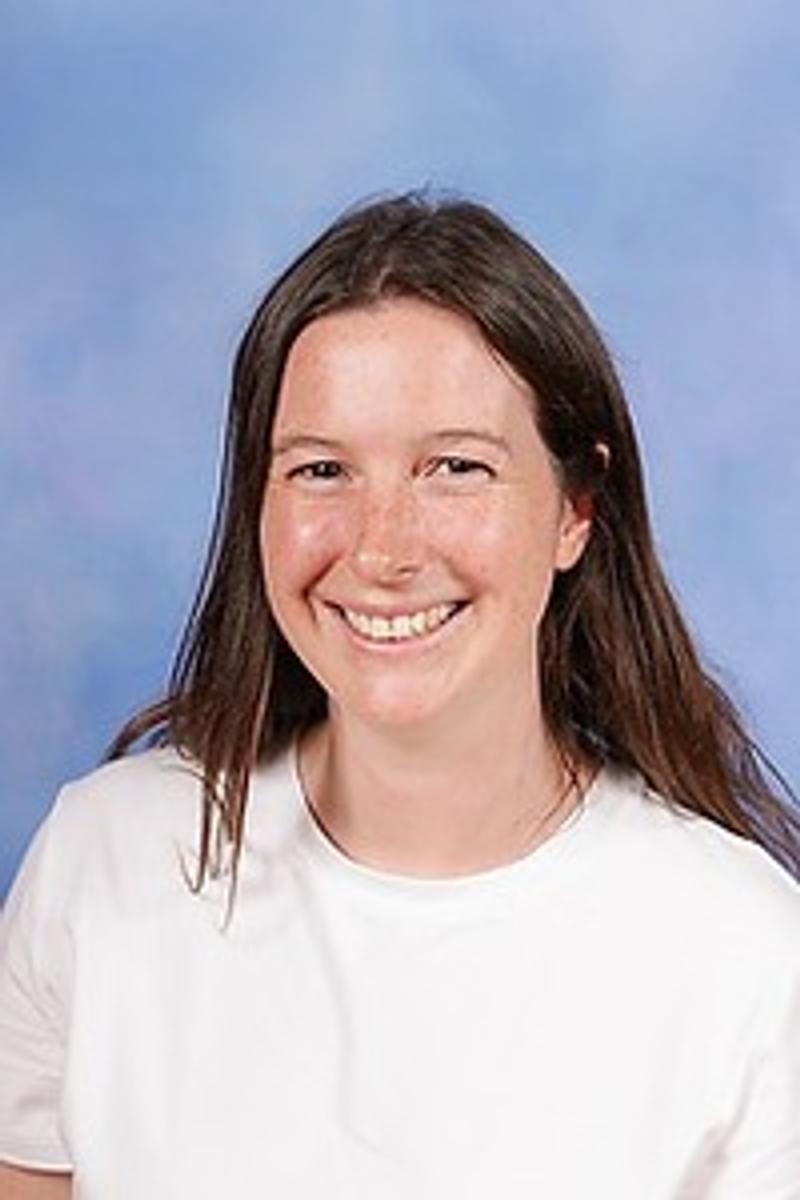
2D - Emily
2A - Michele
2B - Elise
2C - Brendan
2D - Emily
This term, the Year 2 students will have the opportunity to participate in a range of special events and activities, these include:
- Cyber Safety Incursion
- Junior Maths Incursion
- Edendale Farm Excursion
- Junior Sports Day
Keep an eye out on Compass for details.
Literacy
Students will work on the comprehension strategies of predicting, summarising, connecting, questioning, and the skill of inferring in reading this term.
To practise fluency skills, students will read short texts to a partner focusing on expression, accuracy, phrasing and paying attention to punctuation. Students will also focus on extending their vocabulary by examining examples of specific language in various contexts including their weekly fluency texts.
As part of our literacy program, we focus on learning about sound parts in words. As a class, we will explore several activities which strengthen their phonemic awareness, spelling and decoding skills.
We use the Sound Waves program to explicitly teach spelling. Students will explore graphemes (e.g., ‘ew’, ‘tch’) and review and extend their understanding about suffixes (e.g., ‘s’, ‘es’). Students will also continue to explore compound words, contractions and homophones.
Through shared readings, we will focus on the literary features of narratives, such as settings, characters, problems and solutions.
To support this learning at home:
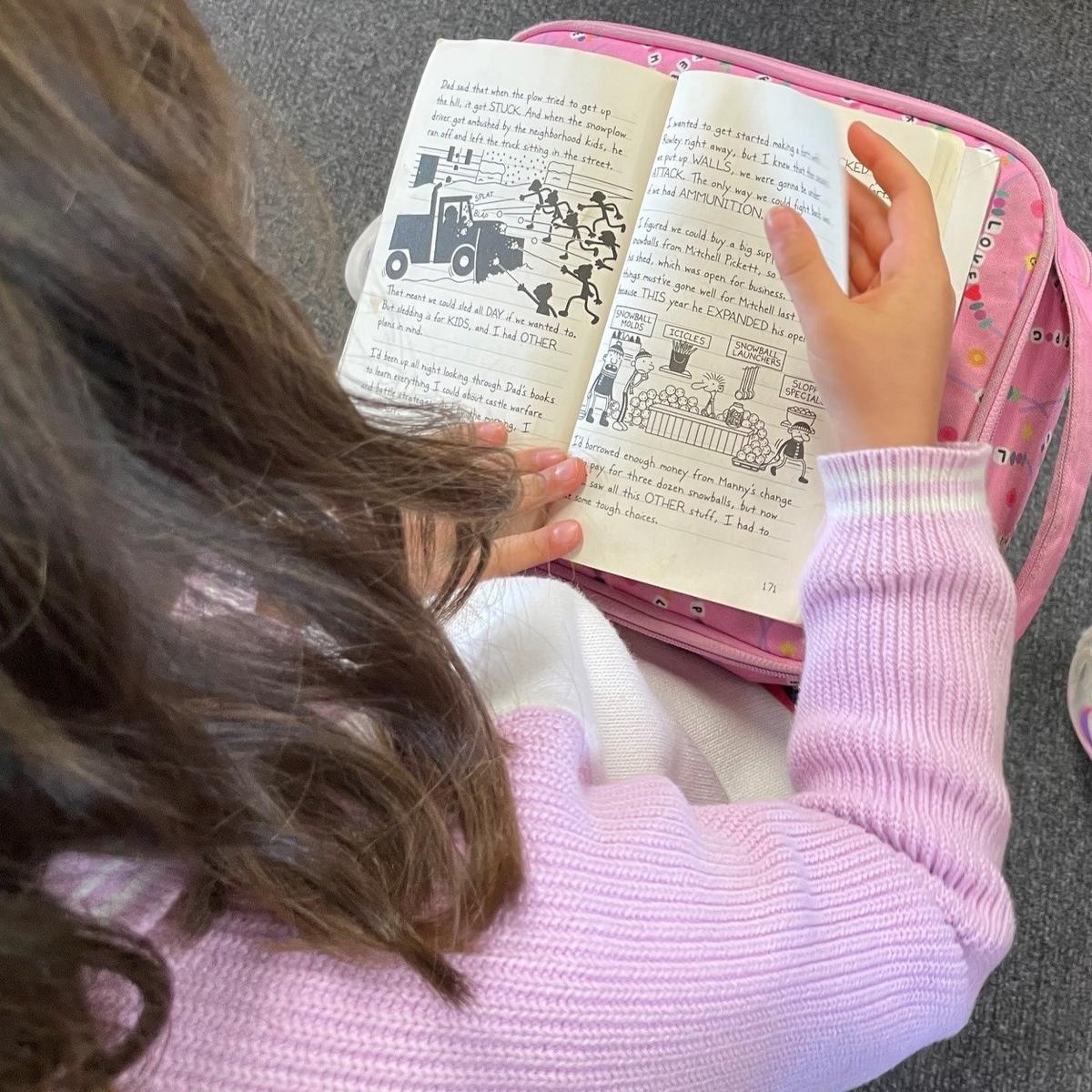
- Encourage your child to read books at home (both fiction and nonfiction) and remember to change their library book regularly. Some students may have a home reader and take the same book home over a few nights – this also helps to strengthen their fluency skills. Some students may have a chapter book from the library to read.
- Keep track of new vocabulary in books and look up the meaning of the words. They could then write these new words in sentences.
- Utilise your local library for additional books.
- Encourage your child to notice when they are reading a word incorrectly, and reread to correct the error.
- Ask your child questions about the story they have just read or stories that you have read to them such as:
- Prior Knowledge: Do you already know anything about the topic of the book? Did you learn anything from this book?
- Summarising: What was the story about? What happened in the beginning, middle, and end ...? Use: ‘Someone wanted but so then’ as a way to restructure the summary.
- Questioning: I wonder why the character…? I wonder what is going to happen next?
- Inferring: What do I know about this topic and which clues from the story have led me to this understanding? Note, some take home books have comprehension questions at the end.
- Ask your child what new words they have learned in vocabulary lessons. Can they remember the definition and use it correctly in a sentence?
Writing
In our syntax lessons, students will focus on verbs including past, present, and future tense, adverbs, and adjectives so that students can develop the complexity and accuracy of their sentences.
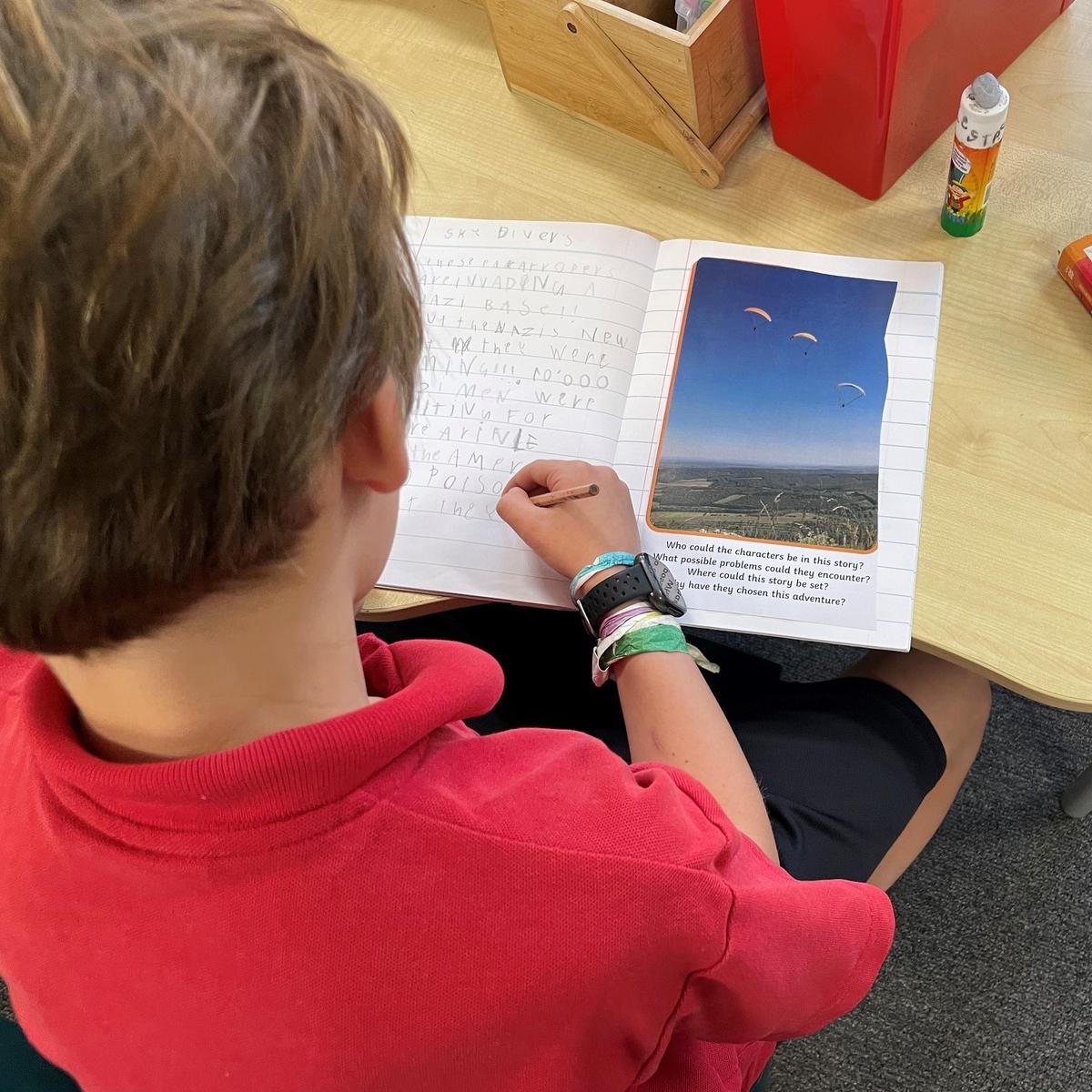
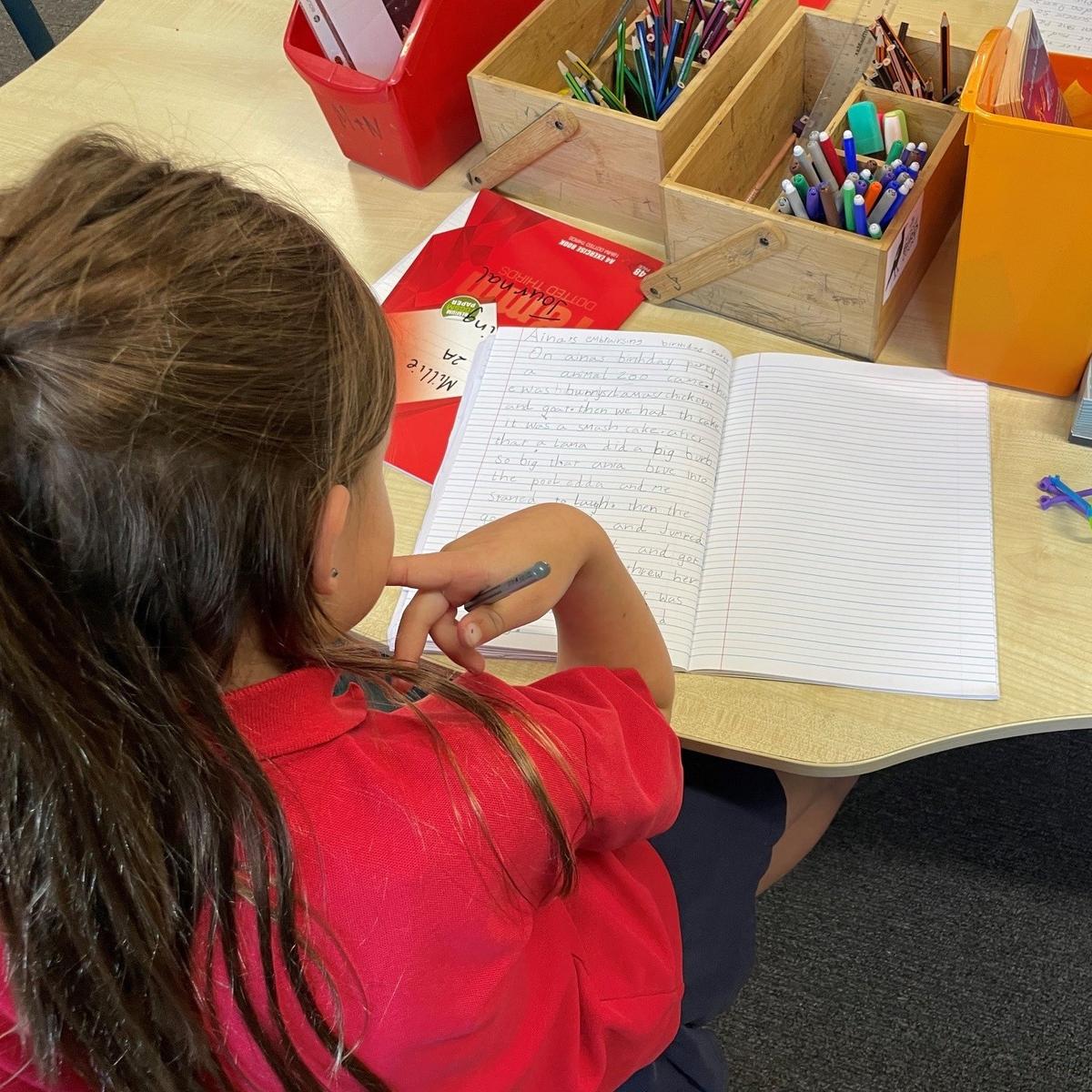
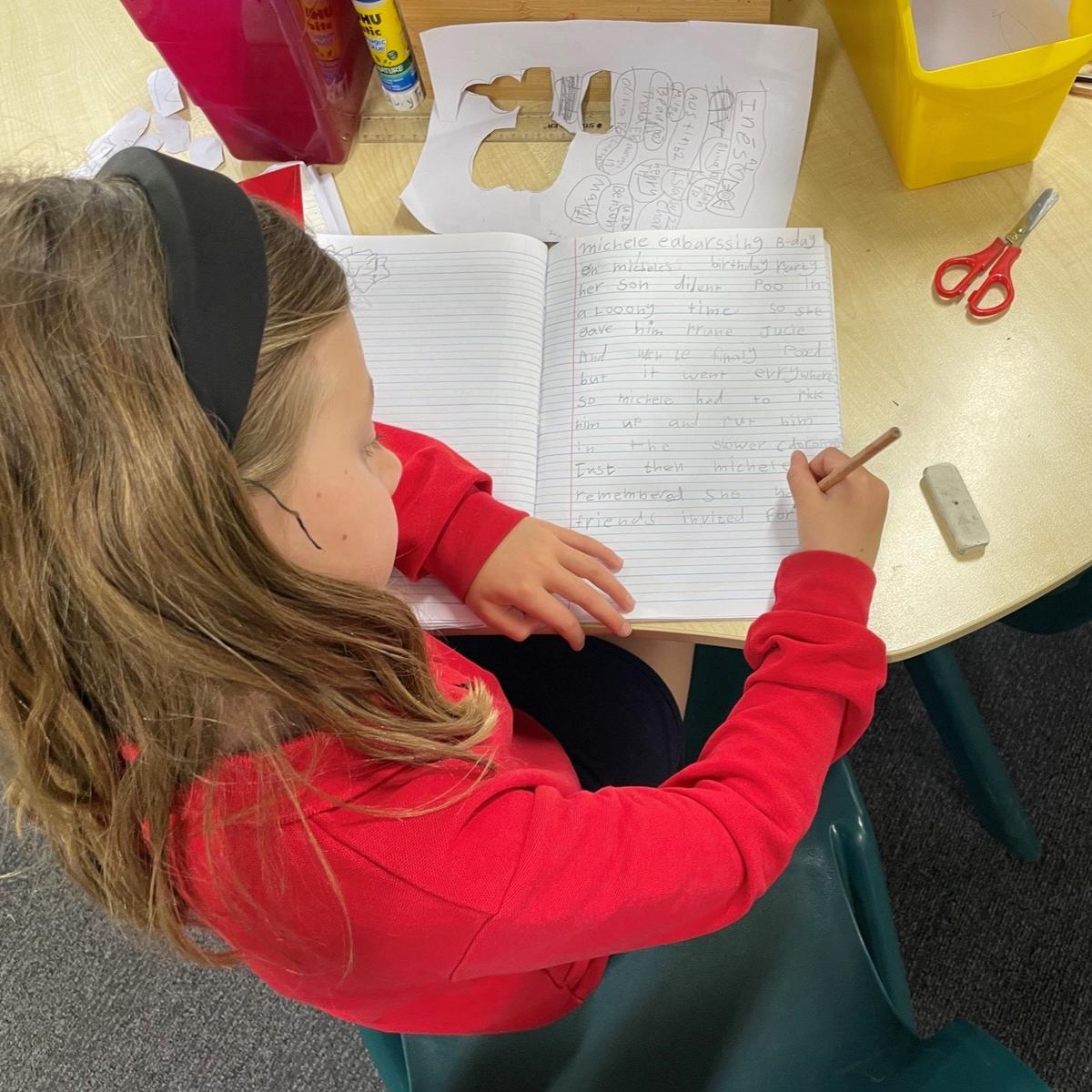
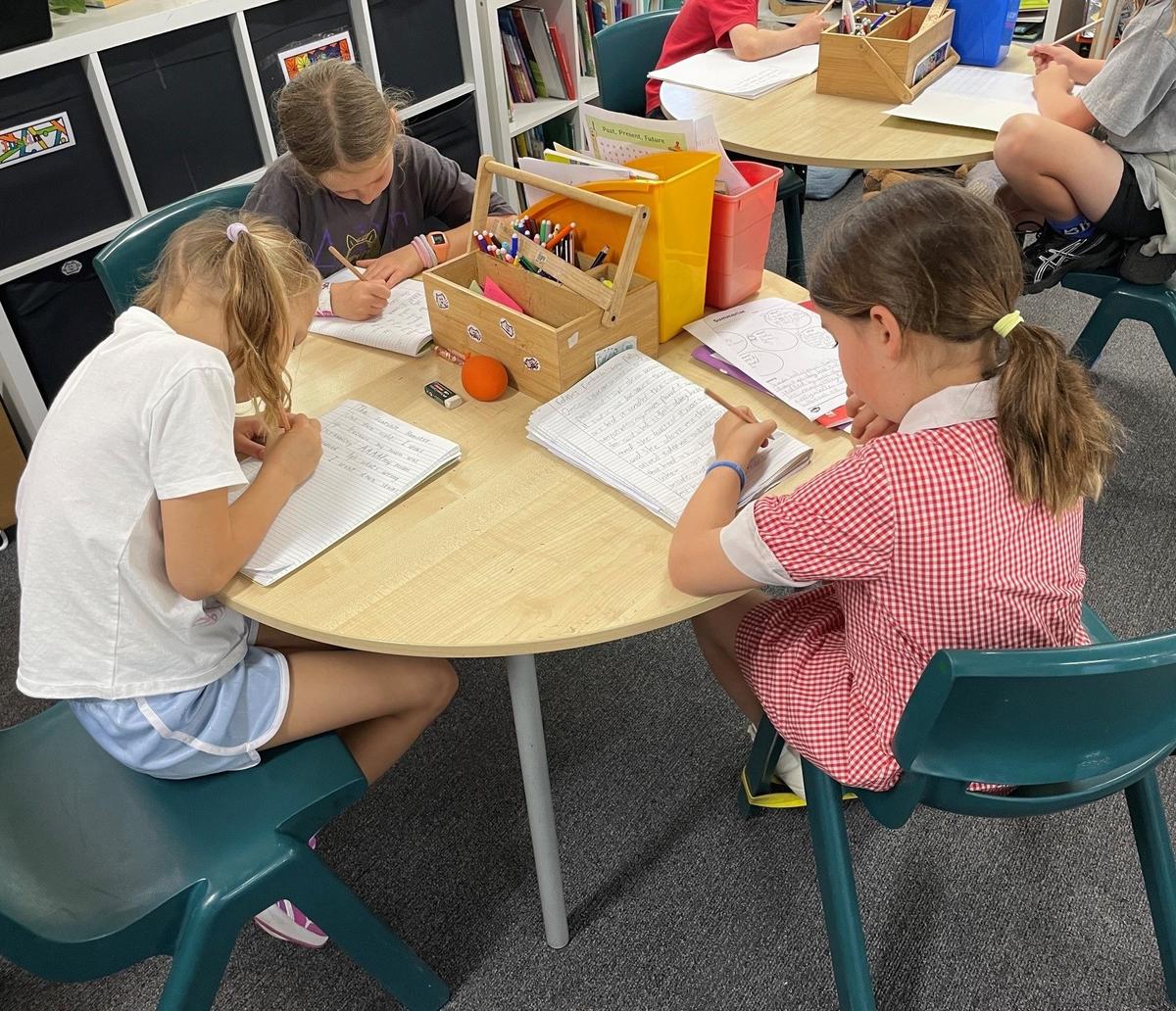
This term we are focusing on writing narratives. Students will be using the writing process (planning, drafting, editing, and publishing) to write their narrative. A narrative includes an account of connected events about a topic with the intention to emotionally engage the reader.
Narratives feature:
- A beginning (introduction)
- The setting (scene)
- A middle (problem)
- An ending (solution)
- Characters with interesting traits
- Various perspectives (depending on the story)
- Literary features such as similes, powerful verbs, descriptive adjectives, adverbs, etc.
To Support this Learning at Home:
- To inspire writing ideas, collect objects such as photographs, pictures cut from magazines, or any other found item from family holidays.
- Encourage your child to create a picture, drawing or collage that visually represents their ideas.
- Encourage your child to write in all kinds of real-life or make believe contexts.
- Discuss topics that they are passionate about.
- Encourage your child to read their writing aloud.
- Encourage your child to read different genres of books such as fantasy or mysteries to build their understanding of the elements of these genres.
- Discuss elements of stories you read with your child at home and talk about interesting uses of language.
- Practise forming lower-case letters and using spaces between words, as well as identifying words that need capital letters.
Numeracy
This term our focus in number includes fractions, mass, capacity and money. Students will look at halves, quarters, and eighths of shapes and collections. Students will explore these concepts by paper folding, and using play dough to make models.
When exploring money, they will be counting and ordering small collections of Australian coins and notes, according to value. They will also look at representing money in multiple ways and count change required for simple transactions to the nearest five cents.
To Support this Learning at Home:
- When cooking, talk about terms such as half a cup, quarter of a cup. Cut an orange into quarters, then eighths.
- Encourage students to count coins and perform simple calculations.
- Revise reading numbers up to 1000 or higher.
Food Design & Technology
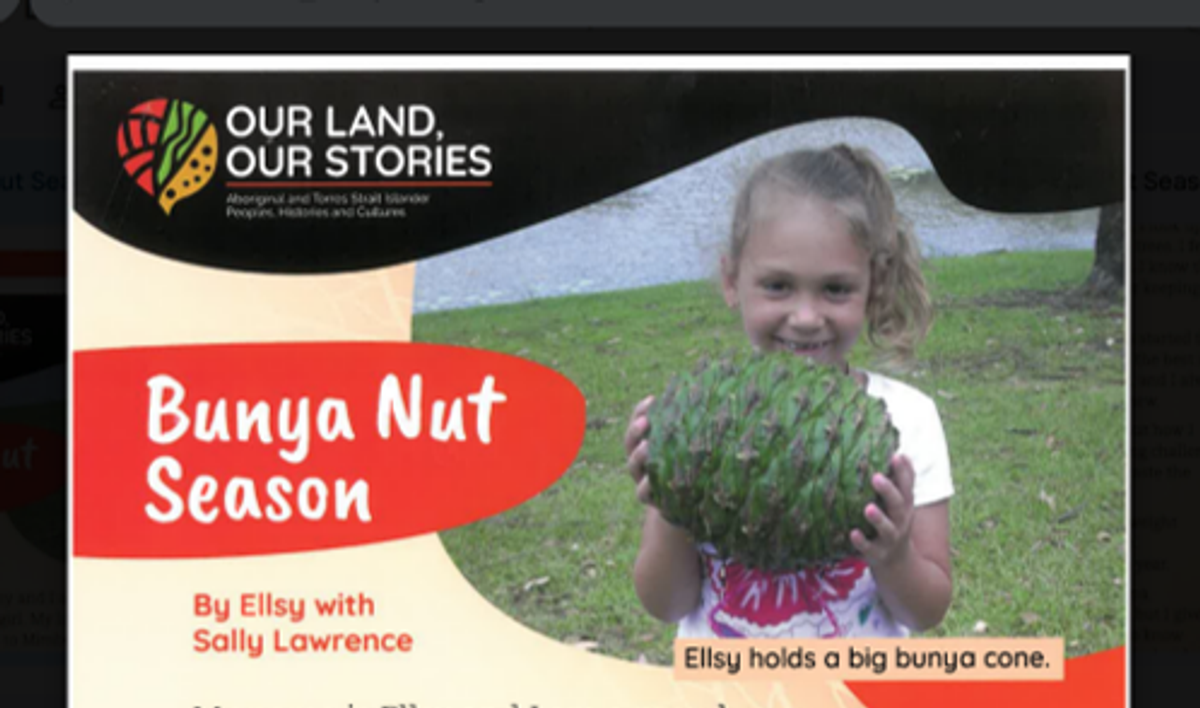
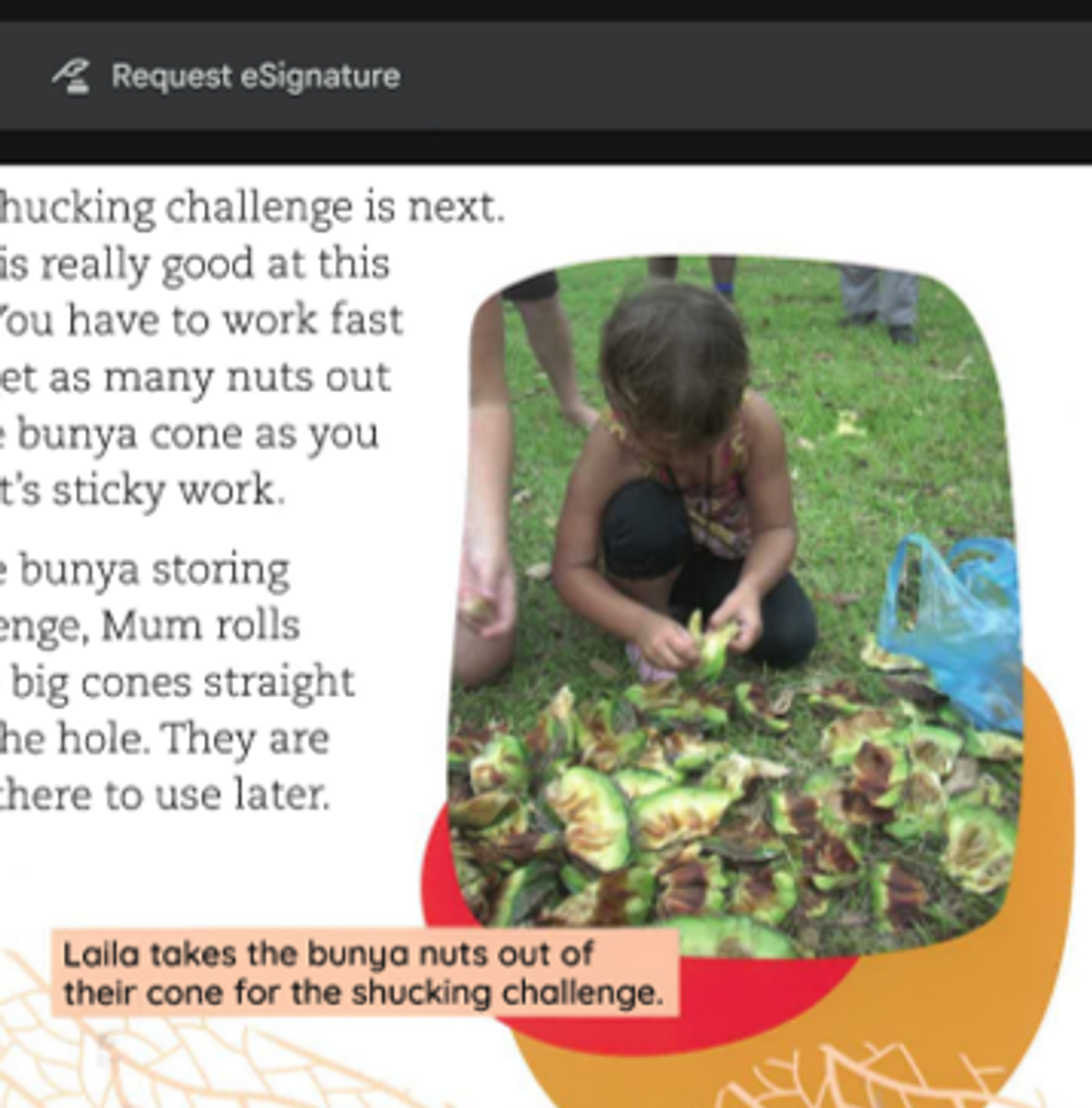
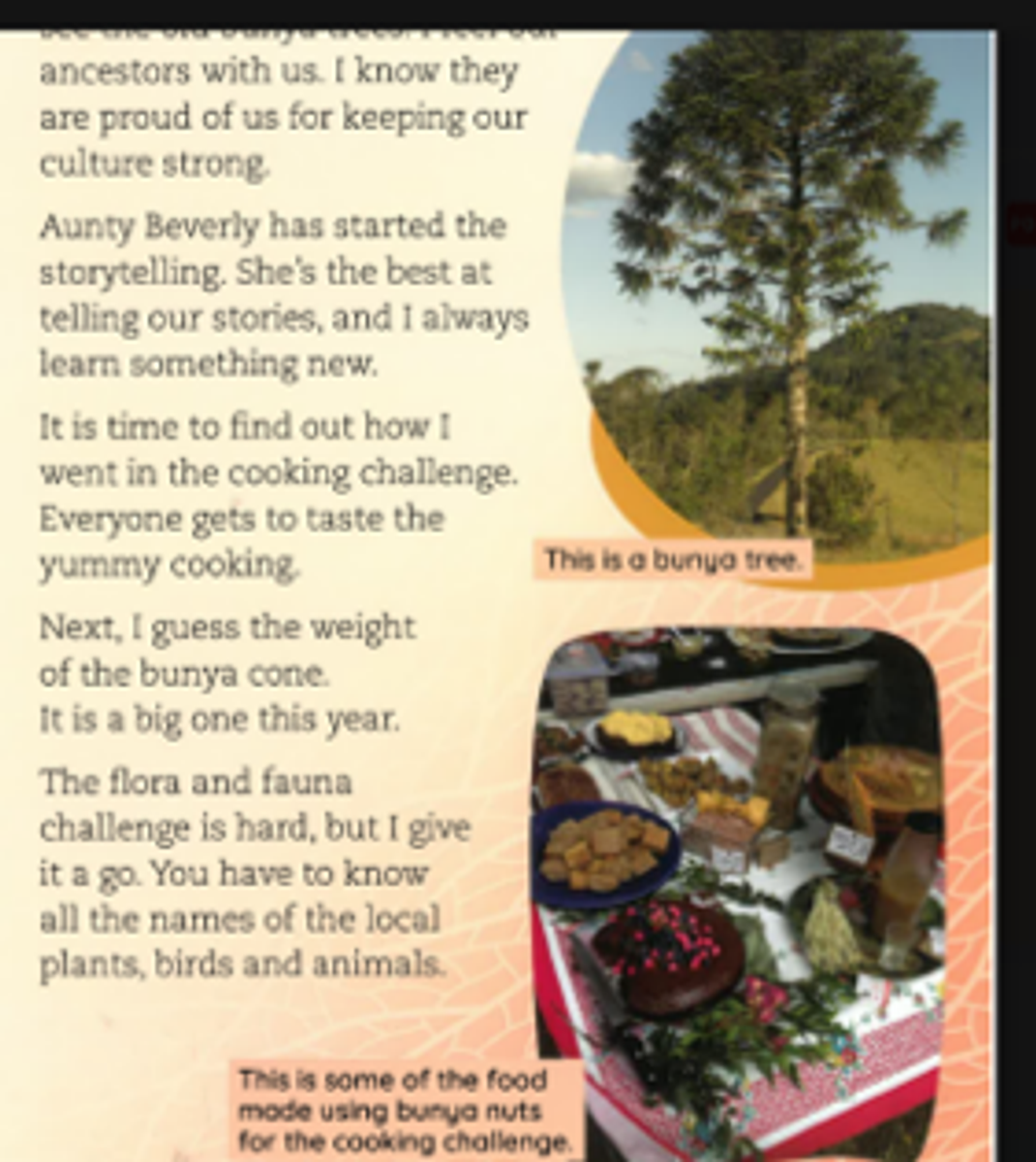
Students will be learning about how food is grown, and the use of technologies in this area, including using resources such as, ‘Our Land, Our Stories’ to learn about Indigenous Perspectives.
Specialist Subjects
Performing Arts
We will continue with playing music on our recorders. We will use this knowledge and combine it with our skills in playing other instruments like Orff xylophones and ukuleles to create musical arrangements befitting celebrating the end of 2026.
Physical Education
At the start of each lesson this term we will be warming up using skipping ropes. Students will be challenged to skip both forwards/backwards and perform basic footwork tricks while skipping. Students will also continue practising their fundamental motor skills such as throw and strike and will use these skills in minor games.
Science
Continuing on from last term’s learning covering Physical Science, the students will use their knowledge of forces to create an arcade game. They have studied pushes, pulls and gravity and will apply their understanding as they follow the design process to research, design, create and test their arcade games.
Visual Arts
Our Hero’s Gallery at ART FOR ALL proved to be so inspirational. I hope you had an opportunity to see your artist’s work proudly exhibited beside Vincent Namatjira’s.
This term, students will continue to work with textile art, manipulating fibres to form finger knitting. They will rediscover clay, moulding a pinch pot with a gum tree and building slabs as the face of a hero.
French
Students are strengthening their use of everyday language through our morning routine, discussing the calendar, the days of the week, aujourd’hui (today), demain (tomorrow), the weather (la météo) and the current season (les saisons). They are revisiting vocabulary from last term and applying their knowledge in familiar classroom contexts.
Each week, students are focusing on a French sound through songs, rhymes and word exploration, developing their listening, pronunciation and understanding of the relationship between sounds and words.
Here's to a terrific final term!
Michele, Elise, Brendan, Emily & the Specialist Teachers