Wellbeing





























 Le Page Primary School

What to Do When Your Child Feels Left Out
Helping children navigate friendships, build confidence and feel they belong 🫶🏻
Friendships are an important part of childhood, but they aren't always easy. There may be times when your child comes home feeling sad because they weren't invited to play, couldn't join a game, felt left out of a group or noticed their friends spending time with someone else.
For children, these moments can feel enormous. What might seem like a small friendship hiccup to an adult can feel like the end of the world to a little person.
The good news is that these experiences also provide valuable opportunities to help children develop empathy, confidence, communication skills and resilience.
Here are six gentle ways you can support your child when they feel left out.
1. Listen Before You Try to Fix It
Sometimes children don't need an immediate solution – they just need someone to listen.
Give your child the opportunity to talk about what happened without jumping straight into advice. Acknowledge their feelings with phrases such as:
- "That sounds like it really hurt your feelings."
- "I can understand why you felt sad."
- "It's okay to feel disappointed when things don't go the way you hoped."
Letting children know their feelings are valid helps them feel safe, understood and supported.
2. Help Them See the Bigger Picture
When children feel excluded, it's easy for them to believe nobody likes them or that they don't have any friends.
Gently help them look at the situation from another perspective. Was it a one-off misunderstanding? Were other children already playing a particular game? Could there have been another reason?
Remind them that one difficult moment doesn't define their friendships or their worth.
3. Encourage Them to Take the First Step
Help your child develop the confidence to approach others and build connections.
Practise some simple conversation starters at home:
- "Can I play too?"
- "Would you like to play with me?"
- "Can I join your game?"
- "Would you like to sit with me?"
These small steps can make a big difference in helping children feel more confident when navigating social situations.
4. Remind Them That Friendship Isn't About Everyone Liking You
An important lesson for children is that they don't need to be friends with everyone – and not everyone will always want to play the same games or spend time together.
Encourage your child to look for friendships where they feel comfortable, respected and valued.
Help them understand that a good friend is someone who makes them feel included, listens to them and treats them kindly.
5. Build Their Confidence Beyond Friendships
Children who feel confident in themselves are often better equipped to manage friendship challenges.
Encourage activities they enjoy, celebrate their individual strengths and create opportunities to connect with different children through sport, hobbies, clubs and shared interests.
Remind them that their value isn't measured by how many friends they have or whether they are included in every game.
6. Know When to Seek Extra Support
Occasional friendship disagreements and feeling left out can be a normal part of growing up. However, if your child is regularly feeling excluded, anxious about school, reluctant to attend or experiencing ongoing unkind behaviour, it's important to look a little deeper.
Keep communication open with your child and reach out to their classroom teacher or school wellbeing team. Working together can help ensure your child feels safe, supported and connected at school.
A Little Reminder for Parents and Carers
We can't prevent every friendship disappointment our children experience, and we don't need to.
What we can do is give them the tools to navigate these moments, the confidence to form healthy friendships and the reassurance that they are loved, valued and enough – exactly as they are.
Sometimes the most powerful thing we can say is:
"You won't always be included in every game, but you will always belong somewhere. Never change who you are just to fit in."
The 7 Habits Connection – Habit 1: Be Proactive
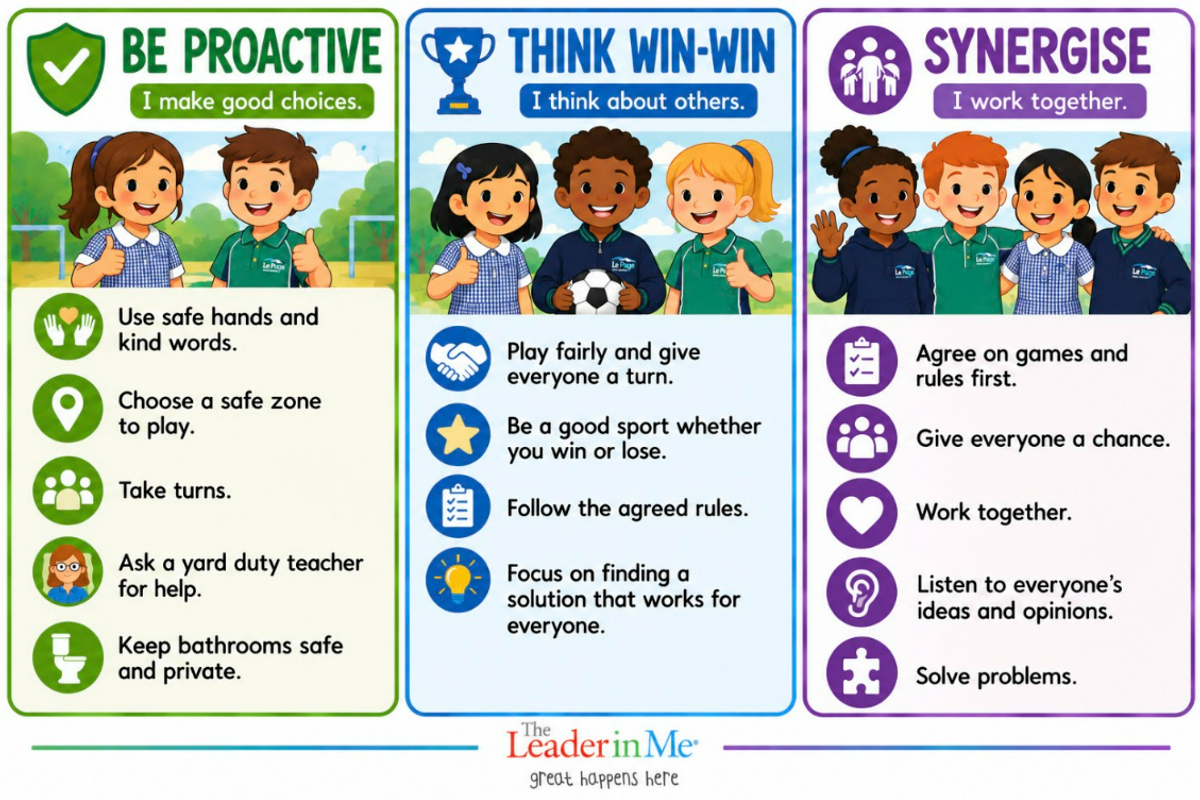
At Le Page Primary School, our Leader in Me journey encourages children to recognise that while they cannot always control what others say or do, they can choose how they respond.
Habit 1, Be Proactive, reminds us that we have the power to make positive choices. Children can choose to use kind words, invite someone else to play, take a deep breath when feelings are hurt and look for positive ways to move forward.
A simple conversation starter at home could be:
"What is one thing you could do tomorrow to help someone else feel included?"
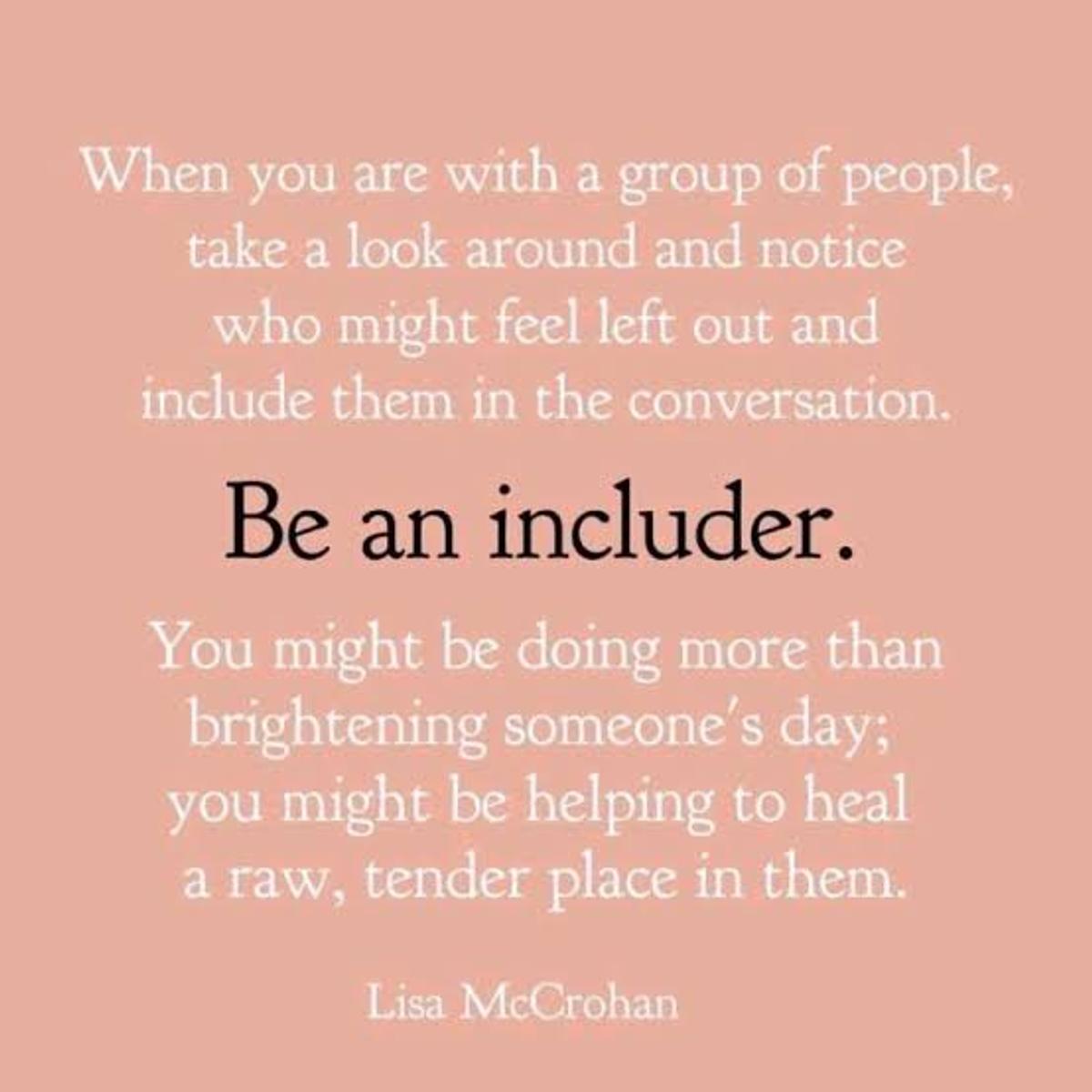
Because sometimes, the best way to feel like you belong is to help someone else feel that they do too.
Together, let's continue building a school community where every child feels seen, valued and included.