STEAM News








 Ormond Primary School

Foundation
Exploring Plant Features
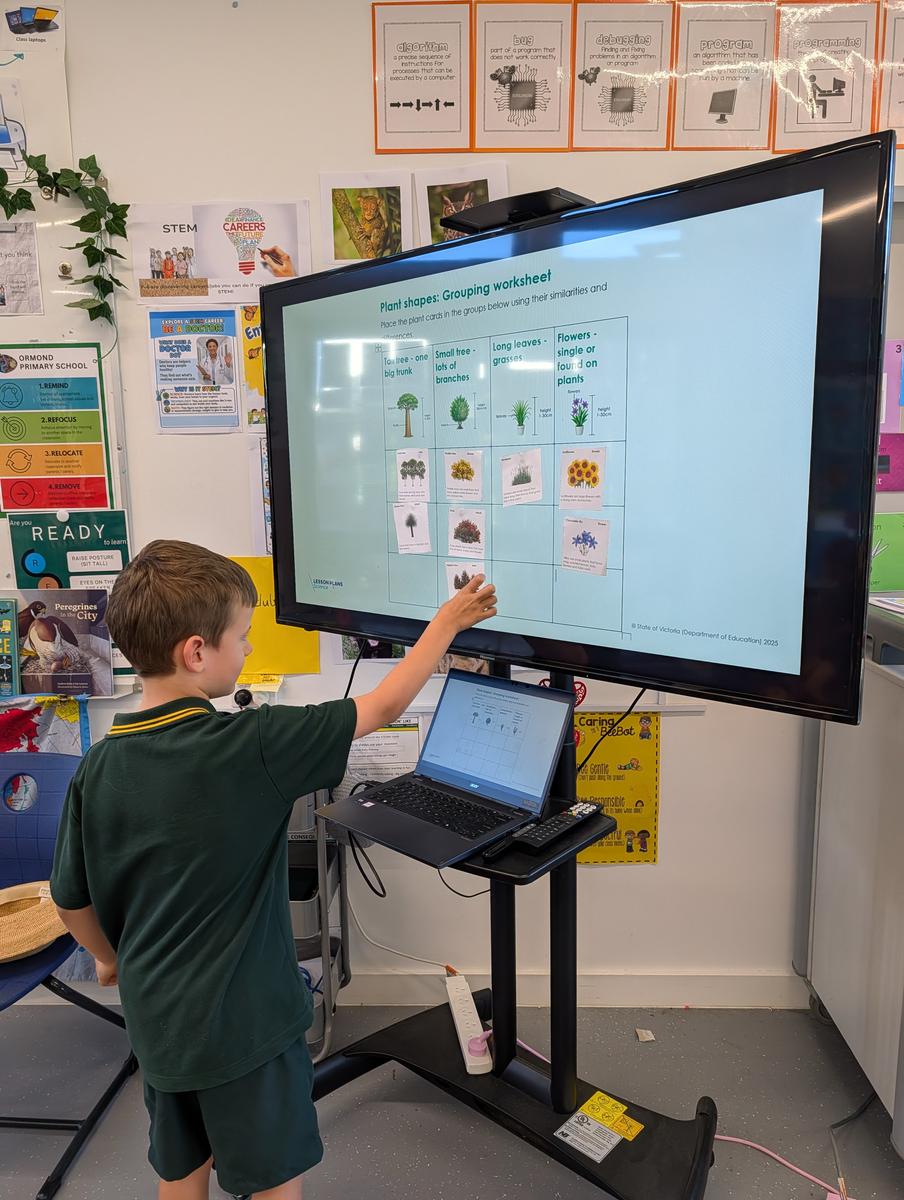
Over our recent biological sciences sessions, we have been looking closely at the plants around our school and garden to discover what makes them alike and what makes them different. Students are practicing how to look closely at observable features—such as the shape, size, and color of leaves, the texture of stems, or whether a plant has flowers or fruit. Children are sorting and categorising plants into groups based on shared characteristics (such as tall trees, flowering plants, grass types, or small bushes).
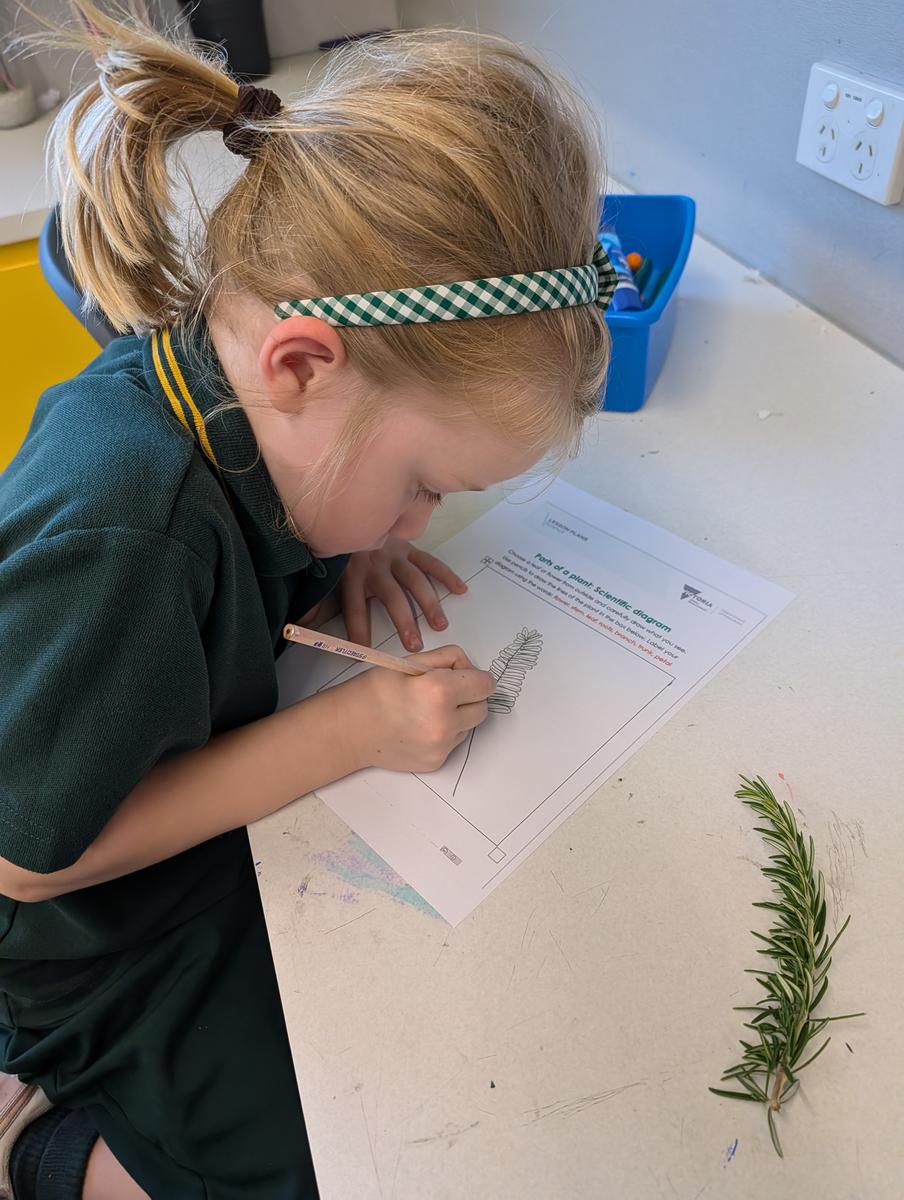
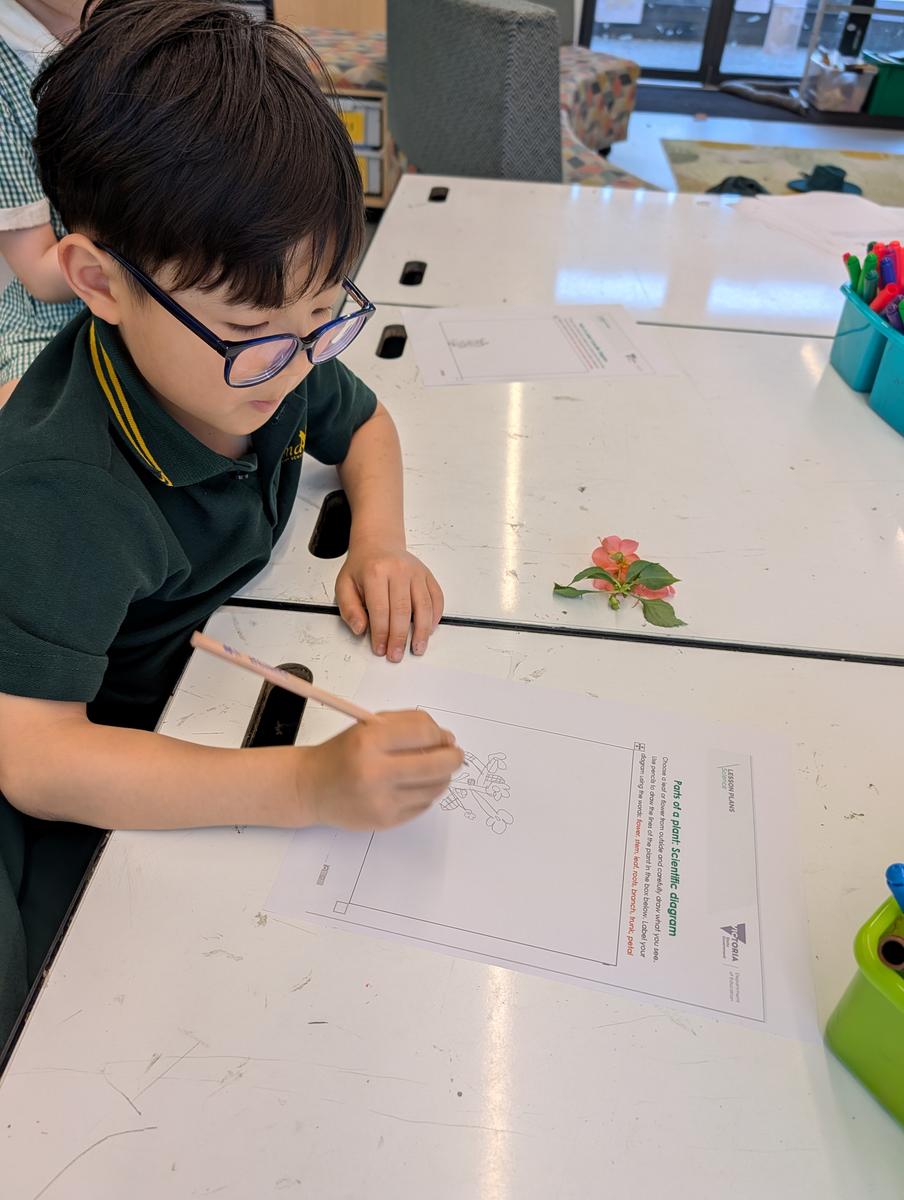
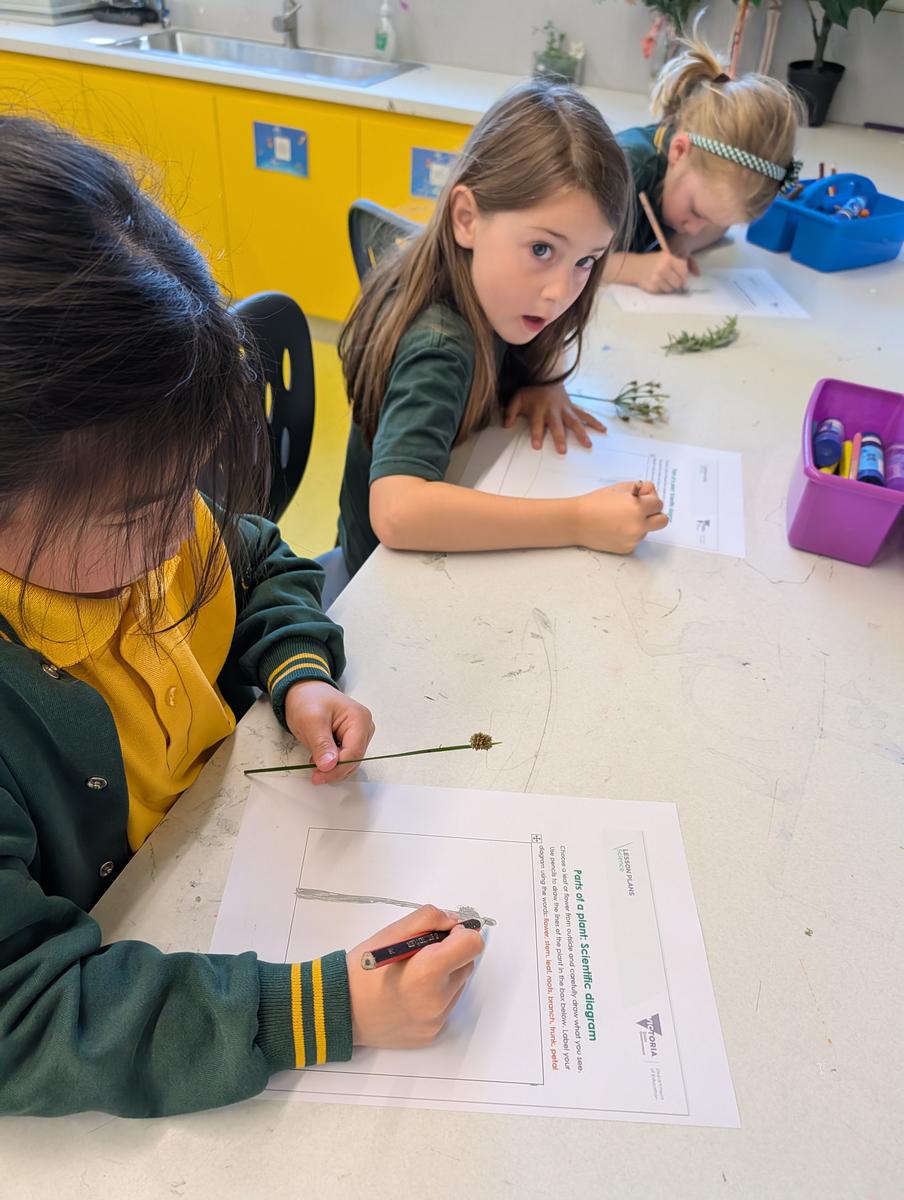
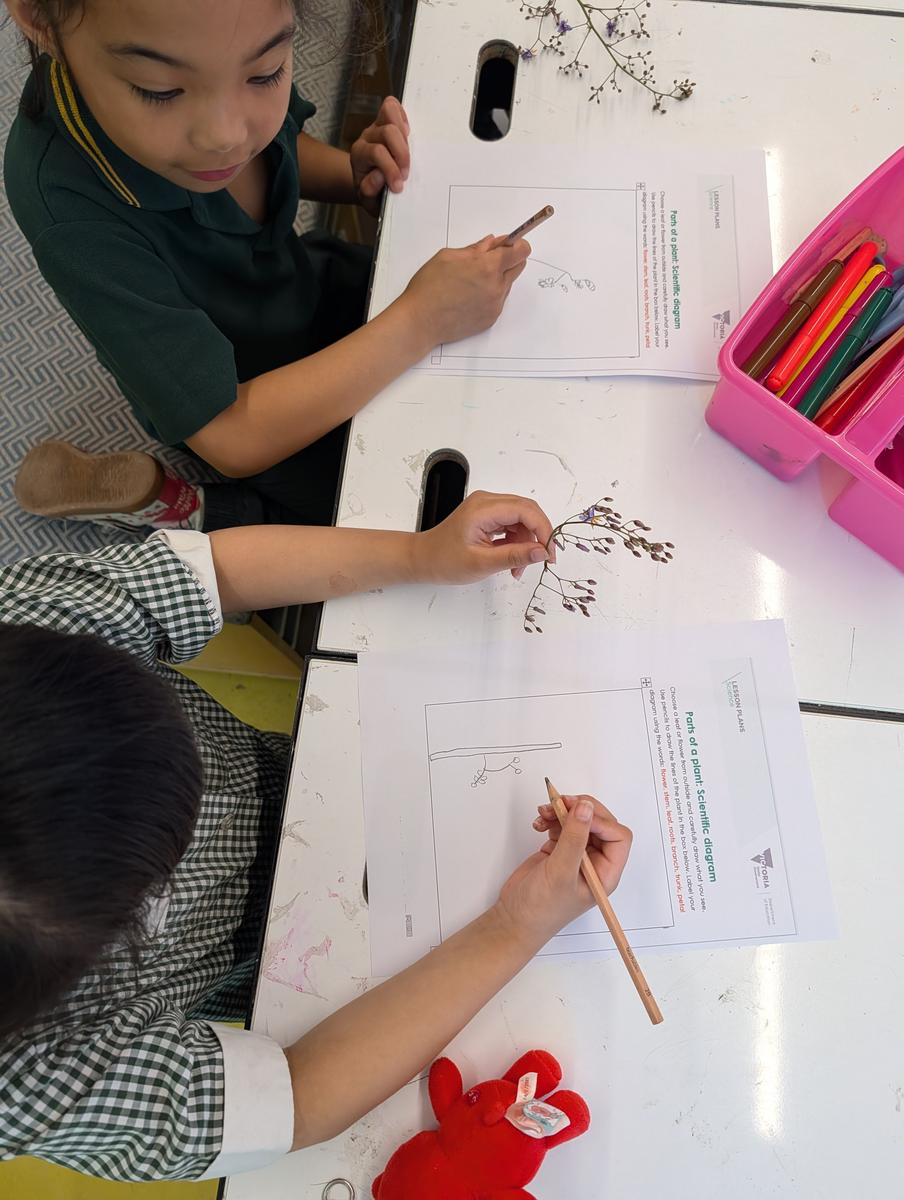
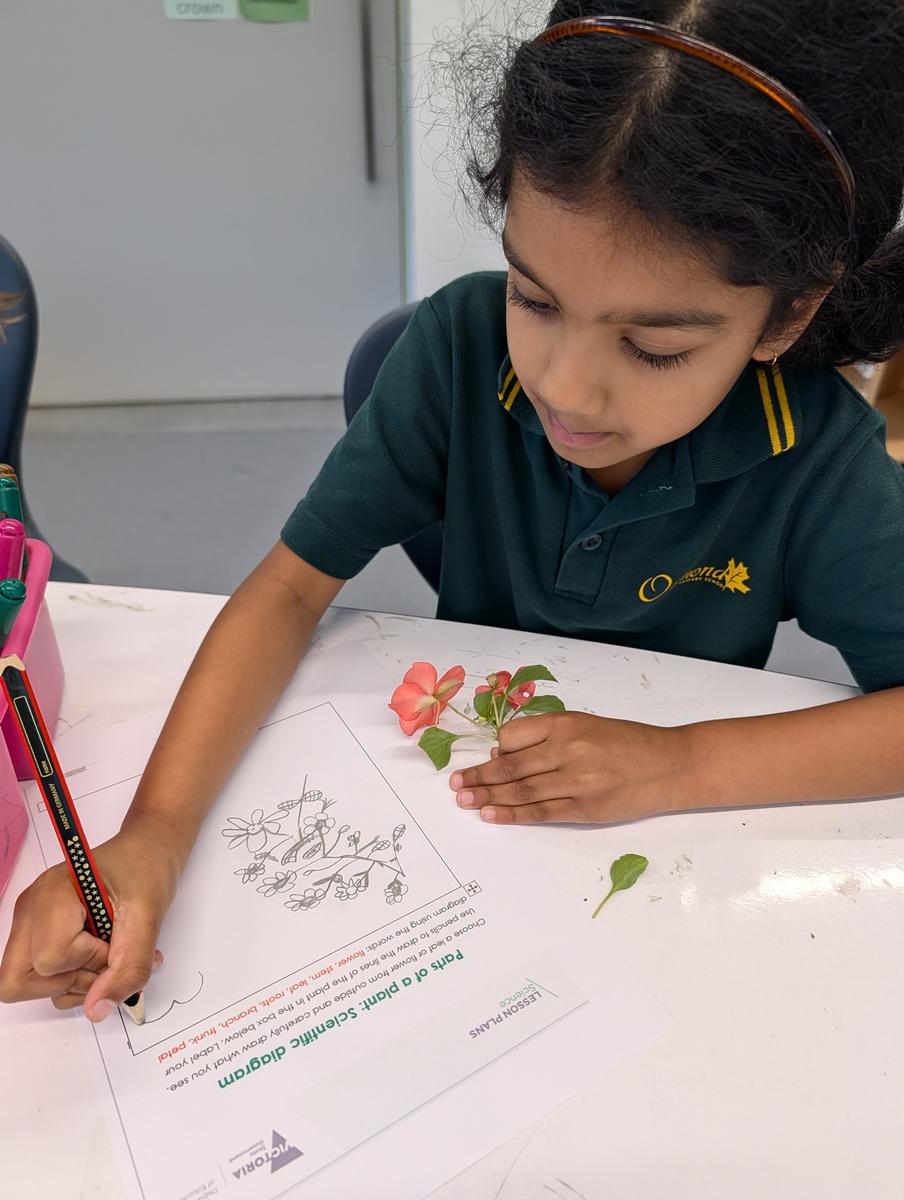
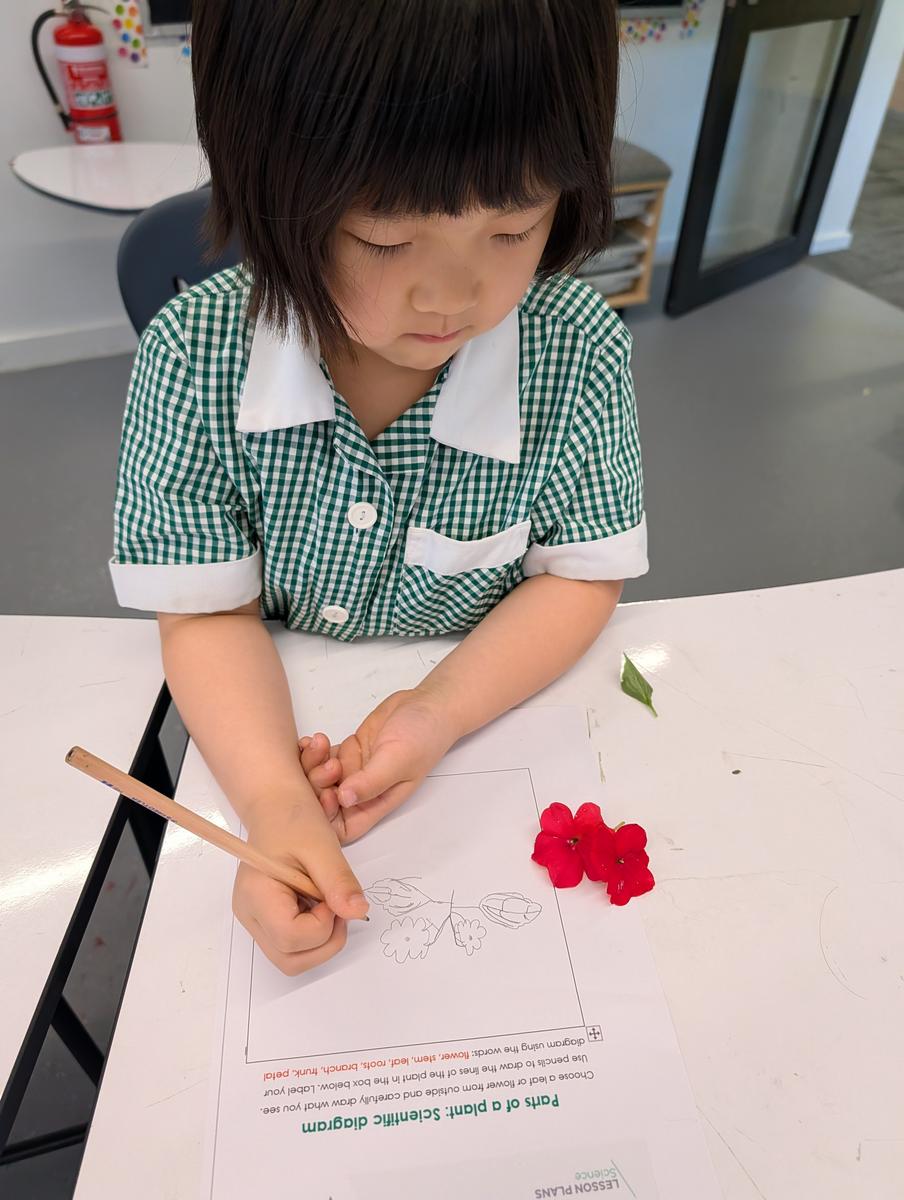
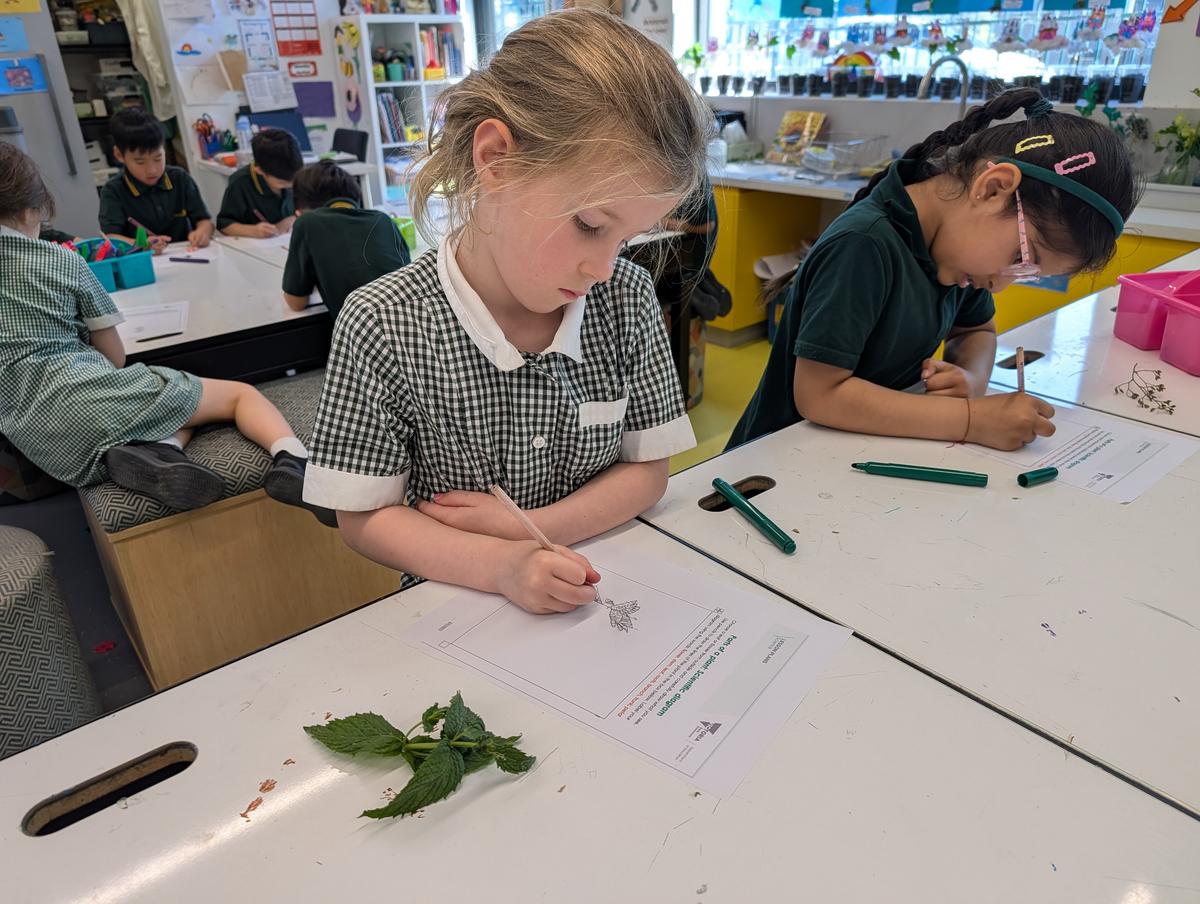
Our Foundation students took their botany skills a step further by choosing a specific flower or leaf from our school grounds to observe in close detail. They looked like true scientists (botanists) at their specimens and created careful scientific diagrams, capturing the exact shapes, lines, and textures they saw. Once their drawings were complete, the children labelled their diagrams with key observable features, such as stems, petals, veins and blades.
Year 1/2
Discovering the Meat Eating Plants
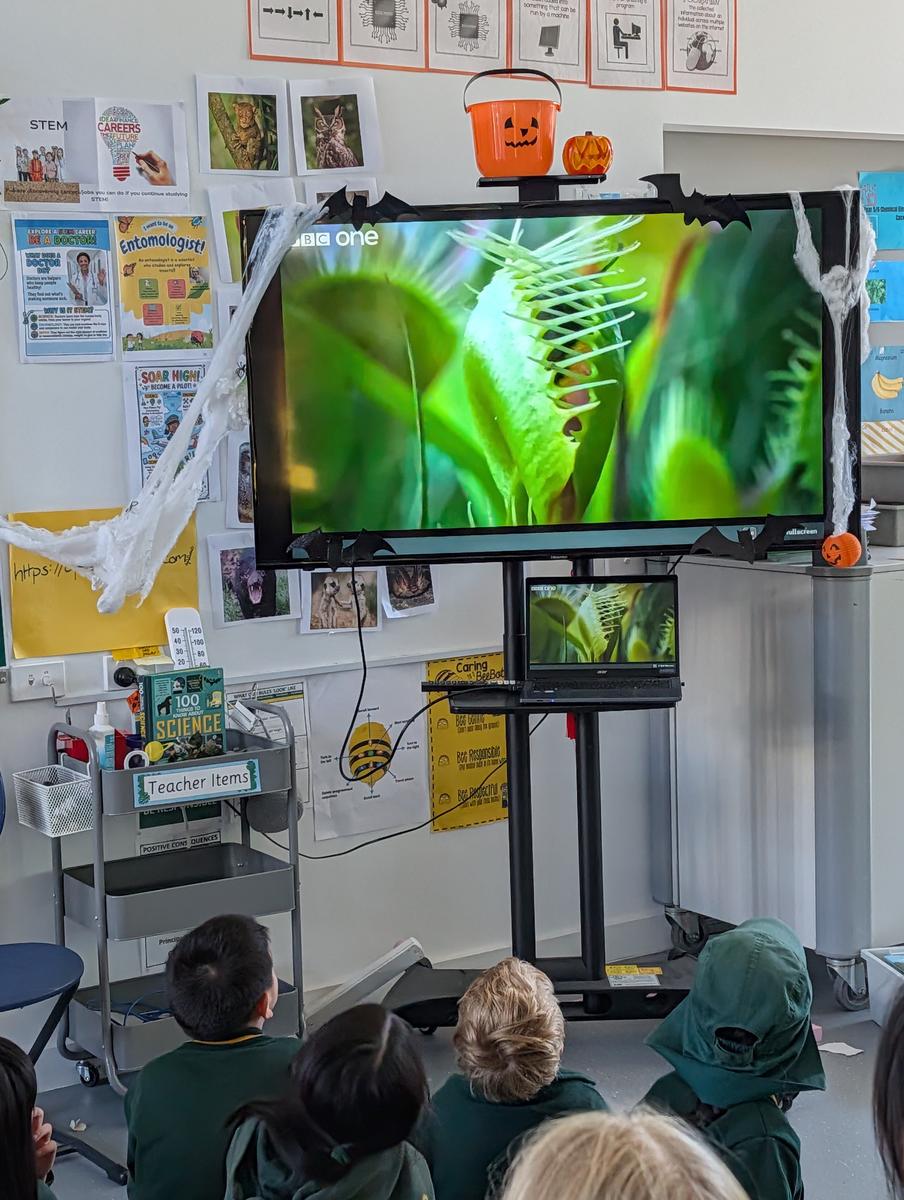
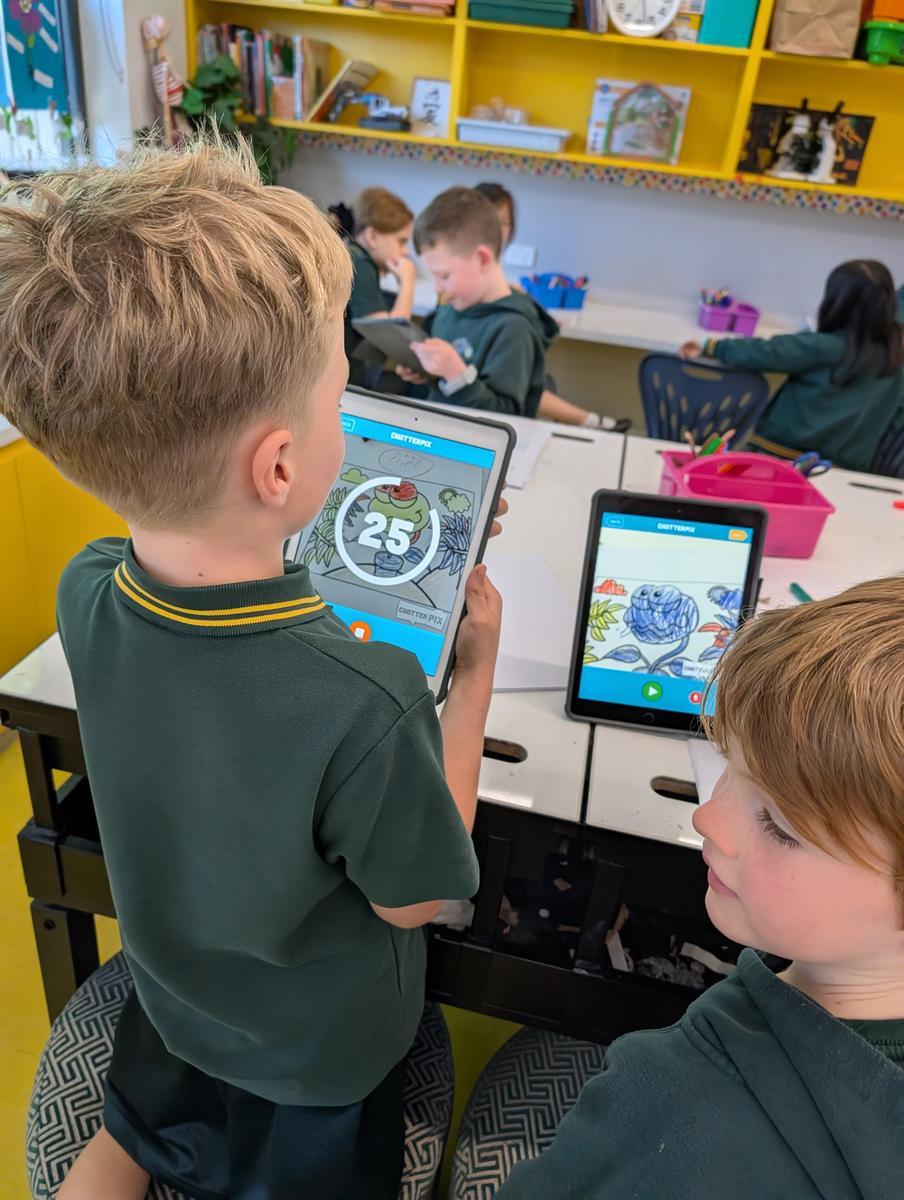
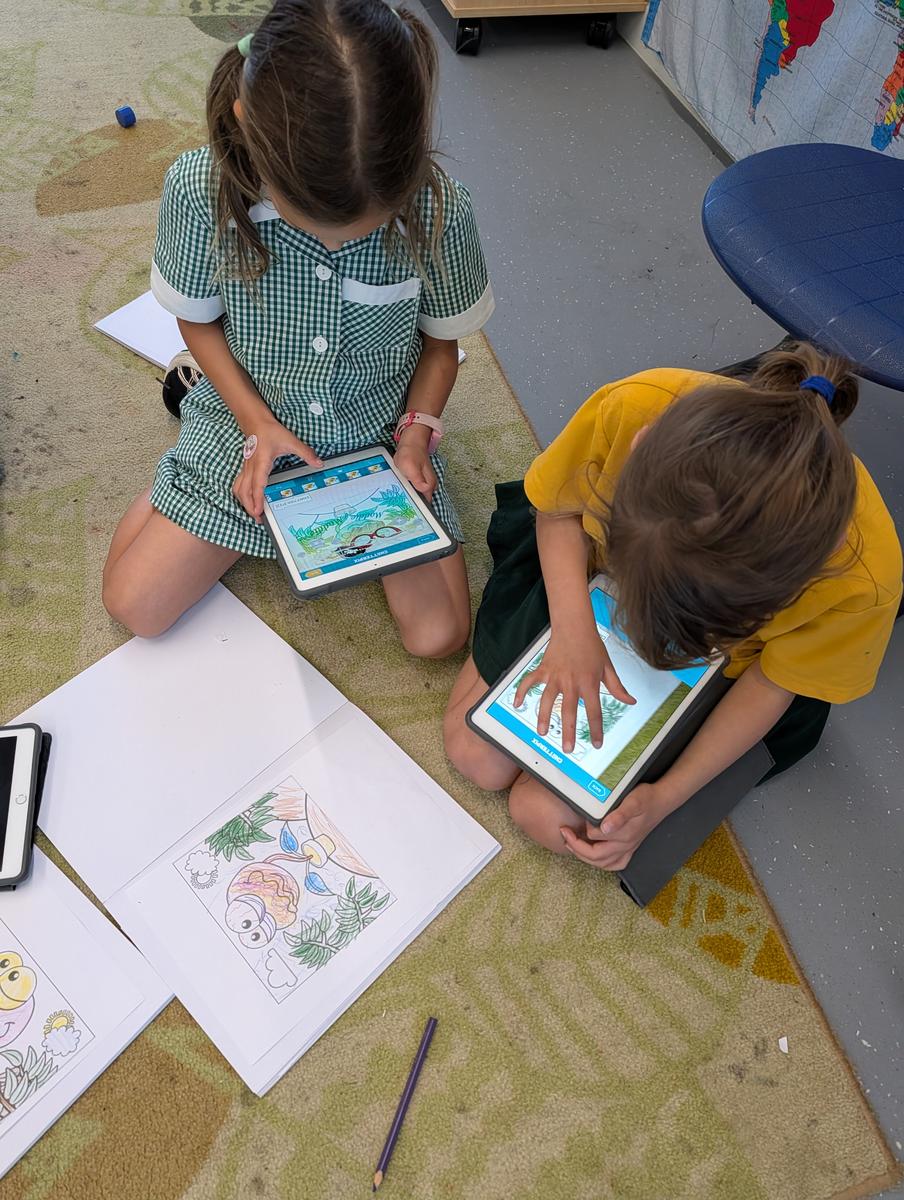
Year 1/2 students have been exploring how plant features help them survive, discovering the fascinating world of carnivorous plants like Venus flytraps and sundews. Students investigated how meat-eating plants adapt to poor soil conditions by catching and digesting insects for extra nutrients. The class learned about scientist Charles Darwin and his deep fascination with the sticky sundew plant, followed by watching David Attenborough explore how Venus flytraps work. Students then coloured a Venus flytrap picture and brought it to life using the Chalkie interactive app, recording their own voice to make the plant talk and share interesting facts they learned.
Regards,
Dorothy Markou
STEAM Teacher