School Chaplain's Message








 Malek Fahd Islamic School
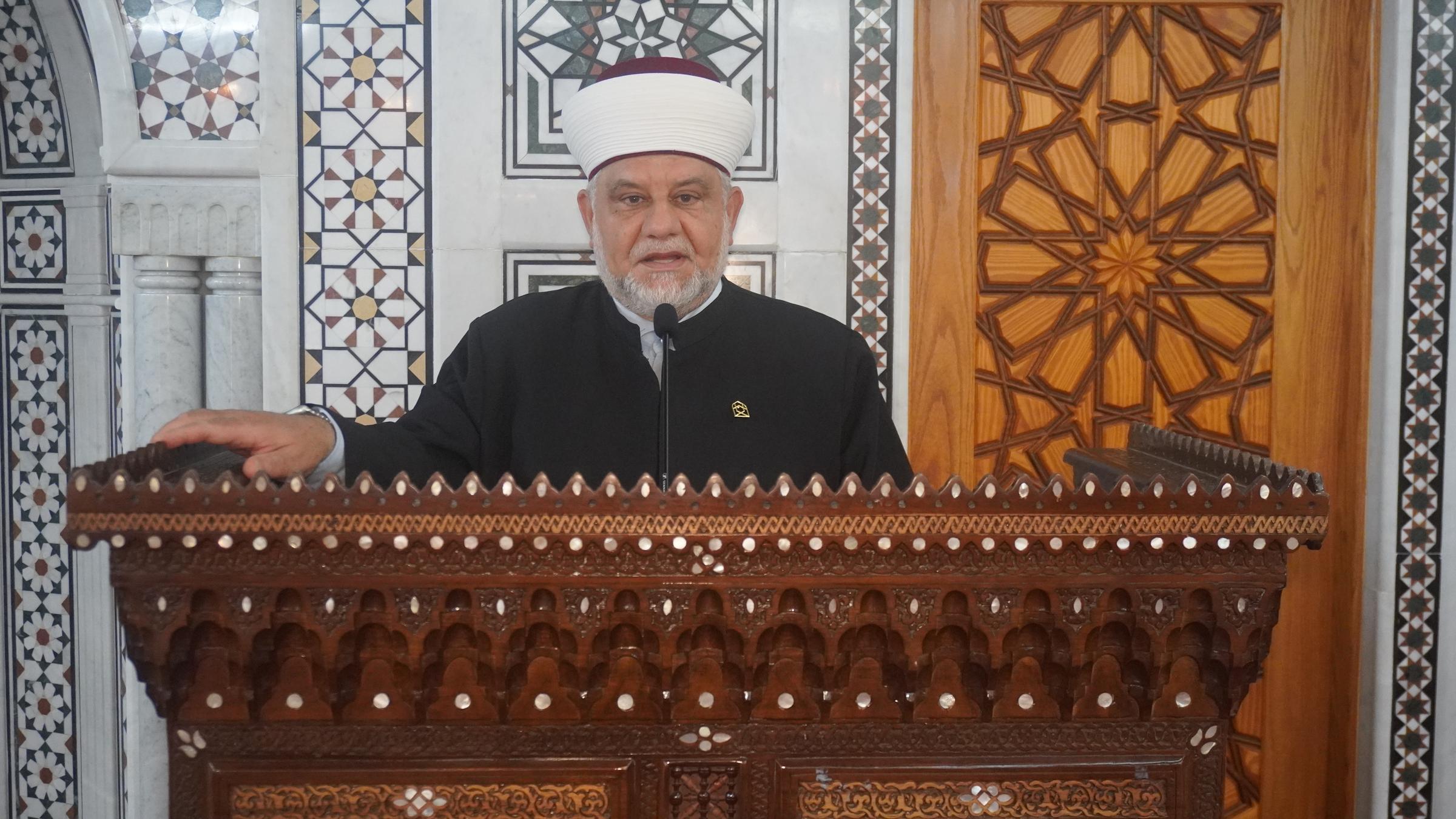
Assalaamu Alaykum WRWB,
Islam Is a Way of Life, Not Just an Act of Worship Living Islam Through Our Actions, Character and Everyday Responsibilities.
Islam is much more than the acts of worship we perform in the mosque, during Friday prayers, or on special religious occasions. Islam is a complete way of life. It is a faith that guides us in every aspect of our daily lives, shaping our character, our decisions, our relationships and the way we interact with the people around us.
Sometimes, we may think that practising Islam is mainly about performing our five daily prayers, fasting during Ramadan, giving Zakat, attending Friday prayers and celebrating Eid. While these acts of worship are essential pillars of our faith, Islam teaches us that our responsibilities as Muslims extend far beyond these practices. Our faith should be reflected in everything we do, wherever we are and whoever we are with.
Islam Begins with Our Character
One of the most important teachings of Islam is that good character is an essential part of our faith. The Prophet Muhammad (SAW) was sent to perfect good manners and character. He demonstrated through his life the importance of honesty, kindness, patience, humility, forgiveness and compassion.
As Muslims, we should ask ourselves: How do we treat our parents? How do we speak to our children? How do we interact with our teachers, colleagues, neighbours and friends? How do we behave when nobody is watching?
These everyday interactions are opportunities to demonstrate our Islamic values. Speaking politely, keeping our promises, respecting others, avoiding gossip, helping someone in need and forgiving those who have wronged us are all examples of living Islam.
Our character should be a reflection of our faith. We should not be people who perform our prayers but forget to show kindness, or people who attend religious gatherings but fail to respect others in our daily interactions.
Worship Is More Than Prayer and Fasting
Islam teaches us that even ordinary daily activities can become acts of worship when they are done with sincere intentions and in accordance with the teachings of Allah.
A parent working hard to provide for their family, a student studying with dedication, a teacher educating and supporting students, a person helping a neighbour, or someone comforting a person going through difficulties can all be rewarded by Allah when done with the right intention.
The Prophet Muhammad (SAW) taught us that even smiling at another person is an act of charity. This beautiful teaching reminds us that Islam encourages goodness in even the smallest things we do.
Therefore, we should never underestimate the value of our everyday actions. A kind word, a helping hand, a sincere apology or a small act of generosity may have a great value in the sight of Allah.
Living Islam at Home, at School and in Our Community
Our homes should be places where Islamic values are practised and strengthened. Parents have an important responsibility to teach their children not only how to pray and read the Qur'an, but also how to respect others, speak kindly, take responsibility, show gratitude and demonstrate good manners.
At school, students should understand that being a good Muslim means being a responsible, respectful and honest member of the school community. Respecting teachers, supporting classmates, looking after school property, avoiding bullying, helping others and taking their studies seriously are all ways of putting Islamic values into practice.
Similarly, as adults, we must remember that our responsibilities do not end with our religious duties. We should contribute positively to society, care for our neighbours, support vulnerable families, stand against injustice and demonstrate compassion towards all people.
Allah reminds us in the Qur'an:
"Indeed, Allah commands justice, excellence and giving to relatives, and forbids immorality, bad conduct and oppression." (Surah An-Nahl, 16:90)
This verse provides a powerful reminder that Islam calls us to live with justice, excellence, kindness and responsibility.
Living Islam Beyond the Classroom: Our Umrah Journey 2026
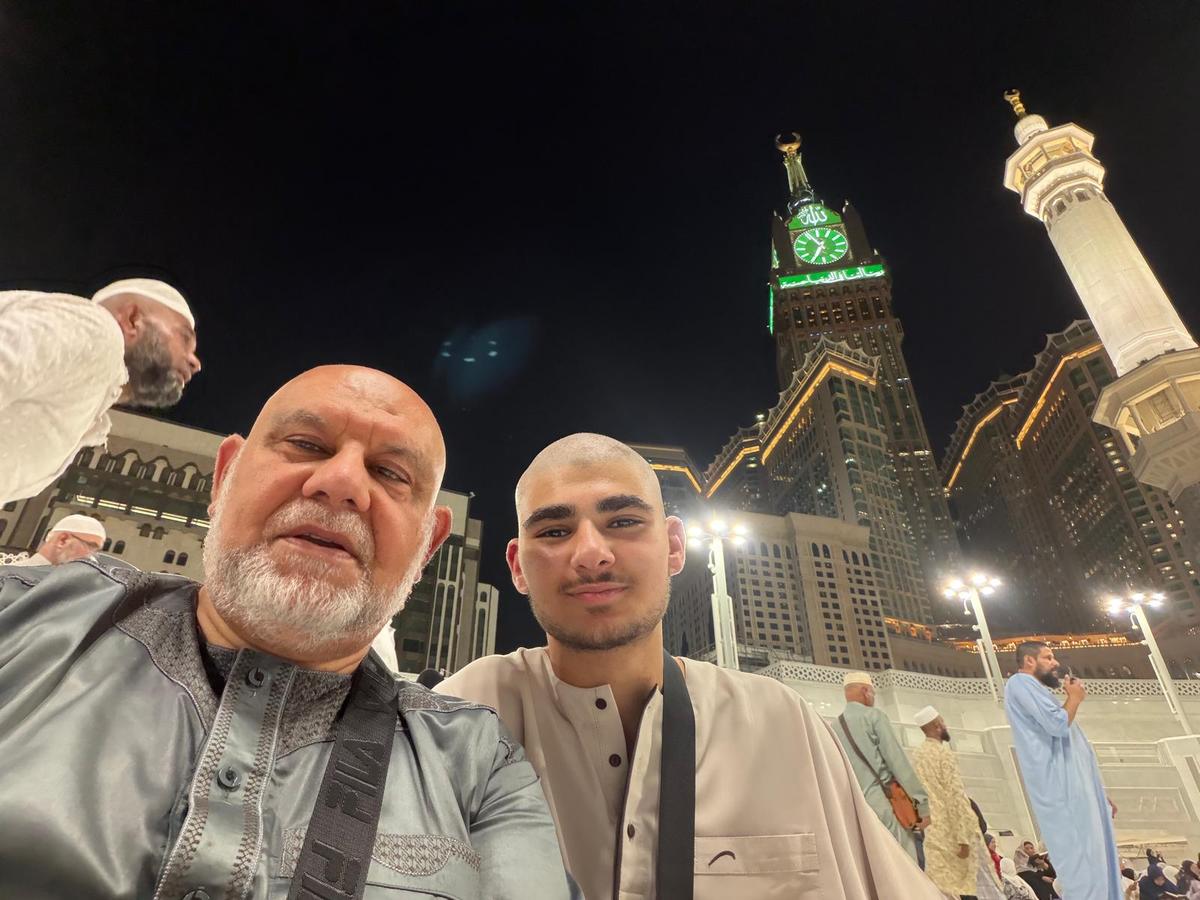
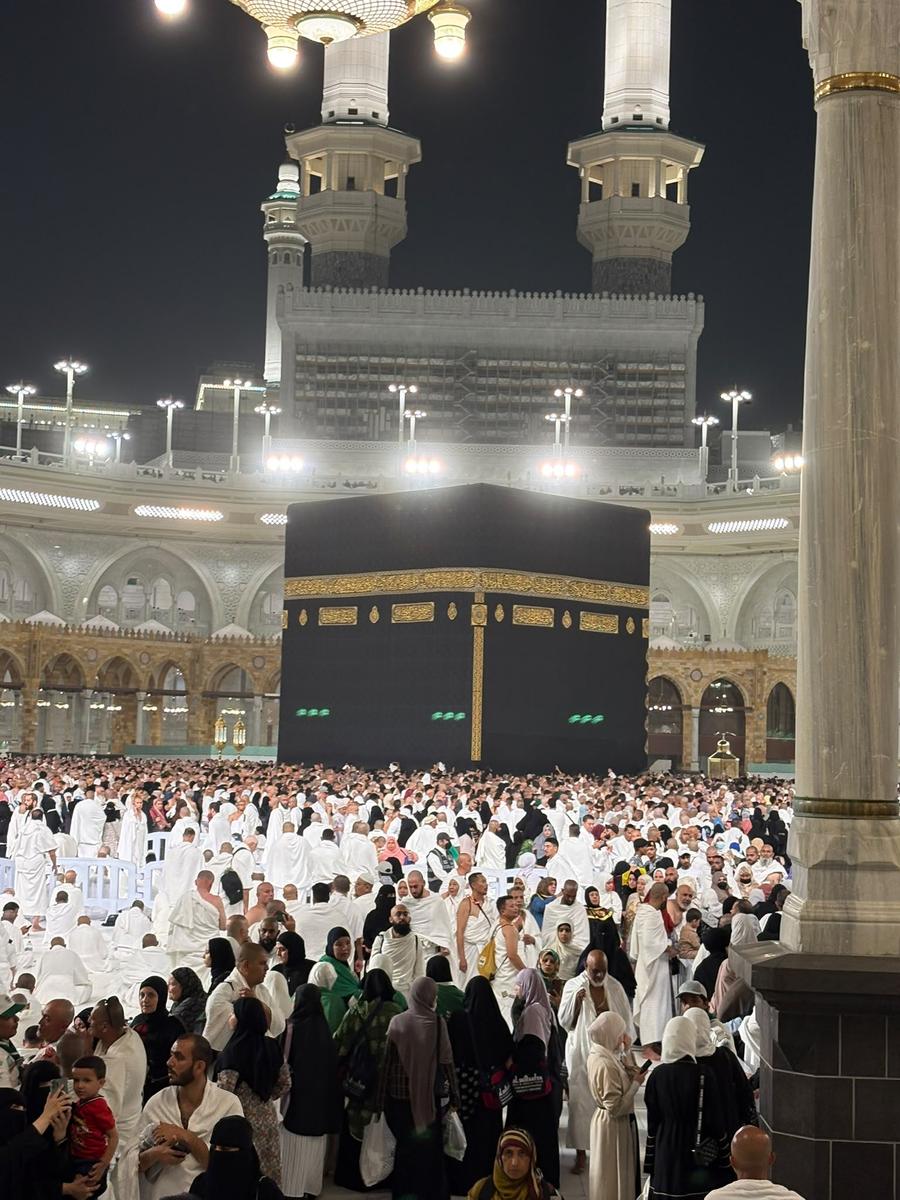
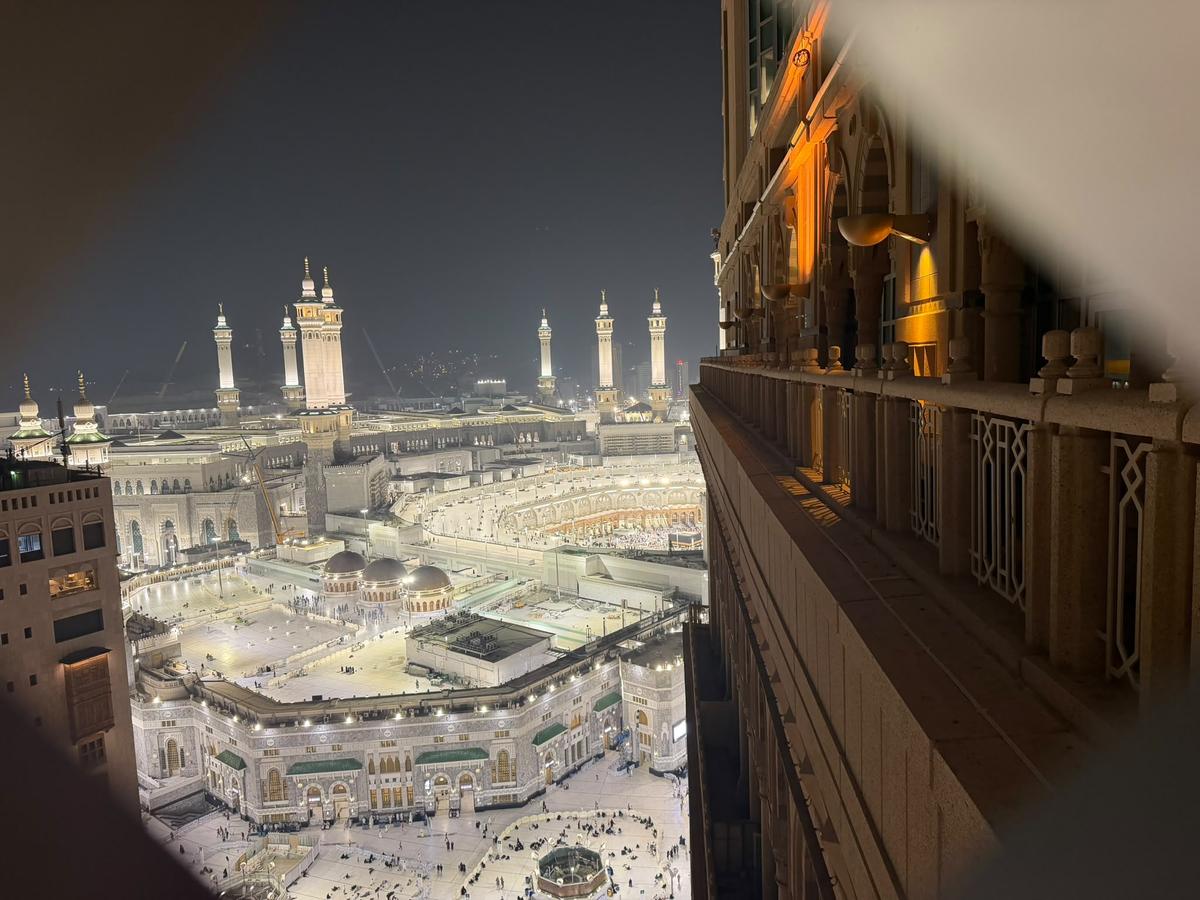
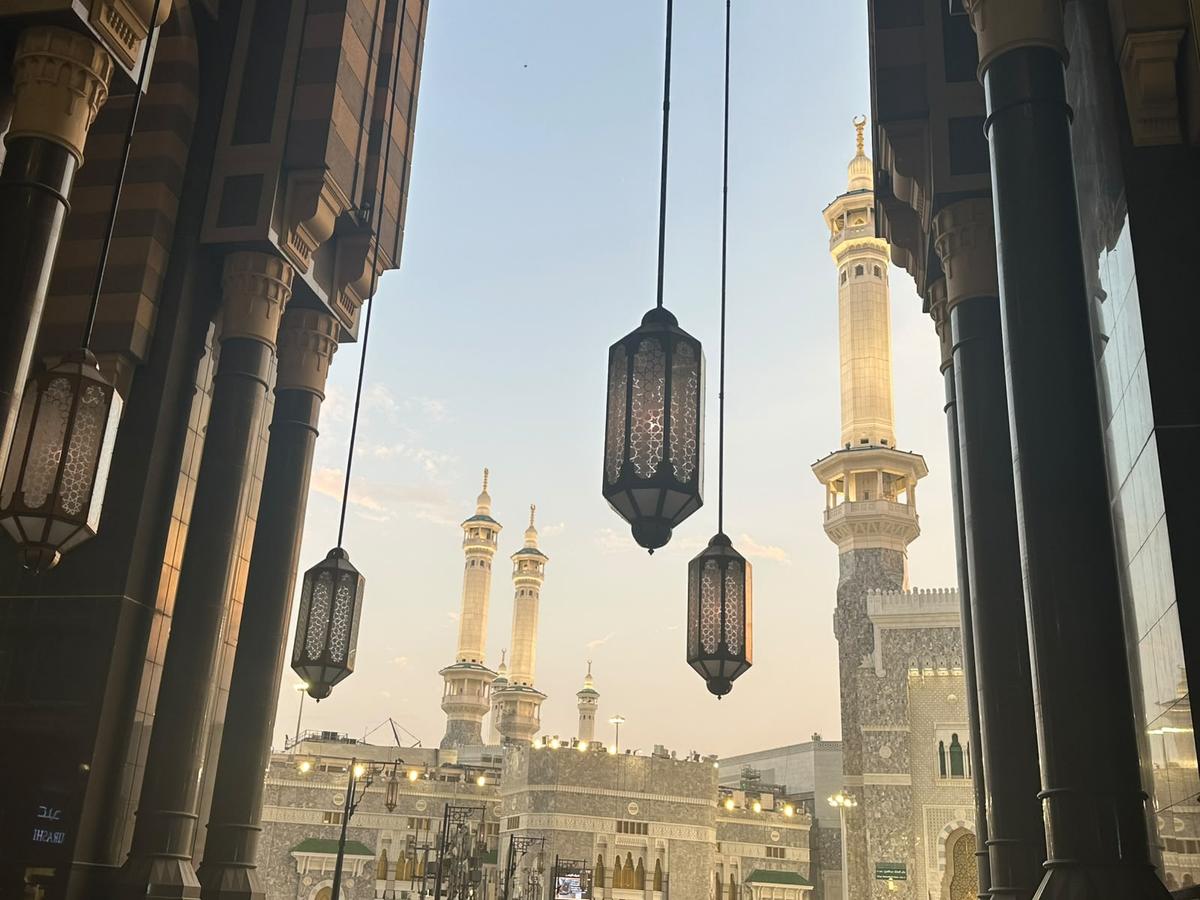
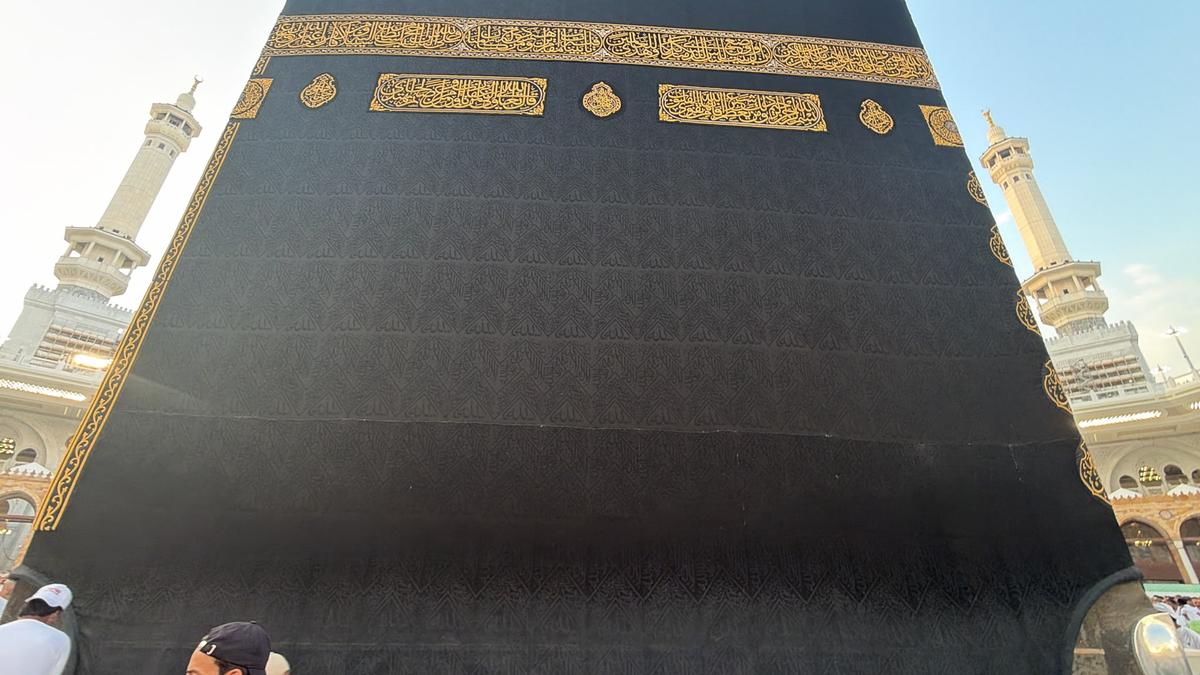
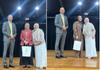
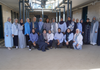
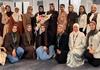
This year, 42 Year 11 learners from Greenacre Secondary and Hoxton Park embarked on a spiritual journey through Jordan, Madinah and Makkah as part of our Umrah Program 2026.
In Jordan, learners explored Islamic history and visited a Syrian refugee camp, where they shared gifts and spent time with refugee children, demonstrating compassion and service.
In Madinah, they strengthened their faith and brotherhood through worship and visits to significant Islamic sites. Their journey concluded in Makkah, where they performed Umrah and experienced the unity of the Muslim Ummah.
The journey reminded our learners that Islam is not only about worship, but also about kindness, patience, gratitude and responsibility towards others.
We sincerely thank Human Appeal Australia, our generous sponsors and accompanying staff for making this journey possible.
May Allah accept their Umrah and inspire them to carry these lessons into their everyday lives.
Let Us Practise What We Believe
One of the greatest challenges for Muslims today is ensuring that there is a connection between what we believe, what we say and how we behave. Our faith should not be something we practise only on Fridays, during Ramadan or on Eid. It should be present in our daily choices, conversations, responsibilities and relationships.
We should aim to become Muslims whose actions reflect their beliefs, whose manners reflect the teachings of the Prophet Muhammad (SAW) and whose presence brings goodness and benefit to others.
As parents, educators and members of the wider Muslim community, we share the responsibility of raising a generation that understands Islam not simply as a set of rituals, but as a beautiful way of life. We want our children to grow up understanding that being a good Muslim means being a good person, a responsible citizen, a caring family member and a positive contributor to society.
Let us remind ourselves and our children that Islam is not confined to the mosque, the prayer mat or special religious occasions. It is reflected in how we live, how we treat others and how we fulfil our responsibilities every single day.
Islam is not only something we practise; it is something we live. Let us make our faith visible through our actions, our manners and our character.
May Allah guide us to practise Islam sincerely, strengthen our character, bless our families and make us among those whose words and actions reflect the beauty of our faith.
Ameen.
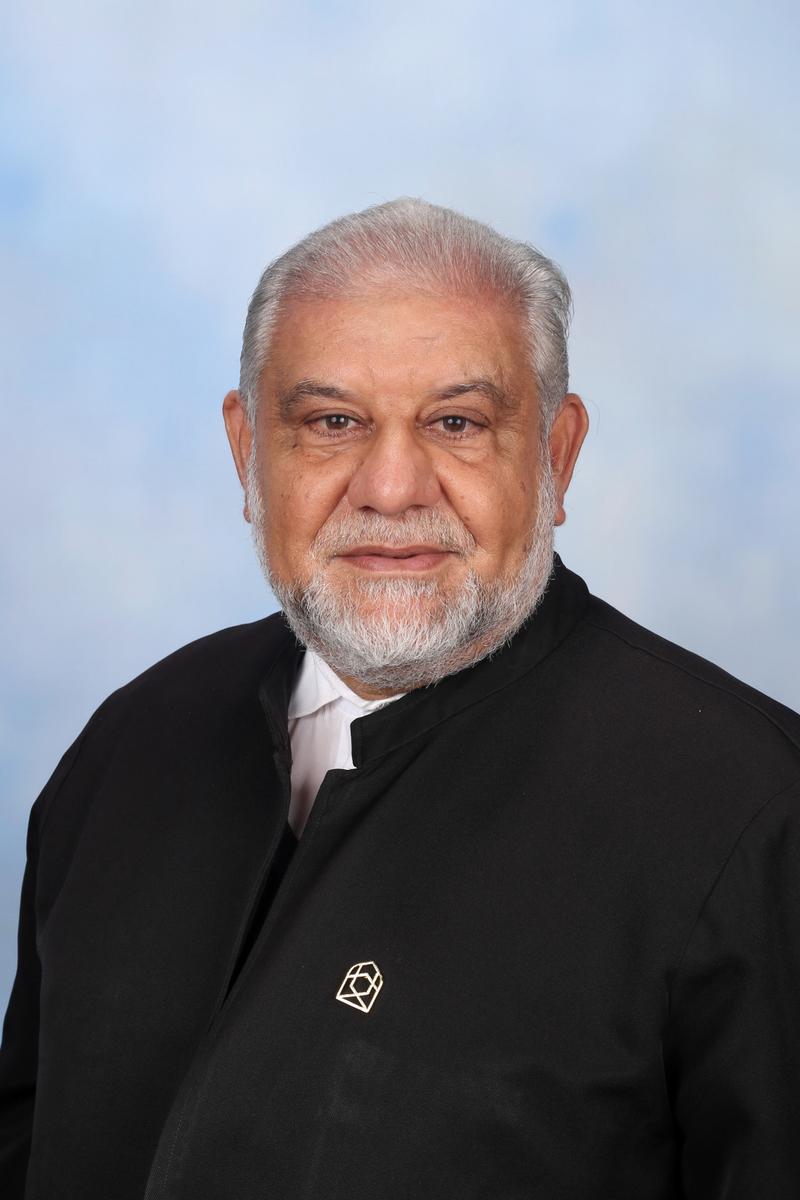
Sheikh Fawaz Kamaz, School Chaplain
