Footsteps of
St Paul: Pilgrimage Reflection









 Mother Teresa Catholic Primary School
Footsteps of
St Paul: Pilgrimage Reflection
Background of St Paul
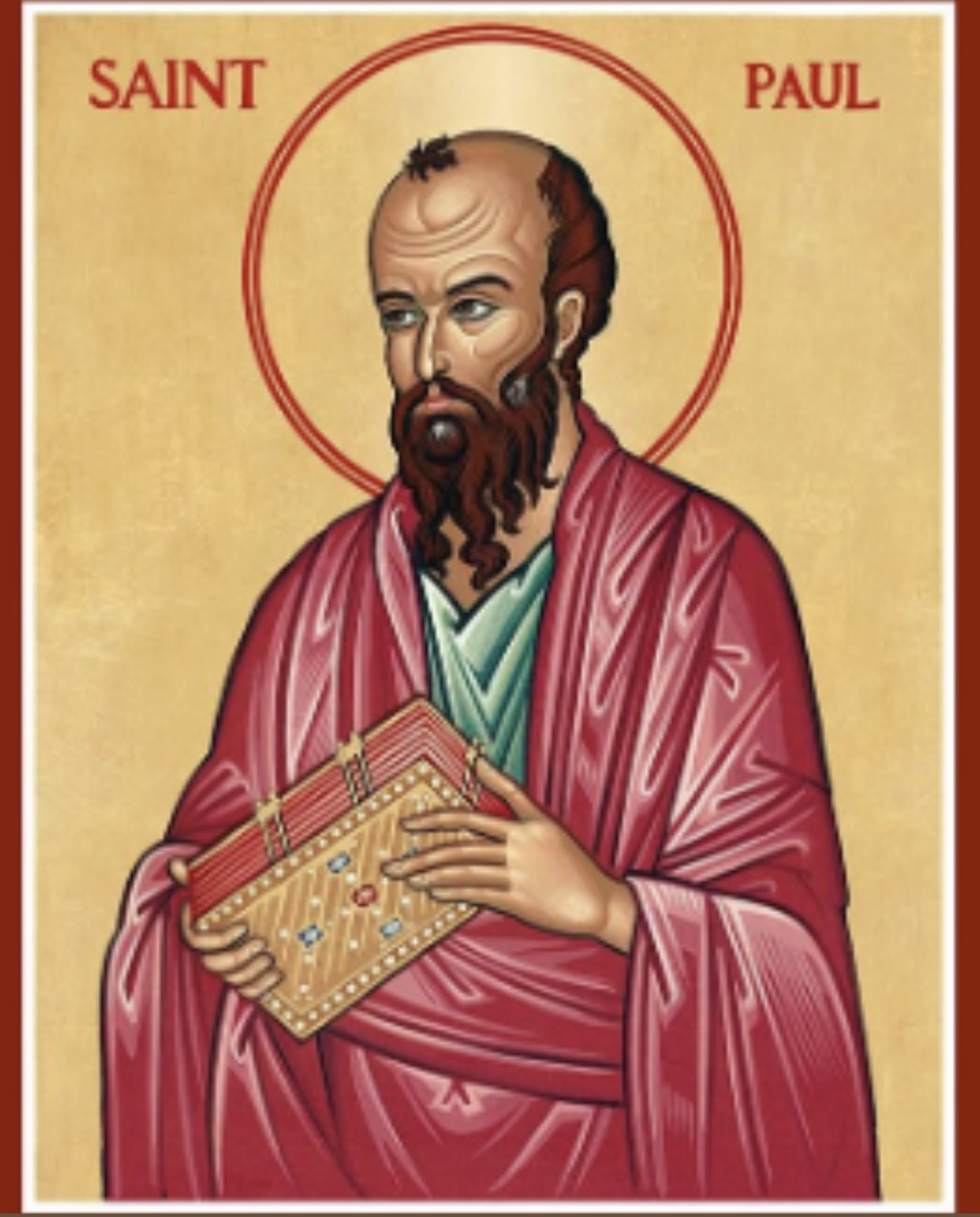
St. Paul was one of the most important figures in the early Christian Church. Originally a Jewish man named Saul who persecuted Christians, he experienced a dramatic conversion on the road to Damascus. He then became a missionary who travelled throughout the Roman Empire, spreading the teachings of Jesus and establishing early Christian communities. His letters later became a foundational part of the New Testament.
Born in Tarsus (a city in modern-day Turkey), Saul was raised Jewish, belonged to the tribe of Benjamin, and held Roman citizenship. He was a committed Pharisee which meant he was a member of a strict Jewish religious sect dedicated to the careful observance of Jewish law. He studied Jewish scriptures extensively and was deeply passionate about defending his faith.
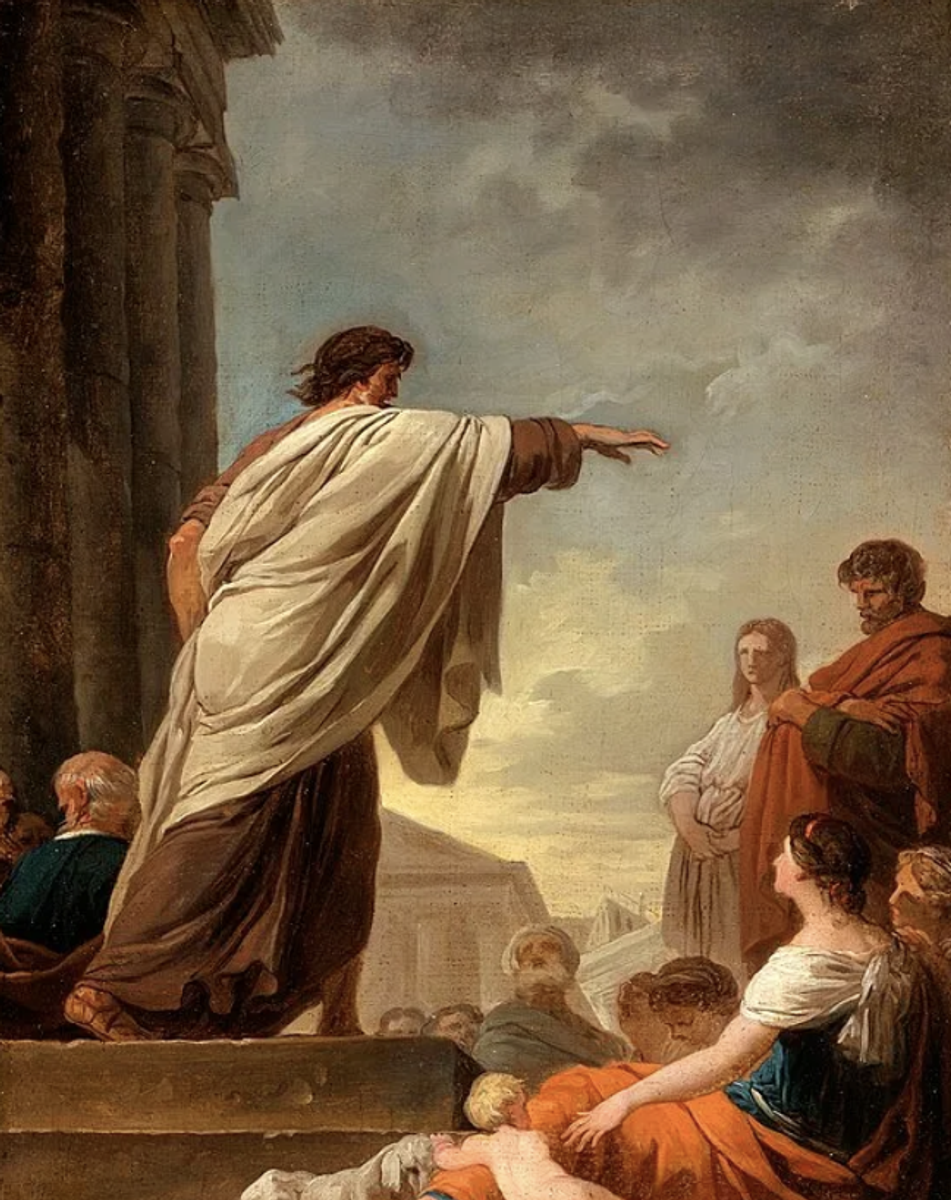
Saul believed that the early followers of Jesus posed a direct threat to traditional Judaism. Consequently, he opposed the growing Christian movement and supported the persecution of its followers. The Book of Acts describes him approving the stoning of Stephen, one of the first Christian martyrs. Saul actively sought to arrest Christians and bring them to Jerusalem for punishment. At this stage, Saul did not believe that Jesus was the Messiah.
Saul's life changed dramatically during an encounter with the risen Christ. According to Acts 9, while Saul was traveling to Damascus in Syria to arrest Christians, a sudden light from heaven flashed around him. Falling to the ground, he heard a voice say to him:
“Saul, Saul, why do you persecute me?”
Struck blind by the vision, Saul had to be led by hand into Damascus.
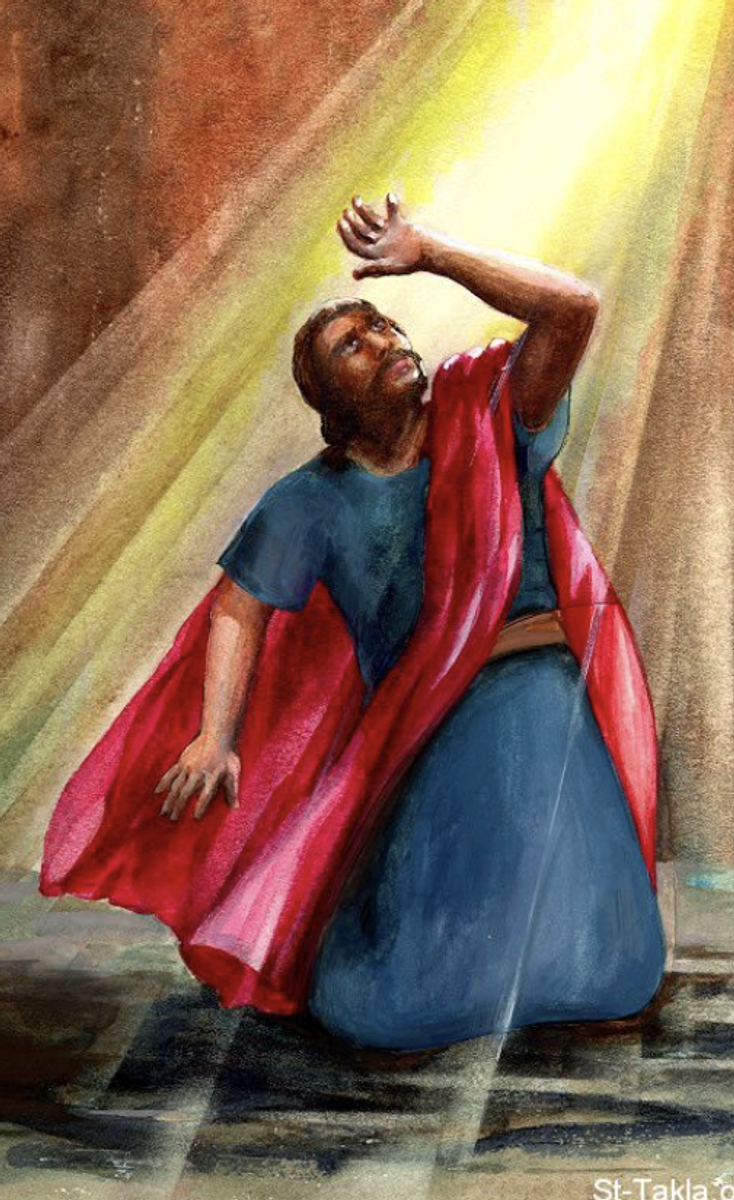
There, a Christian named Ananias visited him, prayed over him, and restored his sight. Transformed by this experience, Saul became a follower of Jesus and immediately began preaching in synagogues that Jesus was the Son of God. While he is widely known today as Paul, the New Testament uses both names. The name Paul becomes prominent starting in Acts 13 as he transitions to ministering among Gentiles; however, the text does not describe this as an official name change occurring at his conversion, but rather as his Roman name. Today Paul is referred to as St Paul or the Apostle Paul.
St Paul undertook three different missionary trips during his life time. The pilgrimage that I undertook followed his second missionary (as seen below).
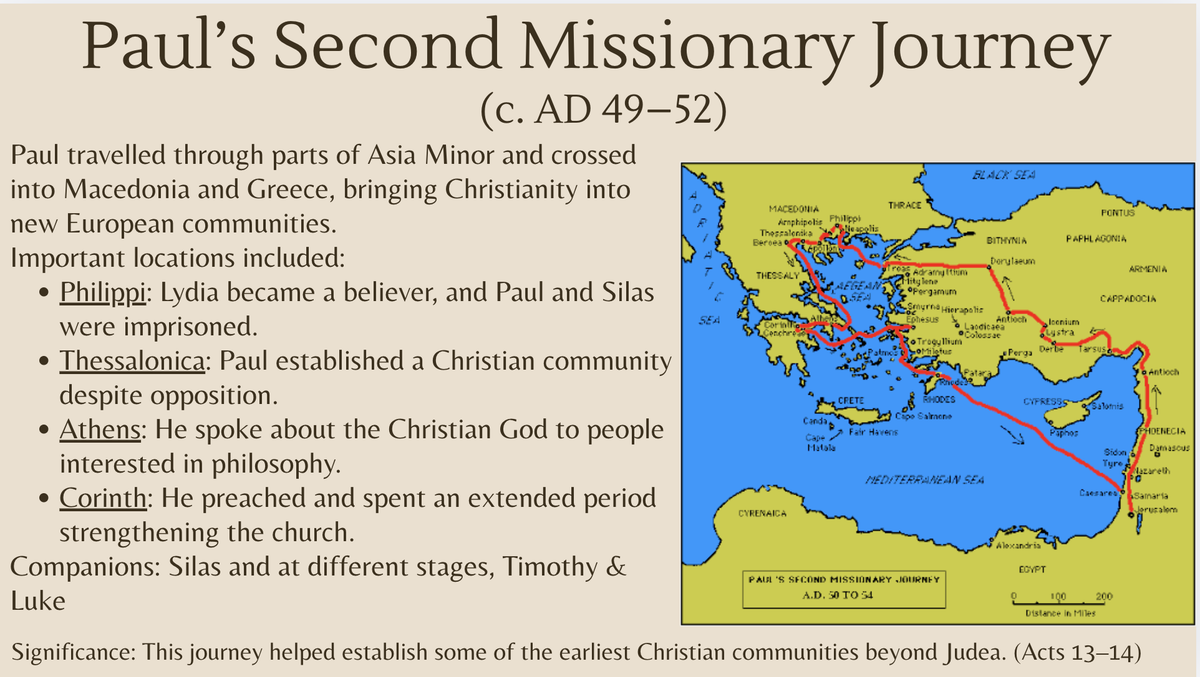
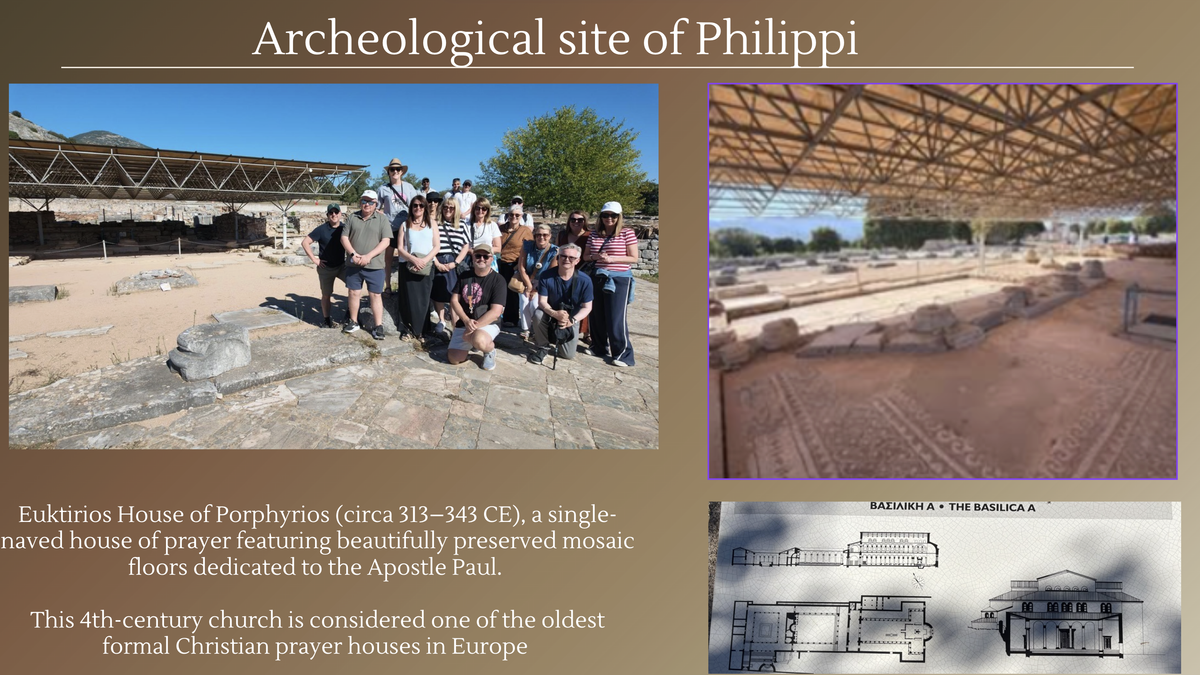
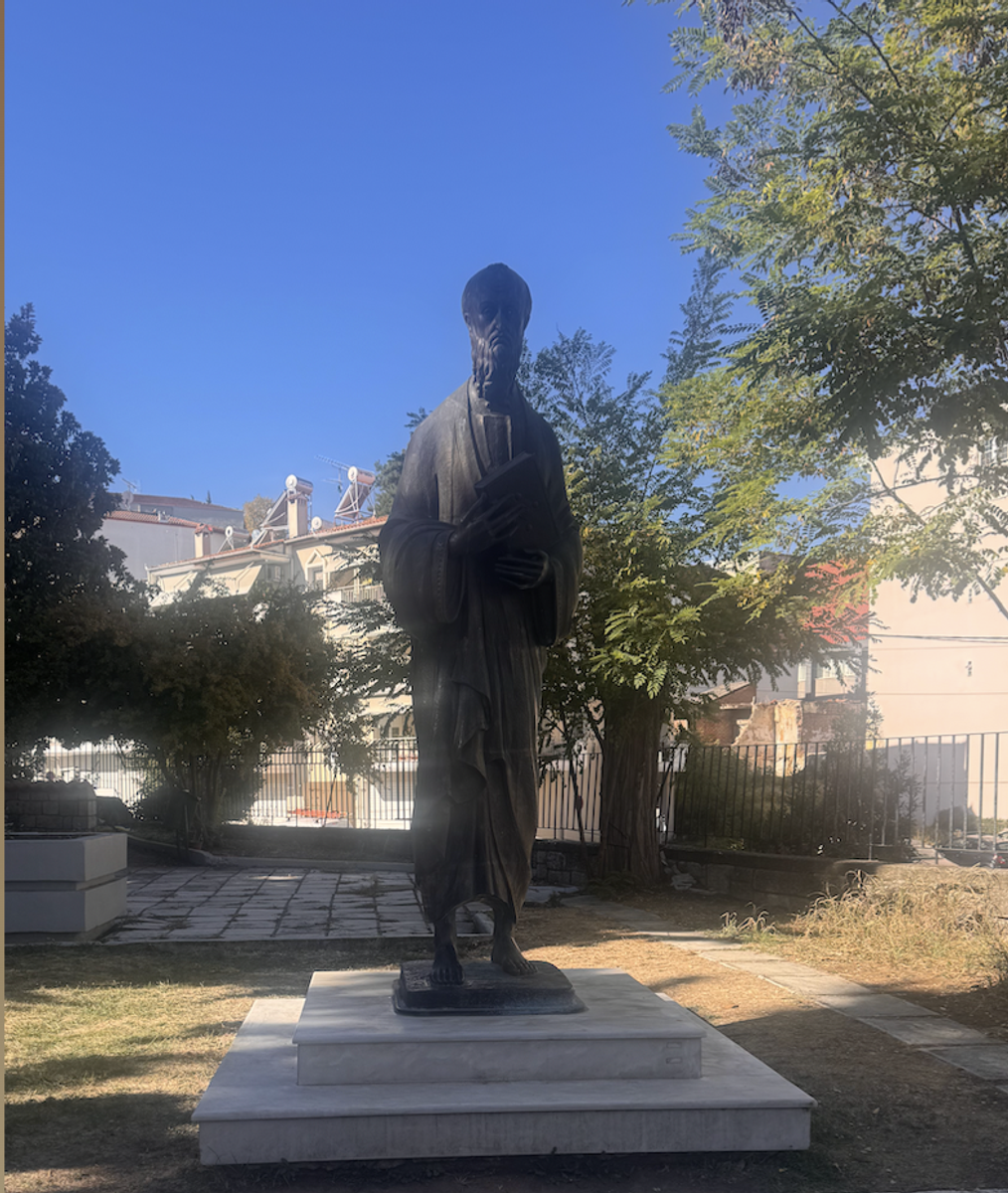
Philippi was a leading city of eastern Macedonia (Northern Greece) in the first century, as it was a travel route that connected Italy and the West with Asia Minor (modern day Turkey) and the east. The Philippine Church was the first to be established by St Paul on the mainland of Europe. Whilst visiting Philippi, we got to see the Bema of St Paul, an imposing stone platform believed to be in the very spot that St Paul addressed the people and was then later judged as seen below.
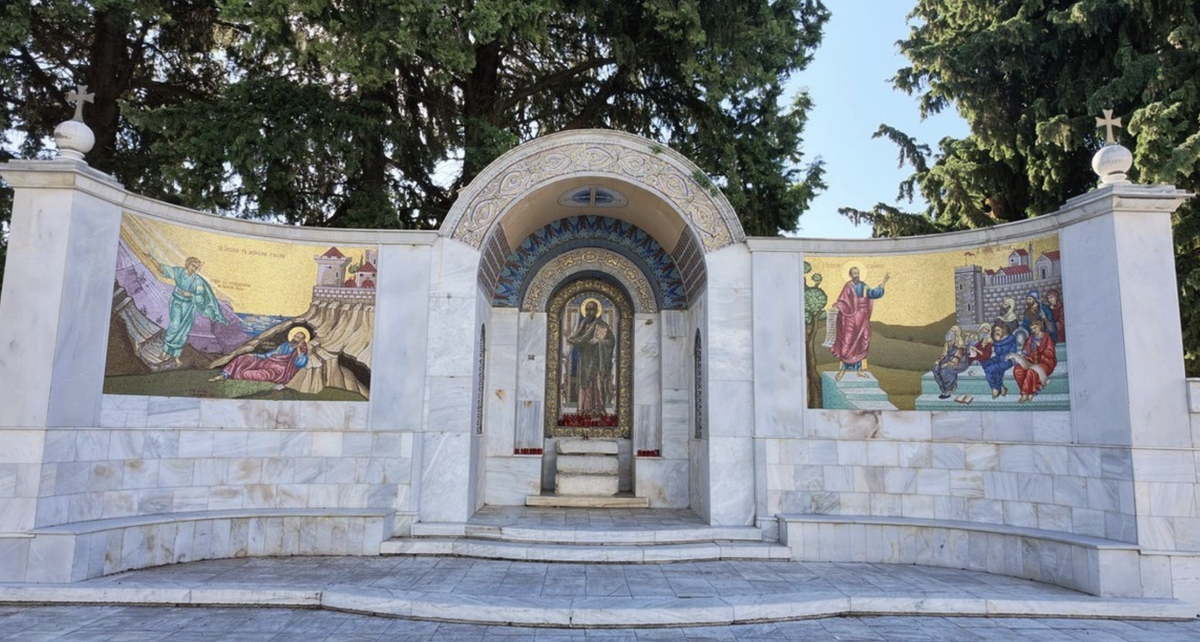
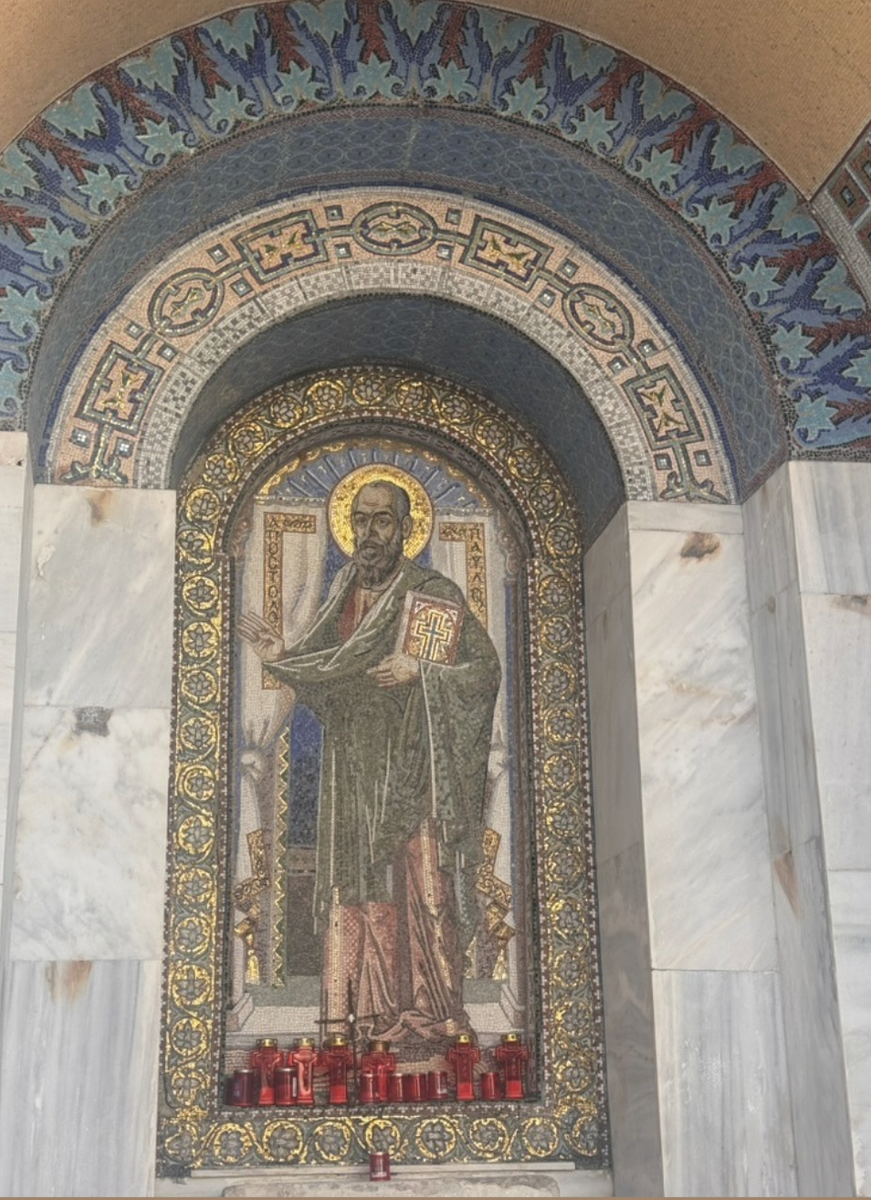
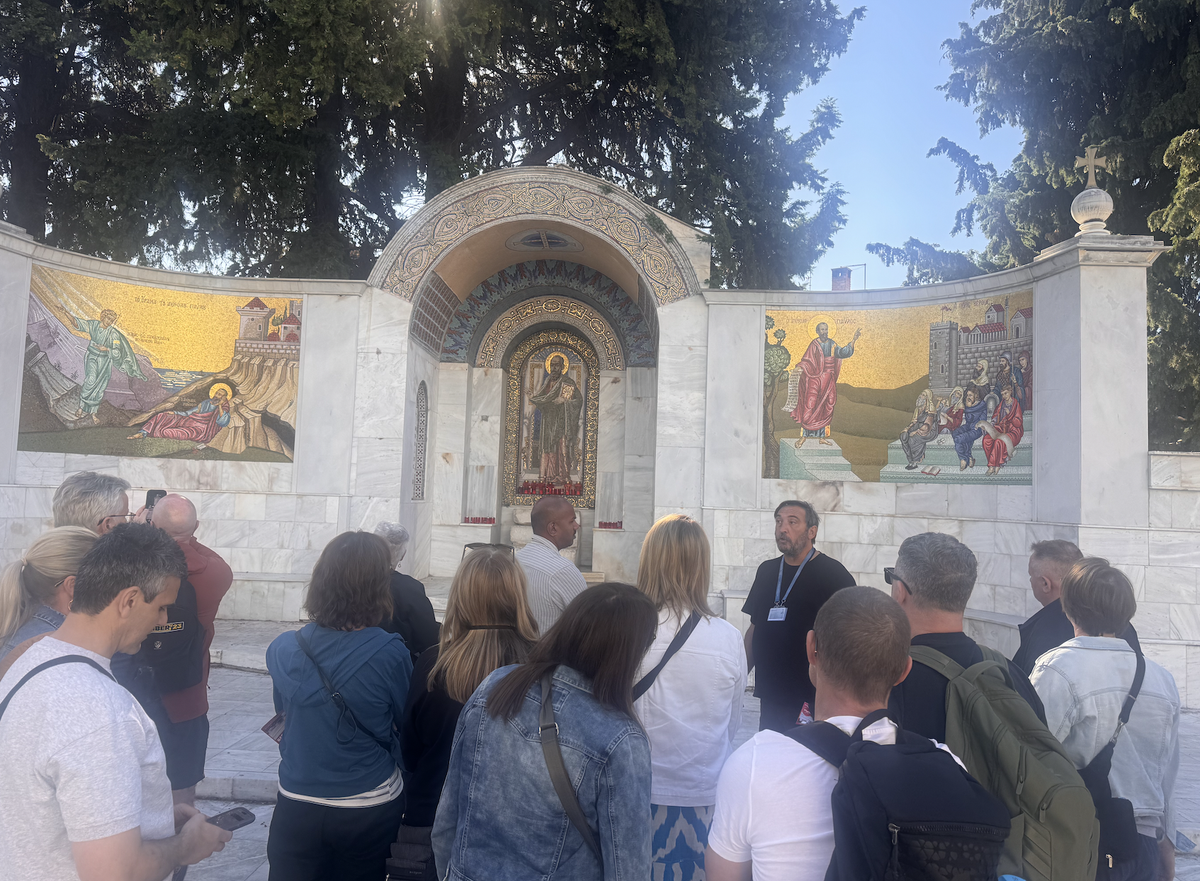
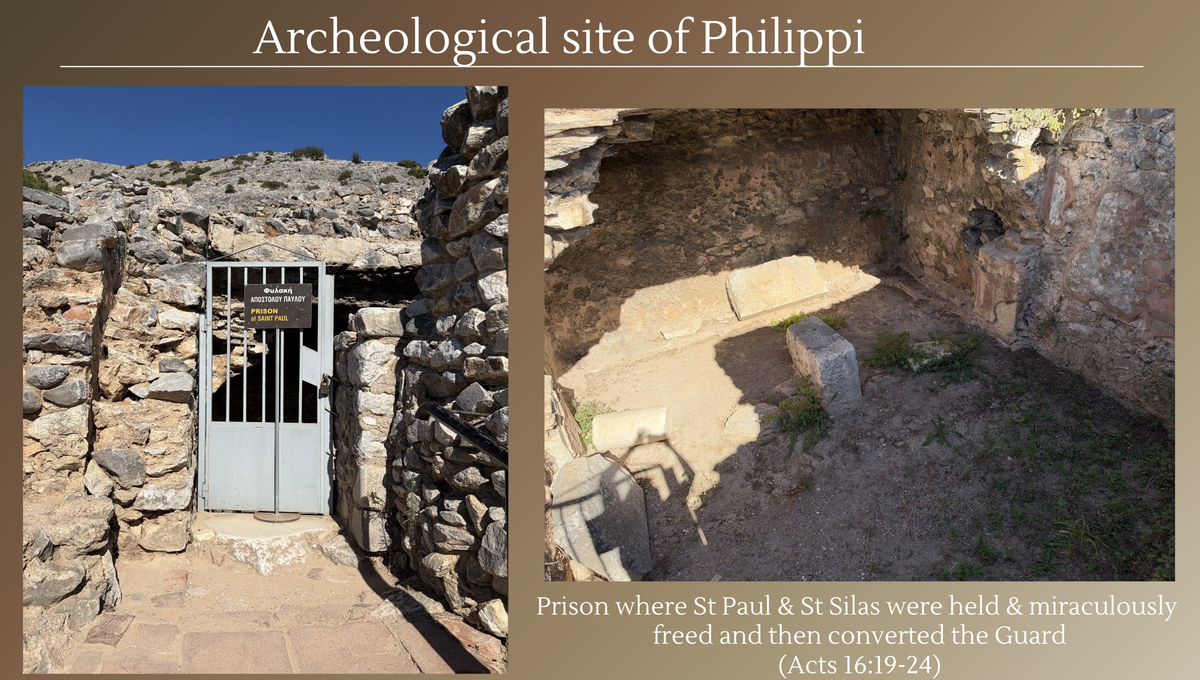
We also got to visit the ancient city of Philippi and walk through the ruins. This ancient town was the place where Paul and his fellow companion Silas were beaten and imprisoned. However, whilst in jail there was an earthquake and the doors of the prison were opened and the chains unfastened. Paul proclaims his Roman citizenship to the magistrate and is eventually freed. The guard who saw the earthquake then saw the power of God and became a convert as referred to in Acts .
"He then brought them out and asked, “Sirs, what must I do to be saved?”
They replied, “Believe in the Lord Jesus, and you will be saved - you and your household.
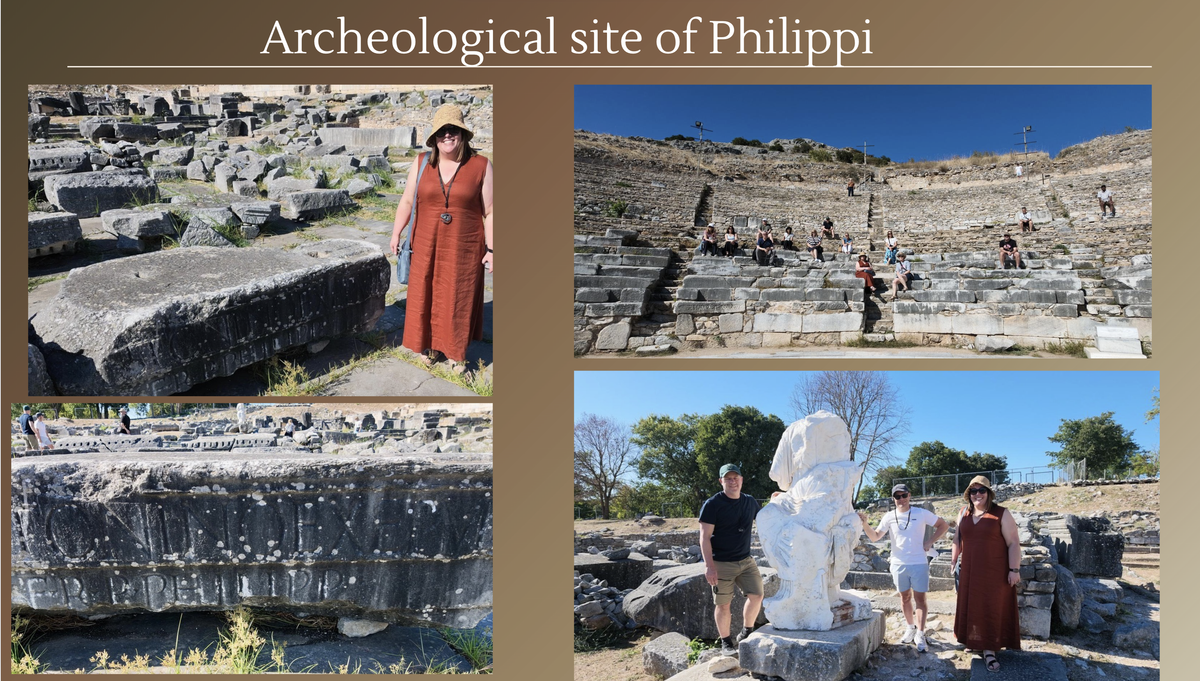
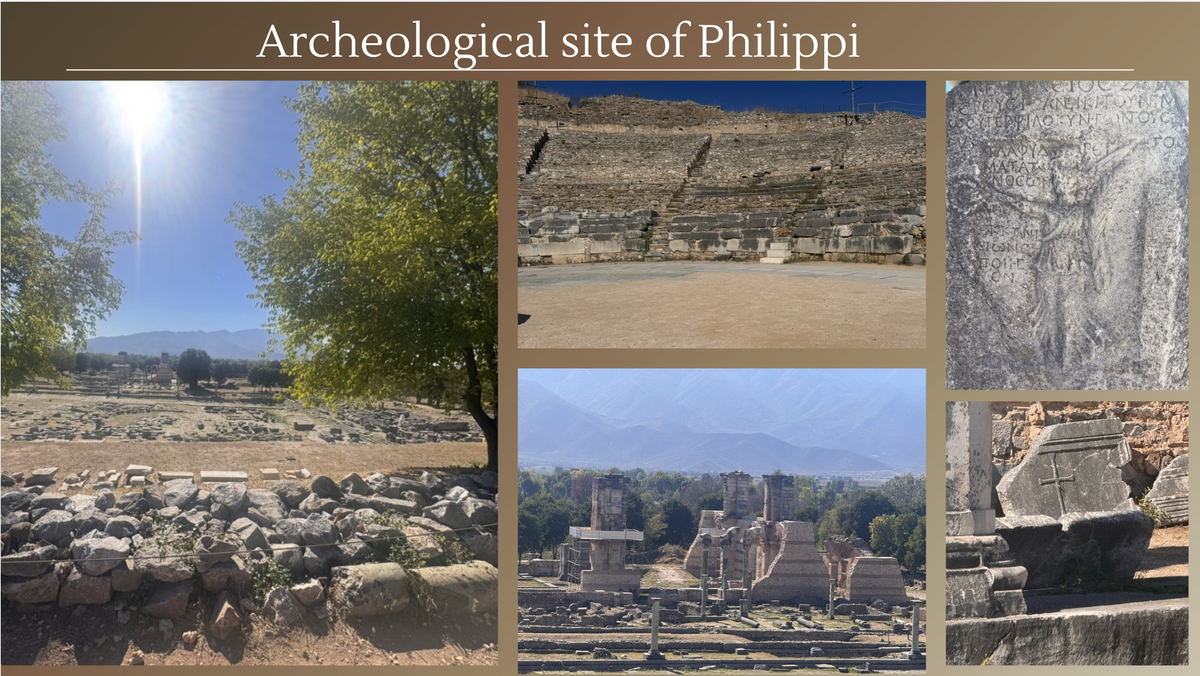
The images below show the prison that Paul and Silas were held in along with ancient ruins indicating the word Philippi in Greek along with early Christian symbols